1–1 of 1
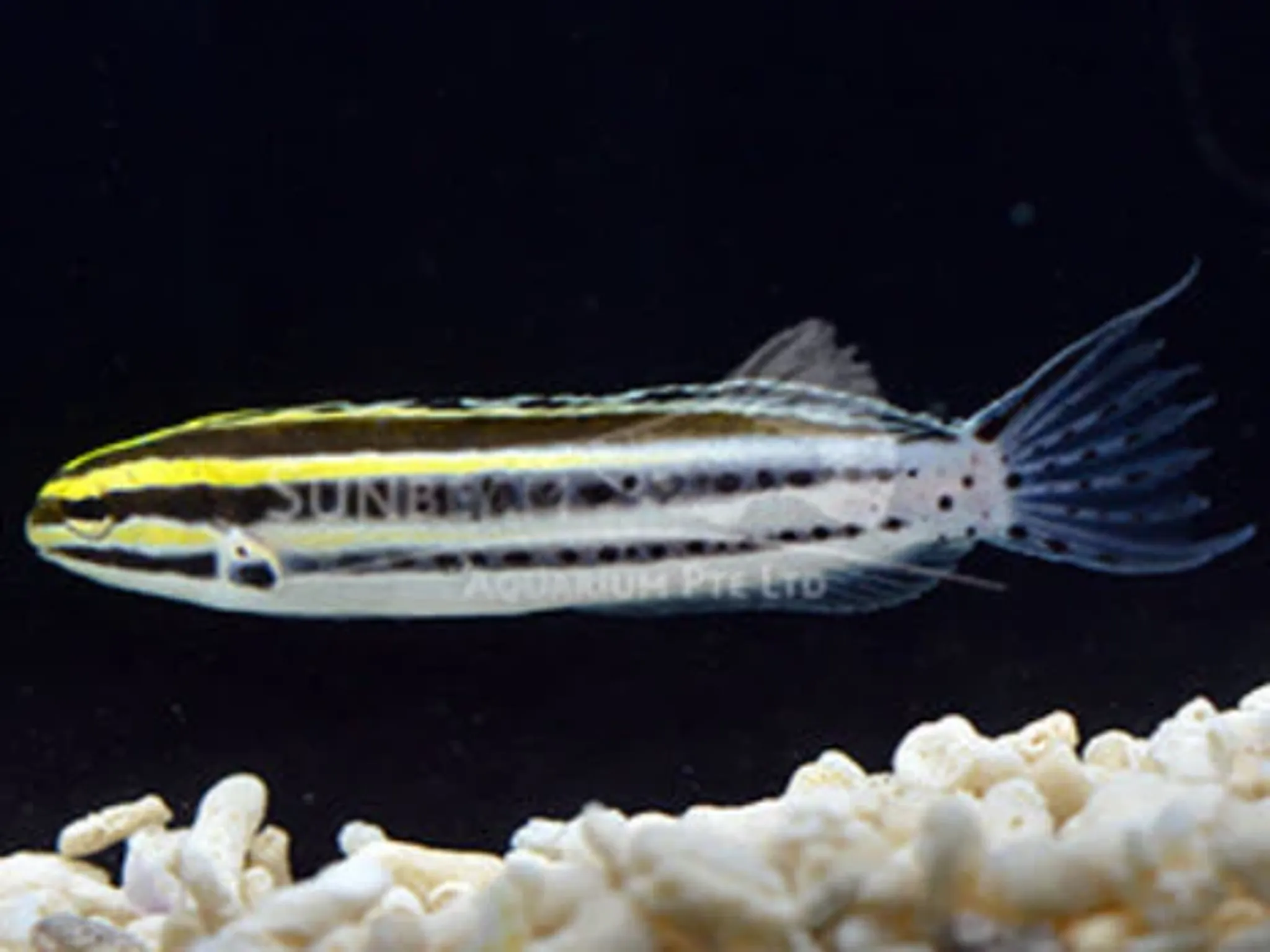
Explore Blenny fish for sale in Singapore from marine aquarium shops, reef specialists and saltwater livestock sellers on FishyHub. Compare Lawnmower Blennies, Midas Blennies, Tailspot Blennies, Bicolor Blennies, Starry Blennies and other marine species by size, behaviour and seller.
Blennies are popular marine aquarium fish known for expressive faces, perching behaviour and strong individual personalities. Some species graze algae, while others feed differently, so exact species identification matters when choosing the right Blenny for a reef or fish-only aquarium.
Blennies are compact marine fish that often spend much of their time perched on rockwork, watching the aquarium and moving between small territories.
Many are well suited to reef aquariums, but adult size, diet, temperament and compatibility vary significantly between species.
Marine Blennies include algae grazers, plankton feeders and more specialised species, so choosing by common name alone can be misleading.
Lawnmower Blennies are popular algae-grazing fish that spend much of the day rasping surfaces across rockwork. They are often chosen for both their unusual appearance and grazing behaviour.
Midas Blennies are striking yellow to golden fish with a more active open-water swimming style than many bottom-oriented Blennies. They are popular for reef community aquariums.
Tailspot Blennies are compact, colourful fish known for their distinctive tail marking and perching behaviour. Their relatively small adult size makes them popular for carefully planned smaller reef systems.
Bicolor Blennies are easily recognised by their contrasting body coloration and curious personality. They often perch in caves and rock openings between short bursts of swimming.
Starry Blennies have attractive spotted patterns and are commonly kept as algae-grazing reef fish. They can become larger and more robust than some nano-oriented Blennies.
Other aquarium Blennies may include Scooter-type species and other specialist fish depending on seller availability. Always check the exact scientific or trade identity because care and feeding can differ significantly.
Many Blennies remain relatively compact compared with Tangs or large Angelfish.
Adult size still varies by species, so long-term aquarium planning should be based on mature size rather than juvenile appearance.
Suitable tank size depends on the Blenny species, adult size, activity level and territorial behaviour.
Rockwork, caves and open swimming areas should all be considered rather than focusing only on aquarium volume.
Some smaller Blennies, such as selected Tailspot-type species, can suit nano reef aquariums when stocking remains light.
Larger algae-grazing Blennies may need more rockwork, grazing area and swimming space than a small nano system can provide.
Many Blennies are popular reef fish because they spend time around rockwork and generally coexist with corals.
Exact reef compatibility varies, and some species may occasionally investigate coral surfaces or compete with other grazing fish.
Many commonly kept Blennies are considered reef compatible.
Behaviour can vary by species and individual fish, so compatibility should still be monitored in coral-heavy systems.
Some Blenny species, particularly Lawnmower and Starry Blennies, are well known for grazing algae from rock surfaces.
They can contribute to algae management but should not be treated as a replacement for nutrient control, maintenance and balanced lighting.
No. The Blenny group includes species with very different diets.
Some are strong algae grazers, while others feed more heavily on planktonic or animal-based foods, so diet should be checked species by species.
Lawnmower Blennies naturally graze surfaces and are often purchased for algae control.
They still require adequate nutrition, especially in very clean aquariums where natural algae growth is limited.
Blenny diets vary greatly by species and may include algae, detritus, plankton or small animal foods.
Feeding should reflect the natural diet of the exact fish rather than relying on one generic marine formula.
Algae-grazing species may benefit from marine algae-based foods in addition to natural grazing surfaces.
Monitor body condition carefully because a Blenny can slowly lose weight if natural food is insufficient.
Midas Blennies are more active water-column feeders than classic algae-grazing Blennies.
They generally benefit from appropriately sized prepared and frozen marine foods offered as part of a varied diet.
Many Blennies can coexist with Clownfish in appropriately sized reef aquariums.
Both may defend small territories, so enough rockwork and separate shelter should be available.
Blennies and Tangs can often coexist, but algae-grazing species may compete for some of the same natural food resources.
Ensure both fish receive adequate nutrition rather than assuming the aquarium will naturally provide enough grazing for everyone.
Many Blennies can coexist with Dwarf Angelfish in reef aquariums.
Both may graze rockwork, so ample feeding opportunities and territory can help reduce competition.
Peaceful Wrasses and Blennies often use different areas of the aquarium and can coexist well.
Aggressive Wrasses may still intimidate smaller Blennies, especially during feeding.
Blennies and Gobies can sometimes compete for similar caves, perches and bottom territories.
Larger aquariums with multiple hiding areas can reduce conflict between species occupying similar niches.
Many commonly kept Blennies can coexist with larger ornamental marine shrimp.
Compatibility should still be considered at species level, especially with very small shrimp.
Many Blennies coexist well with corals and are commonly kept in reef aquariums.
Some fish may perch on coral structures or investigate nearby surfaces, so behaviour should be monitored where delicate corals are present.
Many Blennies are peaceful toward unrelated fish but can become territorial toward similar-looking species.
Aggression is often focused around caves, perches and feeding areas rather than constant open-water chasing.
Multiple Blennies may coexist in larger aquariums, but similar species can compete strongly for territory.
Different body shapes, feeding niches and multiple shelter areas may improve compatibility, but individual temperament still matters.
Live rock is especially useful for many Blennies because it provides shelter, perching sites and natural grazing surfaces.
A mature rockscape with multiple caves and ledges can support more natural Blenny behaviour.
Some algae-grazing Blennies benefit from established aquariums with mature rockwork and natural biofilm growth.
Species that readily accept prepared foods may adapt more easily to newer systems, provided water conditions are stable.
Blennies benefit from stable saltwater conditions and consistent aquarium maintenance.
Avoid abrupt changes in salinity, temperature and overall water quality.
Standard marine biological and mechanical filtration can work well for Blenny aquariums when sized appropriately for the total livestock load.
Good circulation and protein skimming may also form part of the system depending on aquarium size and stocking.
Flow preference varies by species.
Many reef Blennies handle moderate circulation well but appreciate caves and sheltered perches where they can rest out of stronger current.
Blennies can jump, especially when startled or newly introduced.
A secure aquarium lid or mesh cover can help reduce accidental escapes.
Quarantine allows aquarists to observe feeding behaviour, body condition and health before introducing a Blenny into the display aquarium.
It is particularly useful for algae-grazing species because you can confirm whether the fish accepts supplemental foods.
Introduce new Blennies carefully to avoid abrupt changes in temperature and salinity.
Provide caves and hiding areas before release so the fish can settle quickly without competing immediately for shelter.
When comparing Blennies for sale, look for:
Body condition is especially important with grazing Blennies, as a fish can appear active while gradually losing weight if food availability is poor.
Many Blennies can be suitable for newer marine aquarists when their dietary needs are understood.
Species that readily accept prepared foods are generally easier than fish that depend heavily on established natural grazing surfaces.
Blenny prices in Singapore vary according to species, size, colour, rarity, origin and seller.
Common algae-grazing Blennies and uncommon specialist species can differ substantially in price depending on availability.
FishyHub brings Blenny listings from marine aquarium shops, reef specialists and saltwater livestock sellers across Singapore together in one marketplace, making it easier to compare available species from multiple sources.
When comparing Blenny listings, consider:
Availability changes regularly, especially for less common Blenny species and specialist imports.
Many commonly kept Blennies are reef compatible, although behaviour varies by species and individual fish.
Some species do, particularly Lawnmower and Starry Blennies, while other Blennies have very different diets.
Lawnmower Blennies are active grazers, but they should not be relied on as the only method of algae control.
Many can, provided both species have enough territory and compatible temperaments.
Many can, although algae-grazing Blennies and Tangs may compete for natural food in some systems.
They often can, but territorial conflicts may occur when both fish compete for the same caves or bottom areas.
They can, especially when startled or newly introduced, so a secure aquarium cover is useful.
Some smaller species can work well in nano reefs, but adult size, feeding needs and territory should be checked before purchase.
Explore Blennies for sale on FishyHub and compare Lawnmower, Midas, Tailspot, Bicolor, Starry and other marine Blenny species from saltwater aquarium sellers across Singapore. Compare species, adult size, diet, temperament, reef compatibility and price to find a suitable Blenny for your aquarium.