1–40 of 46
Explore marine fish for sale in Singapore from aquarium shops, breeders and saltwater aquarium sellers on FishyHub. Compare Clownfish, Tangs, Wrasses, Gobies, Blennies, Angelfish and other saltwater species by size, temperament and seller.
Marine fish bring extraordinary colour, movement and behaviour to saltwater aquariums, from small peaceful nano species to larger reef and display fish. Because care requirements vary widely between species, choosing fish by adult size, diet, compatibility and aquarium type is essential.
Singapore marine aquarists can choose from a wide range of saltwater fish for reef tanks, fish-only systems and specialised marine aquariums.
Availability changes regularly, especially for uncommon species, captive-bred fish and specific colour forms, so comparing current listings from multiple sellers can be useful.
Marine fish differ enormously in adult size, behaviour, swimming style and reef compatibility. Research the exact species before adding it to an established aquarium.
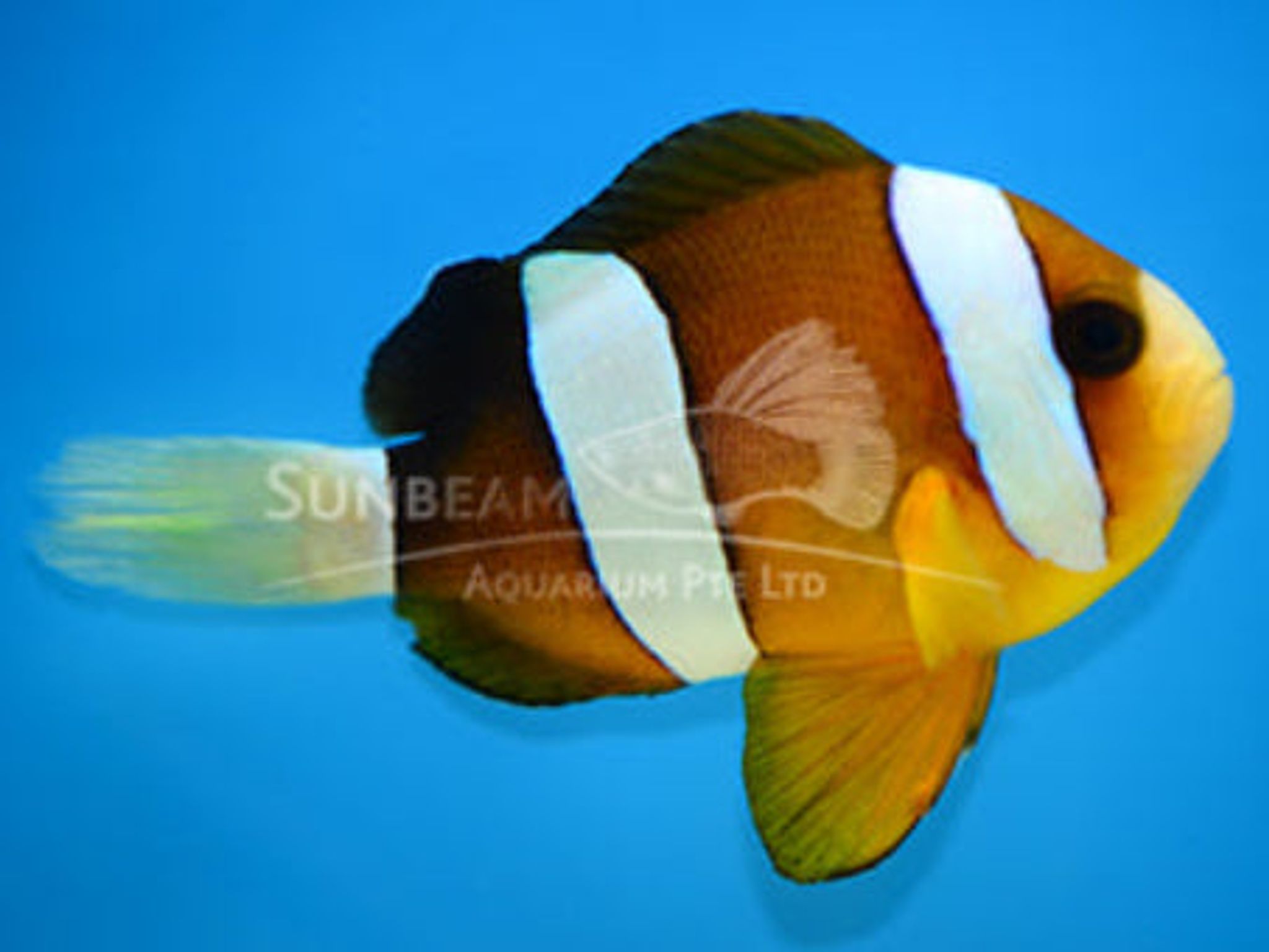
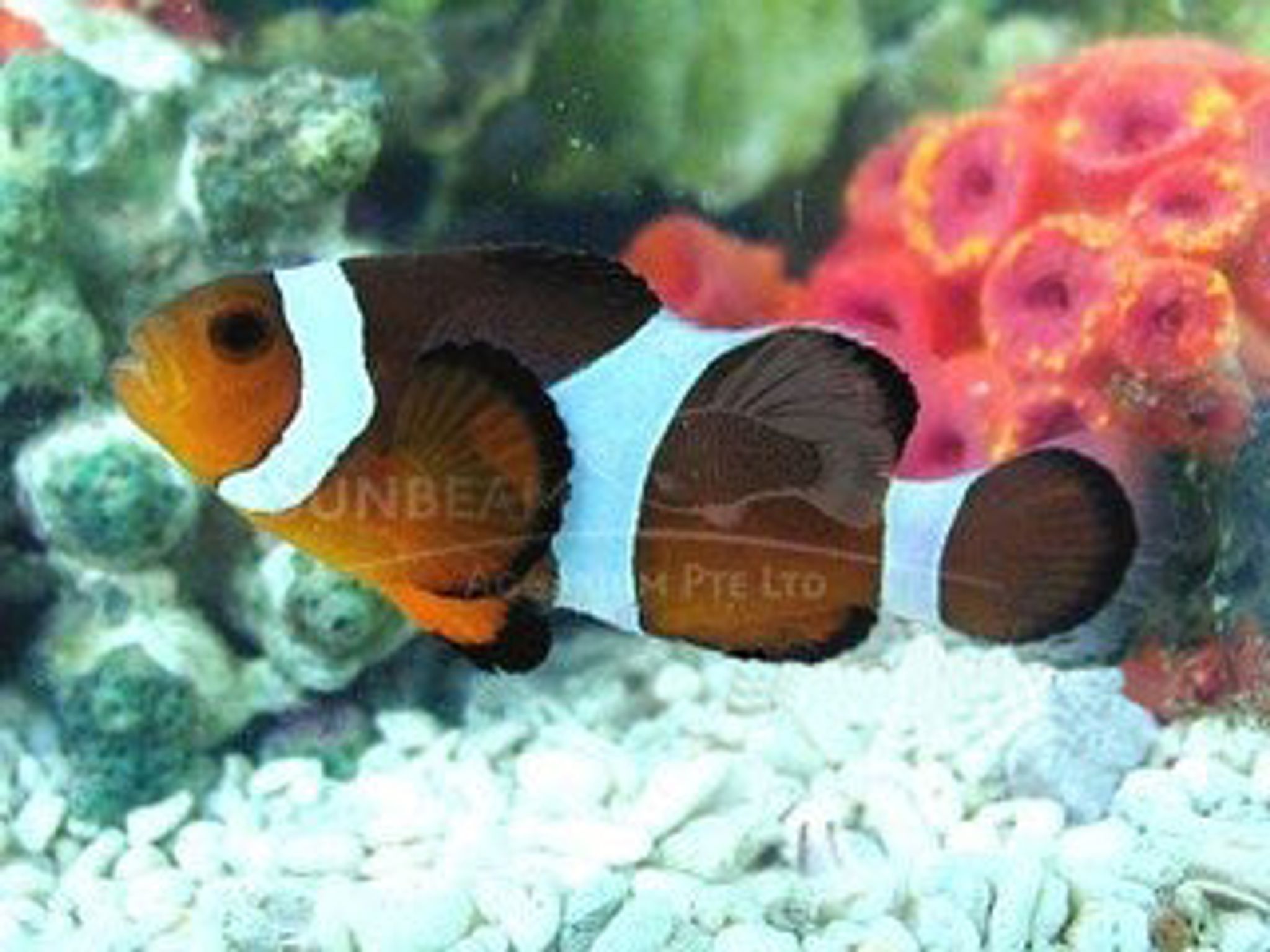
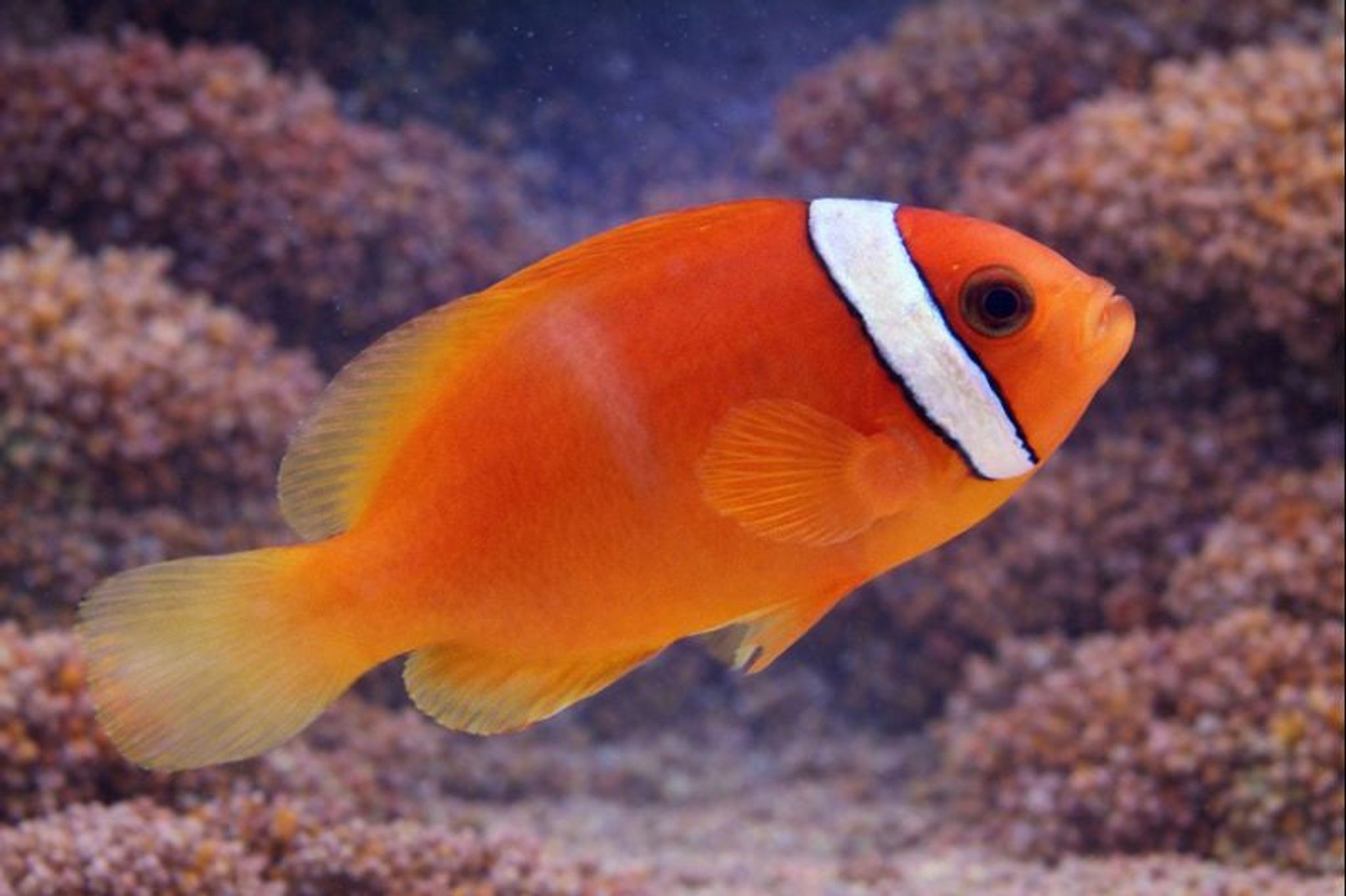
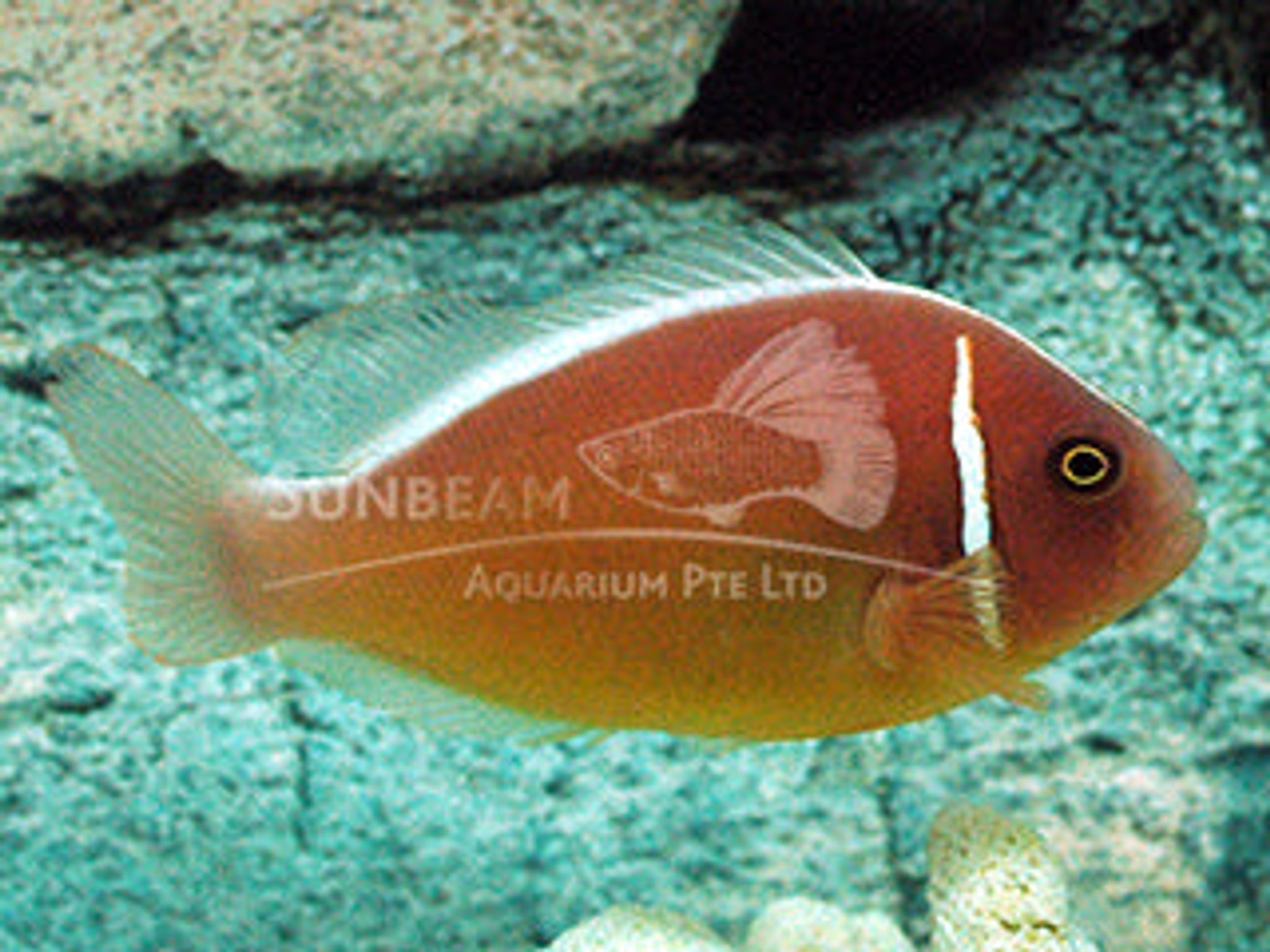
Clownfish are among the most popular marine aquarium fish and include Ocellaris, Percula and many selectively bred colour varieties. Captive-bred Clownfish are widely appreciated for their aquarium adaptability and distinctive behaviour.
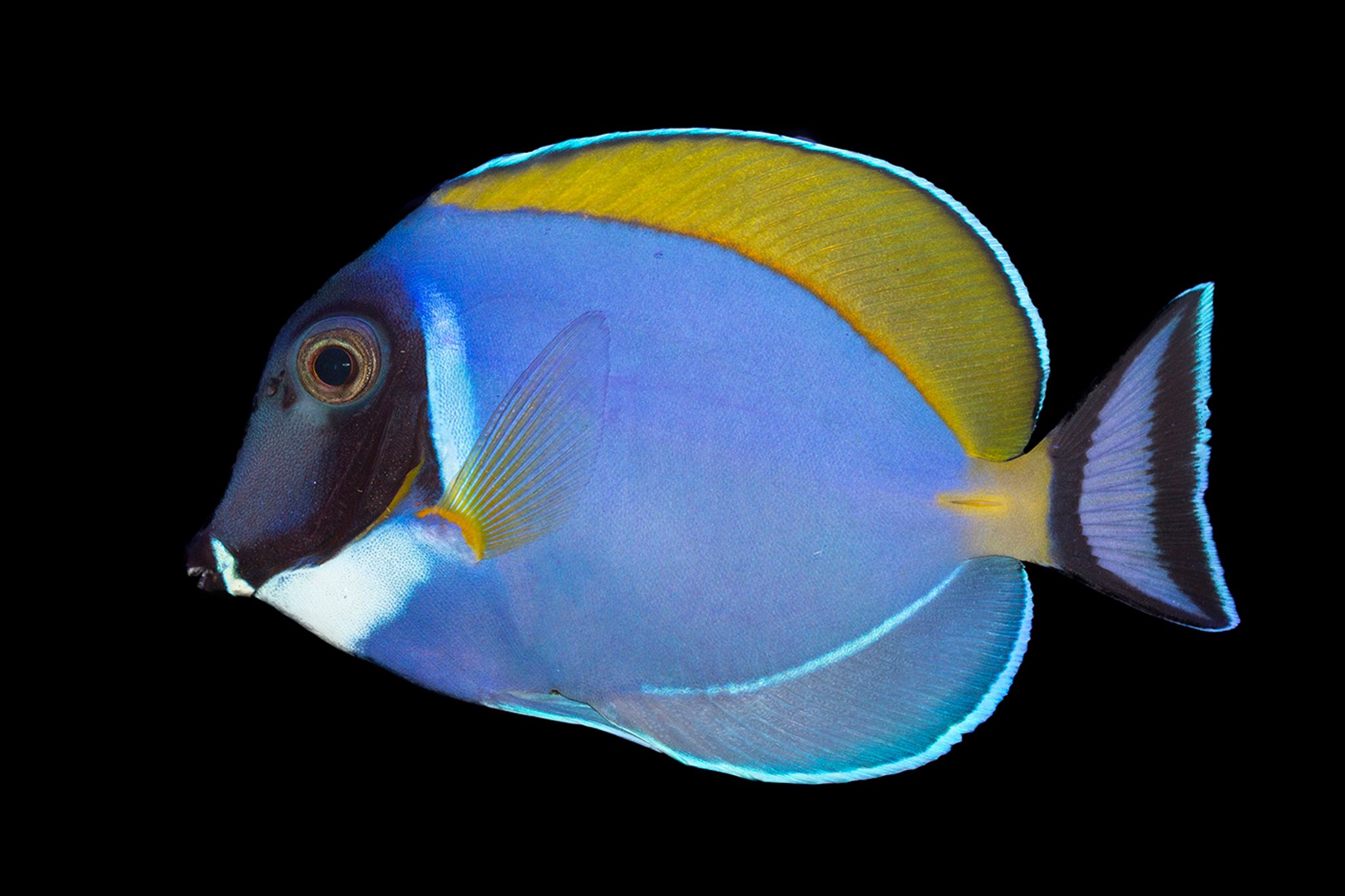
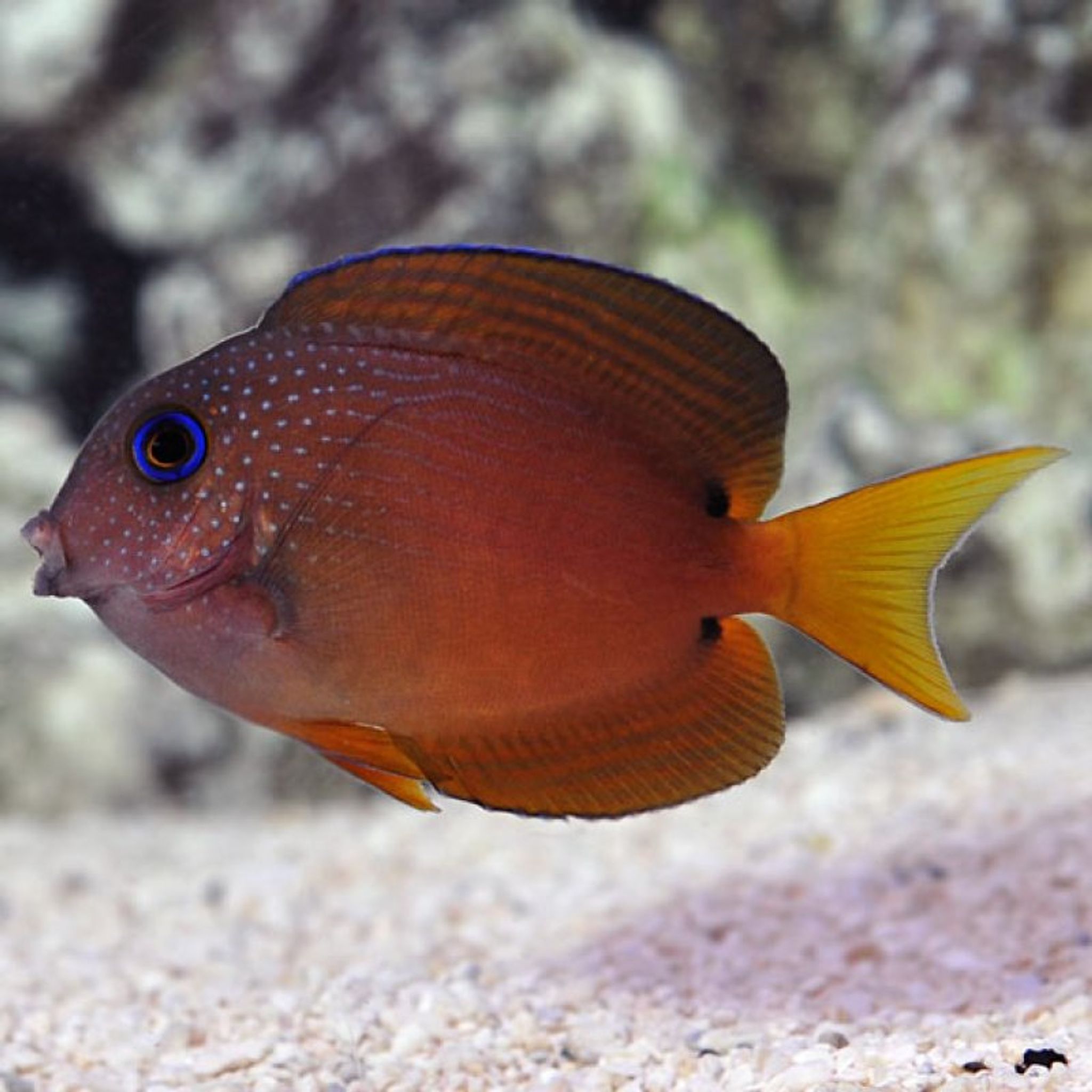
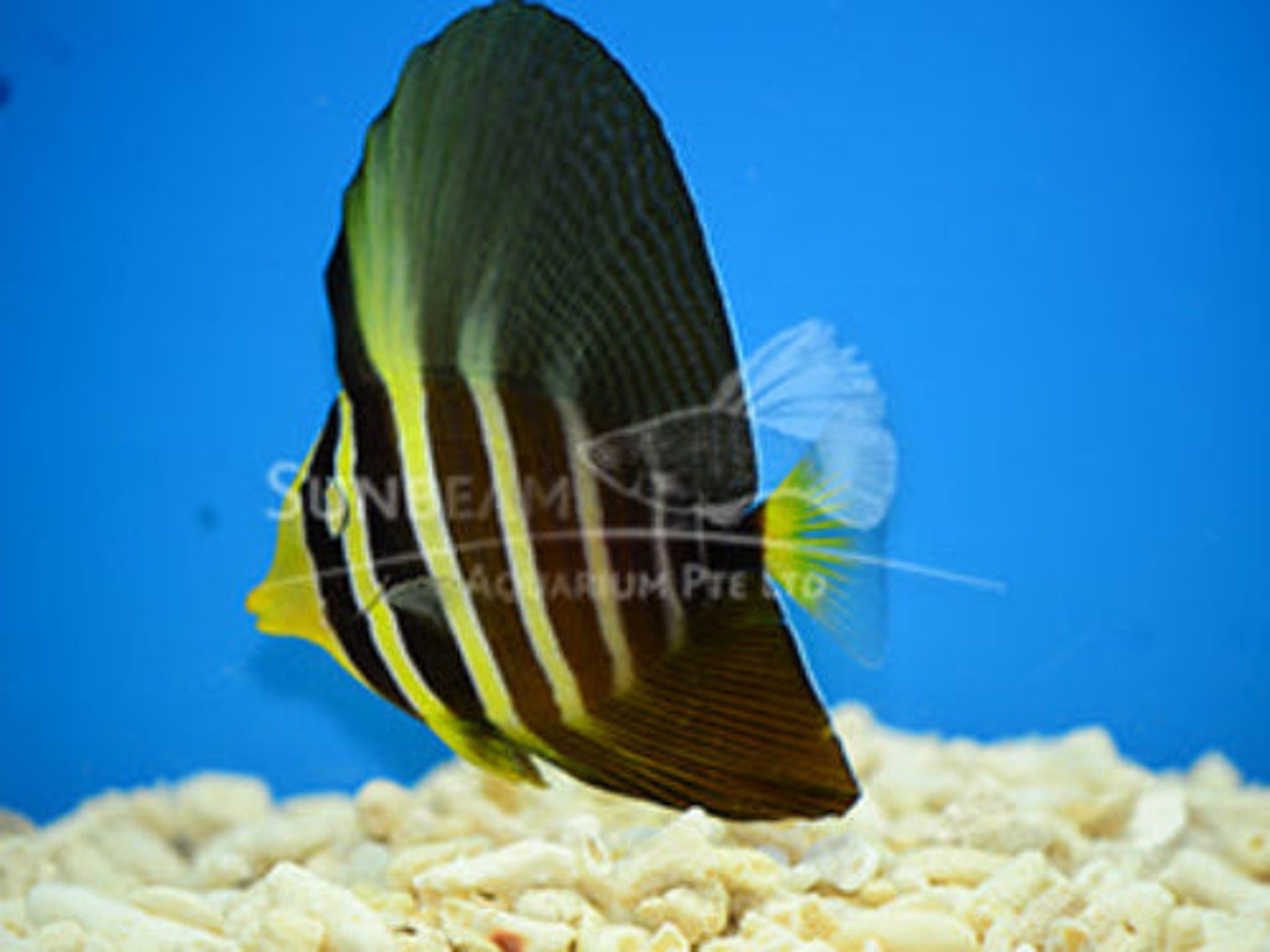
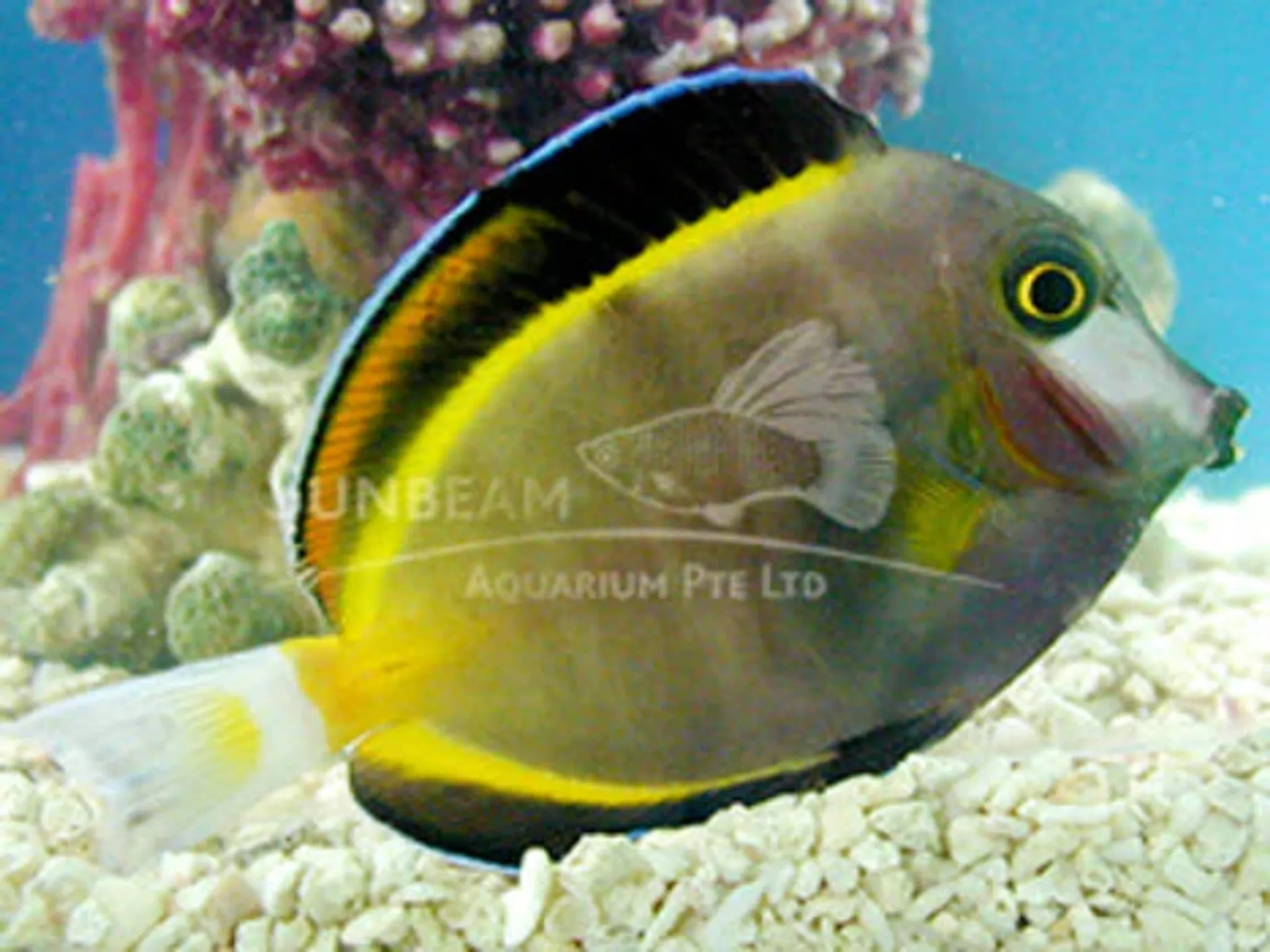
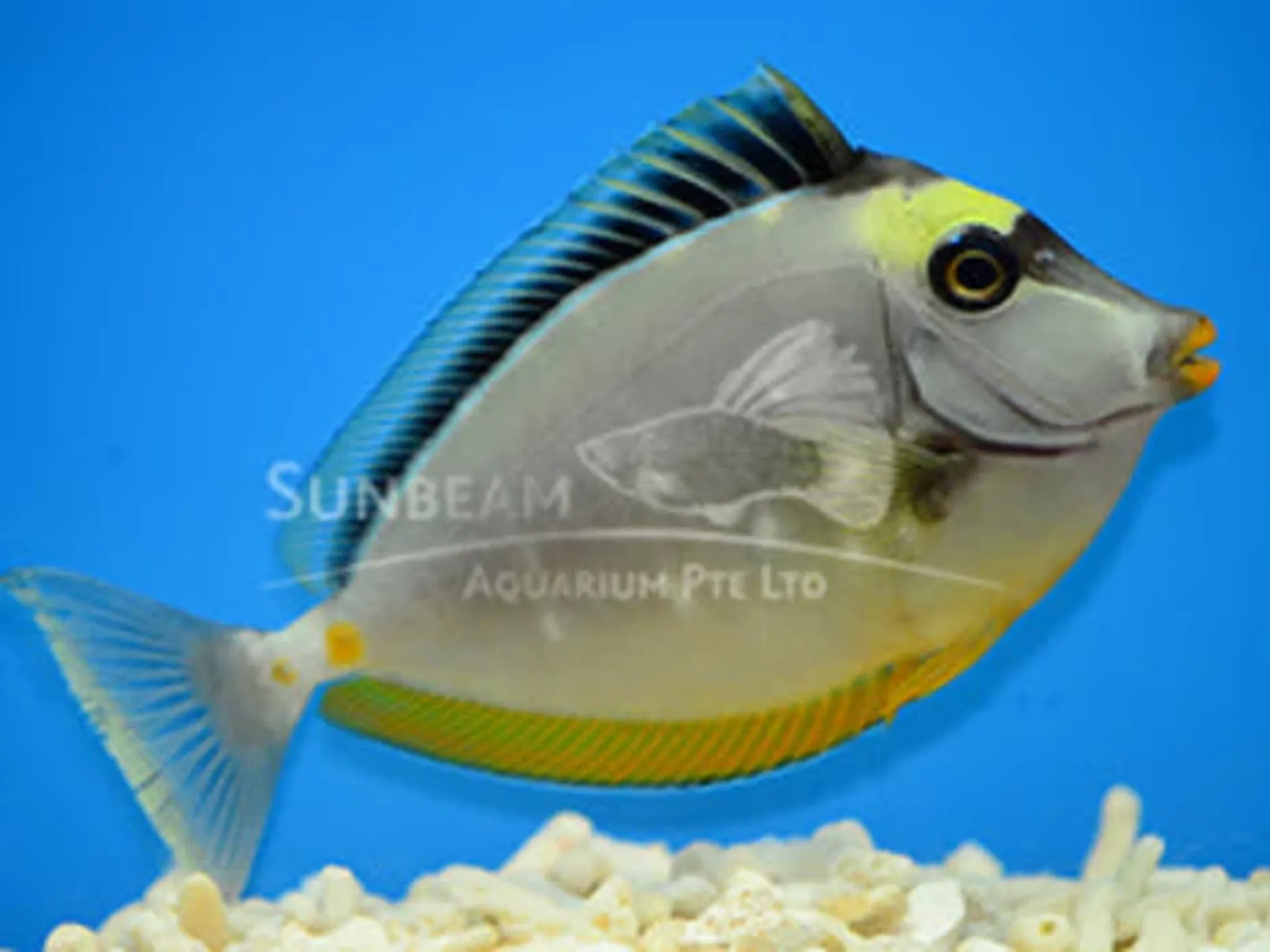
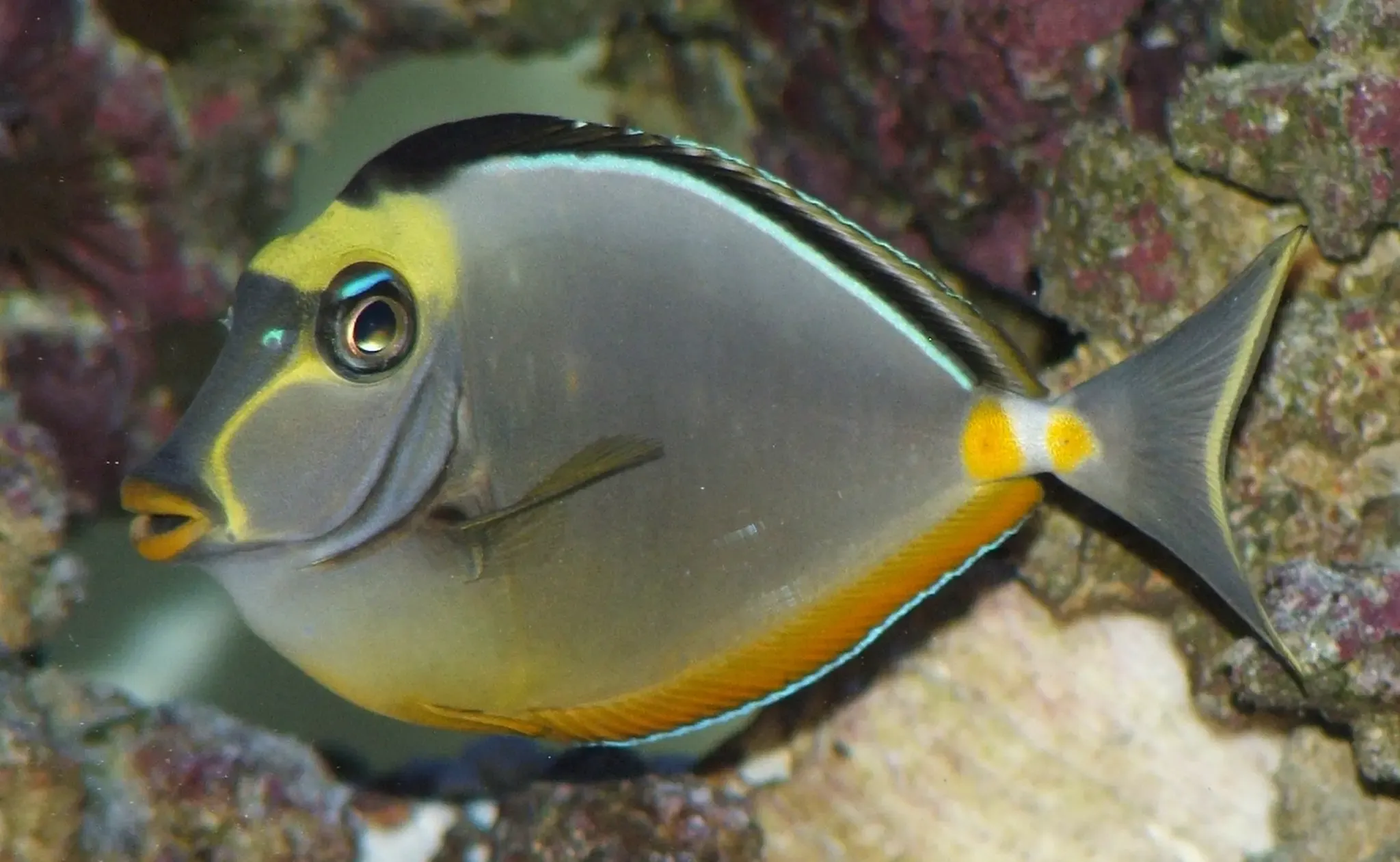
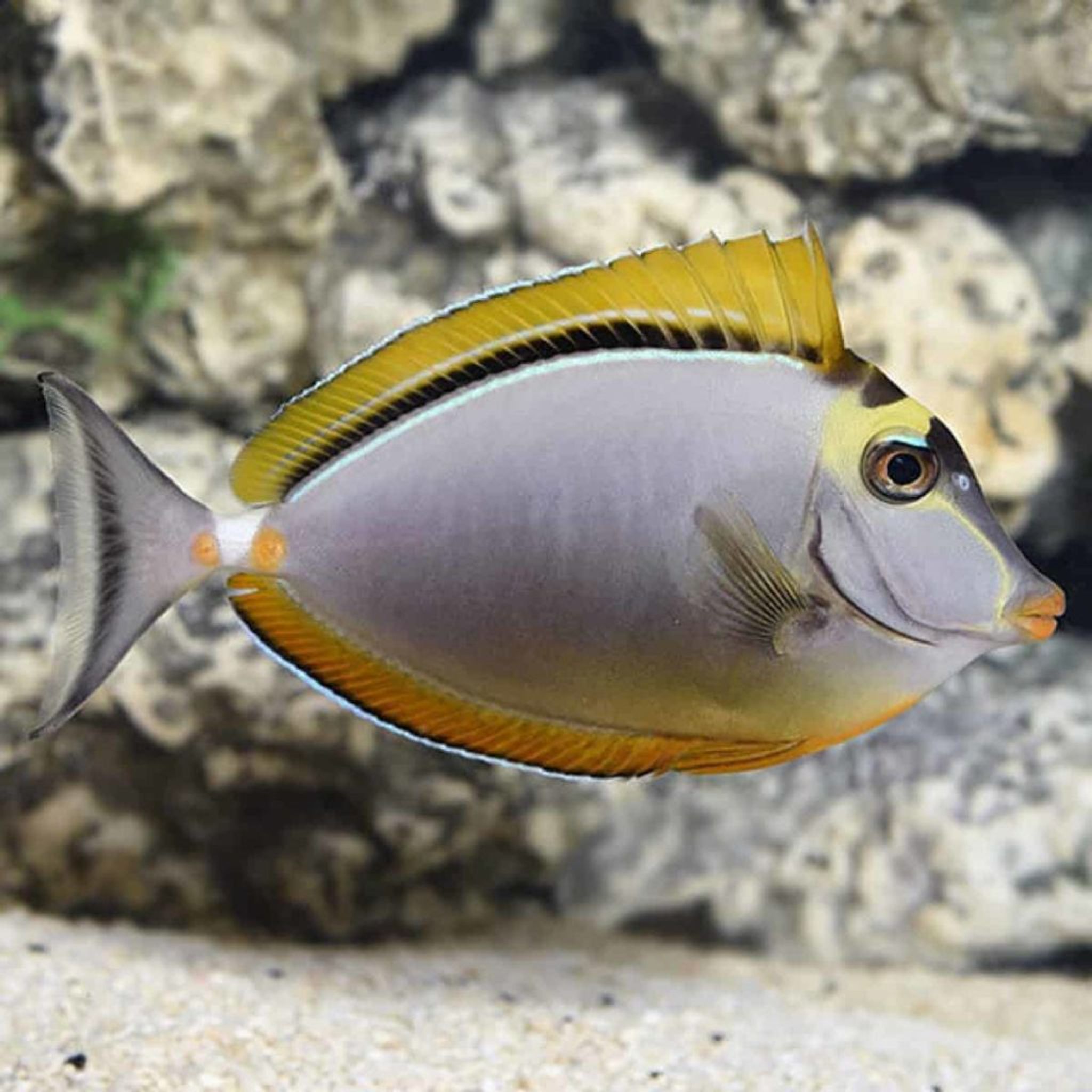
Tangs are active marine fish known for their strong colours and constant swimming. Many species require substantial open swimming space as adults and should be chosen with long-term aquarium size in mind.
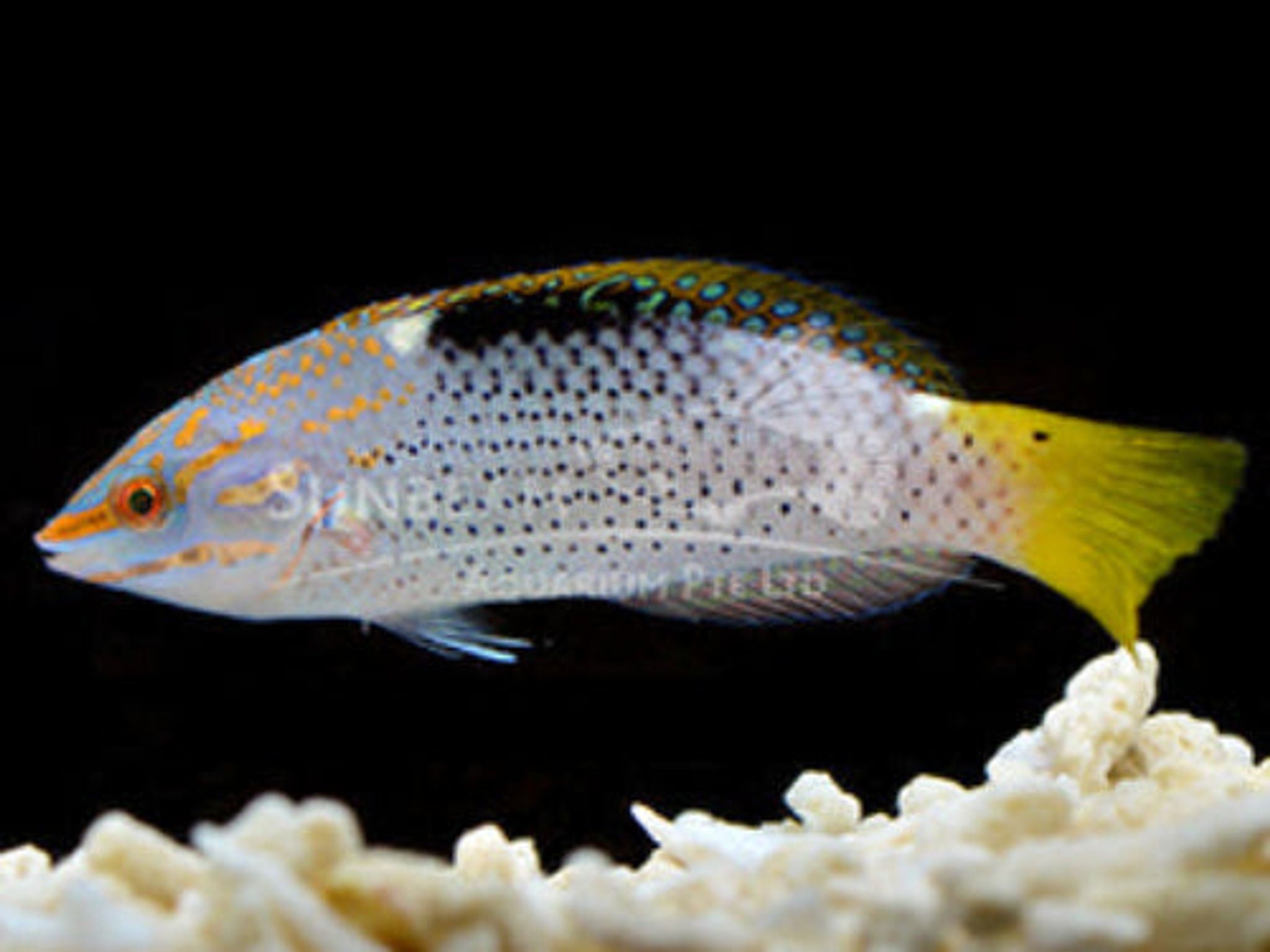
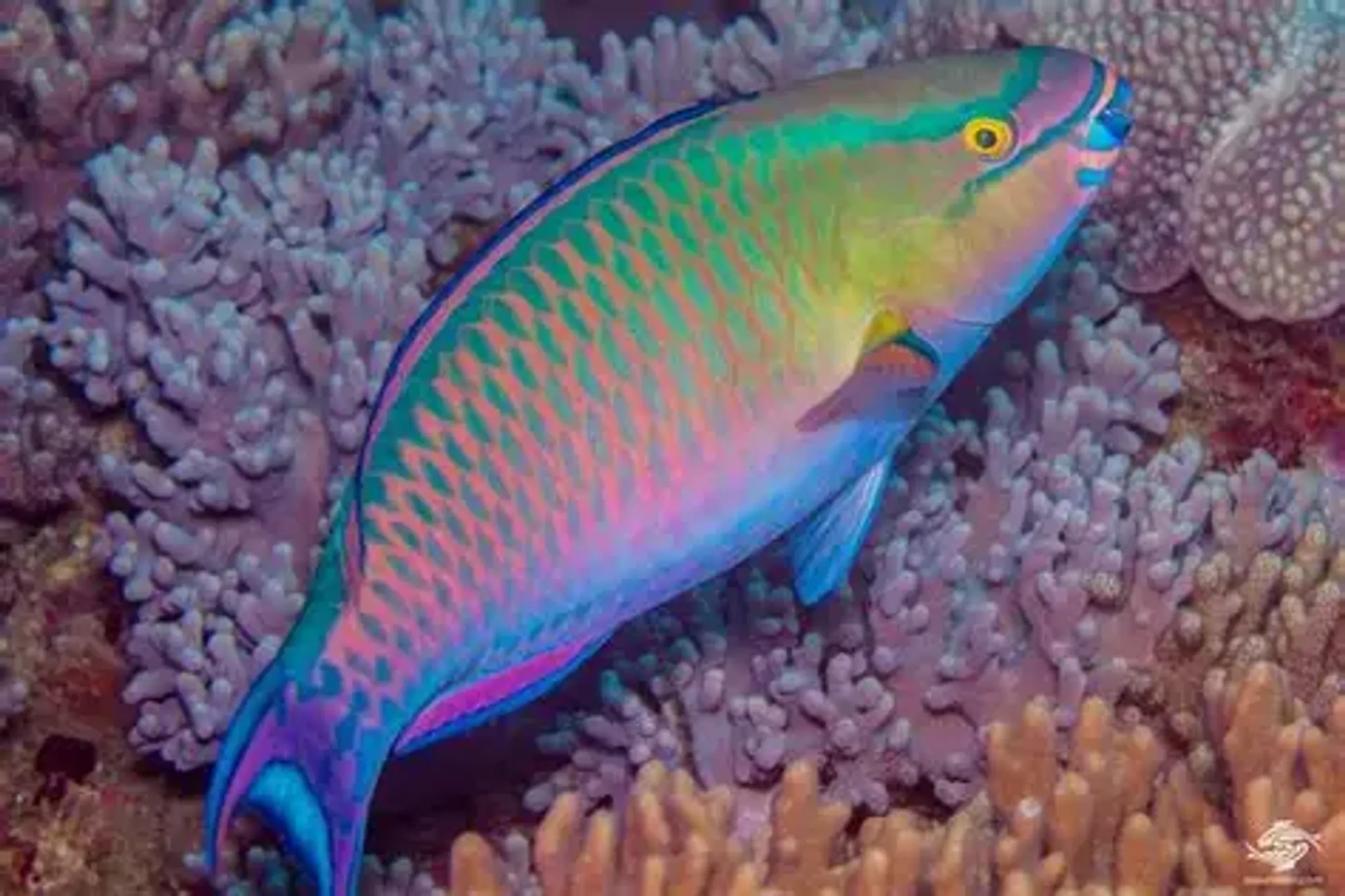
Wrasses range from small colourful reef fish to larger and more assertive species. Their diet, temperament, sleeping behaviour and reef compatibility can vary considerably.
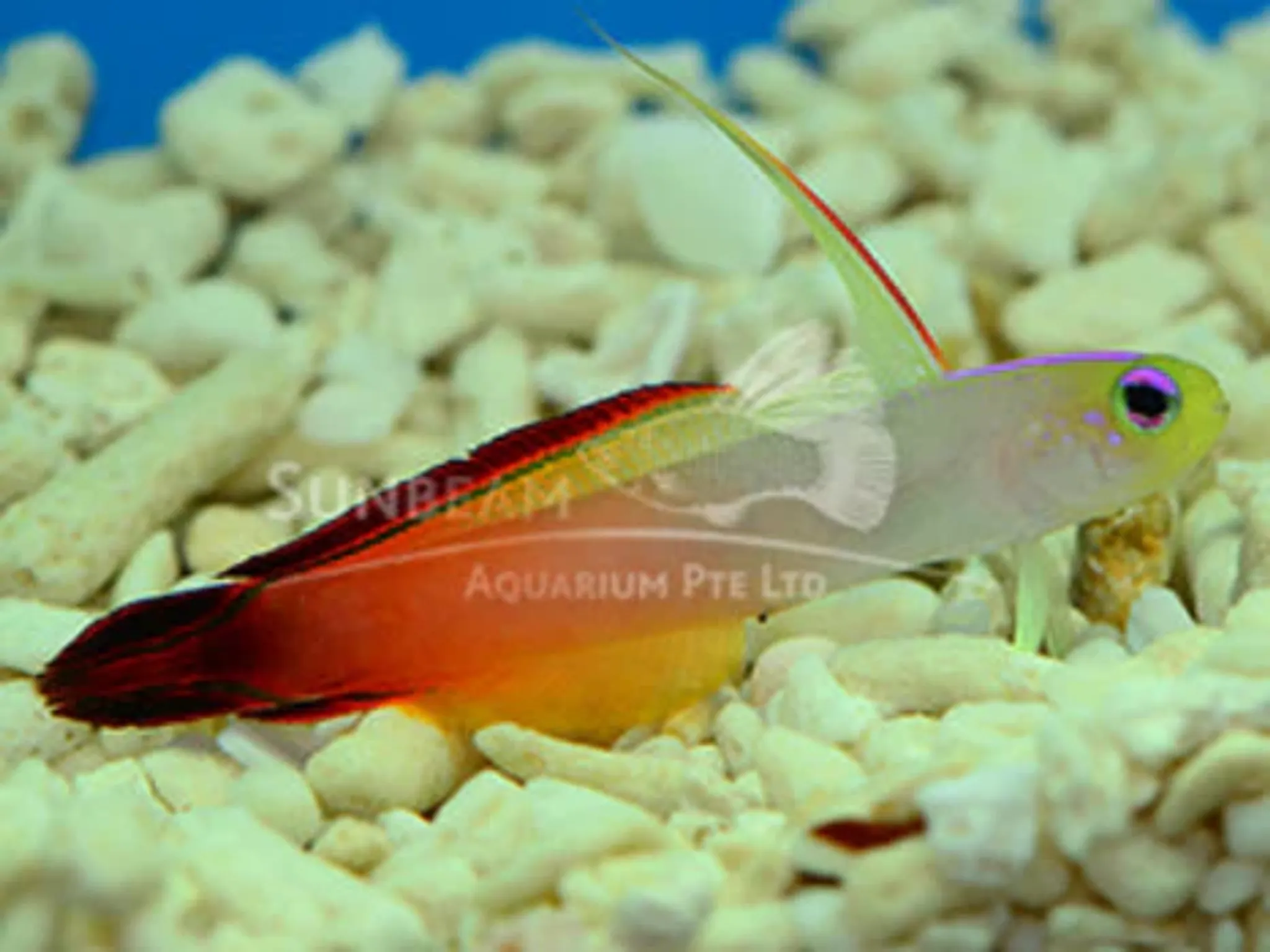
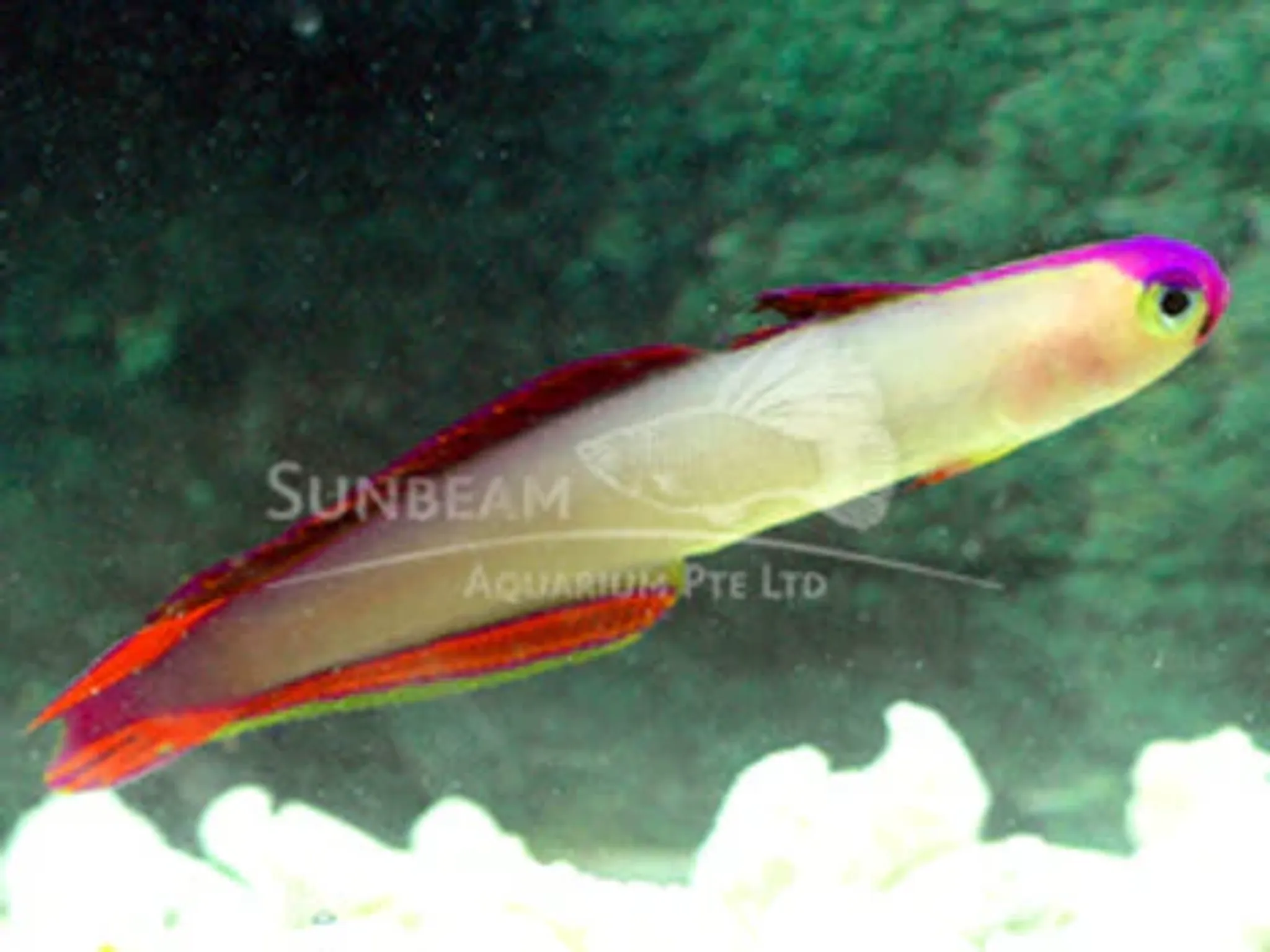
Marine Gobies include many compact species suitable for reef and nano aquariums. Some live close to the substrate, while others form specialised relationships with shrimp or occupy rockwork.
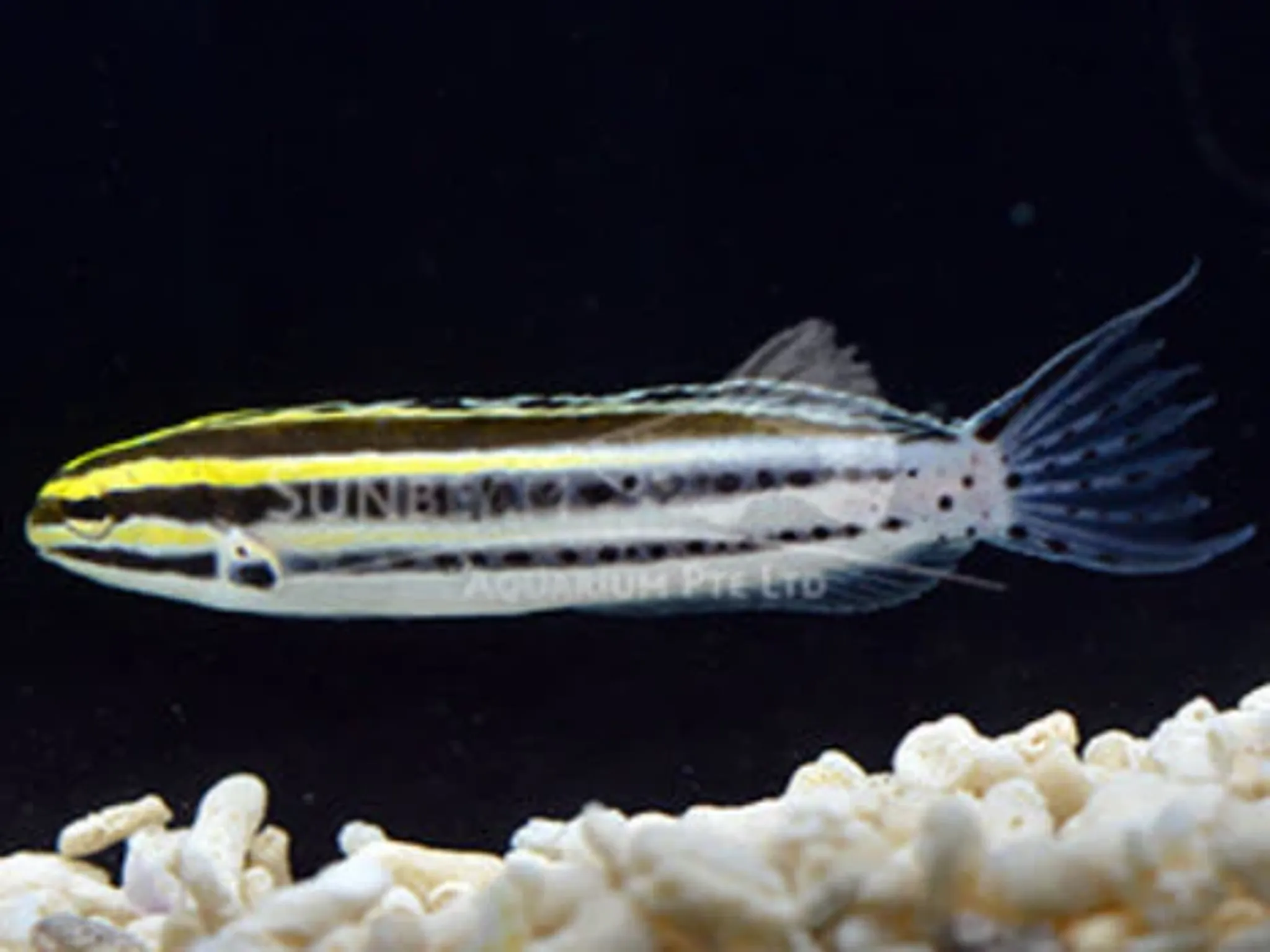
Blennies are popular for their expressive appearance and perching behaviour. Some species graze algae, while others have very different diets, so they should not all be treated as interchangeable algae eaters.
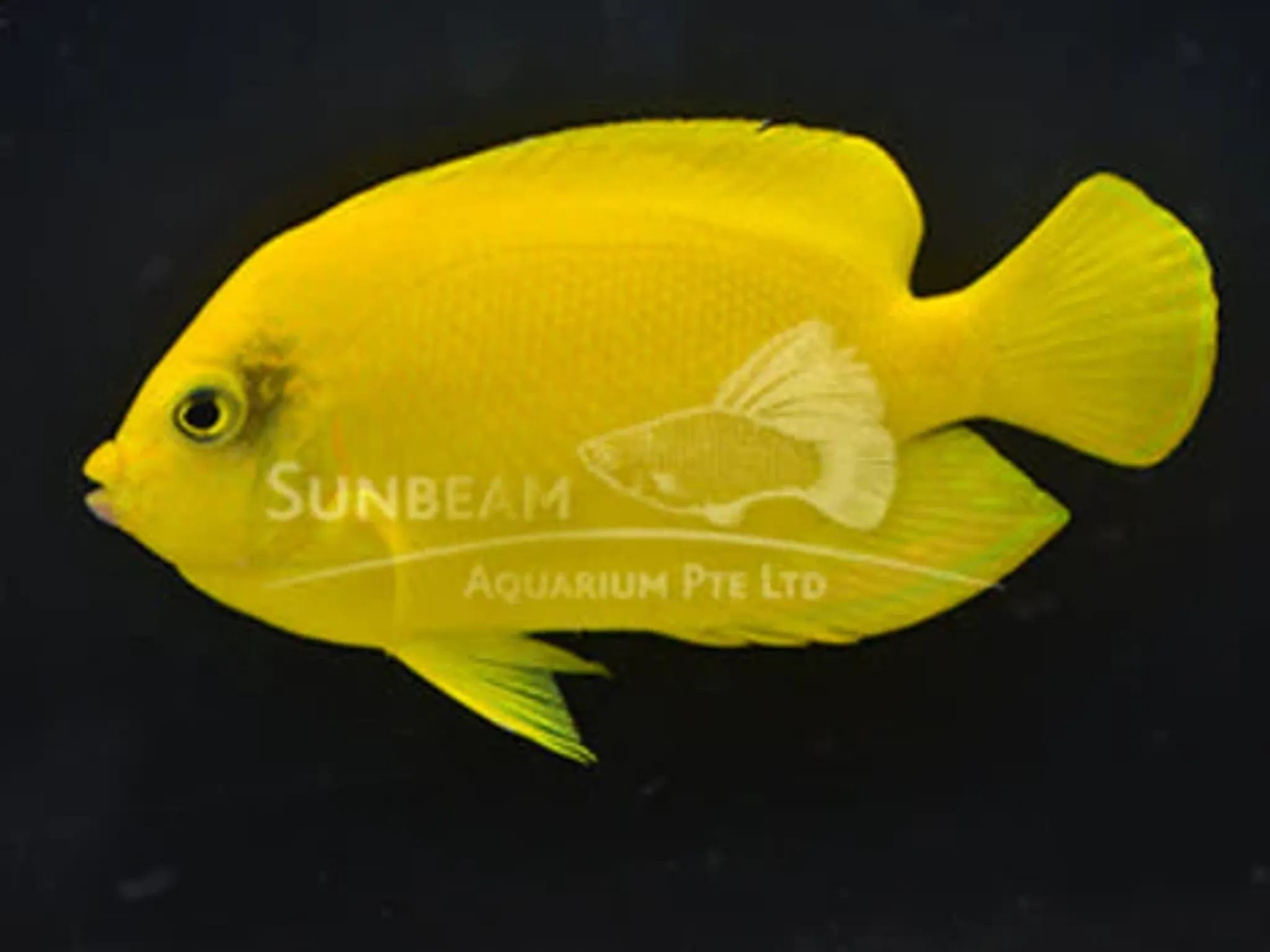
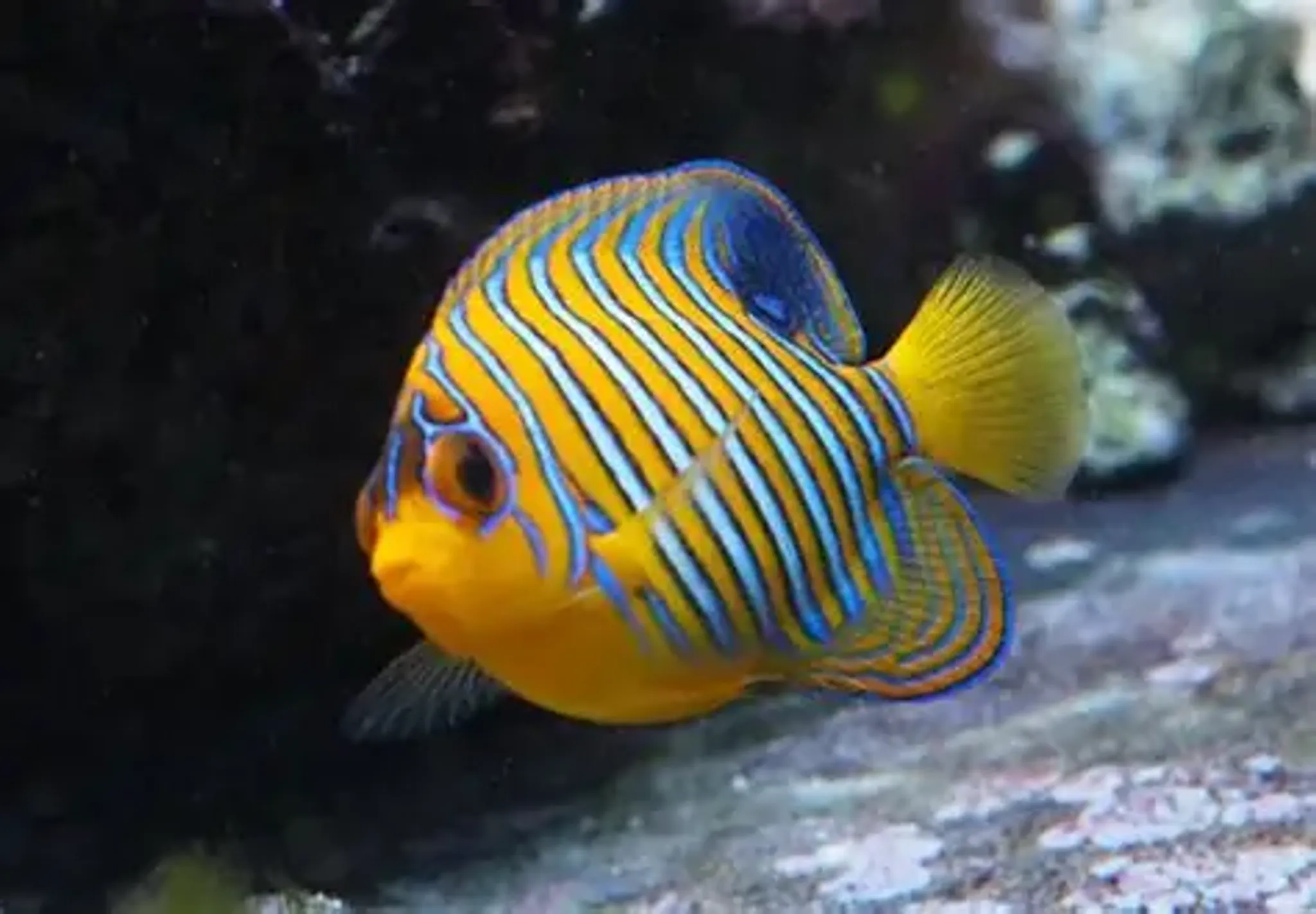
Marine Angelfish range from smaller dwarf species to large showpiece fish. Reef compatibility varies, and some individuals may nip corals or other sessile invertebrates.
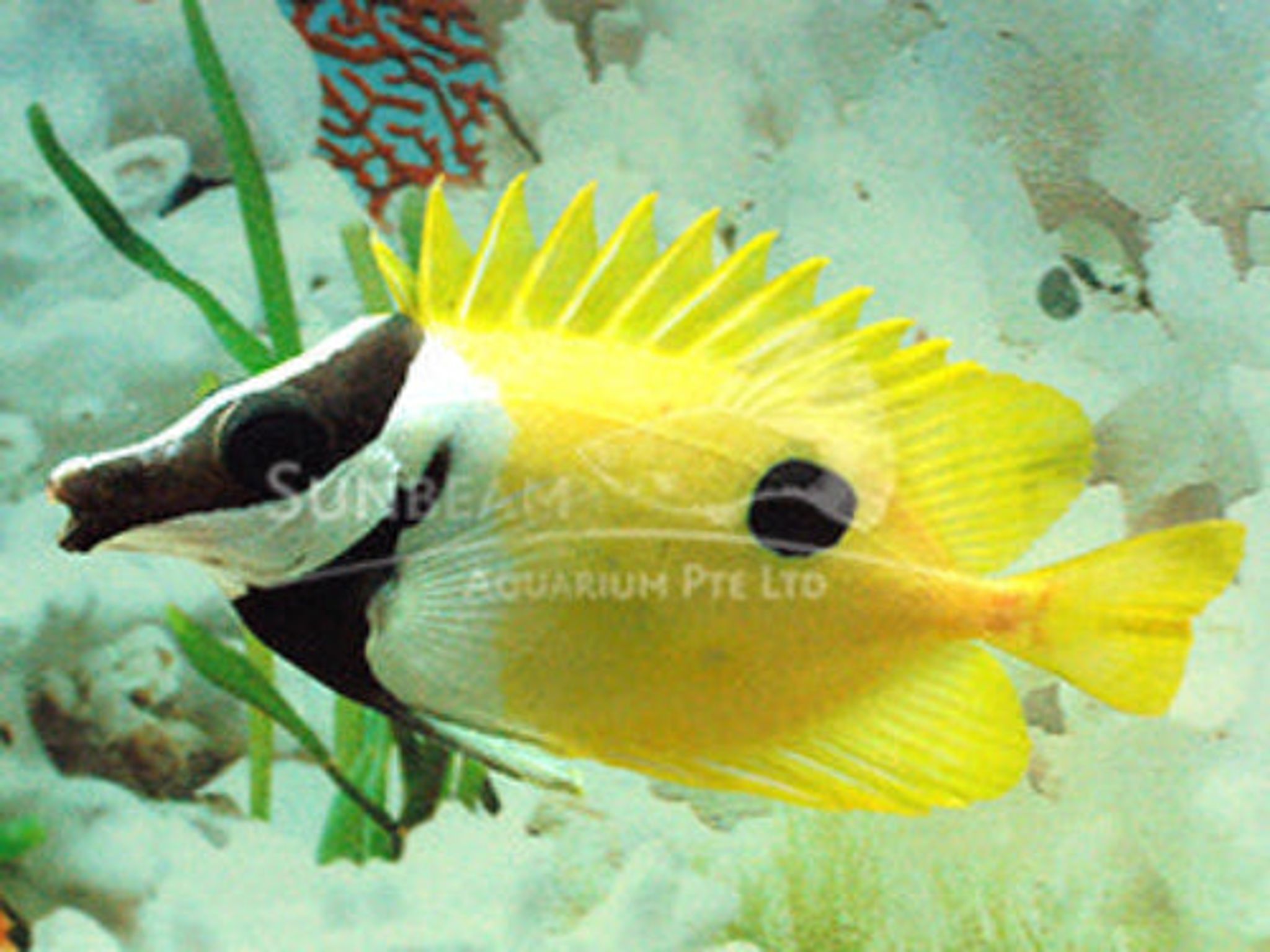
Marine Butterflyfish are elegant saltwater fish with specialised diets and varying reef compatibility. They are completely different from freshwater African Butterfly Fish.
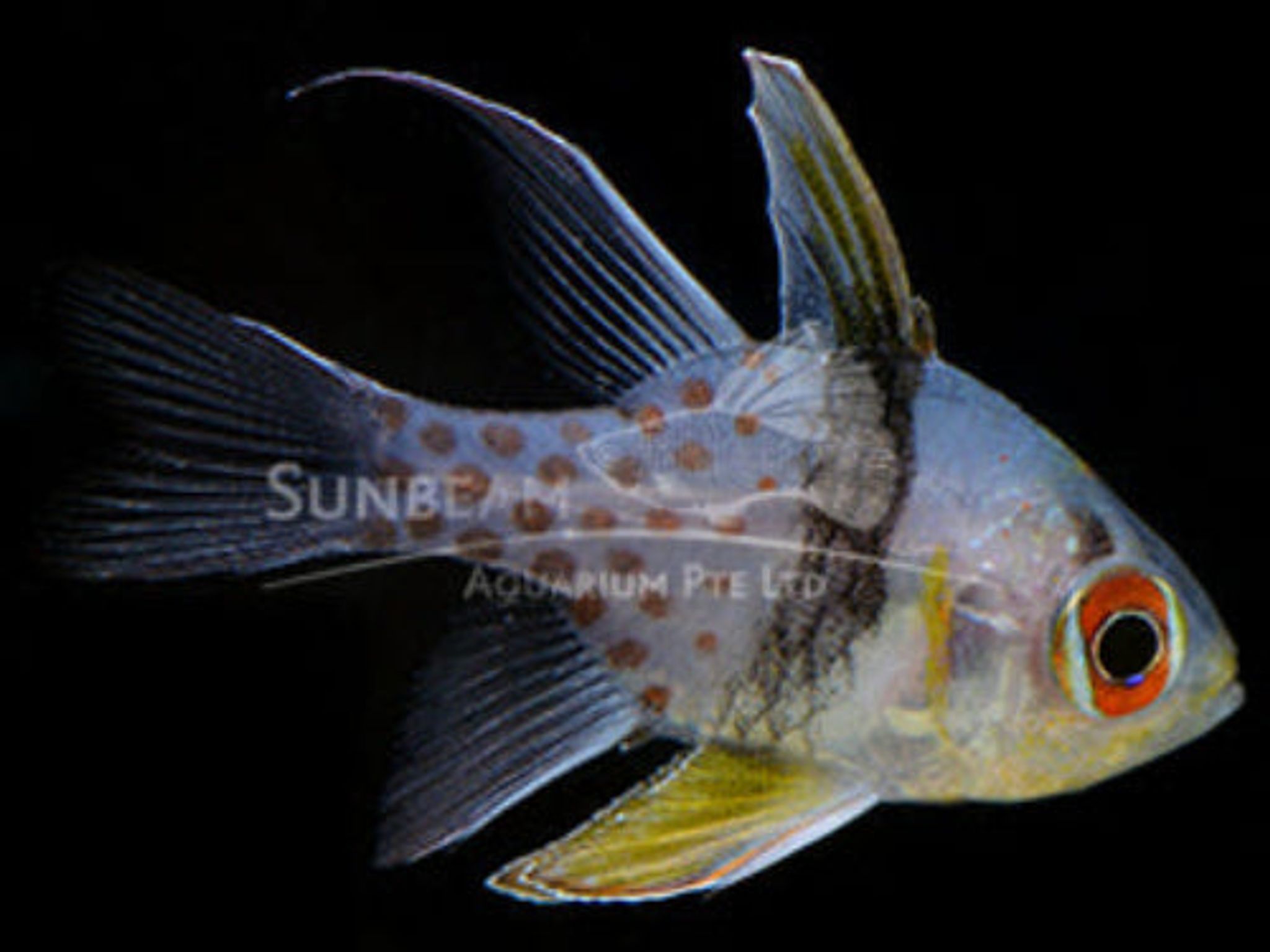
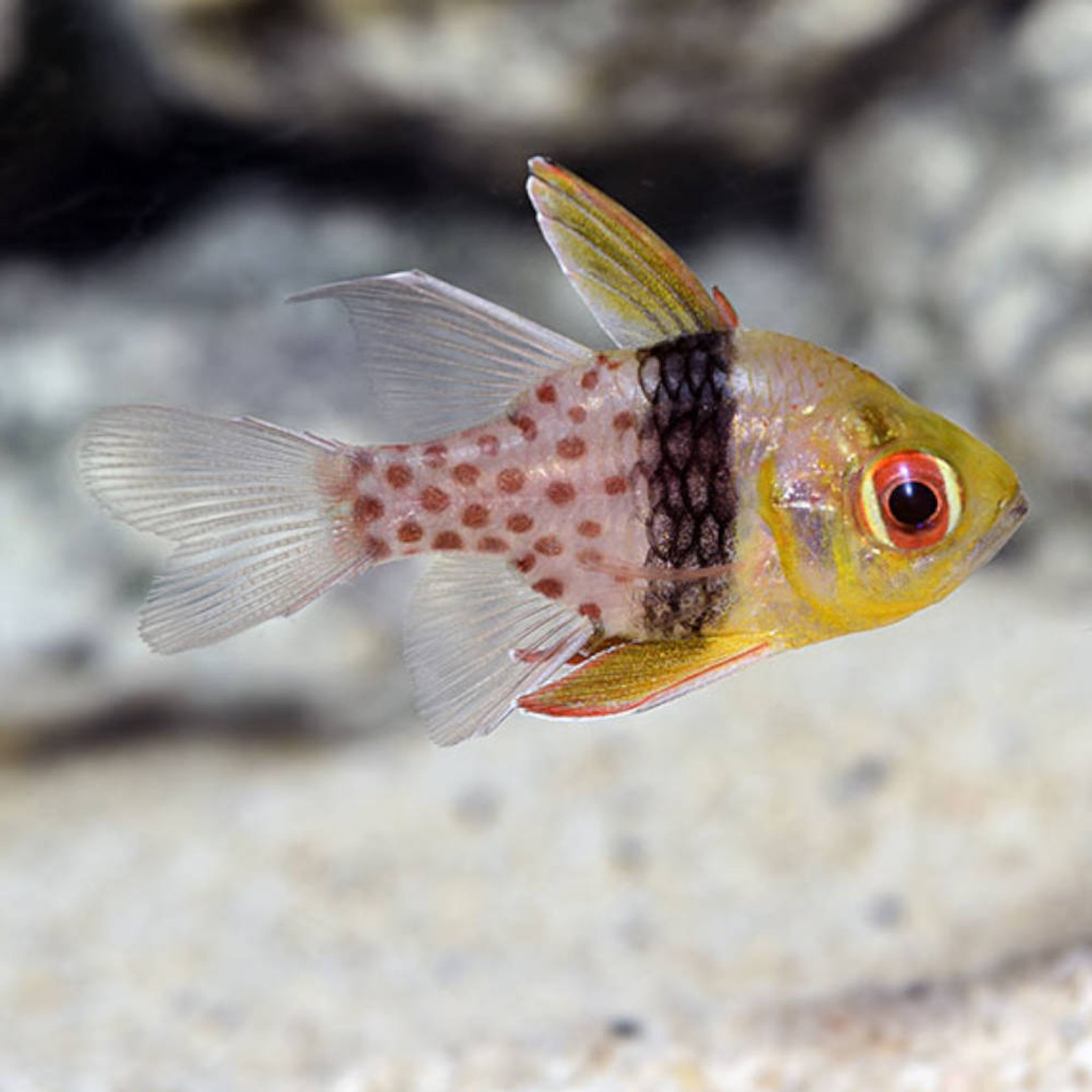
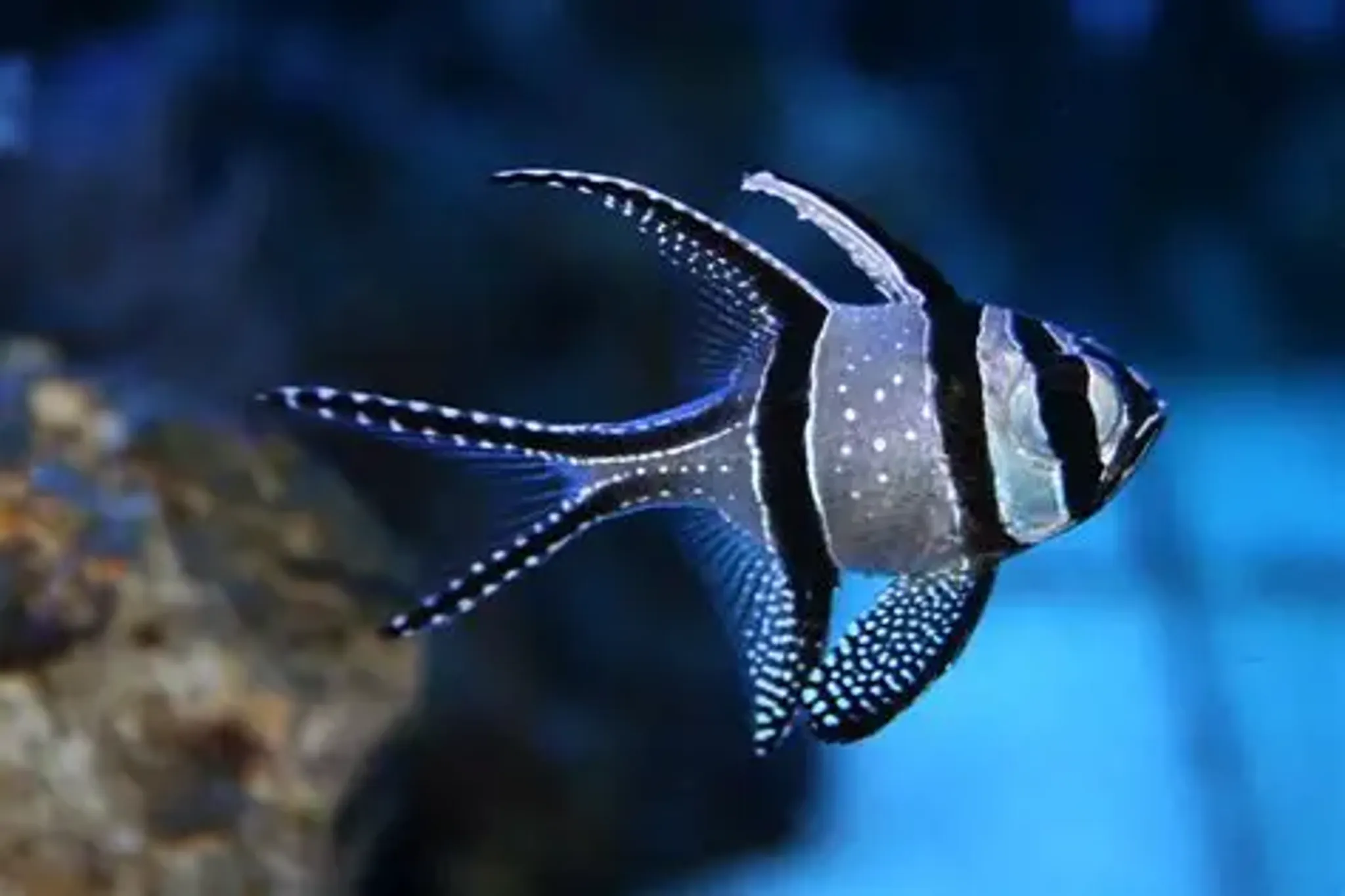
Cardinalfish include several peaceful species that can work well in calmer reef and community marine aquariums.
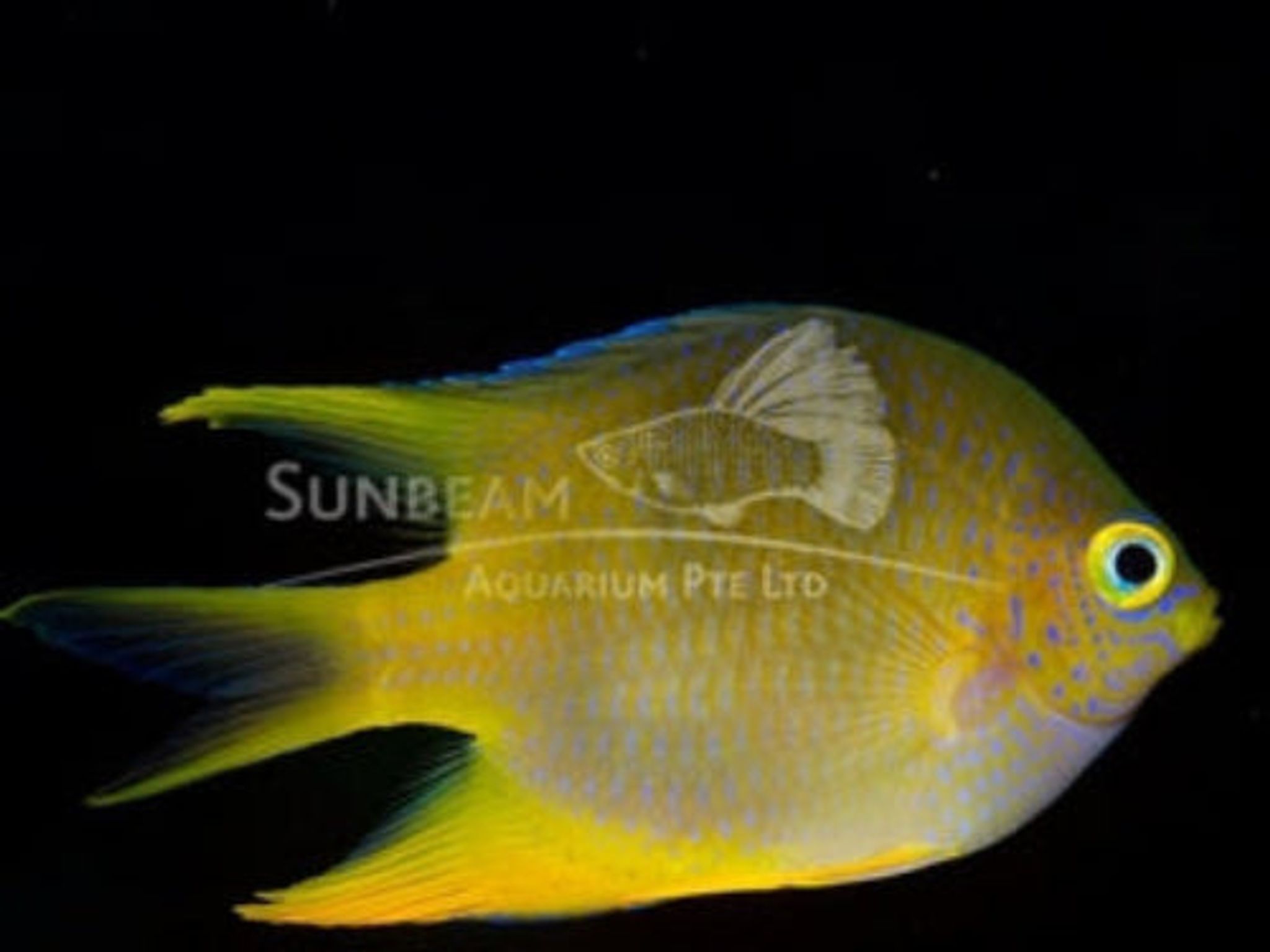
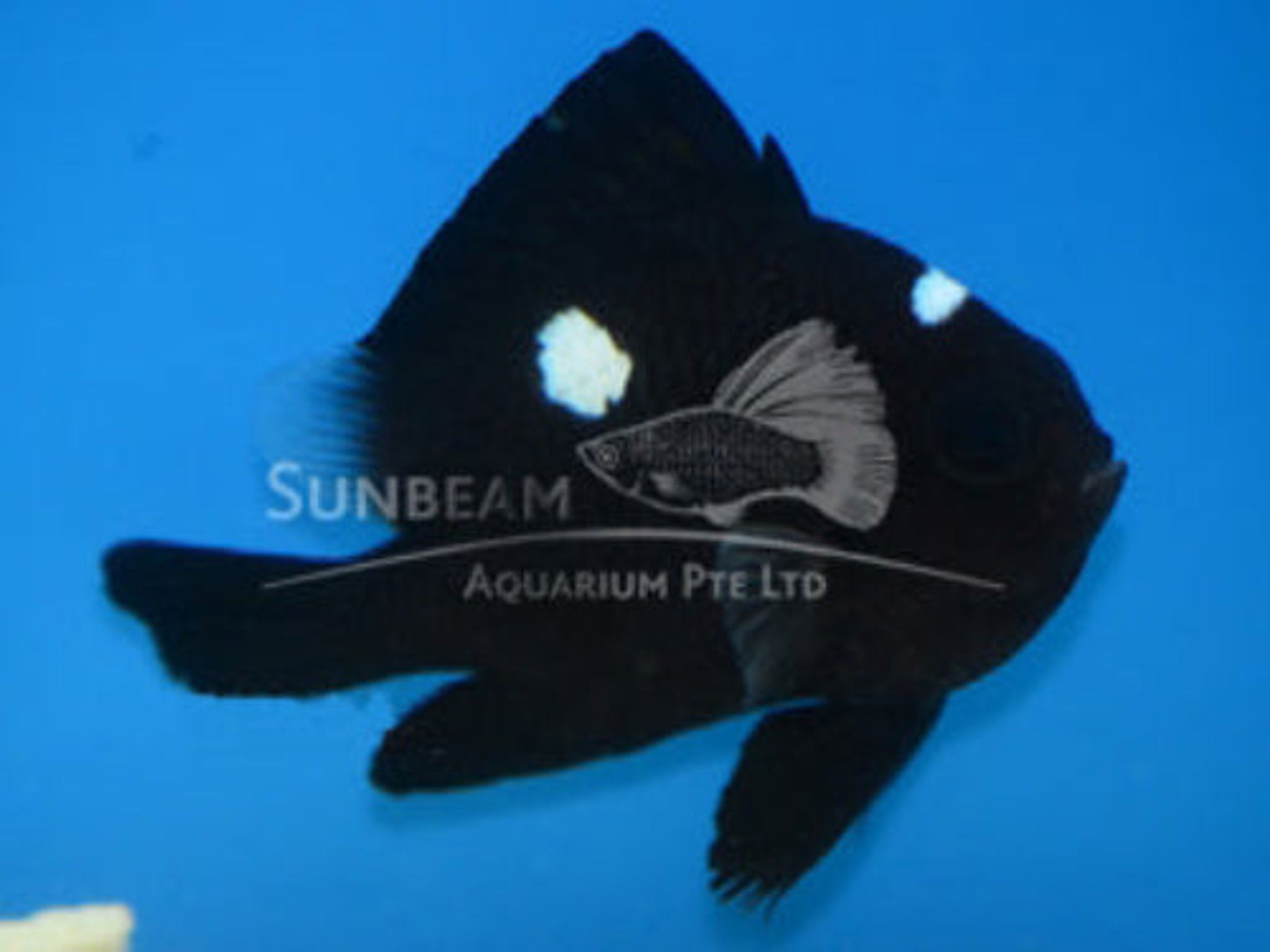
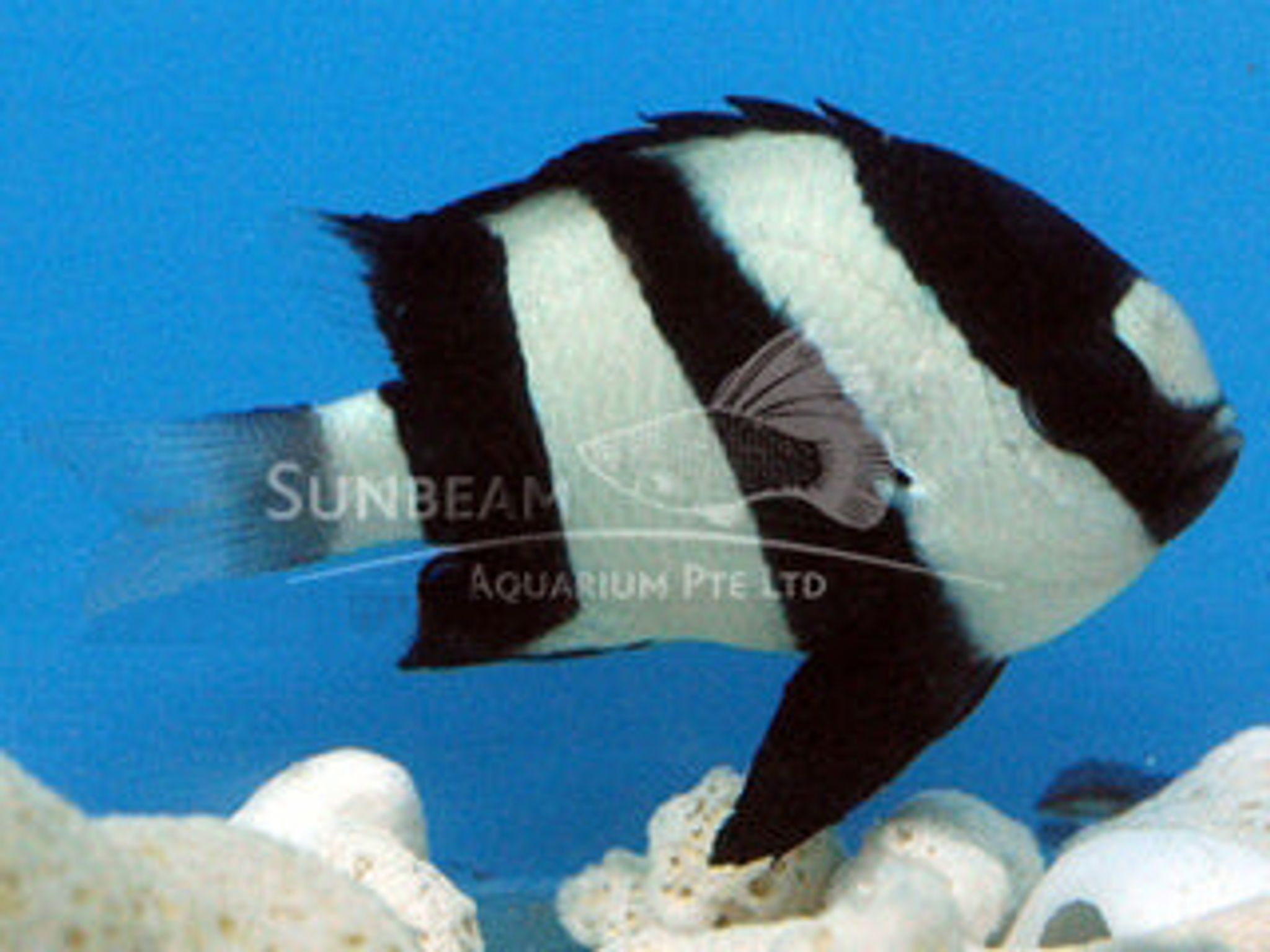
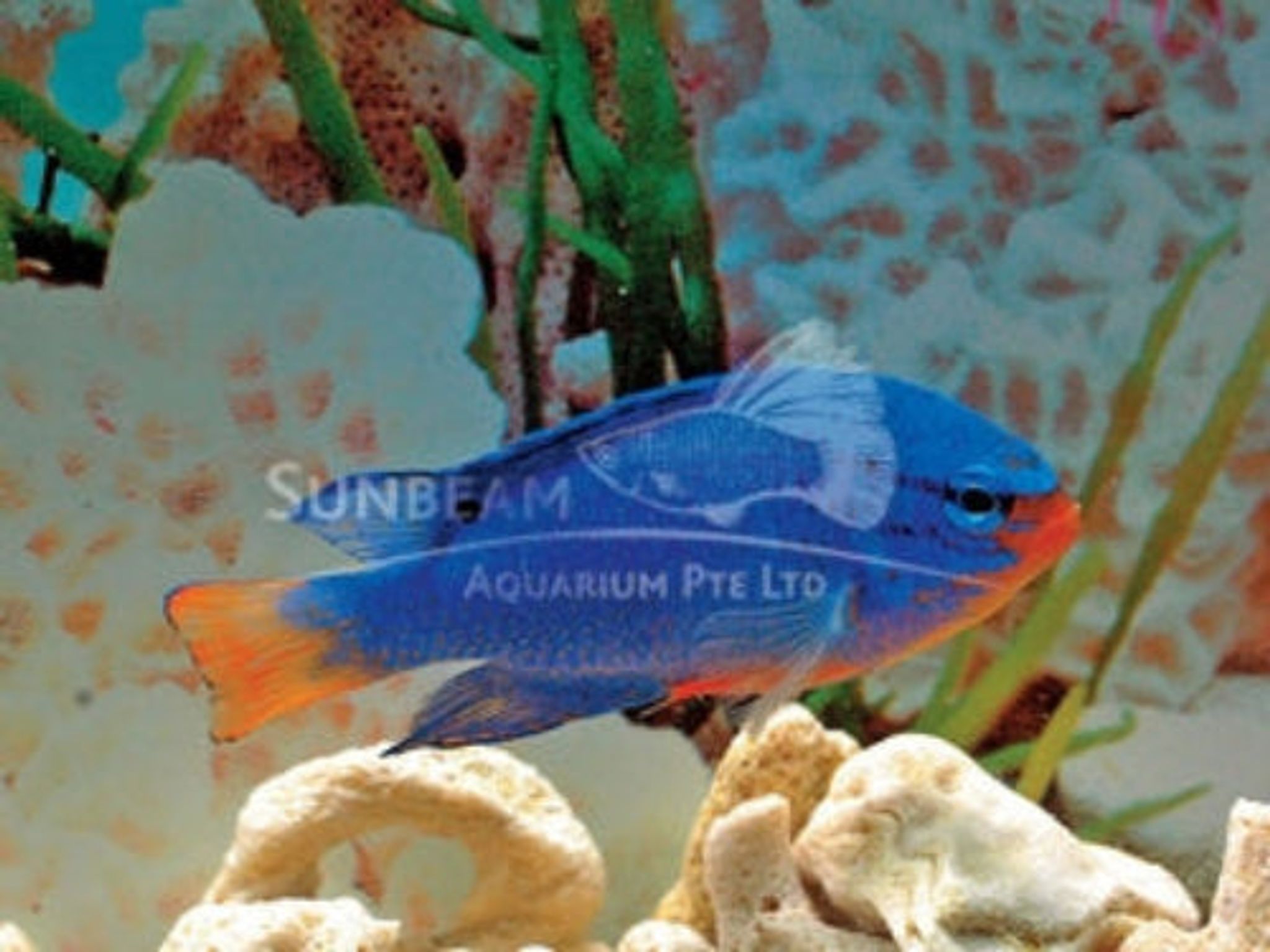
Damselfish are hardy, colourful marine fish, but some species can become highly territorial. Their small size should not be mistaken for a universally peaceful temperament.
Other marine aquarium fish may include Hawkfish, Dartfish, Anthias, Rabbitfish and specialist species depending on seller availability.
Reef aquariums combine marine fish with corals and other invertebrates, making livestock compatibility especially important.
A fish that thrives in a fish-only marine aquarium may not always be suitable for a reef tank if it nips corals, eats ornamental invertebrates or disturbs the substrate.
“Reef safe” generally describes marine fish that are less likely to damage corals or desirable reef invertebrates.
Reef compatibility is not always absolute, however, and individual behaviour can vary even within species commonly considered suitable for reefs.
Fish-only marine systems allow keepers to maintain species that may not be suitable around corals or ornamental invertebrates.
Adult size, aggression and filtration requirements still matter, particularly with larger predators or heavily fed species.
Some smaller Gobies, Blennies, Clownfish and other compact species can work well in carefully planned nano marine aquariums.
Small tank volume makes stability especially important, so choose livestock according to adult size, activity level and bioload rather than juvenile size alone.
Larger marine tanks can support more active swimmers and species that need substantial territory.
Tangs, larger Angelfish and other active species often benefit from long tanks with substantial swimming room.
Peaceful marine communities can include carefully selected Clownfish, Gobies, Blennies, Cardinalfish, Dartfish and other compatible species.
Temperament should always be checked at species level because broad groups such as Damselfish and Wrasses include both peaceful and assertive members.
Many marine fish establish territories around caves, rockwork, feeding areas or host sites.
Aquarium size, rock placement and the order in which fish are introduced can influence aggression, although no layout can guarantee compatibility.
Compatibility depends on adult size, temperament, diet, territory and aquarium dimensions.
Two fish that appear peaceful as juveniles may behave differently as they mature, so stocking plans should consider adult behaviour.
Clownfish can form bonded pairs and may become territorial toward other Clownfish.
Adding multiple individuals or species requires careful planning because established pairs can defend their territory strongly.
Tangs can show aggression toward other tangs, particularly fish with similar body shapes.
Larger aquariums provide more space, but species choice, mature size and individual temperament remain important.
Many marine fish can coexist with corals, while others may nip coral tissue, polyps or associated invertebrates.
Always check reef compatibility for the exact fish rather than assuming an entire family is coral-safe.
Cleaner shrimp and other ornamental marine shrimp can coexist with many fish, but predatory species may eat them.
Large Wrasses, Hawkfish and other carnivorous fish may pose greater risk, so species-level compatibility matters.
Many reef fish coexist with marine snails, although some predators may consume or disturb them.
Cleanup crew compatibility should be considered alongside coral compatibility when stocking a reef aquarium.
Compatibility between marine fish and crabs varies in both directions.
Some fish may eat small crabs, while larger or opportunistic crabs may threaten sleeping or weakened fish.
Marine fish diets range from algae and plankton to crustaceans, worms, fish and other animal matter.
Feeding should be based on the natural dietary needs of the exact species rather than using one generic marine fish food for every fish.
Quality marine pellets can be useful staple foods for species that readily accept prepared diets.
Pellet size, sinking behaviour and nutritional profile should suit the mouth size and feeding style of the fish.
Frozen foods can provide useful dietary variety for many marine species.
The appropriate food depends on the fish, and specialist feeders may require more targeted diets than common omnivorous aquarium species.
Herbivorous and algae-grazing marine fish should receive suitable plant and algae-based nutrition rather than relying only on protein-rich foods.
Tangs and other grazing fish may need frequent access to appropriate foods to support long-term condition.
Carnivorous marine fish require appropriately sized protein-rich foods matched to their natural feeding behaviour.
Avoid feeding more than the aquarium's filtration and maintenance routine can reasonably handle.
Marine fish benefit from stable salinity, temperature and overall water quality.
Sudden fluctuations can be stressful, so consistency and regular testing are important parts of maintaining a saltwater aquarium.
Marine aquariums require correctly prepared saltwater rather than ordinary freshwater with salt added casually.
Salinity should be maintained consistently and matched to the requirements of the livestock in the system.
Marine aquariums can use a combination of biological filtration, mechanical filtration, live rock, protein skimming and other filtration approaches depending on the system.
The appropriate setup depends on aquarium size, stocking, feeding load and whether the system is fish-only or reef-based.
Rock structures can provide shelter, territory and biological surface area in marine aquariums.
Arrange rockwork securely and leave enough open swimming space for active fish.
Flow requirements vary widely between species and aquarium types.
Reef tanks may require substantial circulation for corals, but fish should still have areas where they can rest without being pushed continuously by strong current.
Many marine fish can jump, with some groups such as Wrasses, Gobies and Dartfish particularly well known for escaping open aquariums.
A suitable cover or mesh lid can greatly reduce accidental losses.
Captive-bred marine fish are increasingly available for species such as Clownfish and selected other aquarium fish.
Availability varies by species and seller, so check individual listings if captive-bred origin is important to you.
Marine aquarium fish may be captive-bred or collected from the wild depending on species and source.
Ask sellers about origin where relevant, particularly when comparing specialist or uncommon species.
Quarantine can help aquarists observe new marine fish before introducing them into an established aquarium.
This can be especially valuable in reef systems where catching a fish after introduction may be difficult.
New marine fish should be acclimated carefully to avoid abrupt changes in temperature and salinity.
Follow appropriate acclimation practices for the livestock and avoid unnecessarily extending transport stress.
When comparing marine fish for sale, look for:
Behaviour varies greatly by species, so compare the fish with what is normal for that particular marine species rather than expecting every fish to swim in the same way.
Some marine fish are more suitable for newer saltwater keepers than others.
Hardy captive-bred Clownfish and selected peaceful species can be reasonable starting points, while specialist feeders, very large fish and highly territorial species require more experience.
Choose your first fish according to the aquarium's mature size, filtration, aquascape and intended future livestock.
Avoid buying a fish simply because it is small at the shop, as many marine species grow substantially and become more territorial with age.
Marine fish prices in Singapore vary according to species, size, colour form, rarity, origin and seller.
Common captive-bred species may be relatively accessible, while rare imports, large specimens and unusual colour forms can cost significantly more.
FishyHub brings marine fish listings from aquarium shops, breeders and saltwater livestock sellers across Singapore together in one marketplace, making it easier to compare species and available fish from multiple sources.
When comparing marine fish listings, consider:
Marine livestock availability changes regularly, so individual species, sizes and colour forms may not remain in stock for long.
Marine fish are saltwater fish adapted to ocean or coastal environments and require a properly maintained marine aquarium.
Some captive-bred Clownfish and selected hardy peaceful species can be suitable for newer marine aquarists, depending on the setup.
Many can, but some species may nip or eat corals, so reef compatibility should be checked before purchase.
Many peaceful reef fish can coexist with ornamental shrimp, but predatory species may eat them.
No. Marine fish can be herbivorous, omnivorous, carnivorous or specialised feeders, so diets should be matched to the species.
No. Some fish may eat or damage corals and invertebrates, while others are generally more suitable for reef aquariums.
Many marine fish can jump, so a suitable aquarium cover is useful, especially for Wrasses, Gobies and Dartfish.
Quarantine can be a useful way to observe new fish and reduce the risk of introducing health problems into an established marine aquarium.
Explore marine fish for sale on FishyHub and compare Clownfish, Tangs, Wrasses, Gobies, Blennies, Angelfish and other saltwater aquarium fish from marine livestock sellers across Singapore. Compare species, size, temperament, reef compatibility and price to find suitable fish for your saltwater aquarium.


1759054655857.jpeg?signature=bae78f7ec6d64a1a4b0bd6bc1f8e05bf7c141815b384484526a34c62bd0dfc78)