1–3 of 3
Explore Tang and Surgeonfish for sale in Singapore from marine aquarium shops, reef specialists and saltwater livestock sellers on FishyHub. Compare Blue Tangs, Yellow Tangs, Sailfin Tangs, Powder Blue Tangs, Naso Tangs and other species by size, temperament and seller.
Tangs are among the most recognisable marine aquarium fish, known for vivid colours, constant swimming and algae-grazing behaviour. Many species become large and highly active, so adult size and long-term swimming space should be considered before purchase.
Tangs belong to the surgeonfish family and are popular in reef and fish-only marine aquariums.
Different species vary substantially in adult size, temperament, colour and feeding habits, so exact identification is important when comparing listings.
Surgeonfish get their name from sharp defensive spines located near the base of the tail.
These structures are used for defence, so Tangs should be handled carefully and unnecessary netting or direct contact should be avoided.
Tangs come in a wide range of colours, body shapes and adult sizes, making species choice one of the most important parts of planning a marine aquarium.
Blue Tangs are famous for their bright blue bodies, black markings and yellow tail. They are highly active swimmers and need substantial long-term space as they mature.
Yellow Tangs are instantly recognisable for their vivid yellow coloration and classic disk-shaped profile. They are popular reef fish and active grazers.
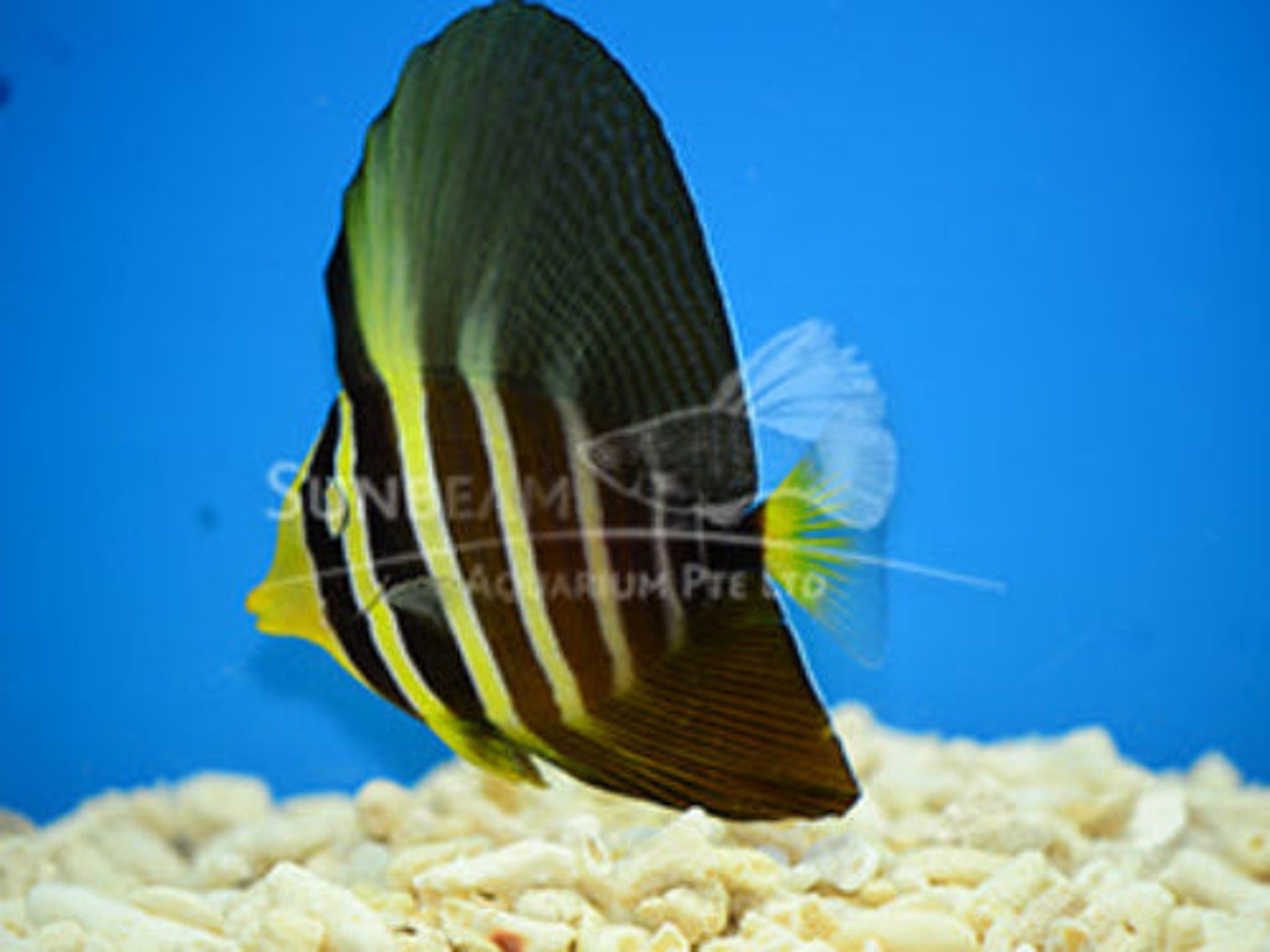
Sailfin Tangs have large dorsal and anal fins that create a dramatic silhouette when extended. They can become substantial fish and require plenty of swimming room.
Powder Blue Tangs are highly prized for their striking blue, black, white and yellow coloration. They are active fish and can be more demanding than some other commonly kept Tangs.
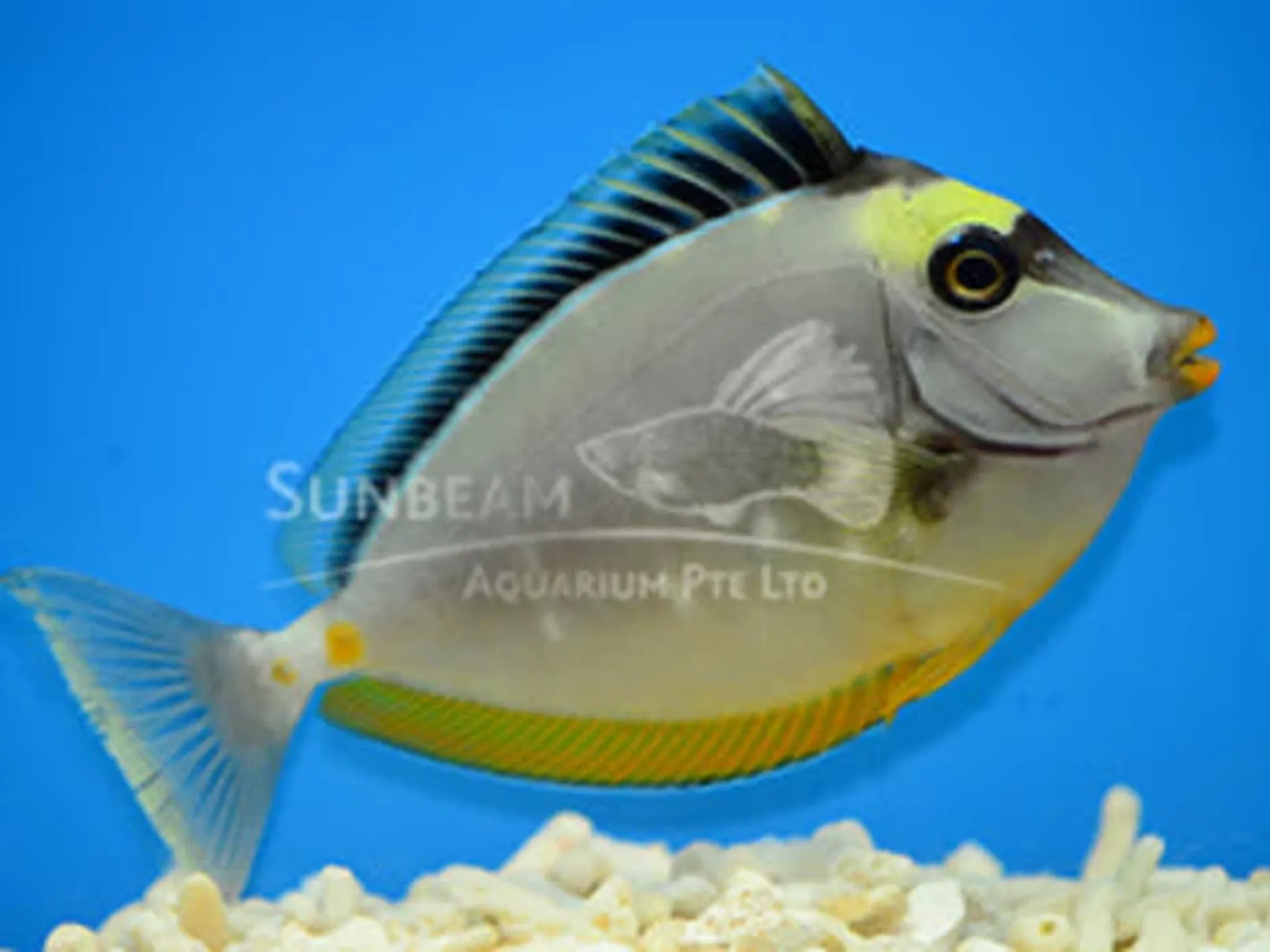
Naso Tangs are large, powerful swimmers that can become impressive showpiece fish. Their adult size makes them better suited to very spacious marine aquariums.
Kole Tangs are popular bristletooth Tangs known for grazing films and algae from rockwork. Their feeding style differs somewhat from larger open-water grazing species.
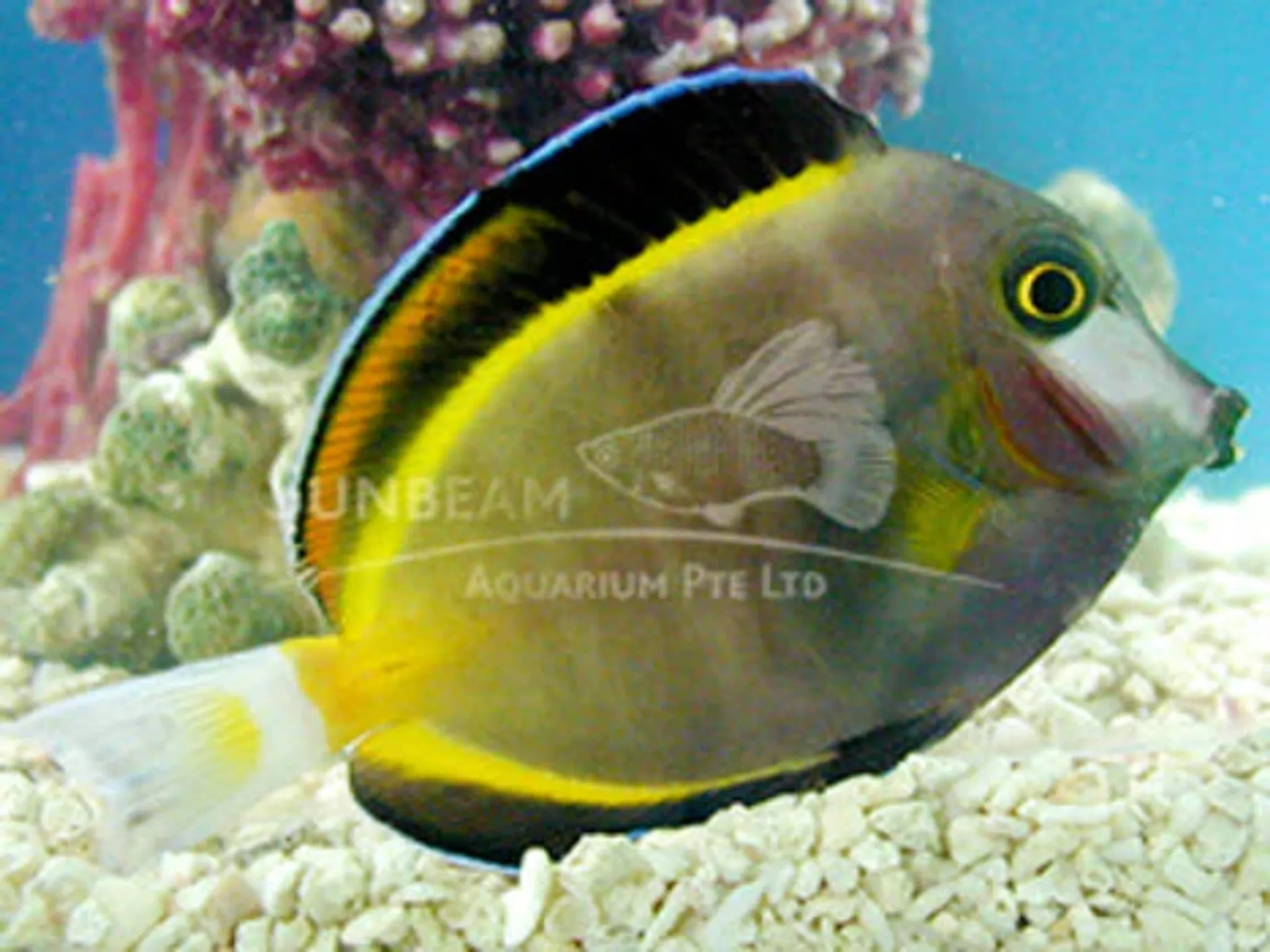
Tomini Tangs are another smaller bristletooth species often considered for more compact reef aquariums compared with very large Tang species.
Other Tangs and Surgeonfish may include Purple Tang, Achilles Tang, Convict Tang, Scopas Tang and other species depending on seller availability.
Tang species vary greatly in adult size.
Juveniles sold in aquarium shops may look compact, but some species grow into large, deep-bodied fish that need much more room than their purchase size suggests.
Tangs are active swimmers and generally benefit from long aquariums with substantial horizontal swimming space.
Suitable tank size depends strongly on the exact species, adult dimensions and whether multiple Tangs are being kept together.
Many Tangs are popular reef fish because they spend much of their time grazing rockwork and swimming in open water.
They are generally considered compatible with many corals, although individual behaviour and species differences should always be considered.
Many commonly kept Tangs are generally regarded as reef-compatible fish.
They are primarily algae grazers or omnivores rather than coral predators, but no fish should be assumed perfectly predictable in every aquarium.
Many Tangs naturally graze algae from rock surfaces throughout the day.
They can help manage some algae growth, but should not be purchased as a replacement for nutrient control, maintenance and appropriate aquarium husbandry.
Many Tangs consume substantial amounts of algae and plant-based material, although diets vary between species.
A balanced aquarium diet may include suitable marine algae, seaweed-based foods, prepared pellets and complementary foods depending on species.
Marine algae sheets and suitable seaweed-based foods are commonly offered to herbivorous and grazing Tangs.
Feeding stations or clips can provide fish with time to graze in a way that more closely matches their natural feeding style.
Tangs are active grazers and often benefit from access to suitable food across the day rather than relying on one very large meal.
Feeding frequency should still be balanced against aquarium filtration and nutrient management.
Tangs and Clownfish can often coexist in appropriately sized marine aquariums.
They generally occupy different ecological niches, although territorial Clownfish may still defend their host area.
Many Wrasses can coexist with Tangs when the aquarium provides enough space and both species have compatible temperaments.
Compatibility should be assessed at species level because some Wrasses become large or aggressive.
Tangs and marine Angelfish are commonly combined in larger marine aquariums.
Both groups can become territorial, so adult size, tank dimensions and access to food should be considered carefully.
Small Gobies usually occupy very different parts of the aquarium from Tangs and can often coexist peacefully.
Ensure smaller fish are not constantly displaced from feeding areas by much larger, faster swimmers.
Many Tangs can coexist with ornamental marine shrimp.
Cleaner shrimp may even interact with larger fish, although such cleaning behaviour should not be relied on as a health treatment.
Tangs are widely kept in coral reef aquariums and are generally chosen for compatibility with corals.
Ensure enough open swimming room remains even in heavily aquascaped reef tanks.
Multiple Tangs can sometimes coexist, but aggression between them is common.
Fish with similar body shapes may view one another as competitors, so species choice, aquarium size and introduction strategy all matter.
Tangs can become territorial toward similar-looking fish or newly introduced competitors.
Large aquariums, substantial swimming room and well-planned stocking can reduce conflict, but cannot guarantee peaceful behaviour.
Live rock provides grazing surfaces, shelter and structure for Tangs.
Avoid filling the entire aquarium with rock, as active Tangs also need open routes for continuous swimming.
Tangs benefit from stable marine water conditions, good oxygenation and consistent aquarium maintenance.
Sudden changes in salinity, temperature or water quality can create unnecessary stress.
Tangs are active fish that can contribute significant bioload, particularly as they grow.
Effective biological and mechanical filtration, protein skimming and suitable water movement can all form part of a well-managed marine system.
Tangs are powerful swimmers and generally handle good water movement well.
Flow should still be distributed so fish have both active swimming areas and places to rest.
Active marine fish benefit from well-oxygenated water.
Good circulation, surface gas exchange and appropriate stocking all contribute to maintaining suitable oxygen availability.
Tangs can be sensitive to stress and may develop visible signs of disease when transport, nutrition or aquarium conditions are poor.
Good nutrition, quarantine, stable water and careful observation are important parts of long-term care.
Quarantine can help aquarists observe a new Tang's feeding behaviour, condition and health before introduction to an established display aquarium.
This can be especially useful in large reef systems where removing a fish later can be difficult.
Introduce new Tangs carefully to avoid abrupt changes in temperature and salinity.
Also consider aggression from established Tangs or other territorial fish during introduction.
When comparing Tang fish for sale, look for:
A Tang that is actively grazing and maintaining good body condition is generally preferable to choosing solely by colour intensity.
Some Tang species can be manageable for aquarists with established marine systems, while others are more demanding.
Their need for swimming space, good nutrition and stable water generally makes them less suitable as impulse purchases for very small beginner tanks.
Tang prices in Singapore vary according to species, size, colour, origin, rarity and seller.
Commonly available species and rare premium Tangs can differ substantially in price, so compare both the fish and its long-term care needs.
FishyHub brings Tang and Surgeonfish listings from marine aquarium shops, reef specialists and saltwater livestock sellers across Singapore together in one marketplace, making it easier to compare available species from multiple sources.
When comparing Tang listings, consider:
Availability changes regularly, particularly for rare Tang species, uncommon sizes and premium specimens.
Tangs are members of the surgeonfish family, named for the sharp defensive structures near the base of their tails.
Many commonly kept Tangs are generally compatible with corals and are popular reef aquarium fish.
Many Tang species graze algae, although diet and grazing behaviour vary between species.
They sometimes can in sufficiently large aquariums, but aggression between similar species and body shapes can occur.
Yes, many Tang and Clownfish combinations work well when the aquarium is large enough for the Tang.
Many Tangs can coexist with ornamental marine shrimp in reef aquariums.
Many Tangs benefit from marine algae and seaweed-based foods together with other suitable prepared foods according to species.
Many are not. Tangs are active swimmers, and several commonly sold species grow large and need substantial long-term swimming space.
Explore Tang and Surgeonfish for sale on FishyHub and compare Blue Tang, Yellow Tang, Sailfin Tang, Powder Blue Tang, Naso Tang and other species from marine aquarium sellers across Singapore. Compare species, adult size, temperament, condition and price to find a suitable Tang for your saltwater aquarium.