1–2 of 2
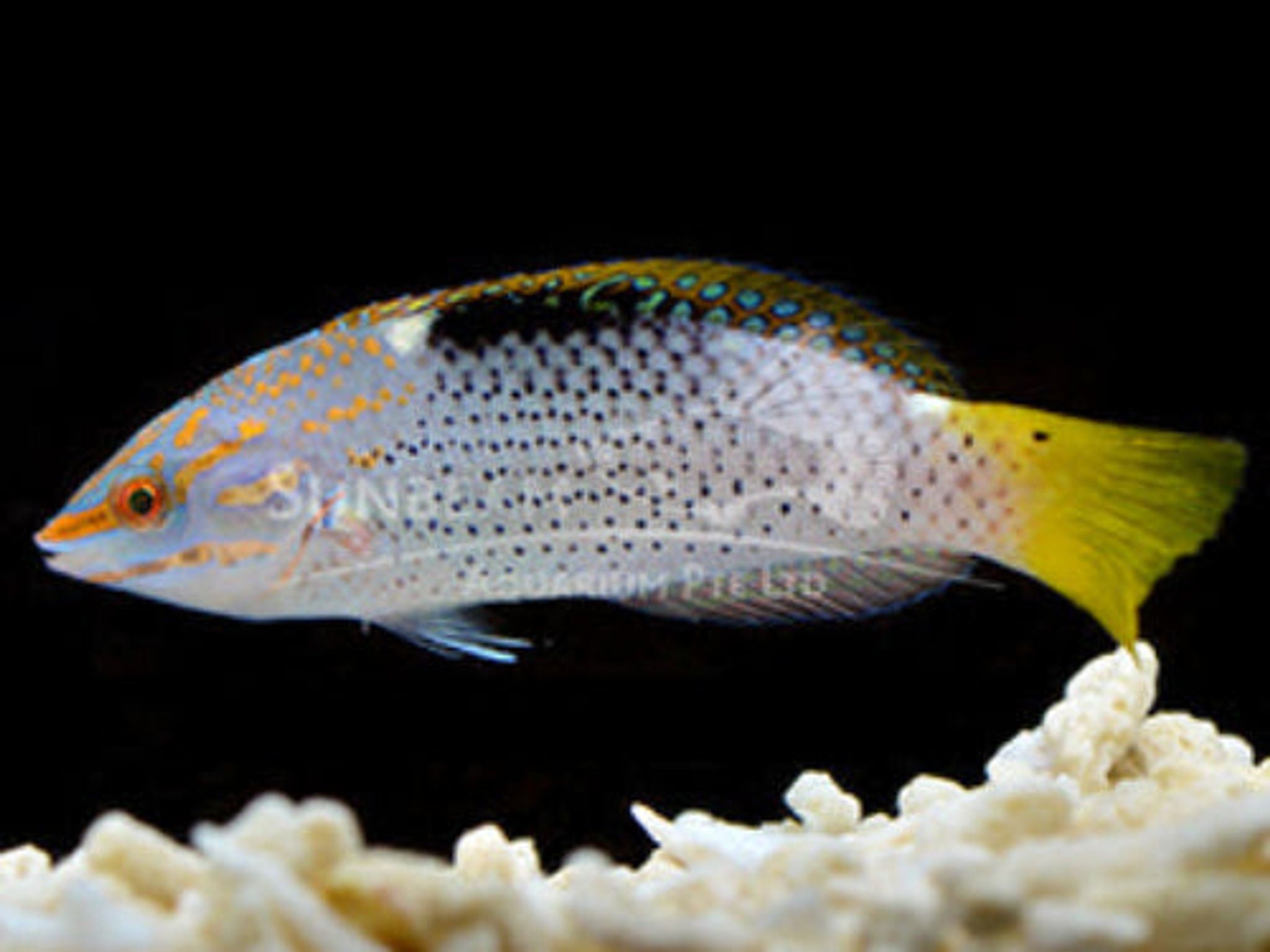
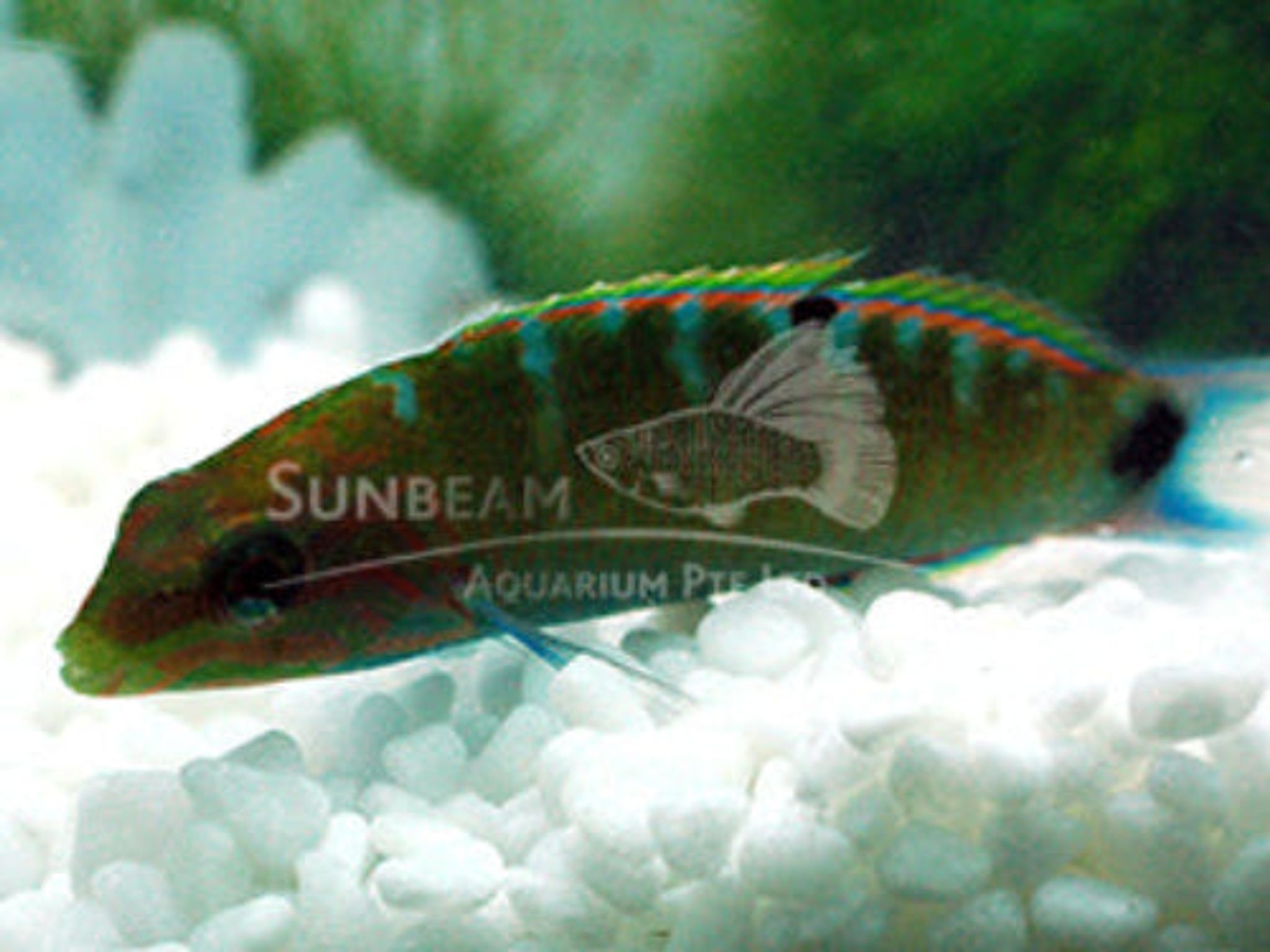
Explore Wrasse fish for sale in Singapore from marine aquarium shops, reef specialists and saltwater livestock sellers on FishyHub. Compare Fairy Wrasses, Flasher Wrasses, Six Line Wrasses, Melanurus Wrasses, Cleaner Wrasses and other species by size, colour, temperament and seller.
Wrasses are one of the most diverse groups of marine aquarium fish, ranging from peaceful colourful reef species to larger and more assertive predators. Their adult size, diet, temperament, reef compatibility and sleeping behaviour can vary dramatically, so exact species identification is especially important.
Wrasses are popular in Singapore marine aquariums because of their vivid colours, active swimming and fascinating behaviour.
Some species are excellent choices for peaceful reef communities, while others can become aggressive or prey on ornamental invertebrates.
The Wrasse family includes many aquarium species with very different care requirements, making group-level labels useful only as a starting point.
Fairy Wrasses are popular for their bright colours, elegant swimming and generally peaceful behaviour. Many are well suited to reef aquariums with similarly peaceful tankmates.
Flasher Wrasses are known for colourful display behaviour, especially when males show intensified colours and extended fins. They are active open-water swimmers and popular additions to reef tanks.
Six Line Wrasses are compact, colourful fish that constantly explore rockwork. They can be useful hunters of small invertebrates but may become territorial toward smaller or more timid fish.
Melanurus Wrasses are colourful, active fish that spend much of the day searching the aquarium for food. They may consume small worms, crustaceans and other invertebrates while foraging.
Leopard Wrasses are admired for intricate spotted patterns and graceful behaviour. They are generally more specialised than many common Wrasses and often require established aquariums with suitable substrate and natural food availability.
Cleaner Wrasses are famous for removing parasites and dead tissue from larger reef fish in nature. Their specialised feeding ecology can make some species challenging to maintain long term in aquariums.
Other aquarium Wrasses may include Possum Wrasses, Coris Wrasses, Bird Wrasses and many other species depending on seller availability. Adult size and compatibility should always be checked before purchase.
Wrasses vary enormously in adult size.
Some remain compact enough for moderate reef tanks, while others become large, powerful fish better suited to very spacious marine aquariums.
Suitable tank size depends heavily on species, adult size and swimming behaviour.
Active Fairy and Flasher Wrasses benefit from open horizontal swimming space, while larger species may need substantially more room as adults.
Yes. Many Wrasses are excellent jumpers and can escape through surprisingly small openings.
A secure mesh or aquarium cover is one of the most important parts of keeping Wrasses safely.
Many Wrasses are popular reef aquarium fish because they add movement and colour without directly feeding on corals.
Reef compatibility should still include ornamental shrimp, crabs, snails and other invertebrates, not just corals.
Some Wrasses are highly reef compatible, while others may prey on desirable invertebrates.
Fairy and Flasher Wrasses are often chosen for reef communities, while larger predatory Wrasses may be unsuitable around shrimp, crabs or snails.
Many aquarium Wrasses do not eat corals directly.
Their impact on reef compatibility often comes instead from predation on crustaceans, worms or other mobile invertebrates.
Shrimp compatibility varies substantially between Wrasse species.
Some peaceful Fairy and Flasher Wrasses may coexist with larger ornamental shrimp, while predatory Wrasses may actively hunt crustaceans.
Many smaller Wrasses ignore healthy adult snails.
Larger or more predatory species may investigate molluscs and other cleanup crew animals, so compatibility should be checked at species level.
Small crabs may be vulnerable to some Wrasse species.
Predatory or foraging Wrasses should not automatically be considered safe with ornamental crustaceans.
Many Wrasses can coexist successfully with Clownfish in appropriately sized aquariums.
Territorial Clownfish may still defend a host area, while unusually aggressive Wrasses may disturb calmer pairs.
Tangs and Wrasses often coexist well because they have different body shapes and feeding strategies.
Both groups can be active swimmers, so enough open swimming space should be available.
Many Wrasses can coexist with Dwarf Angelfish when both species have compatible temperaments.
Avoid pairing very timid Wrasses with especially territorial Angelfish in confined aquariums.
Many Gobies can coexist with peaceful Wrasses because they use different parts of the aquarium.
Aggressive Wrasse species can still intimidate smaller bottom-dwelling fish.
Temperament varies greatly across the Wrasse family.
Fairy and Flasher Wrasses are often relatively peaceful, while Six Line Wrasses and larger predatory species can become much more territorial.
Multiple Wrasses can sometimes coexist successfully, especially in larger aquariums with carefully selected species.
Similar species, males competing for territory and highly aggressive individuals may create conflict, so stocking should be planned rather than improvised.
Sex and colour can be closely linked in many Wrasse species.
Mature males may show more intense coloration and display behaviour, while some species can change sex as part of their natural social structure.
Many Wrasses change colour with age, sex, social status or breeding condition.
Juvenile and adult fish may therefore look substantially different, especially in species with dramatic terminal male coloration.
Some Wrasse species bury themselves in sand at night or when frightened.
Species with this behaviour need an appropriate substrate area, while Fairy and Flasher Wrasses generally sleep within rockwork rather than burying themselves.
A suitable sand bed is important for species that naturally bury themselves.
Check the exact Wrasse before designing the aquarium, as not every species requires sand for sleeping.
Rockwork provides shelter, sleeping areas and foraging surfaces for many Wrasses.
Leave open swimming areas alongside the rock structure, especially for active Fairy and Flasher Wrasses.
Wrasse diets vary from small crustaceans and worms to plankton and other animal foods depending on species.
Most aquarium Wrasses benefit from a varied diet matched to their natural feeding behaviour.
Fairy and Flasher Wrasses are active feeders and generally accept appropriately sized prepared and frozen marine foods.
Their active lifestyle means good nutrition is important for maintaining body condition and coloration.
Leopard Wrasses can be more specialised and may depend heavily on natural microfauna while adapting to aquarium foods.
Established aquariums with mature rockwork are often more appropriate than newly set up systems.
Cleaner Wrasses naturally obtain much of their food by cleaning other fish.
Some species can be challenging to maintain because aquarium fish populations may not provide enough natural cleaning opportunities, making established prepared-food feeding especially important.
Some Wrasses consume small worms, flatworms or other invertebrates while foraging through a reef aquarium.
Pest consumption varies between individual fish and species, so a Wrasse should not be treated as a guaranteed replacement for broader pest-management practices.
Wrasses benefit from stable marine water conditions, good oxygenation and consistent aquarium maintenance.
Species with specialist feeding habits may be particularly sensitive to poorly established systems or significant changes in conditions.
Effective biological and mechanical filtration helps maintain the water quality needed by active marine fish.
Protein skimming and good circulation can also form part of the overall filtration strategy depending on tank size and stocking.
Many Wrasses handle moderate reef-style water movement well.
Flow should still leave calmer areas around rockwork where fish can rest and sleep.
Quarantine can help aquarists observe feeding response, body condition and health before introducing a new Wrasse into the display aquarium.
The quarantine setup should also account for species-specific behaviour, including secure covering and suitable hiding or substrate where needed.
Introduce new Wrasses carefully to avoid abrupt temperature and salinity changes.
Newly introduced fish can be particularly prone to jumping, so the aquarium should be covered securely before acclimation begins.
When comparing Wrasses for sale, look for:
Behaviour should be interpreted according to species, as a sand-burying Wrasse behaves very differently from an open-water Fairy Wrasse.
Some Wrasses can be suitable for newer marine aquarists, while others are much more specialised.
Hardy Fairy, Flasher or selected other species may be manageable in established tanks, while specialist feeders such as some Leopard and Cleaner Wrasses require more experience.
Wrasse prices in Singapore vary according to species, size, sex, colour, rarity, origin and seller.
Common aquarium species and rare Fairy or specialist Wrasses can differ substantially in price.
FishyHub brings Wrasse listings from marine aquarium shops, reef specialists and saltwater livestock sellers across Singapore together in one marketplace, making it easier to compare available species from multiple sources.
When comparing Wrasse listings, consider:
Availability changes regularly, particularly for uncommon Fairy Wrasses, Flasher Wrasses and specialist species.
Many are compatible with corals, but some species may prey on shrimp, crabs, snails or other desirable invertebrates.
Yes. Many Wrasses are excellent jumpers and should be kept in securely covered aquariums.
Some species do, while others sleep within rockwork, so substrate needs depend on the exact Wrasse.
Many can, provided both species have compatible temperaments and enough space.
Some peaceful species can, while predatory Wrasses may eat ornamental shrimp.
Sometimes, especially in larger aquariums with carefully selected species, although territorial aggression can occur.
Diet varies widely by species and may include plankton, small crustaceans, worms and suitable prepared marine foods.
Some Cleaner Wrasses have specialised feeding habits and can be more challenging than common reef Wrasses, so exact species and feeding response should be considered carefully.
Explore Wrasse fish for sale on FishyHub and compare Fairy, Flasher, Six Line, Melanurus, Leopard, Cleaner and other Wrasse species from marine aquarium sellers across Singapore. Compare species, size, colour, temperament, reef compatibility and price to find a suitable Wrasse for your saltwater aquarium.