1–6 of 6
Explore clownfish for sale in Singapore from marine aquarium shops, breeders and specialist sellers on FishyHub. Compare different clownfish species, designer varieties, sizes and prices from multiple sellers in one marketplace.
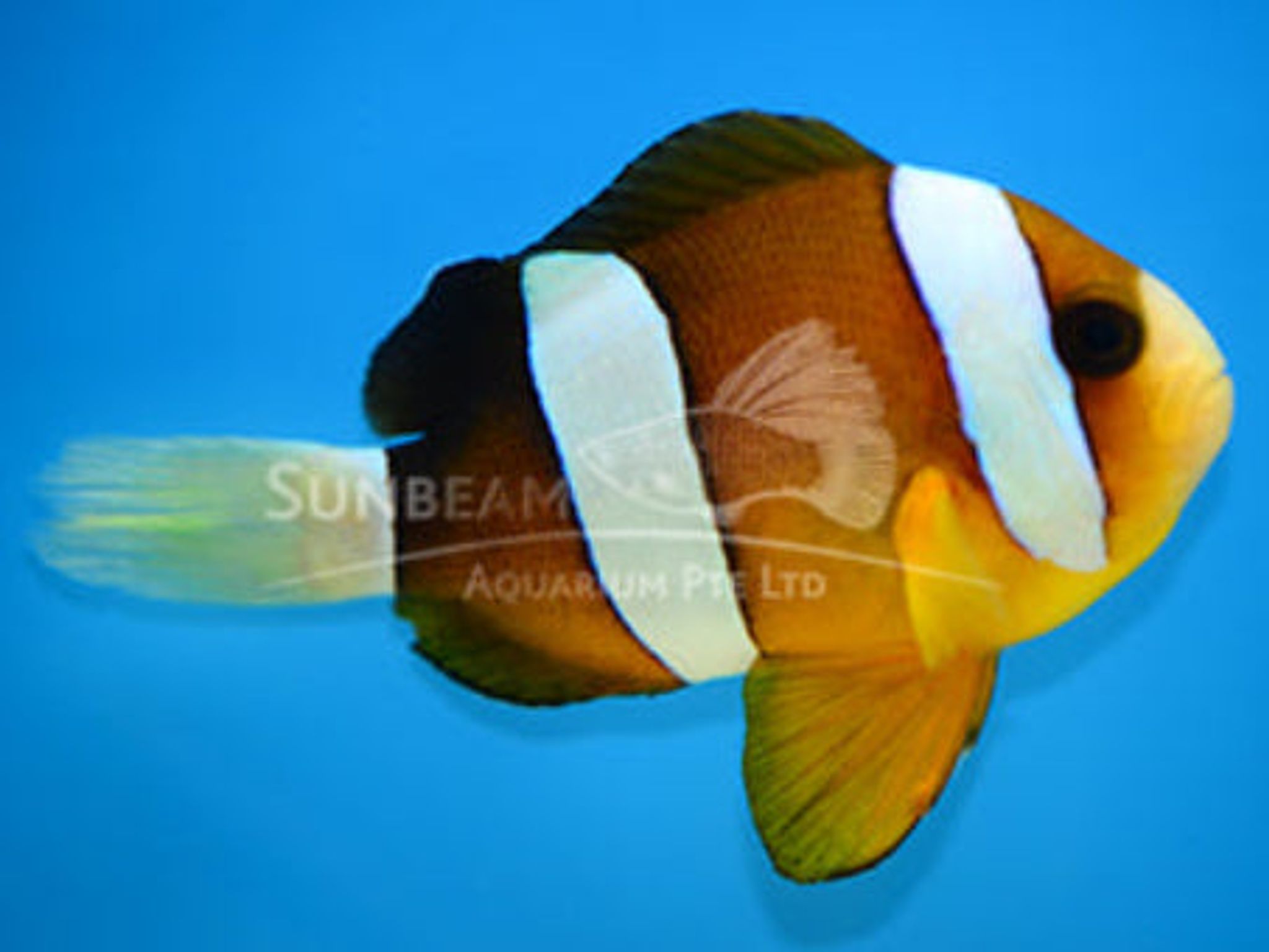
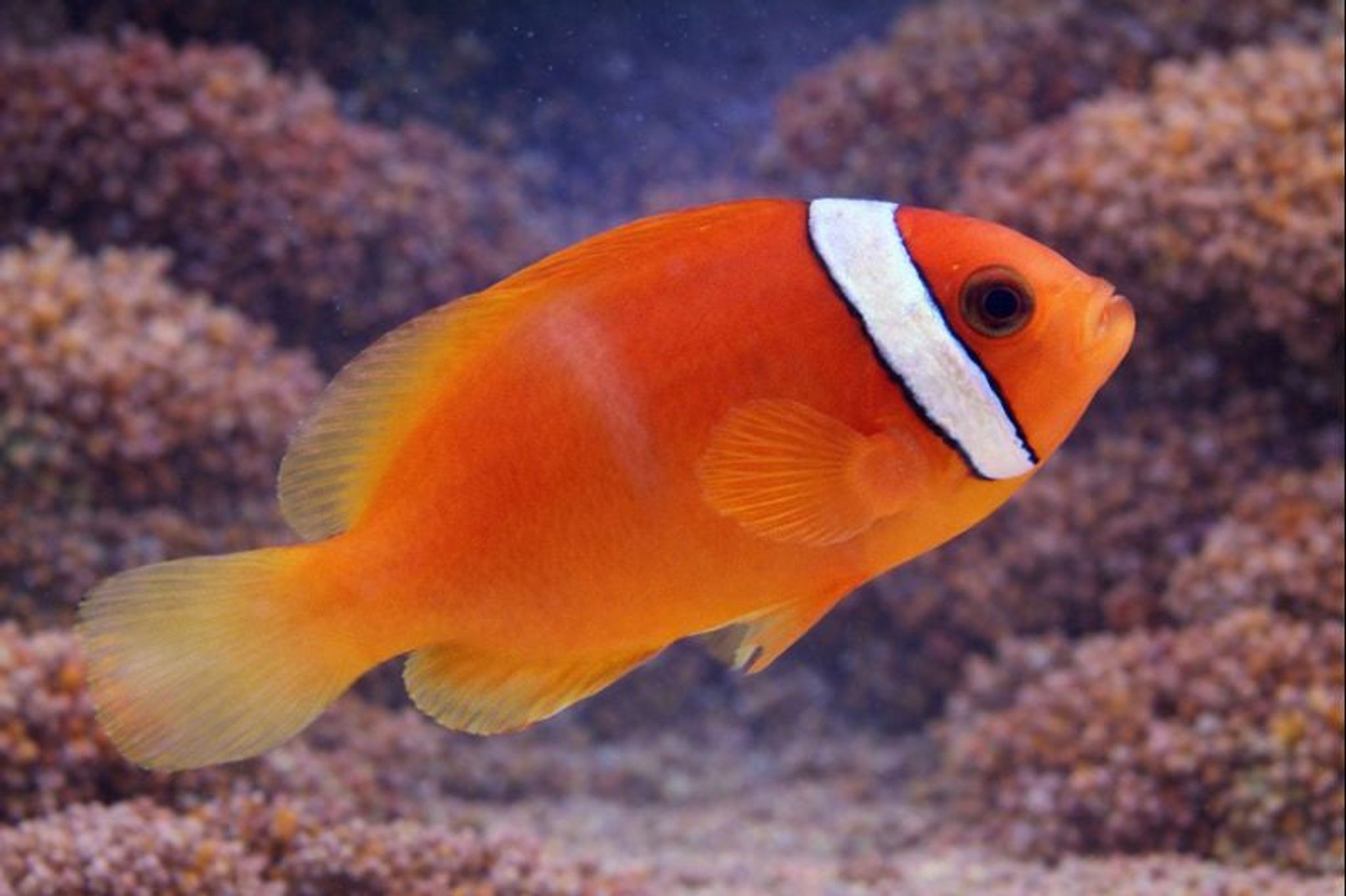
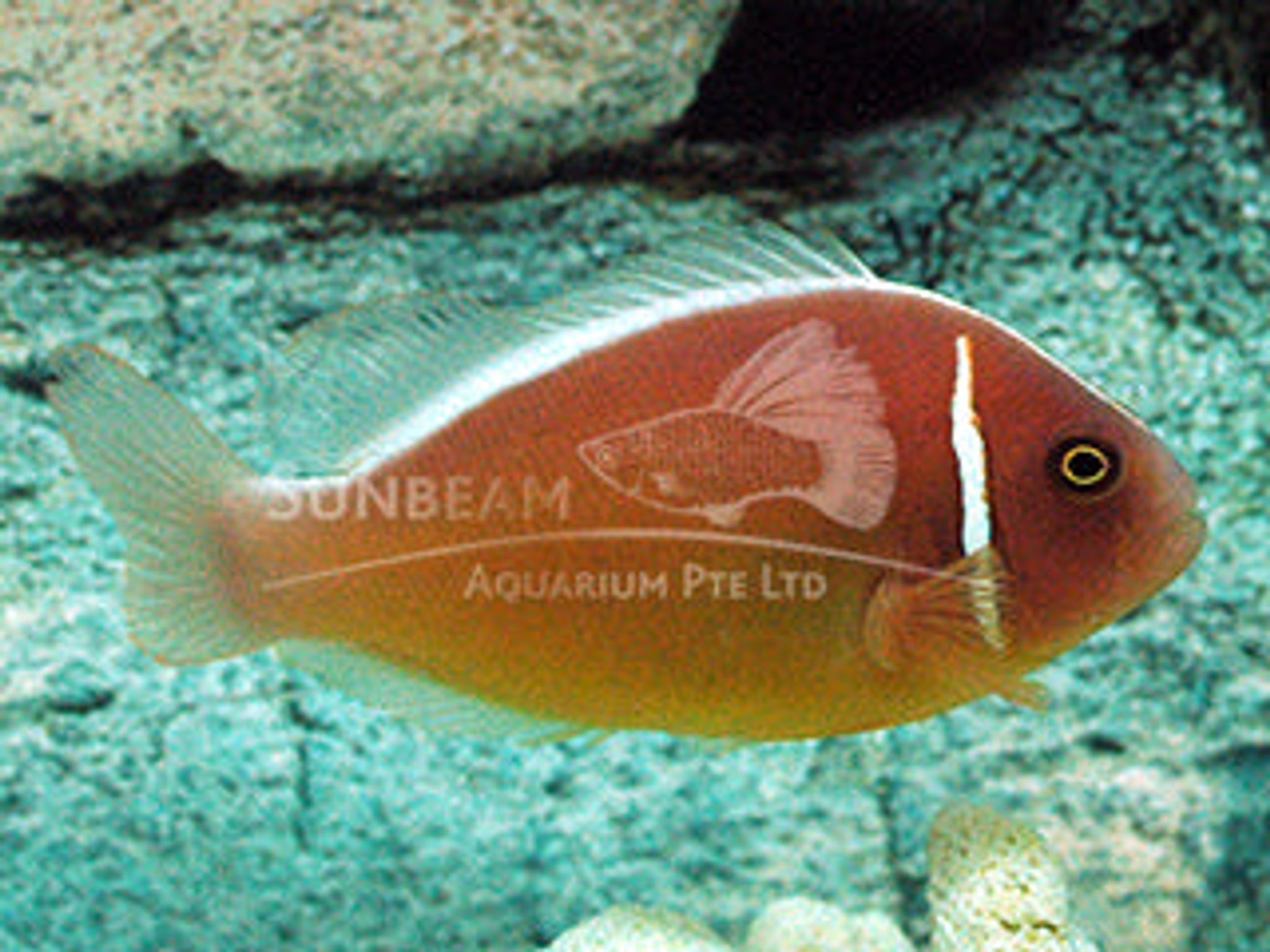
Clownfish are among the most popular marine aquarium fish, known for their bold colours, compact size and distinctive relationship with sea anemones. Captive-bred clownfish are widely available in many colour forms, from classic orange Ocellaris to striking designer morphs such as Snowflake, Black Storm and Picasso.
Clownfish include several species as well as many selectively bred colour and pattern varieties. Adult size, temperament and appearance can vary between types.
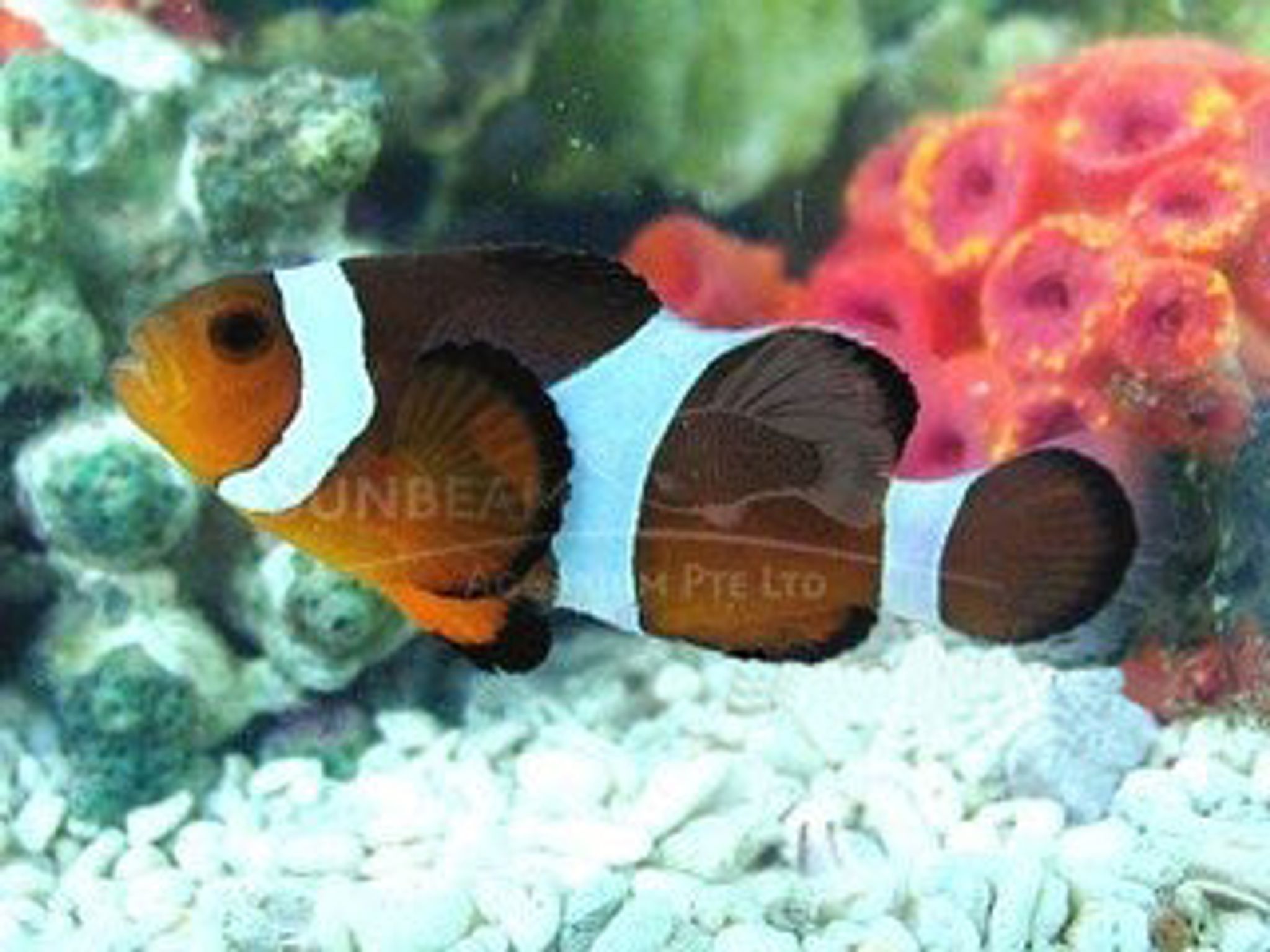
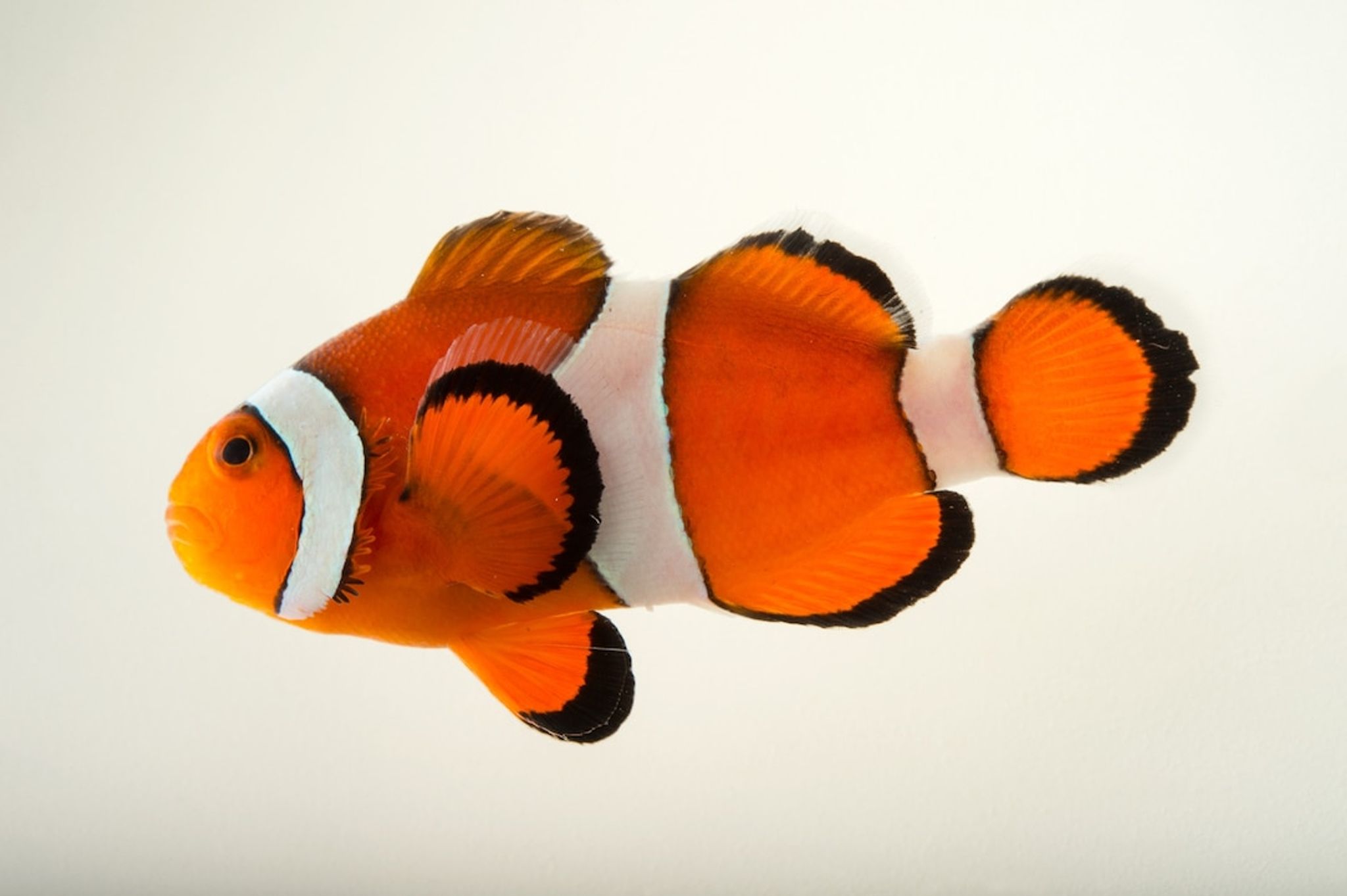
Ocellaris Clownfish are among the most familiar marine aquarium fish, usually showing orange bodies with three white bands. They are widely kept by both beginners and experienced reef aquarists.
Percula Clownfish are similar in appearance to Ocellaris but are a separate species. They are valued for their bright orange coloration and often more pronounced black edging around the white bands.
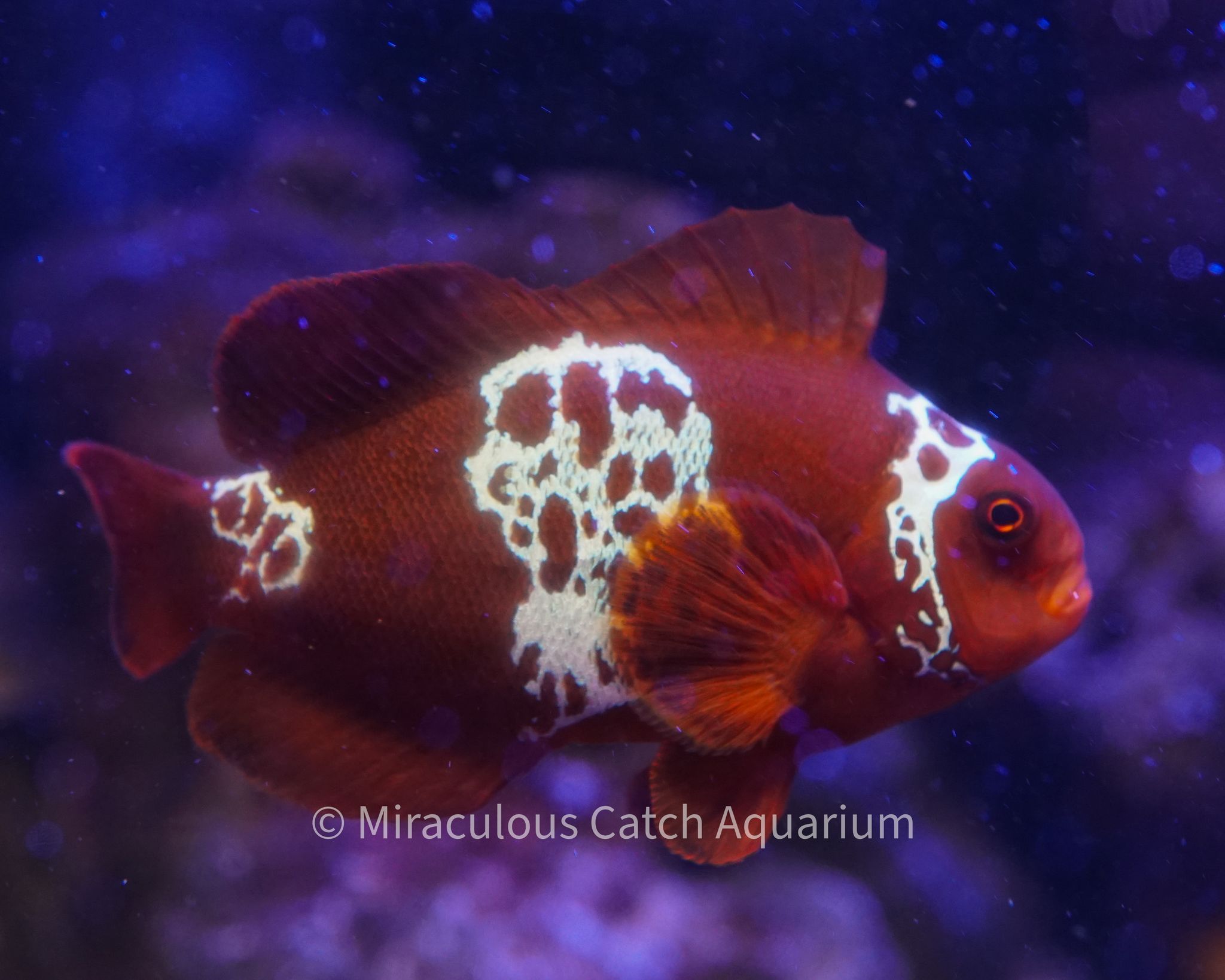
Black Storm Clownfish are designer Ocellaris forms with irregular black-and-white patterning. Each individual can look quite different, which makes recent photos especially useful when comparing listings.
Snowflake Clownfish are selectively bred Ocellaris with expanded and irregular white markings. Pattern coverage varies considerably between individual fish.
Picasso Clownfish are designer Percula forms known for broken or unusually shaped white bands. Their distinctive markings make them popular among collectors and reef hobbyists.
Maroon Clownfish are larger and generally more territorial than Ocellaris or Percula. Their deep red to maroon coloration is striking, but their stronger temperament should be considered when planning tankmates.
Many clownfish available in the aquarium trade are captive bred. Captive-bred fish are often already accustomed to aquarium foods and life in a home aquarium environment.
Designer clownfish varieties are also commonly produced through captive breeding, creating a wide range of colours and patterns within popular species such as Ocellaris and Percula.
When comparing clownfish for sale, look for:
Avoid fish that are persistently gasping, swimming erratically or refusing food without a clear reason.
Clownfish are relatively compact marine fish, but they still need a stable, fully cycled saltwater aquarium.
A suitable setup may include:
Smaller clownfish species can work in compact marine tanks, but larger or more territorial species need more room, particularly when kept as pairs.
No. Clownfish do not need an anemone to survive or remain healthy in an aquarium.
Many captive-bred clownfish live perfectly well without one and may adopt corals, rockwork or other areas of the aquarium as a preferred territory. Anemones have their own lighting and water-quality requirements and should not be added only because a clownfish is present.
Different clownfish species naturally associate with different host anemones, and not every clownfish will accept every anemone.
Aquarium behaviour can also differ from wild associations, especially with captive-bred fish. Research the exact clownfish and anemone species before attempting a pairing.
Clownfish are commonly kept as pairs, particularly when two compatible individuals are introduced at suitable sizes.
Clownfish have a social hierarchy, and aggression can occur while a pair forms. Keeping multiple unrelated adult clownfish together can be more difficult, especially in smaller tanks.
Clownfish have an unusual social structure in which the dominant fish in a pair becomes female, while the smaller fish remains male.
This is why aquarists often form pairs using fish of noticeably different sizes rather than trying to identify sex visually in young individuals.
Clownfish are omnivorous and generally accept a wide range of marine aquarium foods.
Suitable foods may include:
A varied diet can help support healthy body condition and coloration.
Most commonly kept clownfish are considered suitable for reef aquariums and generally do not eat corals.
Individual fish may nevertheless adopt a coral as a host and repeatedly rub or nest within it, which can sometimes irritate the coral.
Clownfish can live with many reef-safe marine fish when aquarium size, temperament and territorial behaviour are compatible.
Ocellaris and Percula are often easier community choices than larger, more aggressive clownfish species. Established pairs may defend the area around their chosen territory.
Smaller clownfish species are popular choices for nano reef aquariums because they do not require the same swimming space as large marine fish such as Tangs.
Nano tanks can experience rapid changes in salinity and water chemistry, so stable maintenance is still essential.
Established clownfish pairs may spawn in home aquariums, often laying eggs on a cleaned rock or other hard surface near their chosen territory.
Raising the larvae is more specialised than keeping the adults and typically requires dedicated food cultures and a separate rearing setup.
Clownfish prices in Singapore vary depending on species, size, captive-bred variety, pattern, breeder and seller.
Standard Ocellaris Clownfish may be relatively affordable, while premium designer morphs with unusual colours or patterns can cost considerably more.
FishyHub brings clownfish listings from marine aquarium shops, breeders and specialist sellers across Singapore together in one marketplace, making it easier to compare available fish from multiple sources.
When comparing clownfish listings, consider:
Designer clownfish patterns can vary substantially between individual fish, so current photos are especially useful when comparing premium specimens.
Browse current clownfish listings on FishyHub to compare Ocellaris, Percula, Snowflake, Black Storm, Picasso, Maroon and other varieties from marine aquarium sellers across Singapore. Availability changes as sellers update their livestock.
Prices vary depending on species, size, breeder and colour pattern. Standard clownfish are generally less expensive than premium designer morphs.
Captive-bred Ocellaris and Percula Clownfish are often considered suitable first marine fish when kept in a properly cycled and stable saltwater aquarium.
No. Clownfish can live healthy lives without an anemone and many captive-bred fish never require one.
Yes, compatible clownfish are commonly kept as pairs. Size differences can help establish their social hierarchy.
They are closely related but separate species with subtle differences in appearance. Percula often shows stronger black edging, although individual and designer varieties can make visual identification harder.
Most commonly kept clownfish are suitable for reef aquariums and generally do not eat corals.
Clownfish can eat marine pellets, flakes, mysis shrimp, brine shrimp and other appropriately sized marine foods.
Smaller Ocellaris and Percula varieties are commonly considered for compact reef tanks, while larger and more territorial species such as Maroon Clownfish generally need more space.
Explore clownfish for sale on FishyHub and compare Ocellaris, Percula, Snowflake, Black Storm, Picasso, Maroon and other varieties from sellers across Singapore. Compare species, patterns, sizes and prices to find clownfish suited to your marine or reef aquarium.