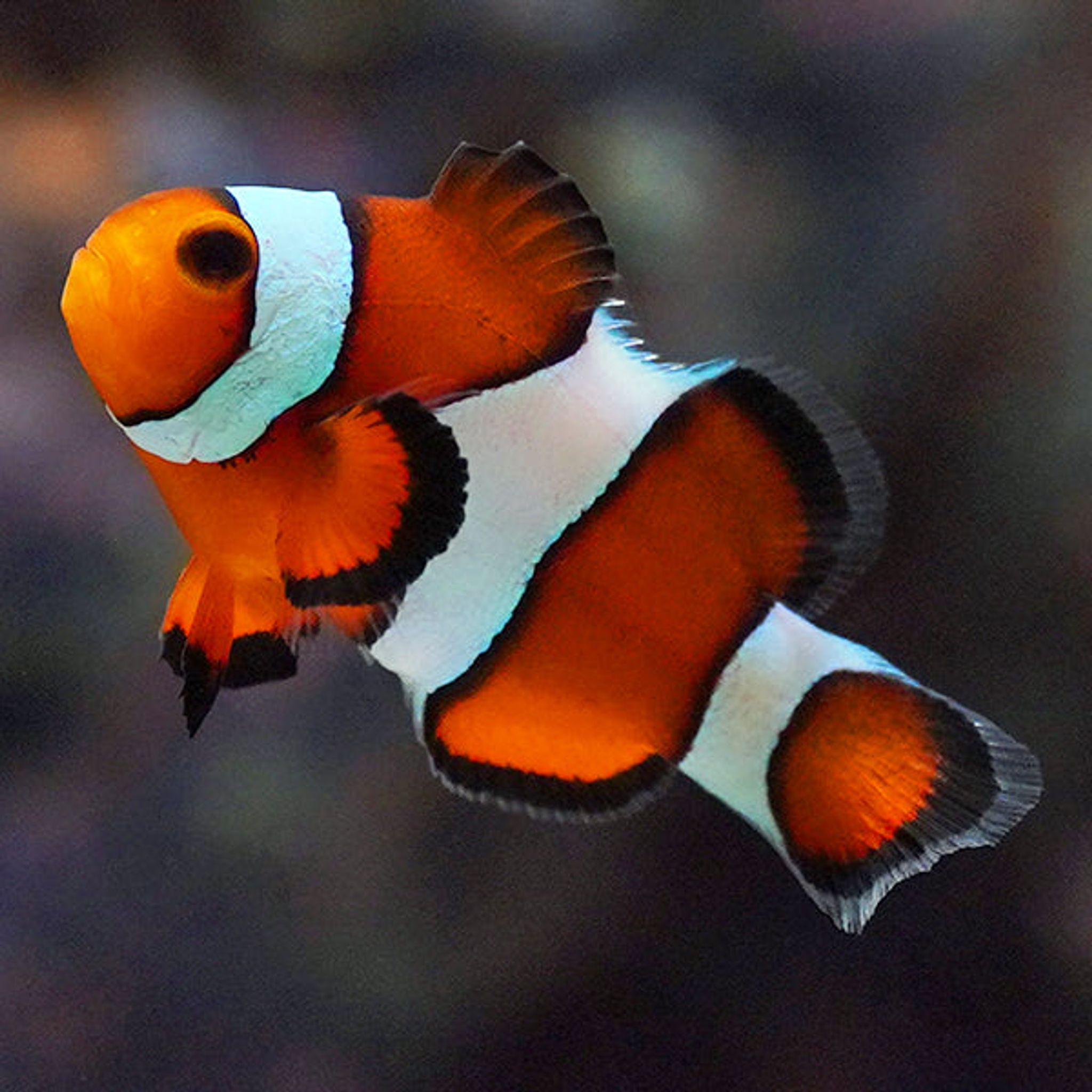
Best Tank Mates for Ocellaris Clownfish: Peaceful, Risky and Incompatible Choices
The best tank mates for ocellaris clownfish are small, peaceful reef fish and invertebrates that stay out of the clowns' chosen territory: gobies, cardinalfish, firefish, chromis, small blennies, and cleaner shrimp. Mid-sized fish like dottybacks, dwarf angelfish, and damsels can work but carry real risk, while large predators such as lionfish, groupers, and triggers are simply incompatible. Below is how to sort the options and plan a stocking order that keeps everyone calm.
What Makes a Good Clownfish Tank Mate
Ocellaris clownfish (Amphiprion ocellaris) are among the gentler clown species, reaching roughly 3–4 inches (7.5–10 cm). They are not pushovers, though. A mated pair will claim a spot — an anemone, a coral, a rock overhang, or even a powerhead — and defend it, especially once they start laying eggs.
A compatible tank mate generally has these traits:
- Similar or slightly larger size, but not large enough to fit a clownfish in its mouth
- Peaceful to semi-aggressive temperament with no history of harassing slow swimmers
- Different niche — sand-dwelling, rock-hugging, or open-water schooling, rather than competing for the same hosting spot
- Same water needs: 75–80°F (24–27°C), specific gravity 1.023–1.026, pH 8.1–8.4
Clownfish are slow, paddling swimmers. Anything that nips fins or hunts small fish will stress them quickly.
Peaceful Tank Mates (Low Risk)
These choices are widely considered safe with ocellaris clowns in a properly sized tank.
Gobies
Watchman gobies, yellow clown gobies, neon gobies, and shrimp gobies stay near the bottom or perch on rock, far from where clowns hover. Pairing a watchman goby with a pistol shrimp adds an interesting symbiotic display. FishyHub carries a range of marine gobies suited to reef tanks.
Cardinalfish
Banggai and pajama cardinals are slow, calm, and mostly hang in place. They rarely compete with clowns. Keep a single Banggai or a known pair, since they can squabble among themselves.
Firefish and Dartfish
Firefish gobies and purple firefish hover just above the rockwork and dart into holes when threatened. They are timid, so add them before or alongside the clowns rather than long after.
Chromis
Green chromis add movement in the upper water column. They are peaceful, but groups often dwindle as individuals pick on each other; many keepers now prefer one to three fish or a group of five or more in larger tanks rather than a small, mixed-size group.
Small Blennies
Tailspot, midas, and bicolor blennies are generally fine. Lawnmower blennies also work in tanks with enough algae. Blennies may squabble with other blennies but usually ignore clownfish.
Royal Gramma
Grammas claim a cave and stay near it. As long as their cave is away from the clowns' spot, the two usually coexist without issue.
Invertebrates
Most reef invertebrates are safe with ocellaris clowns:
- Cleaner shrimp and fire (blood) shrimp
- Turbo, trochus, nassarius, and cerith snails
- Hermit crabs (small reef-safe species)
- Emerald crabs, with the usual caveat that larger ones can get opportunistic
Browse marine invertebrates for a cleanup crew that fits the tank.
Risky Tank Mates (Proceed With Caution)
These fish can live with ocellaris clowns, but outcomes depend on tank size, individual personality, and order of introduction. Keepers report both success and failure with each.
Dottybacks
Orchid and captive-bred dottybacks are among the milder options, but many dottybacks are territorial and bold. In a small tank they may clash with clowns over rockwork.
Damselfish
Most damsels grow more aggressive with age. Yellowtail blue damsels and some captive-bred varieties are milder, but domino and three-stripe damsels are frequently bullies. Avoid them in tanks under 55 gallons (208 L).
Dwarf Angelfish
Coral beauty and flame angels are often kept with clowns in tanks of 55 gallons (208 L) or more. Risks include territorial chasing and, for reef keepers, nipping at LPS corals and clam mantles.
Hawkfish
Flame and longnose hawkfish are perch hunters. They usually leave adult clowns alone, but they will eat small shrimp and may pester small fish.
Tangs
Yellow tangs and other surgeonfish are not aggressive toward clowns, but they need long swimming room — typically 75–125 gallons (284–473 L) or more depending on species. Crowding them in a small tank leads to stress and aggression toward everyone.
Other Clownfish
Mixing clownfish species (or adding extra ocellaris to an established pair) is one of the most common causes of fighting. Keep one pair per tank unless the tank is very large and heavily aquascaped, and even then expect conflict.
Anemones
Anemones are not fish, but they belong on the "risky" list. Bubble tip anemones are the usual host for ocellaris clowns, yet anemones wander, can sting corals, and need strong, stable lighting. Clowns do not require an anemone to thrive.
Incompatible Tank Mates (Avoid)
These fish will likely eat, injure, or constantly harass ocellaris clownfish:
- Lionfish — ambush predators that will swallow a clownfish
- Groupers — grow large and eat any fish that fits in their mouth
- Moray eels — nocturnal hunters of small fish
- Triggerfish (most species) — aggressive, powerful biters
- Large puffers — known fin nippers and bullies
- Large angelfish in smaller tanks — territorial and outsized
- Frogfish — can eat fish nearly their own size
- Large wrasses (e.g., adult lunare or banana wrasses) — aggressive and predatory
- Maroon clownfish and other aggressive clown species — will attack ocellaris
Compatibility at a Glance
| Tank Mate | Risk Level | Minimum Tank Size | Main Concern |
|---|---|---|---|
| Watchman / clown goby | Low | 20 gal (76 L) | None significant |
| Banggai cardinal | Low | 30 gal (114 L) | Squabbles with own kind |
| Firefish | Low | 20 gal (76 L) | Timid; may hide |
| Green chromis | Low | 30 gal (114 L) | Group infighting |
| Royal gramma | Low | 30 gal (114 L) | Cave territoriality |
| Cleaner shrimp | Low | 20 gal (76 L) | Eaten by hawkfish |
| Dottyback | Medium | 30 gal (114 L) | Territorial chasing |
| Coral beauty / flame angel | Medium | 55 gal (208 L) | Chasing; may nip corals |
| Damselfish | Medium–High | 55 gal (208 L) | Aggression with age |
| Yellow tang | Medium | 75–100 gal (284–379 L) | Needs swimming space |
| Lionfish / grouper | Incompatible | — | Predation |
| Maroon clownfish | Incompatible | — | Direct aggression |
Minimum sizes vary among experienced keepers; treat these as general starting points rather than firm rules.
Stocking Order Tips
The order you add fish often matters as much as which fish you choose.
- Add the most peaceful fish first. Gobies, firefish, and cardinals should go in before the clowns so they can claim hiding spots.
- Add clownfish next. A juvenile pair settles in without dominating the whole tank.
- Add semi-aggressive fish last. Dottybacks, dwarf angels, and damsels should come in after everyone else is established.
- Quarantine new fish. A separate quarantine tank for two to four weeks reduces the chance of introducing disease such as marine ich or Brooklynella, which clownfish are particularly prone to.
- Rearrange rockwork before adding a territorial fish to reset existing claims.
Frequently Asked Questions
How many fish can I keep with two ocellaris clownfish in a 20-gallon tank?
A 20-gallon (76 L) tank can typically hold a clownfish pair plus one or two small, peaceful fish such as a goby or firefish, along with a cleanup crew. Overstocking a small tank raises aggression and makes water quality harder to keep stable.
Can ocellaris clownfish live with a yellow tang?
Temperament-wise, yes — yellow tangs usually ignore clownfish. The problem is space: most keepers recommend at least 75–100 gallons (284–379 L) for a yellow tang, so it is only a good match in larger aquariums.
Will clownfish attack other fish?
Ocellaris clowns are fairly peaceful, but a mated pair will chase fish that approach their host or egg site. This usually involves posturing and short chases rather than injury, though a spawning female can become noticeably more defensive.
Can I keep ocellaris and percula clownfish together?
It is generally not recommended. The two species look similar and compete for the same niche, so they tend to fight. In most home aquariums, a single pair of one species is the safest approach.
Do ocellaris clownfish need an anemone to be happy?
No. Captive-bred ocellaris clowns live full, healthy lives without an anemone, often hosting a coral, rock, or equipment instead. An anemone is an optional addition that brings its own care demands.
Choosing Your Clownfish Community
Ocellaris clownfish are an easy centerpiece for a peaceful reef or fish-only tank, provided their neighbors are small, calm, and not predatory. Stick to the low-risk list for most tanks, add semi-aggressive fish only with space and a plan, and leave the predators for a different setup. Browse clownfish on FishyHub to start building your community.


