1–40 of 1047
![[Relive] Tropical Fish Tiny Pellet Aquarium Fish Food 70g – Essential Nutrition and Colour Enhancement For Small Tropical Fish](https://image-cdn-prodv2.fishyhub.com/fit-in/2048x2048/inventory-images/products/product_finsandpaws_relive-tropical-fish-tiny-pellet-fish-fo_1791163753027_0.jpeg?signature=10e4ef6fb1b58db6b6155214022d5ae0664c54e8603d72da6e9cd61d9a1beb48)
1790415643814.jpeg?signature=9c9ae6cadf367ccce78bb40d2c4fe19d903a009a359706c731a5e971478d20aa)
1790415373703.jpeg?signature=910a02c77faf1d0c4a3fd62616fb3fb7a9b14c318e72286f76e0c4cc39a325a1)
1790414778556.jpeg?signature=89942aa0df083a8200b0cc16473f918987b10e9b512749c75f30376b87dec166)
1790414375453.jpeg?signature=ec4008680a69cf6577ba4ae34bd910520877fd6f0df2e48bc2bb72964cb6f553)
![[Bioscape] Insectivore Tropical Granules Fish Food 45g (Made in Europe) – Ideal for small to medium tropical aquarium fish](https://image-cdn-prodv2.fishyhub.com/fit-in/2048x2048/inventory-images/products/product_finsandpaws_bioscape-insectivore-tropical-granules-f_1790404371438_0.jpeg?signature=93507e9317f330bf5ce0acecb29e54a9e65d45e0a84ed4a5bbb982daf17a9e22)
![[Bioscape] Insectivore Betta Flakes Fish Food 25g (Made in Europe) – Ideal for Fighting Fish and other Small Freshwater Community Fishes](https://image-cdn-prodv2.fishyhub.com/fit-in/2048x2048/inventory-images/products/product_finsandpaws_bioscape-insectivore-betta-flakes-fish-f_1790404367639_0.jpeg?signature=3479bfe38a90837d27dc55064919f6bfc1bdecc78272b5ae8f1964a99a77a016)
%20-%201kg1789986753977.jpeg?signature=953658c54416af9d1cabecf7edfc2b477f552d4cfbaed6adb734bab3c096a82a)
%20-%20500g1789986623890.jpeg?signature=647764ce46bfe71f8a3a9a95760e30544d54bd29a2cd720c25eb1fd97b48e485)
%20-%201kg1789986412353.jpeg?signature=a0c245b1a12aa3d372b471a4996c70c6d2b6aab4c5c8b3ee590f70bd5be54d94)
%20-%20500g1789986072477.jpeg?signature=4e1c0a590df566b57912fb33c5742b3e9e7322ed5ca959076ffba77877dc3e8f)
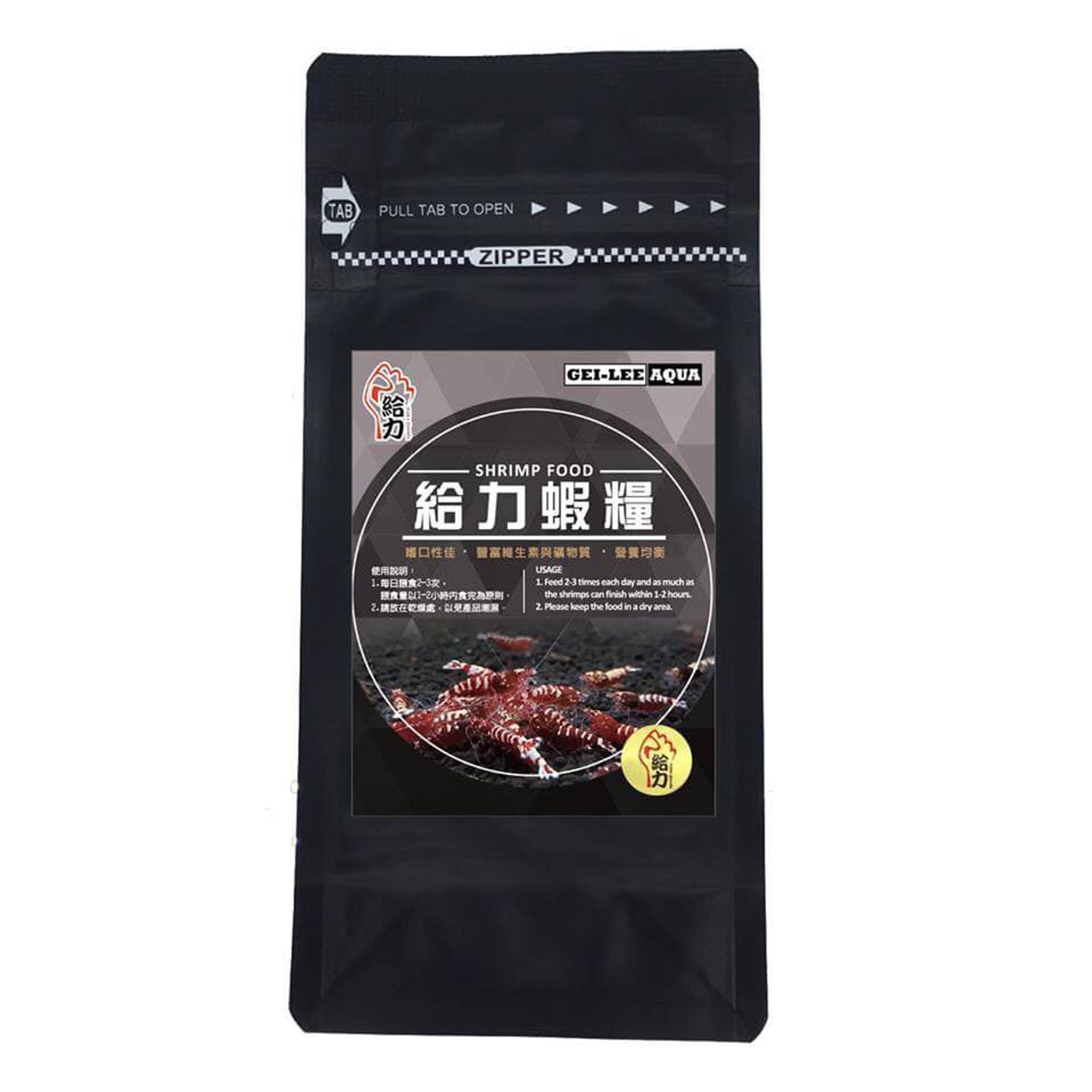
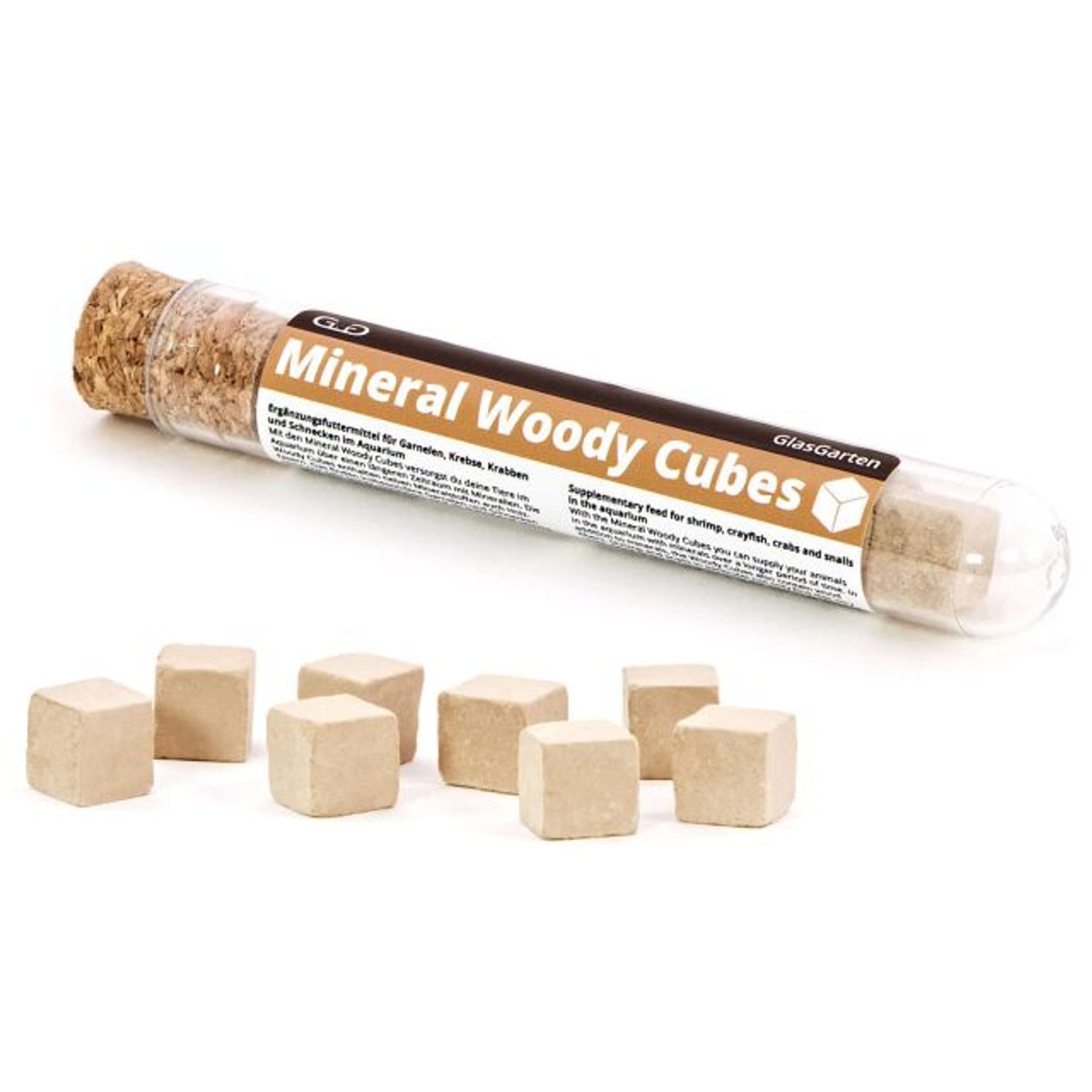
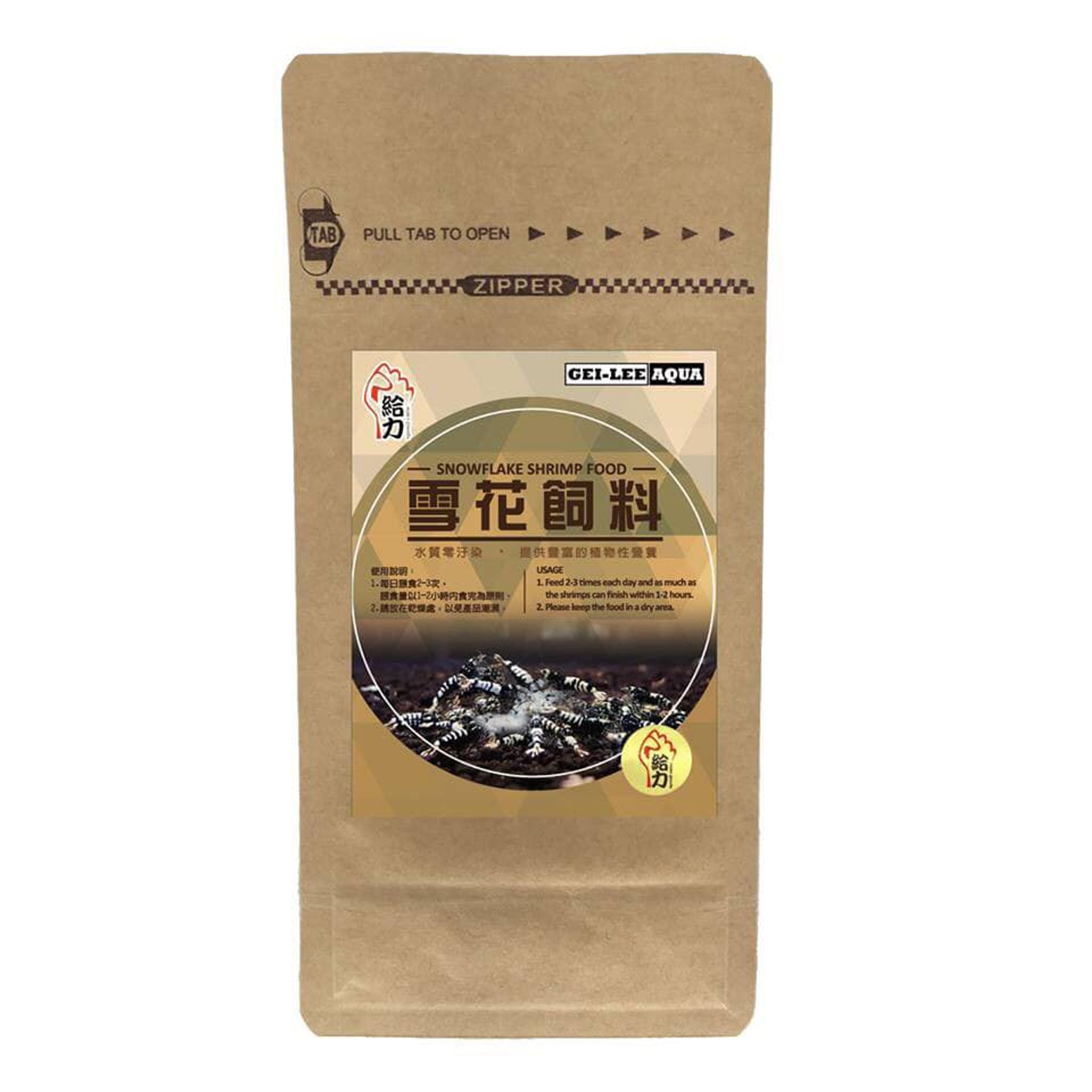

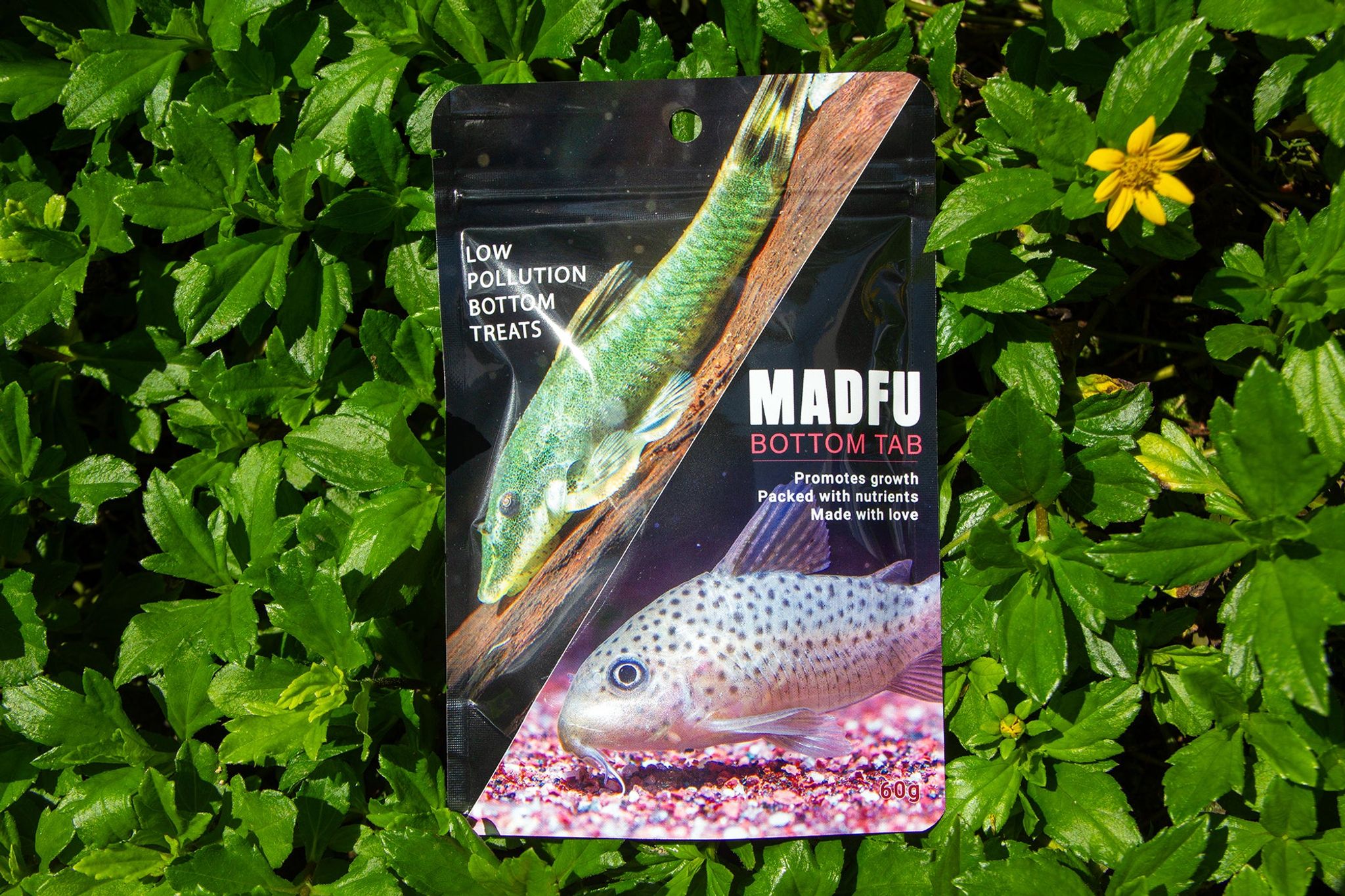
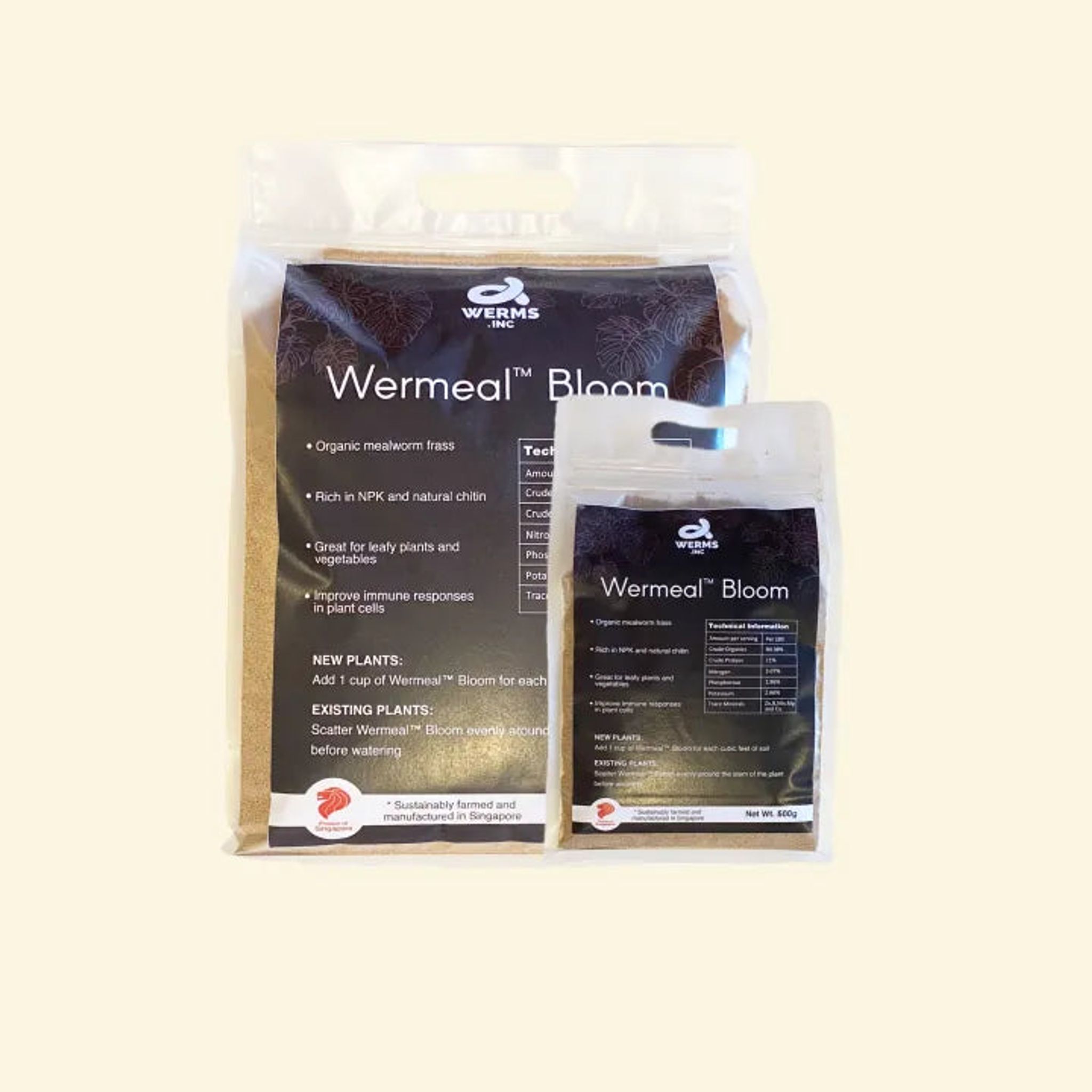



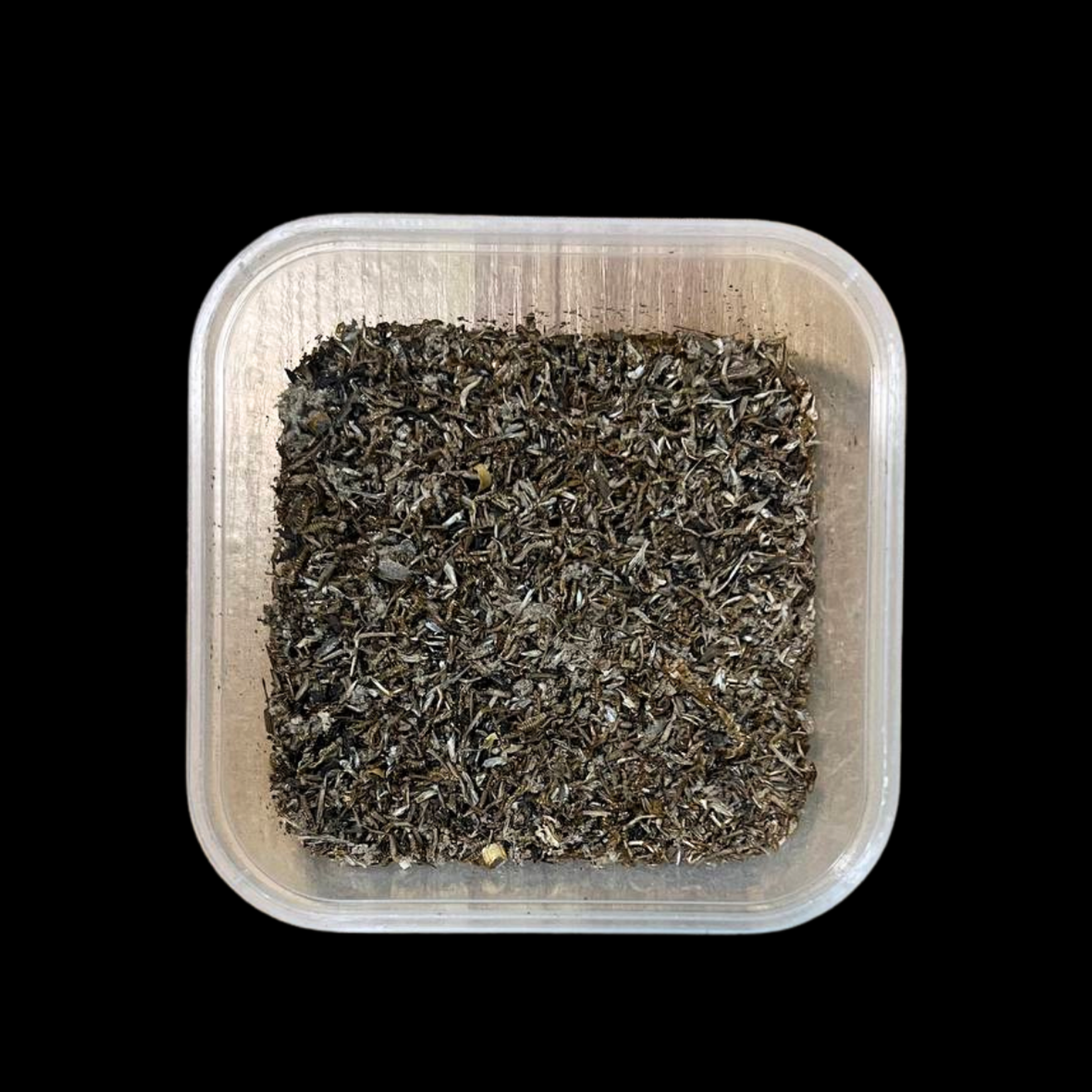
Explore aquarium fish food and supplements for sale in Singapore from aquarium shops, specialist sellers and livestock suppliers on FishyHub. Compare pellets, flakes, wafers, frozen food, shrimp food, marine food and other feeding products for freshwater and saltwater aquariums.
The right diet supports growth, condition, coloration and overall health. Different fish, shrimp and marine species have different feeding needs, so food should be chosen according to species, size, feeding behaviour and life stage rather than relying on one product for every aquarium.
Aquarium food comes in many formats designed for different feeding zones and species.
Common options include:
Check the exact formulation and intended livestock before feeding a new product.
Pellets are one of the most common foods for aquarium fish and are available in different sizes, densities and formulations.
Floating pellets suit fish that feed near the surface, while sinking pellets can be more appropriate for species that feed lower in the water column.
Flakes are convenient for many small and medium-sized community fish.
They can be crushed into smaller pieces for tiny fish, but overfeeding should be avoided because uneaten flakes can quickly break apart and add waste to the aquarium.
Sinking foods are useful for fish that feed near the bottom of the aquarium.
They can help reduce competition from surface-feeding fish and make food more accessible to bottom dwellers.
Wafers are commonly used for Plecos, Corydoras, loaches and other bottom-dwelling fish.
Different species have different nutritional needs, so algae wafers or vegetable-based foods should not automatically be treated as a complete diet for every bottom feeder.
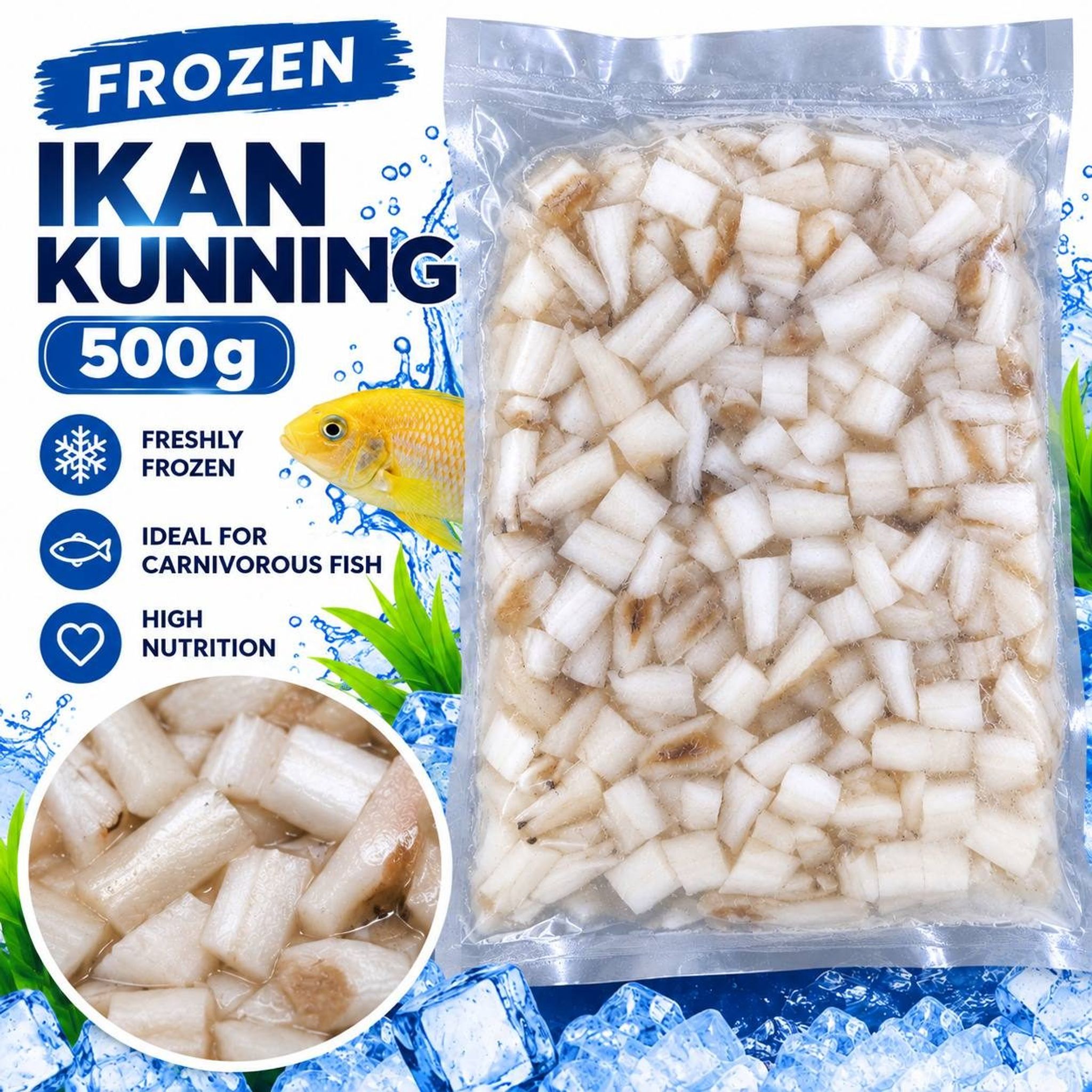
Frozen foods can provide variety and are commonly used for many freshwater and marine fish.
Products may include different aquatic organisms or prepared blends. Feed suitable portions and store frozen products according to the manufacturer's instructions.
Freeze-dried foods provide a convenient alternative to frozen or live foods and can be stored more easily.
They are often used as part of a varied diet rather than being the only food offered indefinitely.
Community fish such as Tetras, Rasboras, Guppies and other peaceful species may accept flakes, micro pellets and other appropriately sized foods.
In mixed-species tanks, make sure food reaches fish at different levels of the aquarium rather than allowing the fastest feeders to take everything.
Bettas benefit from foods formulated around their carnivorous feeding behaviour.
Suitable Betta pellets and occasional complementary foods can provide variety, while portion control is especially important in smaller aquariums.
Guppies, Mollies and other livebearers can eat a range of appropriately sized prepared foods.
A balanced diet with suitable protein and plant-derived ingredients can work well depending on the species and life stage.
Goldfish foods are formulated for their feeding behaviour and nutritional requirements.
Pellets, gels and other suitable diets may be used depending on fish size and preference. Feeding appropriate portions helps reduce excess waste in the aquarium.
Cichlids are a diverse group, and different species can have very different dietary requirements.
Some species need diets with greater plant content, while others are more predatory. Choose food for the exact cichlid species rather than using one generic diet for every cichlid tank.
Larger predatory fish often require larger food sizes and diets appropriate to their natural feeding behaviour.
Prepared pellets can make feeding more convenient and nutritionally consistent, while exact feeding requirements depend on species, size and age.
Plecos and other bottom dwellers should receive food that reaches the substrate and matches their actual dietary needs.
Not all Plecos are primarily algae eaters, so species identification is important when choosing wafers, pellets or other foods.
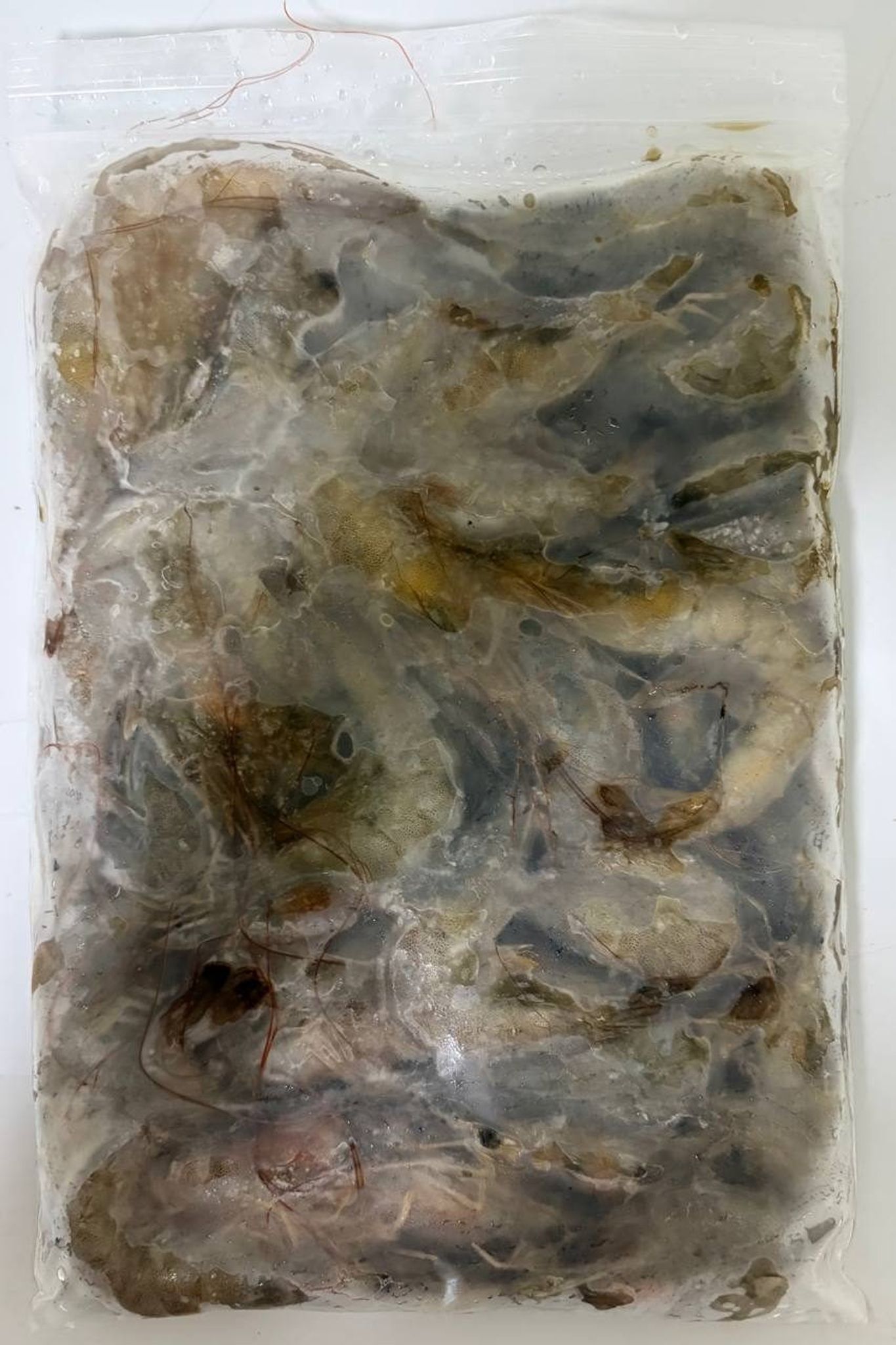
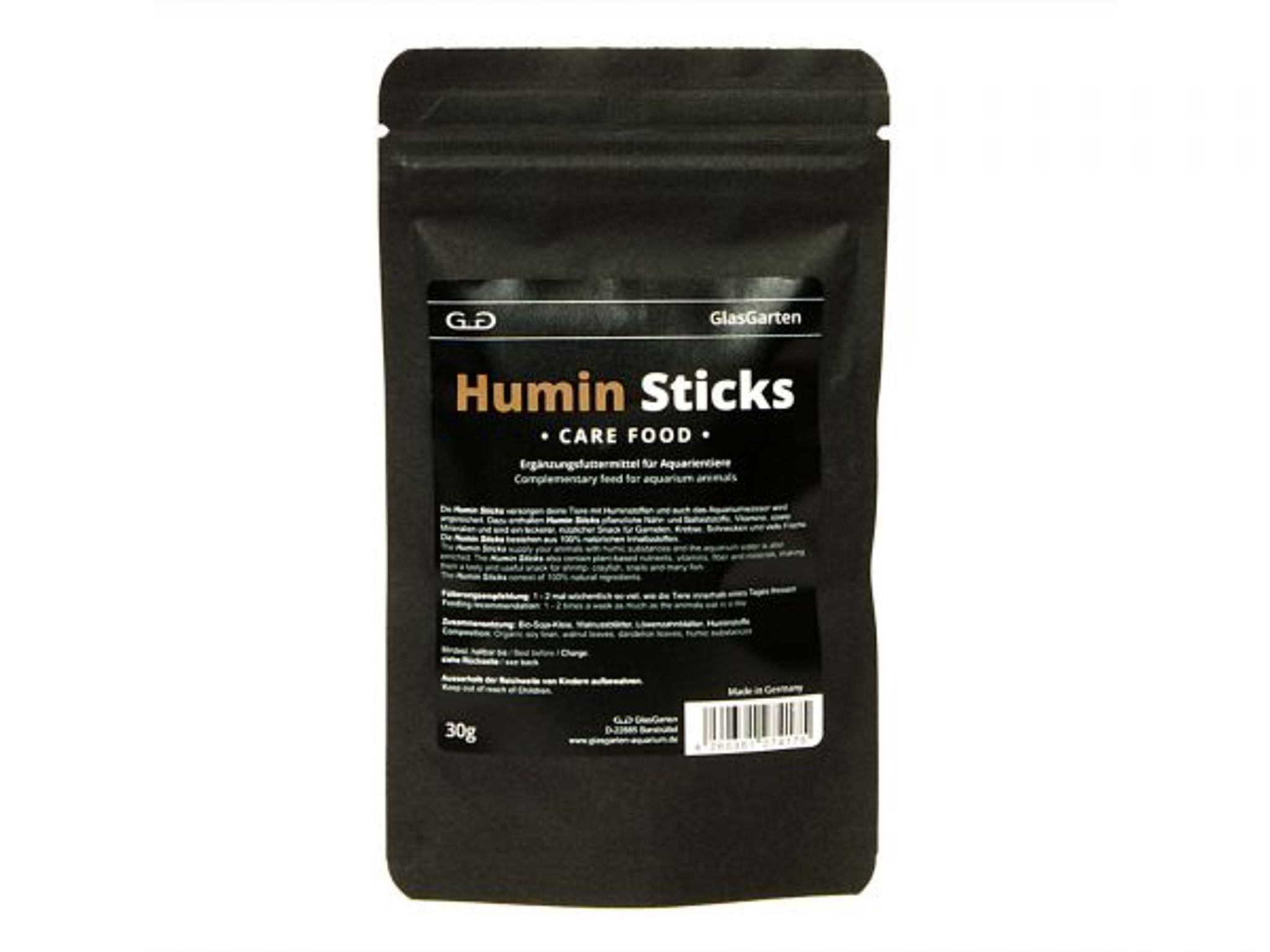
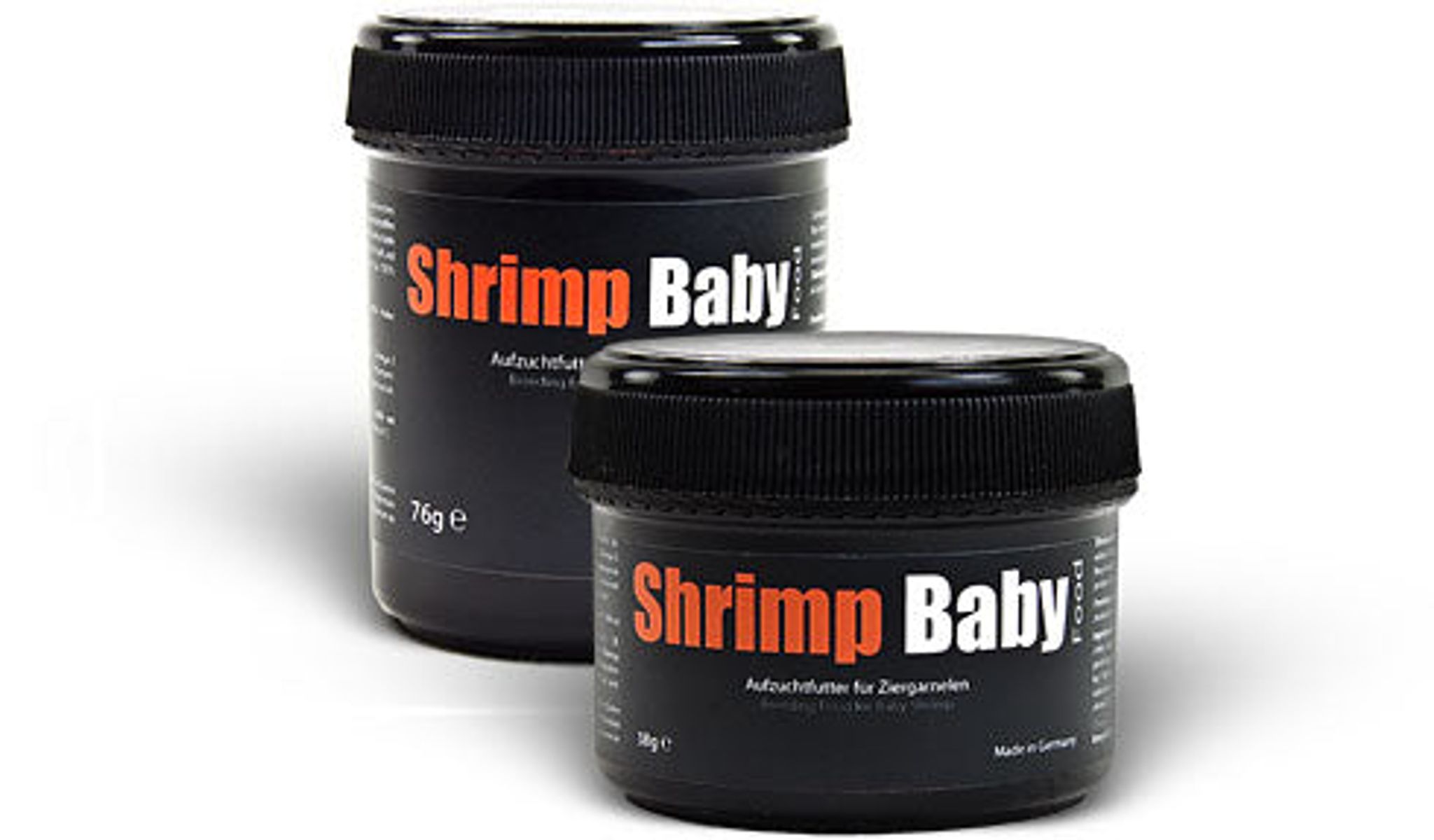
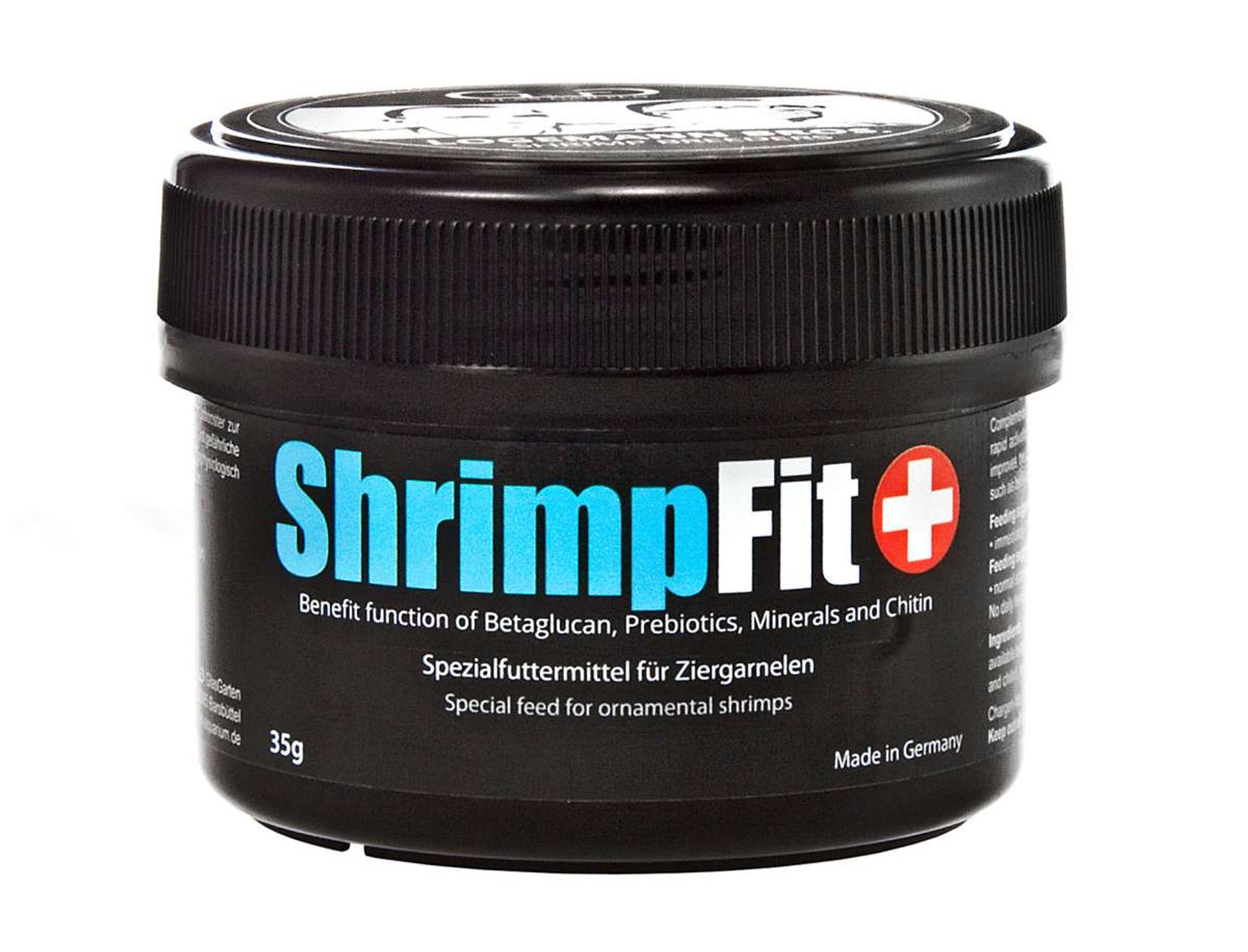
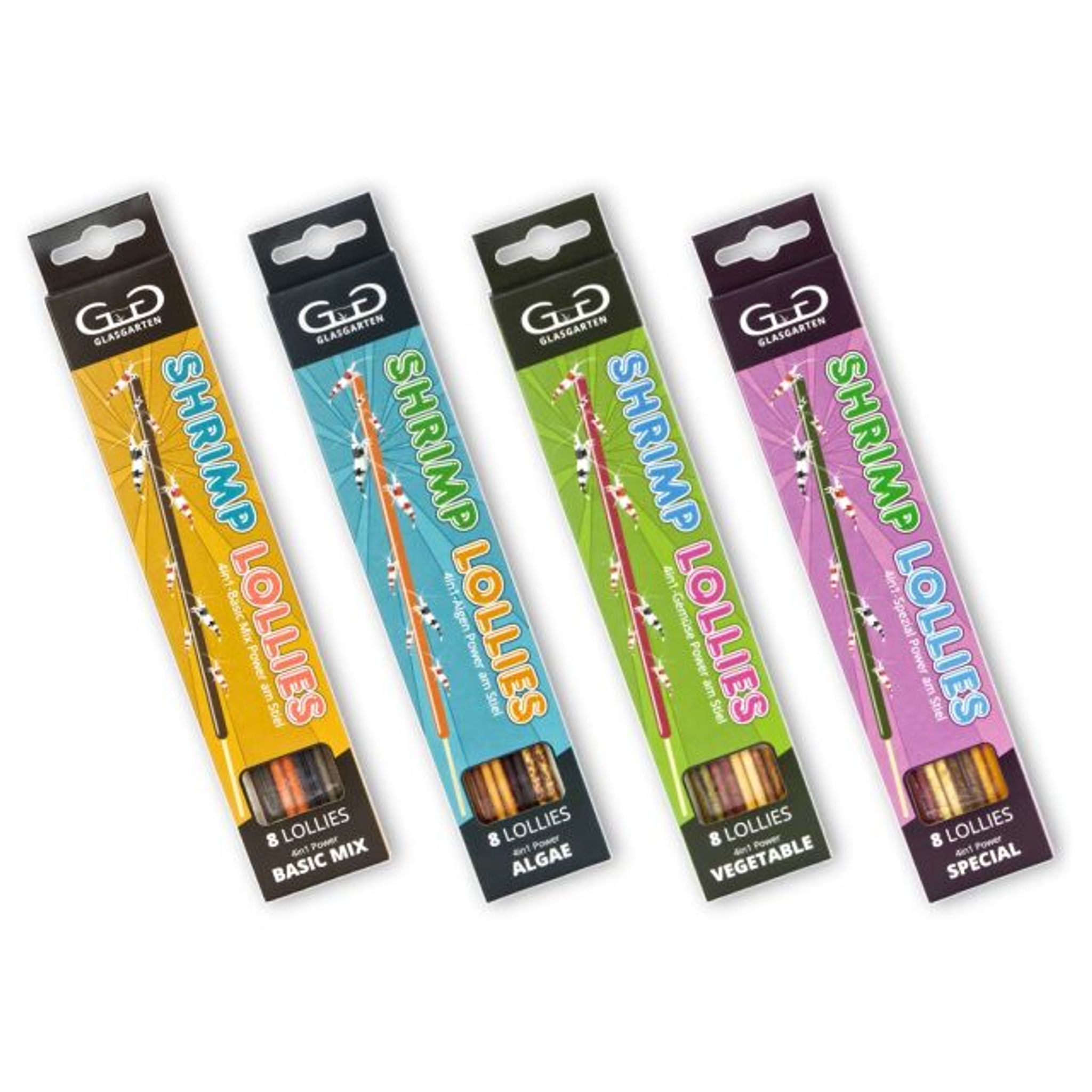
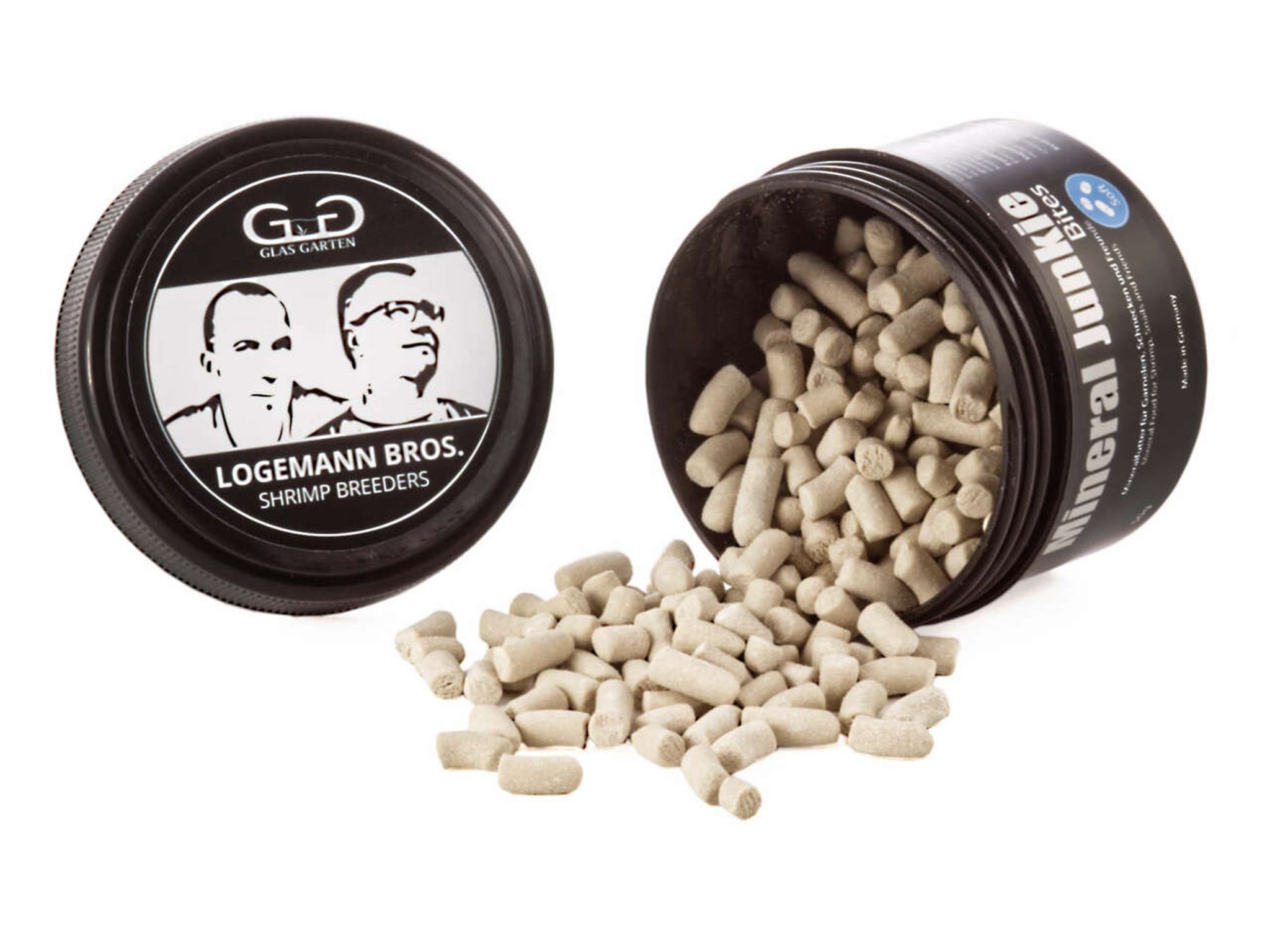
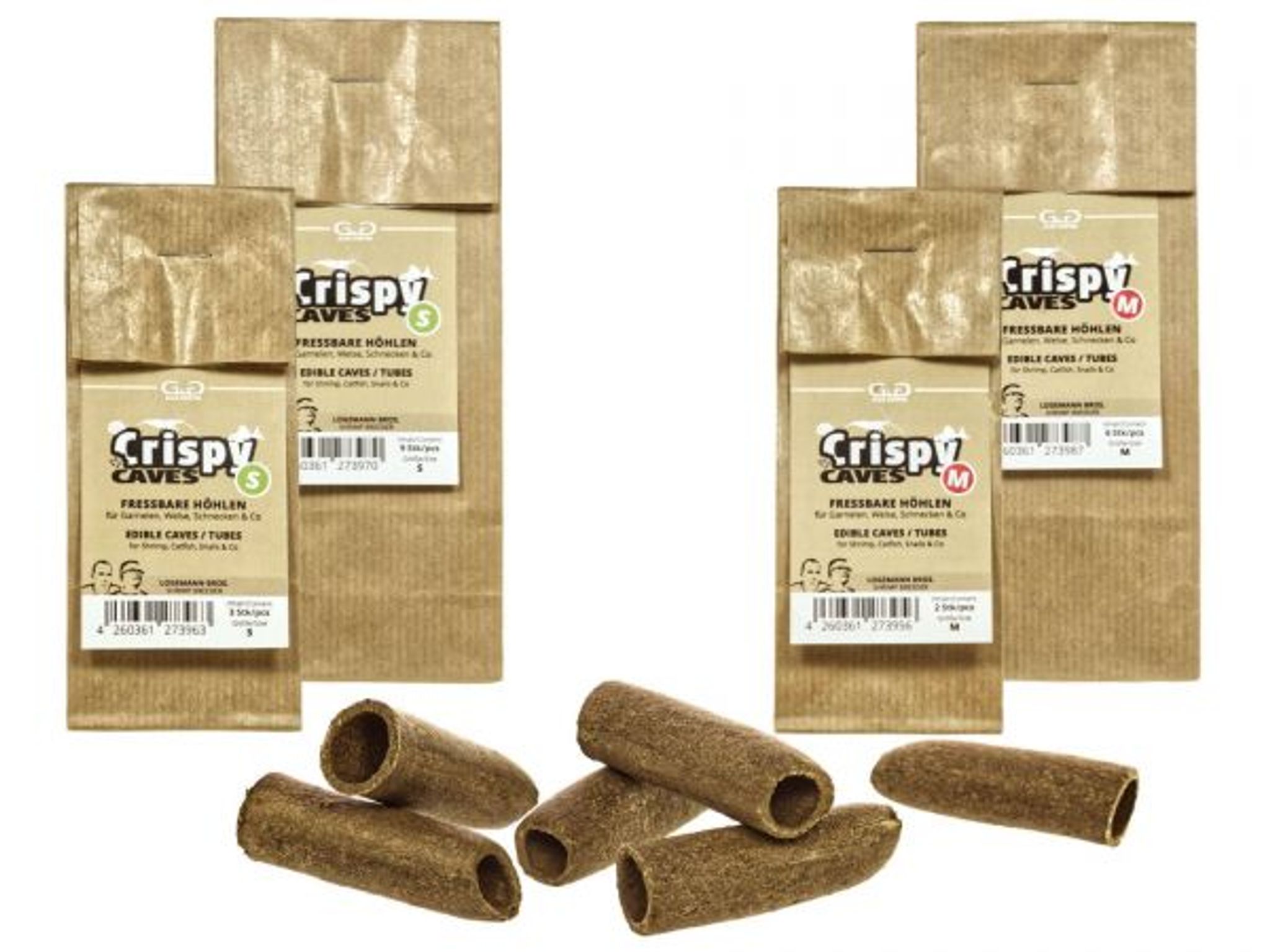
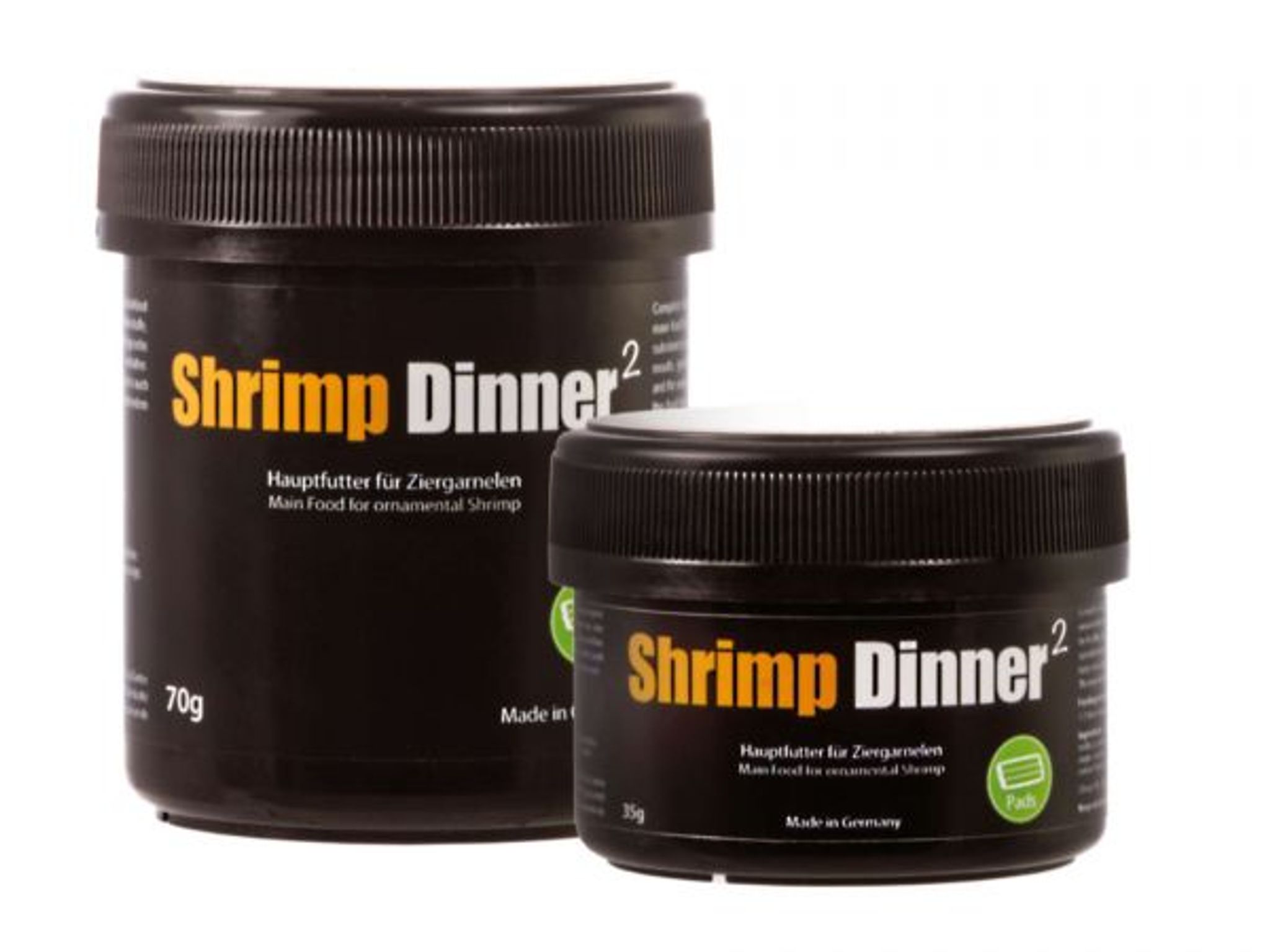
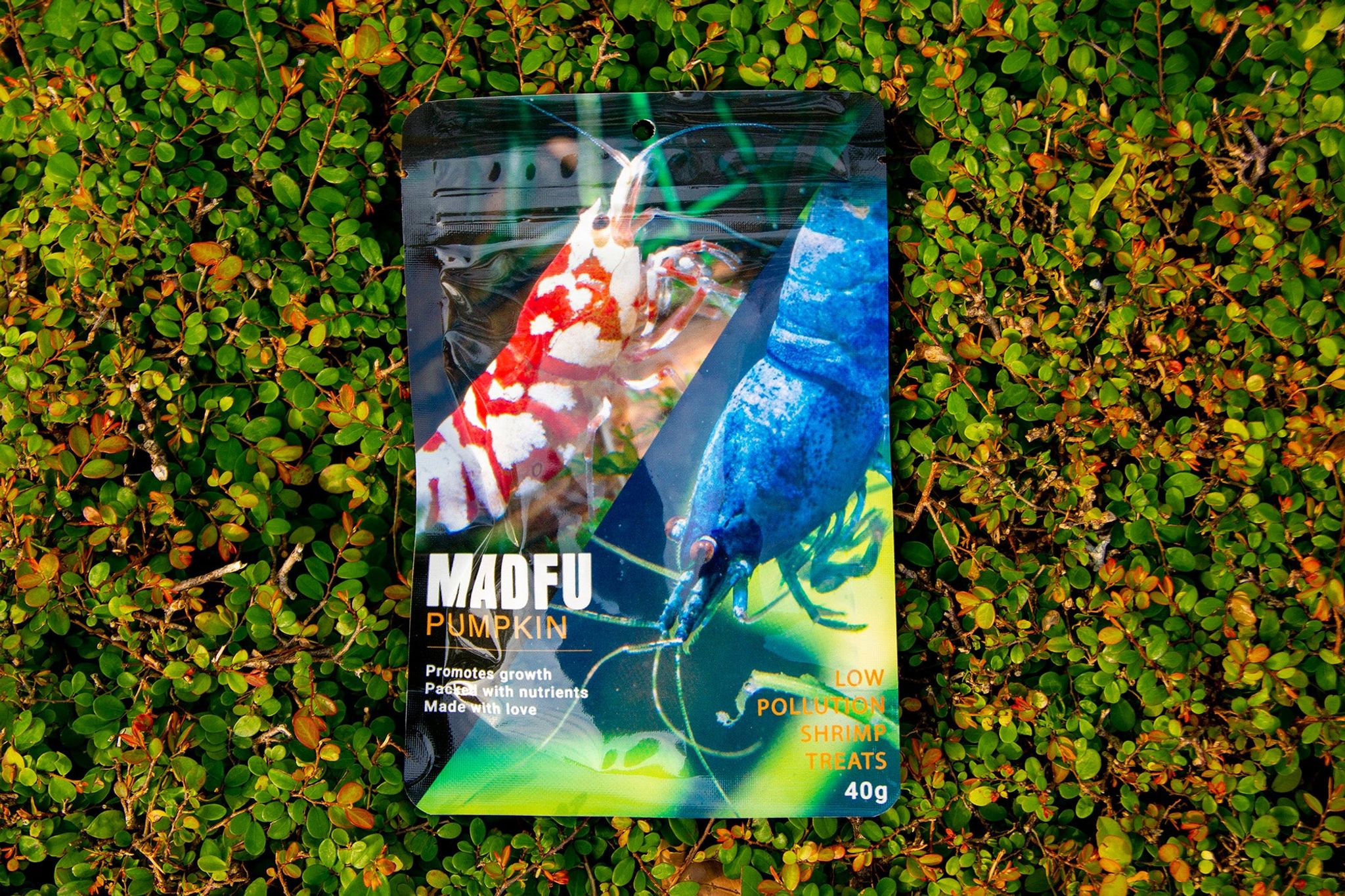
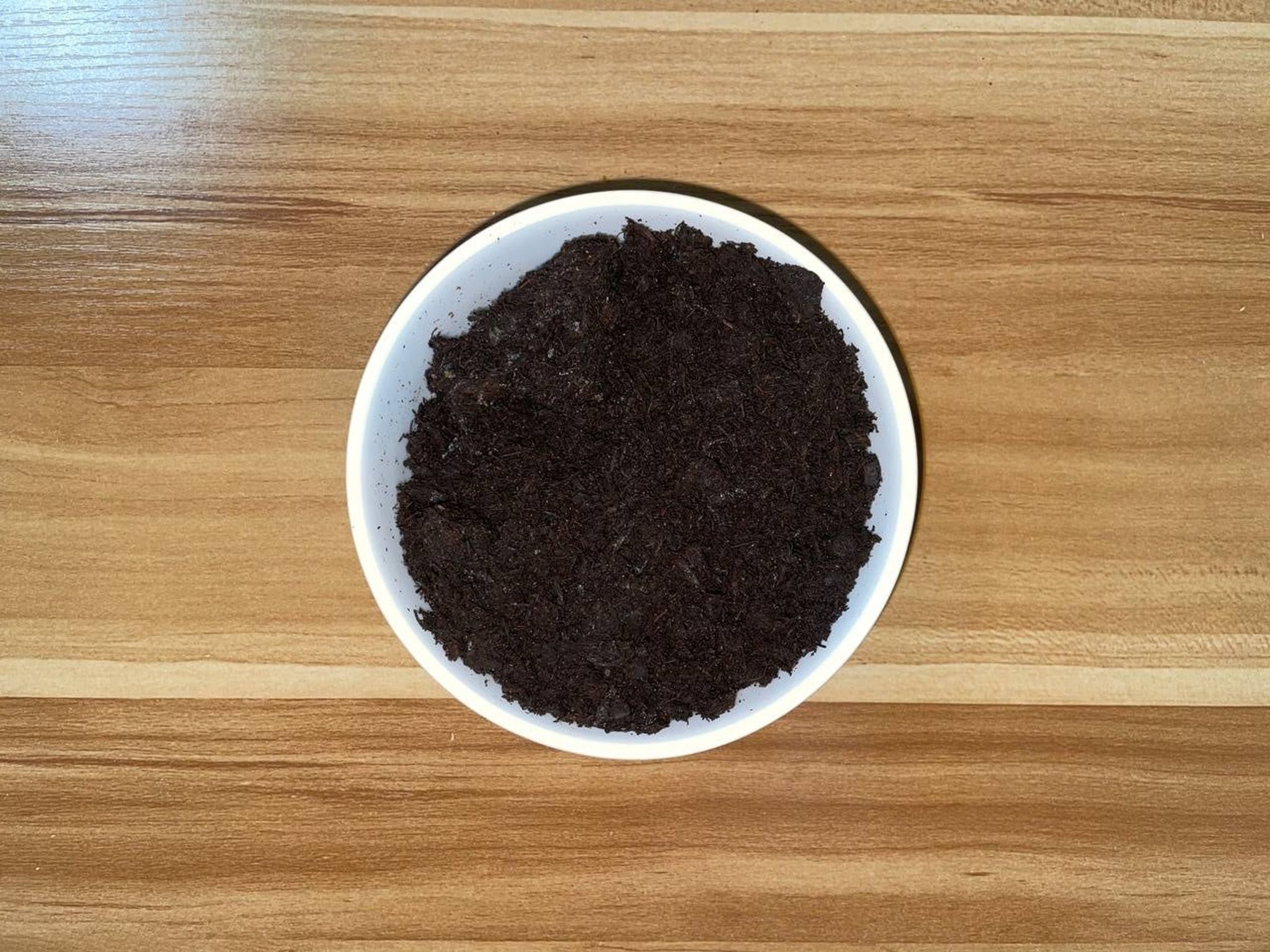
Freshwater shrimp graze naturally on biofilm and other surfaces, but prepared shrimp food can supplement the nutrients available in the aquarium.
Pellets, powders and specialised foods are available for different shrimp species and life stages. Small portions help reduce uneaten food and maintain water quality.
Aquarium snails and other invertebrates may need supplemental food when naturally available algae and biofilm are insufficient.
Suitable diets depend on the exact species and may include prepared foods, plant-based ingredients or specialist formulations.
Marine fish food is available in pellets, flakes, frozen preparations and specialist formulas for different saltwater species.
Marine fish vary widely in diet, so herbivorous, omnivorous and carnivorous species should be fed accordingly.
Clownfish generally accept a range of appropriately sized marine pellets and frozen foods.
Variety can help provide a balanced diet, while food size should match the fish so pieces are easy to consume.
Herbivorous marine fish may need diets with suitable algae or plant-based components.
Feeding requirements vary by species, so specialised marine herbivore foods can be useful alongside other appropriate diet components.
Some corals can benefit from targeted or broadcast feeding depending on species and aquarium conditions.
Coral foods may come as powders, liquids or suspended particles. Not every coral needs the same feeding approach, and overfeeding can increase nutrients in the reef aquarium.
Aquarium supplements are used to support specific water chemistry or nutritional needs.
Depending on the aquarium, products may include:
Supplements should be used for a defined purpose rather than added automatically. Follow the product instructions and understand the needs of the specific aquarium before dosing.
Vitamin supplements are sometimes used alongside prepared or frozen foods.
A good-quality complete diet should provide the nutritional foundation, while supplements can be used where appropriate rather than replacing balanced feeding.
Some fish foods contain ingredients intended to support natural coloration.
Colour depends on genetics, health, environment and diet, so food should still be selected primarily for nutritional suitability rather than colour claims alone.
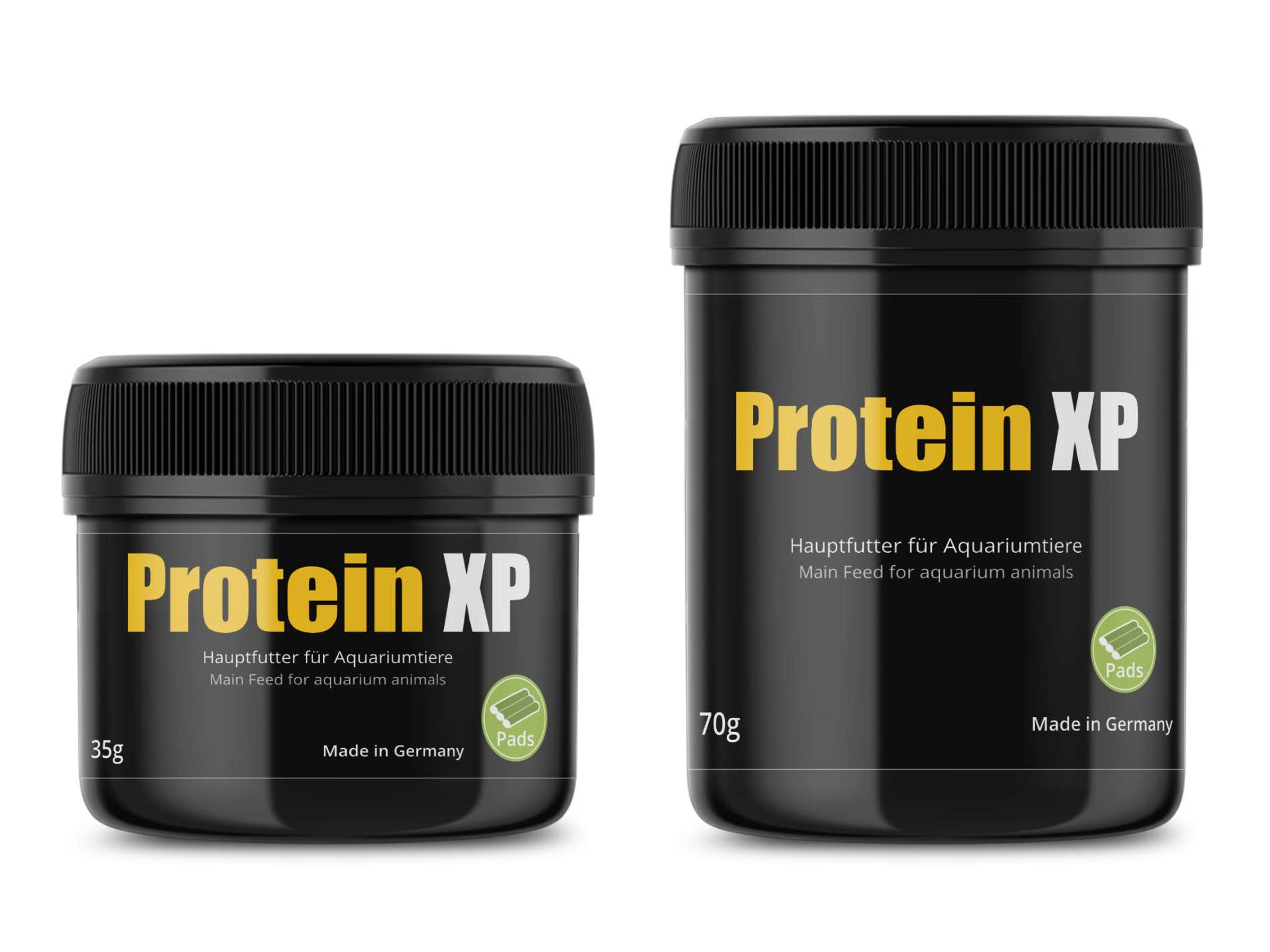
Foods marketed for growth often contain higher levels of selected nutrients and protein.
Rapid growth should not be the only goal. A balanced diet, suitable portions and good water quality are all important for healthy development.
Young fish often need smaller food particles and may require more frequent access to suitable nutrition.
Micro pellets, powdered food and specialist fry diets may be used depending on species and developmental stage.
Feeding amount depends on fish size, species, number of fish and the type of food being used.
Overfeeding can lead to uneaten food, poor water quality and excess nutrient buildup. It is usually better to start with modest portions and observe how quickly the livestock consumes them.
Feeding frequency varies by species, age and diet.
Juvenile fish, adult fish, predatory species and grazing fish may all have different feeding patterns, so follow species-specific guidance rather than applying one schedule to every aquarium.
Floating food stays near the surface, while sinking food moves lower through the water column or reaches the substrate.
The best format depends on where the fish naturally feeds. Mixed aquariums may benefit from using more than one food type so all livestock can access food.
Pellets can provide consistent portion sizes and are available in many specialised formulations, while flakes are easy to break into different sizes for smaller fish.
Neither format is automatically superior. Choose according to species, mouth size, feeding behaviour and product quality.
Dry foods are convenient and easy to store, while frozen foods can provide useful dietary variety.
Many aquarium owners use a high-quality prepared staple food and supplement it with other suitable foods depending on the species.
Fish food should be kept sealed and stored according to the manufacturer's instructions.
Heat, humidity and repeated exposure to air can reduce freshness, so avoid leaving dry food containers open near aquarium water for long periods.
When comparing aquarium food, consider:
A product designed for the exact type of livestock is usually more useful than choosing purely by packaging or brand familiarity.
Fish food and aquarium supplement prices in Singapore vary depending on brand, formulation, pack size, ingredients and product type.
Everyday flakes and pellets may be relatively affordable, while specialist marine foods, premium diets and targeted supplements can cost more.
FishyHub brings aquarium food and supplement listings from aquarium shops and specialist sellers across Singapore together in one marketplace, making it easier to compare products from multiple sources.
When comparing products, look at:
Product availability changes regularly, so compare current listings and check feeding instructions before use.
There is no single best food for every fish. Choose a nutritionally appropriate product based on species, life stage, mouth size and natural feeding behaviour.
Both can work well. Pellets provide consistent sizes and many specialist formulas, while flakes are convenient for small community fish.
Feed an amount appropriate for the species and number of fish, and avoid leaving substantial uneaten food in the aquarium.
Sometimes, but mixed aquariums may contain species with different nutritional and feeding requirements. More than one food type may be needed.
Suitable frozen food can provide useful dietary variety when matched to the species and fed in appropriate portions.
Shrimp naturally graze on biofilm, but prepared shrimp foods can supplement their diet depending on species and aquarium conditions.
Not necessarily. Supplements should address a specific need and be used according to the product instructions and aquarium requirements.
Yes. Uneaten food and excess waste can increase nutrient levels and place additional demand on aquarium filtration.
Explore aquarium fish food and supplements for sale on FishyHub and compare pellets, flakes, wafers, frozen foods, shrimp food, marine food and specialist products from sellers across Singapore. Find suitable feeding products for freshwater fish, shrimp, bottom dwellers, monster fish, marine livestock and reef aquariums.