Best Tank Mates for Sailfin Tang: Peaceful, Risky and Incompatible Choices
A sailfin tang (Zebrasoma veliferum) can anchor a peaceful reef community or trigger months of chasing and fin damage, depending entirely on who shares the tank and in what order they arrive. This guide breaks its tank mates into three clear tiers — peaceful, risky, and incompatible — and explains the body-shape and territory logic behind each call.
Sailfin Tang Snapshot
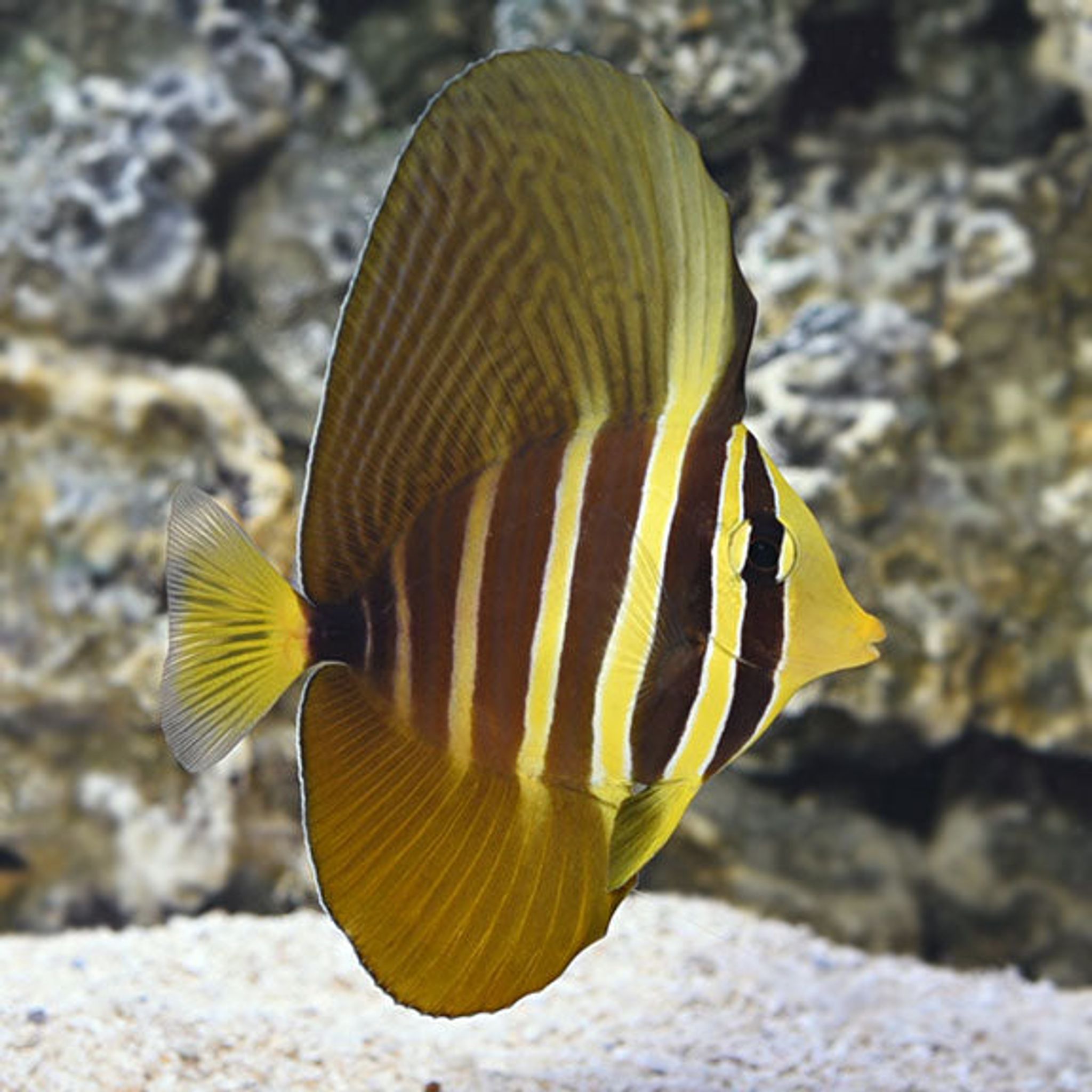
The sailfin tang is a large, oval-bodied surgeonfish named for its tall, sail-like dorsal and anal fins. In the wild it reaches roughly 15–16 inches (38–41 cm); in captivity, 10–12 inches (25–30 cm) is more typical for a well-fed adult. That size, combined with a heavy bioload, means it needs a fully mature, well-established tank rather than a newly cycled one.
Temperament is best described as semi-aggressive with conditions. Toward unrelated fish of a different shape and color, a settled sailfin tang is generally easygoing. Toward fish that share its body plan or color pattern — including its own kind — it becomes territorial and will chase and nip.
One nuance worth knowing: the closely related Indian Ocean sailfin (Zebrasoma desjardini) is sometimes treated as interchangeable with Z. veliferum in the trade, but some keepers report desjardini running slightly more aggressive. Treat this as a minor consideration, not a hard rule, when comparing individual fish.
Tank Size & Setup Requirements
Because a sailfin tang is a constant, active swimmer, footprint matters more than raw gallon count.
- Minimum tank size: 125 gallons (473 L) is the absolute floor, best reserved for a smaller or younger individual.
- Recommended tank size: 180 gallons (681 L) or more is the safer standard for a full-grown adult with room to establish territory without constant conflict.
- Footprint: aim for a tank at least 6 feet (1.8 m) long. A tank that is tall and narrow but short in length restricts the horizontal swimming lane this fish needs, even if the total volume looks adequate on paper.
- Rockwork: build multiple rock formations with sightline breaks so lower-ranking fish can escape view during disputes, rather than one open bommie in the middle of the tank.
- Flow: provide strong water movement. Tangs are oxygen-hungry, high-metabolism swimmers, and sluggish flow shows up quickly as labored breathing or reduced activity.
Water Parameters
Stable, reef-standard parameters matter more for tangs than for many other fish, since stress from swings in water quality is a direct trigger for disease outbreaks.
| Parameter | Target Range |
|---|---|
| Temperature | 72–78°F (22–26°C) |
| pH | 8.1–8.4 |
| Specific gravity (salinity) | 1.020–1.025 |
| Ammonia | 0 ppm |
| Nitrite | 0 ppm |
| Nitrate | Under 20 ppm (lower for SPS-heavy systems) |
Keep salinity especially stable — fluctuating specific gravity stresses the slime coat that tangs already rely on heavily for disease resistance.
Diet & Feeding to Reduce Aggression
Sailfin tangs are primarily herbivorous grazers, and diet is one of the most overlooked levers for controlling aggression in this species.
- Offer constant grazing access to nori, dried seaweed sheets, or spirulina-based foods rather than a single daily meal.
- Feed 2–3 times per day in smaller portions instead of one large feeding.
- Add occasional meaty foods, such as mysis or a gel food, for variety and protein.
- Underfeeding is directly linked to increased aggression and fin- or coral-nipping. A hungry sailfin tang is far more likely to harass tank mates or peck at fleshy coral tissue than a consistently well-fed one.
Keeping a steady supply of algae-based foods on hand — browsable in FishyHub's food and supplements category — is a simple, practical way to head off hunger-driven behavior before it starts.
Is a Sailfin Tang Reef Safe?
Yes, with one caveat. Sailfin tangs are considered reef-safe with corals and with typical clean-up crew invertebrates — they do not host on or eat LPS, SPS, or standard reef inverts. The exception is a hungry or stressed individual, which may opportunistically nip at fleshy LPS polyps. The fix is the same as above: keep it well fed on algae so it has no reason to sample coral tissue.
Peaceful Tank Mates
These pairings work reliably in most reef and FOWLR setups because they differ enough in shape, color, or niche to avoid triggering territorial responses:
- Clownfish — one of the most consistently peaceful pairings available; different shape and behavior mean essentially no conflict.
- Gobies and blennies — small, bottom- or rock-oriented, no overlap in swimming space.
- Cardinalfish and firefish — shy, mid-water species that stay out of a tang's territorial zone.
- Most peaceful community wrasses.
- Dwarf or pygmy angelfish — differing body shape and color pattern reduce the chance of the tang reading them as competitors.
- Other tangs from different body-shape groups — naso tangs, hippo/blue tangs, and yellow-eye kole tangs can work well in a sufficiently large tank when introduced correctly, since their body outline and coloring differ enough from a Zebrasoma to avoid triggering rivalry.
Risky or Conditional Tank Mates
These can work, but only under specific conditions — treat them as advanced combinations rather than default choices:
- Other tangs in general — viable mainly in large tanks, added simultaneously, with different body shapes/colors and ample rockwork to break sightlines.
- Large or boisterous wrasses — can hold their own but may compete for space and attention.
- Semi-aggressive damsels — tolerable in a big enough tank but can spar over territory.
- Larger angelfish — size and temperament overlap can create tension.
- Dottybacks — often territorial toward any newcomer, tang included.
- Triggerfish — some retailer guidance lists tangs and triggers as generally compatible, but hobbyist experience is more cautious: triggers are unpredictable, can injure a tang, and are not reef-safe with inverts. Only consider this pairing in a very large, fish-only or FOWLR system with close, ongoing monitoring — never as a default community choice. Species from the triggerfish category should be researched individually before adding to any reef system.
Incompatible Tank Mates
Avoid these outright in a standard reef or community setup:
- Other Zebrasoma tangs — yellow tang, purple tang, and especially a second sailfin tang. Same genus means same body shape, which is the single strongest trigger for sustained aggression between tangs. Keeping two together works only in a very large system (300+ gallons/1,136 L), and even then only with careful introduction.
- Highly aggressive predatory fish — large groupers or lionfish that may view the tang as competition or as prey-adjacent in a small-fish tank.
- Any fish that outcompetes it for algae or food, or that nips at its long dorsal and anal fins.
Why Body Shape Drives Tang Aggression
The single most useful compatibility principle for tangs is this: aggression is driven far more by body shape and color pattern than by species identity alone. Surgeonfish recognize rivals largely by silhouette and coloring, which is why a sailfin tang reads another oval, sail-finned Zebrasoma as a direct threat but largely ignores a torpedo-shaped naso tang or a differently colored hippo tang. This logic extends to species not explicitly covered here — a convict tang or a chevron tang, for example, should be evaluated the same way: how closely does its outline and pattern resemble a Zebrasoma, not just what family it belongs to.
Keeping Multiple Tangs Together
If you want more than one tang in the display:
- Choose species from different body-shape groups, not multiple Zebrasoma species.
- Add all tangs at the same time, ideally as the last major addition, so no single fish has already claimed the tank as its own territory.
- Provide a large tank — 180 gallons at minimum for two tangs, scaling up further for three or more — with generous rockwork to break sightlines between them.
Adding tangs one at a time lets the first arrival establish dominance, which makes every later tang addition harder, not easier.
Disease Sensitivity & Quarantine
Tangs as a family are notably prone to marine ich (Cryptocaryon) and marine velvet, largely because their slime coat is thinner than that of many other reef fish. Poor water quality, cramped quarters, or ongoing bullying all raise stress hormones and make an outbreak more likely.
- Quarantine every new sailfin tang for at least four weeks before introducing it to the display, regardless of how healthy it looks at purchase.
- Watch for early stress signs during and after acclimation: clamped fins, scratching against rock or substrate ("flashing"), and appetite loss. These often show up before visible ich spots and warrant closer observation or a water-quality check.
- A tank that is too small or too crowded compounds this risk — chronic low-grade stress from constant chasing is one of the more common indirect causes of ich outbreaks in tang-keeping.
Products from the treatment category can support quarantine protocols, and a dedicated quarantine tank is worth setting up before the display tang ever arrives.
Acclimation & Introduction Order
Sequencing matters as much as the stock list itself:
- Peaceful, shy species first — gobies, firefish, cardinalfish. Let them settle and claim modest territories.
- The sailfin tang next, once quarantine is complete and the tank is fully cycled and mature.
- Aggressive or territorial species last — dottybacks, larger angelfish, or any risky-tier addition, so they arrive into an already-settled hierarchy rather than shaping it from day one.
If you are adding a sailfin tang to an existing, already-stocked reef rather than building from scratch, the principle still applies in reverse: introduce the tang before any remaining aggressive species you plan to add, and make sure rockwork and hiding spots are already in place so the tang has somewhere to retreat during the first few days.
Common Mistakes to Avoid
- Adding a second Zebrasoma-genus tang into a tank that's too small. This is the single most common cause of chasing, torn fins, and stress-related ich in tang-keeping.
- Underfeeding algae, which pushes a hungry tang toward pecking at coral flesh or acting out toward tank mates.
- Skipping quarantine, which risks introducing ich into an established reef through a single new arrival.
- Adding the tang before the tank is fully cycled and mature — its size and bioload need stable, established water chemistry from day one.
- Introducing tank mates in the wrong order, letting an aggressive fish claim territory before the tang arrives and worsening long-term conflict.
- Choosing a tall, narrow tank over a long one. Volume alone doesn't replace horizontal swimming room.
- Mistaking normal settling-in skirmishes for permanent incompatibility. A few days of minor chasing while a hierarchy establishes is normal; only sustained, one-sided aggression over a week or more signals a real mismatch.
- Underestimating adult size when buying a juvenile. A 2-inch sailfin tang at purchase can reach 10–12 inches within a couple of years, and its territorial needs grow right along with it — plan the tank for the adult, not the juvenile.
Frequently Asked Questions
Can I keep two sailfin tangs together?
Only in very large tanks — 300 gallons (1,136 L) or more — and only when both are added at the same time. Introducing a second sailfin tang later into a tank where one is already established almost always leads to serious, sustained aggression.
Is a sailfin tang reef safe?
Yes, for both corals and most invertebrates. The one caveat is that an underfed or stressed individual may occasionally nip at fleshy LPS coral polyps, which consistent algae feeding largely prevents.
What is the minimum tank size for a sailfin tang?
125 gallons (473 L) is the absolute minimum, best suited to a smaller or younger fish. 180 gallons (681 L) or more, with a footprint of at least 6 feet (1.8 m), is the recommended standard for a healthy adult.
Will a sailfin tang eat my shrimp or snails?
No. It's an herbivorous grazer and leaves typical clean-up crew invertebrates, including shrimp and snails, alone.
Can sailfin tangs live with clownfish?
Yes — this is one of the most reliably peaceful pairings in the hobby, since the two species differ enough in shape and behavior to avoid any territorial overlap.
Why is my sailfin tang chasing other fish?
Usually one of three causes: territoriality toward a similarly shaped or colored fish, hunger from insufficient algae feeding, or normal hierarchy-settling behavior after a recent addition to the tank.
Can sailfin tangs be kept with triggerfish?
Only in large, non-reef, fish-only or FOWLR systems with careful ongoing monitoring. Triggerfish are unpredictable and not reef-safe, so this pairing should never be treated as a beginner-safe or default combination.
How do I introduce a sailfin tang to an established tank?
Quarantine the tang for at least four weeks first, then add it after peaceful species are already settled but before any remaining aggressive or territorial additions, with rockwork and hiding spots already in place.
Ready to plan a stock list around a sailfin tang? Browse compatible species in FishyHub's tangs and surgeonfish category to compare body shapes and colors before you buy.


