1–38 of 38
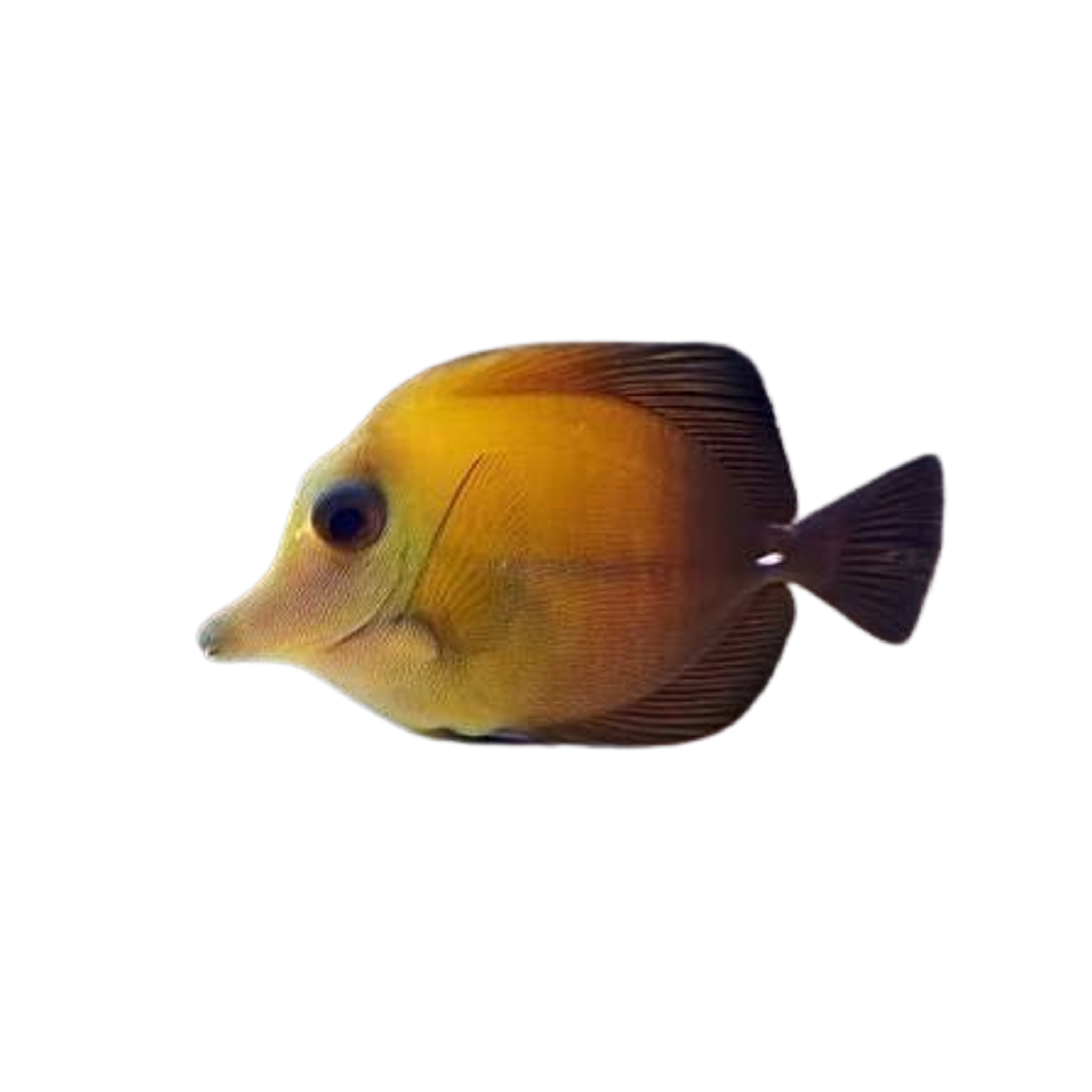
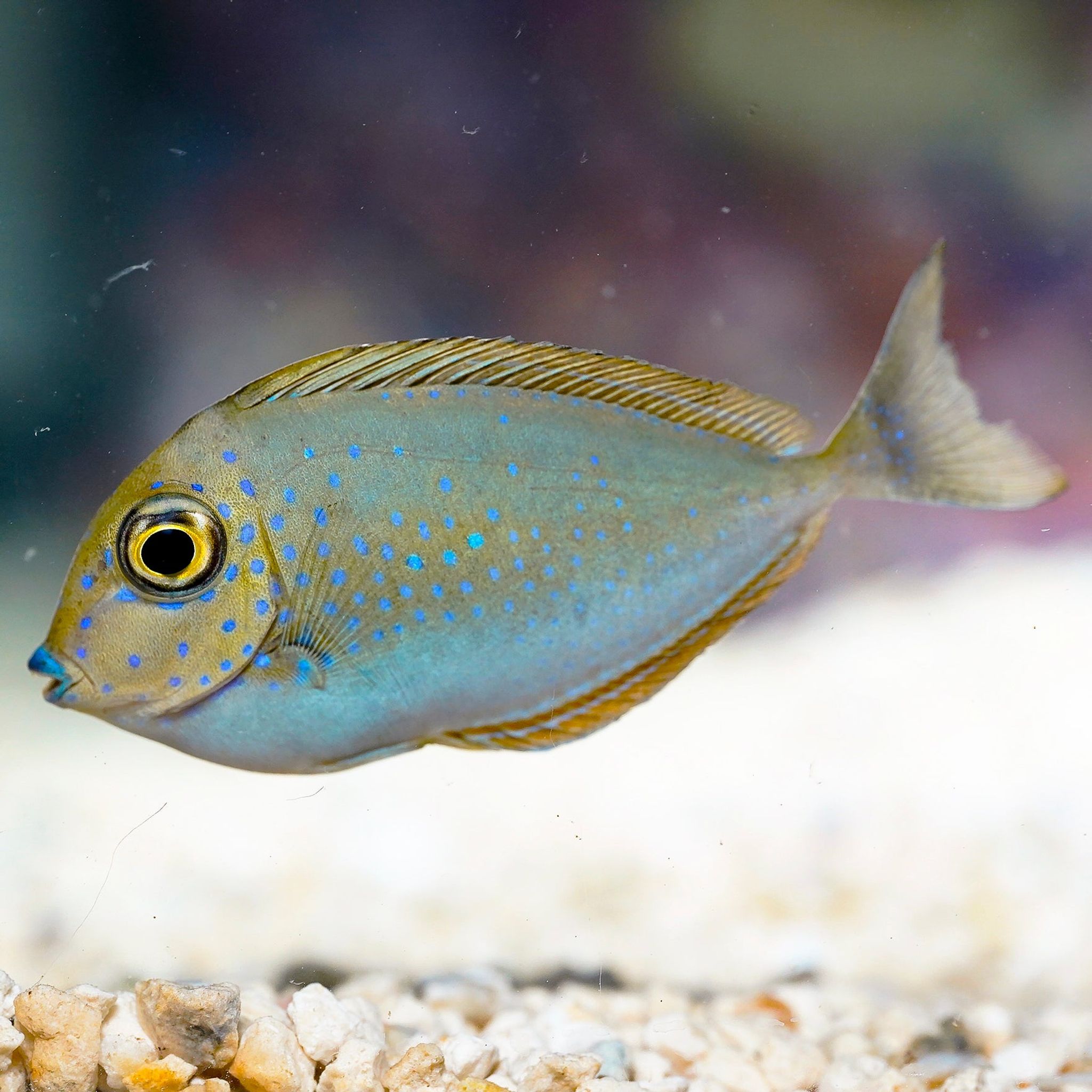
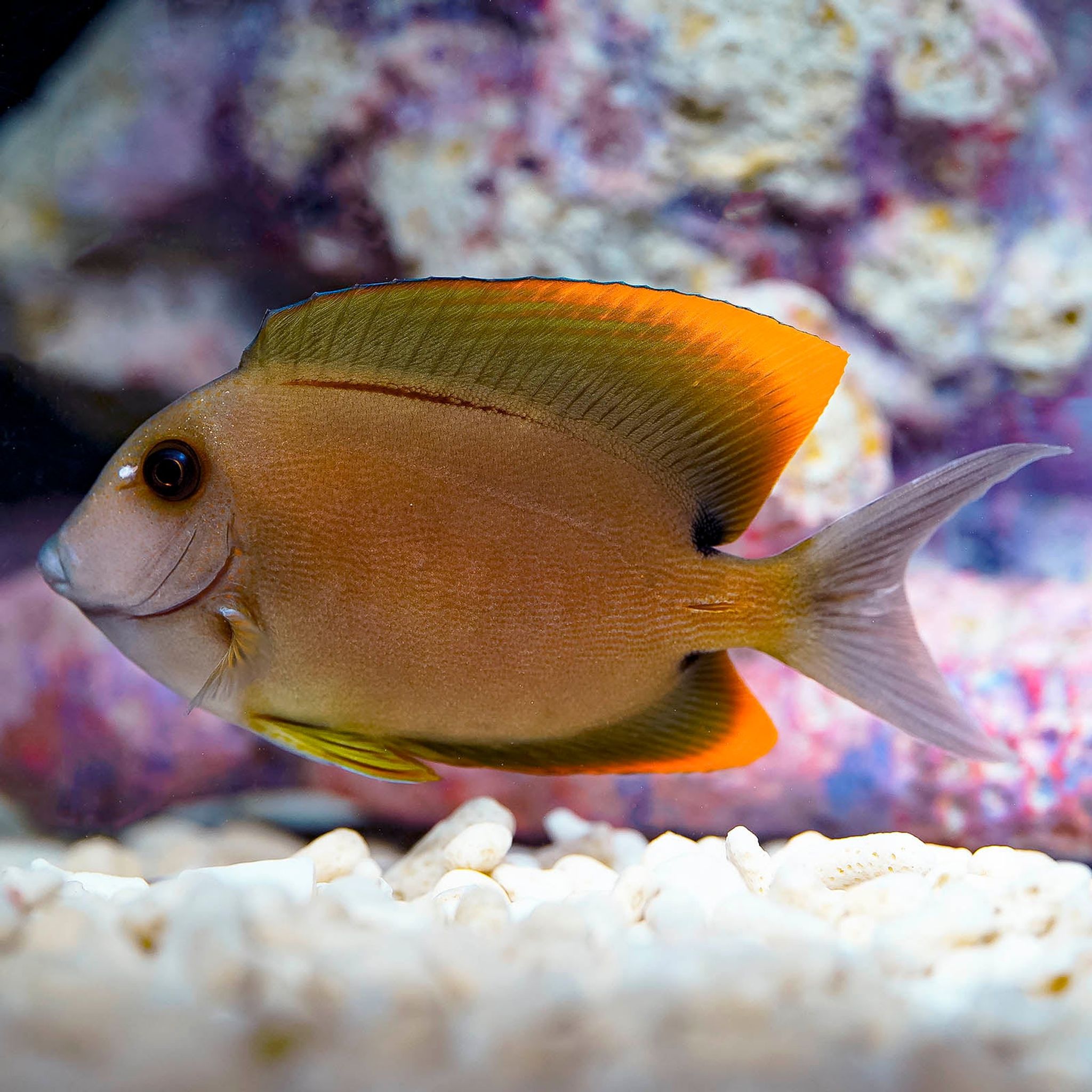
Shop Tangs and Surgeonfish online from marine aquarium stores, breeders and specialist sellers across the United States on FishyHub. Compare Blue Tangs, Yellow Tangs, Purple Tangs, Sailfin Tangs, Naso Tangs, Kole Tangs and other species by size, color and seller.
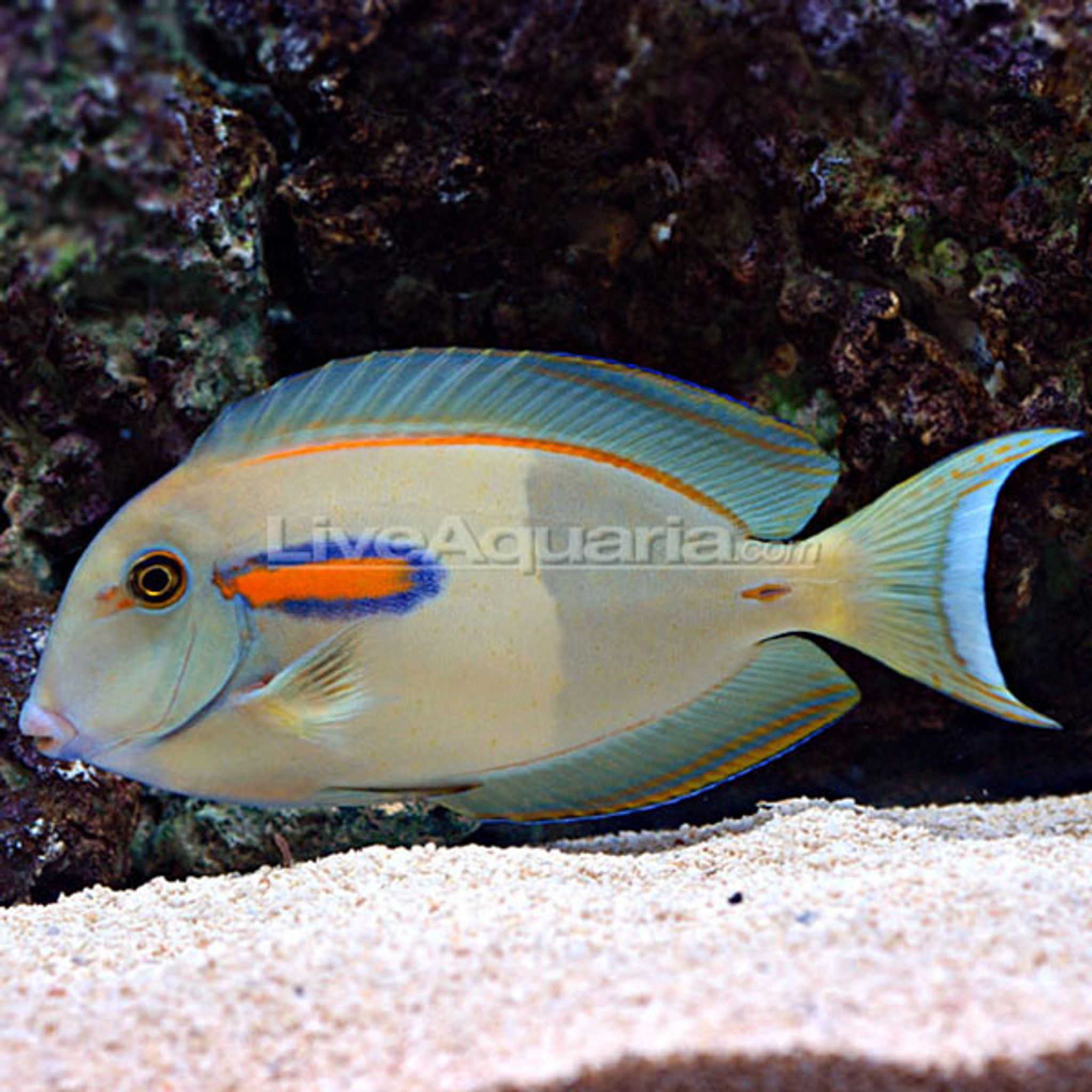
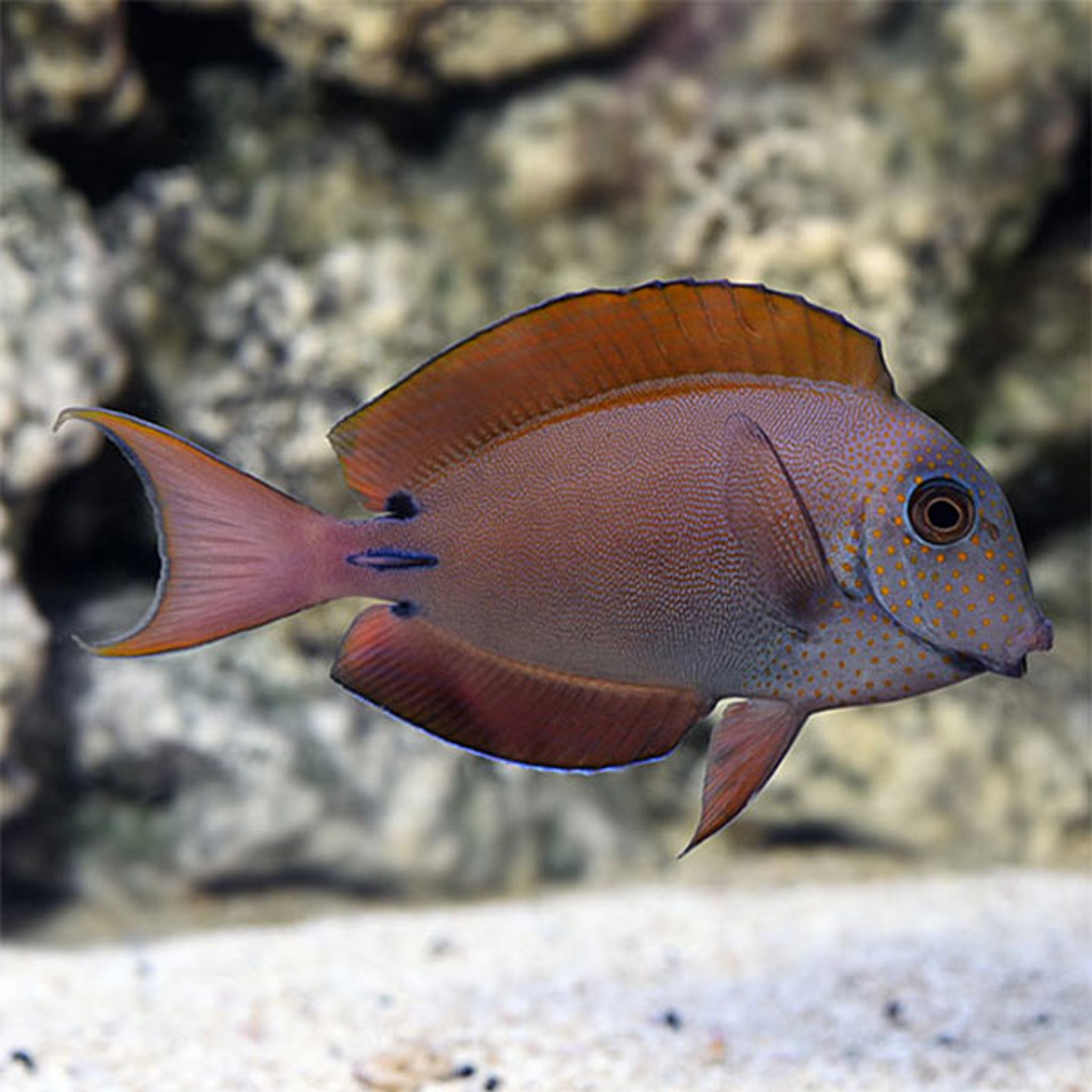
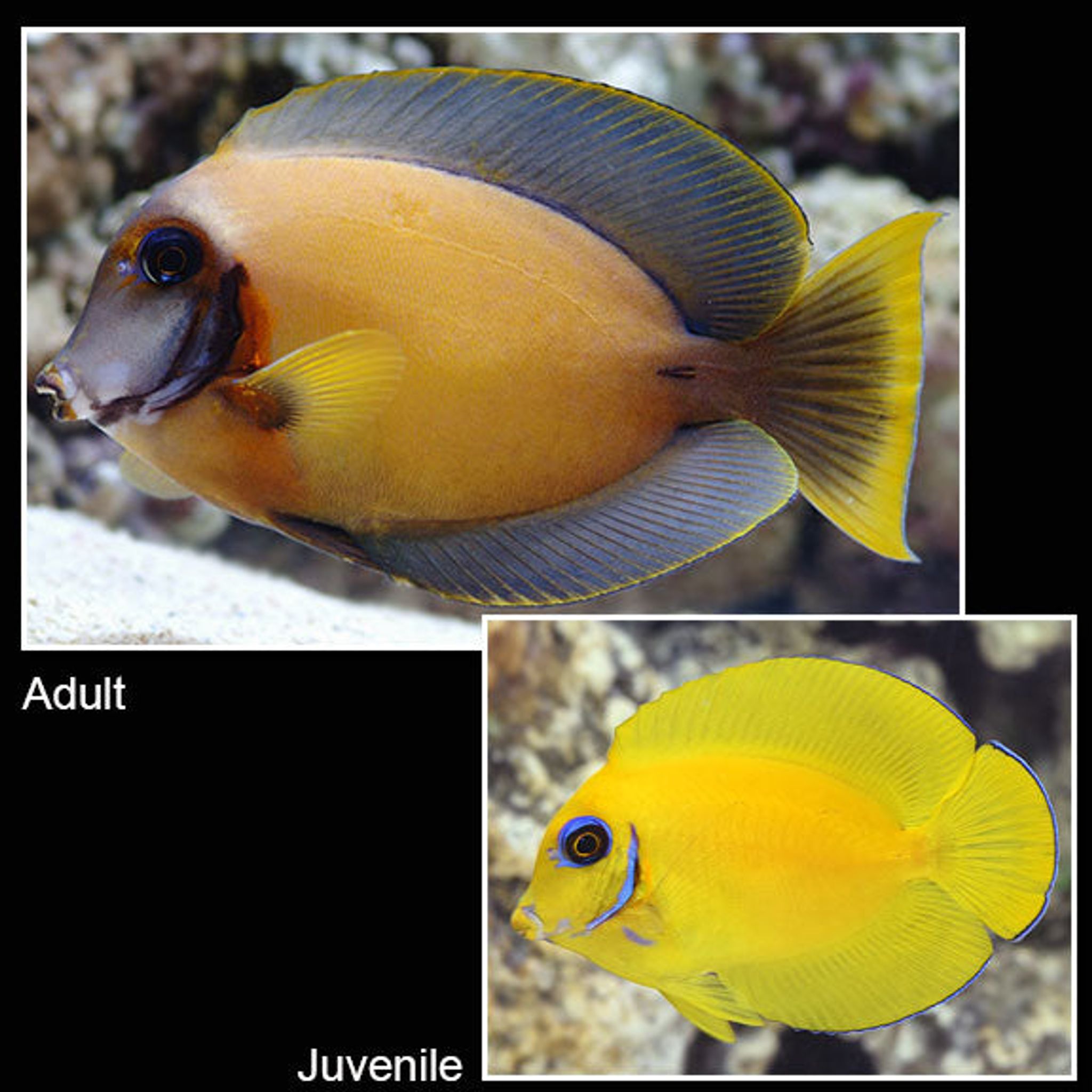
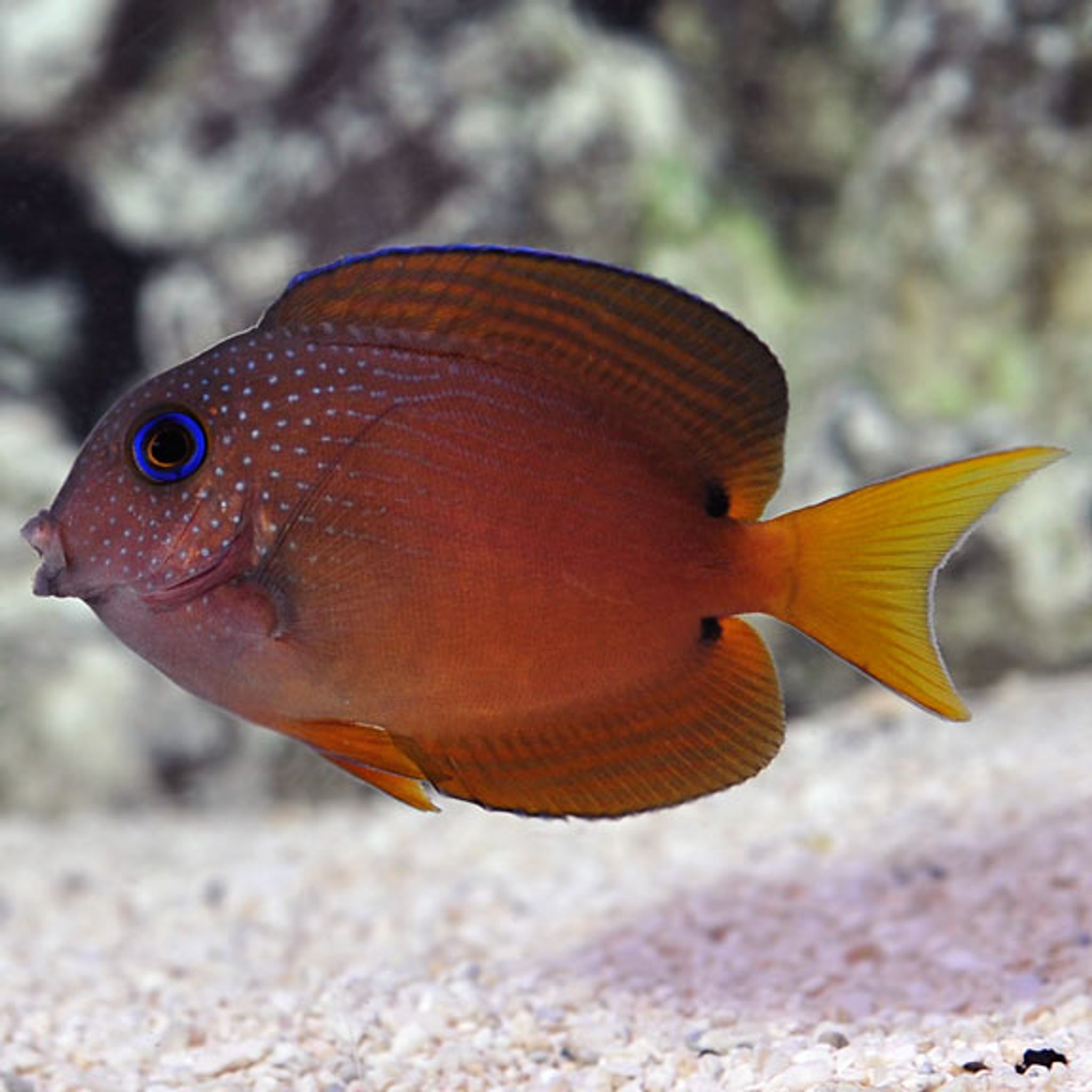
Tangs are among the most recognizable saltwater aquarium fish, known for bold colors, active swimming and constant grazing behavior. FishyHub makes it easier for U.S. hobbyists to compare Tang and Surgeonfish listings from multiple marine sellers in one marketplace.
Buying Tangs online gives marine hobbyists access to a wider selection of species and sizes than may be available from a single local aquarium store.
Compare species, current size, seller information and shipping options before choosing a Tang for your reef or marine aquarium.
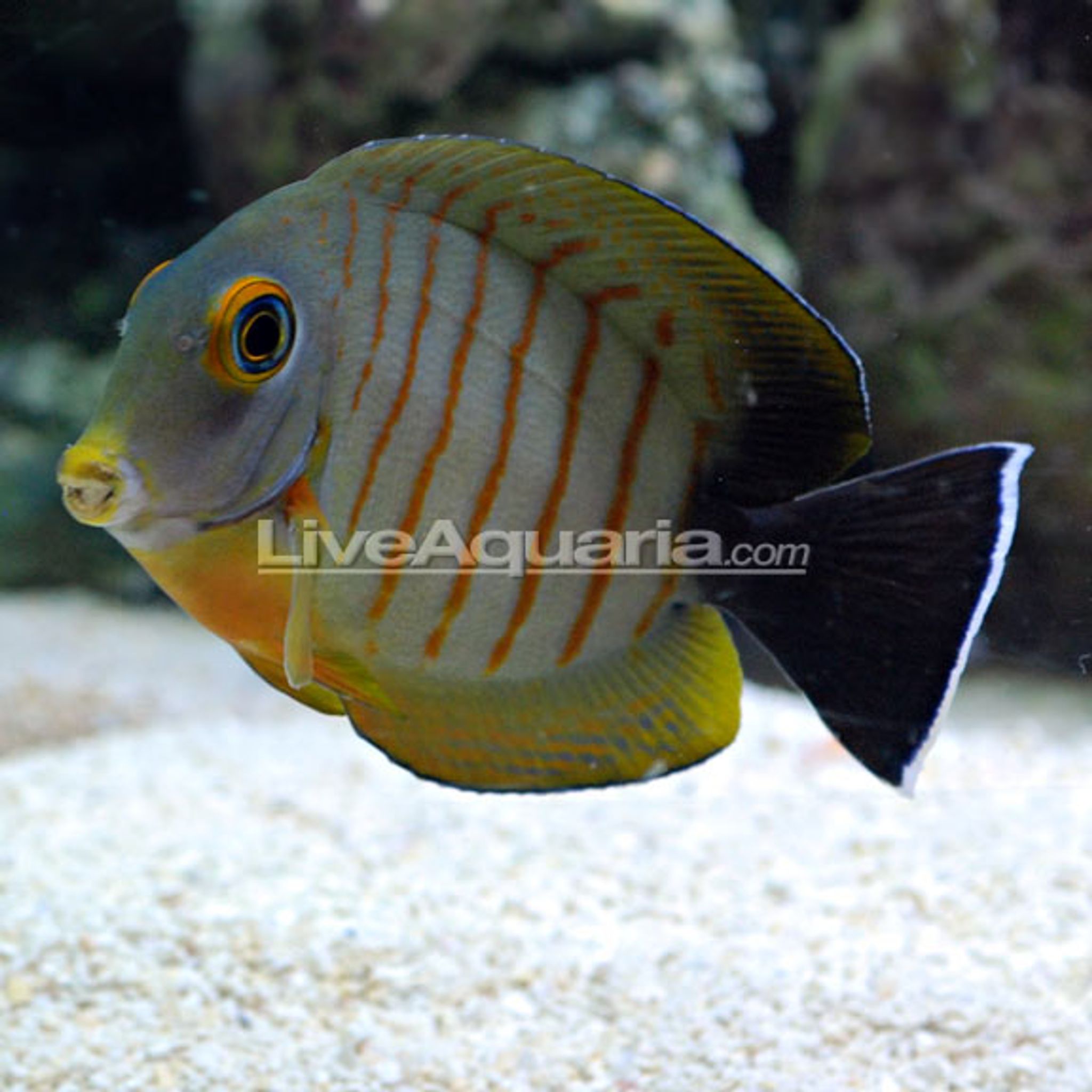
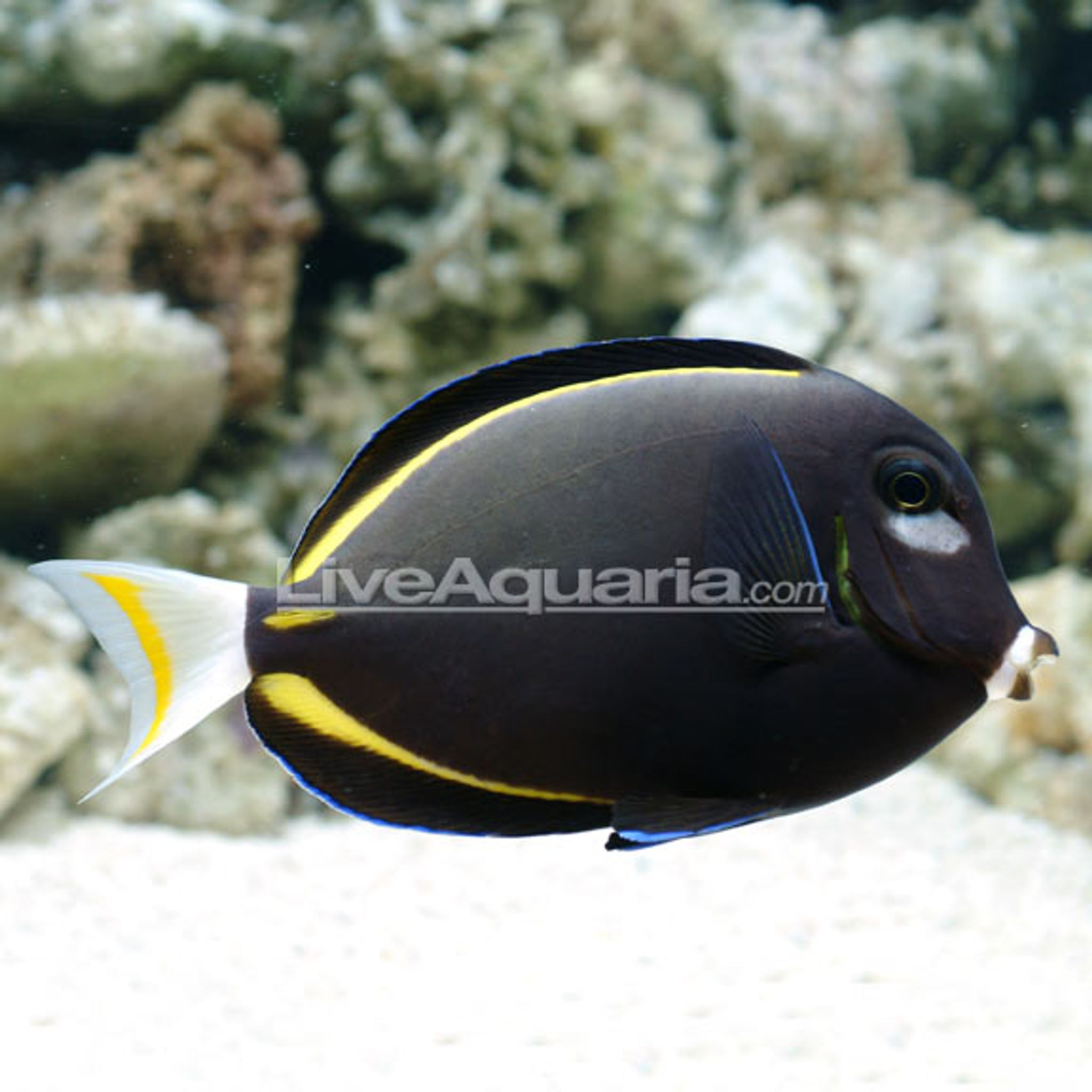
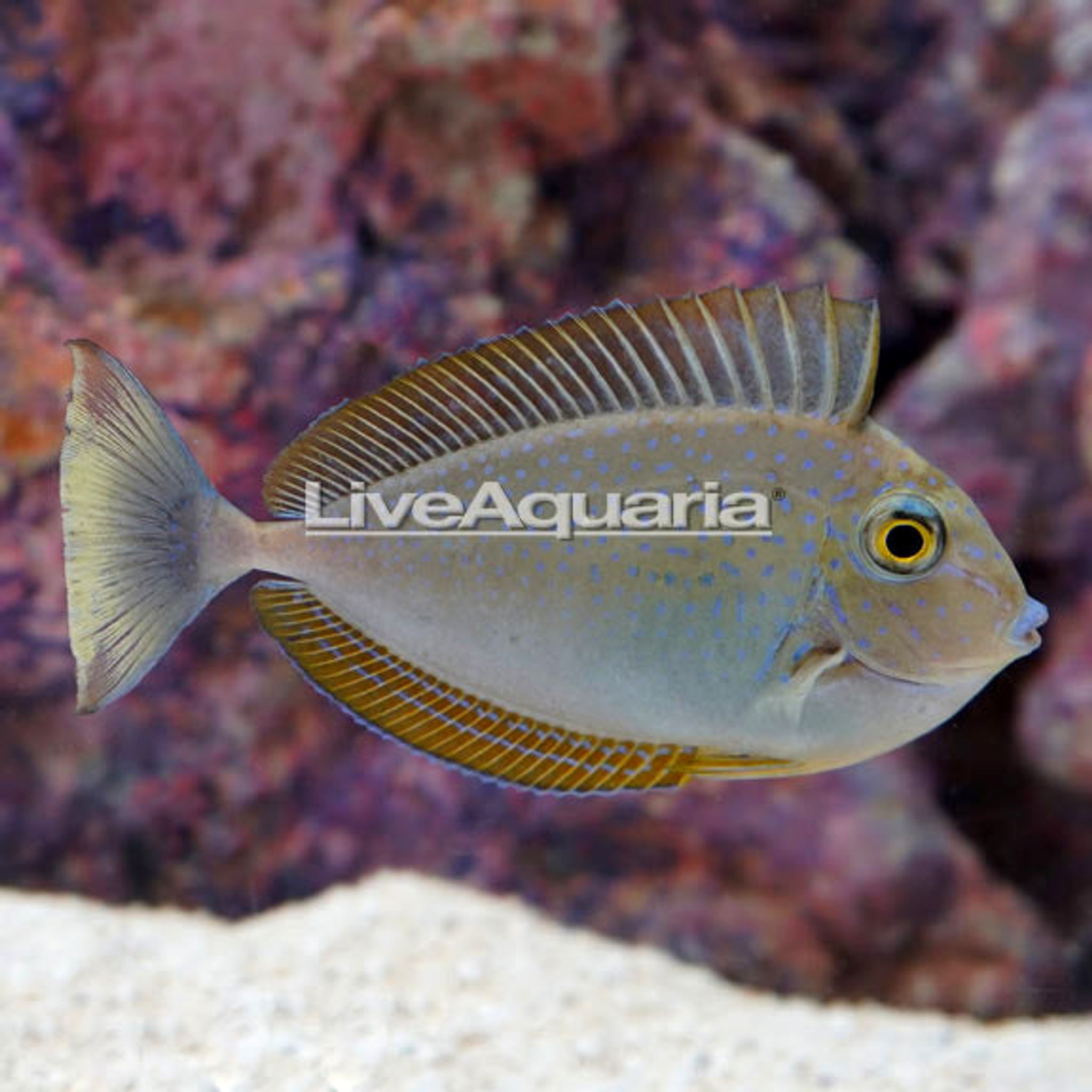
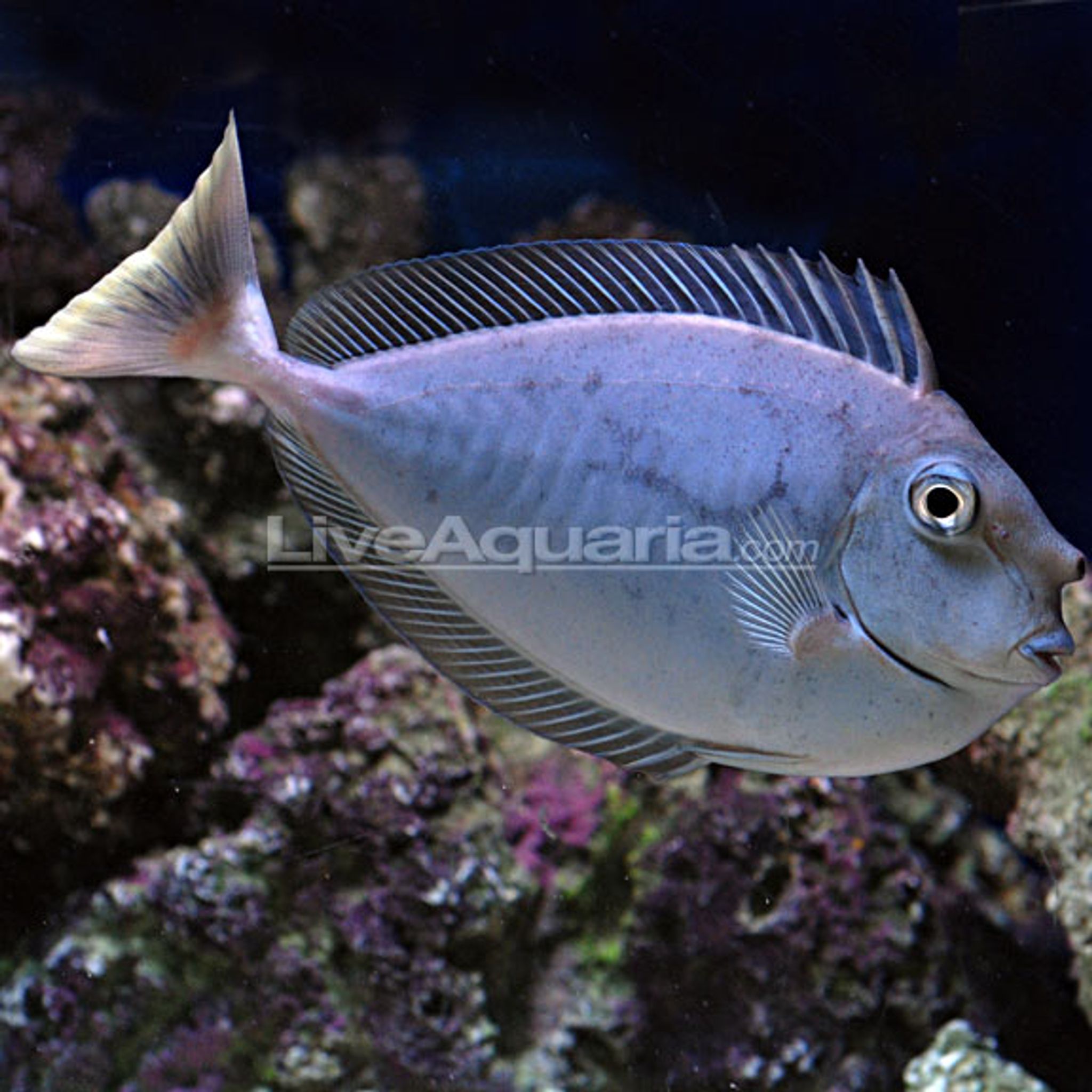
Popular Tangs in the marine aquarium hobby include:
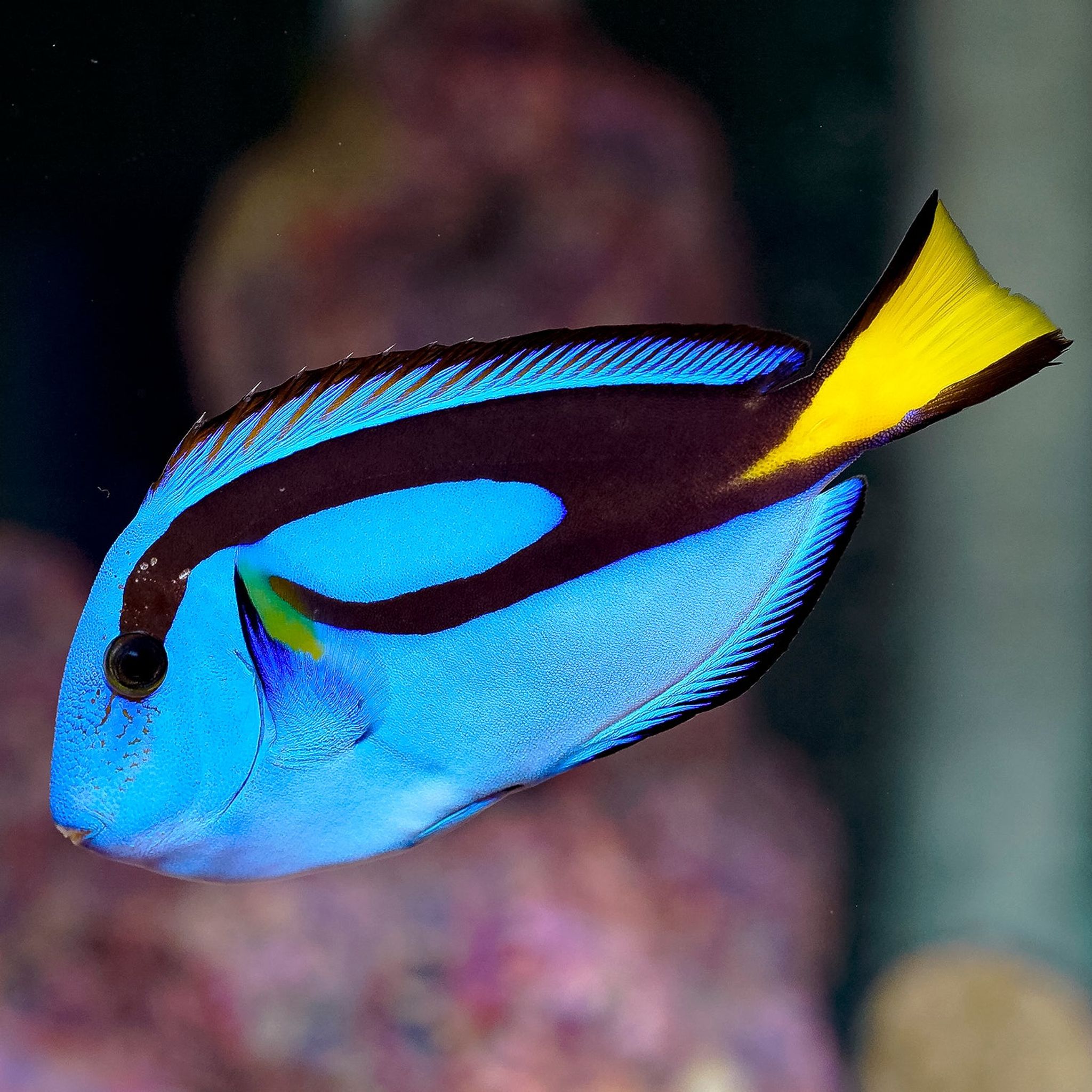
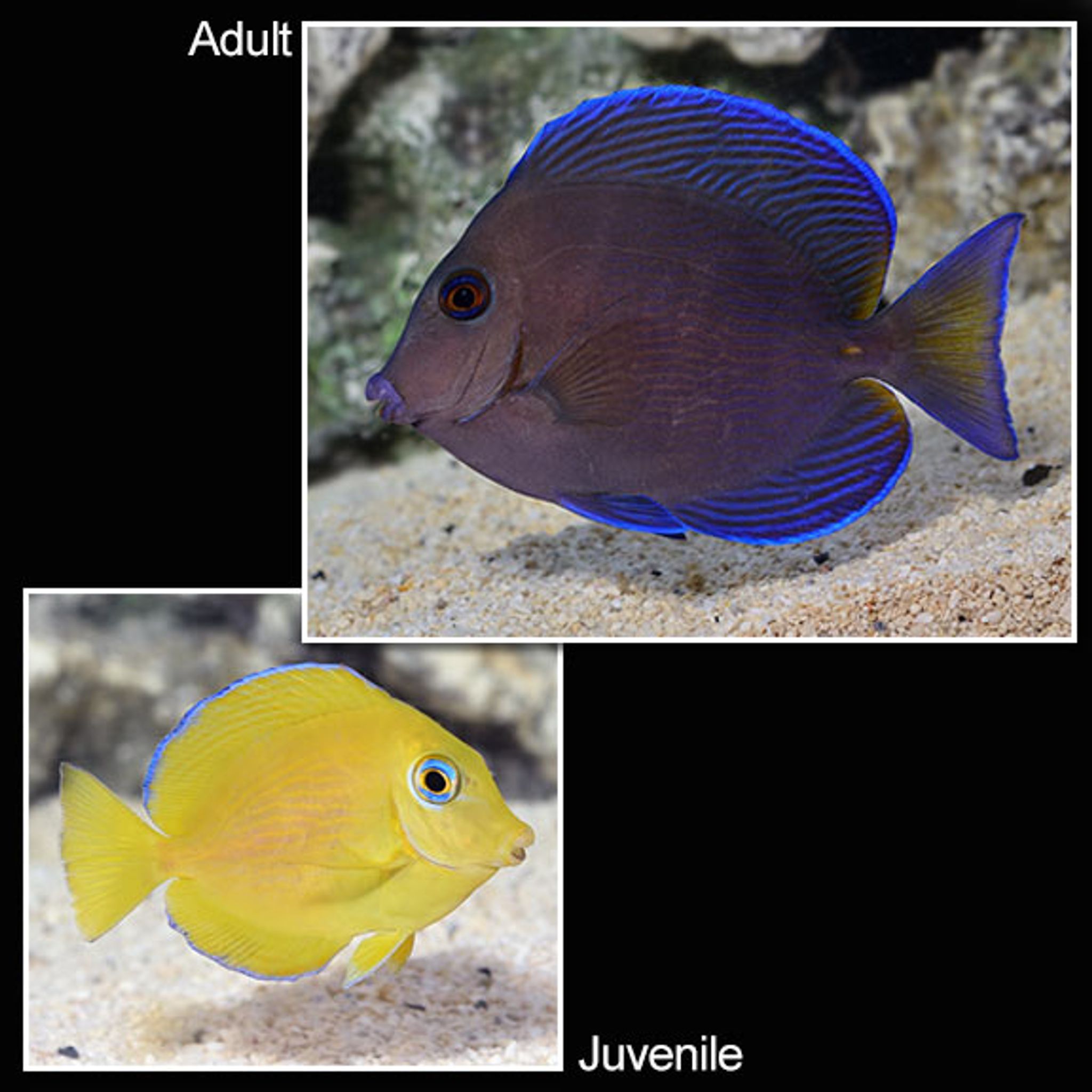
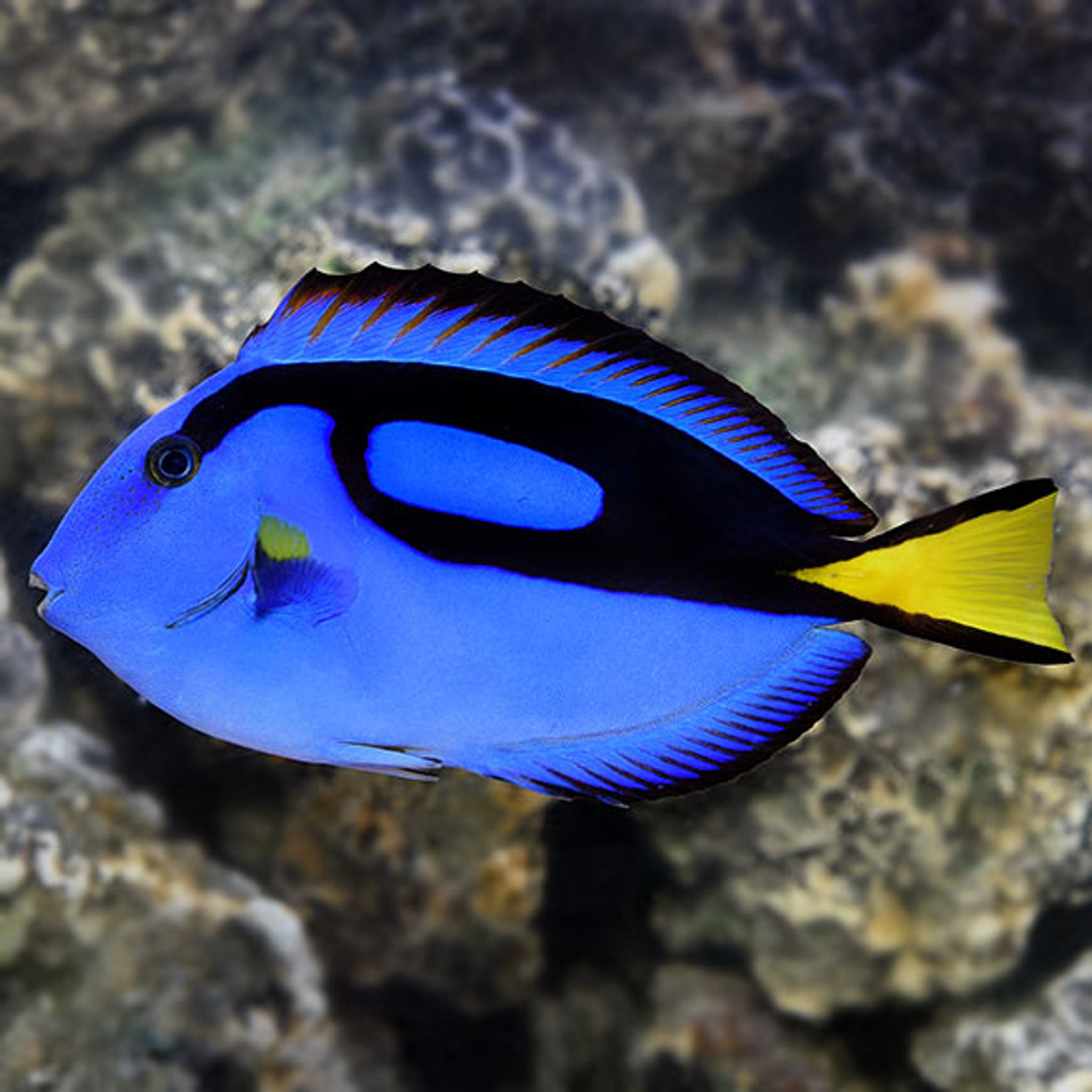
Blue Tangs are instantly recognizable by their vivid blue body, dark markings and yellow tail.
They are active swimmers that grow considerably larger than they appear as juveniles, so long-term aquarium space should be considered before purchase.
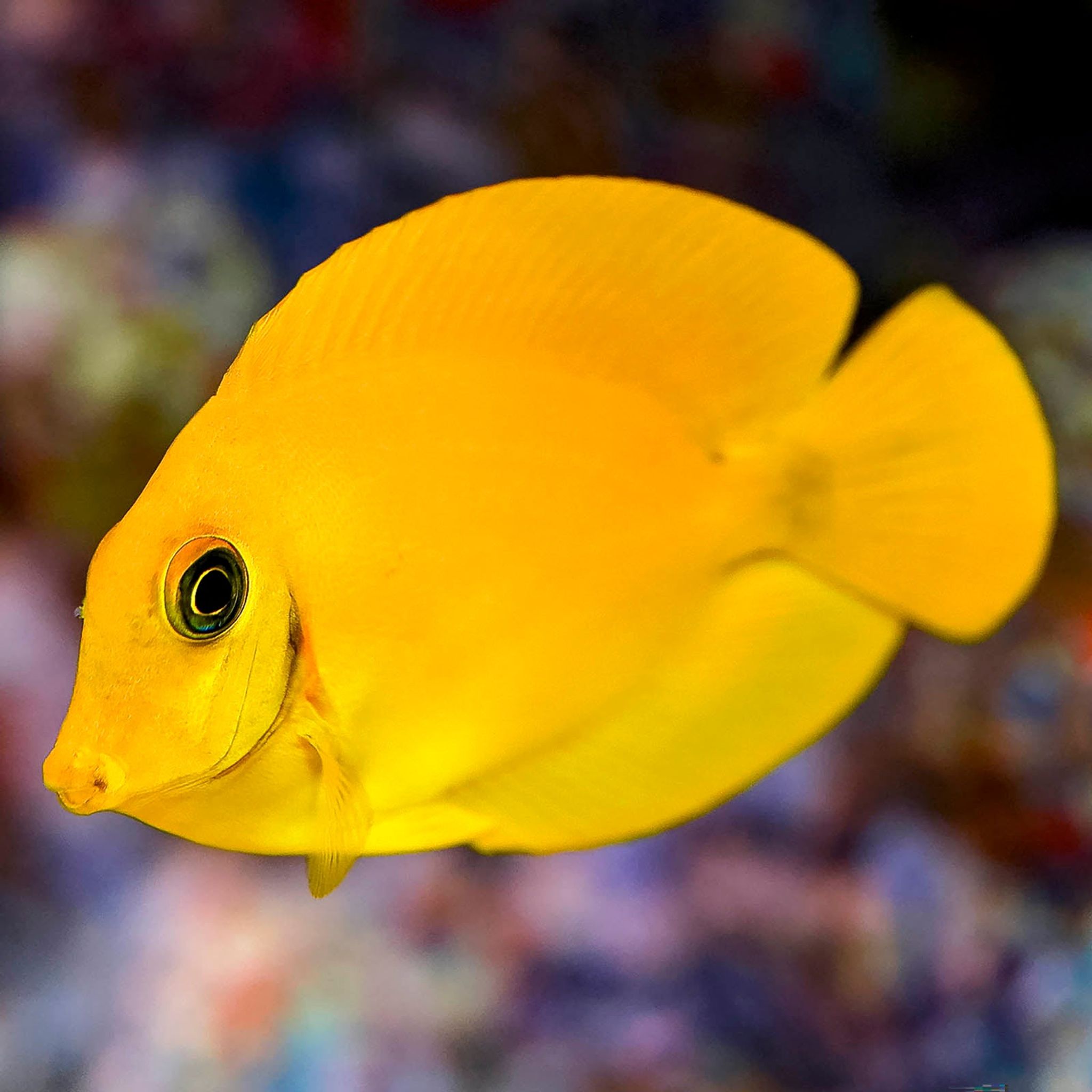
Yellow Tangs are popular for their bright, solid yellow coloration and active grazing behavior.
They can make striking additions to reef aquariums and are often selected by hobbyists looking for a colorful algae-grazing marine fish.
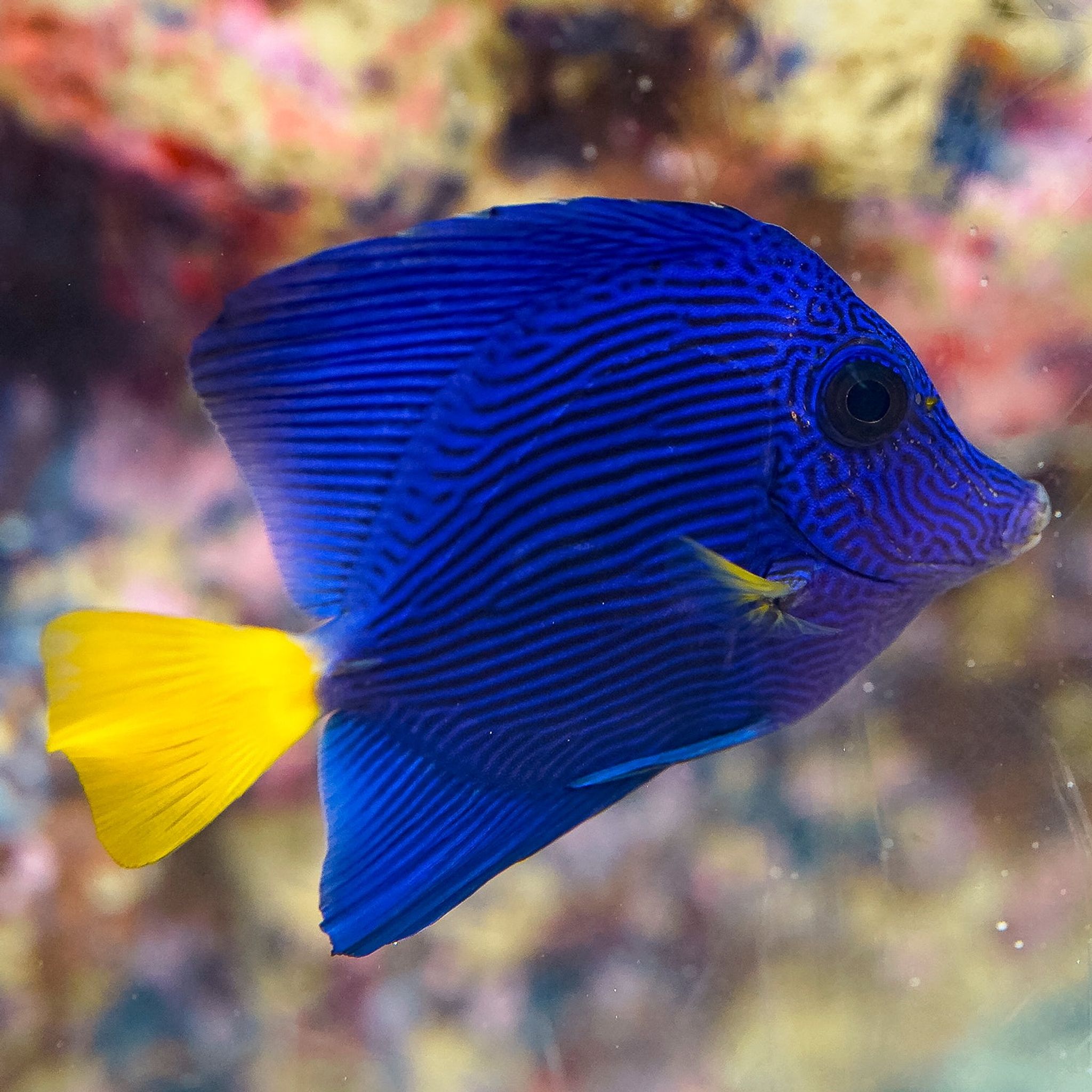
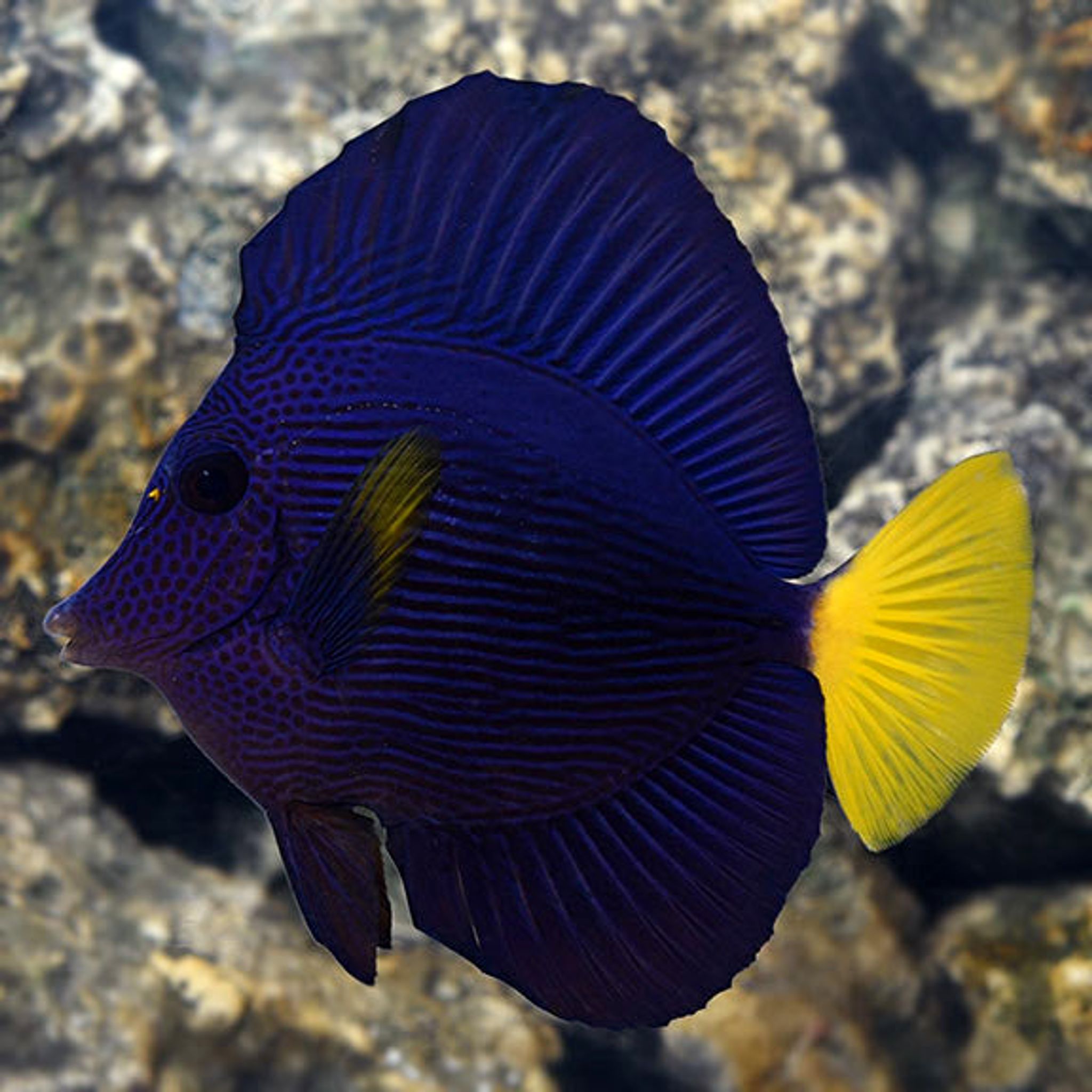
Purple Tangs are known for deep purple-blue coloration with a contrasting yellow tail.
They can be assertive toward other Tangs and similarly shaped fish, so compatibility and introduction strategy should be planned carefully.
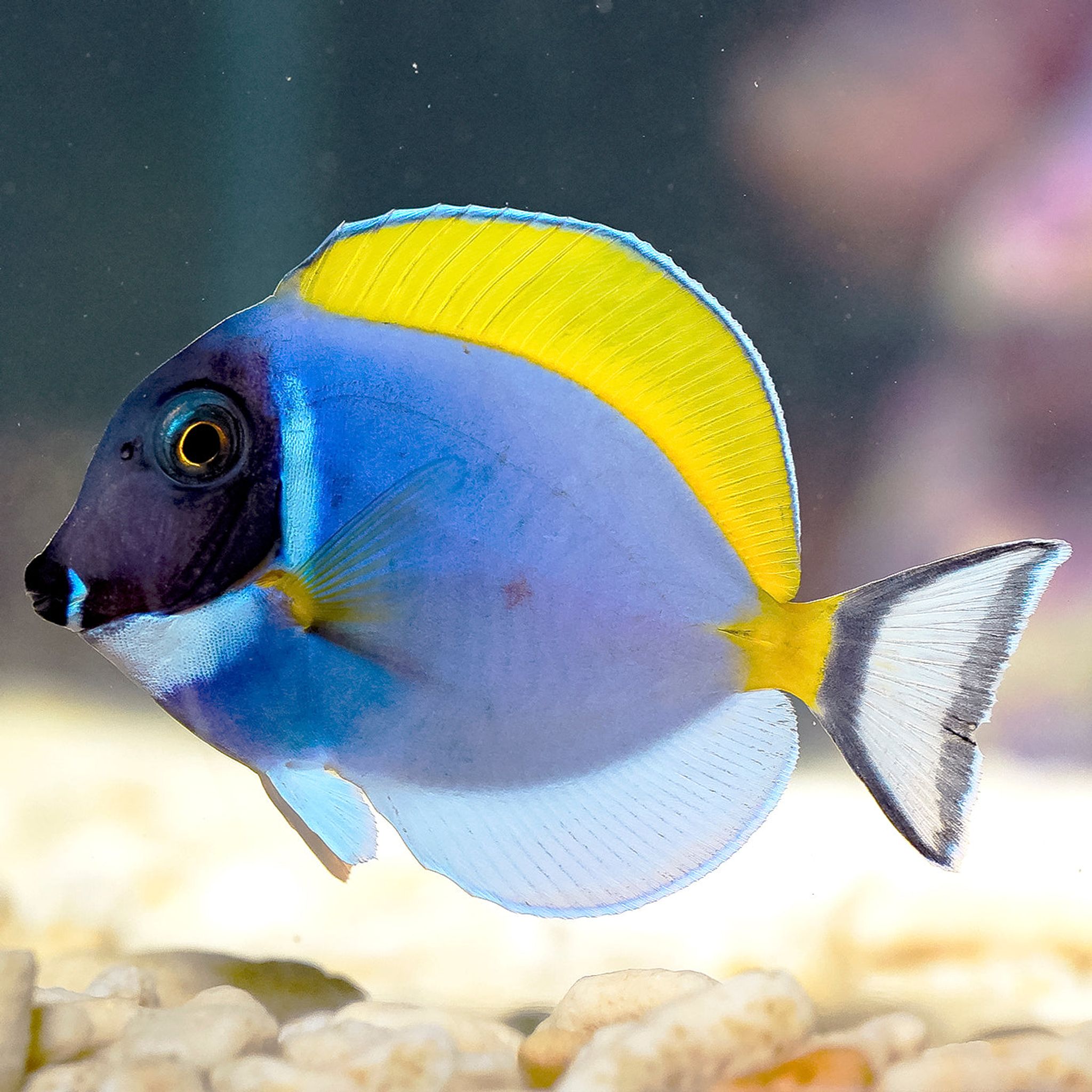
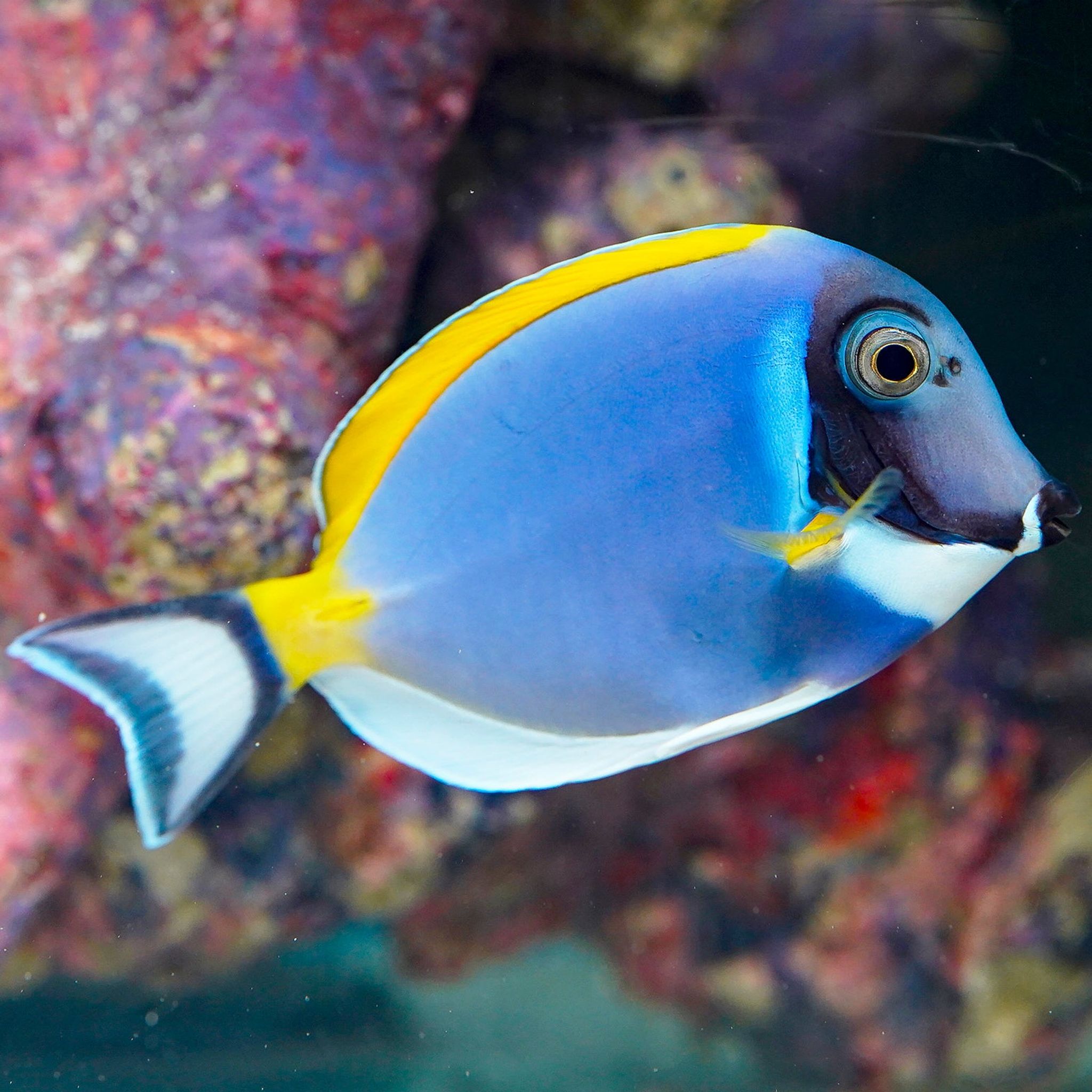
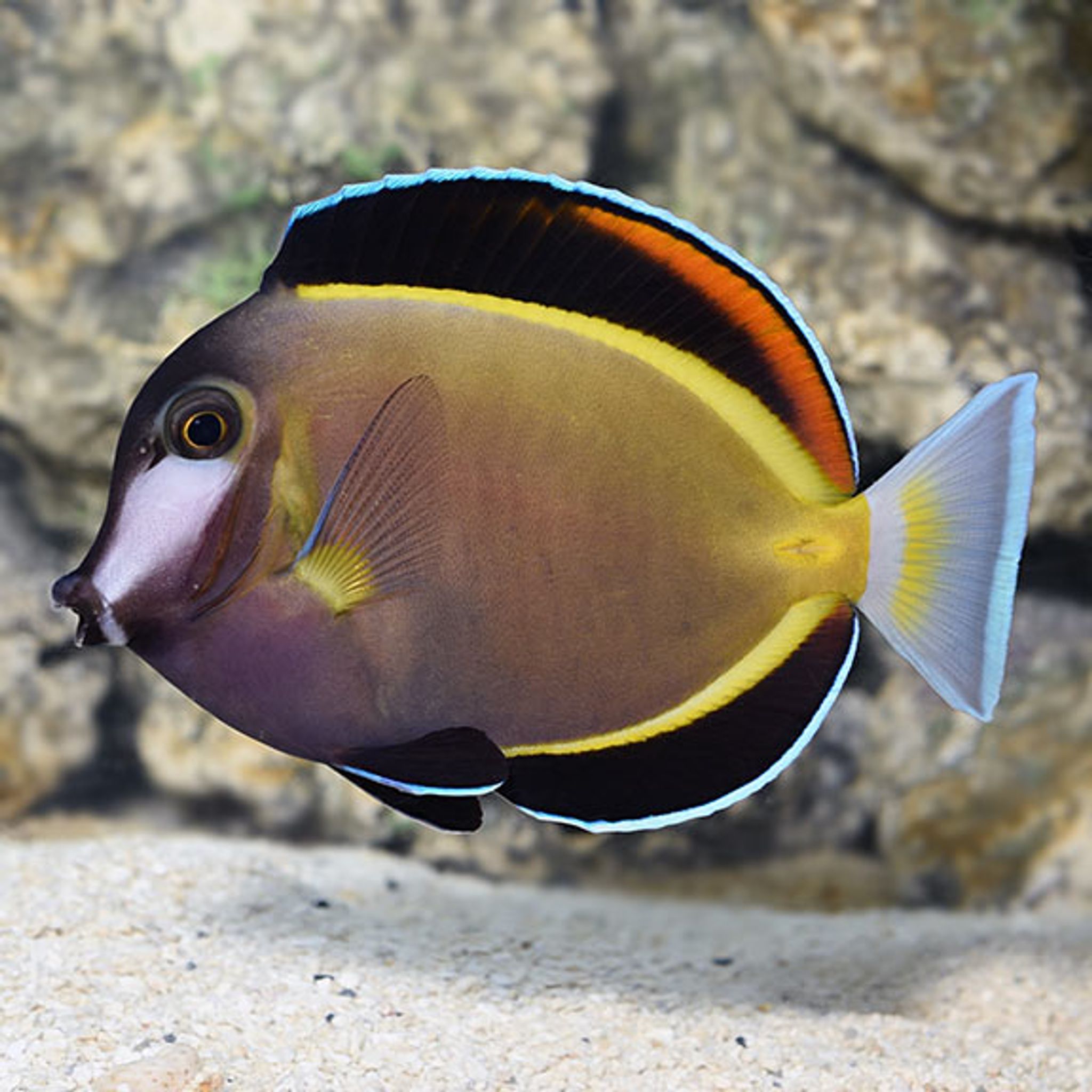
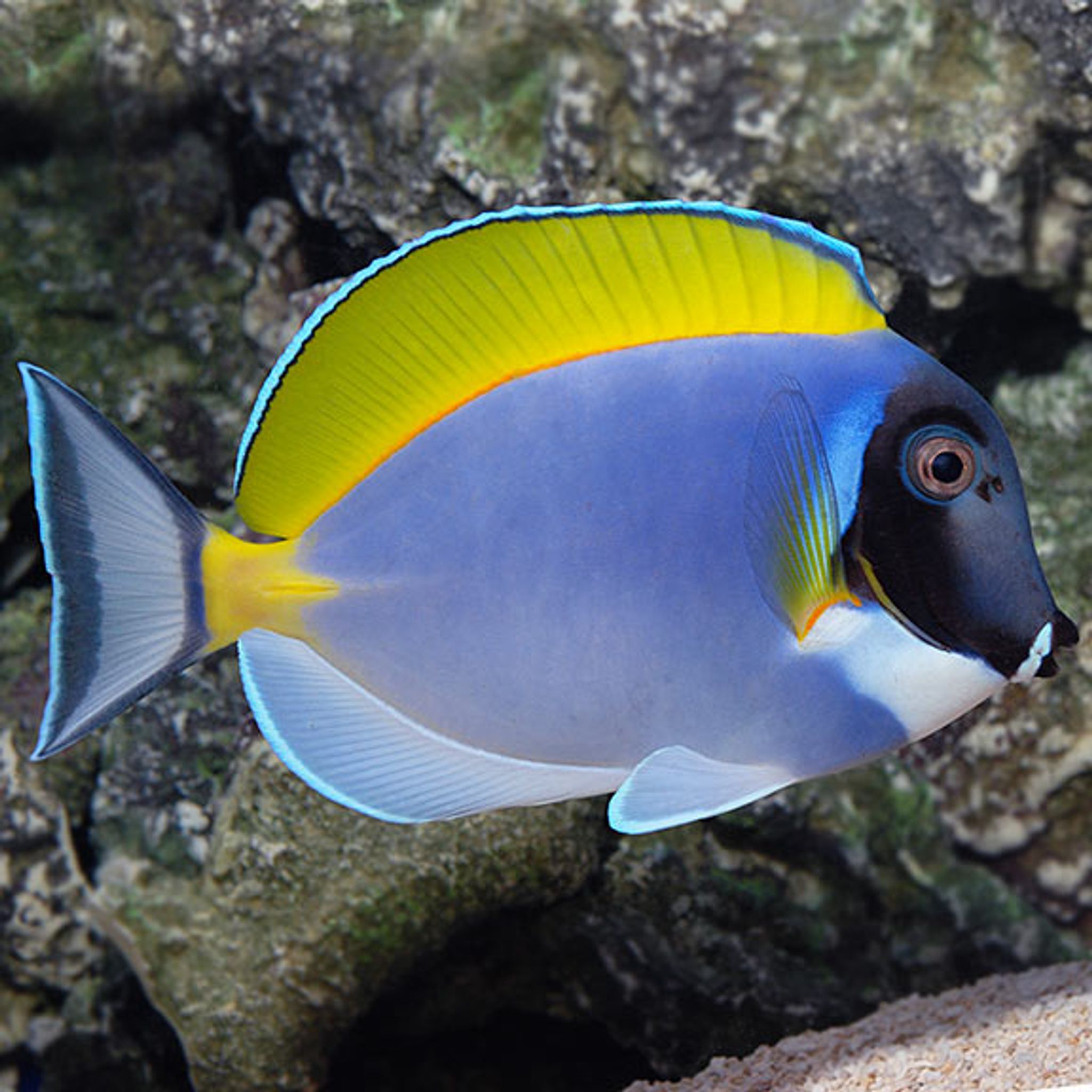
Powder Blue Tangs are prized for vivid blue coloration combined with bold black, white and yellow markings.
They are active and visually striking but can be more demanding than some other Tang species, making stable water quality and careful husbandry especially important.
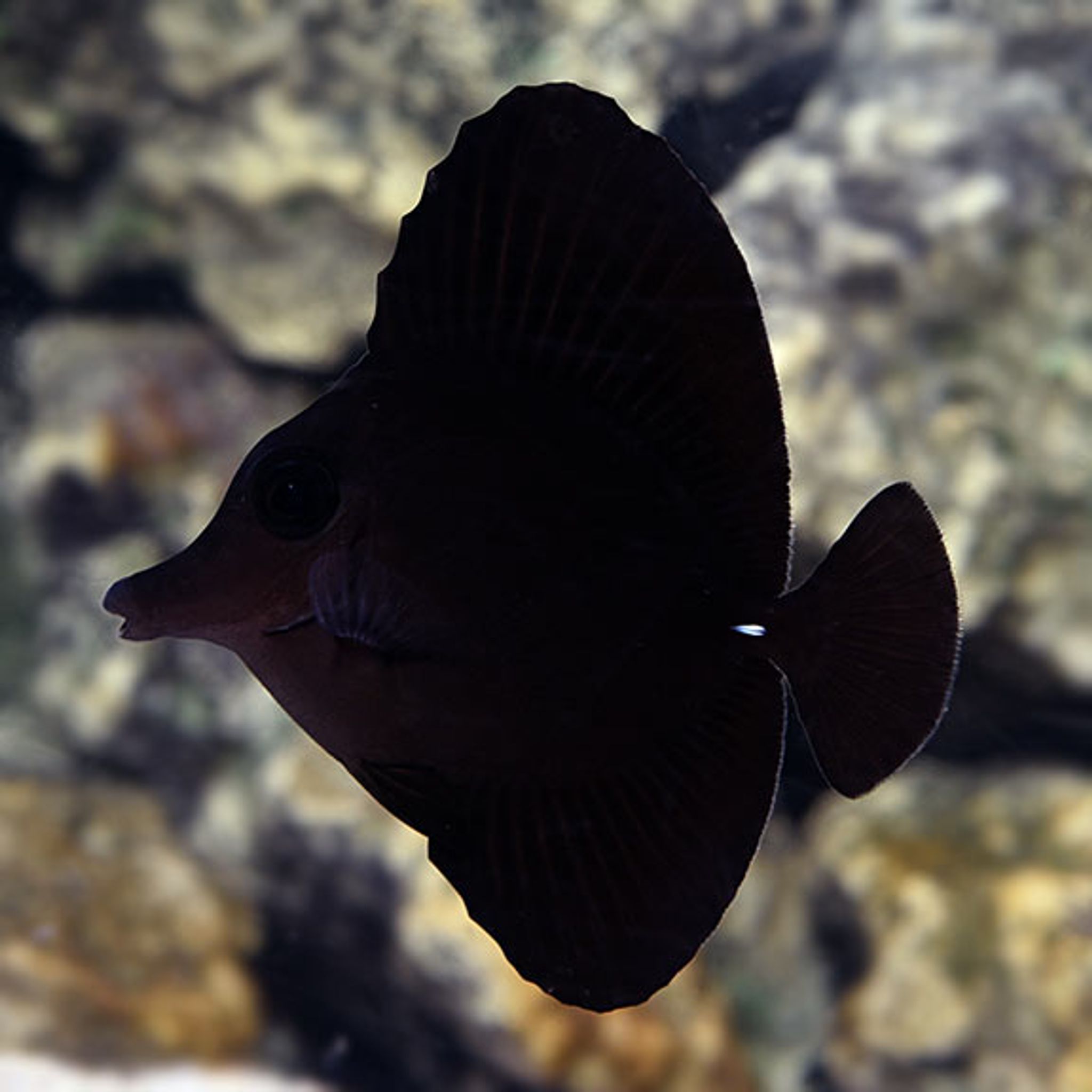
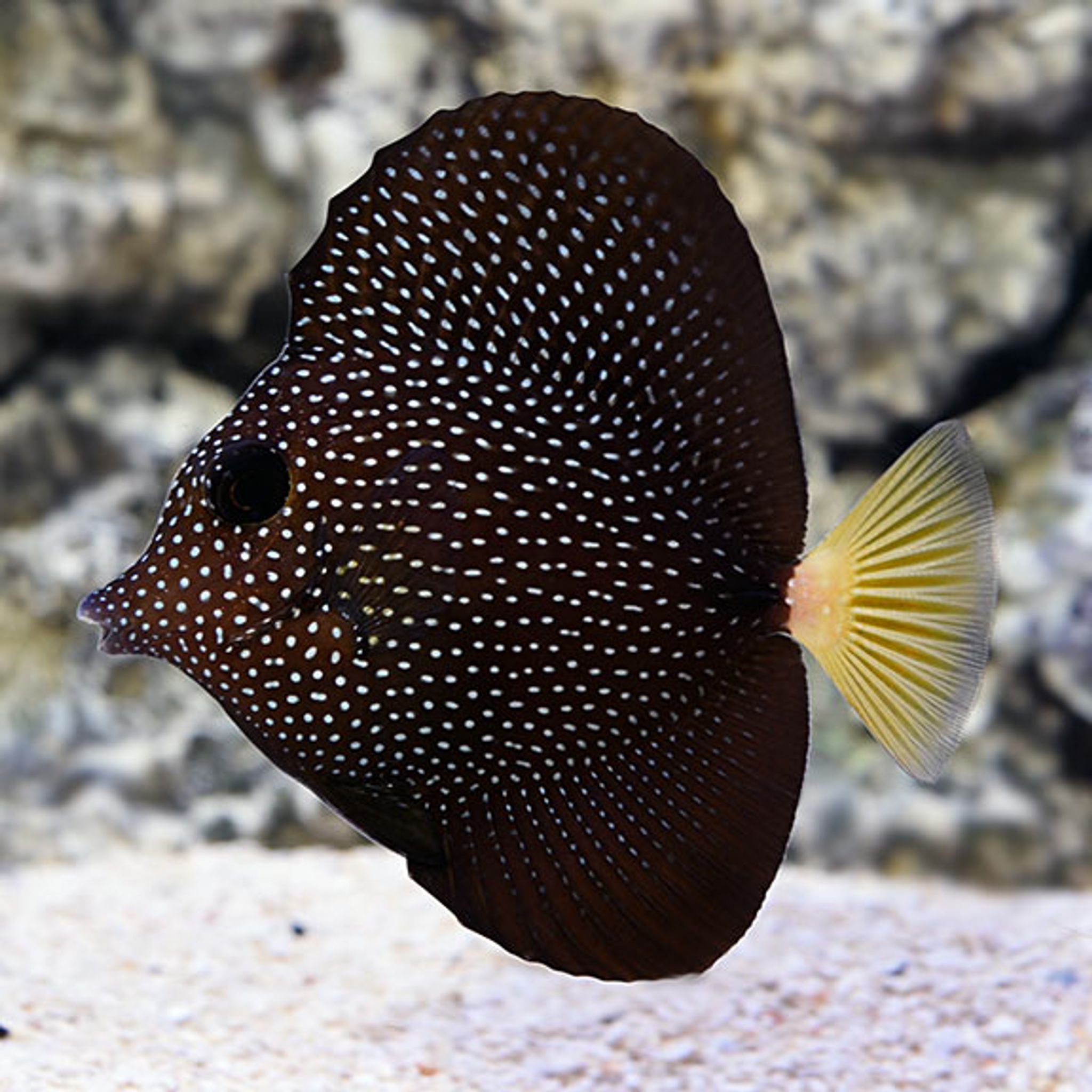
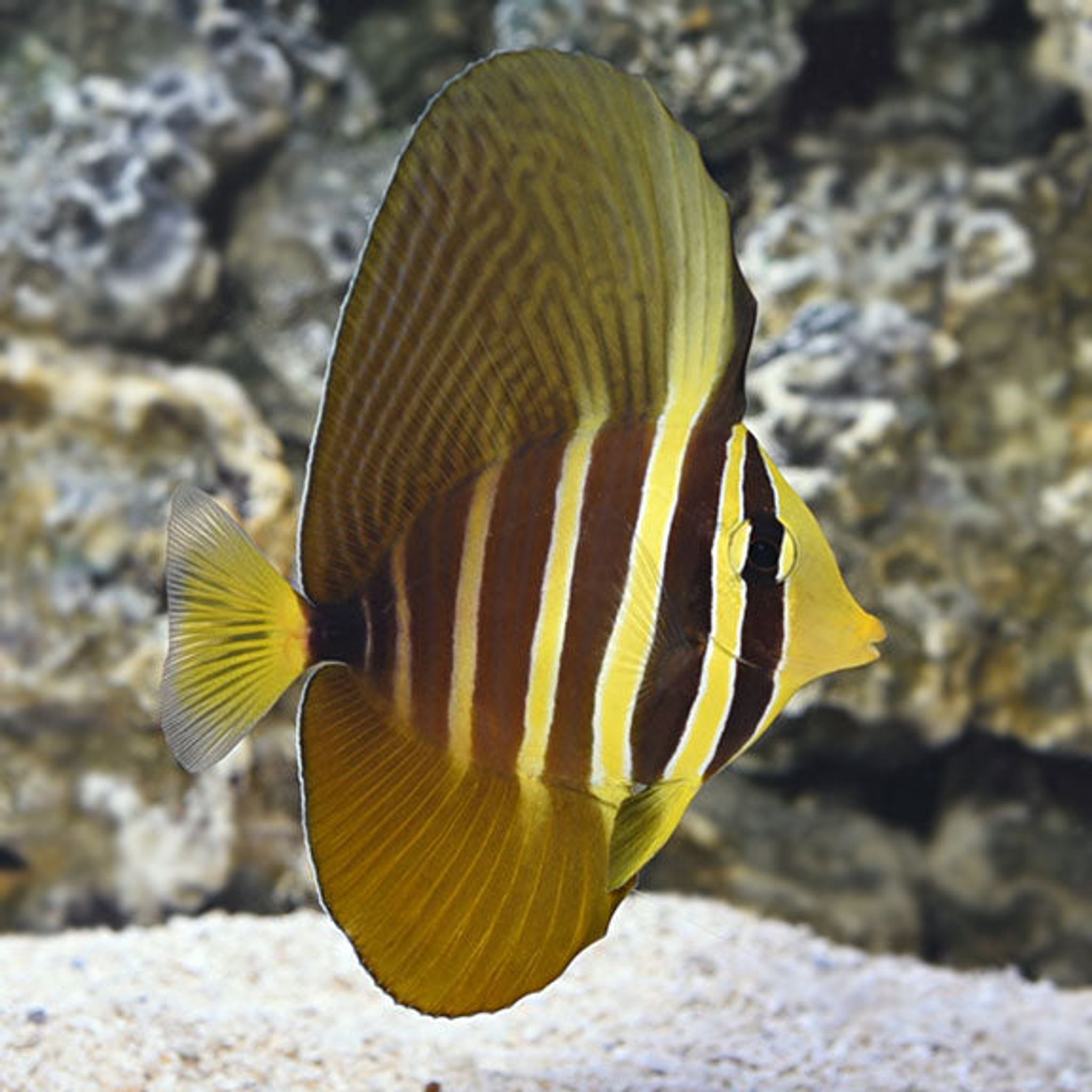
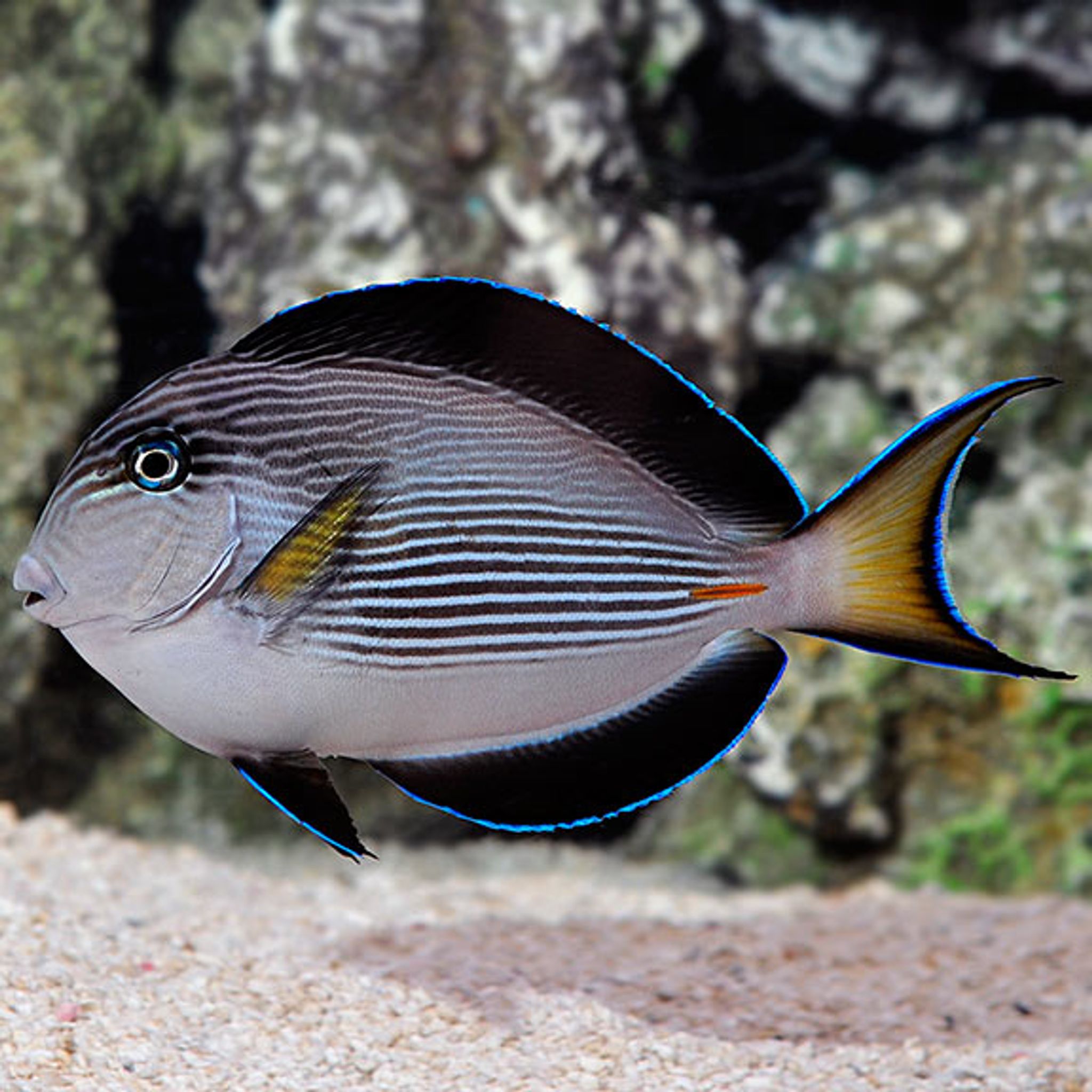
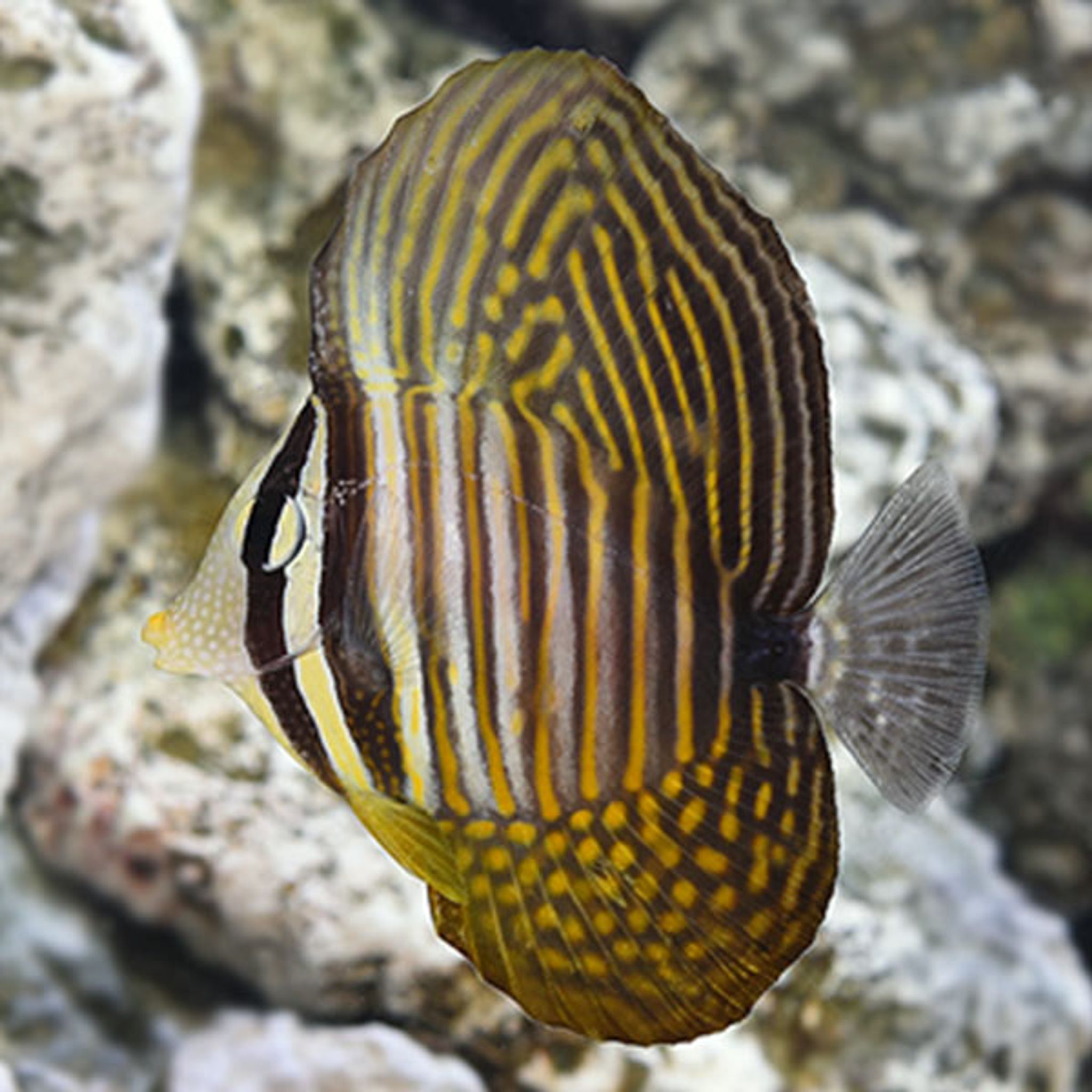
Sailfin Tangs are named for their tall dorsal and anal fins, which create an impressive profile when fully extended.
They can become large adults and require substantial swimming room, so aquarium planning should be based on mature size rather than juvenile size.
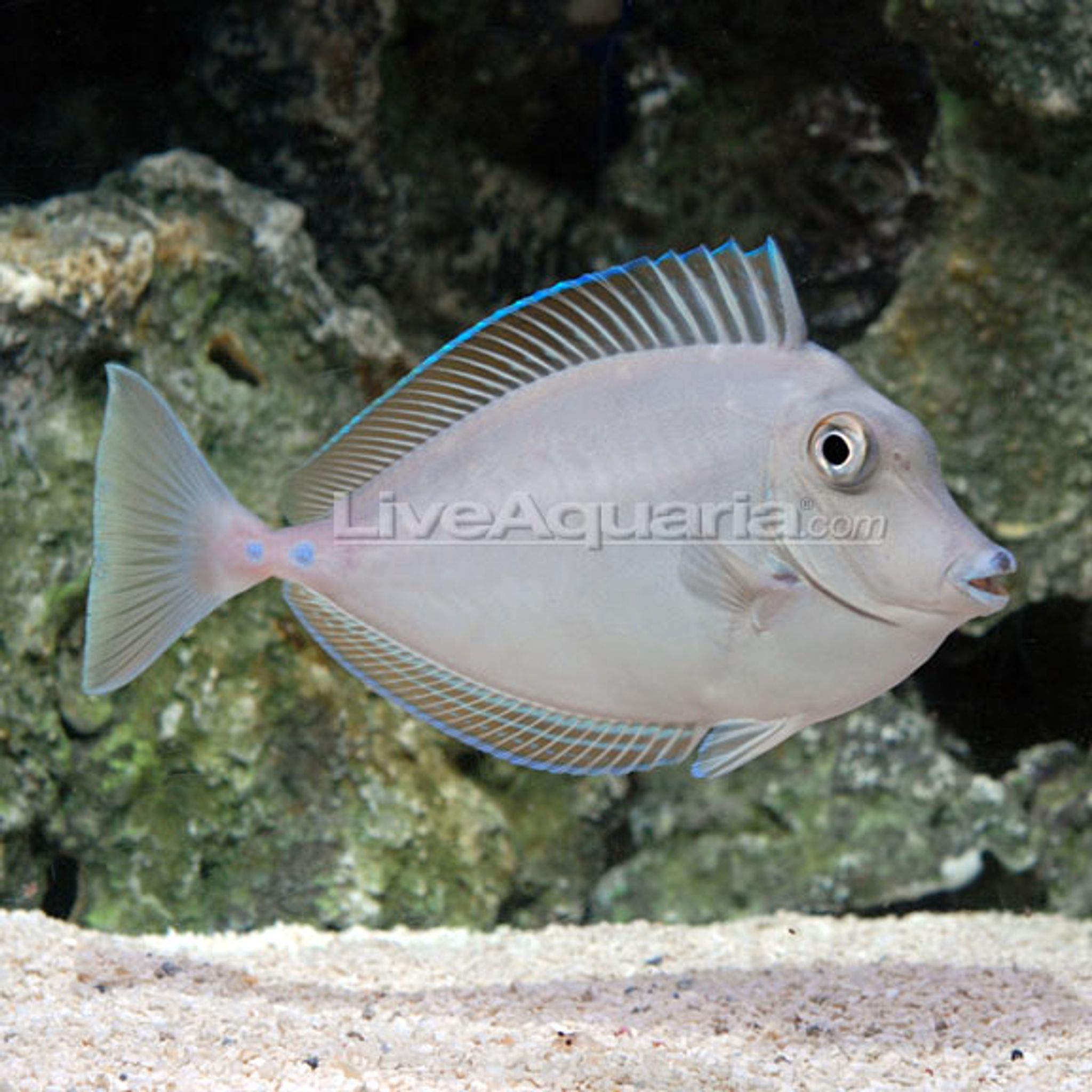
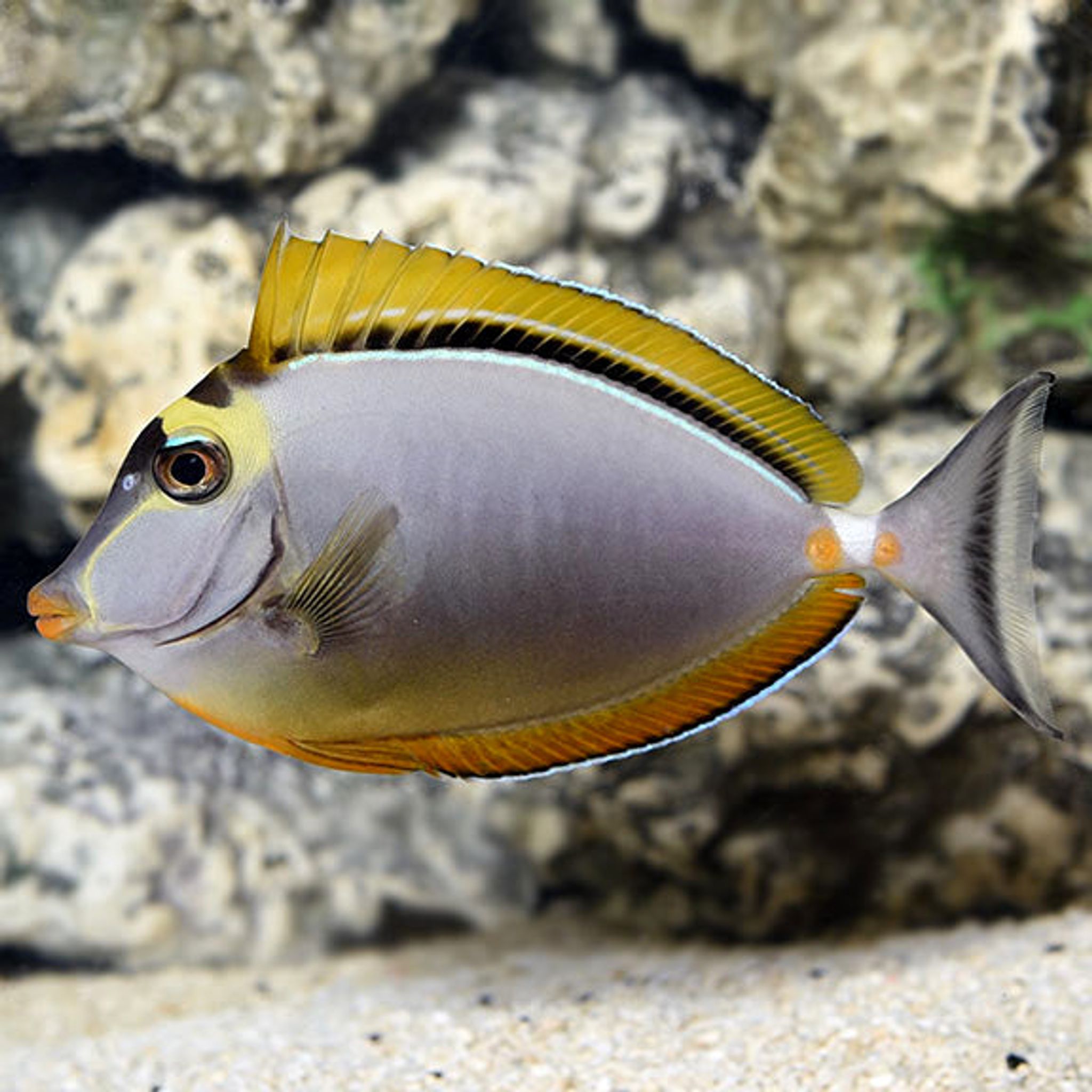
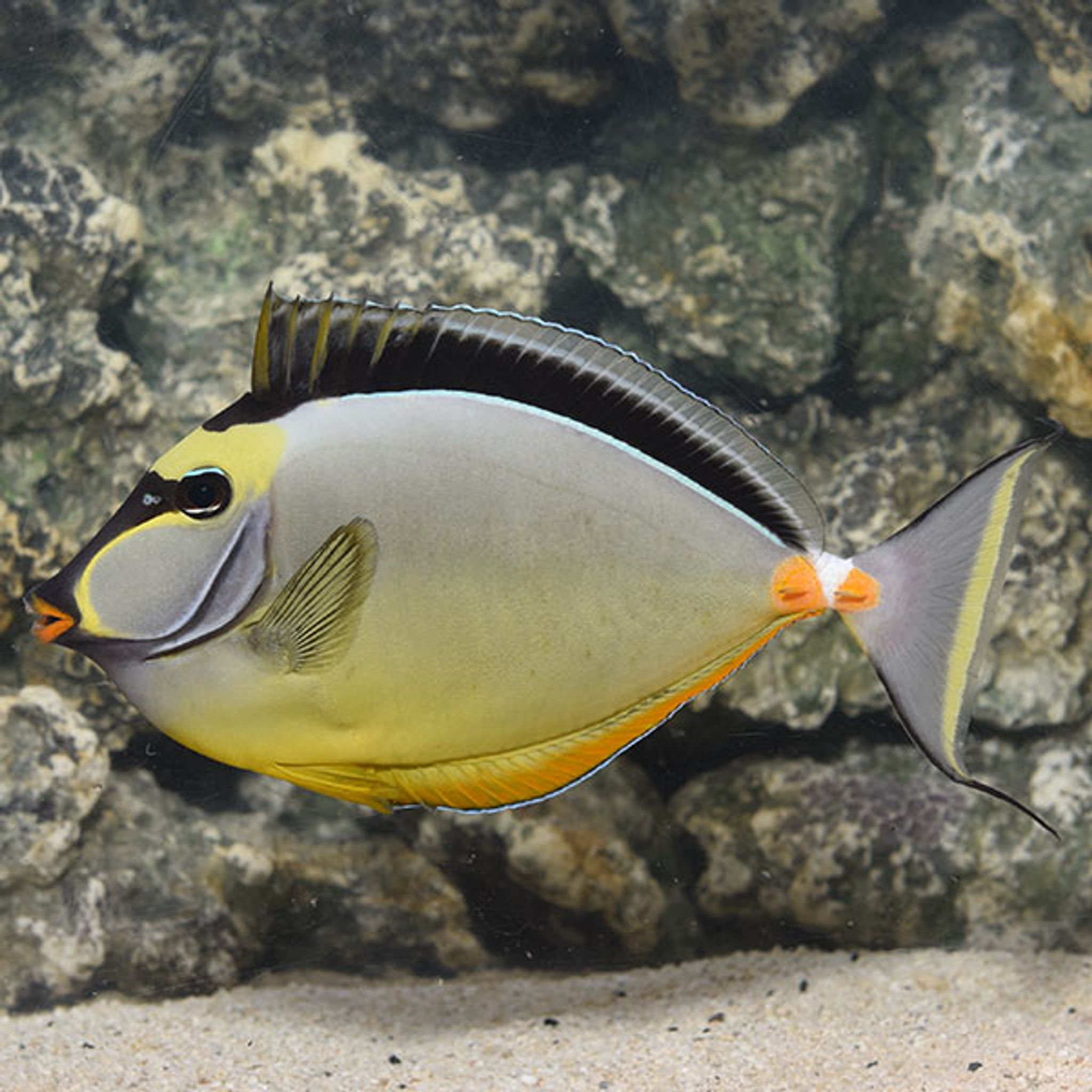
Naso Tangs are large, active Surgeonfish known for distinctive adult coloration and elongated body shape.
Their adult size makes them more suitable for larger marine aquariums with extensive open swimming space.
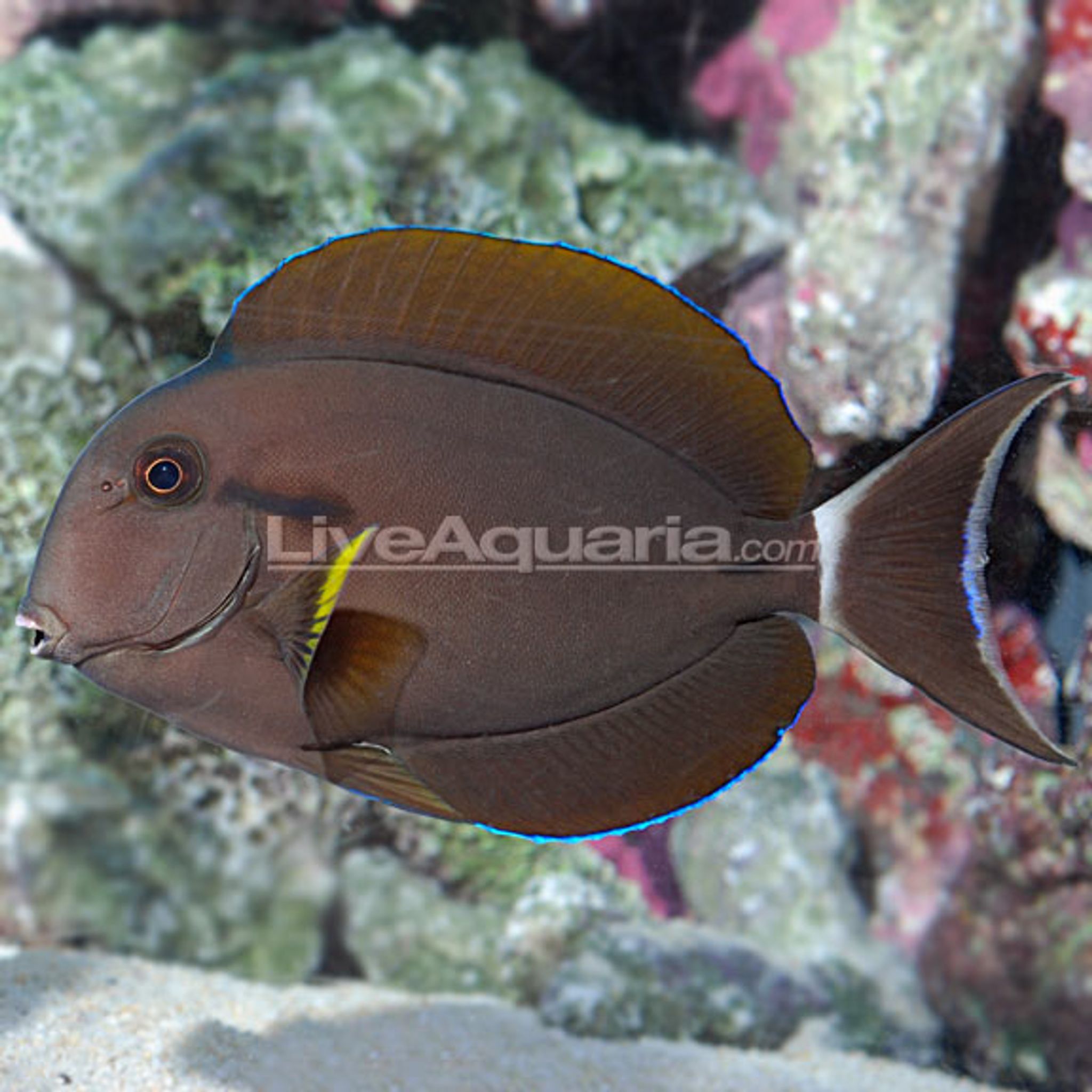
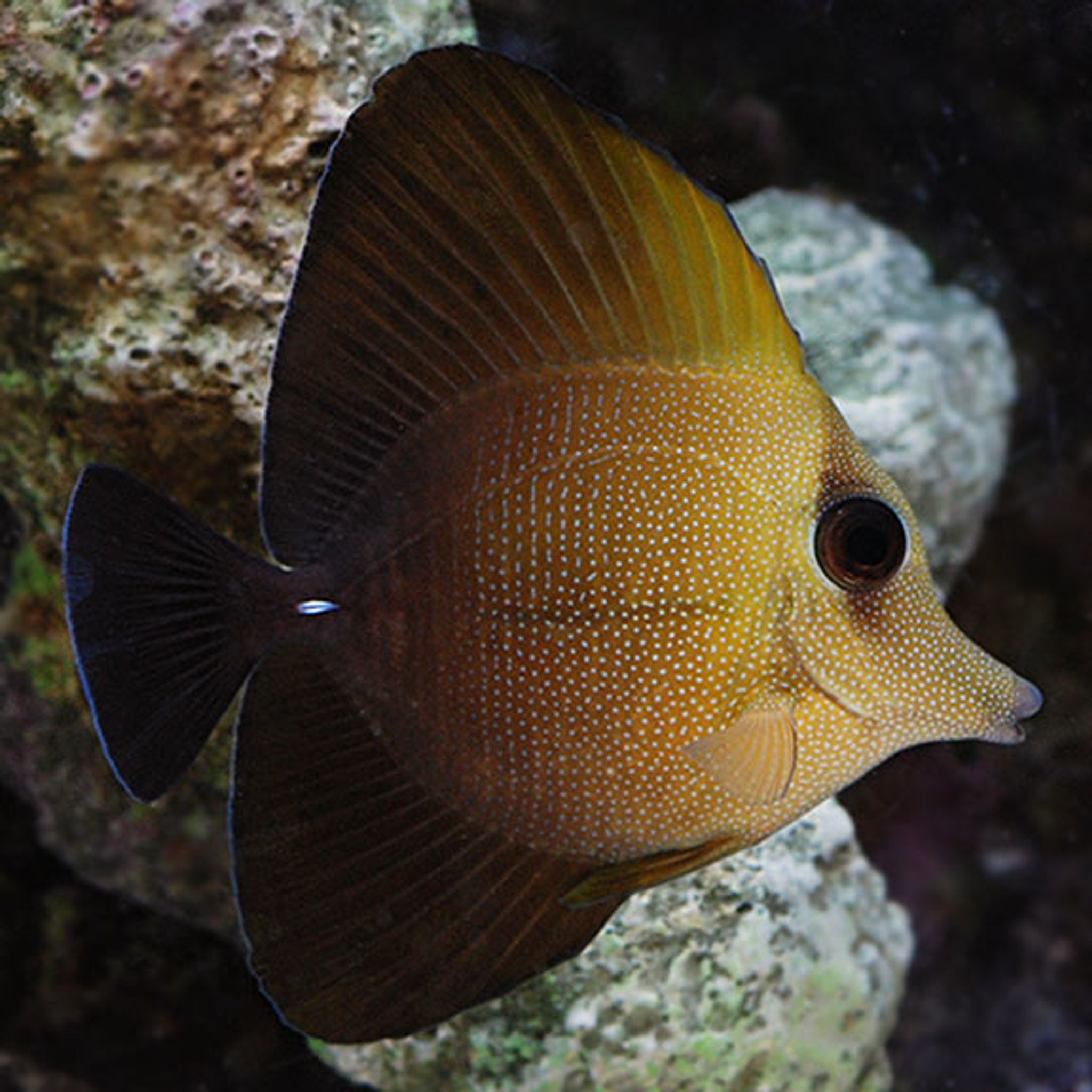
Kole Tangs are popular members of the bristletooth Tang group and are known for grazing film algae and biofilm from aquarium surfaces.
They remain more compact than some of the largest Tang species but still benefit from generous swimming space and stable marine conditions.
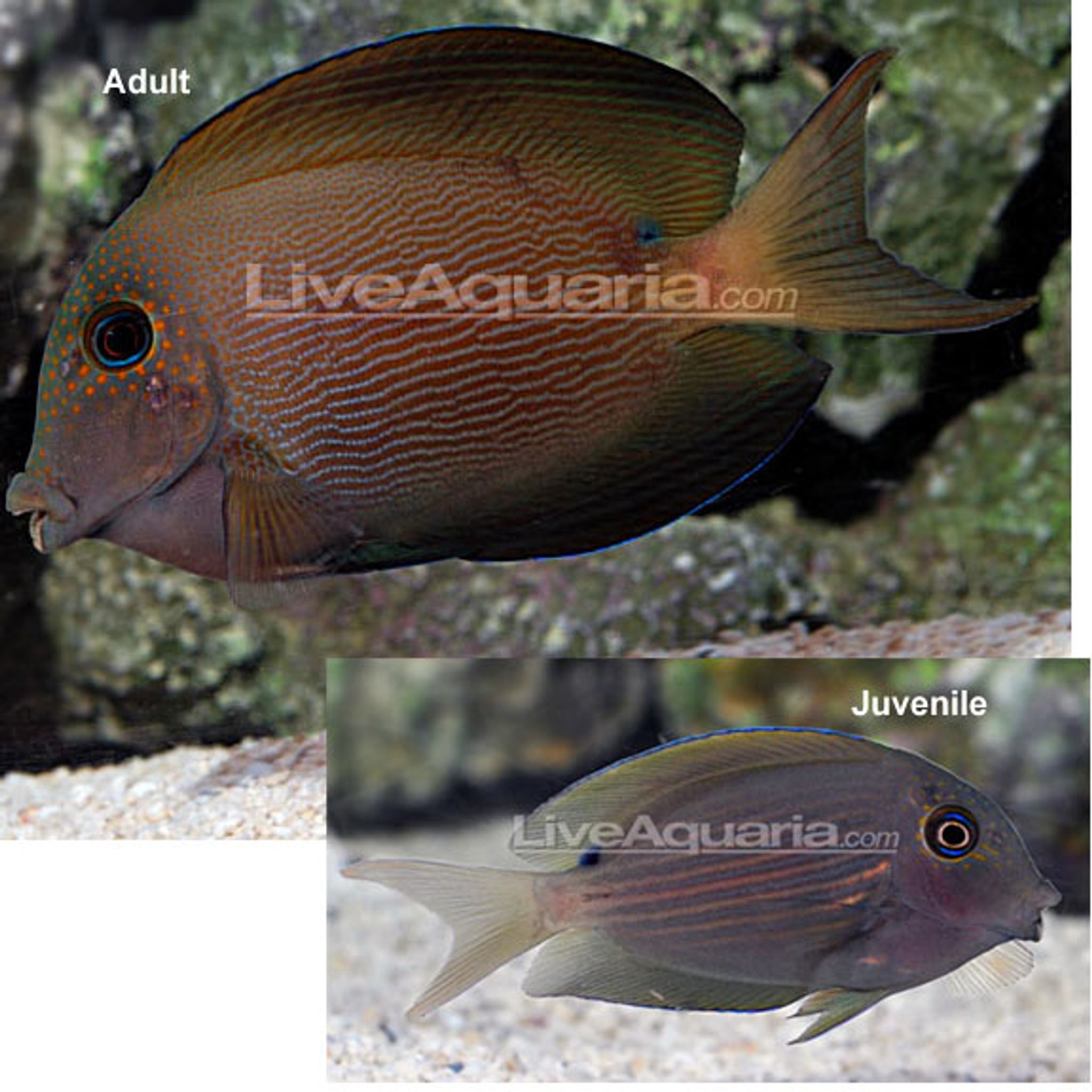
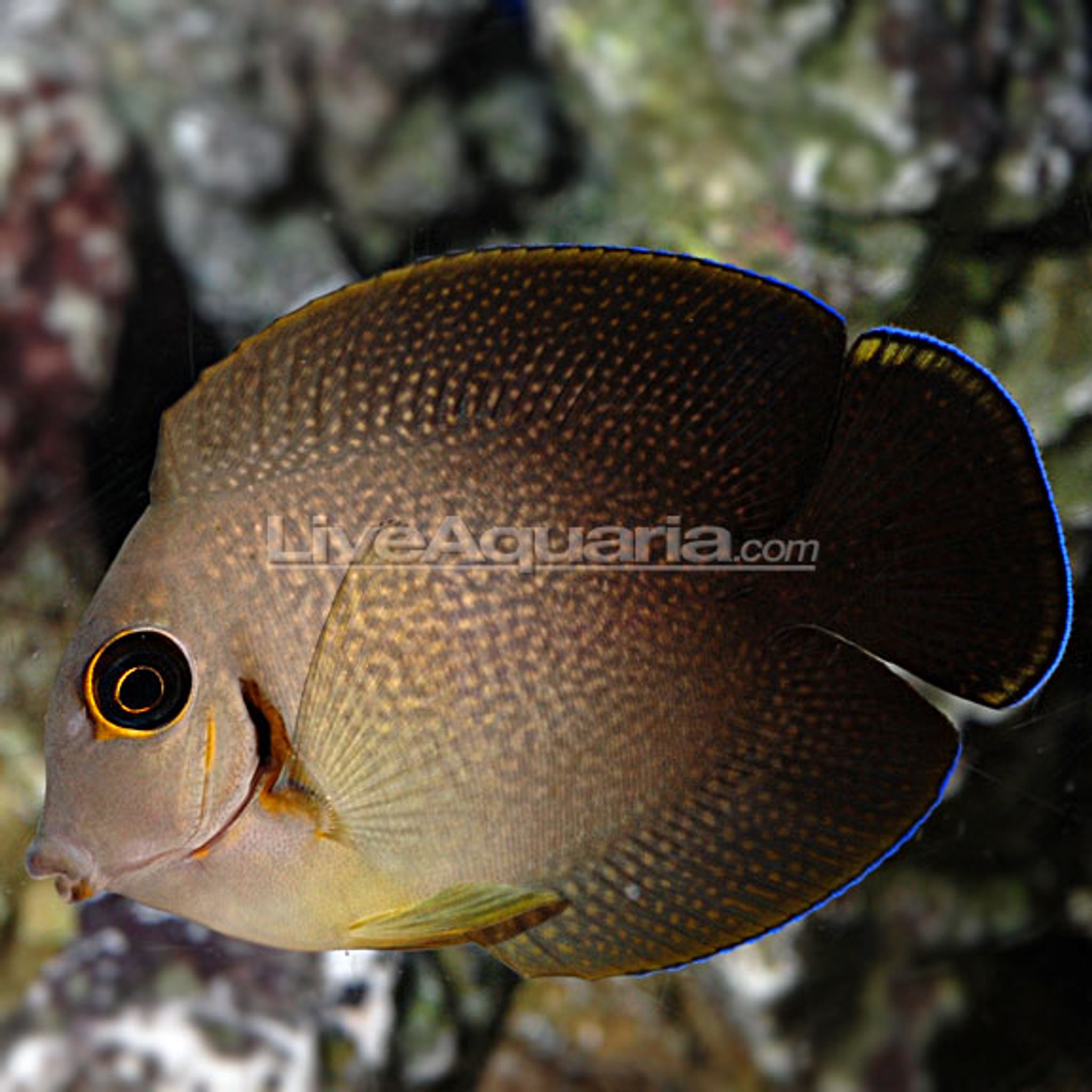
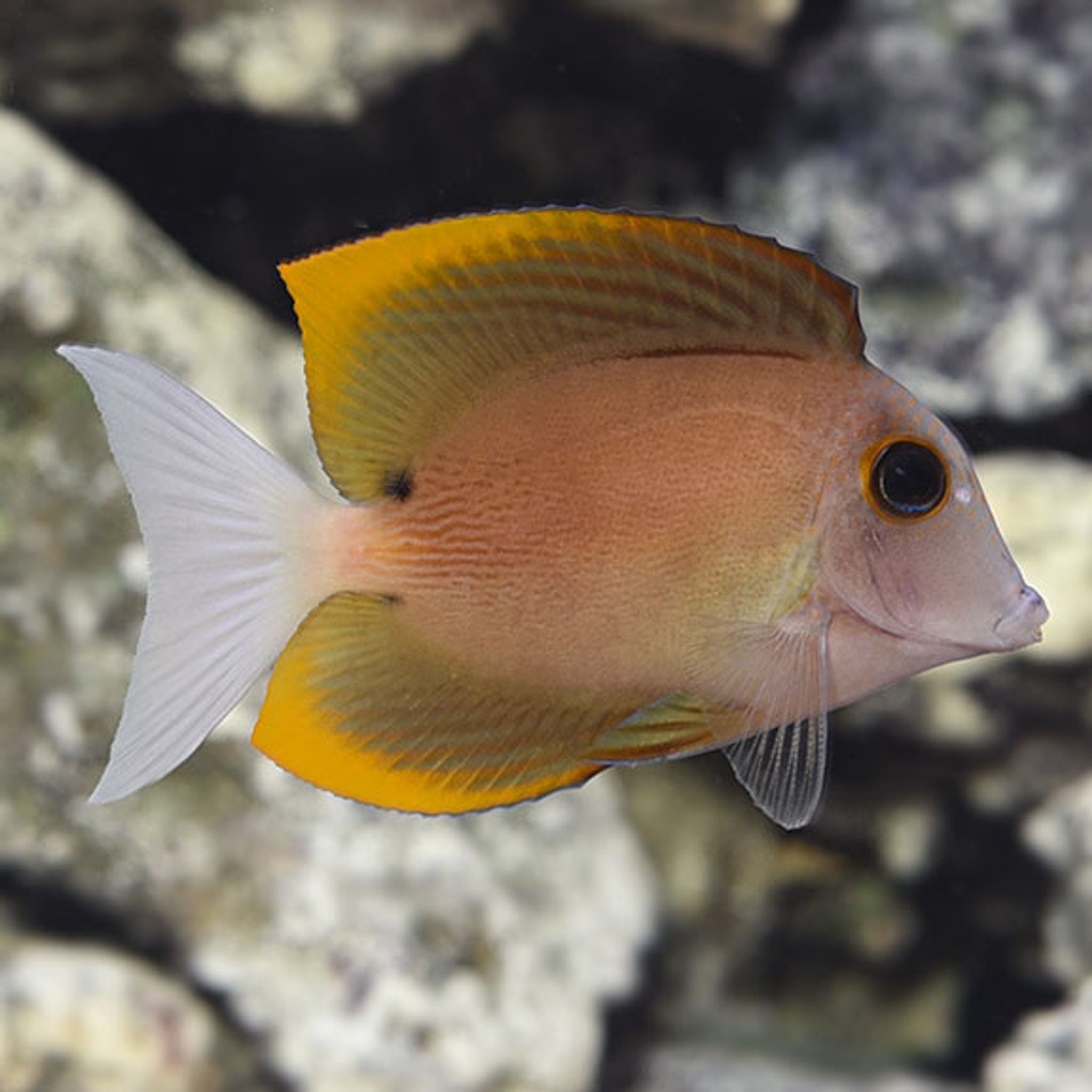
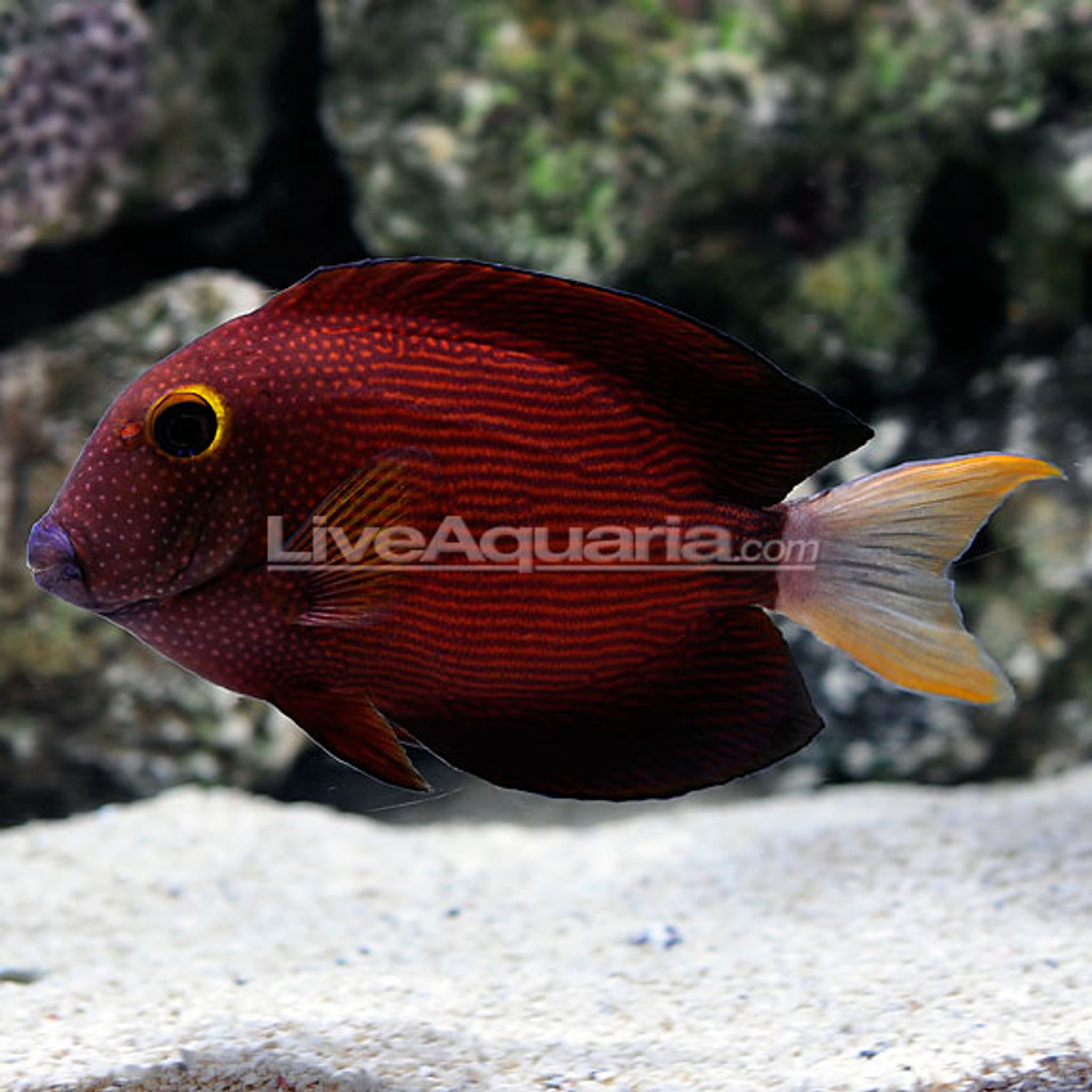
Tomini Tangs are another bristletooth species valued for active grazing and a relatively compact adult profile compared with larger Surgeonfish.
Their behavior and adult size should still be considered carefully when selecting tankmates and aquarium dimensions.
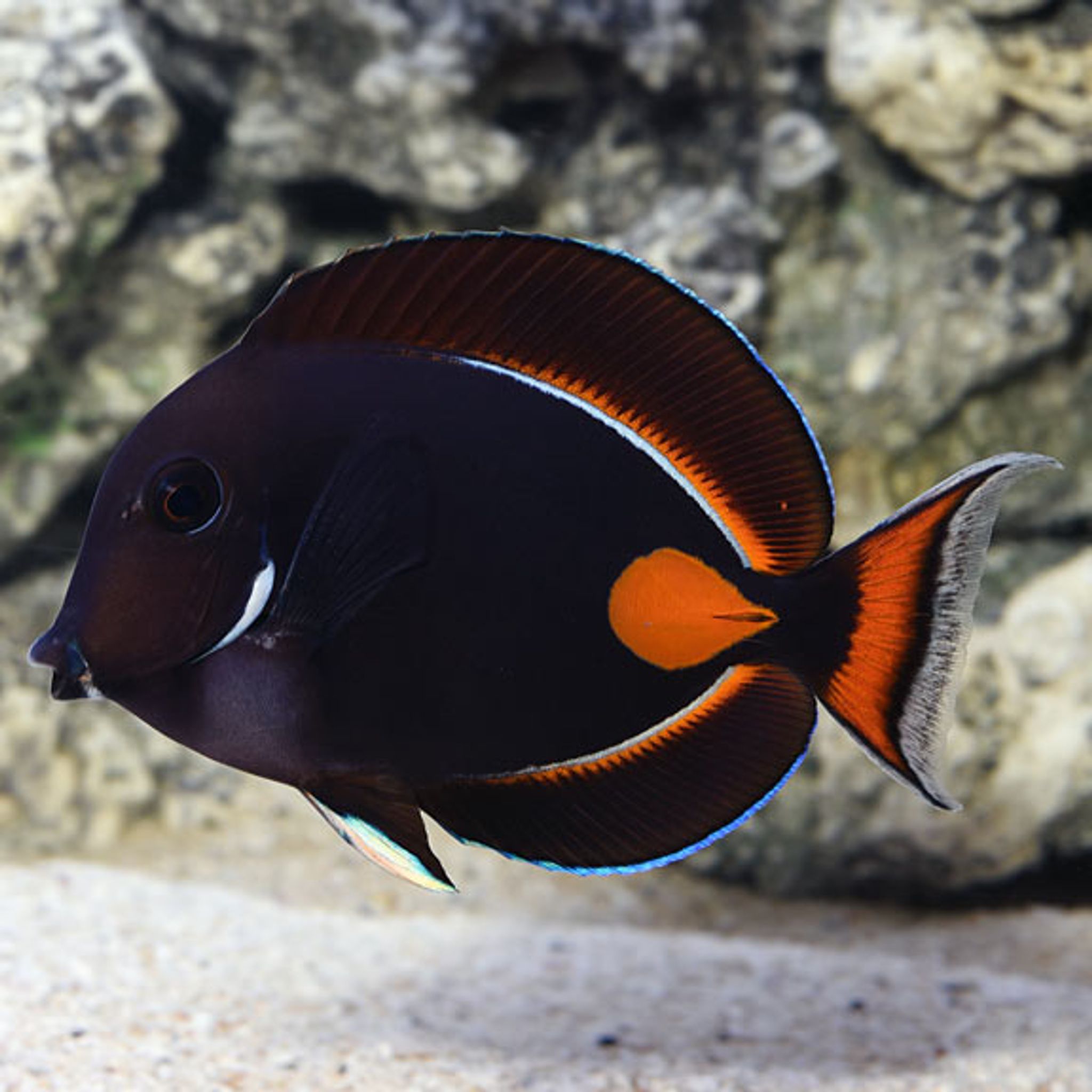
Achilles Tangs are striking black Surgeonfish with bold orange markings.
They are generally considered more advanced marine fish and benefit from excellent water quality, strong oxygenation and carefully planned husbandry.
Tangs belong to the Surgeonfish family and are named for sharp defensive spines near the base of the tail.
These spines should be treated with care when handling or moving fish, as they can cause injury.
Tang species vary greatly in adult size.
Juveniles may appear small in store listings, but many species grow into large, powerful swimmers, so always research expected adult size before purchasing.
Tangs do best in stable, well-filtered marine aquariums with plenty of swimming space and access to rock surfaces for grazing.
Rockwork should provide shelter without eliminating open swimming areas, especially for active species.
There is no single tank size suitable for every Tang.
Compact bristletooth Tangs and large species such as Naso or Sailfin Tangs have very different long-term space requirements. Base aquarium choice on adult size and activity level rather than current sale size.
Many commonly kept Tangs are considered suitable for reef aquariums and are valued for their grazing behavior.
Individual behavior can vary, so monitor interactions with tankmates and reef livestock after introduction.
Many Tang species graze algae naturally, which can make them useful members of a reef aquarium.
They should not be purchased as a substitute for aquarium maintenance, and different Tang species vary in what and how they graze.
Many Tangs consume algae and plant-based marine foods, although exact dietary needs vary by species.
A varied diet can include suitable marine pellets, frozen foods and seaweed-based foods such as dried marine algae where appropriate.
Dried marine algae or suitable plain seaweed products are commonly offered to grazing Tangs.
Feeding frequency and quantity should reflect species, body condition and other available foods rather than relying on one universal feeding rule.
Tangs can range from moderately peaceful to strongly territorial.
Aggression is often strongest toward other Tangs or fish with similar body shapes and feeding niches.
Multiple Tangs can sometimes be kept together in sufficiently large, carefully planned aquariums, but aggression can be significant.
Species combination, body shape, aquarium size, introduction order and individual temperament all matter.
Tangs can coexist with many marine community fish when aquarium size and temperament are appropriate.
Clownfish, Gobies, Blennies, Wrasses and marine Angelfish may be possible tankmates, but compatibility should be evaluated by exact species.
Tangs and marine Angelfish can sometimes share large marine aquariums because they occupy different behavioral niches.
Territorial disputes can still occur, especially where similarly sized fish compete for space or grazing areas.
Clownfish and Tangs are commonly kept together in marine aquariums when the system is large enough for the Tang species.
Clownfish may defend a small territory while Tangs use much more open swimming space, which can reduce direct competition.
Tangs benefit from stable marine water conditions, strong oxygenation and reliable filtration.
Maintain consistent salinity and temperature and avoid large fluctuations that can add unnecessary stress.
Some Tang species can be sensitive to transport stress and external parasites.
Quarantine and observation can help reduce the risk of introducing disease into an established marine aquarium, especially when adding fish from different sources.
Newly shipped Tangs may arrive stressed after transport.
Prepare the marine aquarium in advance and follow an acclimation approach suited to the seller's instructions and your water conditions.
When comparing Tangs for sale, look for:
Tang prices vary according to species, size, origin, availability and seller.
Commonly available species and rare or highly sought-after Surgeonfish can differ substantially in price, so compare livestock quality, size and seller terms rather than price alone.
FishyHub brings Tang and Surgeonfish listings from marine aquarium stores and specialist sellers together in one marketplace.
When comparing Tangs online, consider:
Shipping availability depends on the seller, destination, fish size, weather and livestock-shipping policy.
Review delivery timing, packaging and live-arrival terms before ordering, and prepare the aquarium before the fish is scheduled to arrive.
Yes. Marine aquarium stores and specialist sellers offer Tangs and Surgeonfish online across the U.S., depending on seller shipping coverage and livestock policies.
Tangs are members of the Surgeonfish family, named for the sharp defensive spines near the base of the tail.
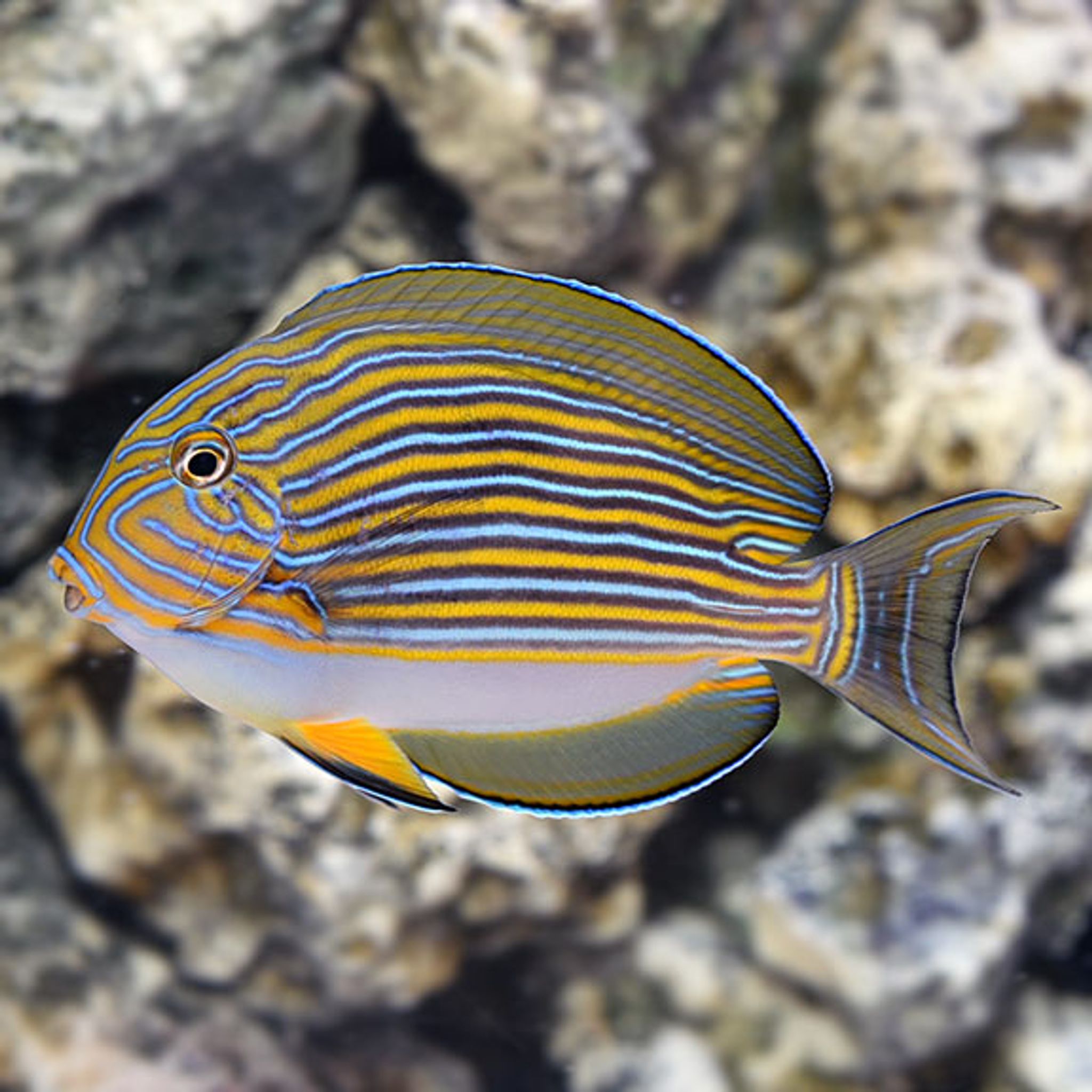
Blue, Yellow, Purple, Powder Blue, Sailfin, Naso, Kole and Tomini Tangs are among the most familiar aquarium species.
Many commonly kept Tangs are considered suitable for reef aquariums, though individual behavior and exact species should still be considered.
Many Tangs graze algae naturally, but grazing behavior and diet vary by species and they should not be relied on as the only method of algae control.
It is possible in some large, well-planned aquariums, but territorial aggression can occur and compatibility depends on species, body shape and introduction strategy.
Many Tang species benefit from algae and other plant-based marine foods alongside a varied marine diet appropriate to the species.
FishyHub helps U.S. hobbyists compare Tang and Surgeonfish listings from marine aquarium stores and specialist sellers in one marketplace.
Explore Tangs and Surgeonfish for sale on FishyHub and compare Blue, Yellow, Purple, Powder Blue, Sailfin, Naso, Kole, Tomini and other marine species. Discover listings from marine aquarium sellers across the United States, and compare species, size, temperament, price and shipping options before choosing a Tang for your aquarium.