1–28 of 28
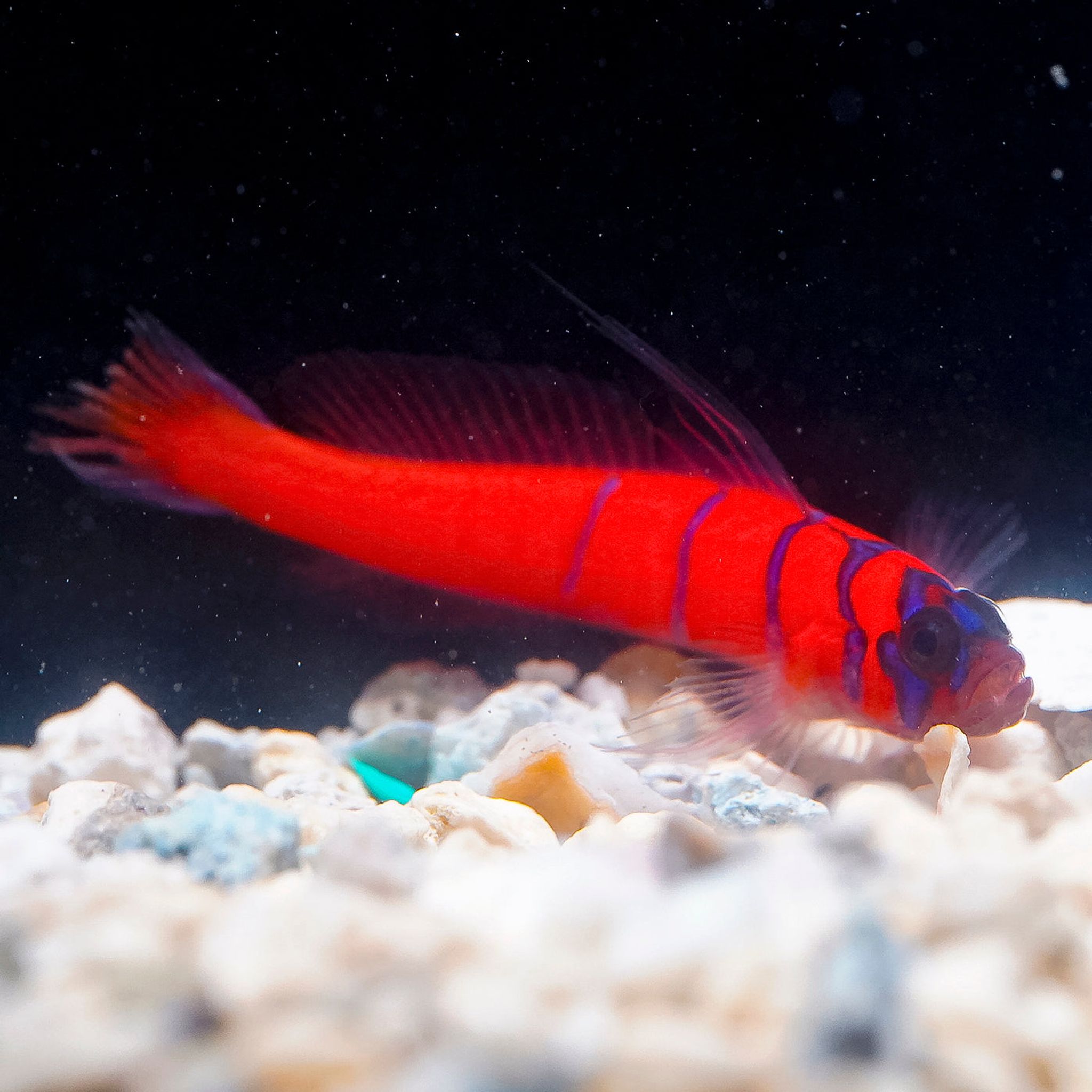
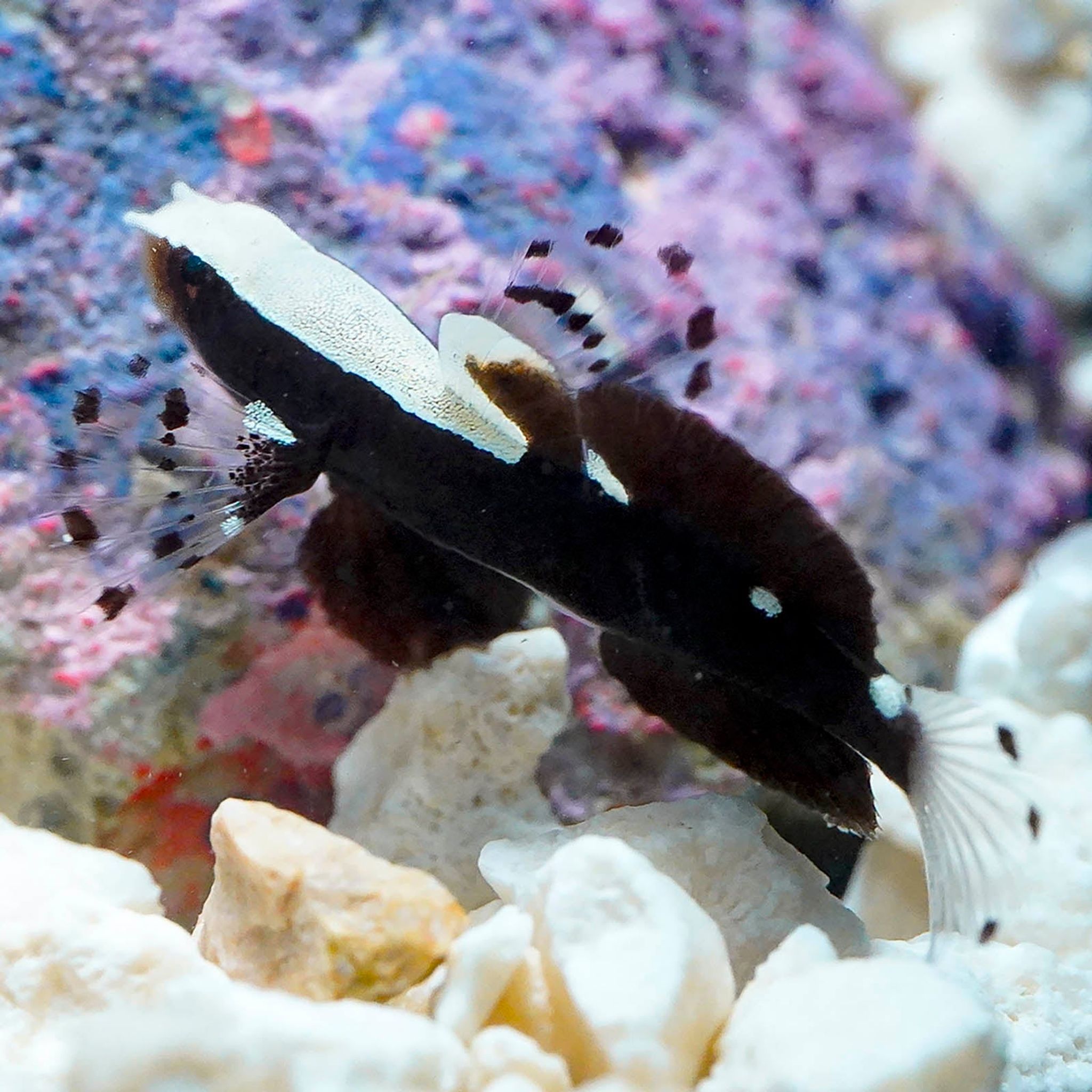
Shop marine Gobies online from saltwater aquarium stores and specialist sellers across the United States on FishyHub. Compare Watchman Gobies, Diamond Gobies, Firefish, Clown Gobies, Neon Gobies and other Goby species by size, behavior, reef compatibility and seller.
Gobies are one of the most diverse groups of marine aquarium fish, ranging from tiny perchers and cleaner species to sand-sifting Gobies and shrimp-associated forms. FishyHub helps U.S. hobbyists compare Goby listings from multiple marine sellers in one marketplace.
Buying Gobies online gives marine hobbyists access to a wider range of species and sizes than may be available from a single local aquarium store.
Compare exact species, current size, habitat needs, temperament, seller information and shipping options before choosing a Goby for your saltwater aquarium.
Popular Gobies in the marine aquarium hobby include:
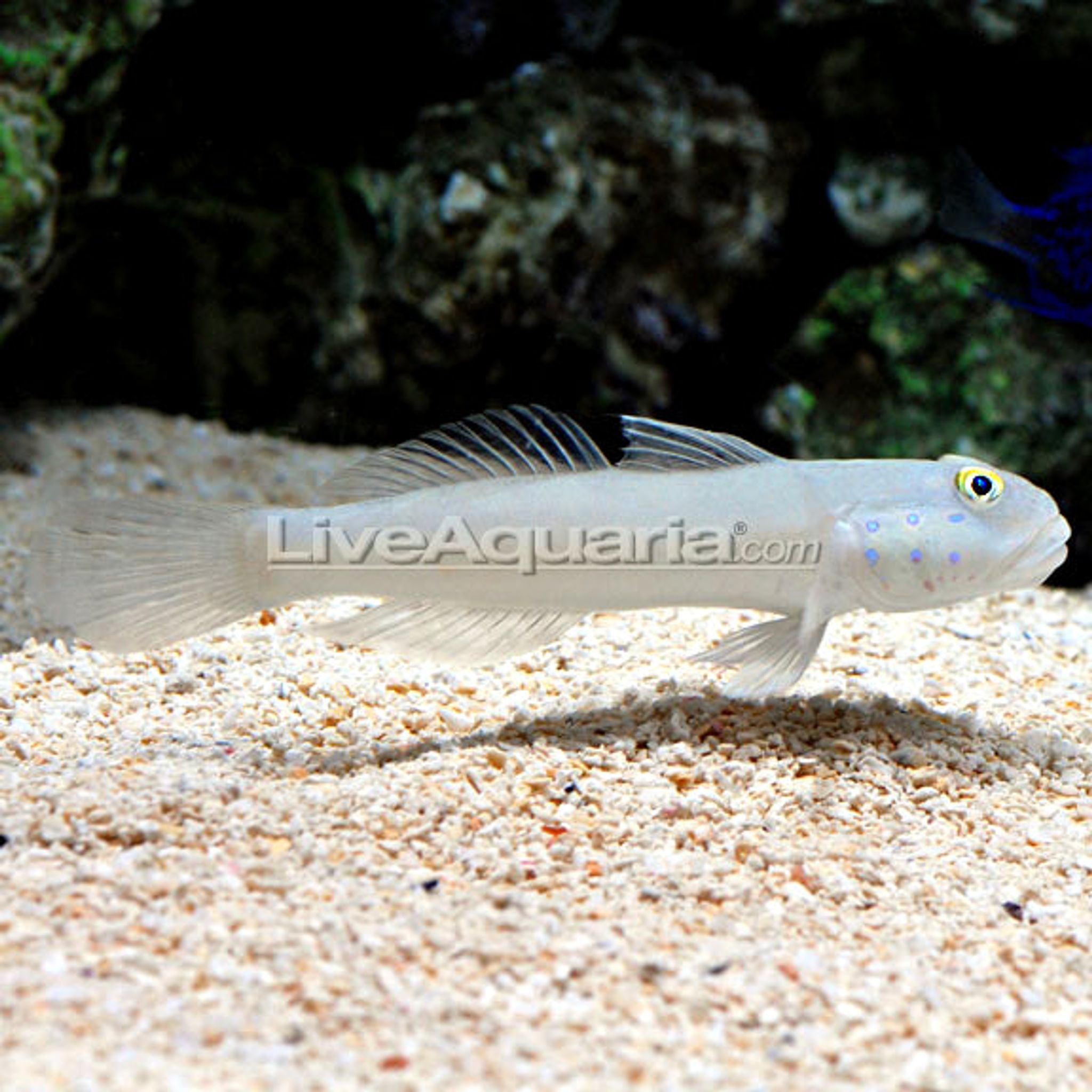
Watchman Gobies are popular bottom-dwelling marine fish known for perching near burrows and watching the surrounding aquarium.
Many are kept in reef aquariums and some species can form well-known associations with compatible pistol shrimp.
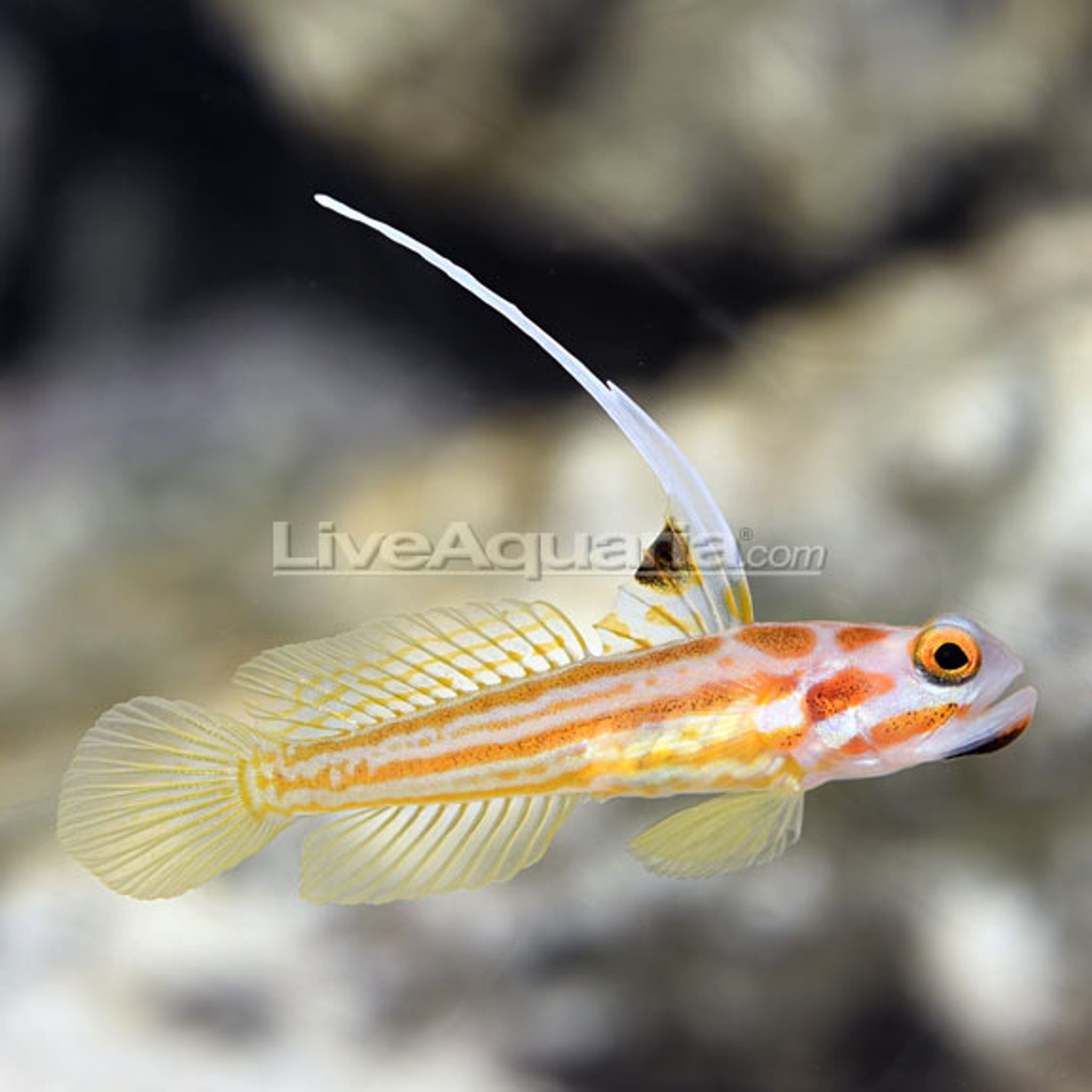
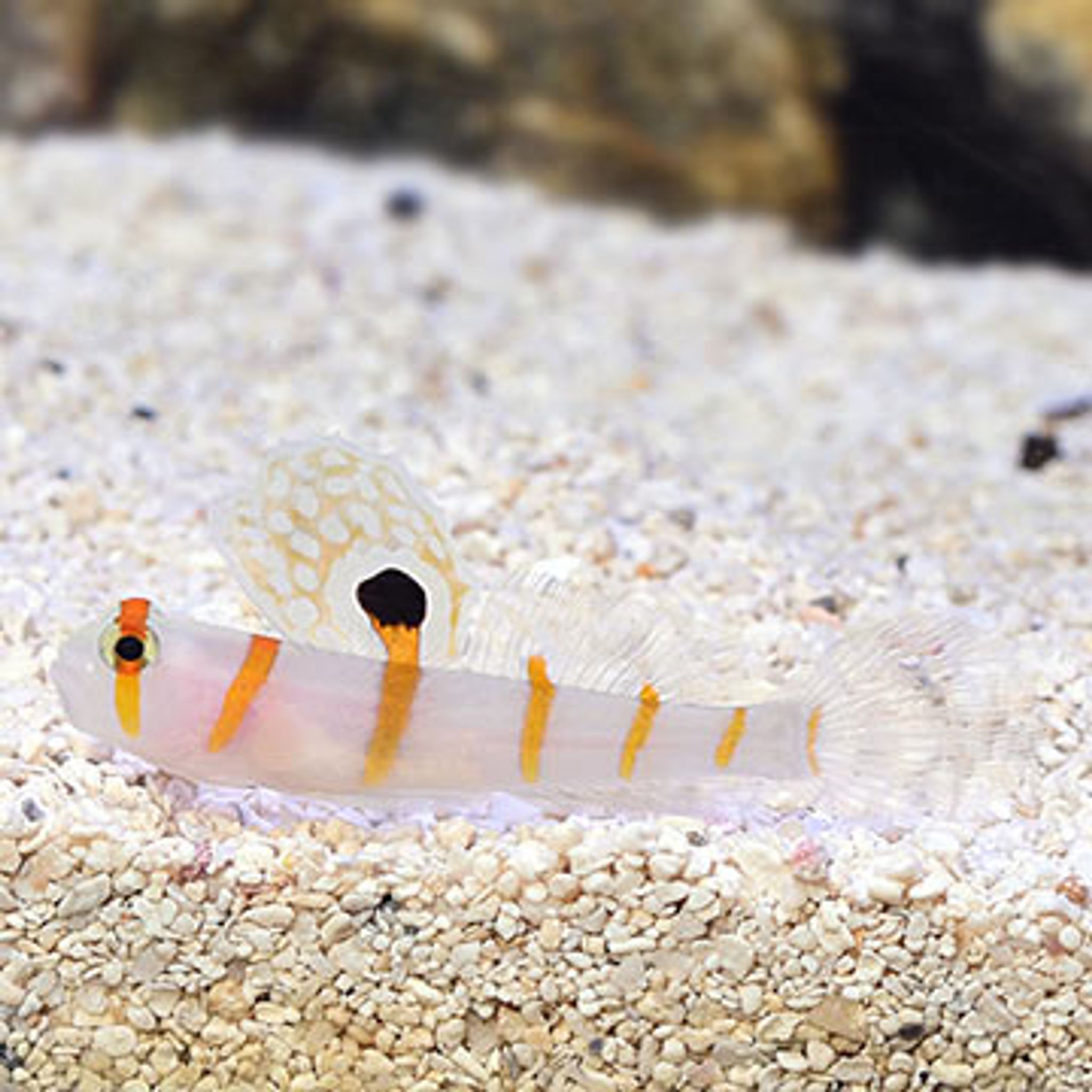
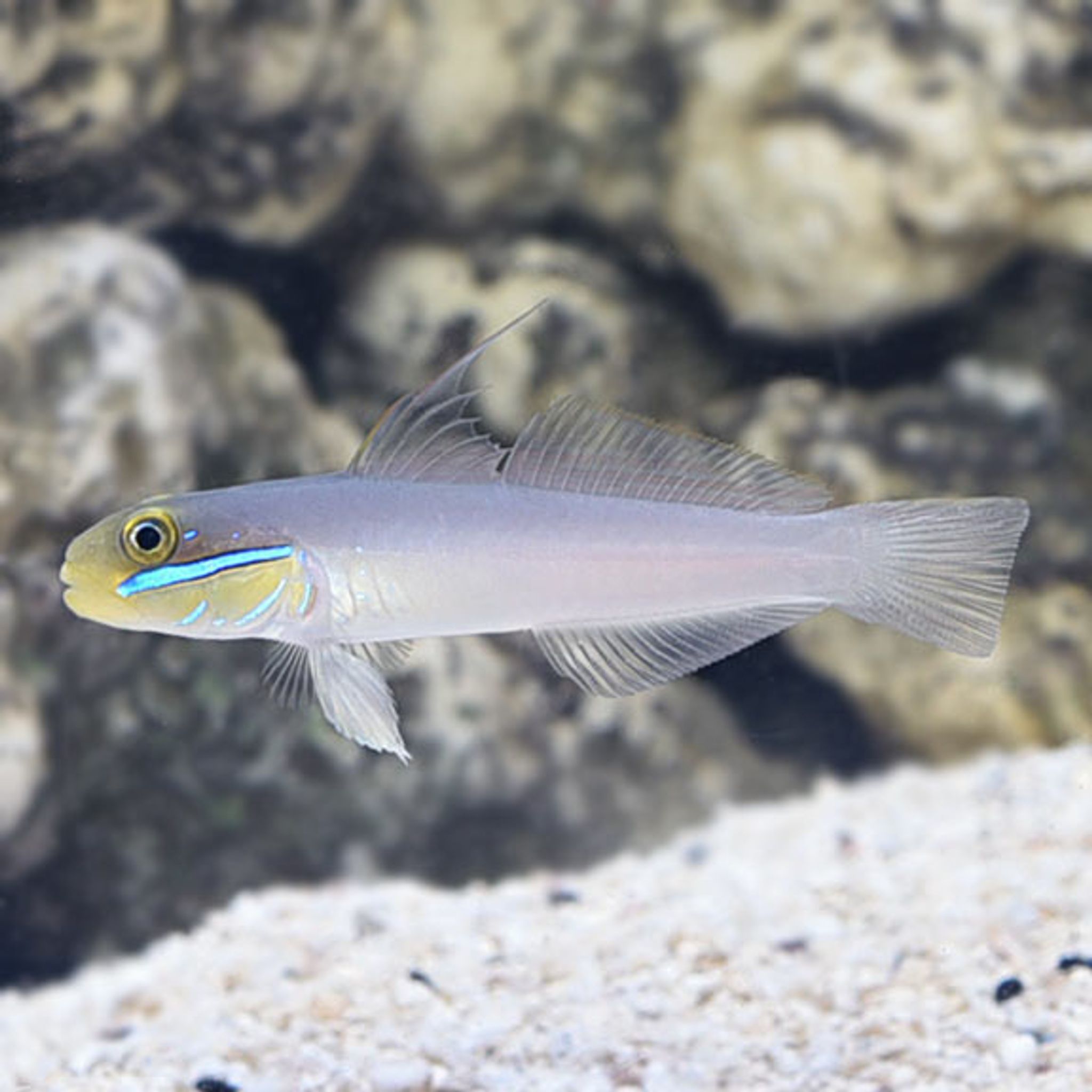
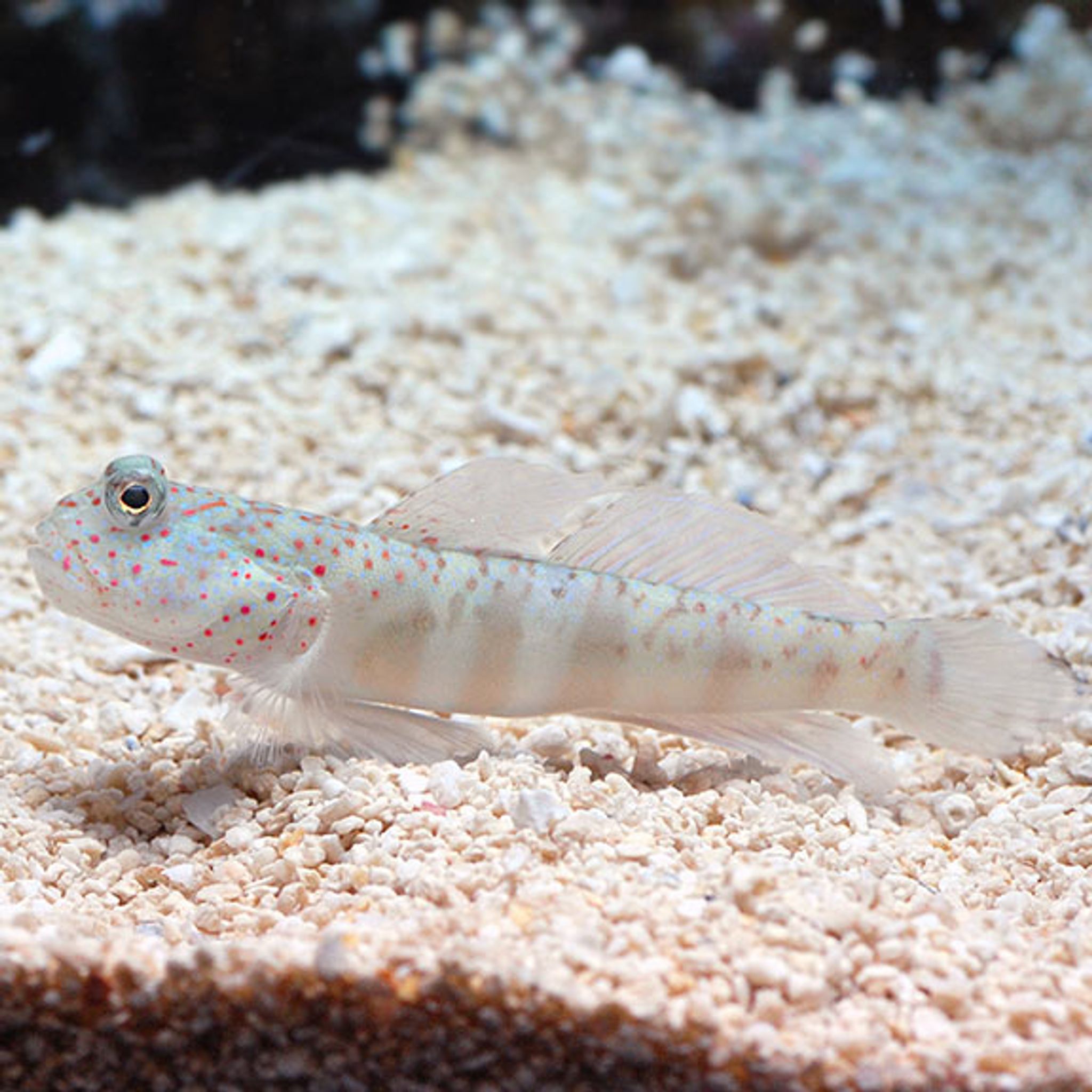
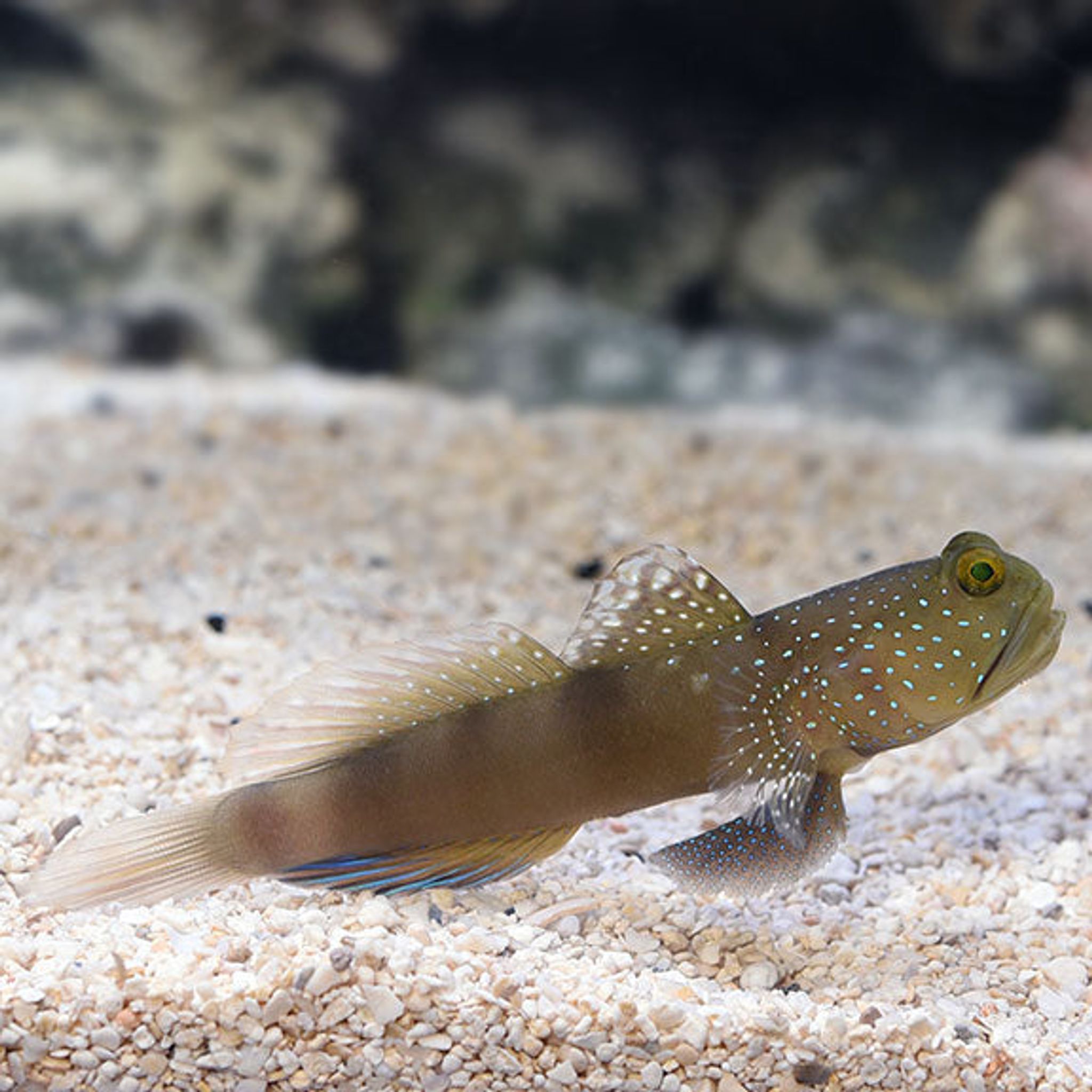
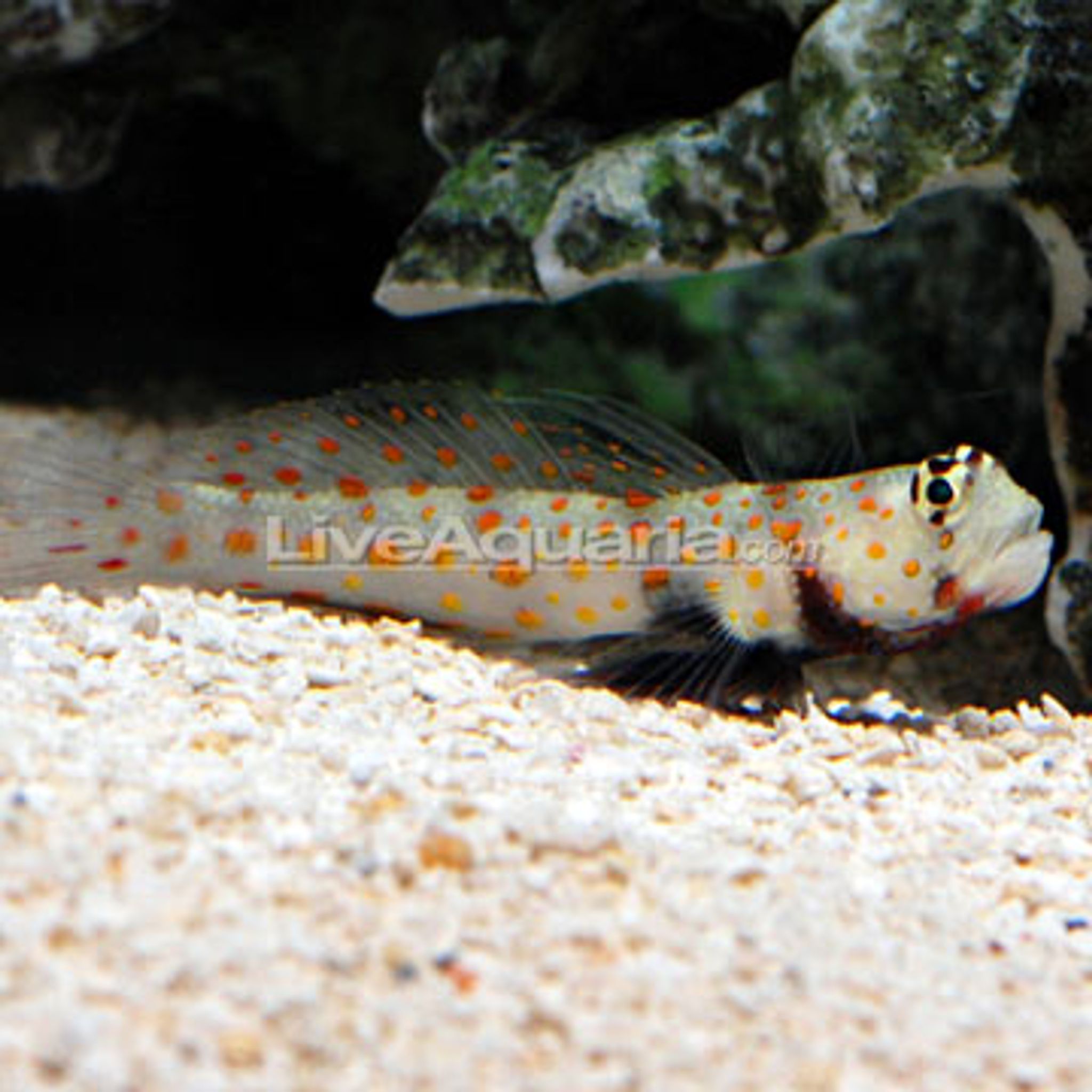
Yellow Watchman Gobies are among the best-known shrimp-associated Gobies in the aquarium hobby.
They typically remain close to the substrate and rockwork and may share a burrow with a compatible pistol shrimp where a suitable pairing develops.
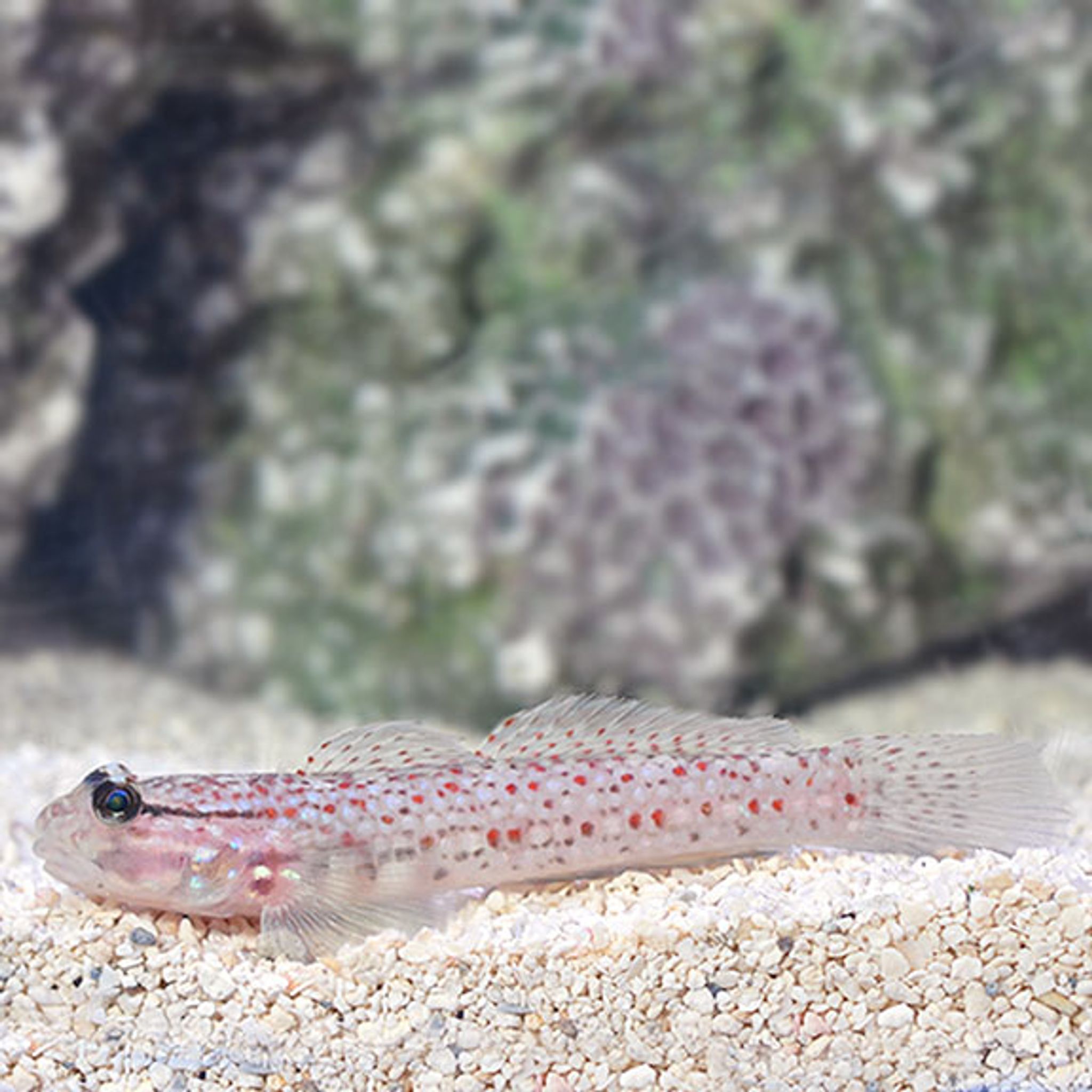
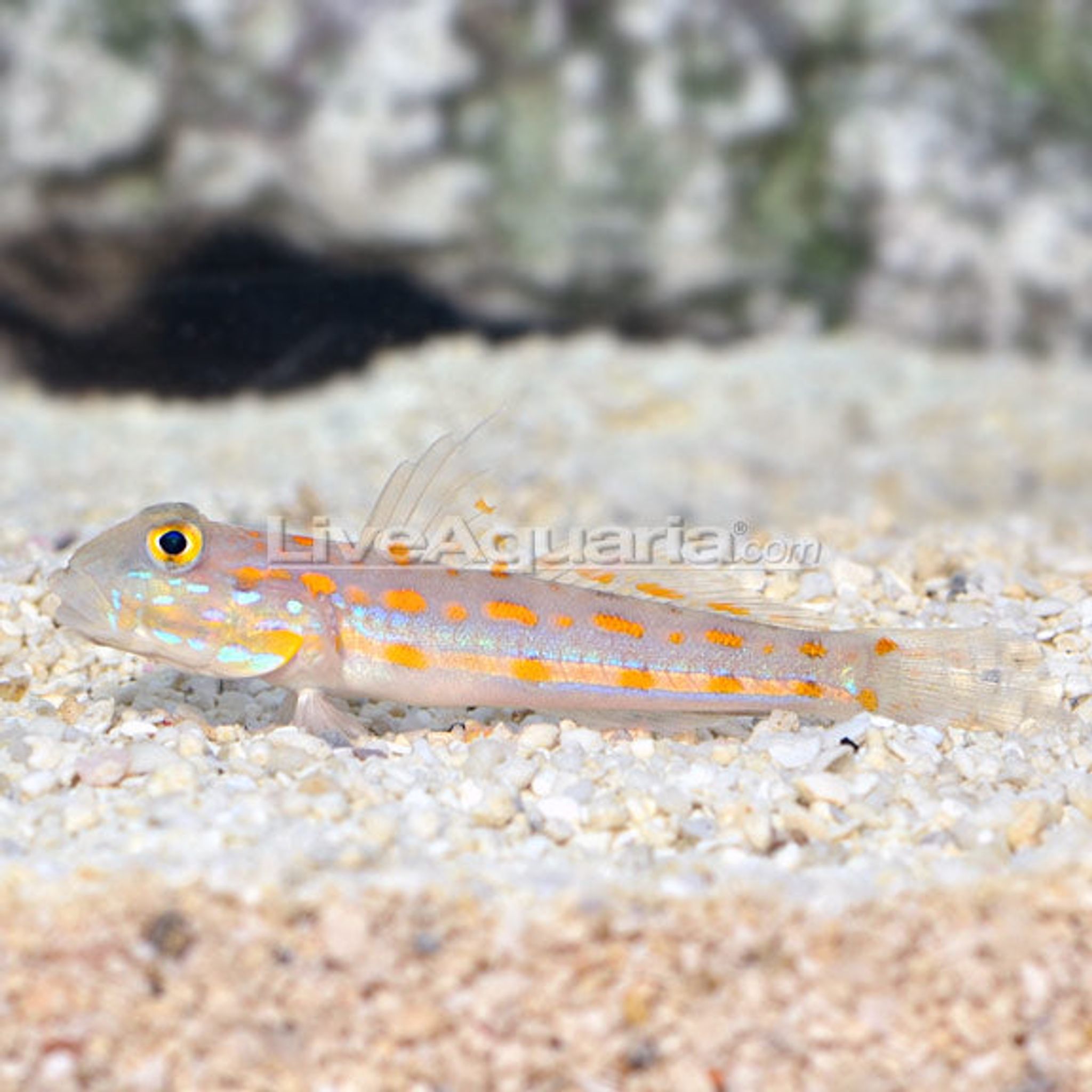
Diamond Gobies are active sand-sifting fish that take in substrate and filter edible material from it.
They can help keep the sand surface disturbed and aerated, but they require appropriate substrate, enough food and a mature aquarium rather than being treated only as a cleaning fish.
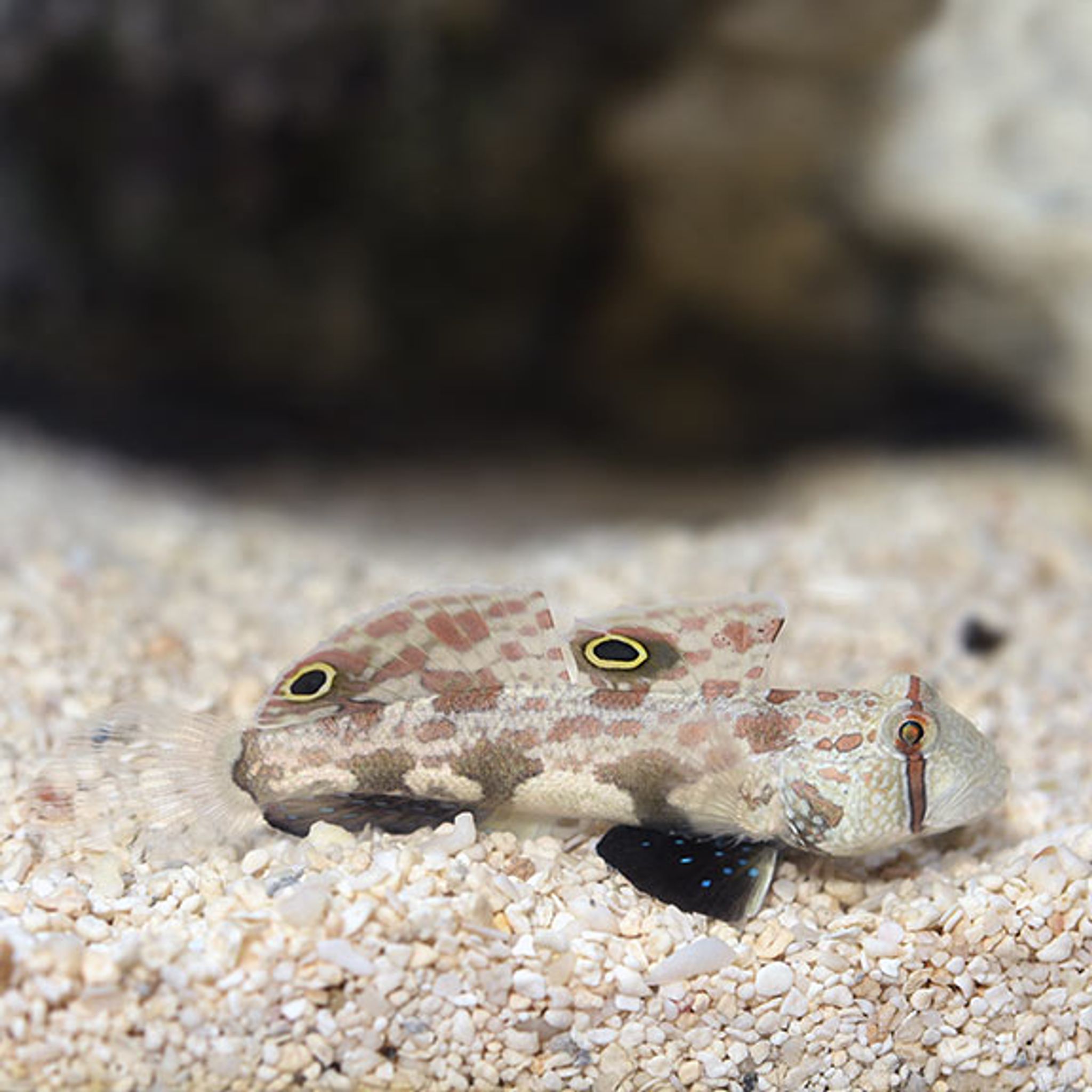
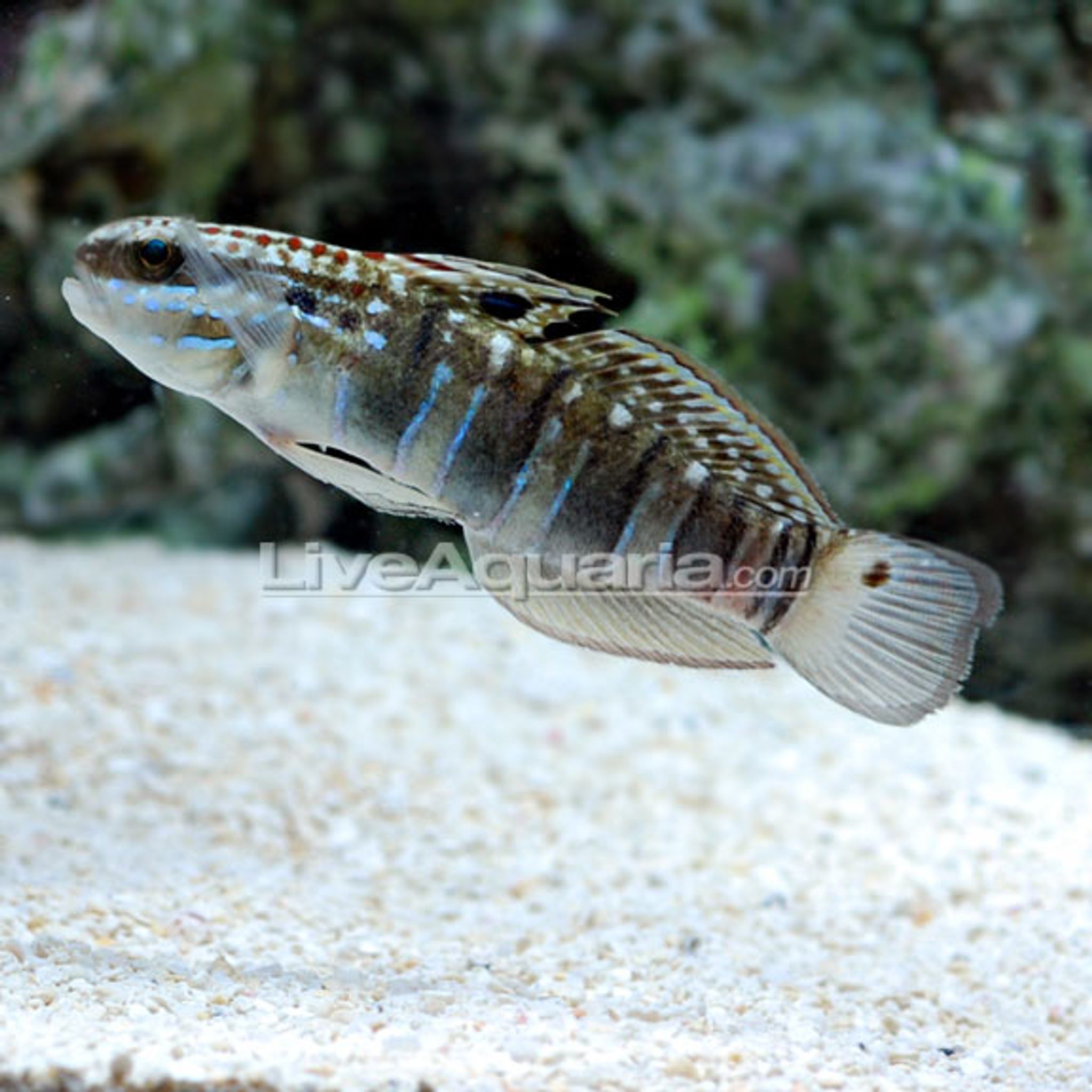
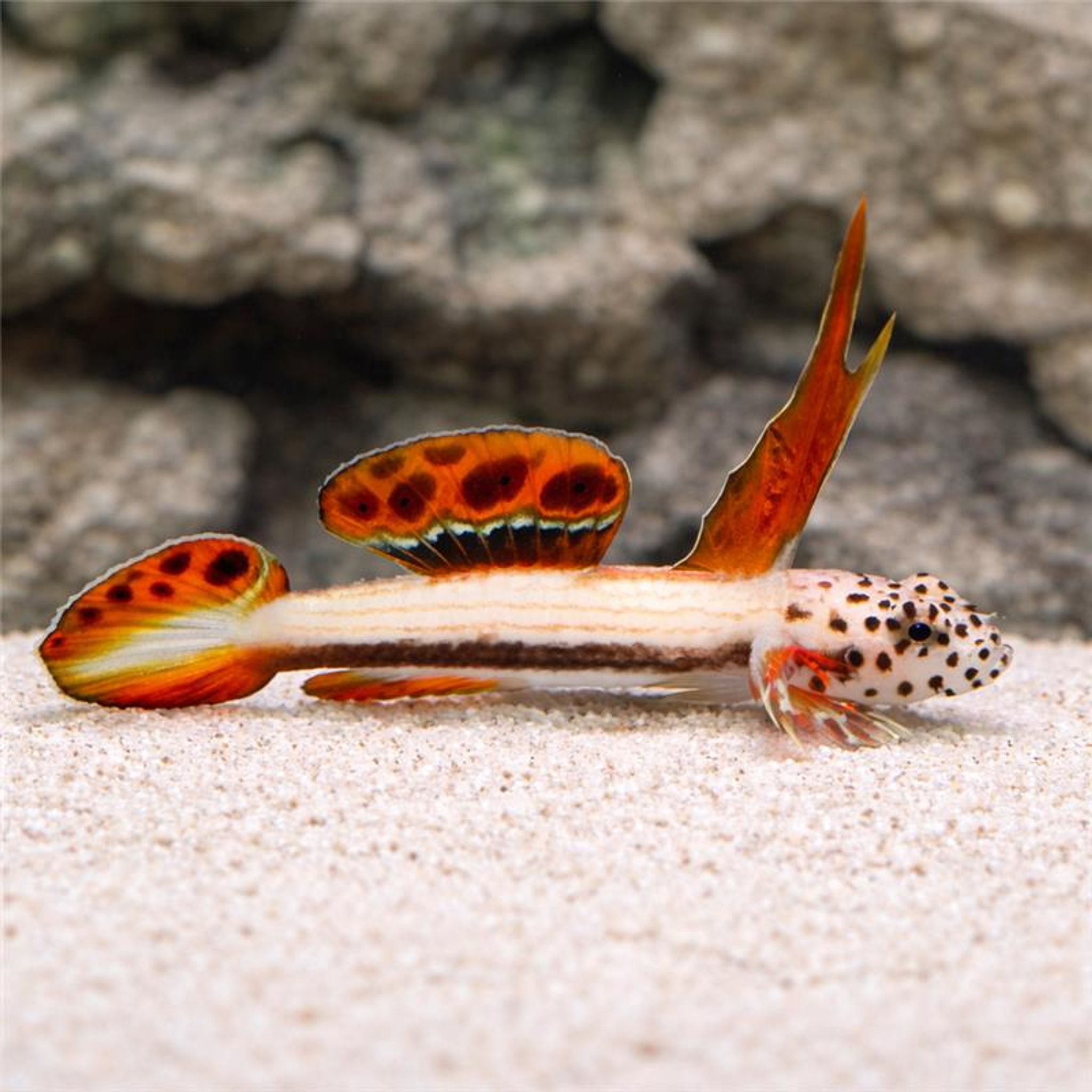
Orange Spotted Gobies are bottom-oriented marine fish with attractive spotted patterning.
Their exact behavior and care depend on species identification, so buyers should review seller descriptions carefully rather than relying only on a common name.
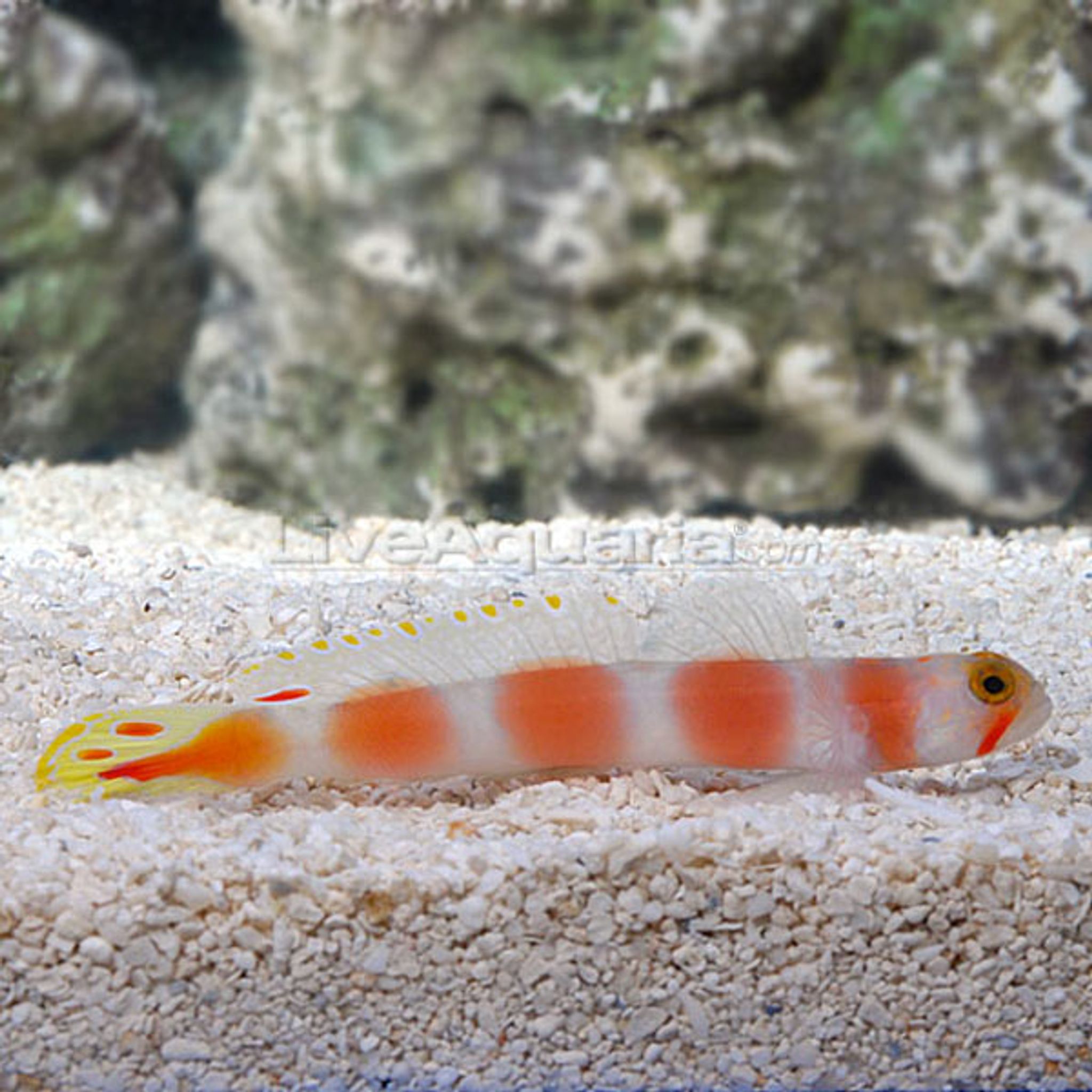
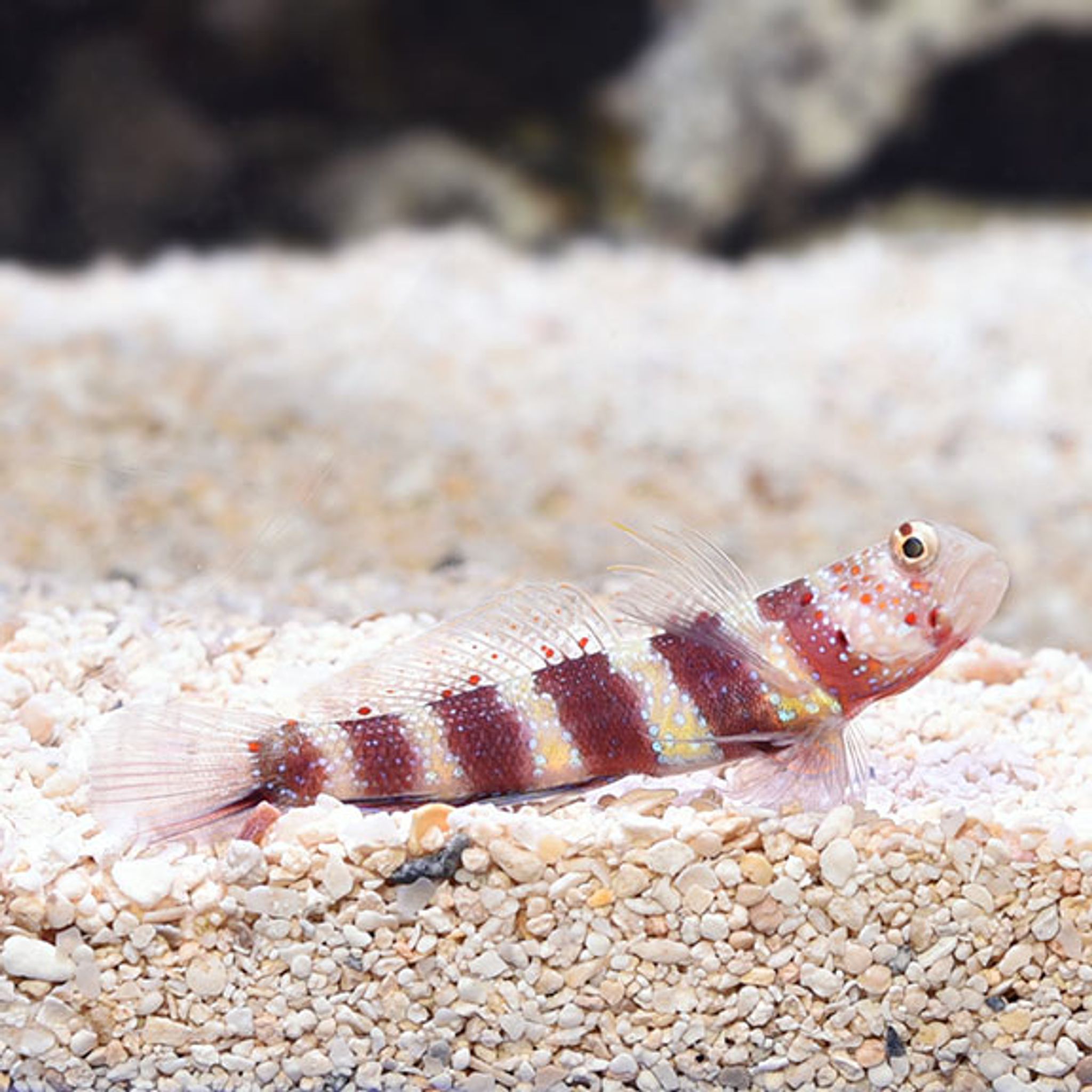
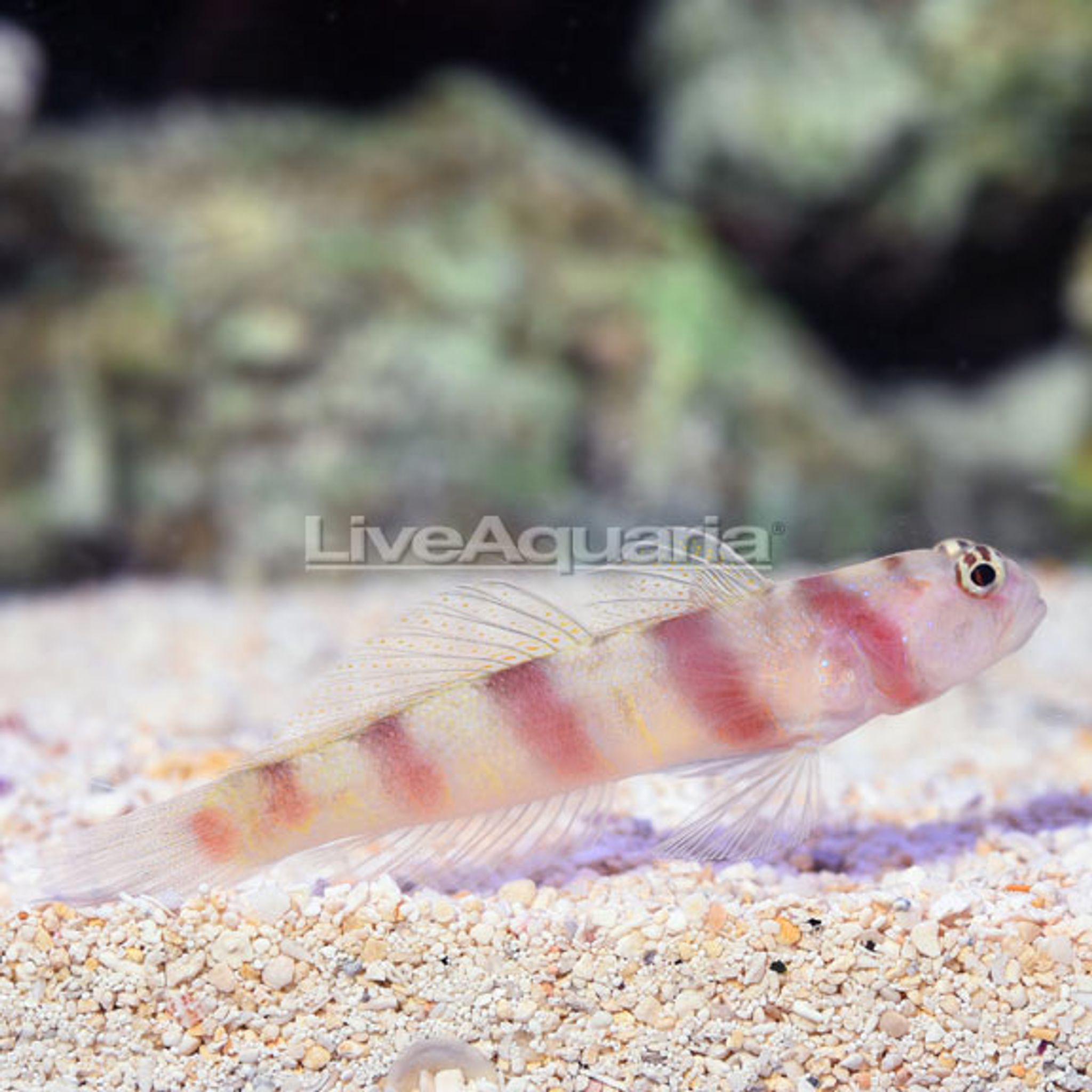
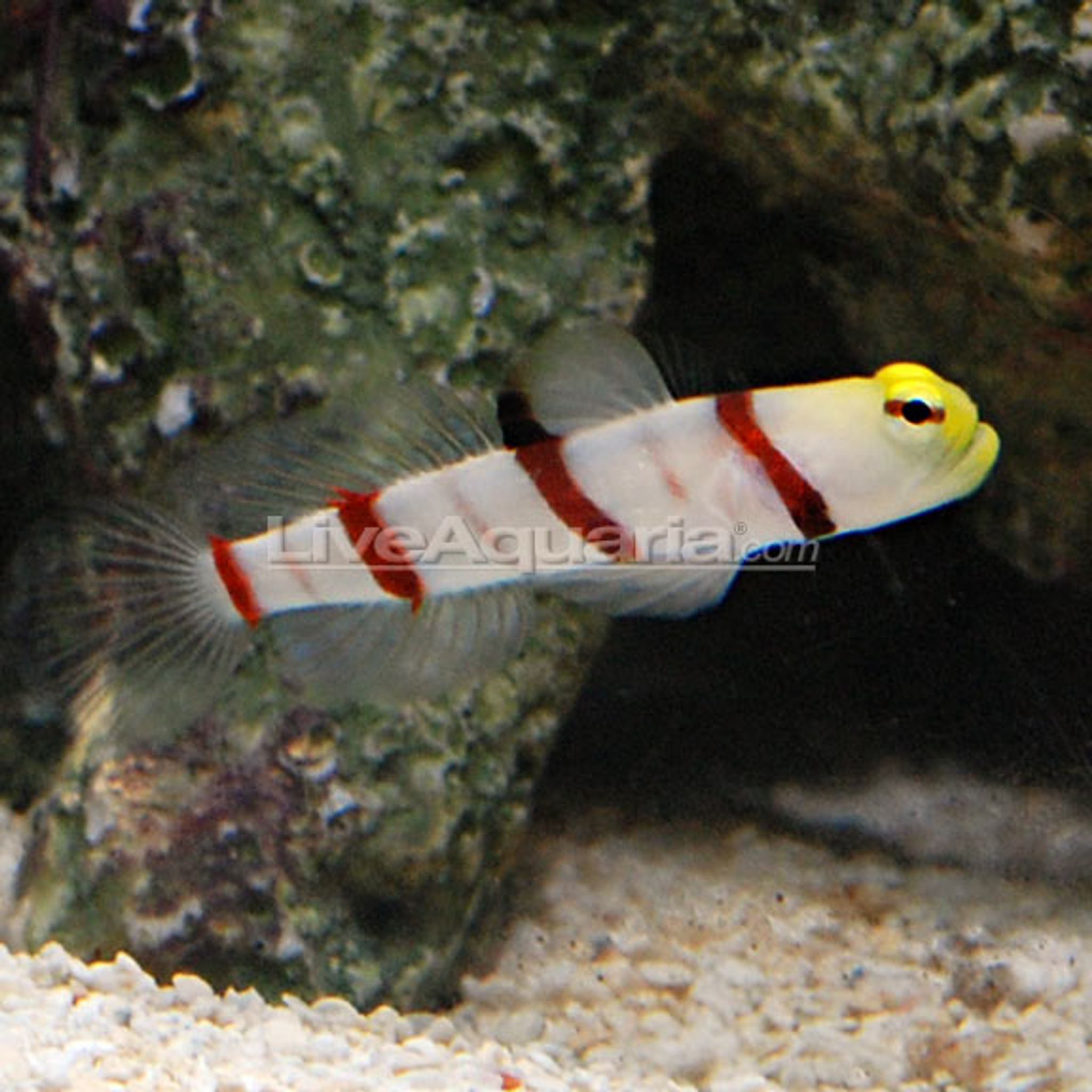
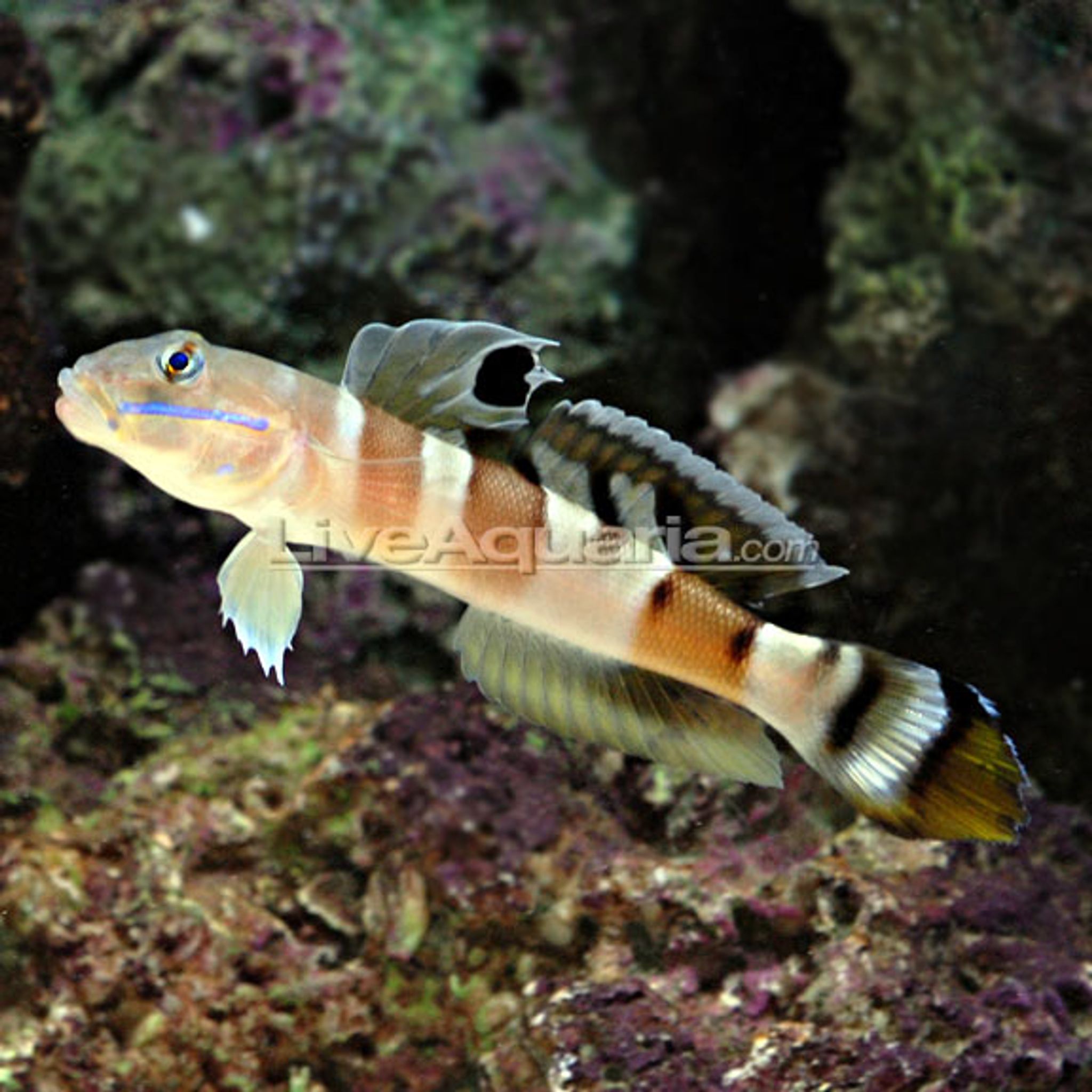
Pink Spotted Watchman Gobies are larger, boldly patterned Gobies that often spend much of their time near burrows or rockwork.
Their adult size and territorial behavior can differ from smaller shrimp Gobies, so long-term aquarium space should be considered.
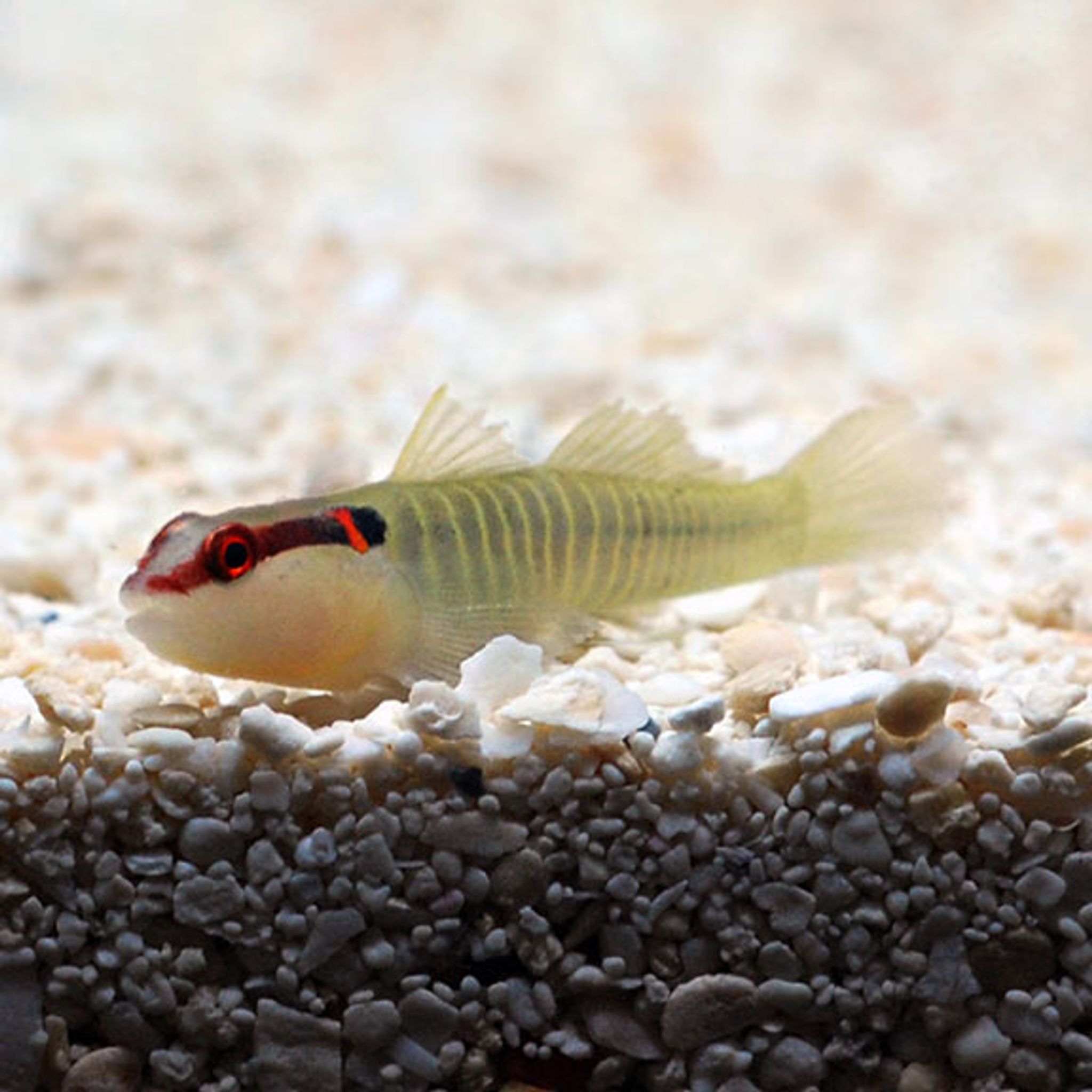
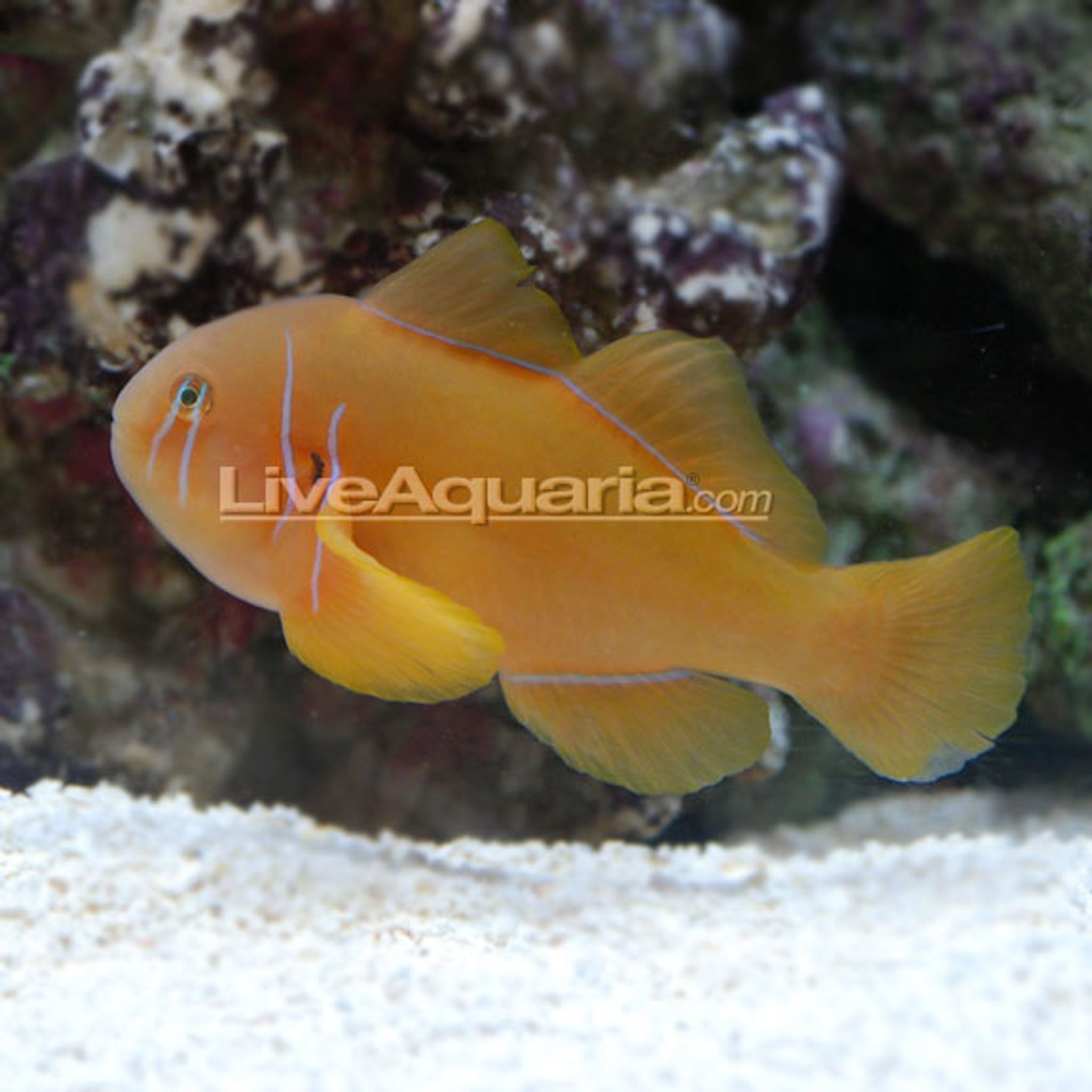
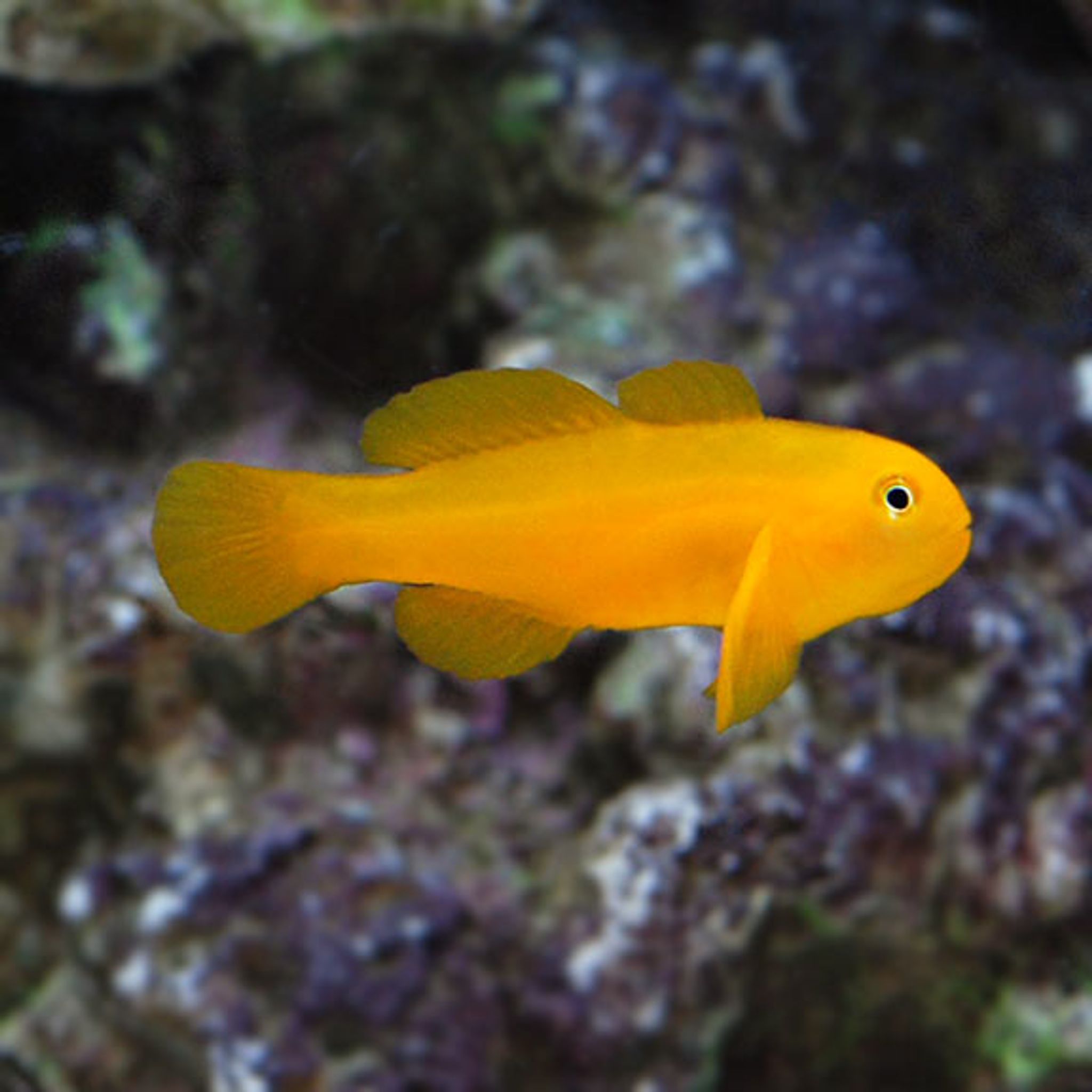
Clown Gobies are tiny perchers that often rest on rockwork or coral branches rather than swimming constantly in open water.
Their small size makes them popular for reef aquariums, although some species may interact with or irritate certain corals.
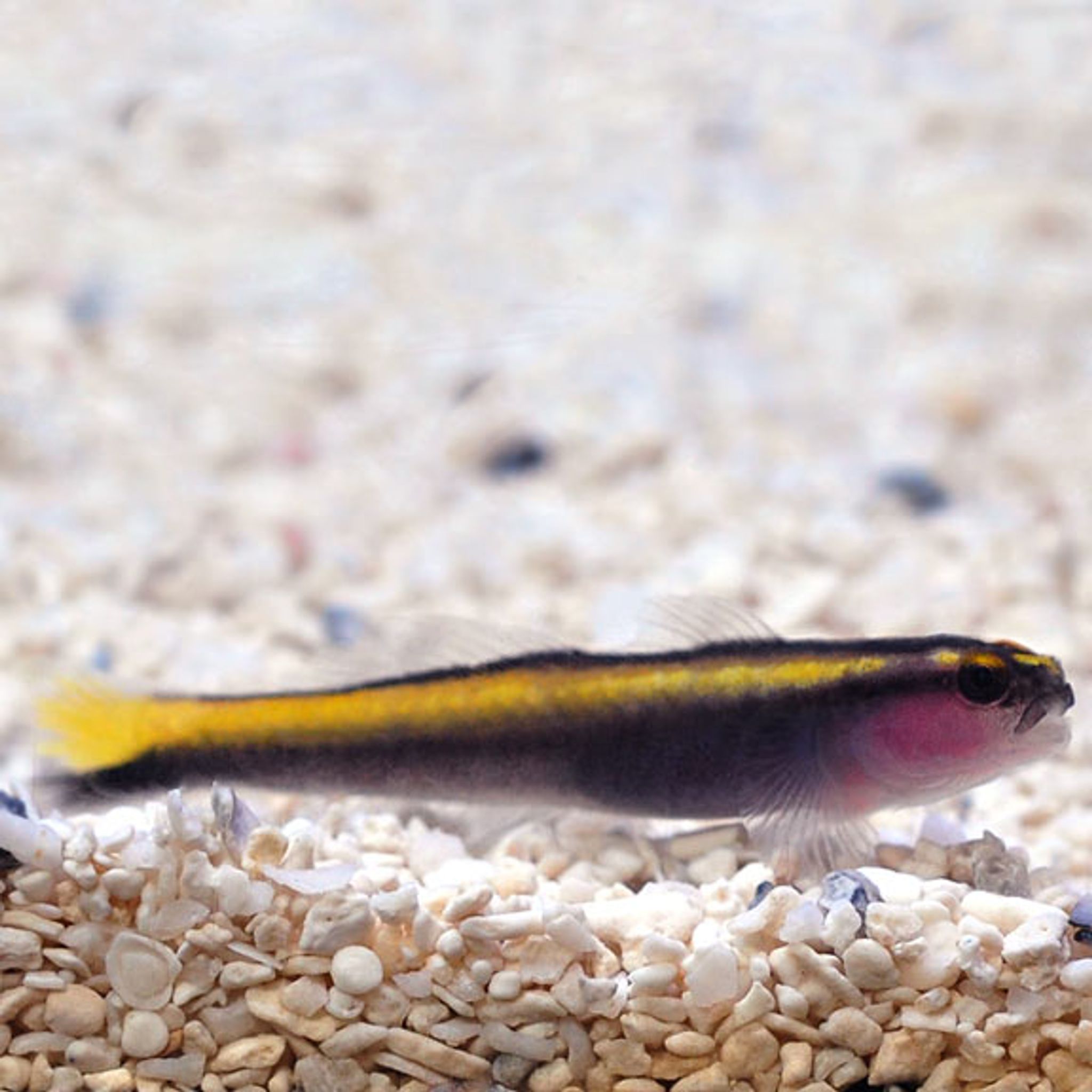
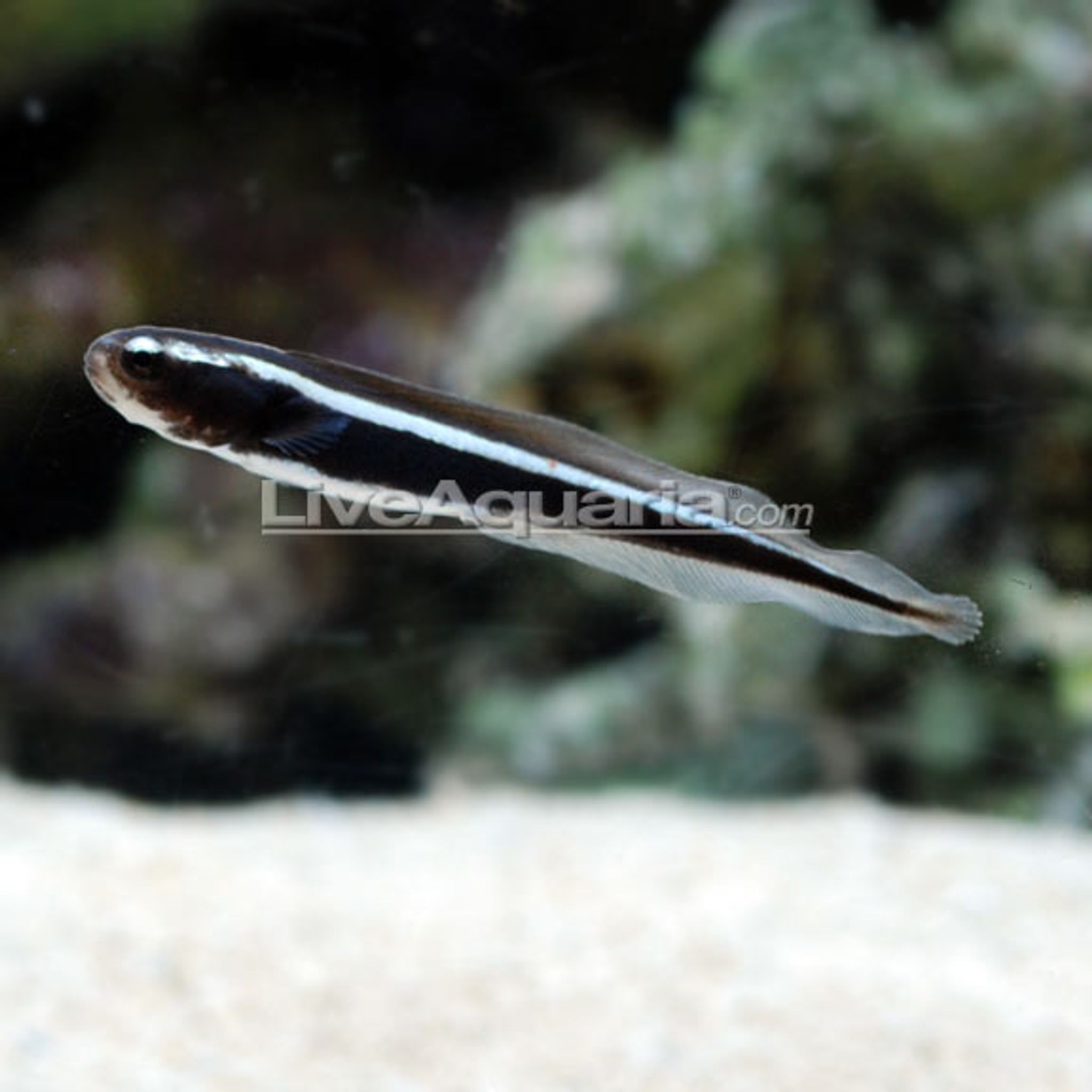
Neon Gobies are small marine Gobies known for bright lateral stripes and cleaner-like behavior.
They may remove ectoparasites or dead tissue from larger fish, but they should not be considered a substitute for proper disease prevention or treatment.
Shrimp Gobies are famous for symbiotic relationships with certain pistol shrimp in which the shrimp maintains a burrow while the Goby acts as a lookout.
Not every Goby pairs with every pistol shrimp, so species compatibility should be checked rather than assuming any Goby-shrimp combination will work.
Sand-sifting Gobies move substrate through their mouths while searching for food.
This natural behavior can help keep the upper sand layer active, but these fish still need appropriate nutrition and should not be purchased solely for sand maintenance.
Sleeper Gobies include several elongated bottom-dwelling species that spend much of their time near sand and rockwork.
Some sift sand extensively and can redistribute substrate around the aquarium, which is worth considering in carefully arranged reef aquascapes.
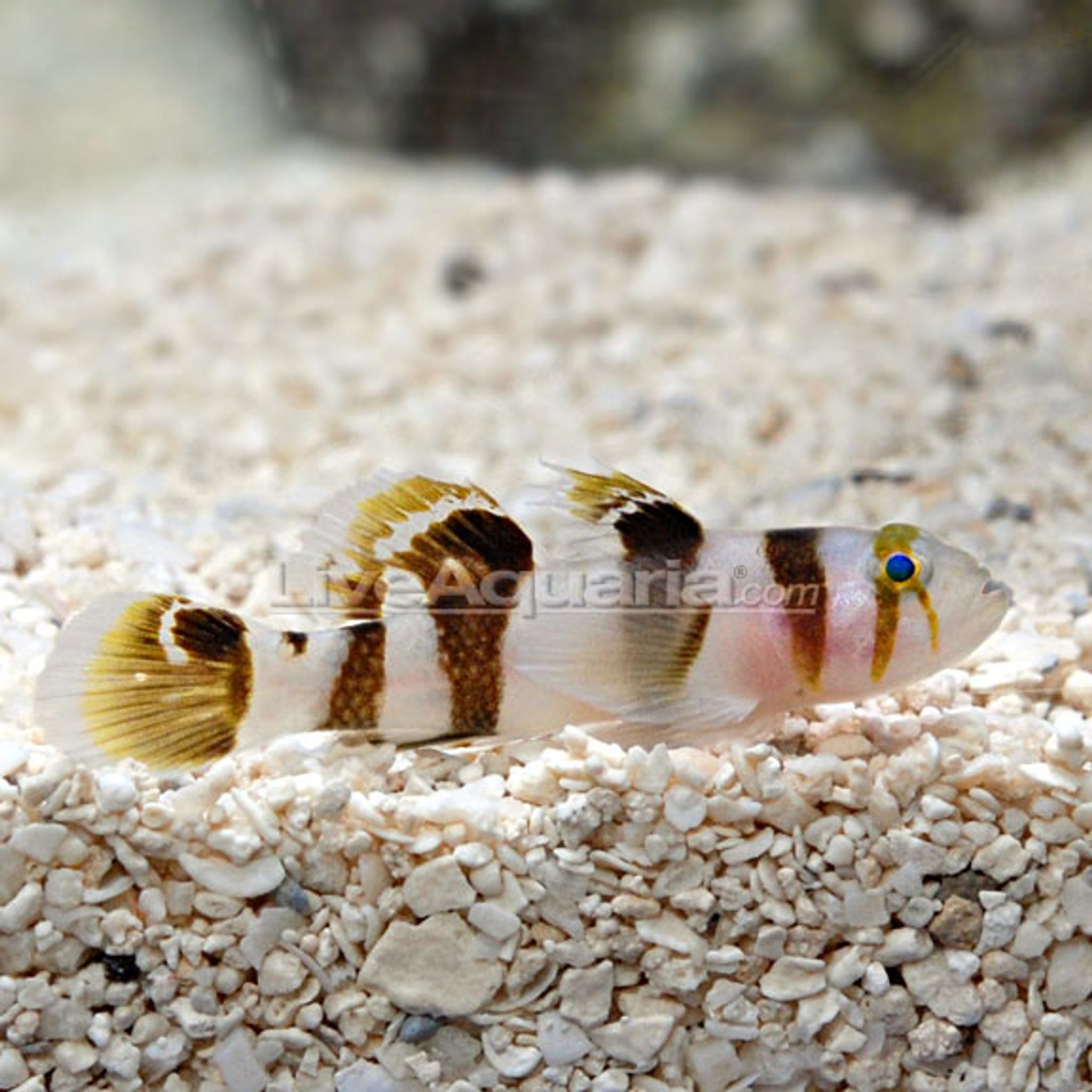
Court Jester Gobies are small, colorful marine fish known for horizontal striping and active grazing around rock surfaces.
They can be more specialized feeders than some beginner Gobies, so an established aquarium and suitable food sources are important.
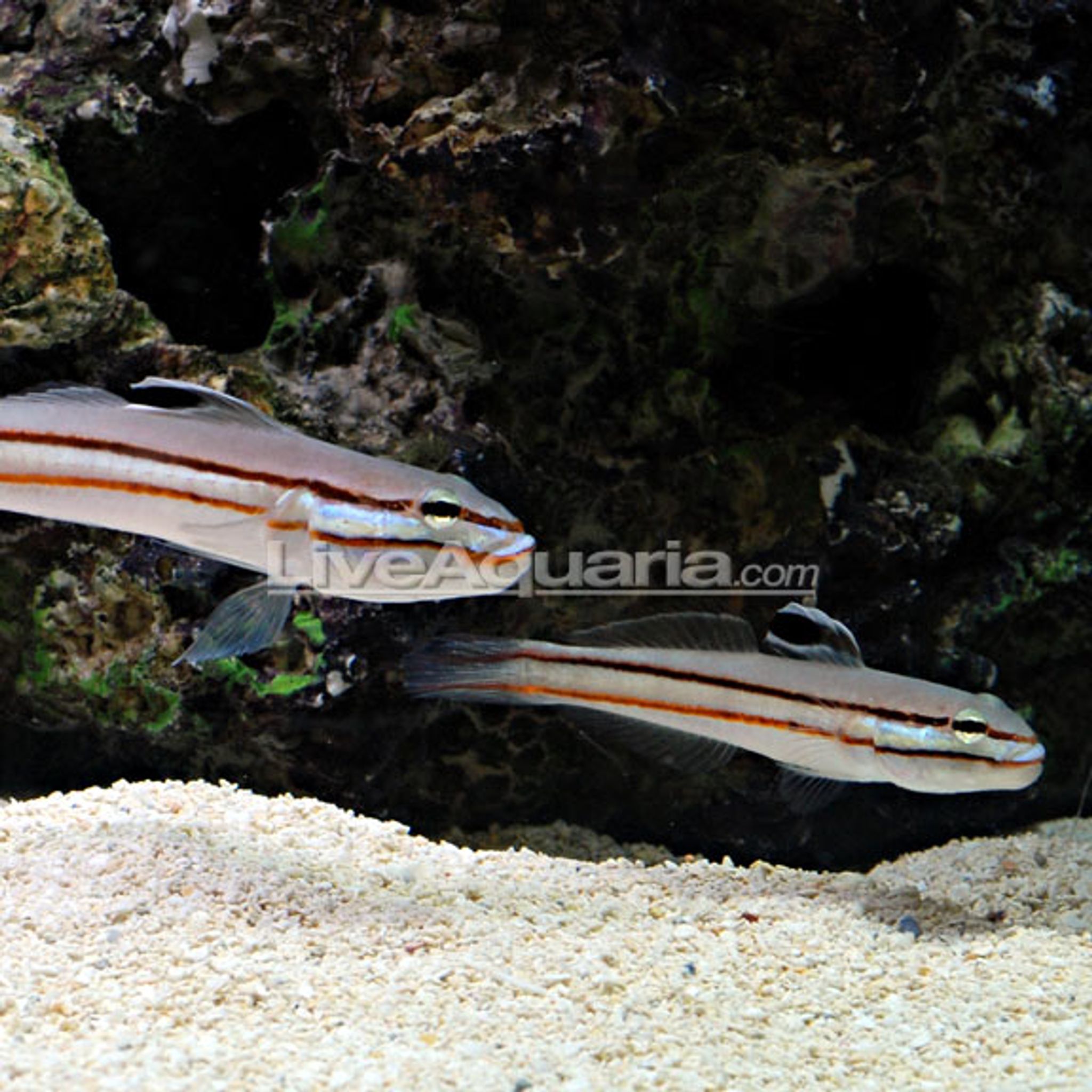
Rainford’s Gobies are slender, striped reef fish that may graze algae and small organisms from rock and substrate.
Their feeding requirements deserve careful attention, especially in newly established aquariums with limited natural food.
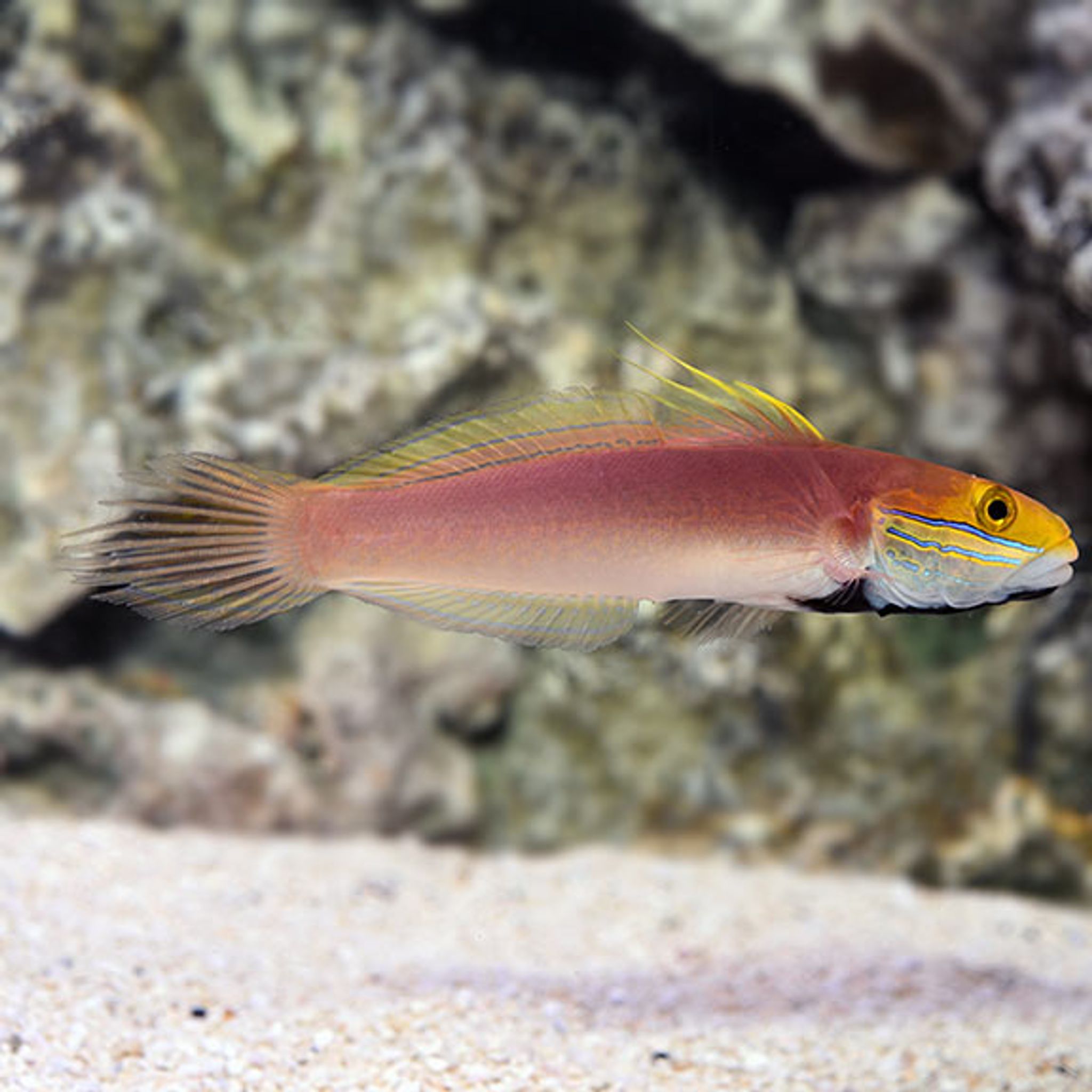
Firefish are commonly grouped with Gobies in the aquarium trade because of their similar size and reef-friendly appeal, although they belong to a different marine fish family.
They are peaceful open-water hoverers that stay close to shelter and are well known for jumping when startled.
Many marine Gobies are excellent reef aquarium fish because of their small size and generally low interest in corals.
Reef compatibility still varies by exact species, especially where coral-perching, sand-sifting or predatory behavior is involved.
Some small Gobies can be suitable for carefully planned nano reef aquariums.
Small body size does not remove the need for stable water quality, suitable feeding, secure cover and enough habitat for natural behavior.
Goby tank setup should reflect the natural behavior of the exact species.
Rock-perching Gobies, shrimp Gobies and sand sifters can require very different habitat features, including caves, stable rockwork, open sand or mature live rock.
Many bottom-dwelling Gobies benefit from suitable sand or fine substrate, especially species that burrow or sift sand.
Avoid assuming every Goby requires the same substrate, since some species spend most of their time on rockwork or in open water.
Many Gobies and Goby-like marine fish can jump when startled or chased.
A secure aquarium cover can reduce the risk of fish escaping, especially during the first days after introduction.
Many Gobies are peaceful toward unrelated fish but can become territorial toward similar Gobies or fish occupying the same burrow or substrate area.
Temperament varies greatly by species, so compatibility should be checked before keeping multiple Gobies together.
Multiple Gobies can sometimes share a marine aquarium when they have enough territory and are compatible by species.
Closely related or similarly shaped Gobies may compete for the same burrows or feeding zones, so careful planning is important.
A Goby and pistol shrimp pair can be one of the most fascinating relationships to observe in a reef aquarium.
Choose compatible species and provide suitable substrate and stable rockwork so the shrimp can construct a secure burrow.
Gobies can coexist with many peaceful marine fish when tank size and temperament are compatible.
Clownfish, Blennies, peaceful Wrasses, Tangs and selected marine Angelfish may be possible tankmates, but compatibility should always be checked by exact species.
Many Gobies can live with Clownfish because they often use different parts of the aquarium.
Territorial Clownfish can still chase small bottom-dwelling fish if territories overlap, so aquarium layout and space matter.
Gobies and Blennies can sometimes coexist, but both groups may perch on rockwork or use similar bottom territories.
Choose species with compatible temperament and provide enough habitat to reduce territorial competition.
Shrimp compatibility depends on the Goby species.
Shrimp Gobies may form beneficial partnerships with compatible pistol shrimp, while larger or predatory Gobies may treat small crustaceans as food.
Goby diets vary widely between species.
Some feed on small crustaceans and other animal-based foods, while others sift sand or graze algae and biofilm. Feed according to the exact species rather than using one universal Goby diet.
Small Gobies may need appropriately sized foods and can be outcompeted by larger, faster marine fish.
Observe feeding closely and make sure bottom-dwelling or shy individuals receive enough food.
Gobies benefit from stable marine water conditions, suitable filtration and good oxygenation.
Avoid sudden changes in salinity, temperature or other aquarium conditions, especially after shipping.
Quarantine and careful observation can help reduce the risk of introducing parasites or disease into an established marine aquarium.
Monitor appetite, breathing, body condition, external appearance and normal hiding or burrowing behavior after arrival.
When comparing Gobies for sale, look for:
Newly shipped Gobies may hide or remain close to shelter after introduction.
Prepare the aquarium in advance and follow the seller's acclimation guidance while providing appropriate shelter, substrate and a secure cover.
Goby prices vary according to species, size, rarity, origin, captive-bred availability and seller.
Common Watchman Gobies and less frequently available specialty Gobies can differ substantially in price, so compare exact species, livestock condition and seller terms rather than price alone.
FishyHub brings marine Goby listings from saltwater aquarium stores and specialist sellers together in one marketplace.
When comparing Gobies online, consider:
Shipping availability depends on the seller, destination, weather, fish size and livestock-shipping policy.
Review delivery timing, packaging and live-arrival terms before ordering, and make sure the aquarium is prepared for the specific Goby before arrival.
Yes. Marine aquarium stores and specialist sellers offer many Goby species online across the U.S., depending on seller shipping coverage and livestock policies.
Many marine Gobies are suitable for reef aquariums, but exact compatibility depends on species and behavior.
Several Watchman and shrimp Goby species can form partnerships with compatible pistol shrimp, but pairing is species-specific and should not be assumed for every Goby or shrimp.
Some sand-sifting Gobies process substrate while feeding, which can keep the upper sand layer active, but they still require proper nutrition and normal aquarium maintenance.
Many Gobies can jump when startled, so a secure aquarium cover is recommended.
Sometimes, but territoriality can occur between similar species or fish using the same burrow and substrate areas.
Firefish are commonly grouped with Gobies in the aquarium trade, but they belong to a different family of marine fishes.
FishyHub helps U.S. hobbyists compare marine Goby listings from saltwater aquarium stores and specialist sellers in one marketplace.
Explore Gobies for sale on FishyHub and compare Watchman, Diamond, Clown, Neon, shrimp-associated, sand-sifting and other marine Goby species. Discover listings from saltwater aquarium sellers across the United States, and compare species, size, habitat needs, reef compatibility, price and shipping options before choosing your next Goby.