1–16 of 16
Shop marine Butterflyfish online from saltwater aquarium stores and specialist sellers across the United States on FishyHub. Compare Copperband Butterflyfish, Raccoon Butterflyfish, Auriga Butterflyfish, Klein’s Butterflyfish, Pearlscale Butterflyfish and other species by size, color, feeding behavior and seller.
Butterflyfish are among the most recognizable reef-associated marine fish, known for compressed bodies, bold patterns and active swimming. FishyHub helps U.S. hobbyists compare Butterflyfish listings from multiple marine sellers in one marketplace.
Buying Butterflyfish online gives marine hobbyists access to a wider range of species and sizes than may be available from a single local aquarium store.
Compare exact species, current size, adult size, diet, reef compatibility, seller information and shipping options before choosing a Butterflyfish for your marine aquarium.
Popular Butterflyfish in the marine aquarium hobby include:
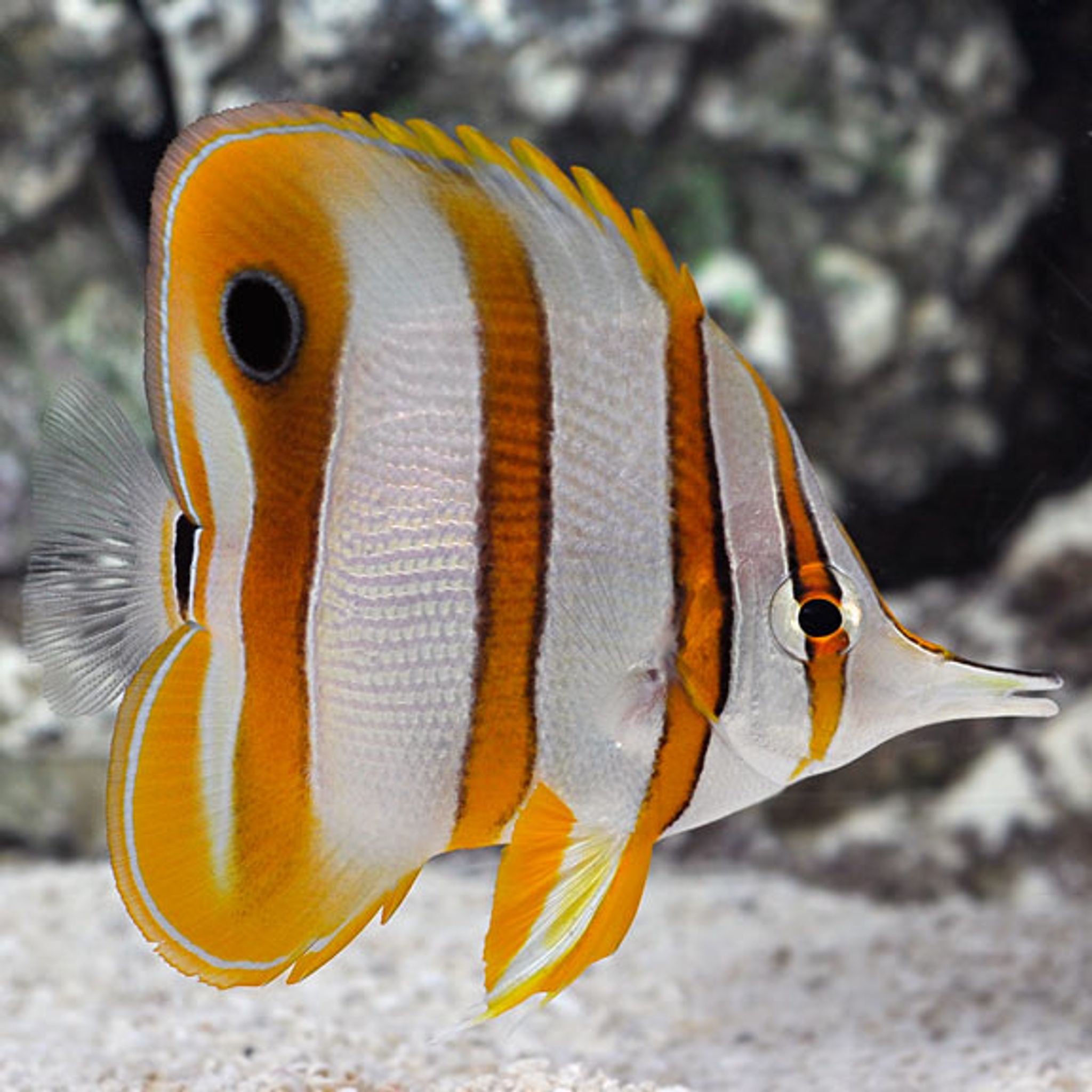
Copperband Butterflyfish are among the most sought-after Butterflyfish, known for their silver bodies, orange vertical bands and long narrow snouts.
They are often considered by reef keepers because some individuals may consume Aiptasia and other small organisms, but feeding can be challenging and pest-control behavior is not guaranteed.
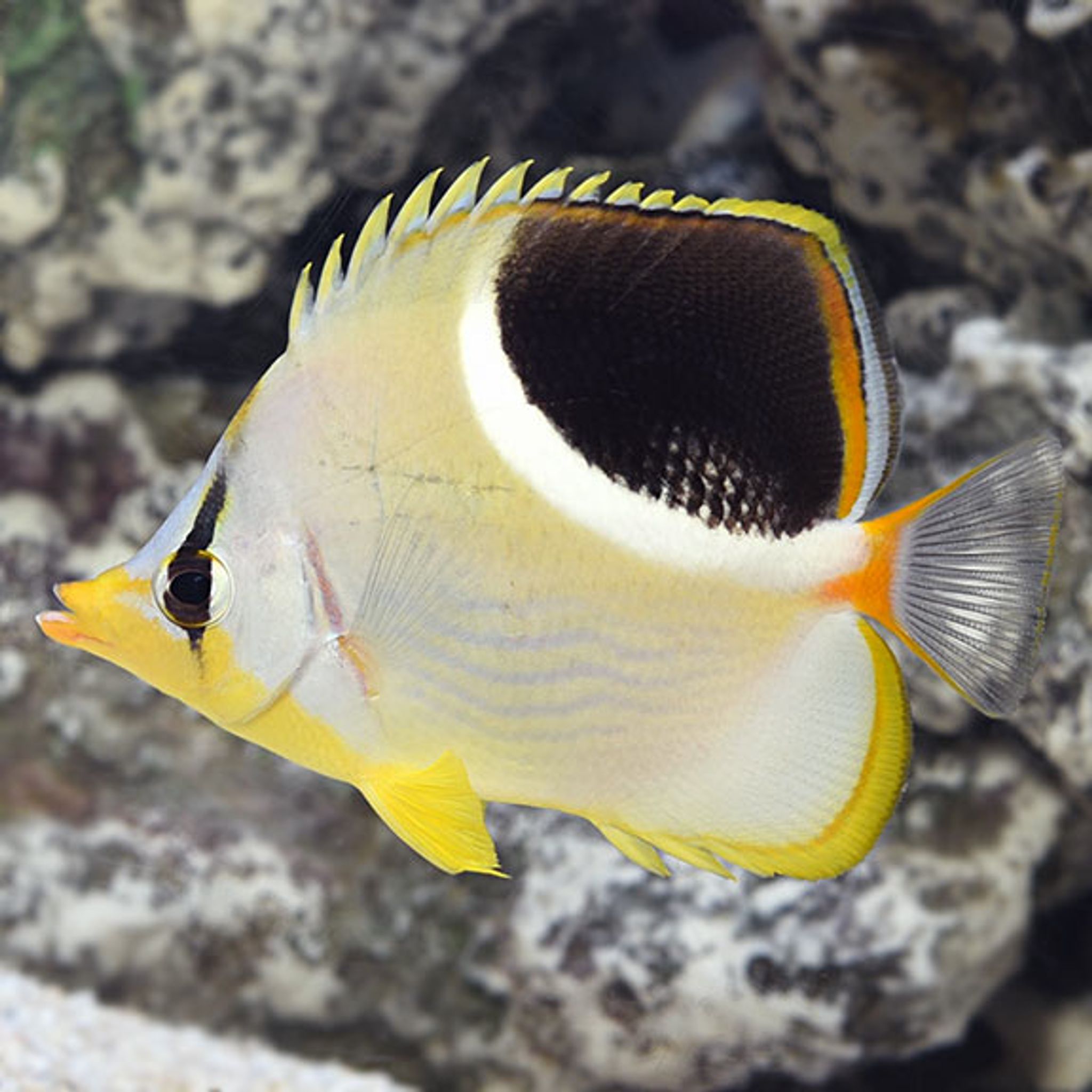
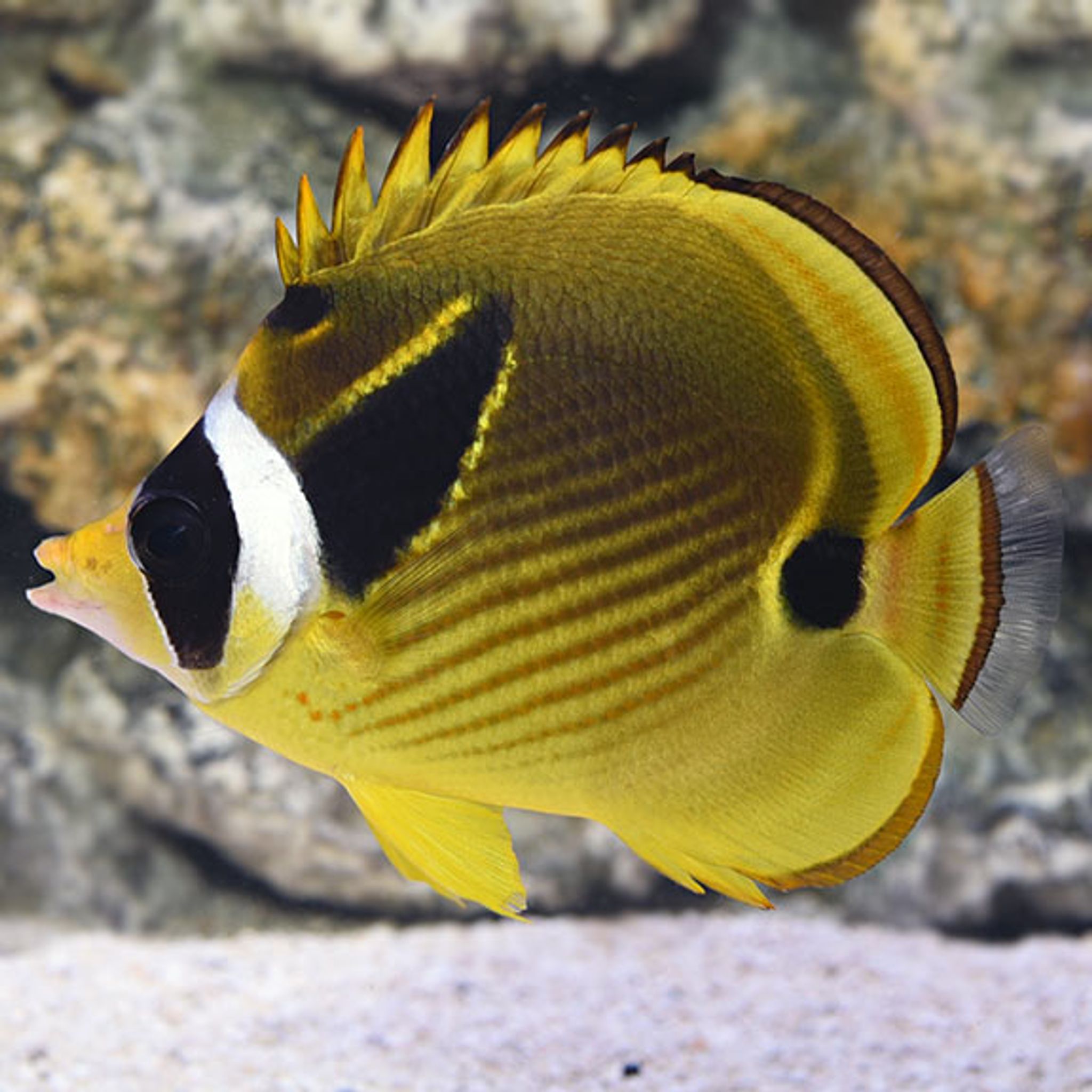
Raccoon Butterflyfish are named for the dark mask-like marking across the eyes.
They are attractive, active swimmers but may feed on coral polyps and other invertebrates, making them better suited to carefully planned marine systems than delicate reef displays.
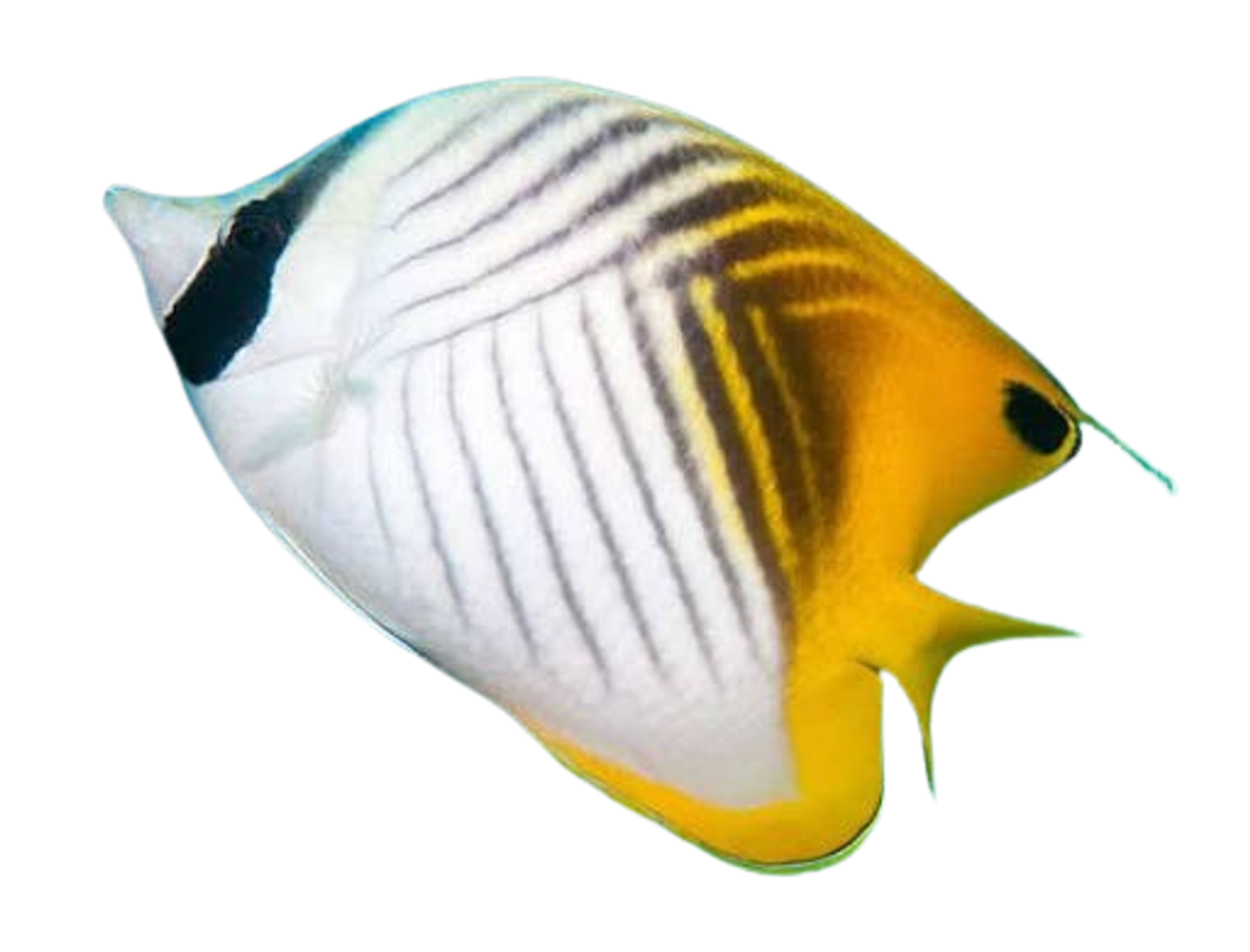
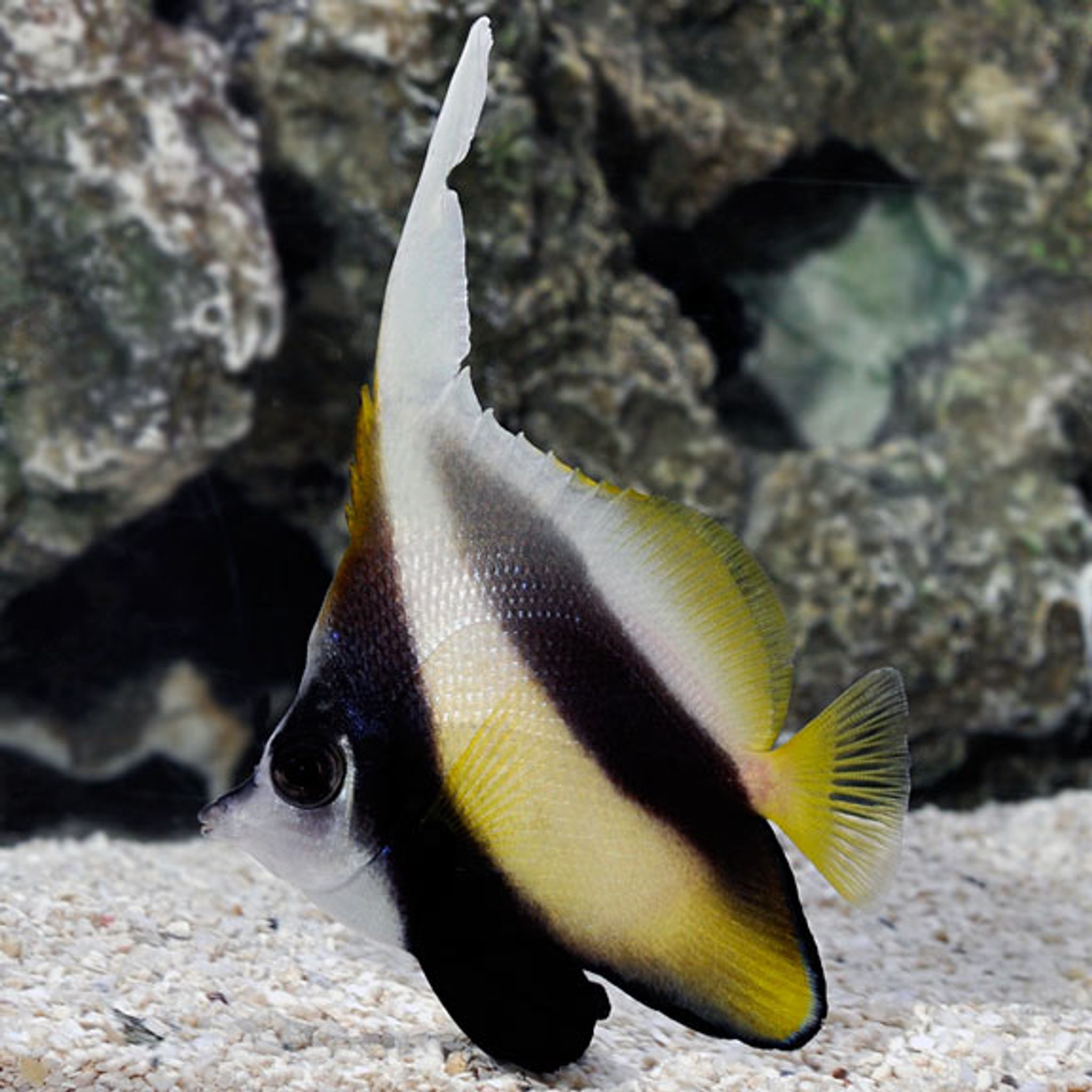
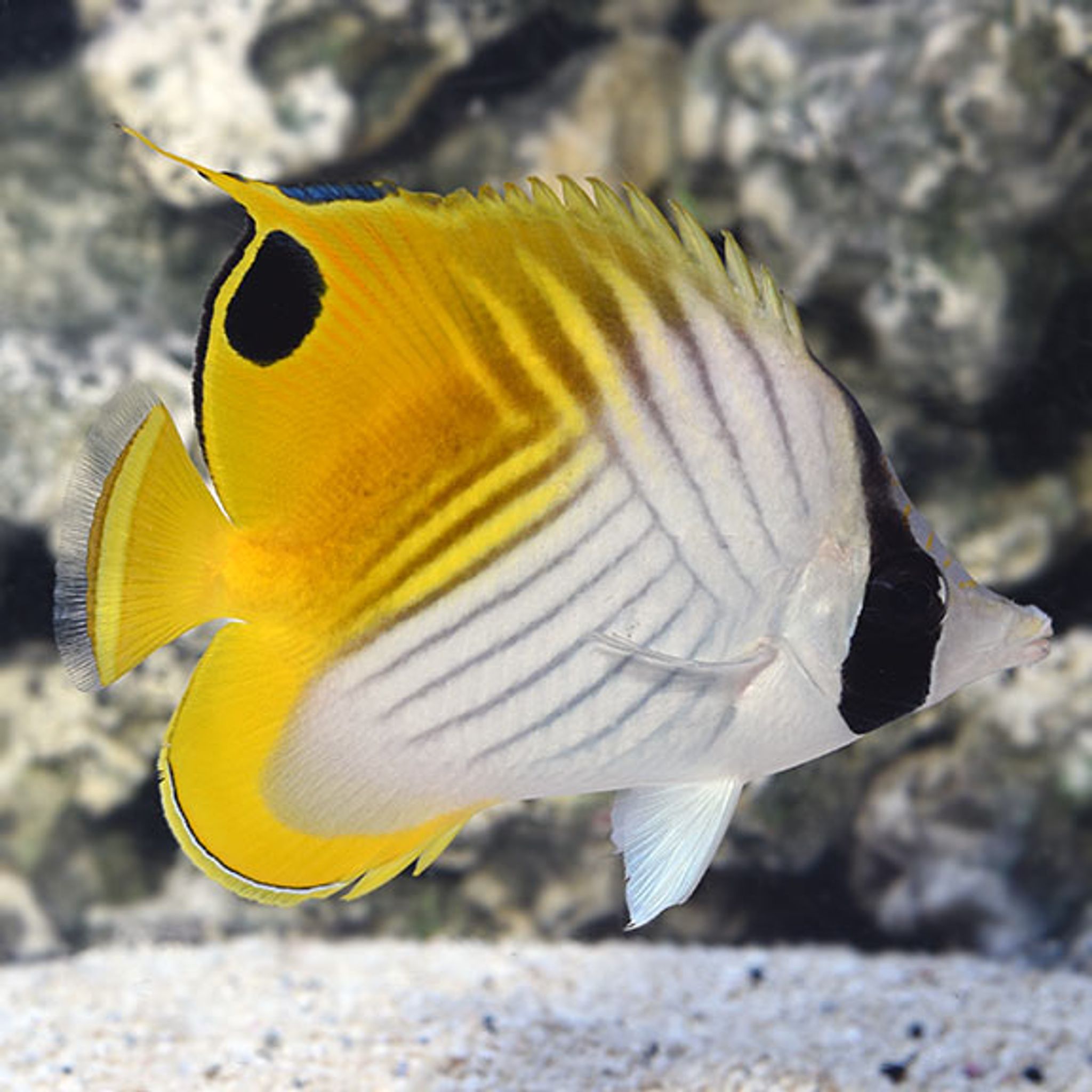
Auriga Butterflyfish, also known as Threadfin Butterflyfish, are recognizable by their yellow, white and black patterning and elongated dorsal filament.
They are active marine fish that require ample swimming room and should be evaluated carefully for coral and invertebrate compatibility.
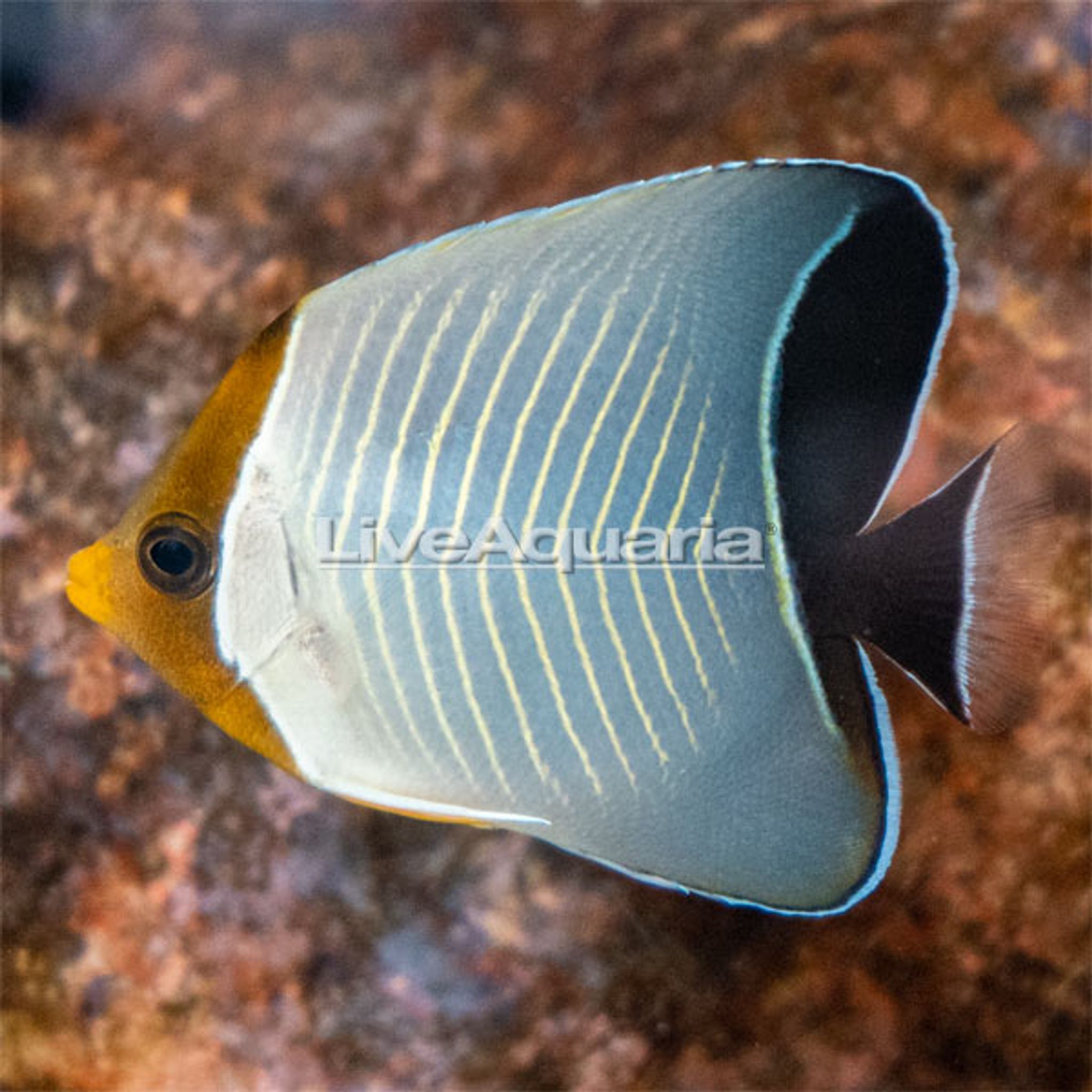
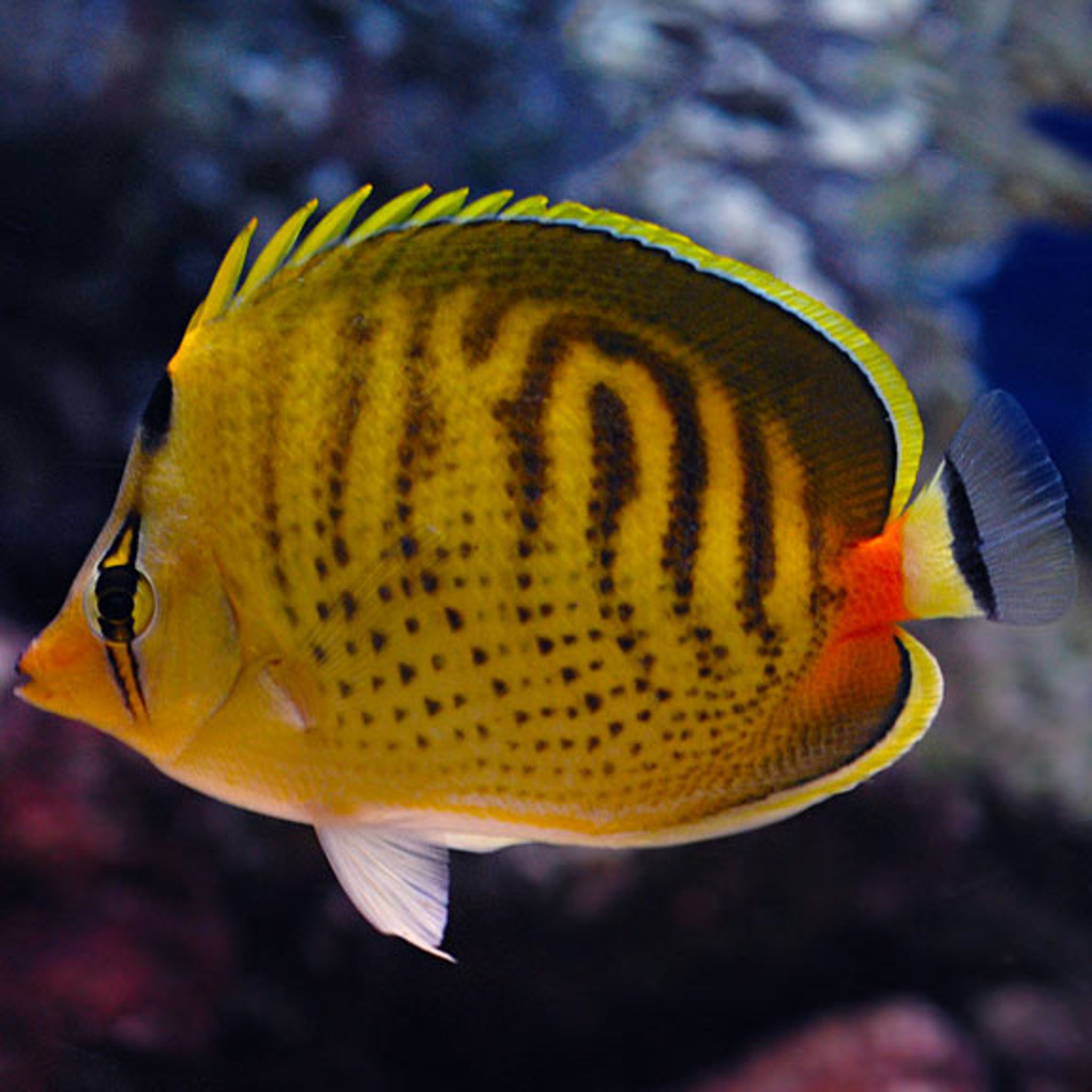
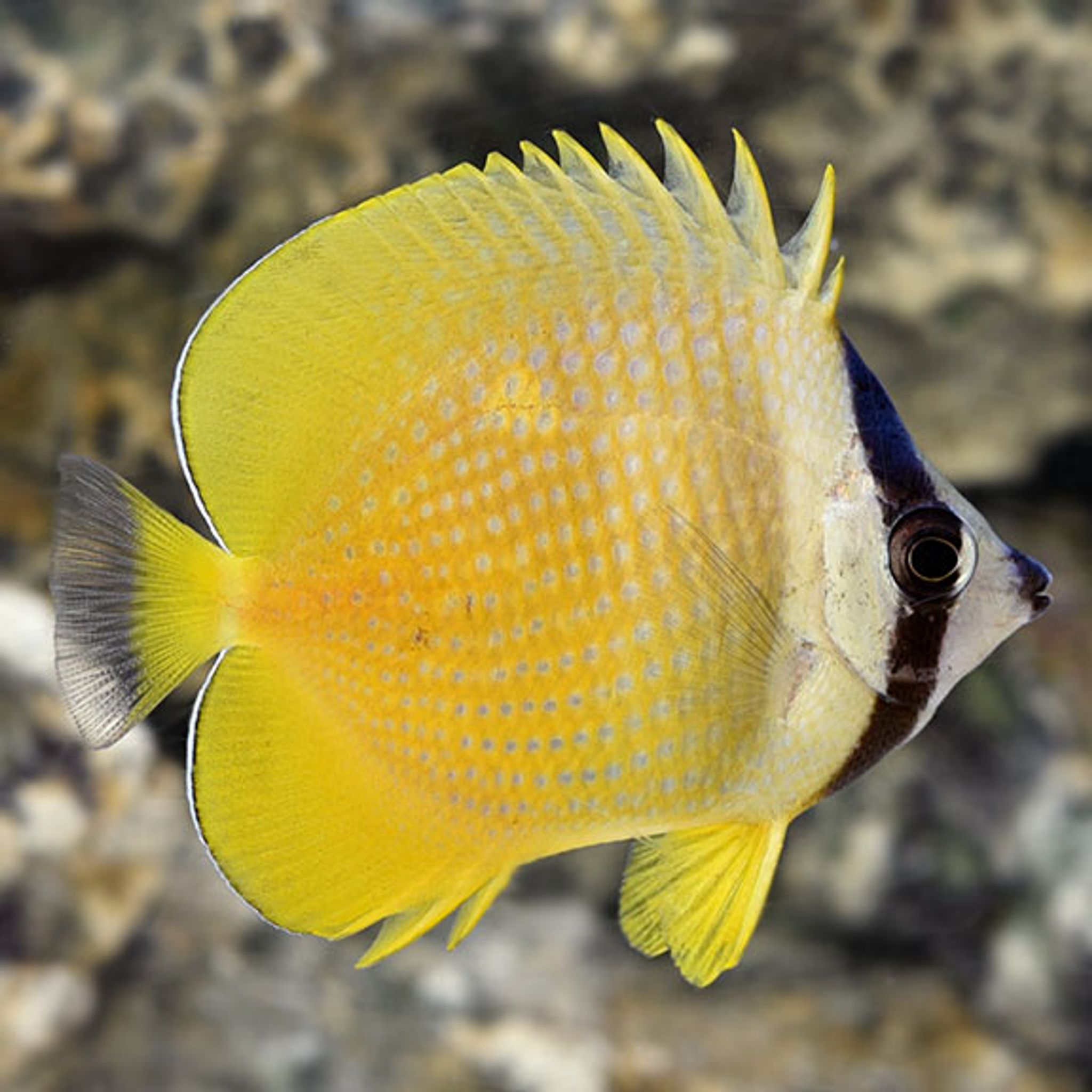
Klein’s Butterflyfish are hardy-looking, adaptable marine fish with yellow, brown and white coloration.
They are sometimes considered for larger community marine tanks, although reef compatibility is not guaranteed and individual feeding behavior can vary.
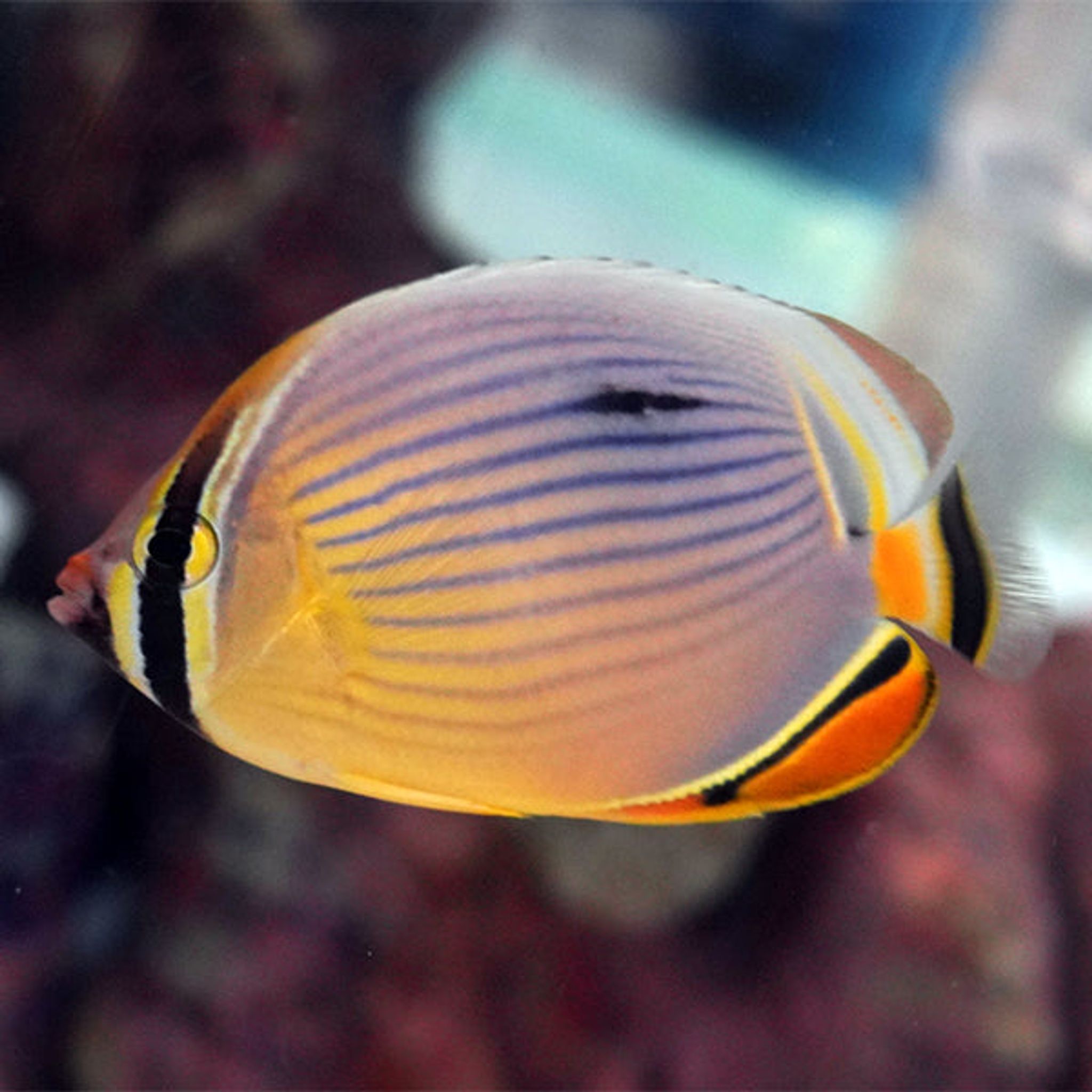
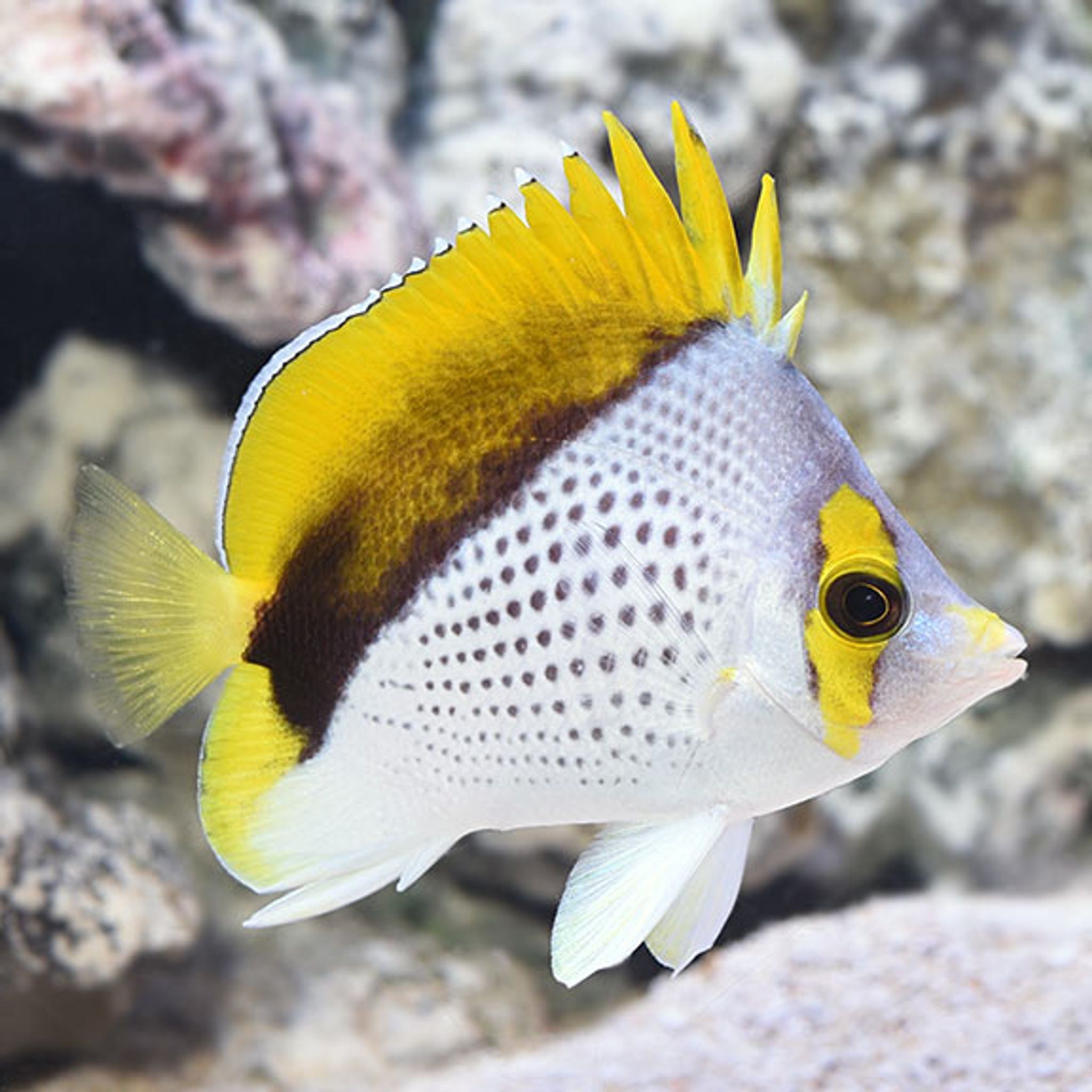
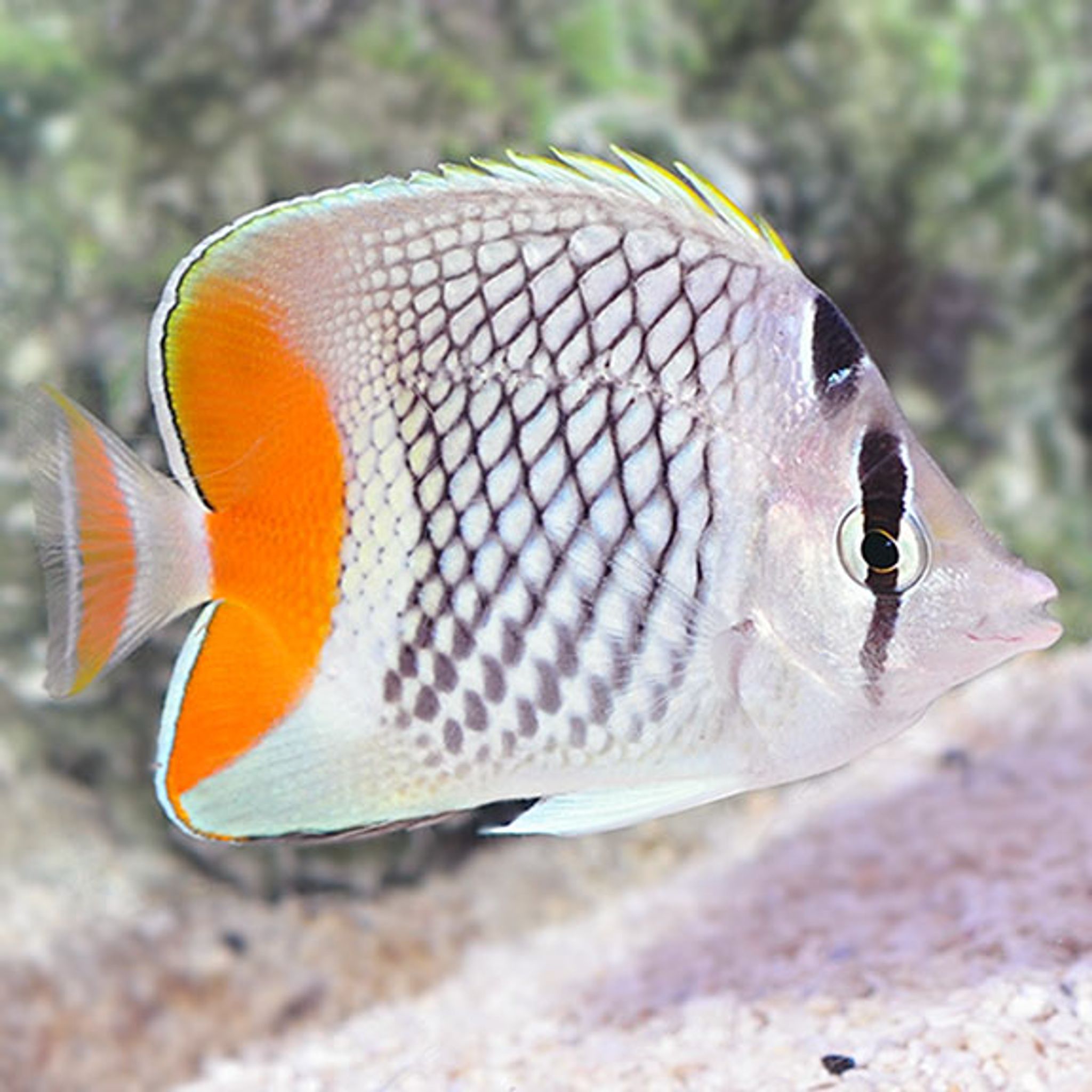
Pearlscale Butterflyfish are known for fine scale patterning, pale bodies and contrasting dark facial markings.
Their elegant appearance makes them popular display fish, but coral and invertebrate compatibility should be checked before adding them to a reef aquarium.
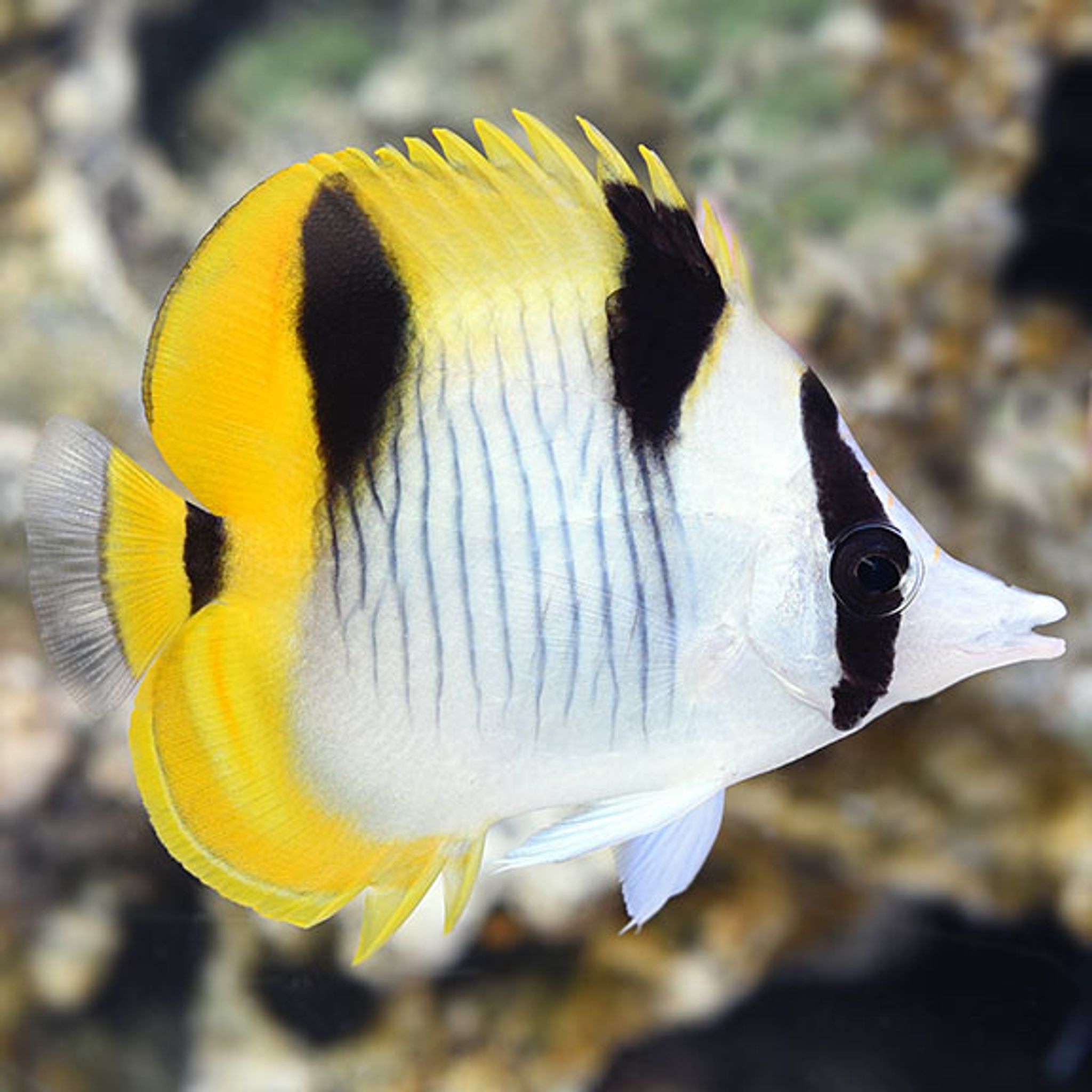
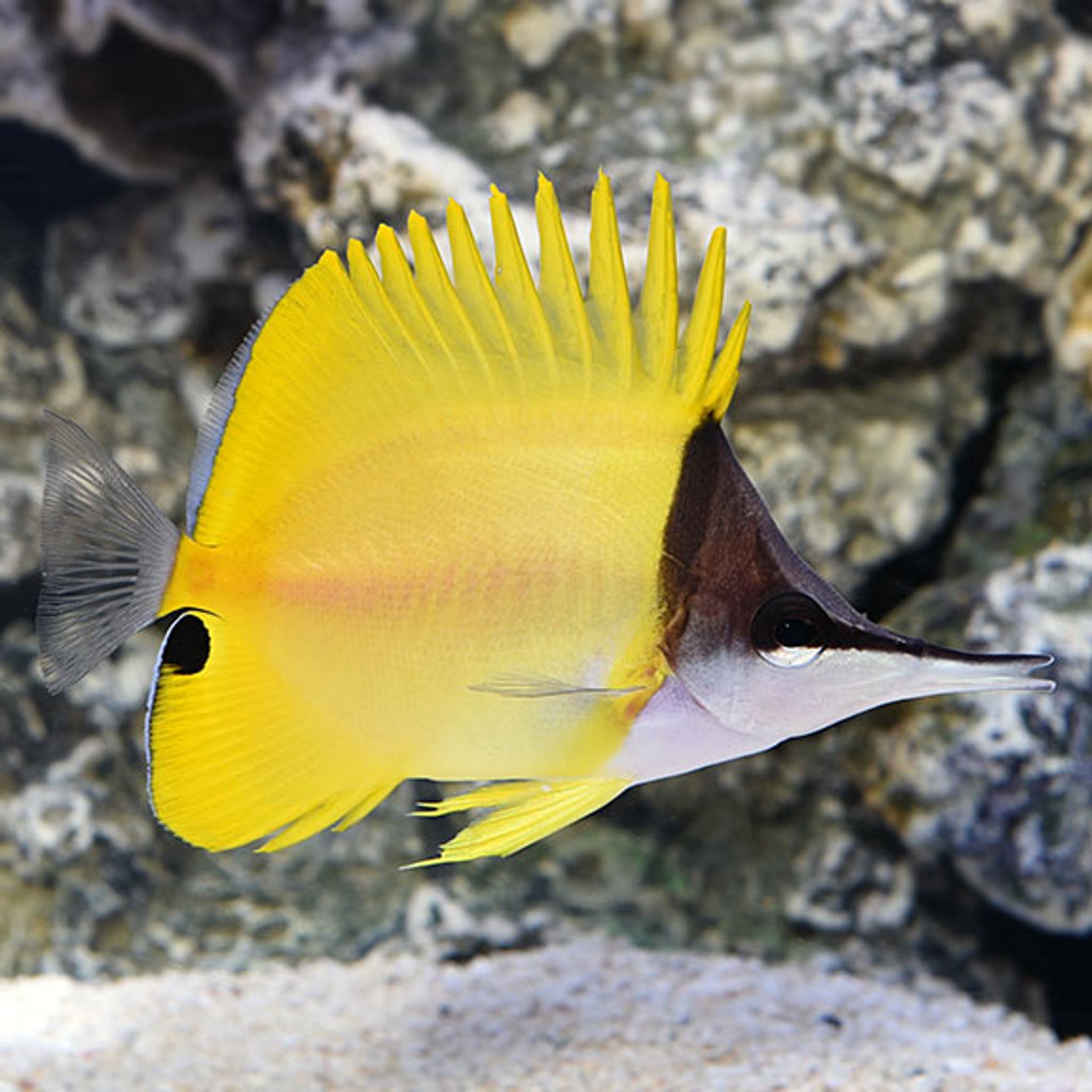
Longnose Butterflyfish have elongated snouts adapted for picking small prey from cracks and reef surfaces.
Their unusual feeding style and body shape make them distinctive additions to established marine aquariums.
Pyramid Butterflyfish are open-water planktivores and are often considered among the more reef-compatible Butterflyfish options.
Even so, reef compatibility should always be assessed by exact species and individual behavior rather than assumed universally.
Butterflyfish vary greatly in reef compatibility.
Some species primarily feed on plankton or small invertebrates, while others may nip corals, anemones, clam mantles or other sessile livestock. Exact species identification matters enormously.
Some Butterflyfish, including certain open-water feeding species, are considered better candidates for reef aquariums than coral-feeding specialists.
However, no blanket reef-safe guarantee should be applied to the entire group, and individual fish may behave differently.
Many Butterflyfish naturally investigate or feed on reef organisms, which can make coral compatibility one of the most important considerations before purchase.
Reef keepers should research the exact species and monitor new fish carefully for coral-nipping behavior.
Butterflyfish range from moderately sized reef fish to larger active species.
Aquarium planning should be based on expected adult size and swimming behavior rather than juvenile sale size alone.
Butterflyfish benefit from mature marine aquariums with stable water quality, open swimming space and rockwork for shelter and exploration.
Exact habitat requirements vary by species, especially between open-water planktivores and reef-associated pickers.
Live rock can provide hiding places, visual barriers and natural feeding surfaces for many Butterflyfish.
Mature rockwork may be especially useful for species that naturally pick small organisms from reef surfaces.
Butterflyfish temperament varies by species, but many are relatively peaceful toward unrelated fish.
Aggression can occur between similar Butterflyfish or individuals competing for the same territory and feeding areas.
Some Butterflyfish can be kept in pairs or groups, while others may become territorial toward similar species.
Aquarium size, species combination, introduction order and individual behavior all influence compatibility.
Butterflyfish can coexist with many marine community fish when tank size and temperament are compatible.
Tangs, Wrasses, Clownfish, Gobies and selected marine Angelfish may be possible tankmates, but exact compatibility should always be checked by species.
Butterflyfish and Tangs can often coexist in sufficiently large marine aquariums because they generally occupy different feeding niches.
Provide enough swimming space and rockwork to reduce competition and territorial pressure.
Butterflyfish and marine Angelfish can sometimes be kept together in spacious aquariums.
Similar feeding habits and territorial behavior can create competition, so species choice and tank size matter.
Shrimp compatibility varies by Butterflyfish species.
Some may ignore larger ornamental shrimp while others may investigate or prey on small crustaceans and other invertebrates.
Butterflyfish diets vary widely by species.
Some feed mainly on plankton, while others consume worms, small crustaceans, coral tissue, anemones or other reef organisms. Feeding should always be matched to the exact species.
Many Butterflyfish benefit from a varied marine diet with appropriately sized foods.
Newly acquired fish should be observed closely to confirm that they are feeding reliably, especially species known for specialized diets.
Copperband Butterflyfish are sometimes purchased because some individuals consume Aiptasia anemones.
This behavior is highly individual and should never be considered guaranteed. A Copperband should be chosen because you can meet its long-term feeding and care needs, not solely as pest control.
Butterflyfish benefit from stable marine water conditions, good oxygenation and reliable filtration.
Avoid sudden changes in salinity, temperature or other water conditions, especially with newly shipped or sensitive species.
Quarantine and careful observation can help reduce the risk of introducing parasites or disease into an established marine aquarium.
Pay particular attention to appetite, breathing, body condition and external appearance because some Butterflyfish can decline quickly if they fail to feed.
When comparing Butterflyfish for sale, look for:
Newly shipped Butterflyfish may experience stress from transport and changes in water conditions.
Prepare a stable marine aquarium in advance, follow the seller's acclimation guidance and provide appropriate shelter and food immediately after introduction.
Butterflyfish prices vary according to species, size, origin, rarity, availability and seller.
Commonly available species and rare specialist Butterflyfish can differ substantially in price, so compare exact species, condition and seller information rather than price alone.
FishyHub brings marine Butterflyfish listings from saltwater aquarium stores and specialist sellers together in one marketplace.
When comparing Butterflyfish online, consider:
Shipping availability depends on the seller, destination, fish size, weather and livestock-shipping policy.
Review delivery timing, packaging and live-arrival terms before ordering, and make sure the aquarium is prepared for the exact Butterflyfish species before arrival.
Yes. Marine aquarium stores and specialist sellers offer Butterflyfish online across the U.S., depending on seller shipping coverage and livestock policies.
Some species are more reef compatible than others. Many Butterflyfish may nip corals or other sessile invertebrates, so exact species research is essential.
Some do, but the behavior varies by individual and should never be treated as guaranteed pest control.
Diets vary widely and may include plankton, worms, small crustaceans, coral tissue or other reef organisms depending on the species.
Often yes in sufficiently large aquariums, provided the species have compatible temperaments and enough swimming space.
Some combinations work in large marine systems, but feeding competition and territorial behavior should be considered carefully.
Open-water planktivorous species such as some Pyramid Butterflyfish are often considered better reef candidates than coral-feeding specialists, but individual behavior can still vary.
FishyHub helps U.S. hobbyists compare Butterflyfish listings from marine aquarium stores and specialist sellers in one marketplace.
Explore Butterflyfish for sale on FishyHub and compare Copperband, Raccoon, Auriga, Klein’s, Pearlscale, Longnose, Pyramid and other marine Butterflyfish species. Discover listings from saltwater aquarium sellers across the United States, and compare species, size, diet, reef compatibility, price and shipping options before choosing your next Butterflyfish.