1–18 of 18
Shop Dwarf Angelfish online from marine aquarium stores and specialist sellers across the United States on FishyHub. Compare Flame Angelfish, Coral Beauty Angelfish, Cherub Angelfish, Lemonpeel Angelfish, Potter’s Angelfish and other pygmy marine Angelfish by species, size, color and seller.
Dwarf Angelfish are among the most colorful and sought-after marine aquarium fish. Most belong to the genus Centropyge and are valued for their compact size, bright coloration and active grazing behavior. FishyHub helps U.S. hobbyists compare Dwarf Angelfish listings from multiple marine sellers in one marketplace.
Buying Dwarf Angelfish online gives marine hobbyists access to a broader selection of species and sizes than may be available from a single local aquarium store.
Compare exact species, current size, coloration, seller information, reef compatibility and shipping options before choosing a Dwarf Angelfish for your marine aquarium.
Popular Dwarf Angelfish in the marine aquarium hobby include:
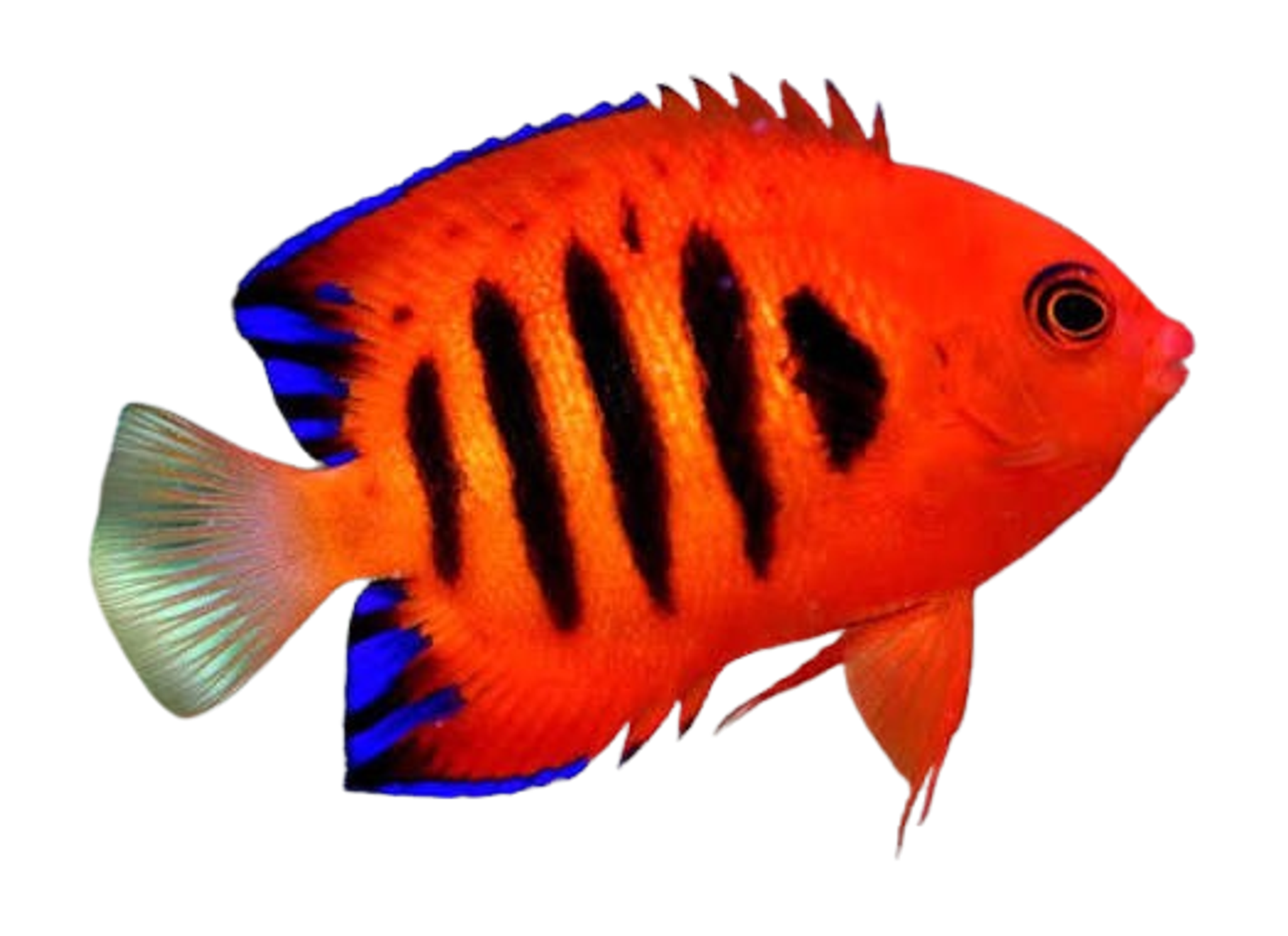
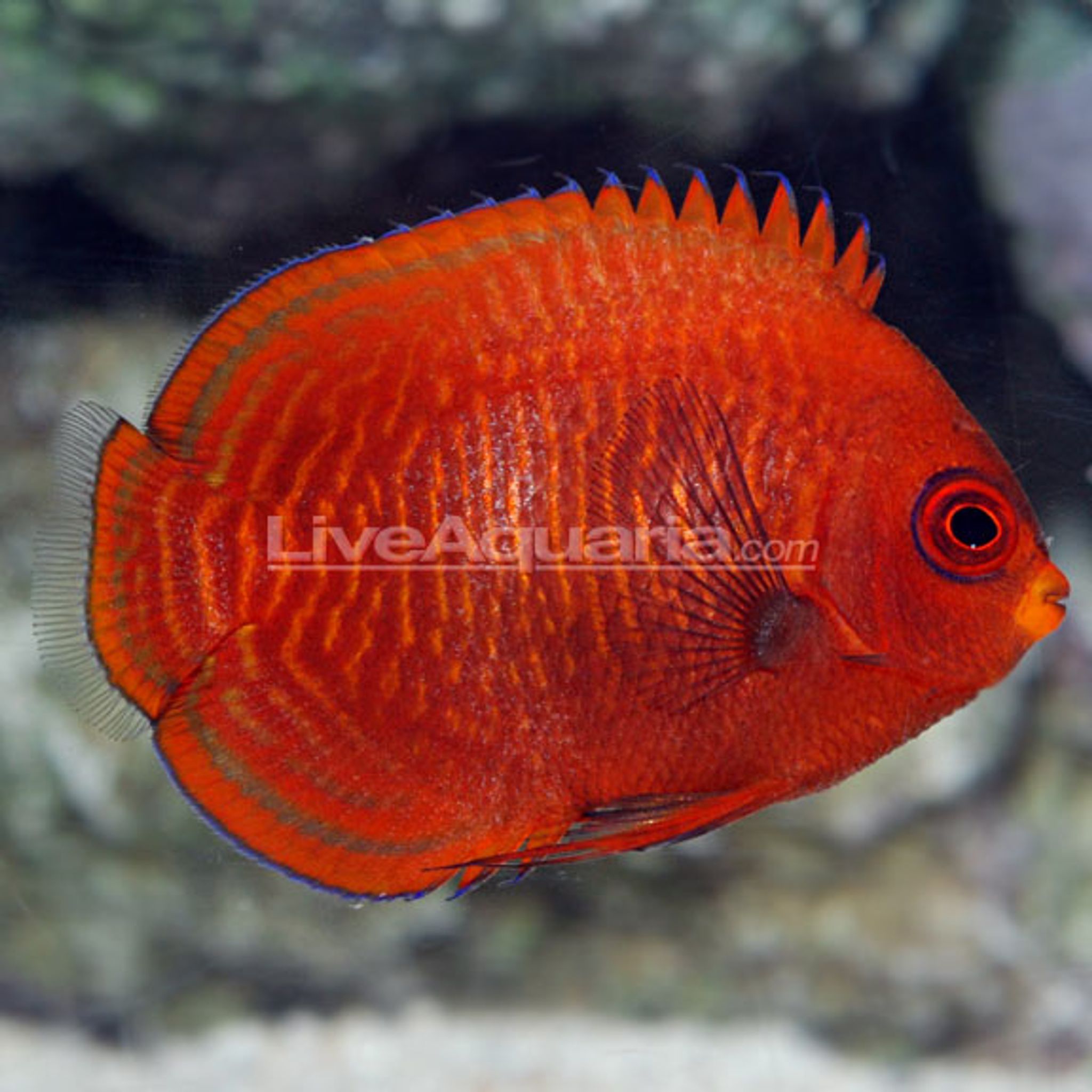
Flame Angelfish are among the most recognizable Dwarf Angelfish, known for brilliant orange-red coloration with dark vertical markings and blue accents.
Their intense color and manageable size make them a popular centerpiece fish for established marine aquariums.
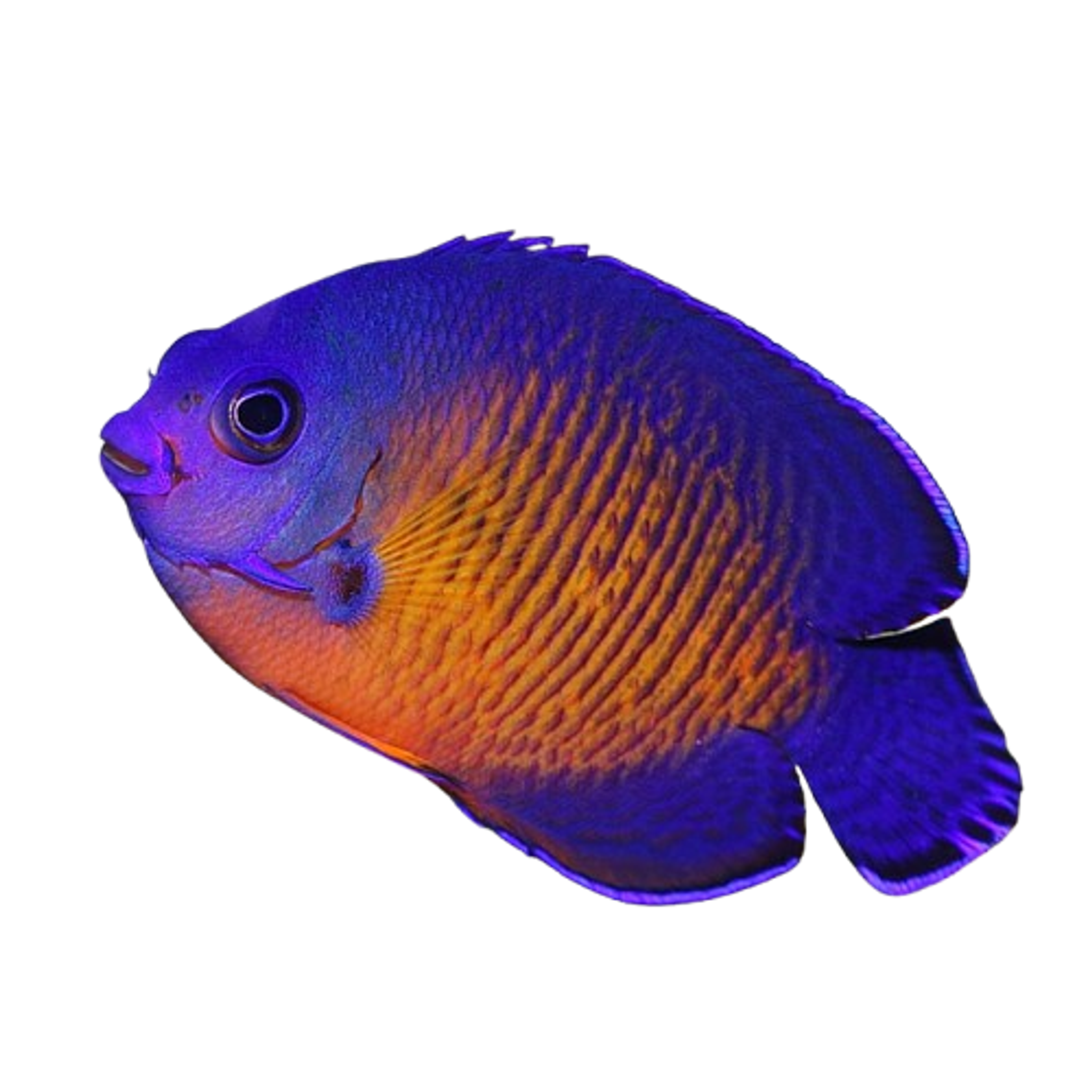
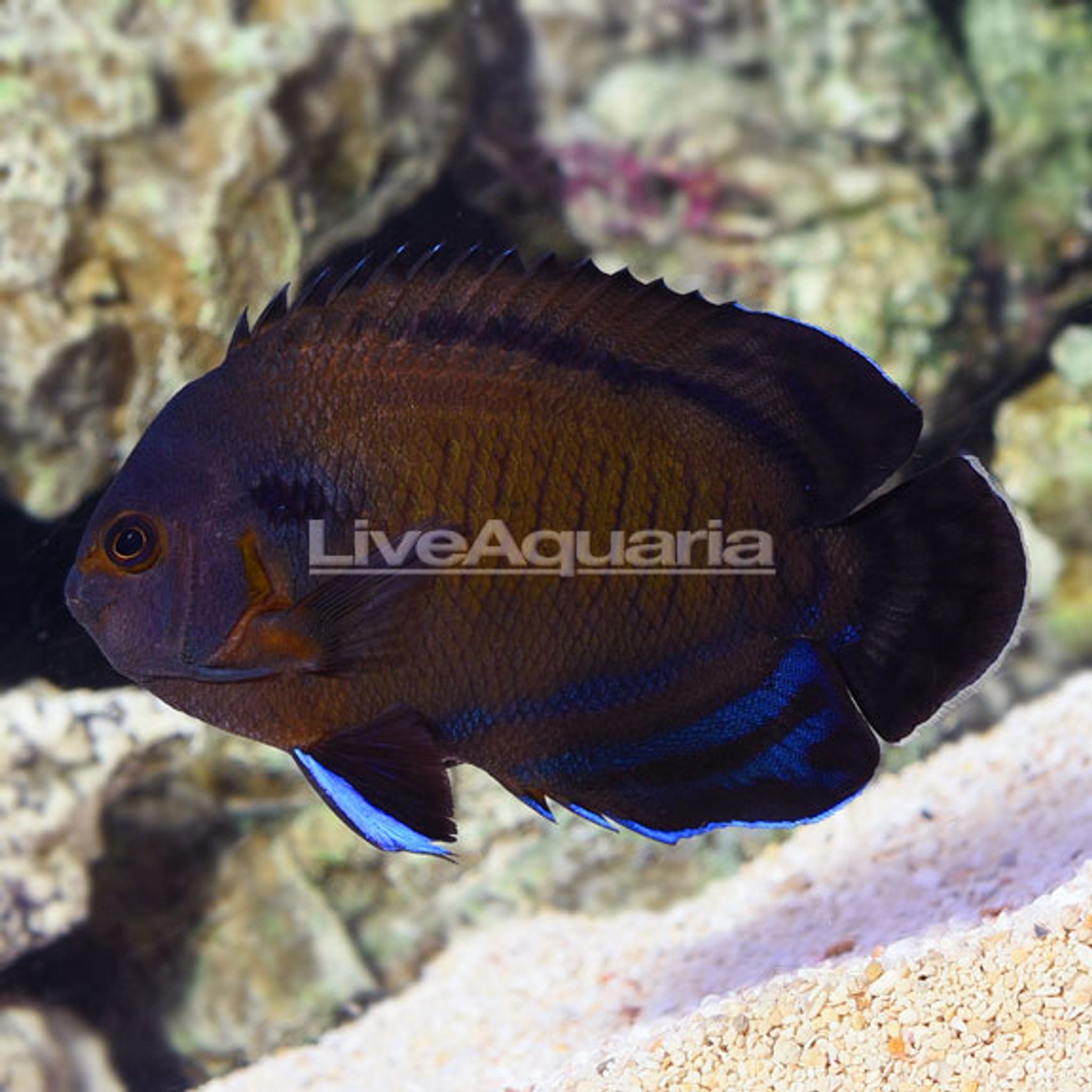
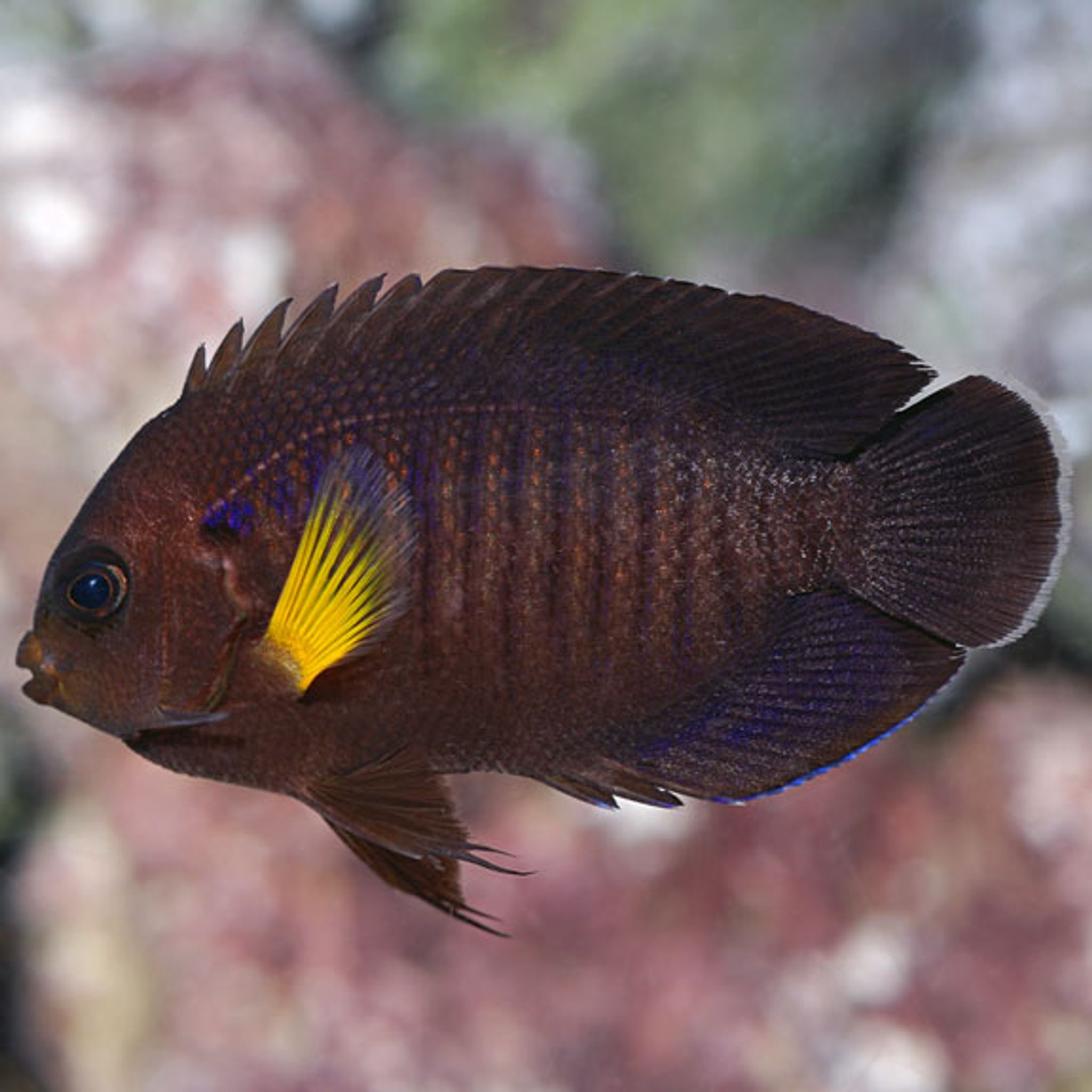
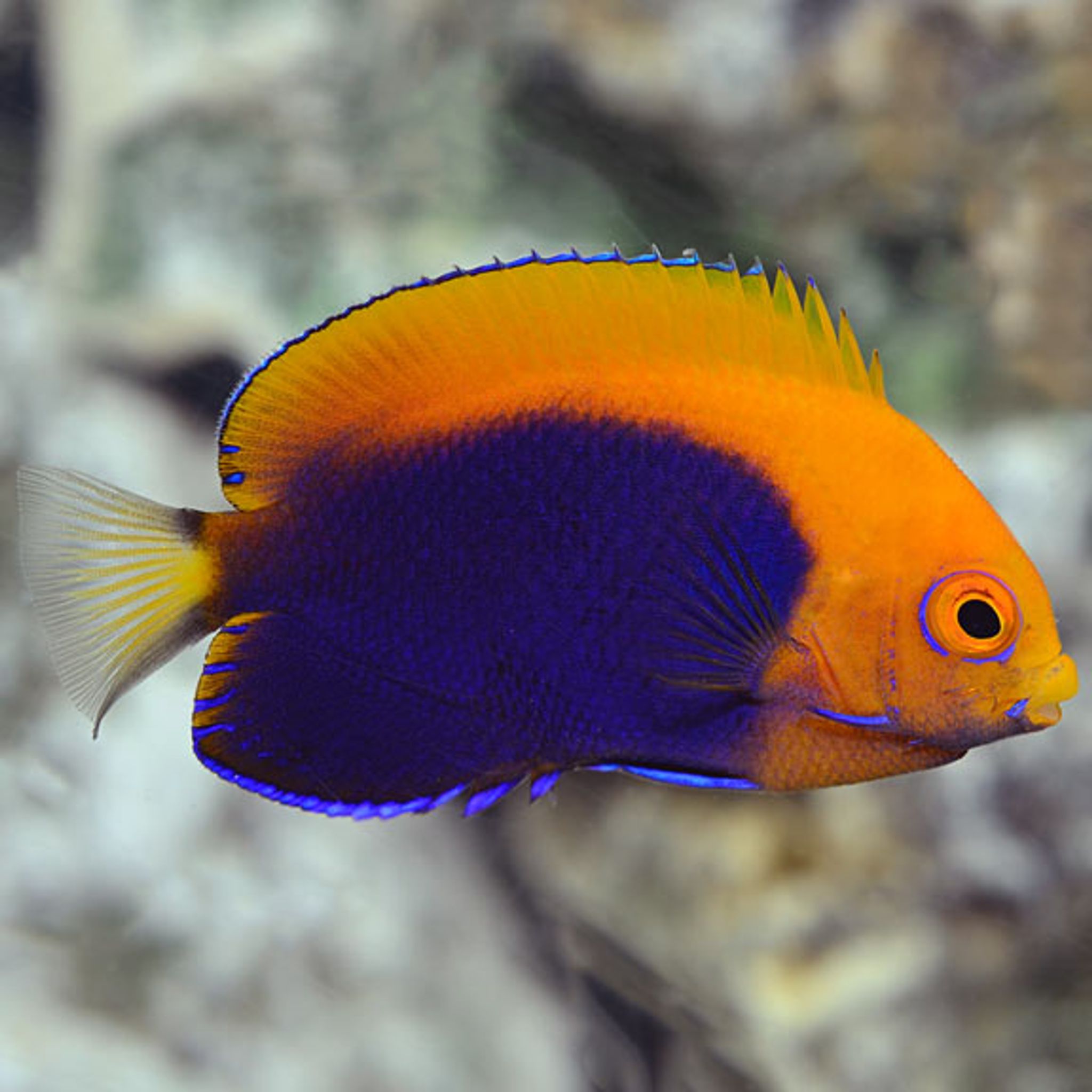
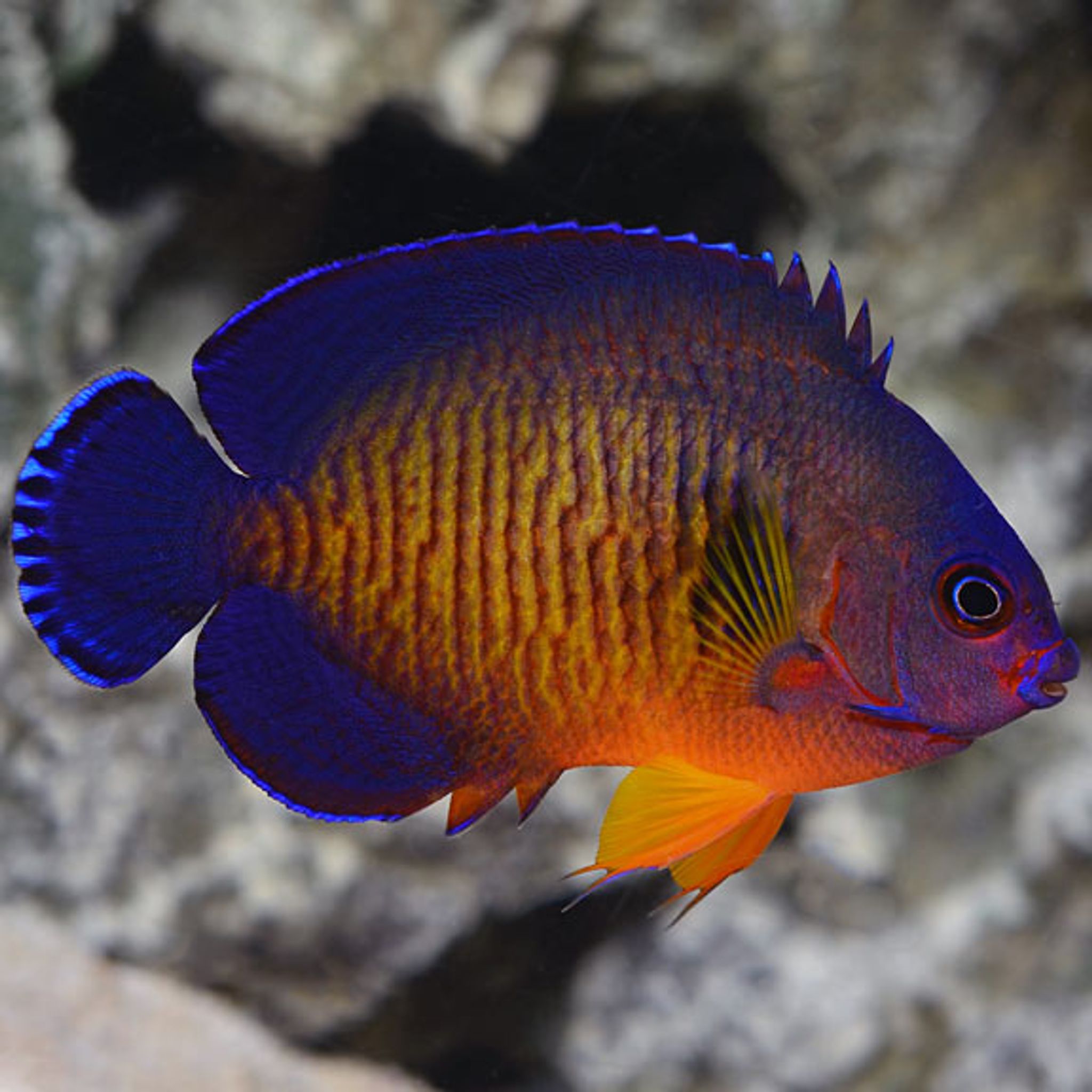
Coral Beauty Angelfish combine deep blue or purple coloration with orange or reddish areas across the body.
They are one of the best-known Centropyge species and are often considered by hobbyists looking for a colorful Dwarf Angelfish for a mixed marine aquarium.
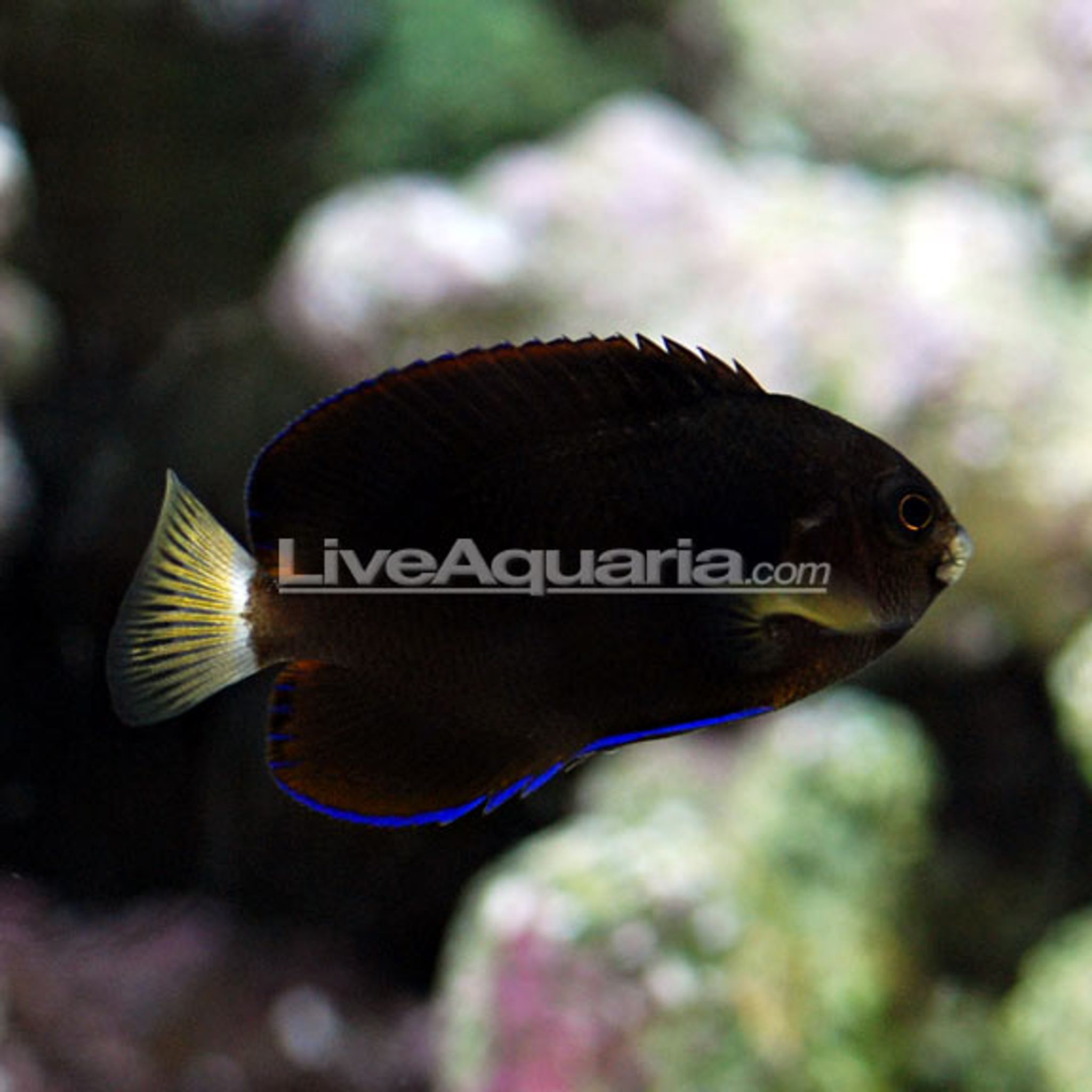
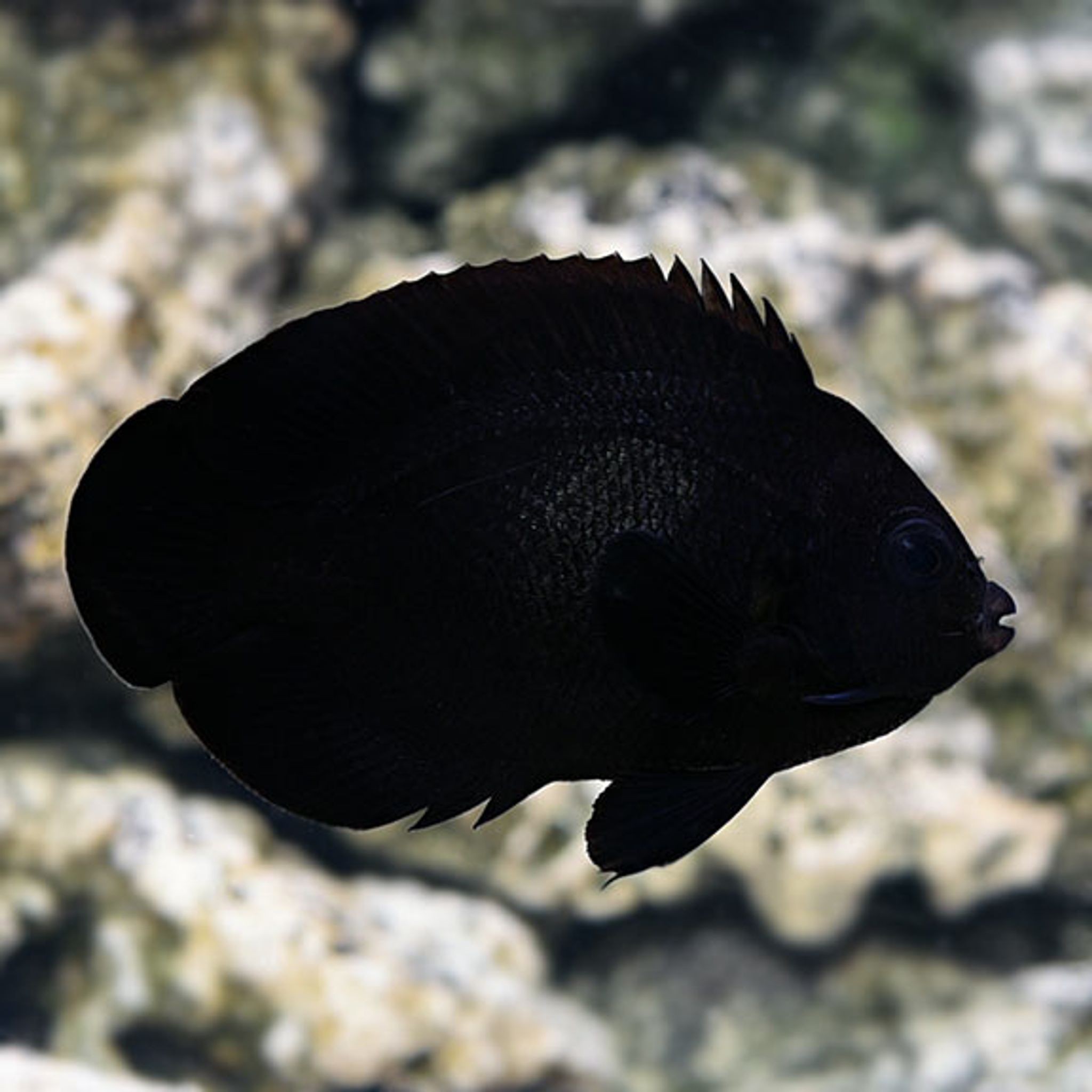
Cherub Angelfish are compact pygmy Angelfish with deep blue coloration and contrasting yellow or orange markings around the face.
Their small adult size makes them attractive to hobbyists with more compact marine setups, although they can still display territorial behavior.
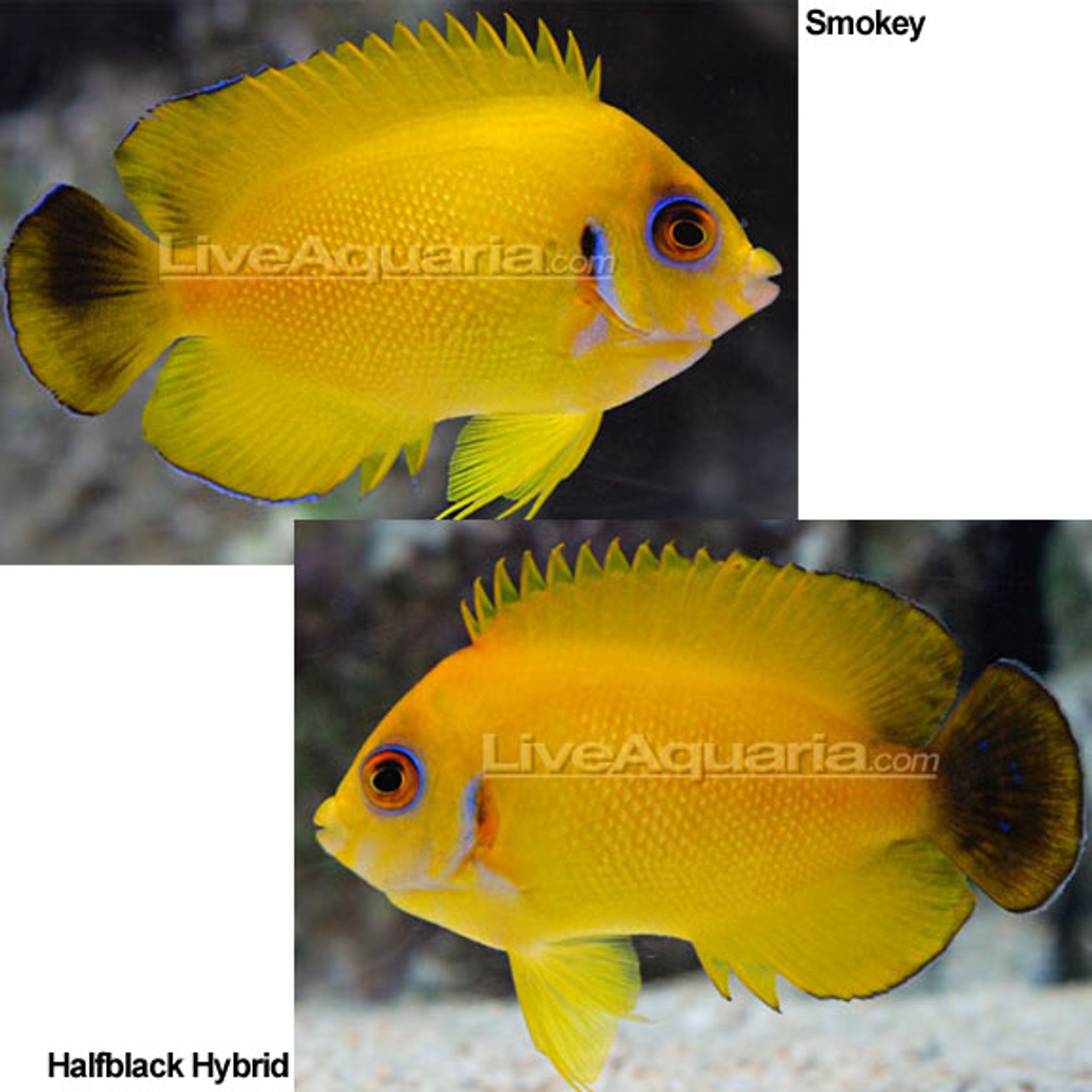
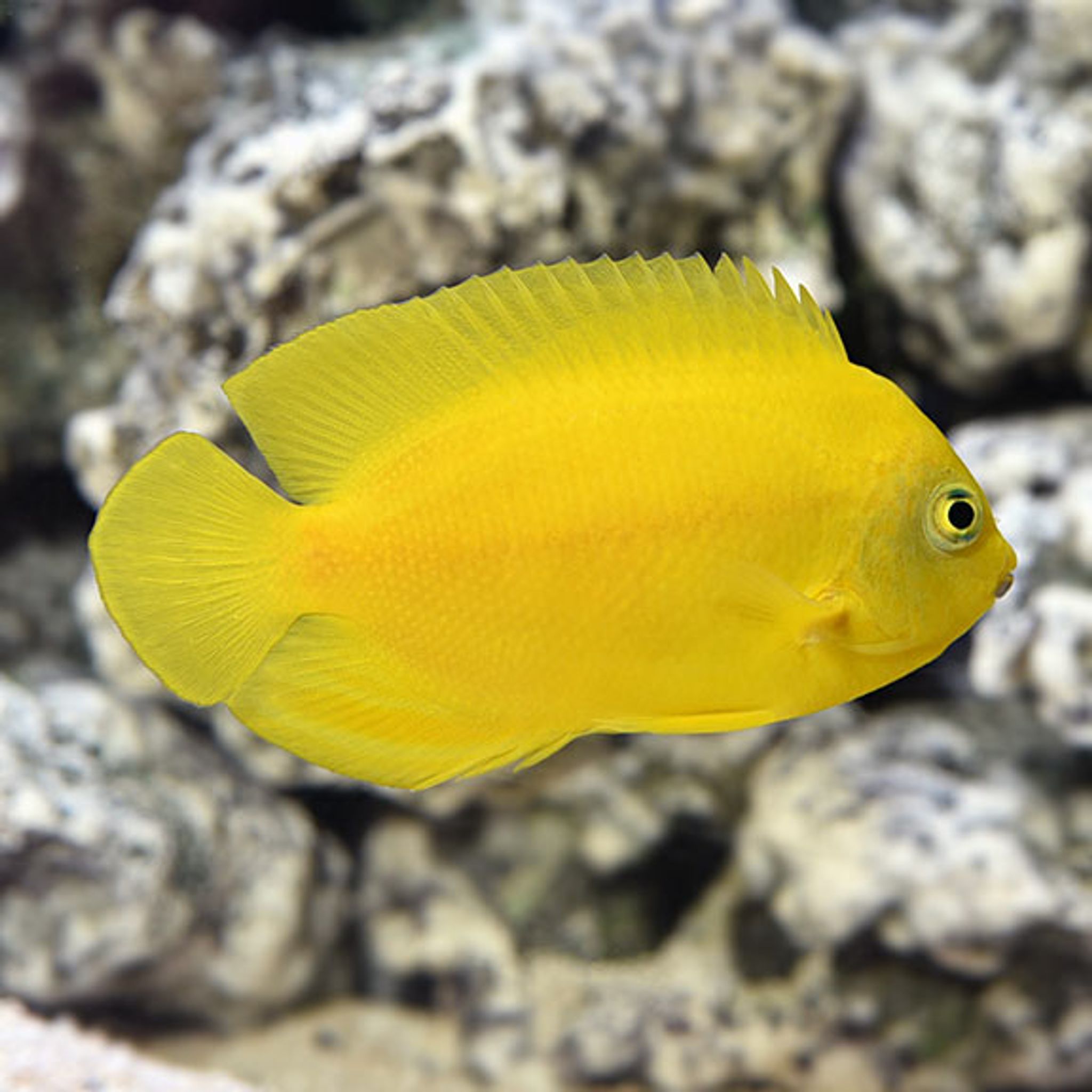
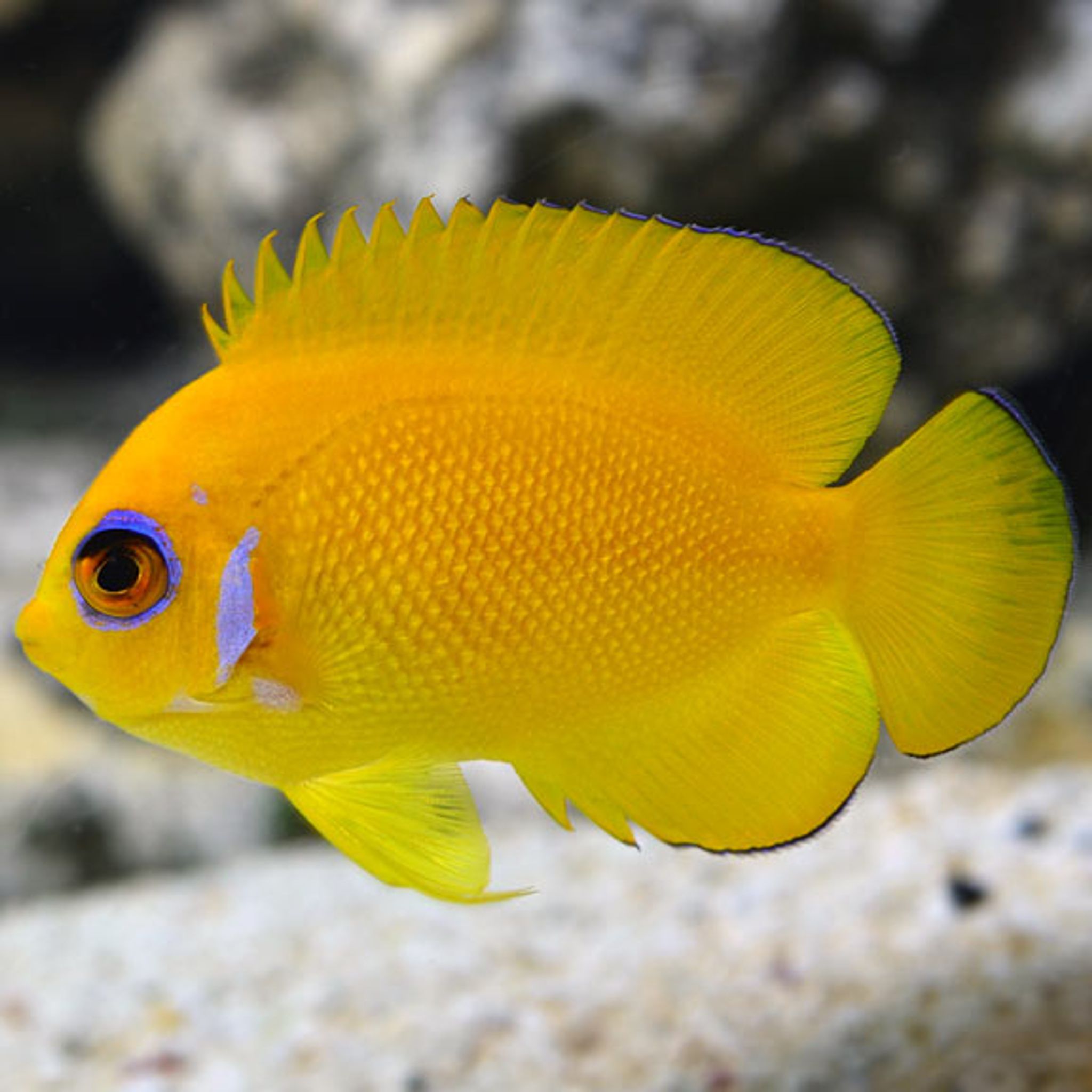
Lemonpeel Angelfish are bright yellow Dwarf Angelfish with blue accents around the eyes and fins.
Their vivid coloration makes them highly attractive, but reef compatibility should be evaluated carefully because individuals may nip at corals or other sessile invertebrates.
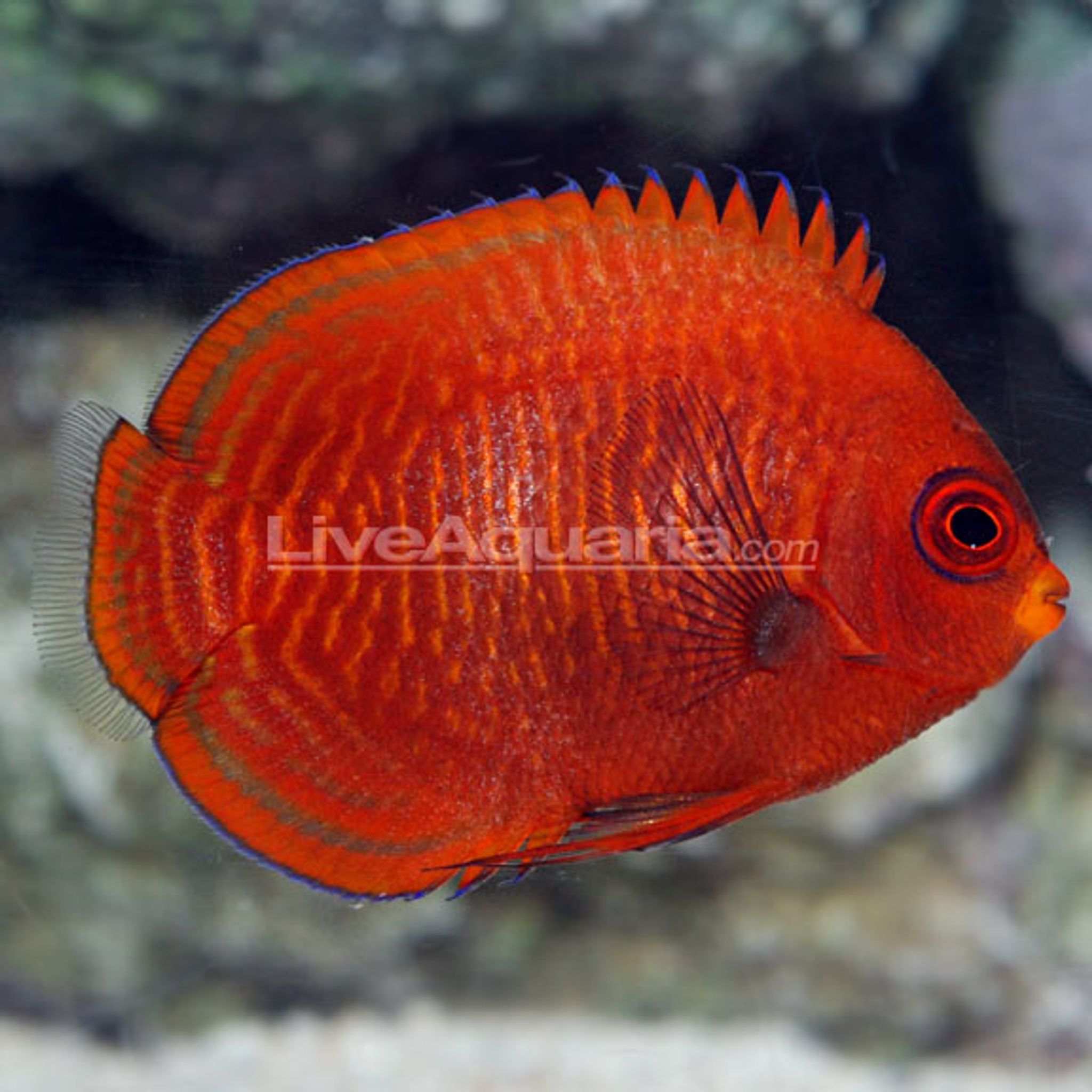
Potter’s Angelfish are prized for intricate orange and blue coloration and are especially popular among experienced marine hobbyists.
They can be more demanding than some commonly kept Dwarf Angelfish, so stable water quality, established live rock and careful feeding are important considerations.
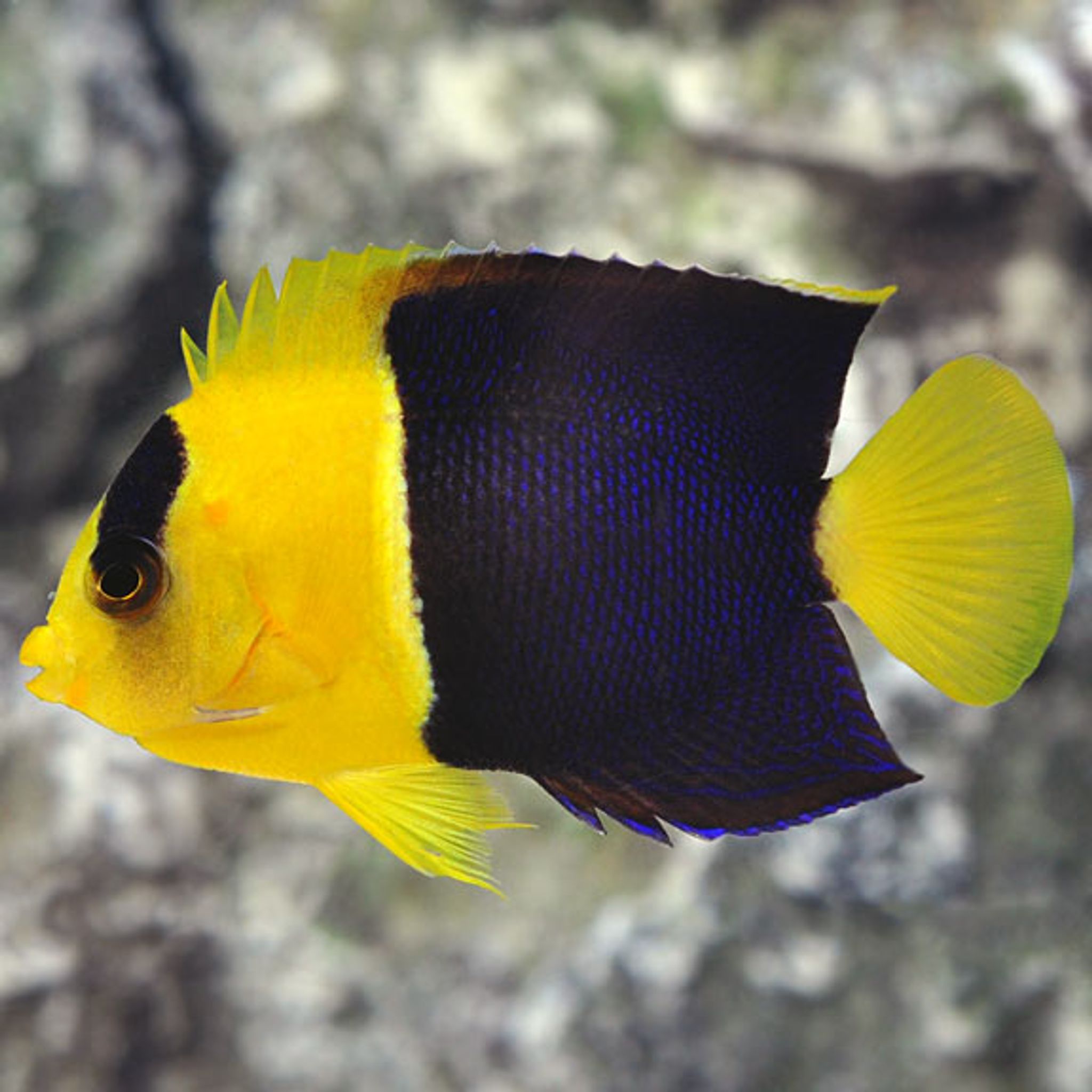
Bicolor Angelfish have a distinctive yellow front half and deep blue rear half, creating one of the boldest color contrasts among Dwarf Angelfish.
They benefit from established aquariums with plenty of rockwork and grazing surfaces.
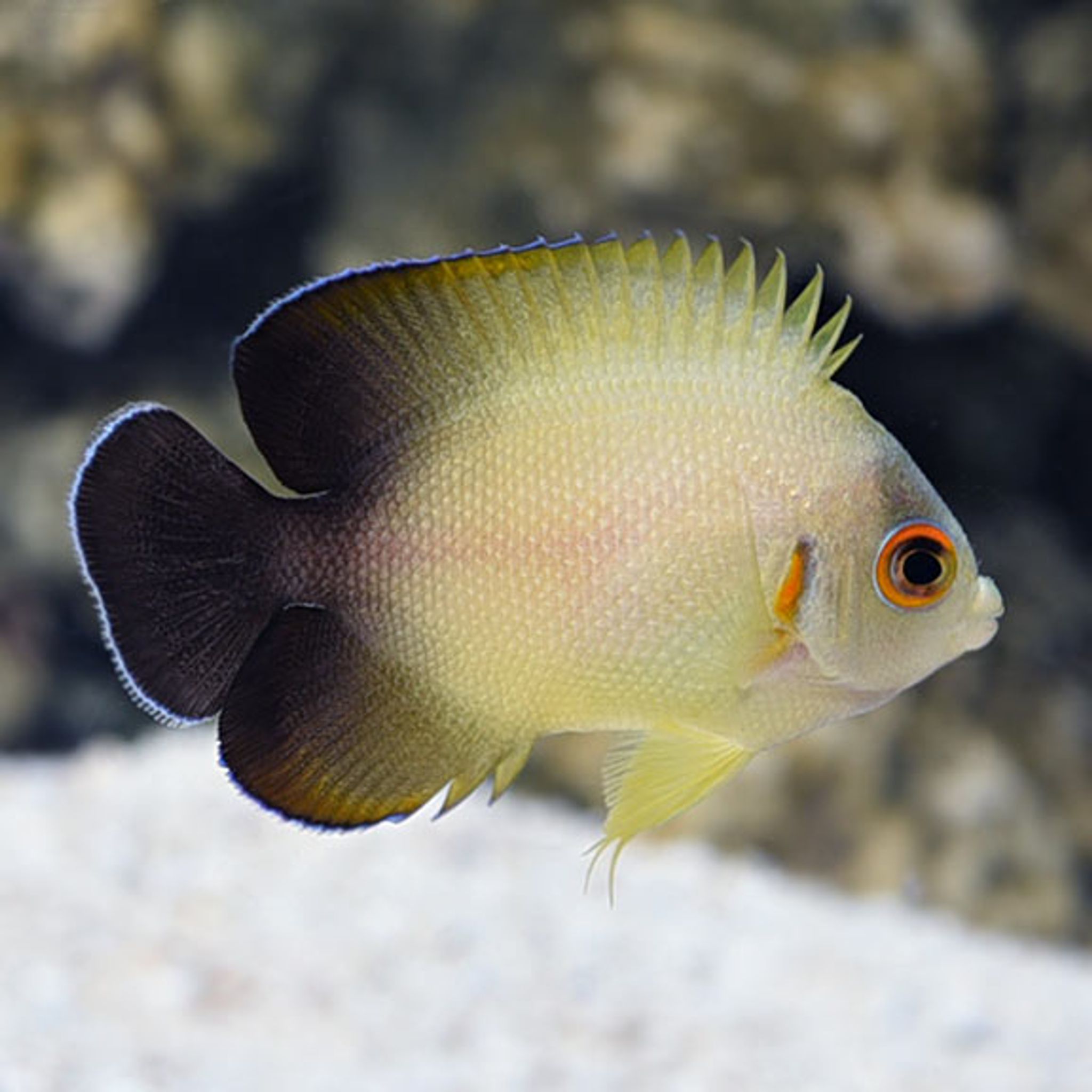
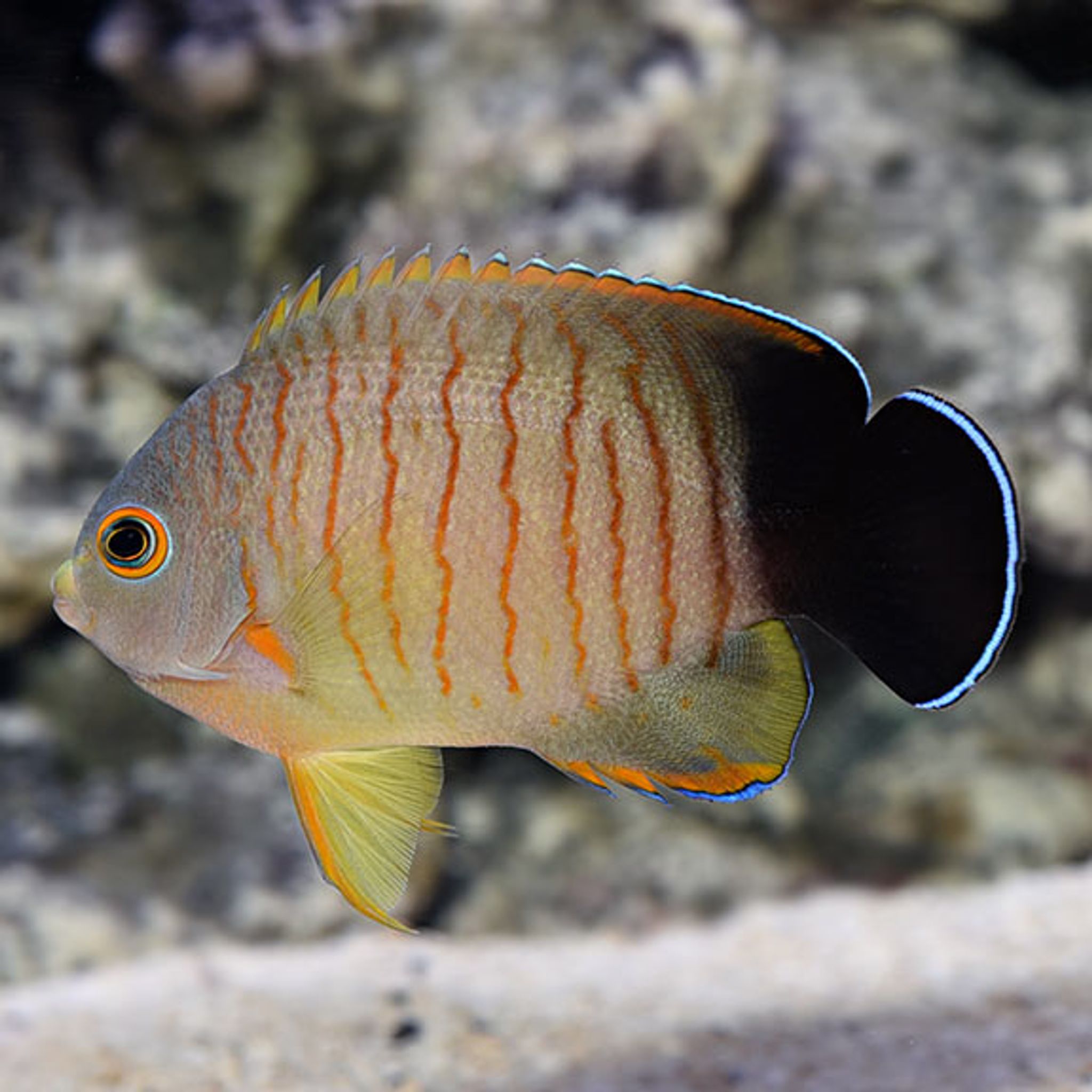
Eibli Angelfish are known for pale bodies, orange vertical markings and dark tail coloration.
They are active grazers that can make attractive additions to established marine systems when their temperament and reef behavior are properly considered.
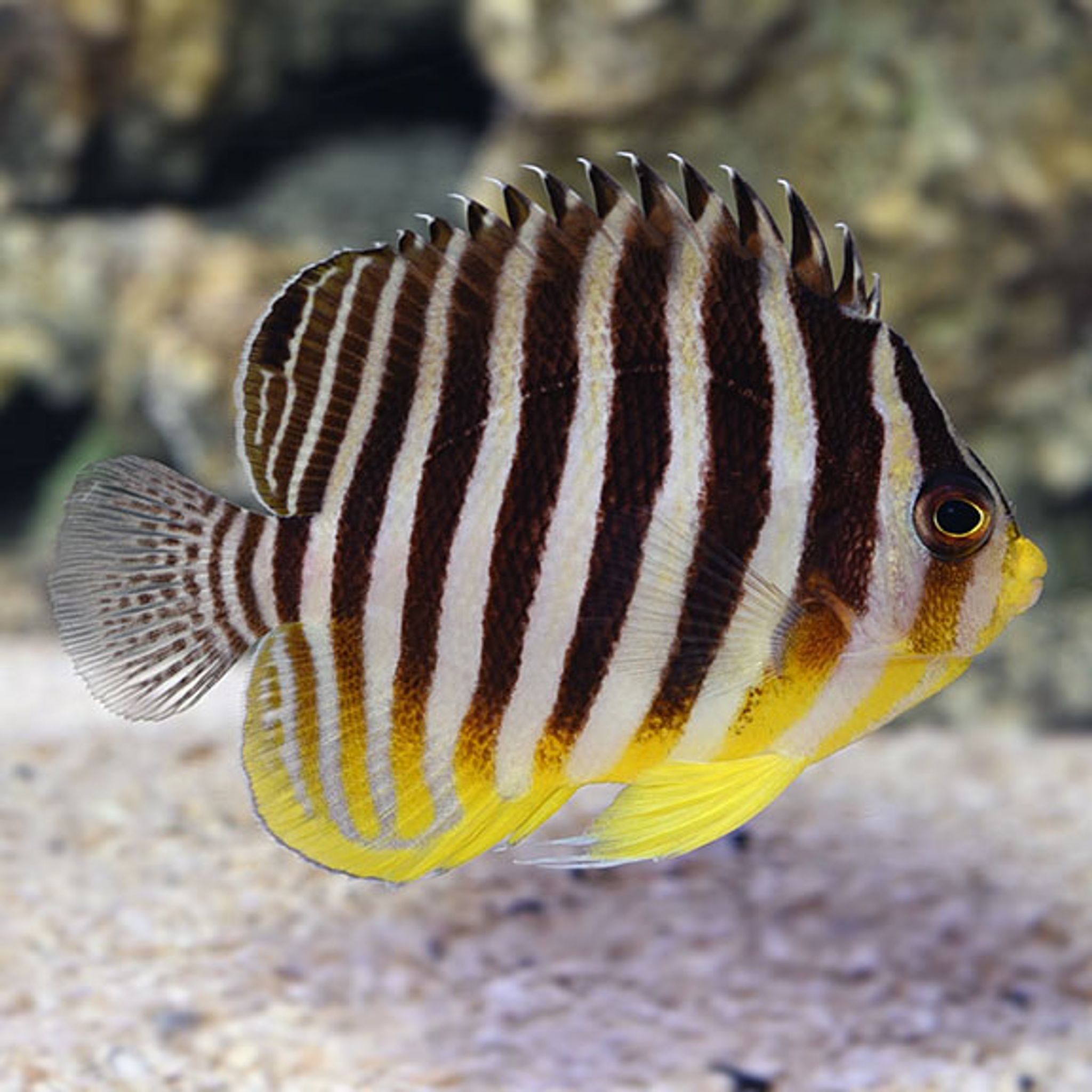
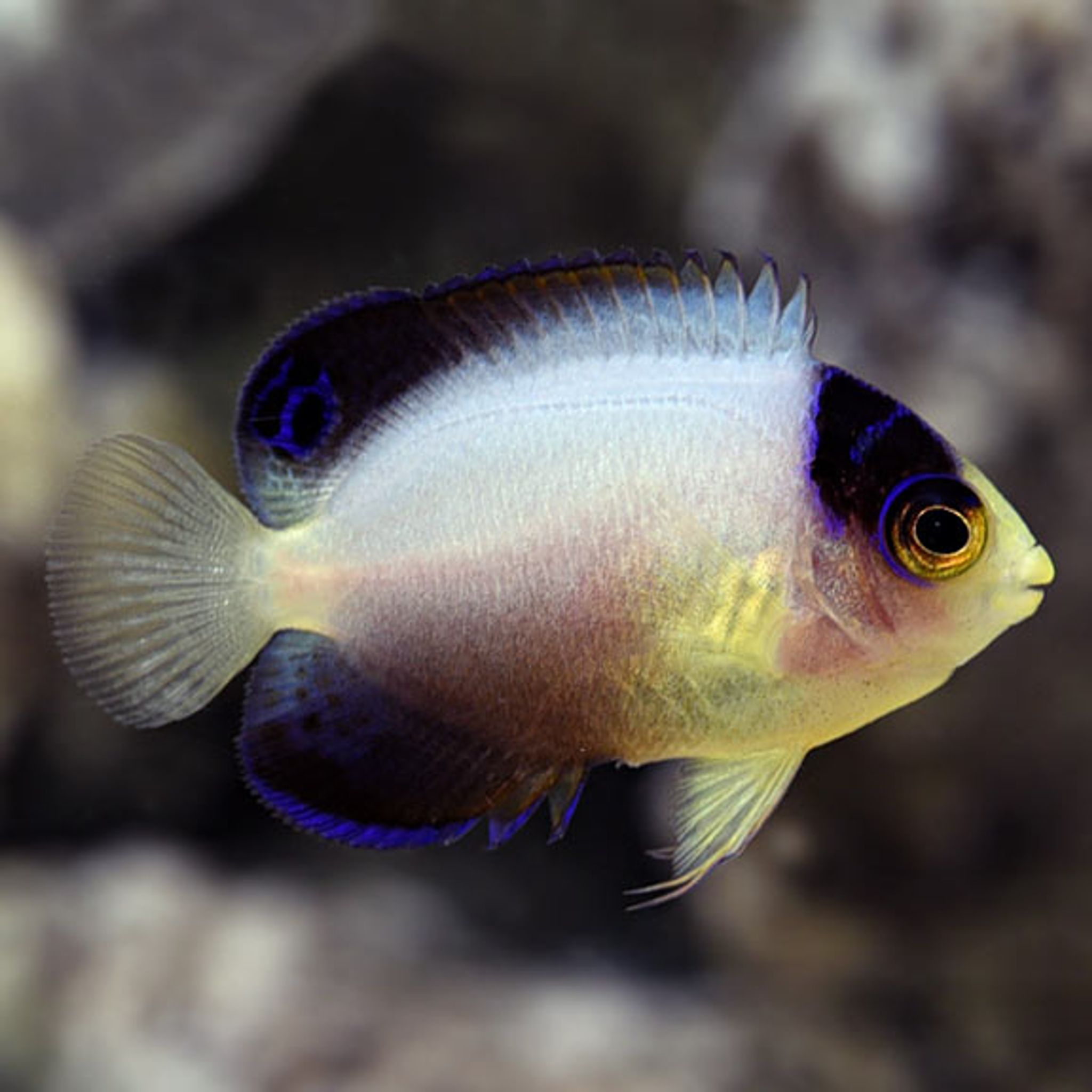
Multicolor Angelfish are striking pygmy Angelfish with combinations of white, yellow, blue, orange and dark markings.
They are especially attractive to collectors looking for less commonly encountered Centropyge species.
Dwarf Angelfish are smaller marine Angelfish, with many popular aquarium species belonging to the genus Centropyge.
They differ from larger marine Angelfish in adult size, but they still require carefully planned saltwater aquariums and should not be treated as simple beginner fish.
Dwarf Angelfish generally remain smaller than large marine Angelfish such as Emperor, Queen and French Angelfish.
Their smaller size can make them more practical for many home marine aquariums, but temperament, reef compatibility and dietary needs still vary by species.
Dwarf Angelfish are compact compared with large marine Angelfish, but adult size still varies between species.
Always plan around expected adult size and activity level rather than the juvenile size shown in a seller listing.
Dwarf Angelfish benefit from stable, mature marine aquariums with substantial rockwork and open swimming areas.
Live rock can provide hiding areas and natural grazing surfaces while helping the fish establish territories.
Many Dwarf Angelfish spend much of the day moving between rockwork and grazing on natural growth.
A structured aquascape with caves, crevices and grazing surfaces can help support natural behavior and provide refuge from other fish.
Dwarf Angelfish are often described as reef compatible with caution rather than completely reef safe.
Some individuals may ignore corals and invertebrates, while others may nip at coral tissue, clam mantles or other sessile livestock. Behavior can vary substantially between individual fish.
Some Dwarf Angelfish coexist successfully with corals, while others develop persistent coral-nipping behavior.
Reef keepers should monitor new fish carefully and understand that no blanket guarantee applies across all Centropyge species or individual fish.
Dwarf Angelfish can be territorial, particularly toward other Angelfish or fish with similar body shapes.
Aggression varies by species and individual, and may increase once a fish becomes established in the aquarium.
Some experienced hobbyists keep multiple Dwarf Angelfish together in sufficiently large and carefully planned aquariums.
Species choice, tank size, aquascape, introduction order and individual temperament all influence the likelihood of aggression.
Dwarf Angelfish can coexist with many marine community fish when aquarium size and temperament are compatible.
Clownfish, Gobies, Blennies, Wrasses, Tangs and other marine fish may be possible tankmates, but compatibility should always be assessed by exact species and individual behavior.
Dwarf Angelfish and Tangs can sometimes coexist because they use the aquarium differently, although both may graze around live rock.
Provide enough swimming space and rockwork to reduce competition and territorial pressure.
Clownfish and Dwarf Angelfish can often share appropriately sized marine aquariums.
Both groups can defend territories, so provide enough structure and avoid overcrowding.
Many Wrasses can coexist with Dwarf Angelfish when temperament and tank size are suitable.
Choose tankmates based on the exact Wrasse species because the group ranges from peaceful reef fish to much larger and more assertive predators.
Many Dwarf Angelfish naturally graze algae, biofilm, small organisms and other material from reef surfaces.
In aquariums, offer a varied marine diet appropriate to the exact species, including suitable prepared foods, algae-based foods and frozen foods where appropriate.
Established Dwarf Angelfish often spend much of the day grazing between regular feedings.
A varied diet and mature aquarium environment are especially useful for species that rely heavily on natural grazing behavior.
Dwarf Angelfish benefit from stable marine water conditions, good oxygenation and reliable filtration.
Avoid sudden changes in salinity, temperature or other water conditions, particularly with newly shipped or sensitive species.
Quarantine and careful observation can help reduce the risk of introducing parasites or disease into an established marine aquarium.
Monitor appetite, breathing, coloration, swimming behavior and external appearance when evaluating newly acquired fish.
When comparing Dwarf Angelfish for sale, look for:
Newly shipped Dwarf Angelfish may arrive stressed after transport.
Prepare a stable marine aquarium in advance and follow an acclimation approach appropriate to the seller's instructions and the conditions of your aquarium.
Dwarf Angelfish prices vary according to species, size, origin, rarity, availability and seller.
Widely available species and rare or specialist Centropyge Angelfish can differ substantially in price, so compare livestock condition, species and seller terms rather than price alone.
FishyHub brings Dwarf Angelfish listings from marine aquarium stores and specialist sellers together in one marketplace.
When comparing Dwarf Angelfish online, consider:
Shipping availability depends on the seller, destination, weather, fish size and livestock-shipping policy.
Review delivery timing, packaging and live-arrival terms before ordering, and prepare the marine aquarium before the fish is scheduled to arrive.
Yes. Marine aquarium stores and specialist sellers offer Dwarf Angelfish online across the U.S., depending on seller shipping coverage and livestock policies.
Flame, Coral Beauty, Cherub, Lemonpeel, Potter’s, Bicolor and Eibli Angelfish are among the most familiar species in the marine aquarium hobby.
Many are best considered reef compatible with caution. Some individuals leave corals alone, while others may nip at corals, clam mantles or other sessile invertebrates.
They can in many appropriately sized marine aquariums, but tank size, territory and individual temperament should be considered.
Often yes, although both fish may defend territories and enough aquarium space should be provided.
Many graze algae and natural growth while also accepting a varied marine diet of suitable prepared and frozen foods.
Dwarf Angelfish generally remain considerably smaller, while large marine Angelfish such as Emperor and Queen Angelfish require much more aquarium space.
FishyHub helps U.S. hobbyists compare Dwarf Angelfish listings from marine aquarium stores and specialist sellers in one marketplace.
Explore Dwarf Angelfish for sale on FishyHub and compare Flame, Coral Beauty, Cherub, Lemonpeel, Potter’s, Bicolor, Eibli and other pygmy marine Angelfish. Discover listings from marine aquarium sellers across the United States, and compare species, size, coloration, reef compatibility, price and shipping options before choosing your next Angelfish.