1–40 of 57
Shop Wrasses online from marine aquarium stores and specialist sellers across the United States on FishyHub. Compare Fairy Wrasses, Flasher Wrasses, Six Line Wrasses, Leopard Wrasses, Melanurus Wrasses and other marine Wrasse species by color, size, temperament and seller.
Wrasses are one of the most diverse groups of marine aquarium fish, ranging from small colorful reef species to larger and more assertive predators. FishyHub helps U.S. hobbyists compare Wrasse listings from multiple marine sellers in one marketplace.
Buying Wrasses online gives marine hobbyists access to a broader range of species, sizes and color forms than may be available from a single local aquarium store.
Compare exact species, current size, temperament, reef compatibility, seller information and shipping options before choosing a Wrasse for your marine aquarium.
Popular Wrasses in the marine aquarium hobby include:
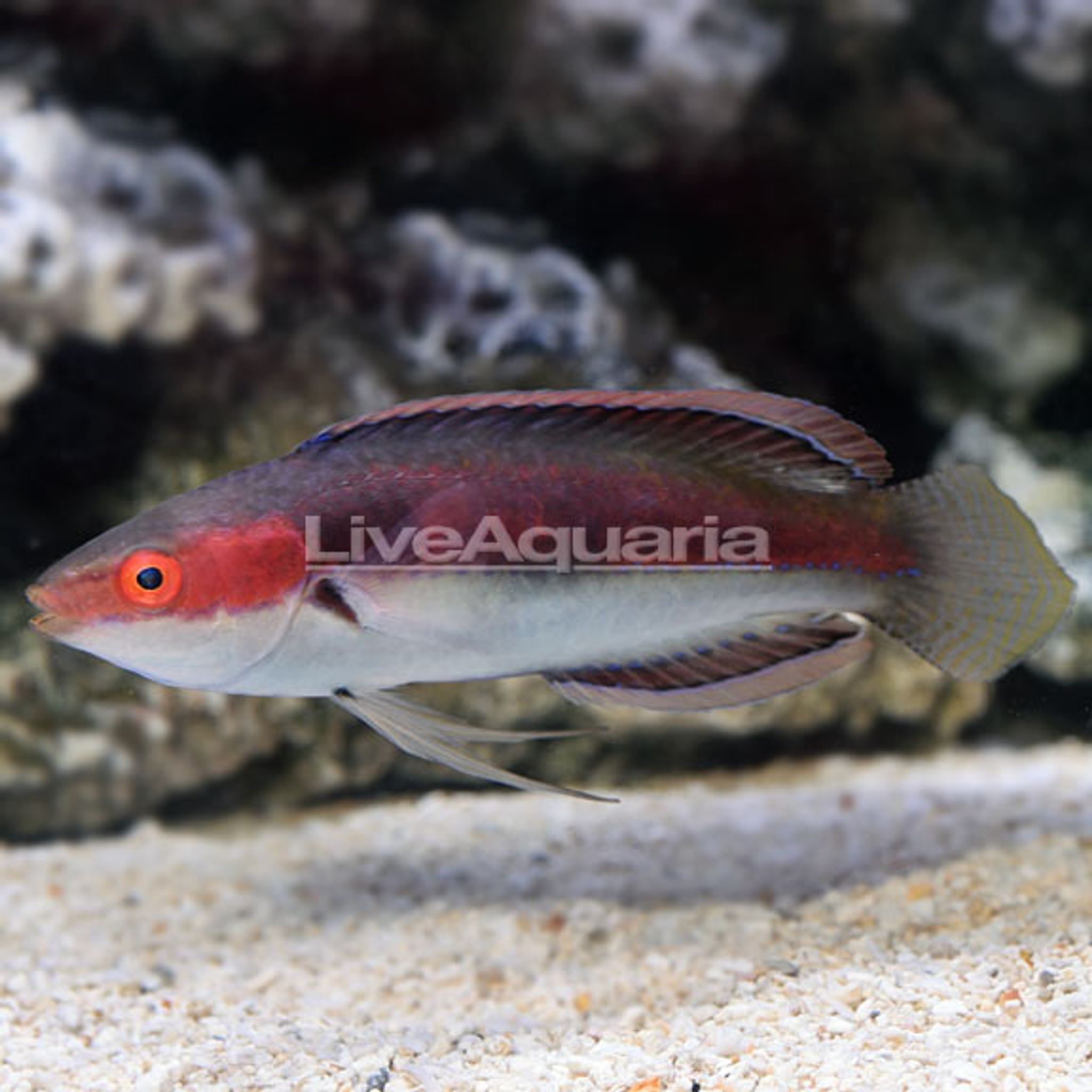
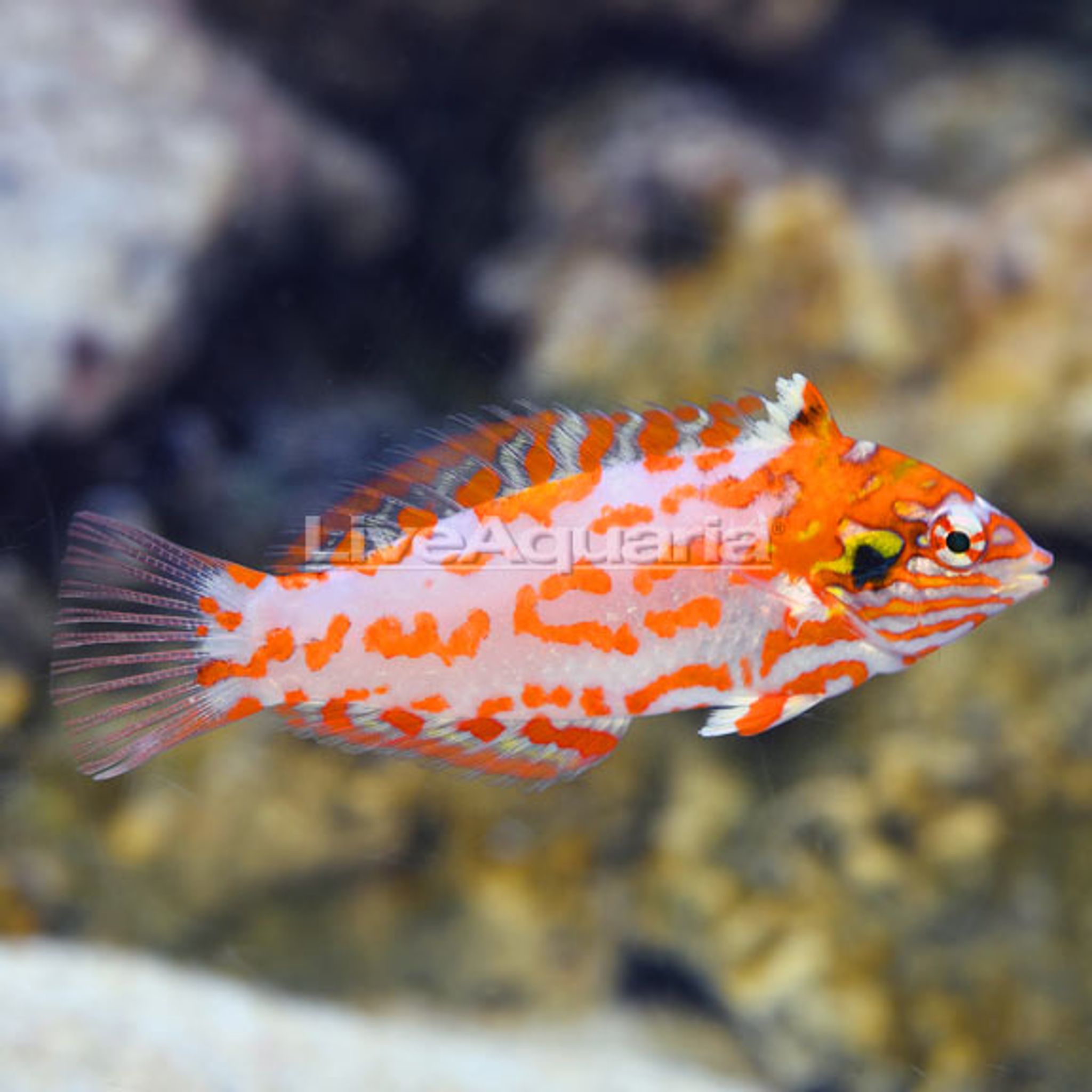
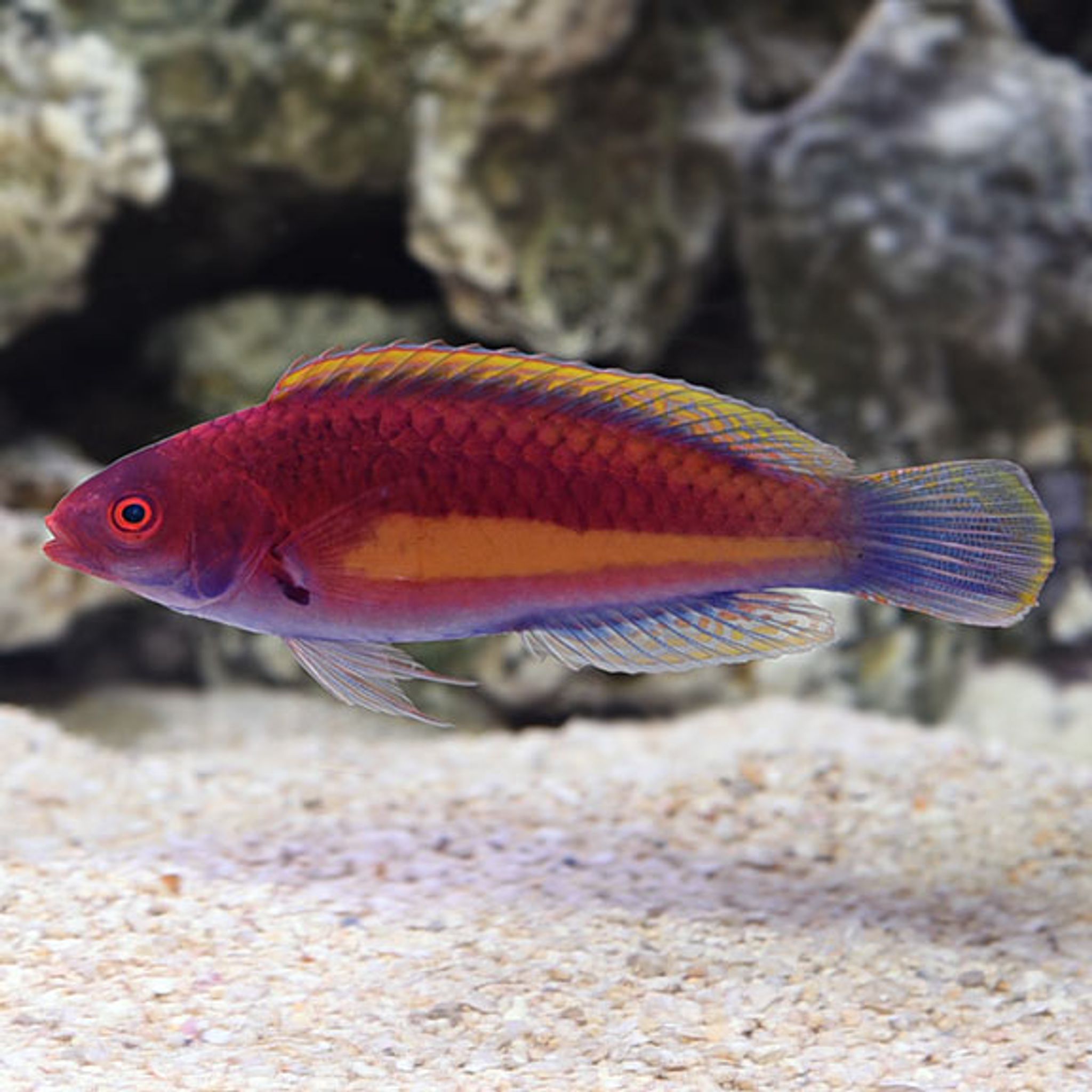
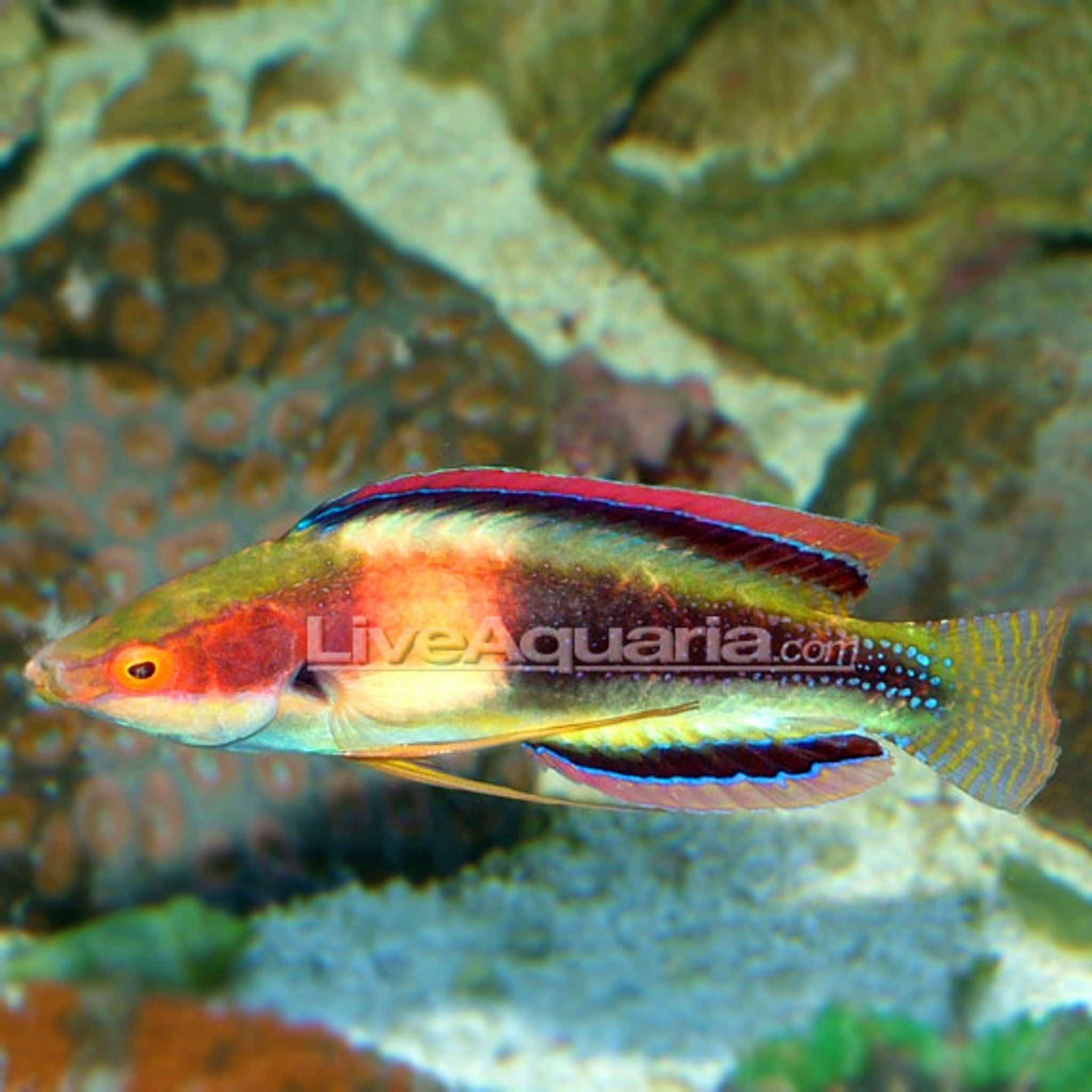
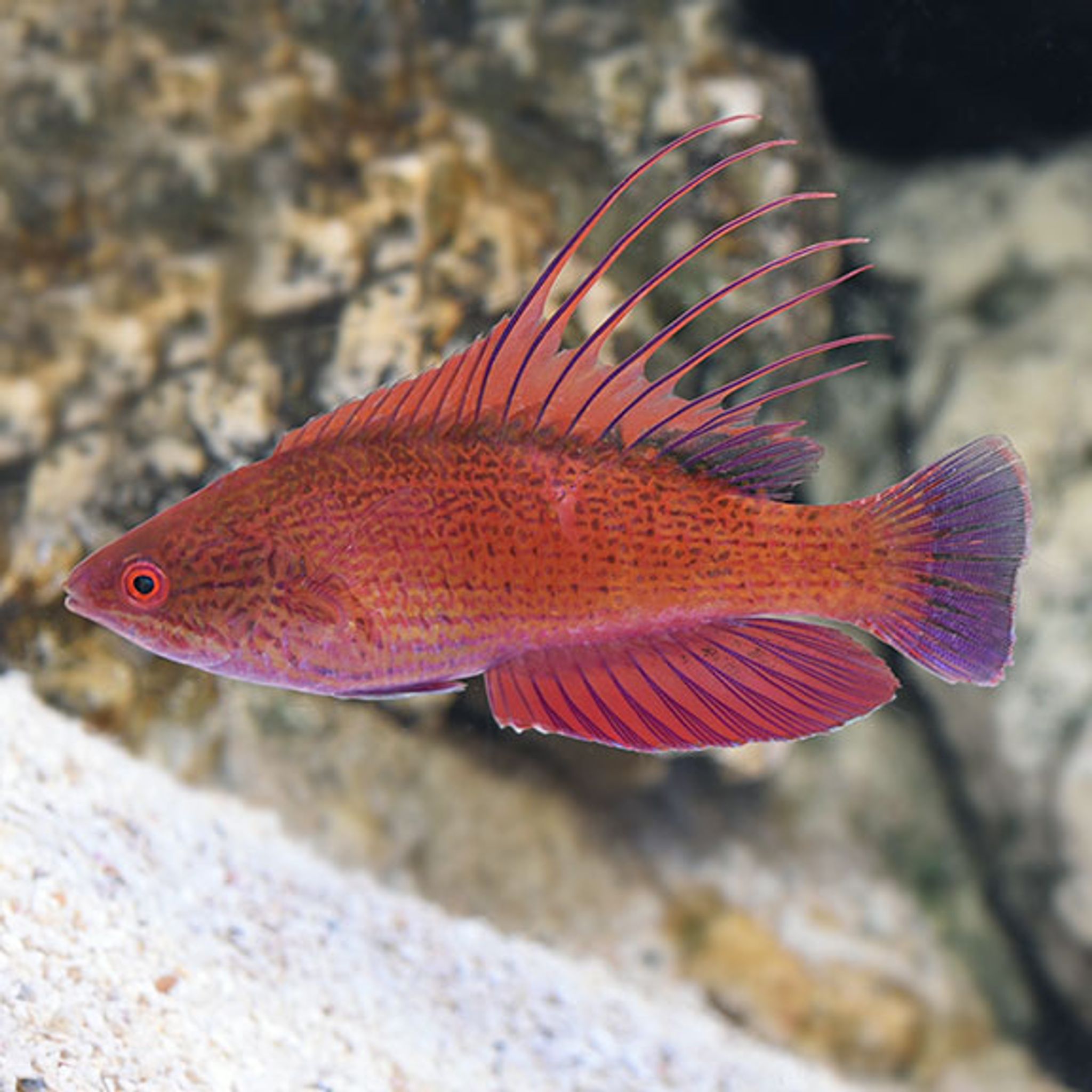
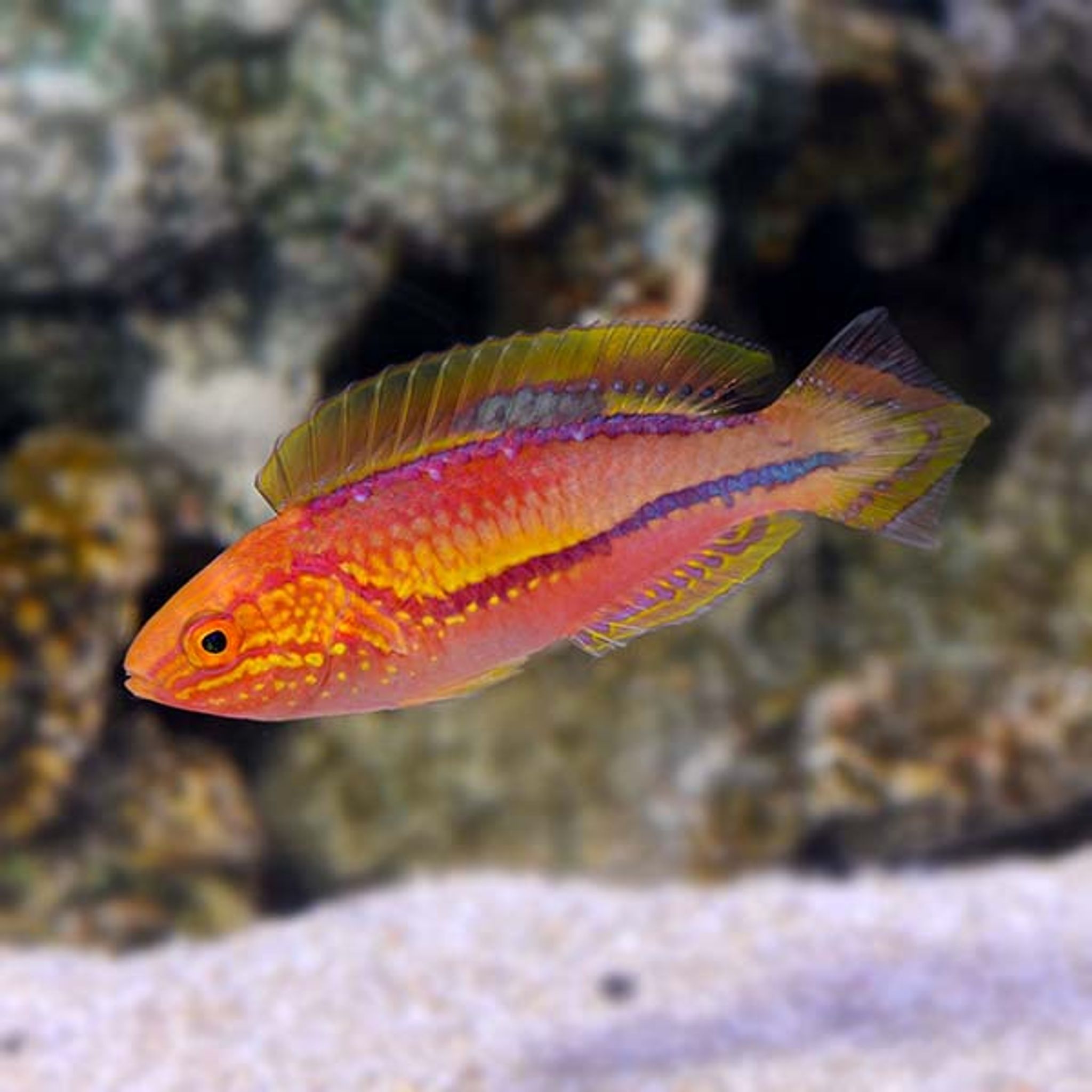
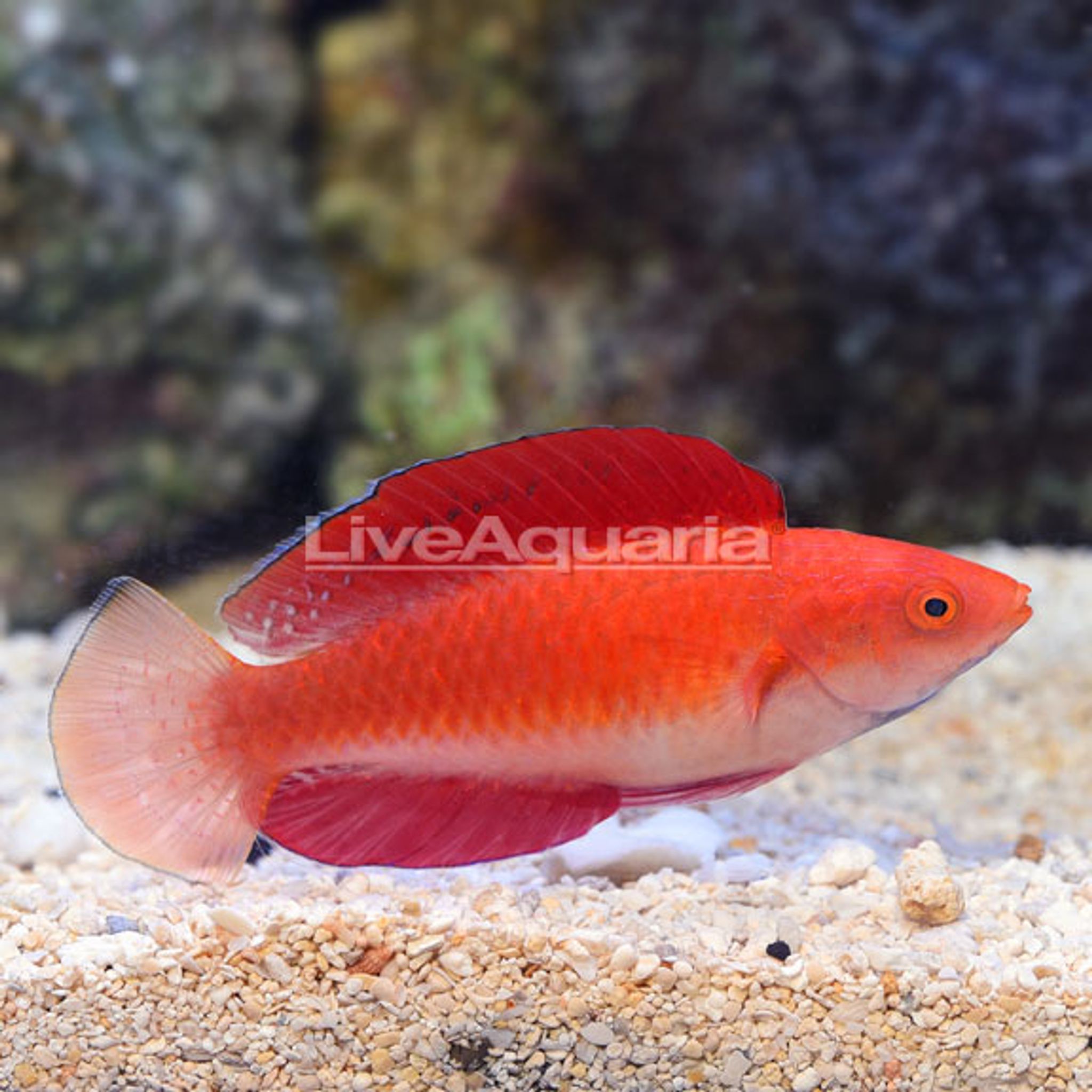
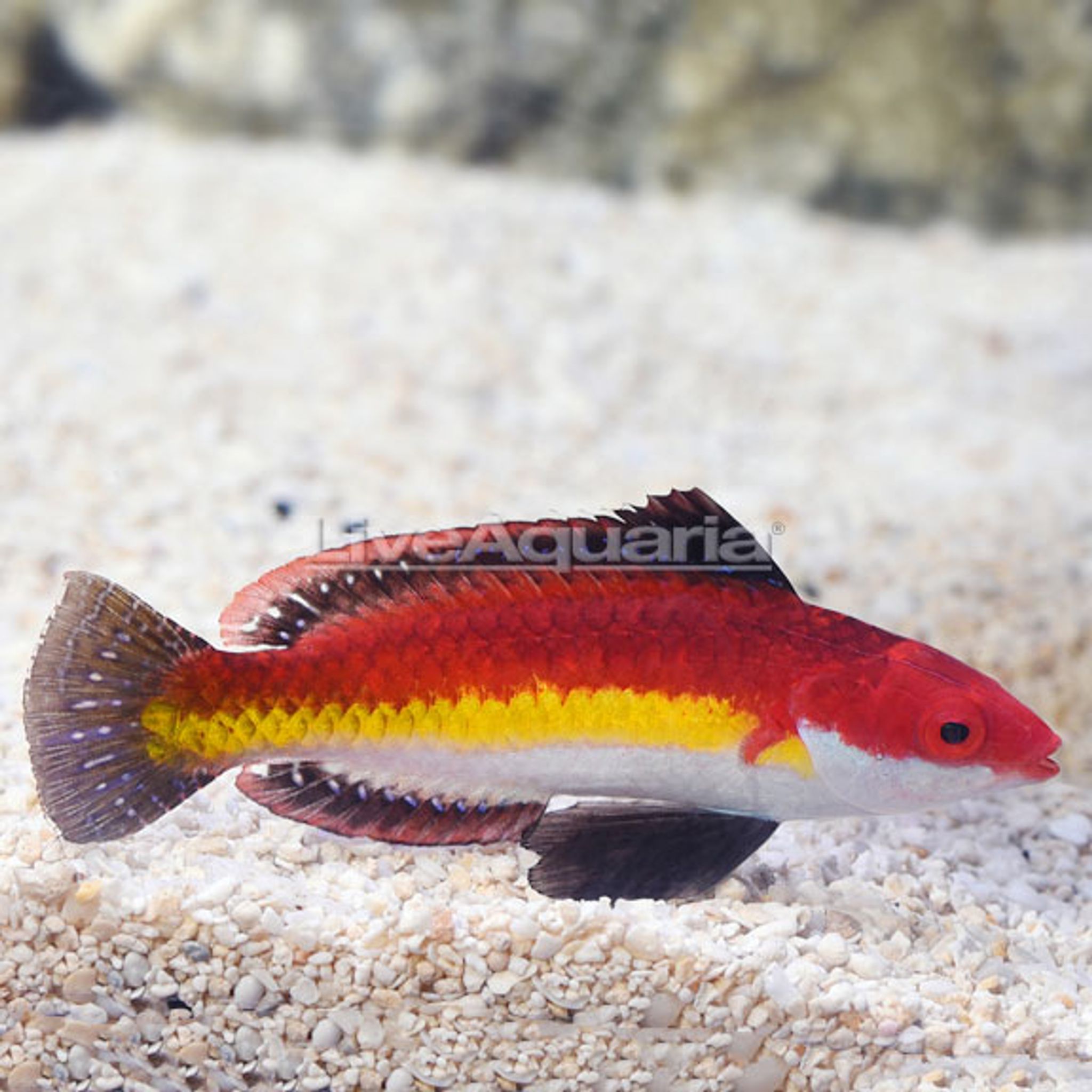
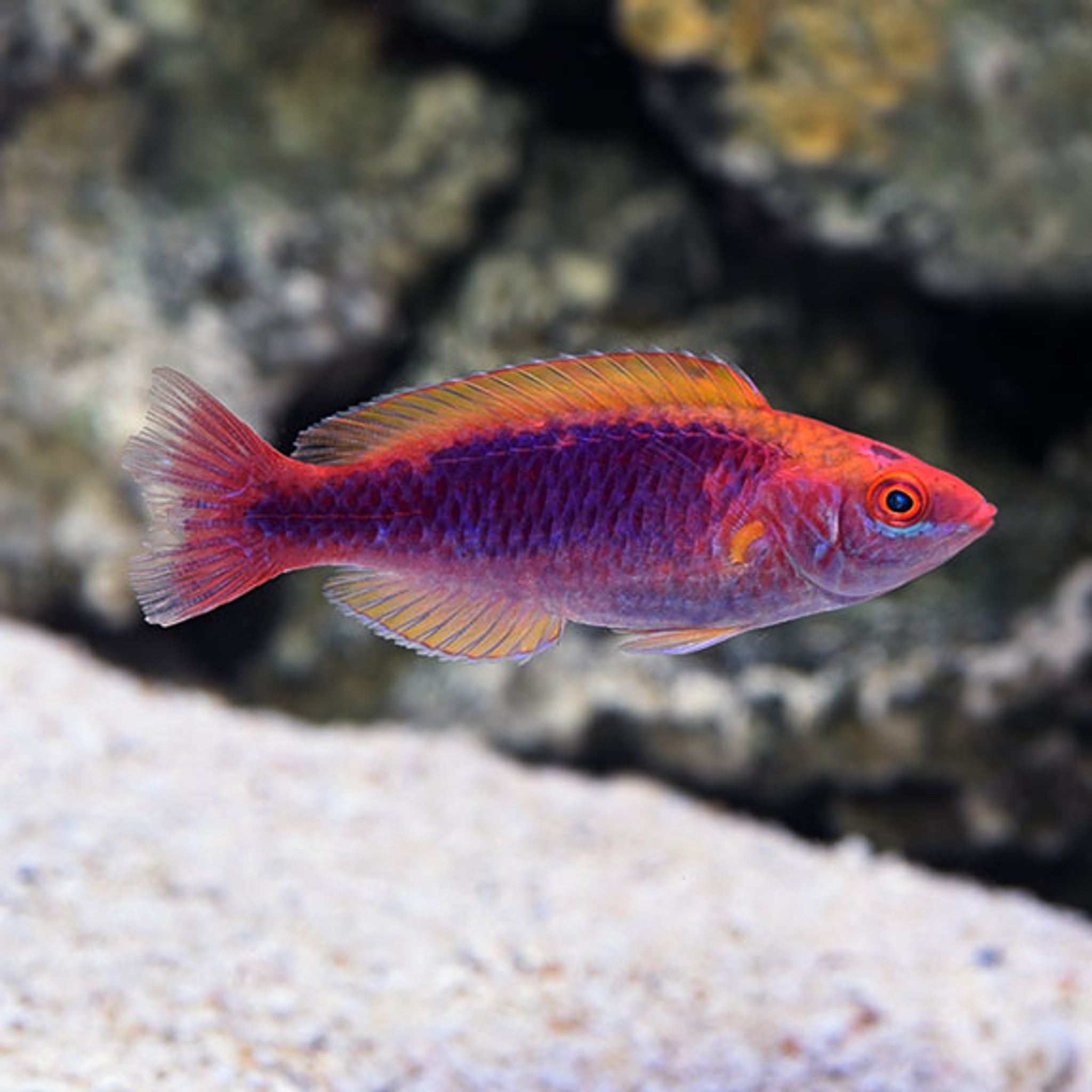
Fairy Wrasses are among the most colorful reef-associated Wrasses and are especially popular for vivid male coloration and active swimming.
Many species are considered good choices for reef aquariums because they generally do not target corals, although compatibility should still be assessed by exact species.
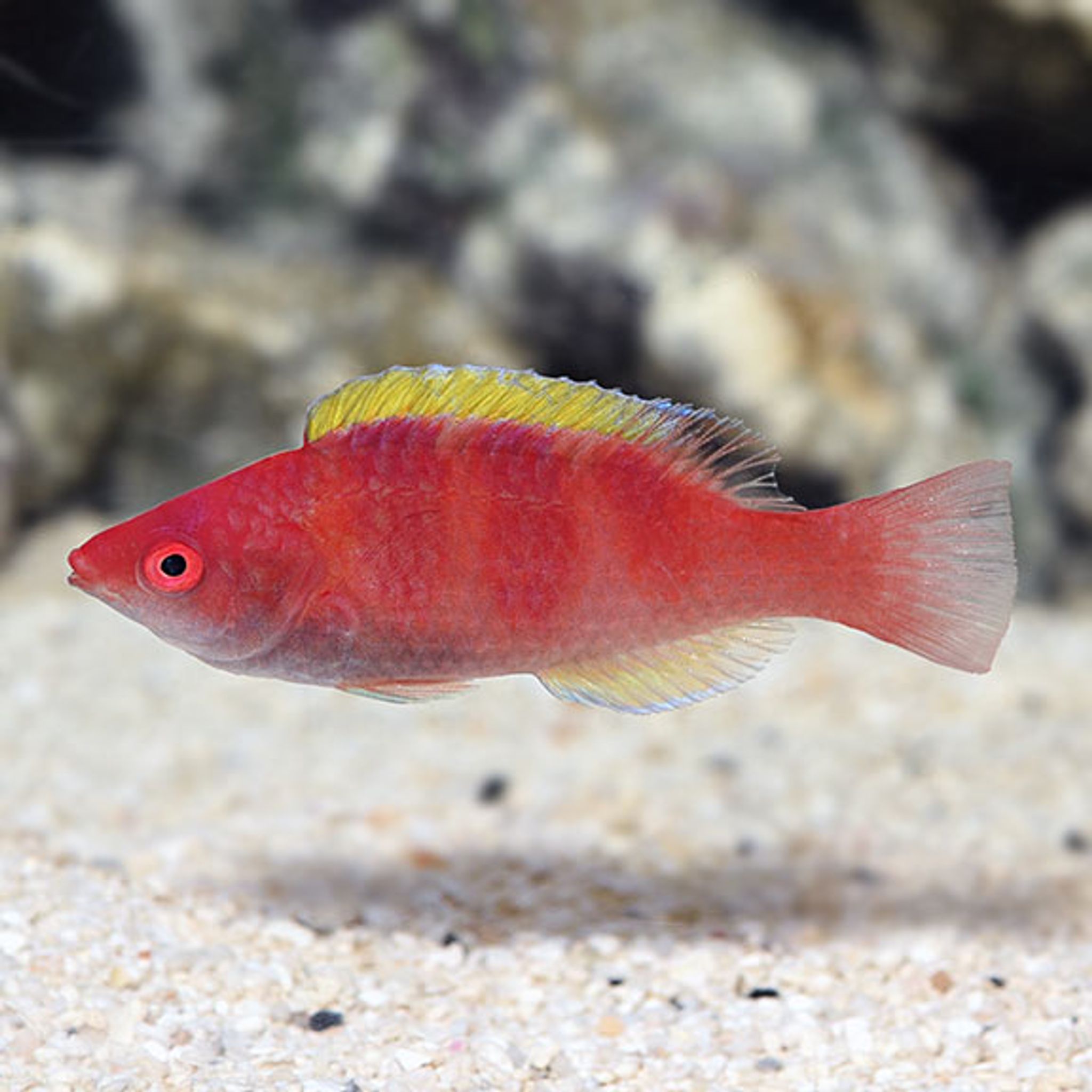
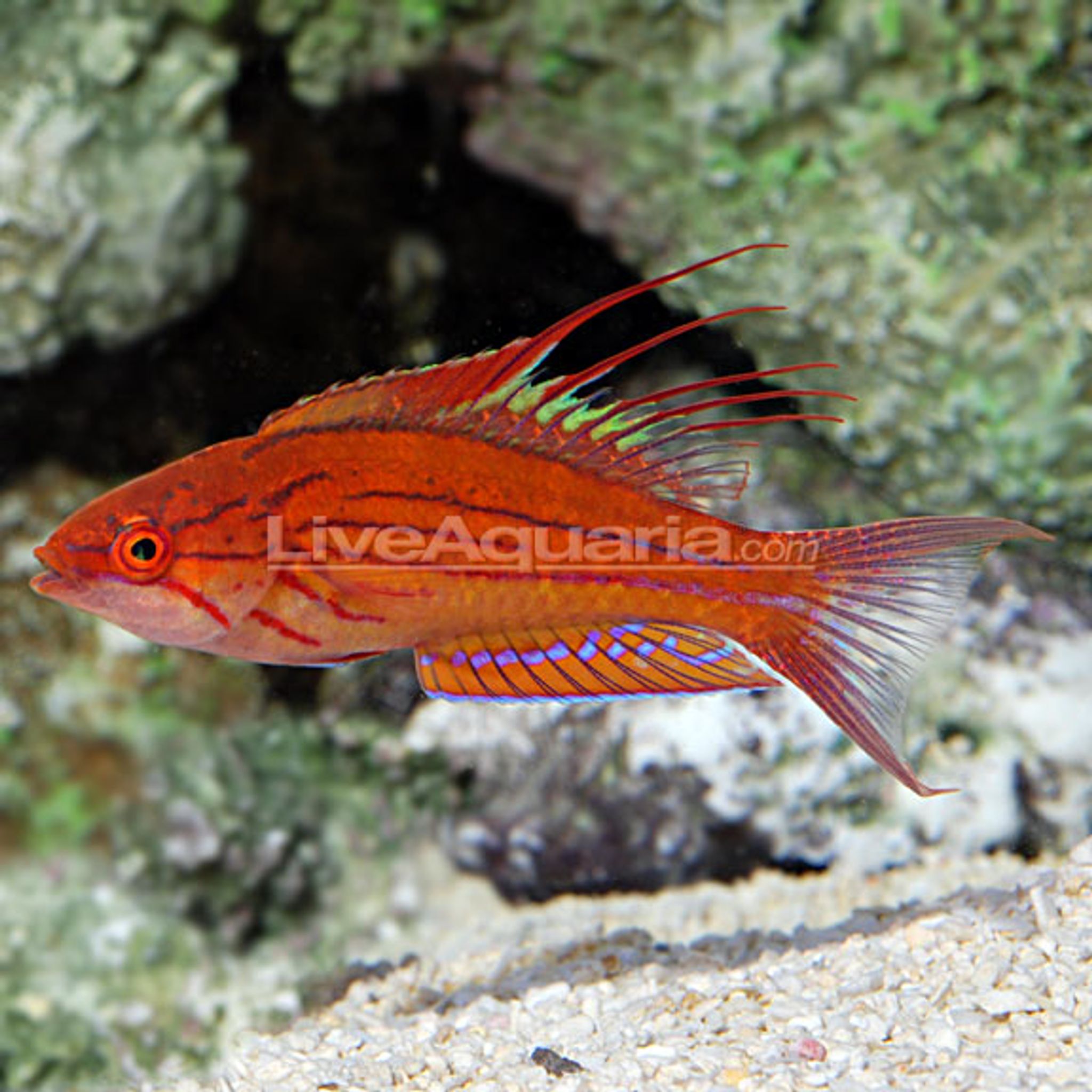
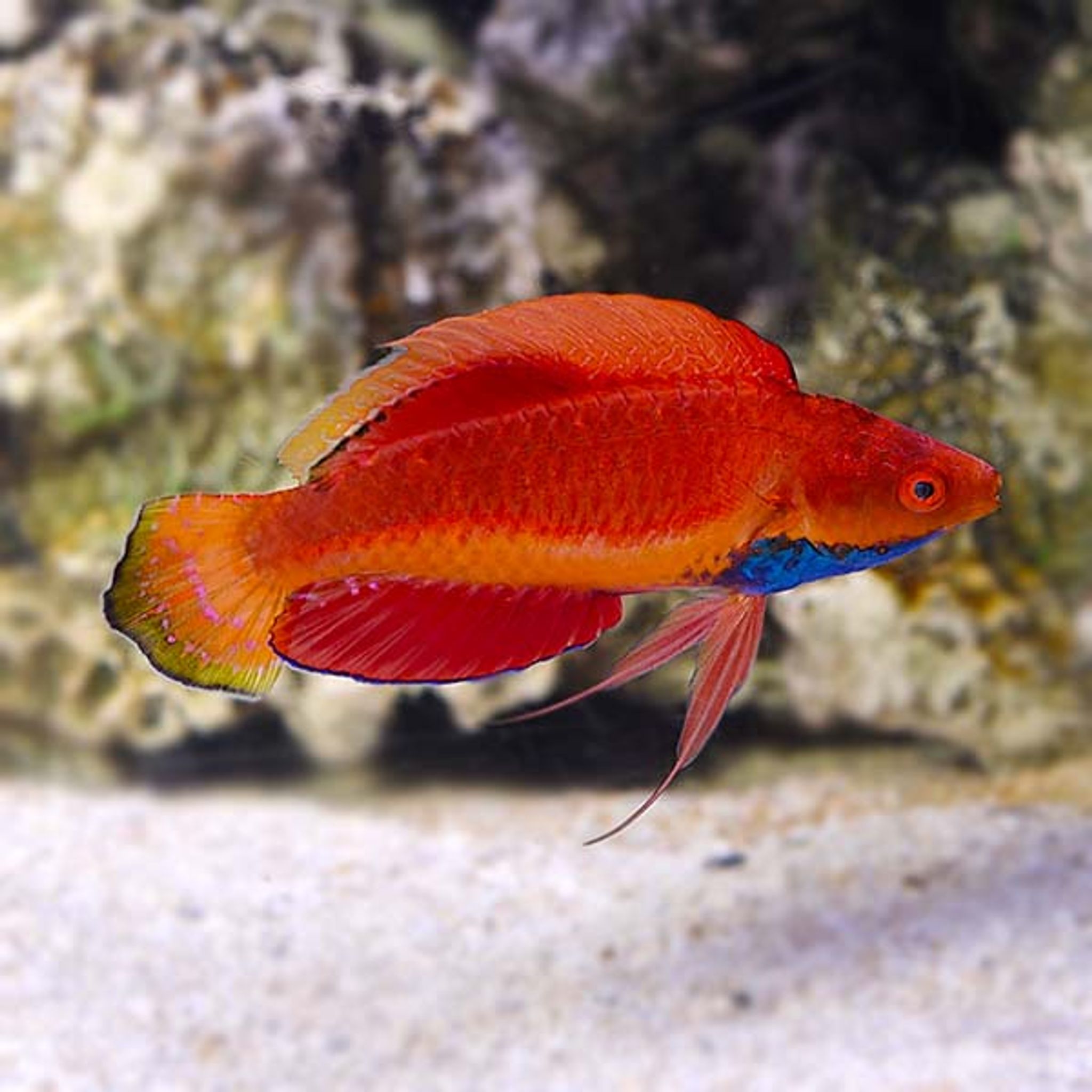
Flasher Wrasses are known for dramatic courtship displays in which males intensify their colors and extend their fins.
Their relatively peaceful nature and bright coloration make them popular in reef aquariums with compatible tankmates.
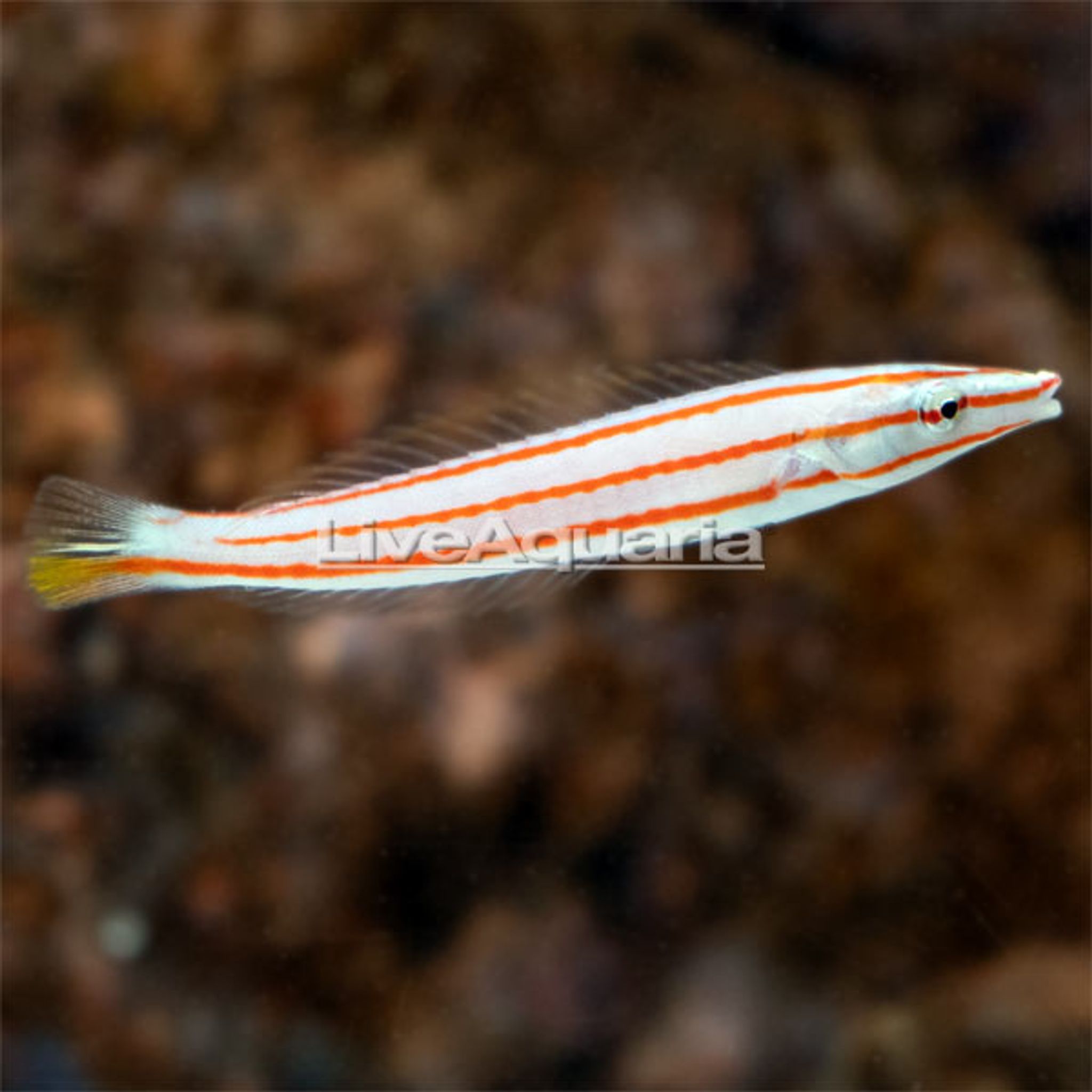
Six Line Wrasses are small, colorful and constantly active among rockwork.
They can become territorial or aggressive toward other small fish and Wrasses, especially after becoming established, so tankmate planning is important.
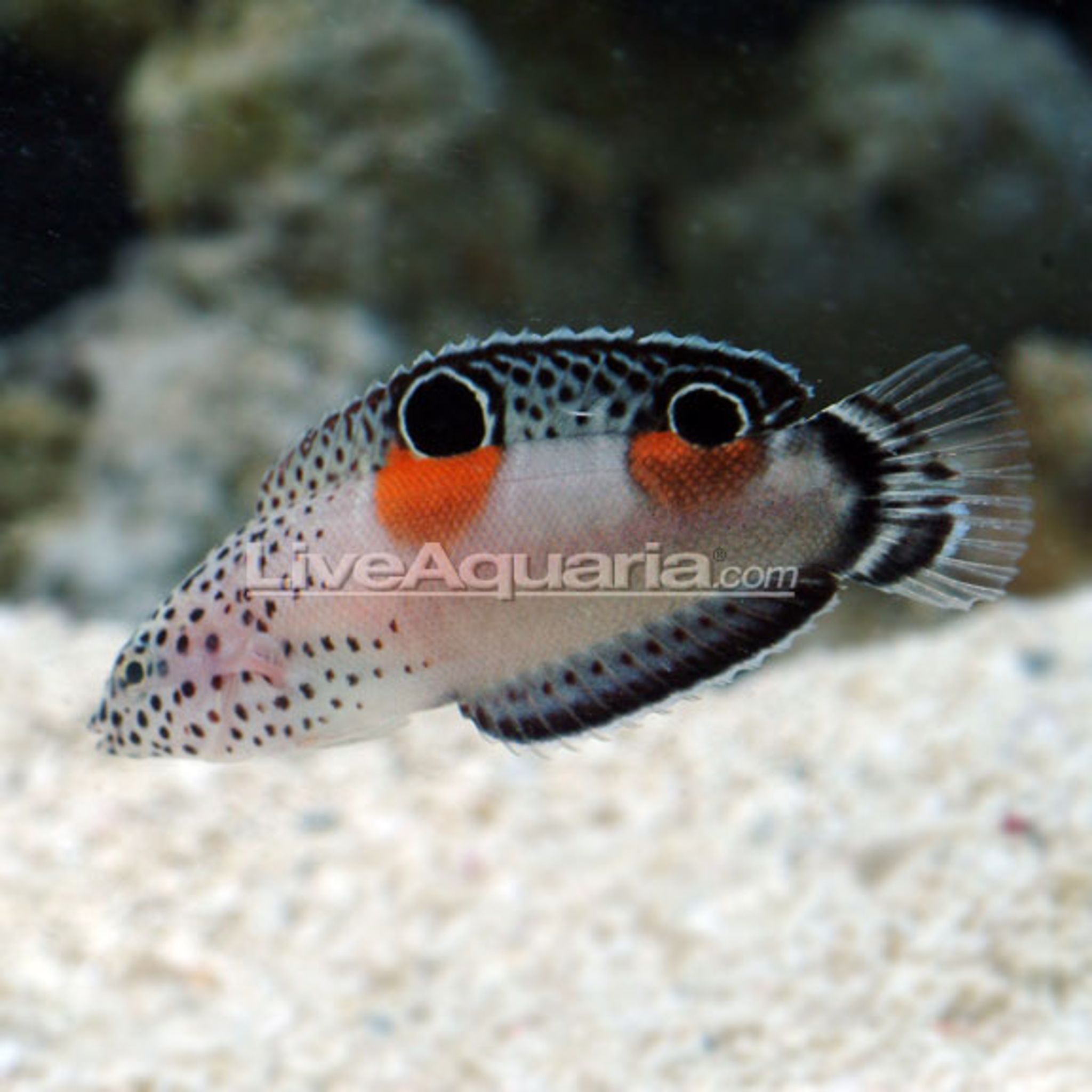
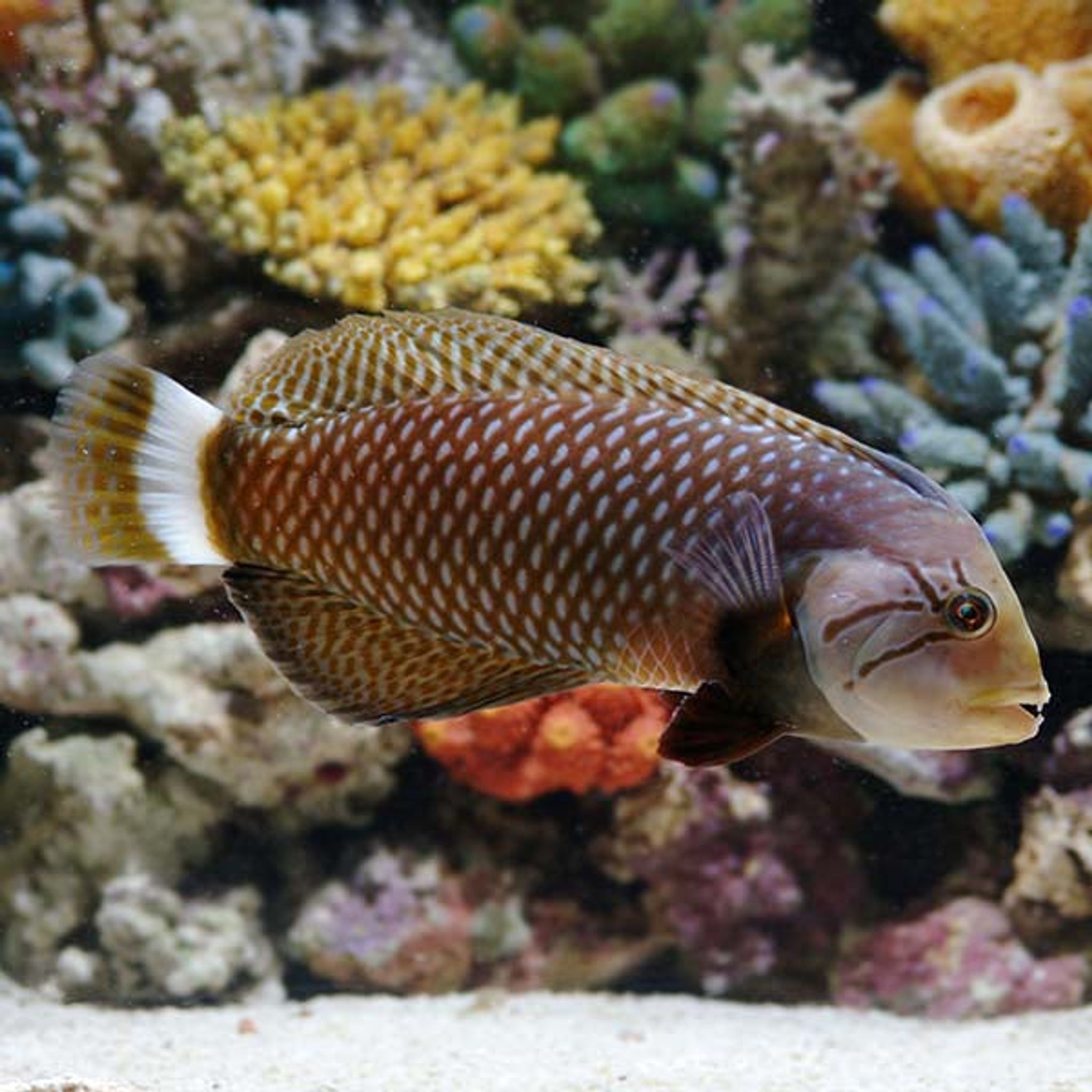
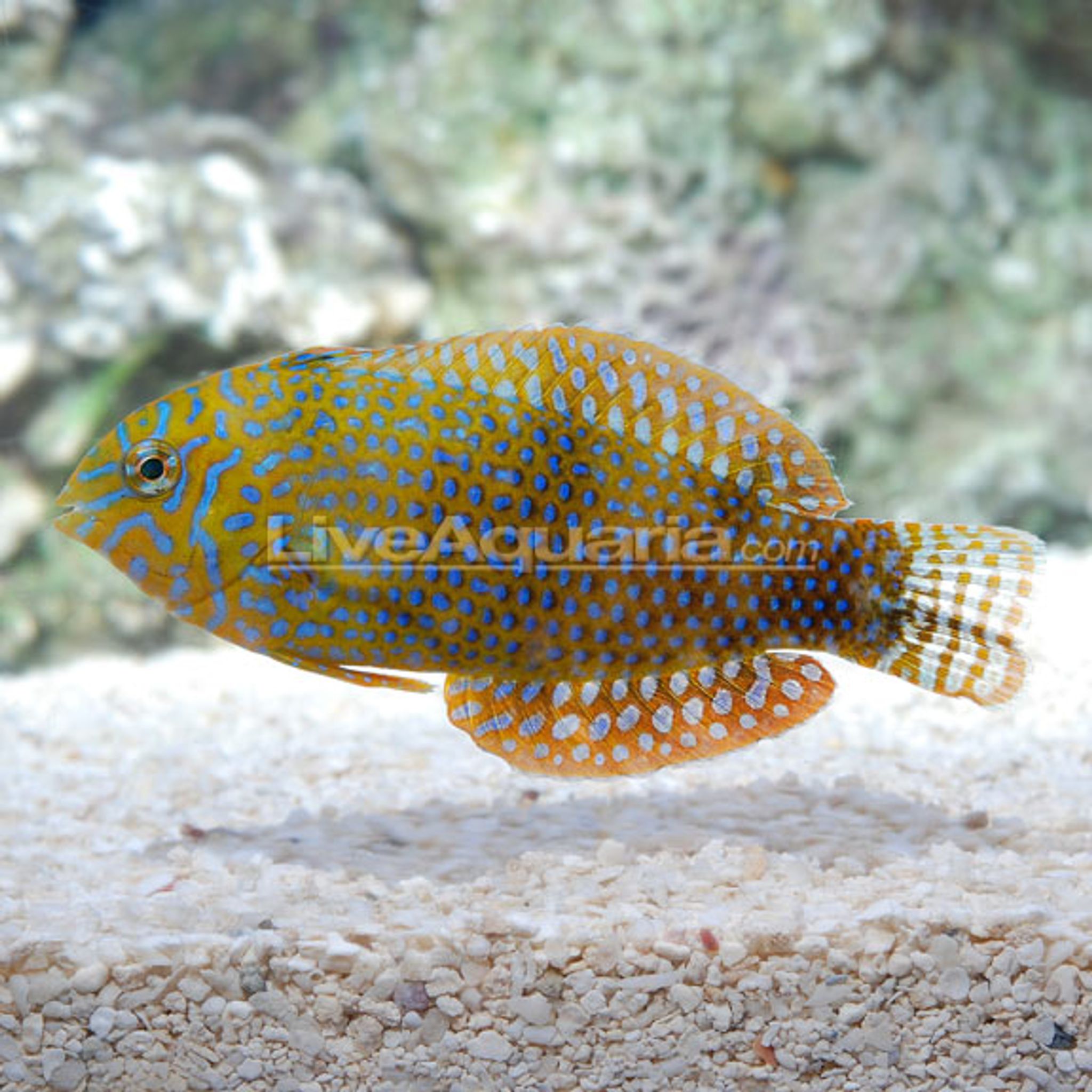
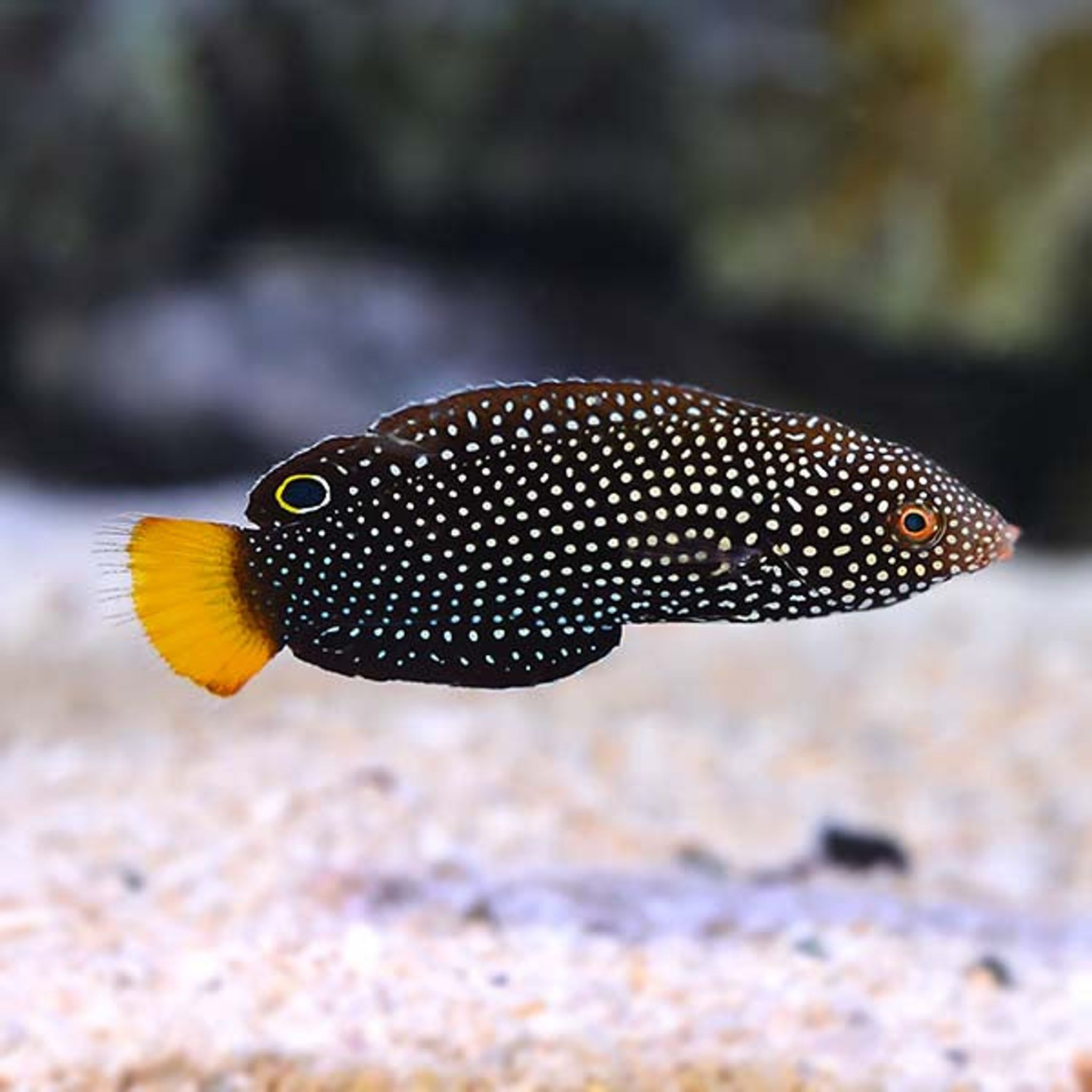
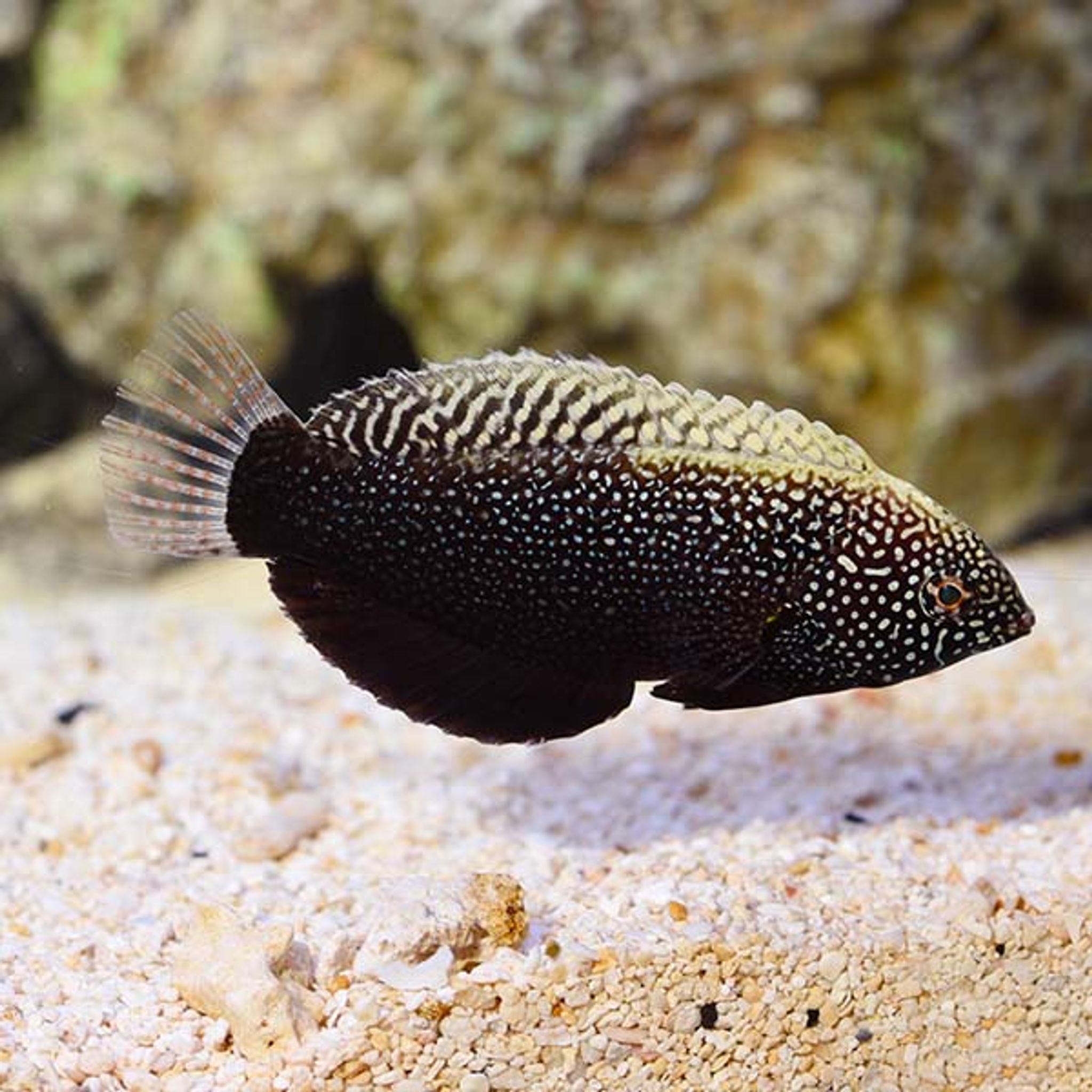
Leopard Wrasses are known for intricate spotted and patterned coloration and are highly prized by experienced reef keepers.
Many species bury themselves in sand to sleep or when frightened, so a suitable sand bed and established aquarium are important considerations.
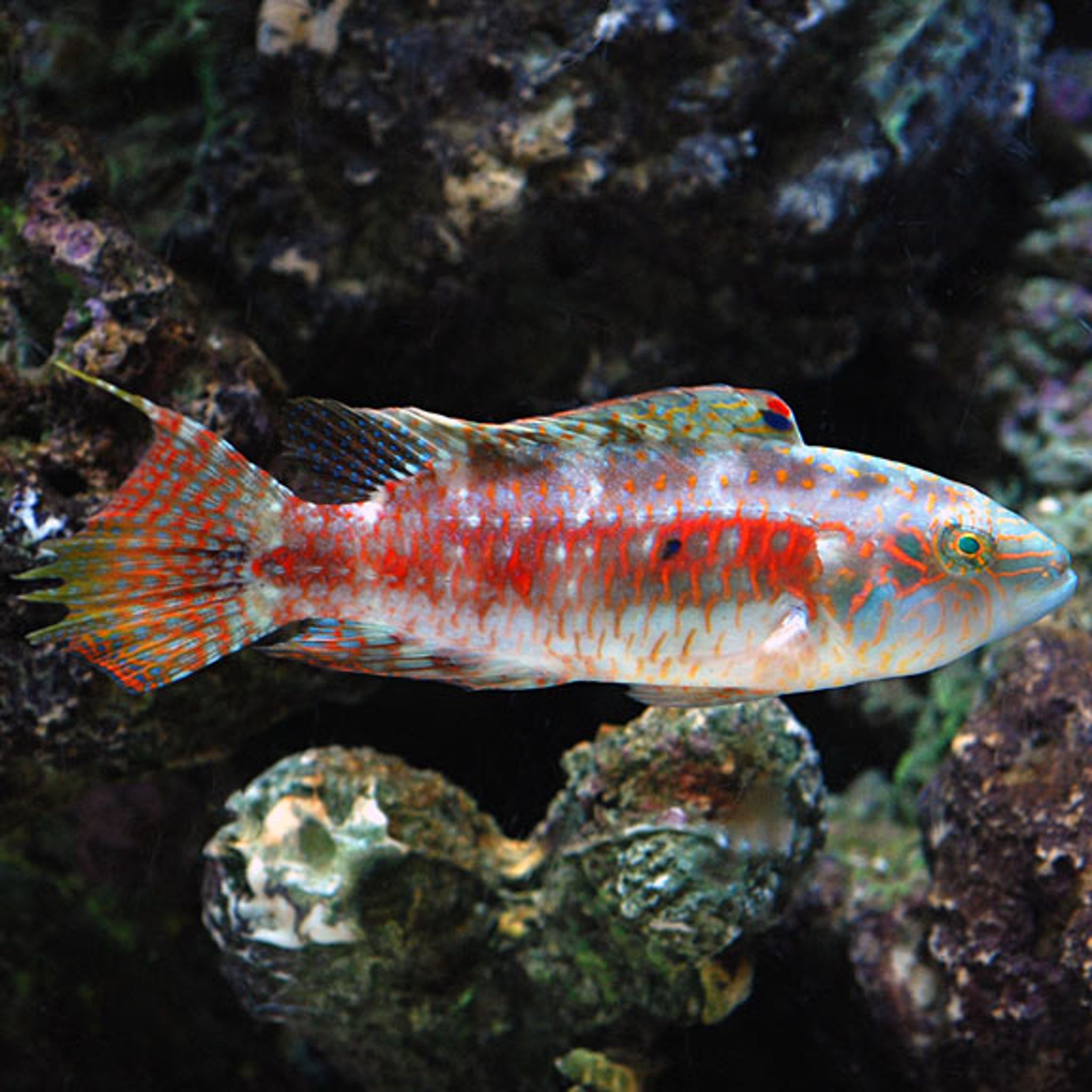
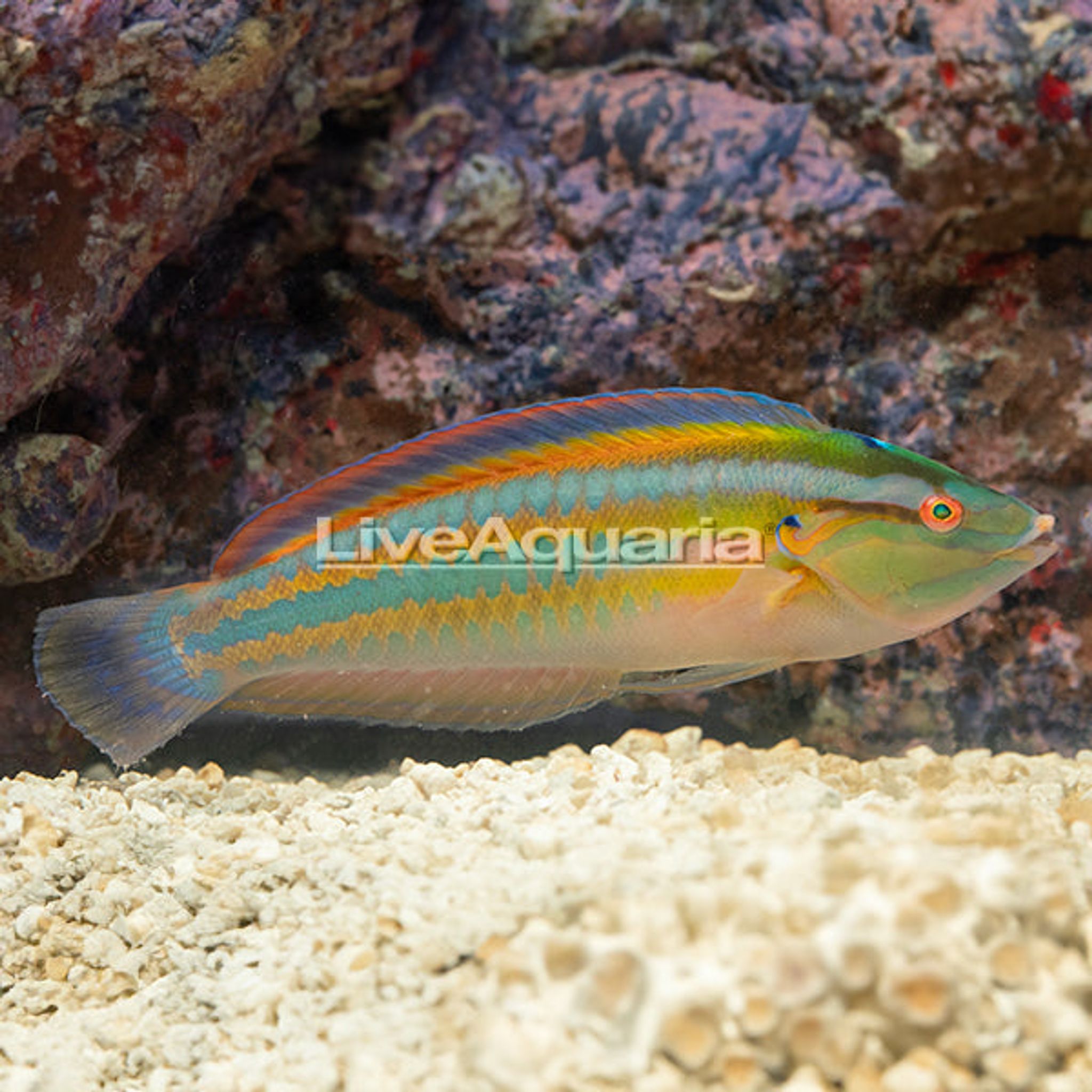
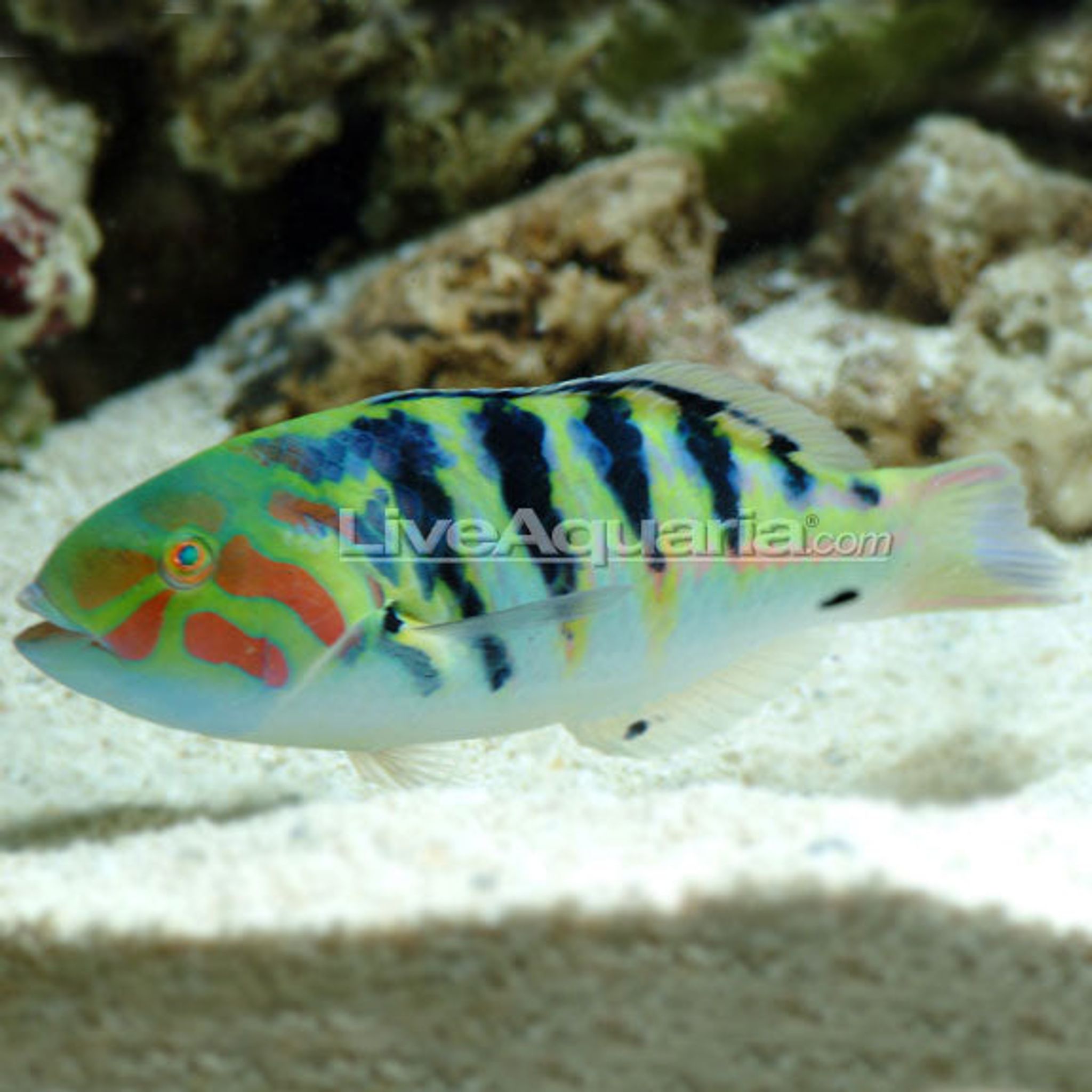
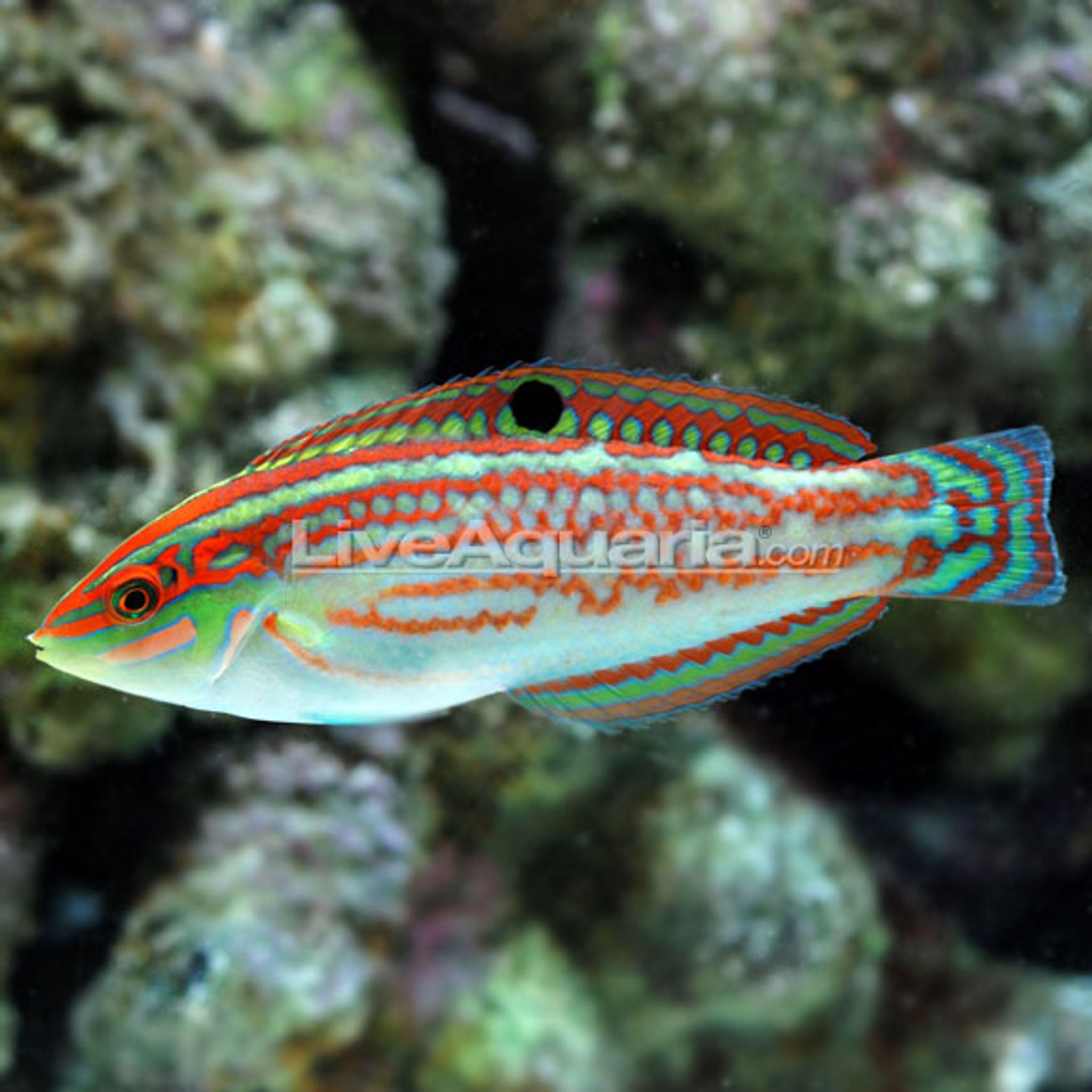
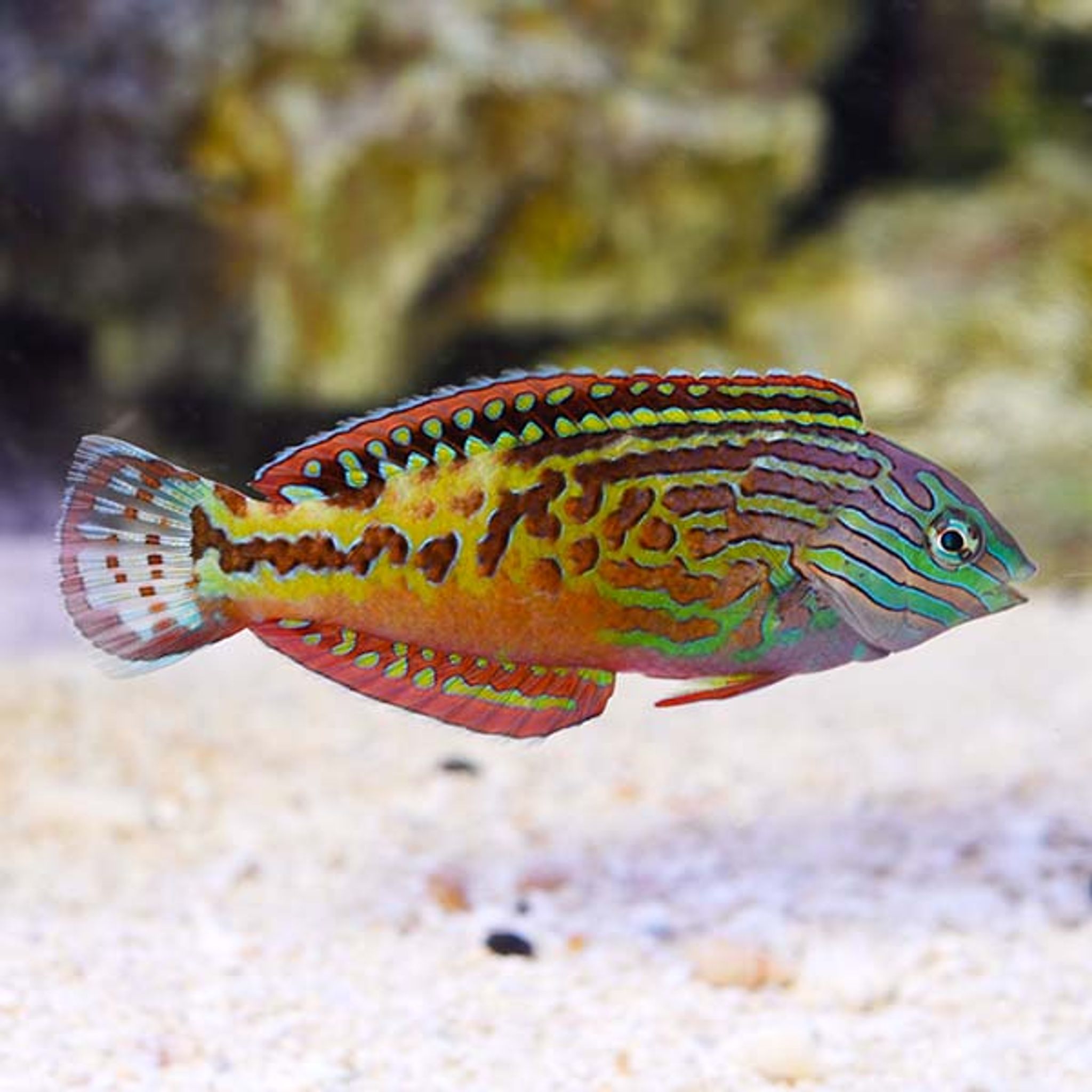
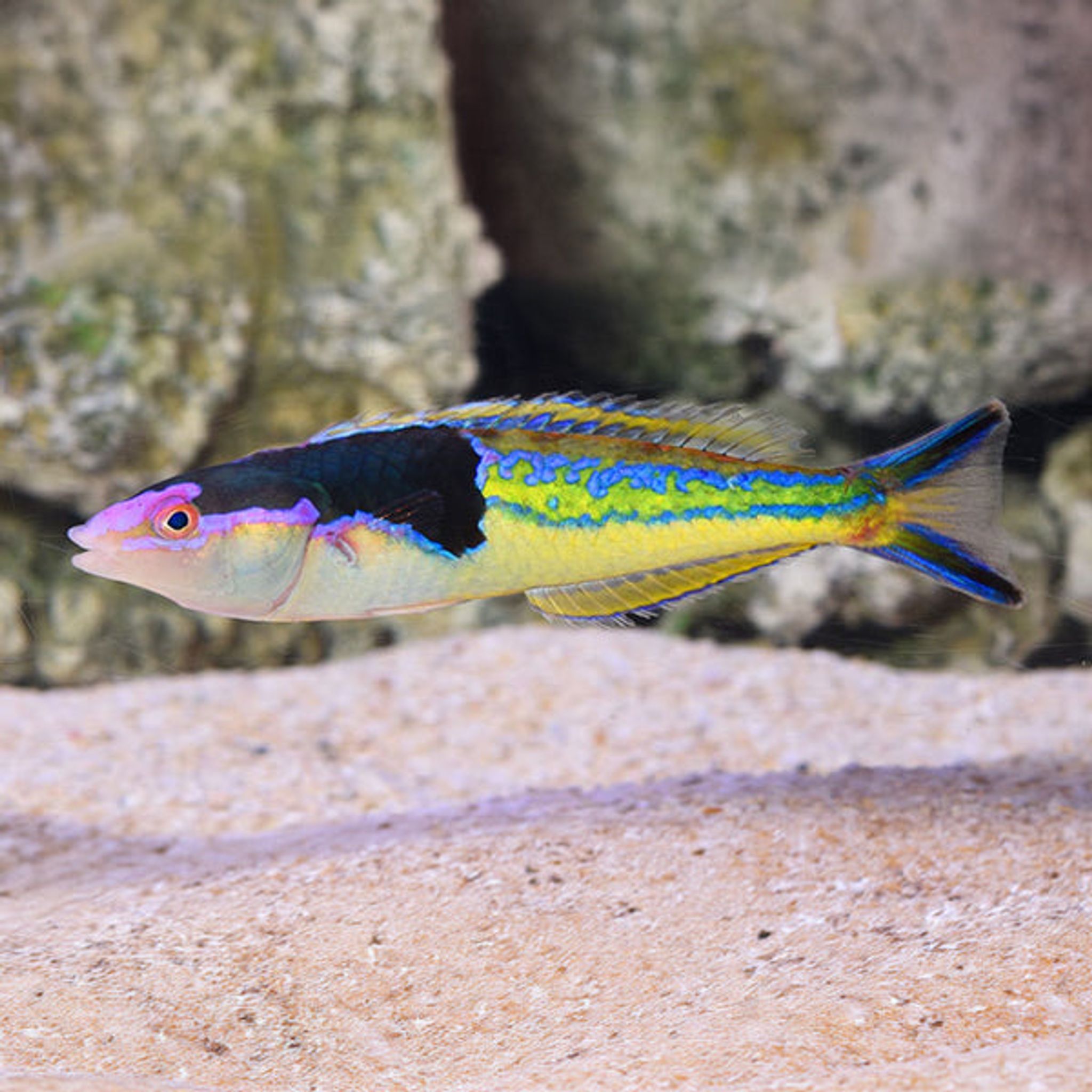
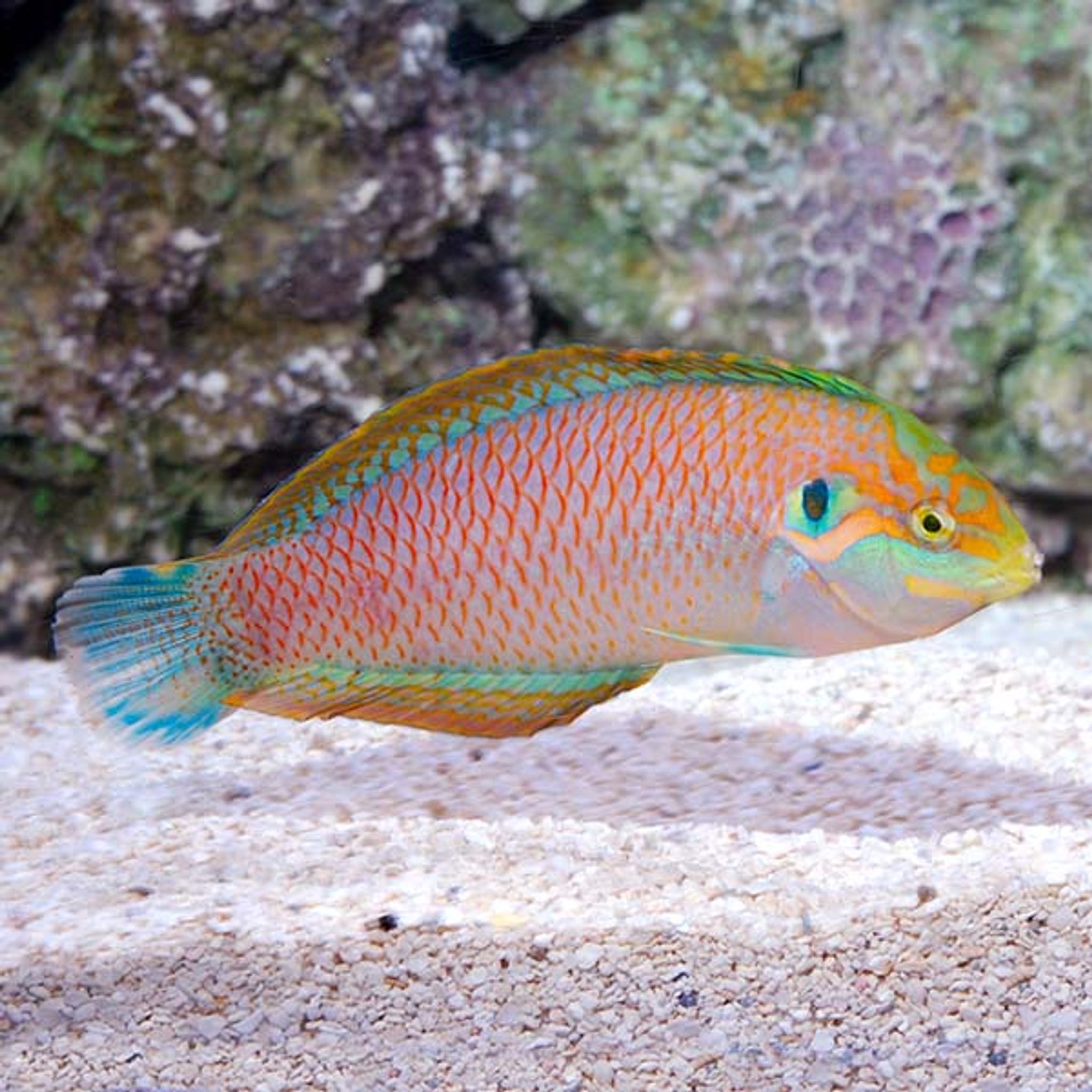
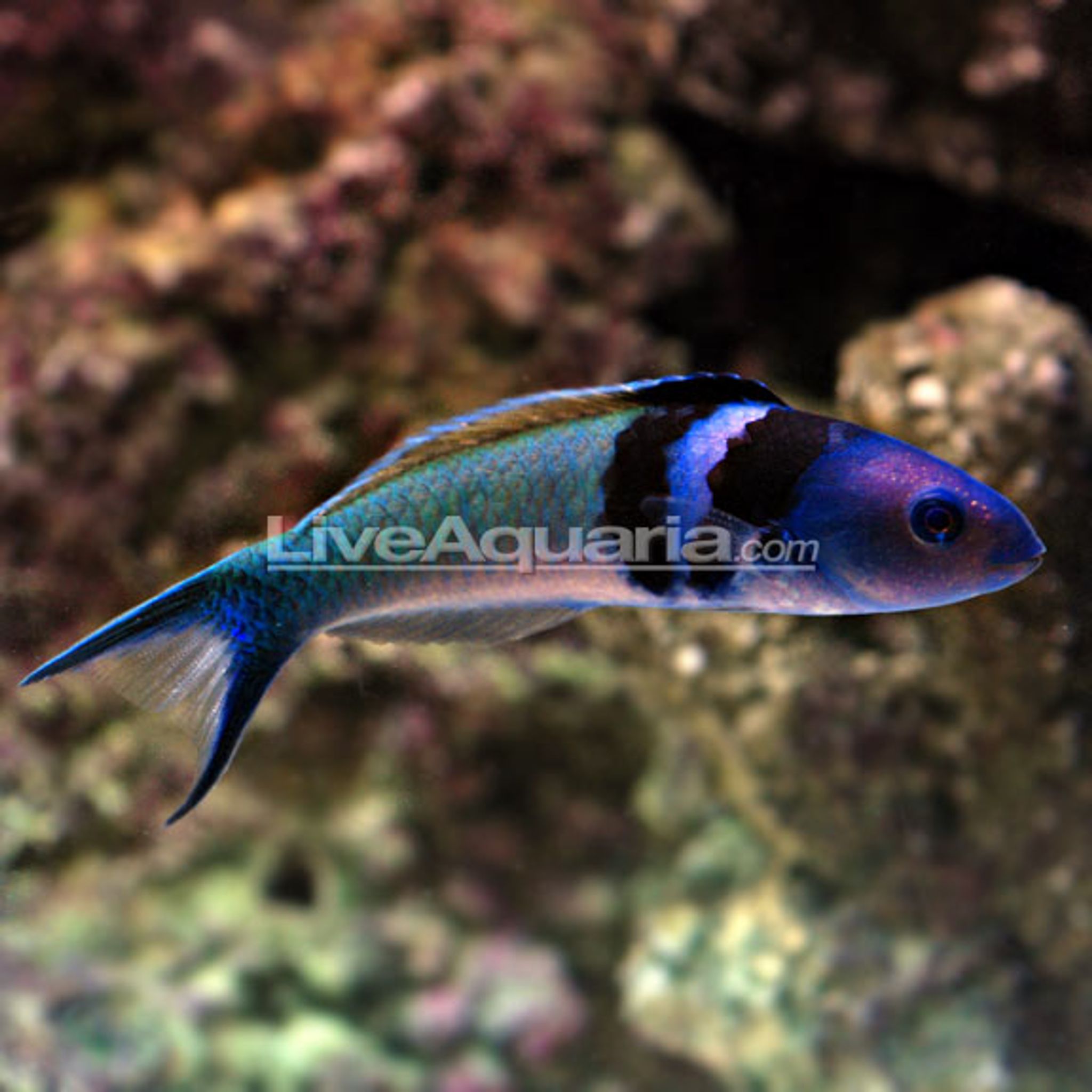
Melanurus Wrasses are colorful Halichoeres Wrasses with green, blue and orange patterning.
They are active hunters of small invertebrates and can be useful for controlling some aquarium pests, but may also prey on desirable small crustaceans.
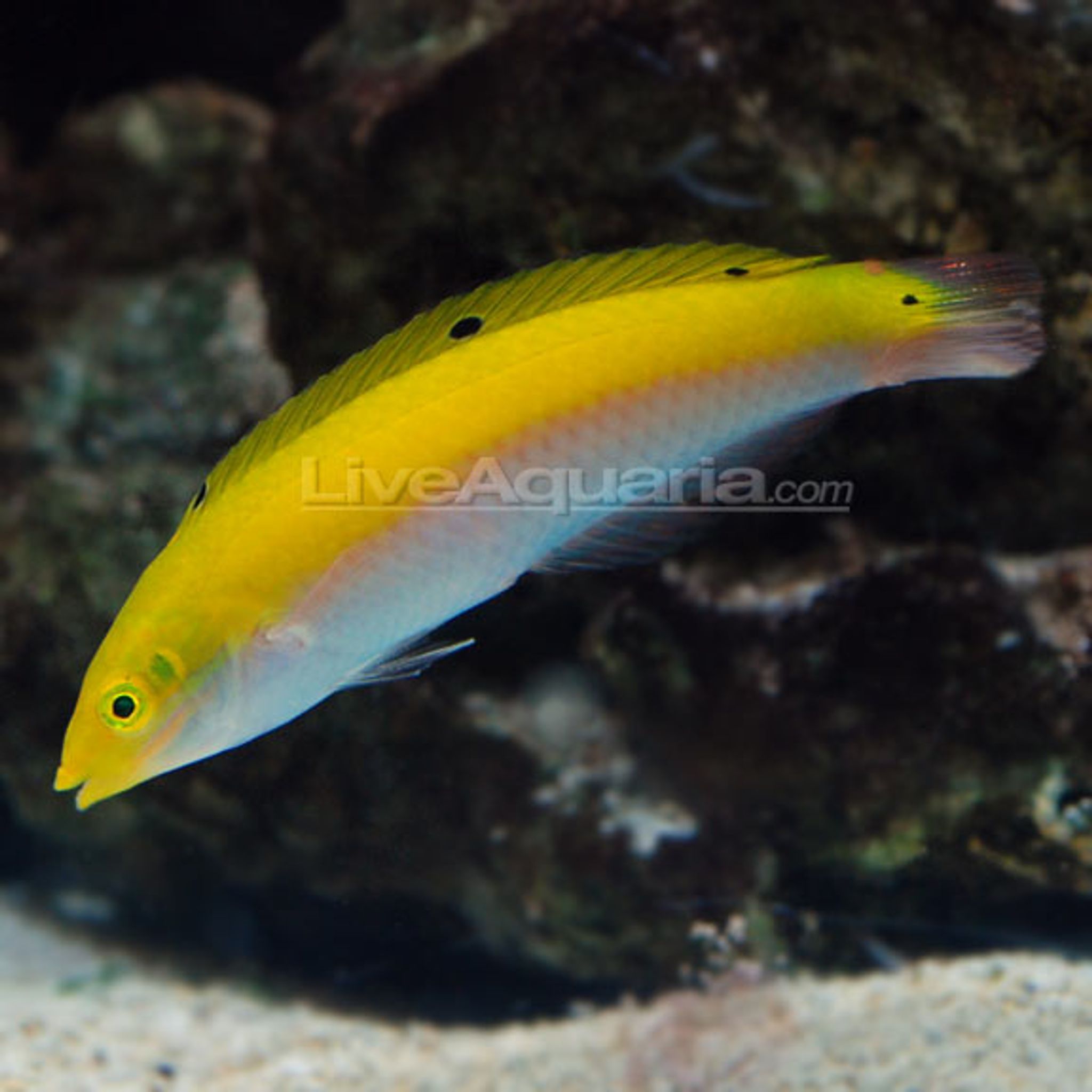
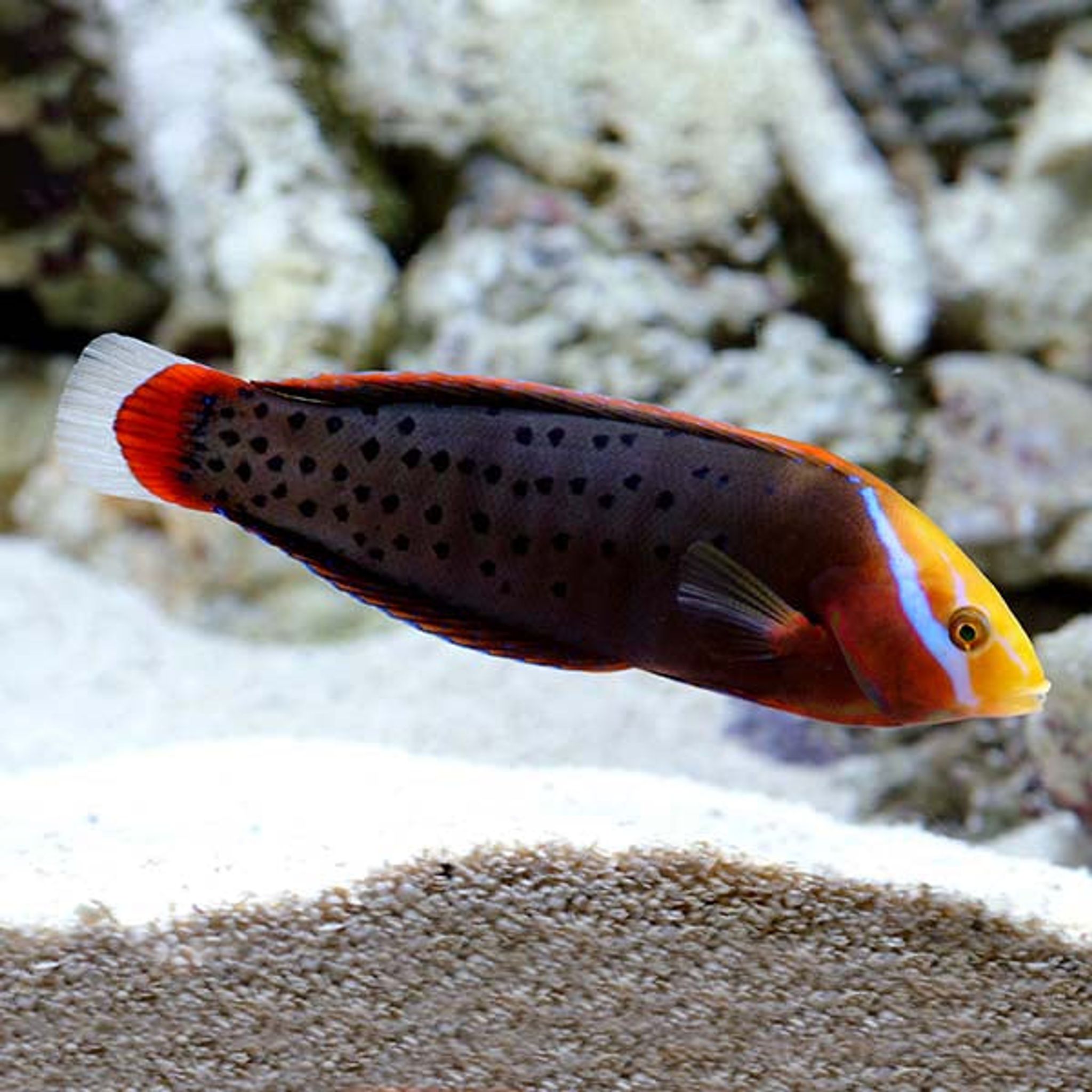
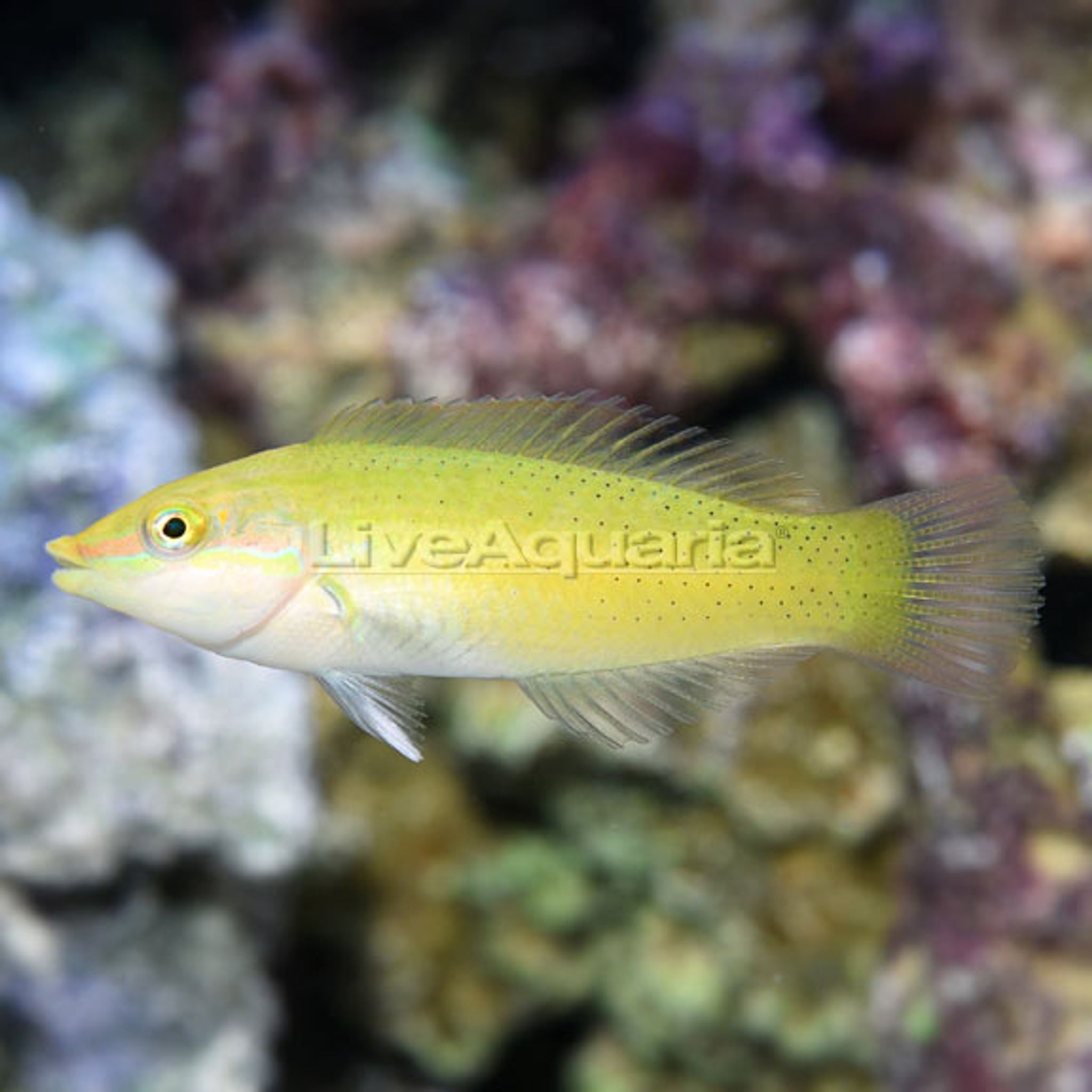
Yellow Coris Wrasse is a common aquarium name for a bright yellow Halichoeres Wrasse popular in reef tanks.
Despite the common name, it is not a true Coris Wrasse, and it benefits from a sand bed for natural sleeping and hiding behavior.
Cleaner Wrasses are famous for removing parasites and dead tissue from other fish in the wild.
Some species can be challenging to maintain long term because of specialized feeding behavior, so buyers should research the exact species carefully before purchase.
Possum Wrasses are small, cryptic Wrasses that spend much of their time weaving through rockwork and shaded areas.
Their compact size and generally less confrontational behavior can make them attractive options for smaller reef aquariums.
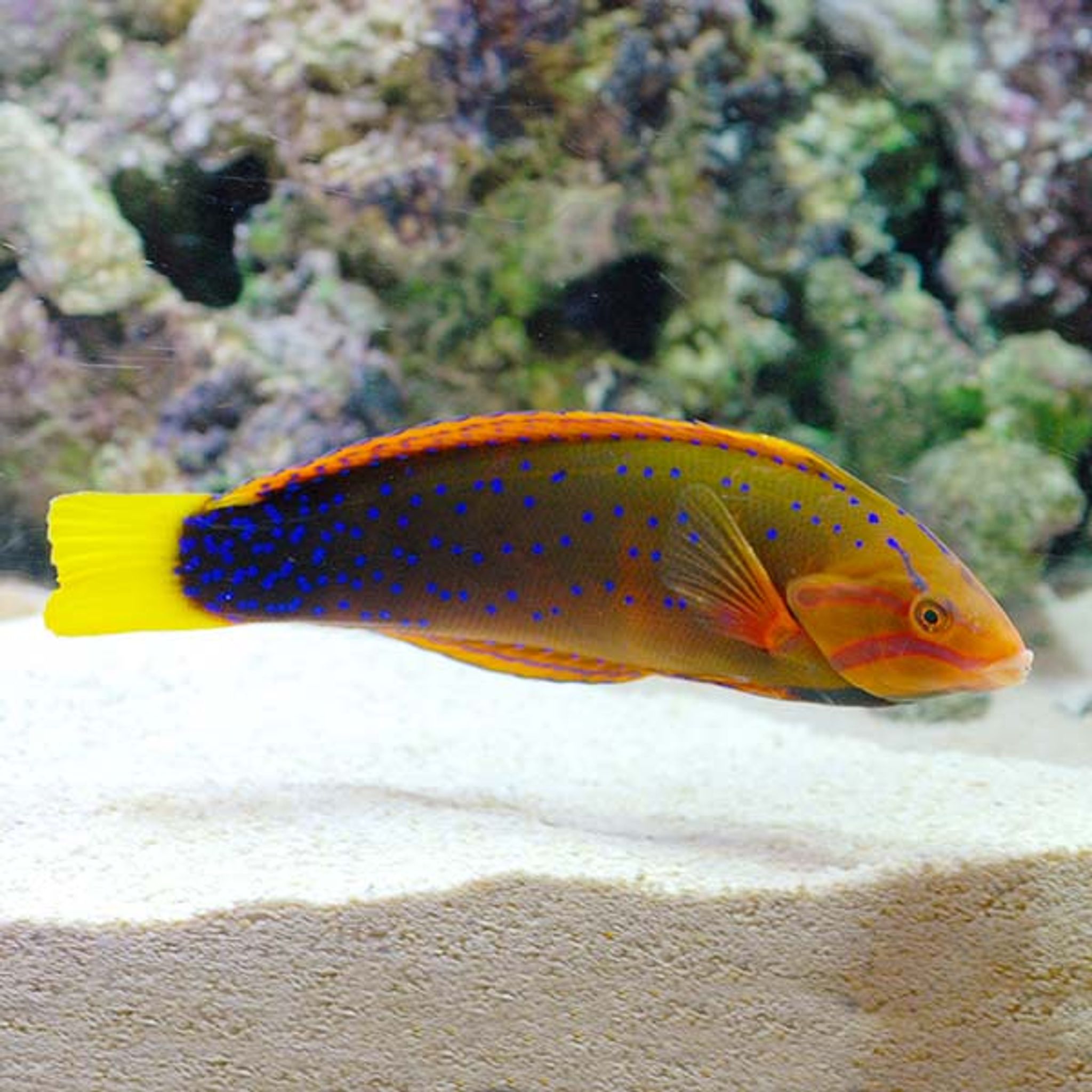
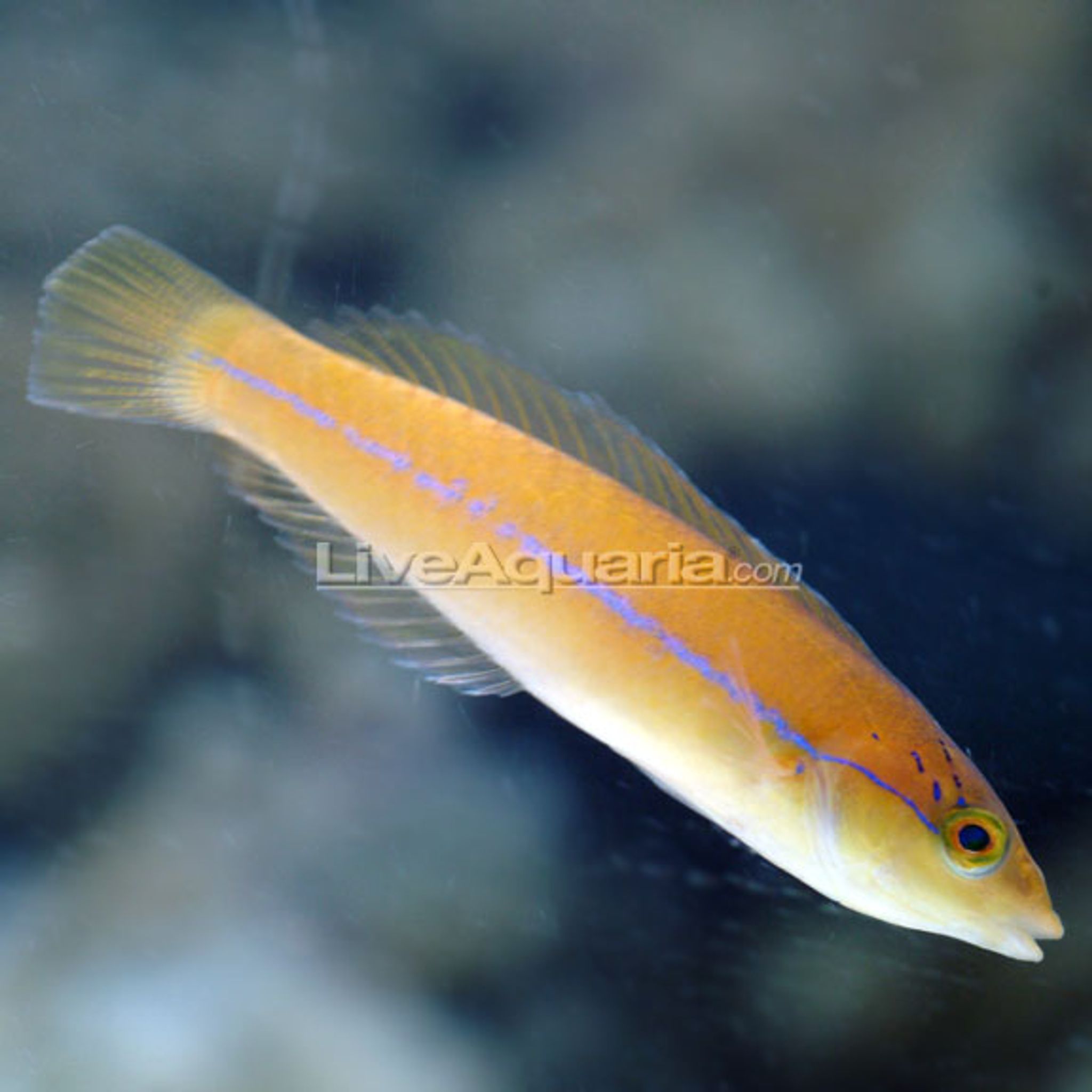
Halichoeres is a large group that includes many colorful, active Wrasses commonly kept in marine aquariums.
Many Halichoeres Wrasses bury in sand at night and may hunt worms, small crustaceans and other invertebrates during the day.
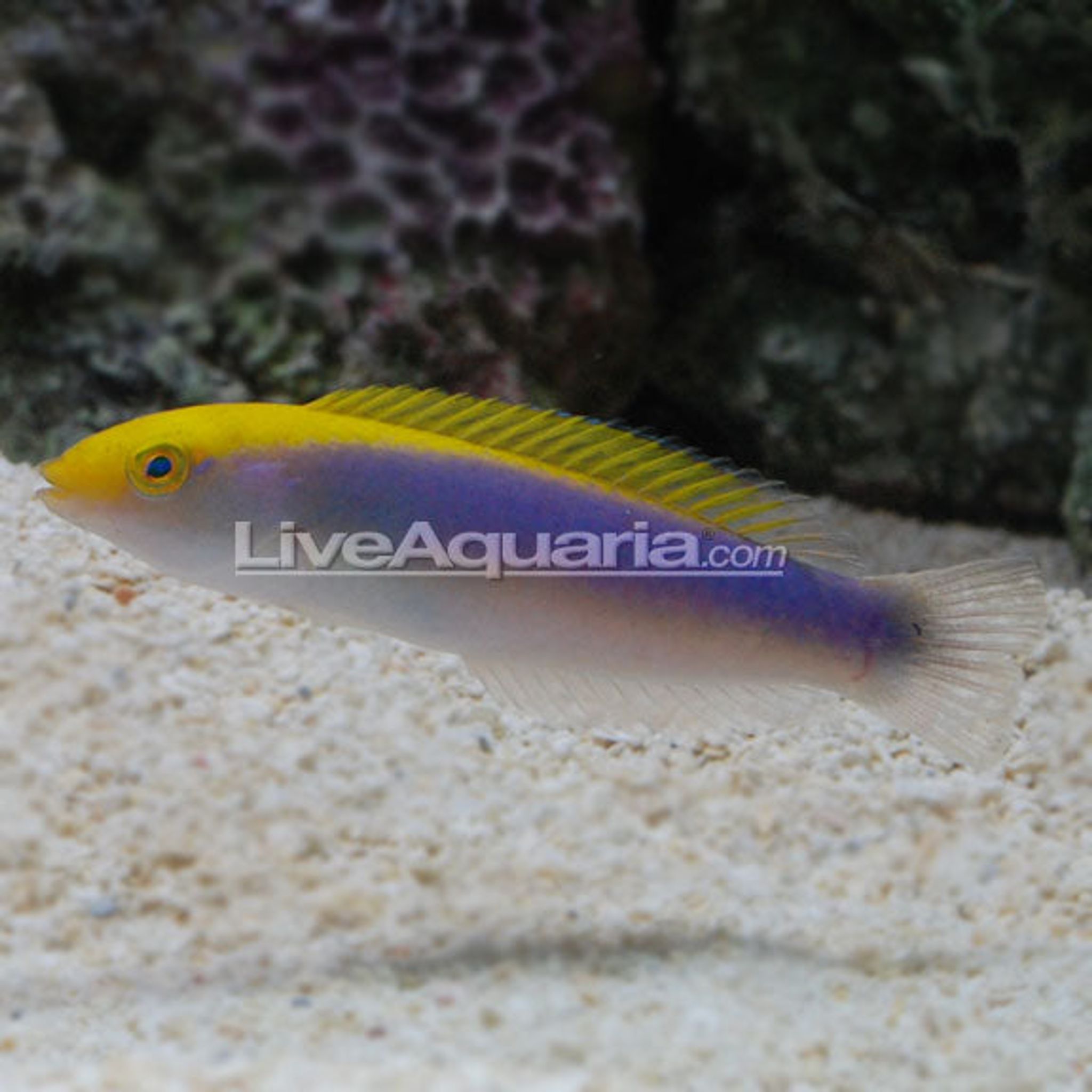
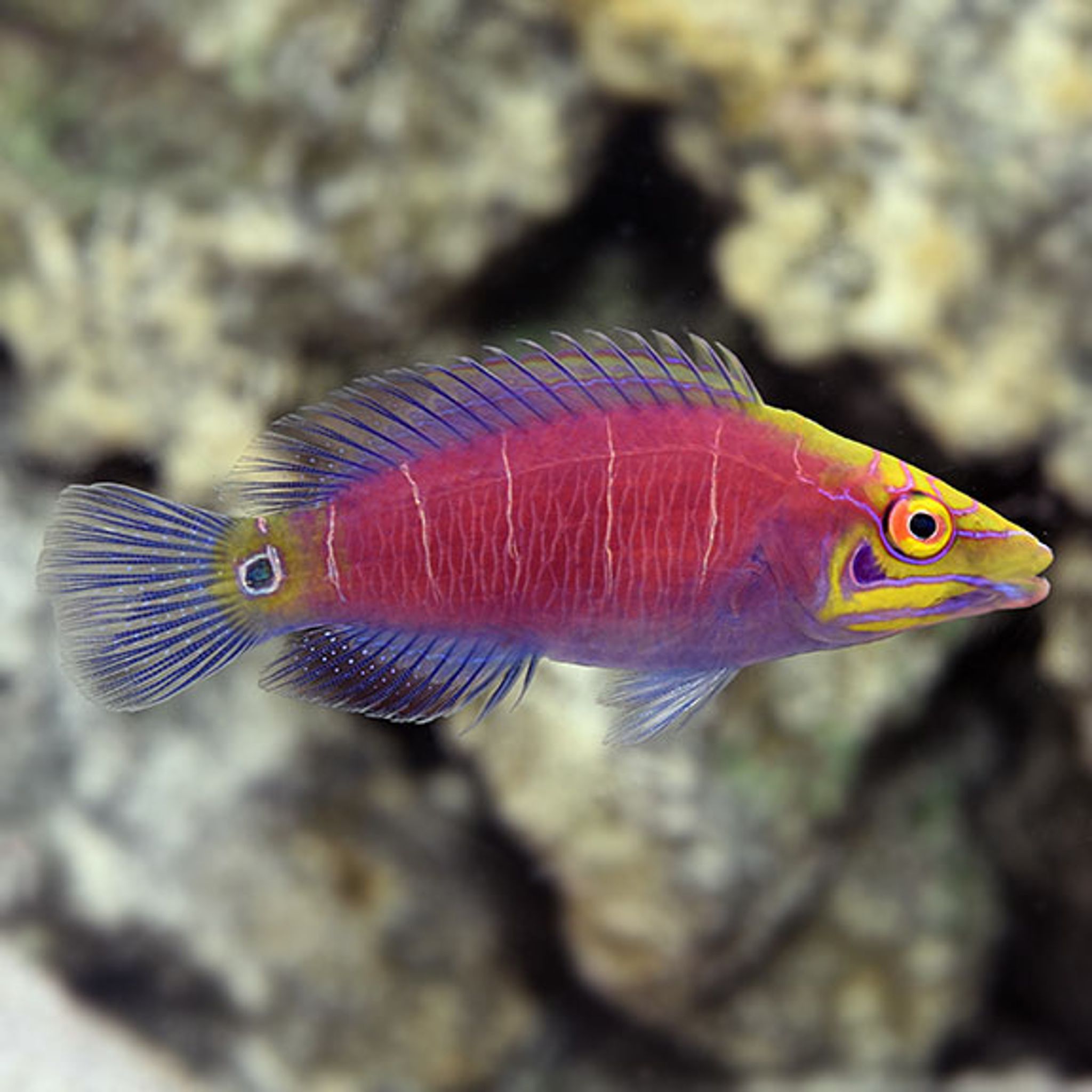
Mystery Wrasses are striking purple and yellow marine fish with distinctive facial markings.
They can become territorial and may not be suitable with every smaller Wrasse or peaceful community fish.
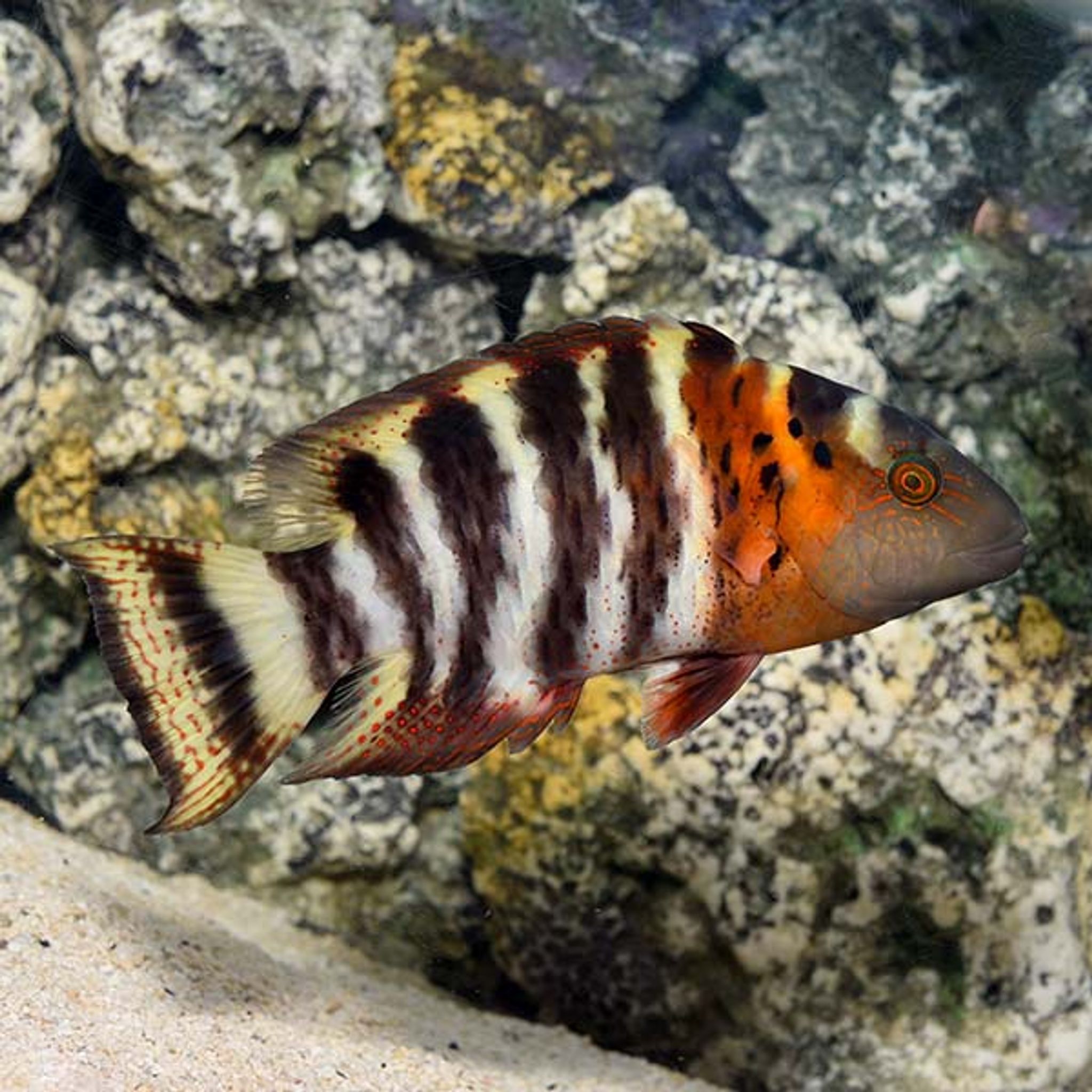
Bird Wrasses are larger, active Wrasses with elongated snouts and very different adult male and female coloration.
Their size and predatory tendencies make them better suited to larger fish-only or carefully planned marine aquariums than delicate reef communities.
Many Fairy and Flasher Wrasses are popular reef aquarium choices because they generally do not feed on corals.
“Reef safe” should still be considered species-specific. Some Wrasses may leave corals alone while hunting shrimp, snails, crabs or other small invertebrates.
Some Wrasses hunt worms, small crustaceans and other invertebrates and are sometimes kept for their pest-hunting behavior.
Results vary by species and individual fish, and a Wrasse should not be purchased as a guaranteed solution to a specific aquarium pest problem.
Wrasses vary enormously in adult size.
Small Possum or Flasher Wrasses have very different space requirements from large Bird, Coris or other predatory Wrasses, so aquarium planning should always be based on the exact species.
Wrasses benefit from stable marine aquariums with suitable rockwork, swimming room and hiding areas.
Exact setup requirements depend on species because some Wrasses prefer open water, some remain close to rockwork and others require sand for sleeping.
Some Wrasse groups, including many Leopard and Halichoeres Wrasses, naturally bury themselves in sand to sleep or hide.
Fairy and Flasher Wrasses generally do not rely on burying in sand in the same way, so substrate needs should be matched to the exact species.
Many Wrasses can jump from an aquarium when startled, chased or exploring the water surface.
A secure aquarium cover is strongly recommended for most Wrasse setups, including reef aquariums.
Wrasse temperament ranges from peaceful to highly territorial or predatory.
Fairy and Flasher Wrasses are often less aggressive than species such as Six Line Wrasses or larger predatory Wrasses, but individual behavior can still vary.
Multiple Wrasses can sometimes be kept together in a suitably sized and carefully planned marine aquarium.
Species, sex, body shape, introduction order and available territory all influence compatibility.
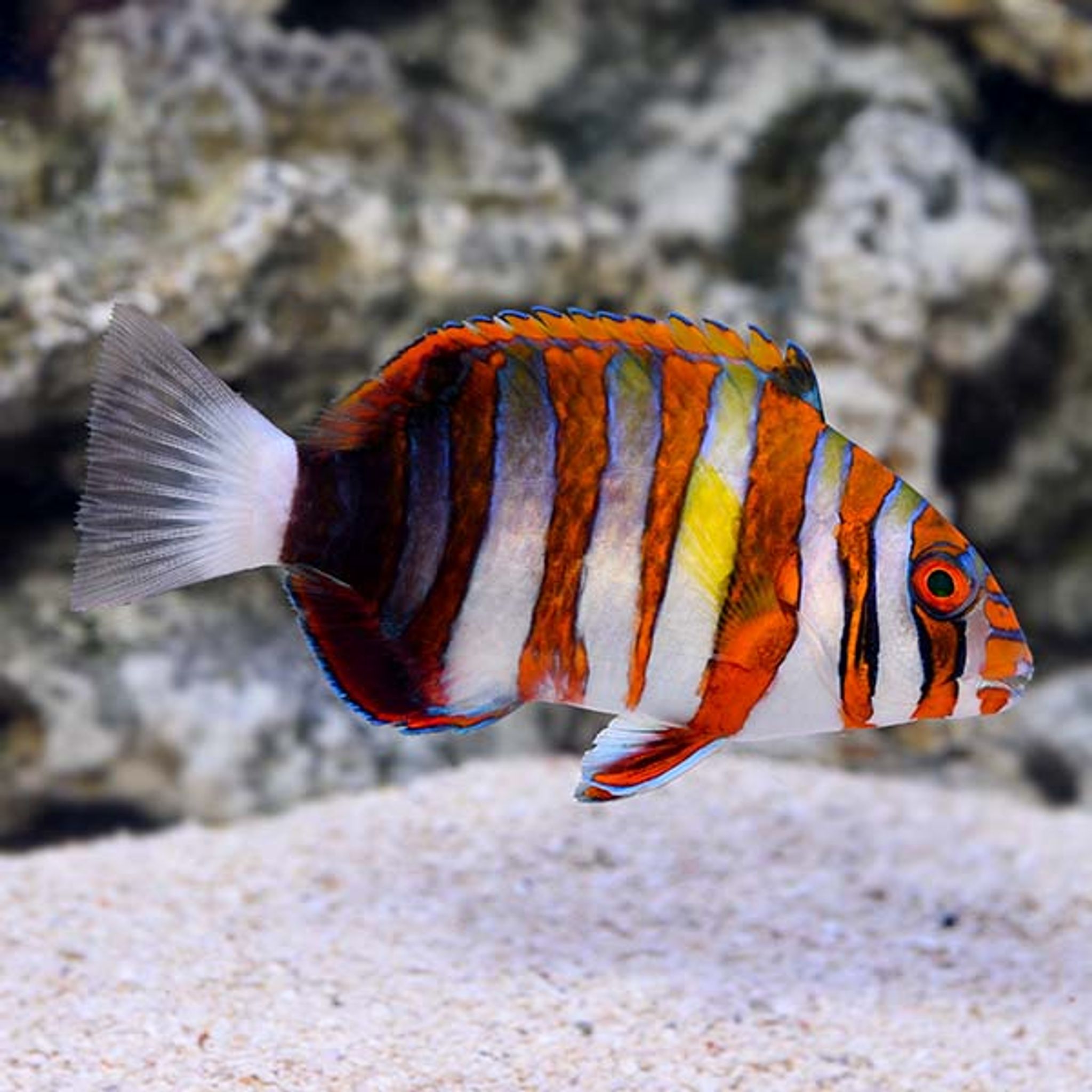
Many Wrasse species show major differences between male and female coloration.
Some can also change sex as part of their natural social structure, which is one reason coloration and appearance may shift as fish mature.
Wrasses can coexist with many marine community fish when species size and temperament are compatible.
Clownfish, Tangs, Gobies, Blennies and marine Angelfish may be possible tankmates, but exact compatibility should be checked for the Wrasse species being considered.
Many small and medium Wrasses can share marine aquariums with Clownfish.
Territorial Clownfish and more assertive Wrasses still require enough space to reduce repeated conflict.
Wrasses and Tangs are commonly kept together in larger reef aquariums because they occupy different feeding and swimming niches.
Ensure the aquarium provides enough open space and rockwork for both groups.
Shrimp compatibility varies greatly among Wrasses.
Many Fairy and Flasher Wrasses are less likely to target ornamental shrimp, while larger or more predatory species may view shrimp and other crustaceans as food.
Some Wrasses ignore snails while others may attack small mollusks or other clean-up crew animals.
Check the feeding behavior of the exact species before adding it to an aquarium that relies heavily on small invertebrates.
Wrasse diets vary widely, but many aquarium species feed on small crustaceans, worms, planktonic organisms and other animal-based foods.
Offer a varied marine diet appropriate to the exact species rather than assuming every Wrasse has the same feeding requirements.
Many Wrasses are active fish with regular feeding needs.
Suitable foods may include appropriately sized marine pellets, frozen foods and other preparations matched to species and mouth size.
Wrasses benefit from stable saltwater conditions, good oxygenation and reliable filtration.
Avoid sudden changes in salinity, temperature or other water conditions, especially after shipping.
Quarantine and observation can help reduce the risk of introducing parasites or disease into an established marine aquarium.
Species that bury in sand may require quarantine setups adapted to their natural sleeping behavior rather than a one-size-fits-all approach.
When comparing Wrasses for sale, look for:
Newly shipped Wrasses can be stressed from transport and may hide soon after introduction.
Prepare the aquarium in advance and follow the seller's acclimation guidance while providing suitable hiding areas and, where required, an appropriate sand bed.
Wrasse prices vary according to species, sex, coloration, size, rarity, origin and seller.
Commonly available Wrasses and rare Fairy, Flasher or collector species can differ substantially in price, so compare exact species, condition and seller terms rather than price alone.
FishyHub brings Wrasse listings from marine aquarium stores and specialist sellers together in one marketplace.
When comparing Wrasses online, consider:
Shipping availability depends on the seller, destination, fish size, weather and livestock-shipping policy.
Review delivery timing, packaging and live-arrival terms before ordering, and make sure the aquarium is ready for the specific Wrasse before arrival.
Yes. Marine aquarium stores and specialist sellers offer many Wrasse species online across the U.S., depending on seller shipping coverage and livestock policies.
Fairy and Flasher Wrasses are popular reef aquarium choices because many species generally leave corals alone, although exact invertebrate compatibility should still be checked.
Some do. Leopard and many Halichoeres Wrasses bury in sand, while Fairy and Flasher Wrasses generally do not require sand for sleeping.
Yes. Many Wrasses are strong jumpers, so a secure aquarium cover is strongly recommended.
Some Wrasses hunt worms and small invertebrates, but pest-control behavior varies by species and individual fish.
It depends on the species. Some smaller Wrasses may coexist with ornamental shrimp, while larger or more predatory Wrasses may hunt them.
Yes in some carefully planned aquariums, but compatibility depends on species, sex, aquarium size, body shape and introduction order.
FishyHub helps U.S. hobbyists compare Wrasse listings from marine aquarium stores and specialist sellers in one marketplace.
Explore Wrasses for sale on FishyHub and compare Fairy, Flasher, Six Line, Leopard, Melanurus, Yellow Coris and other marine Wrasse species. Discover listings from marine aquarium sellers across the United States, and compare species, size, temperament, reef compatibility, price and shipping options before choosing your next Wrasse.