The Rise of Nano Aquariums: Statistics & Trends
FishyHub cannot count how many American hobbyists own a nano aquarium, and it does not track tank sizes. What its US marketplace does show is that the livestock nano keepers depend on, from dwarf shrimp, rasboras and tetras to halfmoon plakat bettas and nano-reef gobies, clownfish and soft corals, is plentiful, mostly priced at the entry level, and growing in listings. The halfmoon plakat betta, the classic one-fish desk tank pet, draws very high buyer interest with demand ahead of supply.
Key Findings
- FishyHub data shows freshwater shrimp have very high supply in the US and sit in the entry-level price tier, with new listings rising.
- FishyHub data shows rasboras sit in the entry-level price tier in the US with a very wide price spread, from everyday schooling species to prized nano varieties.
- FishyHub data shows halfmoon plakat bettas draw very high buyer interest from US users, with demand ahead of supply.
- FishyHub data shows tetras have very high supply in the US and, like most small community fishes, sit in the entry-level price tier.
- FishyHub data shows gobies and clownfish have very high supply among US marine listings, pointing to an active nano-reef segment.
- FishyHub data shows polyps have very high supply in the US, with mushroom and soft corals also in high supply, all in the upper mid-range price tier.
- FishyHub data shows marine snails and marine shrimp, the clean-up crew of small reef tanks, have high supply in the US.
- FishyHub search data shows shrimp, snail and tank among the most searched terms across its markets, with endler, opae ula, pea puffer and rasbora also searched often.
What Counts as a Nano Aquarium
There is no single official cut-off, but in the hobby a nano aquarium is a tank small enough to sit on a desk, kitchen counter or bookshelf. "Pico" tanks are smaller still. Freshwater nanos are usually planted and stocked with dwarf shrimp, tiny schooling fish or a single betta. Nano reefs hold a pair of small fish, a clean-up crew and hardy corals. Because FishyHub does not record tank sizes, this page tracks the livestock that suits these tanks instead.
Freshwater Nano Livestock in the US
| Group | US supply | US price tier | US price spread |
|---|---|---|---|
| Danios | High | Entry-level / budget | Moderate |
| Killifish | Moderate | Entry-level / budget | Moderate |
| Minnows | Moderate | Entry-level / budget | Wide |
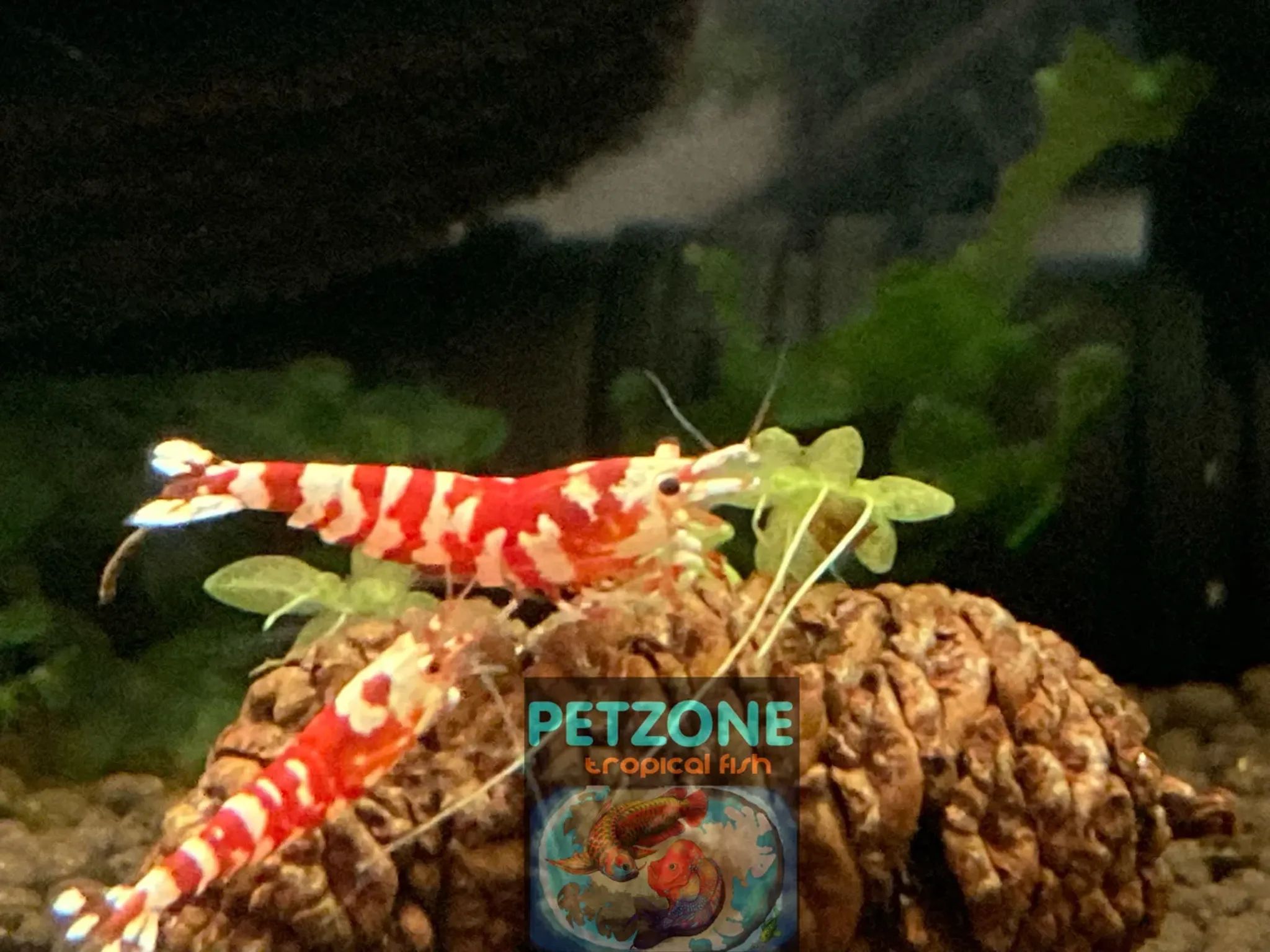
| Neocaridina shrimp | High | Entry-level / budget | Wide |
| Rasboras | High | Entry-level / budget | Very wide |
| Shrimps (category) | Very high | Entry-level / budget | Moderate |
| Snails | High | Entry-level / budget | Wide |
| Tetras | Very high | Entry-level / budget | Wide |
Every group in this table is rising in new listings. The pattern is consistent: nano livestock is cheap to buy, widely listed, and varies most in price where color and rarity matter. Neocaridina shrimp, for example, range from common color strains to selectively bred lines, and rasboras span everyday schooling species to sought-after micro fish.
The Betta: The Original Nano Pet
Bettas are where US buyer interest on FishyHub is strongest. Halfmoon plakats draw very high interest and demand runs ahead of supply; halfmoons draw high interest and are balanced. A single betta in a heated, filtered, planted nano tank is many Americans' first aquarium, and short-finned plakats suit small tanks well because they swim actively and are less prone to fin damage than long-finned forms.
Nano Reef: A Distinctly American Strength
Small reef tanks have a long following in the US, and FishyHub's marine listings reflect it.
| Marine group | US supply | US price tier |
|---|---|---|
| Blennies | High | Mid-range |
| Clownfish | Very high | Upper mid-range |
| Dragonets | Moderate | Mid-range |
| Gobies | Very high | Mid-range |
| Marine shrimp | High | Mid-range |
| Marine snails | High | Entry-level / budget |
| Mushroom corals | High | Upper mid-range |
| Polyps | Very high | Upper mid-range |
| Soft corals | High | Upper mid-range |
Gobies, blennies and clownfish stay small, and many clownfish sold today are captive-bred. Polyps, mushrooms and soft corals are forgiving corals that grow well under modest lighting and are traded as small frags, which suits shipping and small tanks alike. Clownfish have a very wide price spread, from standard ocellaris to designer strains. Dragonets are worth a caution: they are beautiful but need a mature tank with a steady supply of tiny live food.
What Nano Shoppers Search For
FishyHub's search data, which combines its markets, shows strong interest in nano livestock. Grouped by search tier and listed alphabetically:
- Very high: betta, guppy, shrimp, snail, tank, tetra
- High: endler, opae ula, pea puffer, rasbora, rice fish
- Moderate: amano shrimp, ghost shrimp, killifish, medaka, moss, nerite snail
- Limited: daphnia, galaxy rasbora, neocaridina, neon tetra
Opae ula, the small red shrimp from Hawaii's brackish pools, stands out because it is the shrimp behind sealed "jar ecosystems", one of the smallest setups in the hobby. Pea puffers are a favorite nano predator, and searches for carbon dioxide, moss and frogbit point to planted nano tanks.
Why the Trend Holds in the US
- Housing: more Americans rent or live in apartments, where a small tank avoids weight and lease concerns.
- Cost: stocking a nano tank draws almost entirely on entry-level price tiers.
- Shipping: small fish and shrimp travel well by overnight courier in insulated boxes, so many animals fit in one order. Deliveries to Alaska, Hawaii & territories cost more than to the Midwest & Central, East Coast & Northeast, South & Southeast or West Coast & Mountain West zones.
- Display: rimless glass and compact lighting have made nano tanks a design object for desks and shelves.
Trends to Watch in the Next Few Years
The US market has no order history yet in FishyHub's data, so the next step is seeing whether strong nano listings turn into strong purchases. Two things to watch: whether halfmoon plakat demand keeps outrunning supply, and whether premium nano lines, such as high-grade shrimp and designer clownfish, push their price spreads wider still.
Methodology
This page is based on FishyHub's US marketplace activity over the period from October 2024 to October 2026: active listings by category, listed price tiers and spreads, new listings over time, buyer interest (wishlists, likes and "my tank" saves) where reportable, and search terms. Findings are reported as tiers and directions, not figures.
FishyHub does not record tank sizes and cannot measure how many people keep nano tanks, so "nano" is inferred from livestock suited to small tanks. The US market has no order history in this data. Search terms combine FishyHub's Singapore and US markets.
Frequently Asked Questions
Are nano aquariums becoming more popular?
FishyHub cannot measure tank ownership, but in the US, nano livestock such as shrimp, rasboras and tetras is widely listed, entry-level priced and rising.
What fish are best for a nano aquarium?
Small schooling fish such as rasboras, small tetras and danios, a single betta, or dwarf shrimp. Pick species that stay small and match your tank's temperature.
Can you keep a reef in a nano tank?
Yes. Hardy corals such as polyps, mushrooms and soft corals, with small fish like gobies or clownfish, are the usual nano-reef choices, and all are well supplied on FishyHub in the US.
How much does it cost to stock a nano aquarium?
On FishyHub in the US, most freshwater nano livestock sits in the entry-level price tier, while nano-reef fish and corals sit mostly in the mid-range and upper mid-range.
How to Cite This Page
Source: FishyHub, "The Rise of Nano Aquariums: Statistics & Trends" (2026), https://fishyhub.com/us/blogs/blog-detail/the-rise-of-nano-aquariums-statistics-trends


