1–29 of 29

1787153648552.jpeg?signature=f2e168ed9245fe26514df97eaf094bc8ed97843c22d2a02f206f2511ab2739f8)
1787153225372.jpeg?signature=dd5f0d73748a814216fed931279c590dbb03d4066d18af622052be34f28d4e8e)
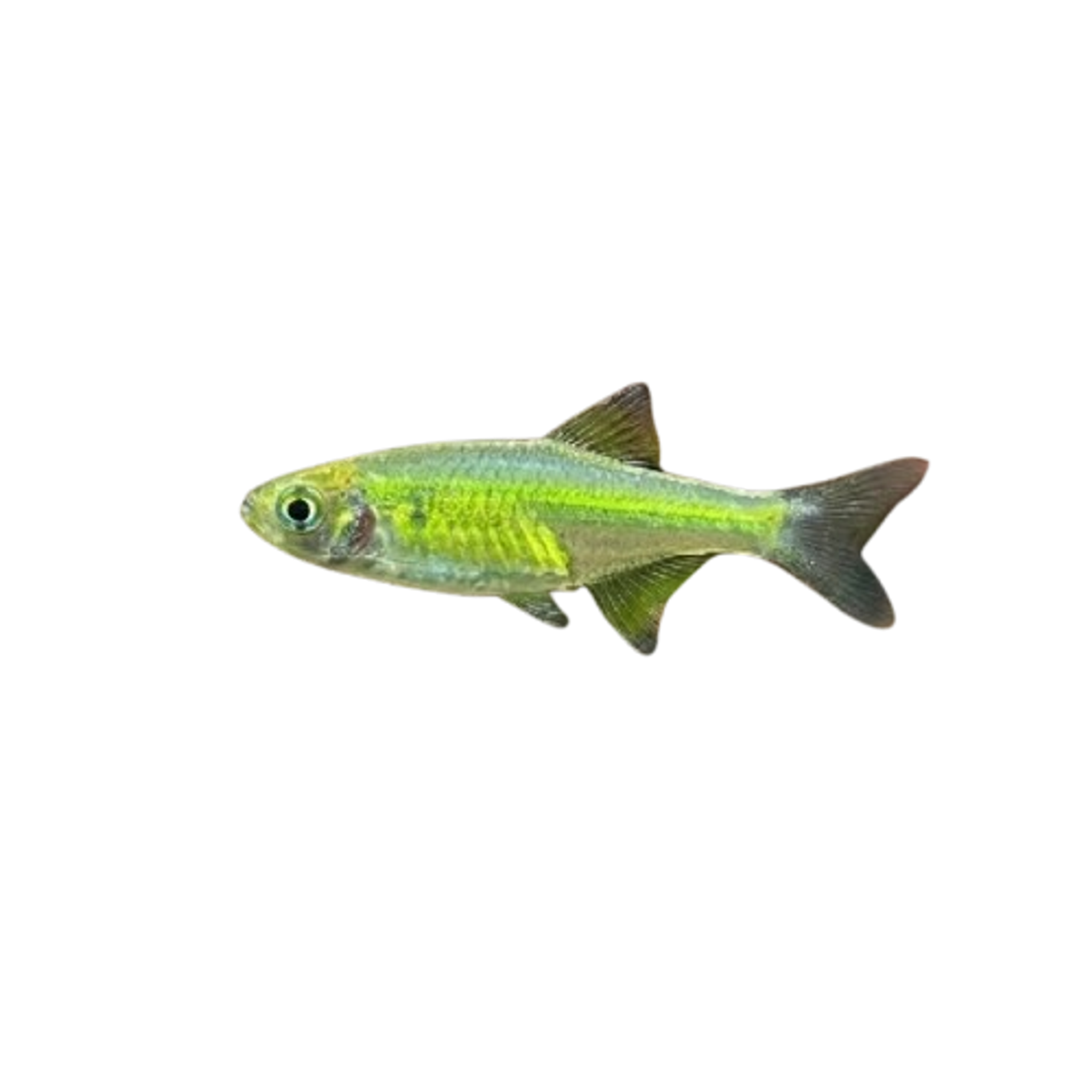
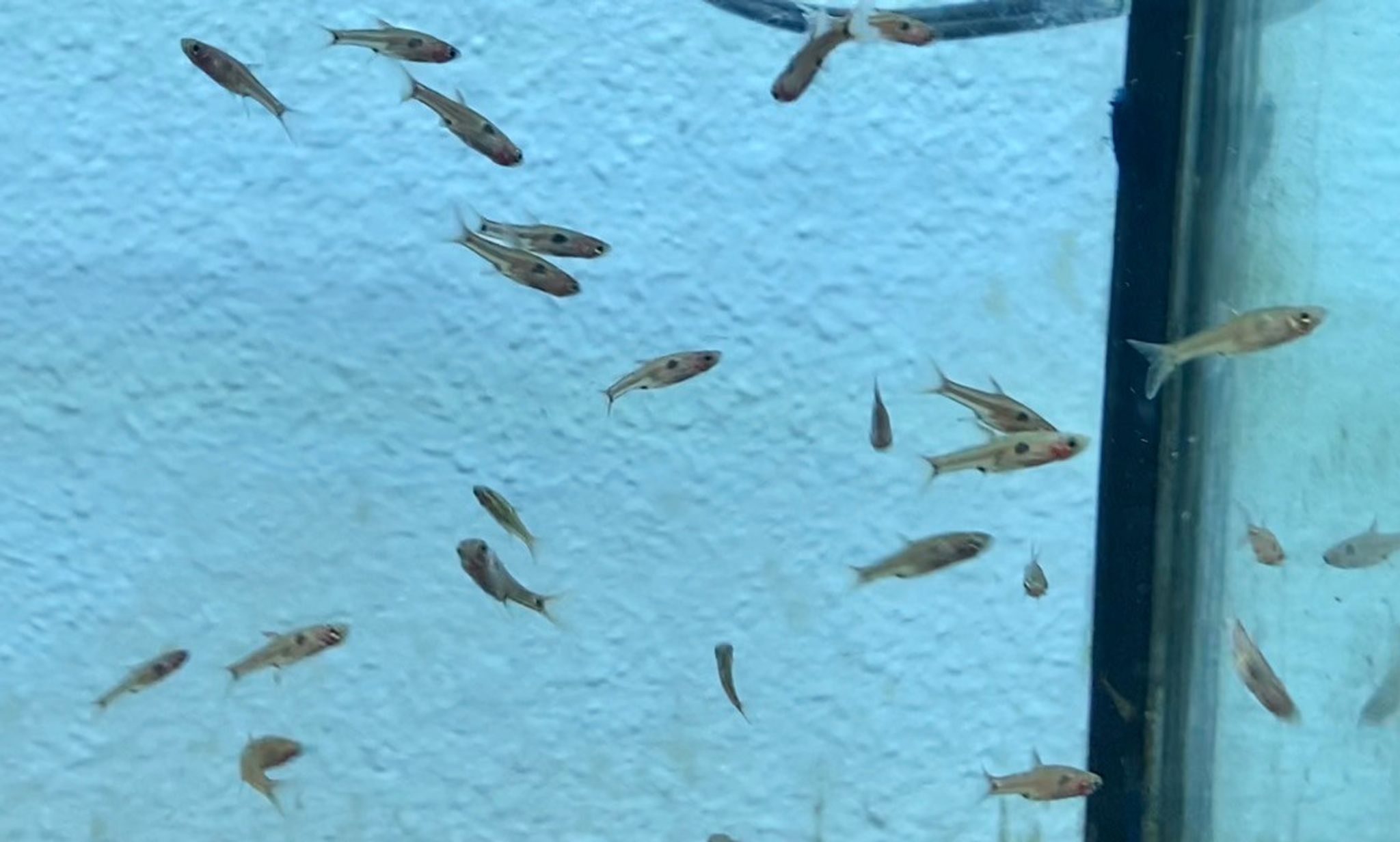
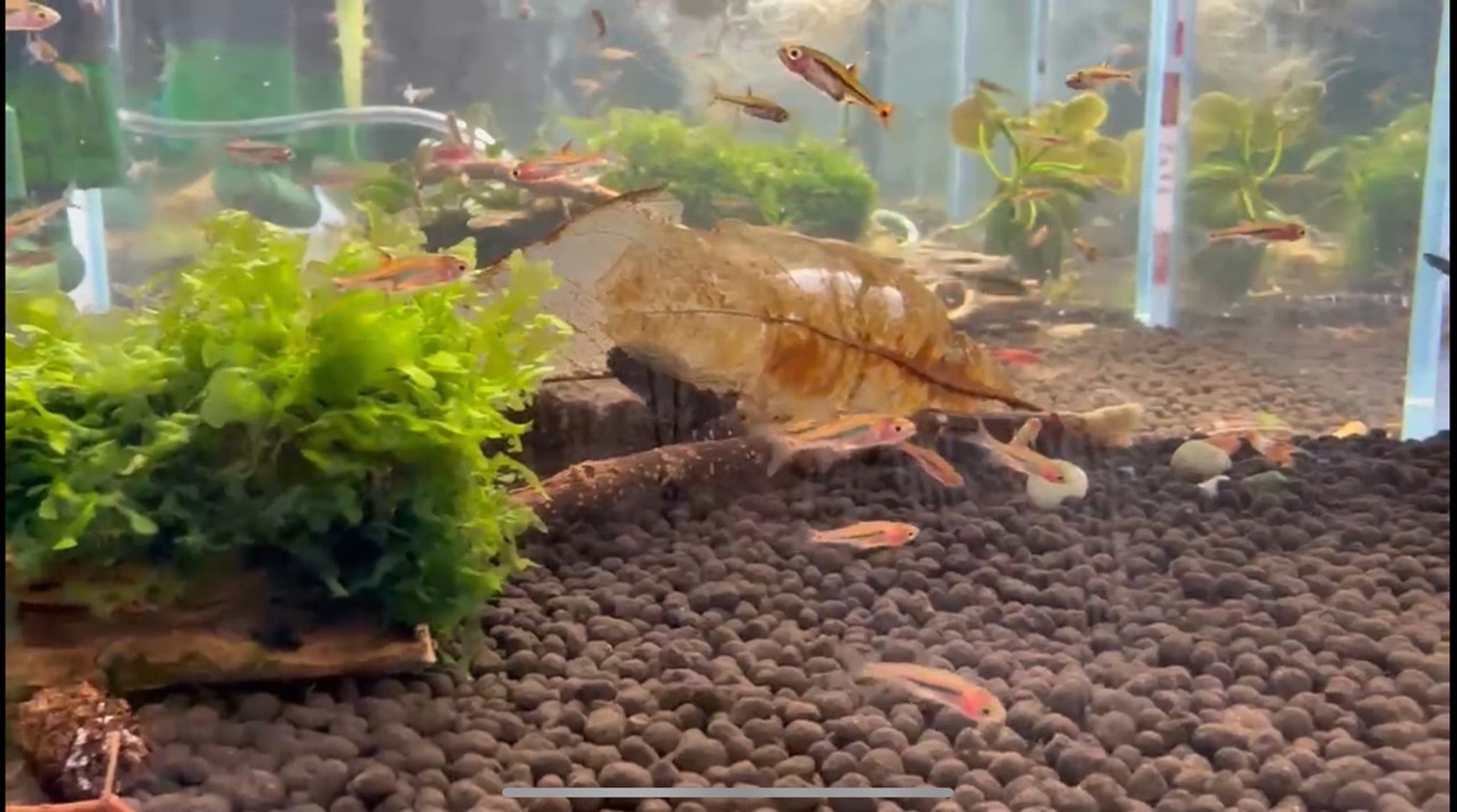
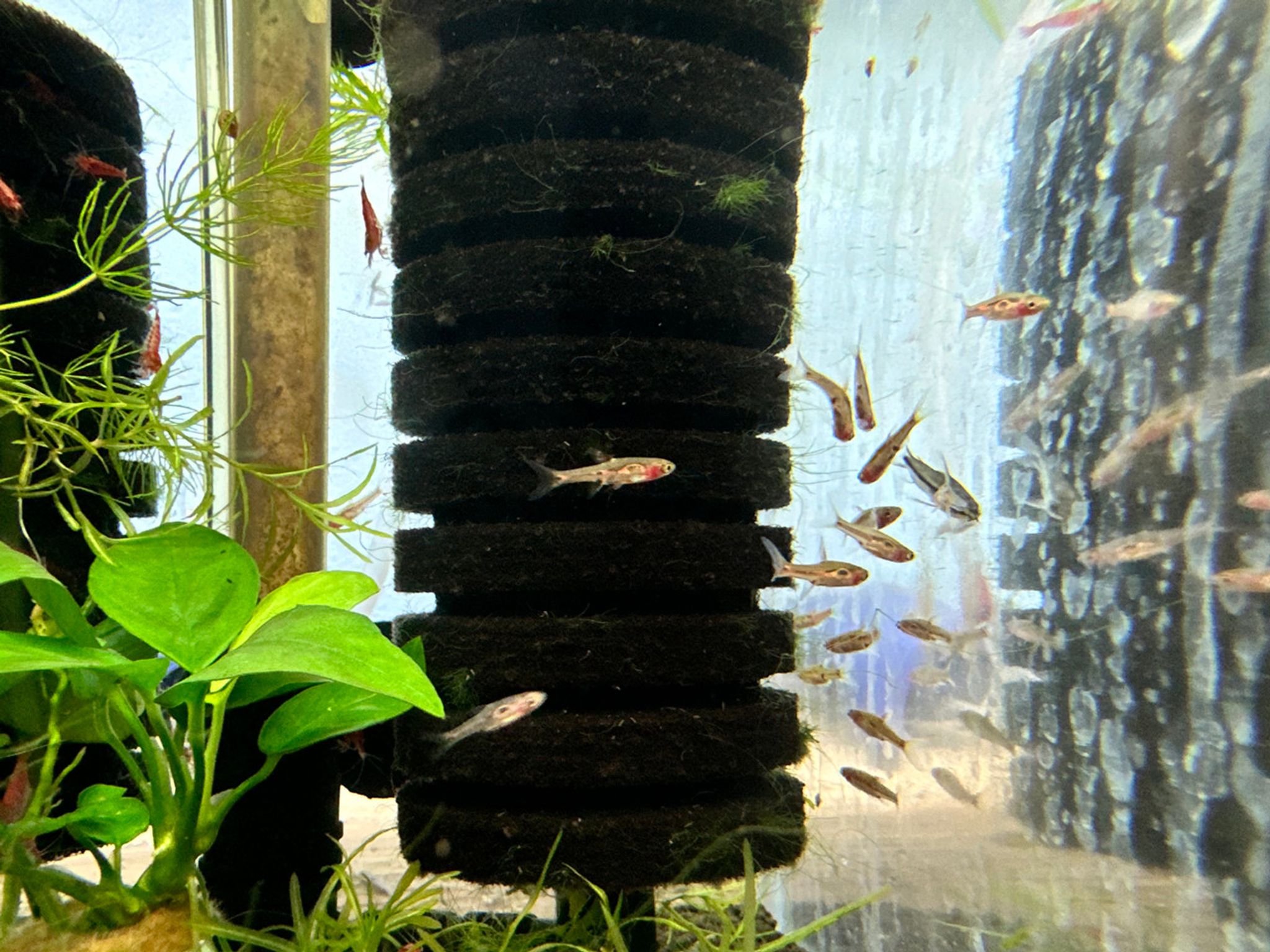
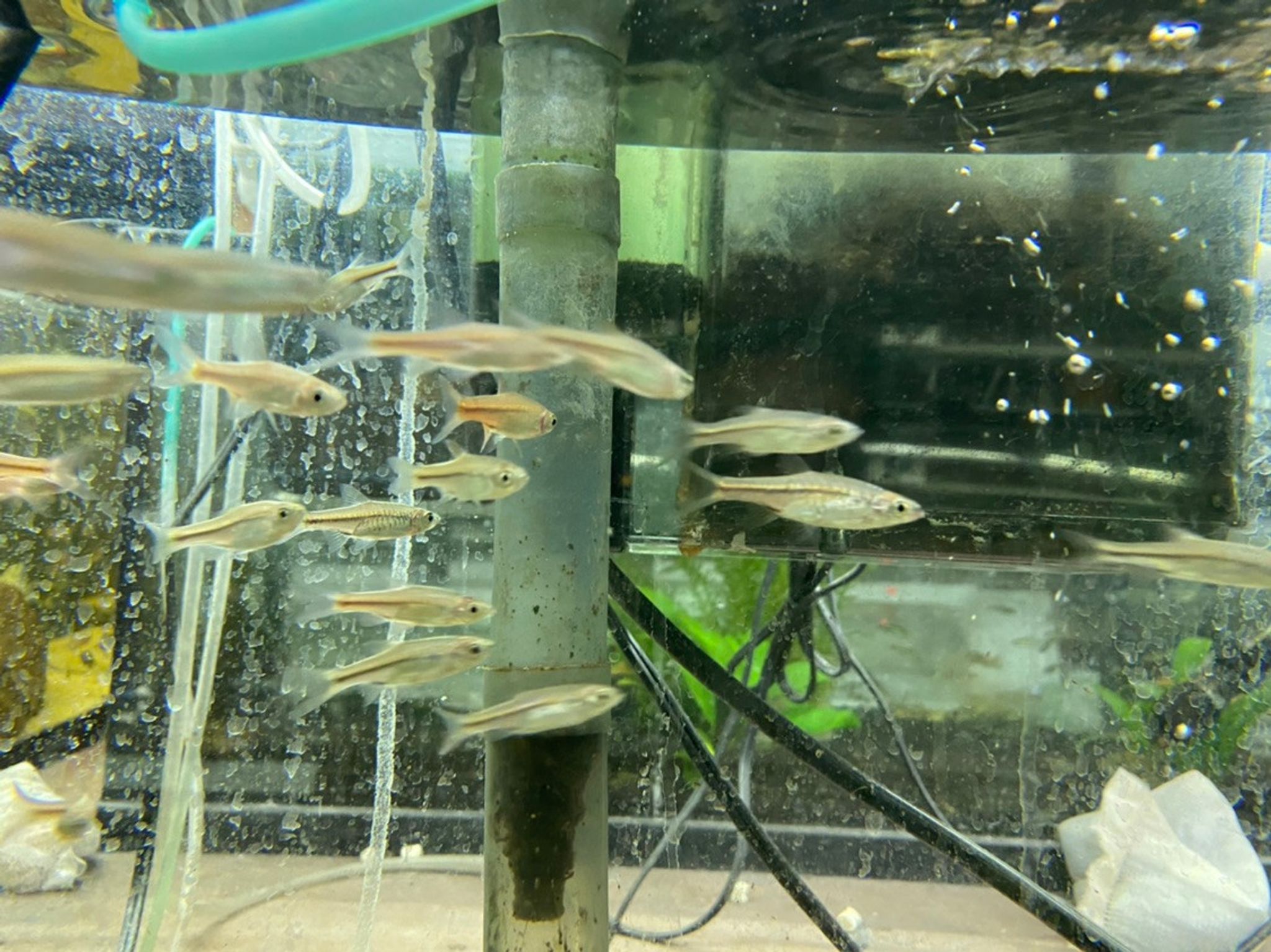
Shop Rasboras online from aquarium stores, breeders and specialist sellers across the United States on FishyHub. Compare Harlequin Rasboras, Chili Rasboras, Lambchop Rasboras, Scissortail Rasboras and other small freshwater community fish by species, size and seller.
Rasboras are popular freshwater schooling and shoaling fish known for peaceful behavior, attractive coloration and suitability for planted and community aquariums. FishyHub helps U.S. hobbyists compare Rasbora listings from multiple sellers in one marketplace.
Buying Rasboras online gives hobbyists access to a wider range of species and group sizes than may be available from a single local aquarium store.
Compare exact species, current size, group quantity, seller information and shipping options before choosing Rasboras for your aquarium.
Popular Rasboras in the aquarium hobby include:
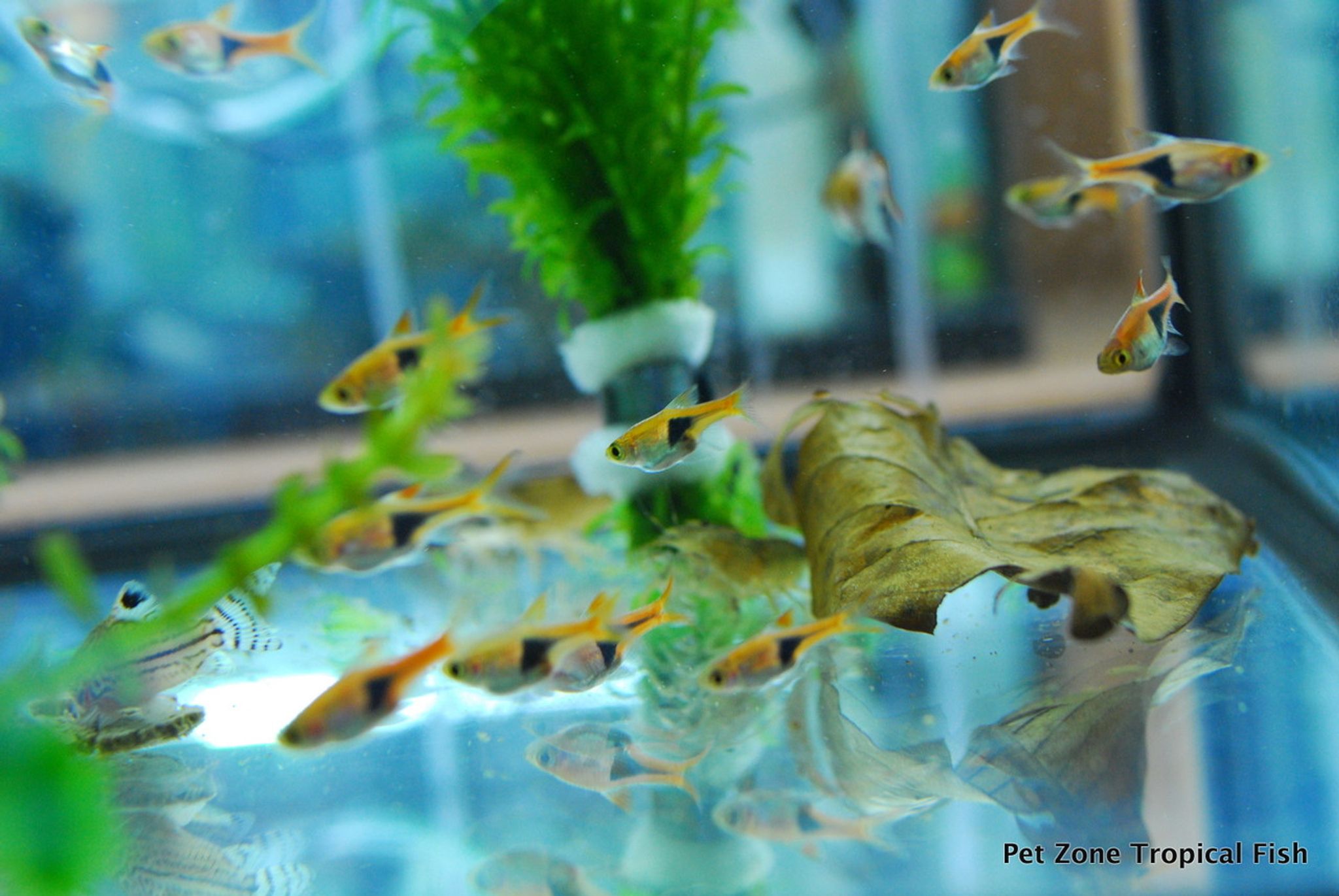
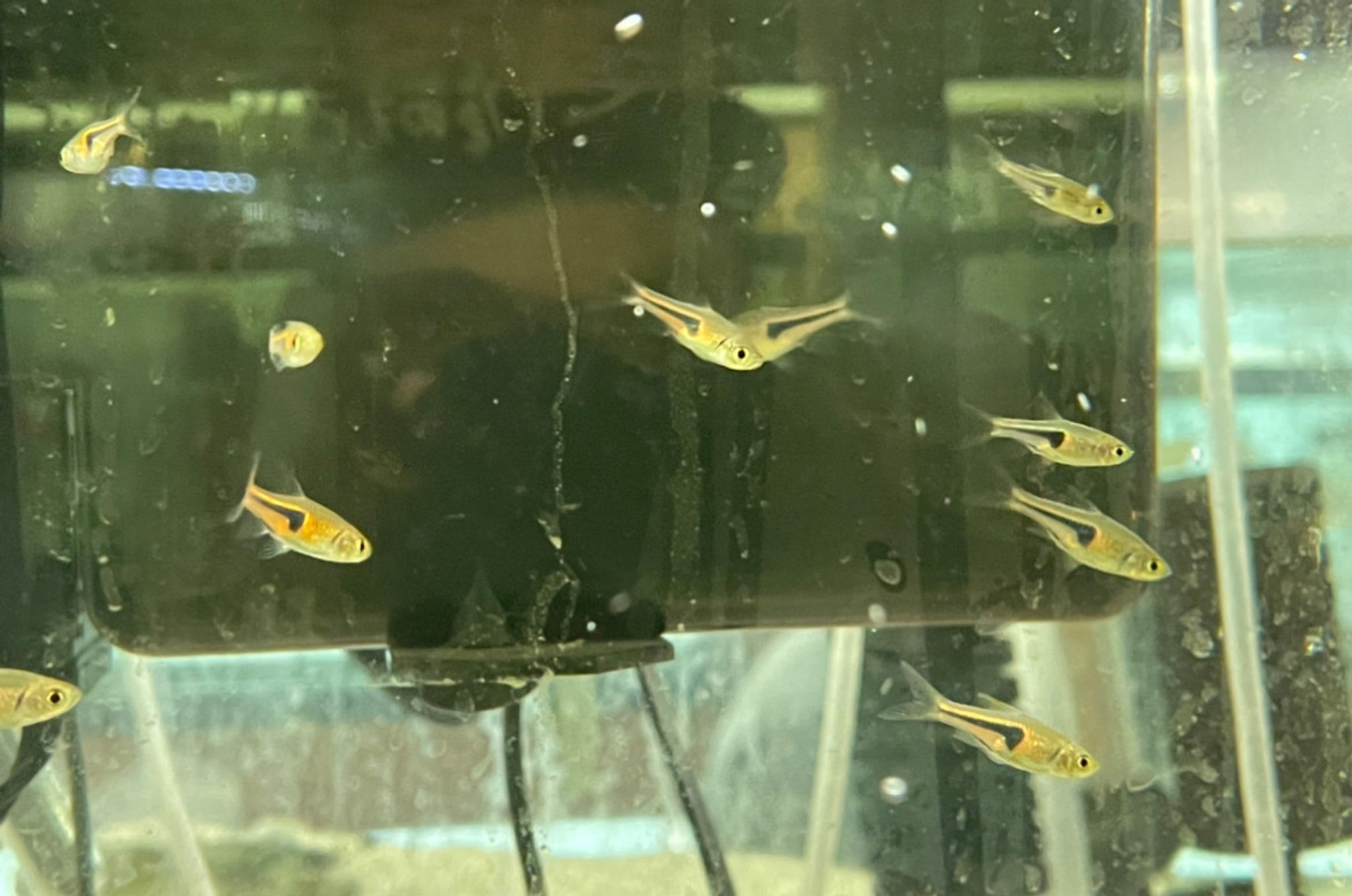
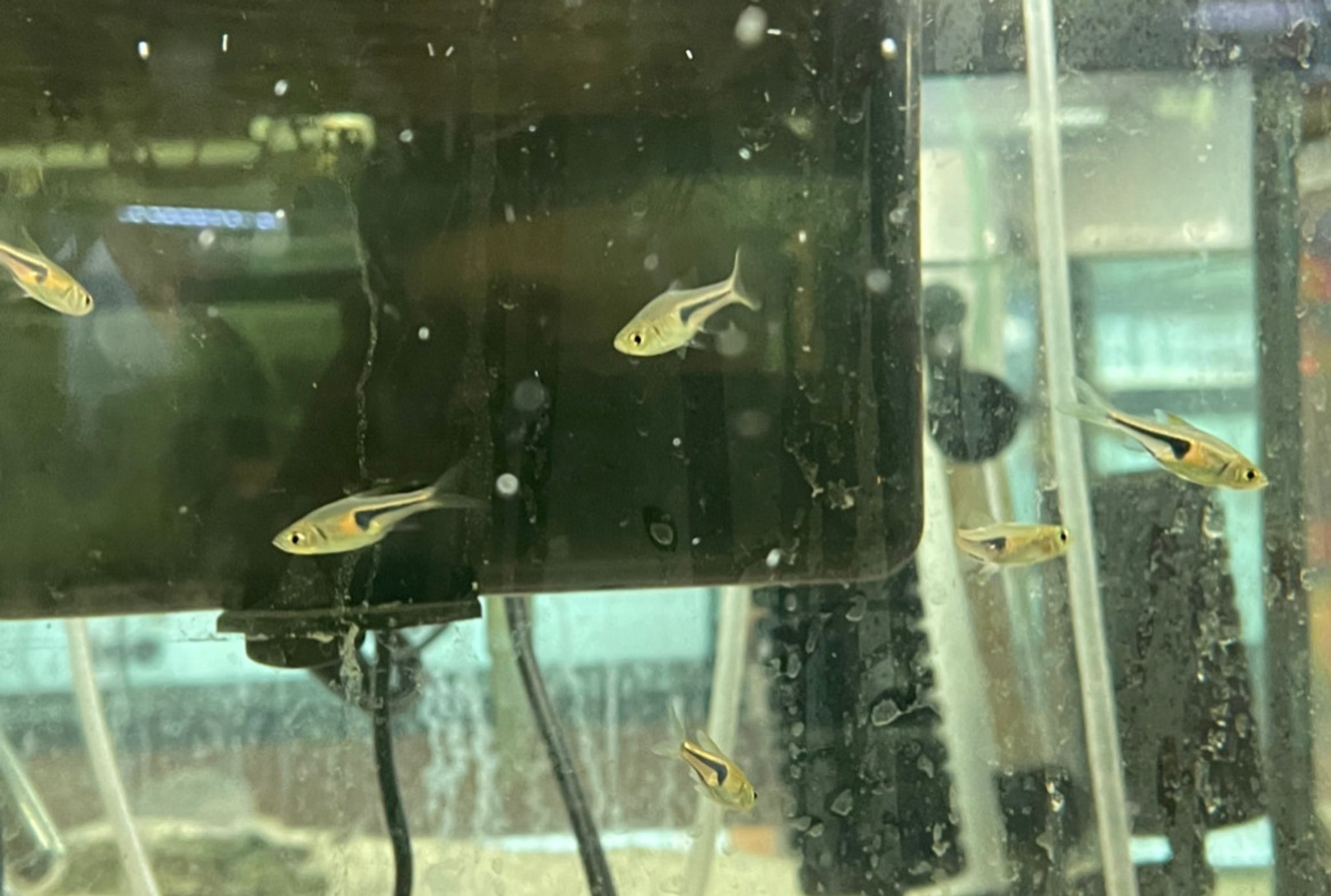
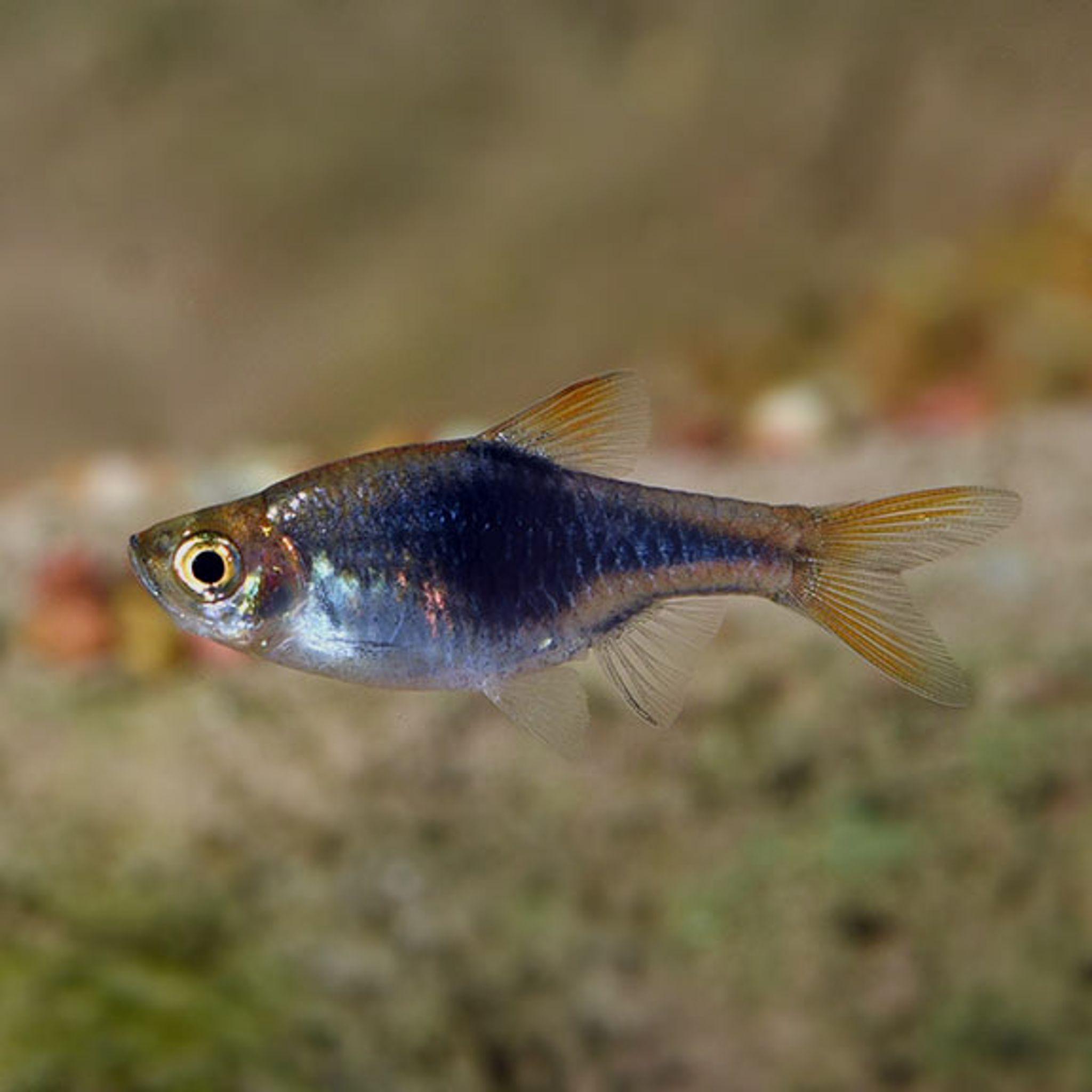
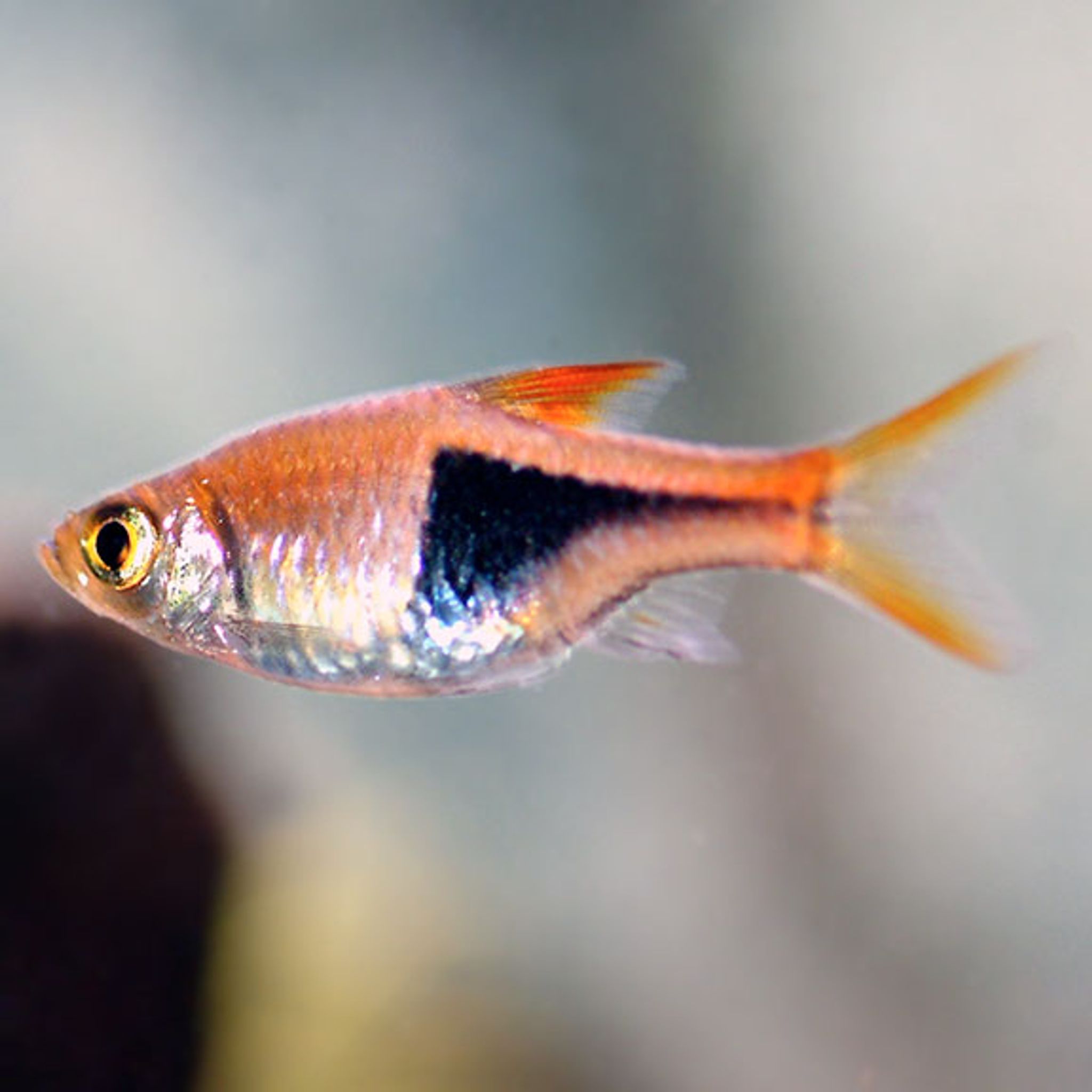
Harlequin Rasboras are among the best-known Rasboras, recognized by their copper-orange body and dark triangular marking toward the rear.
They are popular in peaceful community and planted aquariums where groups can create coordinated movement through the middle water column.
Lambchop Rasboras resemble Harlequin Rasboras but typically show a narrower dark marking and a more streamlined appearance.
Their bright body coloration and peaceful nature make them popular for planted community tanks.
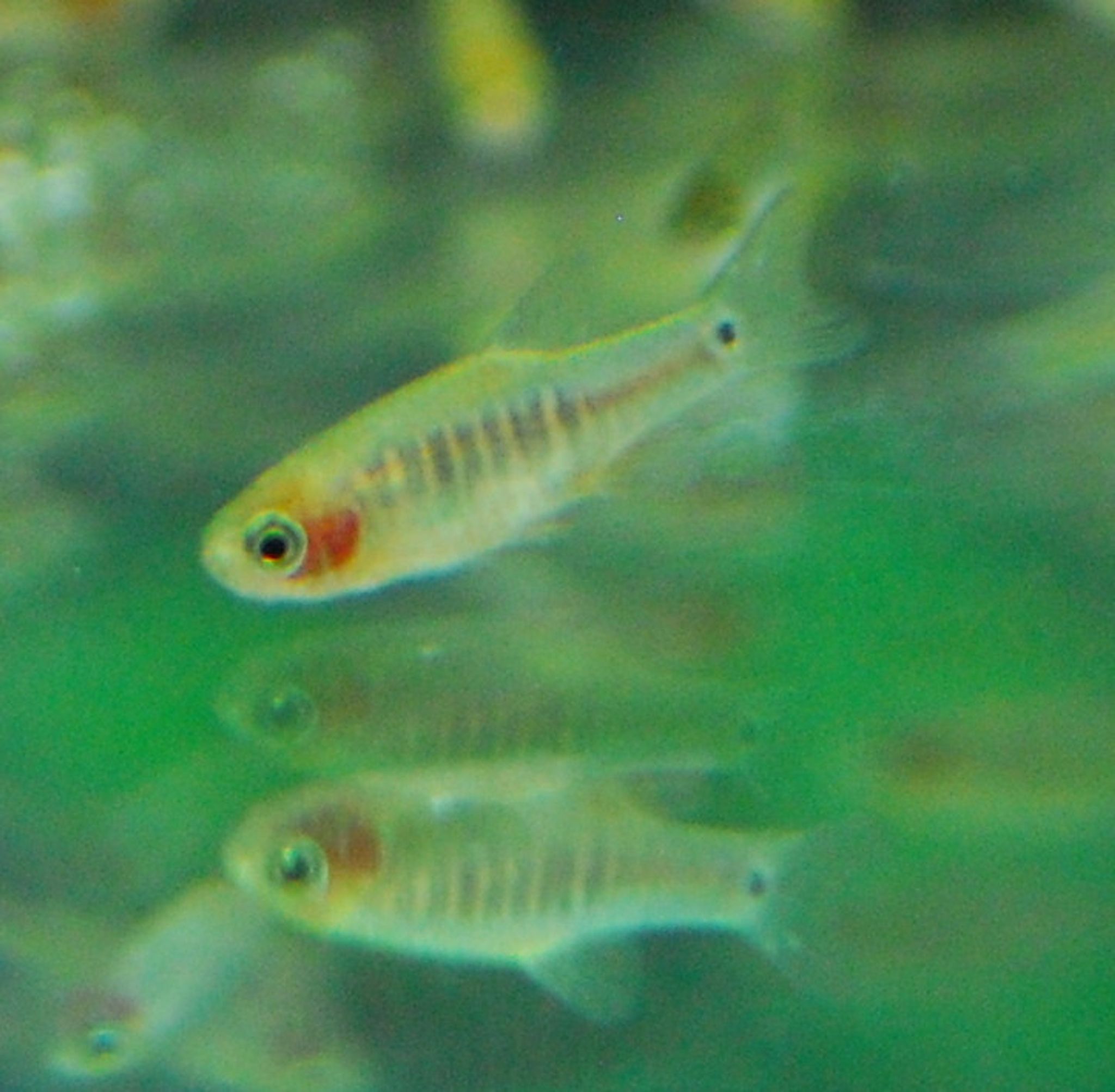
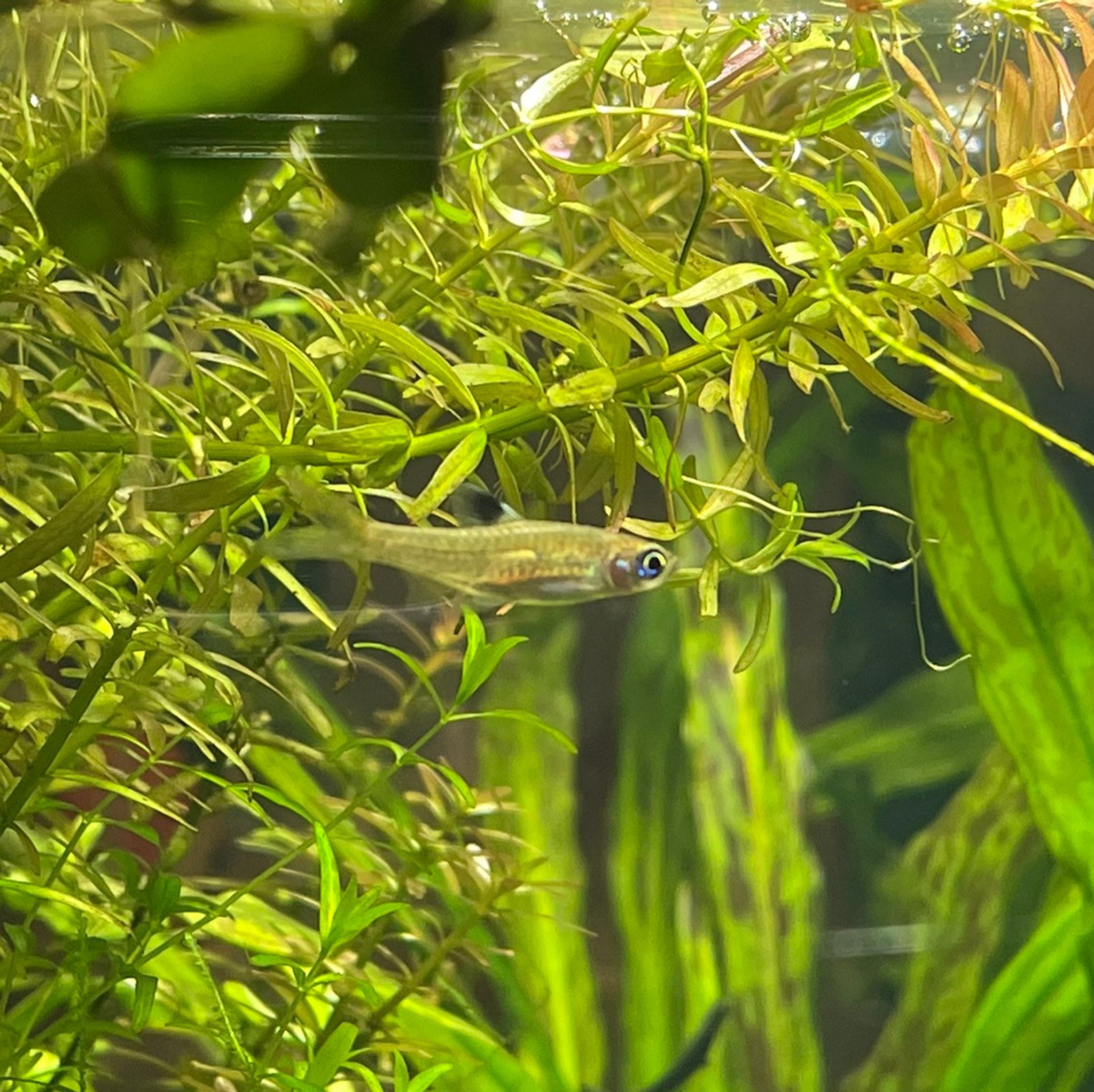
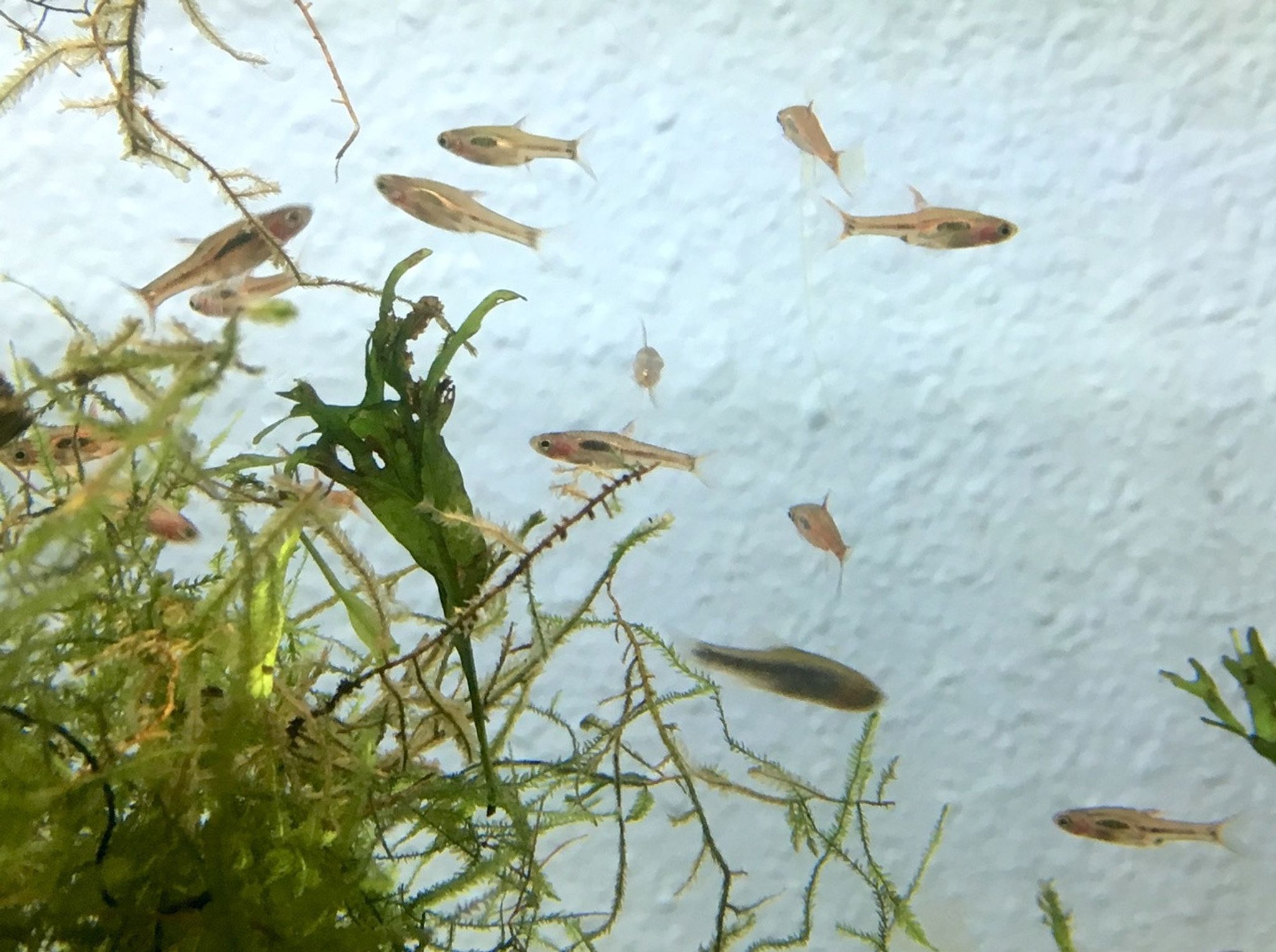
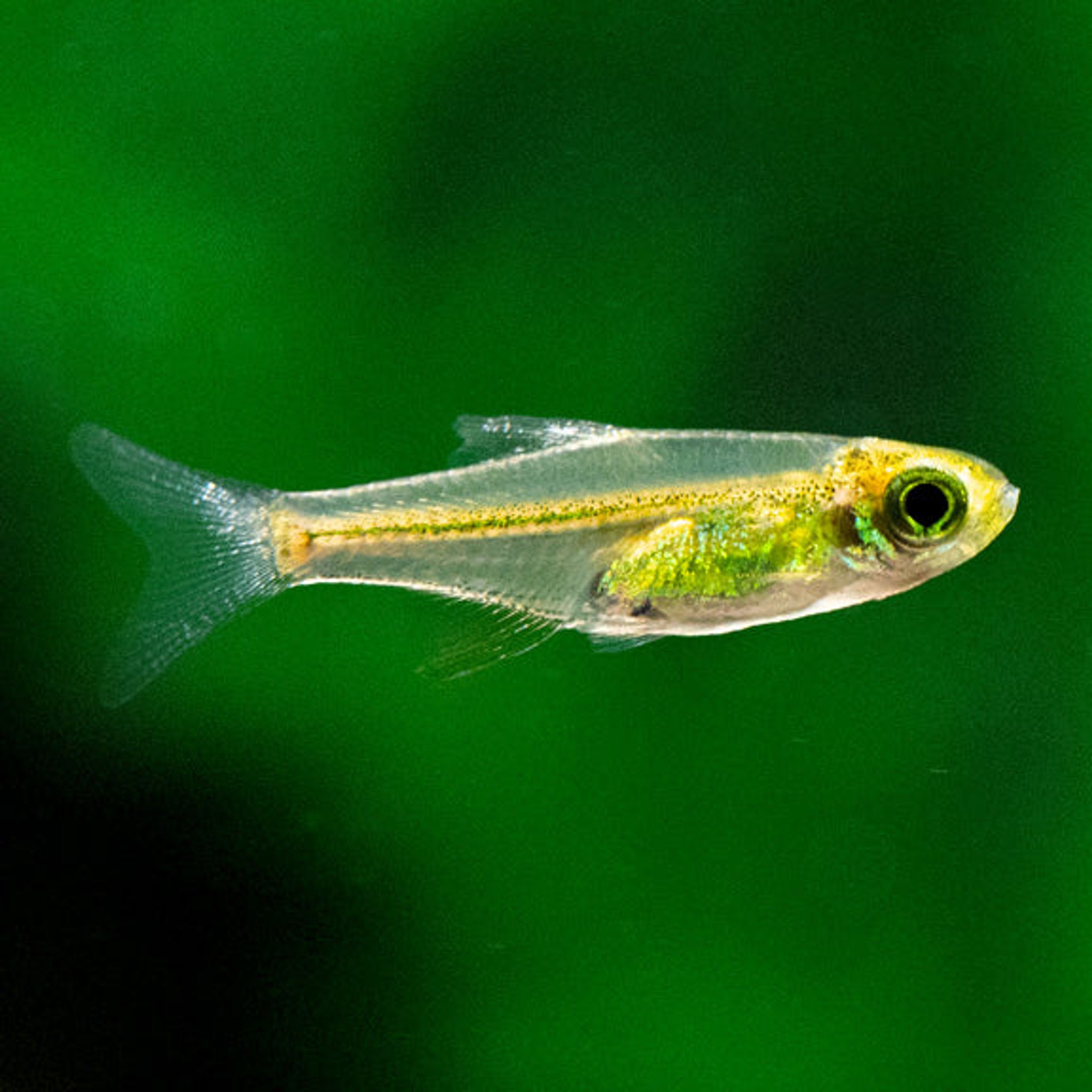
Chili Rasboras are tiny red freshwater fish popular in nano and heavily planted aquariums.
Their small size means they should be kept with appropriately sized peaceful tankmates and should not be expected to compete well with large or aggressive fish.
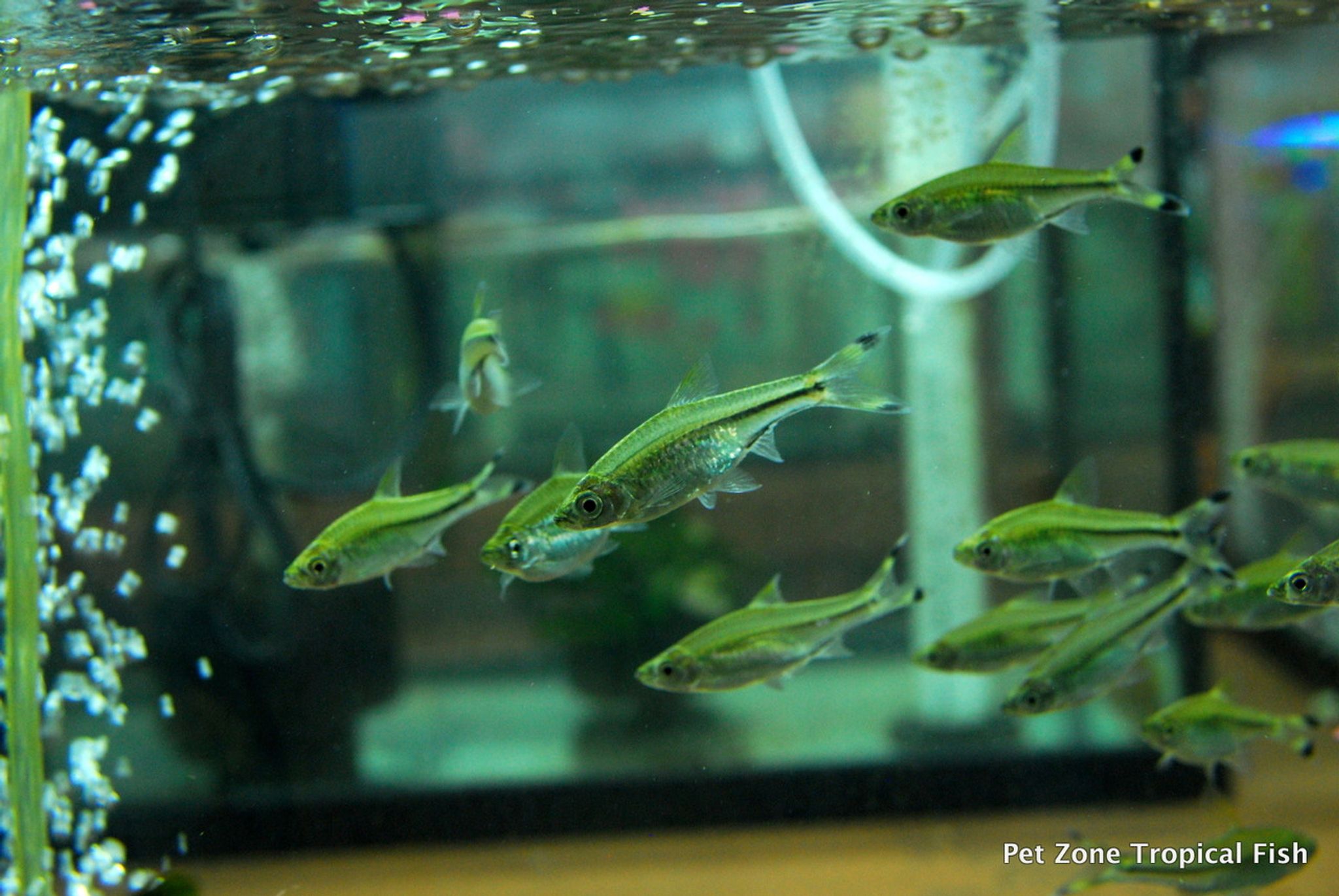
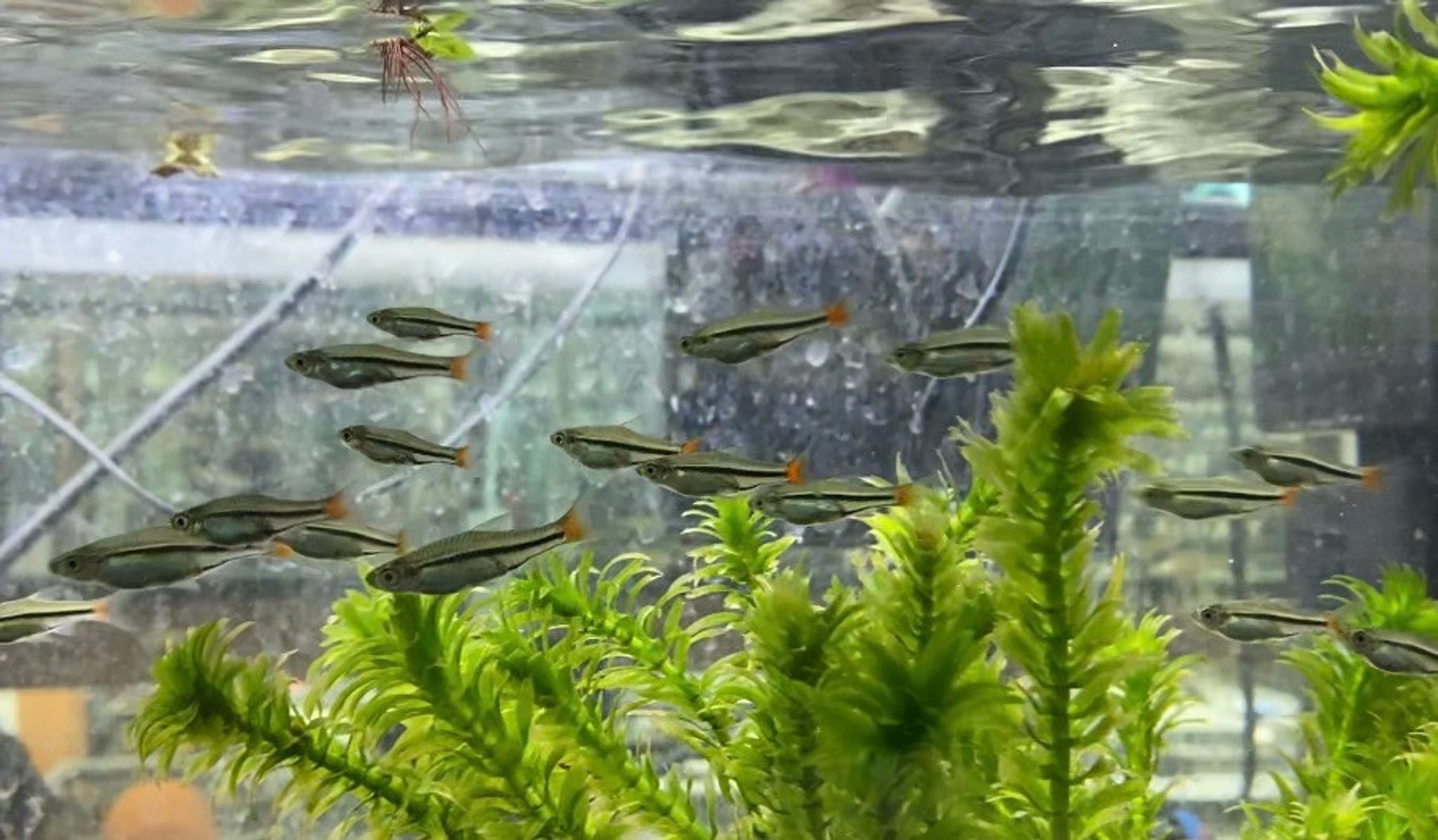
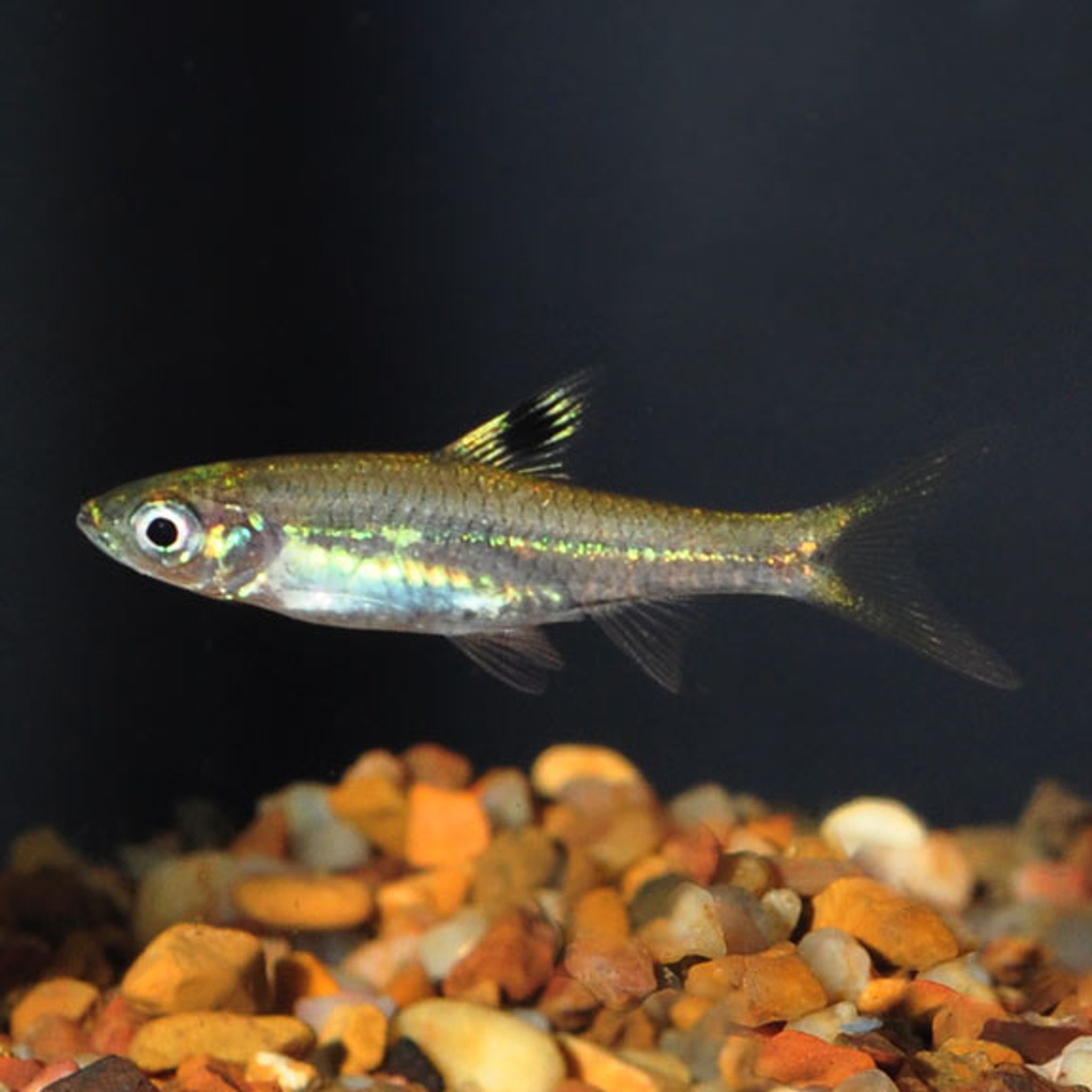
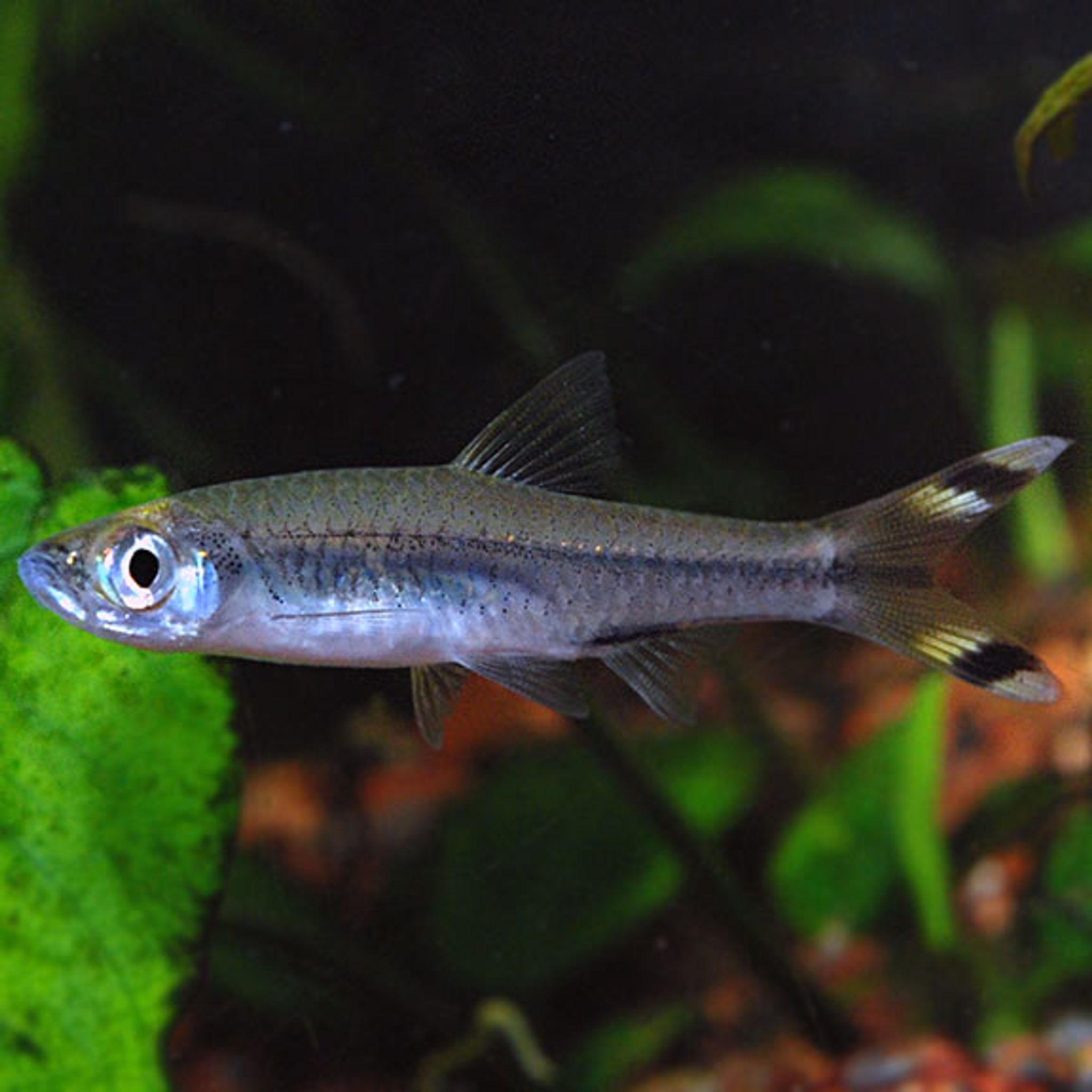
Scissortail Rasboras are larger, active schooling fish named for their deeply forked tails and distinctive tail markings.
They require more open swimming space than tiny Rasboras such as Chili Rasboras, so aquarium size should reflect their adult activity level.
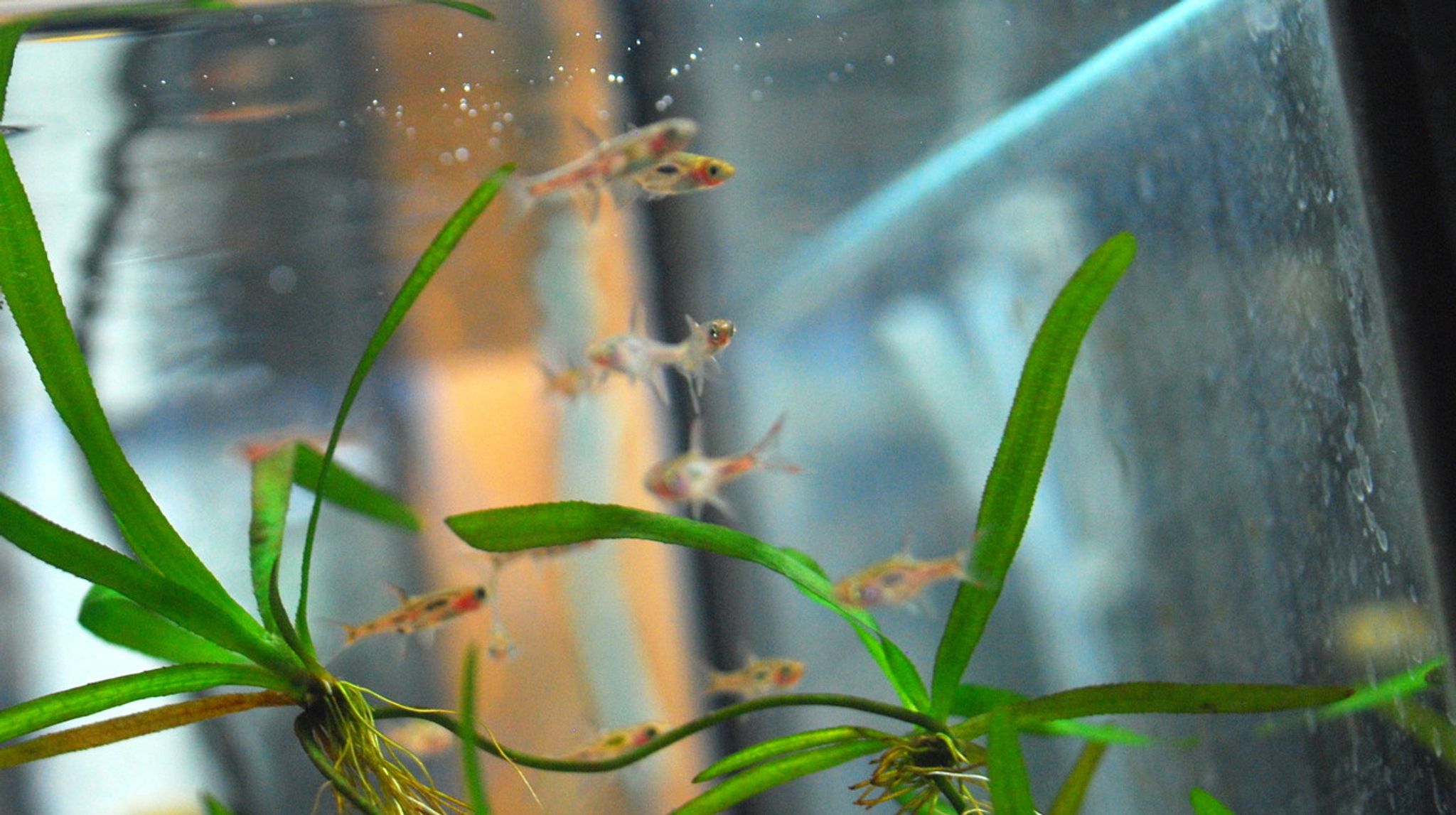
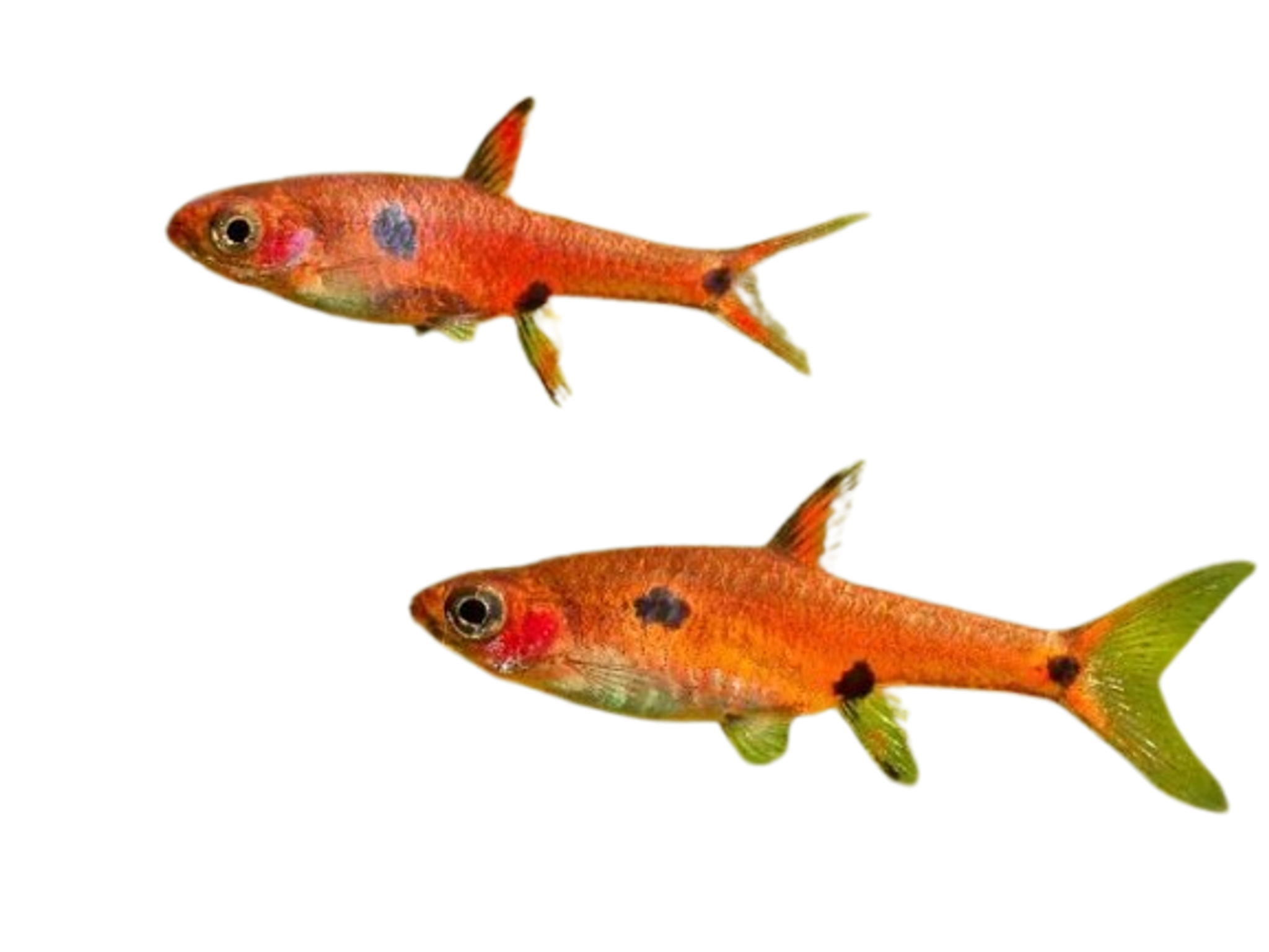
Phoenix Rasboras are small red-toned fish with dark markings along the body.
Their compact size and warm coloration make them attractive choices for planted nano aquariums with gentle tankmates.
Dwarf Rasboras include several very small species valued for compact size and subtle coloration.
They are best suited to peaceful setups where they are not outcompeted for food by larger community fish.
Rasboras are widely kept in freshwater community aquariums because many species are peaceful and social.
They can work well with compatible Tetras, Corydoras, peaceful Gouramis, small livebearers and other non-aggressive species.
Rasboras are especially popular in planted aquariums because their natural colors contrast well with aquatic plants and dark backgrounds.
Dense planting can provide cover while open areas allow groups to swim and display naturally.
Some very small Rasbora species can be suitable for carefully planned nano aquariums.
Small adult size does not remove the need for stable water quality, appropriate group size and enough open swimming space.
Most aquarium Rasboras are social and are best kept with others of their own species.
Appropriate group size can improve confidence, natural behavior and the coordinated movement that makes these fish appealing in community aquariums.
Rasboras do well in properly cycled freshwater aquariums with stable water conditions, suitable filtration and open swimming areas.
Plants, wood and other visual structure can provide cover while helping groups feel secure.
Rasboras come from different freshwater habitats and should not all be treated as having identical water requirements.
Stable conditions matched to the exact species are more important than applying one universal temperature, pH or hardness range to every Rasbora.
Many Rasboras can coexist with peaceful freshwater fish of similar size and temperament.
Tetras, Corydoras, small Gouramis and other peaceful community fish may be suitable when water and space requirements are compatible.
Some Rasboras can live with Bettas in appropriately sized aquariums.
Compatibility depends on the Betta's temperament, the Rasbora species and whether both fish share suitable water conditions.
Rasboras and Corydoras are a popular community combination because they usually occupy different parts of the aquarium.
Rasboras generally swim in the middle and upper areas while Corydoras forage near the substrate.
Adult freshwater shrimp may coexist with many small Rasboras in planted aquariums.
Very small shrimplets may still be eaten, so dense moss and plant cover can improve survival but cannot guarantee protection.
Many Rasboras are omnivorous or opportunistic feeders and accept appropriately sized aquarium foods.
Suitable diets can include quality flakes, micro-pellets and other foods matched to the mouth size and species.
Tiny species such as Chili Rasboras require appropriately small foods that they can easily consume.
Make sure shy or small fish are not consistently outcompeted by larger tankmates during feeding.
Breeding behavior varies between Rasbora species.
Some scatter eggs among plants or substrate while others may place eggs on leaves or other surfaces. Dedicated breeding setups can improve egg and fry survival.
Sex differences vary by species and can be subtle in juvenile fish.
Mature females may be fuller-bodied while males can show stronger coloration in some species, but reliable identification depends on the exact Rasbora.
Many Rasboras can be suitable for newer aquarium keepers when kept in a properly cycled tank and an appropriate social group.
Very small or more specialized species may require more careful feeding and stable conditions, so exact species research remains important.
Harlequin and Lambchop Rasboras are closely related-looking aquarium fish but differ in body shape and the form of the dark marking toward the rear of the body.
Seller photos and scientific names can help distinguish them when common names are used inconsistently.
Chili Rasboras are one of several very small red-toned Rasbora-type fish kept in nano aquariums.
Similar species can be confused in the trade, so compare scientific identification, markings and seller descriptions where available.
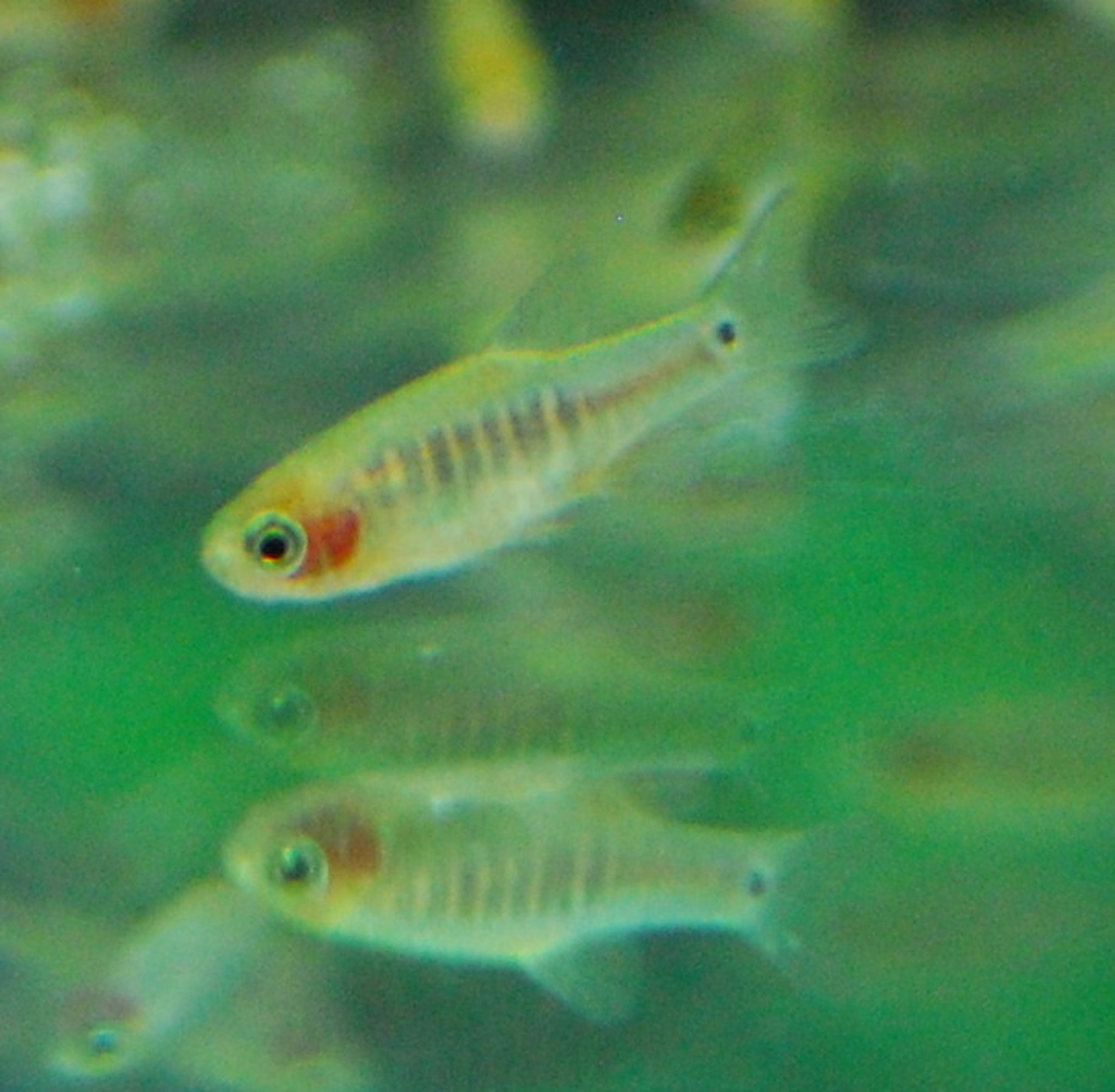
The fish widely sold as the Galaxy Rasbora is better known today as the Celestial Pearl Danio.
It belongs to the danio group rather than the true Rasboras, although the older common name remains widely used in the aquarium trade.
When comparing Rasboras for sale, look for:
Newly shipped Rasboras may experience stress from transport and differences in water conditions.
Prepare a stable, cycled aquarium before arrival and follow an acclimation approach appropriate to the seller's guidance and the species being introduced.
Rasbora prices vary according to species, size, rarity, breeder availability, group quantity and seller.
Common Harlequin Rasboras and less frequently available nano species can differ substantially in price, so compare exact species, group size and seller terms rather than individual fish price alone.
FishyHub brings Rasbora listings from aquarium stores, breeders and specialist freshwater fish sellers together in one marketplace.
When comparing Rasboras online, consider:
Shipping availability depends on the seller, destination, weather and livestock-shipping policy.
Review delivery timing, packaging and live-arrival terms before ordering, and make sure the aquarium is ready before the fish arrive.
Yes. Aquarium stores, breeders and specialist sellers offer many Rasbora species online across the U.S., depending on seller shipping coverage and livestock policies.
Most aquarium Rasboras are social fish and generally behave more naturally when kept with others of their own species.
Many are excellent community fish because of their peaceful behavior, although tankmate size, temperament and water requirements should still be compatible.
Some Rasboras can live with Bettas in appropriately sized aquariums, but success depends on the Betta's individual temperament and the Rasbora species.
Many small Rasboras can coexist with adult shrimp, but very small shrimplets may be eaten.
Harlequin, Lambchop, Chili, Scissortail and several other dwarf Rasboras are among the best-known aquarium varieties.
No. The fish commonly called Galaxy Rasbora is now generally known as the Celestial Pearl Danio and belongs to the danio group.
FishyHub helps U.S. hobbyists compare Rasbora listings from aquarium stores, breeders and specialist freshwater fish sellers in one marketplace.
Explore Rasboras for sale on FishyHub and compare Harlequin, Lambchop, Chili, Scissortail, Phoenix and other small freshwater Rasbora species. Discover listings from aquarium stores and breeders across the United States, and compare species, size, group quantity, price and shipping options before choosing Rasboras for your aquarium.