1–8 of 8
Explore freshwater shark fish for sale in Singapore from aquarium shops, breeders and freshwater fish sellers on FishyHub. Compare Rainbow Sharks, Red Tail Sharks, Bala Sharks and other aquarium fish commonly sold under the freshwater shark name.
Freshwater sharks are not true sharks. The name is used in the aquarium hobby for several freshwater fish with streamlined bodies, prominent fins or shark-like silhouettes. Different species vary greatly in adult size, temperament and social behaviour, so exact identification is important before purchase.
Freshwater shark is a broad aquarium trade term covering several unrelated fish.
Some species are territorial bottom-oriented fish, while others are active schooling fish that need large aquariums. Care should therefore be based on the exact species rather than the common name alone.
Common freshwater shark fish in the aquarium hobby include Rainbow Sharks, Red Tail Sharks and Bala Sharks.
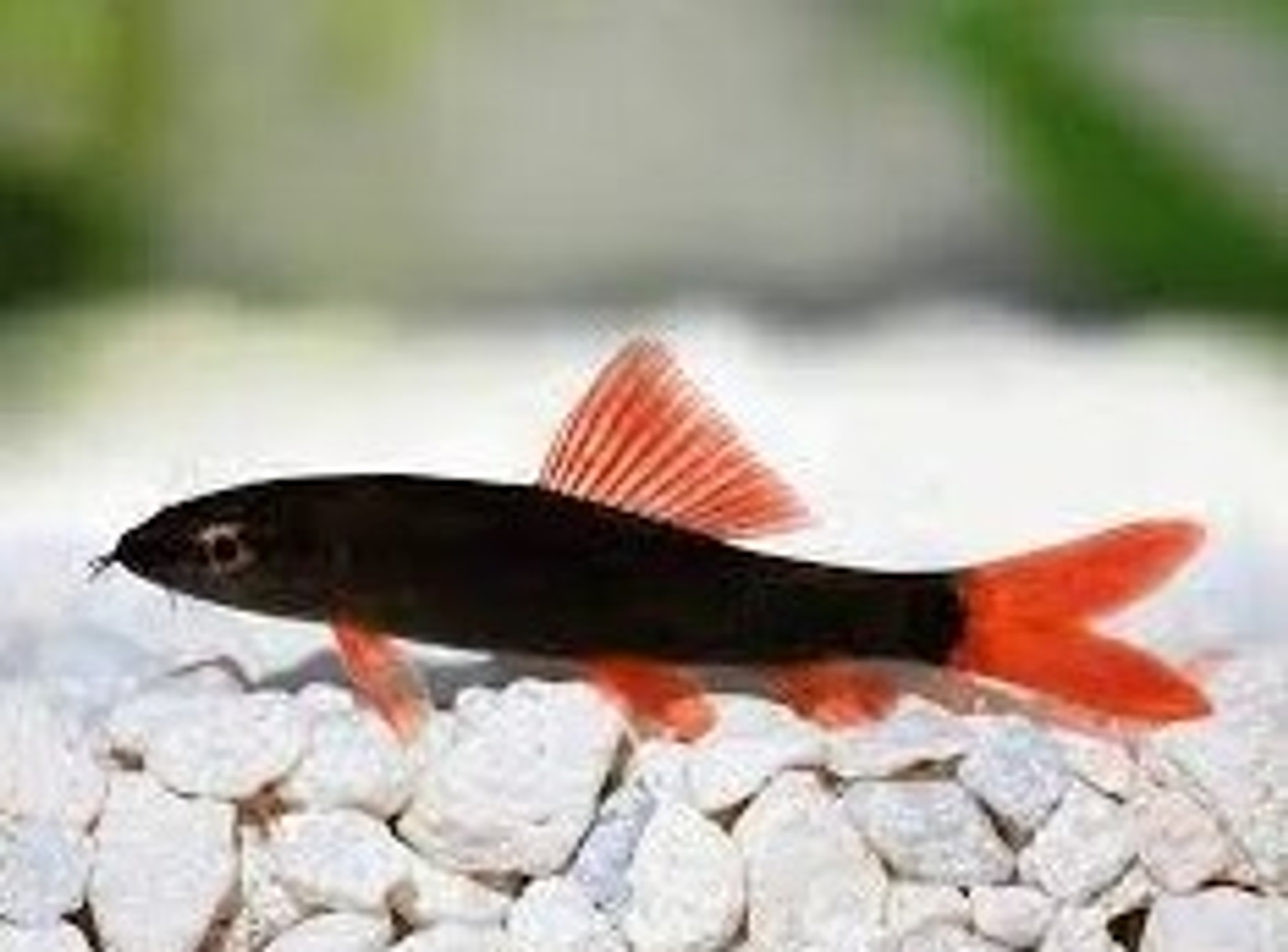
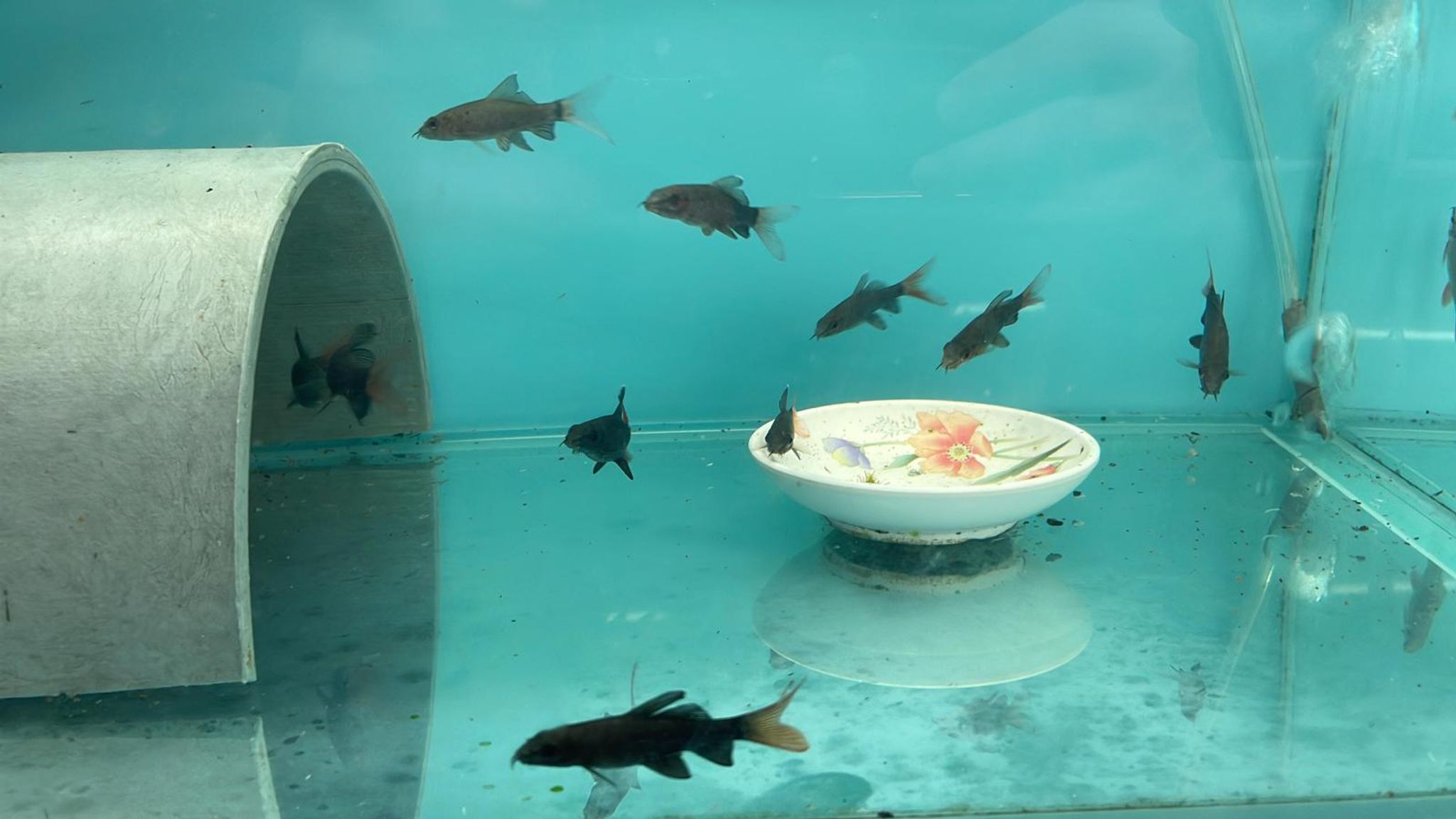
Rainbow Sharks are dark-bodied freshwater fish with brightly coloured fins. They are active bottom-oriented fish and can become territorial, particularly toward similar-looking tankmates.
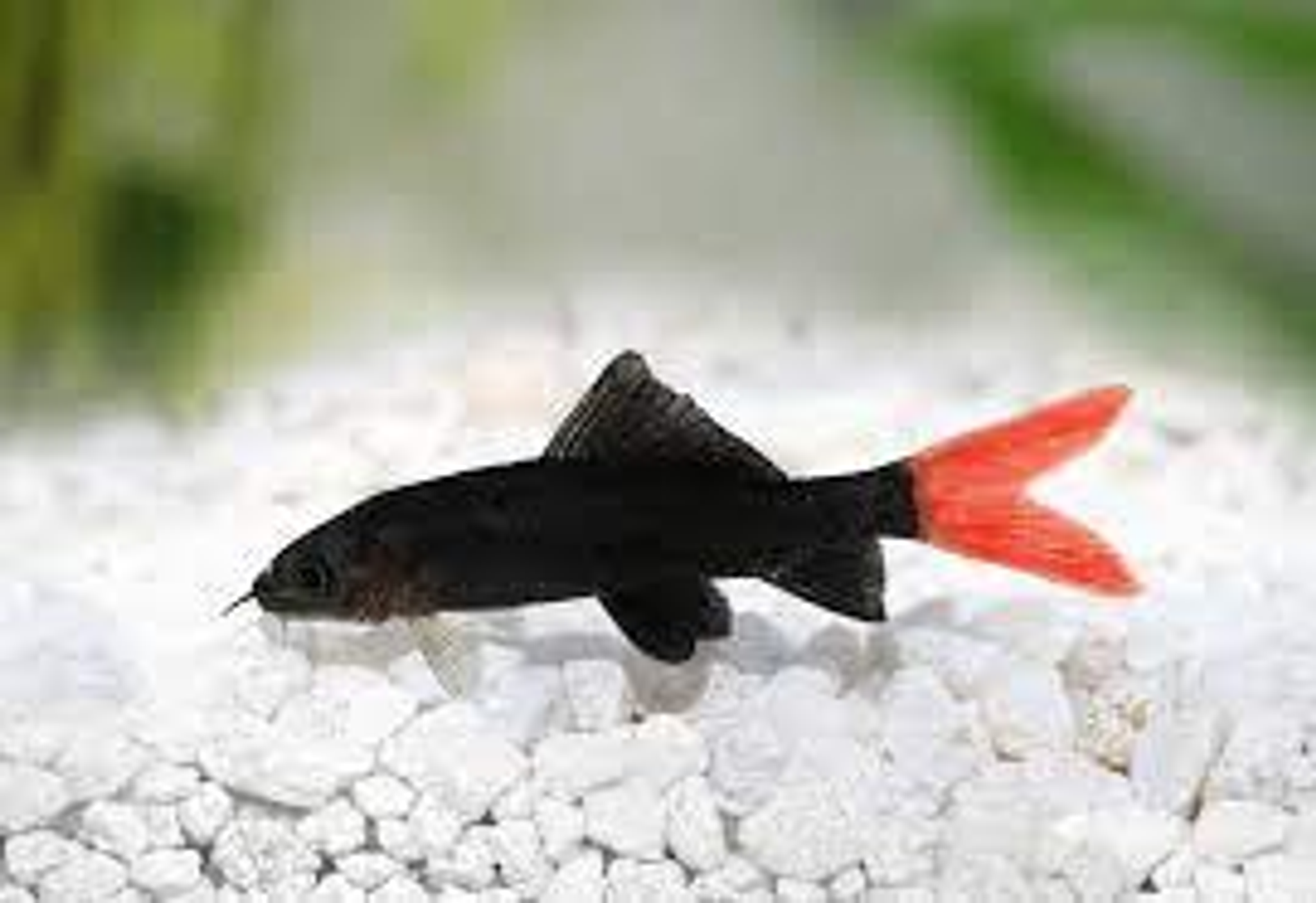
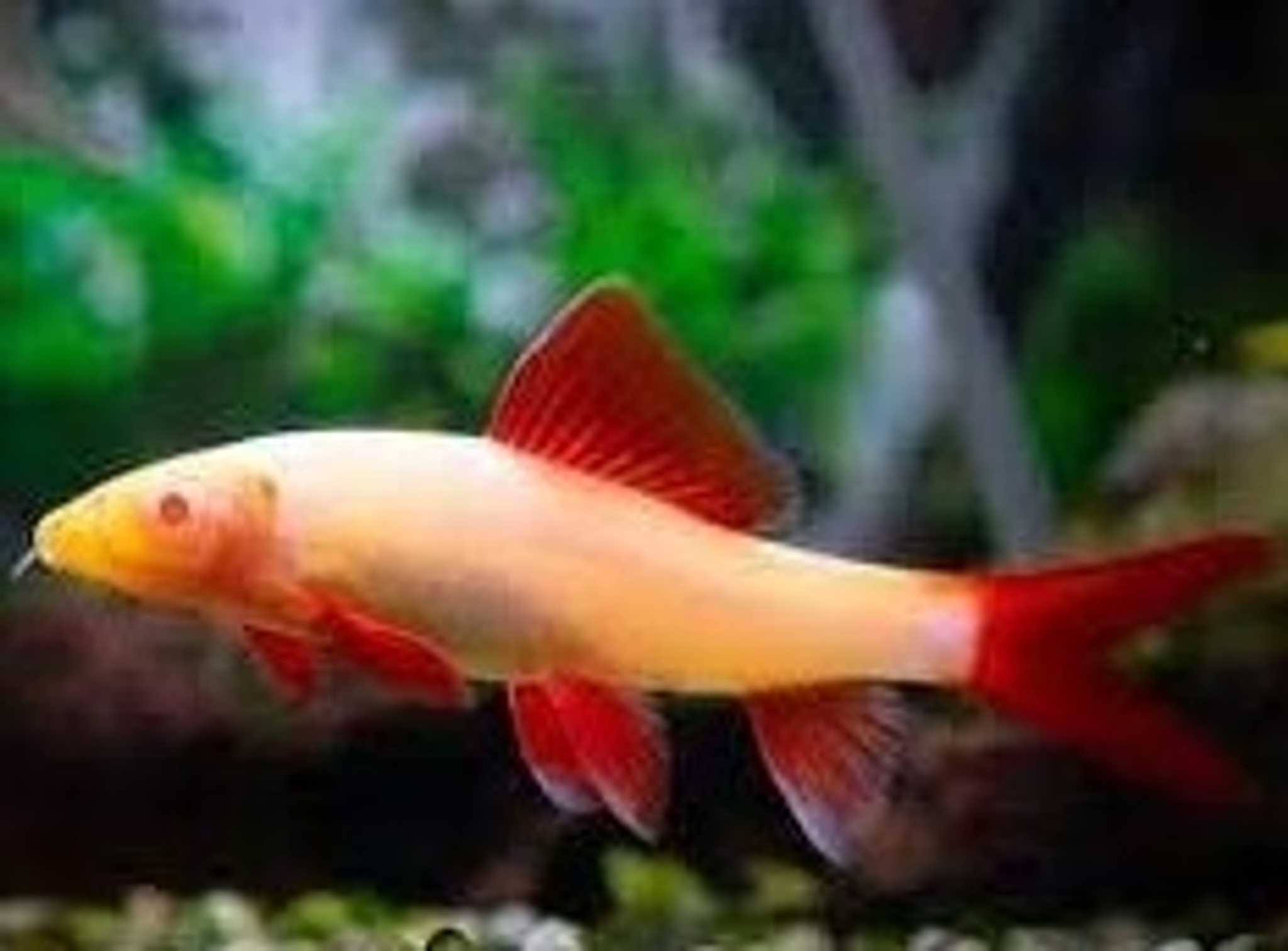
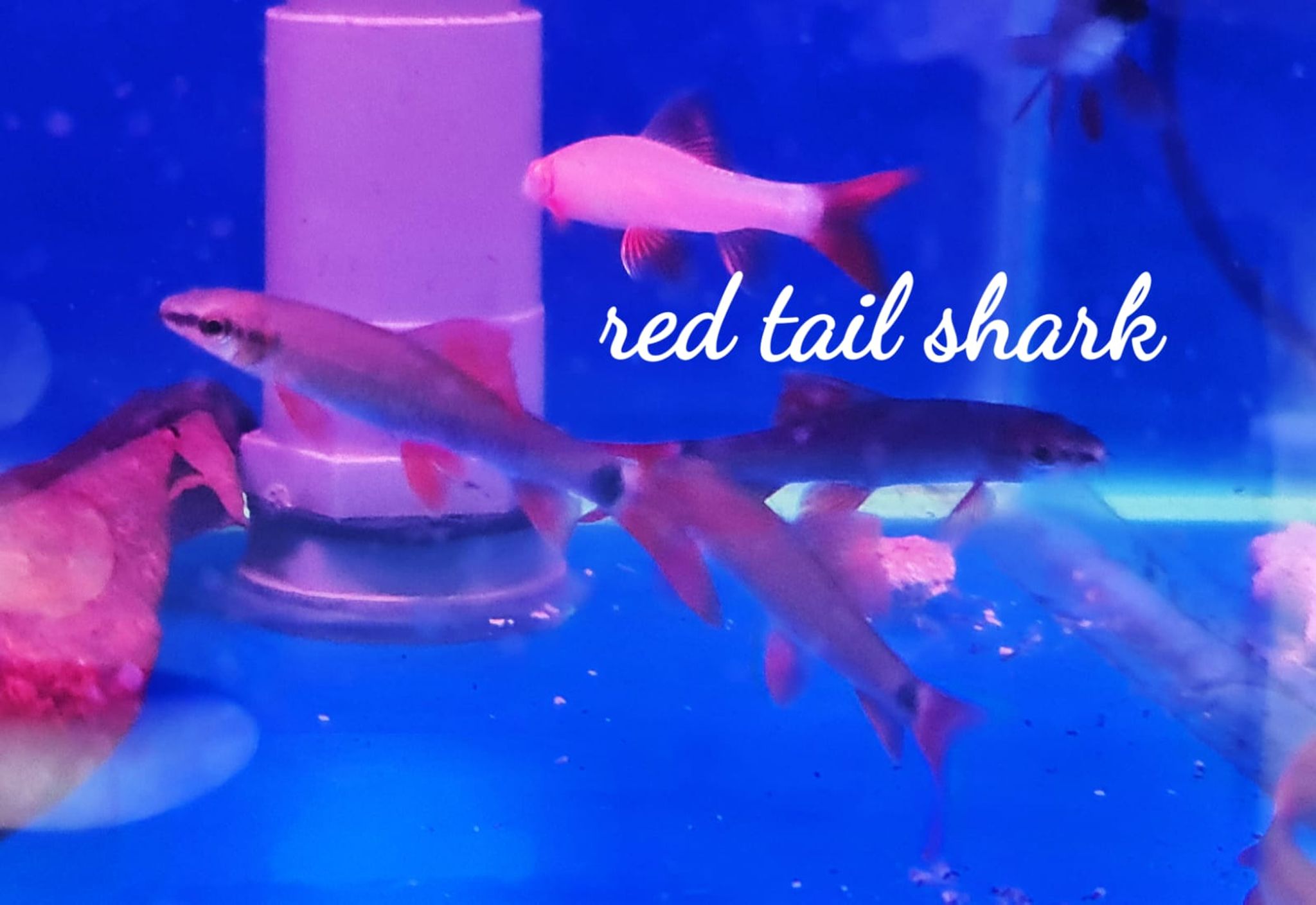
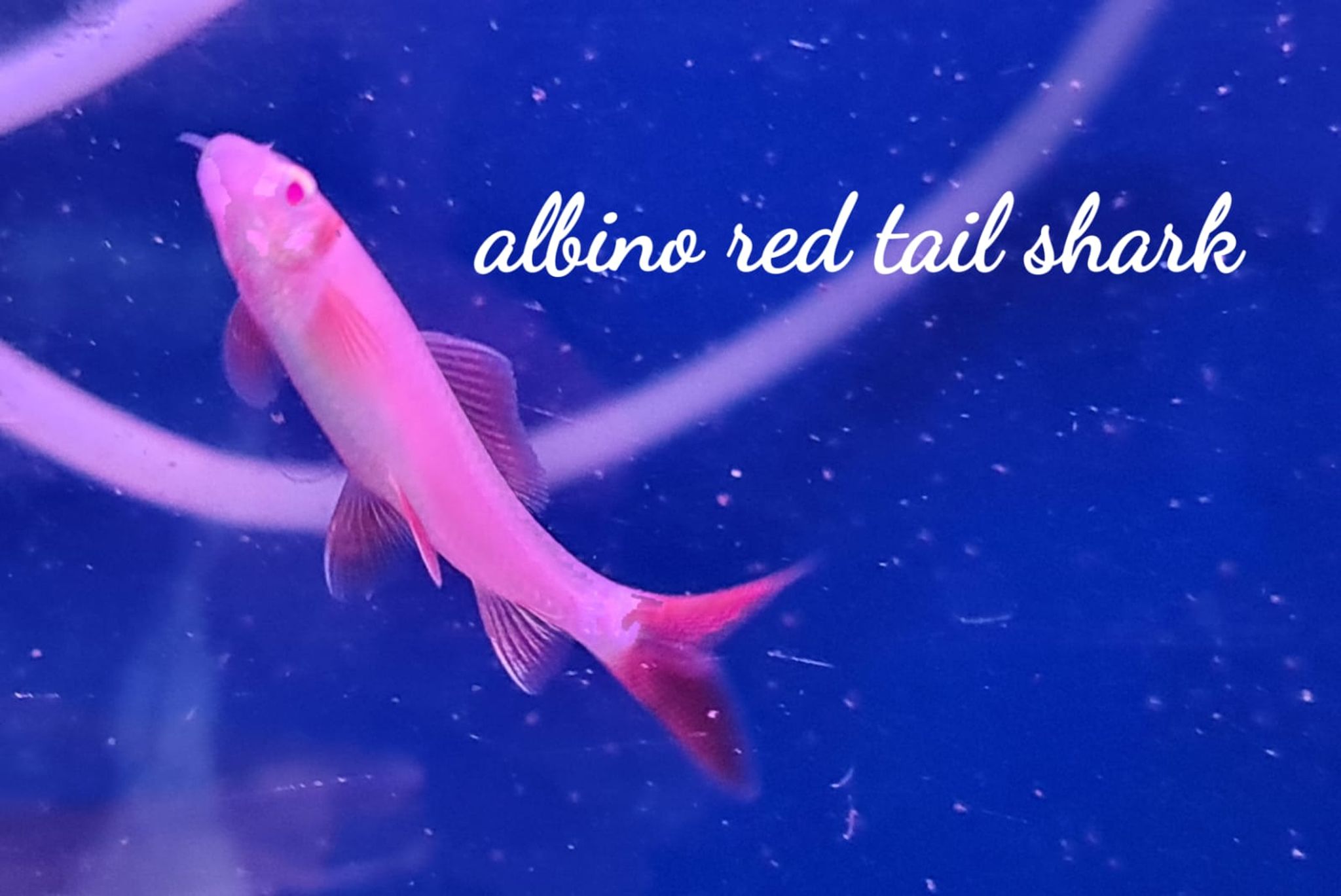
Red Tail Sharks are recognised by their dark body and contrasting red tail. They can be strongly territorial, so tank size, hiding areas and tankmate selection are important.
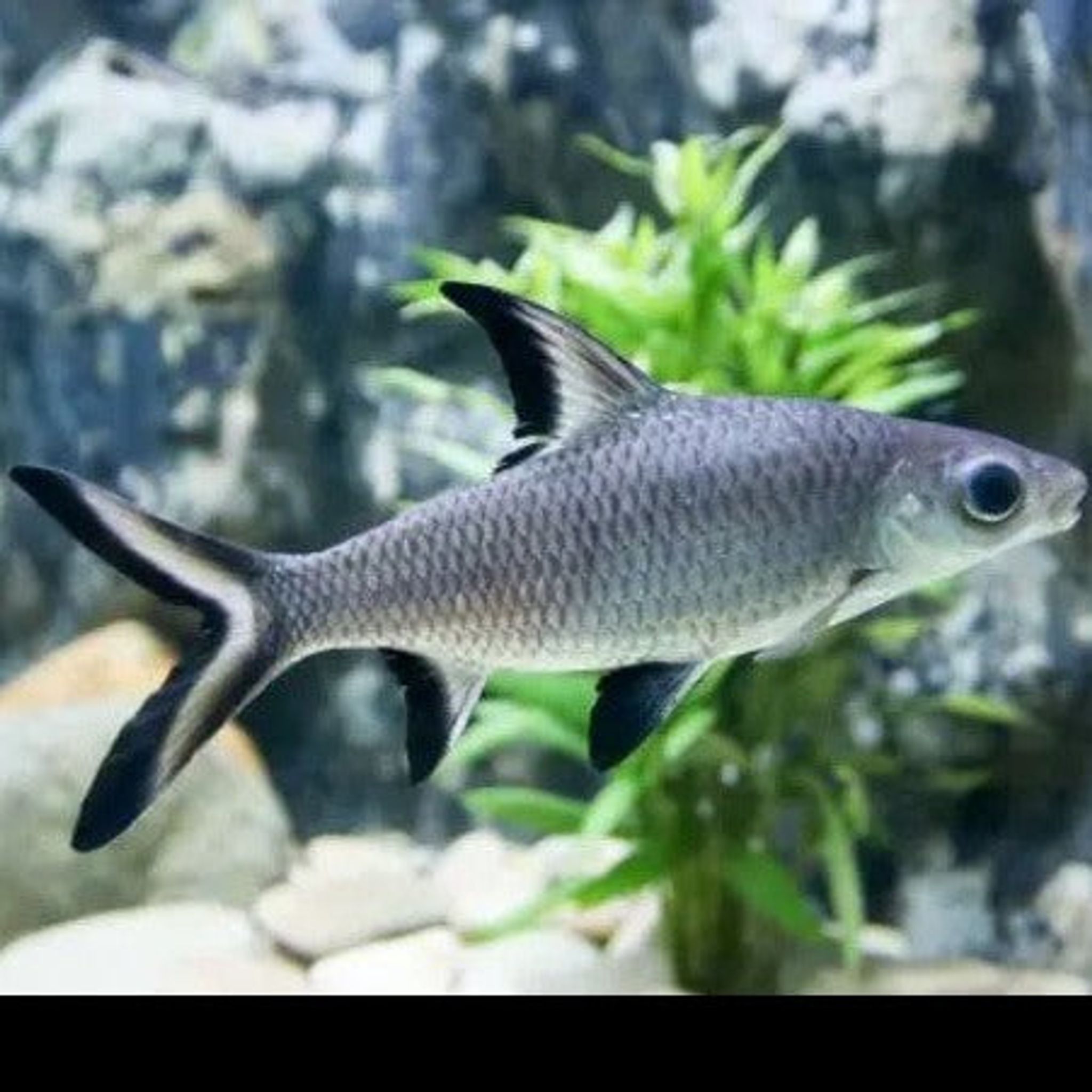
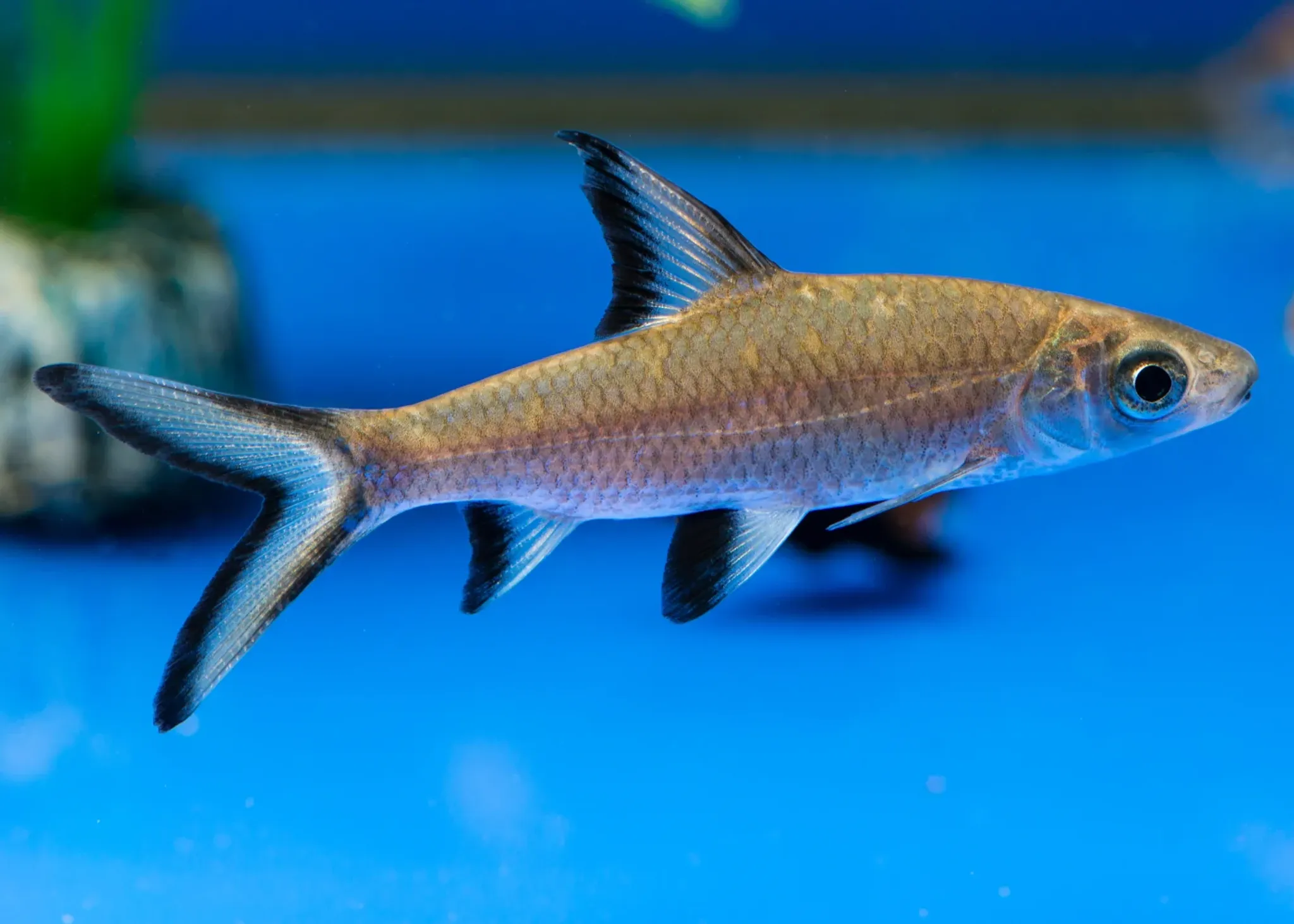
Bala Sharks have a silver body with dark-edged fins and a classic shark-like profile. Unlike Rainbow and Red Tail Sharks, Bala Sharks are active schooling fish that can grow large and require substantial swimming space.
Other aquarium fish may also be sold under names containing “shark”. Because these species can have very different adult sizes and care requirements, always confirm the exact fish before purchase.
No. Aquarium fish sold as freshwater sharks are not true sharks.
The name usually refers to their streamlined shape, pointed dorsal fin or swimming style rather than biological relationship to marine sharks.
Adult size varies greatly between freshwater shark species.
Rainbow and Red Tail Sharks are much more manageable than Bala Sharks, which can become substantially larger. Always plan for mature size rather than juvenile shop size.
Suitable tank size depends strongly on species and adult size.
Territorial species need enough floor space and hiding areas to establish territories, while Bala Sharks need long open swimming areas and enough room for a group.
Rainbow Sharks benefit from aquariums with caves, driftwood, rocks and open swimming areas.
Providing visual barriers can help define territory and reduce constant interaction with other bottom-dwelling fish.
Red Tail Sharks appreciate sheltered areas and clearly defined territories.
Avoid cramped layouts where several bottom-dwelling fish are forced into the same small area.
Bala Sharks need a very different setup from territorial bottom-dwelling shark species.
They are powerful, active swimmers and benefit from a long aquarium with substantial open water and strong filtration.
Some are, particularly Rainbow Sharks and Red Tail Sharks.
Bala Sharks behave very differently and are schooling fish rather than territorial bottom dwellers. This is why species-level care is essential.
Rainbow Sharks typically have reddish coloration on several fins, while Red Tail Sharks are best known for a contrasting red tail against a darker body.
Both can become territorial and are usually best planned around adequate floor space and carefully chosen tankmates.
These fish differ considerably despite both carrying the shark name.
Rainbow Sharks are territorial bottom-oriented fish, while Bala Sharks are larger, social schooling fish that spend more time swimming in open water.
Some freshwater shark species can live in community setups when tankmates are chosen carefully.
Territorial bottom dwellers generally do better with fish that spend more time in the middle and upper water column rather than species competing for the same caves and substrate.
Many medium-sized Tetras may coexist with Rainbow or Red Tail Sharks because they occupy different areas of the tank.
For Bala Sharks, choose tankmates based on the Bala Shark's eventual size and activity level rather than its juvenile size.
Larger peaceful Rasboras may work with some freshwater shark species when the aquarium is appropriately sized.
Very small fish may be intimidated or outcompeted in tanks with large, highly active Bala Sharks.
Corydoras share the bottom area with Rainbow and Red Tail Sharks, which can create territorial pressure.
Compatibility depends on aquarium size, layout and individual behaviour, so this pairing requires more caution than combining sharks with midwater fish.
Plecos and territorial freshwater sharks may compete for caves and bottom territory.
Large tanks with multiple shelters can reduce conflict, but compatibility should not be assumed.
Loaches may occupy similar areas to Rainbow and Red Tail Sharks.
Territorial behaviour can become an issue, particularly when the aquarium lacks enough floor space or hiding areas.
Some freshwater sharks may coexist with Angelfish in sufficiently spacious community aquariums.
Monitor feeding competition and make sure highly active tankmates are not constantly disturbing slower fish.
Compatibility with cichlids depends heavily on the cichlid species and temperament.
Territorial cichlids combined with territorial sharks can create repeated conflict over bottom and cave areas.
Small shrimp and juveniles may be eaten by freshwater shark fish.
They should not generally be considered reliably shrimp-safe, especially in tanks intended for shrimp breeding.
Many freshwater shark species may coexist with aquarium snails.
Individual behaviour and species-specific feeding habits should still be considered.
Rainbow and Red Tail Sharks can work in planted aquariums where plants provide visual barriers and shaded territories.
Bala Sharks require far more open swimming room, so dense planting should not restrict the main swimming area.
Territorial species can benefit from caves, driftwood and rock structures.
Visual barriers can help break up direct lines of sight and give bottom-dwelling fish their own resting areas.
Diet varies by species, but many freshwater shark fish are omnivorous.
Suitable pellets, sinking foods, plant-based foods and protein-rich complementary foods can be used depending on species.
Rainbow and Red Tail Sharks may graze on algae and biofilm, particularly when younger.
They still require a proper balanced diet and should not be purchased solely as algae-control animals.
Bala Sharks are active omnivorous feeders that accept a range of suitable prepared foods.
Food should be appropriately sized and distributed so all members of the group can feed.
Freshwater shark fish benefit from stable, clean water and consistent aquarium maintenance.
Exact temperature, hardness, pH and flow preferences differ between species, so conditions should be matched to the specific fish.
Effective mechanical and biological filtration is important for maintaining stable water quality.
Larger Bala Sharks and heavily stocked communities can create substantial bioload, so filtration should be planned for mature fish rather than only juvenile stocking.
Some freshwater shark fish, particularly fast-swimming Bala Sharks, can jump when startled.
A secure aquarium cover can help reduce the risk of accidental escapes.
It depends strongly on species.
Rainbow and Red Tail Sharks can become territorial, while Bala Sharks are generally social schooling fish. The common “shark” label therefore says very little about temperament by itself.
Some can be manageable for beginners who understand aquarium cycling, adult size and territorial behaviour.
Bala Sharks are often a poor choice for small beginner aquariums because their long-term space and group requirements are much greater than juvenile fish suggest.
When comparing freshwater shark fish for sale, look for:
Behaviour should be judged according to species because an active Bala Shark and a territorial Rainbow Shark naturally behave very differently.
Introduce new fish carefully to avoid sudden changes in temperature and water chemistry.
Quarantine can also help reduce the risk of introducing disease into an established community aquarium.
Freshwater shark prices in Singapore vary according to species, size, rarity, source and seller.
Common juvenile Rainbow or Bala Sharks may be relatively accessible, while uncommon forms or larger specimens can cost more.
FishyHub brings freshwater shark listings from aquarium shops, breeders and freshwater fish sellers across Singapore together in one marketplace, making it easier to compare different species and sizes from multiple sources.
When comparing freshwater shark listings, consider:
Livestock availability changes regularly, so specific freshwater shark species and sizes may not always remain in stock.
No. They are freshwater aquarium fish given the shark name because of their body shape or fin profile.
Rainbow Sharks usually show reddish coloration on several fins, while Red Tail Sharks are best known for their contrasting red tail. Both can be territorial.
They are generally schooling fish rather than strongly territorial fish, although their large size and active swimming require substantial space.
Yes. Bala Sharks are social fish and are generally better maintained as a suitable group in a sufficiently large aquarium.
Sometimes, but both use the lower part of the aquarium, so territorial behaviour and available floor space need to be monitored.
They sometimes can, but territorial species may compete with Plecos for caves and bottom areas.
Some species graze on algae or biofilm, but they still need a balanced diet and should not be treated as dedicated algae-control animals.
Adult size varies greatly by species, with Bala Sharks becoming substantially larger than Rainbow or Red Tail Sharks.
Explore freshwater shark fish for sale on FishyHub and compare Rainbow Sharks, Red Tail Sharks, Bala Sharks and other shark-shaped freshwater fish from aquarium sellers and breeders across Singapore. Compare species, adult size, temperament, group needs and price to find a suitable freshwater shark for your aquarium.