1–28 of 28
1786897017328.jpeg?signature=80baf853e8a53d6e5f2baf29d0d8ea97a73befa9cd842f640d8589c09b32f419)
1757336486567.jpeg?signature=40172c3b0e3d331fbba9c74f076f60f65fa10762919d2963666694d894f1dc14)

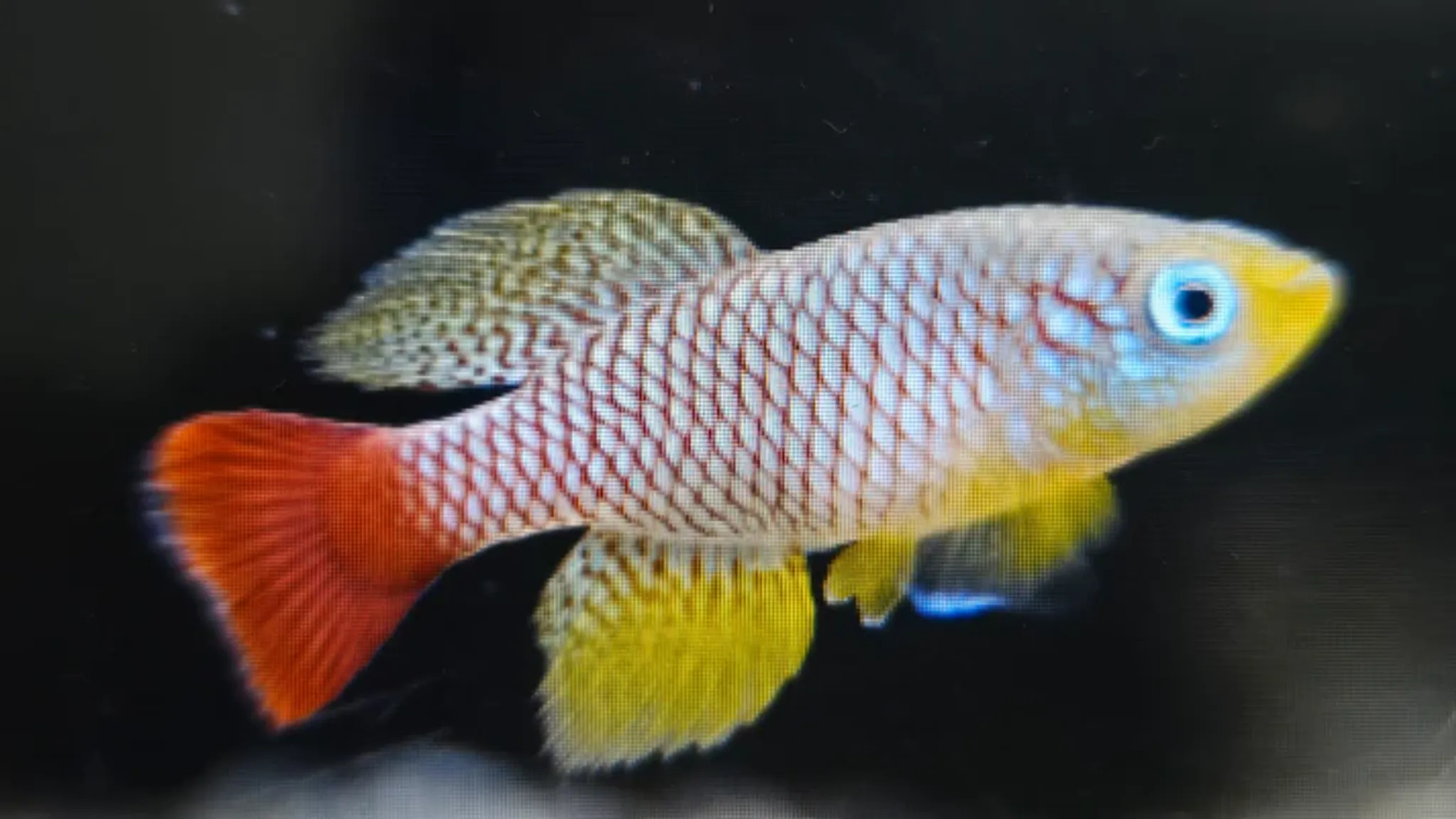
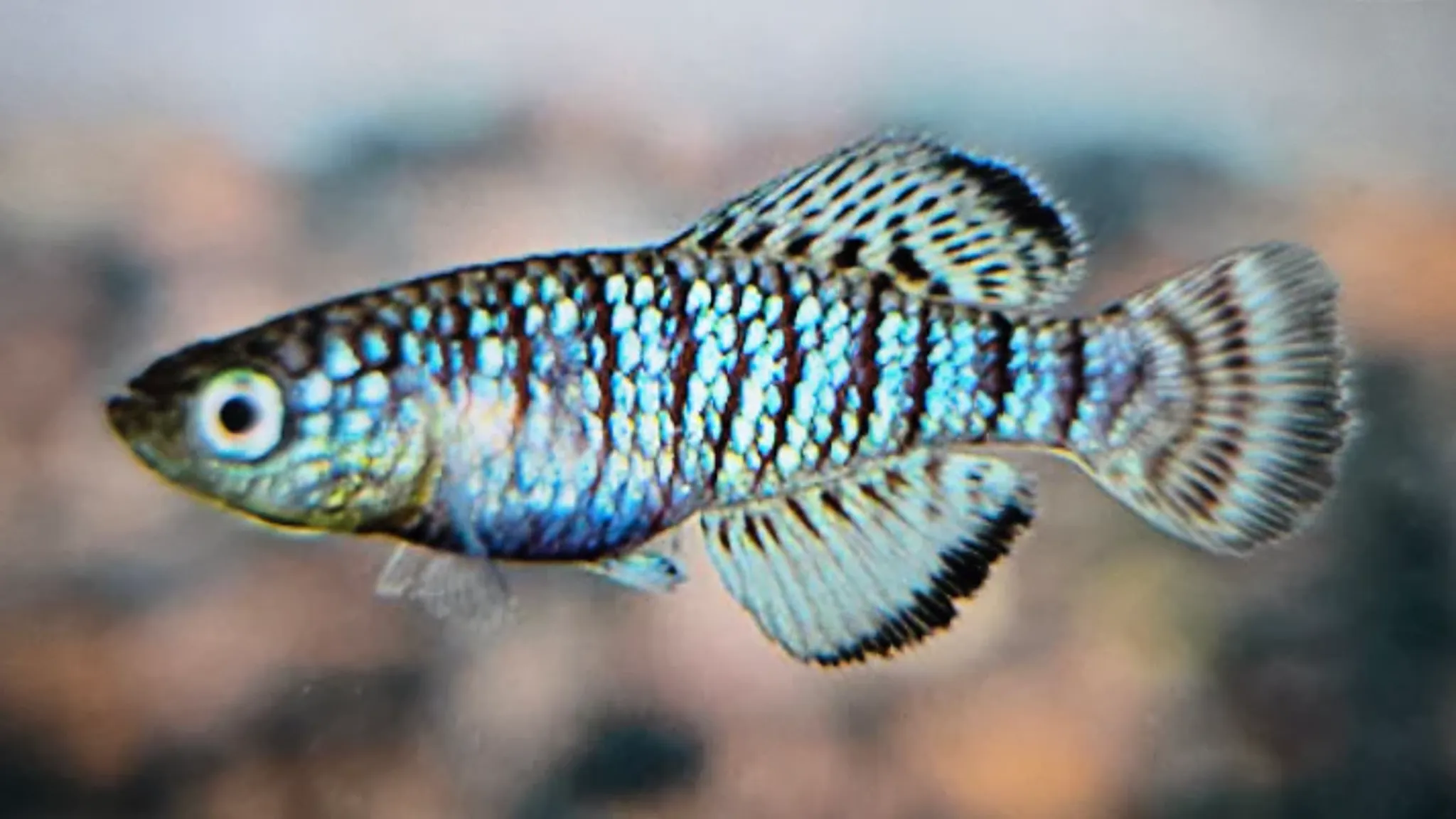
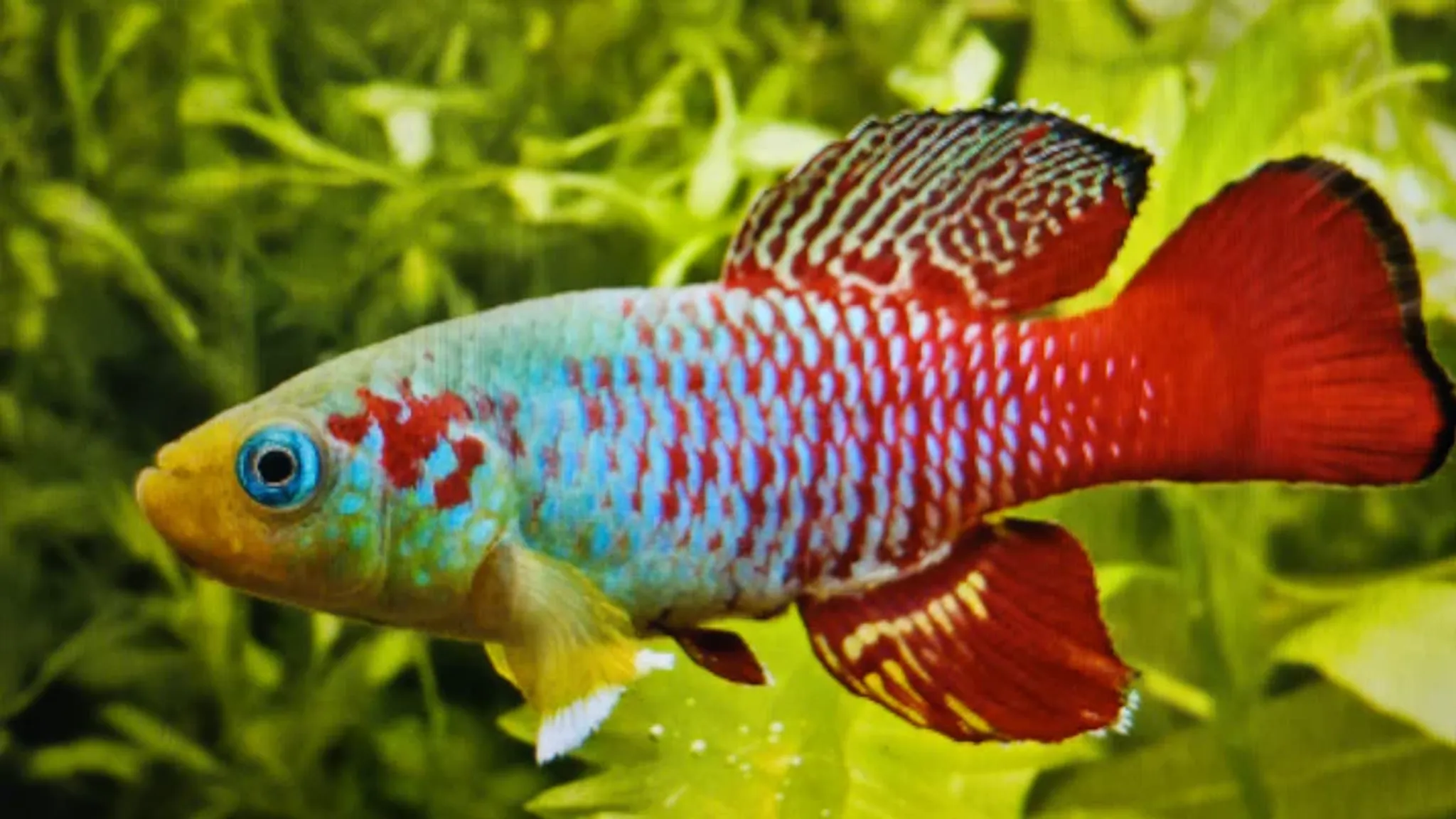
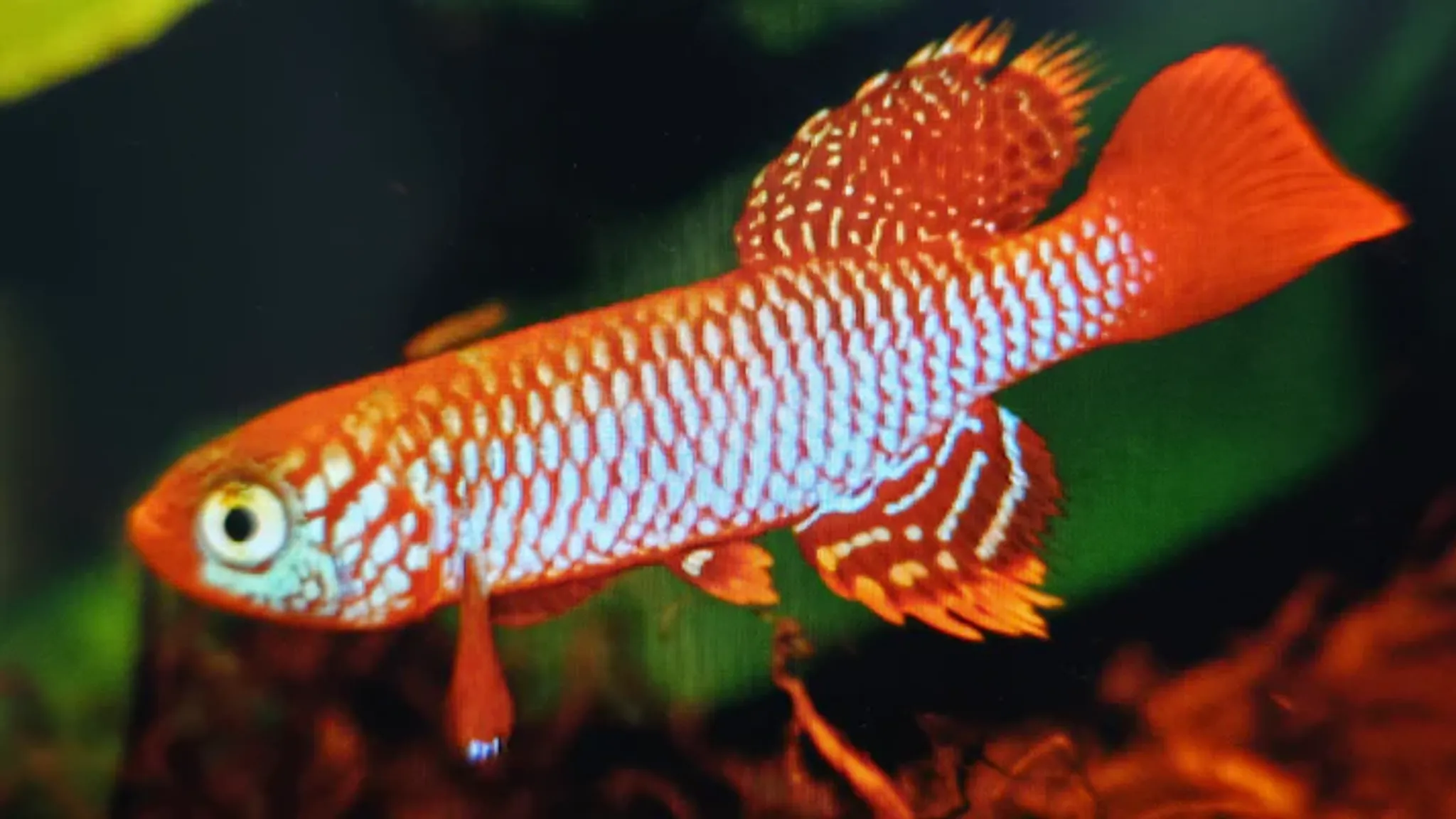
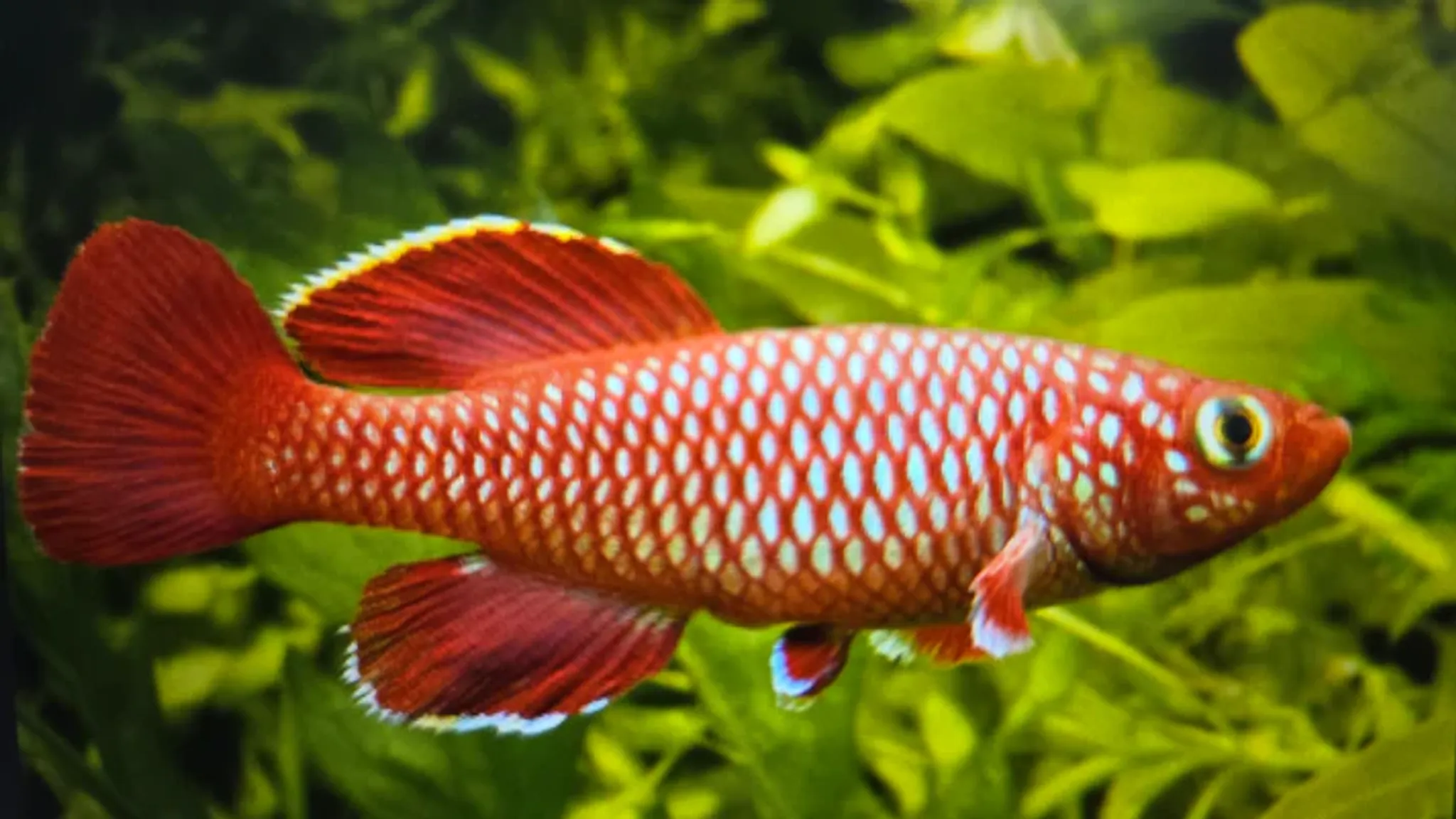
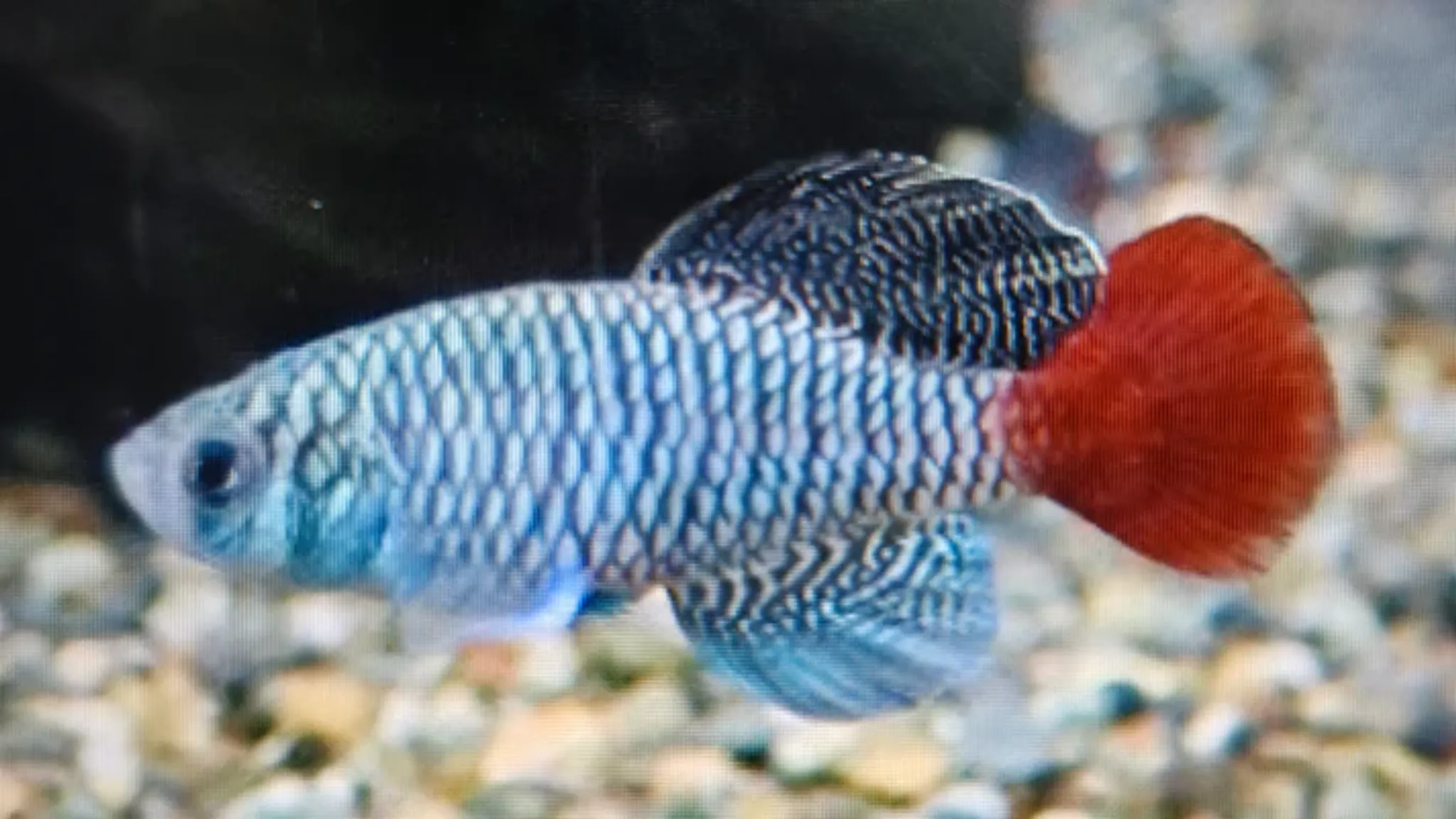
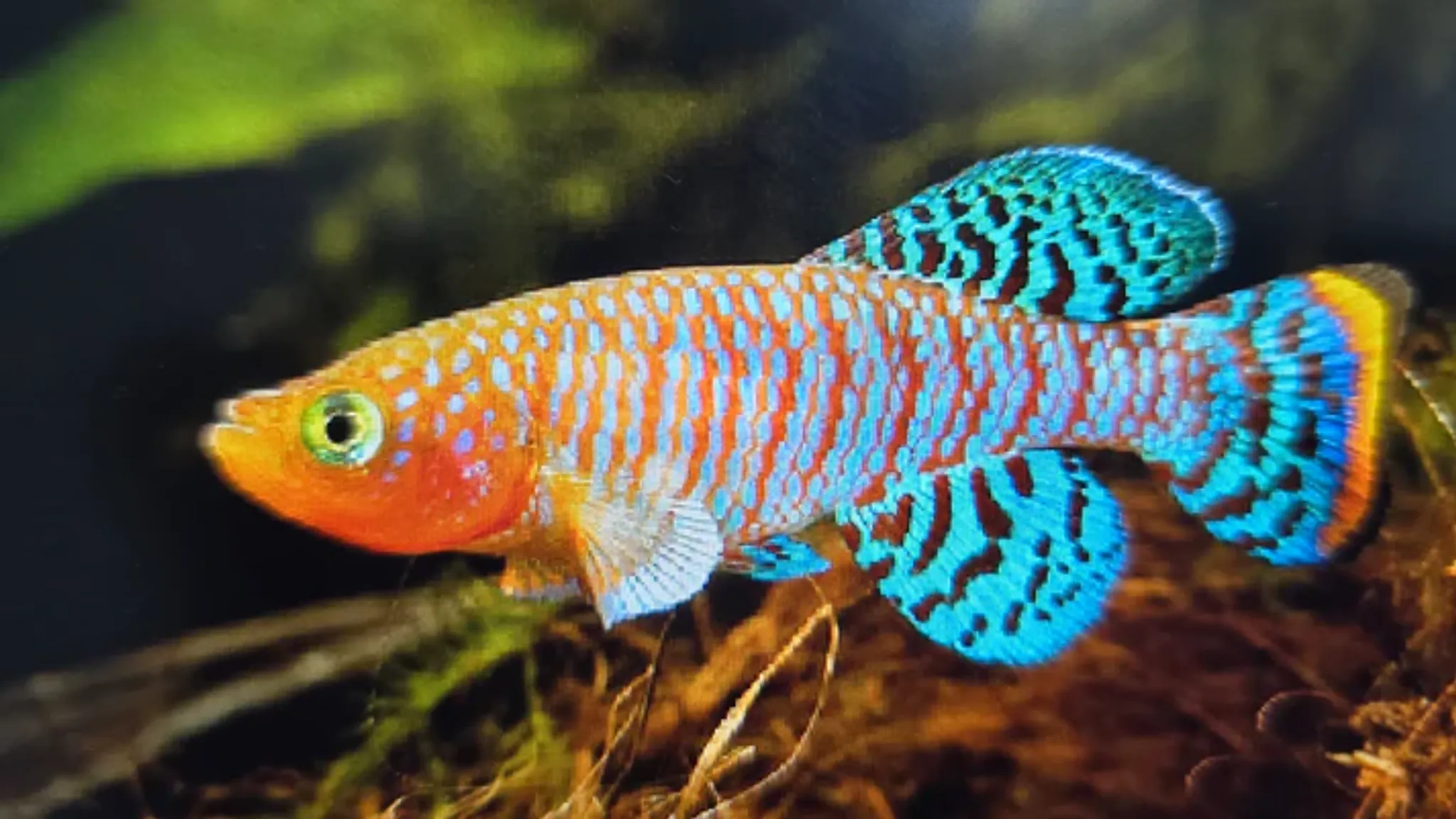
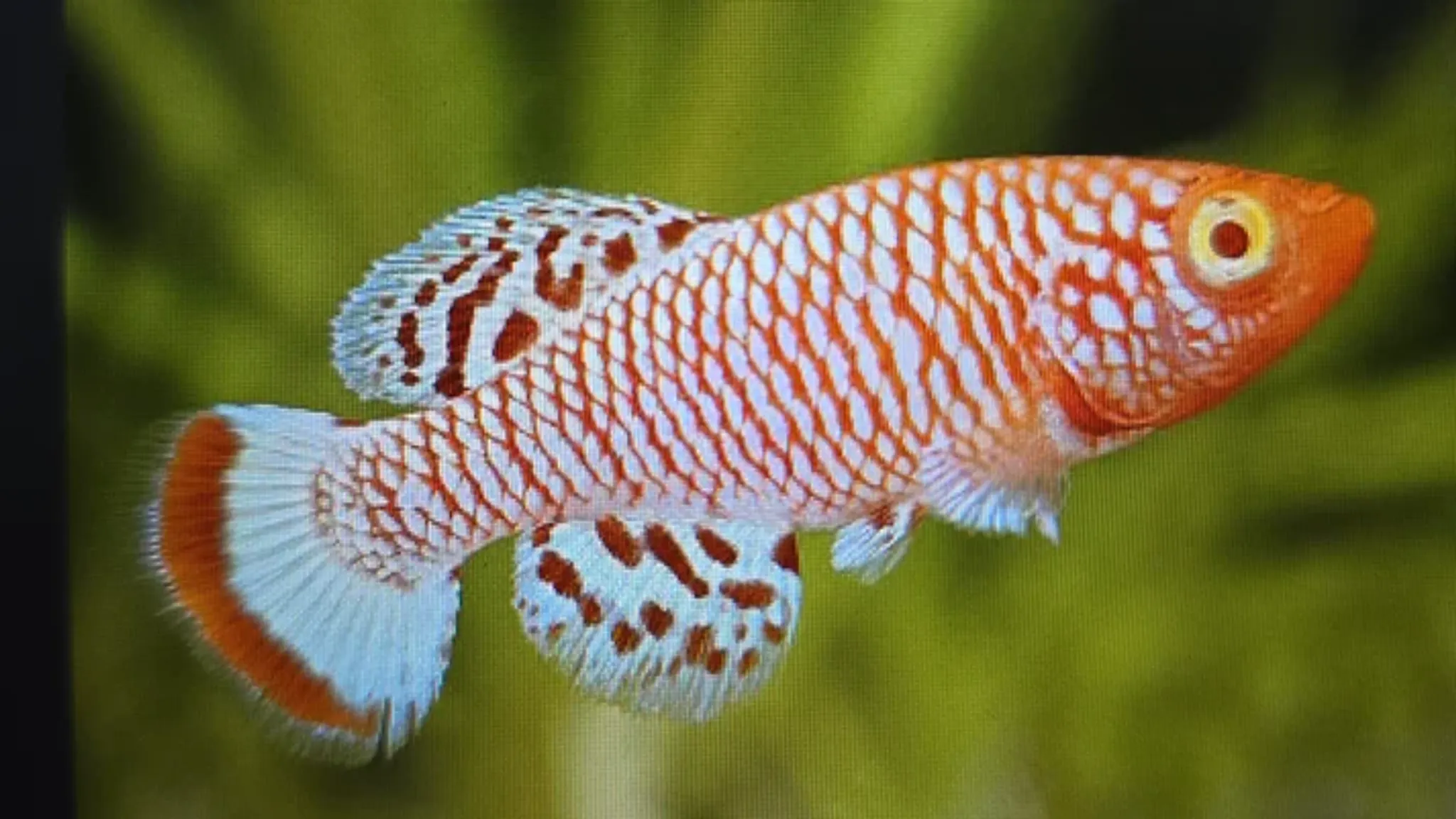
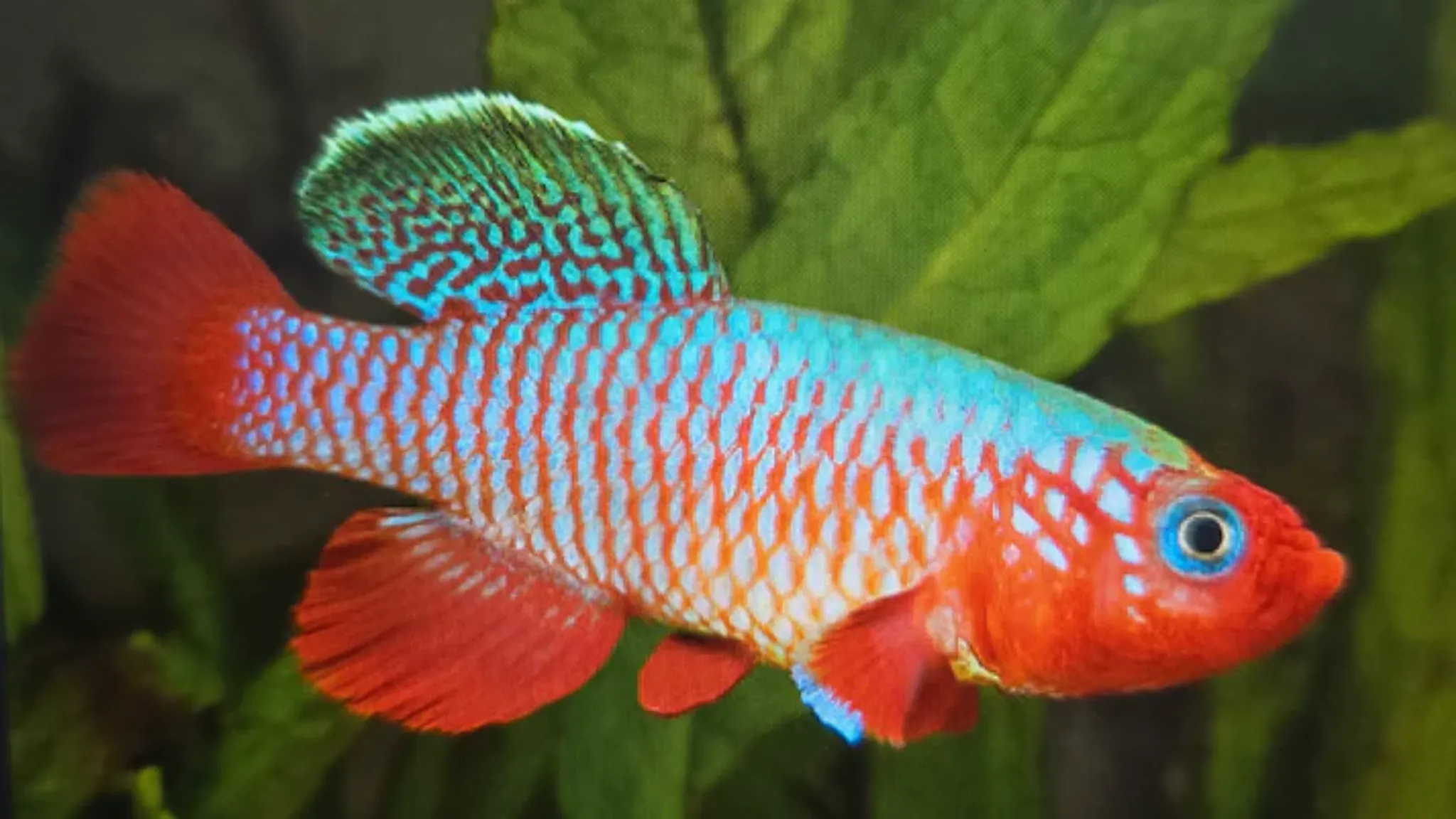
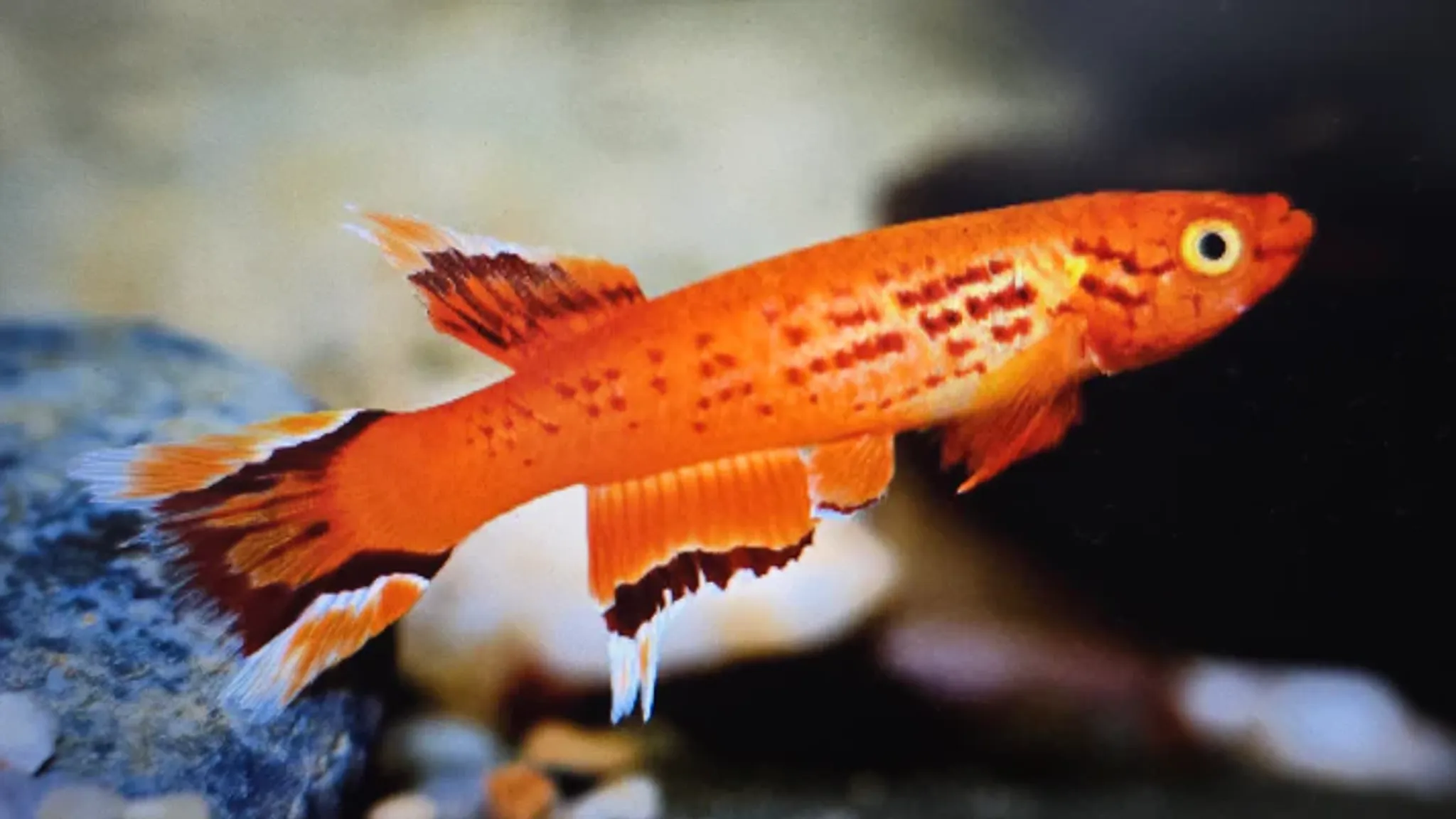
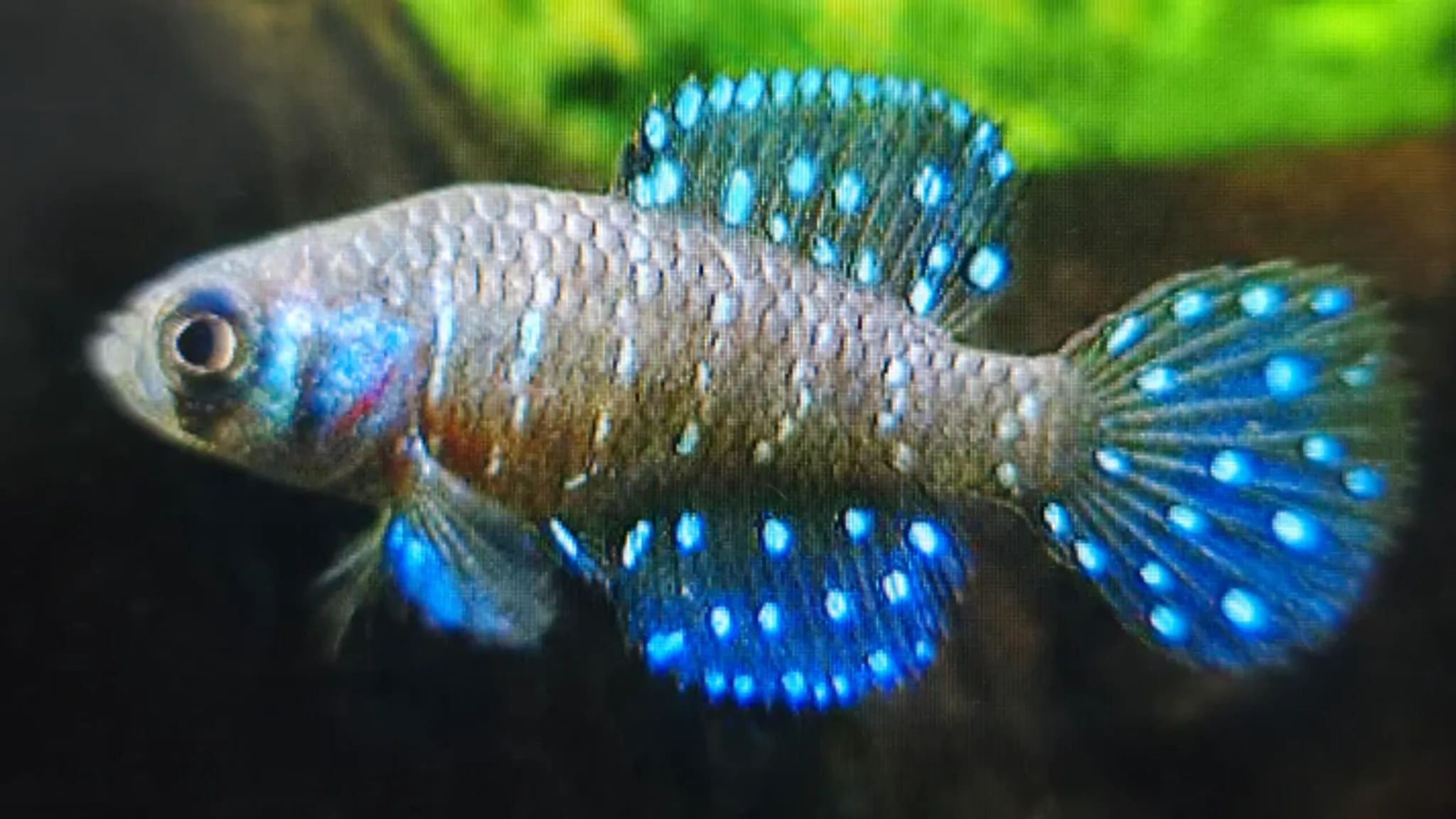
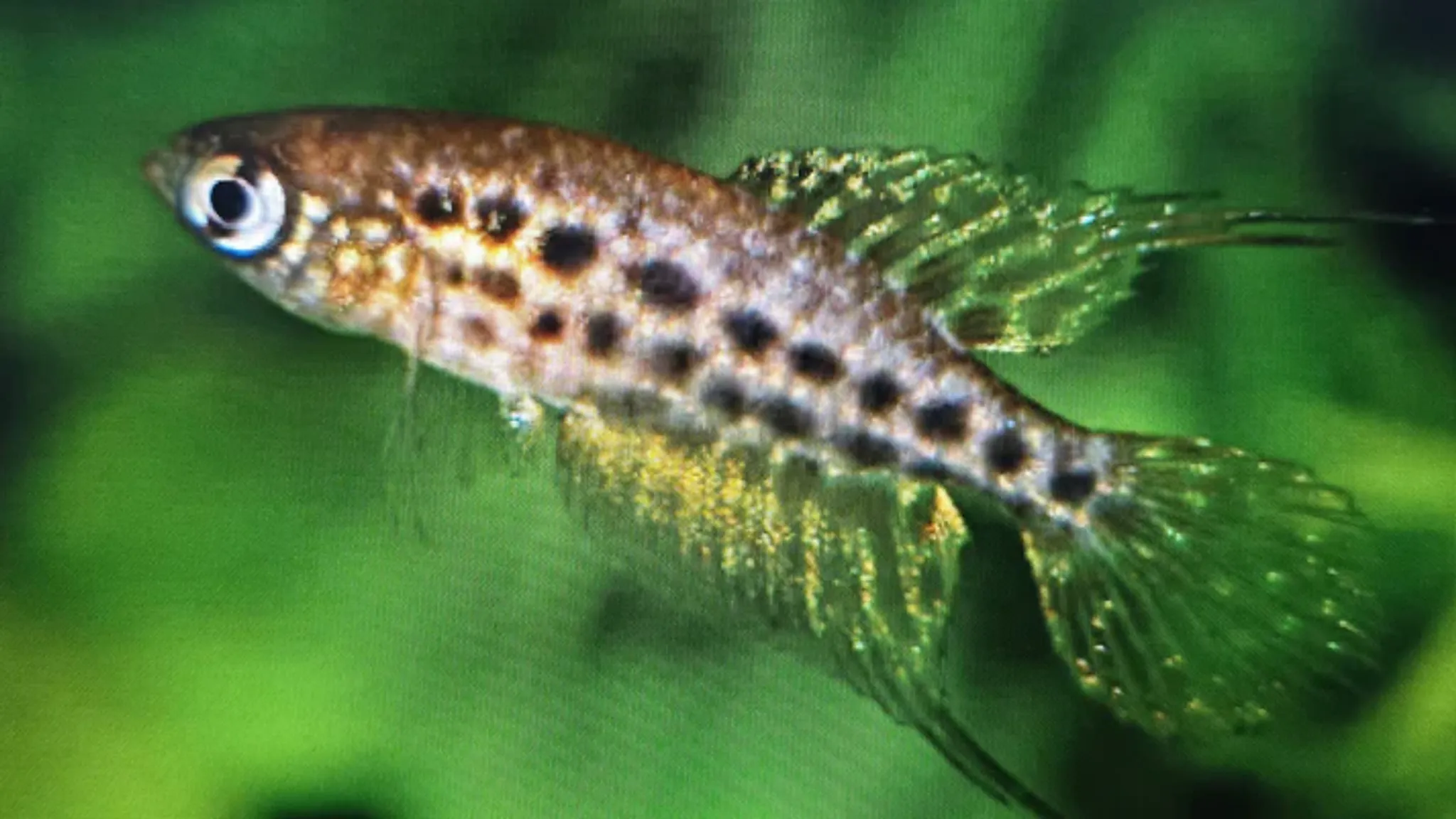
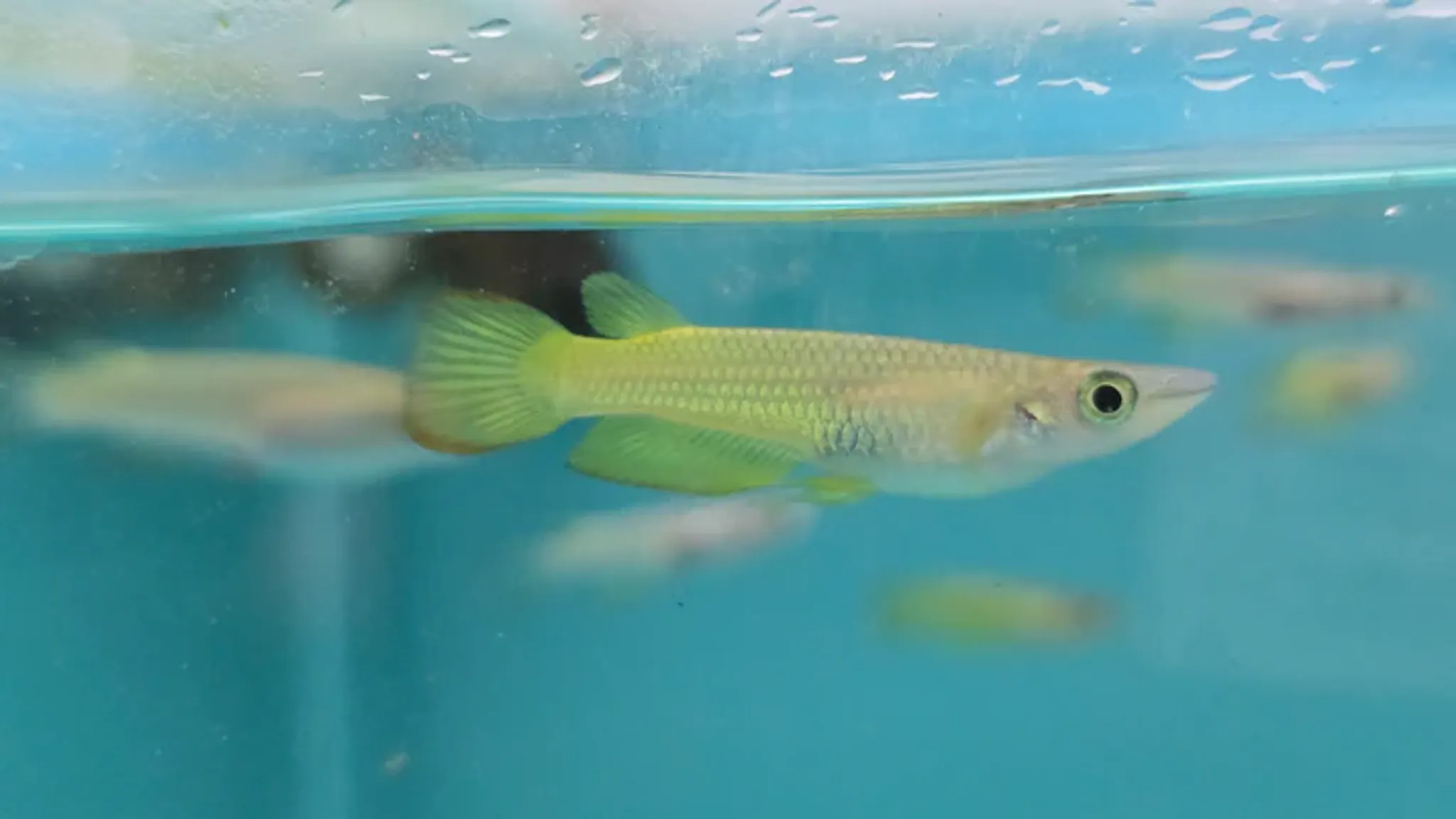
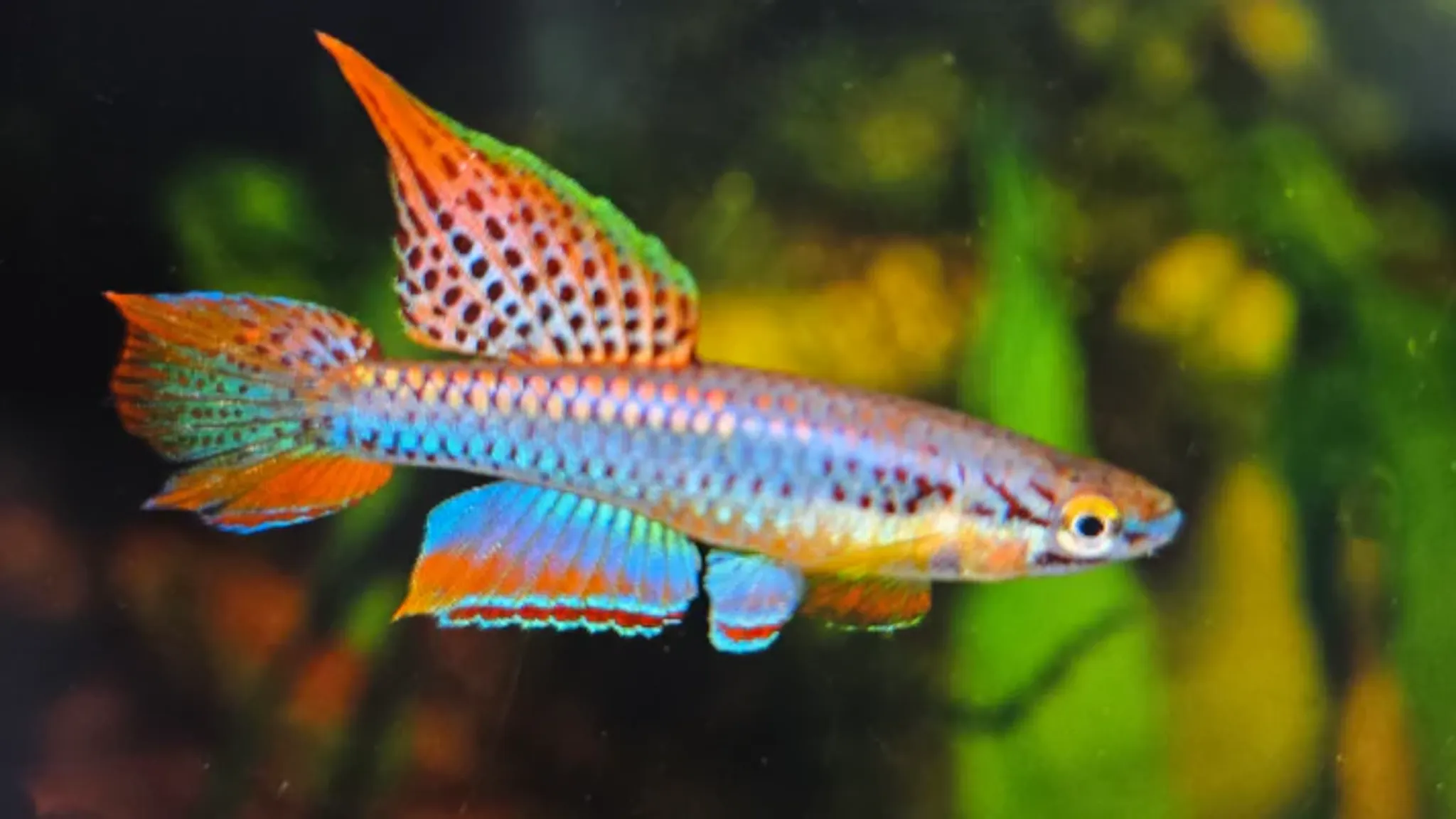
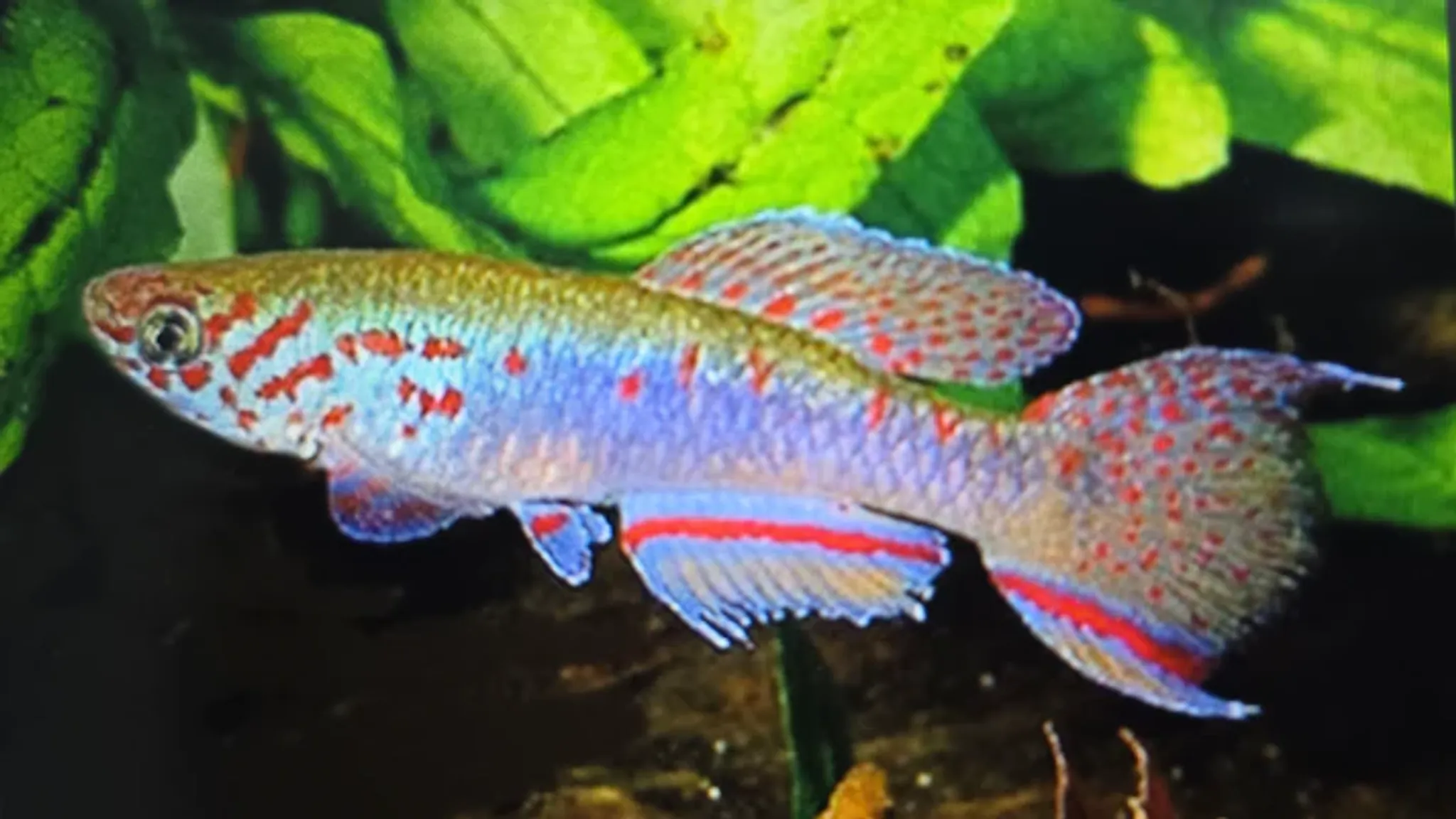
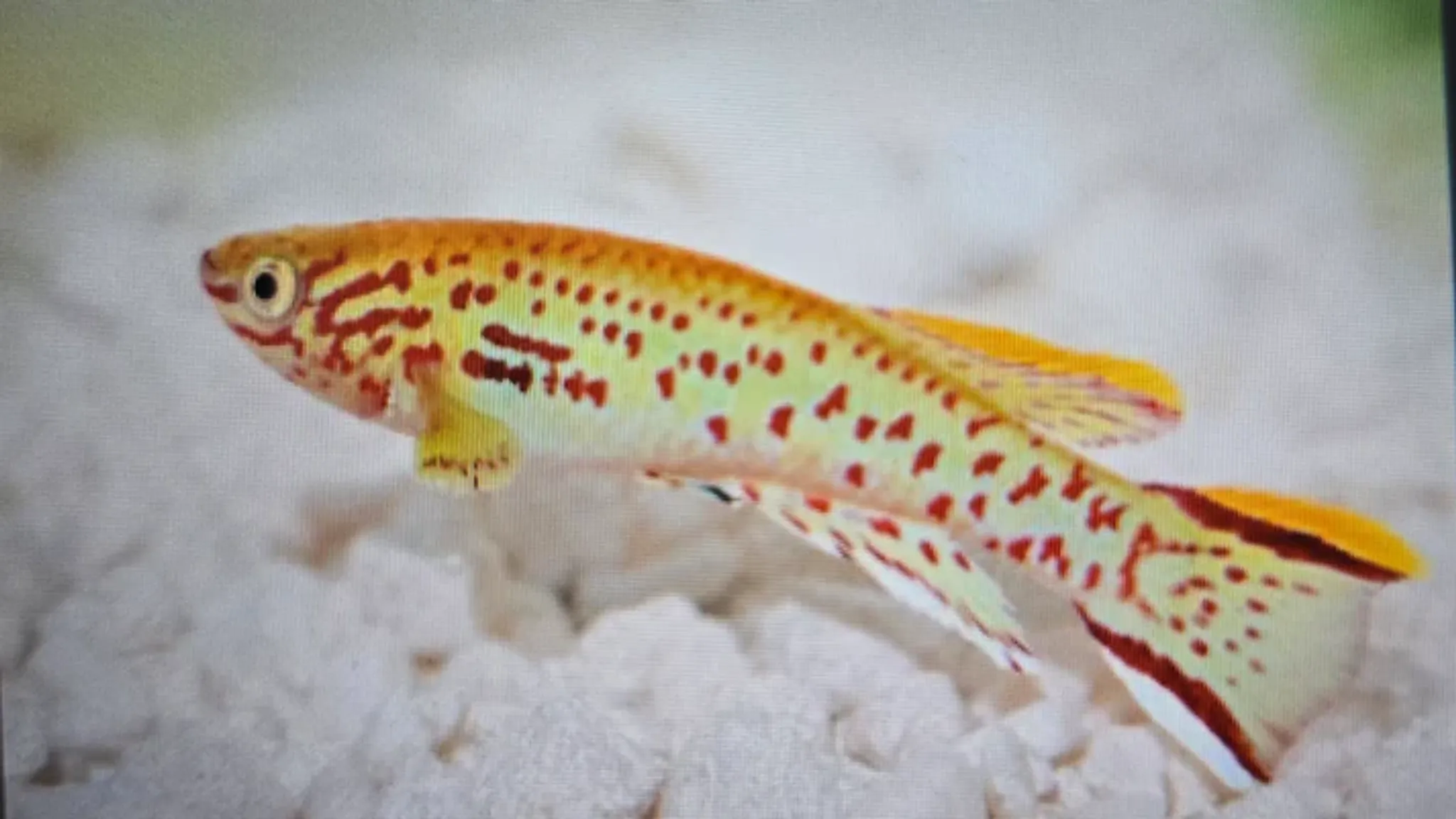
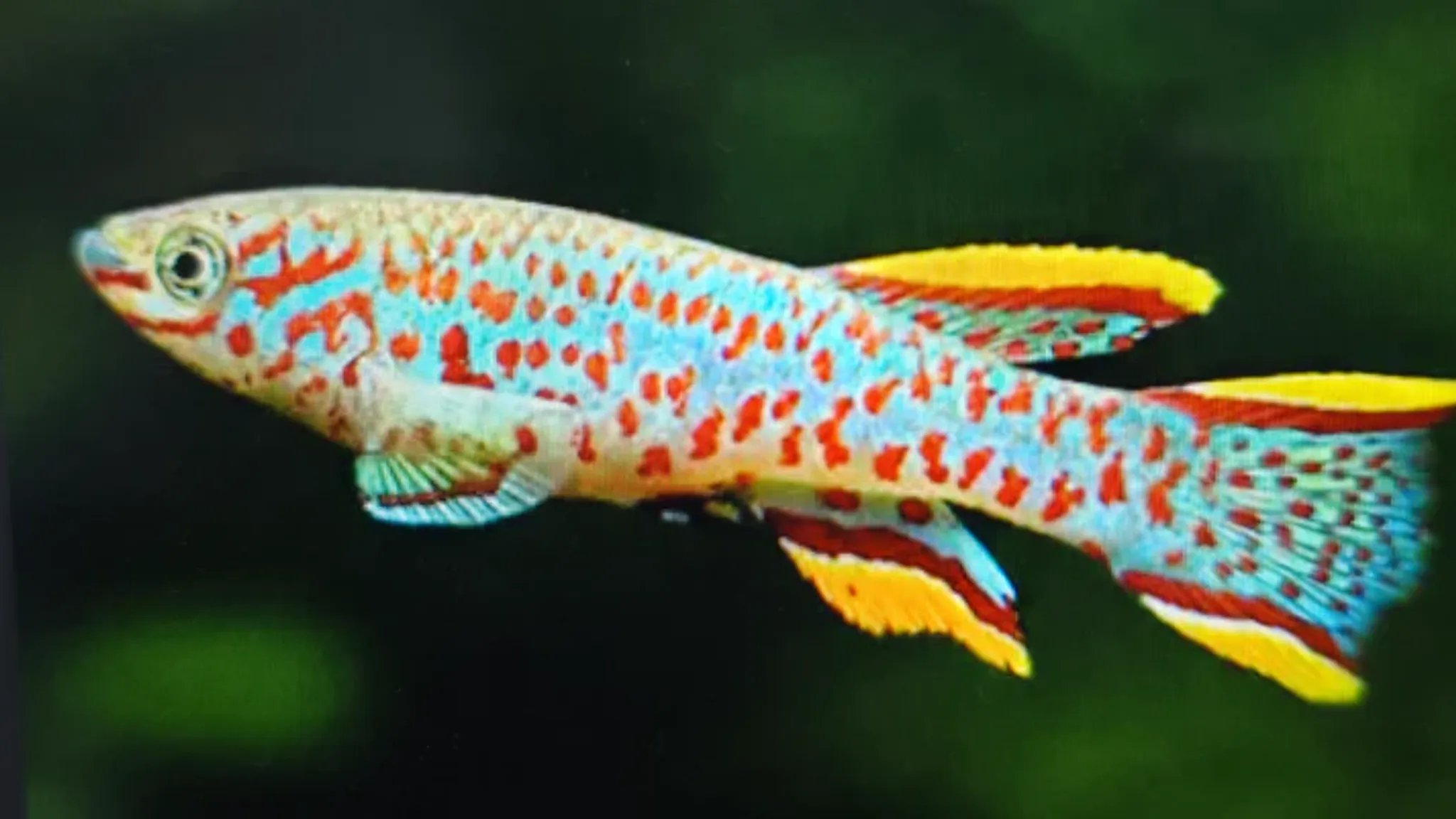
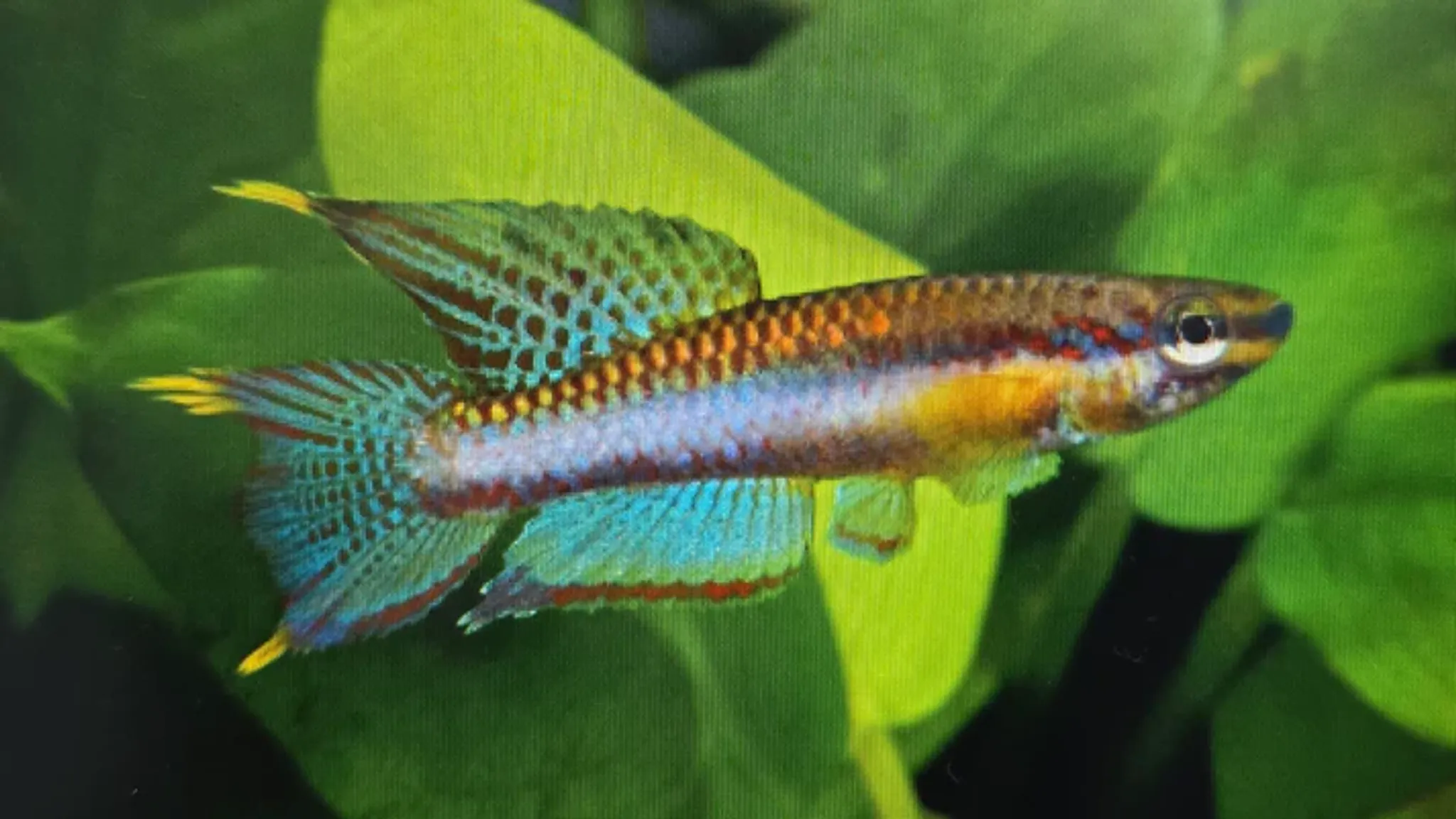
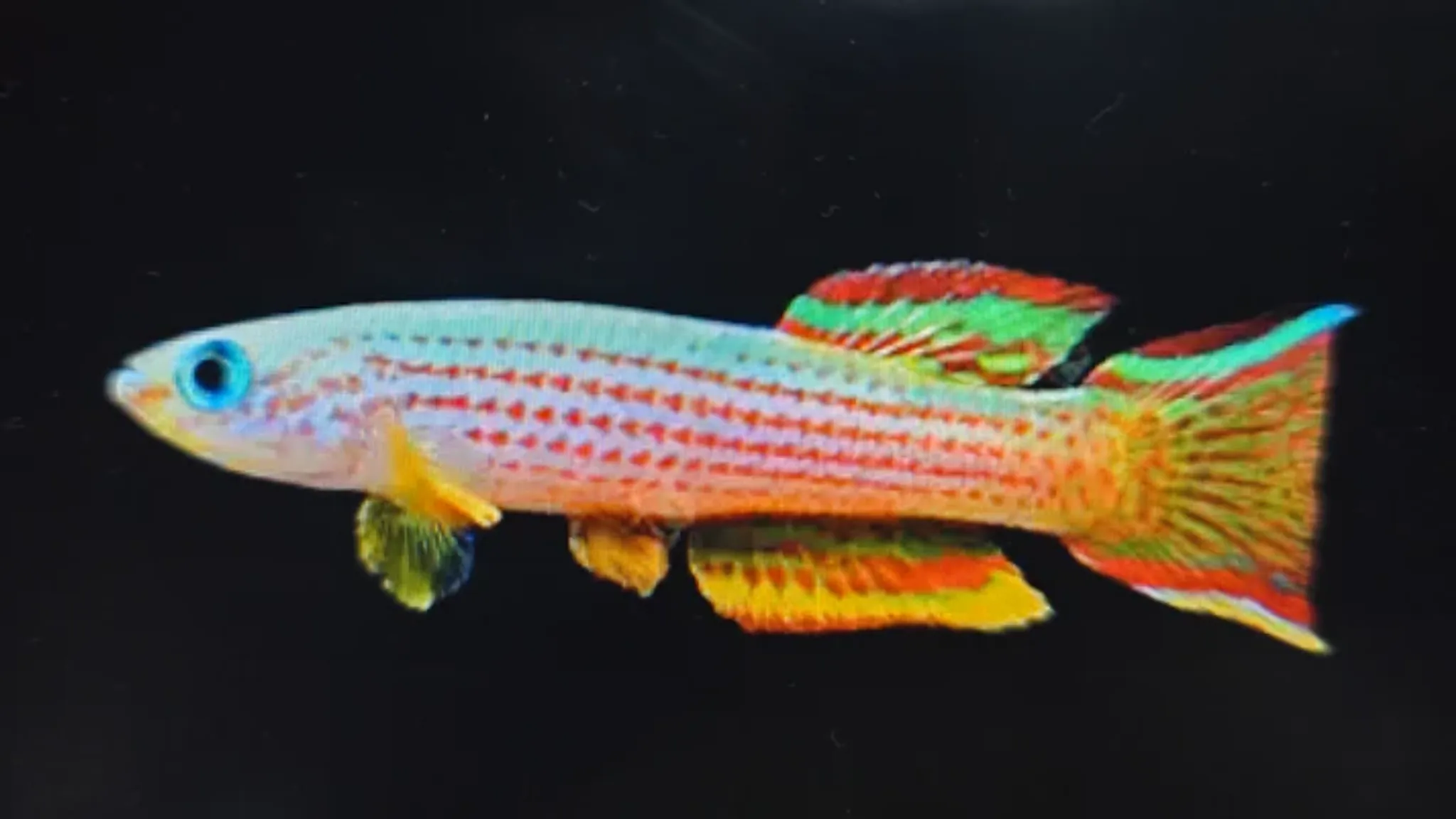
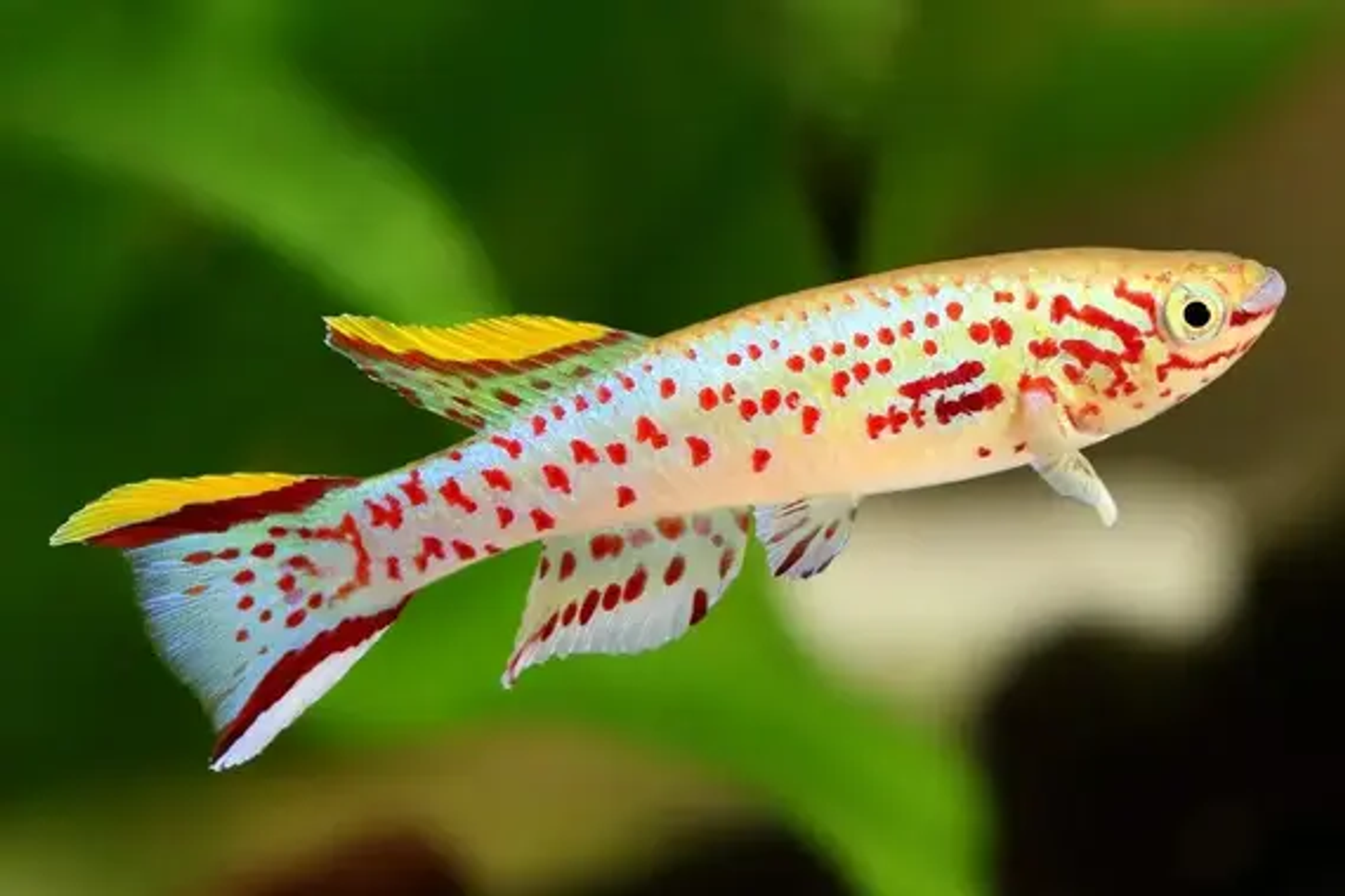
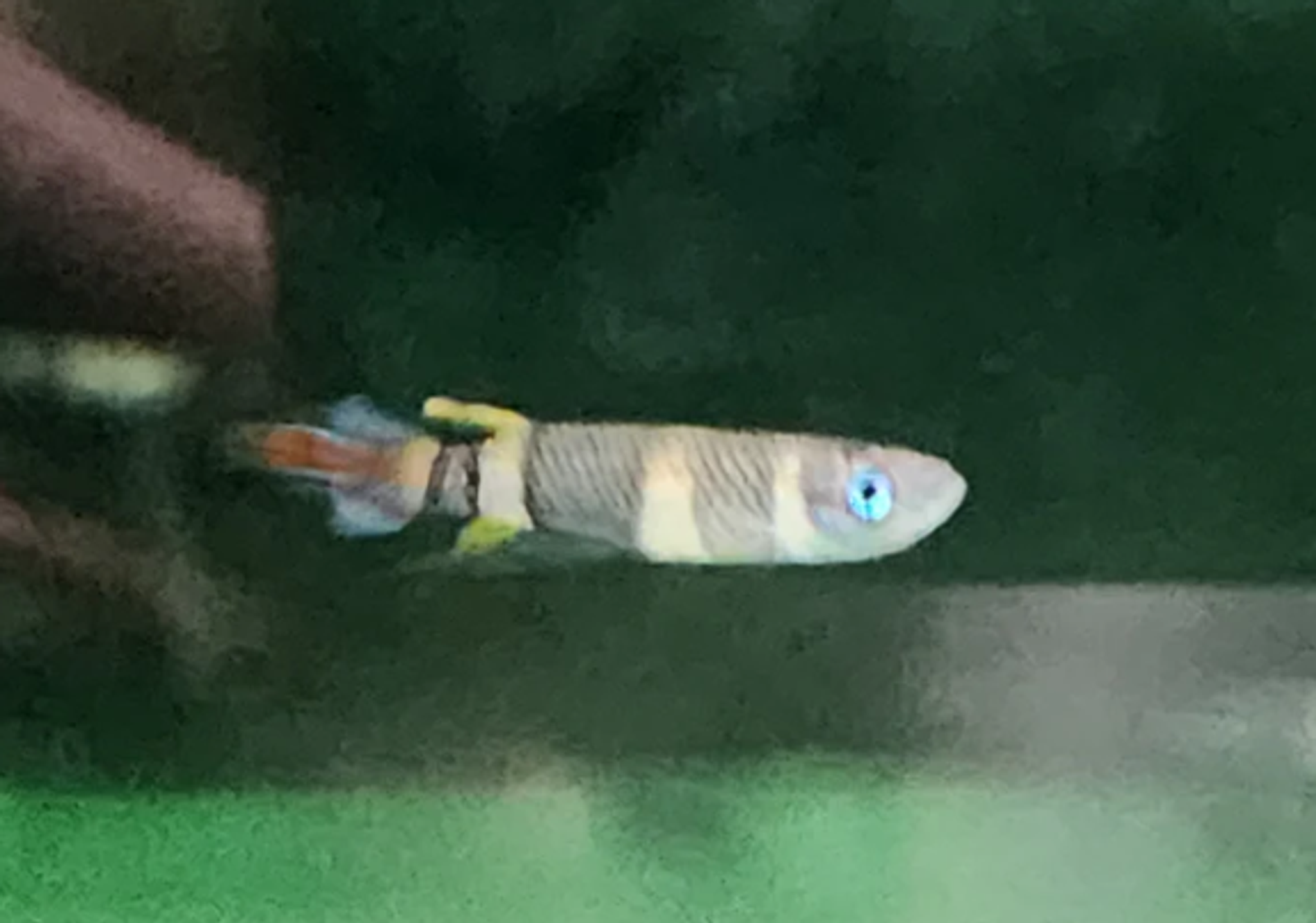
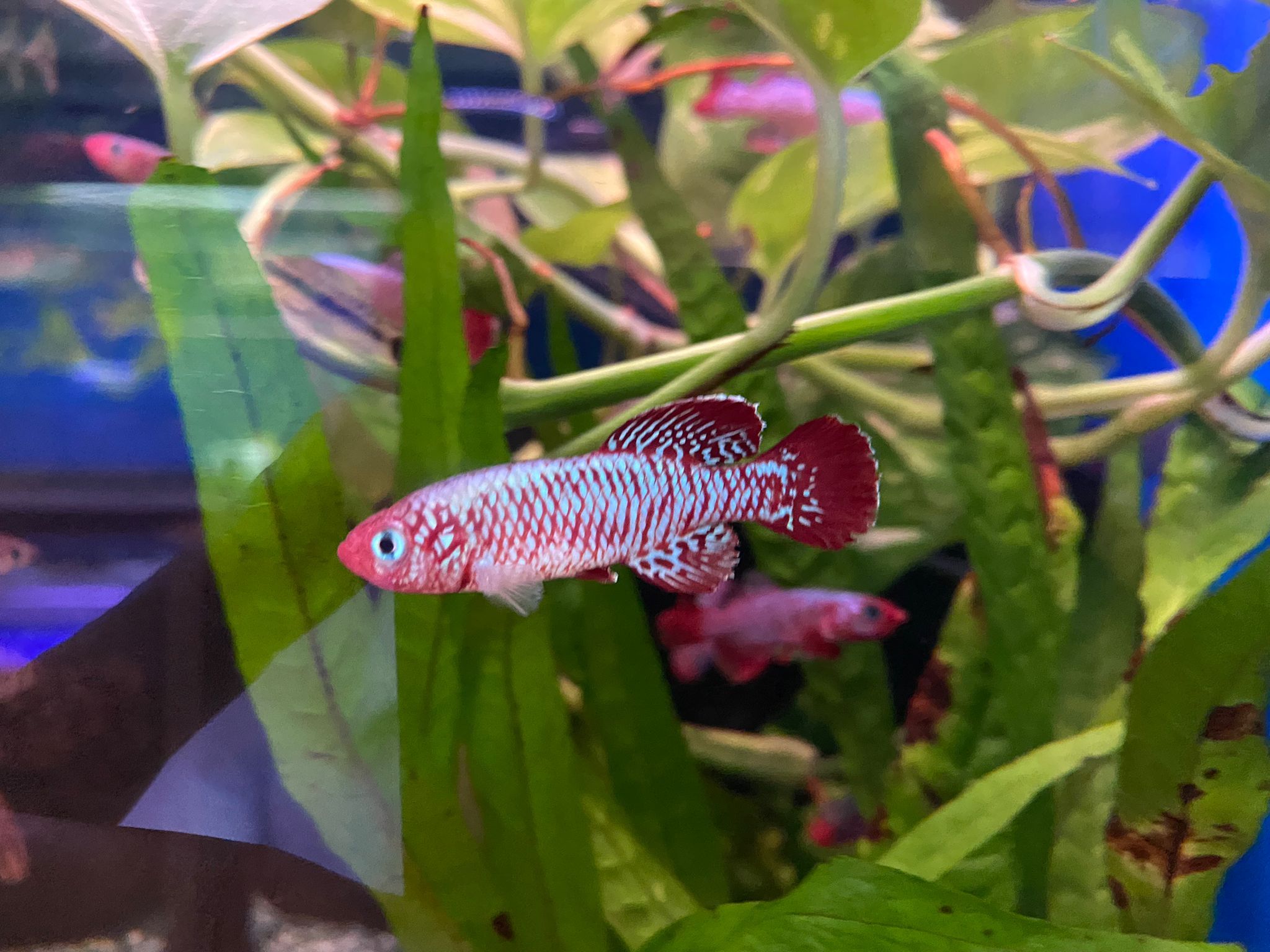
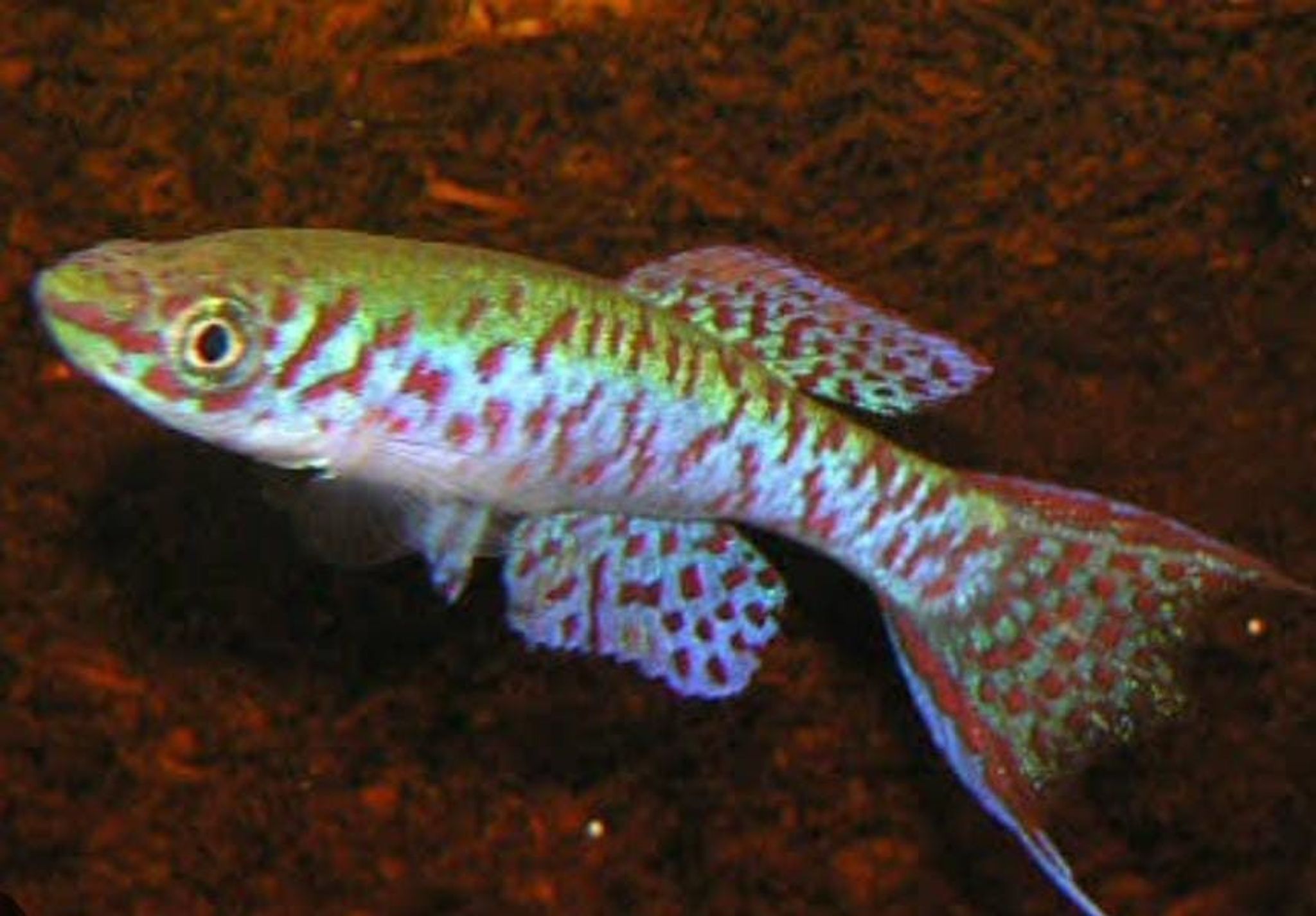
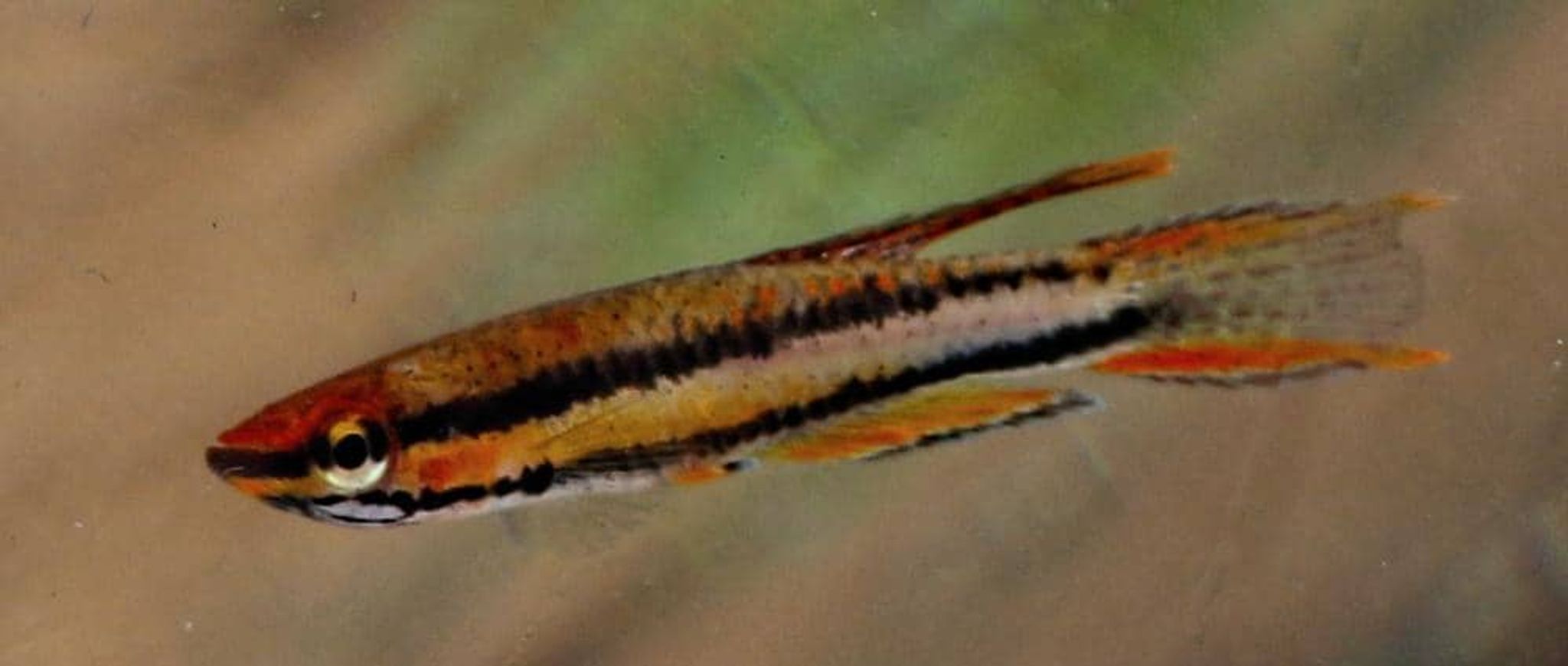
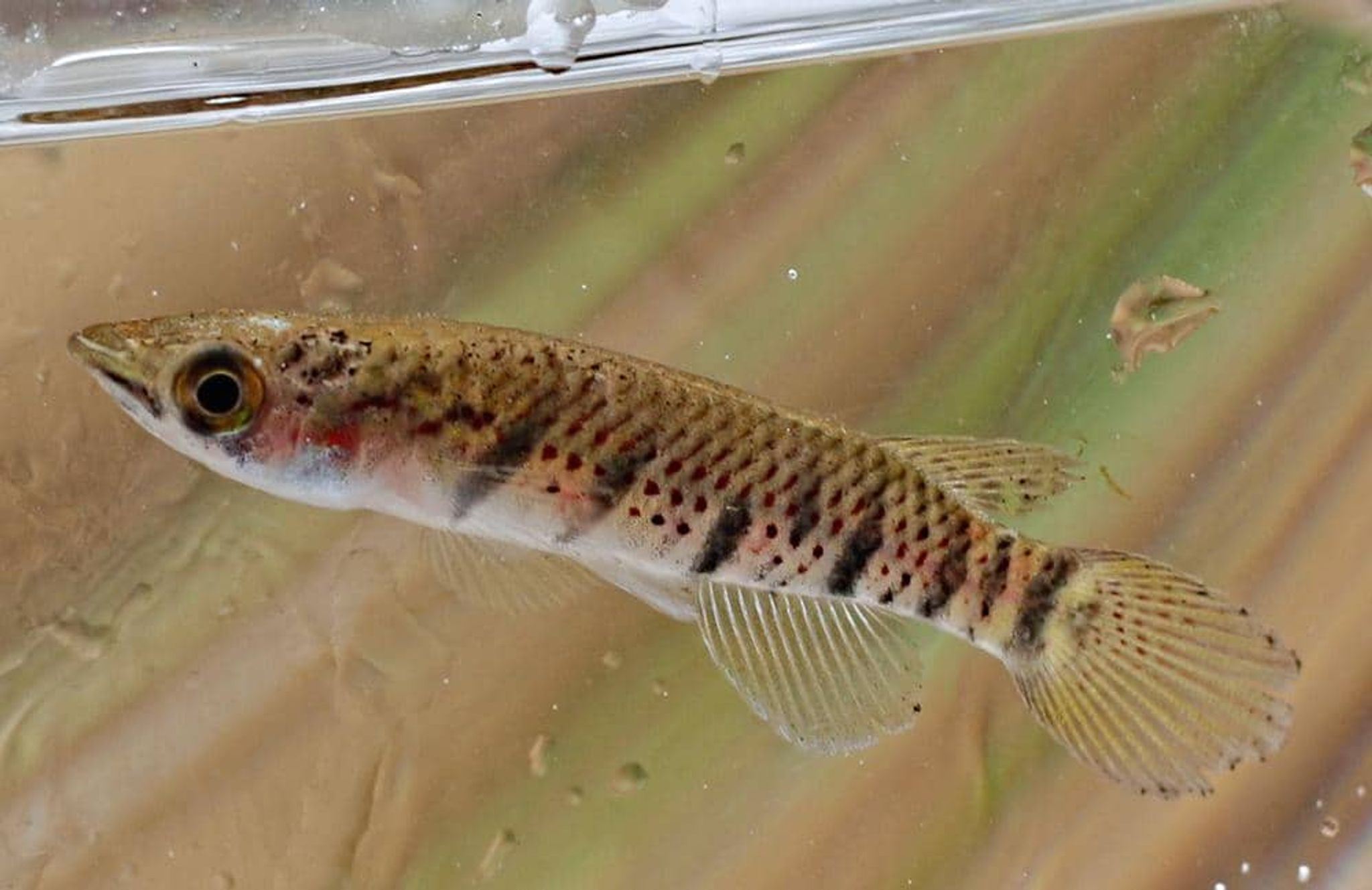
Explore Killifish for sale in Singapore from aquarium shops, breeders and specialist freshwater fish sellers on FishyHub. Compare Clown Killifish, Gardneri Killifish, Golden Wonder Killifish, Nothobranchius and other colourful freshwater species by size, appearance and seller.
Killifish are a diverse group of freshwater fish known for vivid colours, interesting breeding behaviour and compact body size. Some species are suitable for peaceful planted aquariums, while others are more territorial or predatory, so care should always be based on the exact species.
Killifish occur naturally across many parts of Africa, Asia and the Americas.
Aquarium species vary greatly in adult size, temperament, lifespan and breeding strategy, making Killifish especially interesting to hobbyists who enjoy specialist freshwater fish.
Different Killifish species suit very different aquarium styles, from peaceful nano tanks to dedicated breeding setups.
Clown Killifish are small surface-oriented fish known for their striped bodies and colourful fins. Their compact size makes them popular in planted nano aquariums with gentle tankmates.
Gardneri Killifish are colourful African Killifish with striking patterns and strong sexual dimorphism. Mature males can become especially vibrant and may show territorial behaviour toward one another.
Golden Wonder Killifish are larger, surface-oriented fish with bright golden coloration. They can prey on smaller fish and should be matched with appropriately sized tankmates.
Nothobranchius species are famous for intense colours and unusual annual life cycles. Many are specialist fish better suited to aquarists interested in breeding and species-specific care.
Other Killifish may appear depending on breeder and importer availability. Exact species identification is useful because lifespan, adult size and environmental needs can differ dramatically.
Many Killifish remain relatively small, but adult size varies between species.
Clown Killifish stay compact, while Golden Wonder Killifish become considerably larger and are capable of eating much smaller tankmates.
Suitable tank size depends on species, adult size, number of fish and breeding behaviour.
Surface area can be particularly important for species that spend much of their time near the top of the aquarium.
Yes. Many Killifish are excellent jumpers and can escape through surprisingly small openings.
A secure aquarium cover is one of the most important parts of a Killifish setup, especially around filter pipes and cable gaps.
Some small Killifish, particularly Clown Killifish, can suit carefully planned nano aquariums.
Small tanks still need stable water quality, suitable group structure and enough surface area for natural behaviour.
Many Killifish look excellent in planted aquariums with dense vegetation, floating plants and subdued areas.
Plants provide cover, visual barriers and spawning opportunities while also helping shy fish feel secure.
Floating plants can provide shade and surface cover for Killifish that naturally spend much of their time near the top of the aquarium.
Leave some open surface area for feeding and gas exchange rather than covering the entire tank.
Some Killifish can live in peaceful community setups, while others are better kept in species-focused tanks.
Tankmate suitability depends strongly on Killifish size, temperament and feeding behaviour.
Small peaceful Rasboras may coexist with suitably gentle Killifish when their water requirements are compatible.
Larger predatory Killifish should not be paired with tiny schooling fish that may be viewed as prey.
Peaceful Tetras can work with some community-friendly Killifish.
Avoid fin-nipping species and make sure active midwater fish do not constantly outcompete quieter Killifish during feeding.
Corydoras mainly occupy the bottom while many Killifish spend more time near the surface.
This separation can make them compatible when water conditions and aquarium size suit both species.
Adult shrimp may sometimes coexist with smaller Killifish, but tiny shrimp and juveniles can be eaten.
Larger species such as Golden Wonder Killifish are more likely to prey on small invertebrates.
Keeping Killifish with Bettas requires caution because both may use the upper part of the aquarium.
Fin shape, territorial behaviour and individual temperament should all be considered before attempting the combination.
Temperament varies greatly between species.
Some are peaceful, while mature males of other species can become territorial toward one another, especially in small tanks.
Multiple males may display, chase or compete depending on species.
Dense planting, visual barriers and suitable tank size can reduce direct conflict, but some species are easier to keep as pairs or carefully structured groups.
In many Killifish species, males are more brightly coloured and may have more elaborate fins.
Females are often more subdued in colour, although sex differences vary according to species and maturity.
Many Killifish are carnivorous or insect-oriented feeders, although diet varies between species.
Suitable prepared foods can be supplemented with appropriately sized frozen or live foods depending on the fish and what it readily accepts.
Clown Killifish have small mouths and need appropriately sized foods that remain accessible near the surface.
Fine prepared foods and suitable tiny live or frozen foods may be offered as part of a varied diet.
Golden Wonder Killifish are predatory surface feeders and readily take suitably sized protein-rich foods.
Their predatory behaviour is also why very small tankmates should be avoided.
Killifish benefit from stable, clean water and consistent aquarium maintenance.
Exact temperature, hardness and pH requirements vary widely, so conditions should be matched to the particular species rather than using one generic Killifish profile.
Gentle, effective biological filtration works well for many Killifish setups.
Sponge filters, adjustable HOB filters and other suitable systems can be used depending on aquarium size and species preference.
Many popular Killifish prefer calmer or moderate water movement rather than powerful continuous flow.
Exact preferences vary, so flow should always be matched to the species and natural habitat.
Killifish are often discussed as annual or non-annual species based on their natural breeding strategy.
Annual species can produce drought-resistant eggs adapted to seasonal habitats, while non-annual species generally follow different reproductive cycles.
Killifish breeding methods vary dramatically between species.
Some deposit eggs in plants or spawning mops, while annual species may bury eggs in substrate. Species-specific breeding information is therefore especially important.
Killifish eggs are a major part of the hobby because some species can be bred and distributed through carefully managed eggs rather than only live fish.
Incubation requirements vary significantly, particularly between annual and non-annual species.
Newly hatched Killifish need foods suited to their very small size.
Fry growth rate and feeding strategy vary by species, so dedicated rearing setups can make management easier.
Lifespan differs substantially between Killifish groups.
Some annual species naturally have relatively short life cycles, while non-annual Killifish can live considerably longer under suitable aquarium conditions.
Some species are relatively manageable, while others are better suited to experienced aquarists interested in specialist feeding or breeding.
Beginners should choose a hardy species with straightforward care rather than selecting solely for colour.
When comparing Killifish for sale, look for:
Females and juveniles may naturally be less colourful than mature males, so colour intensity alone is not a reliable health indicator.
Introduce new Killifish carefully to avoid abrupt changes in temperature and water chemistry.
Quarantine can also help reduce the risk of introducing disease into an established aquarium.
Killifish prices in Singapore vary according to species, strain, colour, sex, rarity, source and seller.
Common captive-bred species may be relatively accessible, while rare strains, breeding pairs or specialist annual Killifish can cost more.
FishyHub brings Killifish listings from aquarium shops, breeders and specialist freshwater fish sellers across Singapore together in one marketplace, making it easier to compare species, strains and sizes from multiple sources.
When comparing Killifish listings, consider:
Livestock availability changes regularly, especially for specialist Killifish species and colour strains.
Most aquarium Killifish are freshwater fish, although care requirements vary greatly between species.
Yes. Many species are strong jumpers, so a secure aquarium cover is highly recommended.
Their small size can make them suitable for carefully planned nano aquariums with stable conditions and gentle tankmates.
Yes. They can eat significantly smaller fish and should be paired with appropriately sized tankmates.
Adult shrimp may coexist with some smaller species, but juvenile shrimp can be eaten and larger Killifish may prey on adults as well.
Some species are peaceful, while others can be territorial, especially between mature males.
Many prefer protein-rich foods and may accept prepared, frozen or live foods depending on species.
No. Some annual species have naturally short life cycles, while many non-annual Killifish can live considerably longer.
Explore Killifish for sale on FishyHub and compare Clown Killifish, Gardneri Killifish, Golden Wonder Killifish, Nothobranchius and other colourful freshwater species from aquarium sellers and breeders across Singapore. Compare species, adult size, colour, temperament and price to find suitable Killifish for your aquarium.