1–28 of 28
1780817037923.jpeg?signature=42af4ce9b798a32e4f29dea893ab00aeafed7873facf4e71eebbb1e9ffbb5b65)
1780810133945.jpeg?signature=b7674ced4934baaac35a160d92cc7e87de8e0b75d90fd72f3b4cb7ca0851dd68)
1780809393113.jpeg?signature=95432e2dd2c54d0253cd924154c9141d90d54c2b31bd2d4cd8491c8d2917af0c)
1779418545886.jpeg?signature=2b7e256e76f4d1cefc82cb56576ade337cfd75604a189df898d58c26c88aab12)
1779418398931.jpeg?signature=ba15c3d47856c4143a5c9a9bcfb3b2c53372685bad5c7baa684187645a023a8a)
1779418293547.jpeg?signature=481bf3e3d9b24b9e749d263f9e3c7ff063fcedd3bd4509868d9fecb4c954b484)
1779418132126.jpeg?signature=f732e6cb6924224912d20423bd1d515178c3cc1d3eeeaa8674c3e022b3611f0b)
1779417934911.jpeg?signature=cf757f2a5f08936269a481b0a6610123dcfabafe55fc86241ae9bb60a447c003)
1779417768842.jpeg?signature=2b3ad0b06def985b3c72d0aa3827e44762bc0a23667f40464a6f19bda4f8bf4f)
1779417559847.jpeg?signature=38f9b9f46c9d68899895df13900d276a311db5f1ff78ab5e053ead0e71572f16)

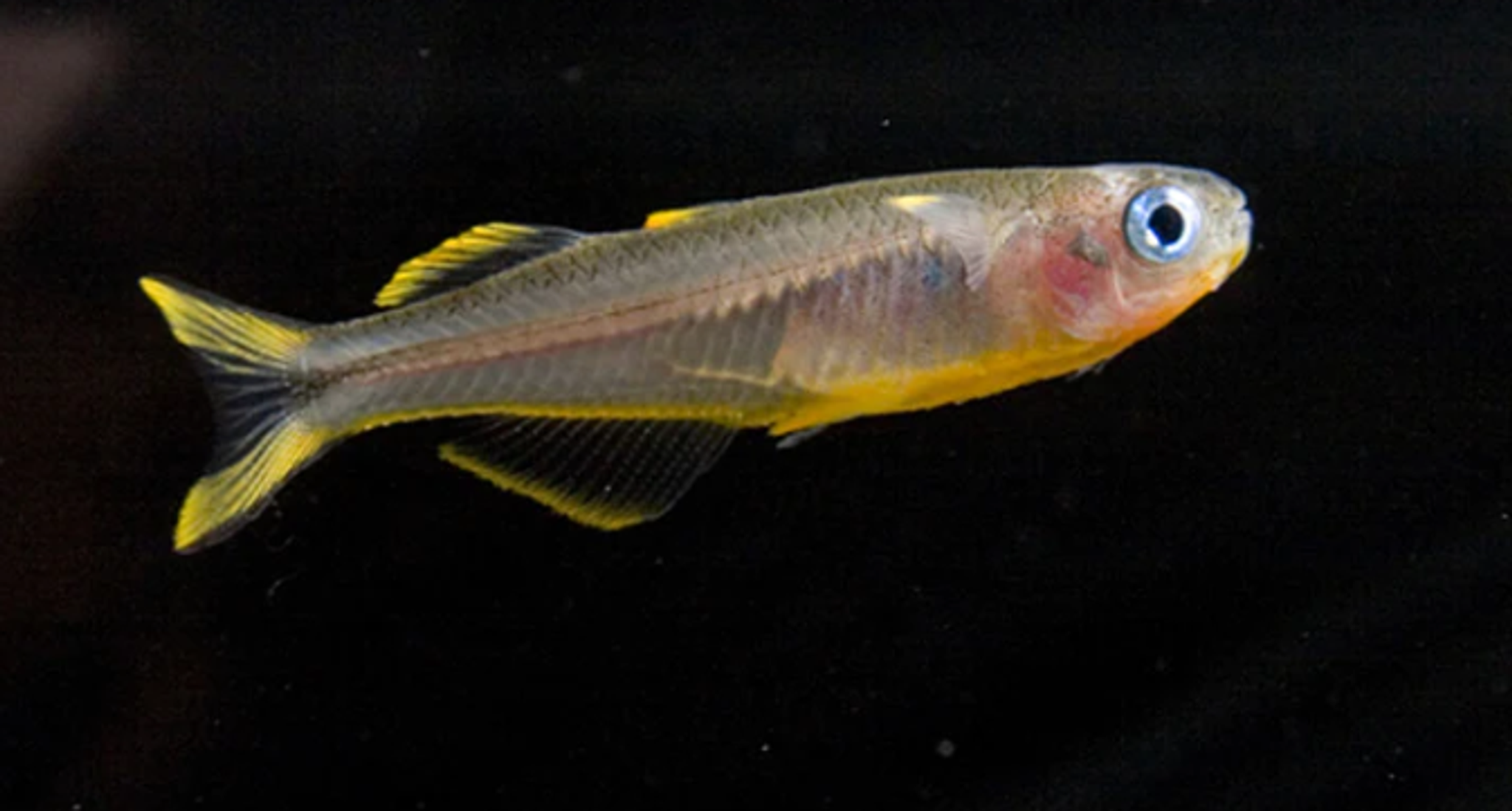
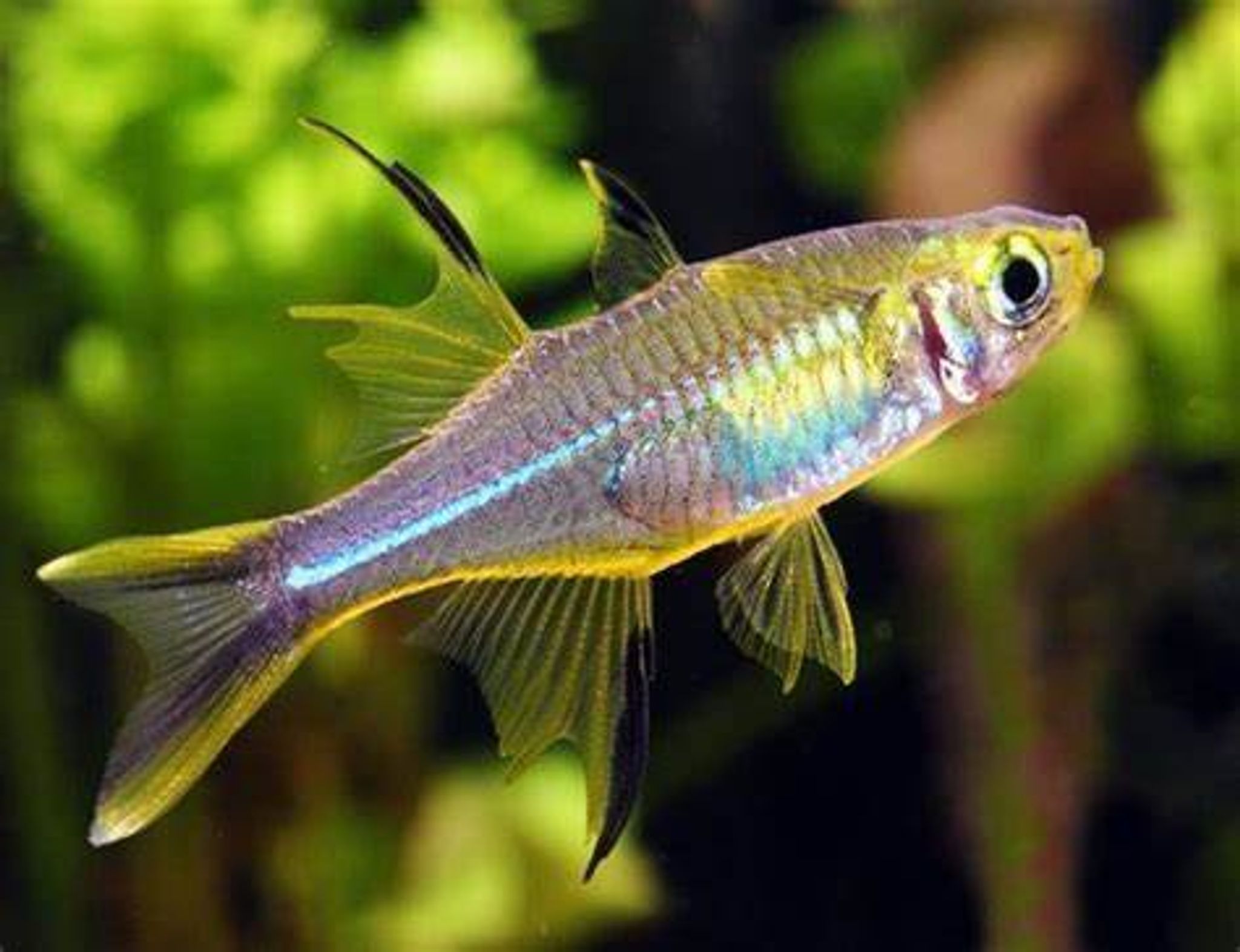

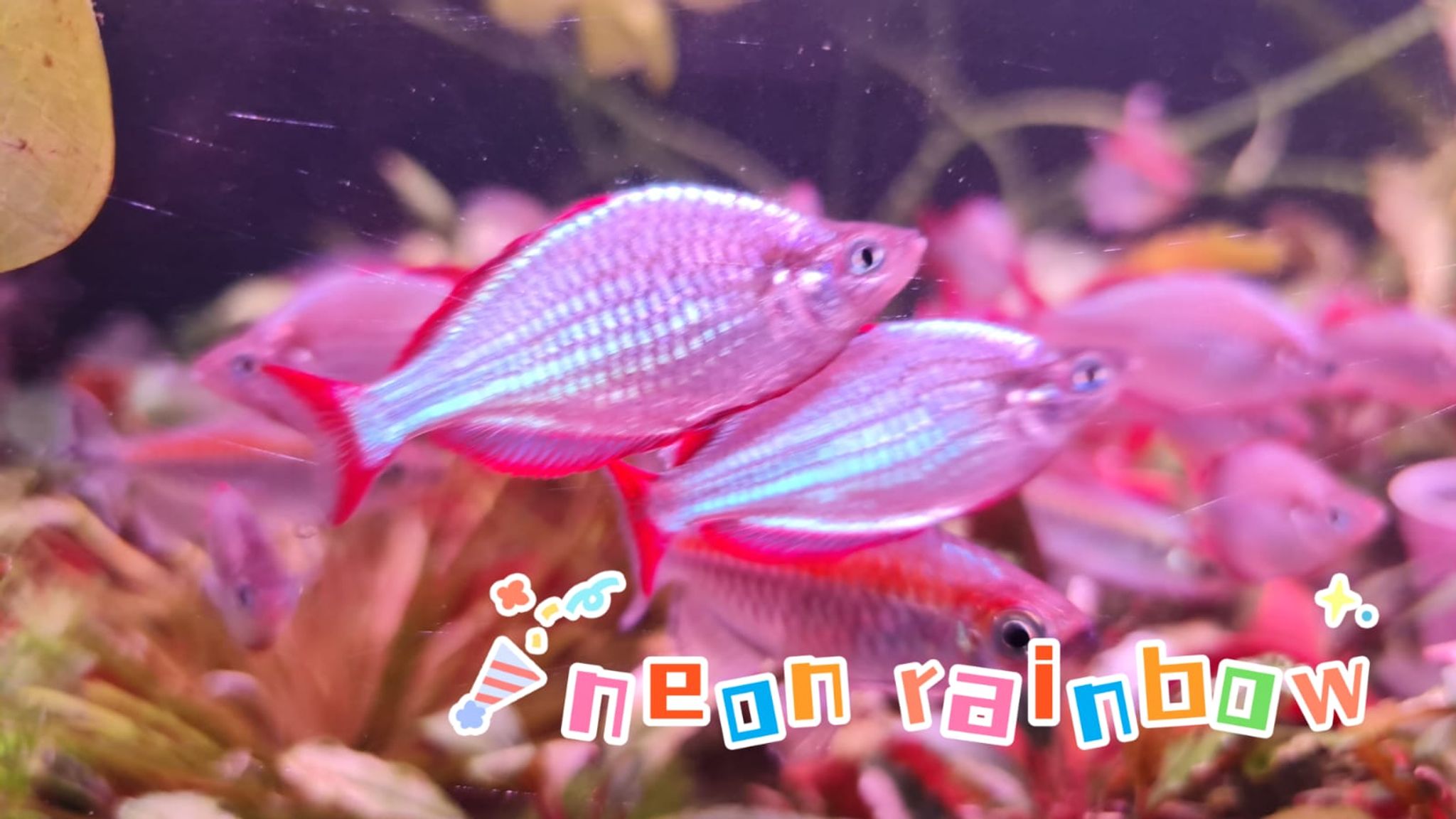
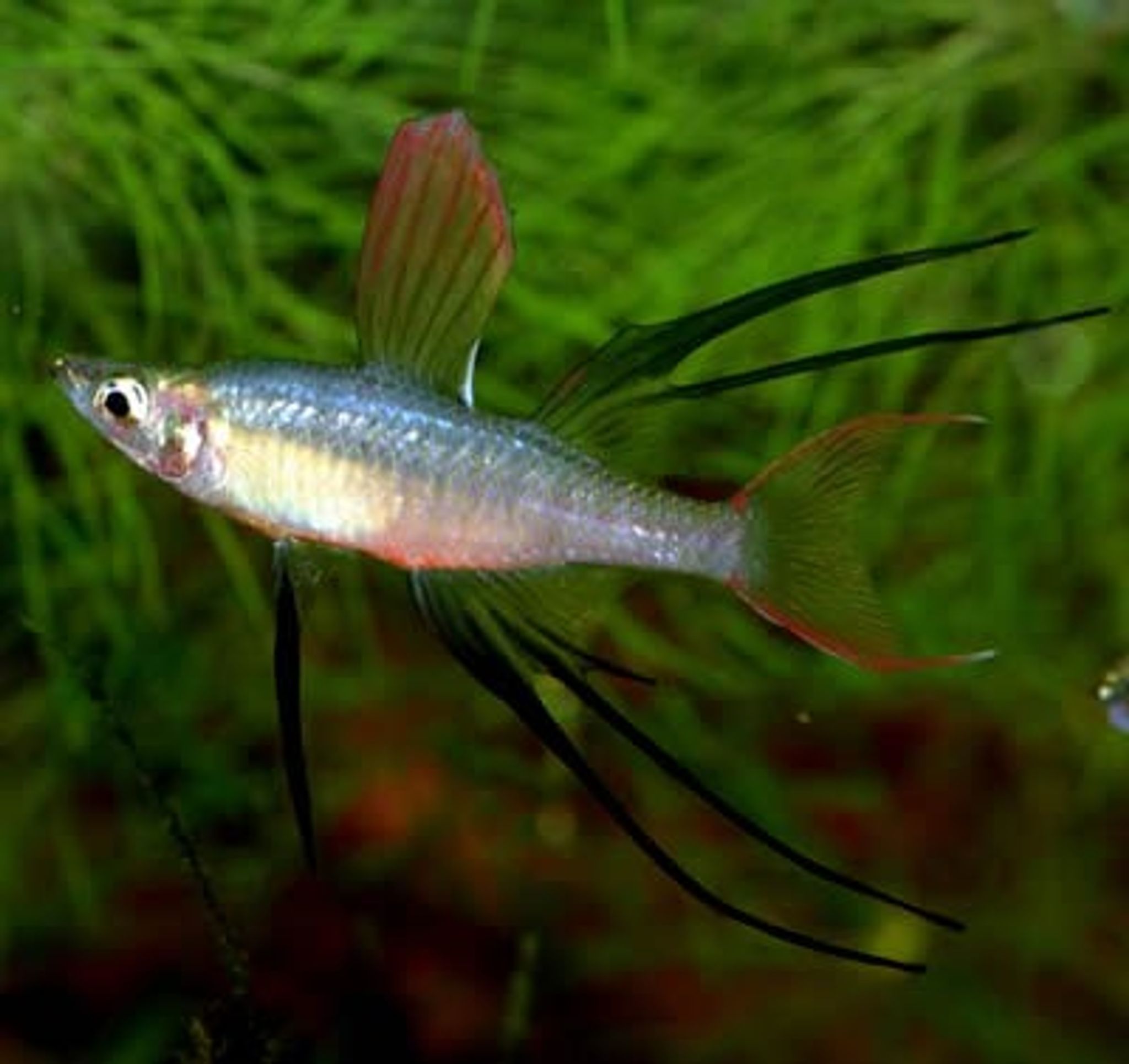
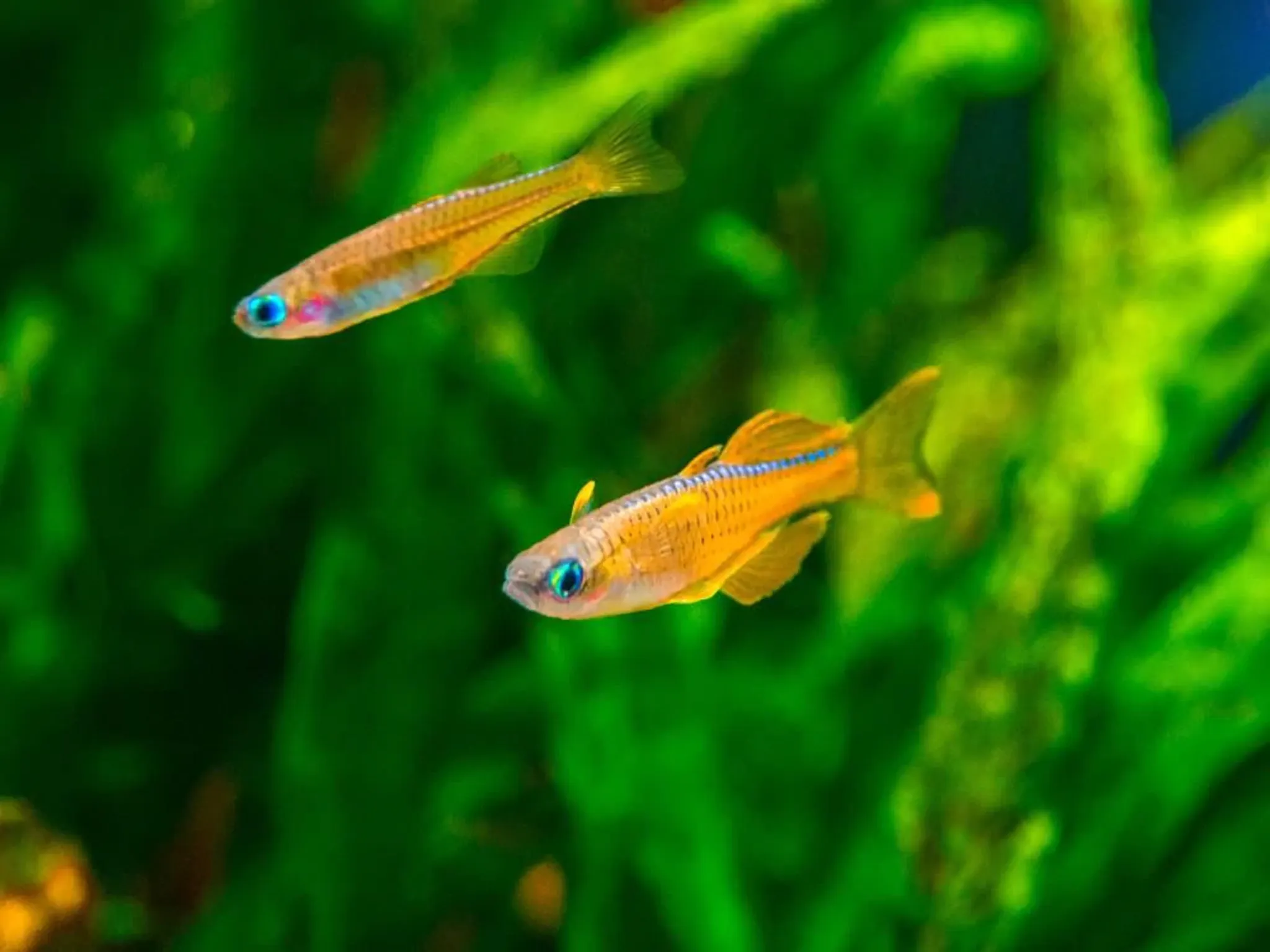
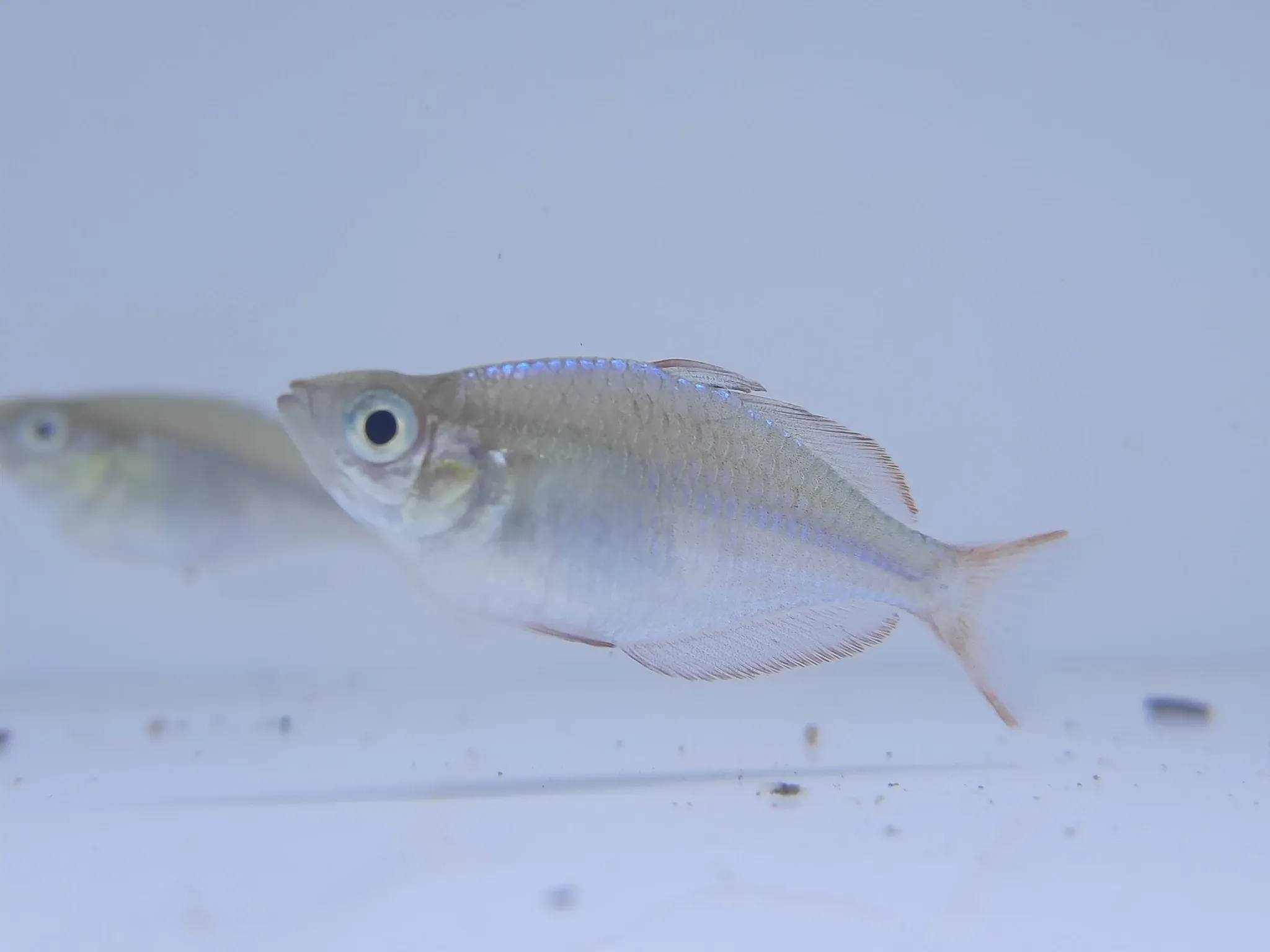
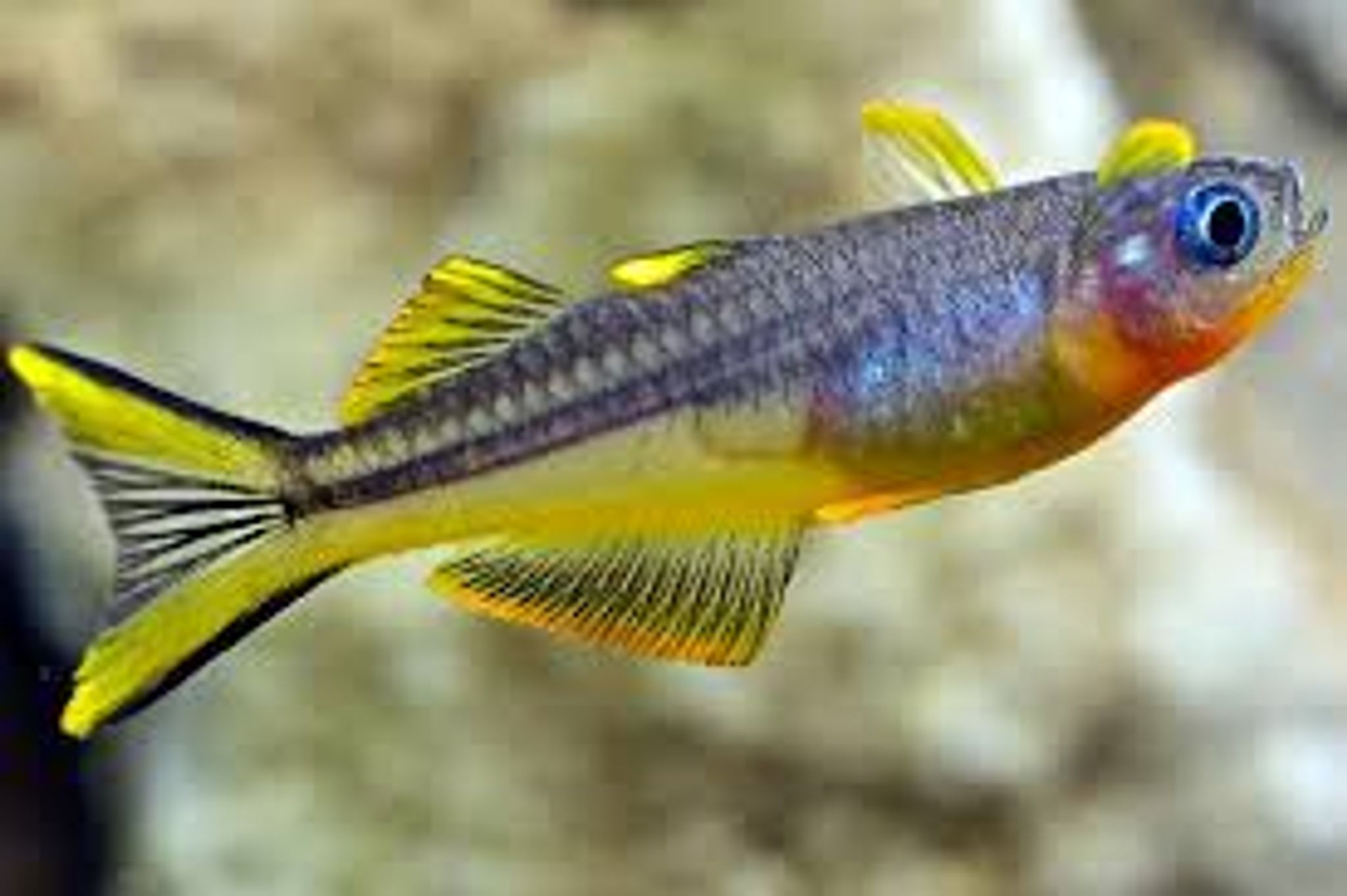
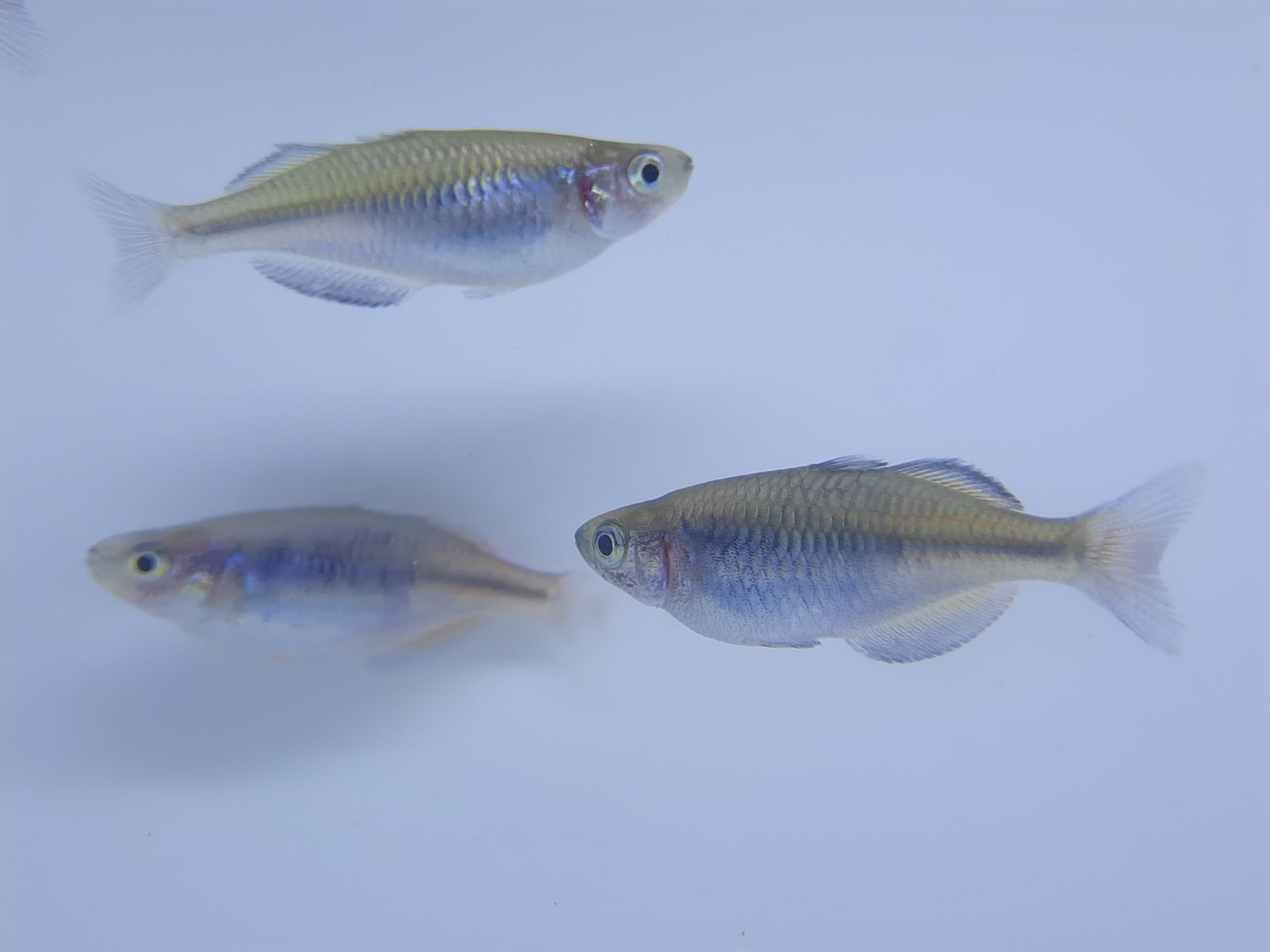
Explore Rainbowfish for sale in Singapore from aquarium shops, breeders and freshwater fish sellers on FishyHub. Compare Boesemani Rainbowfish, Dwarf Neon Rainbowfish and other colourful schooling species by size, appearance and seller.
Rainbowfish are active freshwater schooling fish known for their iridescent colours, streamlined bodies and energetic swimming behaviour. Many species develop their best colours as they mature and are especially attractive in spacious planted community aquariums.
Rainbowfish are a diverse group of freshwater fish from Australia, New Guinea and nearby regions.
Aquarium species vary in adult size, colour and activity level, but many are social fish that look best when kept in groups.
Different Rainbowfish species suit different aquarium sizes and styles, from compact community setups to larger planted displays.
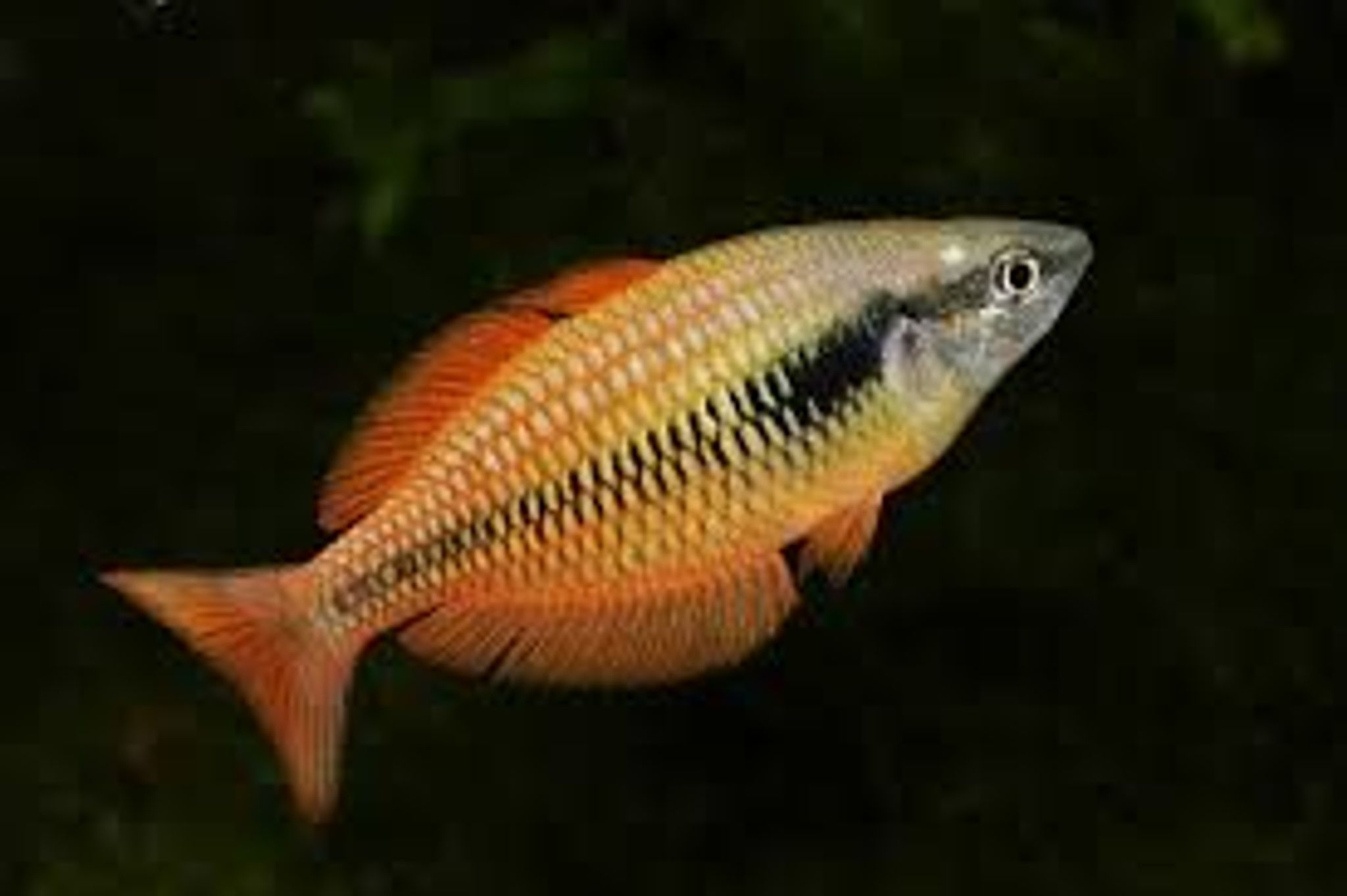
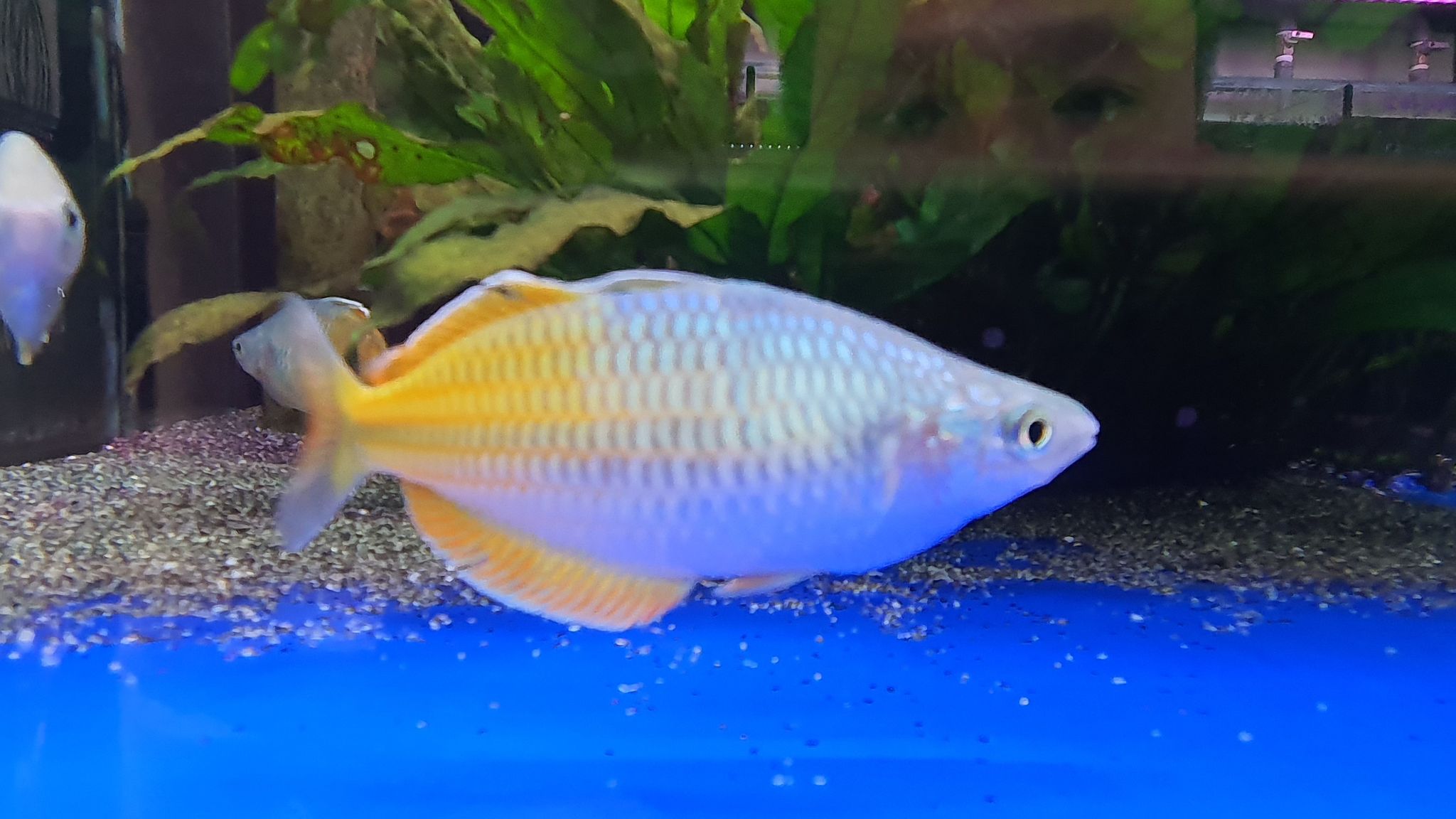
Boesemani Rainbowfish are among the most recognisable species and are prized for their striking blue and orange coloration. Mature males can become especially vibrant under good conditions.
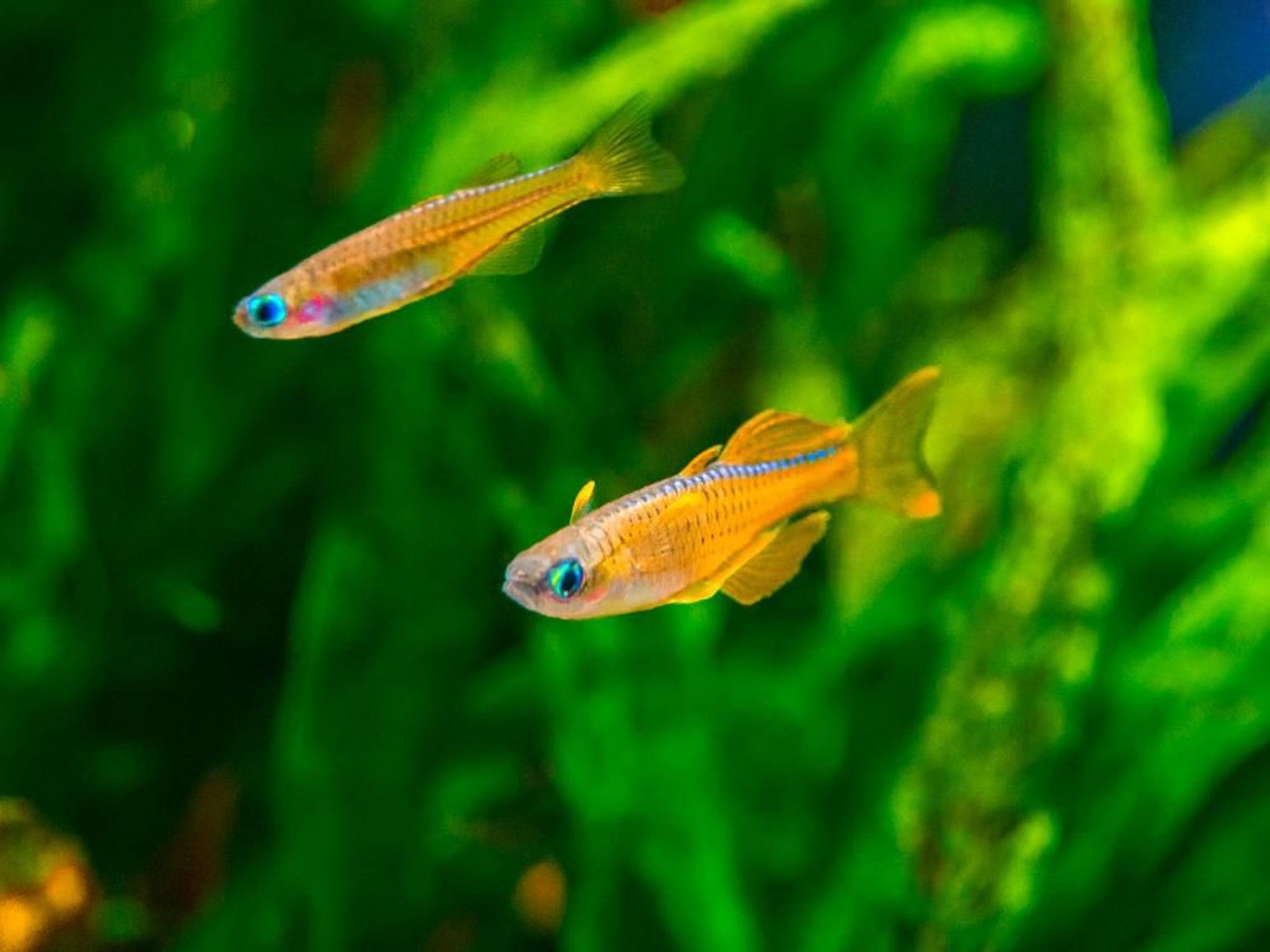
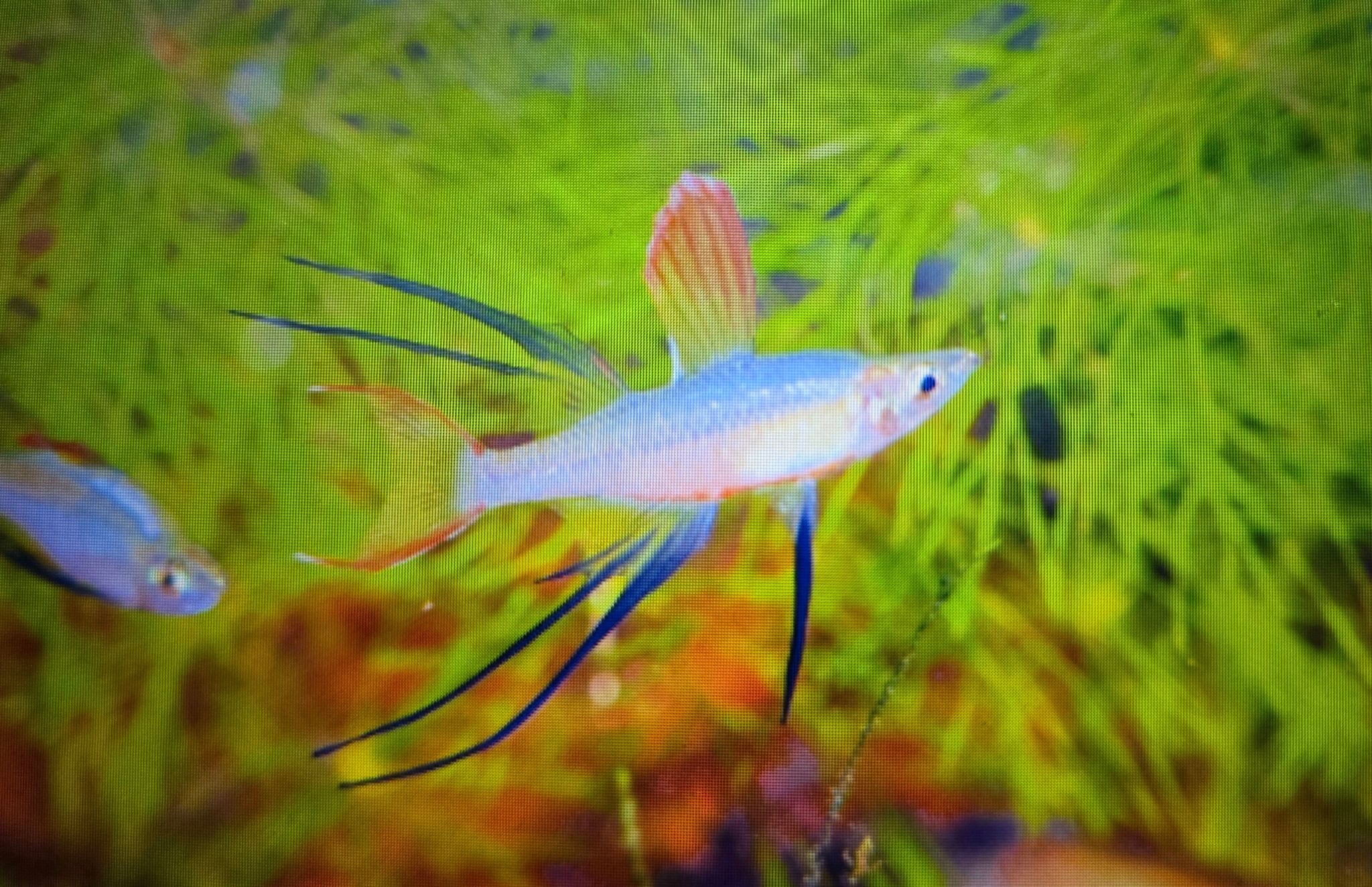
Dwarf Neon Rainbowfish remain smaller than many larger Rainbowfish species and are known for their bright metallic blue bodies and contrasting fins.
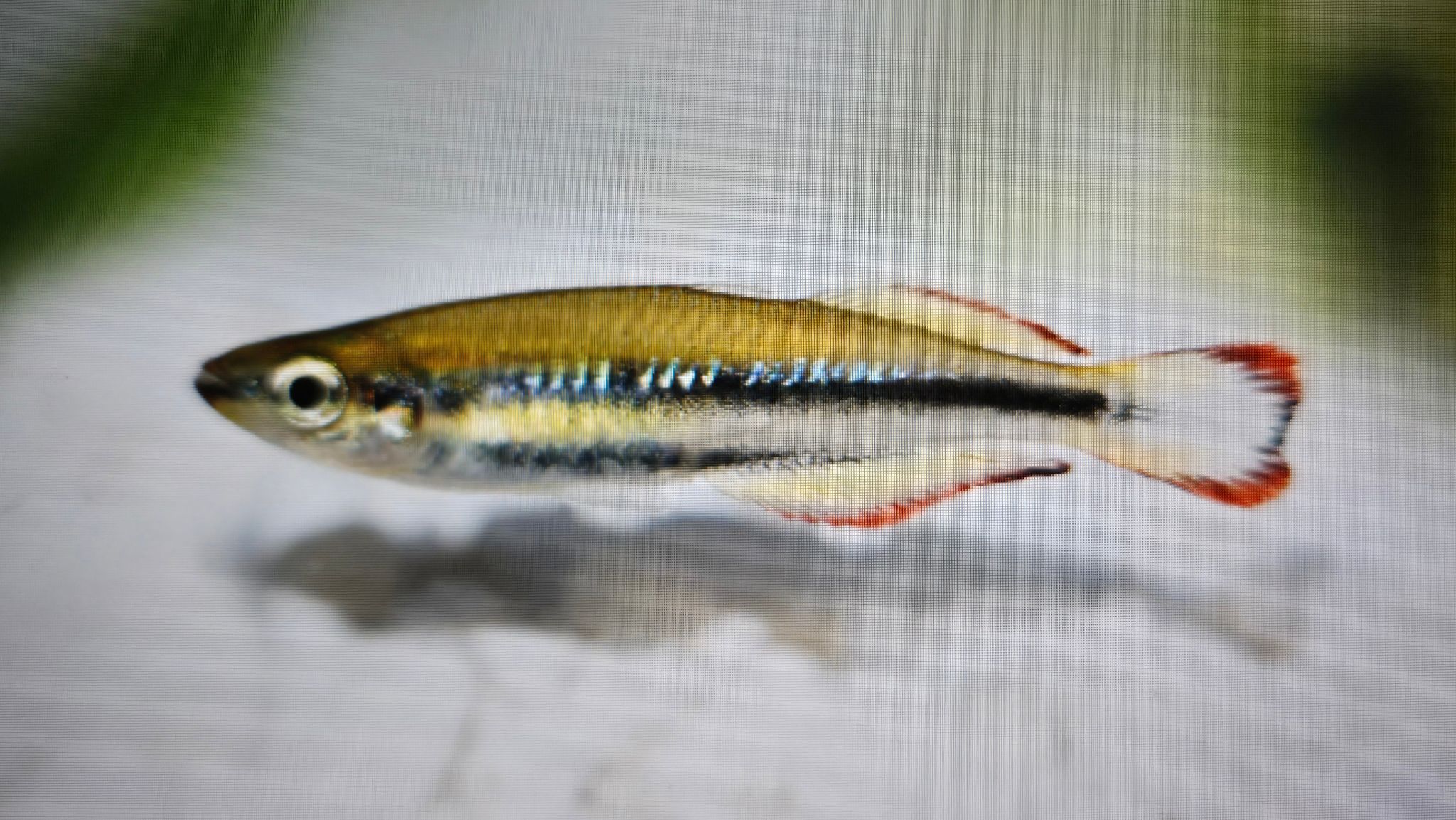
Turquoise Rainbowfish can display vivid blue-green coloration and are popular in larger planted or community aquariums.
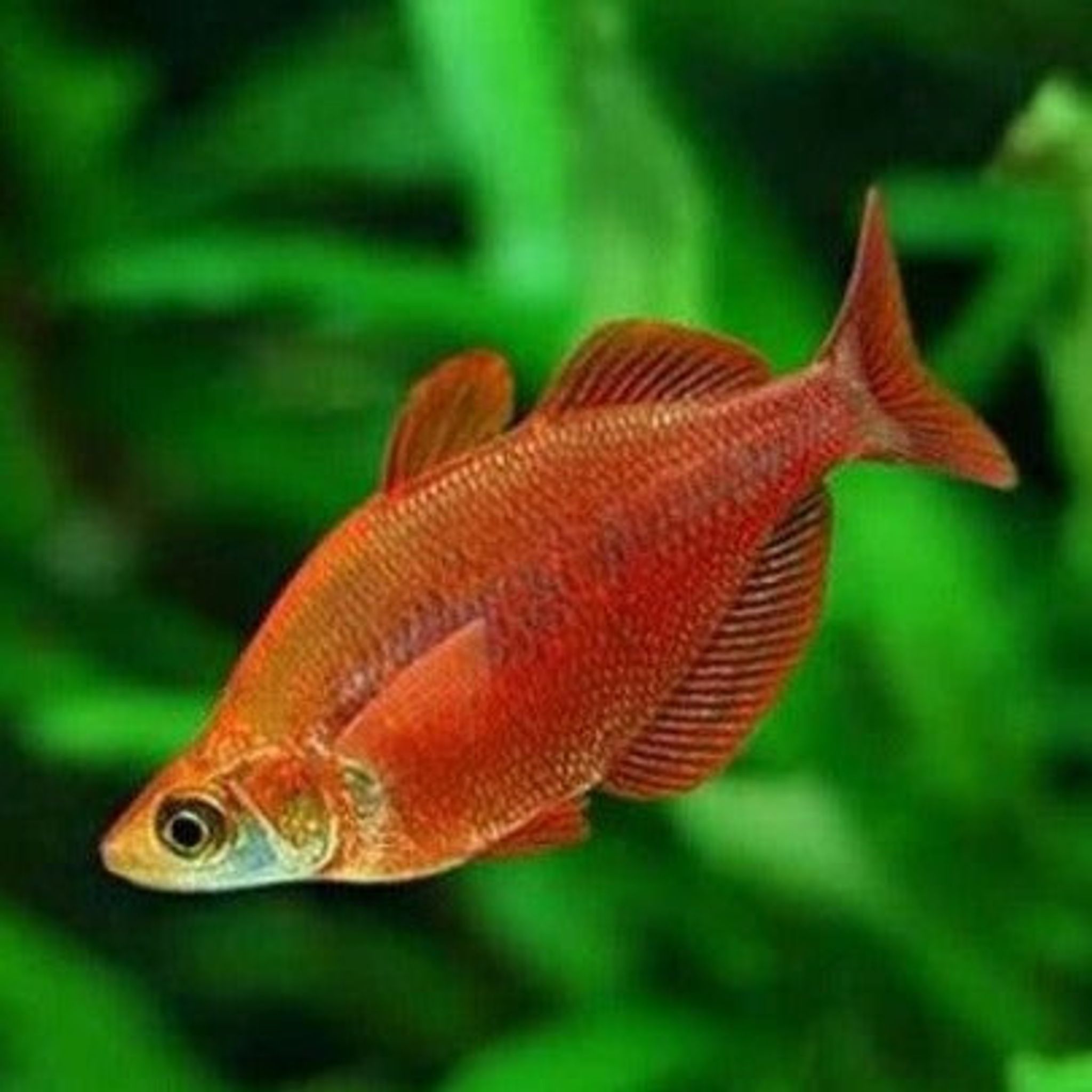
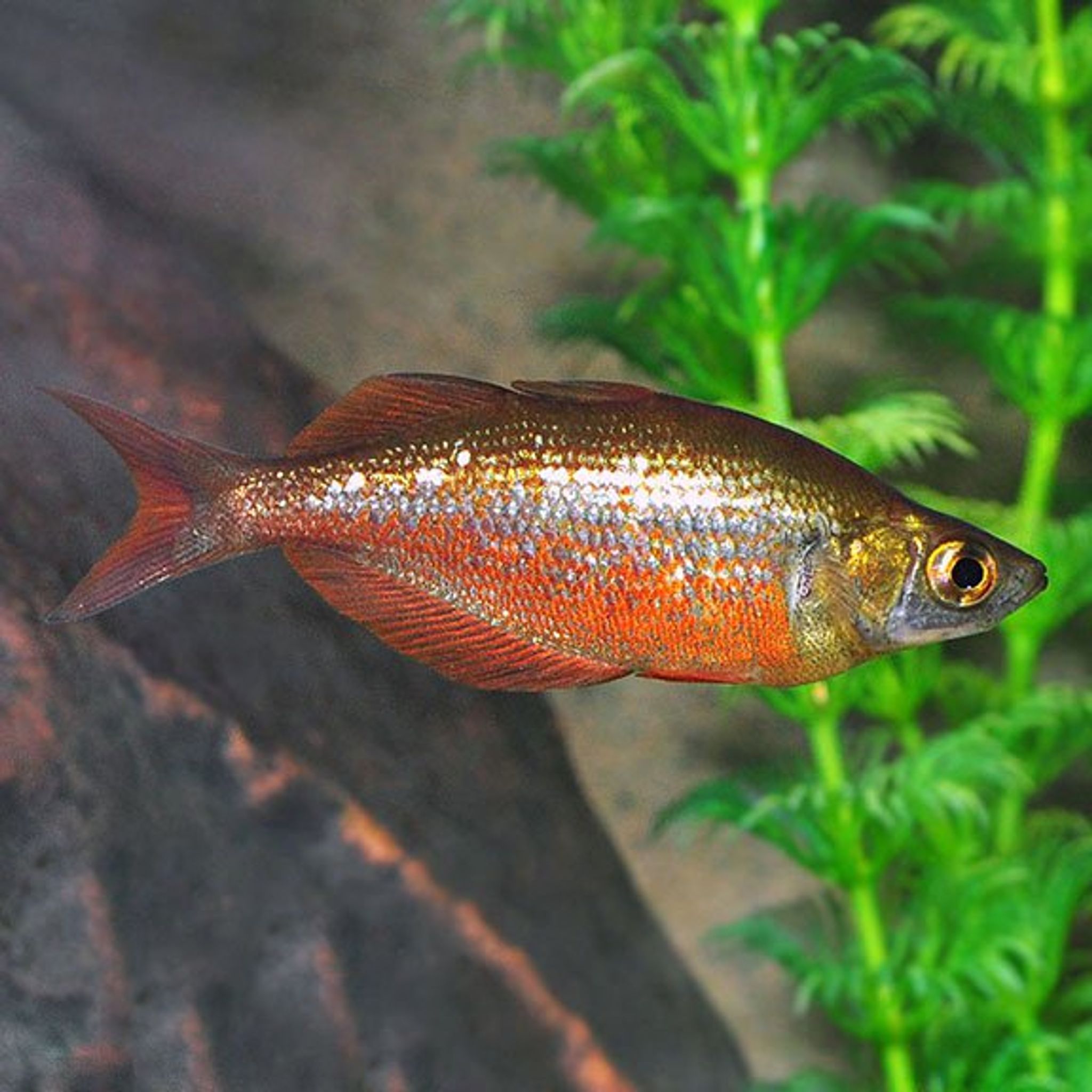
Red Rainbowfish are valued for warm red or orange tones that can intensify as the fish mature.
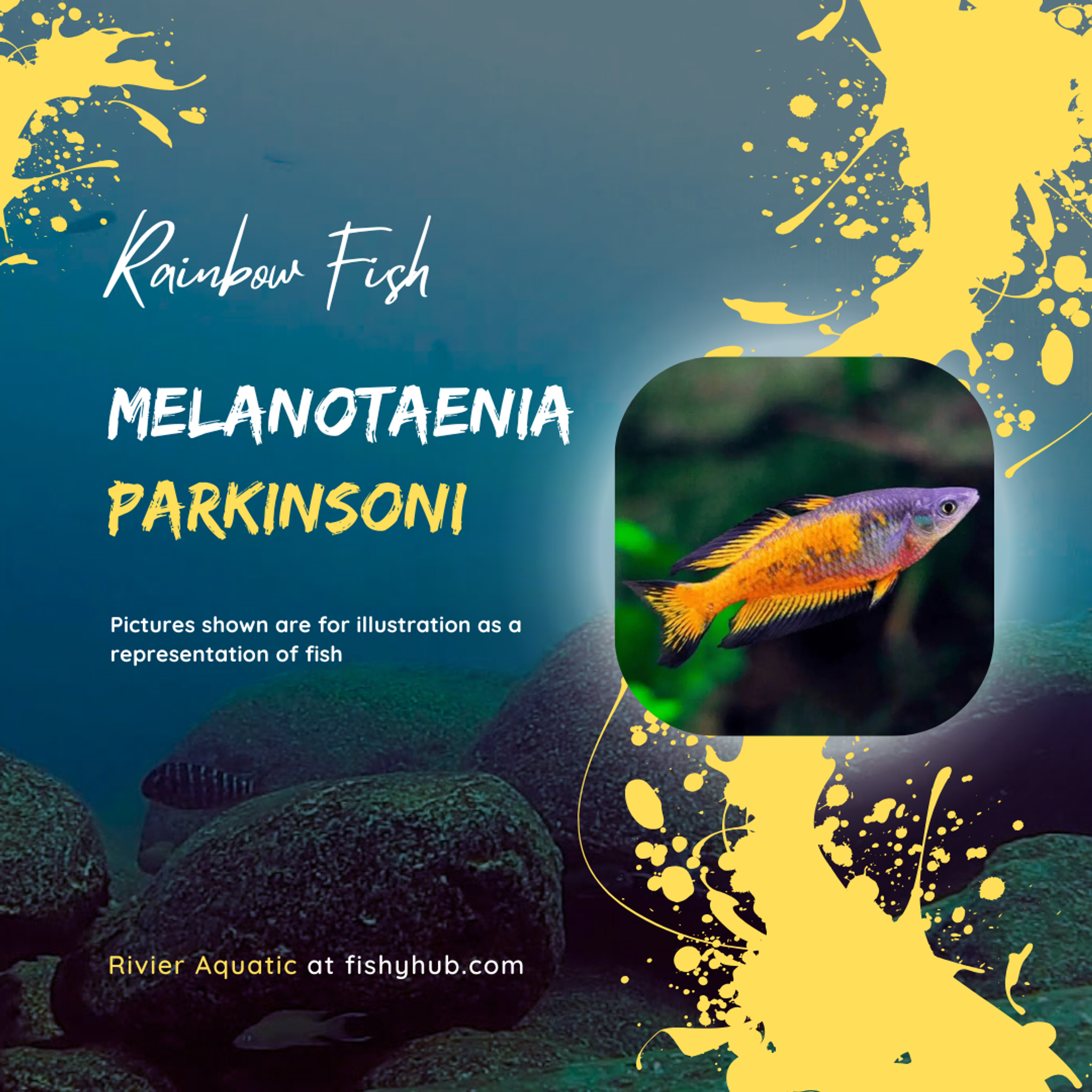
Other Rainbowfish species and regional forms may appear depending on breeder and seller availability. Adult size and coloration can differ considerably, so compare the exact species before purchase.
Adult size varies between species.
Dwarf species remain relatively compact, while larger Rainbowfish need significantly more swimming space. Choose the aquarium based on mature size rather than juvenile shop size.
Yes. Most popular Rainbowfish are social and are best kept in a suitable group.
A group can help bring out natural swimming behaviour and stronger colour displays, especially among mature males.
Suitable tank size depends on species, adult size, group size and tankmates.
Rainbowfish are active swimmers and generally benefit from longer aquariums with open horizontal swimming space.
Many Rainbowfish make excellent community fish when kept with similarly active, peaceful tankmates.
Their energetic swimming style means they may be less suitable with very timid or slow-moving fish in cramped aquariums.
Many medium-sized Tetras can coexist with Rainbowfish when water conditions and aquarium size are suitable.
Provide enough swimming room for multiple active schools and watch for feeding competition.
Larger peaceful Rasboras may work well with Rainbowfish in community tanks.
Very small Rasboras may be less comfortable with larger, more energetic Rainbowfish, so species size should be matched carefully.
Rainbowfish and Angelfish may coexist in larger community aquariums when temperament and water requirements are compatible.
Make sure active Rainbowfish do not constantly outcompete slower Angelfish at feeding time.
This combination requires careful planning because Rainbowfish are active feeders while Discus are generally calmer.
Water compatibility, feeding competition and aquarium size should all be considered before combining them.
Corydoras mainly occupy the bottom of the aquarium, while Rainbowfish spend more time in the middle and upper water column.
This difference in swimming zone can make them suitable tankmates when water conditions are compatible.
Many Plecos can coexist with Rainbowfish because the two groups use different areas of the aquarium.
Adult size and water requirements should still be checked for both species.
Adult shrimp may sometimes coexist with smaller Rainbowfish, but juvenile shrimp can be eaten.
Larger Rainbowfish may pose a greater predation risk, so they should not be considered completely shrimp-safe.
Rainbowfish look particularly striking in planted aquariums where green foliage provides contrast with their metallic colours.
Plant the sides and background while leaving a broad open area for schooling and display swimming.
Suitable aquarium lighting can help reveal the iridescent colours that make Rainbowfish so attractive.
Lighting should still be chosen for the overall aquarium, especially if live plants are present, rather than only for making fish appear brighter.
Rainbowfish are generally omnivorous and accept a wide range of appropriately sized aquarium foods.
Quality flakes, pellets and suitable complementary foods can form a varied diet depending on species and fish size.
Rainbowfish are fast, enthusiastic feeders.
In mixed tanks, spread food so slower fish have an opportunity to eat rather than allowing the Rainbowfish to dominate every feeding.
Rainbowfish benefit from stable, clean water and consistent aquarium maintenance.
Exact temperature and water chemistry preferences vary between species, so conditions should be matched to the Rainbowfish being kept.
Effective mechanical and biological filtration helps support active groups of Rainbowfish.
HOB filters, canister filters, internal filters and other systems can all work when appropriately sized for the aquarium and stocking level.
Many Rainbowfish are strong swimmers and handle moderate circulation well.
Flow should still leave calmer areas rather than forcing the fish to swim against strong current continuously.
Rainbowfish are active swimmers and may jump, particularly when startled.
A secure aquarium cover can help prevent accidental escapes.
Most popular Rainbowfish are not highly aggressive, although males may display and compete with one another.
Keeping a suitable group with enough swimming space generally helps distribute social behaviour.
Sex differences vary by species, but mature males often develop stronger colours and more elongated fins.
Females may remain more subdued in colour and can have a fuller body shape.
Juveniles and newly introduced fish may show much less colour than mature, settled adults.
Age, sex, stress, diet, social conditions and lighting can all influence how strongly colours appear.
Many Rainbowfish scatter or attach eggs among fine plants or spawning media.
Dedicated breeding setups can make it easier to protect eggs and fry from adult fish.
Newly hatched Rainbowfish fry can be small and need appropriately sized foods.
Feeding requirements vary according to species and developmental stage.
Many Rainbowfish can be suitable for aquarists with a properly cycled aquarium and enough swimming space.
The main consideration is choosing a species whose adult size and activity level match the aquarium rather than buying purely for colour.
When comparing Rainbowfish for sale, look for:
Young Rainbowfish may not yet show adult coloration, so overall condition matters more than selecting the brightest juvenile.
Introduce new Rainbowfish carefully to avoid abrupt changes in temperature and water chemistry.
Quarantine can also help reduce the risk of introducing disease into an established community aquarium.
Rainbowfish prices in Singapore vary according to species, size, colour, maturity, rarity and seller.
Common juveniles may be relatively affordable, while mature, uncommon or specialist species can cost more.
FishyHub brings Rainbowfish listings from aquarium shops, breeders and freshwater fish sellers across Singapore together in one marketplace, making it easier to compare species and sizes from multiple sources.
When comparing Rainbowfish listings, consider:
Livestock availability changes regularly, so specific Rainbowfish species, sizes and mature colour forms may not always remain in stock.
Yes. Rainbowfish are freshwater fish commonly kept in planted and community aquariums.
Yes. Most aquarium Rainbowfish are social and generally do best in a suitable group.
They can be excellent community fish with similarly sized, peaceful tankmates and enough swimming space.
They sometimes can in larger aquariums, but feeding competition and activity level should be monitored.
Adult shrimp may sometimes coexist with smaller species, but juvenile shrimp can be eaten.
Many Rainbowfish develop stronger colours as they mature, especially males kept in good condition.
Larger species need substantial swimming space, while dwarf species can suit more modest aquariums.
They are generally omnivorous and accept appropriately sized flakes, pellets and complementary foods as part of a varied diet.
Explore Rainbowfish for sale on FishyHub and compare Boesemani, Dwarf Neon, Turquoise, Red and other Rainbowfish species from aquarium sellers and breeders across Singapore. Compare species, adult size, colour, group needs and price to find suitable Rainbowfish for your freshwater aquarium.