1–2 of 2
Explore Freshwater Butterfly Fish for sale in Singapore from aquarium shops, breeders and specialist freshwater fish sellers on FishyHub. Compare African Butterfly Fish, also known as Pantodon buchholzi, by size, condition and seller.
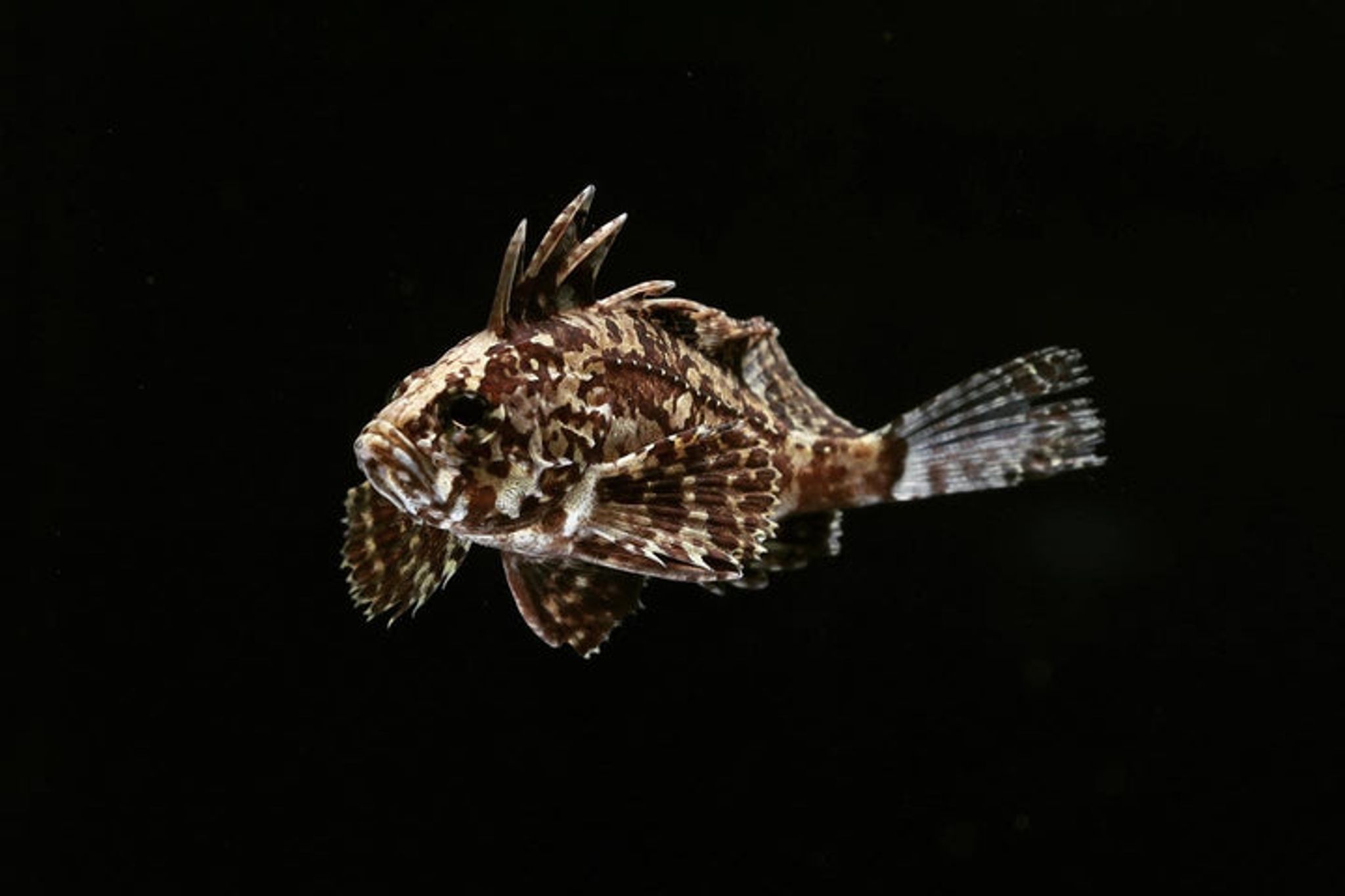
Freshwater Butterfly Fish are unusual surface-dwelling predators known for their wing-like pectoral fins, upturned mouths and striking body shape. They spend much of their time just beneath the water surface and require very different care from marine butterflyfish.
The Freshwater Butterfly Fish commonly kept in aquariums is Pantodon buchholzi, a distinctive African freshwater species.
It is a specialised surface feeder with a flattened body, large pectoral fins and an upturned mouth designed for taking prey at the water surface.
African Butterfly Fish are prized for their unusual prehistoric-looking appearance and calm surface-oriented behaviour.
They are very different from ordinary midwater community fish and are best kept in aquariums designed around their surface habits.
Freshwater Butterfly Fish and marine butterflyfish are unrelated aquarium groups with very different care requirements.
Pantodon buchholzi is a freshwater surface predator, while marine butterflyfish are saltwater reef-associated fish. Always check the exact species rather than relying only on the common name.
Freshwater Butterfly Fish reach a moderate adult size, but their broad fins and strong surface orientation mean tank footprint matters more than body length alone.
They benefit from open surface area where they can rest, feed and move without constantly encountering decor or aggressive tankmates.
Suitable tank size depends on the number of fish and tankmates, but surface area is especially important.
A longer, wider aquarium generally provides more useful space than a tall narrow tank for a fish that spends most of its time near the surface.
A suitable setup may include:
Surface access is essential because this species is strongly adapted to feeding and resting near the top of the aquarium.
Yes. Freshwater Butterfly Fish are powerful jumpers and can leave the aquarium through surprisingly small gaps.
A secure cover is one of the most important parts of their setup, especially around cables, filter pipes and feeding openings.
Floating plants can provide shade and a more natural sense of cover near the surface.
Leave open areas between the plants so the fish can reach food easily and move freely along the surface.
Strong surface turbulence is generally less suitable than calmer water.
Filtration should still maintain good water quality, but the surface should not be so turbulent that the fish is constantly pushed away from its preferred feeding zone.
Freshwater Butterfly Fish are carnivorous surface feeders.
They naturally target insects and other small prey near the water surface, so suitable floating or surface-accessible foods are usually more appropriate than food that sinks rapidly.
Food should remain near the surface long enough for the fish to recognise and capture it.
Depending on the individual, suitable prepared foods may be supplemented with appropriately sized frozen or live foods.
They may prey on small fish that spend time near the surface and are small enough to swallow.
Tankmates should therefore be selected with the Butterfly Fish's predatory feeding behaviour in mind.
Freshwater Butterfly Fish can work in carefully planned community tanks with suitably sized, peaceful tankmates.
Fish that constantly occupy or compete at the surface may be less suitable, while peaceful midwater and bottom-dwelling fish can sometimes coexist more comfortably.
Larger Tetras may sometimes coexist with Freshwater Butterfly Fish when they are too large to be viewed as prey.
Very small Tetras can be at risk, particularly if they spend time close to the surface.
Small Rasboras may be vulnerable because of their size.
Larger peaceful species are generally easier to consider than nano Rasboras when planning tankmates.
Corydoras spend most of their time near the bottom and therefore occupy a very different zone from Freshwater Butterfly Fish.
This separation can make them suitable tankmates when water conditions are compatible and the aquarium is large enough.
Plecos are bottom-oriented fish and may coexist with Freshwater Butterfly Fish in suitable aquariums.
Adult size and overall stocking should still be considered, especially with larger Pleco species.
Gouramis and Freshwater Butterfly Fish both use the upper part of the aquarium.
Competition for surface territory and food can therefore become more noticeable, particularly in smaller tanks.
Bettas and Freshwater Butterfly Fish are generally not an obvious pairing because both spend considerable time near the surface.
Limited surface space, feeding competition and individual temperament can make the combination difficult.
Angelfish may coexist with Freshwater Butterfly Fish in sufficiently spacious aquariums when size and temperament are compatible.
Make sure the Butterfly Fish can feed successfully at the surface without being constantly displaced.
Small shrimp and juveniles may be eaten if they move into accessible areas.
Freshwater Butterfly Fish should therefore not be considered reliably shrimp-safe.
Aquarium snails are generally less likely to interact directly with surface-dwelling Butterfly Fish.
Compatibility still depends on the overall aquarium setup and the other livestock present.
They are generally better described as predatory surface fish than highly aggressive community fish.
Small tankmates may be viewed as food, and individuals can compete for surface space, but they do not behave like highly territorial cichlids.
Multiple individuals may sometimes be kept together when enough surface territory is available.
Crowding can increase competition, so tank footprint and individual behaviour should be monitored carefully.
They can work well in planted aquariums where vegetation creates shade and structure.
Avoid filling the entire surface with plants because the fish still needs open areas for movement and feeding.
Freshwater Butterfly Fish benefit from stable, clean water and consistent maintenance.
Exact temperature and water chemistry should be matched to the source of the fish and the other compatible species in the aquarium.
Effective biological filtration is important, but surface turbulence should be managed carefully.
Filter outlets can be positioned or adjusted to create good circulation without turning the entire surface into rough water.
They are generally better suited to aquarists who understand secure tank covers, specialised feeding and tankmate selection.
Their care is not necessarily extremely difficult, but they are less forgiving of an unsuitable community setup than many common beginner fish.
Mature males and females can sometimes be distinguished by differences in the anal fin.
Sexing juveniles can be more difficult, so seller identification may not always be certain in young fish.
Freshwater Butterfly Fish have been bred in captivity, but breeding is more specialised than with common livebearers.
Successful breeding requires mature compatible fish and careful management of eggs and young.
When comparing Freshwater Butterfly Fish for sale, look for:
Their habit of remaining near the surface is normal behaviour and should not by itself be interpreted as poor health.
Introduce new fish carefully to avoid abrupt changes in temperature and water chemistry.
Keep the aquarium securely covered during and after acclimation because newly introduced Butterfly Fish may be especially prone to jumping.
Freshwater Butterfly Fish prices in Singapore vary according to size, condition, source, availability and seller.
Specialist freshwater fish may have more variable availability than common community species, so prices and stock can change between sellers.
FishyHub brings Freshwater Butterfly Fish listings from aquarium shops, breeders and specialist freshwater fish sellers across Singapore together in one marketplace, making it easier to compare available fish from multiple sources.
When comparing listings, consider:
Livestock availability changes regularly, so Freshwater Butterfly Fish may not always remain in stock.
Yes. Pantodon buchholzi is a freshwater African fish and is unrelated to marine butterflyfish.
Yes. They are powerful jumpers, so a secure aquarium lid is essential.
They are carnivorous surface feeders that prefer food available near the top of the aquarium.
They can prey on sufficiently small fish, especially species that spend time near the surface.
They may coexist because Corydoras occupy the bottom while Butterfly Fish remain near the surface, provided water requirements are compatible.
The combination can be difficult because both use the surface area and may compete for space and food.
Floating plants can provide useful shade and cover, but some open surface should always remain available.
They are better suited to aquarists prepared to provide a secure lid, suitable surface foods and carefully selected tankmates.
Explore Freshwater Butterfly Fish for sale on FishyHub and compare African Butterfly Fish, Pantodon buchholzi and available specimens from aquarium sellers and breeders across Singapore. Compare size, condition, feeding behaviour and price to find a suitable Butterfly Fish for your freshwater aquarium.


1757167165687.jpeg?signature=2be54a2f065ab11b64fa2bdd488e614c0b02721b9850f5e6ef24b2983bed2b59)