What Do Killifish Eat? A Practical Feeding Guide
Killifish are small, surface-hunting carnivores that thrive on a mix of quality prepared food and small live or frozen prey. You don't need a live-food culture running to keep them healthy, but you'll want one if you plan to breed them or raise fry. This guide breaks down exactly what to feed, how much, and how the plan shifts for fry, annual species, and larger predatory types.
What Killifish Eat in the Wild
In their natural habitats — shallow pools, marshes, ditches, and slow streams — killifish are opportunistic insectivores. They pick off:
- Mosquito larvae and other aquatic insect larvae
- Small terrestrial insects that fall onto the water's surface
- Worms and small aquatic invertebrates
- Tiny crustaceans and zooplankton drifting near the surface
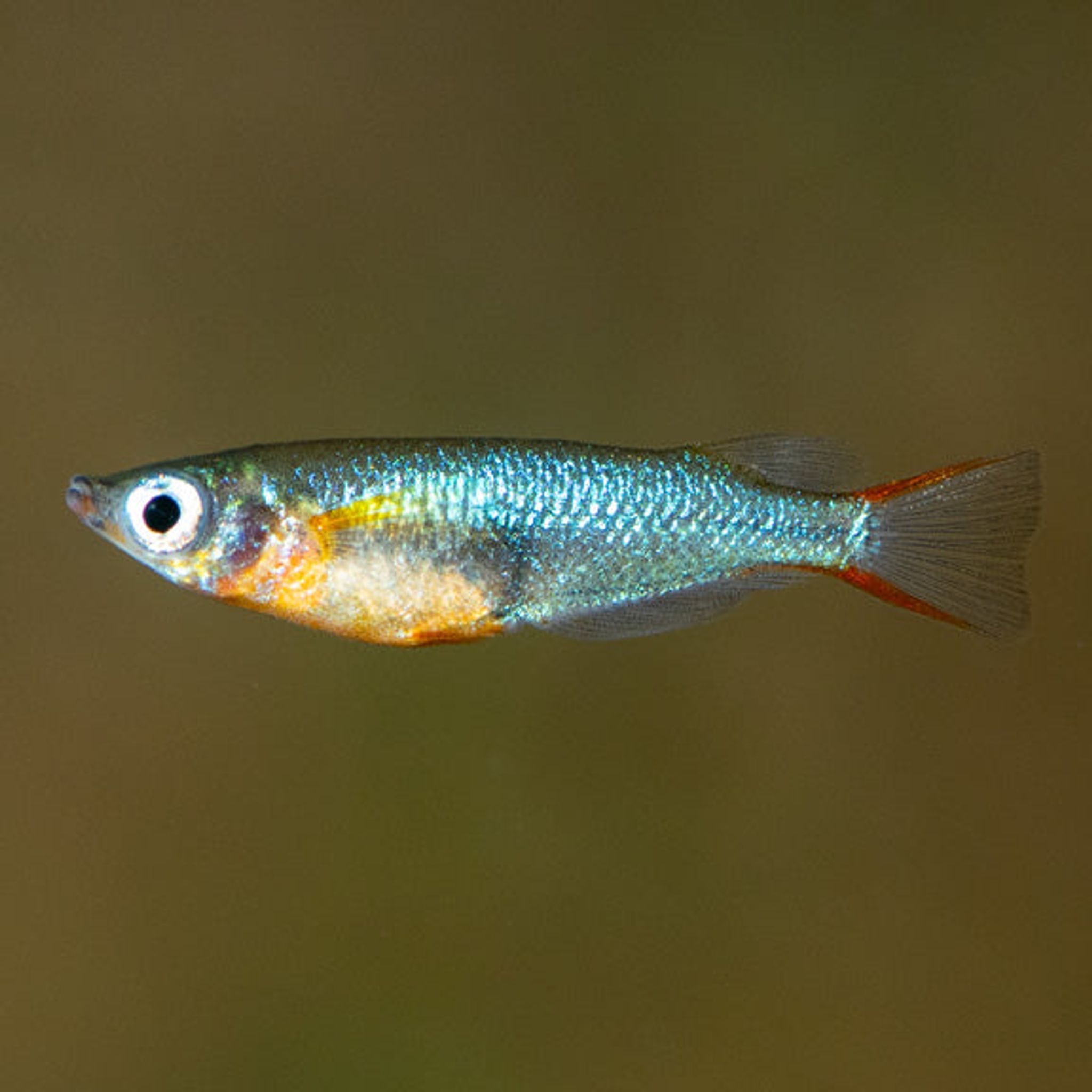
Many killifish species have a distinctly upturned mouth, a giveaway that they're built to feed at or just under the surface rather than off the substrate. Panchax and epiplatys-type killis are good examples. This single anatomical detail matters a lot for how you feed them in a tank: food that sinks fast past the surface zone often goes untouched and just fouls the water below.
The Core Feeding Framework
Think of killifish nutrition in three tiers rather than an all-or-nothing live-food requirement. A well-planted tank with quality dry food can keep adults healthy; live and frozen foods layer on better color, vigor, and breeding condition.
| Tier | Examples | Role |
|---|---|---|
| Staple | Small, high-protein pellets or flakes for carnivores | Daily base diet; crumble or grind for small-mouthed species |
| Frozen | Brine shrimp, bloodworms, mosquito larvae, daphnia | 2-4x per week; thaw and rinse before feeding |
| Live | Baby brine shrimp, daphnia, microworms, grindal worms, blackworms, flightless fruit flies | Recommended for color and vigor; important for conditioning breeders |
Staple food: Choose a small pellet or flake formulated for carnivorous or small tropical fish. For clown killifish and other tiny-mouthed species, crush flakes between your fingers or use a micro-pellet — full-size flakes are simply too large for them to eat.
Frozen food: Adult brine shrimp, bloodworms, mosquito larvae, and daphnia are all good frozen options. Always thaw in a small cup of tank water and rinse before feeding — skipping this step adds excess liquid and organic waste to the tank.
Live food: This is where killifish really shine. Baby brine shrimp, daphnia, mosquito larvae, blackworms, grindal worms, microworms, and flightless fruit flies all trigger strong feeding responses and are close to a killifish's natural diet. Live food is optional-but-recommended for adult health and color, and effectively necessary for reliable breeding conditioning and fry survival — sources disagree on how mandatory it is for everyday maintenance, but agree it becomes far more important once breeding is the goal.
Feeding Frequency and Portions
Killifish have small stomachs, so little and often beats one large meal. Feed small amounts once or twice a day as a safe default — that's the most consistent recommendation across the hobby, even though exact schedules vary by keeper.
For portions, a practical rule works better than a fixed amount: offer only what the fish clear in 2-3 minutes, then remove or siphon anything left. This matters more for killifish than for many other fish because they're commonly kept in small, sparsely filtered, heavily planted species tanks — a 5-10 gallon (19-38 liter) setup with a sponge filter has little margin for uneaten food before ammonia starts climbing. When in doubt, underfeed slightly rather than overfeed; you can always offer a second small feeding later in the day.
Live Foods Overview: Culturing and Sourcing
Killifish keepers lean heavily on live food, partly because so many of the hobby's species are bred rather than simply kept, and constant fry food is part of the routine. The good news is that most of these cultures are cheap and simple to run at home:
- Baby brine shrimp — hatched from eggs in salted water over 24-36 hours; a staple first food for fry.
- Daphnia — cultured in green water or with yeast/algae feeding; a good size step-up food.
- Microworms — grown in a simple oatmeal or cereal-based media; ready to harvest within days.
- Vinegar eels — cultured in diluted apple cider vinegar; another excellent tiny first food.
- Grindal worms and white worms — cultured in moist soil-like media, fed to larger fry and adults.
- Flightless fruit flies — cultured in small containers with a fruit-based medium; a favorite for surface-feeding adults.
None of these require special equipment — small containers, a warm spot, and regular harvesting are enough to keep a rotating supply going for a breeding project.
Are Insects Safe to Feed?
Insects and their larvae are a natural and beneficial part of a killifish's diet, provided they come from a clean source. Home-cultured mosquito larvae, fruit flies, or blackworms carry minimal risk. Wild-caught mosquito larvae, on the other hand, can carry parasites or pesticide residue picked up from standing water, so they're a riskier choice than home-cultured or reputable frozen alternatives.
If you're feeding store-bought feeder insects like fruit flies, gut-loading them (feeding them a nutritious diet for a day or two before offering them to your fish) improves the nutritional payoff for your killifish — a step that's easy to skip but worth the extra day.
Breeding and Spawning Mops
Feeding ties directly into breeding success. Most non-annual, egg-scattering killifish are bred over yarn spawning mops — floating clusters of fine yarn that mimic the plant roots and vegetation where they'd naturally lay eggs. Before spawning, conditioning your pair or group with protein-rich live foods for one to two weeks noticeably improves egg output compared to a flake-only diet.
Once eggs are laid on the mop, they're picked out by hand and hatched separately in a small container, which is where the fry-feeding progression below becomes essential.
Fry Feeding: A Day-by-Day Progression
Killifish fry have extremely small mouths at hatching, so the food sequence matters more here than with almost any other freshwater fish.
| Fry age | Food |
|---|---|
| Day 0-3 | Infusoria or paramecium |
| Day 4-7 | Microworms, vinegar eels, or newly hatched baby brine shrimp |
| Week 2-3 | Larger baby brine shrimp, finely crushed flake |
| Week 3+ | Chopped blackworms, larger crushed flake, small pellets as mouth size allows |
Feed fry small amounts multiple times a day rather than one or two larger feedings — their guts are tiny and they need near-constant grazing to grow well. Watch belly fullness as your guide; a fed fry typically shows a visibly rounded, often pinkish-orange belly from the shrimp or worms inside.
Species Feeding Notes
Diet stays broadly similar across killifish — small live, frozen, and prepared insectivore fare — but mouth size and predatory tendency scale with body size:
- Aphyosemion / Fundulopanchax types (georgiae group and relatives): Standard tiered diet works well; larger species in this group can take chopped earthworms or bigger insect larvae as they mature.
- Clown killifish: Tiny mouths require finely crushed flake, micro-pellets, or appropriately small live foods like microworms and baby brine shrimp throughout adulthood, not just as fry.
- Rivulus species: Known surface jumpers and hunters; they readily take fruit flies and small terrestrial insects landing on the water.
- South American annuals (Austrolebias, Cynolebias, and related genera): Fast-growing and voracious, needing frequent, protein-rich feeding to reach breeding size before their short natural lifespan ends. Non-annual, annual, and semi-annual life-history types don't need different foods, but annuals need noticeably more frequent, heavier feeding to compress a full life cycle into a matter of months.
- Red-chinned panchax and other epiplatys types: Strongly surface-oriented with upturned mouths; prioritize floating or slow-sinking foods offered right at the water's surface.
Predatory Behavior: What Killifish Will Eat That You Didn't Intend
Larger, more predatory killifish species are genuine hunters, not just insect-pickers. Dwarf shrimp, shrimp fry, and very small tankmates are at real risk around bigger killifish, and some larger species will take small fish fry given the chance. Snails are generally safer thanks to their shells, though very young snails or unhatched eggs can still be picked off. If you're stocking a species-only killifish tank alongside shrimp, research the specific killifish species' size and temperament first — a small clown killifish is no threat to adult shrimp, but a larger Aphyosemion may be.
Common Feeding Mistakes to Avoid
- Overfeeding small, lightly filtered tanks. This is the single most common killifish-keeping mistake and the fastest route to an ammonia spike. Fix it with smaller, more frequent portions and prompt siphoning of leftovers.
- Offering food too large for the mouth. Common with clown killifish and fry of every species — grind flakes, use micro-pellets, or switch to appropriately sized live foods.
- Skipping live/frozen food for breeding pairs. Flake-only diets tend to produce poor egg yield and weak fry survival; add live or frozen protein before and during a breeding attempt.
- Not rinsing frozen food. Leftover liquid from thawed cubes adds unnecessary organic load to the water.
- Underestimating killifish as predators. Don't assume small tankmates or shrimp are automatically safe with larger killifish species.
- Letting food sink past surface feeders. Species with upturned mouths often ignore food that sinks quickly, and it ends up fouling the substrate instead.
- Underfeeding annual species. Their compressed lifespan means they need heavier, more frequent feeding than non-annual killifish to reach maturity in time.
Transitioning Wild-Caught or Imported Killifish
Wild-caught or freshly imported killifish are common in the hobby, and they sometimes arrive accustomed to live food only. If a new fish is refusing prepared food, keep offering small amounts of frozen or live food alongside a pinch of flake at each feeding — most individuals will start picking at prepared foods within a week or two once they settle in and recognize it as food. Patience and consistency matter more here than switching brands or types repeatedly.
Killifish and related live foods can be browsed in the killifish category on FishyHub, along with a range of freeze-dried foods suited to small carnivorous species.
Frequently Asked Questions
Can killifish eat flakes only?
Yes, many adult killifish can live on a quality flake or small pellet alone. Pairing flakes with occasional live or frozen food still gives noticeably better color, vigor, and breeding results.
Do killifish need live food to breed?
It's not absolutely mandatory, but live food strongly improves conditioning and egg production in breeding pairs. It's also effectively necessary for fry, since newly hatched killifish need live microfoods to survive their first days.
How often should I feed killifish?
Small amounts once or twice a day is the standard, safe default. Killifish have small stomachs, so frequent light feedings beat one large meal.
What do killifish fry eat first?
Infusoria or paramecium for the first few days after hatching, since their mouths are too small for anything larger. As they grow, move them onto microworms, vinegar eels, and then baby brine shrimp.
Will killifish eat shrimp or snails?
Larger or more predatory killifish species will eat small shrimp and shrimp fry, so caution is warranted when combining them. Snails are generally safer due to their shells, though eggs and very young snails may still be at risk.
Can I culture my own live food at home for killifish?
Yes. Baby brine shrimp, microworms, vinegar eels, grindal worms, and fruit flies are all commonly and cheaply cultured at home by killifish keepers, and having a rotation running makes constant fry feeding much easier to sustain.
If you're setting up a species tank and want to see current stock, check FishyHub's shrimps category for compatible tankmates or the other tropical fishes category for more surface-feeding species to pair with your feeding routine.


