


Ikan Killifish: Killifish Care, Species & Hatching Eggs in Malaysia
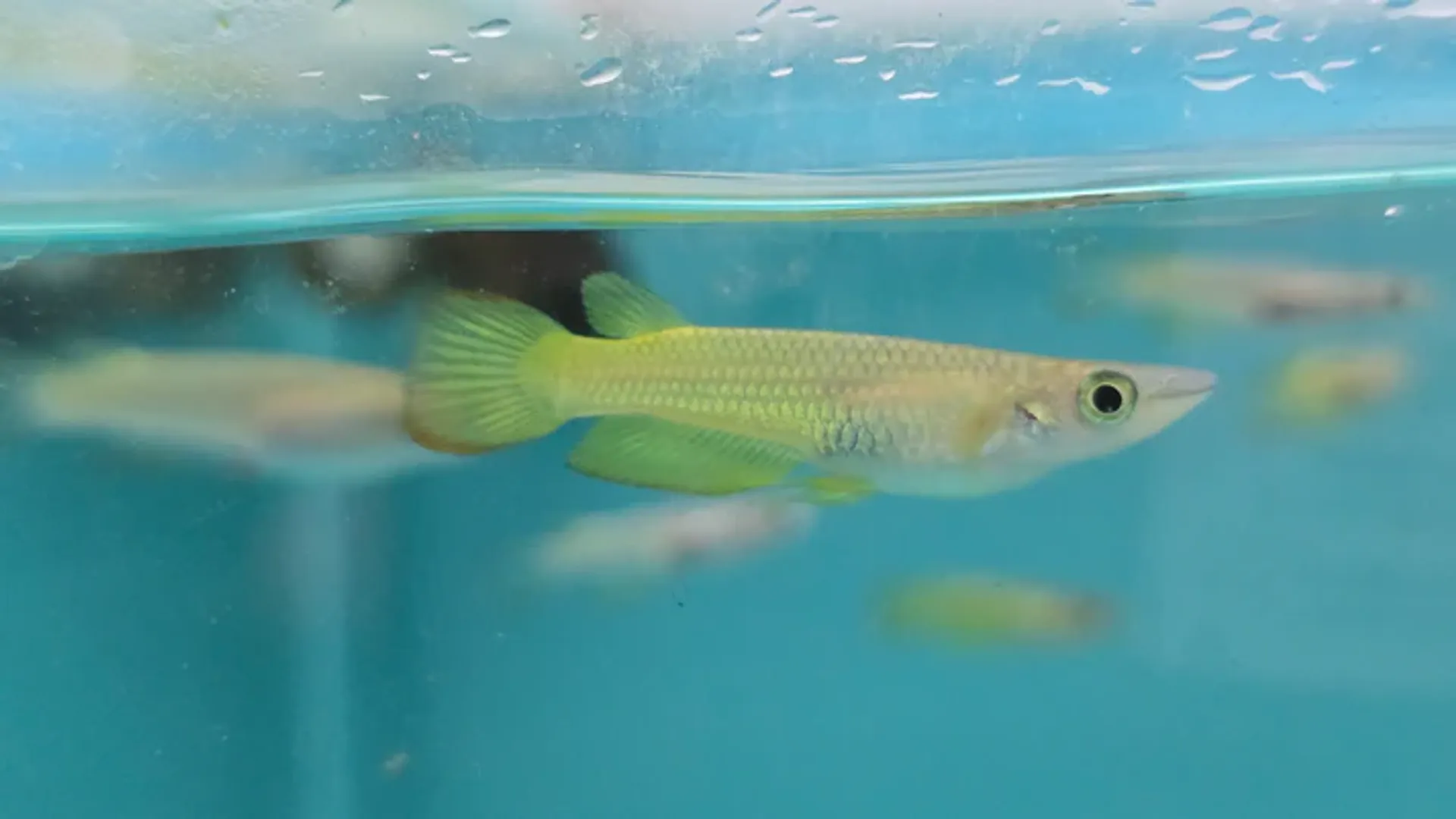
Killifish are small, jewel-coloured egg-laying fish, usually 4–8 cm long, kept by hobbyists who enjoy breeding and colour. To keep killifish in Malaysia, first know whether your species is annual (short-lived, eggs stored in damp peat) or non-annual (lives a few years, eggs laid on plants or mops). Choose heat-tolerant species, or keep cooler species in a fan-cooled room. Use a tight lid, because killis jump, and feed live or frozen food, since many refuse dry food. Malaysia even has a native killifish, the blue panchax, found in drains, paddy fields and ponds across the country.
Annual vs Non-Annual Killifish
| Annual killifish | Non-annual killifish | |
|---|---|---|
| Example genera | Nothobranchius (Africa), Austrolebias (South America) | Aphyosemion, Fundulopanchax, Epiplatys, Aplocheilus |
| Wild habitat | Seasonal pools that dry out every year | Permanent streams, swamps and forest pools |
| Lifespan | Often under 1 year; some only a few months | About 2–3 years or more |
| Eggs | Laid in the substrate; survive drying in damp peat | Laid on plants or spawning mops; hatch in water |
| Incubation | Weeks to months in damp peat | About 2–3 weeks in water, or a shorter peat rest for some |
| Best for | Breeders who enjoy cycles of hatching | Display tanks and beginners to killis |
Killifish Lifespan
People are often surprised by killifish lifespan. Annual killifish evolved to live fast: hatch, grow, breed and die before their pool dries up. Many Nothobranchius live under a year in aquariums. Non-annual species live longer, usually 2–3 years and sometimes more.
If you buy an adult annual killifish, it may only have a few months left. That is normal. Collecting and hatching its eggs is part of the hobby.
Popular Killifish Species and Malaysian Heat
Malaysian homes sit at about 26–31°C. Many killifish come from cooler, shaded forest streams, so species choice matters.
| Species | Type | Preferred temperature | Fits warm Malaysian rooms? |
|---|---|---|---|
| Blue panchax (Aplocheilus panchax) | Non-annual | 24–30°C | Yes; native to Malaysia |
| Golden wonder (Aplocheilus lineatus) | Non-annual | 24–28°C | Yes |
| Clown killi (Epiplatys annulatus) | Non-annual | 24–27°C | Usually, with aeration |
| Gardneri (Fundulopanchax gardneri) | Non-annual | 22–26°C | Borderline; add a fan |
| Lyretail (Aphyosemion australe) | Non-annual | 21–24°C | Cooler room or fan needed |
| Nothobranchius species | Annual | 24–28°C | Usually, but avoid heat spikes |
| Austrolebias species | Annual | Often below 24°C | No; needs a chiller or air-conditioned room |
Temperatures are typical hobby guidelines. Check notes for your exact species.
Keeping cooler killis in Malaysia
- Keep the tank in the coolest room, away from windows.
- Use a kipas akuarium (cooling fan) or a chiller. See our aquarium cooling guide.
- Do not fill to the brim; leave a gap for evaporation cooling and to stop jumping.
- Add an air pump, as warm water holds less oxygen.
The Native Blue Panchax
The blue panchax (Aplocheilus panchax), sometimes called ikan kepala timah for the shiny spot on its head, is a native killifish found in ditches, paddy fields, ponds and slow streams across Malaysia. It is hardy, tolerates heat, and eats mosquito larvae. It is a great way to try killifish, but buy captive-bred fish rather than collecting from drains, which may carry disease.
Killifish Care Table
| Factor | What killis need |
|---|---|
| Temperature | Species-dependent; see table above |
| Tank | 1–2 kaki (12–55 L) for a pair or trio |
| Water | Soft, slightly acidic for most; very clean |
| Lid | Essential; killifish are expert jumpers |
| Temperament | Males can fight; one male per small tank |
| Diet | Live and frozen foods; some accept pellets |
| Beginner? | Non-annuals like panchax and gardneri: yes |
Setup tips
- Small tanks are fine for pairs or trios. A 1 kaki tank works for many small species.
- Use dark substrate or bare bottoms, plants like java moss, and floating plants.
- Gentle sponge filtration is ideal.
- Treat tap water with anti klorin. See our tap water guide.
- Leaf litter like daun ketapang helps forest species.
Feeding: Live Food Matters
Many killifish ignore flakes and pellets, especially wild-type or newly bought fish. Plan for:
- Live baby brine shrimp (artemia): ideal for young fish and small species.
- Microworms and grindal worms (cacing grindal): easy to culture at home.
- Moina and daphnia: great for adults.
- Mosquito larvae (jentik-jentik): from a clean source only.
- Frozen bloodworm and brine shrimp: good backups.
Browse live feed for cultures and hatching supplies. Some killis can be trained onto small pellets over time.
Killifish Eggs: How to Hatch Them
Hatching killifish eggs is a big part of the hobby. Eggs are often traded between hobbyists in damp peat, because they travel better than adult fish.
Non-annual eggs (for example gardneri, lyretail)
- Put a spawning mop (wool strands) or java moss in the tank.
- Pick eggs from the mop every day or two, or move the mop to a separate container.
- Put eggs in a small container of tank water, sometimes with a little methylene blue to stop fungus.
- Remove fungused (white) eggs daily.
- Eggs usually hatch in about 2–3 weeks. Some keepers rest them in damp peat for a similar period, then wet them to hatch.
Annual eggs (for example Nothobranchius)
- Provide a layer of peat on the bottom or in a container where the fish spawn.
- Collect the peat, squeeze out excess water so it is damp, not wet.
- Store in a labelled bag or container at room temperature, away from sunlight.
- Check eggs after some weeks. When you can see eyes inside the eggs, they are ready.
- Add the peat to shallow, cool, clean water. Fry hatch within hours.
- Feed fry infusoria or newly hatched artemia right away.
Incubation time varies by species and temperature. Warm Malaysian rooms usually speed it up, but heat spikes can harm eggs, so store them somewhere stable.
Buying eggs and fish legally
Buy eggs and fish from local sellers who comply with Department of Fisheries (DOF) Malaysia rules. Importing fish or eggs yourself may need permits, so confirm with DOF Malaysia before ordering from overseas.
Common Problems
- Fish found on the floor: no lid or gaps. Cover the tank fully.
- Eggs turning white: unfertilised or fungused. Remove them and add a little methylene blue.
- Fish not eating: offer live food; many killis ignore dry food.
- Short life: normal for annuals. Keep eggs going.
Buying Killifish on FishyHub
Browse killifish for sale. Check the species name, whether it is annual or non-annual, whether fish are sold as pairs or trios, the photo, the seller's location, delivery or self-collect options and live-arrival terms. Ask the seller what temperature the fish are kept at.
Frequently Asked Questions
Ikan killifish boleh hidup berapa lama?
Killifish tahunan (annual) seperti Nothobranchius biasanya hidup kurang daripada setahun. Killifish bukan tahunan boleh hidup 2 hingga 3 tahun atau lebih.
Ikan killifish makan apa?
Kebanyakan killifish suka makanan hidup seperti artemia, cacing grindal, moina dan jentik-jentik. Cacing darah beku juga boleh. Sesetengahnya tidak mahu makan pelet.
Is there a killifish native to Malaysia?
Yes. The blue panchax (Aplocheilus panchax) is found in drains, paddy fields and ponds across Malaysia.
Can killifish live with other fish?
Many can, with small peaceful fish such as rasboras. Males of the same species may fight, and killis may eat shrimp babies.
Why do killifish jump?
They come from small pools and streams, and some jump to reach new water or escape danger. A tight lid is essential.
Killifish reward patient keepers with stunning colour and a fascinating breeding cycle. Browse killifish and live feed from Malaysian sellers on FishyHub, and see our aquarium size guide if you are setting up a small breeding tank.