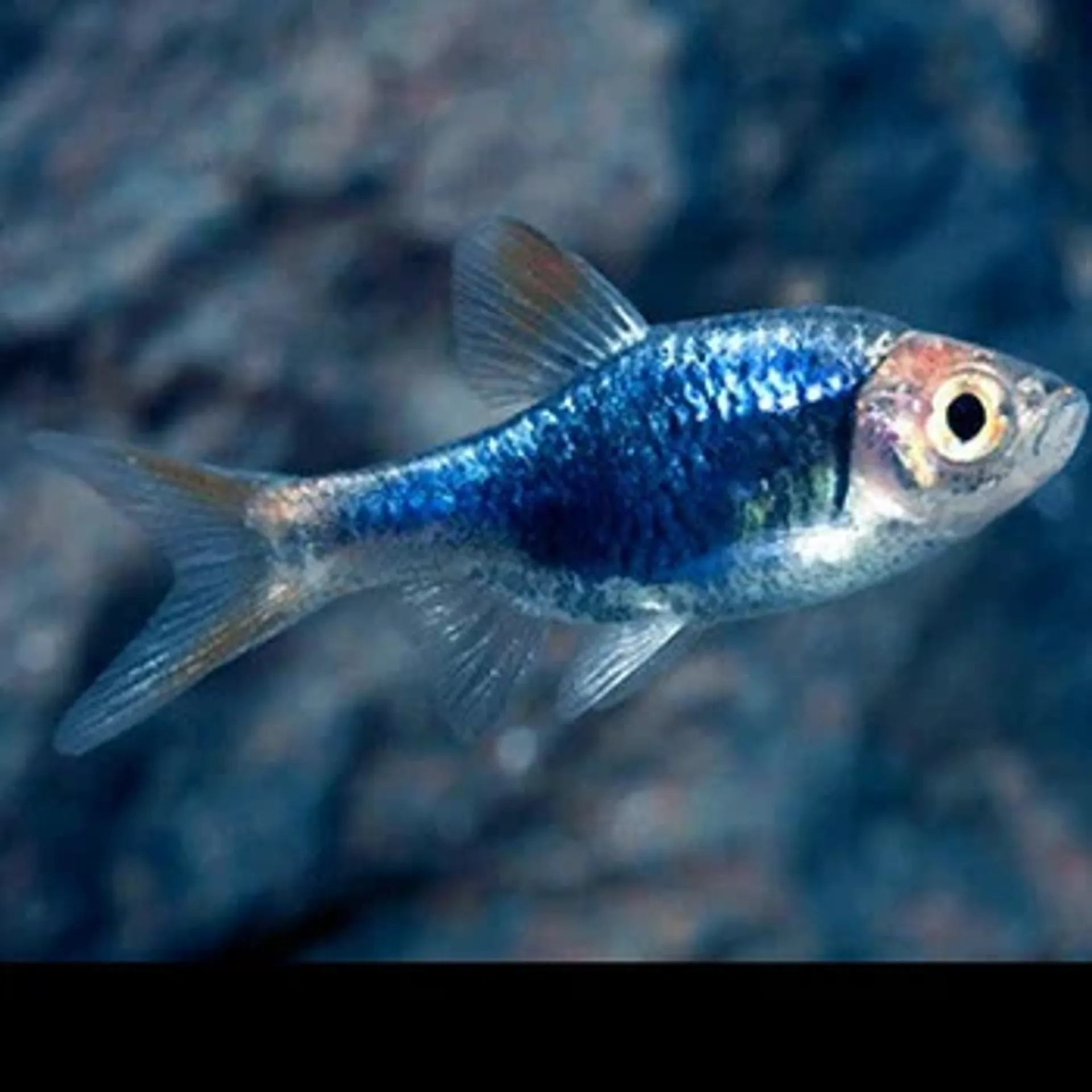
Tankmates: Very peaceful; good with small tetras, pencilfish, dwarf gouramis, bettas (non-nippy), small loaches and dwarf shrimp (may take shrimplets; larger Rasbora more so). Prey for large fish.
Feeding: Size food to the species - Boraras need very fine foods.
1–5 of 5
Rasboras are small, peaceful schooling fish from Southeast Asia, and several of the best-known species are native to Malaysian streams and peat swamps. In shops they're called ikan rasbora, while wild relatives are known by the Malay name seluang. A tight group of harlequins or chili rasboras moving through a planted tank is one of the classic sights in the hobby.
They suit almost everyone: beginners setting up a community tank, aquascapers who need a calm school for a nano layout, and keepers who want fish that actually prefer Malaysia's soft water. FishyHub lists rasboras from Malaysian sellers, with species, group sizes and prices in RM on every listing.
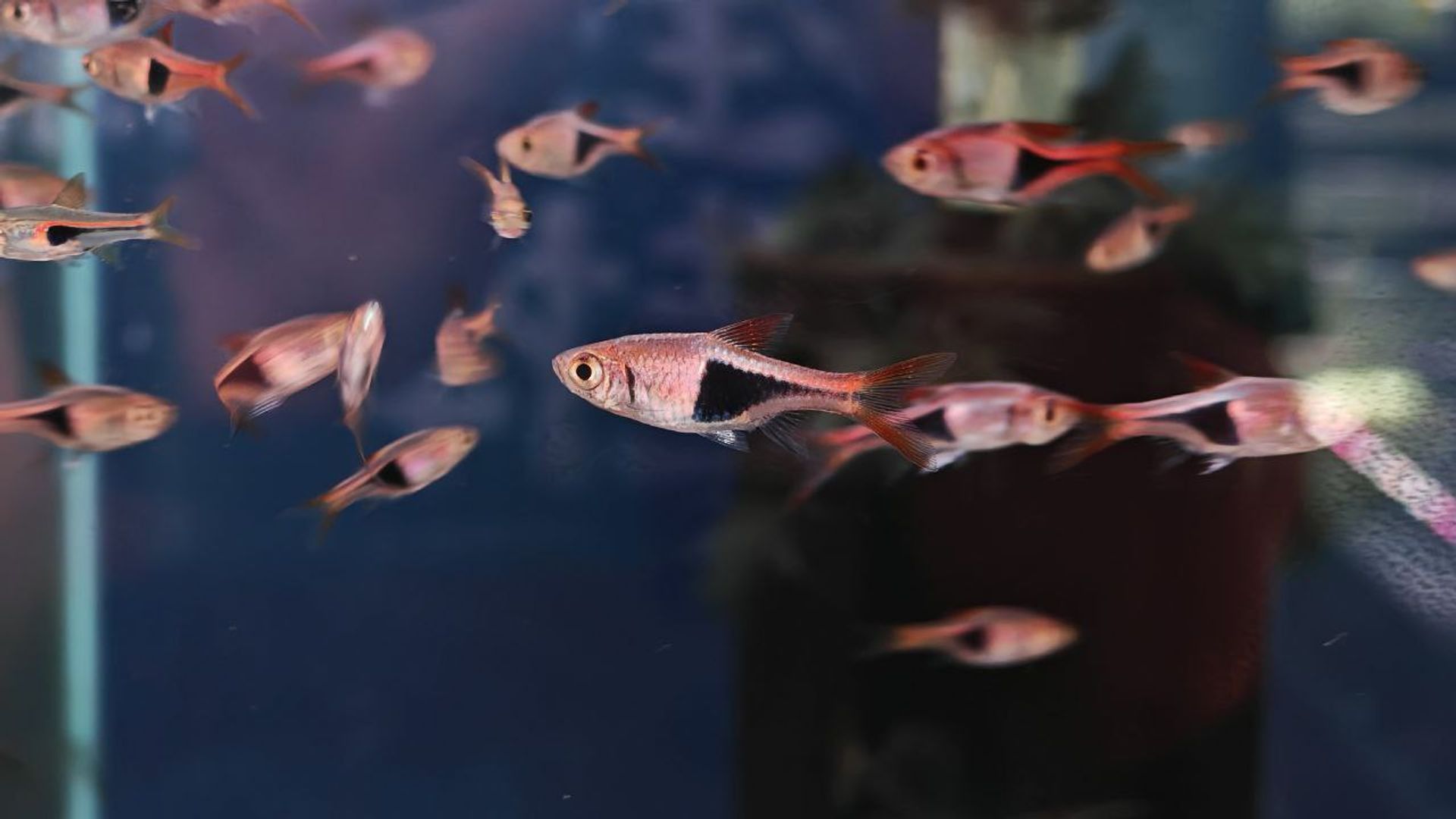
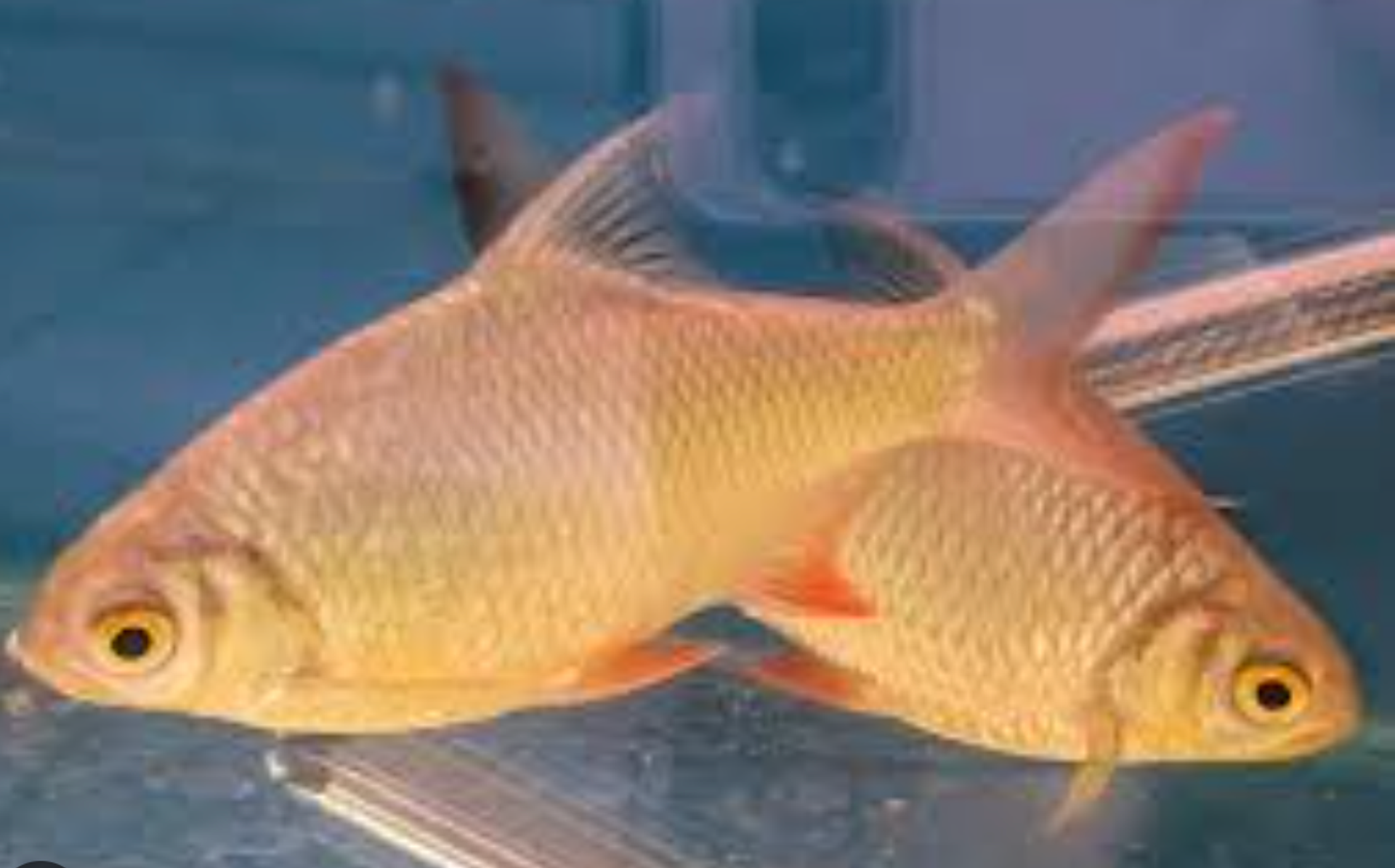
The best-known rasbora, with a copper-orange body and a black triangular patch. It grows to about 4–5 cm, is very hardy and occurs naturally in Peninsular Malaysia. A great first schooling fish.
A slimmer cousin of the harlequin, with a lamb-chop-shaped black mark and a brighter orange body. Slightly smaller and just as easy.
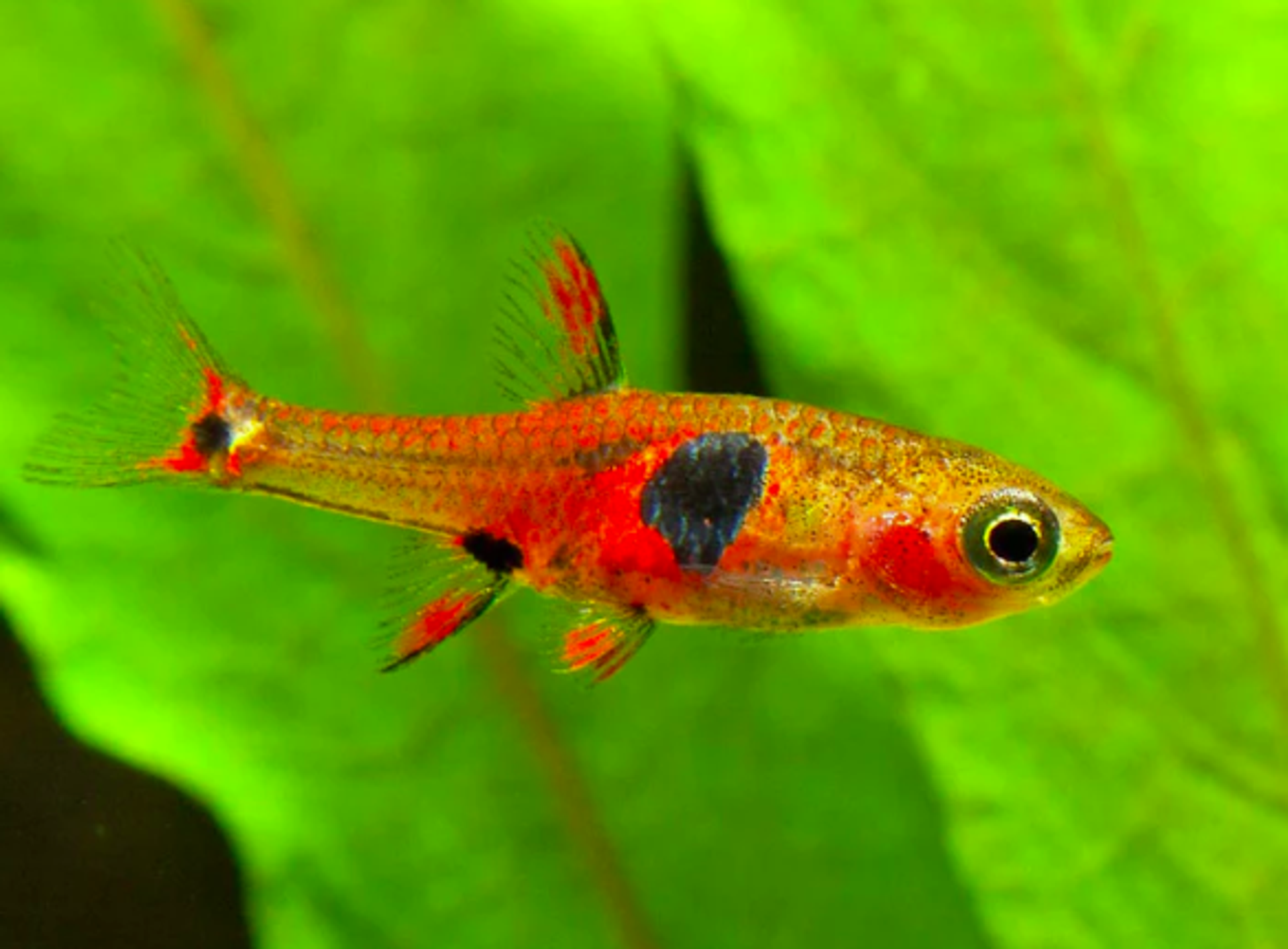
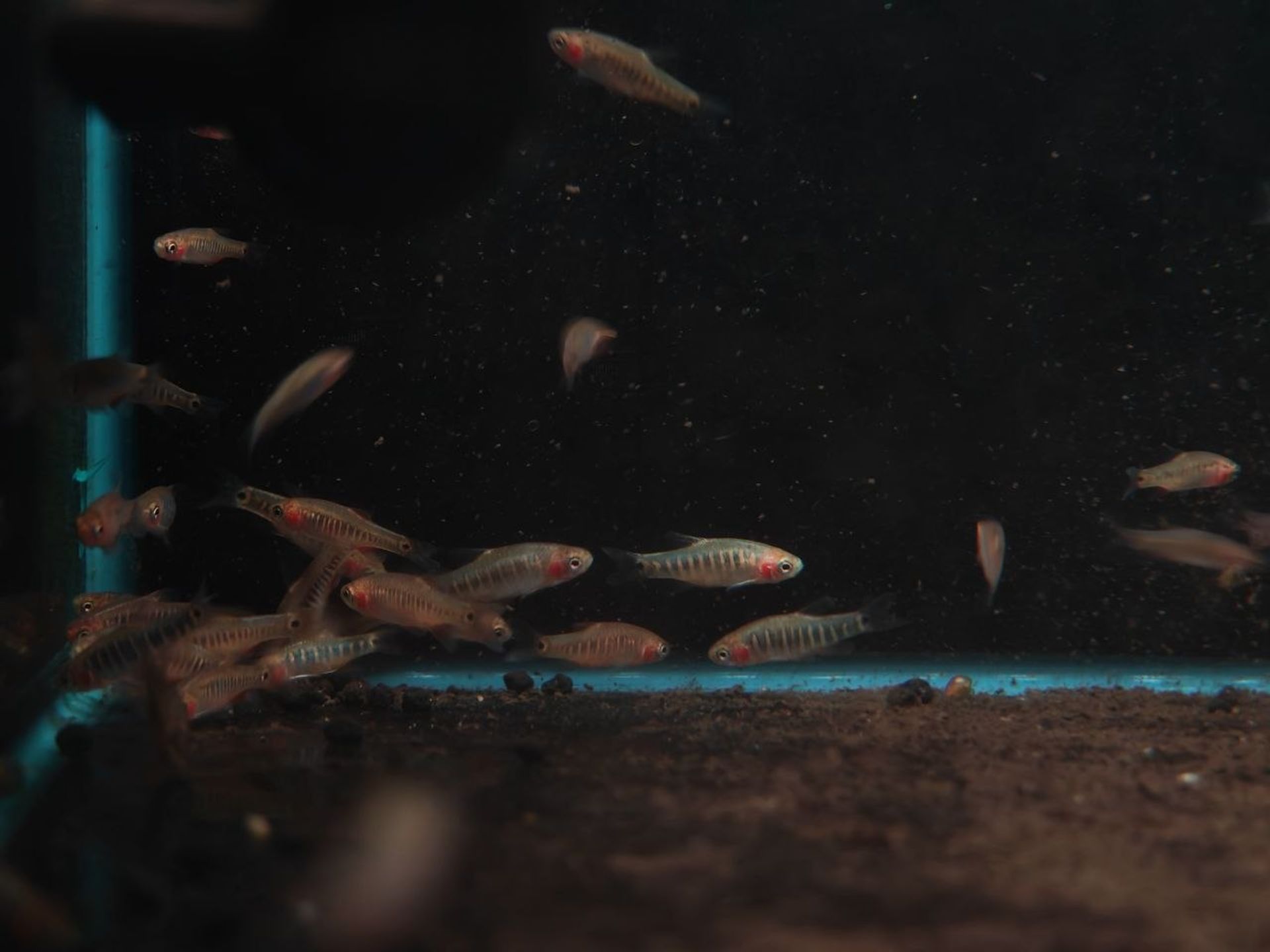
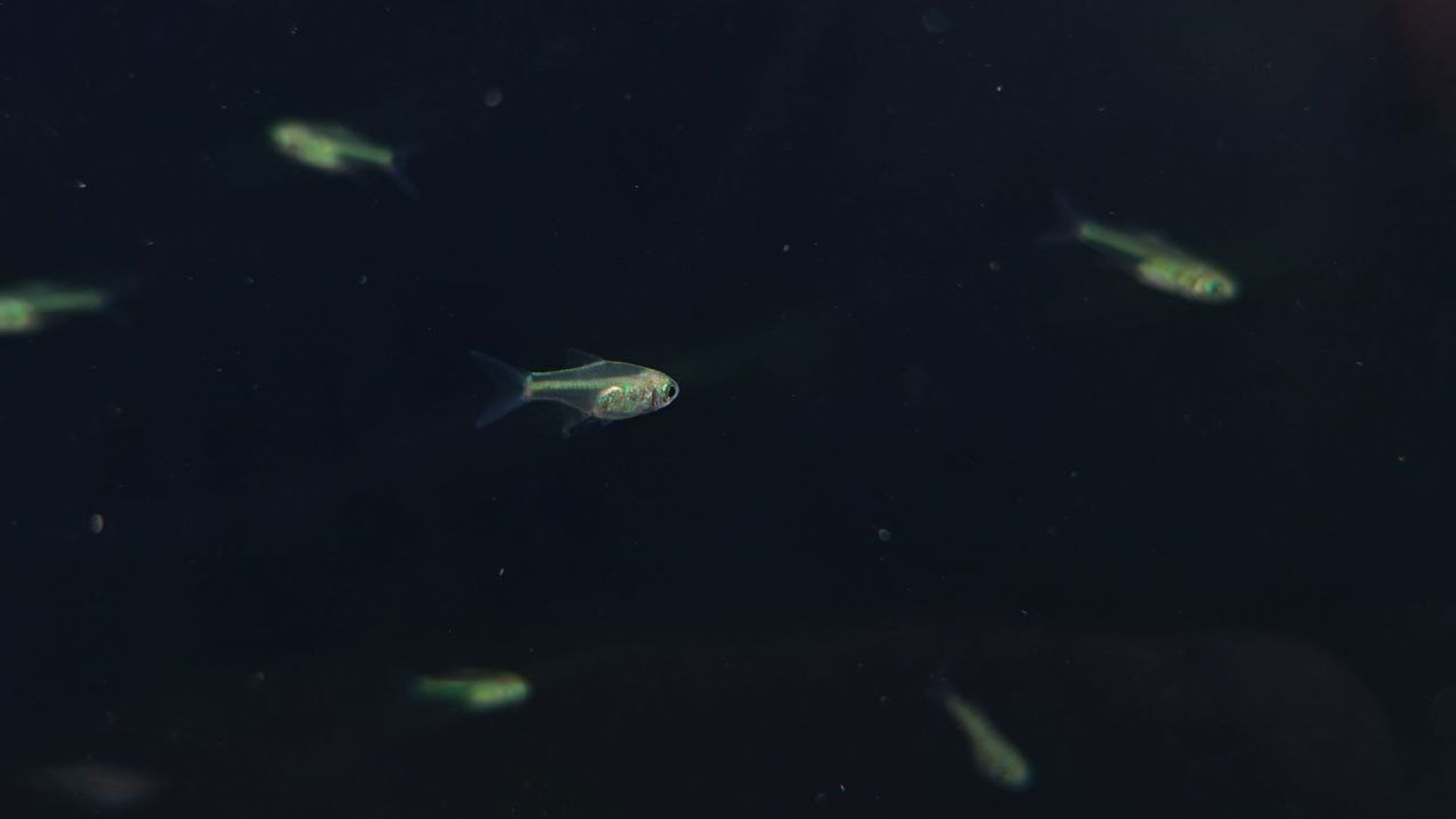
A tiny, bright-red nano fish from Borneo that reaches only around 2 cm. Perfect for small planted tanks and shrimp tanks, as long as tankmates are equally small.
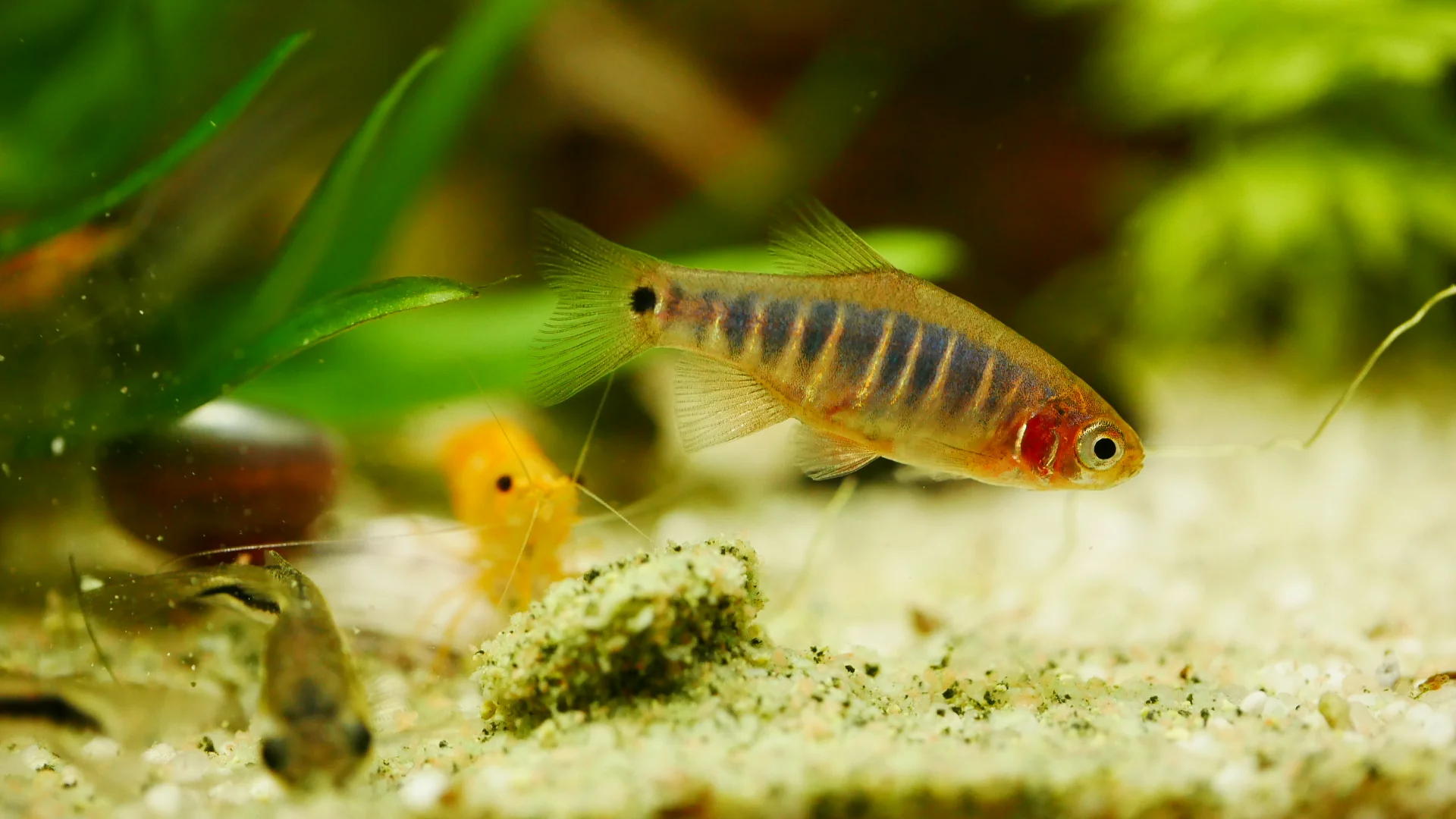
Species such as Boraras maculatus, found in Peninsular Malaysia, and Boraras urophthalmoides are similar tiny fish with spots instead of solid red. They're often sold for nano aquascapes.
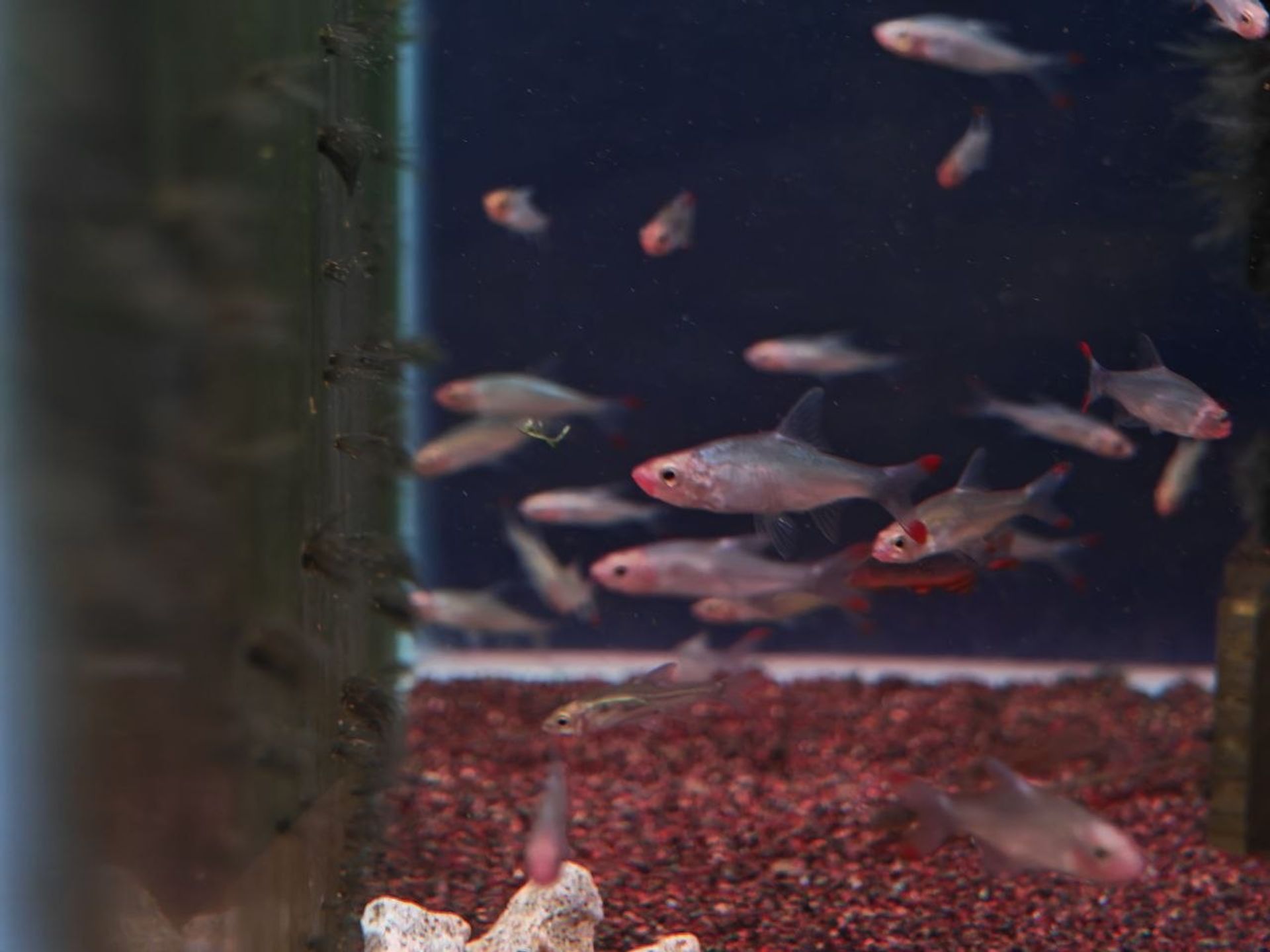
The scissortail (Rasbora trilineata) and similar Rasbora species grow larger, around 8–10 cm, and are fast, active swimmers. They need a longer tank and look best in a big group.
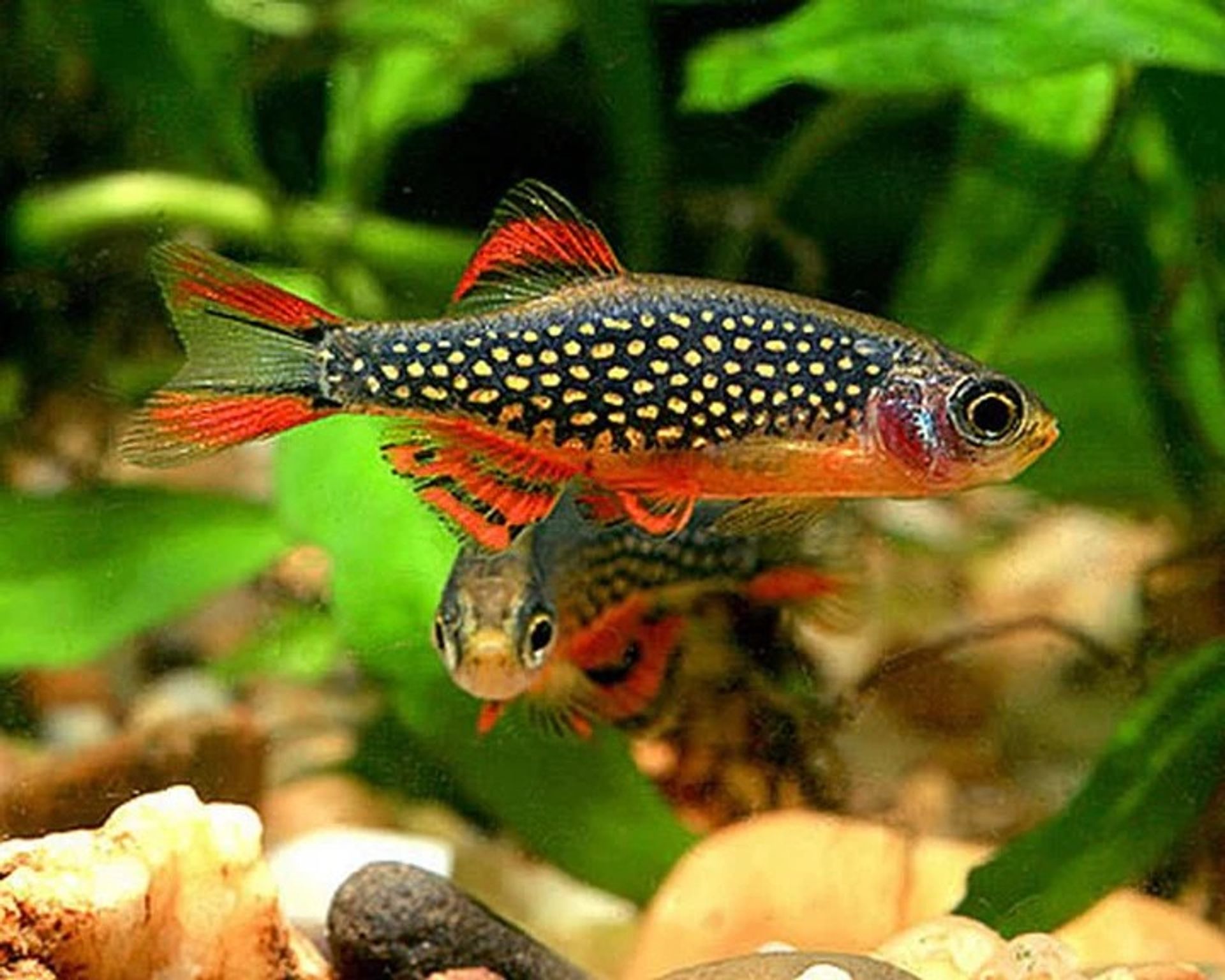
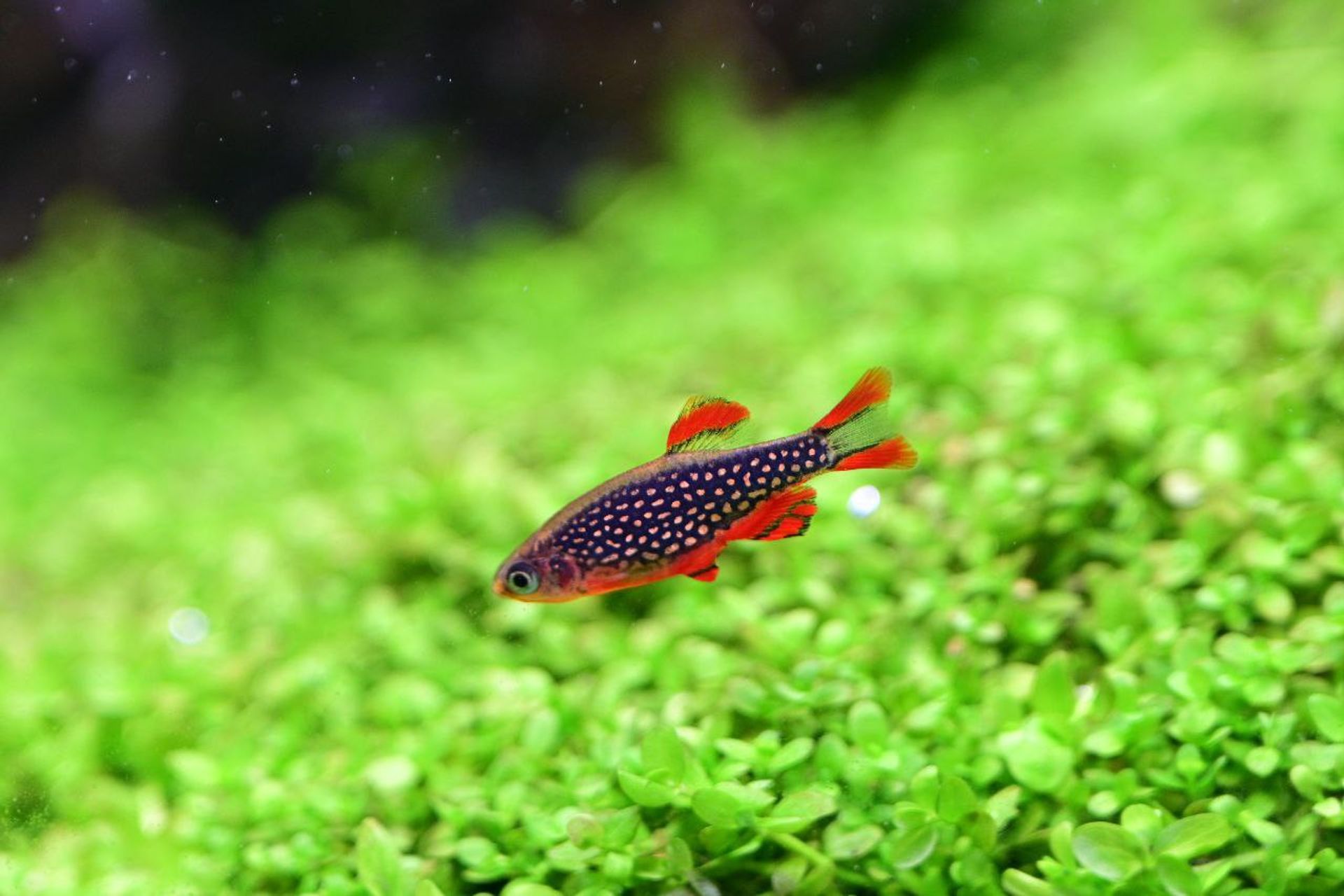
Often sold as galaxy rasbora or celestial pearl danio, Danio margaritatus is actually a small danio. It is spotted like a starry sky and suits nano tanks.
| Care point | Harlequin / lambchop | Chili / Boraras |
|---|---|---|
| Temperature | 24–28°C; Malaysian rooms (26–31°C) are fine | 24–28°C; avoid hot nano tanks above 30°C |
| Minimum tank | 2 kaki (60 cm, about 55–65 litres) | 1 kaki (30 cm, about 12–15 litres) for a small group; 1.5–2 kaki is better |
| Group size | 8 or more | 10 or more |
| Temperament | Peaceful | Peaceful, shy |
| Diet | Flakes, micro pellets, frozen foods | Very fine foods: crushed flake, baby artemia, micro pellets |
| Beginner-friendly? | Yes | Yes, in a mature, stable tank |
Many rasboras come from soft, slightly acidic blackwater, including the peat swamps of Malaysia. Soft tap water, which can be a problem for livebearers, is actually an advantage here. Treat it with anti klorin (Malaysian tap water is chlorinated), then let the tank do the rest.
To bring out their best colours, try a "blackwater" look:
Warmth is generally fine, but small nano tanks heat up quickly under strong LED lighting. If a nano tank goes above 30°C, a small kipas akuarium or shorter light period can help.
Some rasboras in the trade are wild-collected. Where you can, choose captive-bred fish, and never collect or release fish in local streams. Peat-swamp habitats in Malaysia are under pressure and wild fish populations deserve protection.
Rasboras are sold in groups by most sellers. When comparing listings, check:
Rasboras often look pale right after transport, so judge health by active swimming, full bellies and clean fins rather than colour. Prices in RM depend on species, size and whether fish are bred or wild-collected. Buyers in Sabah and Sarawak should ask the seller about live delivery first.
Ya. Rasbora chili dan Boraras lain sesuai untuk akuarium kecil kerana saiznya hanya kira-kira 2 cm. Rasbora harlequin pula lebih sesuai dalam akuarium 2 kaki atau lebih besar.
Ikan rasbora makan flake, pelet halus dan makanan beku seperti artemia atau daphnia. Untuk rasbora chili, pilih makanan yang sangat halus kerana mulutnya kecil.
Small species like chili rasboras usually live well with dwarf shrimp. They may pick at tiny shrimplets, so dense moss gives babies a place to hide.
At least 8, and more for nano species. A bigger group means calmer fish and better schooling.
Yes, they occur naturally in parts of Peninsular Malaysia, along with other rasbora species. Aquarium fish should still never be released into the wild.
Compare harlequin, lambchop, chili and other rasboras from Malaysian sellers, with prices in RM and delivery details on each listing. They pair well with fish from our Tetra and Pencilfish categories, or with udang hiasan akuarium.