1–3 of 3
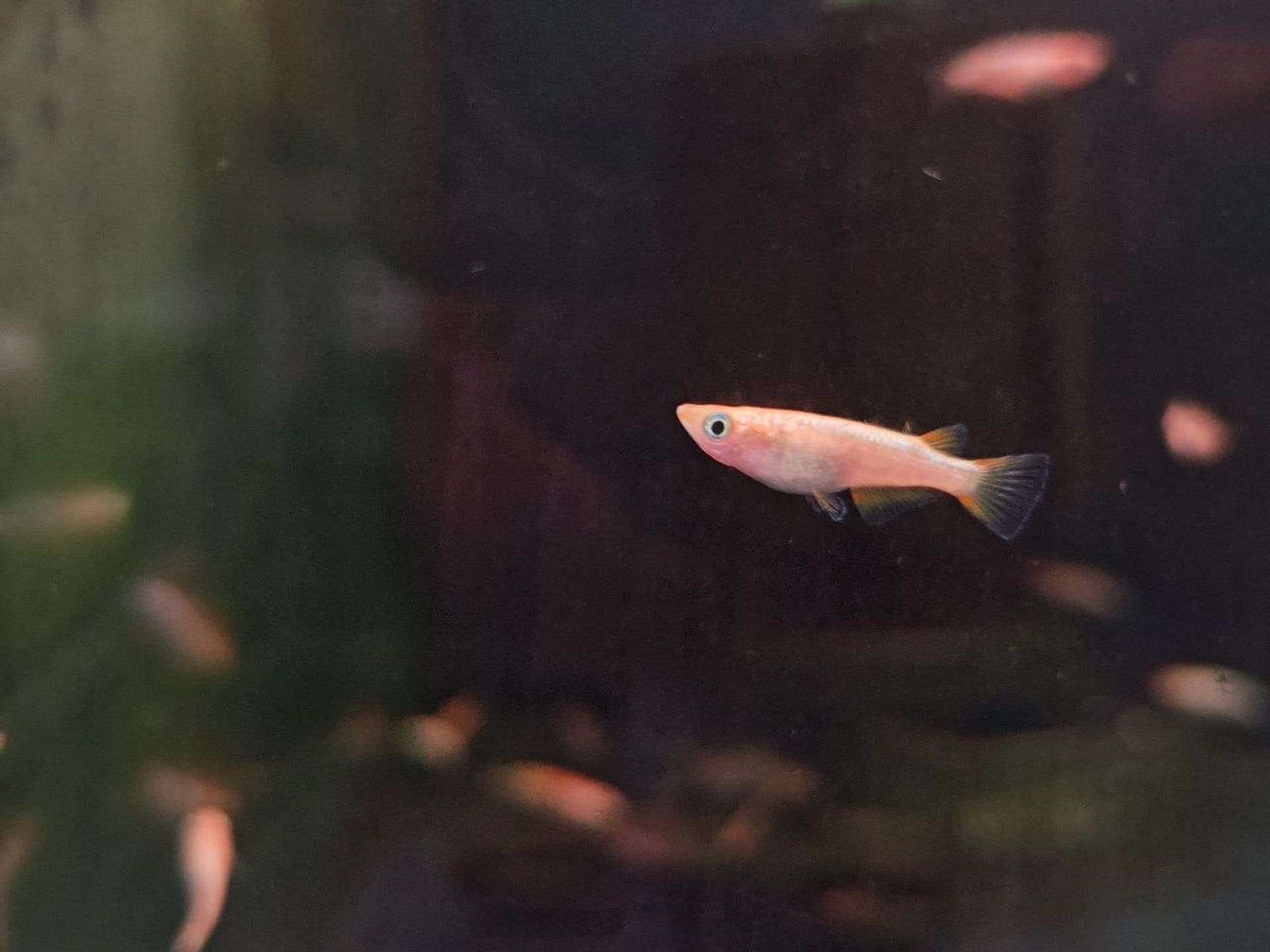
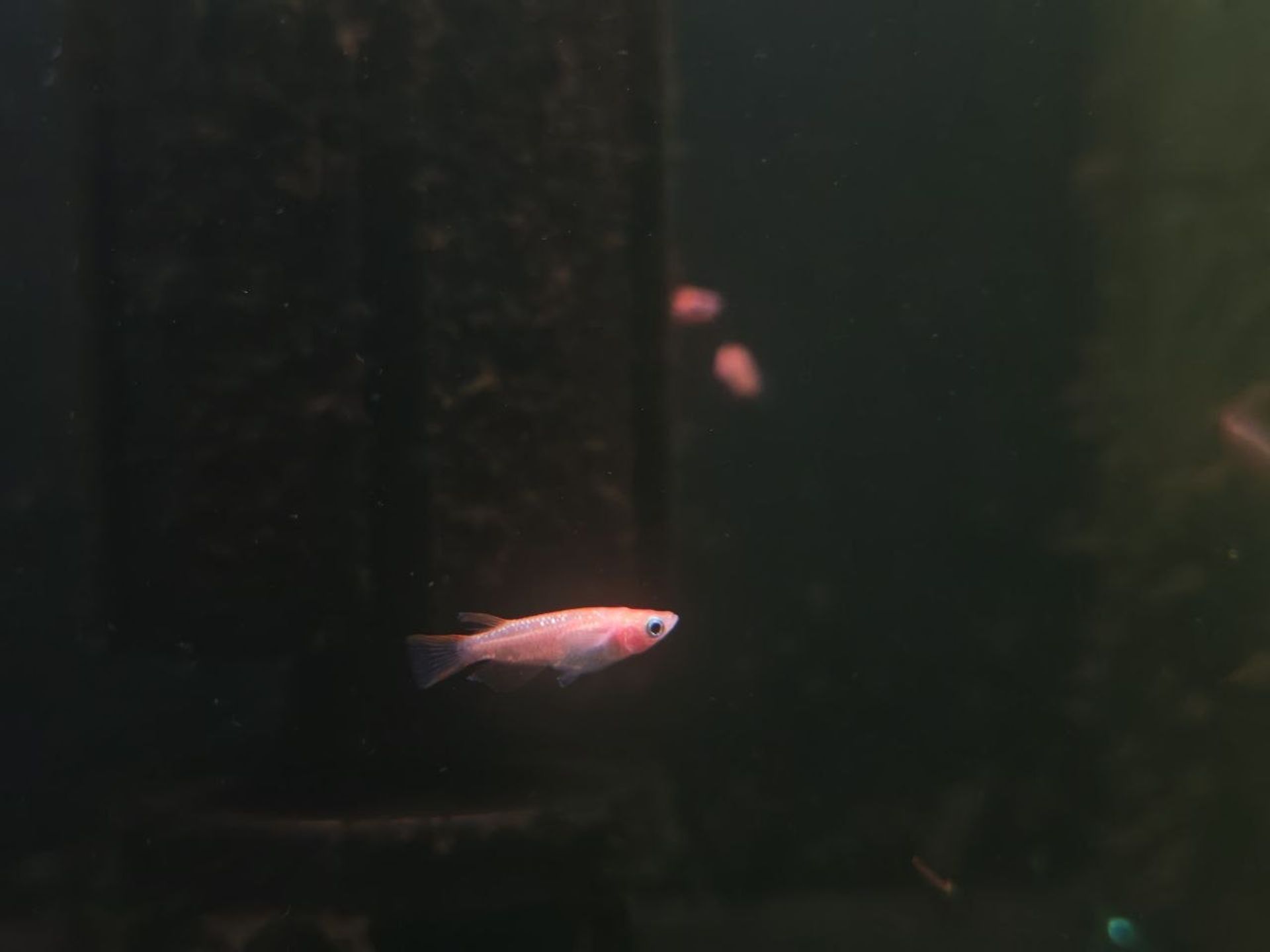
Ricefish are small, hardy fish of the genus Oryzias, named because they traditionally live in rice paddies. The best known is the Japanese ricefish, or medaka (Oryzias latipes), which Japanese breeders have developed into hundreds of colour and fin lines. Malaysian hobbyists usually just call them ikan medaka.
Medaka suit beginners, balcony keepers with tubs or pots, and collectors who enjoy chasing new strains. They are peaceful, easy to breed and look especially good viewed from above. FishyHub lists ricefish from Malaysian hobby breeders and shops, with variety names and prices in RM on each listing.
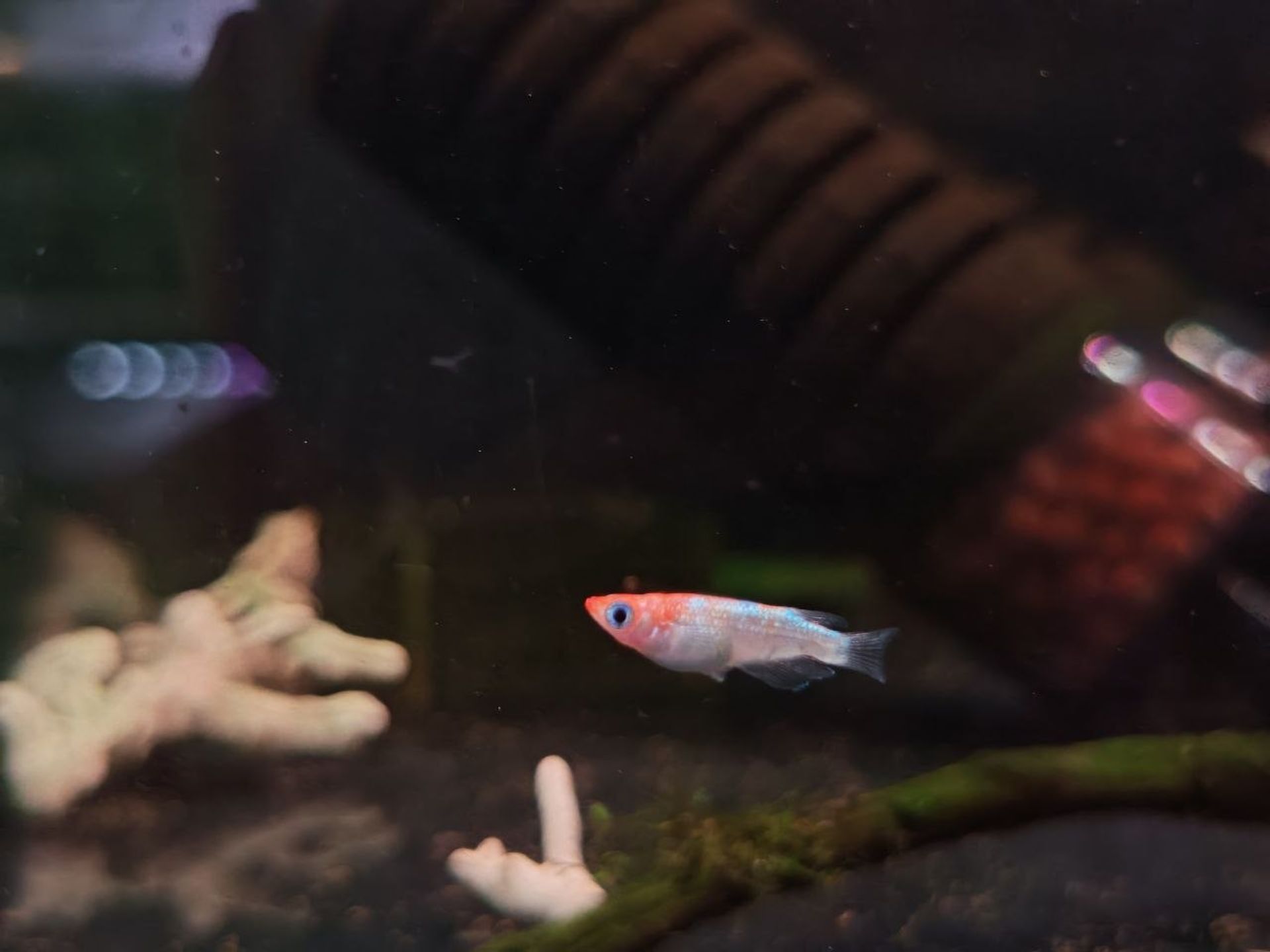
A bright orange-red line and one of the most popular starter varieties. Colour deepens with good food and natural light.
Miyuki medaka have a shining metallic stripe along the back, which is best seen from above. Lamé types add glittering scales across the body, and are graded by how much sparkle they show.
Solid black, pure white and pale blue medaka are popular for contrast in a mixed tub, or for breeding projects.
Breeders also offer long-fin, "hikari" (where the back mirrors the belly, with matching dorsal and anal fins) and short-bodied "daruma" types. These need calmer water than the standard form.
Malaysia has its own ricefish, such as the Javanese ricefish (Oryzias javanicus) of coastal and brackish waters. These are rarely sold, and wild populations should be left where they are.
| Care point | What works |
|---|---|
| Temperature | Tolerate a wide range, roughly 18–30°C. Malaysian room temperature (26–31°C) is fine indoors; the danger is small outdoor bowls heating up in the sun. |
| Minimum tank | 1 kaki (30 cm, about 12–15 litres) for a trio; a 2 kaki tank (60 cm, about 55–65 litres) or a wide tub of similar volume for a breeding group. |
| Temperament | Peaceful. Males may chase each other a little. |
| Diet | Small floating pellets, crushed flakes, baby artemia, daphnia and mosquito larvae in outdoor tubs. |
| Beginner-friendly? | Yes, very. |
Indoors, medaka are almost carefree. They don't need a heater, and a gentle sponge filter is plenty. Use anti klorin for every tukar air, since Malaysian tap water is chlorinated. Medaka are not fussy about pH, but stable water is always better than frequent big swings.
Many keepers raise medaka in ceramic pots, plastic tubs or small ponds on a balcony or porch. This works well in Malaysia if you follow a few rules:
Medaka in outdoor tubs can help with mosquito larvae, but don't rely on them alone; still empty and check any standing water around the house.
Females often carry a small cluster of eggs under the belly for a few hours before brushing them onto plants. Add floating plants, spawning mops or moss, then move eggs to a separate container, because adults will eat eggs and fry. In warm Malaysian water, eggs hatch in about a week or so. Feed fry very fine foods several times a day.
Because colour lines can be mixed easily, keep different varieties in separate tubs if you want offspring to stay true to type.
Medaka are often sold by home breeders in pairs, trios or groups. Before buying, check:
Prices in RM depend heavily on the line and grade; standard colours are affordable, while newer or highly graded strains cost more. Fertile eggs are occasionally offered too, so read the listing carefully. In Sabah and Sarawak, check with the seller about live delivery before ordering.
Boleh, jika bekasnya cukup besar dan diletakkan di tempat teduh. Elakkan cahaya matahari terus pada waktu tengah hari kerana air dalam pasu kecil boleh menjadi terlalu panas.
Ikan medaka makan pelet terapung yang kecil, flake yang dihancurkan, artemia dan daphnia. Di luar rumah, ia juga makan jentik-jentik dan serangga kecil yang jatuh ke dalam air.
Yes, both are peaceful and like similar conditions. Fry of both may be eaten, so separate them if you're breeding.
Usually around 2–4 years. Fish kept in very hot water all the time tend to have shorter lives.
Compare youkihi, miyuki, lamé and other medaka from Malaysian sellers, with prices in RM and delivery options on each listing. For more small, easy fish, browse our Minnow and Rasbora categories.