

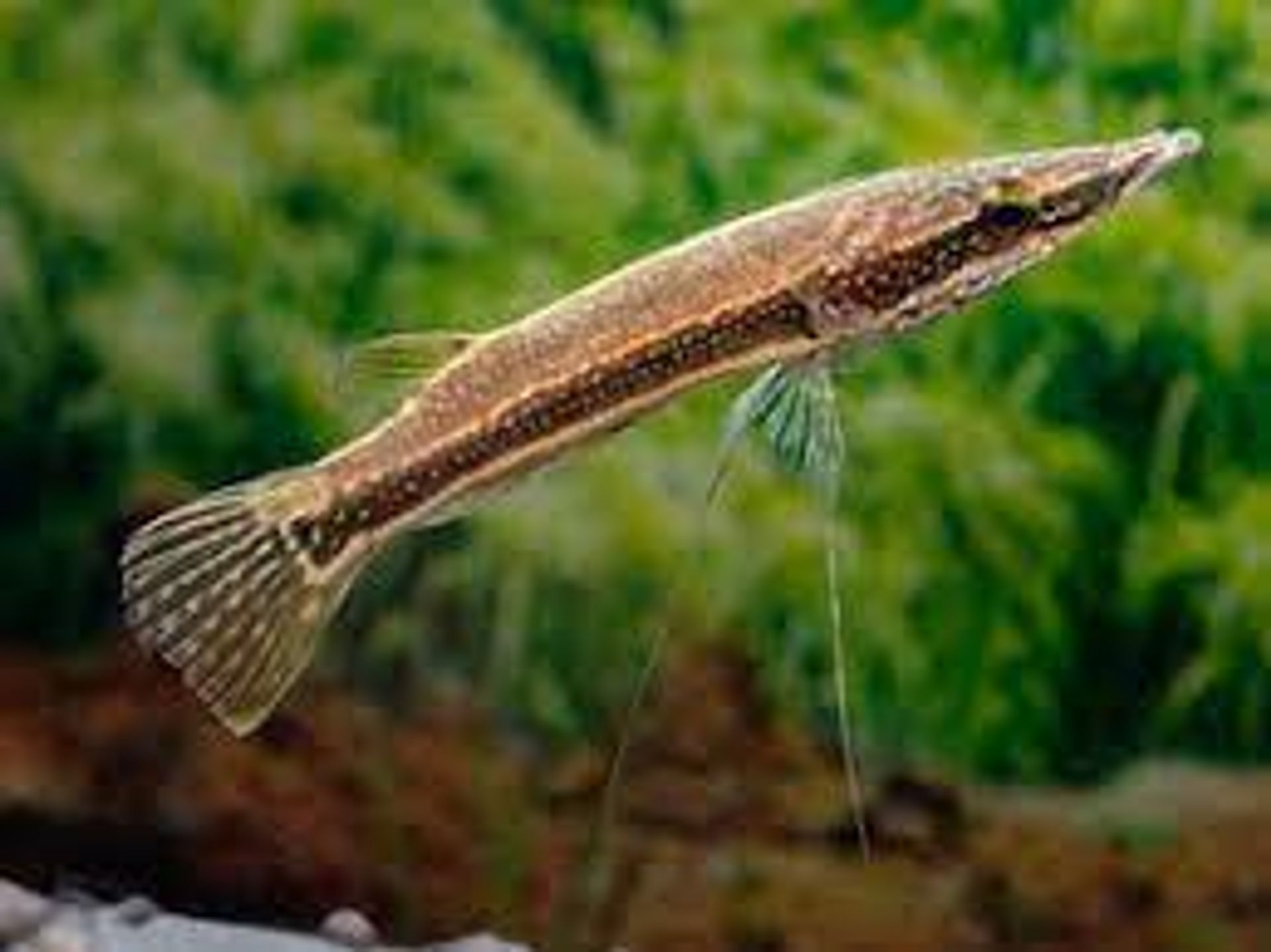

Ikan Medaka (Ricefish): Care, Varieties & Bowl or Pond Keeping in Malaysia
Ikan medaka (Japanese ricefish, Oryzias latipes) are small, hardy fish, about 3–4 cm long, that have become very popular for balcony bowls, mini ponds and planted tanks. They are easy to keep in Malaysia if you protect them from the worst heat. Keep bowls in shade, not afternoon sun, and use a wide container with floating plants. Feed small foods once or twice a day. They breed easily: females carry eggs that you can move to a separate container to hatch. As a bonus, medaka eat mosquito larvae, which matters for dengue prevention in Malaysian homes.
What Is Ikan Medaka?
Medaka come from rice paddies, ponds and slow streams in Japan and East Asia. In Japan they have been bred for centuries, and modern breeders have produced hundreds of colour and body varieties. Malaysia also has its own ricefish relatives, such as the Javanese ricefish (Oryzias javanicus), which lives in coastal and brackish waters. The medaka sold in shops, however, are the Japanese species and its varieties.
Popular Medaka Varieties
Trade names vary between sellers, but you will often see:
| Variety | Description |
|---|---|
| Youkihi (orange-red) | Bright orange to red body; one of the most popular |
| White / Shirohi | Pure white or pale |
| Black / Kuro | Dark body, striking from above |
| Miyuki | Metallic, shiny back, often blue-silver |
| Kohaku / Sanshoku | Patterned like koi: red-white, or red, white and black |
| Hikari | Body type with a mirrored back and tail shape |
| Dharma / Daruma | Short, round body |
| Long-fin types | Extended fins |
Some sellers use names like "galaxy" for sparkly or speckled medaka. Do not confuse these with the galaxy rasbora (celestial pearl danio), a different fish. Ask the seller to confirm the species and variety.
Medaka are especially attractive viewed from above, which is why many Malaysian hobbyists keep them in bowls rather than glass tanks.
Medaka Care Table
| Factor | What medaka need |
|---|---|
| Temperature | Comfortable around 18–30°C; avoid long spells above 32°C |
| Container | Tank or bowl of at least 20–30 L for a small group; wider is better |
| Water | Wide tolerance; pH about 7–8, clean water |
| Temperament | Peaceful |
| Diet | Omnivore: small pellets, flakes, live foods |
| Lifespan | About 2–3 years |
| Beginner? | Yes |
Keeping Medaka in Malaysian Heat
Medaka tolerate a wider temperature range than most tropical fish, but small bowls in the Malaysian sun can overheat quickly, especially during heatwaves.
Tips for balcony and patio bowls
- Shade is essential. Morning sun is fine, but afternoon sun can push water in a small bowl well above 32°C.
- Bigger is better. A wide 40–60 L bowl or tub holds temperature more steadily than a 10 L bowl.
- Floating plants such as water lettuce, salvinia, duckweed or water hyacinth shade the water and give fish cover.
- Light-coloured containers heat up less than black ones in sun.
- Top up evaporation with dechlorinated water. Malaysian tap water is chlorinated; see our anti klorin guide.
- Rain: heavy monsoon rain can overflow bowls and wash fish out. Leave a gap at the top or add an overflow hole covered with mesh.
Indoor tanks
Indoors, medaka do well at room temperature with a sponge filter or gentle hang-on filter. No heater is needed in Malaysia.
Plastic tanks and bowls
Plastic tubs and bowls are popular for medaka because they are light and cheap. Browse plastic tanks and bowls for options.
Medaka Pond Keeping
Medaka thrive in mini ponds and terrace-house water features. Things to know:
- Predators: birds, frogs, monitor lizards and cats may take fish. Netting or dense plants help.
- Algae: green water is not harmful to medaka; they eat microorganisms in it. Floating plants keep algae under control.
- Mixing with koi or goldfish: not ideal, as large fish may eat medaka and their eggs.
- Filtration: a small pond with plenty of plants and few fish can run without a filter, but a small air pump helps on hot nights.
Medaka and Mosquito Larvae
Medaka eat mosquito larvae (jentik-jentik), which is useful in Malaysia, where dengue is a public-health concern. A healthy group of medaka in a bowl with clean edges helps keep that bowl free of larvae.
Remember:
- Any standing water without fish can breed mosquitoes. Check plant saucers, unused bowls and trays.
- Medaka help in their own bowl, but they do not replace other mosquito control measures. Follow advice from the Ministry of Health and your local council.
Feeding Medaka
- Small floating pellets or crushed flakes, once or twice a day
- Live food: baby brine shrimp (artemia), daphnia, moina, mosquito larvae
- Frozen foods for variety
Feed only what they finish in a couple of minutes. In outdoor bowls with lots of plants, medaka also graze on tiny organisms between meals.
Easy Egg Breeding
Medaka are one of the easiest fish to breed.
- Ratio: 1 male to 2 females. Males have larger, squarer anal and dorsal fins; females have a rounder belly and shorter fins.
- Spawning: females lay eggs most mornings in warm conditions. You will see a cluster of eggs hanging from the female's belly.
- Egg collection: the female brushes the eggs onto plants or a spawning mop. Move the plants or mops into a separate container.
- Hatching: eggs hatch in about 7–14 days, faster in warm water. Add a little methylene blue (ubat biru) or remove fungused eggs daily.
- Fry food: feed infusoria, green water or powdered fry food, then baby brine shrimp.
Adults will eat eggs and fry, so separating them is key if you want many babies.
Jangan lepaskan ikan ke sungai. Medaka are not native to Malaysia. Give extra fish to other hobbyists or shops rather than releasing them.
Common Problems
- Fish dying in hot weather: move the bowl to shade, add floating plants, and use a bigger container.
- Fish missing from an outdoor bowl: check for birds, cats or overflow during rain.
- Clamped fins or lethargy: test water, and check for overfeeding.
See why aquarium fish die for more troubleshooting.
Buying Medaka on FishyHub
Browse ricefish (medaka) for sale. Check the variety name, whether fish are sold as pairs or trios, whether the photo is the actual fish, and the seller's location, delivery or self-collect options and live-arrival terms. Ask the seller whether the fish were kept indoors or outdoors, so you can acclimatise them.
Frequently Asked Questions
Ikan medaka boleh hidup dalam mangkuk?
Boleh, jika mangkuk cukup besar (sekurang-kurangnya 20–30 liter), ada pokok terapung dan diletakkan di tempat teduh. Jangan letak di bawah matahari petang kerana air boleh menjadi terlalu panas.
Ikan medaka makan apa?
Pelet kecil yang terapung, flakes yang dihancurkan, artemia, daphnia dan jentik-jentik. Beri makan sekali atau dua kali sehari.
Do medaka need a filter?
Not always. A large, lightly stocked bowl with plenty of plants can work without a filter. Indoor tanks benefit from a sponge filter.
How long do medaka eggs take to hatch?
About 7–14 days, depending on temperature. In warm Malaysian conditions they often hatch sooner.
Can medaka live with guppies?
Yes, they are peaceful and share similar needs, though guppies may eat medaka eggs and fry.
Medaka are a perfect fish for Malaysian balconies, patios and small ponds. Browse ricefish and plastic bowls from Malaysian sellers on FishyHub, and see our best beginner fish guide for other easy species.