


Ikan Makan Jentik Nyamuk: Mosquito Control in Ponds & Aedes-Safe Water Features
Several common aquarium fish eat mosquito larvae (jentik-jentik), so ikan makan jentik nyamuk is a real, practical way to keep a garden pond, tub or water feature free of Aedes. The best choices for Malaysian homes are guppies, platies, medaka (ricefish) and small goldfish, kept in water that is also moving and clean. Fish alone are not enough: you also need to cover or remove every small container where fish can't reach, because Aedes breeds in tiny pockets of still water. This guide covers which fish work, how to set up a dengue-safe water feature, and why fish must never be released into drains.
Why This Matters in Malaysia
Dengue is spread by Aedes aegypti and Aedes albopictus, which breed in clean, still water: flower-pot saucers, buckets, roof gutters, unused tyres, and garden ponds or water features with no fish. The Ministry of Health enforces the Destruction of Disease-Bearing Insects Act 1975 (Act 154), and health officers can take action against premises found with Aedes larvae. A stocked, well-kept pond is far less likely to be a problem than an empty one, but check with your local health office or council if you're unsure what they expect.
Ikan Makan Jentik Nyamuk: Best Fish for the Job
| Fish | How well it eats larvae | Size | Best for | Notes |
|---|---|---|---|---|
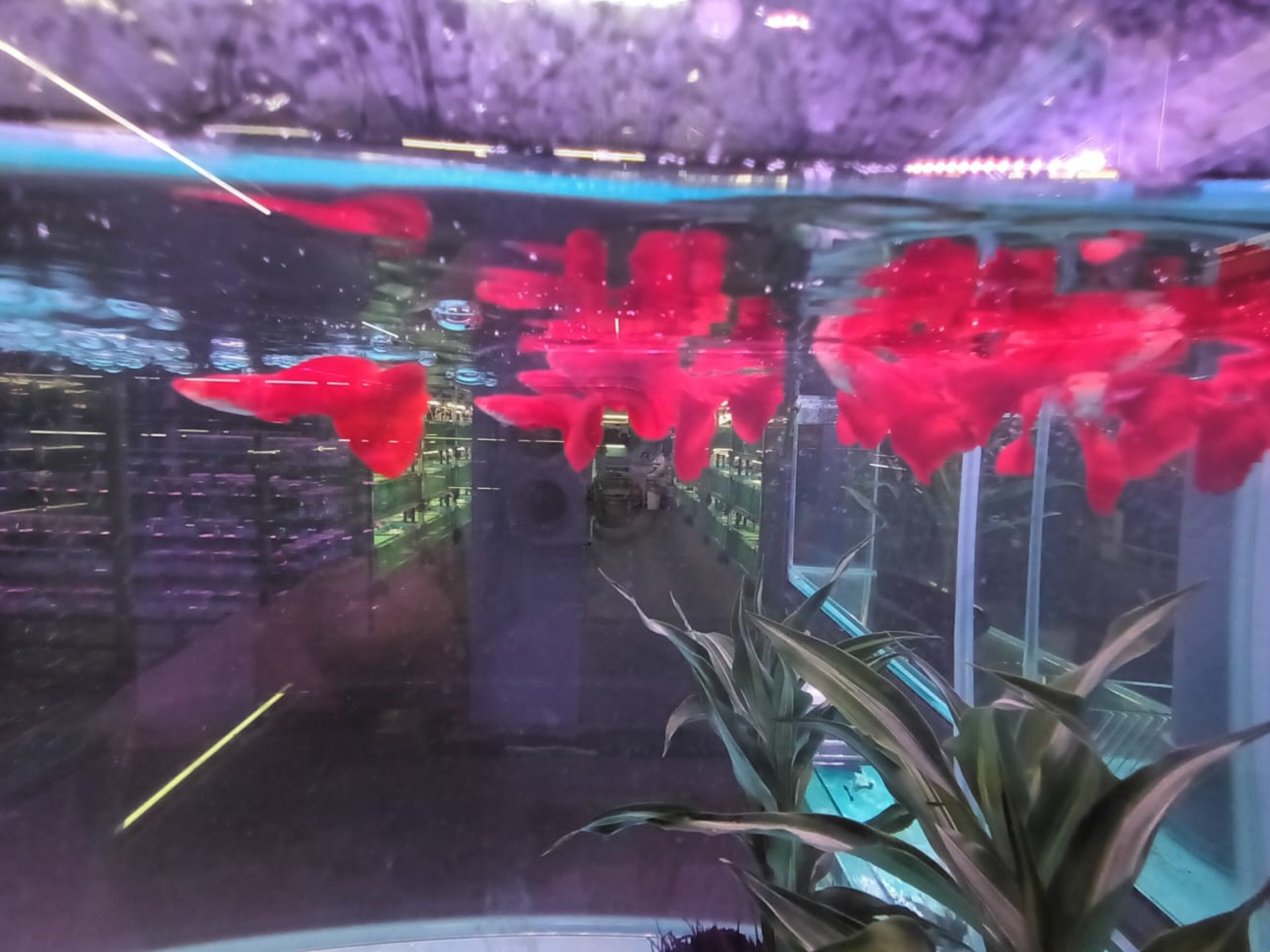
| Guppy (ikan gapi) | Excellent; constantly hunts at the surface | 3–5 cm | Tubs, small ponds, water jars | Hardy in Malaysian heat; breeds fast |
| Platy | Very good | 4–6 cm | Tubs and small ponds | Peaceful, colourful |
| Medaka / ricefish | Very good surface feeder | 3–4 cm | Patio bowls, mini ponds | Popular for "medaka bowls" on balconies |
| Goldfish (small) | Good | Grows large | Medium ponds | Messy; needs filtration and space |
| Koi fish | Fair; adults eat larvae among other food | Very large | Big ponds | Larvae are rarely the issue in a large, filtered koi pond |
| Ikan laga (betta) | Good | 5–7 cm | Single water jars indoors or sheltered | One male per container; dislikes heavy rain and strong sun |
| White cloud minnow | Good | 3–4 cm | Shaded tubs | Prefers slightly cooler water; keep out of full sun |
Fish to avoid deliberately stocking: Gambusia
The "mosquitofish" (Gambusia) is widely used for mosquito control overseas, but it has become invasive in many countries and is aggressive towards native fish. In Malaysia, aquarium-trade guppies, platies and medaka do the job without adding another wild problem.
How to Make a Water Feature Aedes-Safe
1. Stock enough fish for the surface area
A few guppies or medaka in a large pond can miss larvae hiding among plants. As a rough guide, start with several small fish in a tub or mini pond and increase if you still see larvae.
2. Keep water moving
A small fountain or pond pump breaks up the surface. Mosquitoes prefer still water to lay eggs, and moving water also improves oxygen for fish in our heat.
3. Remove the hidden breeding spots
Fish can't reach everything. Check weekly:
- Plant-pot saucers and trays
- Pump housings, spare buckets and filter boxes
- Leaf axils of bromeliads and plants that hold water
- Clogged roof gutters
- Pond liner folds and decorative pots above the waterline
4. Don't let the pond turn into a swamp
Heavy plant cover and thick mats of floating plants create calm pockets where larvae can hide. Leave open water for fish to patrol.
5. Keep filtration simple and reliable
A small pond filter and the right pond equipment and accessories keep water clear, so you can see if larvae appear.
6. Plan for power cuts and dry spells
If the pump stops for days, larvae can appear. Fish in the pond cover this gap. If the pond evaporates during a hot spell, top up with dechlorinated water so fish aren't crowded or stranded.
Setting Up a Larvae-Eating Tub or Mini Pond
| Step | What to do |
|---|---|
| Container | A tub, water jar or mini pond of at least about 30–50 L; bigger is more stable |
| Placement | Partial shade; full afternoon sun overheats small containers |
| Water | Tap water treated with anti klorin, or water left to stand and then treated |
| Plants | A few water plants for shade and shelter, with open surface left |
| Fish | Guppies, platies or medaka; add after the water has settled for a few days |
| Food | Feed lightly; well-fed fish still hunt larvae, and overfeeding fouls water |
| Rain | Avoid overflow: drill an overflow hole or leave space, so heavy rain doesn't wash fish out |
Read our mini fish pond guide for more on building a small patio pond, and cara bela ikan guppy for guppy care.
Jangan Lepaskan Ikan ke Longkang
It's tempting to drop guppies into a monsoon drain or stagnant pool to "fight dengue". Don't. DOF Malaysia reports around 80 alien species already established in Malaysian waterways, and several states now ban releasing foreign fish into rivers without permission. Guppies and other aquarium fish can compete with native fish, and drains also wash them into rivers.
If a public drain or pool is breeding mosquitoes, report it to your local council or district health office instead. For more on why release is harmful, see ikan asing: jangan lepaskan. Rules can change, so confirm with DOF Malaysia if you're unsure.
Common Mistakes
- Empty "decorative" ponds with no fish or movement.
- Too few fish for a big, plant-filled pond.
- Overfeeding, so fish stop hunting and the water goes green.
- Using fish as the only control while saucers and buckets around the garden still breed mosquitoes.
- Spraying insecticide near the pond, which can kill the fish.
Frequently Asked Questions
Ikan apa yang makan jentik-jentik nyamuk?
Ikan guppy, platy, medaka dan ikan emas kecil sangat suka makan jentik-jentik nyamuk. Ikan guppy paling popular kerana tahan panas, mudah dijaga dan sentiasa mencari makanan di permukaan air.
Kolam ada ikan, boleh lagi ada jentik ke?
Boleh, jika ikan terlalu sedikit, banyak pokok yang menutup permukaan, atau ada bekas kecil di sekeliling kolam yang ikan tidak boleh capai. Tambah ikan, gerakkan air dengan pam dan periksa pasu serta bekas air setiap minggu.
Do guppies really eat mosquito larvae?
Yes. Guppies are surface feeders and readily eat larvae. Keep them reasonably fed but not overfed, so they keep hunting.
Can I put fish in my water jar or tempayan?
Yes, a few guppies or a single betta in a water jar can keep it larvae-free. Keep it partly shaded, and don't let rain overflow wash fish out.
Will a water fountain alone stop mosquitoes?
Moving water helps, but calm corners and pump housings can still hold larvae. Combine moving water with fish and weekly checks.
Find guppies, ricefish and pond equipment from Malaysian sellers on FishyHub. Check each listing for delivery or self-collect options, especially for live fish.