


Ikan Asing di Malaysia: Invasive Aquarium Fish & Why Jangan Lepaskan Ikan
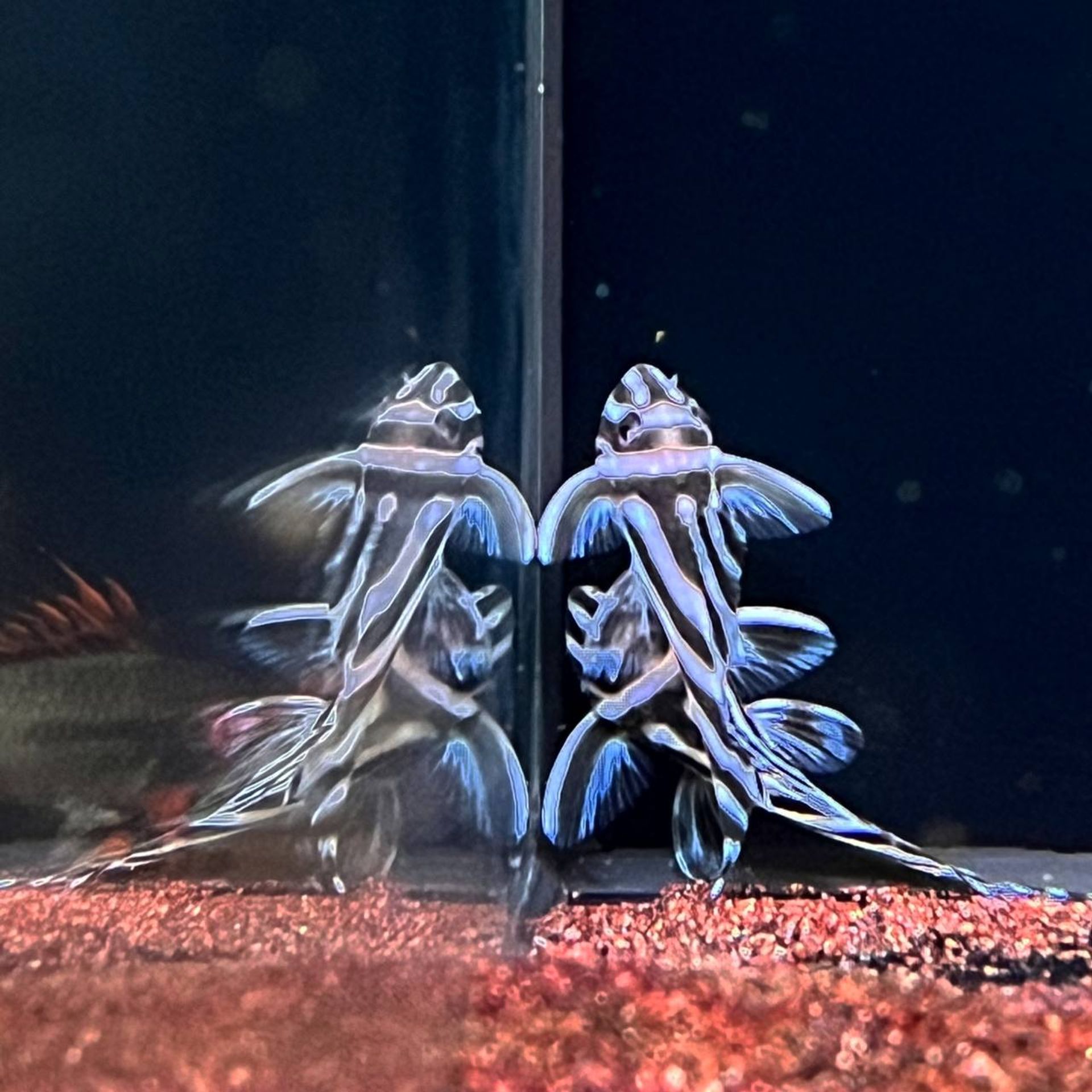
Ikan asing di Malaysia are non-native fish species living in our rivers, lakes and drains. Some arrived through aquaculture, but many come from the aquarium hobby, when owners release a pet that has grown too big. The Department of Fisheries (DOF) Malaysia has reported about 80 alien species established in Malaysian waterways (Berita Harian, 2023). The best-known is ikan bandaraya (the suckermouth catfish, or pleco), which now dominates several urban rivers. The message for fishkeepers is simple: jangan lepaskan ikan ke sungai (don't release fish into rivers). Rehome them instead.
This guide is written for hobbyists, not anglers. It covers how pet releases created the problem, what the law now says, and what to do with a fish you can no longer keep.
How Pet Releases Created Invasive Populations
The pattern is almost always the same. A fish is sold small and cheap, grows faster and bigger than expected, outgrows a 2 or 3 kaki tank, and ends up in a monsoon drain, a lake or a river "so it can be free". In warm Malaysian water, many tropical species survive year-round and breed.
| Species | How it usually got there | Why it's a problem |
|---|---|---|
| Ikan bandaraya (pleco, Pterygoplichthys / Hypostomus spp.) | Released aquarium "algae eaters" | Burrows into riverbanks, competes with native bottom fish, has few predators |
| Tilapia | Mostly aquaculture escapes, plus releases | Breeds fast, tolerates poor water, crowds out native species |
| Golden apple snail (siput gondang emas) | Aquarium and food trade | Major pest of padi fields |
| Large South American cichlids and predators | Released "monster fish" | Eat native fish and fry |
According to a DOF study reported by Sinar Harian, ikan bandaraya and tilapia dominate six main rivers in the Klang Valley, including Sungai Klang. Fisheries officers quoted in that coverage said native fish were barely found in some stretches. Utusan Malaysia has reported the same pattern in Melaka and in Sungai Mambau, Negeri Sembilan.
Several predatory species that have turned up in Malaysian waters are on the DOF import-prohibited list for this reason. Peacock bass is prohibited in Malaysia, and so is piranha, which an angler claimed to have caught at a Pahang dam. If you want details on what is banned, read our guide to prohibited aquarium fish in Malaysia.
Why ikan bandaraya is the poster child
Common plecos are sold as tiny 3–5 cm "tank cleaners", but many grow to 30 cm or more and produce a lot of waste. Owners discover this when the fish has outgrown its tank. Released into a river, plecos dig nesting burrows in mud banks, which contributes to bank erosion, and they compete with native species for food and space. Removal is now an ongoing effort: volunteer groups such as SPIA (Skuad Pemburu Ikan Asing) work with fisheries officers on catch operations, and in May 2026 one operation removed 3,420 ikan bandaraya from Sungai Skudai in Johor (The Rakyat Post).
If you already keep or plan to buy a pleco, choose a species that stays small (bristlenose types, for example) and check adult size on the listing. You can browse plecos on FishyHub, but ask the seller how big each one gets first.
What the Law Says: State River Fisheries Rules
River (inland) fisheries rules are made by each state, not as one national rule. Perlis gazetted its Kaedah-Kaedah Perikanan (Sungai) Negeri Perlis 2025, with fines of up to RM20,000 for releasing foreign fish into rivers without written permission. Negeri Sembilan has reported that only kuyu and haruan may be released into its rivers, and as of late 2025 DOF and other state governments were updating their rules to add similar bans. Separately, the 2024 amendment to the import-prohibition rules bans importing, selling, keeping or displaying listed prohibited fish without the Director-General's written permission. DOF has also stepped up monitoring of online and social-media fish sales.
The practical takeaway for hobbyists:
- Releasing an aquarium fish into a river, lake, drain or pond that isn't yours is not a harmless act. In a growing number of states it is an offence without written permission.
- Lists change. Always confirm current rules with the Department of Fisheries (DOF) Malaysia or your state fisheries office before buying an unusual species or moving fish anywhere.
- "Melepaskan ikan" for religious or merit reasons also counts. If you want to release animals for this purpose, ask DOF which native species and locations are permitted.
Jangan Lepaskan Ikan ke Sungai: What to Do Instead
If you can't keep a fish any more, here are your options, best first.
- Return it to the seller. Many Malaysian shops and breeders will take back fish they sold, especially larger cichlids and plecos. Ask before you buy.
- Sell or give it away to another hobbyist. Local Facebook groups and hobby communities are full of keepers with bigger tanks. Be honest about size and temperament.
- Upgrade the tank. Sometimes moving from 2 kaki to 4 kaki solves the problem. See our tank size guide for volumes.
- Ask a public aquarium, school or club. Some take donated fish, though large common species are hard to place.
- Humane euthanasia, as a last resort. If a fish is sick, injured or truly unplaceable, ask an aquatic vet or experienced keeper about humane methods. Never flush fish down the toilet or dump them in a drain.
Prevent the problem at the shop
- Check adult size, not the size in the bag. Plecos, tilapia, giant gourami, oscars and many cichlids grow big.
- Match the fish to your tank, and buy small species for small tanks.
- Avoid impulse buys of "monster fish" when you don't have the space.
- Buy from sellers who follow DOF rules. If a listing seems to sell a prohibited species, don't buy it.
Our Malaysian river fish guide suggests native species that make better tank choices, and the golden apple snail article covers the snail side of the problem.
Tilapia and Cichlids in the Hobby
Tilapia and many cichlids are legitimately kept and sold in Malaysia, and some appear on FishyHub under tilapia and other cichlids. They breed easily, so keep a plan for the fry. A pair can produce far more young than you can house, and that surplus is exactly what tends to end up released. Separate sexes, rehome fry to other keepers, or keep a single sex. Midas cichlid and Geophagus are on the DOF prohibited list, so check any cichlid listing against the current rules before buying.
Frequently Asked Questions
Kenapa tak boleh lepaskan ikan hiasan ke sungai?
Ikan hiasan yang dilepaskan boleh membiak dan bersaing dengan ikan asli untuk makanan dan tempat tinggal. Ada juga yang memakan anak ikan tempatan. Peraturan berbeza mengikut negeri, dan beberapa negeri kini mengenakan denda kerana melepaskan ikan asing ke sungai tanpa kebenaran. Rujuk Jabatan Perikanan dulu sebelum melepaskan sebarang ikan.
Ikan bandaraya bahaya ke?
Ikan bandaraya tidak bahaya kepada manusia, tetapi ia bahaya kepada ekosistem sungai. Ia menggali tebing sungai untuk bertelur dan bersaing dengan ikan asli. Kalau ikan bandaraya anda dah terlalu besar, pulangkan kepada kedai atau beri kepada orang yang ada akuarium besar. Jangan lepaskan ke longkang atau sungai.
What should I do with a fish that's too big for my tank?
Contact the seller first, then local hobby groups. Many keepers with large tanks will take it. Upgrading the tank is another option.
Is it illegal to keep a pleco in Malaysia?
Common plecos are widely sold and kept in aquariums. The issue is releasing them, which several states now ban without permission. Check with DOF Malaysia, because state rules are being updated.
How many alien fish species are in Malaysian waters?
DOF has reported about 80 established alien species in Malaysian waterways, according to Berita Harian (2023).
Keep fish you can house for life. Browse smaller plecos, tilapia and other cichlids from Malaysian sellers on FishyHub, check adult sizes with the seller, and remember: jangan lepaskan ikan.