


Ikan Larangan di Malaysia: Prohibited Aquarium Fish List (Louhan, Piranha, Arapaima, Udang Kara)
"Louhan haram ke?" is one of the most common questions in Malaysian fish groups, and since 2024 the short answer is yes. Flowerhorn (ikan louhan) and a long list of monster fish are on the Department of Fisheries (DOF) Malaysia's list of ikan larangan, or prohibited fish. This guide explains what is on the list, what the law covers, what has happened in recent enforcement, and which fish you can keep instead.
This article is for general information only and is not legal advice. The list can change, so always confirm with DOF Malaysia before you buy, sell or keep any species you're unsure about.
Quick Answer: Is Louhan Illegal in Malaysia?
Yes. The genus Cichlasoma, which covers flowerhorn and louhan hybrids, is on DOF's prohibited list. The Fisheries (Prohibition of Import, etc., of Fish) (Amendment) Regulations 2024, made under the Fisheries Act 1985, make it an offence to import, sell, keep, store or display a listed fish without written permission from the Director General of Fisheries. This goes further than an import ban. It also covers fish that are already in the country, including ones sitting in a home tank or a shop.
What the Law Covers
Malaysia has regulated the import of certain fish since 1990. The 2024 amendment widened the rules in two important ways:
- More species were added, including many popular "monster fish" and some cichlids.
- Possession and sale are now covered, not just import. Selling online, keeping a fish at home or displaying it in a shop all count.
According to the DOF poster published on MyBIS (Malaysia Biodiversity Information System, mybis.gov.my), the legal basis is the Fisheries Act 1985 and the 2024 amendment regulations. News reports on recent cases, including NST in September 2026, have cited fines of up to RM100,000 under the Fisheries Act for possessing prohibited fish without approval.
The DOF Prohibited Fish List (Ikan Larangan Import Malaysia)
The table below summarises the groups on DOF's published list as shared on MyBIS. Common names are given to help you recognise them. Some entries are whole families or genera, so every species in that group is covered, not just the one you've heard of.
| Listed group | Common / local names | Notes |
|---|---|---|
| Cichlasoma | Flowerhorn, louhan | Covers louhan hybrids sold in the trade |
| Amphilophus citrinellus | Midas cichlid | Also a parent of many flowerhorn lines |
| Geophagus | Eartheater cichlids | Whole genus |
| Cichla | Peacock bass | Whole genus |
| Arapaima | Arapaima, pirarucu | One of the world's largest freshwater fish |
| Lepisosteus | Gar (e.g. spotted gar) | Alligator gar has been named in enforcement reports |
| Pimelodidae | Redtail catfish and relatives | Whole family |
| Hemibagrus wyckioides | Asian redtail catfish | Mekong catfish |
| Serrasalmus, Pygocentrus | Piranha | Red-bellied piranha included |
| Colossoma, Mylossoma, Myleus, Pristobrycon, Pygopristis | Pacu, silver dollar-type pacu relatives | Grow large; adapt well to local rivers |
| Acipenser | Sturgeon | Whole genus |
| Esox | Pike | Whole genus |
| Catlocarpio siamensis | Giant Siamese carp | Very large Mekong carp |
| Cambaridae, Cherax destructor | Crayfish, udang kara (e.g. American crayfish such as red swamp crayfish; the yabby) | Crayfish groups listed |
Read the official poster for the exact wording, because it is the legal source and this table is only a summary. If a fish you're looking at is a hybrid, or the seller isn't sure of the species, treat it as a red flag.
Why are crayfish (udang kara) on the list?
Freshwater crayfish breed quickly, burrow into banks and compete with native prawns and crabs. Several species have become invasive in other countries after escaping from farms and home tanks. DOF's list covers the Cambaridae family and Cherax destructor, so be very careful with any "udang kara hiasan" or "lobster air tawar" listing. Ask the seller exactly what species it is and whether they have DOF approval.
Why piranha and pacu?
Piranha and pacu are native to South America. In Malaysian rivers they would have no natural predators, and pacu in particular grow large and adapt well. In September 2026, Berita Harian reported that DOF was stepping up monitoring of online and social-media sales after piranha were found being sold as ornamental fish.
Recent Enforcement in Malaysia
Enforcement has stepped up since the 2024 amendment. Some recent reports:
- March 2026, Kuala Lumpur: DOF led a joint raid on ornamental fish shops around Jalan Pudu. FMT, Bernama and Berita Harian reported that hundreds of prohibited fish were seized, including flowerhorn, arapaima, peacock bass, pacu, redtail catfish, Midas cichlid and crayfish.
- September 2026, Penang: NST reported that 34 flowerhorn were seized from a man suspected of selling prohibited fish online. DOF said it would step up monitoring of online sales.
- September 2026: Berita Harian reported increased DOF monitoring of social-media sales after piranha were offered as ornamental fish.
The message is that "selling quietly online" is no longer under the radar, for buyers or sellers.
Red-Eared Slider: Controlled Under Act 716
The red-eared slider, the small green turtle once sold everywhere in pasar malam, is not covered by the Fisheries Act. It is a controlled species under the Wildlife Conservation Act 2010 (Act 716), which PERHILITAN (the Department of Wildlife and National Parks) enforces. PERHILITAN has said that keeping or selling red-eared sliders is illegal, and releasing them into the wild harms native turtles.
If you already have one, contact PERHILITAN for advice. Do not release it into a lake or drain.
Already Own a Prohibited Fish? What to Do
We can't give legal advice, but some common-sense points:
- Contact DOF first. Your state fisheries office (Pejabat Perikanan Negeri) can tell you what options exist under the current rules.
- Do not release it. Releasing fish into rivers, lakes or drains is the worst possible outcome. Malaysia already has about 80 alien species established in its waterways, according to DOF figures reported by Berita Harian in 2023. Release rules are set by each state: Perlis, for example, now fines people up to RM20,000 for releasing foreign fish into rivers without written permission. Jangan lepaskan ikan ke sungai.
- Don't sell or give it away. Passing it on can be an offence for both of you.
Legal Alternatives: Fish You Can Keep Instead
If you love the personality of louhan or the drama of monster fish, there are many fish that are not on the published list at the time of writing. As always, check the current list with DOF if you're unsure about a specific species.
Other cichlids
Many cichlids give you the colour and "pet fish" personality of a flowerhorn without the legal risk:
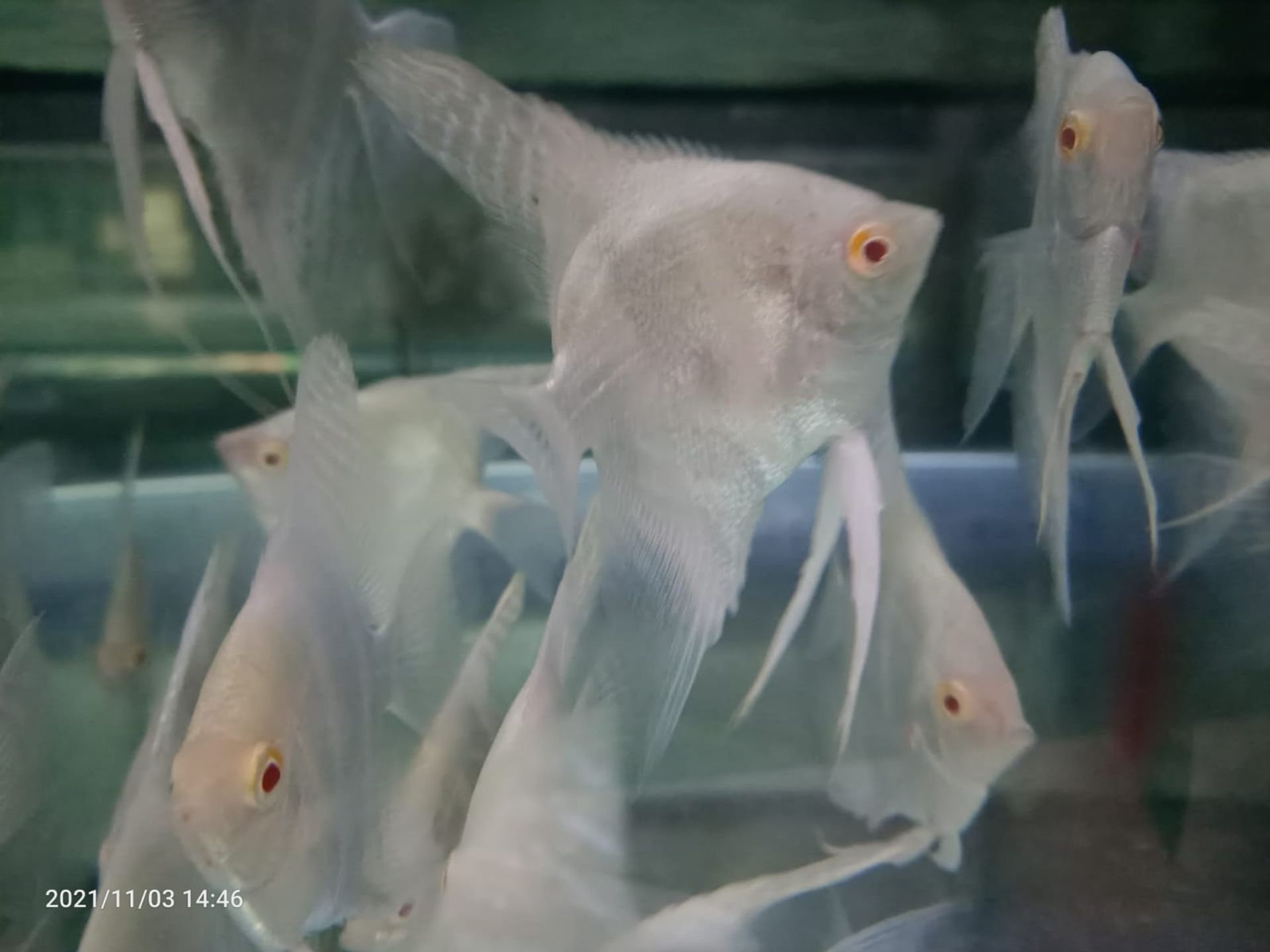
- Angelfish (ikan manfish): elegant, easy to find and bred locally in Malaysia.
- Discus: the "king of the aquarium", best for experienced keepers with good water management.
- Rams and Apistogramma: small, colourful dwarf cichlids for planted tanks.
Browse angelfish, discus, rams and cichlids on FishyHub, and read each listing's species name carefully. Note that the "other cichlid" section can include species that need extra checking, so ask the seller to confirm the scientific name.
Bettas (ikan laga)
For a fish with attitude that fits in a 1-kaki tank, the betta is hard to beat. Malaysia has a strong betta-breeding scene, and you can choose from halfmoon, plakat, crowntail and many more. See bettas.
Gouramis
Pearl, honey, dwarf and moonlight gouramis are peaceful labyrinth fish that suit Malaysian tap water once it's treated, and many are farmed in Southeast Asia.
Legal "big fish" with care
If you want a big centrepiece fish, certified Asian arowana is legal when it is captive-bred on a CITES-registered farm and comes with a microchip and certificate. Malaysia is a major producer, and Perak is the arowana heartland. Only buy certified, microchipped fish and keep the certificate. See arowana.
Buying Safely on FishyHub
FishyHub is a marketplace, so each listing comes from an independent seller. Before you buy any less-common fish:
- Check the scientific name in the listing, not just the trade name.
- Ask the seller if you're unsure whether a species is allowed in Malaysia.
- Be wary of hybrids with unclear parentage, especially cichlids.
- Check the seller's location and delivery or self-collect options in the listing.
Frequently Asked Questions
Louhan haram ke di Malaysia?
Ya. Genus Cichlasoma, termasuk ikan louhan dan flowerhorn, tersenarai dalam senarai ikan larangan Jabatan Perikanan Malaysia. Mengikut pindaan 2024, mengimport, menjual, menyimpan atau mempamerkan ikan ini tanpa kebenaran bertulis Ketua Pengarah Perikanan adalah satu kesalahan.
Apa ikan larangan import Malaysia?
Antaranya louhan/flowerhorn, Midas cichlid, Geophagus, peacock bass, arapaima, gar, redtail catfish, piranha, pacu, sturgeon, pike dan udang kara (Cambaridae dan Cherax destructor). Semak poster rasmi di MyBIS atau hubungi Jabatan Perikanan kerana senarai boleh berubah.
Is it legal to keep a red-eared slider in Malaysia?
No. The red-eared slider is a controlled species under the Wildlife Conservation Act 2010 (Act 716), and PERHILITAN says keeping or selling it is illegal. Contact PERHILITAN if you already have one.
What is the fine for keeping prohibited fish?
News reports in 2026 have cited fines of up to RM100,000 under the Fisheries Act 1985 for possessing prohibited fish without approval. Check with DOF for the current penalties.
Can I keep an arowana in Malaysia?
Yes, if it is captive-bred on a CITES-registered farm and comes with a microchip and certificate. Keep the certificate safe.
Where can I check the latest list?
The DOF poster is on MyBIS (mybis.gov.my). You can also contact DOF Malaysia or your state fisheries office directly.
Looking for a legal fish with big personality? Browse cichlids, bettas and gouramis from sellers across Malaysia on FishyHub.