

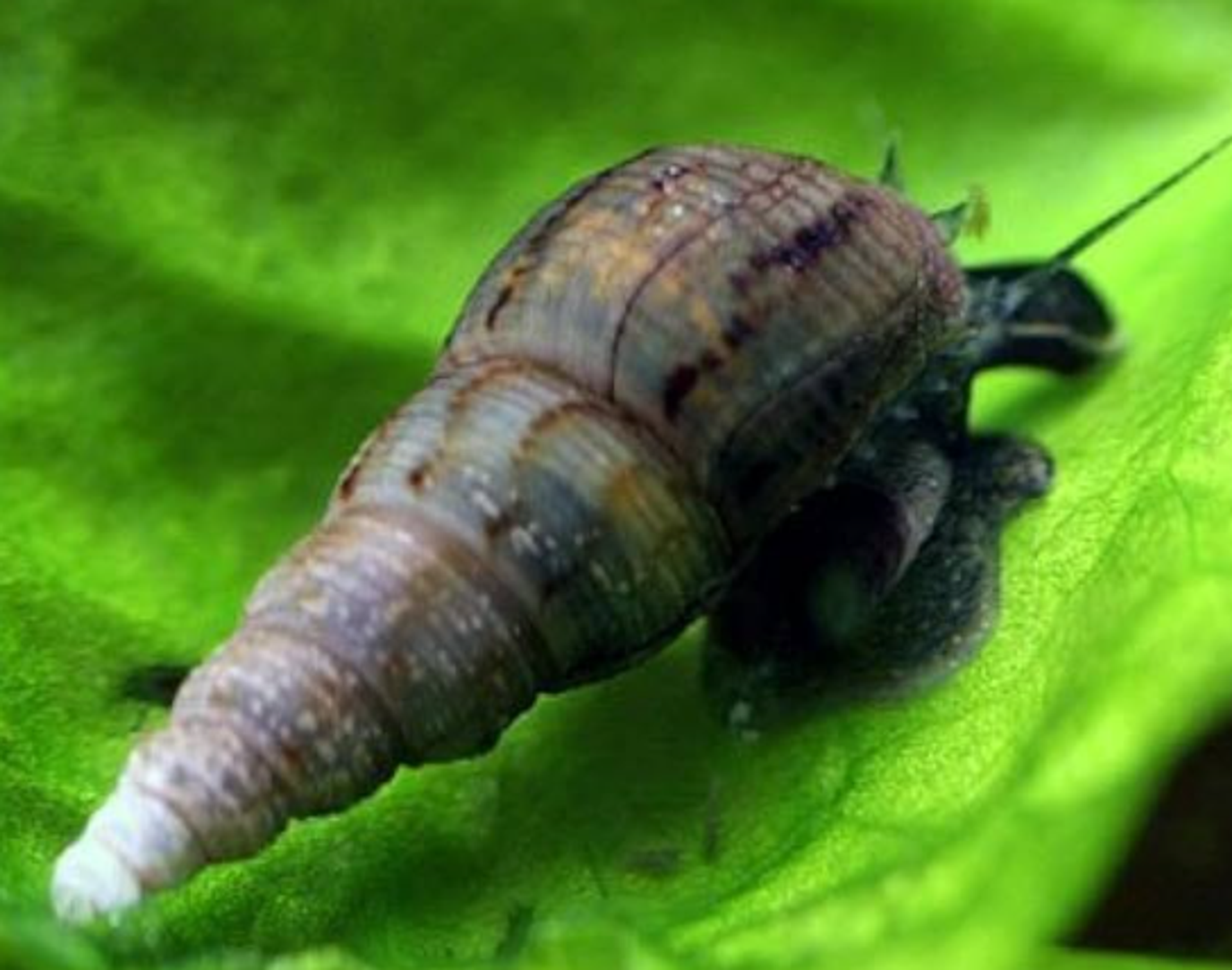

Siput Gondang Emas: Golden Apple Snail vs Aquarium Mystery Snail in Malaysia
Siput gondang emas is the Malaysian name for the golden apple snail, mainly Pomacea canaliculata (with the closely related P. maculata). It is one of the worst pests of Malaysian padi fields, and you can spot it by the bright pink egg clutches it lays on stems, walls and drains above the waterline. The mystery snail sold for aquariums is a related apple snail, usually Pomacea diffusa, which is smaller, far less destructive to plants and lays pale cream eggs. They look similar in a shop tank, so this guide explains how to tell them apart, why neither should ever be released, and how to keep a mystery snail properly indoors.
Why Siput Gondang Emas Is a Problem in Malaysia
According to Malaysian research published in Sains Malaysiana (UKM), the golden apple snail was first recorded in Malaysia in old mining pools in Puchong, Selangor in 1991, and reached Sabah soon after. Like many invasive snails worldwide, it is thought to have spread partly through the food and aquarium trades. It is listed by the IUCN Invasive Species Specialist Group among the "100 of the World's Worst Invasive Alien Species".
The damage is real:
- The snails eat young padi seedlings, and the first few weeks after sowing are the most vulnerable.
- Sinar Harian, citing Department of Agriculture data, reported that snail attacks damaged about 2,386 hectares of padi in 10 states in 2022.
- Farmers spend money on molluscicides, hand-picking and egg removal every season.
For aquarium keepers, the lesson is simple: jangan lepaskan (don't release) any snail, egg clutch or tank water into drains, ponds, padi fields or rivers.
Golden Apple Snail vs Mystery Snail: How to Tell Them Apart
| Feature | Siput gondang emas (P. canaliculata / maculata) | Mystery snail (P. diffusa) |
|---|---|---|
| Egg colour | Bright pink to reddish clutches | Pale cream, white or light peach, turning greyish before hatching |
| Shell shoulder | Deep, channelled groove where the whorls meet (the name canaliculata means "channelled") | Whorls meet at a near right-angle "step", without a deep groove |
| Adult size | Larger, commonly 5–8 cm or more | Smaller, usually about 4–5 cm |
| Appetite for plants | Very high; eats soft and hard plants | Mainly eats algae, leftovers and soft or dying leaves |
| Where you see it | Padi fields, monsoon drains, ponds, lakes | Aquarium shops and home tanks |
| Shell colours | Brown with dark bands in the wild; golden in "gold" forms | Many hobby colours: gold, ivory, blue, purple, black, jade |
The trickiest case is a plain golden shell, because both species come in gold. If you're unsure, watch the eggs. A bright pink clutch above the waterline almost always means P. canaliculata or P. maculata.
What about other "gondang" snails?
Malaysia also has native freshwater snails, including native Pila apple snails, which some people also call siput gondang. Identifying wild snails reliably needs an expert. The safe approach for hobbyists is to keep only snails bought from aquarium sellers, and never collect wild snails for your tank.
Telur Siput Gondang Emas: The Pink Egg Clutches
Apple snails are unusual because they lay eggs above the water: on stems, padi stalks, walls, drain edges and the underside of tank lids. The female climbs out at night and leaves a clump of eggs.
- Pink clutches (golden apple snail) hatch in about 1–2 weeks, releasing dozens to hundreds of tiny snails.
- The pink colour comes from egg proteins that make them unpalatable to predators. Don't eat them or let pets eat them.
- Farmers and town councils scrape them off and crush them, or knock them into water where they drown.
If you see pink clutches on your garden pond wall or a drain near your house, the snails are already wild nearby. Remove the clutches and the snails, and don't move them elsewhere.
Safety Note: Don't Handle Wild Snails Bare-Handed
Wild apple snails in many countries can carry the rat lungworm parasite (Angiostrongylus cantonensis). Wear gloves or wash hands well after touching wild snails or their slime, never eat raw or undercooked snails, and keep children from playing with wild ones. Aquarium-bred snails from established sellers carry far less risk, but washing your hands after tank work is a good habit anyway.
Keeping a Mystery Snail Indoors: Care Basics
If you want an apple snail as a pet, choose a mystery snail from an aquarium seller and keep it indoors, in a closed system.
| Need | Recommendation |
|---|---|
| Tank | 1.5–2 kaki (about 28–55 L) for one or two snails |
| Lid | Essential; they climb out to lay eggs. See our guide to aquarium lids |
| Temperature | Normal Malaysian room temperature is fine; very warm water shortens their lifespan |
| Water | Treated with anti klorin; harder water with some KH and calcium protects the shell |
| Food | Algae, sinking pellets, blanched cucumber, zucchini or spinach |
| Calcium | Cuttlebone, crushed coral or a calcium supplement, important in soft Malaysian tap water |
| Tankmates | Peaceful fish; avoid puffers, loaches and fish that nip antennae |
Controlling breeding
Mystery snails need a male and a female, and the female lays clutches above the waterline. If you don't want babies, simply remove clutches when they appear and dispose of them by freezing them, never by throwing them into a drain or garden. For more on keeping numbers in check, see how to get rid of snails in an aquarium.
Shell erosion
White, pitted or cracked shells usually mean the water is too soft or acidic. This is common in Malaysia, where much tap water has low KH. Test GH and KH with a water test kit and add calcium.
Responsible Keeping Checklist
- Buy snails only from aquarium sellers, never from padi fields or drains.
- Keep a lid on the tank.
- Remove unwanted egg clutches and dispose of them in the rubbish after freezing.
- Never pour tank water, plants or snails into drains, ponds or rivers.
- Rehome unwanted snails to another hobbyist or return them to a shop.
Rules on pests and alien species can change, so check with the Department of Agriculture or DOF Malaysia if you have questions about a particular species.
For a wider look at nerite, ramshorn and other tank snails, read our siput akuarium guide, and for alien species generally, see ikan asing: jangan lepaskan.
Frequently Asked Questions
Telur siput gondang emas warna apa?
Telur siput gondang emas berwarna merah jambu terang dan diletakkan dalam gugusan di atas paras air, contohnya pada batang padi, dinding longkang atau tiang. Telur mystery snail pula berwarna krim atau putih pucat.
Boleh bela siput gondang emas dalam akuarium?
Siput gondang emas ialah perosak padi yang serius, jadi lebih baik pilih mystery snail daripada penjual akuarium. Jangan sekali-kali ambil siput liar dari sawah atau longkang, dan jangan lepaskan siput atau telurnya ke luar.
Is a mystery snail the same as an apple snail?
A mystery snail is a type of apple snail, usually Pomacea diffusa. It belongs to the same genus as the golden apple snail but is smaller, eats far fewer plants and lays pale eggs.
Will a mystery snail eat my aquarium plants?
Healthy mystery snails mostly eat algae, leftovers and soft or dying leaves. If a "mystery snail" is chewing through healthy plants and laying pink eggs, it is probably a golden apple snail.
Why does my snail keep leaving the water?
Female apple snails climb out to lay eggs, and snails also escape when water quality is poor. Check ammonia and nitrite, and keep the tank covered.
Find aquarium snails, test kits and water conditioners from Malaysian sellers on FishyHub, and ask the seller which species a snail listing is before you buy.