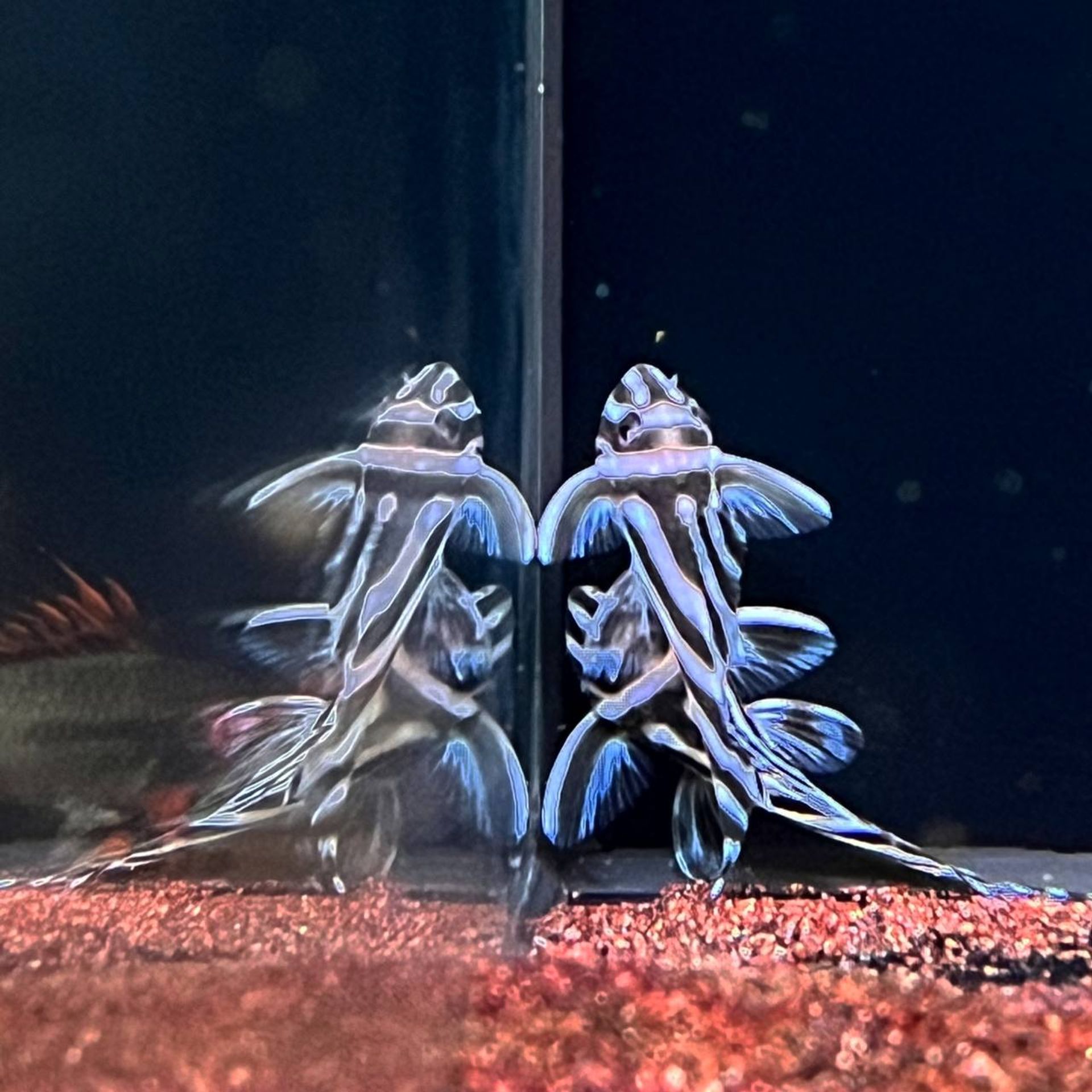
Tankmates: Only with other large, robust fish; generally best alone or in a large species tank.
Feeding: Most tilapia take a high proportion of plant matter and will eat aquarium plants.
1–0 of 0
Most Malaysians know ikan tilapia from the dinner table or the fishing pond, but several tilapia and related African cichlids are also kept as aquarium fish. These are bold, hardy cichlids with interesting breeding behaviour, and some species, such as the zebra-striped Heterotilapia buttikoferi, are genuinely striking show fish.
This category is for ornamental tilapia kept in aquariums, not fish sold for food. FishyHub lists them from Malaysian hobbyists and specialist sellers, with prices in RM. Many grow large, so plan for the adult fish before you buy a cute juvenile.
Bold black and white bars, growing to around 25–30 cm. Handsome but very territorial, so it is usually kept alone or with other large, robust fish.
Spotted or barred species from West African rivers, such as Pelmatolapia mariae, appear now and then from specialist sellers. Juveniles and adults can look very different.
Red, orange, pink and mottled tilapia are sometimes sold as ornamentals. Many of these come from aquaculture lines, so adult size can be large and identification may be uncertain. Ask the seller what species or strain it is.
| Care point | Guideline |
|---|---|
| Temperature | 24–30°C. Tilapia tolerate the full Malaysian room range easily; no heater needed. |
| Adult size | Often 20–30 cm or more, depending on species |
| Minimum tank | 4 kaki (120 cm), about 230–270 L, for one medium species. Large species are better in a 6-foot tank (about 550–650 L). |
| Temperament | Territorial to aggressive, especially when breeding |
| Diet | Omnivore: cichlid pellets plus vegetables and spirulina; many species eat plants |
| Beginner-friendly? | Hardy, but only for keepers with a large tank |
Tilapia are among the toughest cichlids. They handle warm water, soft tap water and small swings in pH that would stress more delicate fish. The work is all about size and waste. Big tilapia eat a lot, so choose a filter rated well above your tank volume, such as a canister or filter atas, and change 25–30% of the water weekly with anti klorin.
Use heavy rocks, large driftwood and a sand or fine gravel substrate. Expect digging, so secure rockwork on the tank floor rather than on top of the sand. Most tilapia eat or uproot soft plants, so use artificial plants or tough epiphytes like anubias tied to wood.
In hot weather, add an air pump, because a large fish in warm water uses a lot of oxygen. A battery-backed air pump helps during power cuts.
Breeding depends on the species. Oreochromis (the farmed tilapia) are mouthbrooders: the female carries eggs and fry in her mouth. Many ornamental species such as Heterotilapia and Pelmatolapia are substrate spawners, where both parents guard eggs on a rock. Either way, breeding pairs become far more aggressive.
Jangan lepaskan ikan ke sungai. Tilapia are already among the most widespread alien fish in Malaysian rivers, lakes and ponds, where they compete with native species. Never release aquarium tilapia, or any other fish, into drains, ponds or rivers. Release rules are set by each state: Perlis, for example, fines up to RM20,000 for releasing foreign fish into rivers without permission. If a fish outgrows your tank, rehome it through another hobbyist or the seller.
Prices in RM depend on species, size and rarity. Common colour forms are inexpensive, while rare ornamental species and large adults cost more. When comparing listings, check:
Large fish are often easier to self-collect. For delivery to Sabah or Sarawak, ask the seller first.
Boleh, tetapi kebanyakan tilapia membesar dengan cepat dan boleh mencecah 20–30 cm. Sediakan akuarium sekurang-kurangnya 4 kaki, penapis yang kuat dan tukar air setiap minggu.
Tilapia makan pelet cichlid, sayur-sayuran seperti timun atau bayam yang dicelur, dan makanan berasaskan spirulina. Jangan beri makan berlebihan kerana sisa makanan cepat mengotorkan air.
Yes. Tilapia are African cichlids, related to the lake cichlids and many other aquarium species.
Most do. Use tough plants tied to wood or rocks, or artificial plants.
Not safely. Anything small enough to fit in their mouth is likely to be eaten.
Browse ornamental tilapia from sellers across Malaysia and compare species, sizes and RM prices. You may also like our other cichlid and blood parrot categories, along with large-tank filters and cichlid pellets.
No products found