

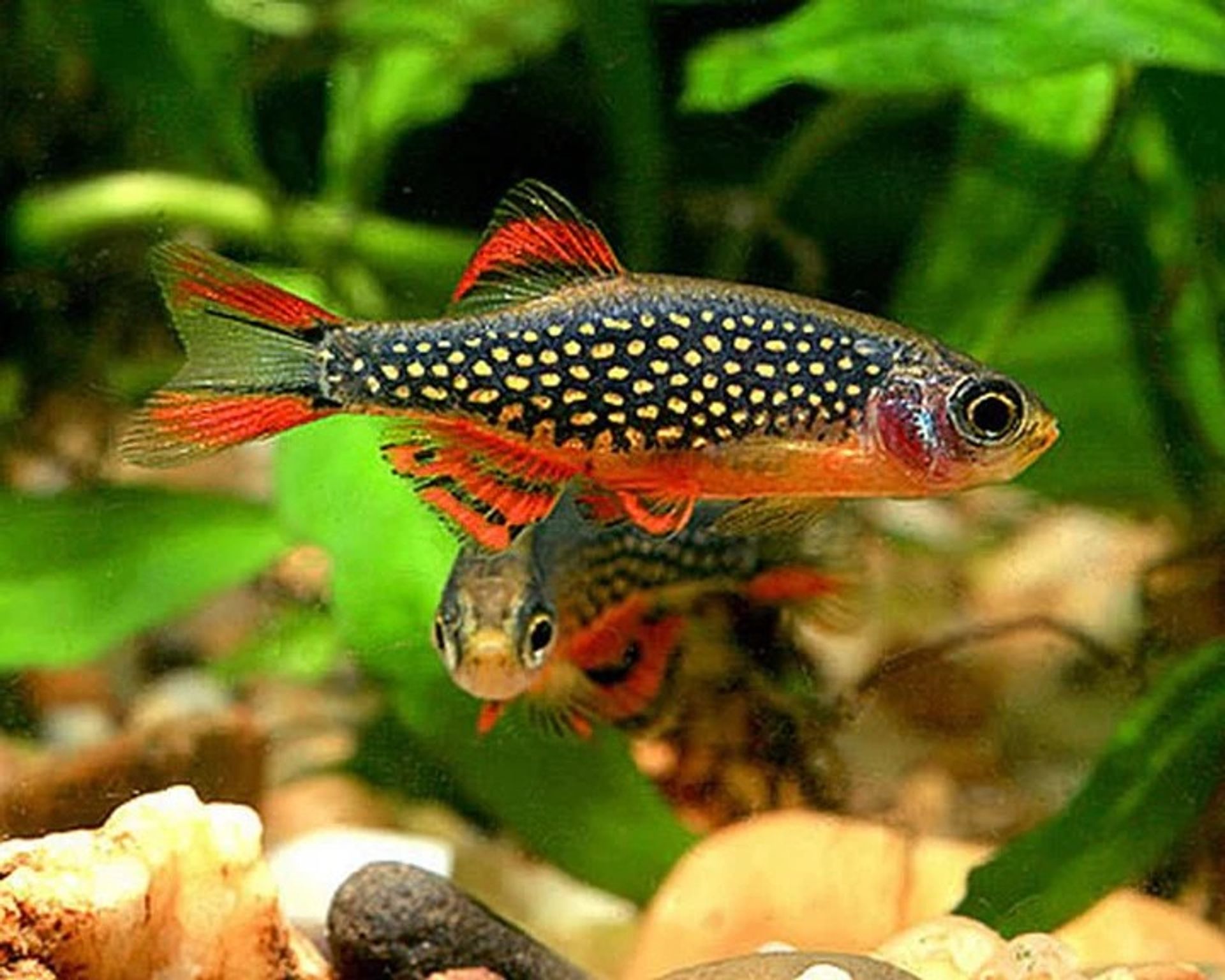

Ikan Sungai Malaysia untuk Akuarium: Seluang, Sepat and Native Fish Guide
Looking for ikan sungai Malaysia untuk akuarium? Several of the world's most popular aquarium fish are actually Malaysian natives. Seluang (rasboras), sepat (gouramis), halfbeaks, kuhli loaches and wild bettas all come from our streams, peat swamps and padi-field ditches. The best way to keep them is to buy captive-bred fish from local sellers rather than catching them, give them soft, slightly acidic water with plants and leaf litter, and never release them back into the wild.
Why Keep Native Malaysian Fish?
- They suit our climate. Most come from waters of about 24–30°C, close to Malaysian room temperature, so a heater is usually unnecessary.
- They suit our soft tap water. Much of Malaysia has soft, low-KH water, which many native species like once it is dechlorinated.
- They are locally bred. Malaysia is a major ornamental-fish producer, and fish such as harlequin rasboras and gouramis are bred here, so they arrive fresher and less stressed than long-haul imports.
- They tell a story. A peat-swamp or sungai biotope tank with Malaysian driftwood, Cryptocoryne and daun ketapang is something few overseas hobbyists can build so authentically.
Ikan Sungai Malaysia untuk Akuarium: The Best Species
| Fish (Malay / English) | Adult size | Min. tank | Water | Temperament | Beginner? |
|---|---|---|---|---|---|
| Seluang: harlequin rasbora (Trigonostigma heteromorpha) | 4–5 cm | 2 kaki (~55 L) | Soft, pH 6–7 | Peaceful schooler | Yes |
| Seluang: chili / dwarf rasbora (Boraras) | 1.5–2 cm | 1 kaki (~12 L) | Soft, acidic | Very peaceful | Yes, in a mature tank |
| Sepat benang: three-spot gourami (Trichopodus trichopterus) | 10–12 cm | 2.5–3 kaki | Tolerant | Males can be feisty | Yes |
| Sepat mutiara: pearl gourami (Trichopodus leeri) | 10–12 cm | 3 kaki (~155 L) | Soft, pH 6–7 | Peaceful | Yes |
| Chocolate gourami (Sphaerichthys osphromenoides) | 5 cm | 2 kaki | Very soft, acidic | Shy | No, sensitive |
| Jenjulung: halfbeak (Hemirhamphodon, Dermogenys) | 5–7 cm | 2 kaki with lid | Soft | Surface dwellers, males spar | Intermediate |
| Kuhli loach (Pangio) | 8–10 cm | 2 kaki | Soft, sand bottom | Peaceful, nocturnal | Yes |
| Wild bettas (e.g. Betta imbellis) | 5 cm | 1.5–2 kaki | Soft, blackwater | Varies by species | Intermediate |
Tank volumes are real water volumes for standard Malaysian sizes (2 kaki ≈ 55 L, 3 kaki ≈ 155 L). See our tank size guide.
Seluang: Malaysia's Rasboras
"Seluang" is a broad local name for small, silvery schooling fish, mostly rasboras. (In a kampung kitchen it can also mean small river fish fried crispy, so add "akuarium" or "hiasan" when you search.) For tanks, the stars are:
Harlequin rasbora
Copper-orange with a black triangle, harlequins are one of the easiest schooling fish you can keep. Buy at least 8–10 so they school confidently. They eat flakes, micro pellets and frozen foods. FishyHub's rasbora listings include harlequins and other species, and our harlequin rasbora care guide goes deeper.
Boraras (chili and dwarf rasboras)
These tiny fish suit nano planted tanks. Keep a group of 10 or more and feed very small foods. More in our chili rasbora guide.
Sepat: Native Gouramis
The sepat family is the gourami family. Three-spot (blue) gourami and pearl gourami are native to our region and are bred in large numbers. Gouramis are labyrinth fish: they gulp air at the surface, which helps them cope with the warm, low-oxygen water of padi ditches and swamps. Keep a tight lid with a gap of air underneath.
Note that sepat siam (snakeskin gourami) is a larger fish introduced from neighbouring countries and is mostly a food fish, so it is not a typical aquarium choice. Browse gouramis on FishyHub or read our gourami care guide.
Halfbeaks, Loaches and Wild Bettas
- Halfbeaks (ikan jenjulung) skim the surface for insects. They need a lid, floating plants and live or frozen foods. Some are livebearers. See the halfbeak guide.
- Kuhli loaches hide in sand and leaf litter by day. Keep 5 or more with soft sand.
- Wild bettas. Malaysia has about 28 wild Betta species, and several, such as Betta persephone and Betta livida, are endangered in their tiny habitats. Only buy captive-bred specimens. Our wild betta species guide explains more.
Why Buy Captive-Bred Instead of Catching Your Own
It is tempting to scoop fish from a nearby parit, but there are good reasons not to:
- Habitats are shrinking. Peat swamps and forest streams are being cleared, and some native fish survive only in a few spots.
- Wild fish carry parasites and disease that can wipe out your existing tank.
- Rules vary by place. Fishing and collecting are restricted or banned in national and state parks, marine and wildlife reserves, and community-managed river zones (such as tagal systems in Sabah). Some states also licence inland fishing.
- Captive-bred fish adapt better to aquarium food and tap water.
If you do want to collect, check first with the Department of Fisheries (DOF) Malaysia, the relevant state authority or park management. Rules can change.
Never Release Fish Into Rivers
Jangan lepaskan ikan ke sungai. Even native species should not be released, because aquarium fish may carry disease or come from a different population. DOF reports about 80 alien species are already established in Malaysian waterways, and release rules are set by each state. Negeri Sembilan, for example, has reported that only kuyu and haruan may be released into its rivers. Read our invasive fish guide for what to do with fish you can no longer keep.
Setting Up a Malaysian River or Peat-Swamp Tank
| Element | Stream (sungai) tank | Peat-swamp (blackwater) tank |
|---|---|---|
| Substrate | Sand and smooth river-style pebbles | Fine sand with leaf litter |
| Hardscape | Rounded stones, a few branches | Malaysian driftwood, roots |
| Plants | Cryptocoryne, Java fern, mosses | Cryptocoryne, floating plants |
| Flow | Moderate | Very gentle |
| Water | Soft, pH around 6.5–7 | Very soft, pH below 6.5, tea-coloured |
| Extras | Good oxygenation | Daun ketapang for tannins |
| Fish | Harlequins, kuhli, three-spot gourami | Boraras, chocolate gourami, wild bettas |
Tips:
- Always treat tap water with anti klorin. Our tap water guide explains why.
- Soak driftwood before use; it releases tannins that native fish like.
- Keep the tank out of direct sun to avoid overheating and algae.
- Add an air pump if the room gets above 30°C.
Buying Native Fish on FishyHub
FishyHub lists native and locally bred fish from Malaysian sellers with prices in RM. Check each listing for whether the fish are captive-bred, the seller's location, the size, and whether photos are of the actual fish. Ask the seller about delivery or self-collect and their live-arrival terms. Explore the wider range under other tropical fishes.
Frequently Asked Questions
Ikan sungai apa yang sesuai untuk akuarium? Ikan seluang (rasbora harlequin), sepat mutiara, sepat benang, ikan jenjulung dan kuhli loach sesuai untuk akuarium. Pilih ikan yang dibiakkan, bukan tangkap dari sungai.
Boleh ke tangkap ikan seluang di sungai untuk bela? Ikan liar mungkin bawa penyakit dan sesetengah kawasan tidak dibenarkan menangkap ikan. Semak dengan Jabatan Perikanan atau pihak berkuasa negeri dulu, dan lebih baik beli ikan yang dibiakkan.
Do native Malaysian fish need a heater? Usually not. Most come from warm waters close to Malaysian room temperature. A heater only helps in rooms air-conditioned for long hours.
Is the harlequin rasbora native to Malaysia? Yes, it is found in Peninsular Malaysia and nearby regions, and it is widely bred locally for the hobby.
Can I release native fish back into the river? No. Aquarium fish can carry disease and mix with wild populations. Rehome them through a shop or another hobbyist instead.
Build your own slice of Malaysian river: browse rasboras, gouramis and other tropical fishes from sellers across Malaysia on FishyHub.