


Blackwater Aquarium: Recreating a Malaysian Peat Swamp Biotope
A blackwater aquarium has tea-coloured water stained by tannins from wood and leaves, with soft, acidic water, dim light and a floor of leaf litter. Malaysia is one of the best places in the world to build one, because the habitat it copies is local: the hutan paya gambut (peat swamp forests) of Selangor, Pahang, Johor, Sarawak and other states. Their streams are home to wild bettas, Boraras rasboras, licorice gouramis and native Cryptocoryne. This guide shows how to recreate a Malaysian peat swamp biotope at home, and which fish and plants suit it.
What Is a Blackwater Aquarium? The Peat Swamp Habitat
Peat swamp forests grow on deep layers of waterlogged, partly rotted plant matter. Water draining through the peat picks up humic substances and tannins, so it is:
- Dark brown or tea-coloured, but usually clear rather than cloudy.
- Very soft, with almost no carbonate hardness.
- Strongly acidic: wild peat swamp water can drop to pH 3–5.
- Shaded by the forest canopy, so light at the water is low.
- Littered with fallen leaves, twigs and roots.
You don't need to copy the extreme pH of the wild. Captive-bred fish do well in a gentler version of these conditions.
The Biotope at a Glance
| Element | In the wild | In your tank |
|---|---|---|
| Water colour | Dark tea | Tannins from wood, leaves, seed pods |
| pH | 3–5 | About 5.5–6.8 is a safe aquarium target |
| Hardness | Near zero | Soft; Malaysian tap water is often already soft |
| Temperature | Warm, shaded | 25–29°C; shade the tank from heat |
| Light | Dim, broken by canopy | Low light, floating plants |
| Substrate | Peat, sand, leaf litter | Fine sand or soil plus a leaf layer |
| Hardscape | Roots and fallen branches | Malaysian driftwood, root wood, twigs |
| Flow | Slow to still | Gentle sponge or low-flow filter |
Fish for a Malaysian Peat Swamp Tank
Choose a small group that would actually meet in such water. Always pick captive-bred fish. Several Malaysian peat swamp species are threatened in the wild, so don't buy wild-collected fish of uncertain origin.
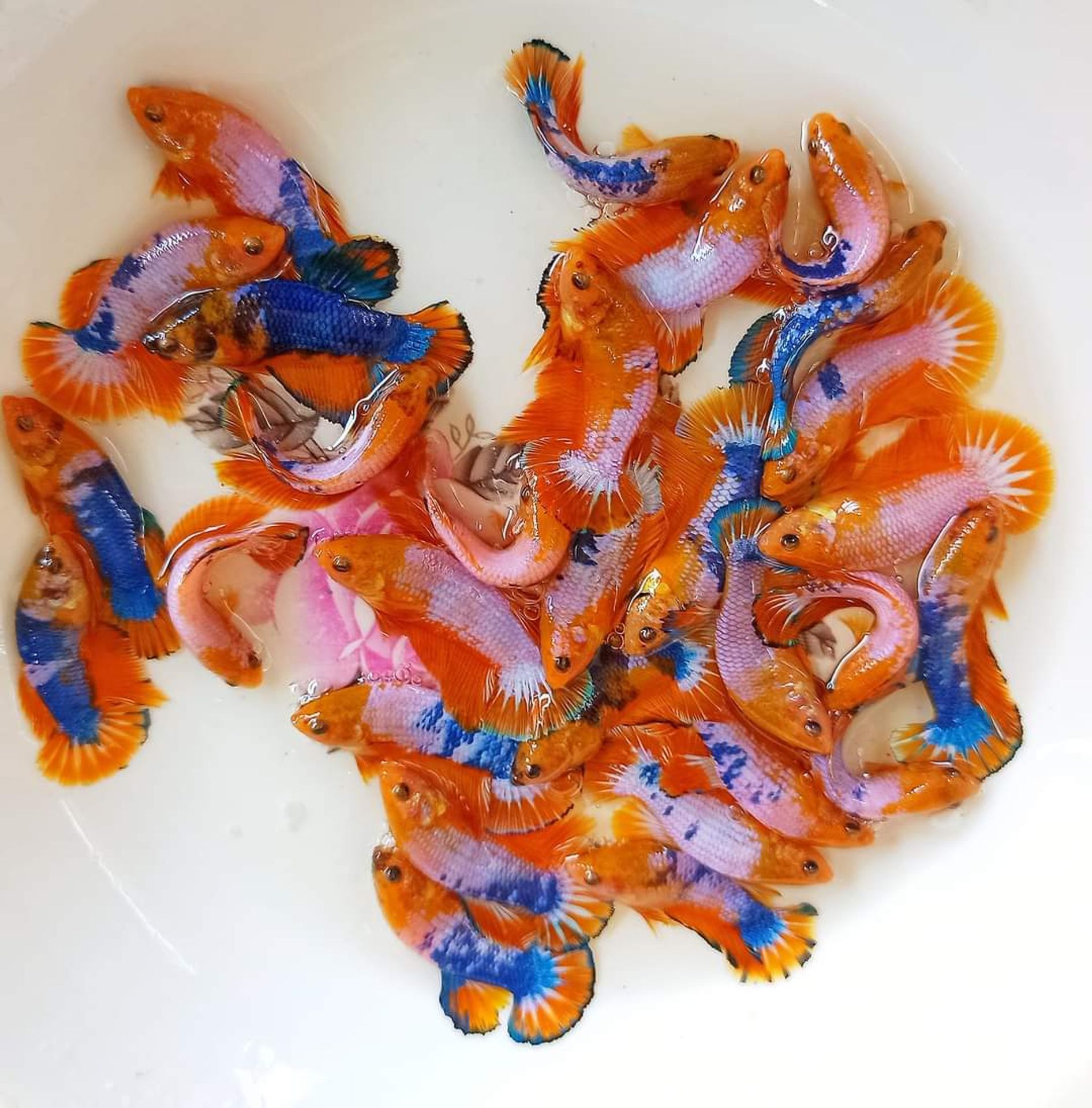
Wild-type bettas
Malaysia has around 28–29 wild Betta species, and many live in peat swamps or blackwater streams. Some, such as Betta livida (Selangor) and Betta persephone (Johor), have tiny natural ranges and are listed as threatened. Others in the Betta "coccina" and "pugnax" groups are kept by hobbyists. Wild-type bettas are shy, best kept in pairs or small groups depending on species, and need tight lids because they jump. Browse captive-bred stock in the bettas category, and read more in our betta care guide.
Boraras and rasboras
Tiny Boraras (chili and similar rasboras) and small Rasbora species school in blackwater streams. They show their best colour in tannin-stained water over a dark floor. Keep at least 8–10. See the rasbora category.
Others to consider
- Licorice gouramis (Parosphromenus): tiny, delicate and true peat swamp specialists. For experienced keepers.
- Chocolate gourami (Sphaerichthys osphromenoides): sensitive; soft acidic water is essential.
- Kuhli loaches: bottom-dwellers that love leaf litter.
Don't add hard-water fish (livebearers, African cichlids) or big, boisterous species.
Plants: Cryptocoryne and Friends
Peat swamp streams are often too dark and acidic for many plants, but Cryptocoryne grow in many Malaysian blackwater habitats, and several species are native to Peninsular Malaysia and Borneo. In the tank, good options are:
- Cryptocoryne (wendtii and cordata types are the most available and tolerant)
- Bucephalandra on wood (a Borneo native, for a broader Malaysian theme)
- Java fern and mosses on roots
- Floating plants for shade
Plants are optional in a strict biotope. Many peat swamp displays are mostly wood and leaf litter.
Step-by-Step Setup
1. Tank and placement
A 2 kaki tank is a good size. Place it away from windows and sun; the dark water absorbs heat and light encourages algae on leaves.
2. Substrate
Use fine, dark sand or a thin layer of aqua soil. Soil helps keep pH low; sand is easier to clean. Cover parts of it with leaf litter.
3. Hardscape
Use driftwood, roots and branches to mimic fallen trees and tangled roots. Malaysian driftwood releases plenty of tannins. Soak and boil it first so it sinks; see our driftwood guide. Avoid limestone rocks, which raise pH and hardness.
4. Botanicals and leaves
Add dried daun ketapang (Indian almond leaves), seed pods and other aquarium-safe botanicals. Use only leaves collected away from roads and pesticide spraying, or buy prepared ones. Rinse and soak before use. They tint the water, release tannins and host biofilm that fry and shrimp eat.
5. Water
Treat tap water with anti klorin. Malaysian tap water is often soft, which is a good starting point. If your water is harder, mix with RO water. Test pH and KH; don't add pH-lowering chemicals in a rush. Let wood, leaves and soil bring it down slowly. Our tap water guide covers chlorine and softness.
6. Filtration and flow
A sponge filter or a low-flow hang-on filter suits peat swamp fish, which dislike current. Peat in a filter bag can deepen colour and lower pH further.
7. Light
Use a low setting on an aquarium LED and add floating plants for broken light. Six to eight hours is plenty.
8. Cycle, then stock
Cycle the tank for several weeks. Add the hardiest fish first and the delicate species last.
Maintaining Blackwater
- Water changes: small, regular changes (around 10–20% weekly) keep conditions steady. Big changes with untreated or harder water can shock soft-water fish.
- Replace leaves as they break down, usually every few weeks.
- Watch the pH: in very soft water with no KH, pH can fall quickly. If it keeps crashing, reduce botanicals or add a little harder water.
- Temperature: peat swamp fish prefer the cooler end of tropical. In a hot room, a fan helps; see our cooling guide.
Conservation Note
Peat swamp forests are shrinking because of drainage, fires and land clearing, and some of their fish survive in only a few locations. Buy captive-bred fish, never collect from the wild, and never release aquarium fish into local waters: jangan lepaskan ikan ke sungai. Release rules are set by each state, so ask the Department of Fisheries (DOF) Malaysia before releasing any fish.
Frequently Asked Questions
Air hitam dalam akuarium bahaya ke untuk ikan?
Tidak bahaya. Warna teh datang daripada tanin kayu dan daun ketapang. Ikan dari paya gambut seperti ikan laga liar dan rasbora suka air begini. Pastikan air tetap bersih dan tukar air secara berkala.
Ikan apa sesuai untuk akuarium paya gambut?
Ikan laga liar yang dibiakkan dalam kurungan, chili rasbora, rasbora kecil, licorice gourami dan kuhli loach. Elakkan ikan yang suka air keras seperti guppy dan molly.
Is blackwater just dirty water?
No. Properly kept blackwater is stained but clear, and it tests clean for ammonia and nitrite. Cloudy or smelly water is a different problem.
How do I lower pH for a blackwater tank?
Use tannin-rich wood, leaves, aqua soil or peat, and start with soft water. Lower pH gradually over weeks rather than with sudden chemical doses.
Can I keep a normal betta in blackwater?
Yes. Domestic bettas (Betta splendens) also do well in tannin-stained, slightly acidic water, and many keepers use ketapang leaves for them.
Build your own slice of a Malaysian peat swamp with driftwood and stones, captive-bred bettas and rasboras from Malaysian sellers on FishyHub.