


Malaysian Driftwood for Aquariums: Soaking, Tannins & Mopani vs Malaysian
"Malaysian driftwood" is one of the best-known aquarium woods in the world. It's dense, dark and sinks easily, which is exactly what aquascapers want. For Malaysian keepers it has the added bonus of being local. Walk into any kedai ikan hiasan and you'll find bins of kayu akuarium in every shape, from small twisted pieces for a 1-foot betta tank to big stumps for arowana setups.
But driftwood also brings questions. Why is my water brown? Why is there white fuzz on the wood? Does it need boiling? This guide covers everything, plus how Malaysian driftwood compares with mopani and spider wood.
What Is Malaysian Driftwood?
"Malaysian driftwood" is a trade name rather than one tree species. It generally refers to dense tropical hardwood roots and branches that have been buried or waterlogged for a long time, then cleaned and sold for aquariums. Typical features:
- Dark brown to almost black, with a rough, sometimes sandblasted look
- Heavy and dense, so most pieces sink immediately or after a short soak
- Releases tannins (brown colouring) for weeks to months
- Very durable underwater; good pieces last for years
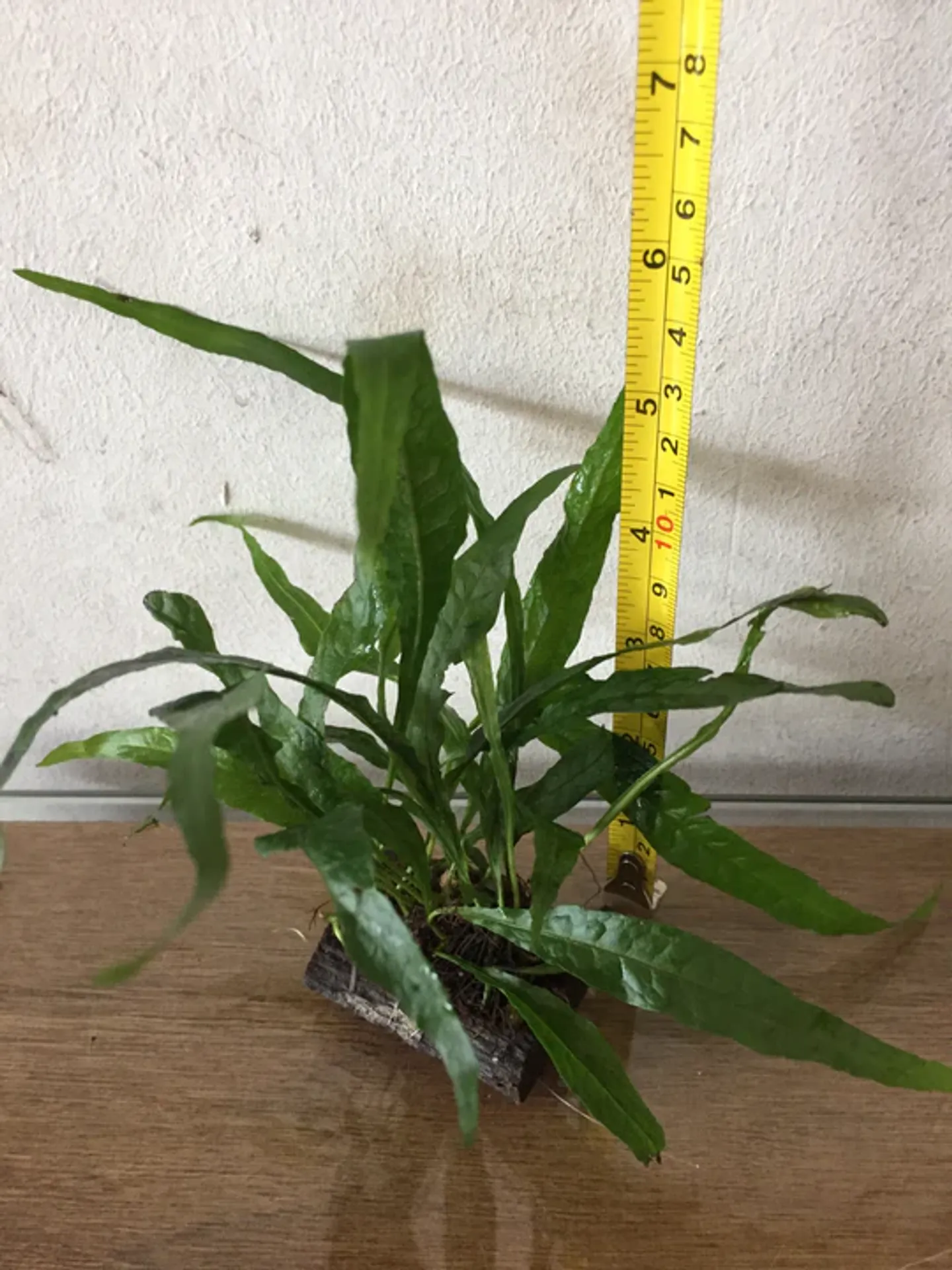
Because it's heavy and chunky, it suits "tree stump" and "root" style layouts and is excellent for tying java fern, anubias and moss onto.
Malaysian vs Mopani vs Spider Wood
| Feature | Malaysian driftwood | Mopani wood | Spider wood (azalea root) |
|---|---|---|---|
| Look | Dark, chunky, rough | Two-tone (light and dark), smooth, often holey | Thin, branching, light brown |
| Sinks? | Usually yes, quickly | Yes, very dense | No; needs soaking for days or weeks |
| Tannins | Moderate to heavy at first | Heavy at first | Light to moderate |
| White fungus (biofilm) | Sometimes | Sometimes | Very common early on |
| Best for | Root/stump scapes, arowana and big tanks, epiphytes | Centrepieces, cichlid and community tanks | Nature and "forest" aquascapes, shrimp tanks |
| Origin | Southeast Asia | Southern Africa | Varies by supplier |
Which should you choose? If you want a ready-to-sink piece that looks natural with Southeast Asian fish, Malaysian driftwood is the easy, local choice. Mopani gives a lighter, two-tone look. Spider wood creates delicate, tree-like branches but takes the most preparation.
Malaysian Driftwood Tannins: Why Your Water Turns Brown
Tannins are natural compounds that leach out of wood and leaves. They turn water a yellow to tea-brown colour, the same effect as daun ketapang. They are not dirt, and they are not harmful.
In fact, tannin-stained water mimics the blackwater streams and peat swamps that many Southeast Asian fish come from. Bettas (including Malaysia's wild Betta species), rasboras, gouramis and many tetras feel at home in it. Tannins also lower pH slightly, which matters in Malaysia because much of our tap water is already soft with low KH. Keep an eye on pH with a test kit if you add a lot of wood to a small tank.
How to reduce tannins
- Pre-soak the wood before it goes in the tank (see below)
- Boil small pieces to speed up leaching
- Put activated carbon or a purigen-type resin in your filter
- Do your normal weekly tukar air (water change); the colour fades over time
Tannins taper off over weeks to a few months, depending on the piece.
How to Prepare Kayu Akuarium: Step by Step
- Scrub it. Use a stiff brush and plain water to remove dust, loose bark and soft bits. Never use soap or detergent.
- Check for rot. Press soft or crumbly spots with your thumb. Remove them, because soft wood breaks down and fouls the water.
- Soak it. Submerge it in a pail or tub of water. Weigh it down with a stone if it floats. Change the water every day or two as it turns brown.
- Boil small pieces (optional). 30–60 minutes in a large pot speeds up tannin release and helps waterlogging. Big pieces can be poured over with boiling water repeatedly instead.
- Soak until it sinks and the water stays fairly clear. For Malaysian driftwood, this is often one to two weeks. Spider wood may take longer.
- Rinse and place it. Use dechlorinated water for the final rinse, then set it firmly on the tank base or substrate so it can't topple onto the glass.
Tip: In hot Malaysian weather, soaking water left outdoors can go smelly quickly. Change it often and keep the pail in the shade.
White Fuzz on Driftwood: Should You Worry?
A white or clear, cotton-like fuzz on new wood within the first few weeks is a common biofilm of harmless fungi and bacteria feeding on the fresh wood. It usually:
- Disappears on its own within a few weeks
- Gets eaten by snails, shrimp, otocinclus and plecos (ikan bandaraya)
- Can be wiped or siphoned off during a water change
If the fuzz keeps returning for months, or the wood becomes soft and smelly, the piece may be rotting and should be removed.
Using Driftwood in Different Tanks
Planted and aquascape tanks
Tie java fern, anubias, bucephalandra or moss onto the wood with cotton thread or fishing line, or use aquarium-safe superglue gel. The plants attach within a few weeks. See our aquascaping tools and accessories for ties, glue and tweezers.
Betta and nano tanks
Choose small, smooth pieces with no sharp edges that could tear long fins. A little wood plus a ketapang leaf creates the soft, slightly tea-coloured water bettas love.
Arowana, cichlid and large tanks
Large stumps make a striking centrepiece. Make sure heavy wood sits directly on the base glass (not on top of deep sand) and leaves plenty of open swimming space. Fast, large fish can injure themselves on sharp branches.
Shrimp tanks
Driftwood grows biofilm that shrimp graze on constantly, which makes it one of the best additions to a shrimp tank. Prepare it well, since shrimp are sensitive to sudden water changes.
Can I Use Wood I Found Outdoors?
It's possible but risky. Wood from rivers, beaches or gardens may carry pesticides, sap, salt or pests, and may rot quickly. Some woods are toxic or simply too soft. Most hobbyists find buying cleaned aquarium wood much safer. Don't collect wood from protected forests or parks, and if you're unsure what's allowed in a particular area, check with the relevant local authority first.
Buying Driftwood on FishyHub
Every piece of driftwood is unique, so check each listing for:
- Real photo vs representative photo. Some sellers ship the exact piece shown, while others send a similar one.
- Size in cm (length, width and height), so it fits your tank's front-to-back depth
- Whether it's pre-soaked or sinks immediately
- Weight and delivery options, since big pieces can be costly to ship, especially to Sabah and Sarawak. Self-collect may be cheaper, so ask the seller.
Browse the driftwood, rocks & stones category to compare pieces and RM prices from Malaysian sellers.
Frequently Asked Questions
Kayu akuarium perlu rebus ke? Tidak wajib, tetapi merebus kayu kecil selama 30 hingga 60 minit membantu ia cepat tenggelam dan mengurangkan warna coklat (tanin). Kayu besar boleh direndam dalam baldi dan tukar air setiap satu atau dua hari sehingga ia tenggelam.
Kenapa air akuarium jadi coklat selepas letak kayu? Warna coklat itu ialah tanin daripada kayu. Ia tidak berbahaya kepada ikan, malah ikan laga dan rasbora suka air begini. Kalau mahu air lebih jernih, gunakan karbon aktif dalam penapis dan tukar air seperti biasa.
How long do Malaysian driftwood tannins last? Usually from several weeks to a few months. Pre-soaking and boiling shorten this, and activated carbon removes the colour from the tank water.
Does Malaysian driftwood lower pH? Slightly. The effect is usually small, but in Malaysia's often soft, low-KH tap water, lots of wood in a small tank can lower pH further. Test regularly if you keep livebearers such as guppies, which prefer harder water.
Is mopani better than Malaysian driftwood? Neither is better; they look different. Mopani is lighter and two-toned, while Malaysian driftwood is darker and chunkier. Both are dense, sink well and release tannins at first.
Ready to build your scape? Browse driftwood, rocks & stones, decorative ornaments and epiphyte plants from sellers across Malaysia on FishyHub.