1–5 of 5
Killifish are small, often dazzlingly coloured fish found across Africa, Asia and the Americas. Many live in shallow streams and swamps, and some, the annual killifish, live in seasonal pools that dry out, with their eggs waiting in the mud for the next rain. Malaysia has its own common killifish: the blue panchax, known locally as ikan kepala timah for the shiny spot on its head.
Killies suit nano and planted tanks, and are popular with hobbyists who enjoy breeding. FishyHub lists killifish from Malaysian breeders, hobbyists and aquarium shops, with prices in RM.
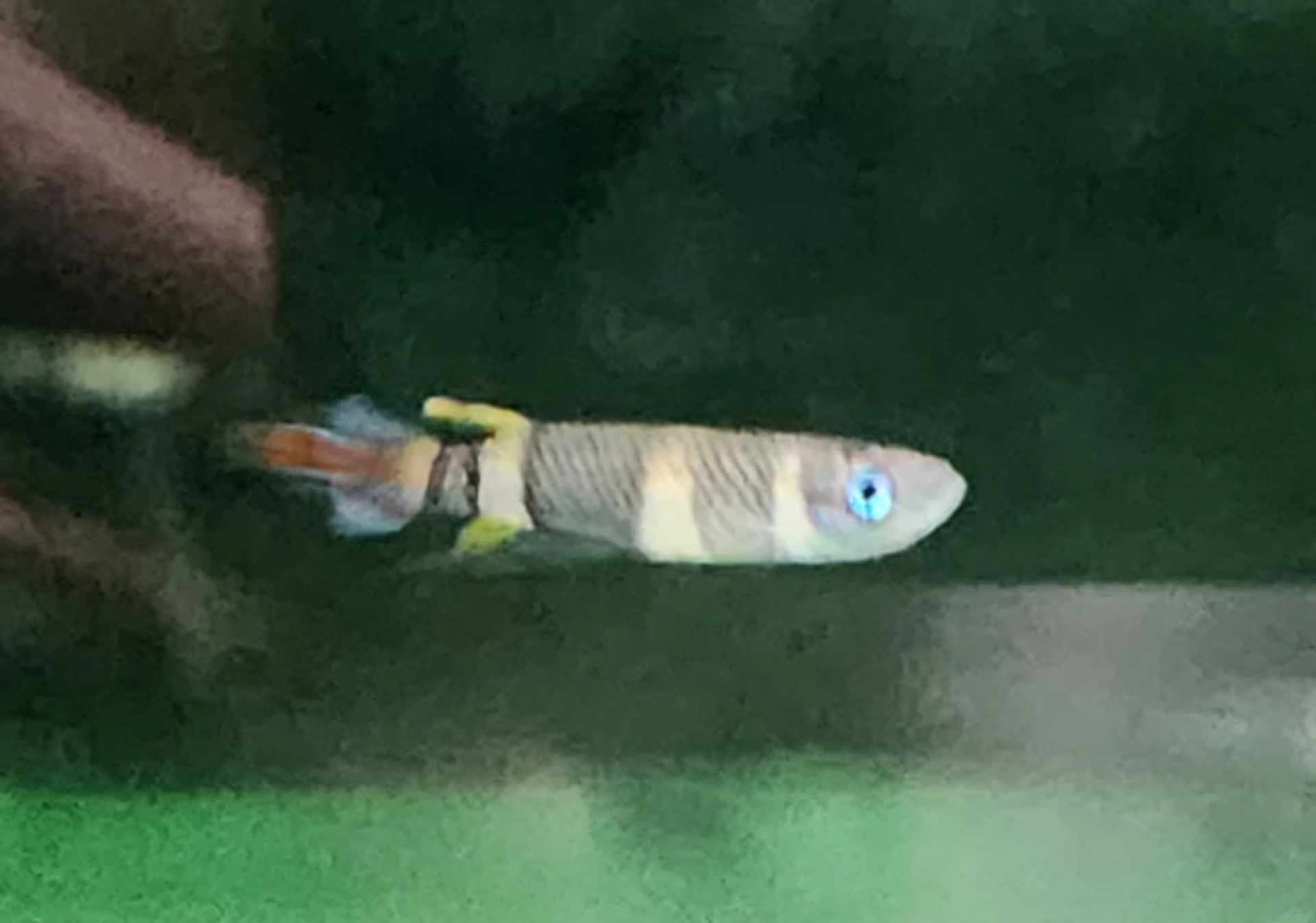
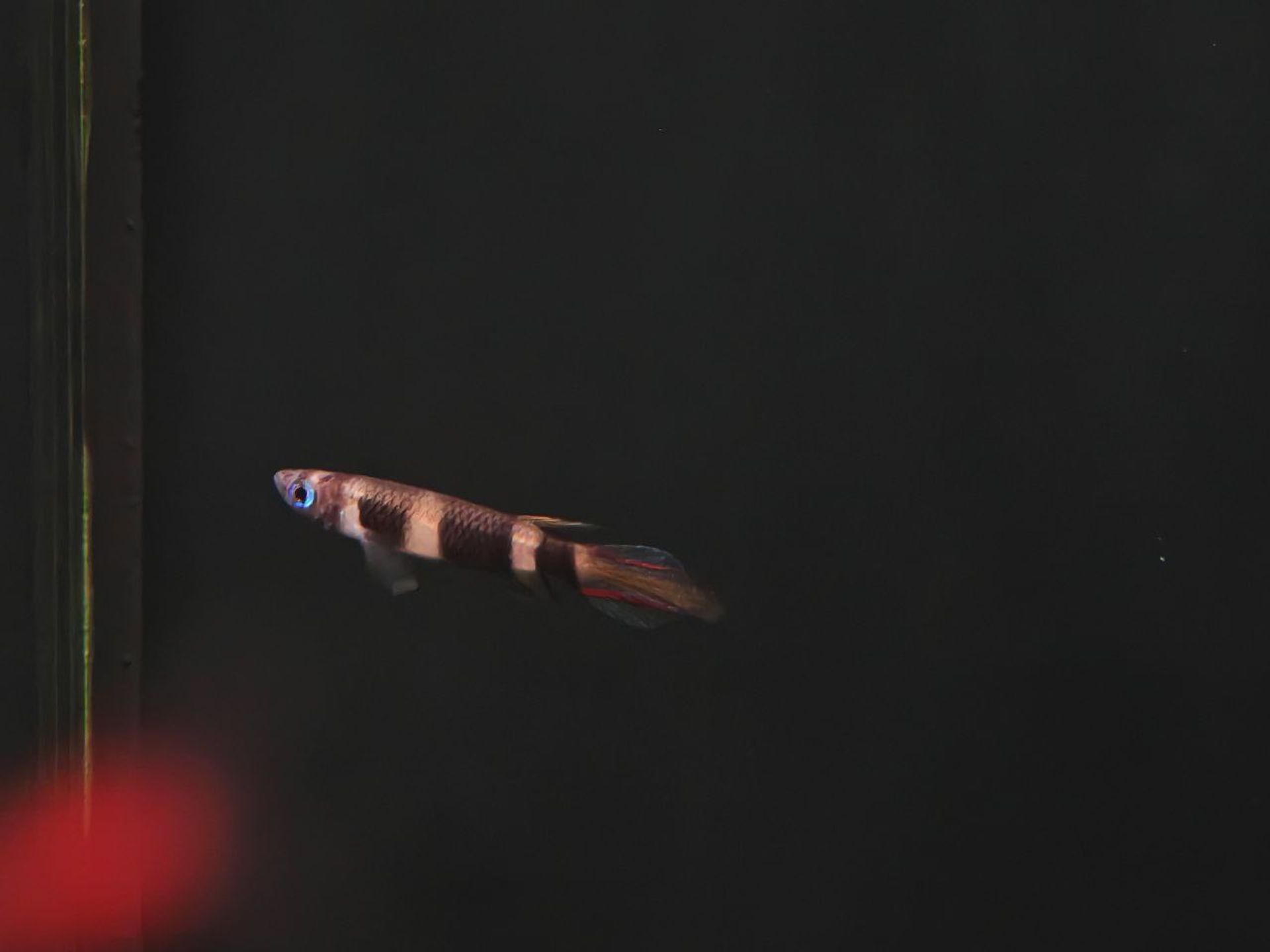
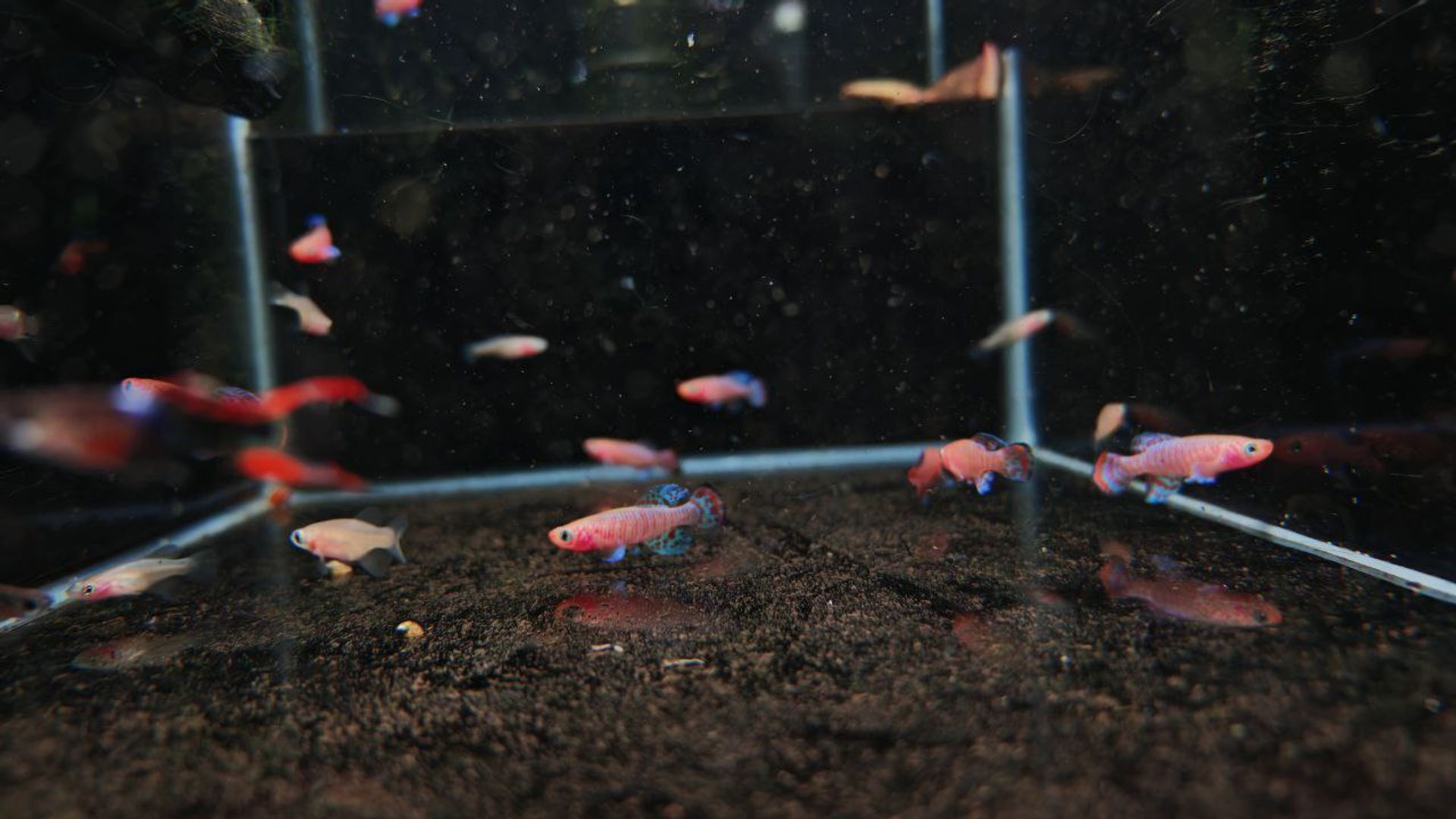
Only about 3–4 cm, with bold black-and-cream bands and a flame-coloured tail on males. A peaceful surface fish and a favourite for nano tanks.
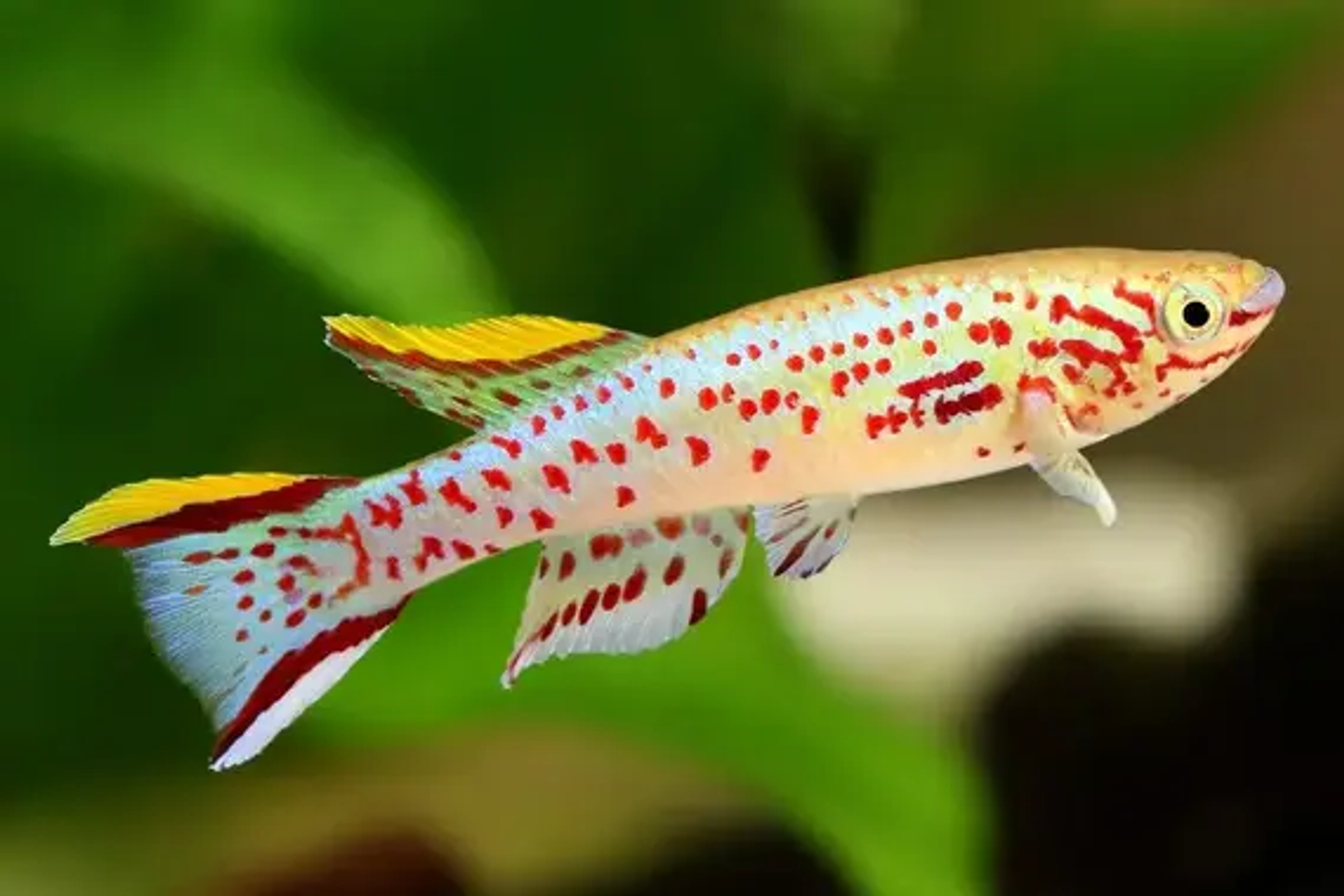
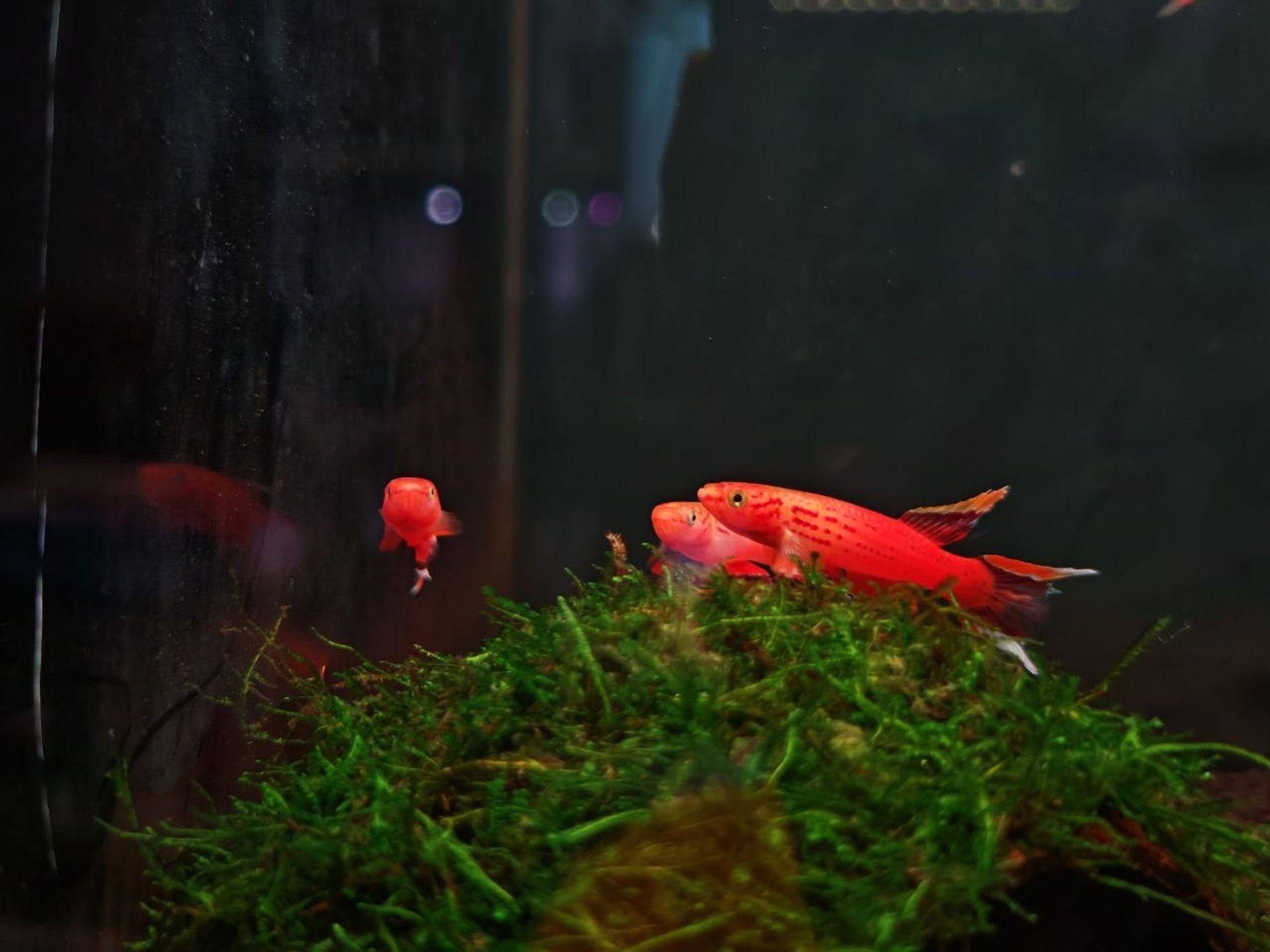
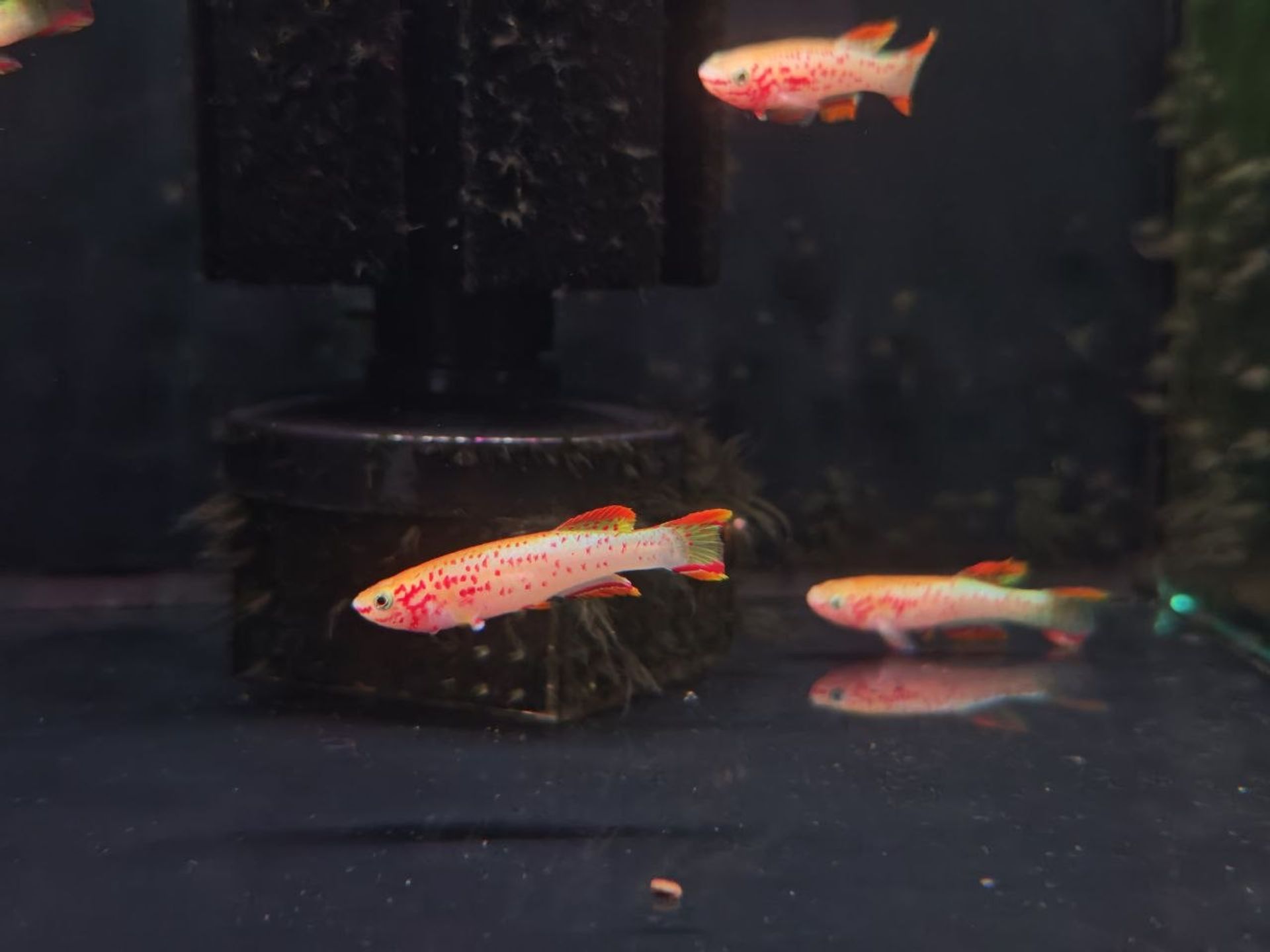
Blue-green with red spots, and one of the hardier killies. A good starting point if you want to try breeding.
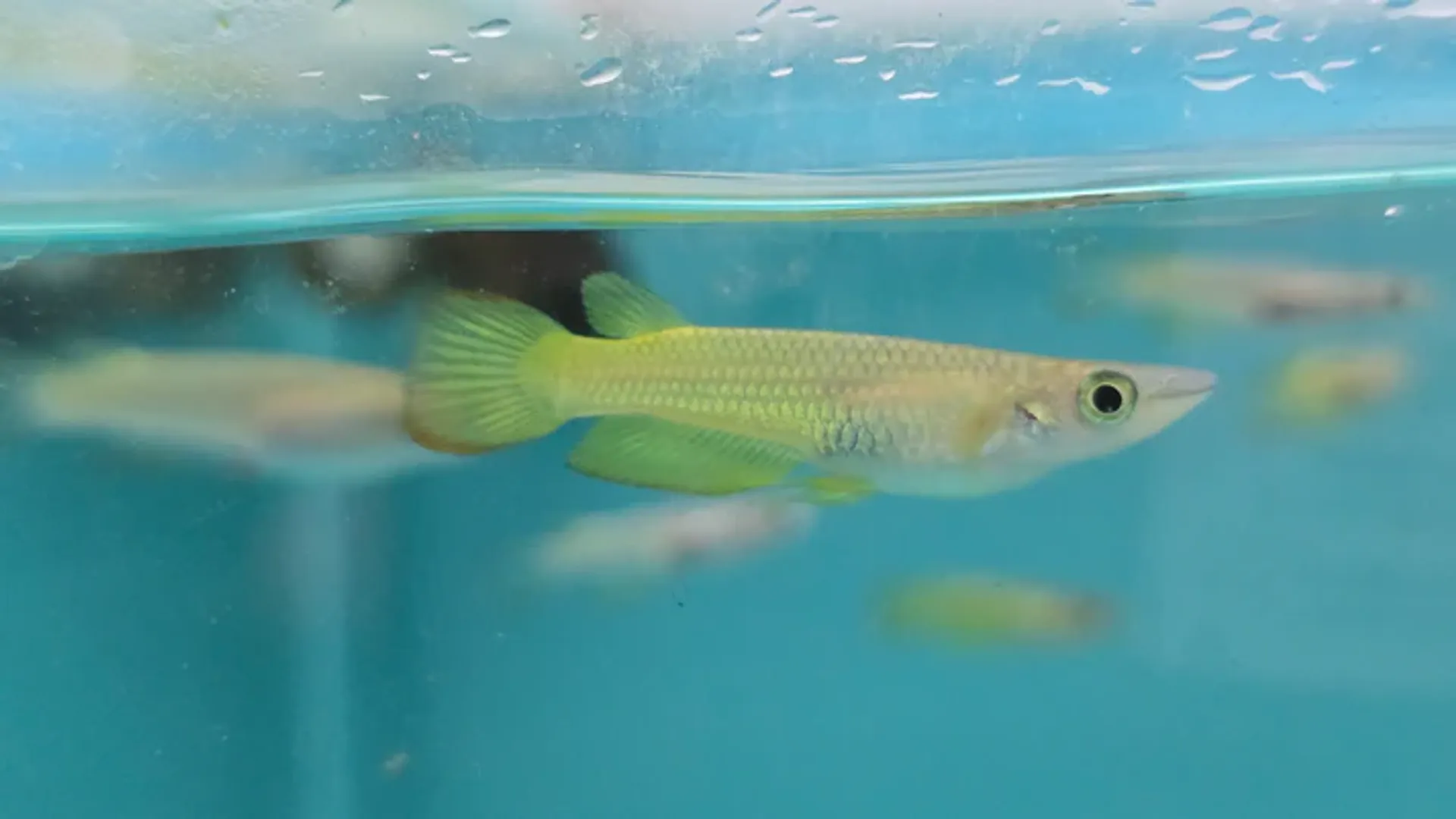
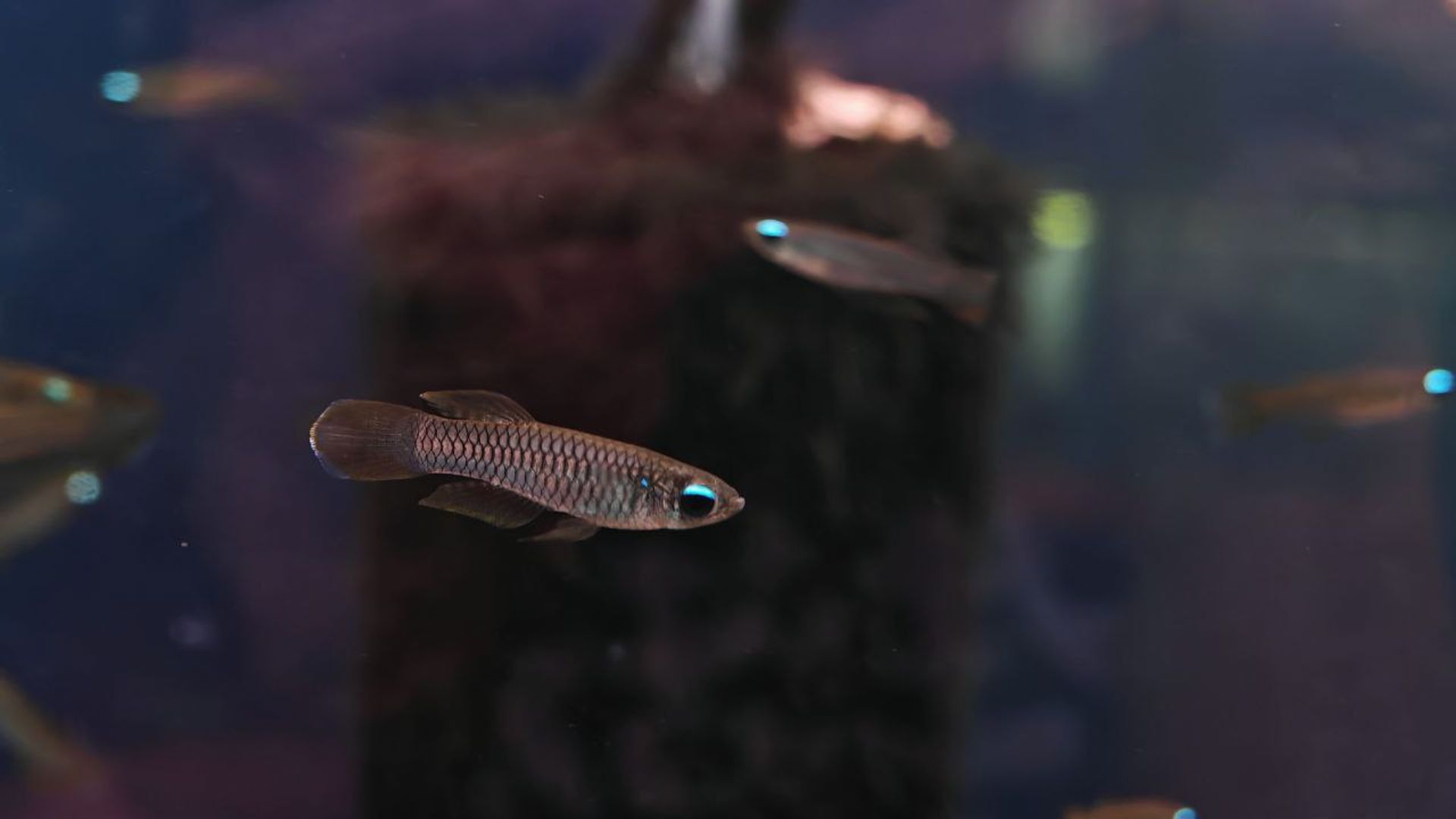
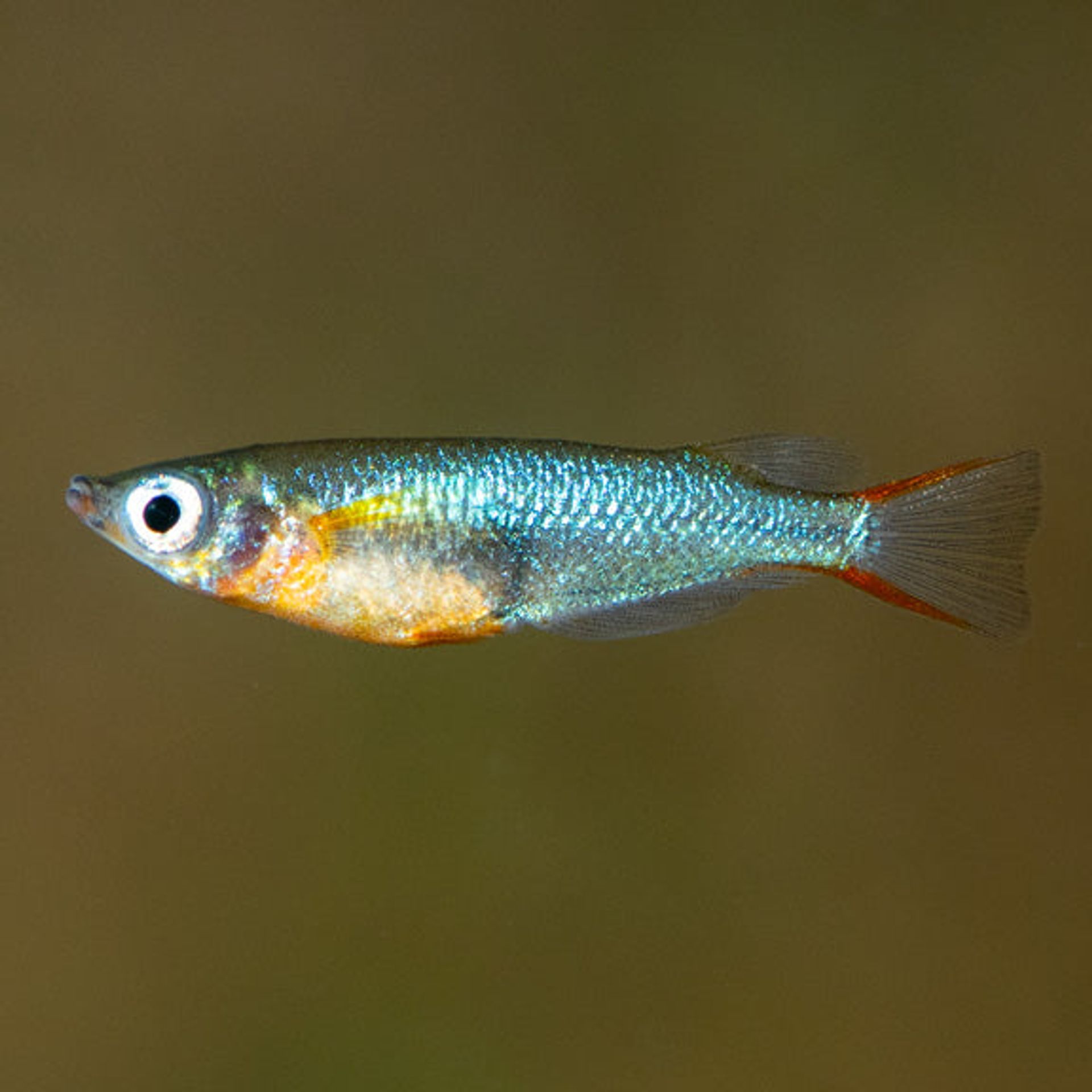
The golden wonder is a golden form of Aplocheilus lineatus and grows to about 10 cm. It is a surface predator that will eat small fish. The blue panchax (kepala timah) is its smaller, local relative, hardy and very adaptable.
Spectacularly coloured but short-lived, often a year or so. They are mainly kept by breeders who store eggs in damp peat between generations.
| Type | Temperature | Minimum tank | Temperament | Diet | Beginner? |
|---|---|---|---|---|---|
| Clown killifish | 24–28°C | 1 kaki (30 cm, 12–15 L) | Peaceful | Small live/frozen, micro pellets | Yes, in a nano tank |
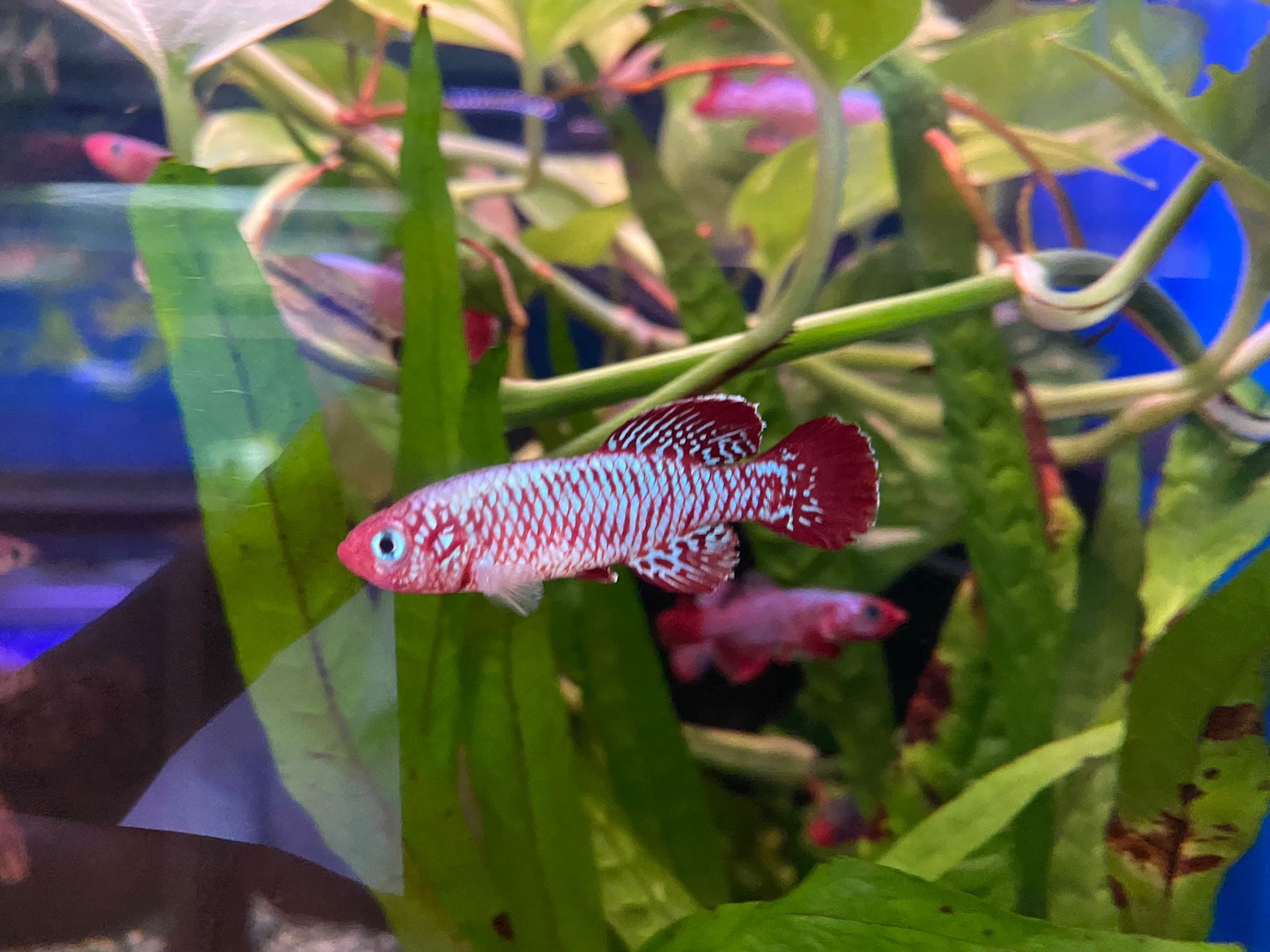
| Gardneri | 22–26°C | 1 kaki (30 cm, 12–15 L) for a trio | Males spar | Live/frozen foods | Intermediate |
| Golden wonder / panchax | 24–30°C | 2 kaki (60 cm, 55–65 L) | Eats small fish | Insects, pellets, frozen | Yes |
| Nothobranchius | 22–26°C | 1 kaki per pair or trio | Males aggressive | Live/frozen foods | No |
Many African killifish, such as gardneri and most Nothobranchius, prefer water below 26°C. Malaysian rooms often sit at 28–31°C, which shortens their lives and can stop breeding. If you want these species:
Clown killis, golden wonders and the local blue panchax handle our temperatures much better, which makes them the easier choices here.
Killies like planted tanks with floating plants, gentle flow from a sponge filter and a tight lid, because most are excellent jumpers. Soft, slightly acidic water suits most species, which matches much of Malaysia's tap water once treated with anti klorin. Daun ketapang adds tannins that many killies enjoy.
Small species do well with Boraras rasboras, pygmy corydoras and adult shrimp. Golden wonders are better with fish too big to swallow. For food, offer baby artemia, cacing grindal (grindal worm), daphnia and frozen cacing darah (bloodworm). Some accept micro pellets once settled.
Killifish are often sold as pairs or trios, and serious breeders track population codes for each line. Check the listing for the species, sex ratio, any locality code and whether the photo shows the actual fish. Ask the seller what they are feeding, and check delivery or self-collect options and the seller's live-arrival policy. Some breeders also sell eggs, which travel well. Prices in RM depend on species, line and rarity.
Boleh. Ikan kepala timah sangat lasak dan mudah dijaga. Tetapi ia akan makan ikan yang sangat kecil, dan pandai melompat, jadi pastikan akuarium bertutup.
Bergantung pada jenis. Killifish tahunan seperti Nothobranchius biasanya hidup sekitar setahun, manakala clown killifish dan gardneri boleh hidup dua hingga tiga tahun dengan penjagaan yang baik.
Yes. They stay tiny, are peaceful and tolerate Malaysian room temperatures well.
Small killies are usually fine with adult shrimp, though they may eat shrimplets. Golden wonders will eat shrimp.
Browse clown killis, gardneri, golden wonders and more from Malaysian breeders, with prices in RM. Pair them with floating plants, live foods and a gentle sponge filter, or look at nano rasboras as tankmates.
Tankmates: Best in a species tank or with very peaceful small fish. Clown killies, lampeyes and medaka suit nano communities. Panchax (Aplocheilus) eat small fish. Most eat baby shrimp.
Feeding: Primarily live and frozen foods. Panchax, lampeyes and medaka accept flake readily; many Aphyosemion and annuals take dry food poorly.