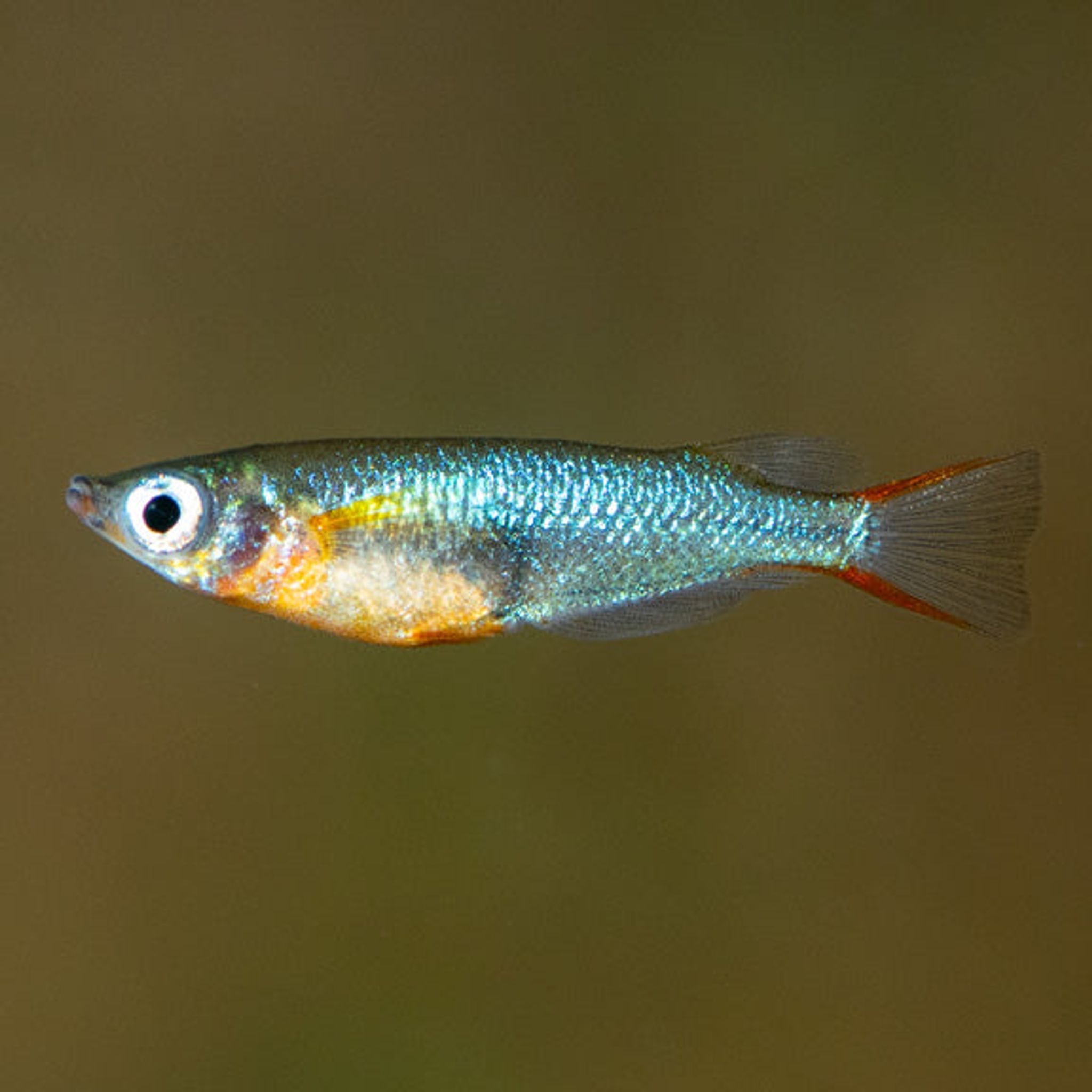
Killifish Care Guide: Tank Size, Diet, Water Parameters and Temperament
Killifish cover more than 1,200 species, so "how do I care for a killifish" doesn't have one answer until you know which kind you're holding. This guide sets a baseline for the hardy community killis most US hobbyists actually bring home, then breaks out the exceptions — annual species, oversized predators, and nano fish — so you can match care to the fish in front of you.
What Is a Killifish?
Killifish belong mainly to the family Nothobranchiidae and related Cyprinodontidae relatives, with wild populations across Africa, South America, parts of Asia, and even native North American species like the flagfish and banded killifish. The name comes from the Dutch/Afrikaans word "kil," meaning ditch or channel, a nod to their natural habitat in temporary pools, drainage ditches, and slow-moving streams.
That habitat explains almost everything about their care: many killifish evolved to complete a fast life cycle in water that periodically disappears, which is why some species are annual (they die when their pool dries up) while others are non-annual and live in more permanent water.
Typical size runs 1–2 inches for most species. Clown killifish top out around 1.4 inches, while a few larger types such as the blue gularis can reach 5–6 inches.
Buying the Right Killifish: Annual vs. Non-Annual
This is the single most important distinction to make before you buy, and most retail labels don't mention it.
- Non-annual (plant-spawning) species live in permanent water, spawn continuously on plants or fine mops, and generally live 2–5 years. Most of the community-friendly killis sold in US stores — clown killifish, golden wonder, flagfish, gardneri types — fall here.
- Annual species (many Nothobranchius and some South American genera) live in seasonal pools. They bury eggs in the substrate, the adults die when the pool dries, and the eggs wait out the dry season before hatching. Lifespan is often just 6–12 months, sometimes as short as a few months.
In practice, most annual African species are uncommon in general fish stores and are more often sourced through hobbyist and breeder networks or specialty online sellers, since their care and breeding needs are more involved. When you're browsing killifish on FishyHub, check the species name against the categories below before assuming standard community care applies.
Tank Size
Killifish are surface and mid-water swimmers, so a long, shallow footprint serves them better than a tall tank of the same volume.
| Killifish type | Minimum tank size | Notes |
|---|---|---|
| Nano species (clown killifish) | 5 gallons (19 L) | Fine for a small trio kept alone |
| Standard community killis (golden wonder, flagfish, gardneri types) | 10–20 gallons (38–76 L) | 20 gallons or a 20-long recommended for stability |
| Larger or predatory species (blue gularis) | 20-long gallons (76 L) or more | More swimming room and territory to reduce conflict |
A secure, tight-fitting lid is not optional. Killifish are prolific jumpers — it's a predator-avoidance instinct from living in shallow water — and an uncovered tank is the single most common way beginners lose these fish. Check every gap, including where cords or filter intakes pass through the lid.
Water Parameters
Species variation is the rule here, not the exception, so always confirm the target range for the specific species before you buy. As a starting baseline for common community killis:
- Temperature: 68–80°F (20–27°C), with most community species doing best at 72–75°F (22–24°C). Clown killifish are a notable exception and tolerate cooler, even unheated, room-temperature water down to around 67°F (19°C).
- pH: 6.0–7.0 for most species. Some African types want it more acidic, while flagfish are more tolerant and can handle up to neutral or slightly hard water.
- General hardness: roughly 5–10 dGH (about 120–160 ppm).
A practical note for US keepers: municipal water in many regions runs harder than the soft water many killifish prefer in the wild. Rather than chasing an exact ppm target, blending in RO (reverse osmosis) water or adding driftwood and dried leaf litter for natural tannins are simple, low-maintenance ways to soften and buffer water toward the range these fish evolved in.
Filtration and flow: gentle is the goal. A sponge or box filter that produces little to no current suits fish that come from still or slow-moving water — strong flow stresses them.
Lighting: low to moderate. Many killifish are naturally found in dim, plant-shaded water and color up better without bright lighting.
Water changes: weekly changes of about 10%, or biweekly changes of 20–25%, keep parameters stable. Despite their "hardy" reputation, killifish are sensitive to declining water quality, and many wild-caught or specialized species are far less forgiving than their reputation suggests.
Tank Setup
Recreate a shaded, densely vegetated pool or slow stream:
- Dense planting, especially floating plants like Salvinia or frogbit, to diffuse light and give shy fish cover.
- Driftwood and leaf litter or a dark substrate, both for cover and for the tannins they release.
- Fine-leaved plants or a yarn spawning mop if you want to collect eggs from a plant-spawning species.
- A tight-fitting lid with no gaps — worth repeating, since it's the top cause of avoidable losses.
Diet
Killifish are primarily carnivorous or insectivorous, and many species will refuse dry food entirely. Prioritize live or frozen foods:
- Brine shrimp
- Daphnia
- Bloodworms
- Blackworms
- Tubifex
- Mosquito larvae
- Fruit flies, useful for surface feeders
Some hardier, more adaptable species — flagfish and golden wonder among them — will accept a quality flake or pellet as a supplement, and picky eaters can sometimes be trained onto pellets gradually if live/frozen food is introduced alongside it first. Feed small amounts once or twice daily rather than one large feeding. You can browse frozen and freeze-dried options for killifish and other carnivorous species in FishyHub's freeze-dried food category.
Fry have their own requirements: newly hatched killifish need infusoria or vinegar eels at first, moving on to newly hatched brine shrimp as they grow.
Temperament and Tankmates
Killifish are generally peaceful toward other species, but males are territorial and often aggressive toward each other. Keep one male with two to three females, or a single male per tank, to avoid fin damage from fighting.
- Shy or specialized species (many African non-annual and annual types) do best in a species-only tank, away from anything boisterous.
- Hardier, more confident species like golden wonder and flagfish can join a community tank with peaceful, appropriately sized tankmates — small tetras, rasboras, danios, and corydoras are reasonable choices. Golden wonder in particular is a semi-aggressive predator that will eat small fish and fry, so size tankmates accordingly.
- Avoid fin-nippers and any fish large enough to eat a 1–2 inch killifish.
For hardier community killis paired with peaceful nano fish, FishyHub's small community fishes category is a good place to compare compatible options.
Popular Killifish Types
Clown Killifish (Epiplatys annulatus)
The most popular nano killi. Peaceful, surface-dwelling, comfortable in a 5-gallon tank, and tolerant of cooler water. An egg-scatterer that lays among fine-leaved plants or mops — good for a first breeding project.
Golden Wonder Killifish (Aplocheilus lineatus)
Larger and hardier than most killis, and the most community-compatible. Needs at least 10 gallons and behaves as a semi-aggressive predator of insects and small fish, so keep tankmates sized up accordingly.
American Flagfish (Jordanella floridae)
A native North American species from Florida. Hardy, tolerates unheated tanks, and is one of the few killifish known for eating black beard algae. Omnivorous — it accepts flake or pellet alongside algae and vegetables. Needs a minimum of about 10 gallons and can be semi-aggressive or nippy at times. As with any killifish, including this native species, never release flagfish into local waterways — several killifish, flagfish included, are already established outside their native range in parts of the US and elsewhere.
Blue Gardneri Killifish (Fundulopanchax gardneri)
A colorful African species with blue and red striping, growing to about 2.5 inches. Prefers soft, acidic water and is a non-annual plant spawner. Peaceful overall, though males are territorial with each other.
Aphyosemion australe and Aphyosemion georgiae
Classic West African, non-annual lyretail-type killis, popular for fin shape and color. Moderate care requirements with a preference for soft, acidic water, similar to gardneri types.
Dwarf Panchax
A small, peaceful Asian killifish well suited to nano and community setups, offering a quieter alternative to the more predatory African and South American species.
Magnificent Killifish
A striking, hobbyist-favorite non-annual species known for standout coloration. Standard non-annual killifish care applies — dense planting, gentle filtration, and a secure lid.
Least Killifish (Heterandria formosa)
Technically a livebearer rather than a true killifish, but commonly grouped with killis in the hobby. Under an inch long, extremely hardy, and shy — best in a species tank or with only very small, passive tankmates. An easy fish to breed at home.
Nothobranchius rachovii
A vividly red and blue annual African species and one of the most spectacular killis in the hobby. Short-lived (annual lifecycle) and requires a peat-substrate breeding setup to reproduce — not a fish to buy expecting years of care.
Blue Gularis (Fundulopanchax sjoestedti)
One of the larger killifish in the hobby at 5–6 inches, with an annual or semi-annual life cycle. Eggs need an extended peat incubation period with periodic misting and checking before a full rehydration triggers hatching.
Breeding Basics
Killifish reproduce in one of two very different ways, depending on type.
Non-annual, plant-spawning species lay eggs continuously on plants or a yarn spawning mop, which mimics fine root structure. Eggs are collected and hatch in water within about 10–14 days. Clown killifish are a good starter species for this method: pick eggs off the mop daily, hatch them in a separate container, and raise fry on infusoria before moving them up to newly hatched brine shrimp.
Annual species bury their eggs in substrate or peat moss, and the parents die naturally when their pool dries up in the wild. To replicate this at home:
- Use fertilizer-free, horticultural-grade peat moss — anything fertilized can kill the eggs.
- Boil or soak the peat so it sinks and is sterilized.
- Squeeze it nearly dry, then bag it for storage with the eggs inside.
- Store the eggs in barely damp peat for the species-specific diapause period, which varies from about 6 weeks to 6 months.
- Rehydrate the peat to trigger a synchronized hatch, mimicking the flooding rains that would refill the pool in the wild.
Getting the peat prep wrong — using fertilized peat, or not drying and re-wetting it correctly — is a common reason eggs fail to develop or rot, so follow the dry-then-rehydrate cycle carefully.
Common Mistakes to Avoid
- No secure lid: fish jump out and die on the floor — the most common cause of killifish loss.
- Flake-only feeding: obligate live-food eaters slowly starve; rotate in frozen or live foods and only attempt pellet training gradually.
- Two males, one small tank: expect fin damage and chronic stress; keep one male per tank, or a heavily planted larger tank with plenty of hiding spots.
- Mixing delicate annual species with boisterous community fish: leads to stress and predation; keep specialized species in their own tank.
- Skipping water changes because killifish are "hardy": many wild-caught or specialized species are actually quite sensitive; stick to a regular schedule.
- Incorrect peat prep for annual species: fertilized peat, or peat that isn't dried and rehydrated correctly, causes eggs to fail.
- Ignoring early signs of flukes or parasites: excess mucus, clamped fins, or fish flashing/rubbing against decor can indicate an infection. Treat promptly with an appropriate anti-parasitic, and quarantine any new killifish before adding them to an established tank.
Frequently Asked Questions
Are killifish good for beginners?
Hardy community types — flagfish, golden wonder, and clown killifish — are genuinely beginner-friendly. More specialized or annual African species are better suited to intermediate keepers because of their live-food dependence and involved breeding cycles.
Can killifish live in a community tank?
Some can. Golden wonder and flagfish do well with appropriately sized, peaceful tankmates like small tetras or corydoras. Most smaller or shyer species do best alone or with only very passive nano tankmates.
Why do killifish jump out of tanks?
It's a natural predator-avoidance and dispersal instinct from living in shallow, temporary waters in the wild. Always use a tight-fitting lid with no gaps, including around cords and filter intakes.
What do killifish eat if they won't take flakes?
Offer live or frozen brine shrimp, daphnia, bloodworms, blackworms, or mosquito larvae. Some species can eventually be trained onto a high-quality pellet if it's introduced alongside their preferred live or frozen food.
How long do killifish live?
Non-annual species typically live 2–5 years. Annual species live only 6–12 months, sometimes as short as a few months, because they evolved to complete their entire life cycle before their seasonal habitat dries up.
Do killifish need a heater?
Most tropical species do, generally in the 72–75°F range. A few, including clown killifish, tolerate cooler or even unheated, room-temperature water, so check the specific species before deciding.
What's the minimum tank size for killifish?
As small as 5 gallons for nano species like clown killifish. Most standard community species need 10–20 gallons, and larger or more active species should go in 20 gallons or more.
Ready to add killifish to your tank? Browse available species in FishyHub's killifish category and check each listing's water parameters before you buy.


