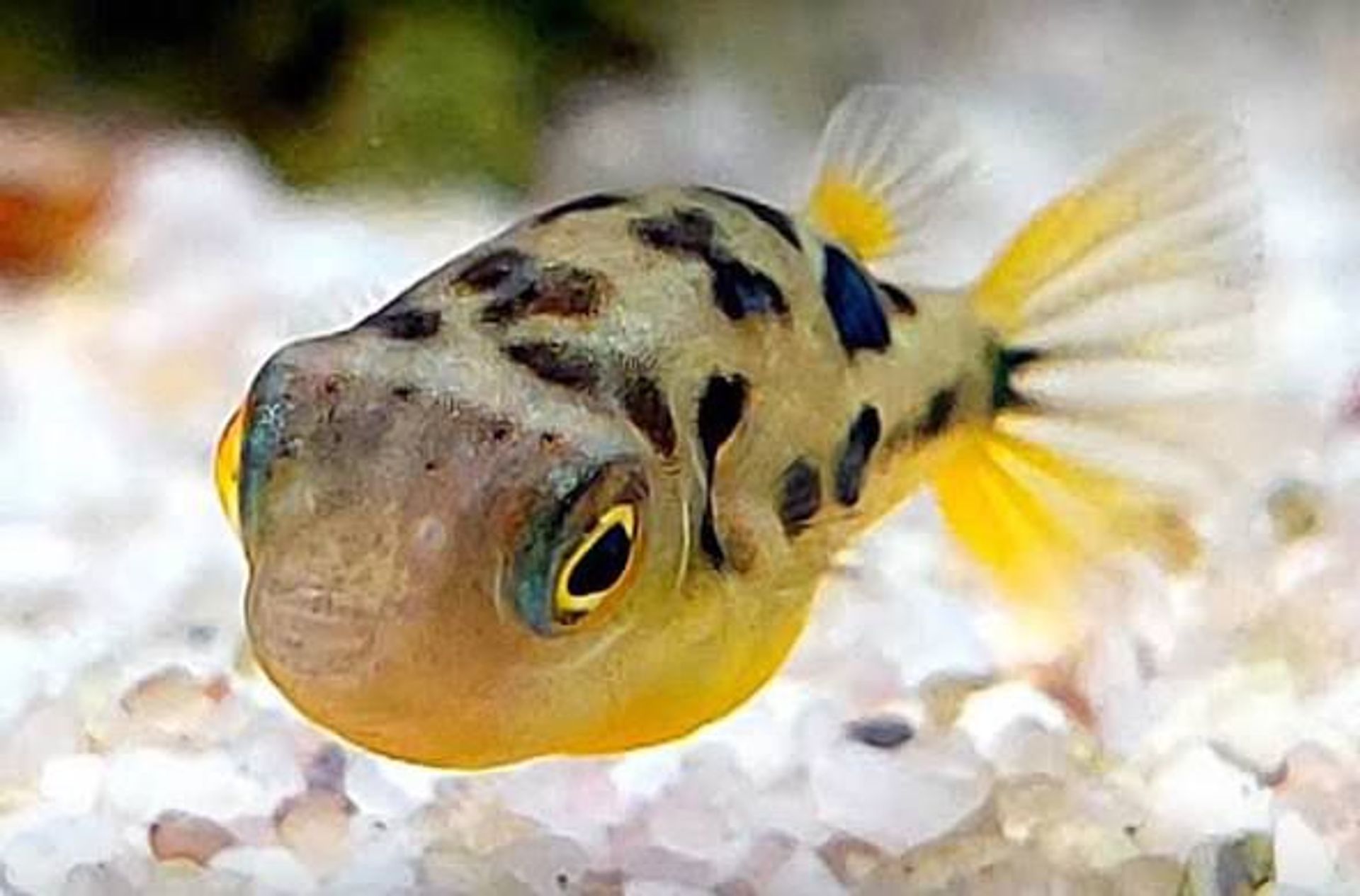
Tankmates: Species-only tank recommended. Puffers eat snails, shrimp and crabs and nip fins of most tankmates.
Feeding: Hard-shelled food (snails, shellfish) is needed to wear down the continuously growing beak. Pea puffers often refuse anything not live or frozen. Large puffers can be overfed easily.
1–3 of 3
Puffer fish, known in Malay as ikan buntal, are among the most characterful fish you can keep. They have expressive eyes, swim like little helicopters and quickly learn to beg at the glass. Some species live in fresh water, while others need brackish water as they grow, and Southeast Asia, including Malaysia, is home to several native freshwater puffers.
Puffers suit keepers who are happy to plan a species-focused tank, as most are nippy or territorial. FishyHub lists freshwater puffers from Malaysian aquarium shops and sellers, with prices in RM.
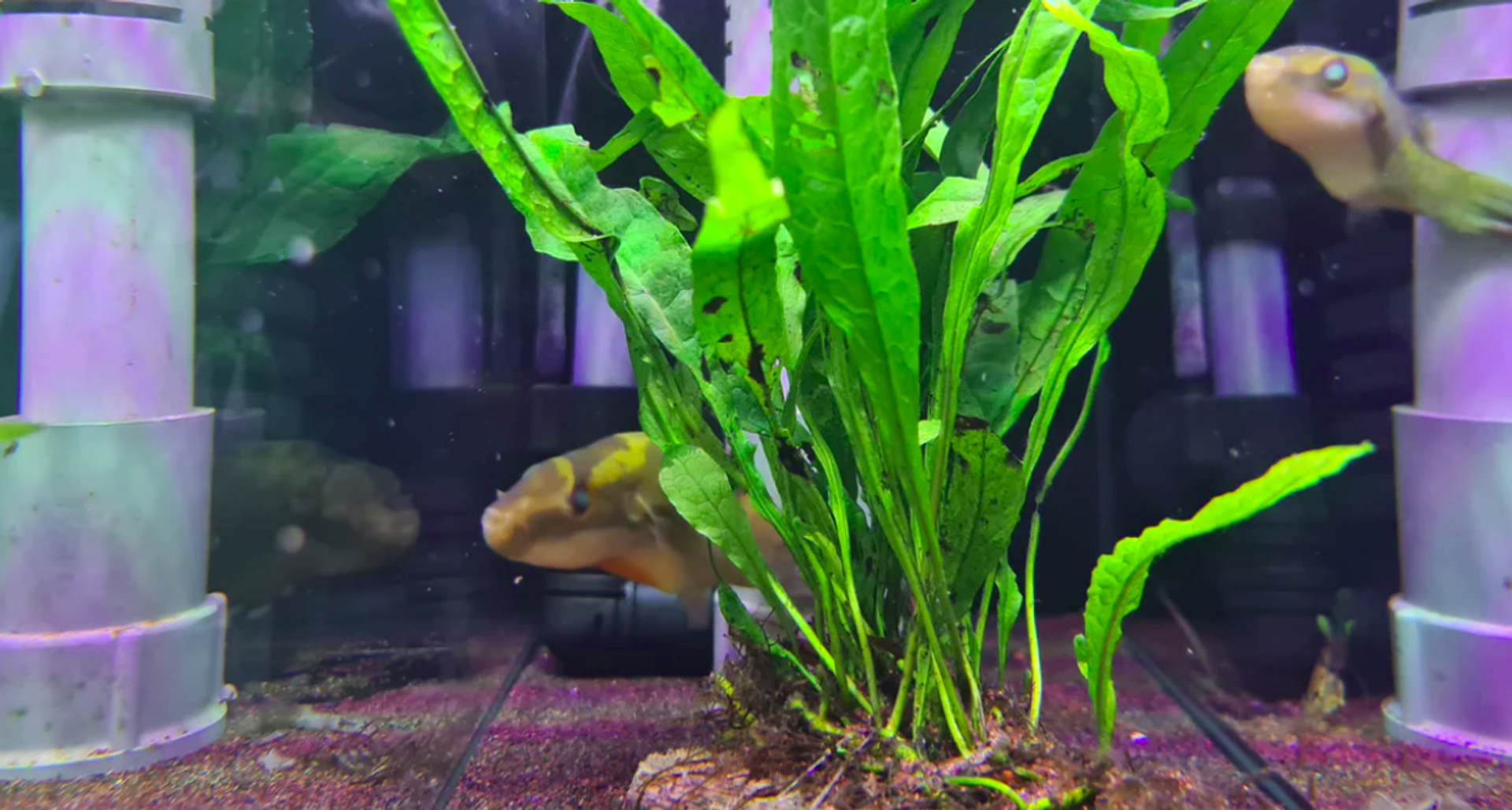
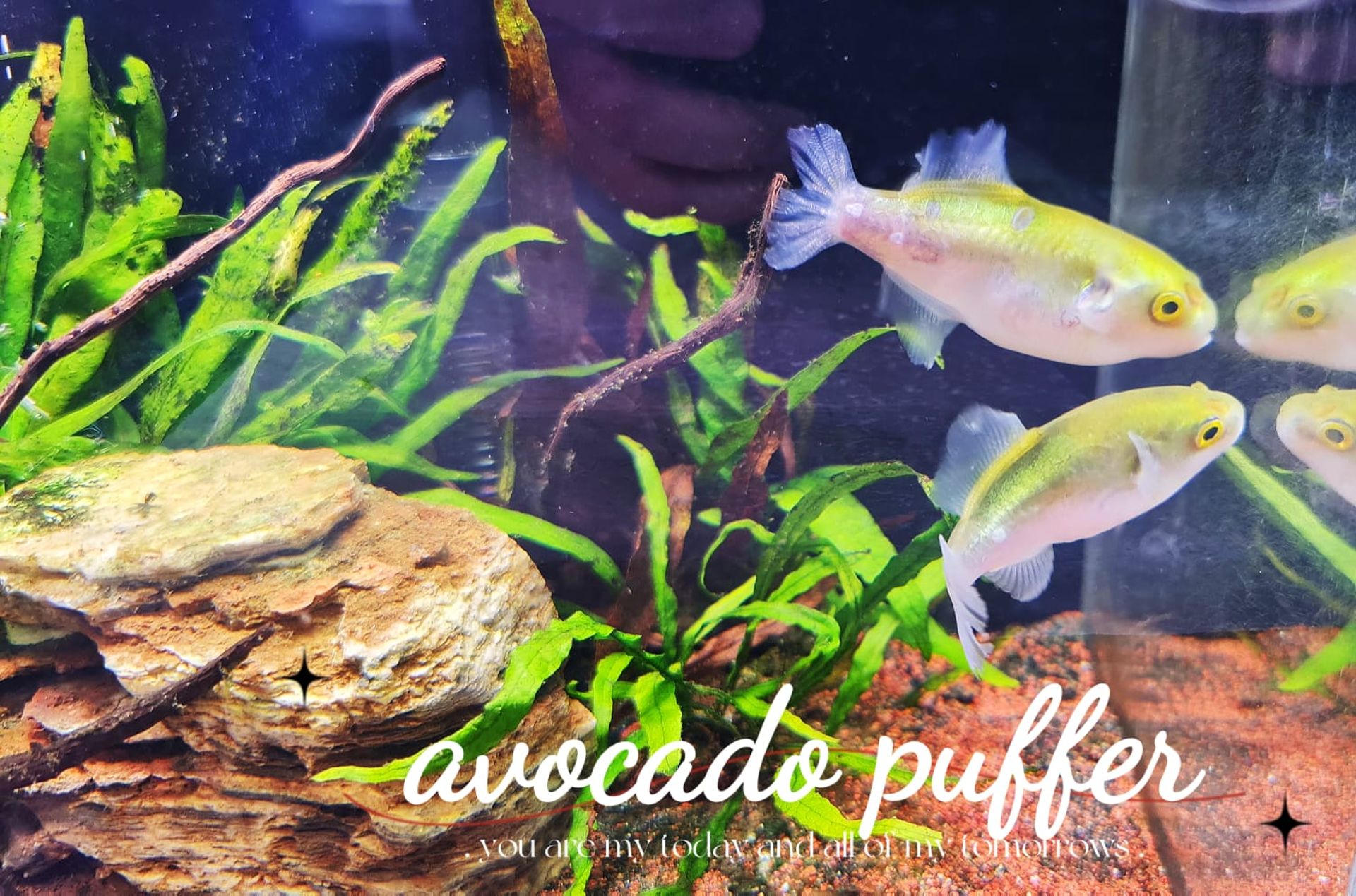
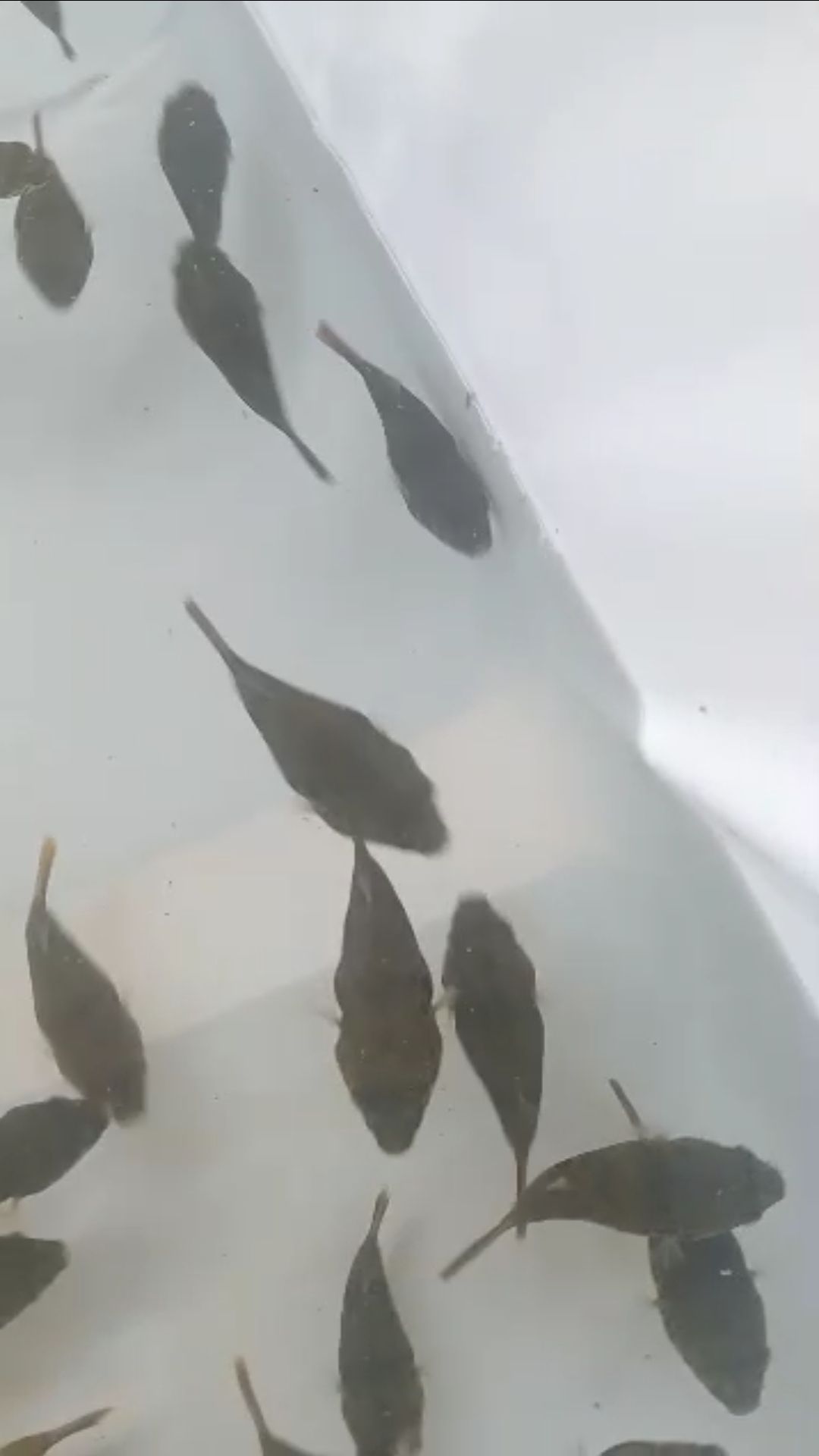
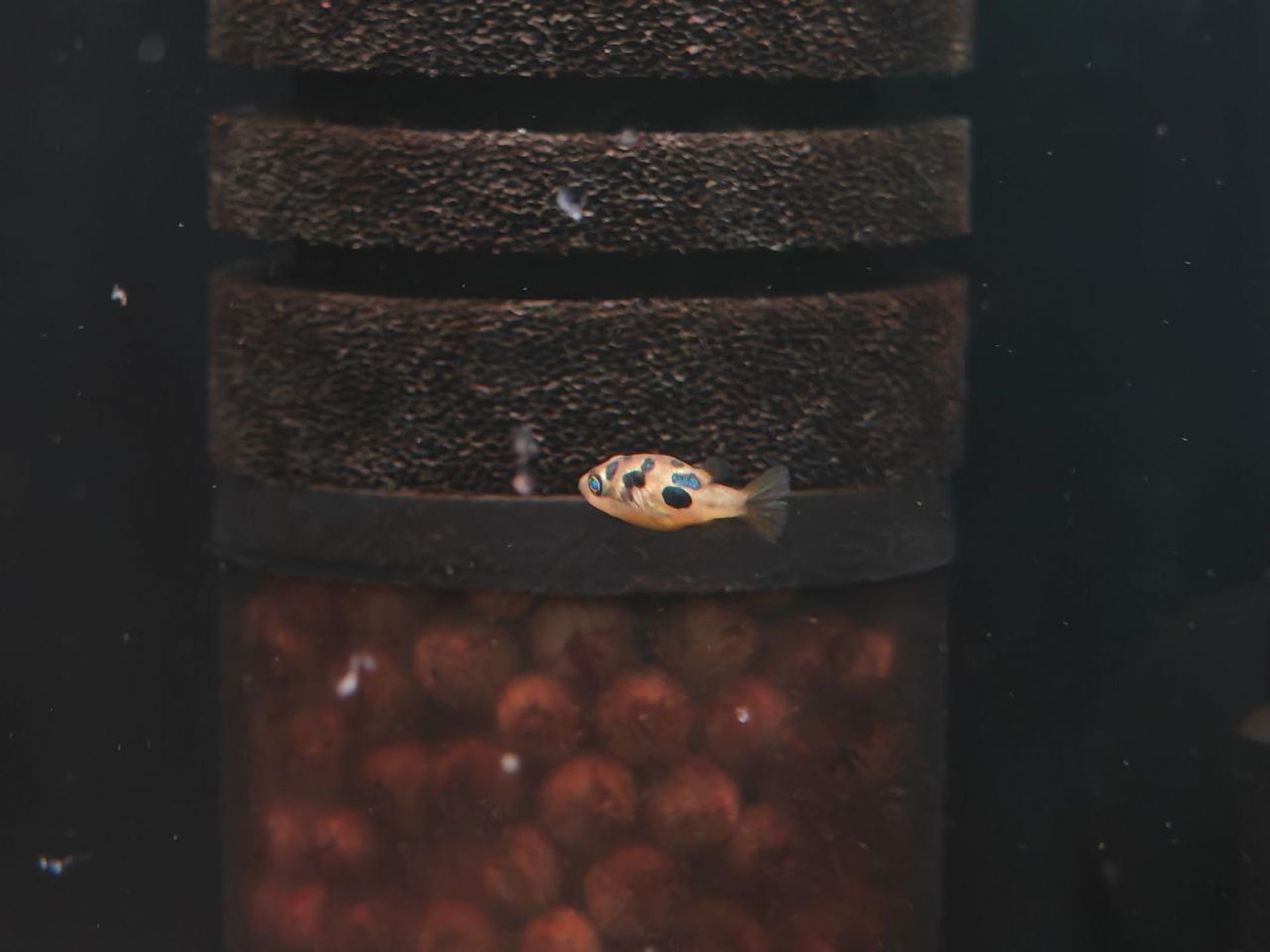
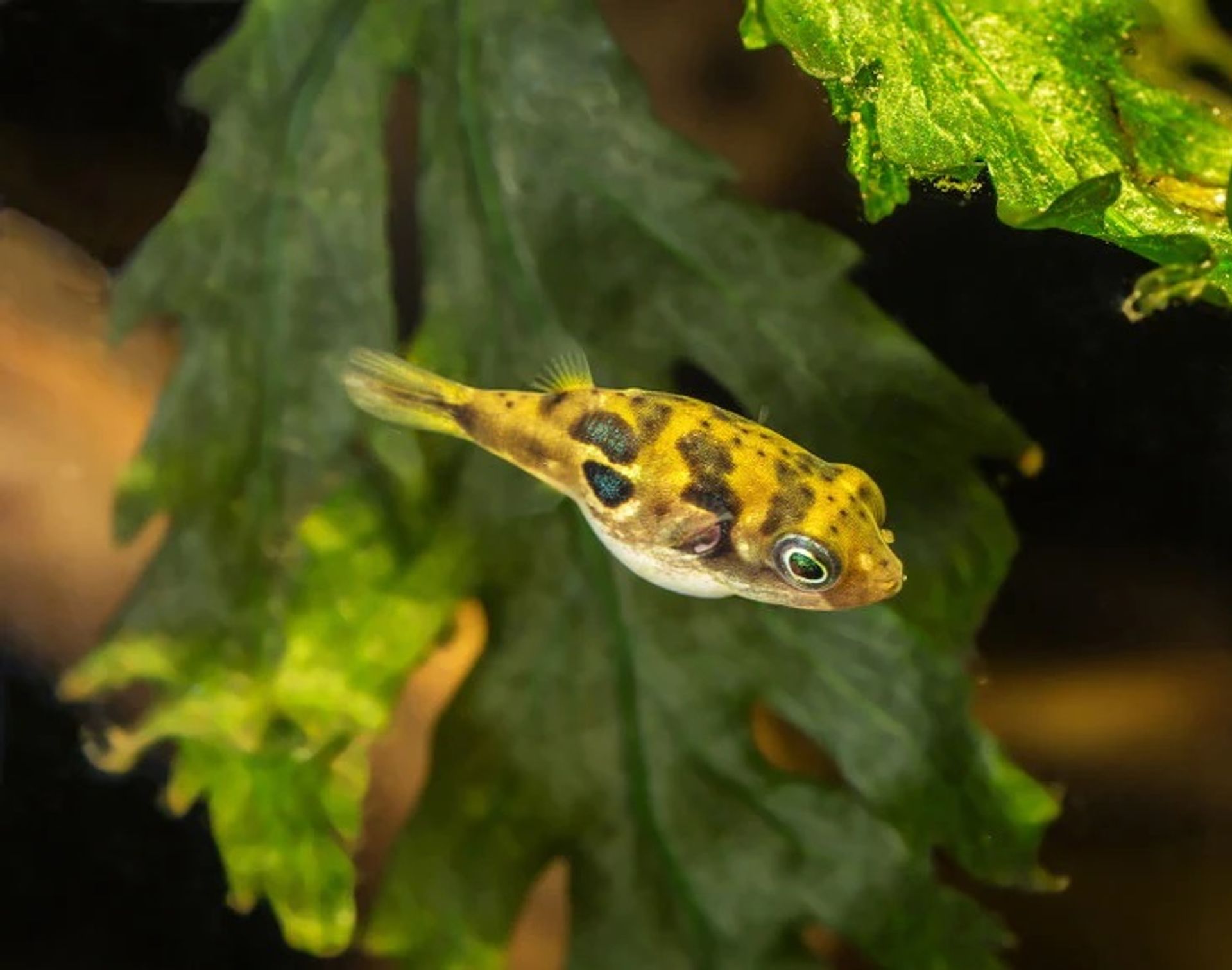
At about 2.5 cm, the pea puffer is the smallest puffer in the hobby and a true freshwater fish. It suits planted nano tanks, but males can be territorial and it nips slow, long-finned fish.
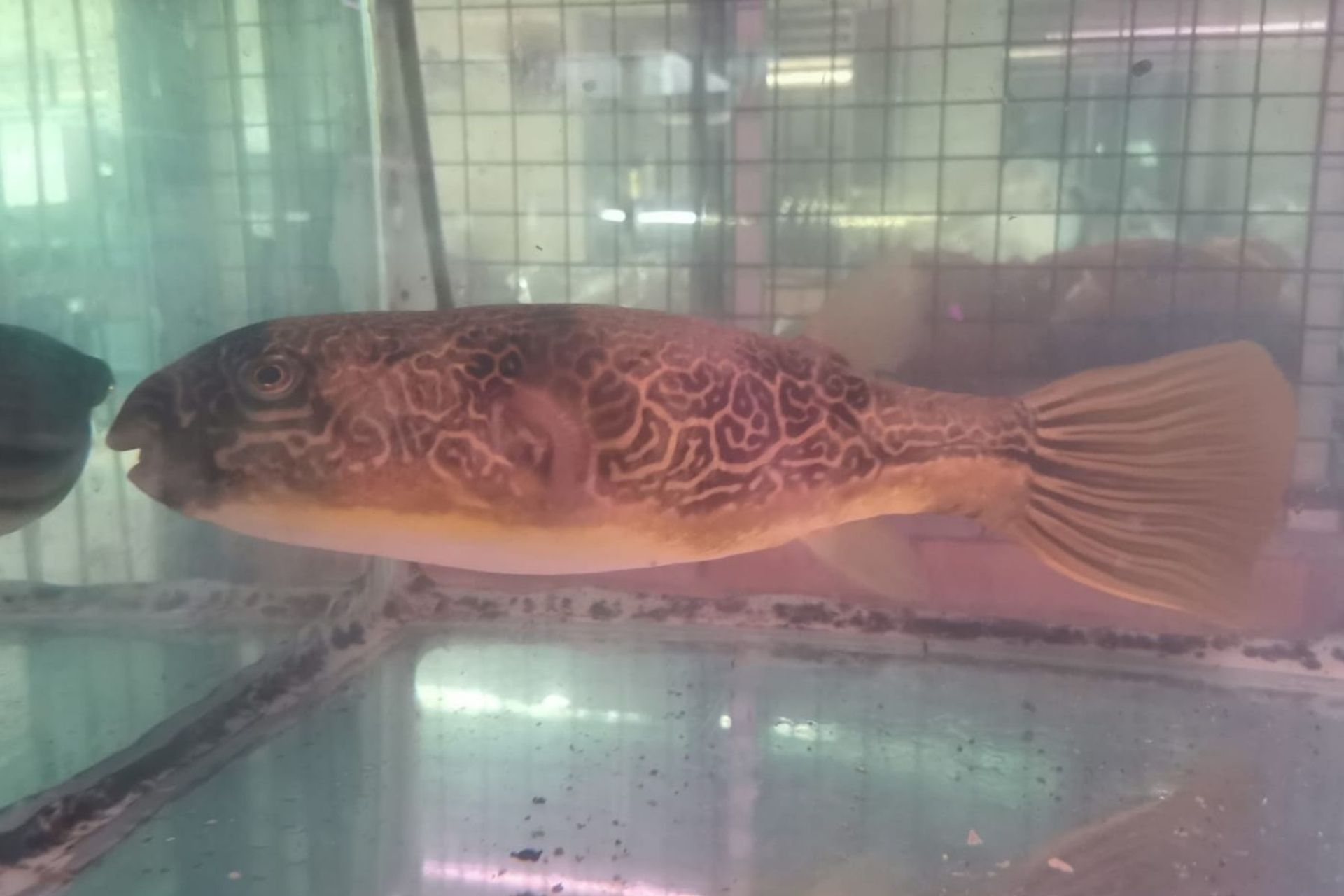
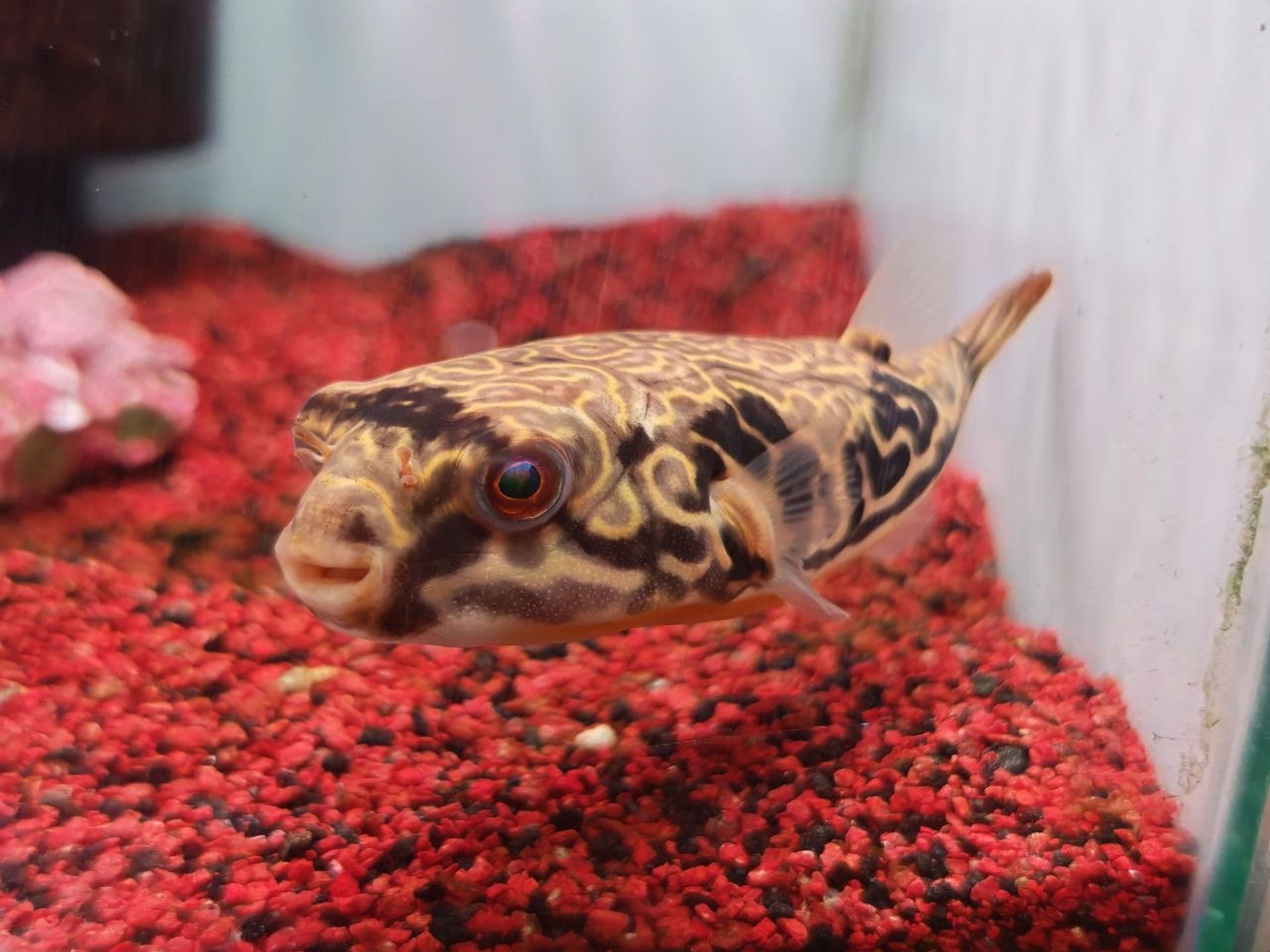
A small Southeast Asian puffer with a figure-of-eight pattern on its back. Juveniles are often sold in fresh water, but adults do best in brackish water.
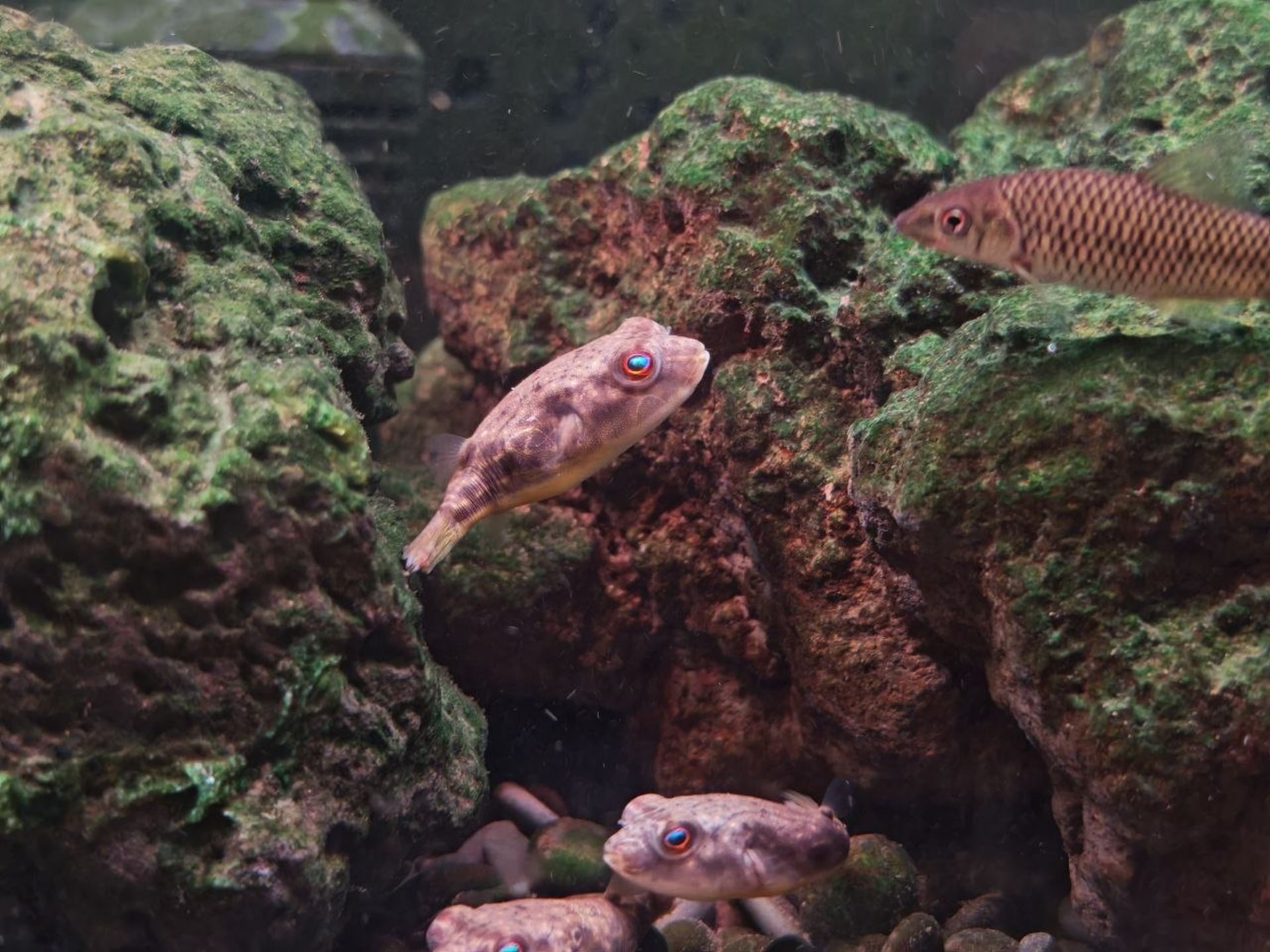
A large African freshwater puffer that can reach 40 cm. Intelligent and personable, but aggressive, so it must be kept alone in a big tank.
One of the biggest freshwater puffers, growing well over 50 cm. It needs a huge custom tank and serious filtration, so it is a fish for very committed keepers only.
You may also see red-eye puffers and various Pao species from Southeast Asian rivers. Many are ambush predators best kept alone. Ask for the scientific name, as common names overlap.
| Species | Temperature | Minimum tank | Water | Temperament | Beginner? |
|---|---|---|---|---|---|
| Pea puffer | 24–28°C | 1 kaki (30 cm, 12–15 L) for one; 2 kaki (55–65 L) for a small group | Fresh | Nippy, territorial | Intermediate |
| Figure 8 puffer | 24–28°C | 2 kaki (60 cm, 55–65 L) | Low brackish | Semi-aggressive | Intermediate |
| Fahaka puffer | 24–28°C | 4 kaki (120 cm, 230–270 L) for one adult | Fresh | Aggressive, solitary | No |
| Mbu puffer | 24–28°C | Well beyond 6 kaki (550–650 L) | Fresh | Solitary | No |
Malaysian room temperatures of 26–31°C are usually fine for puffers, but on very hot days add aeration, as puffers are messy eaters and warm, dirty water quickly loses oxygen.
Puffers have beak-like teeth that keep growing. Crunchy foods such as snails, and shelled foods like small clams or prawns with shell on, help wear the beak down. Pea puffers love small pest snails (many keepers breed ramshorn or bladder snails for them), along with frozen cacing darah (bloodworm) and artemia. Most puffers ignore dry pellets. An overgrown beak stops a puffer eating and may need trimming by an experienced keeper.
Look for a rounded, not sunken, belly and bright eyes. Ask the seller what the puffer eats now and, for brackish species, what salinity it is kept in. Check whether the photo shows the actual fish, the current size, and the seller's delivery or self-collect options and live-arrival policy. Pea puffers are usually the most affordable in RM, while large or rarer species cost more.
Ikan buntal air tawar suka makan siput kecil, cacing darah, artemia dan udang atau kerang kecil. Makanan keras seperti siput membantu menjaga gigi ikan buntal supaya tidak terlalu panjang.
Kebanyakan ikan buntal suka gigit sirip ikan lain, jadi lebih selamat dibela seekor atau sesama spesies. Pea puffer boleh dicuba dengan ikan yang laju dan kecil dalam akuarium yang banyak pokok.
Usually not. Most puffers, including pea puffers, will hunt shrimp, especially small ones.
They are often sold in fresh water, but they are brackish fish and live longer, healthier lives with some salt.
Compare pea, figure 8, fahaka and other ikan buntal from Malaysian sellers, with prices in RM. Stock up on frozen foods, aquarium snails and a strong filter before your puffer comes home.