

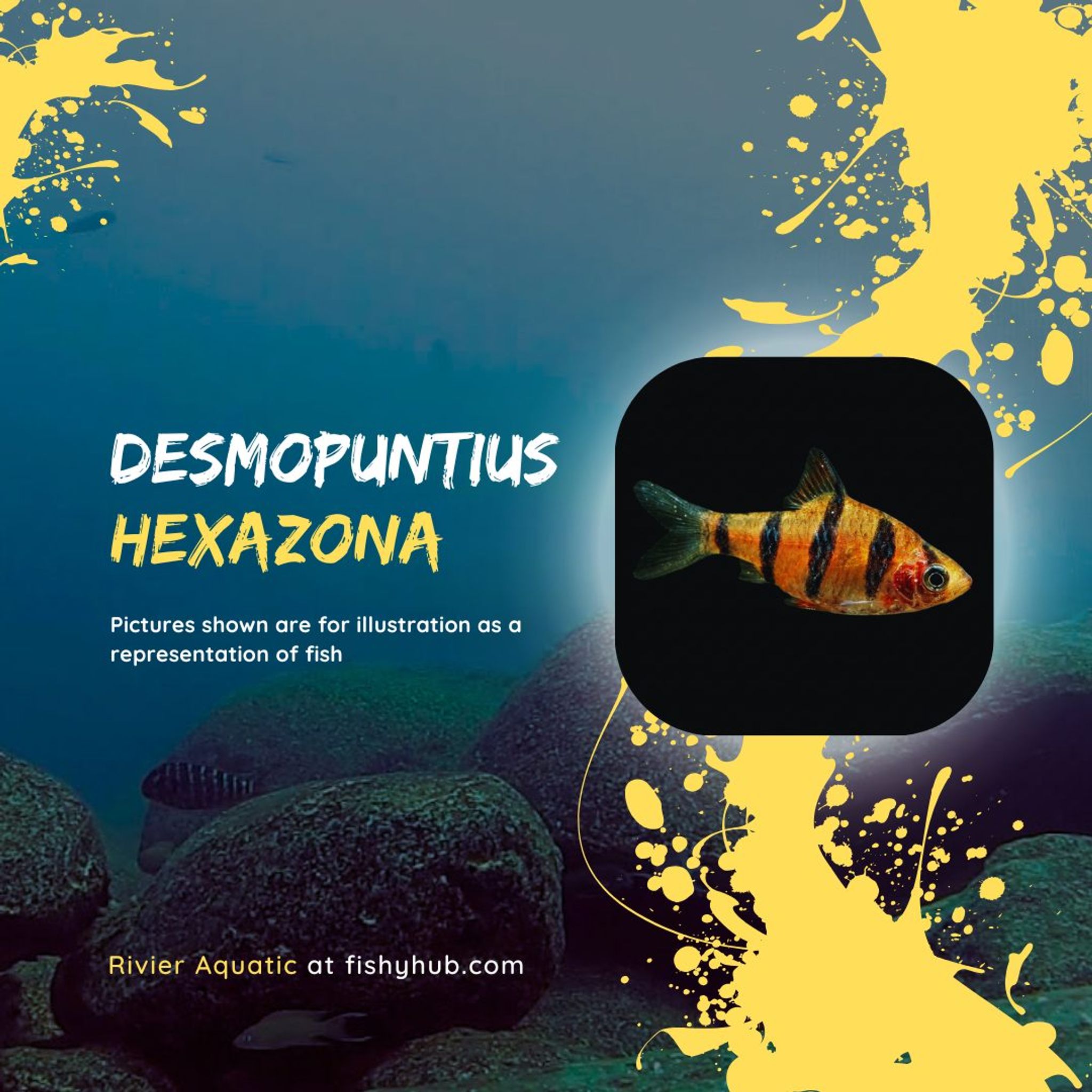
Click to enlarge
Unless stated otherwise, photos show the species, not the exact fish you'll receive.
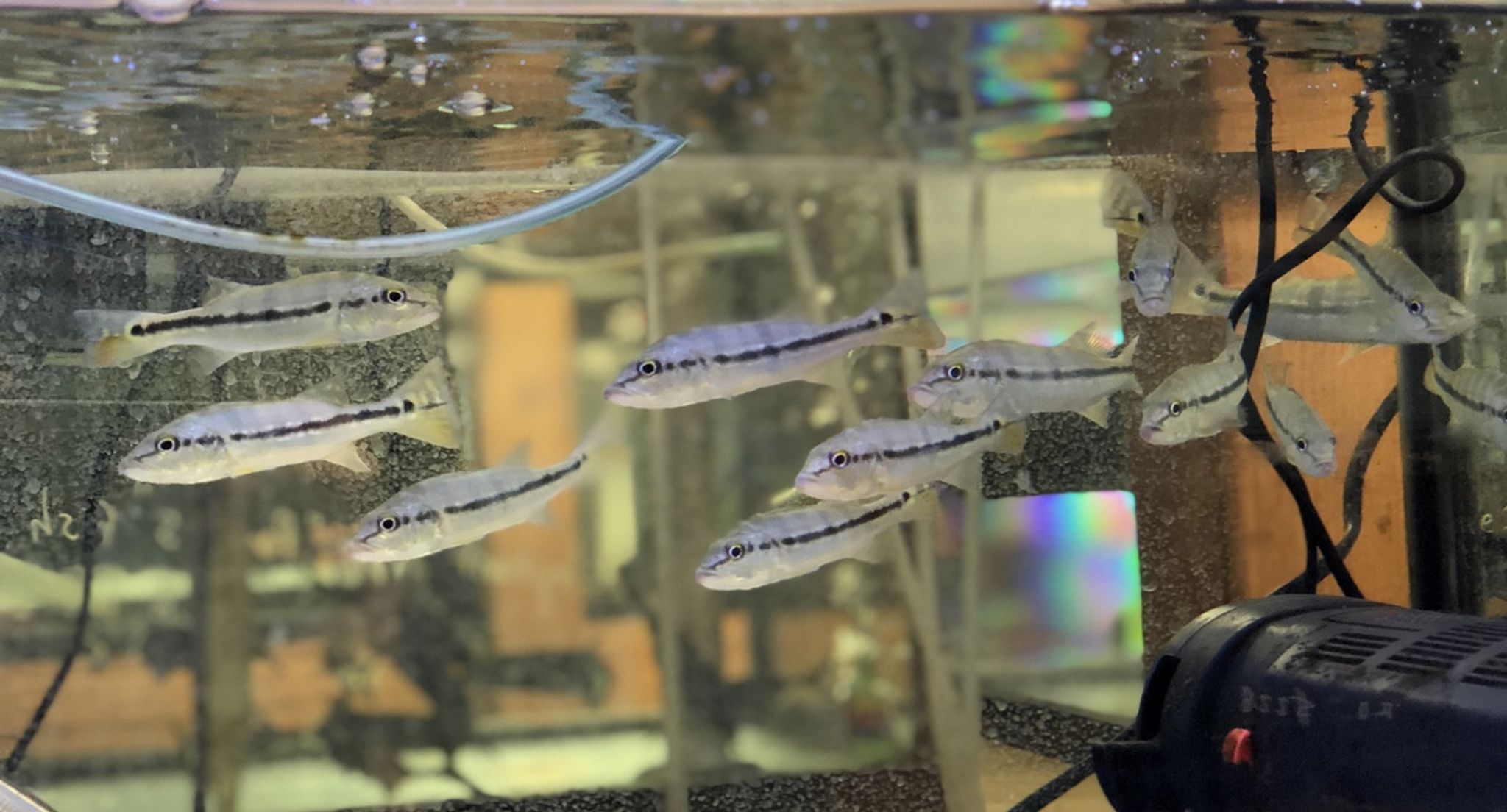
Six Banded Barb (Desmopuntius Hexazona)
USD 68.00
Delivery Information
Dead-on-arrival protection: report within 24 hours of delivery with a photo or video for an exchange or return.
Product Variations
Quantity
Stock: 10
Product Details
Size
3cm - 7cm
Temperament
Peaceful
WYSIWYG
Representative Photo Only
Product Description
Learn More About Six Banded Barb (Desmopuntius Hexazona)

Where Aquarium Fish Are Cheapest in America
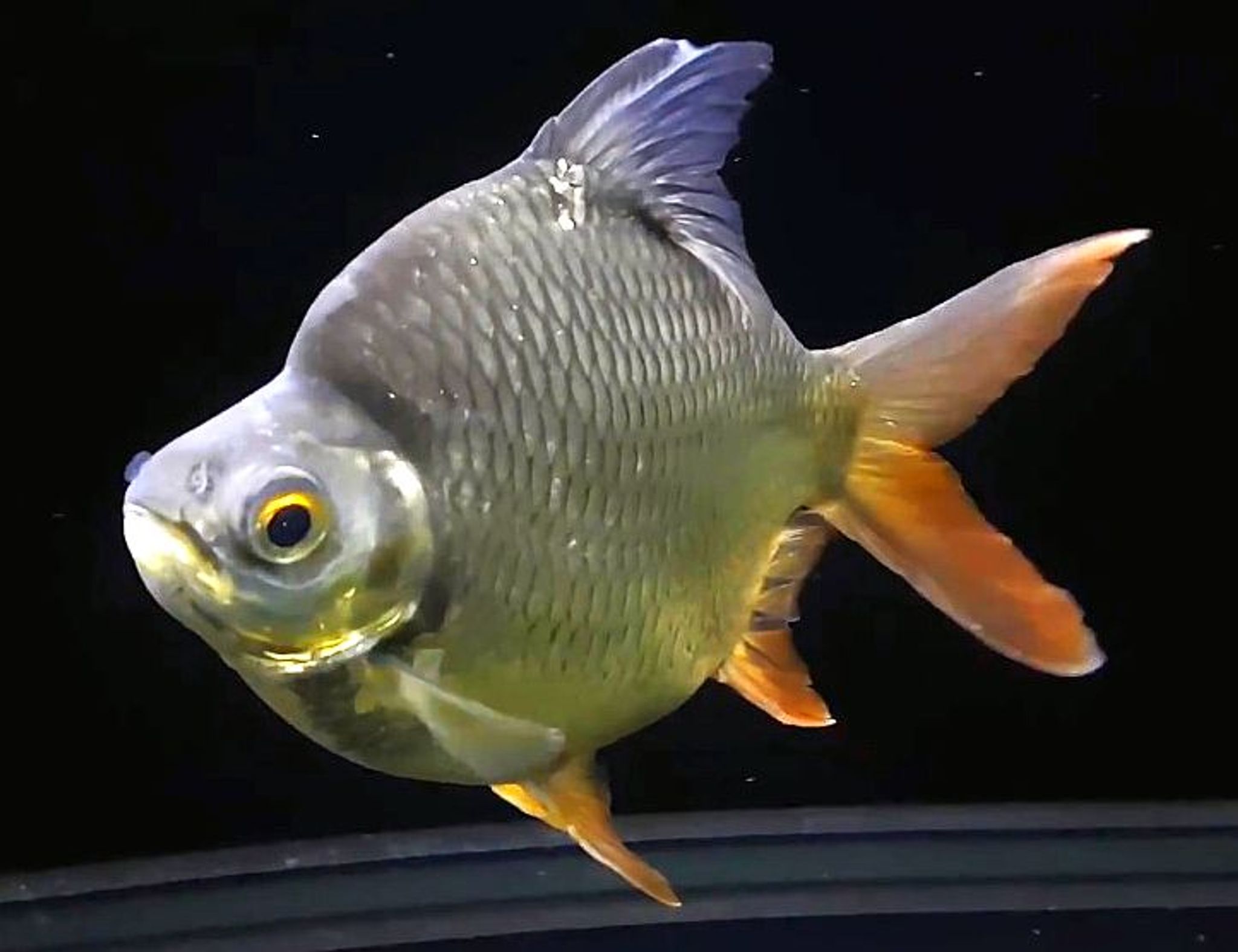
What Do Odessa Barb Eat? A Practical Feeding Guide

What Do Rosy Barb Eat? A Practical Feeding Guide
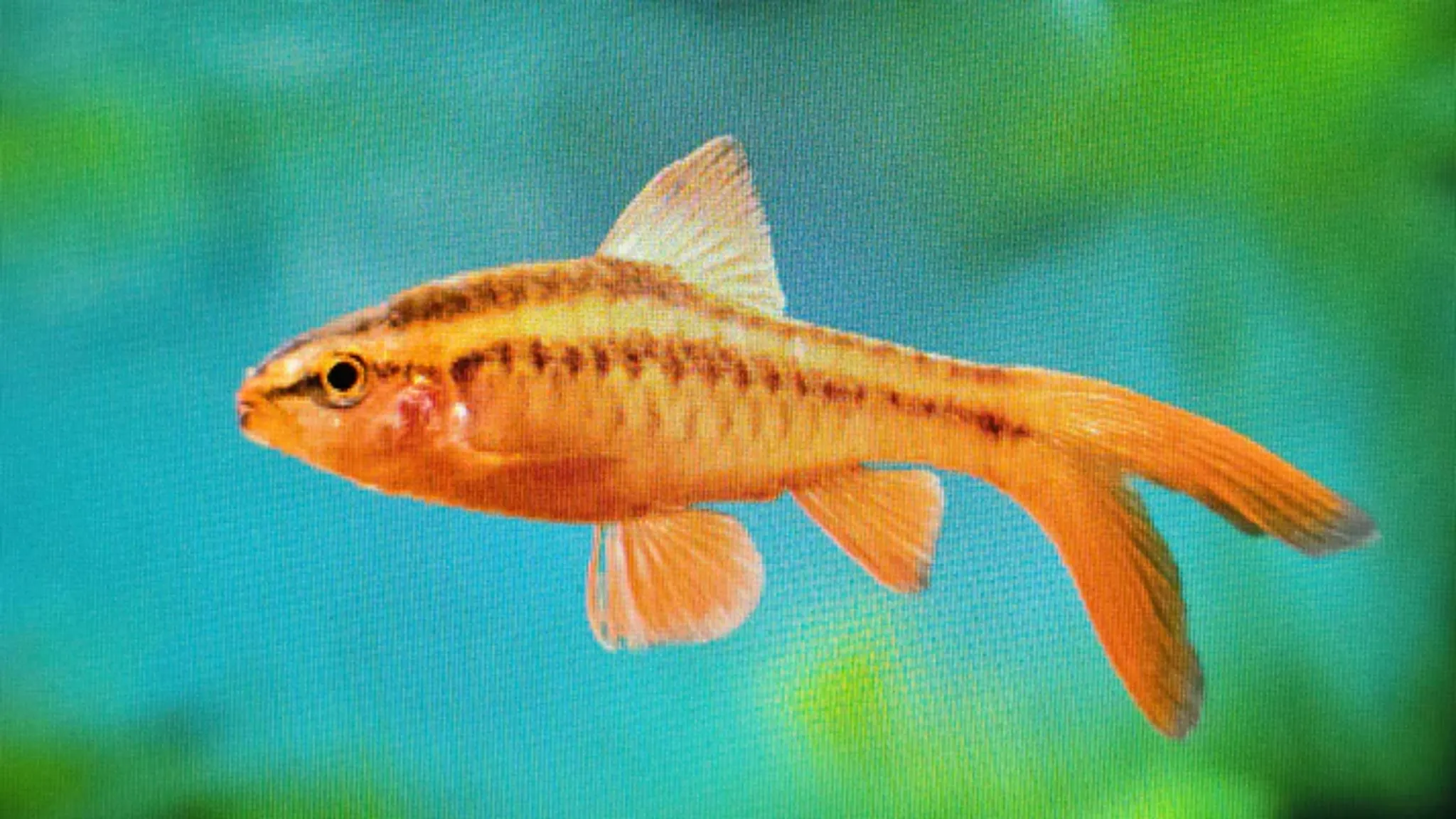
What Do Denison Barb Eat? A Practical Feeding Guide
What Do Cherry Barb Eat? A Practical Feeding Guide

How Big Do Odessa Barb Get? Growth Rate, Adult Size and Tank Planning
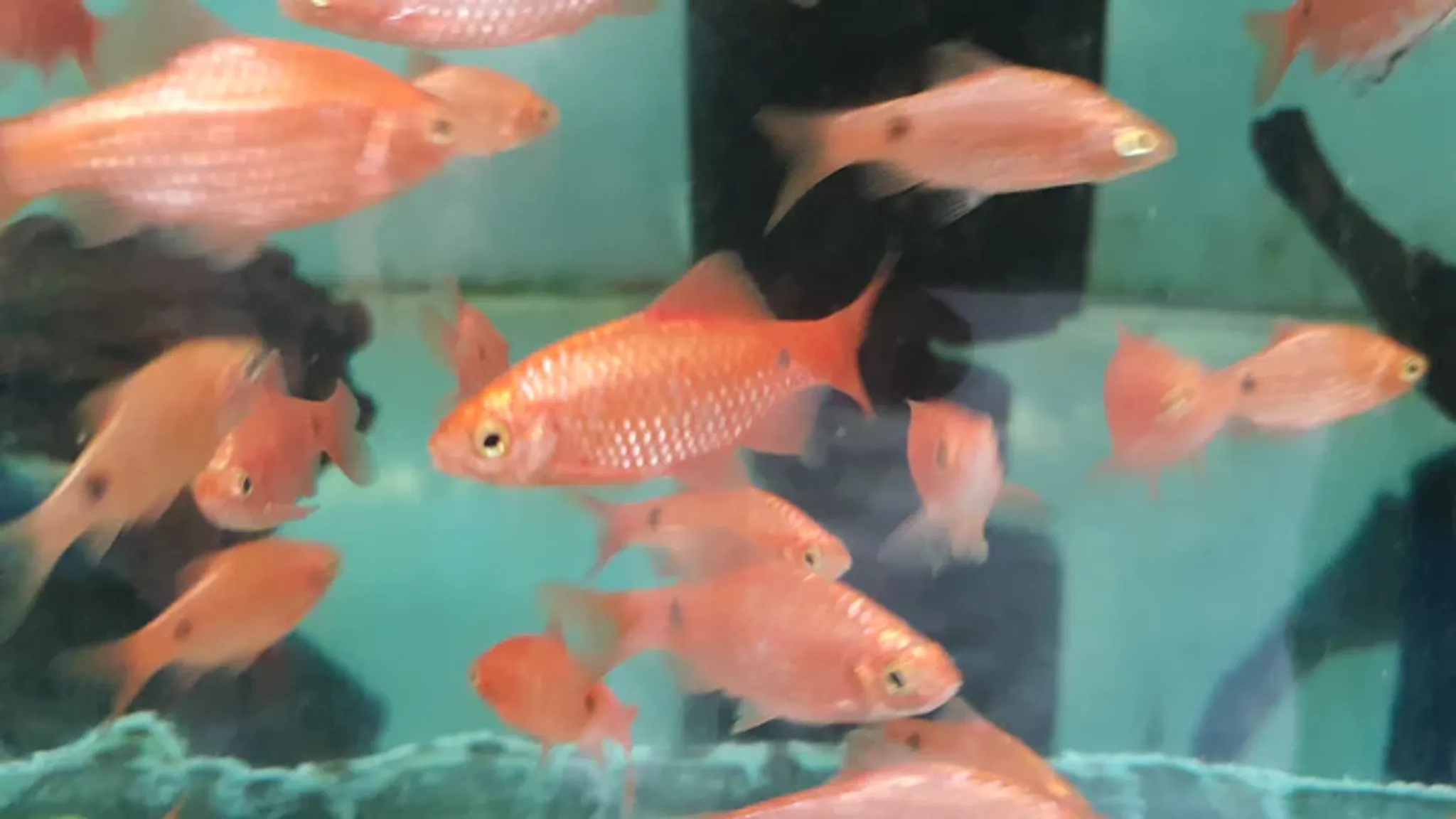
How Big Do Rosy Barb Get? Growth Rate, Adult Size and Tank Planning
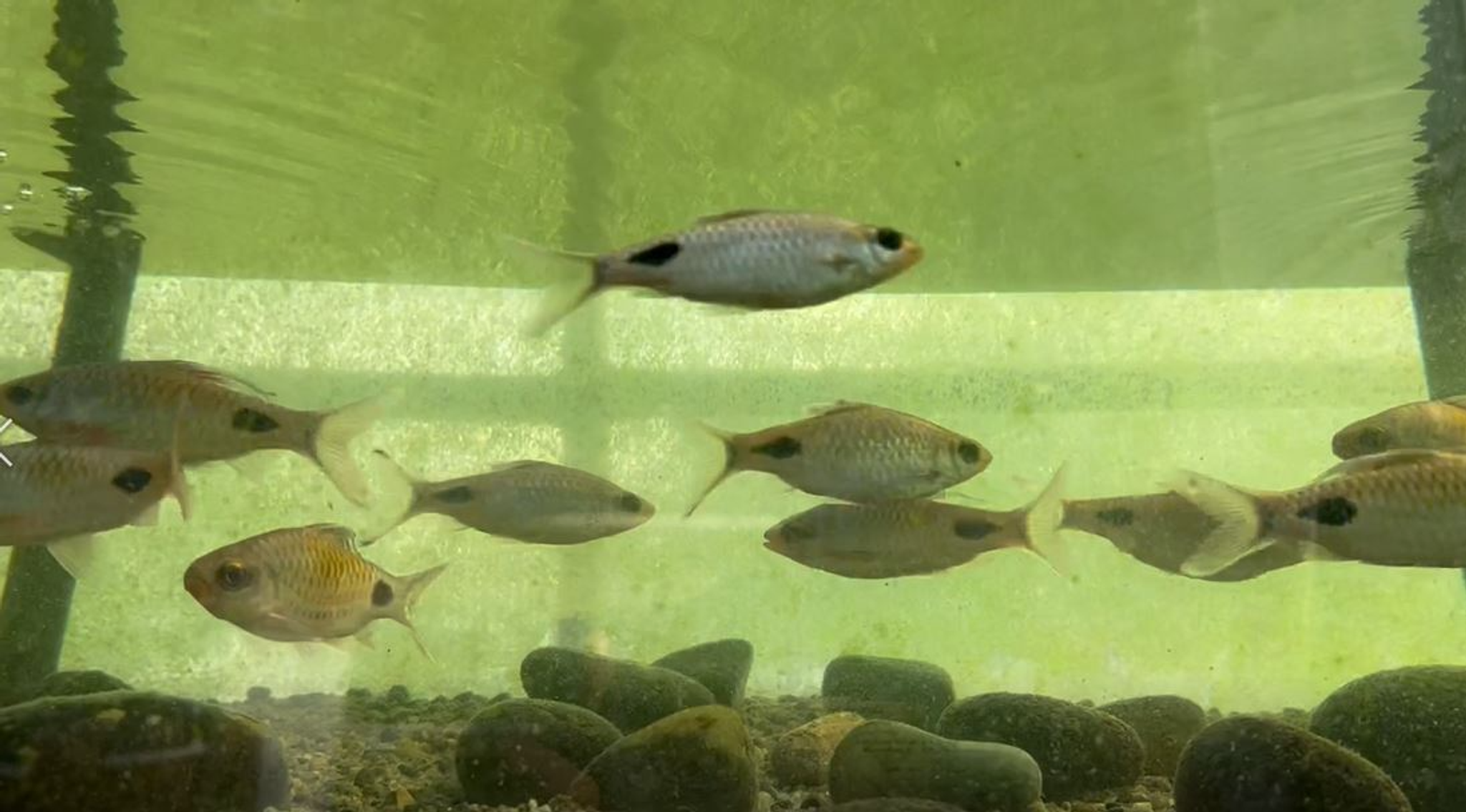
How Big Do Denison Barb Get? Growth Rate, Adult Size and Tank Planning
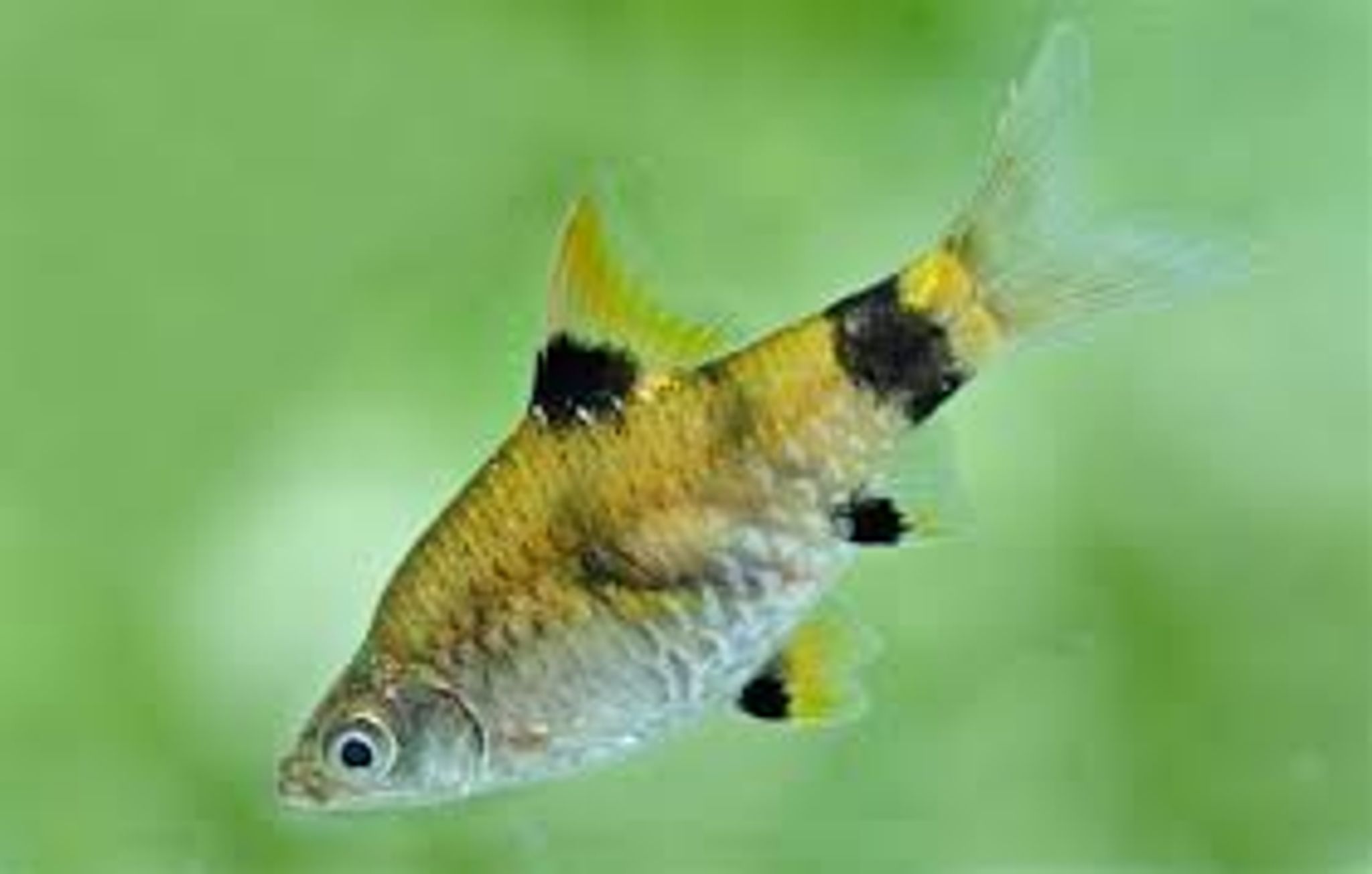
How Big Do Cherry Barb Get? Growth Rate, Adult Size and Tank Planning
What Do Tiger Barb Eat? A Practical Feeding Guide
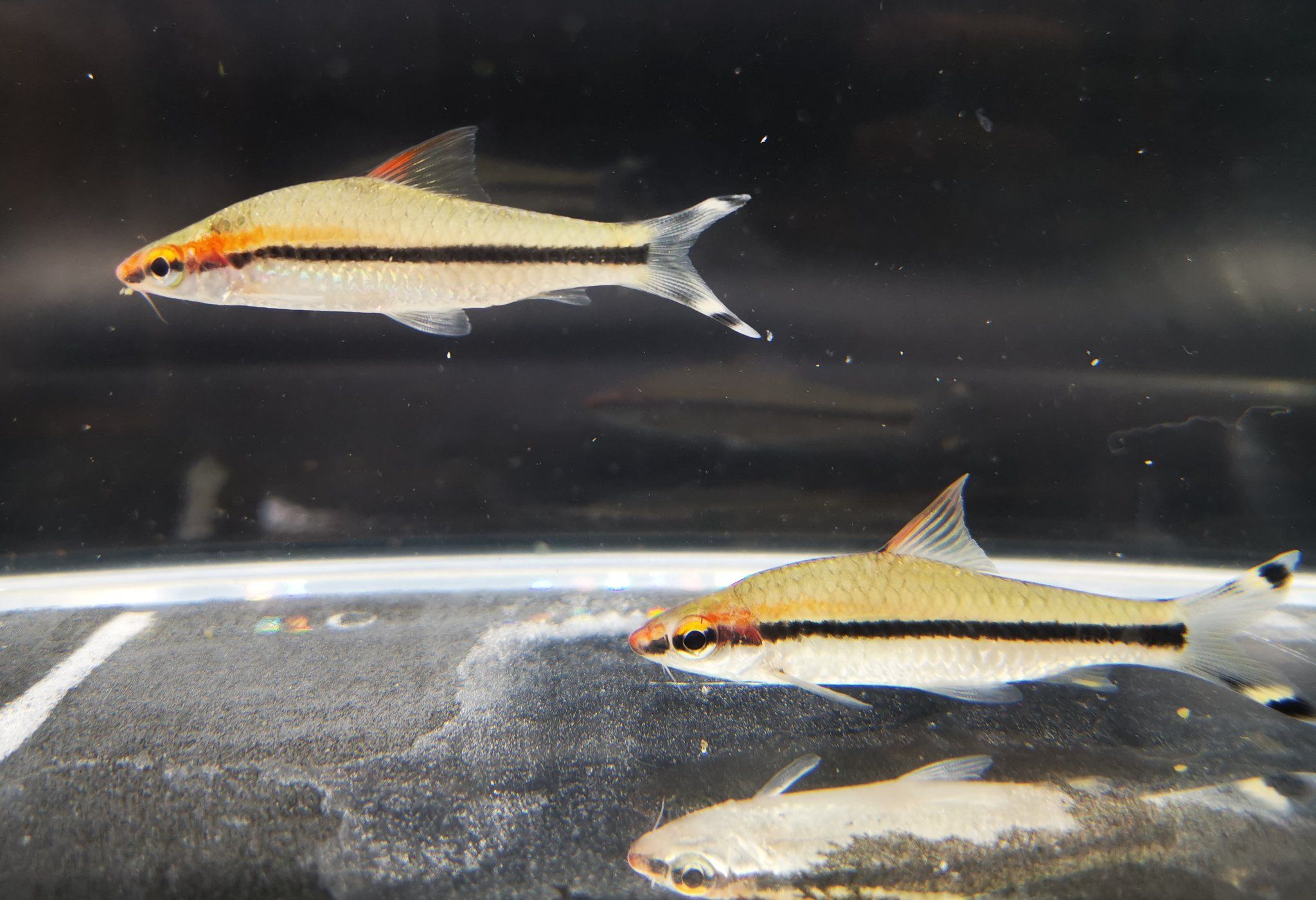
How Big Do Tiger Barb Get? Growth Rate, Adult Size and Tank Planning
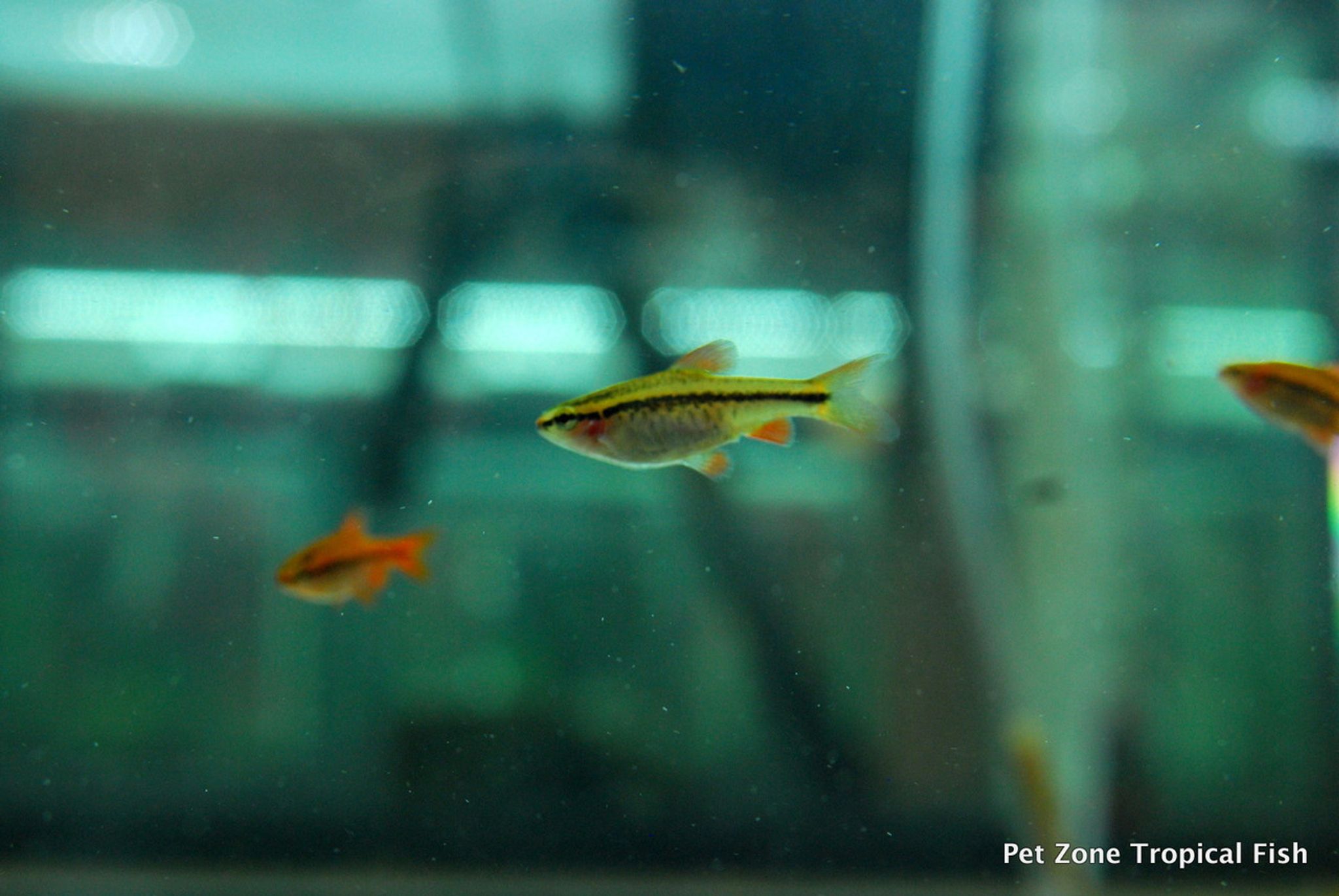
Odessa Barb Care Guide: Tank Size, Diet, Water Parameters and Temperament
More from Rivier Aquatic
Rivier Aquatic
Suitable Tank Mates for Six Banded Barb (Desmopuntius Hexazona)
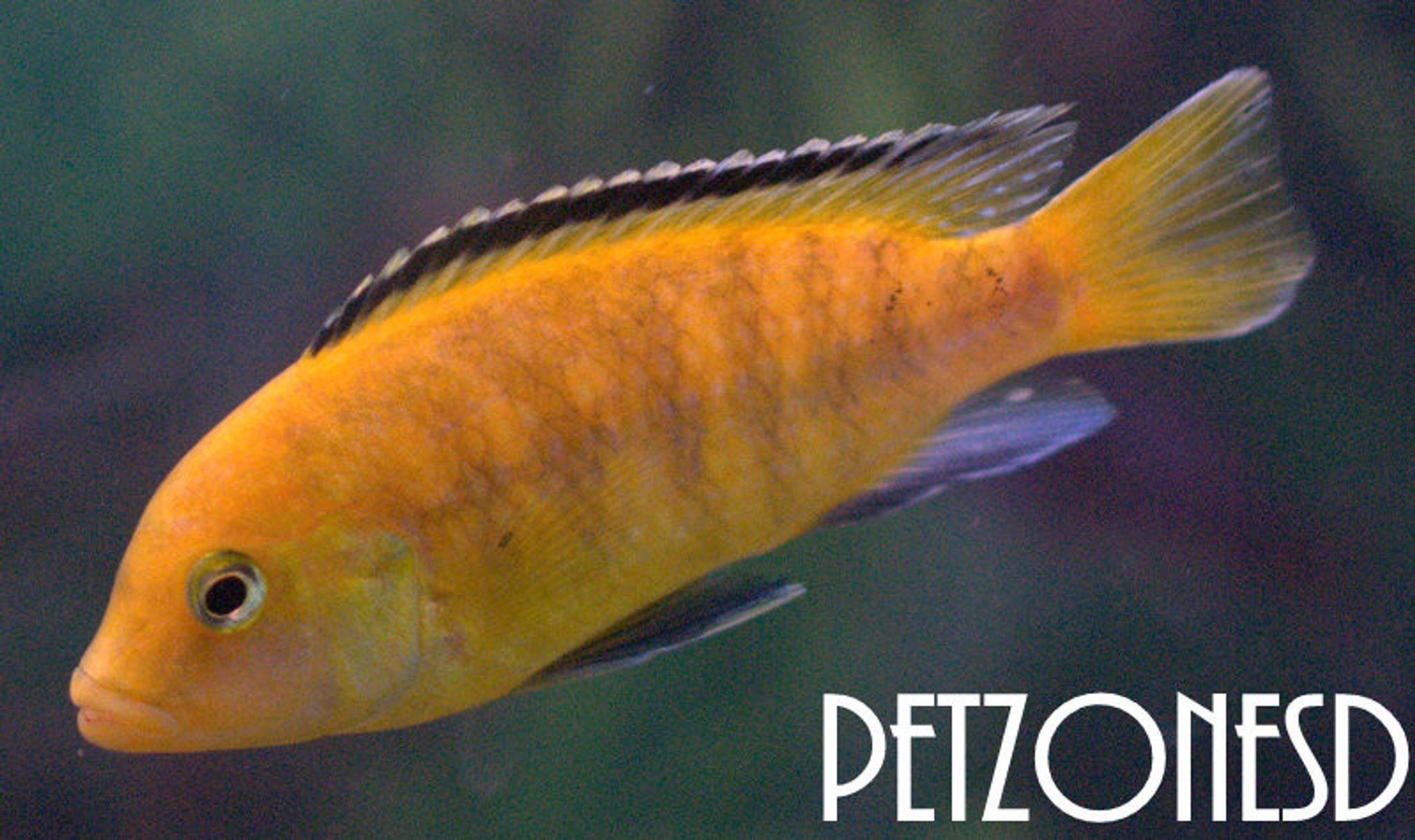
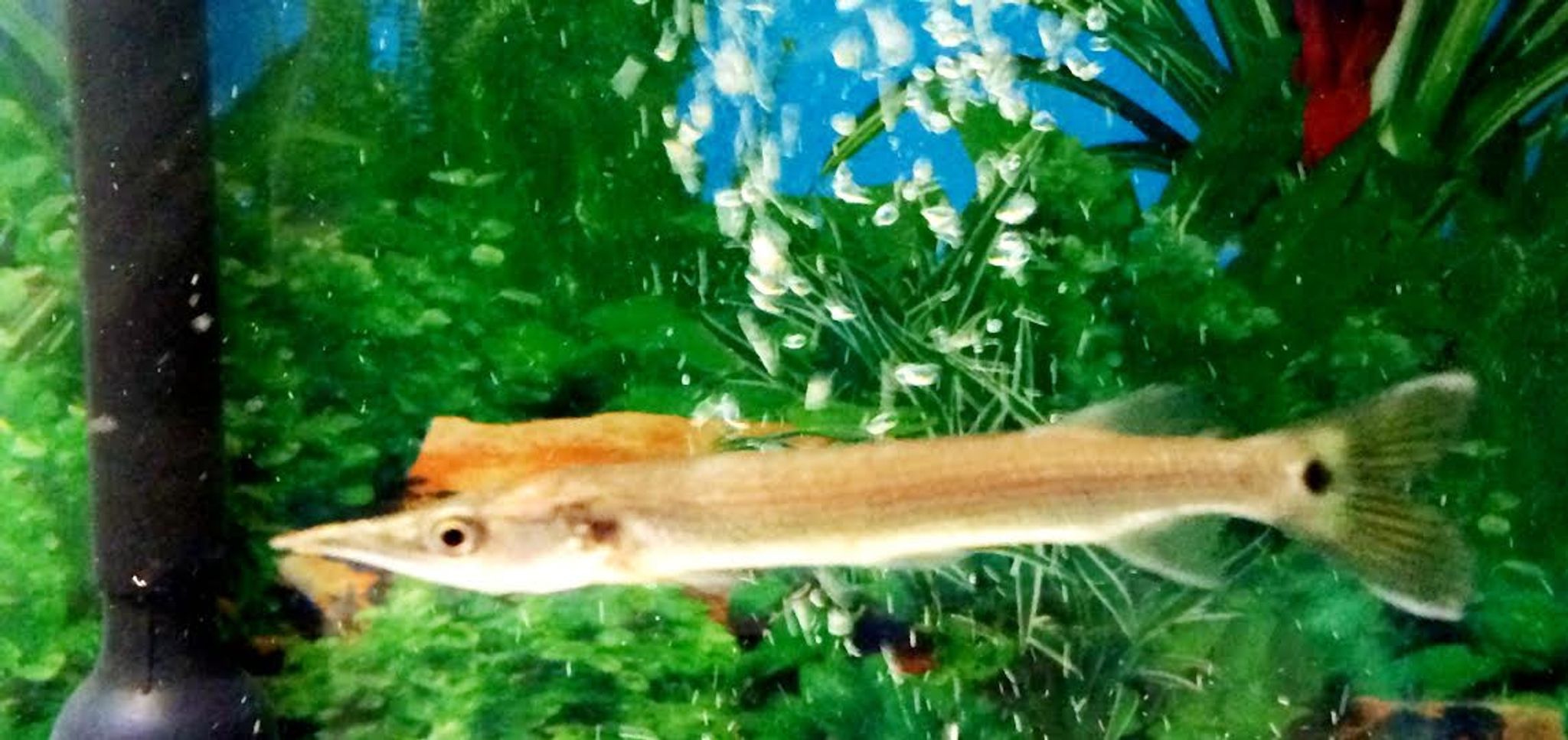
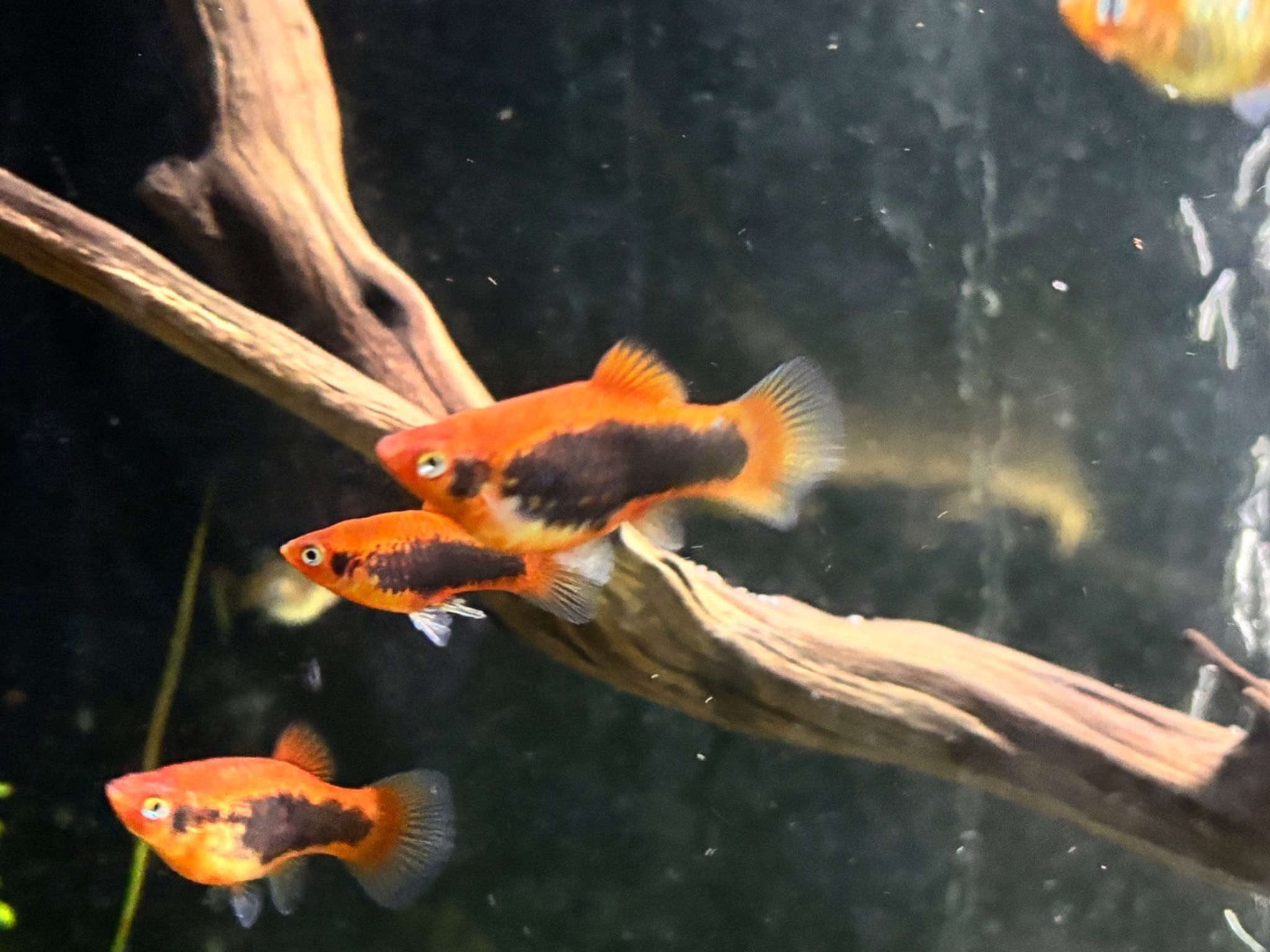
Similar Other Tropical Fishes You May Like

Tiger Barb, Large
USD 7.49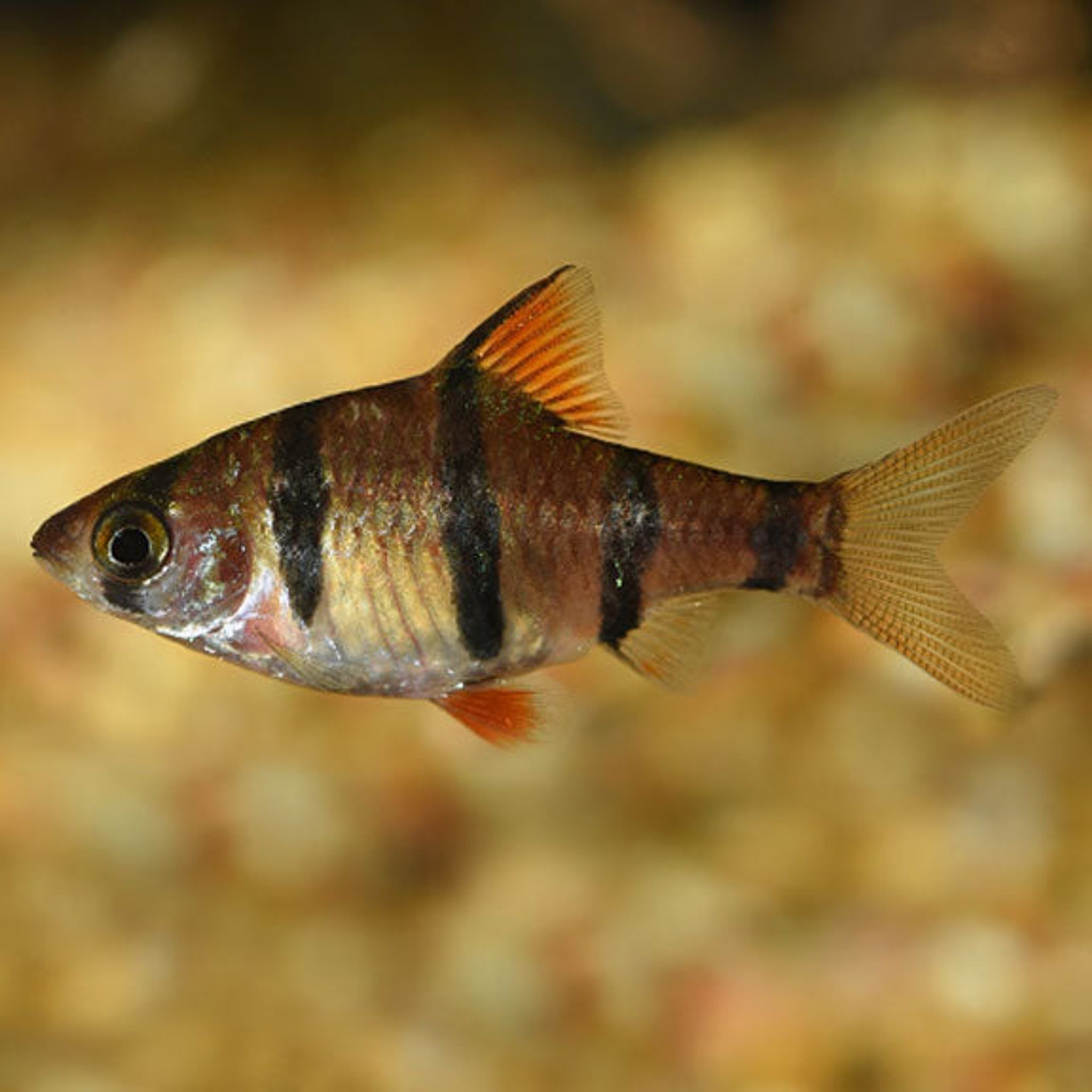
Hexazon Barb (Puntius pentazon..
USD 12.49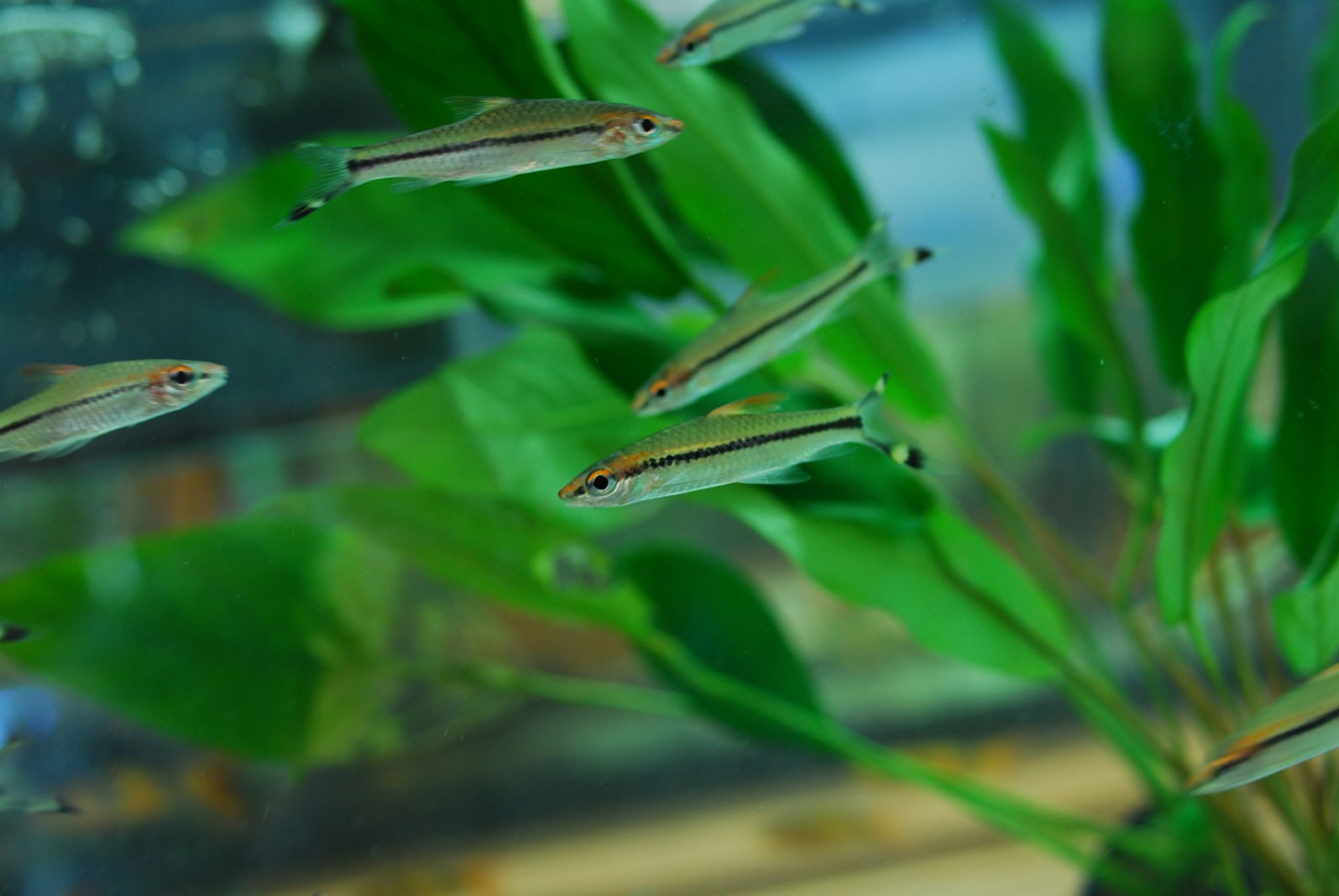
Roseline Shark Torpedo Barb (D..
USD 16.24
Green Barb
USD 4.99
XL Roseline Shark Torpedo Barb..
USD 21.24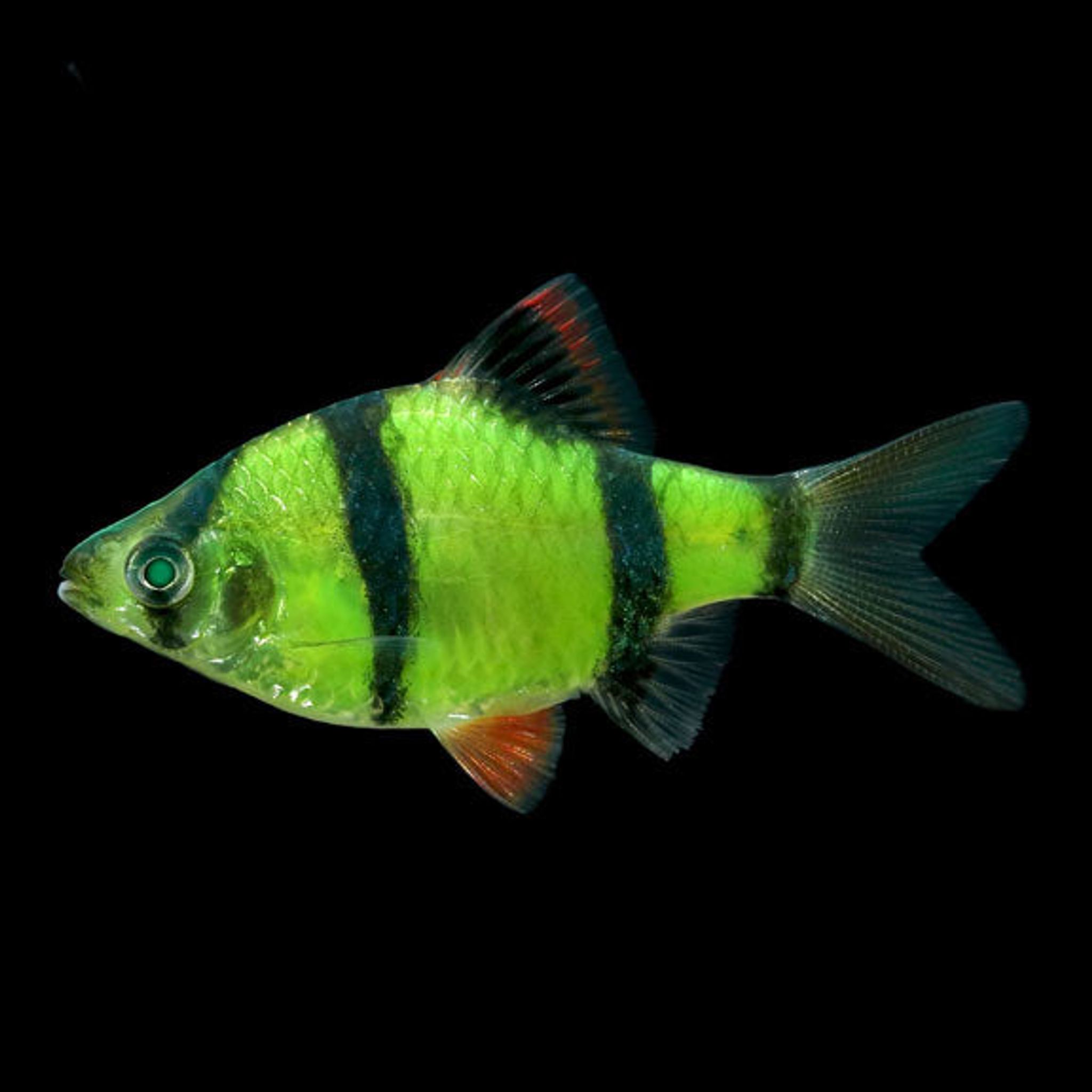
GloFish®, Electric Green® Barb..
USD 12.50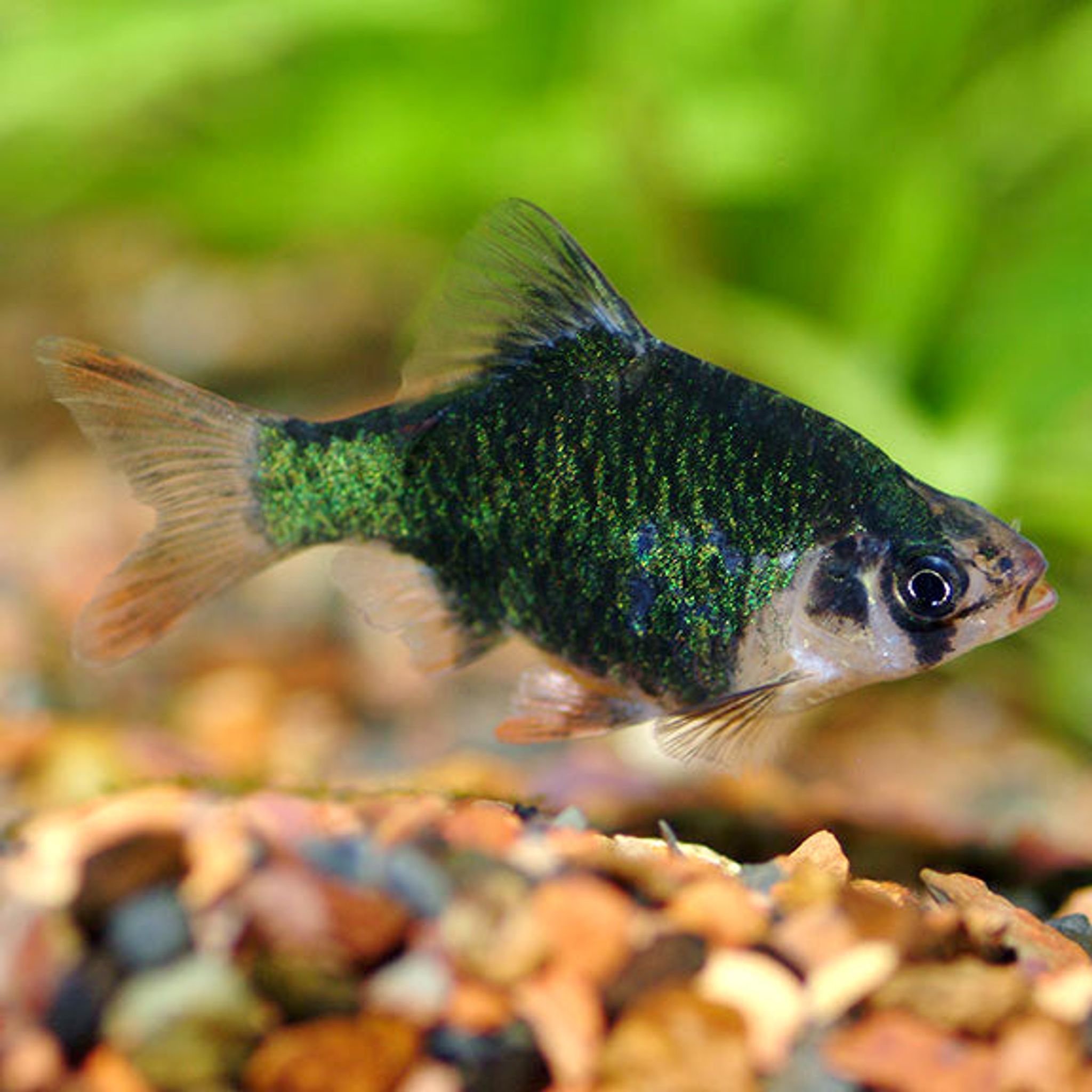
Green Tiger Barb (Puntius tetr..
USD 8.33Six Banded Barb (Desmopuntius ..
USD 68.00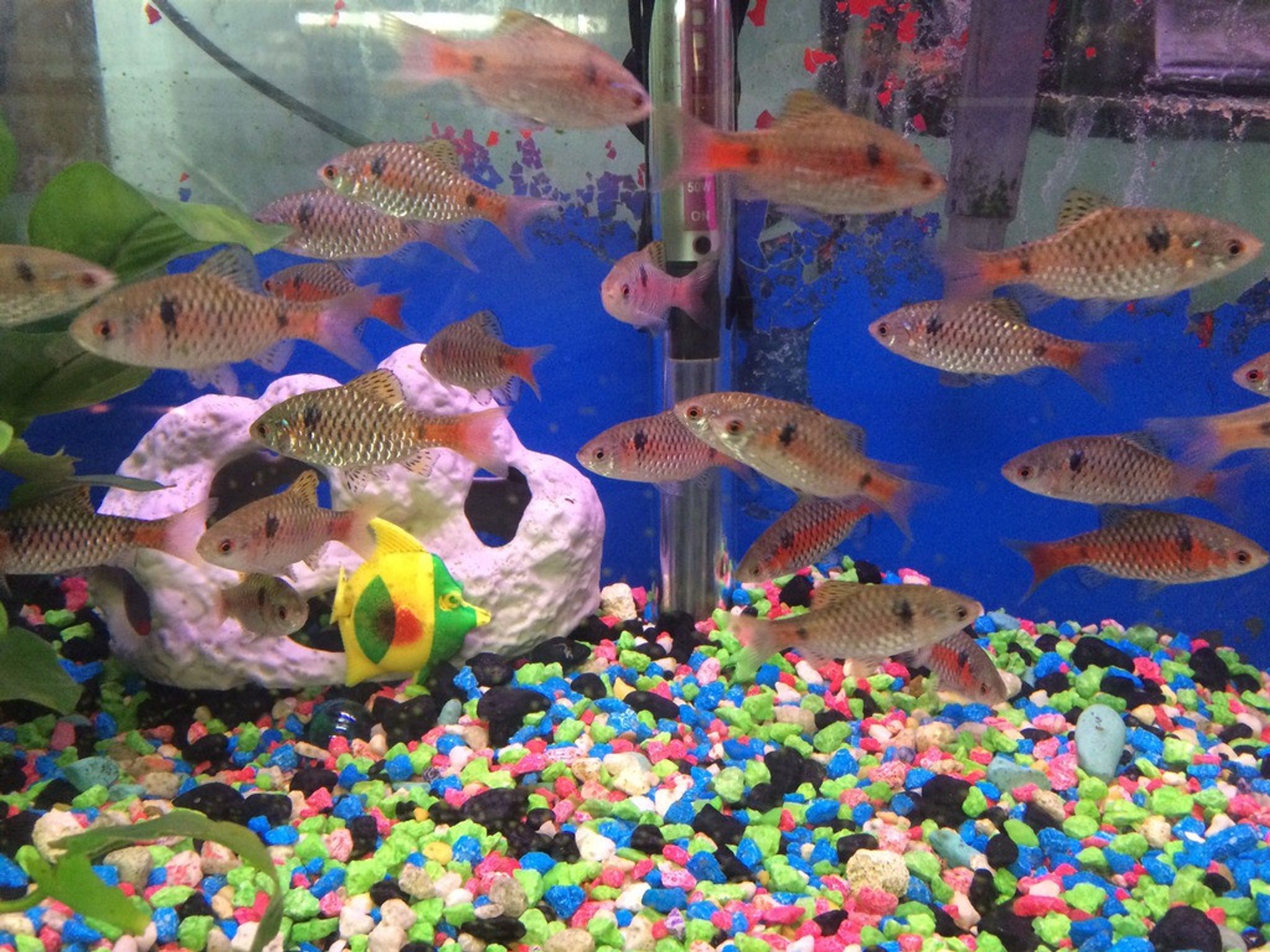
Odessa Barb
USD 9.99
Juvenile Roseline Shark (Denis..
USD 11.24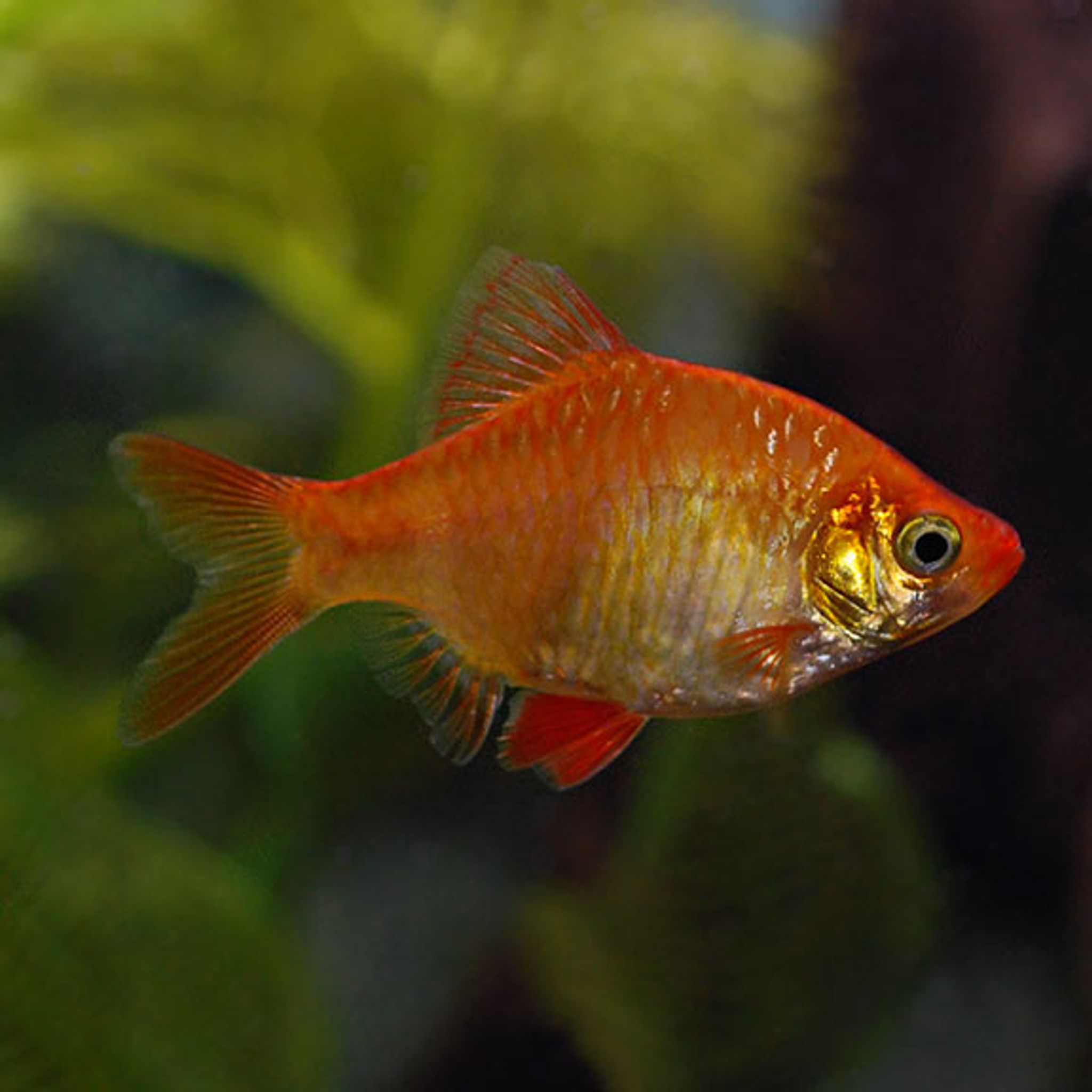
Albino Tiger Barb (Puntius tet..
USD 7.91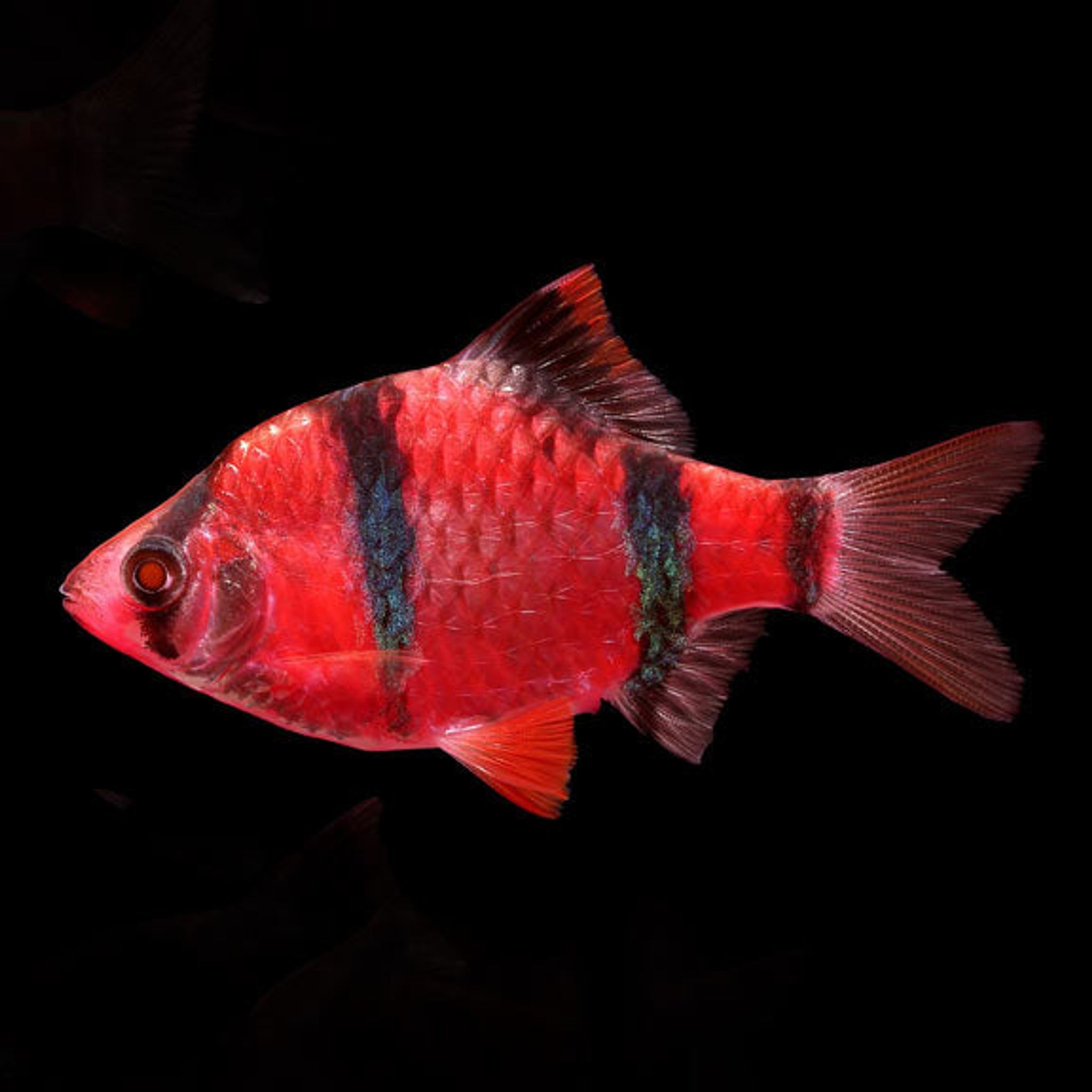
GloFish®, Starfire Red® Barb (..
USD 12.50
Long Fin Rosy Barb
USD 9.99
Tiger Barb
USD 6.24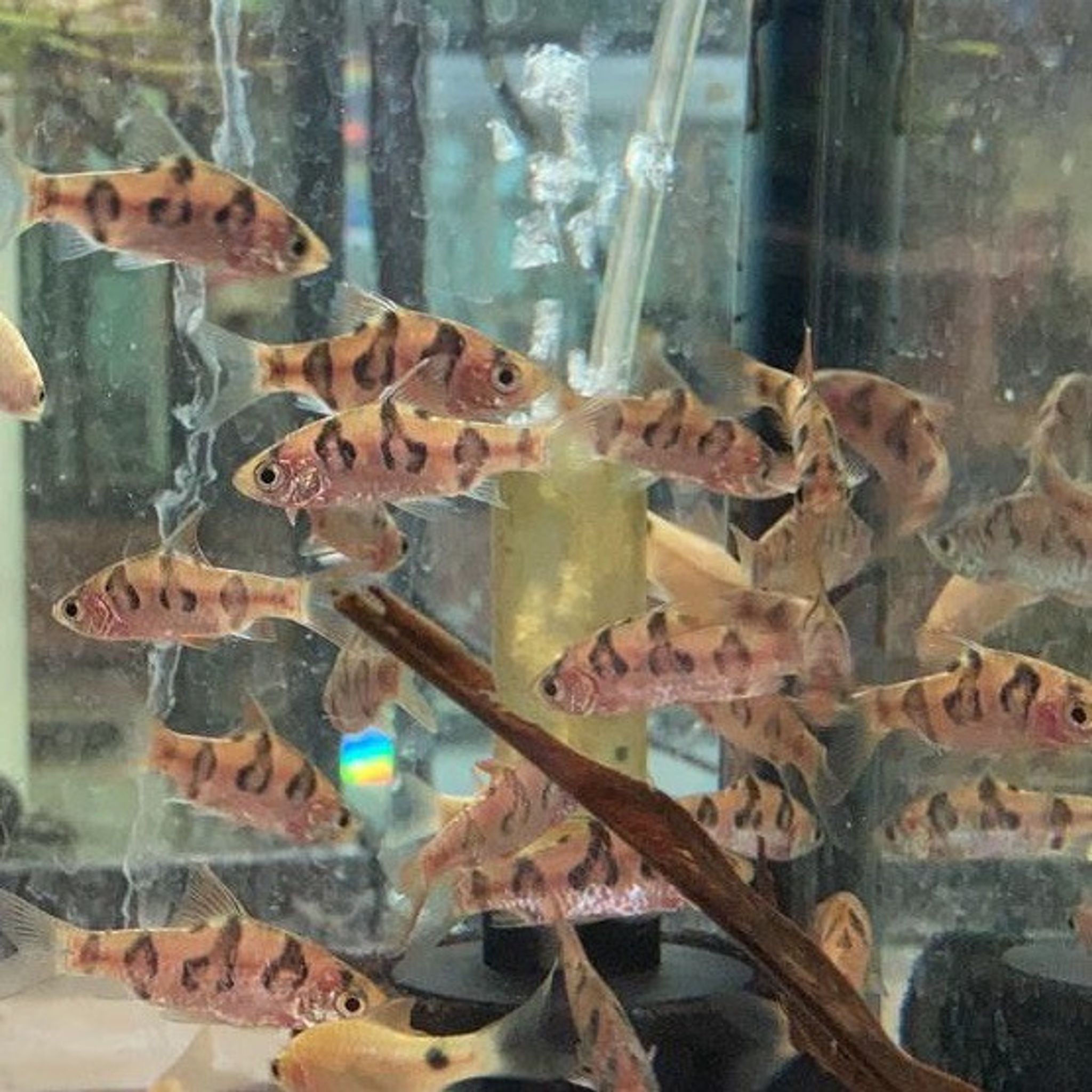
Rhombo Snakeskin Barb (Desmopu..
USD 13.74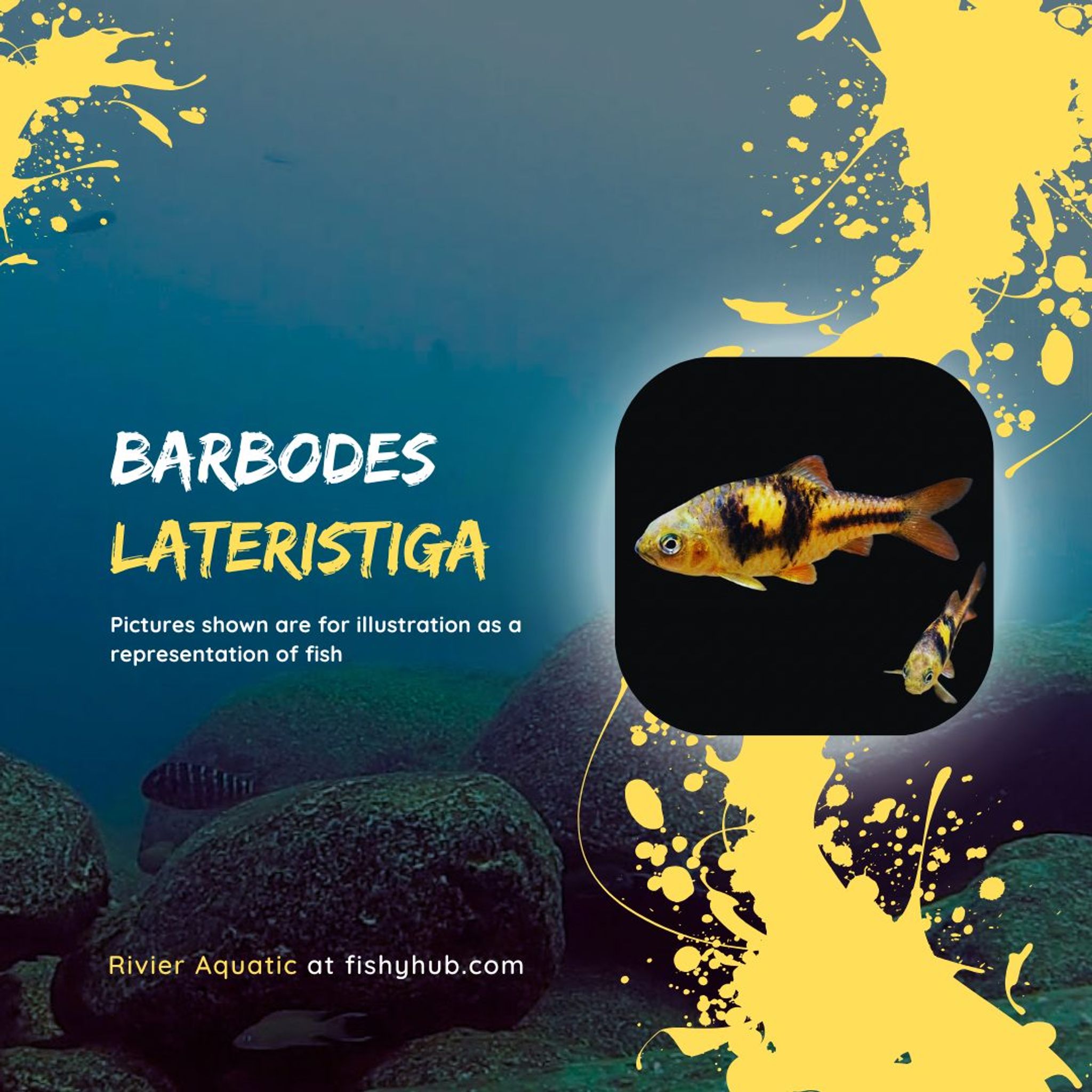
Spanner Barb (Barbodes Lateris..
USD 75.00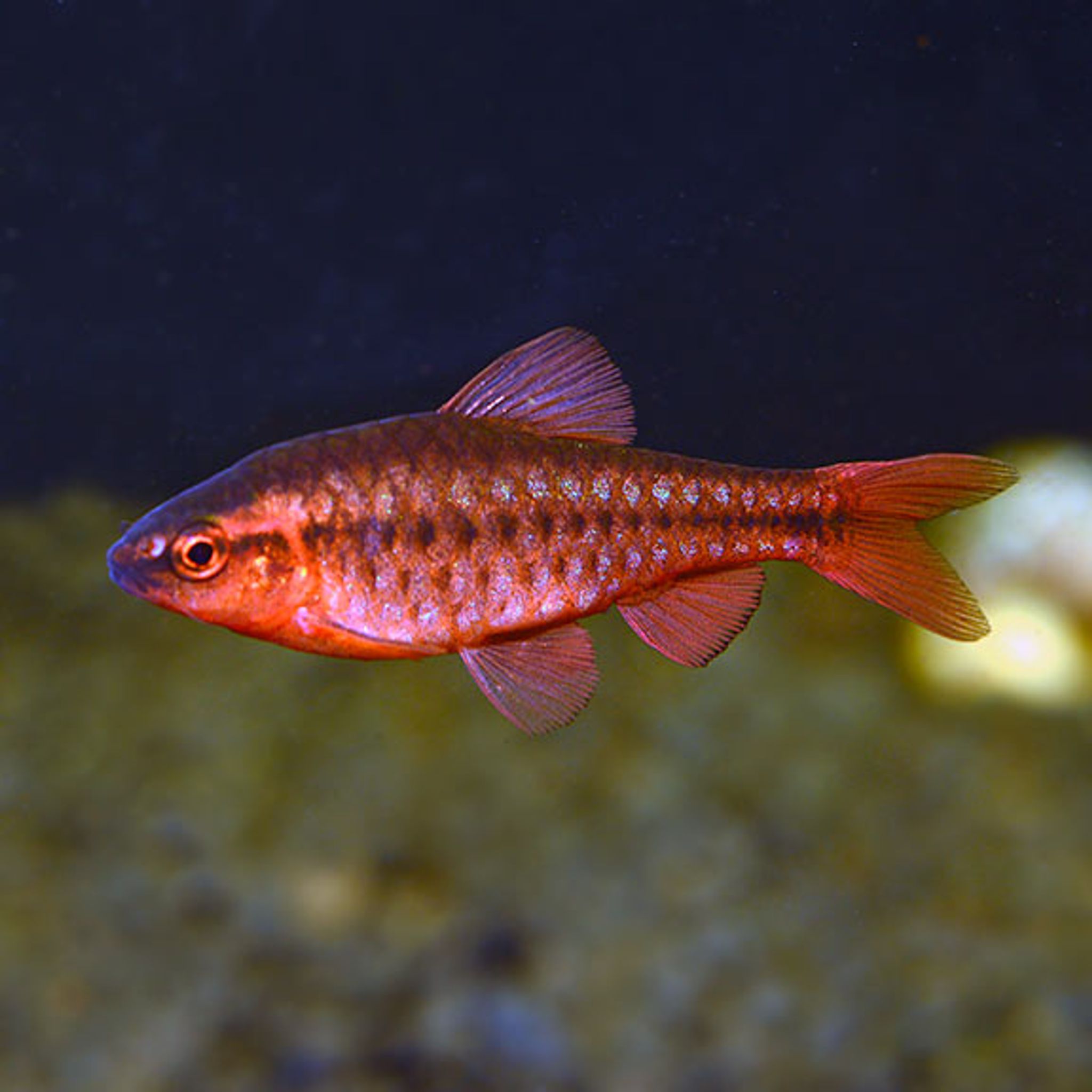
Cherry Barb (Puntius titteya)
USD 5.62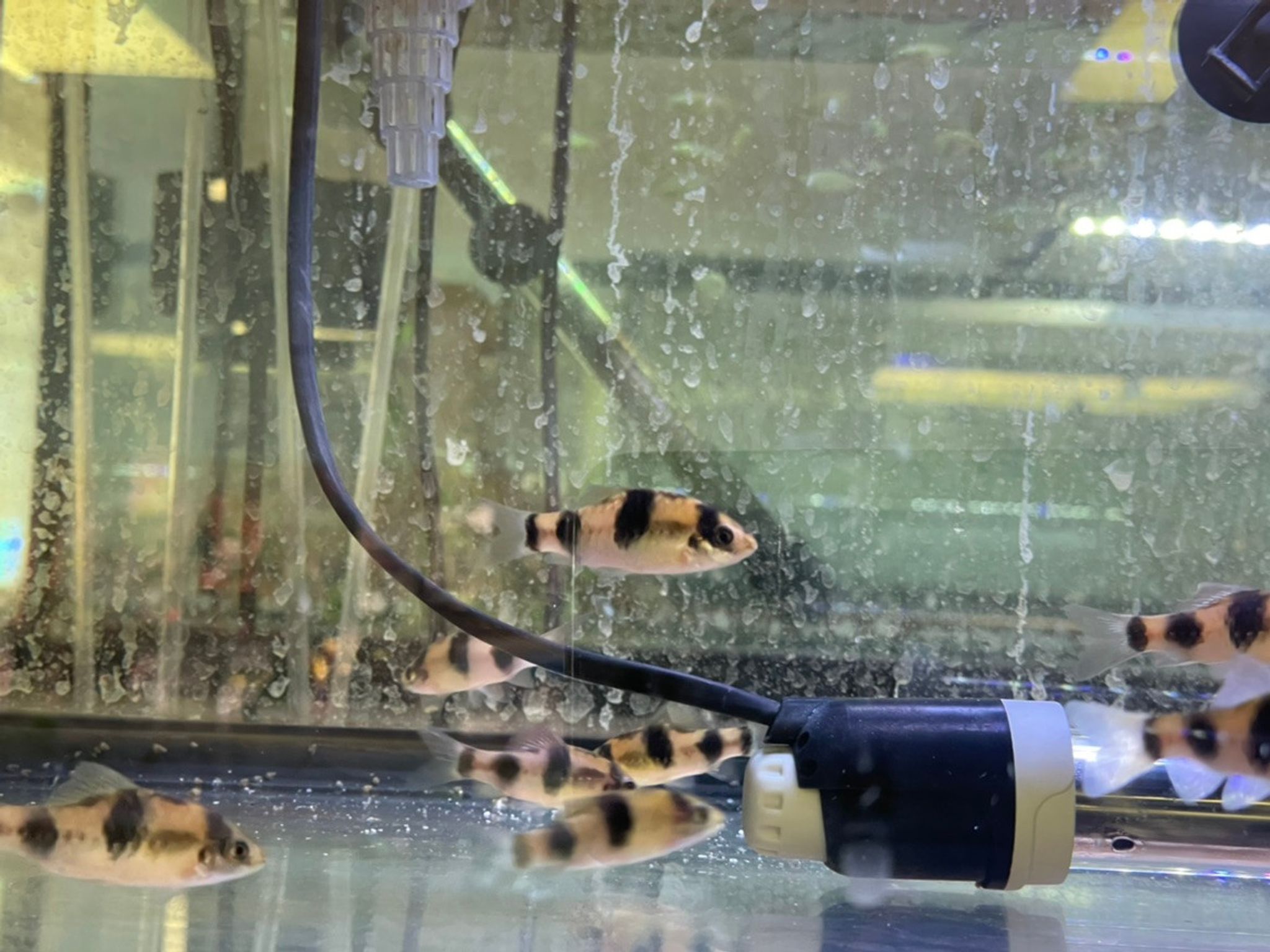
Red Panda Barb "Melon Barb"
USD 12.49
XL Tiger Barb
USD 11.24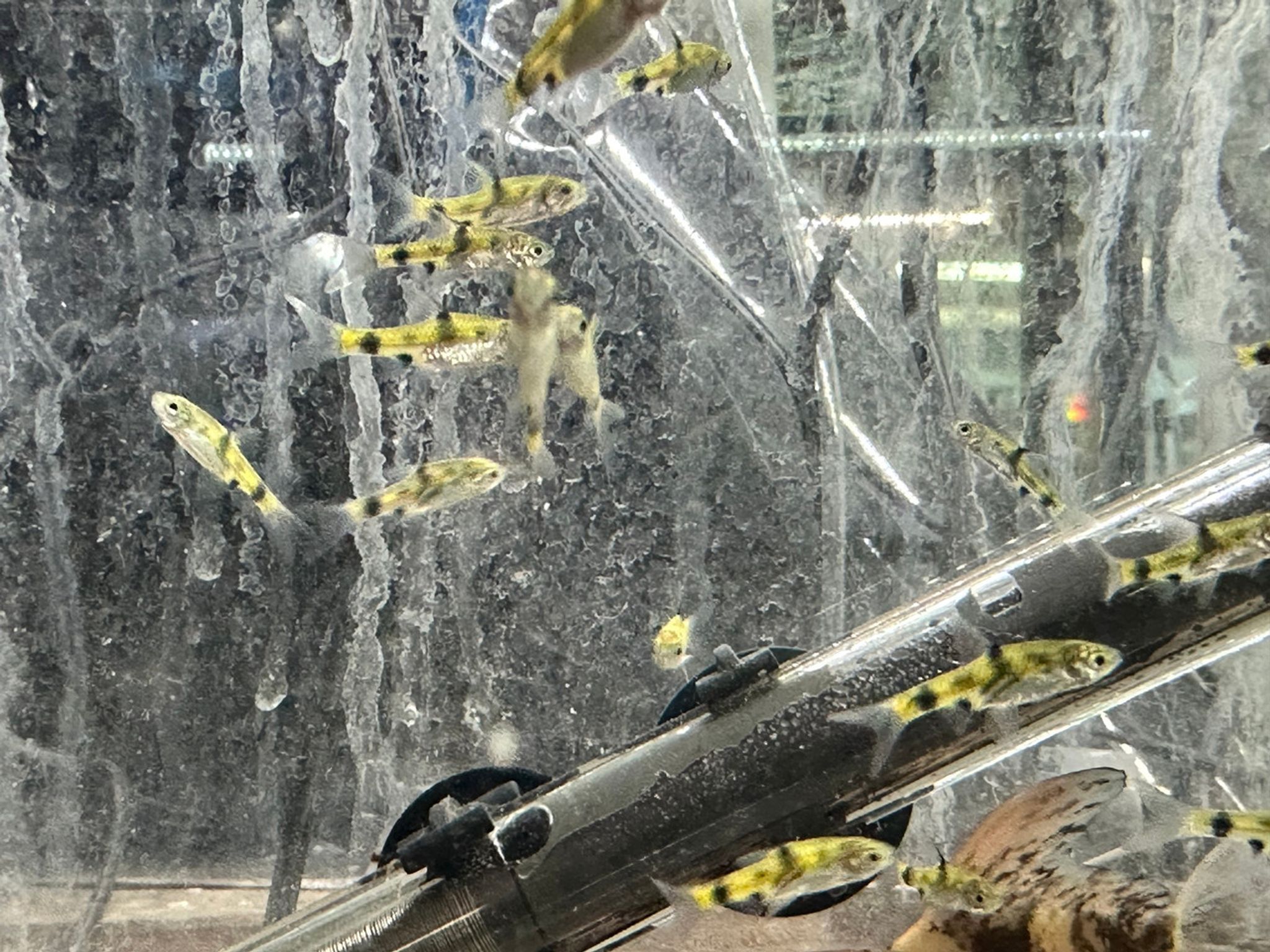
Dwarf Golden Barb
USD 7.49
Albino Cherry Barb
USD 7.49
Filamentosa Barb (Puntius tetr..
USD 5.21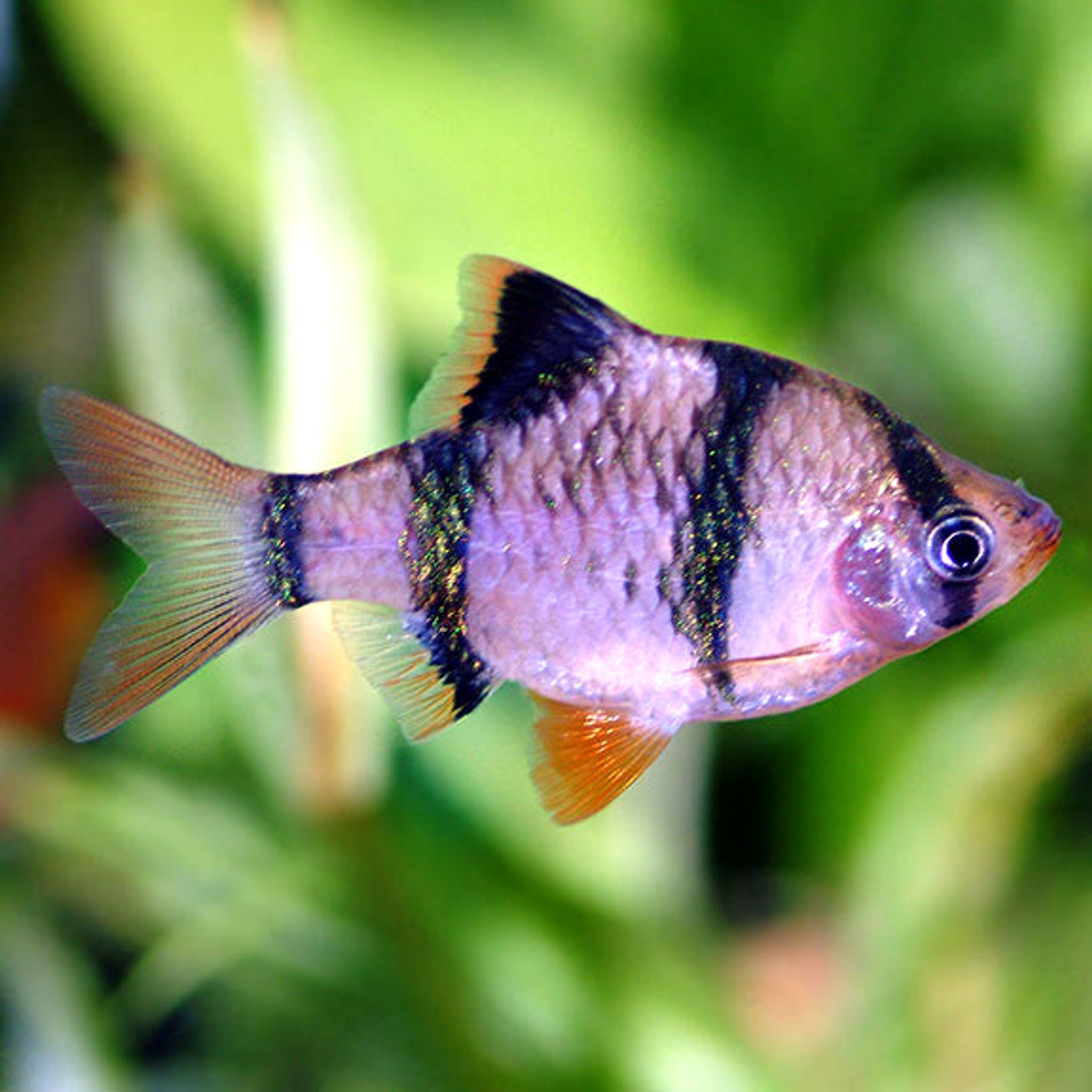
Tiger Barb (Puntius tetrazona)
USD 5.21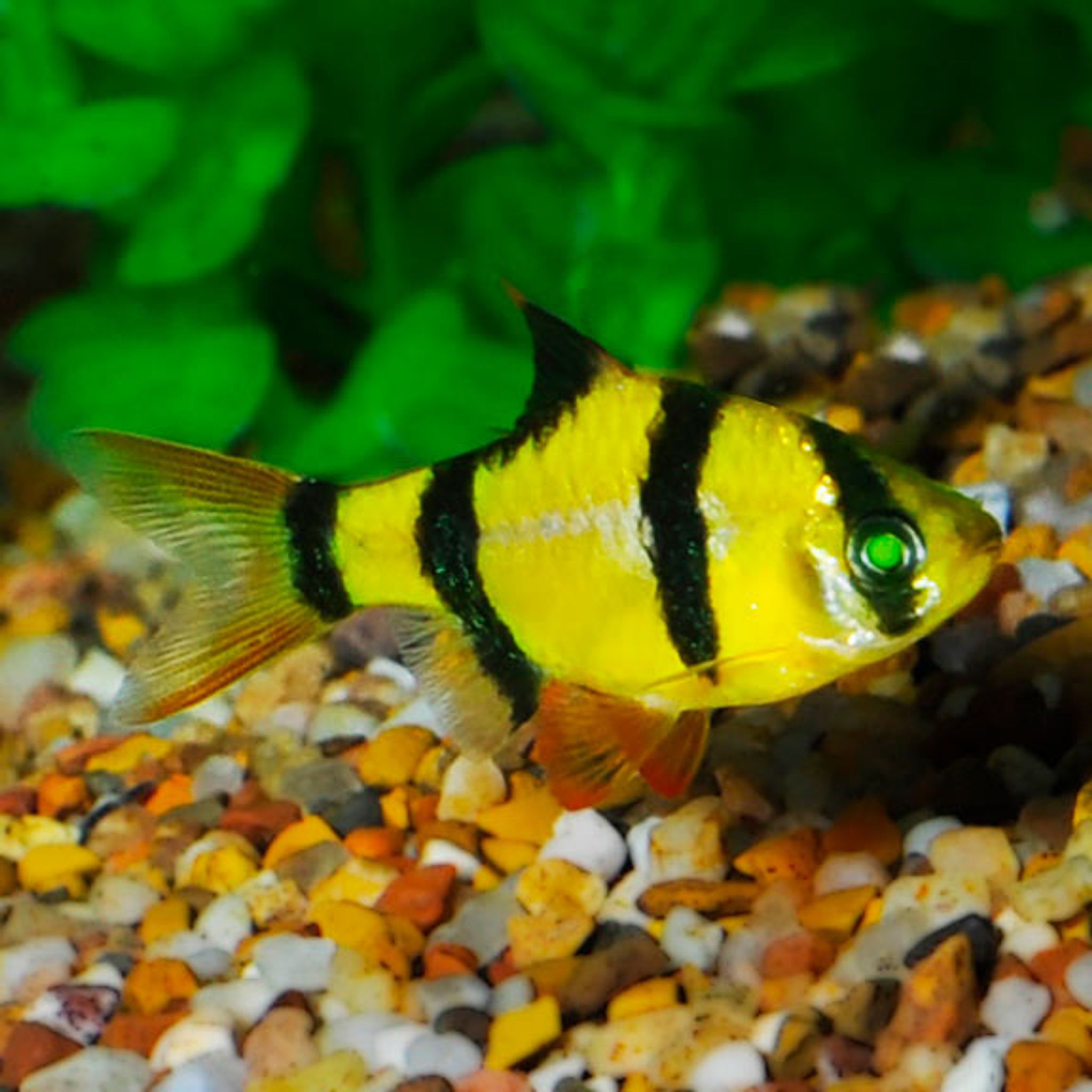
GloFish®, Sunburst Orange® Bar..
USD 12.50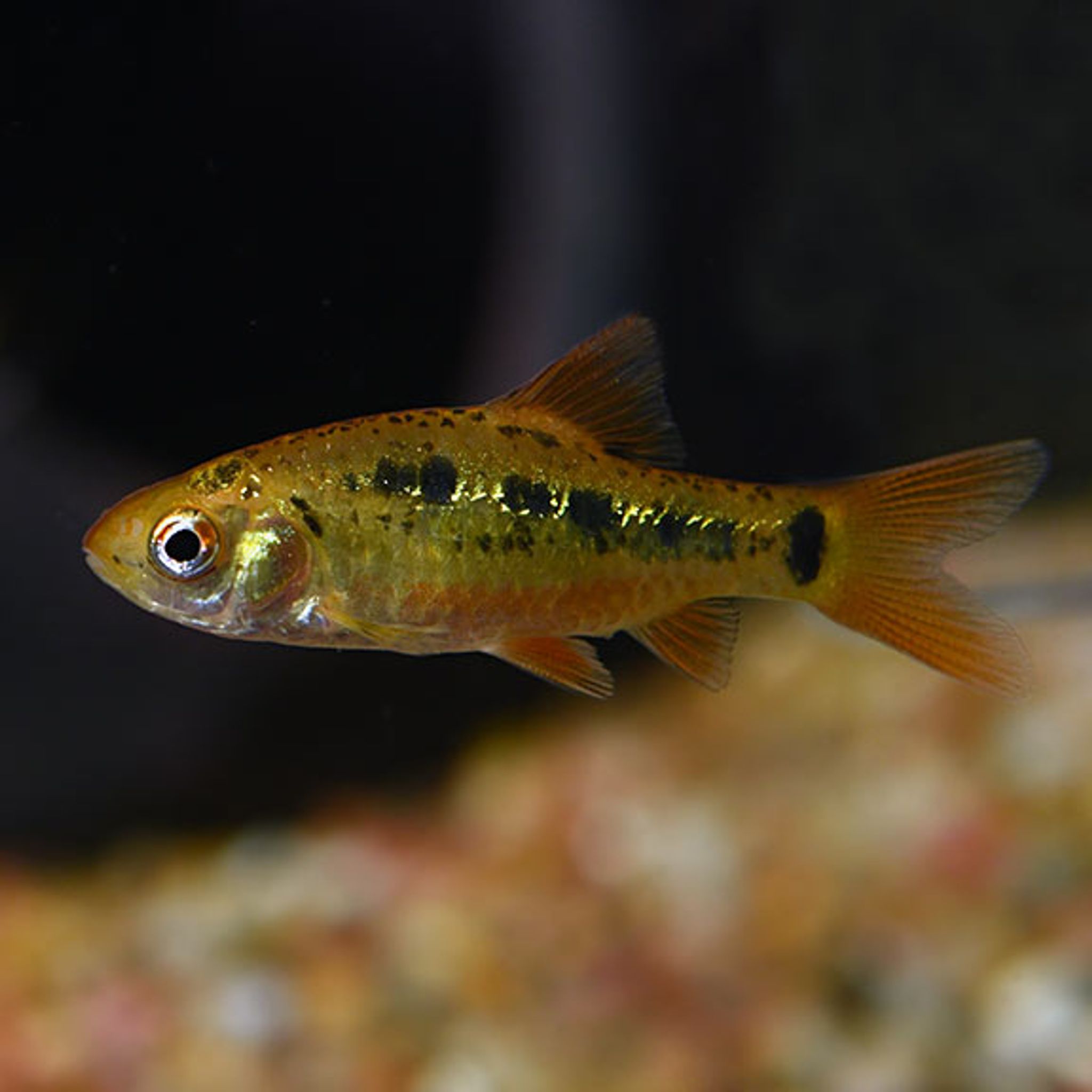
Goldfinned Barb (Puntius sachs..
USD 5.21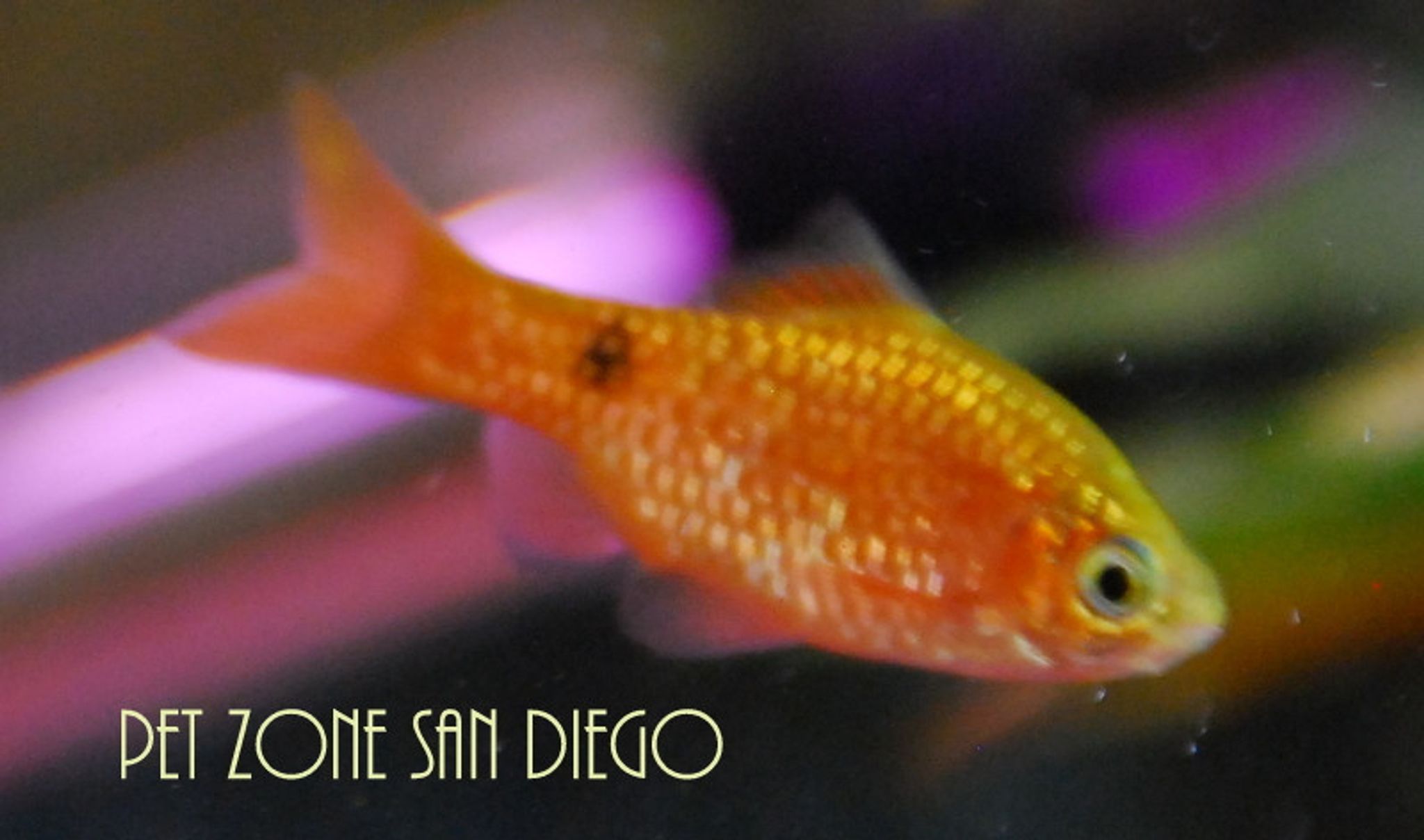
Rosy Barb
USD 9.99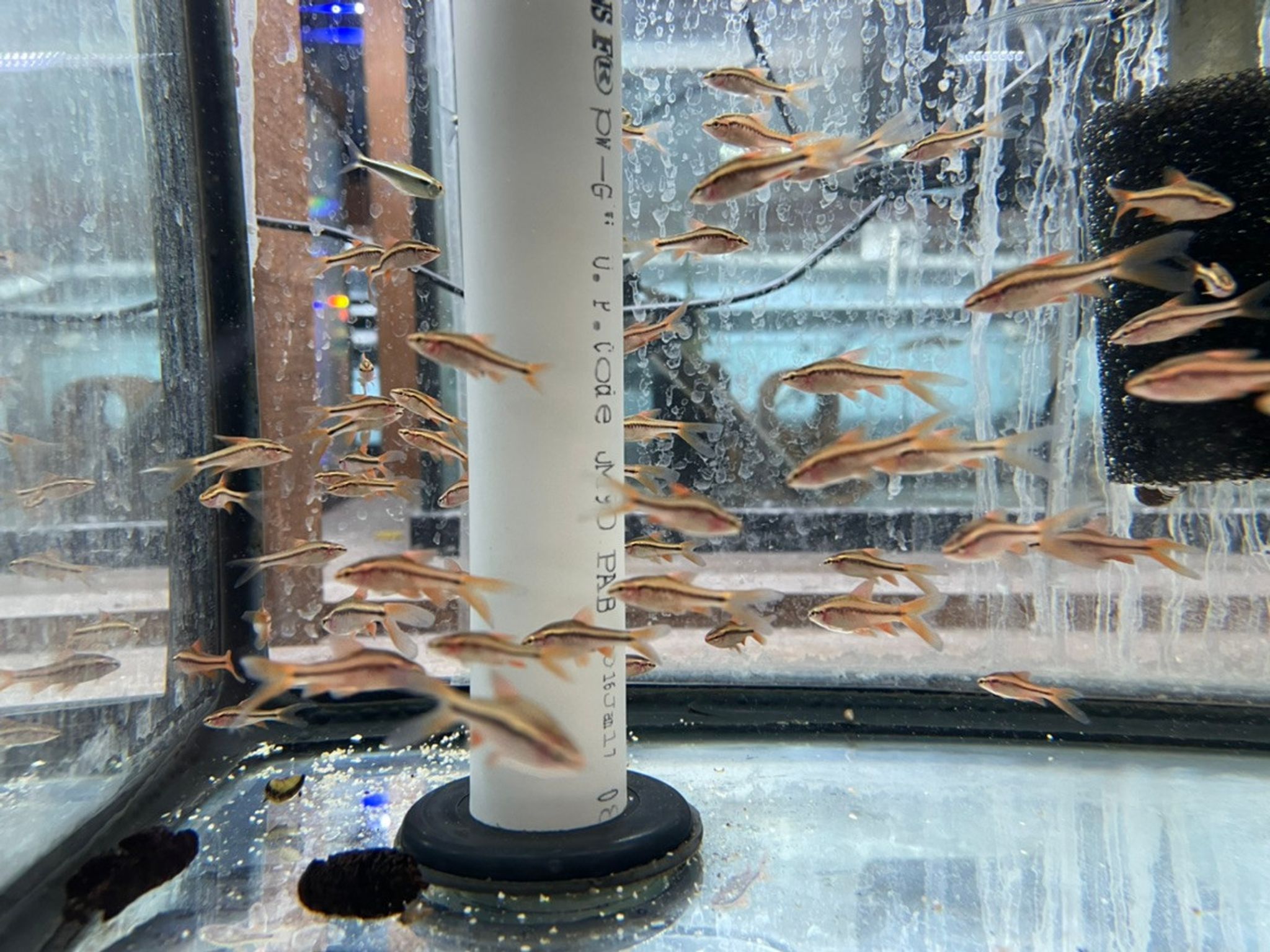
Long-Fin Cherry Barb
USD 6.24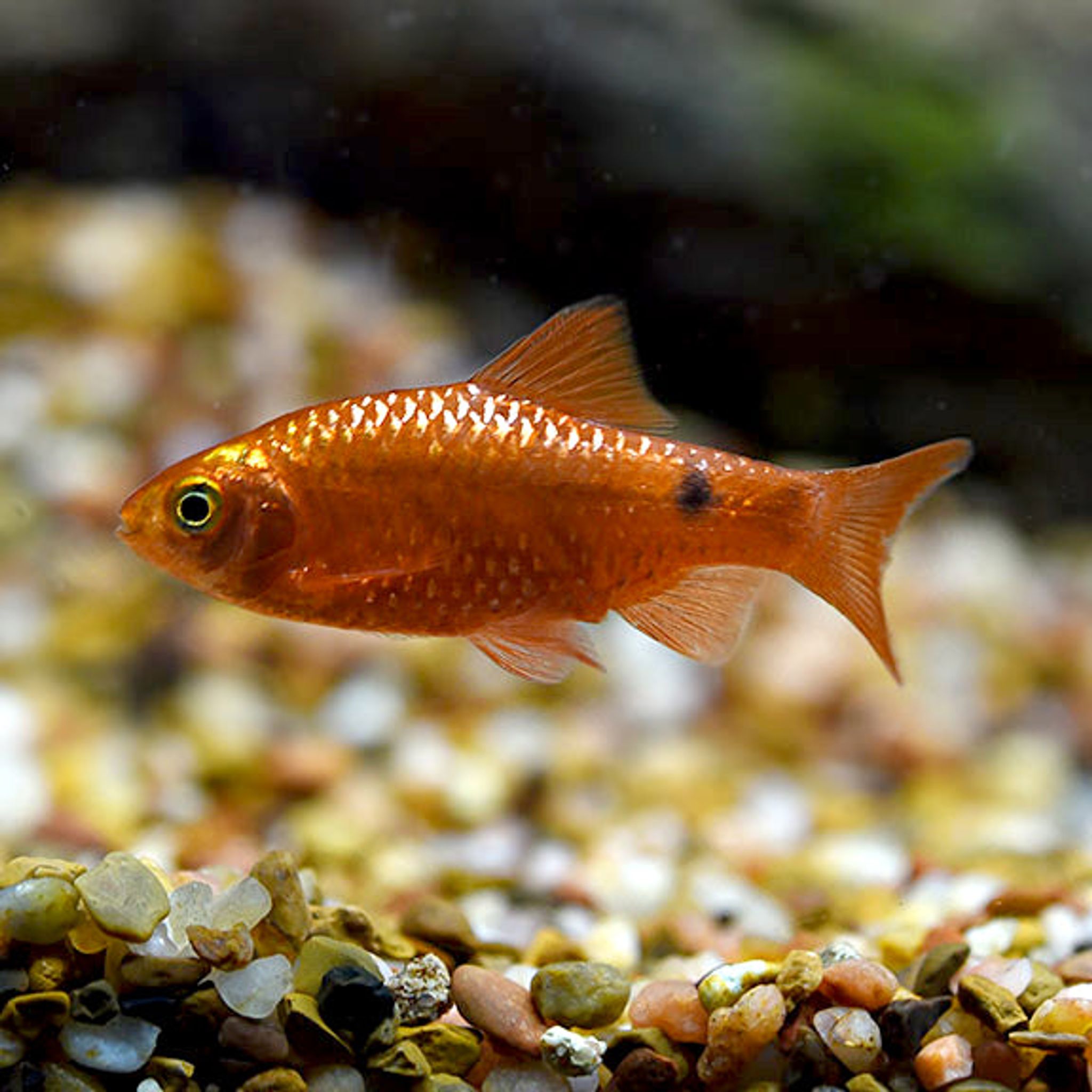
Rosy Barb, Male (Puntius conch..
USD 6.25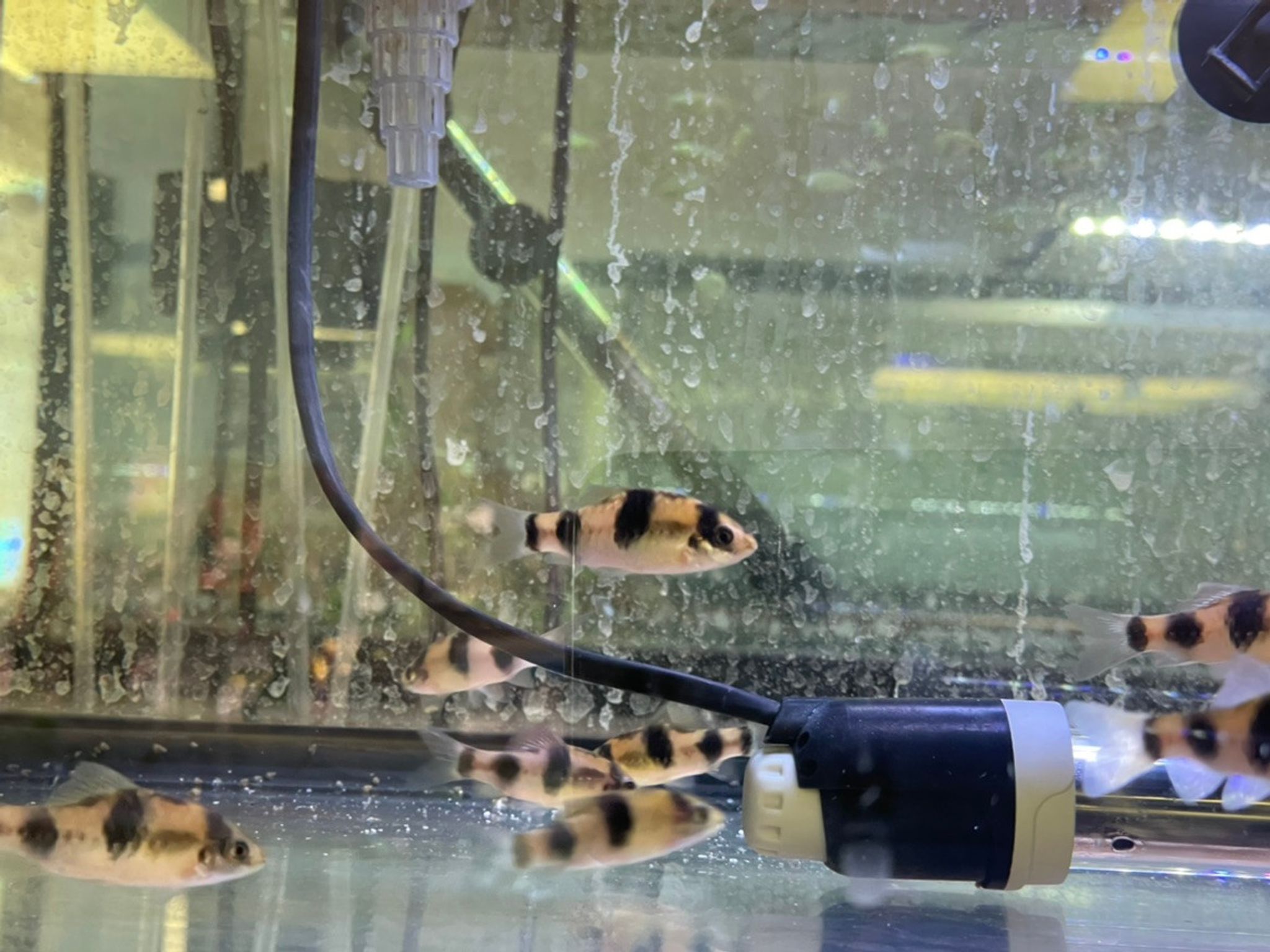
Melon Barb
USD 12.49Cherry Barb
USD 6.24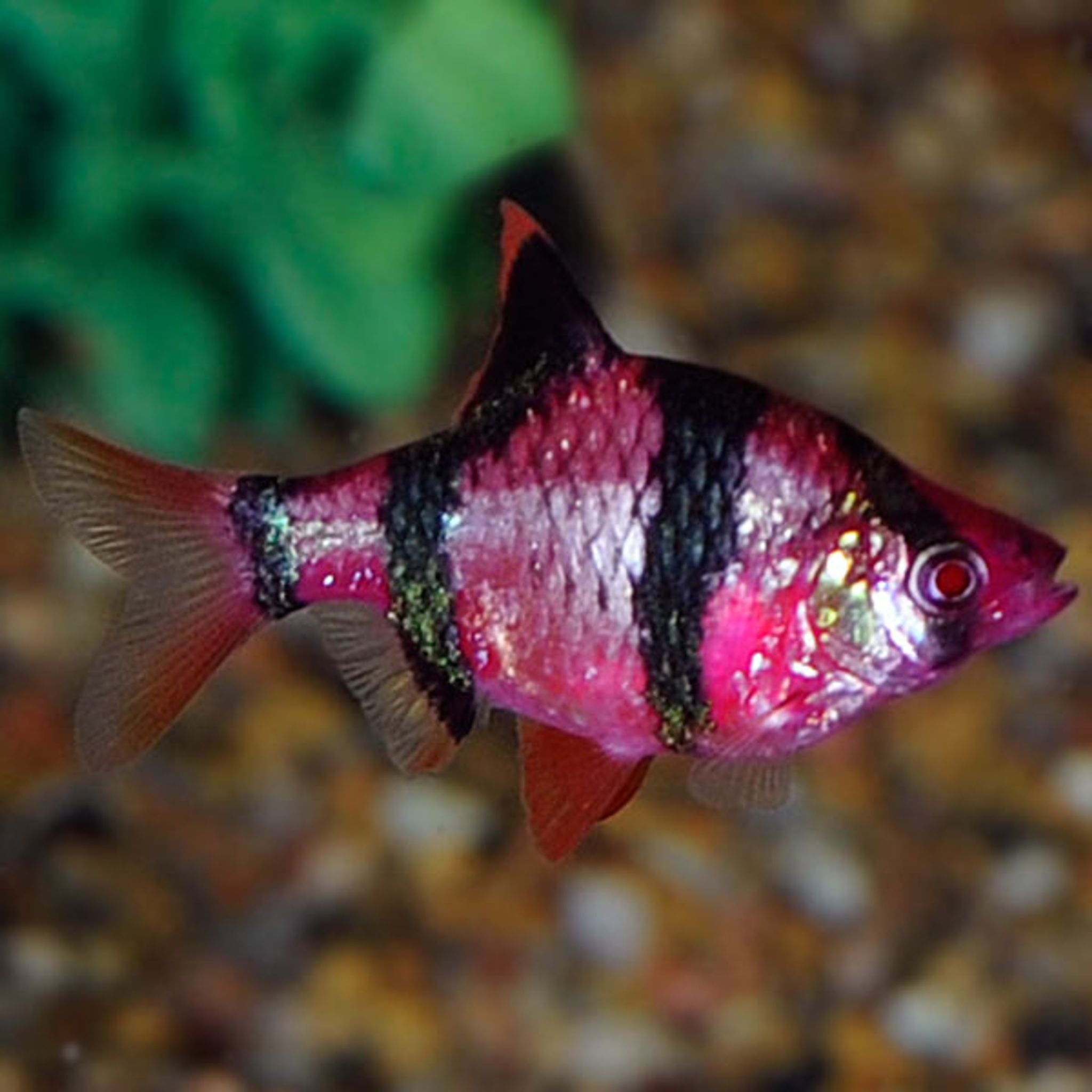
GloFish®, Galactic Purple® Bar..
USD 12.50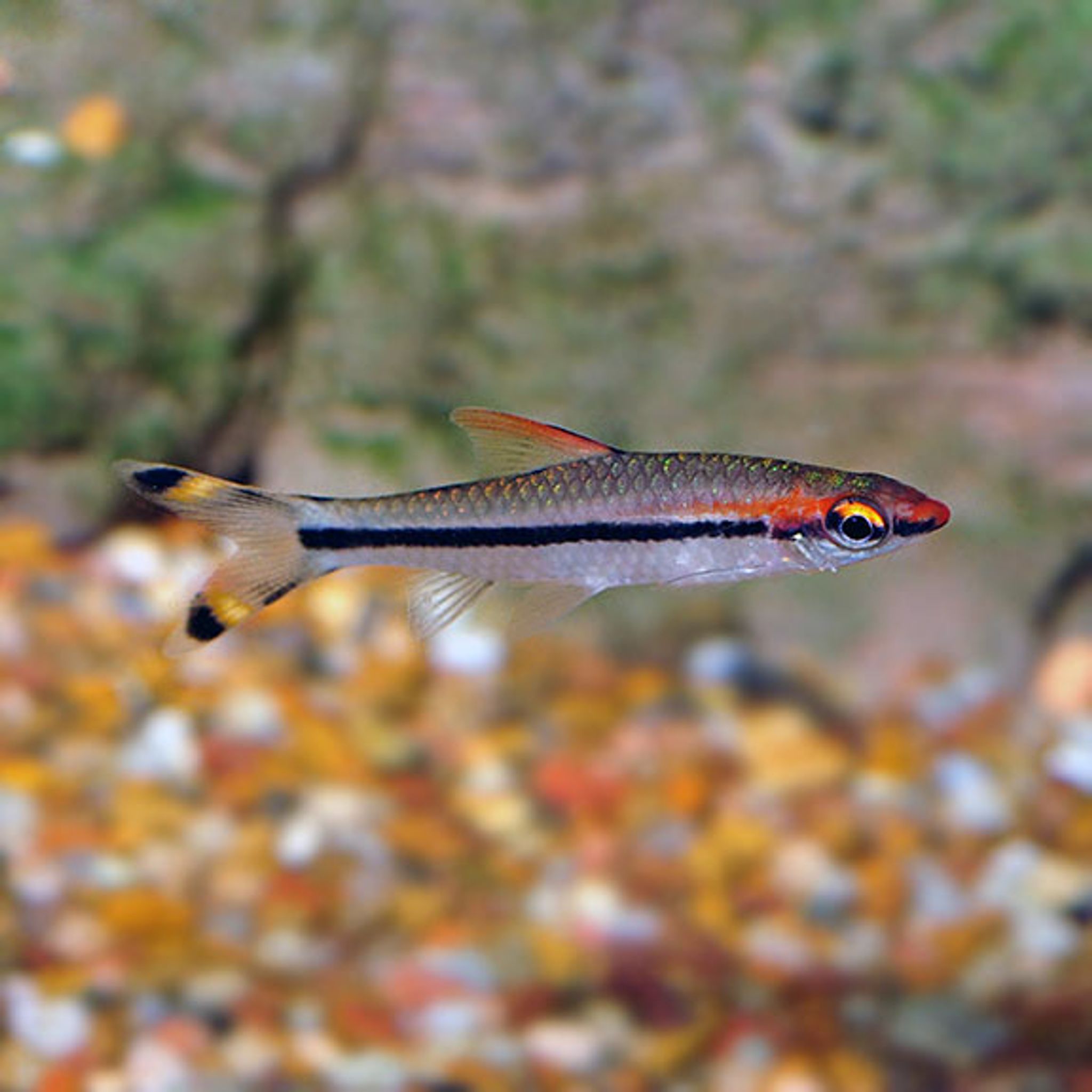
Denison Barb (Sahyadria deniso..
USD 21.66Tiger Barb, Large
USD 7.49Hexazon Barb (Puntius pentazon..
USD 12.49Roseline Shark Torpedo Barb (D..
USD 16.24Green Barb
USD 4.99XL Roseline Shark Torpedo Barb..
USD 21.24GloFish®, Electric Green® Barb..
USD 12.50Green Tiger Barb (Puntius tetr..
USD 8.33Six Banded Barb (Desmopuntius ..
USD 68.00Odessa Barb
USD 9.99Juvenile Roseline Shark (Denis..
USD 11.24Albino Tiger Barb (Puntius tet..
USD 7.91GloFish®, Starfire Red® Barb (..
USD 12.50Long Fin Rosy Barb
USD 9.99Tiger Barb
USD 6.24Rhombo Snakeskin Barb (Desmopu..
USD 13.74Spanner Barb (Barbodes Lateris..
USD 75.00Cherry Barb (Puntius titteya)
USD 5.62Red Panda Barb "Melon Barb"
USD 12.49XL Tiger Barb
USD 11.24Dwarf Golden Barb
USD 7.49Albino Cherry Barb
USD 7.49Filamentosa Barb (Puntius tetr..
USD 5.21Tiger Barb (Puntius tetrazona)
USD 5.21GloFish®, Sunburst Orange® Bar..
USD 12.50Goldfinned Barb (Puntius sachs..
USD 5.21Rosy Barb
USD 9.99Long-Fin Cherry Barb
USD 6.24Rosy Barb, Male (Puntius conch..
USD 6.25Melon Barb
USD 12.49Cherry Barb
USD 6.24GloFish®, Galactic Purple® Bar..
USD 12.50