

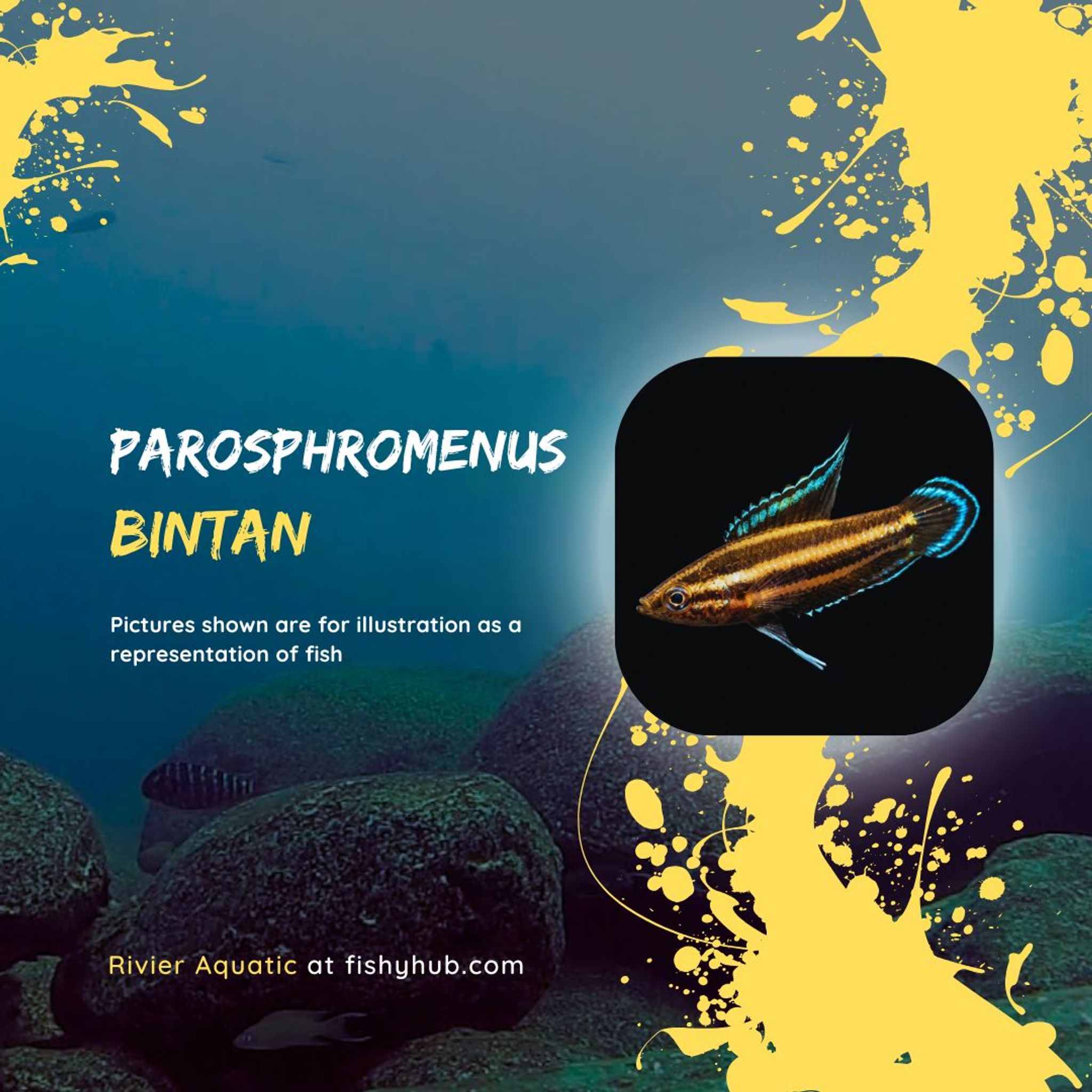
Click to enlarge
Unless stated otherwise, photos show the species, not the exact fish you'll receive.
Bintan Licorice Gourami (Parosphromenus sp. Bintan)
USD 63.00
Delivery Information
Dead-on-arrival protection: report within 24 hours of delivery with a photo or video for an exchange or return.
Product Variations
Quantity
Stock: 10
Product Details
Size
2cm - 4cm
Temperament
Semi Aggressive
WYSIWYG
Representative Photo Only
Product Description
Learn More About Bintan Licorice Gourami (Parosphromenus sp. Bintan)
What Do Pearl Gourami Eat? A Practical Feeding Guide
What Do Honey Gourami Eat? A Practical Feeding Guide
What Do Dwarf Gourami Eat? A Practical Feeding Guide
What Do Sparkling Gourami Eat? A Practical Feeding Guide
How Big Do Sparkling Gourami Get? Growth Rate, Adult Size and Tank Planning

How Big Do Pearl Gourami Get? Growth Rate, Adult Size and Tank Planning
How Big Do Honey Gourami Get? Growth Rate, Adult Size and Tank Planning
How Big Do Dwarf Gourami Get? Growth Rate, Adult Size and Tank Planning
Sparkling Gourami Care Guide: Tank Size, Diet, Water Parameters and Temperament
Pearl Gourami Care Guide: Tank Size, Diet, Water Parameters and Temperament
Dwarf Gourami Care Guide: Tank Size, Diet, Water Parameters and Temperament
Honey Gourami Care Guide: Tank Size, Diet, Water Parameters and Temperament
More from Rivier Aquatic

Rivier Aquatic
Suitable Tank Mates for Bintan Licorice Gourami (Parosphromenus sp. Bintan)
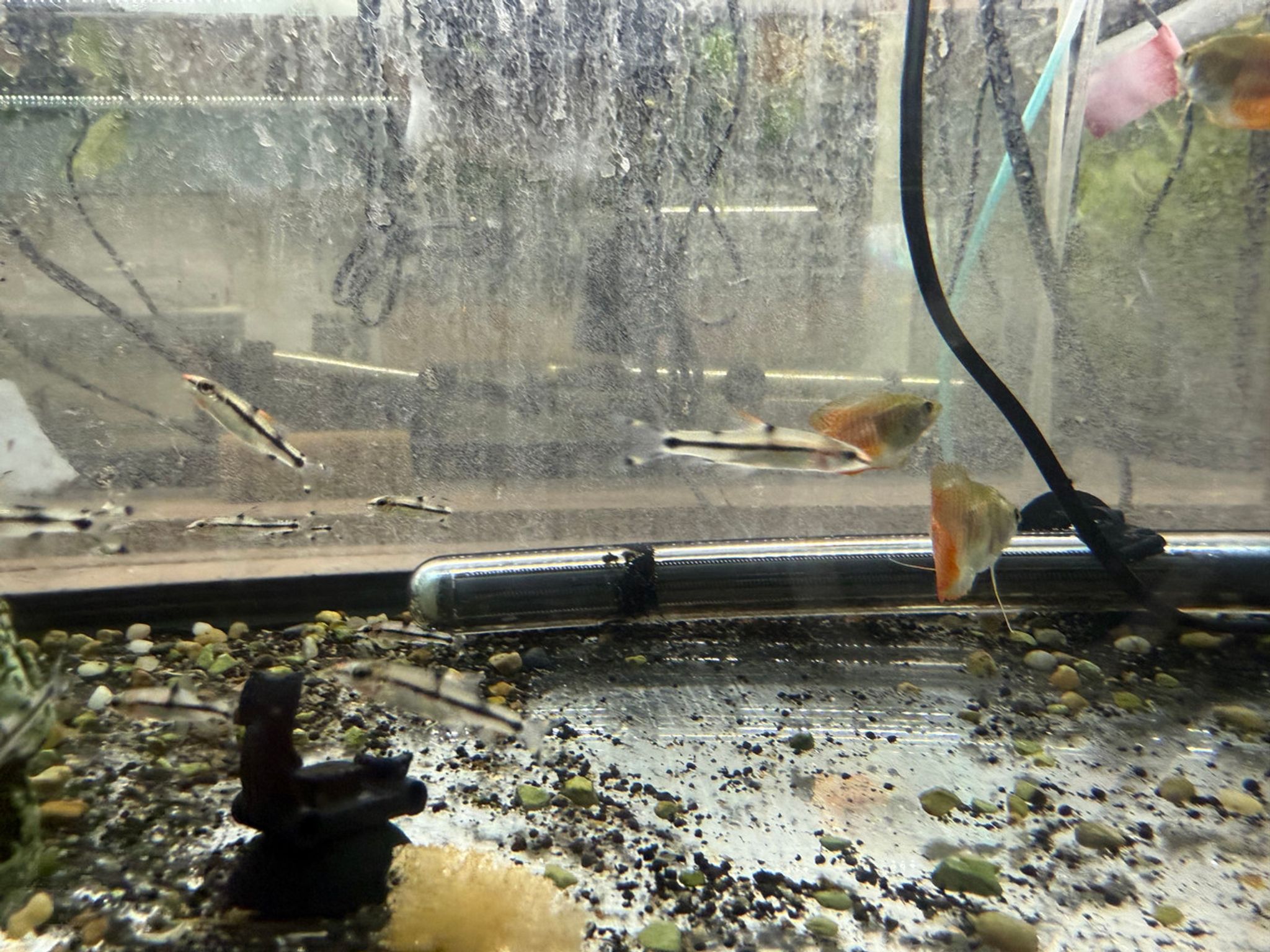
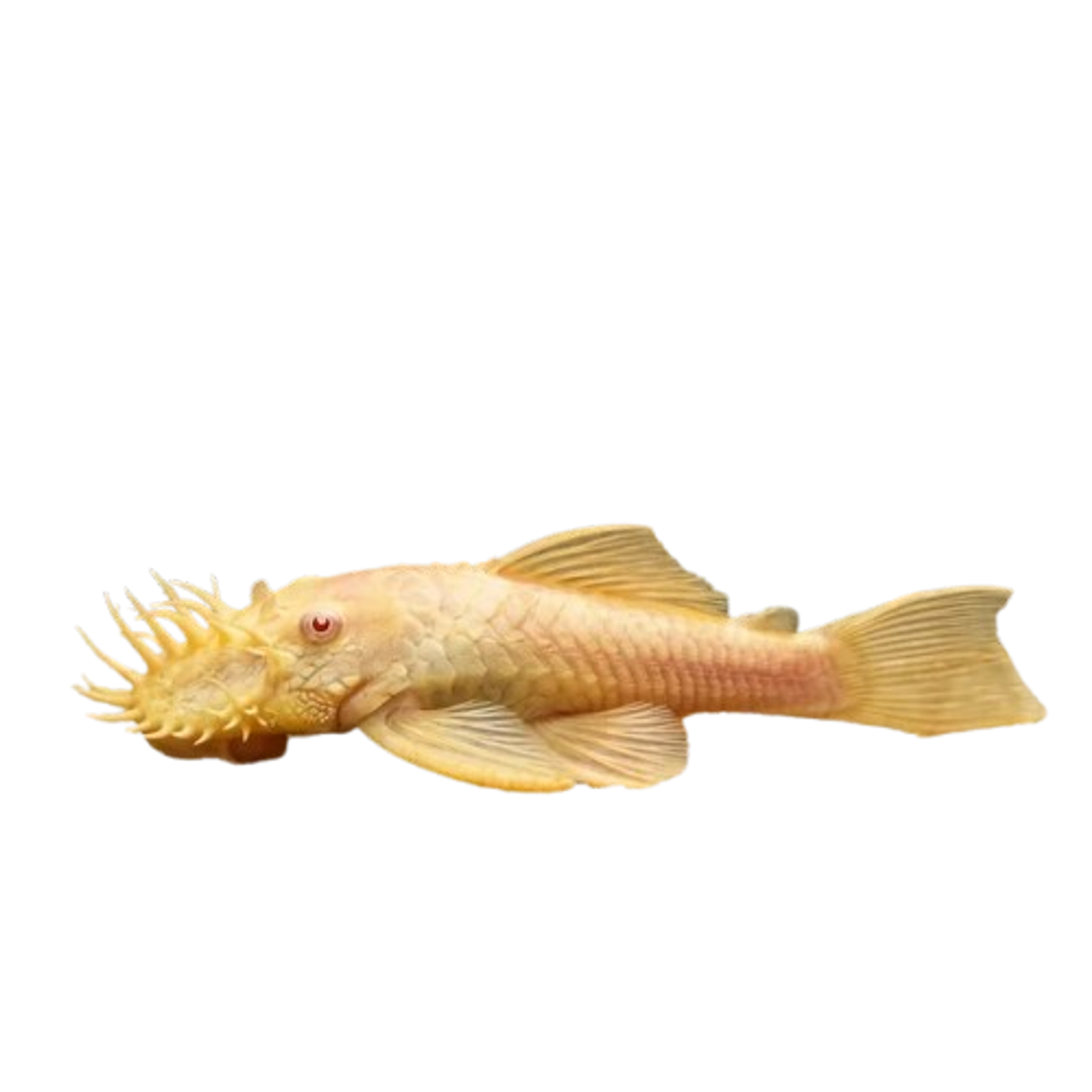
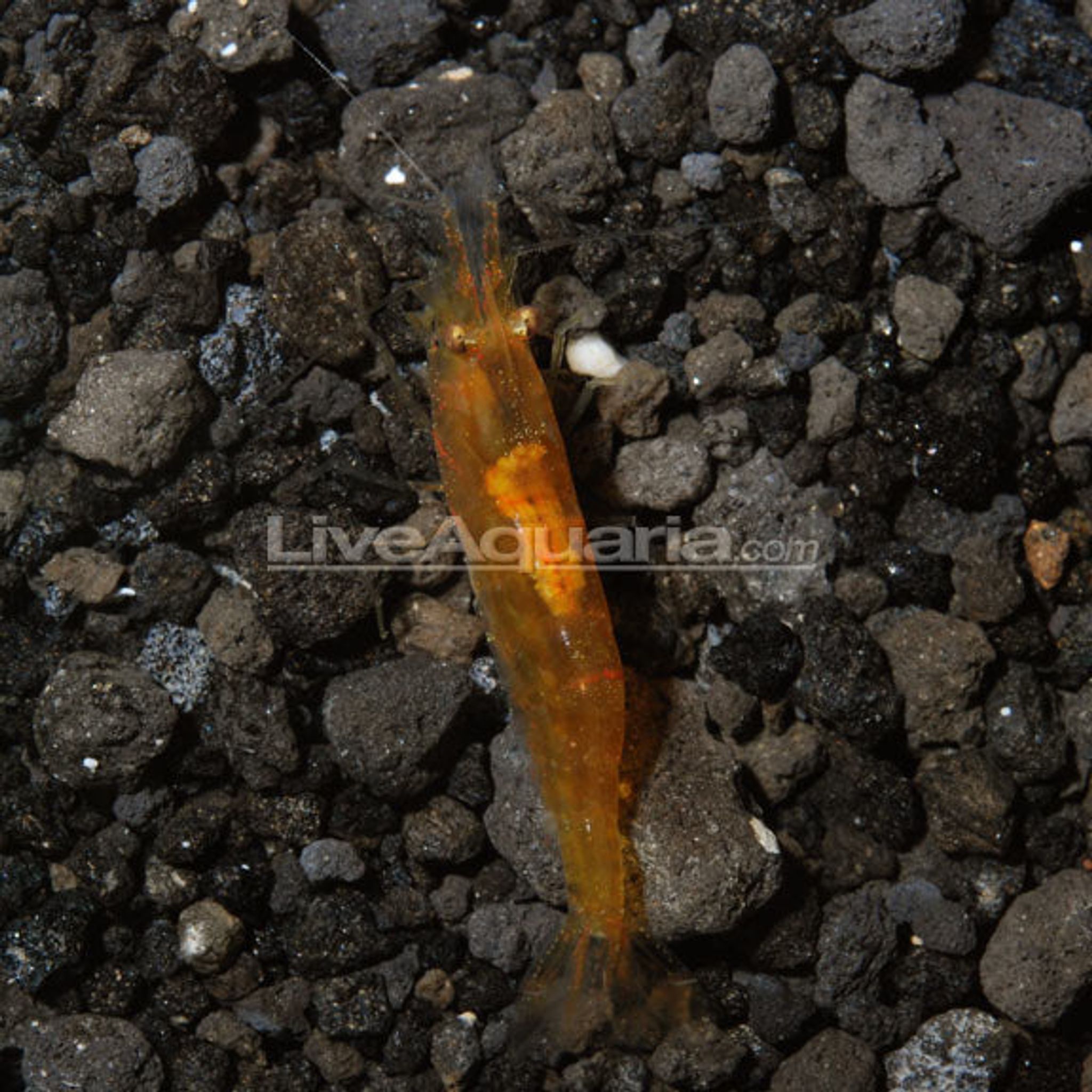
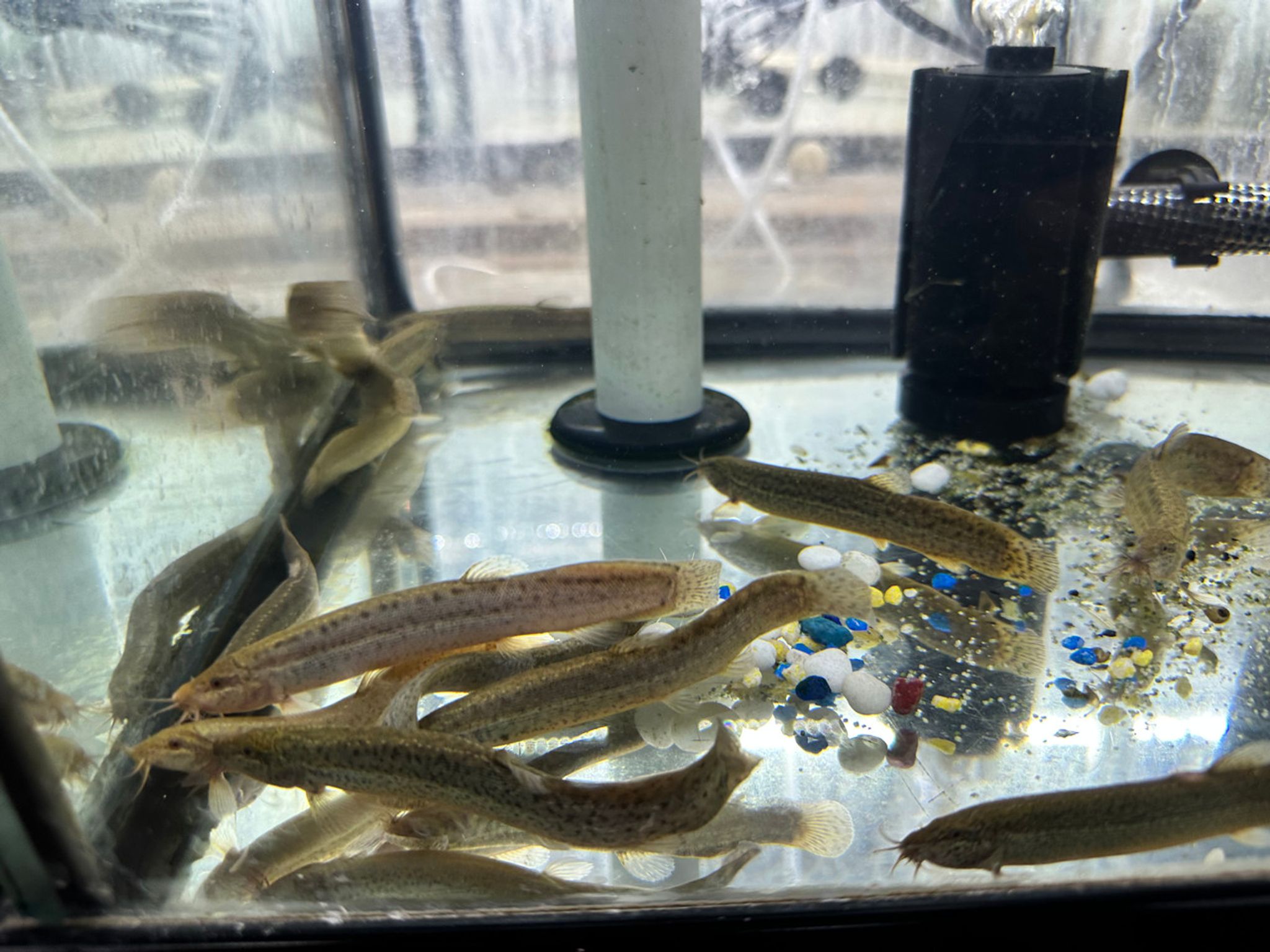


Similar Other Tropical Fishes You May Like
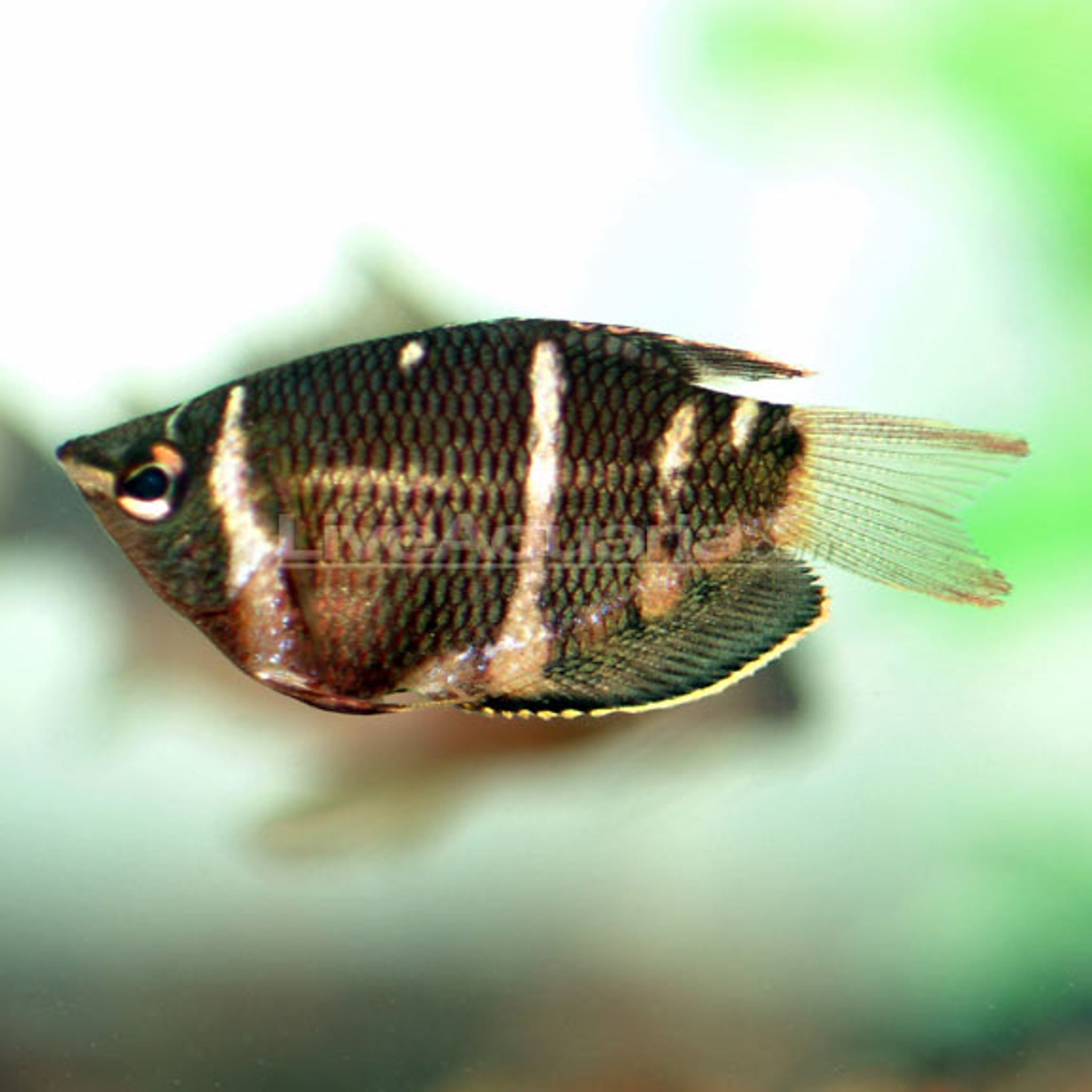
Chocolate Gourami (Sphaerichth..
USD 12.49
Paradise Fish - Macropodus ope..
USD 11.24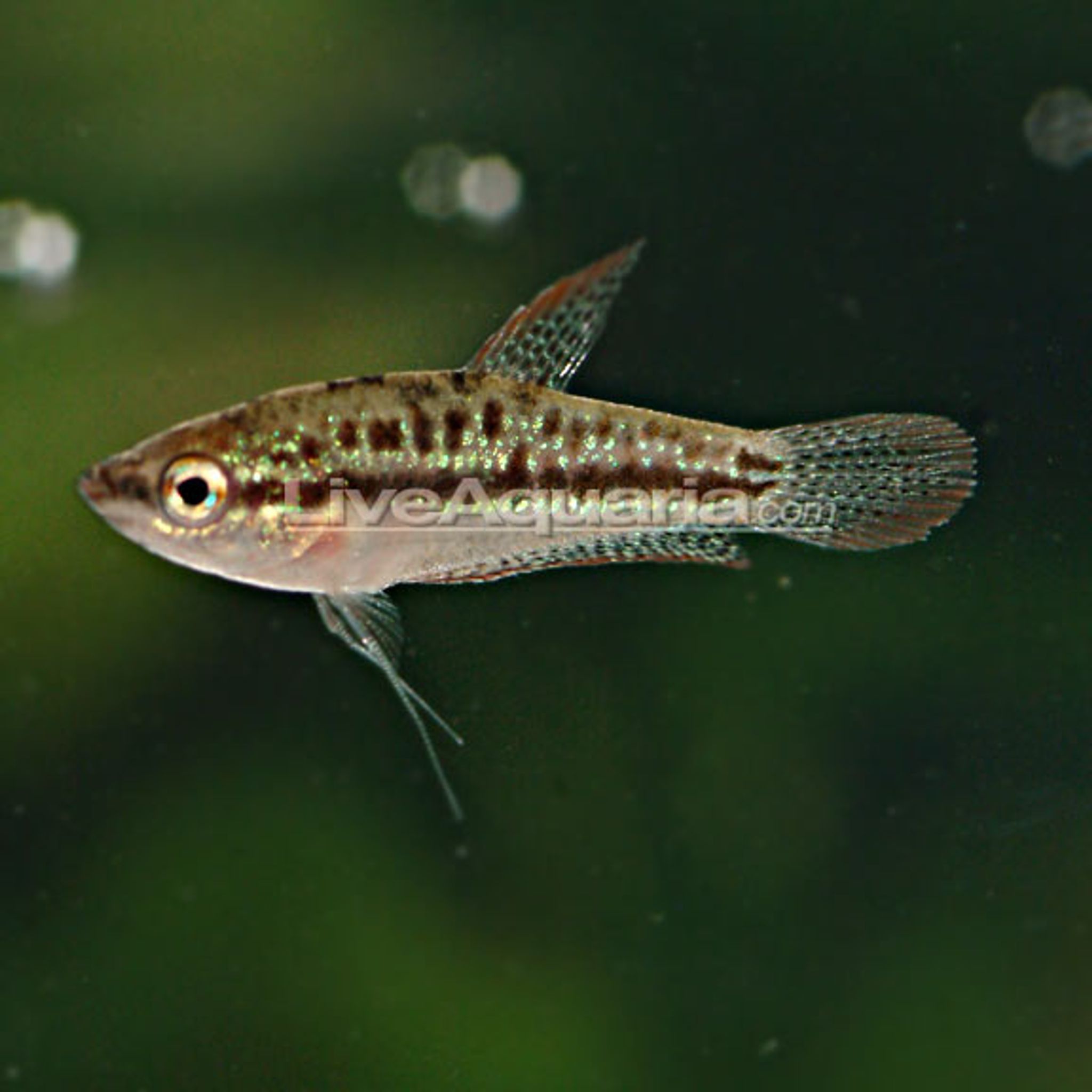
Sparkling Gourami (Trichopsis ..
USD 5.41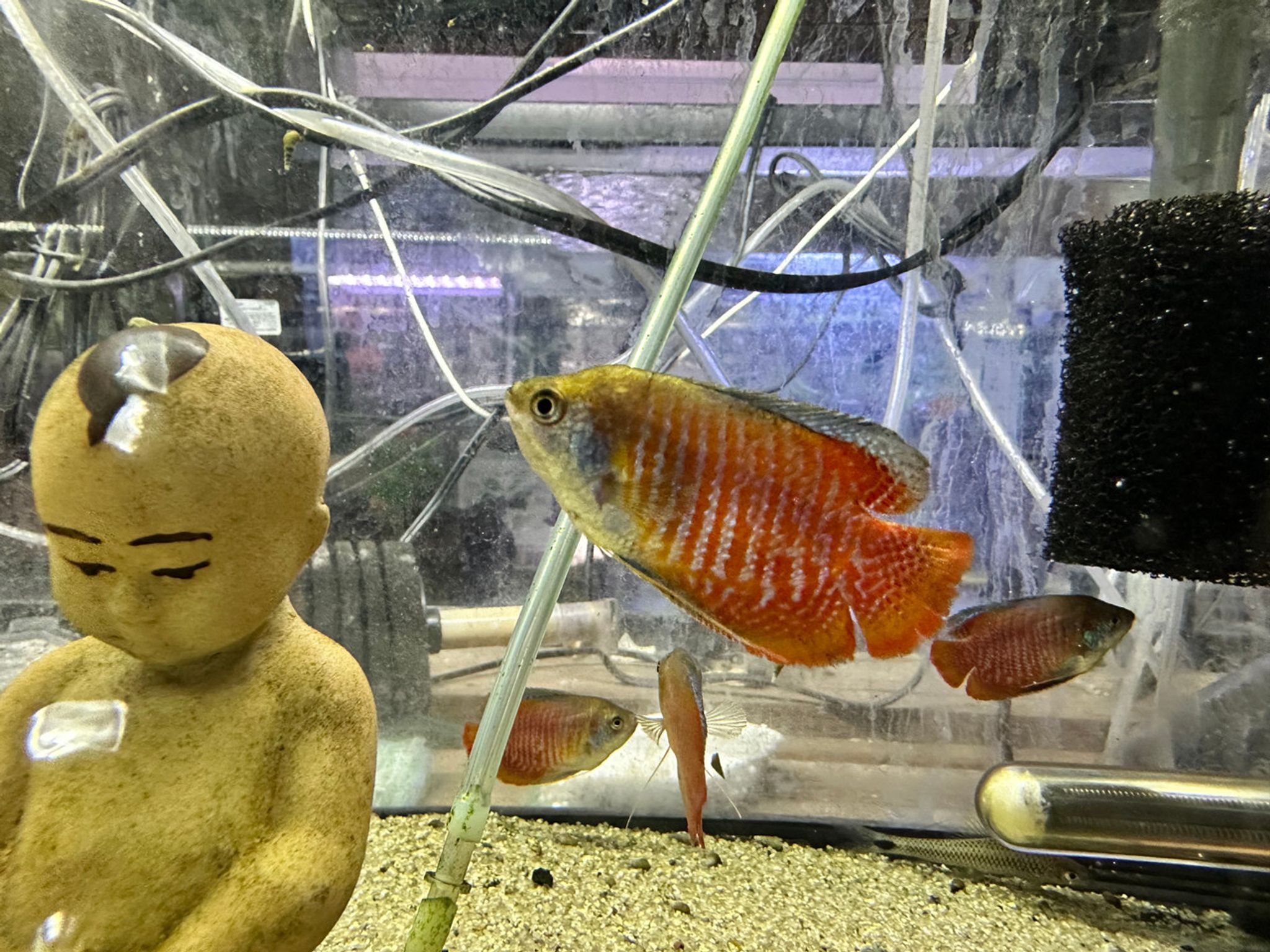
Flame Dwarf Gourami
USD 12.49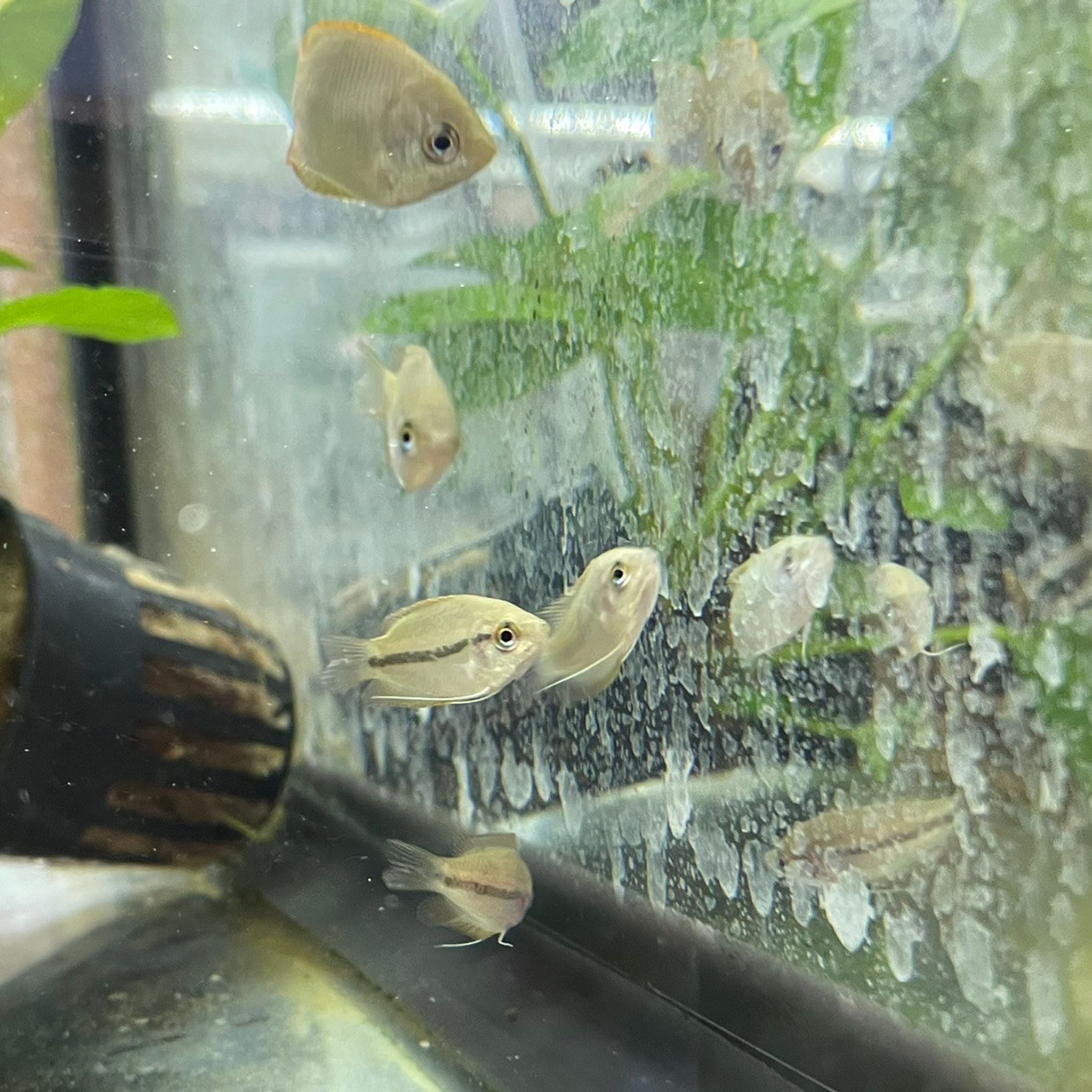
Dwarf Honey Gourami
USD 16.24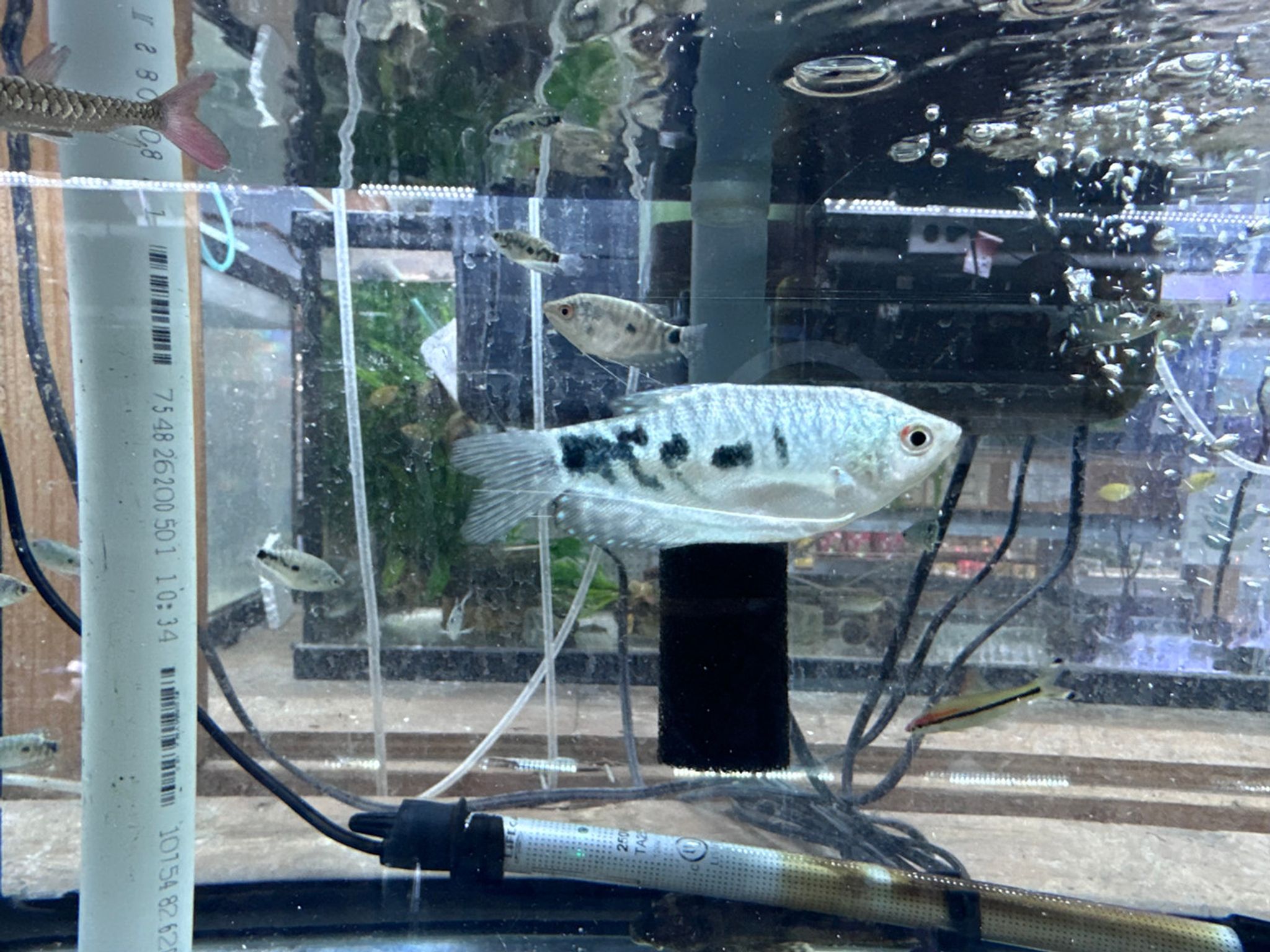
Opaline Gourami
USD 12.49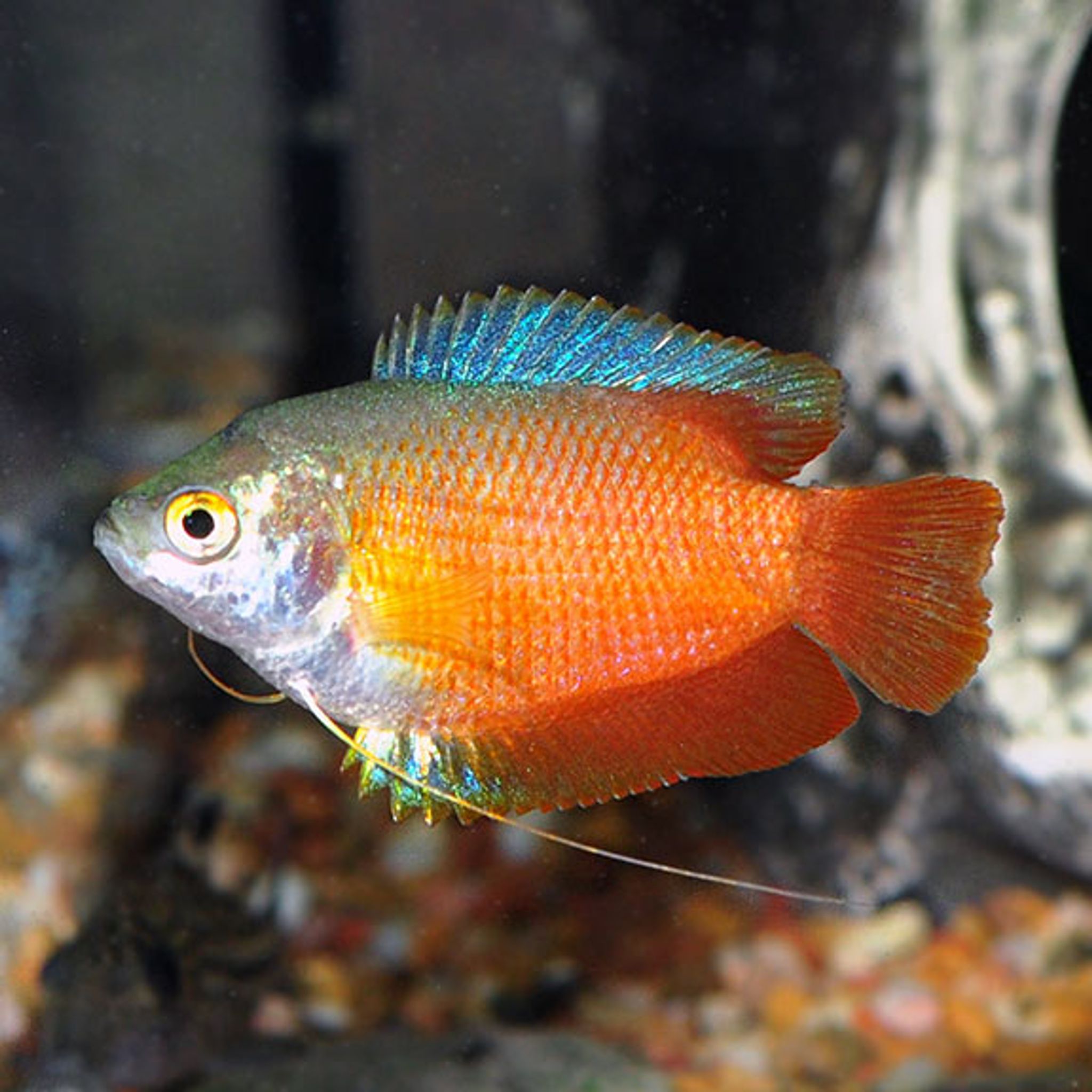
Flame Dwarf Gourami (Trichogas..
USD 5.21
Sparkling Gourami (Pygmy Goura..
USD 37.49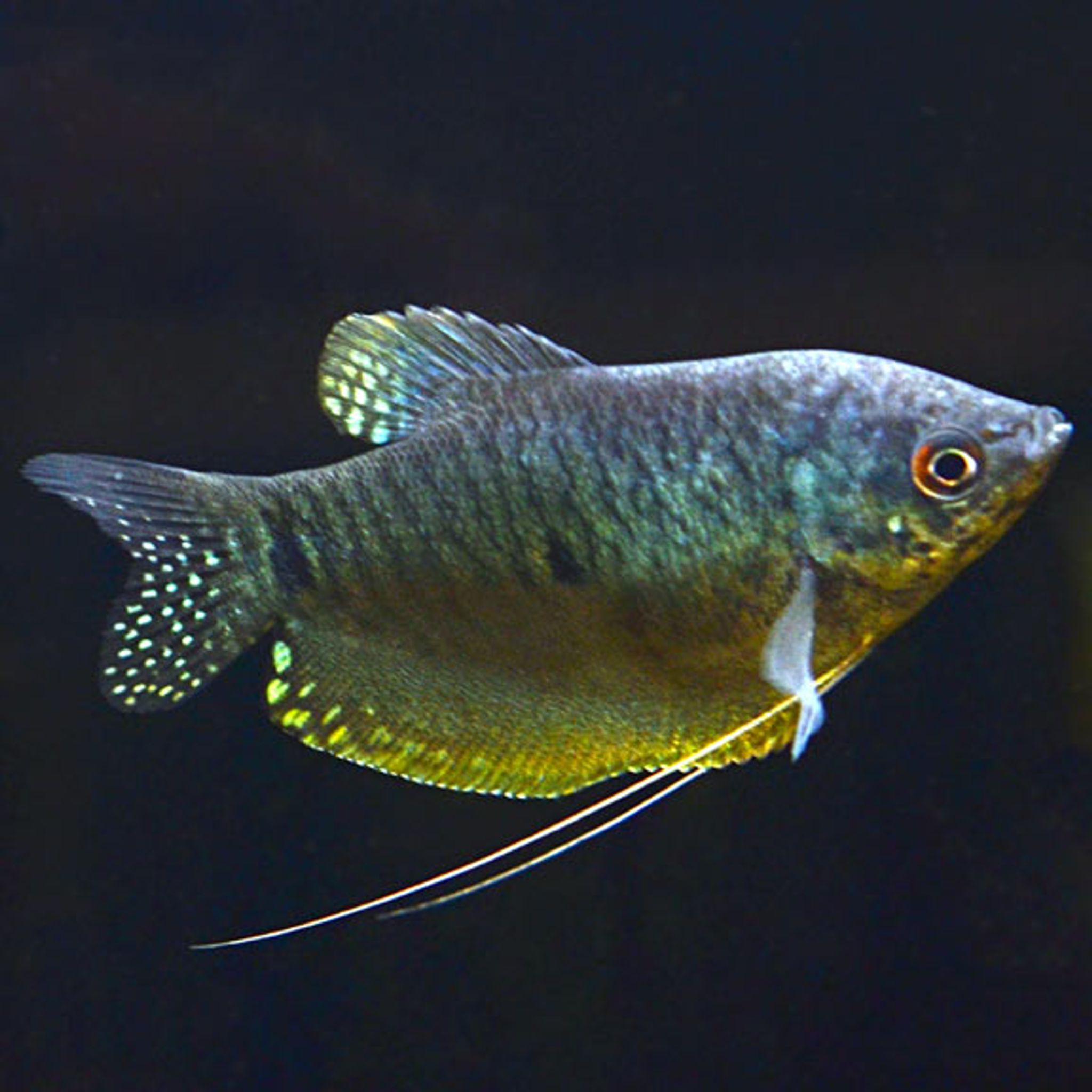
Blue Gourami (Trichogaster tri..
USD 10.21Bintan Licorice Gourami (Paros..
USD 63.00
Red Honey Gourami
USD 16.24
Giant Red Tail Gourami
USD 49.99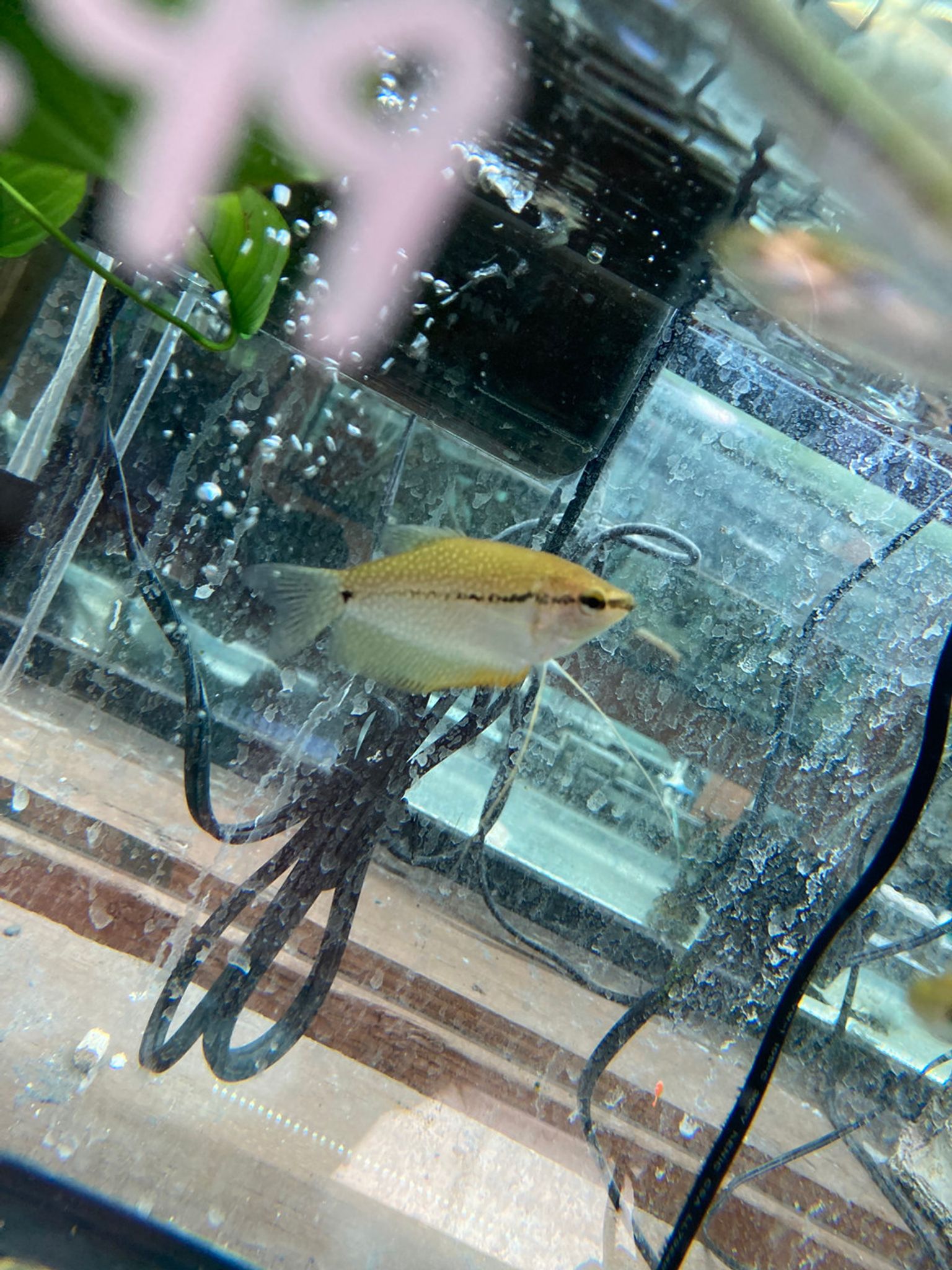
Pearl Gourami
USD 12.49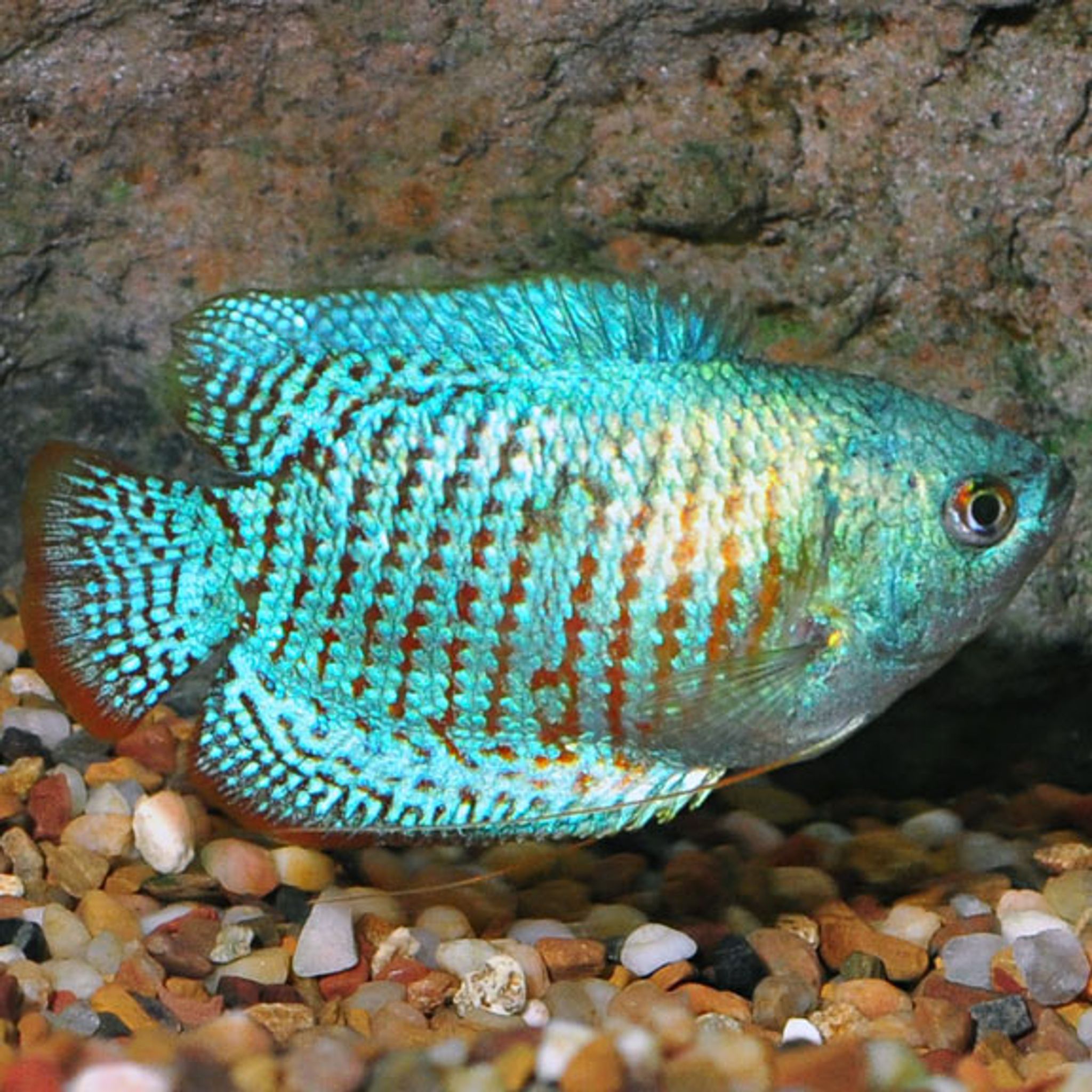
Powder Blue Dwarf Gourami (Tri..
USD 12.50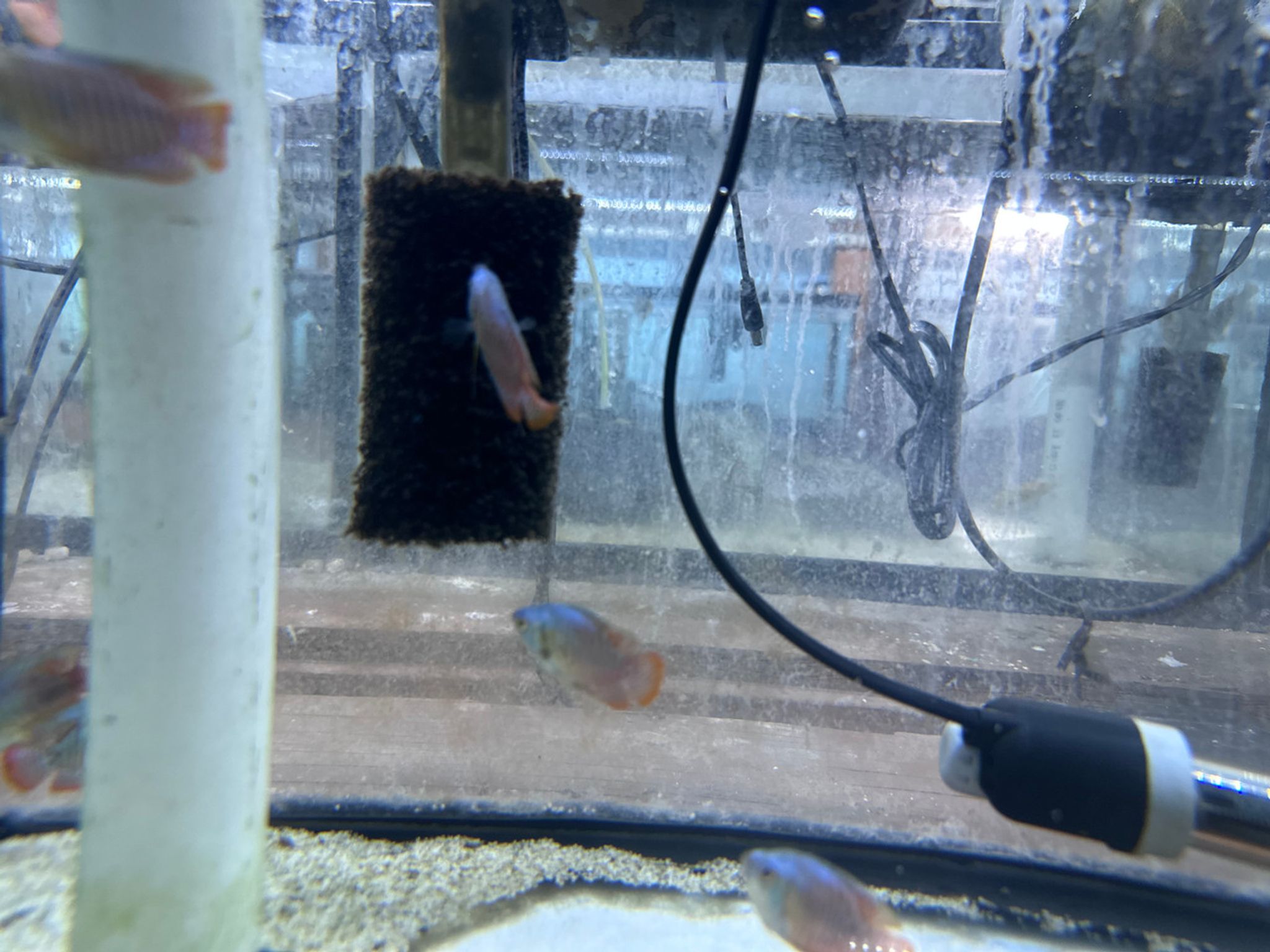
Neon Dwarf Gourami
USD 12.49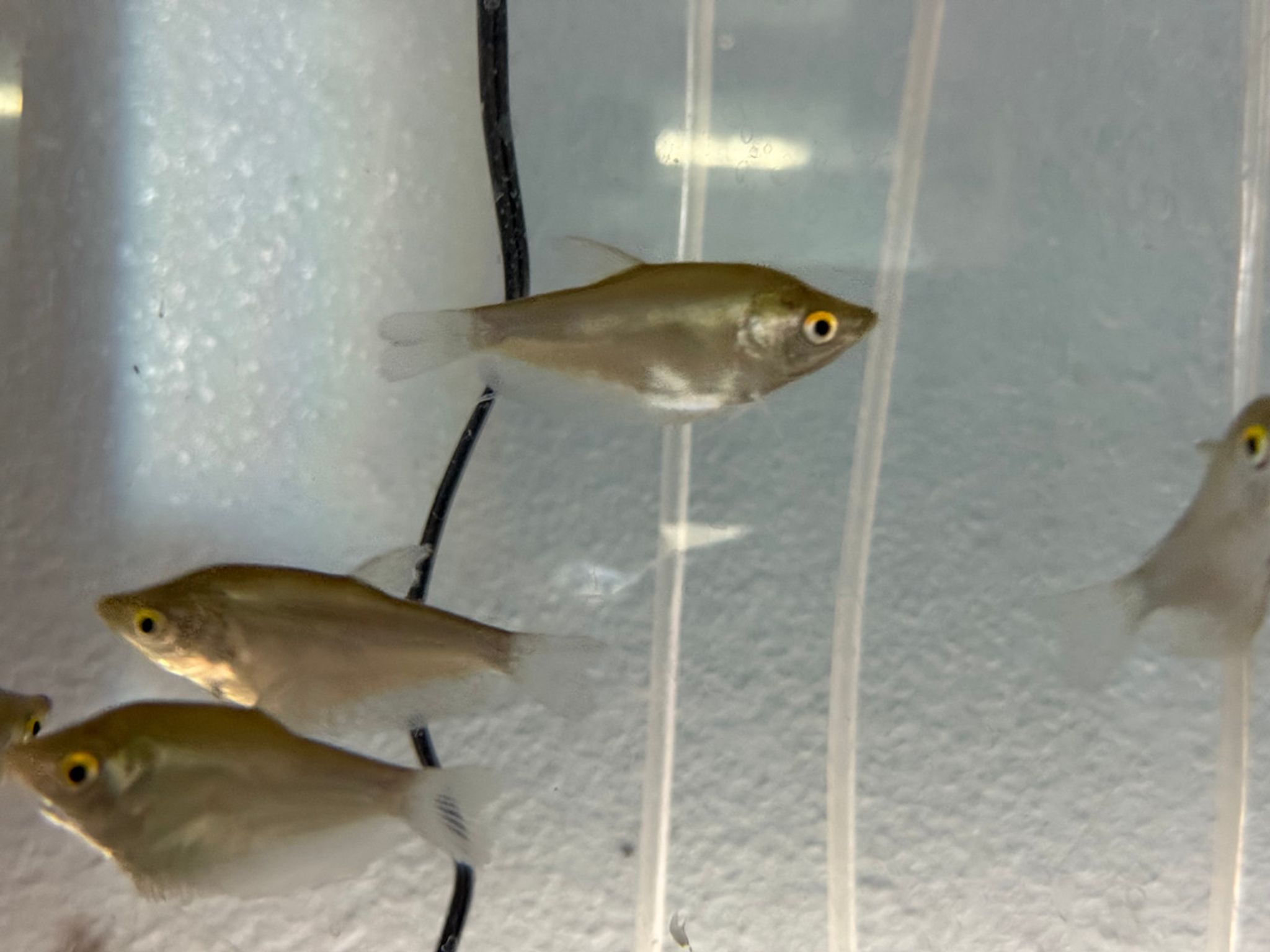
Moonlight Gourami
USD 16.24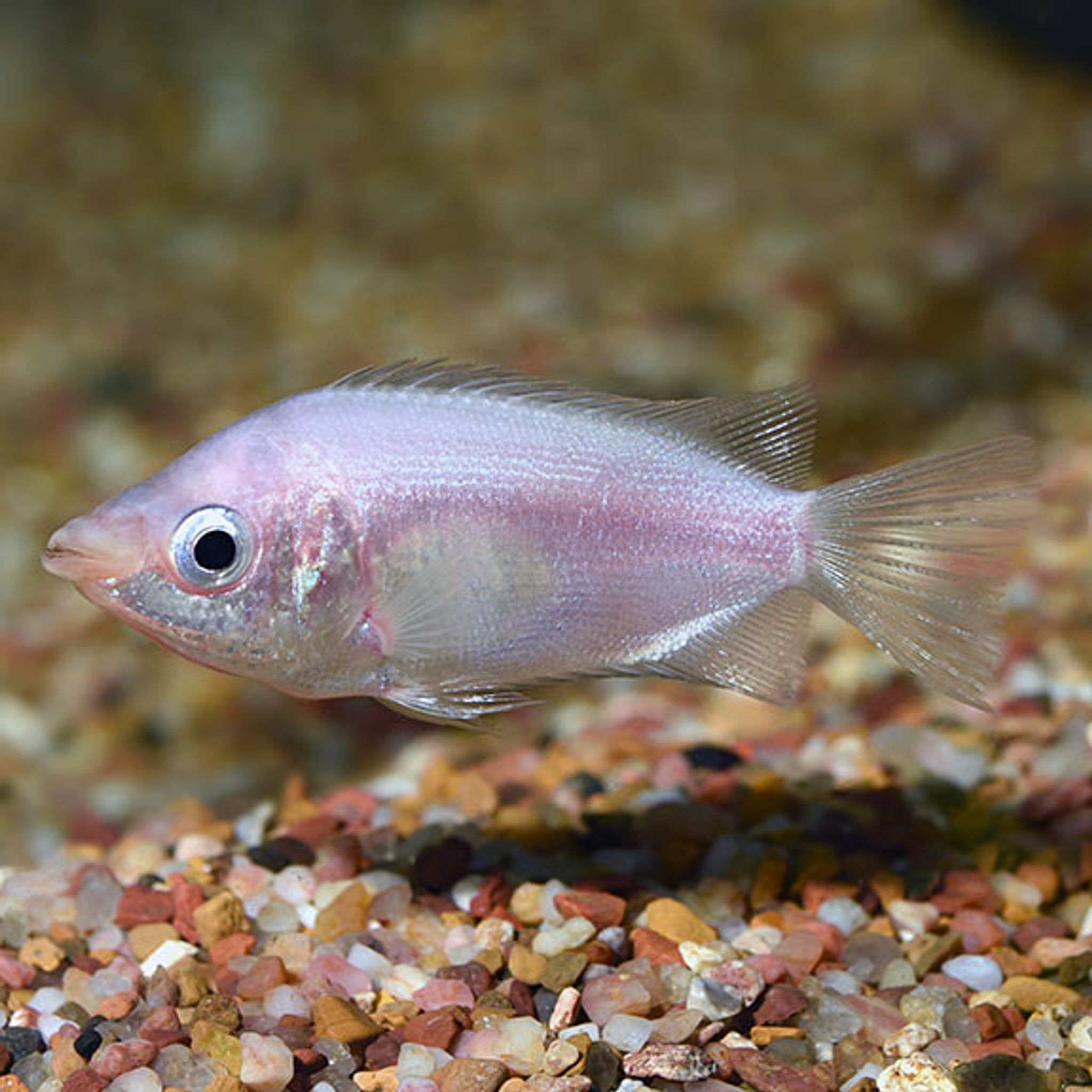
Kissing Gourami (Helostoma tem..
USD 12.50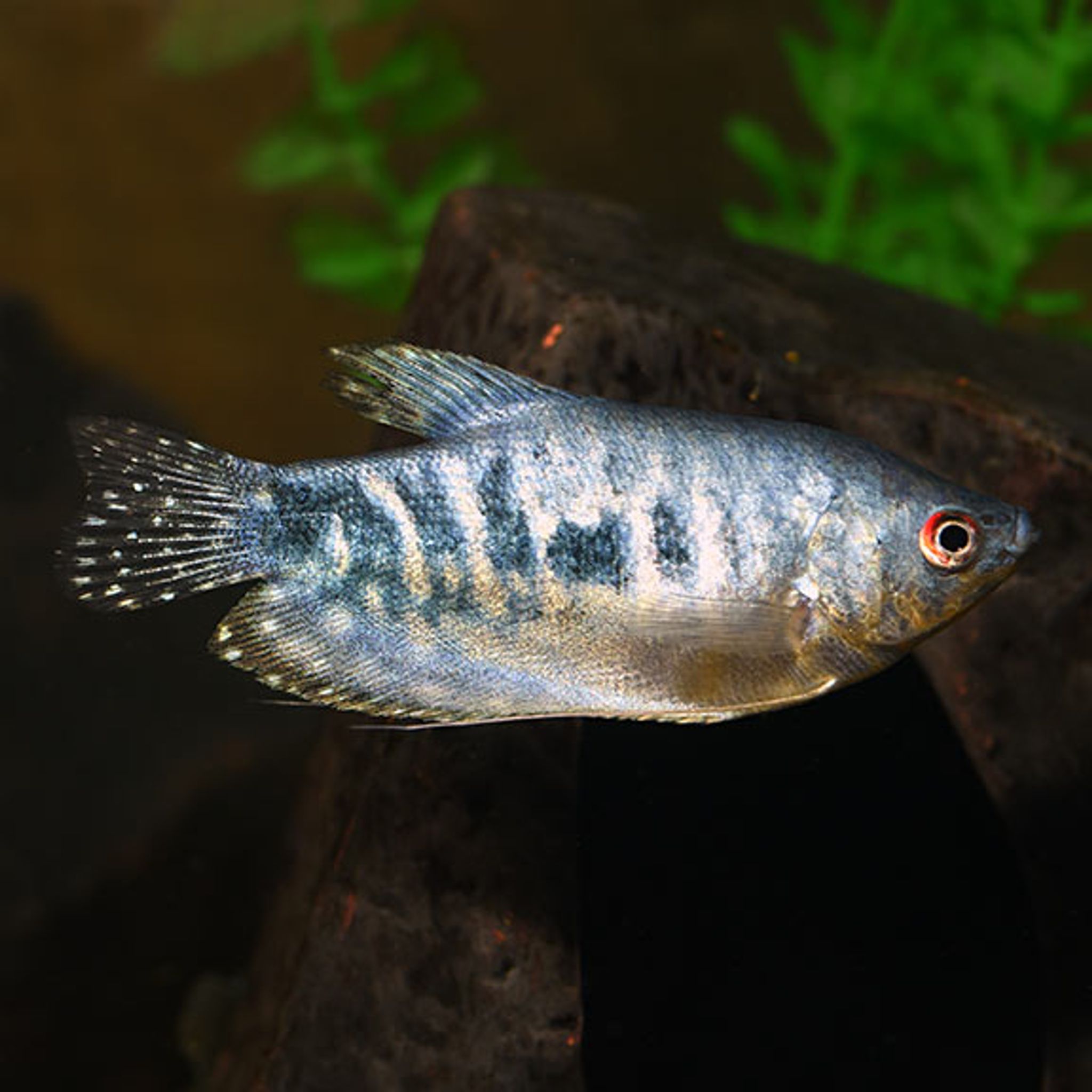
Opaline Gourami (Trichogaster ..
USD 5.62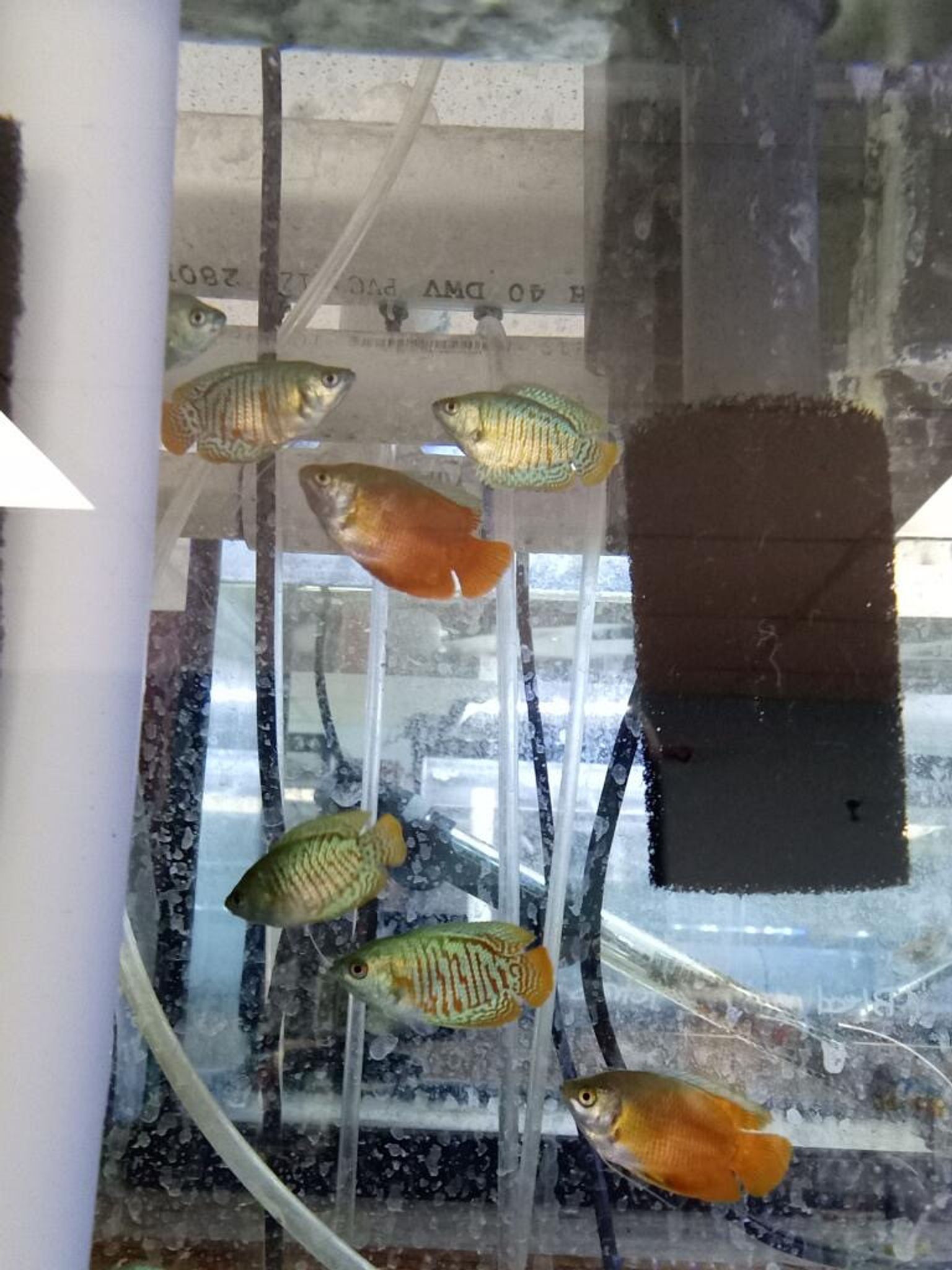
Dwarf Gourami, Assorted
USD 11.24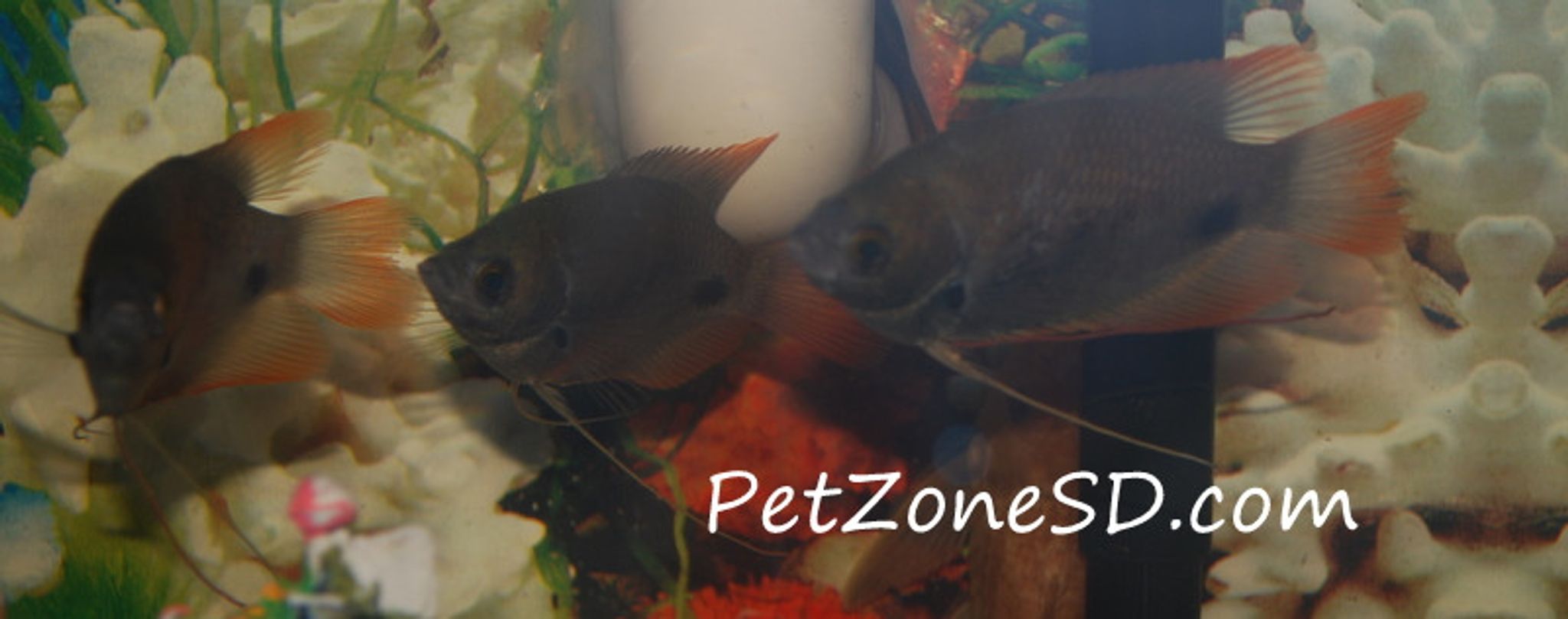
Red Tail Giant Gourami
USD 49.99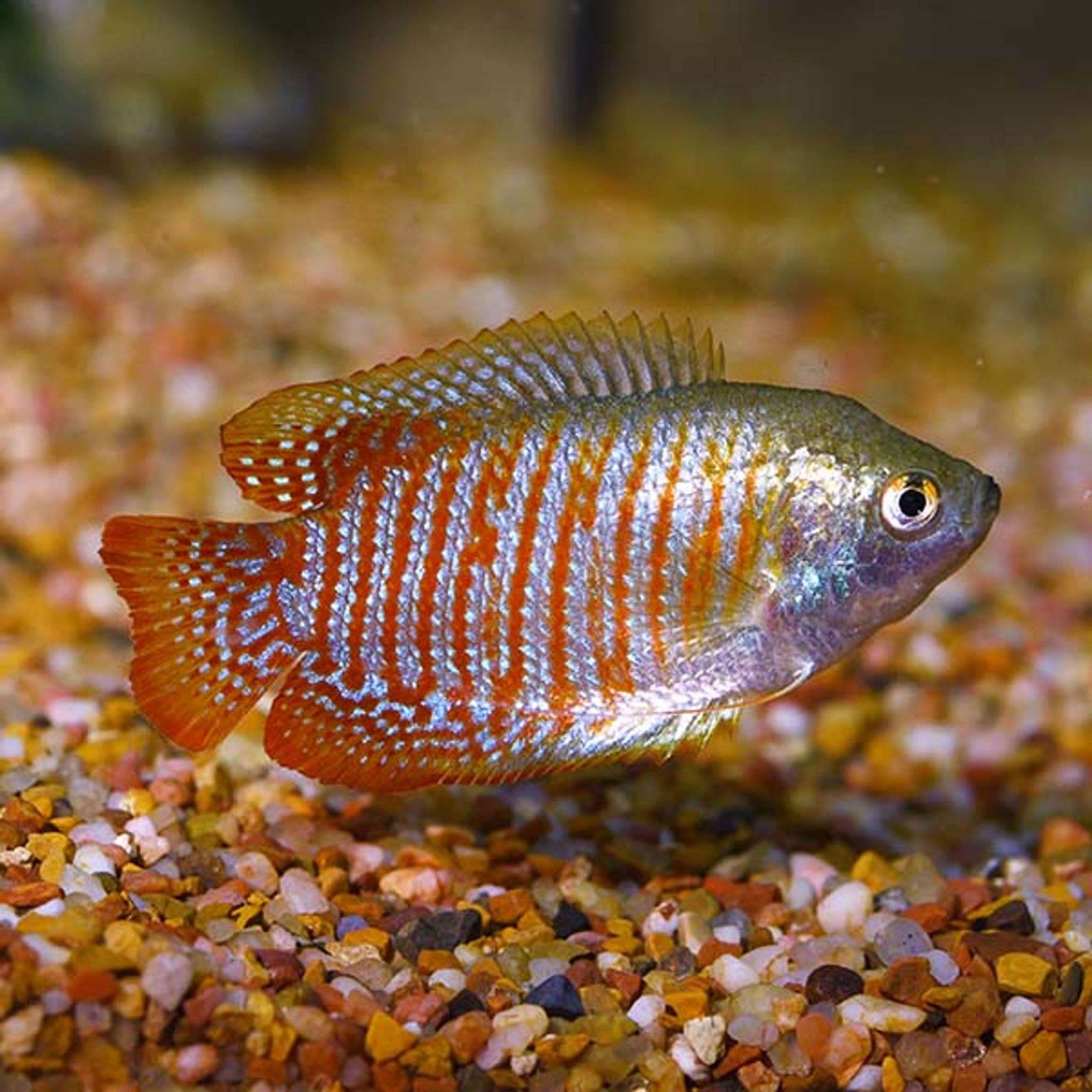
Dwarf Gourami (Trichogaster la..
USD 18.75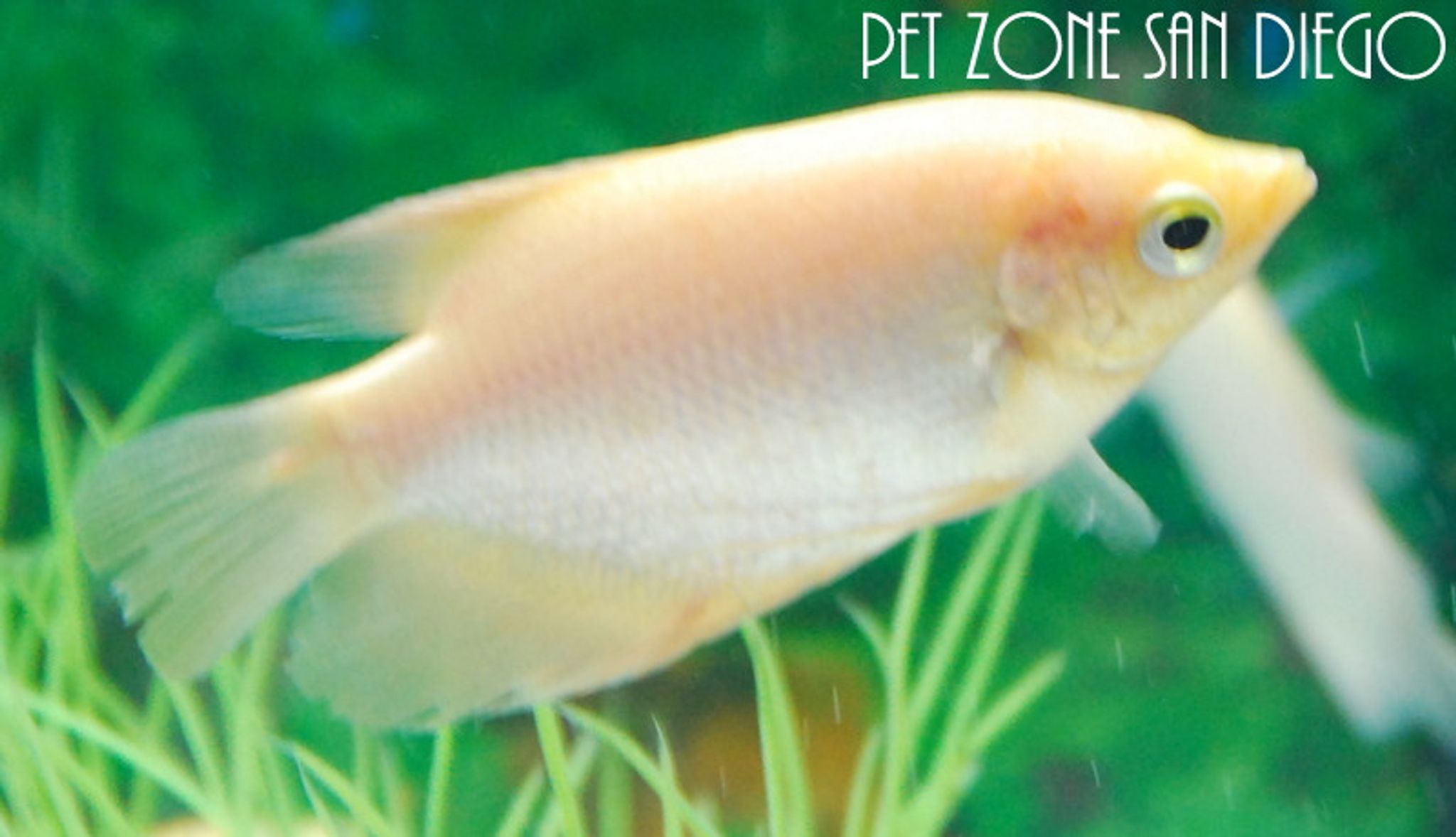
Leucistic Giant Gourami
USD 43.74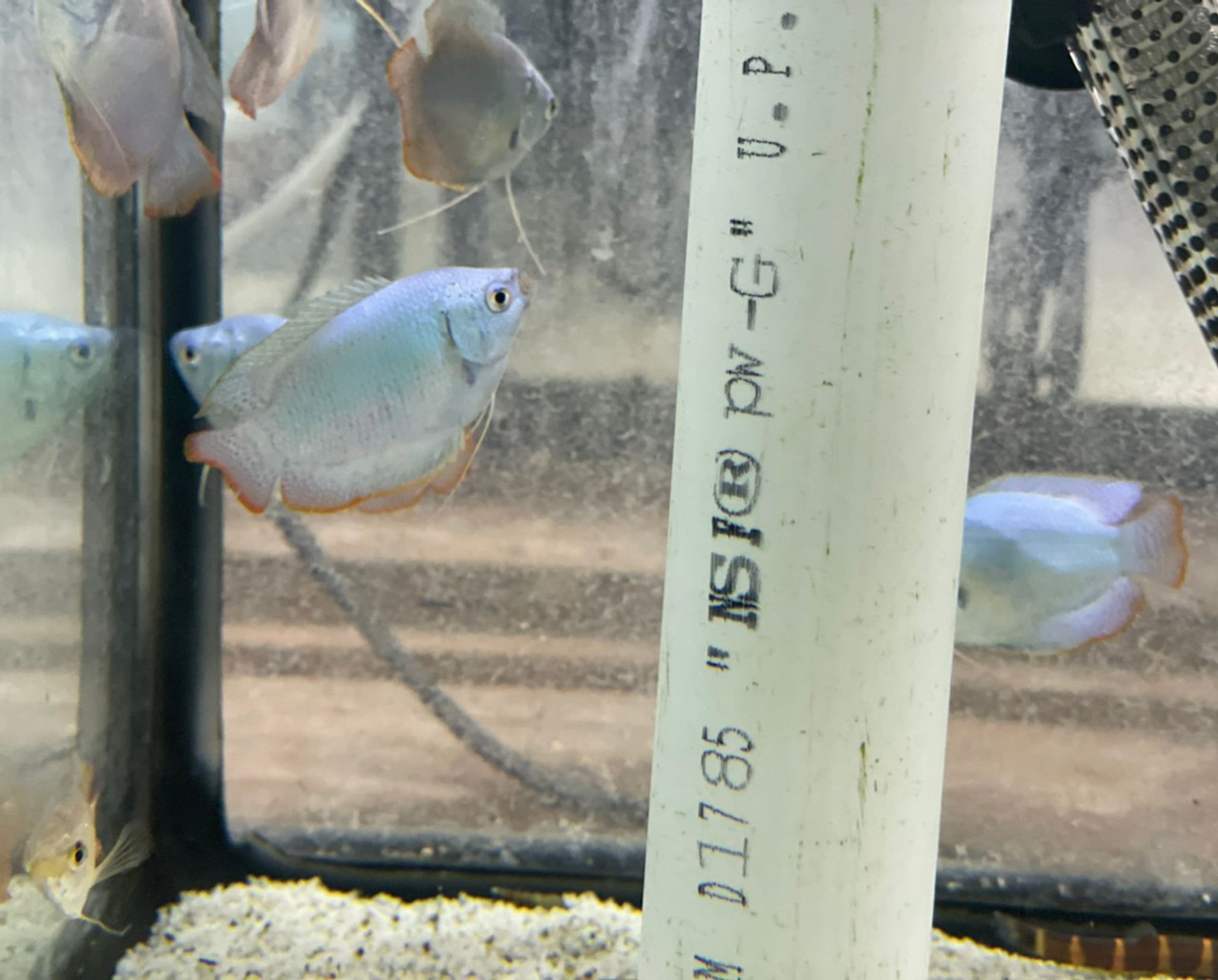
Powder Blue Dwarf Gourami
USD 12.49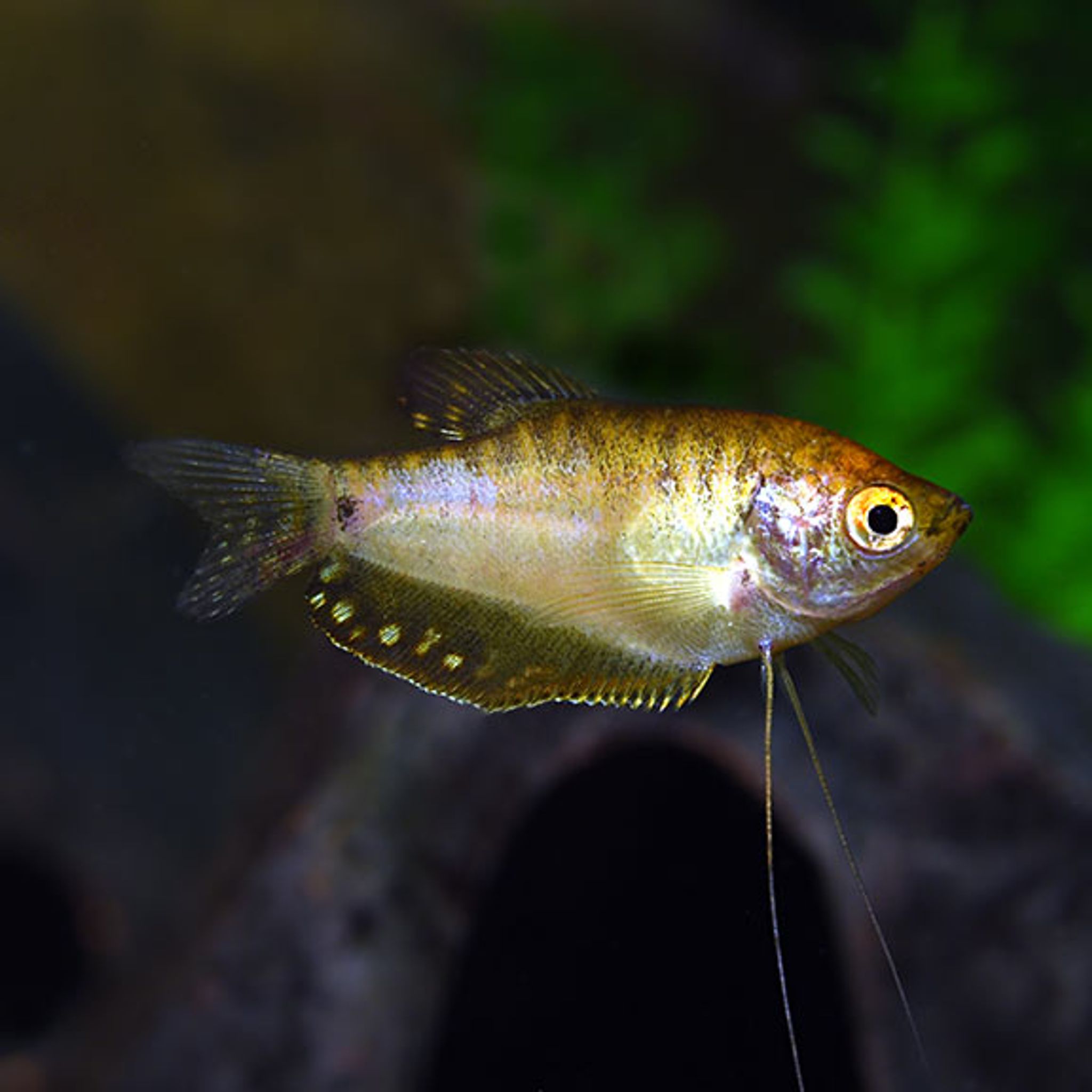
Gold Gourami (Trichogaster tri..
USD 10.00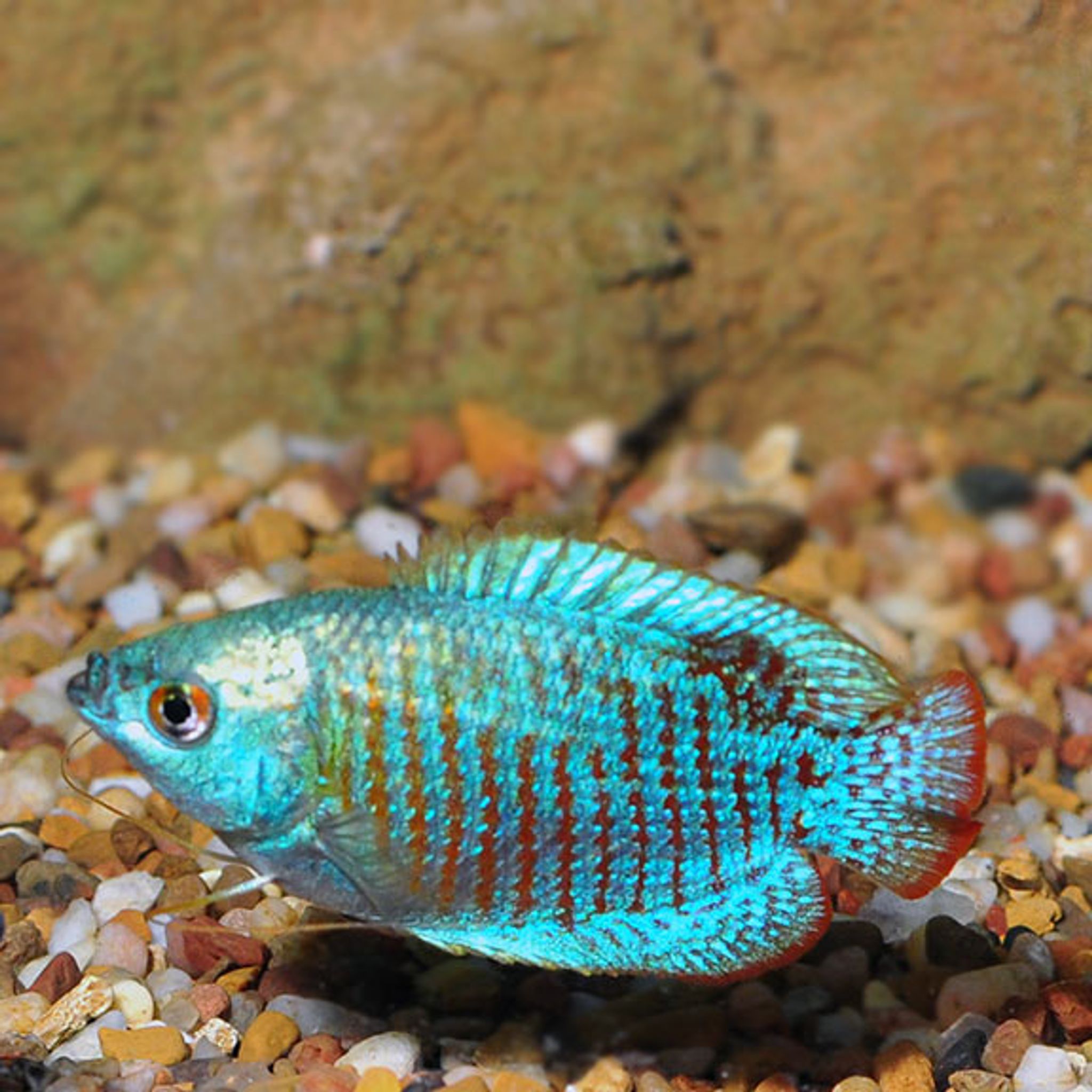
Neon Blue Dwarf Gourami (Trich..
USD 12.91Chocolate Gourami (Sphaerichth..
USD 12.49Paradise Fish - Macropodus ope..
USD 11.24Sparkling Gourami (Trichopsis ..
USD 5.41Flame Dwarf Gourami
USD 12.49Dwarf Honey Gourami
USD 16.24Opaline Gourami
USD 12.49Flame Dwarf Gourami (Trichogas..
USD 5.21Sparkling Gourami (Pygmy Goura..
USD 37.49Blue Gourami (Trichogaster tri..
USD 10.21Bintan Licorice Gourami (Paros..
USD 63.00Red Honey Gourami
USD 16.24Giant Red Tail Gourami
USD 49.99Pearl Gourami
USD 12.49Powder Blue Dwarf Gourami (Tri..
USD 12.50Neon Dwarf Gourami
USD 12.49Moonlight Gourami
USD 16.24Kissing Gourami (Helostoma tem..
USD 12.50Opaline Gourami (Trichogaster ..
USD 5.62Dwarf Gourami, Assorted
USD 11.24Red Tail Giant Gourami
USD 49.99Dwarf Gourami (Trichogaster la..
USD 18.75Leucistic Giant Gourami
USD 43.74Powder Blue Dwarf Gourami
USD 12.49Gold Gourami (Trichogaster tri..
USD 10.00