
What Do Sparkling Gourami Eat? A Practical Feeding Guide
Sparkling gourami eat live and frozen micro-foods first — baby brine shrimp, daphnia, and small bloodworms — because they're small insectivorous predators, not the flake-friendly omnivores that most gourami guides assume. Get the food size, type, and delivery method wrong and this species quietly starves in plain sight, even in a well-run tank. Here's exactly what to feed, how much, and how to fix the most common feeding mistakes.
A quick species snapshot
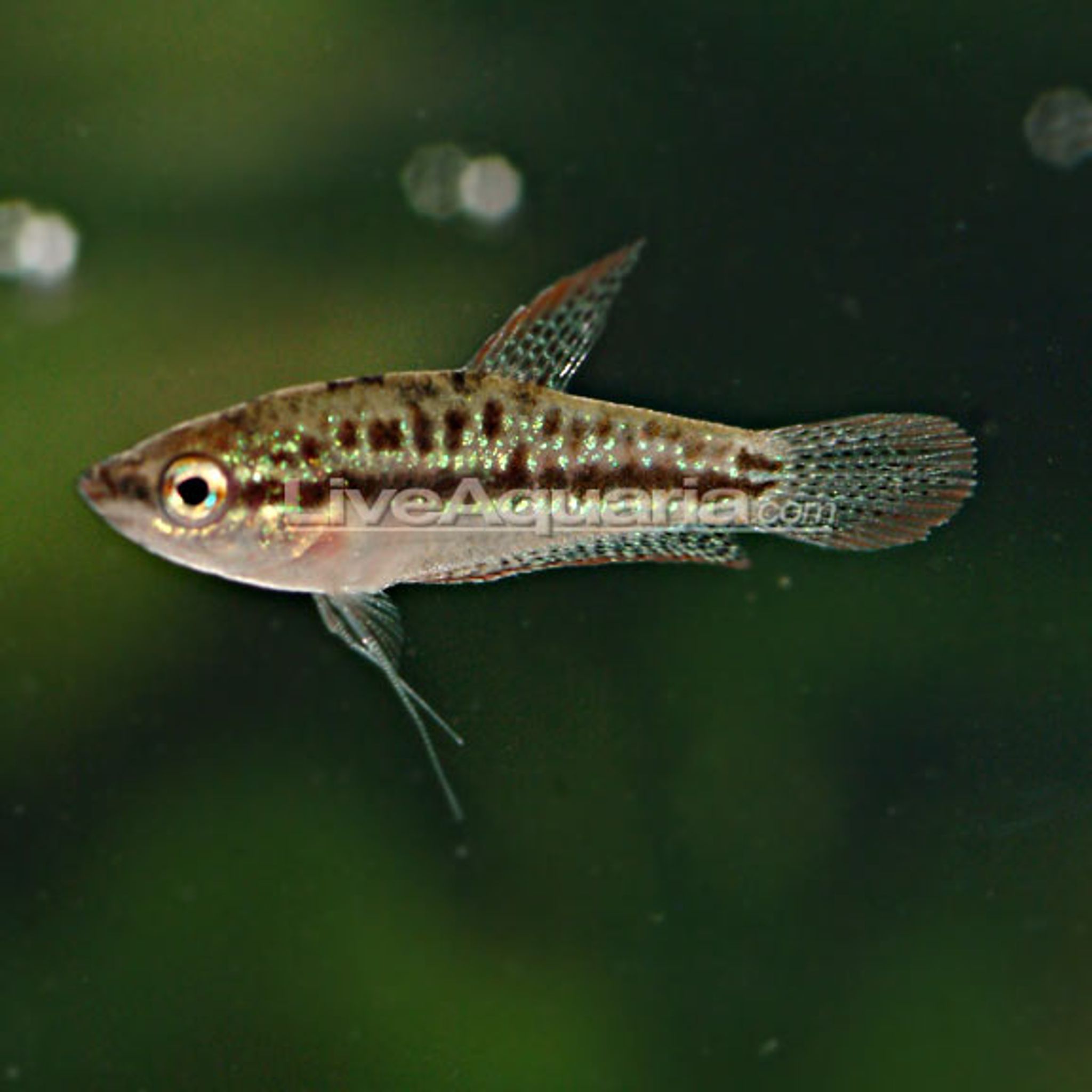
Trichopsis pumila, commonly called the sparkling or pygmy gourami, comes from slow-moving, plant-choked waters across the Mekong basin, Thailand, Vietnam, and Cambodia. It's one of the smallest gourami species in the hobby, topping out around 1.5–1.6 inches (3.5–4 cm). That tiny adult size is the reason its feeding needs differ so much from bigger gourami relatives.
They're an inexpensive, widely available species — typically a few dollars each rather than a premium price tag — which makes them an easy fish to stock in a small planted setup, provided you feed them correctly.
What sparkling gourami actually eat
Despite being labeled "omnivorous" in many general references, sparkling gourami are strongly carnivore-leaning insectivores in the wild. They pick tiny insects, insect larvae, zooplankton, and other micro-invertebrates out of the water column. They are not algae grazers, and plant matter makes up little to none of their natural diet.
In order of value for a home aquarium:
| Food type | Value | Notes |
|---|---|---|
| Live foods | Best | Baby brine shrimp, daphnia, moina, microworms, vinegar eels, grindal worms, small bloodworms — ideal for conditioning, color, and breeding |
| Frozen foods | Very good substitute | Frozen brine shrimp, daphnia, bloodworms; thaw and rinse before feeding |
| Freeze-dried | Occasional only | Rehydrate first to prevent bloat/constipation; less palatable than live or frozen for this species |
| Dry micro-pellets/crushed flake | Supplement, not base diet | Must be ≤1mm; many individuals, especially recently imported stock, refuse dry food at first |
You can browse live-culture starters and prepared foods, including freeze-dried options, in FishyHub's Food & Supplements category.
Food size matters more than food type
A sparkling gourami's mouth is genuinely tiny. Even if you offer the "right" food type, it will be rejected if it's too large to swallow whole. Crush flakes and pellets between your fingers before feeding this species — standard flake or pellet size is often simply too big, causing rejection or a choking risk rather than picky behavior.
Will they eat flake at all?
Sources disagree here, and the honest answer is: it depends on the individual fish. Some sparkling gourami accept flakes and pellets readily once acclimated. Others — and this is common anecdotal experience, especially with wild-caught or recently imported stock — largely refuse dry food outright.
The practical approach:
- Start new fish on live or frozen foods exclusively.
- Once they're eating confidently and looking full-bodied, try introducing crushed micro-pellets alongside the live/frozen rotation.
- Treat dry food as a supplement for convenience, never as the sole diet, for this species specifically.
If a fish flatly refuses everything for more than a couple of weeks despite live food, patience with small live cultures (microworms or newly hatched baby brine shrimp) is usually the fix — most cases resolve within days to two weeks once the fish settles in.
How often and how much to feed
Frequency: Feed small amounts twice a day as a default. Sparkling gourami have a fast metabolism and a natural grazing habit, so two light feedings track their biology better than one large one. If you notice water quality or appetite issues, drop back to once daily.
Portion size: Only offer what disappears within 1–2 minutes. Because the fish are small and unhurried eaters, leftover food fouls water quickly in the 10–20 gallon (38–76 L) tanks this species is typically kept in.
Fasting: Skip feeding one day per week. This is standard practice across gourami and other labyrinth fish and helps prevent digestive issues.
Feeding in a community or planted tank
Sparkling gourami are shy, slow, deliberate feeders. In a community tank with faster fish — tetras, danios, and similar — they routinely lose out at the surface even when food is clearly present in the water.
Target-feed instead of broadcasting. Use a pipette or a turkey baster to deposit live or frozen food directly near their preferred cover — moss, floating plants, or other hiding spots — rather than scattering food across the whole tank and assuming everyone got fed.
A mature, densely planted tank helps too. Leaf litter, moss such as Java moss, and the infusoria and microfauna that colonize it provide real supplemental grazing food between scheduled feedings. This is especially valuable for shy adults and essential for fry, though it shouldn't be relied on as the sole food source for adult nutrition or coloration.
Keep an eye on flow and the surface
Like bettas, sparkling gourami are labyrinth fish that breathe atmospheric air at the surface. Keep some open surface area and avoid strong current — a powerful filter outflow will blow food away before these slow feeders can catch it, and it also complicates their trips to the surface for air.
Water conditions that support good feeding
Feeding discipline matters more for this species than for hardier fish because they're sensitive to poor water quality.
- Temperature: 74–82°F (23–28°C), with 77°F (25°C) as a good target
- pH: 6.0–8.0, leaning softer and slightly acidic to neutral
- Hardness: roughly 5–18 dGH
- Tank size: 10 gallons (38 L) minimum for a small group; some keepers recommend 15 gallons (57 L) for the first fish plus 10 gallons (38 L) per additional fish. Bigger is always safer for water stability, which directly affects how much feeding error the tank can absorb.
- Group size: 6 or more, since they're shoaling and social; a proper group also spreads out feeding competition so no single fish gets left out
Support the small-meal feeding routine with 20–25% weekly water changes, and vacuum the substrate near moss and decor where uneaten food tends to settle in this species' preferred low-flow zones.
Growth, color, and breeding condition
A diet built around protein-rich live and frozen foods intensifies the natural iridescent blue-green speckling and red-orange fin coloration in males, and supports better breeding condition overall. Fish fed only dry food tend to come out duller and smaller.
Interestingly, well-conditioned males also display and "croak" more — this species is known for producing an audible sound during courtship, a behavior that's more pronounced in fish that are well-fed and in good condition.
Feeding fry
If you're breeding sparkling gourami, start fry on infusoria, then move to baby brine shrimp or microworms once they're free-swimming. Their fry are tiny even by gourami standards and need proportionally smaller first foods than livebearer or barb fry.
Sparkling gourami vs. other gourami species
Sparkling/pygmy gourami (Trichopsis pumila) belongs to a small genus that also includes the croaking gourami (Trichopsis vittata). Both share broadly similar insectivorous diets and a preference for small live or frozen foods over flake.
This is a meaningful contrast to larger, more commonly kept gourami — pearl, gold, and dwarf gourami — which are considerably more flake-friendly and more genuinely omnivorous, accepting plant matter and prepared foods far more readily. If you're used to feeding a dwarf or pearl gourami flake as a base diet, expect sparkling gourami to need a different approach entirely.
Automatic feeders: not a great fit here
Most automatic fish feeders dispense flake or pellets only, and many sparkling gourami won't reliably eat either. That makes auto-feeders less useful for this species compared with flake-eating community fish.
If you still want one as a backup — for a day away, for example — pre-crush pellets so they fit the dispensing mechanism, and continue hand-feeding live or frozen food several times a week rather than relying on the feeder as a primary food source.
Common feeding mistakes
- Feeding flake only, then wondering why fish look thin or hide constantly. This is usually a food-acceptance problem, not illness — switch to live or frozen food to confirm they're actually eating.
- Overfeeding in a small tank. Leftover food drives ammonia spikes, which are a common root cause of secondary fin rot and Popeye in small gourami setups. Feed small portions, remove uneaten food, and keep a weekly fasting day.
- Broadcasting food in a community tank. Faster tankmates clean up the surface before a shy sparkling gourami gets a bite. Target-feed near cover instead.
- Using food that's too large. Standard flake or pellet size can cause rejection or choking. Crush it down.
- Giving up on a picky or wild-caught fish too soon. A small live culture and a bit of patience usually solves refusal within one to two weeks.
- Strong filter flow blowing food away before these slow feeders can catch it.
Health issues linked back to feeding
Fin rot is a bacterial infection typically secondary to poor water quality or stress. Watch for ragged, frayed, or receding fin edges, sometimes with discoloration at the margin. Treat by improving water quality with frequent water changes, isolating severe cases, and using an appropriate antibacterial or antifungal treatment as needed — you can browse options in Treatment › Medication. Overfeeding and leftover food driving ammonia spikes is a common root cause in small gourami tanks specifically.
Popeye (a swollen, protruding eye) is a similar story — usually caused by bacterial infection or poor water conditions, occasionally injury. Correct water quality, isolate if needed, and medicate appropriately. Like fin rot, it often traces back to the same feeding-discipline issues.
A note on jumping and low-light feeding
Sparkling gourami, like other labyrinth fish, are known jumpers, particularly when startled or when chasing insects and food near the surface. Always keep a tight-fitting lid — feeding time at the surface is exactly when excited jumping is most likely.
Their vision is also limited in darkness, similar to most gourami and labyrinth fish. Feeding is a lights-on, daytime activity; they rely on a combination of sight and vibration cues from the lateral line to locate food, which is another reason slow, targeted feeding works better than tossing food in dimly lit water.
Buying sparkling gourami with feeding in mind
When selecting fish, look for:
- Active behavior with fins held up, not clamped
- Full, rounded bellies — a sunken belly is a common sign of starvation in wild-caught or recently imported stock
- No visible sores or cloudy eyes
- Ask whether the fish has already been trained onto easily available foods before purchase
You can browse sparkling gourami and other small tropical species in FishyHub's gourami category.
Frequently Asked Questions
Do sparkling gourami eat flakes?
Sometimes, once they're acclimated and if the flakes are crushed small enough. Many individuals refuse flake initially, especially newly imported fish, so lead with live or frozen foods and treat flake or pellets as a supplement rather than the base diet.
How often should I feed sparkling gourami?
Feed small amounts twice a day as a default, with an occasional fasting day to support digestion. Adjust the amount to whatever gets fully eaten within 1–2 minutes, since leftovers foul water quickly in small tanks.
What live food is best to start a picky sparkling gourami?
Newly hatched baby brine shrimp or microworms are the best starting points. Both are the right size for the fish's tiny mouth and highly attractive because of their movement.
Can sparkling gourami live off infusoria and microfauna in a planted tank alone?
It helps significantly, especially for shy adults and fry, but it shouldn't be the sole food source for adult nutrition and coloration in most home tanks. Treat natural grazing as a supplement to scheduled feedings.
Will sparkling gourami eat algae or plant matter?
Only minimally. They're primarily insectivorous carnivores rather than algae grazers, despite being labeled omnivorous in some general fish guides.
How do I feed sparkling gourami in a community tank without them starving?
Target or spot feed near their preferred cover — moss, floating plants, or decor — using a pipette or dropper rather than broadcasting food across the tank. This keeps faster tankmates from cleaning up the food before the shy gourami reach it.
Can I use an automatic feeder for sparkling gourami?
You can, but it's often unreliable for this species since many individuals ignore flake or pellets entirely. It's better used as an occasional backup alongside regular manual live and frozen feedings rather than as the primary method.
Why does my sparkling gourami look thin despite regular feeding?
First check whether it's actually eating — a food type or size issue, or being outcompeted by tankmates, are the most common causes. If feeding behavior looks normal and body condition still isn't improving, rule out illness or parasites next.
Ready to stock or restock your planted tank? Browse live sparkling gourami and other small community species in FishyHub's Freshwater Livestock category.


