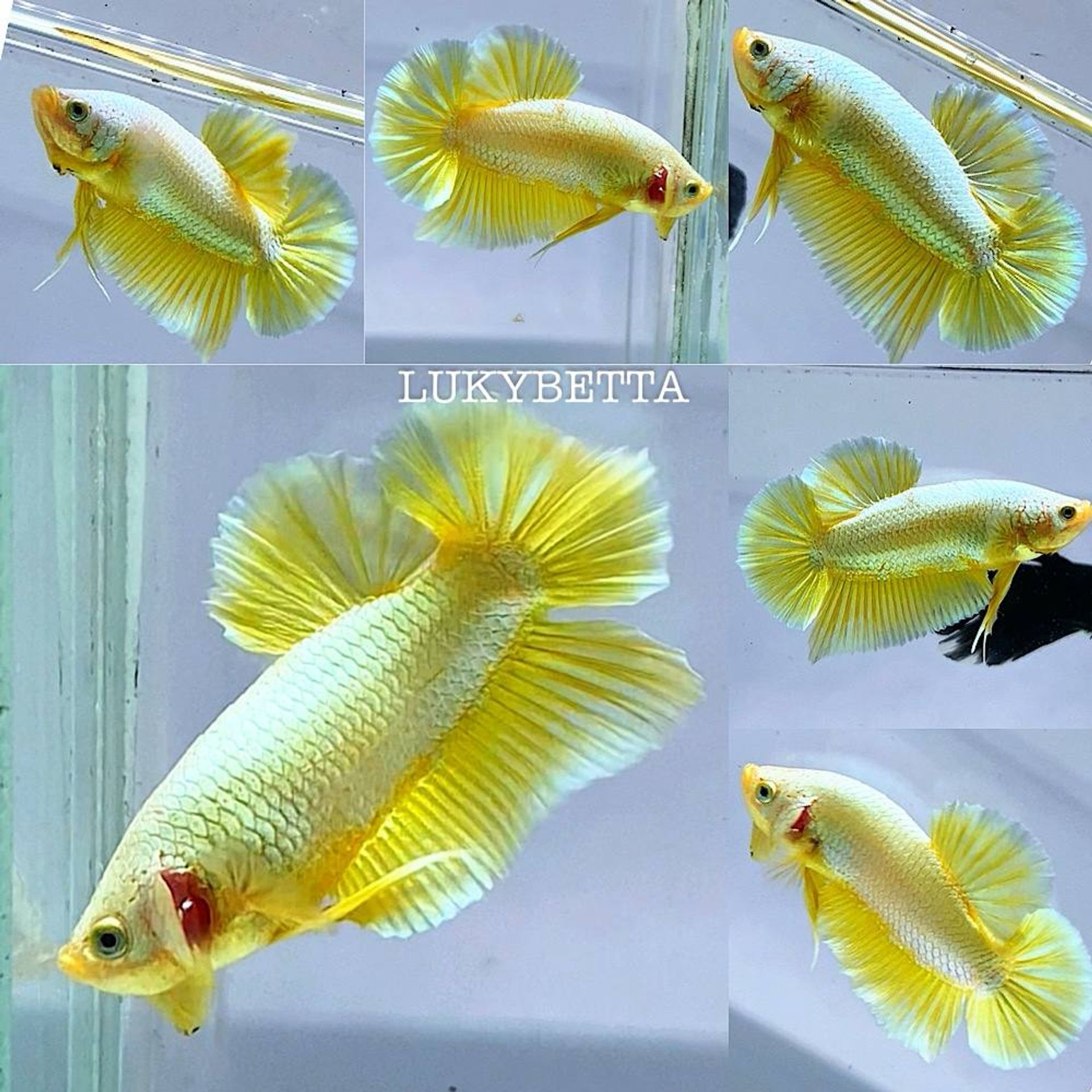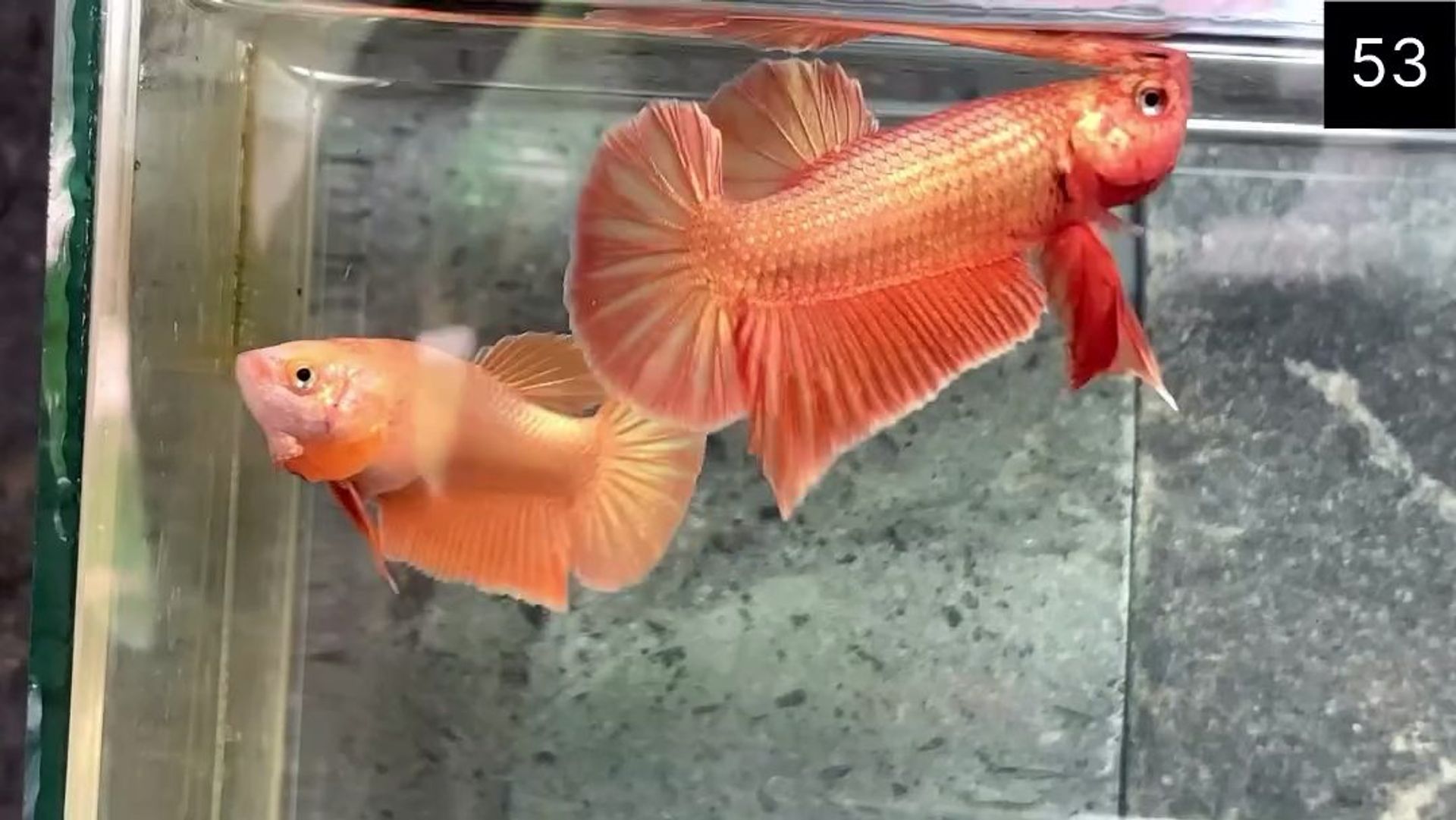
Click to enlarge
Unless stated otherwise, photos show the species, not the exact fish you'll receive.
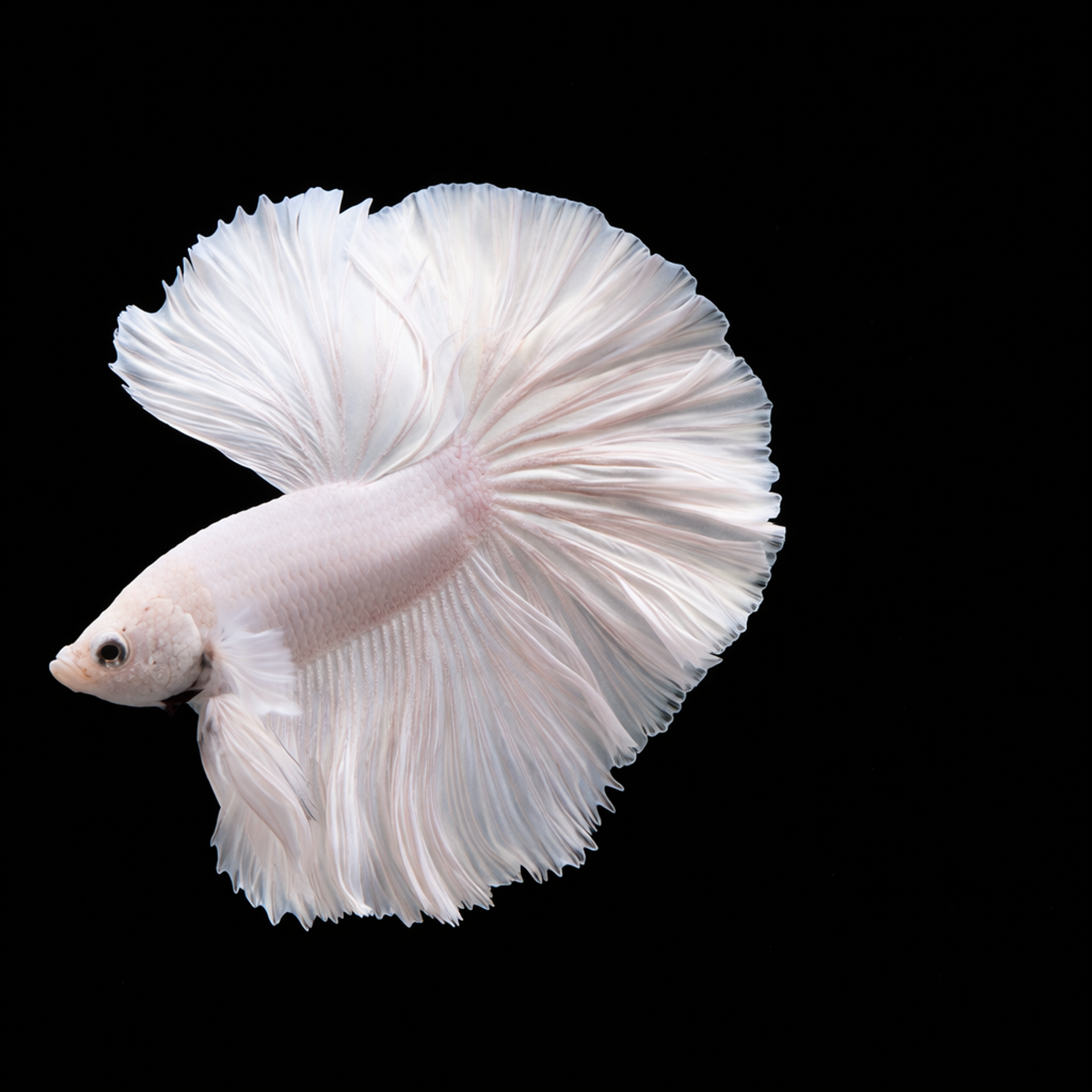
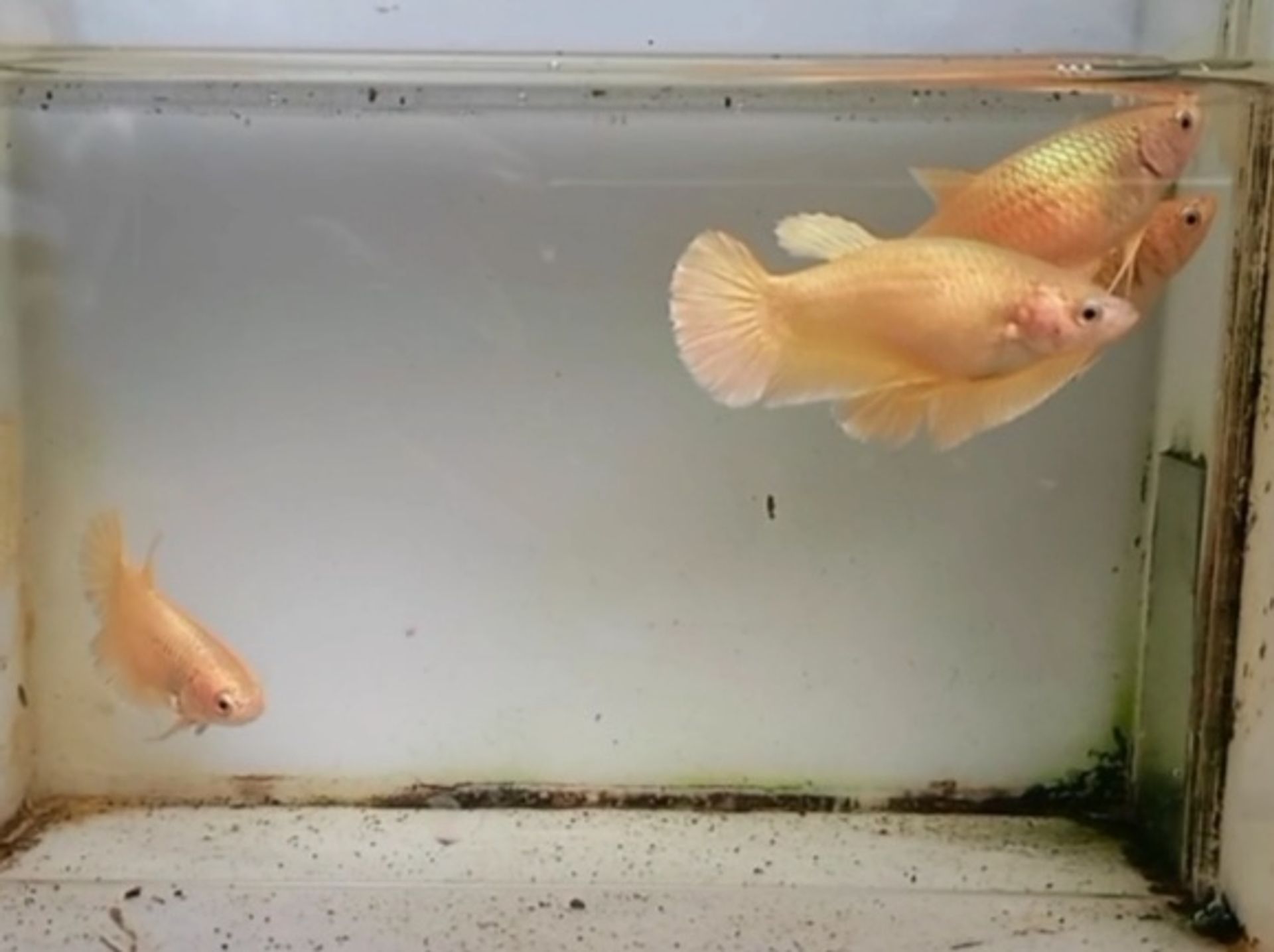
Pair (Rose Gold)
SGD 70.00
Delivery Information
Dead-on-arrival protection: report within 24 hours of delivery with a photo or video for an exchange or return.
Product Variations
Quantity
Stock: 2
Product Details
Size
4cm - 5cm
Temperament
Aggressive
Water Condition
High PH
WYSIWYG
Representative Photo Only
Product Description
Learn More About Rose Gold
Aquarium Fish Becoming More Popular in Singapore in 2026
How Much Does a Betta Fish Cost in Singapore? 2026 Price Guide
10 Aquarium Trends Growing Fast in Singapore in 2026
Most Viewed Aquarium Fish That Singaporeans Don't Buy: What the Data Shows
Jenis Ikan Laga & Harga di Malaysia: Kampung, Halfmoon, Plakat & More

How Much Does a Betta Fish Cost? 2026 Price Data
What Aquarium Fish Sellers Should Stock in 2026
Betta Fish Statistics 2026: Popularity, Prices & Ownership
The Fastest-Growing Freshwater Fish Trends of 2026
Aquarium Trends 2026: What Fishkeepers Are Buying Now
Which Aquarium Fish Have the Highest Demand-to-Supply Ratio?
Which Aquarium Fish Are Growing Fastest in Popularity?
More from Gold digger betta Eris

Gold digger betta Eris
Similar Bettas You May Like
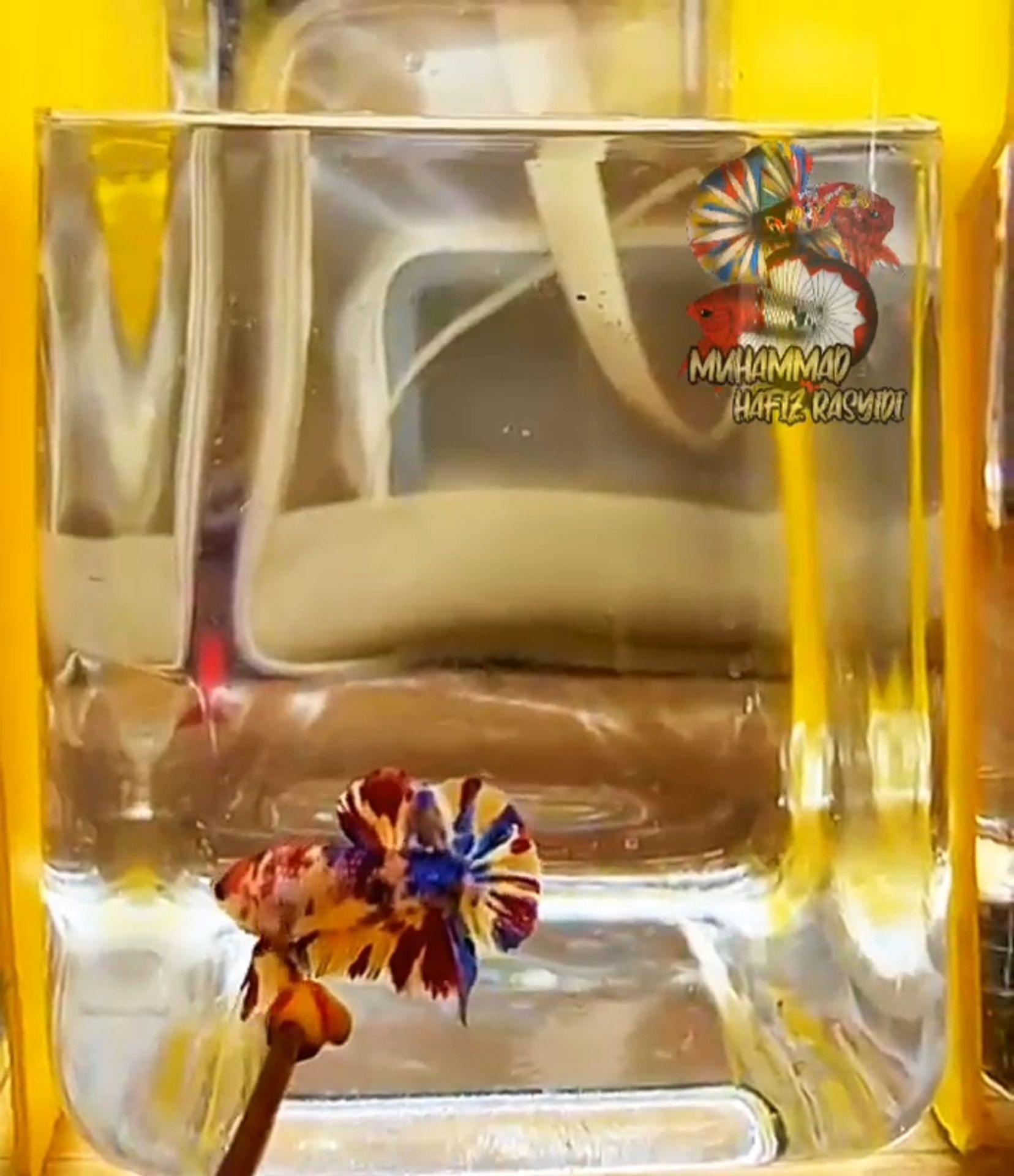
Halfmoon Plakat Betta (Multico..
SGD 155.00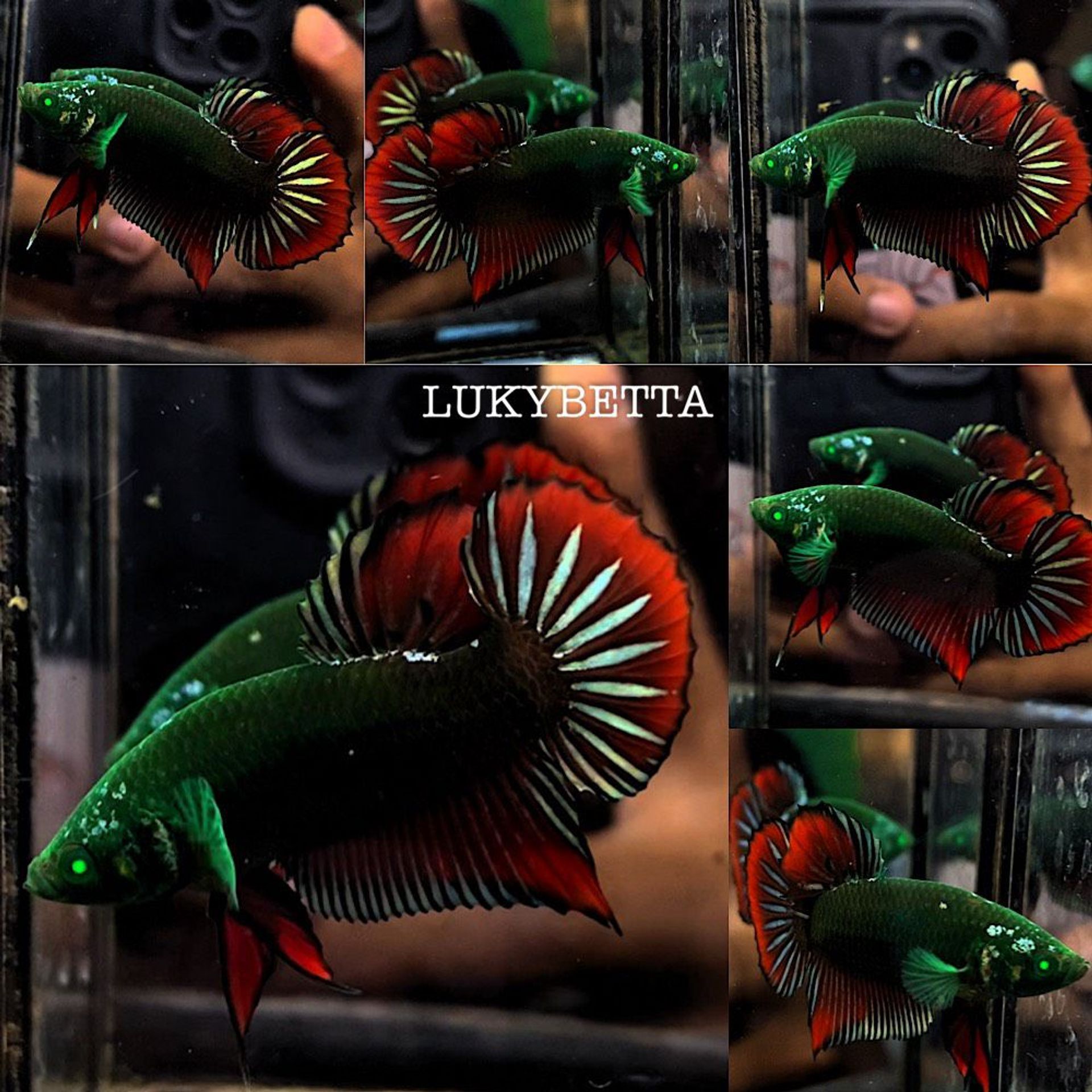
Betta (🥇ALIEN HYBRID HULK🥇)
SGD 85.00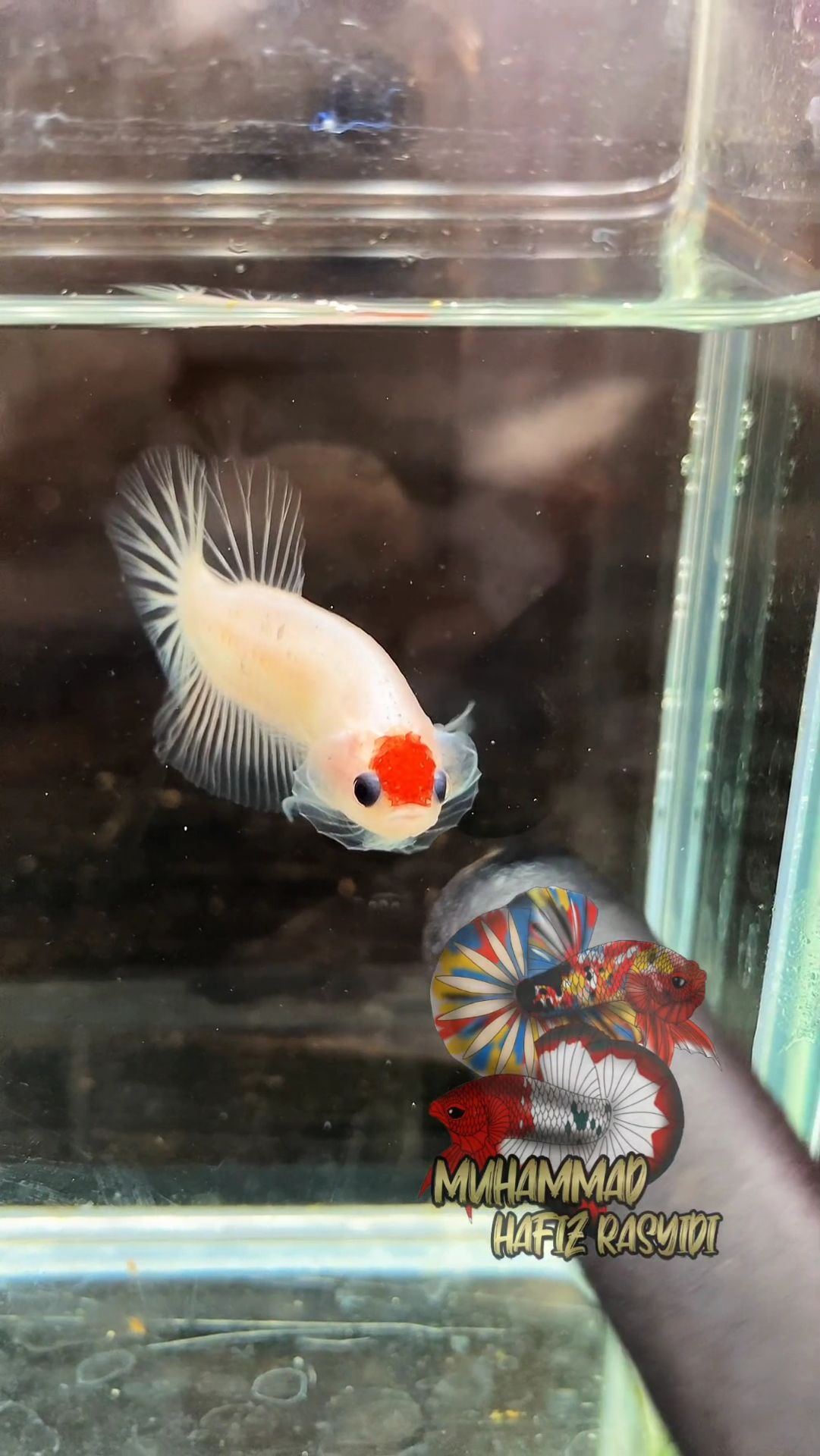
Halfmoon Plakat Betta (Aoc)
SGD 55.00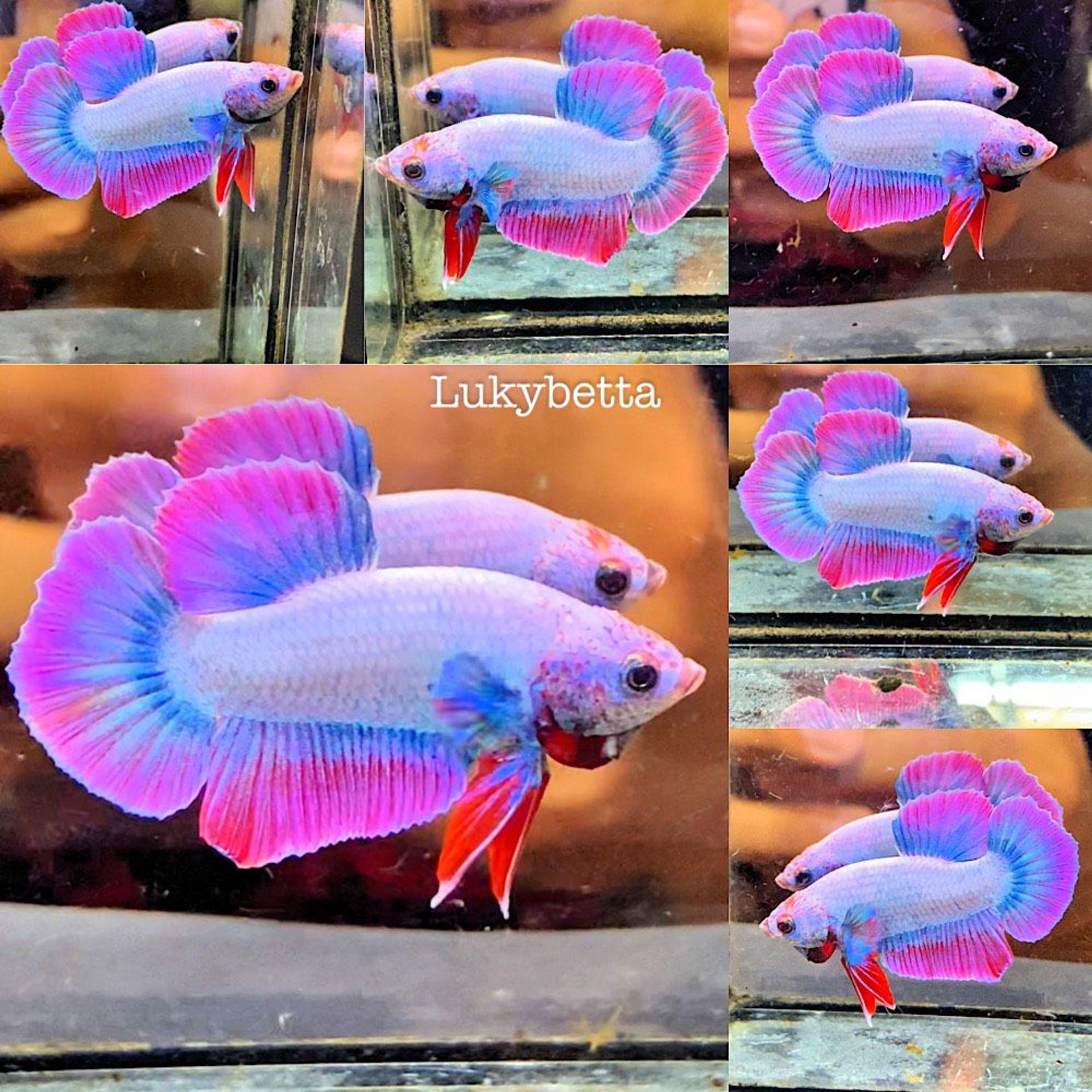
Halfmoon Plakat Betta (💗PINK ..
SGD 65.00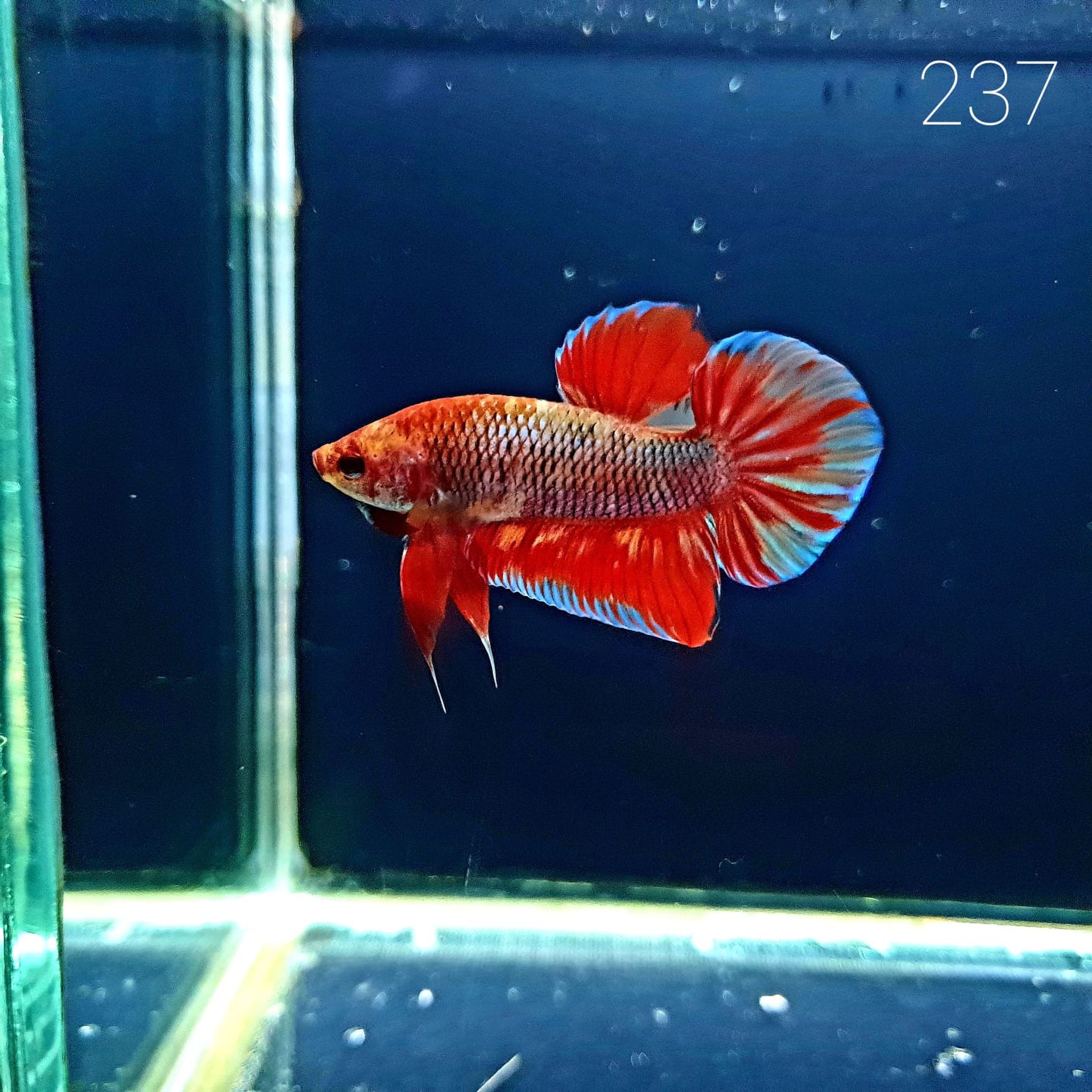
HMPK Betta Splendens #T237
SGD 30.00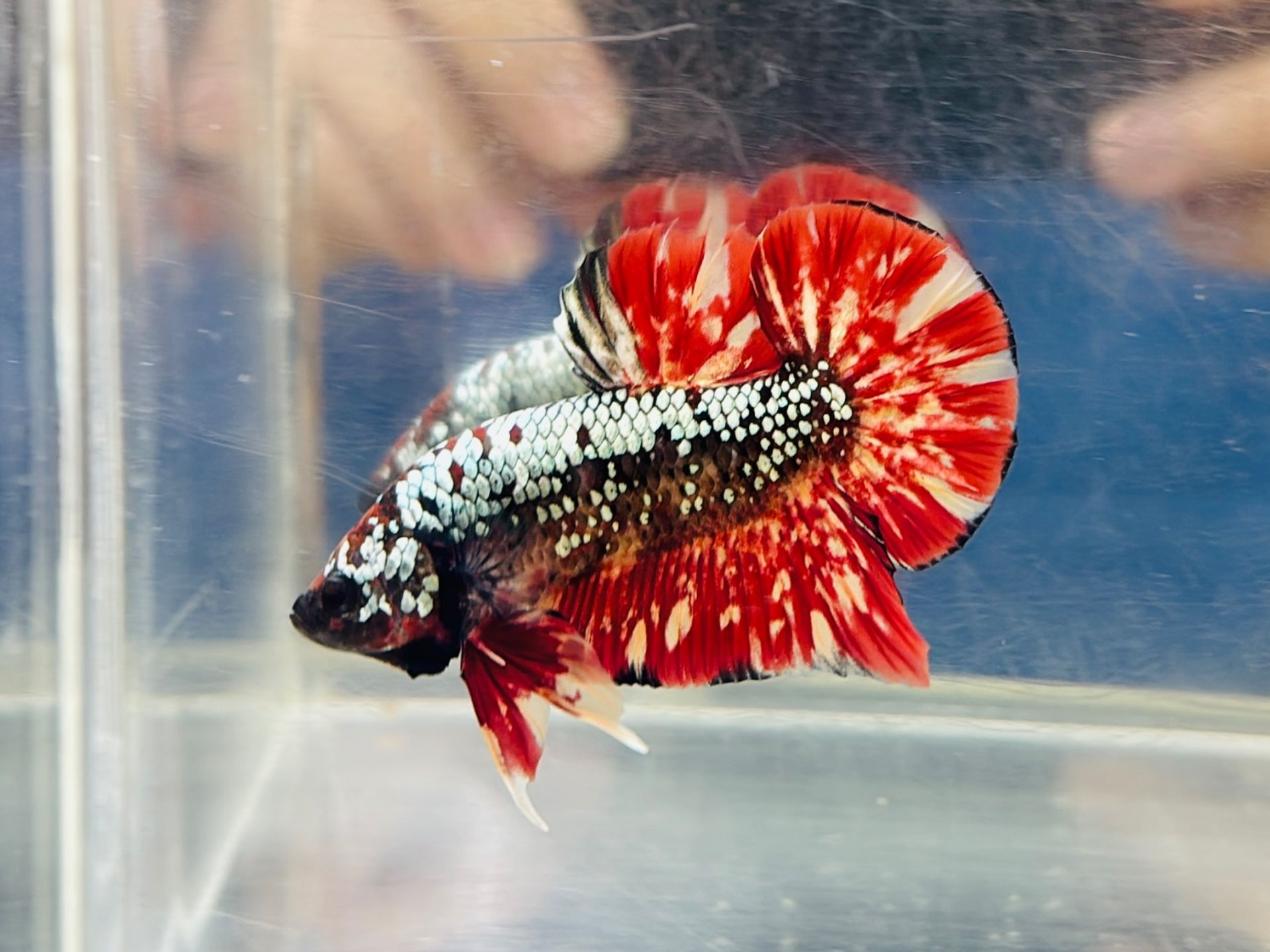
(SG) Fire Fins - Copper Candy ..
SGD 185.00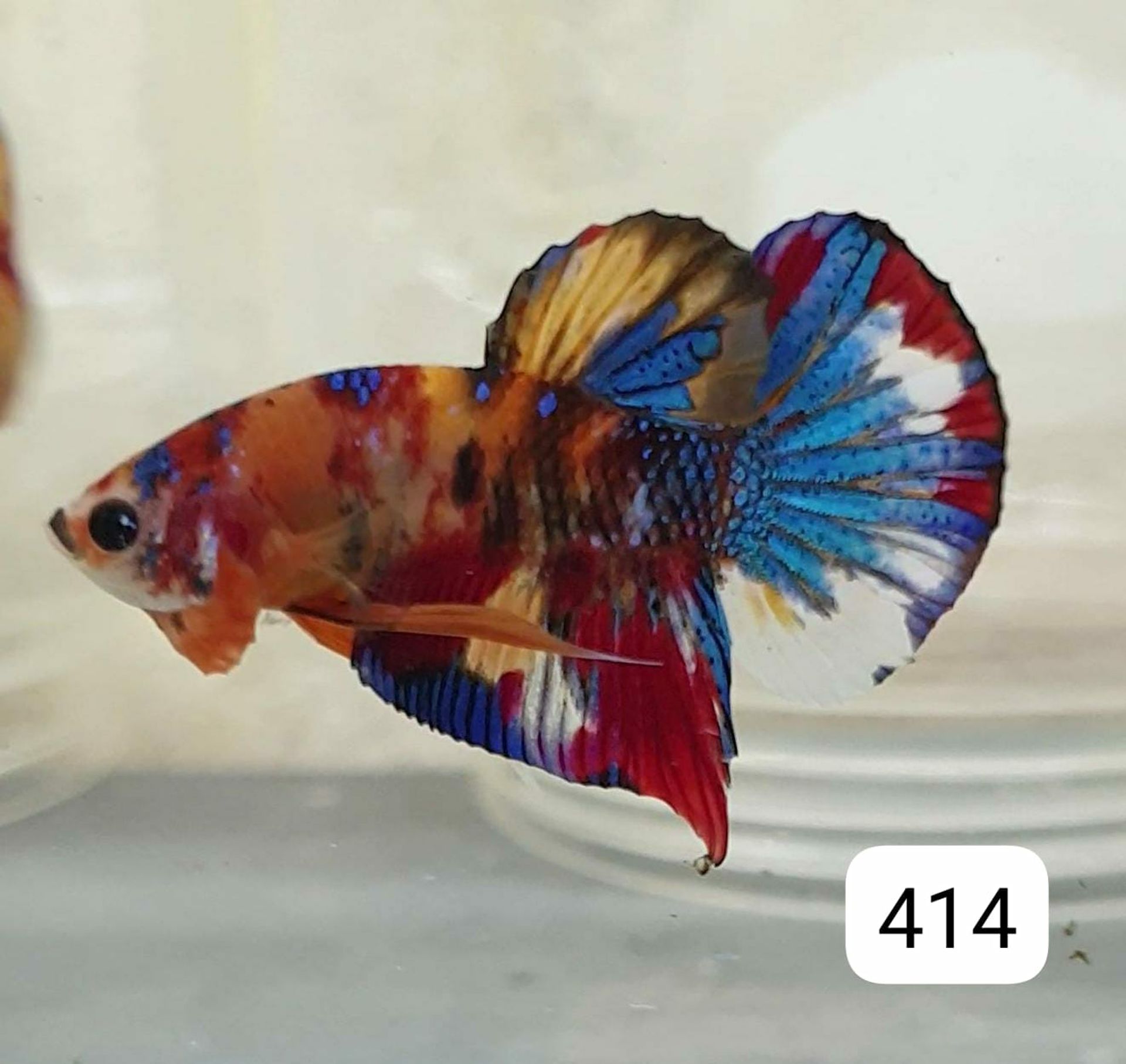
HMPK Betta Splendens #T414
SGD 25.00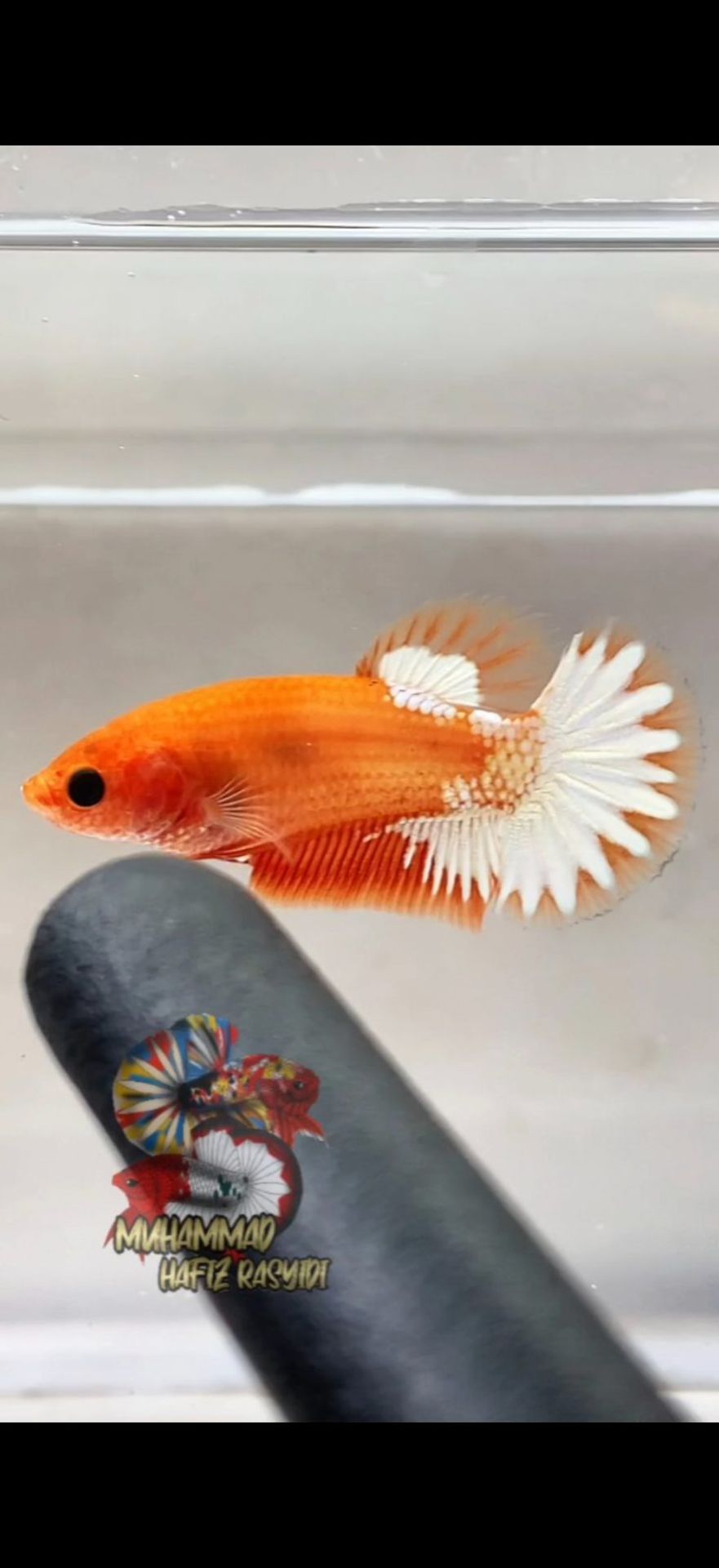
Female
SGD 120.00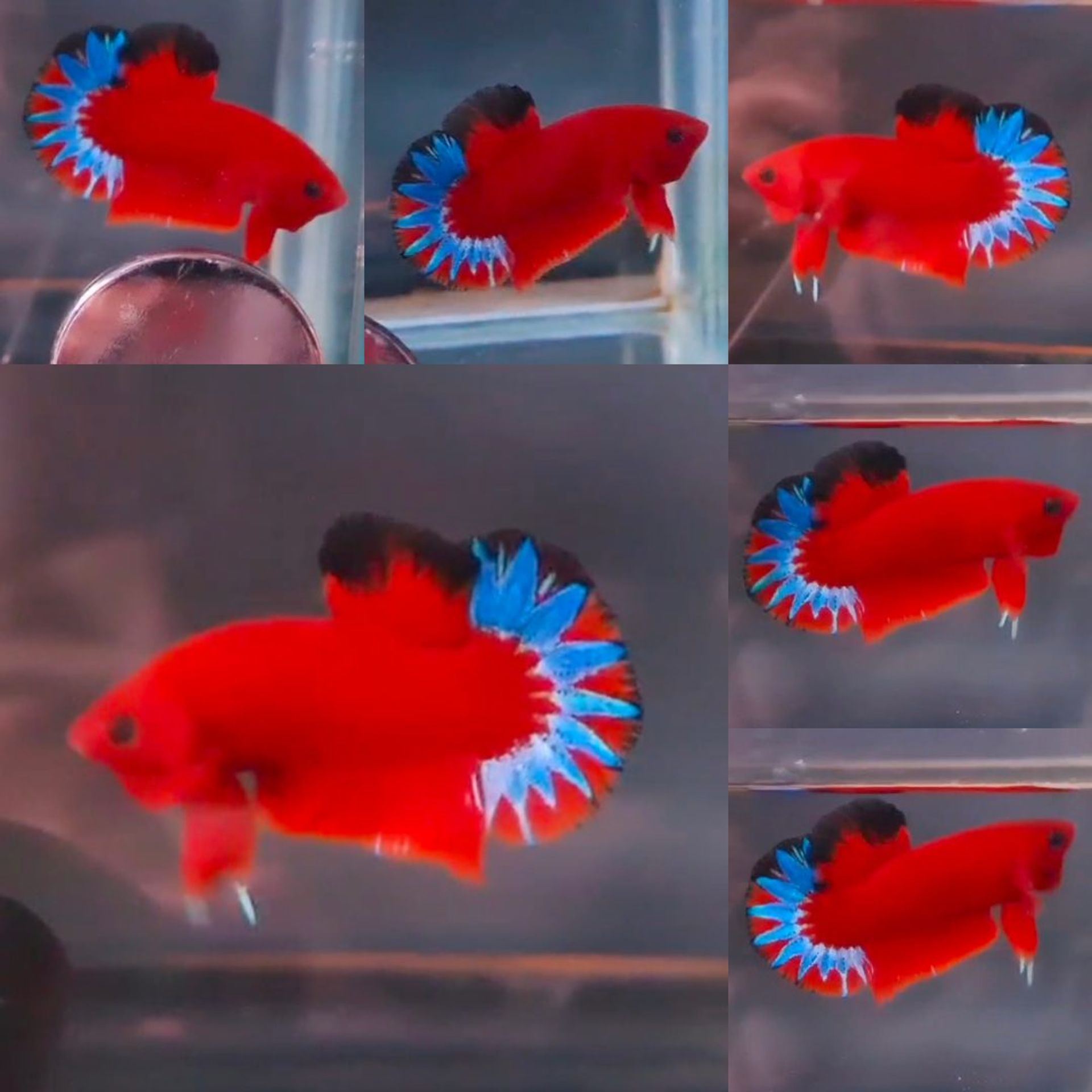
Premium Red Hellboy HMPK Betta..
SGD 55.00
Red Gold Galaxy HMPK Betta (Ma..
SGD 50.00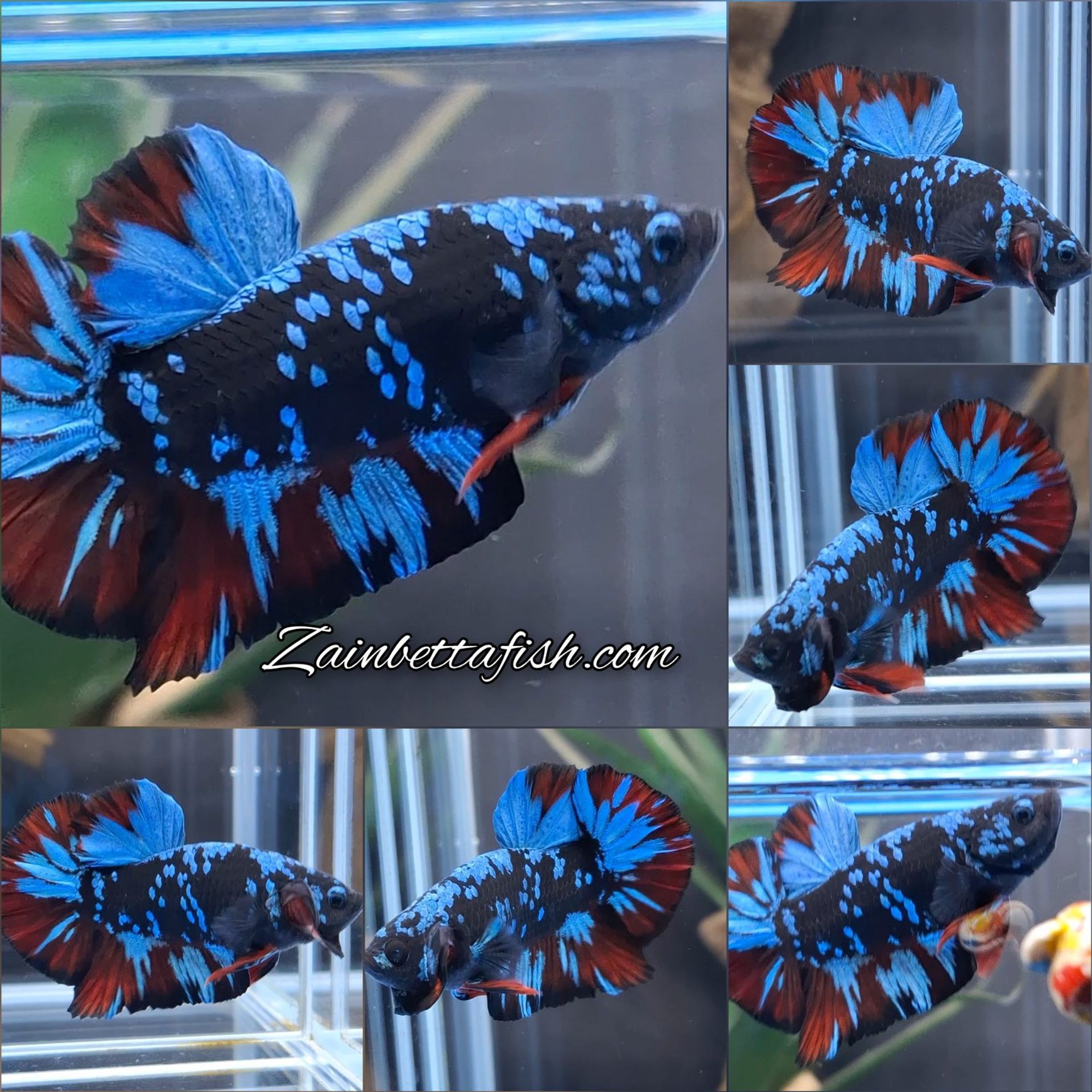
Avatar Blue Star Galaxy Betta ..
SGD 63.00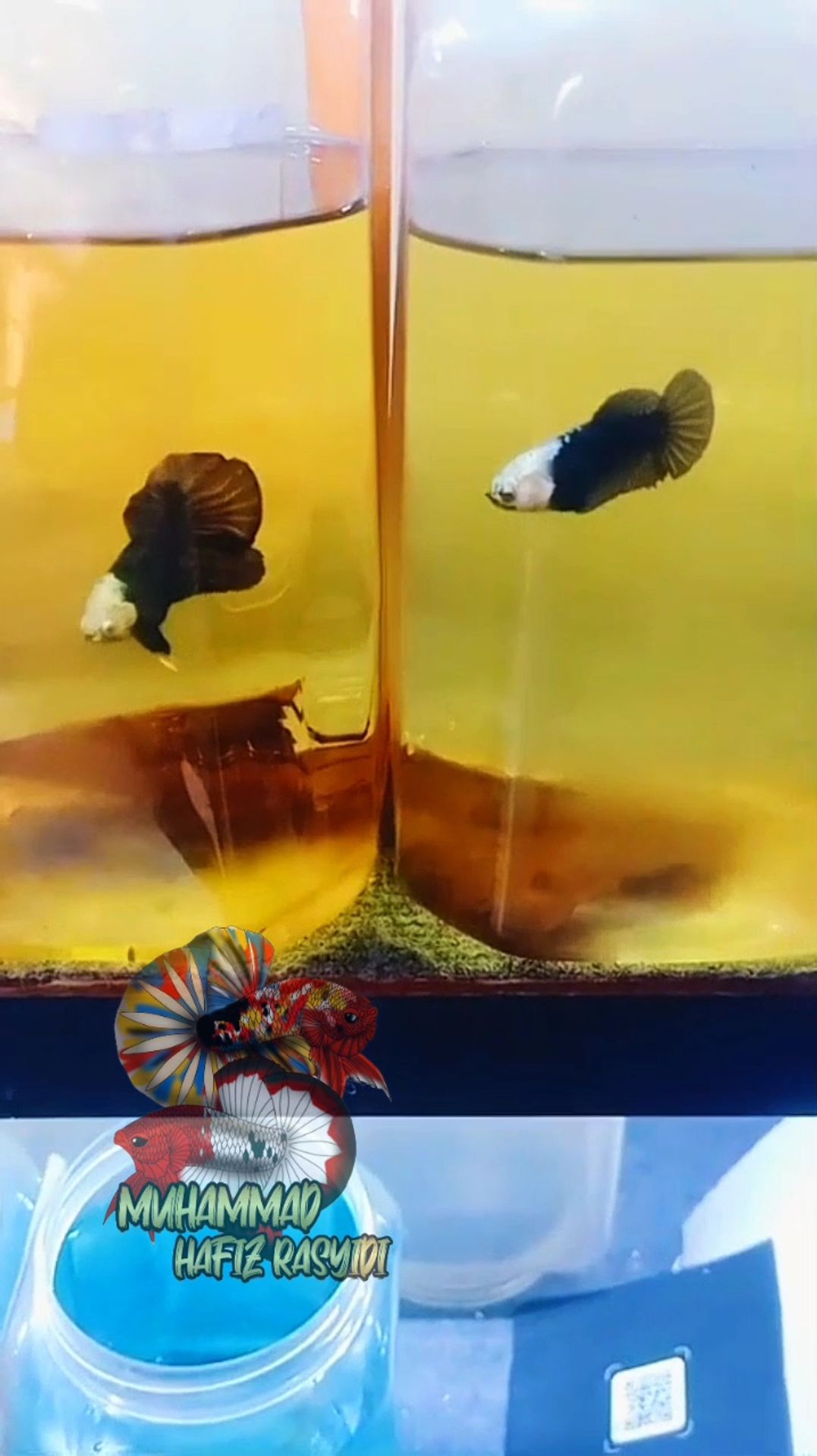
Halfmoon Plakat Betta (Helmet)
SGD 155.00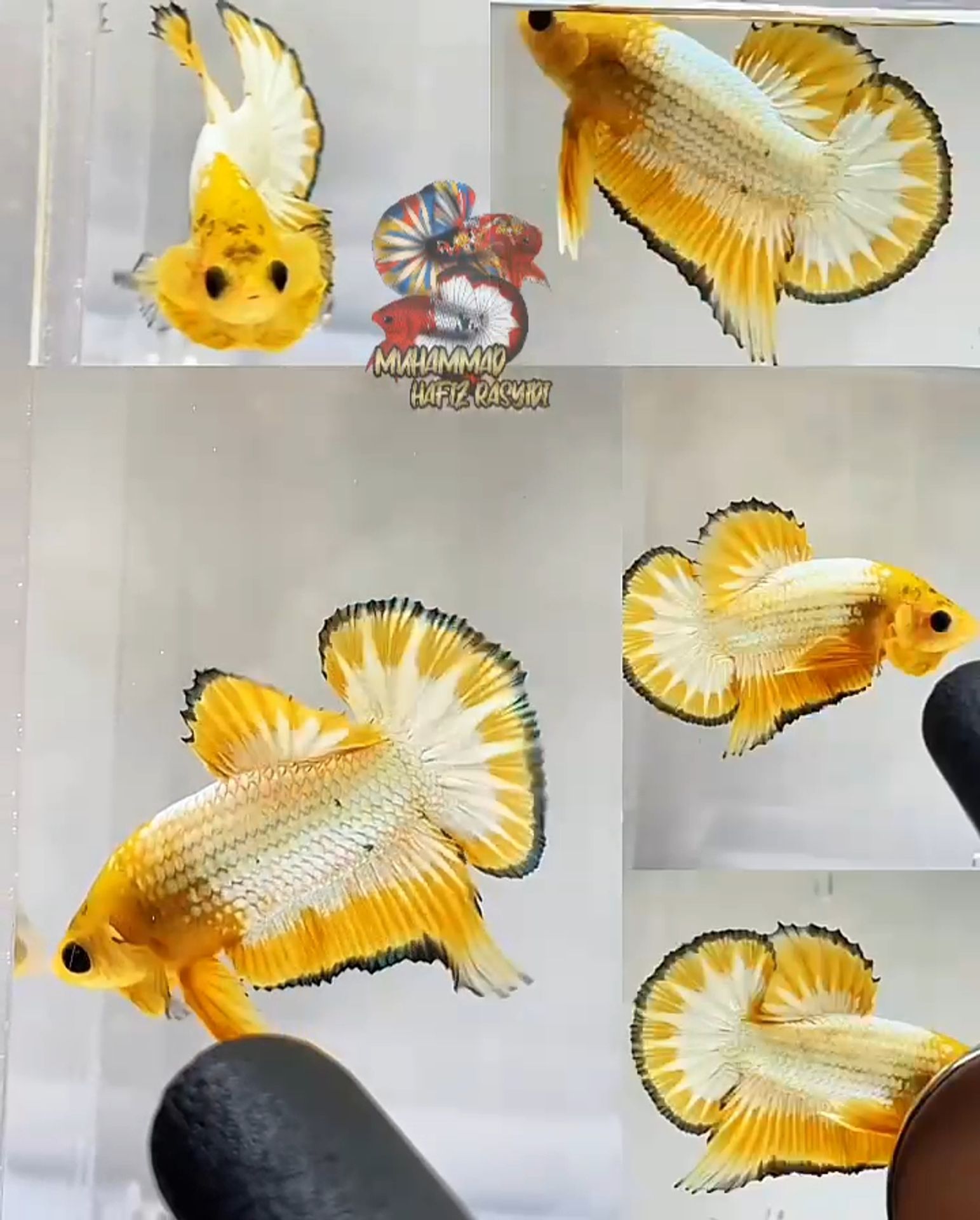
Betta (Yellow Fancy Banding)
SGD 45.00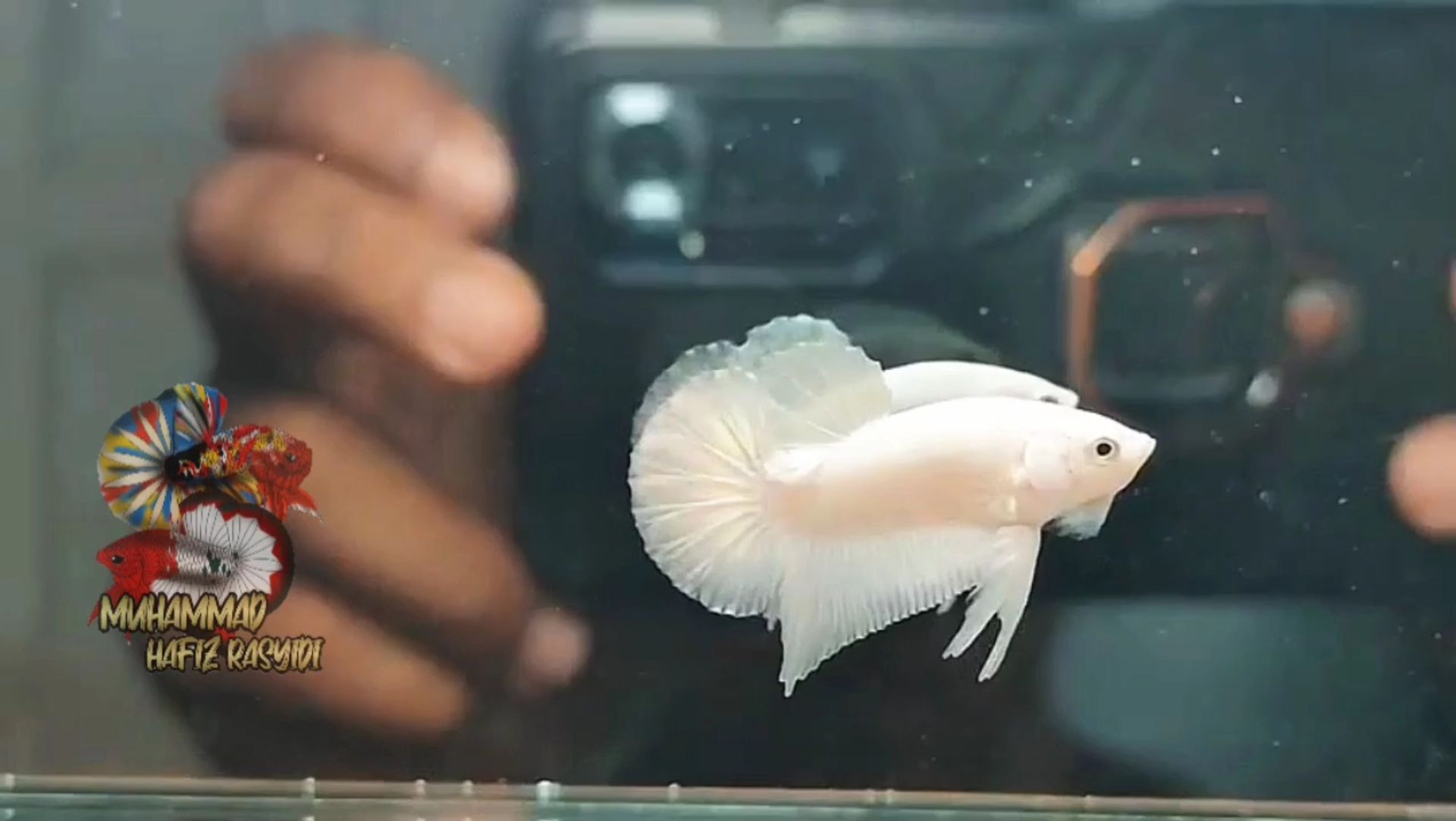
Halfmoon Plakat Betta (White p..
SGD 75.00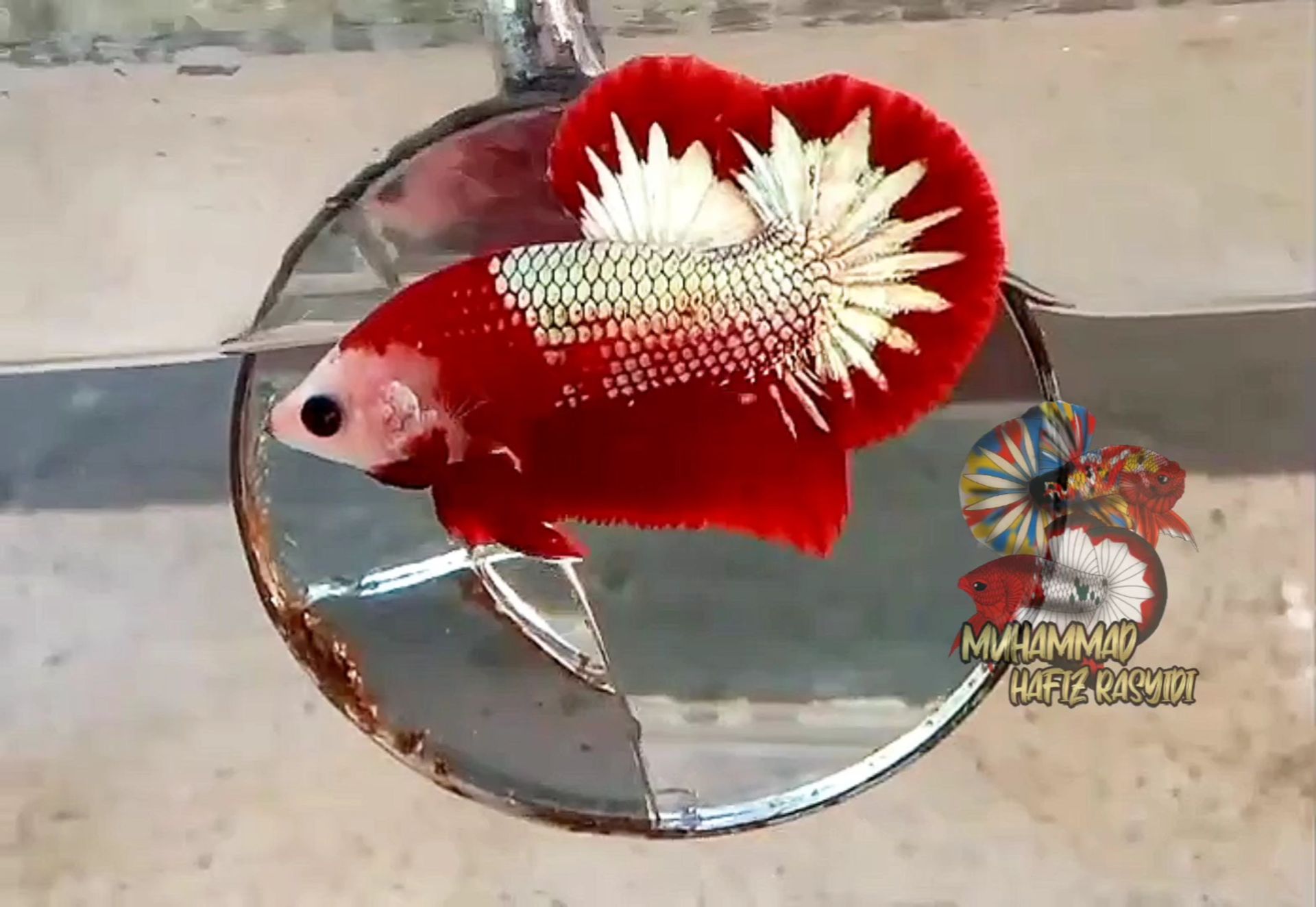
Halfmoon Plakat Betta (Monkey ..
SGD 100.00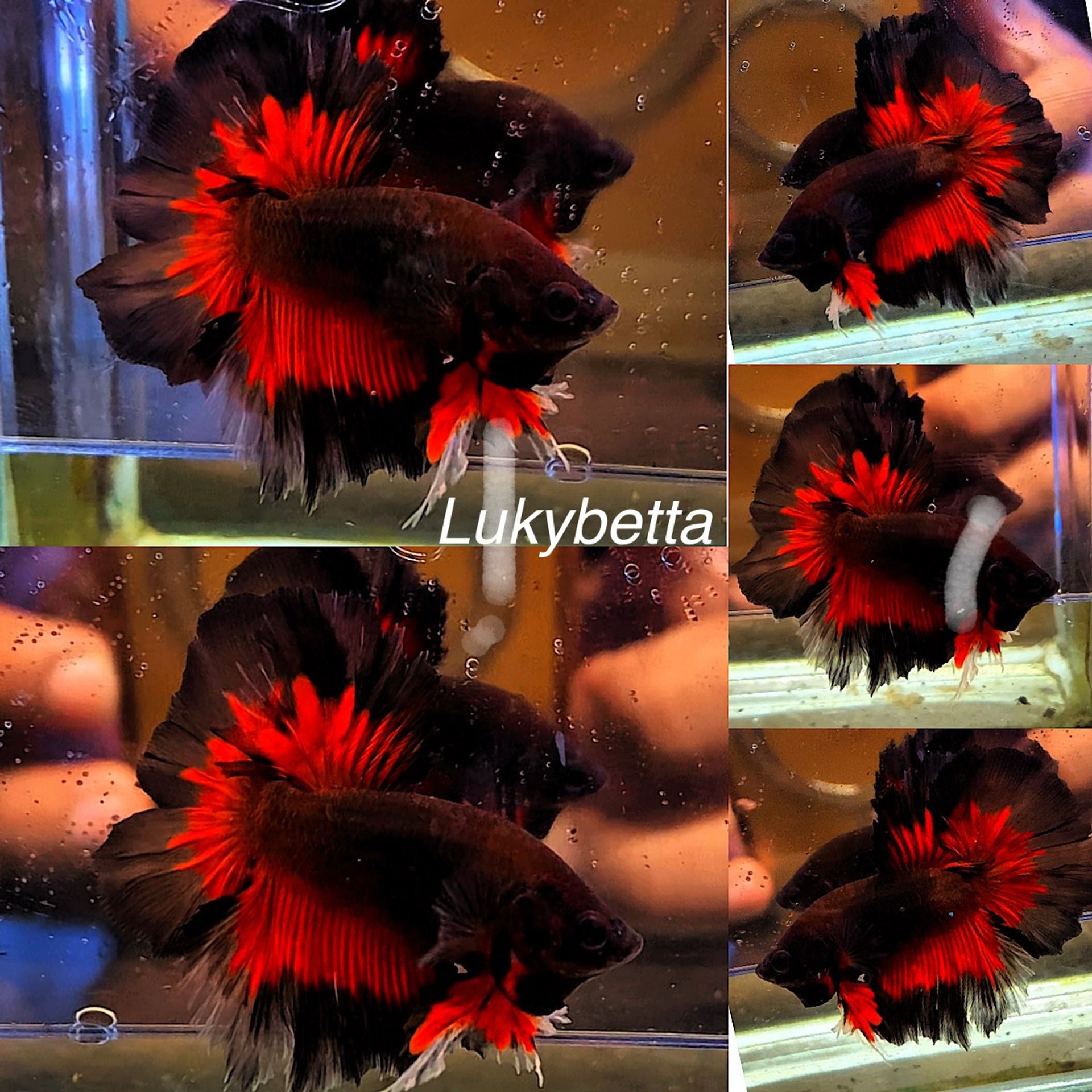
Rosetail Betta (🔥AVATAR KING ..
SGD 65.00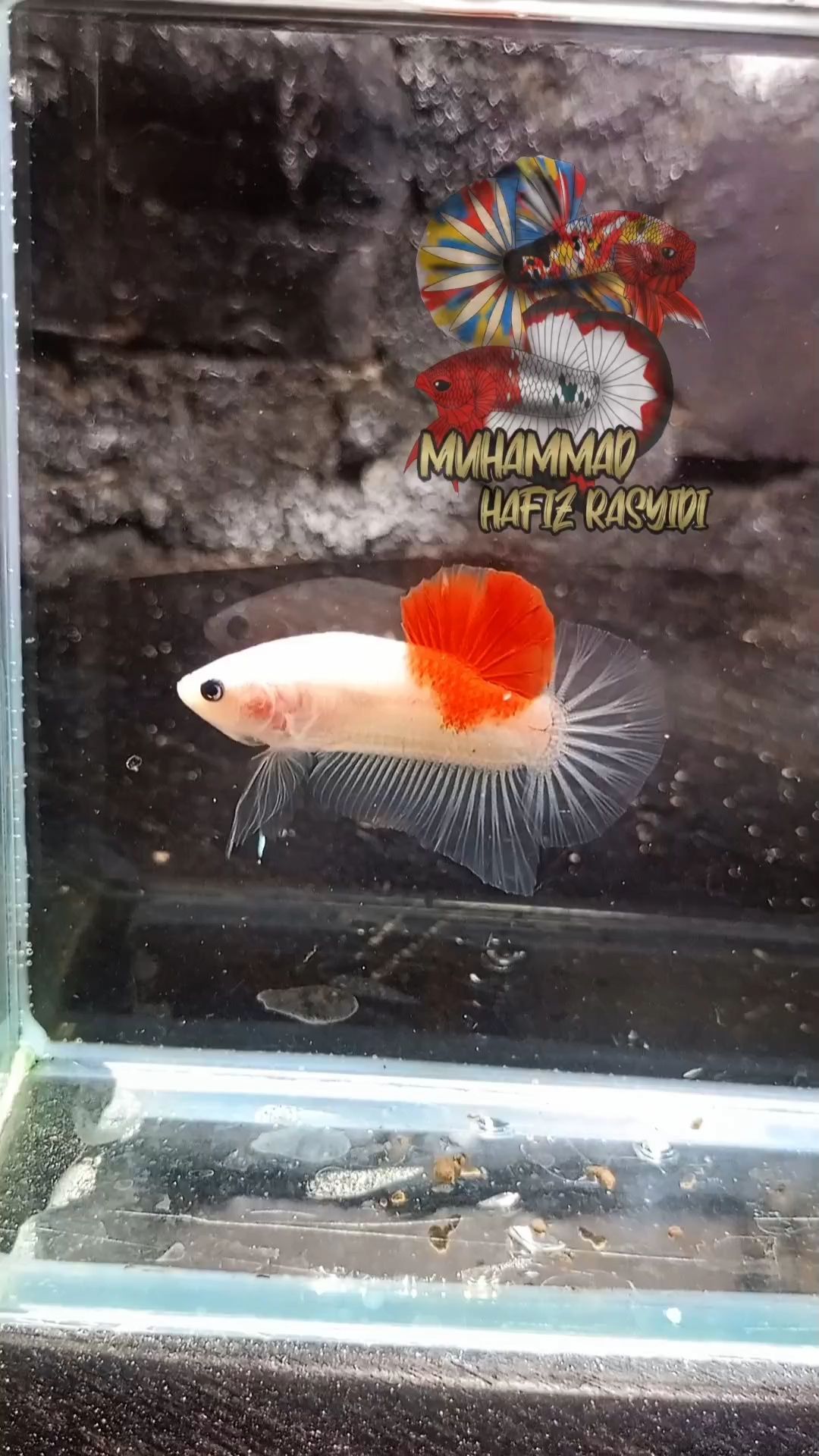
Betta (AOC)
SGD 65.00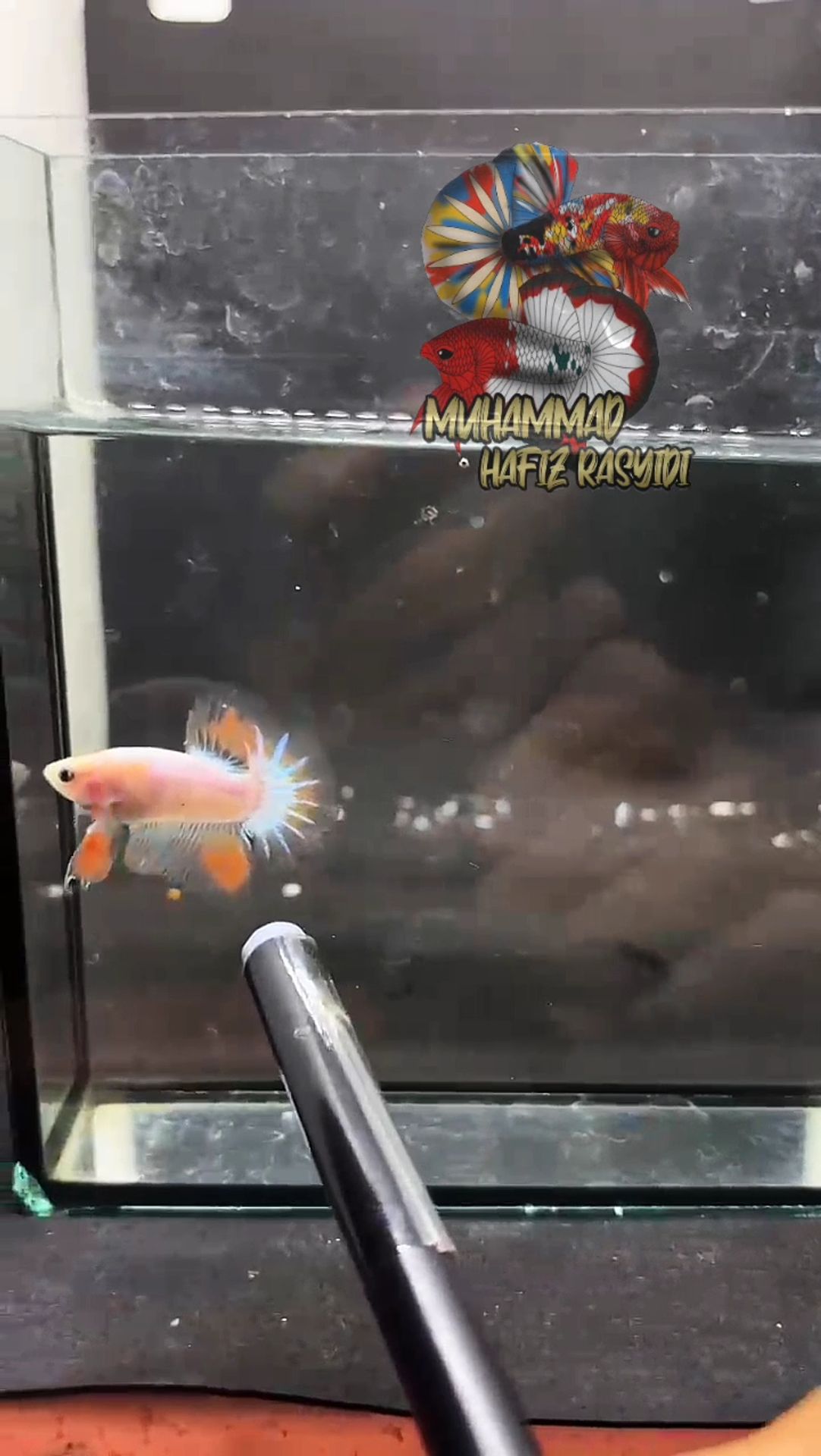
Betta (AOC)
SGD 74.00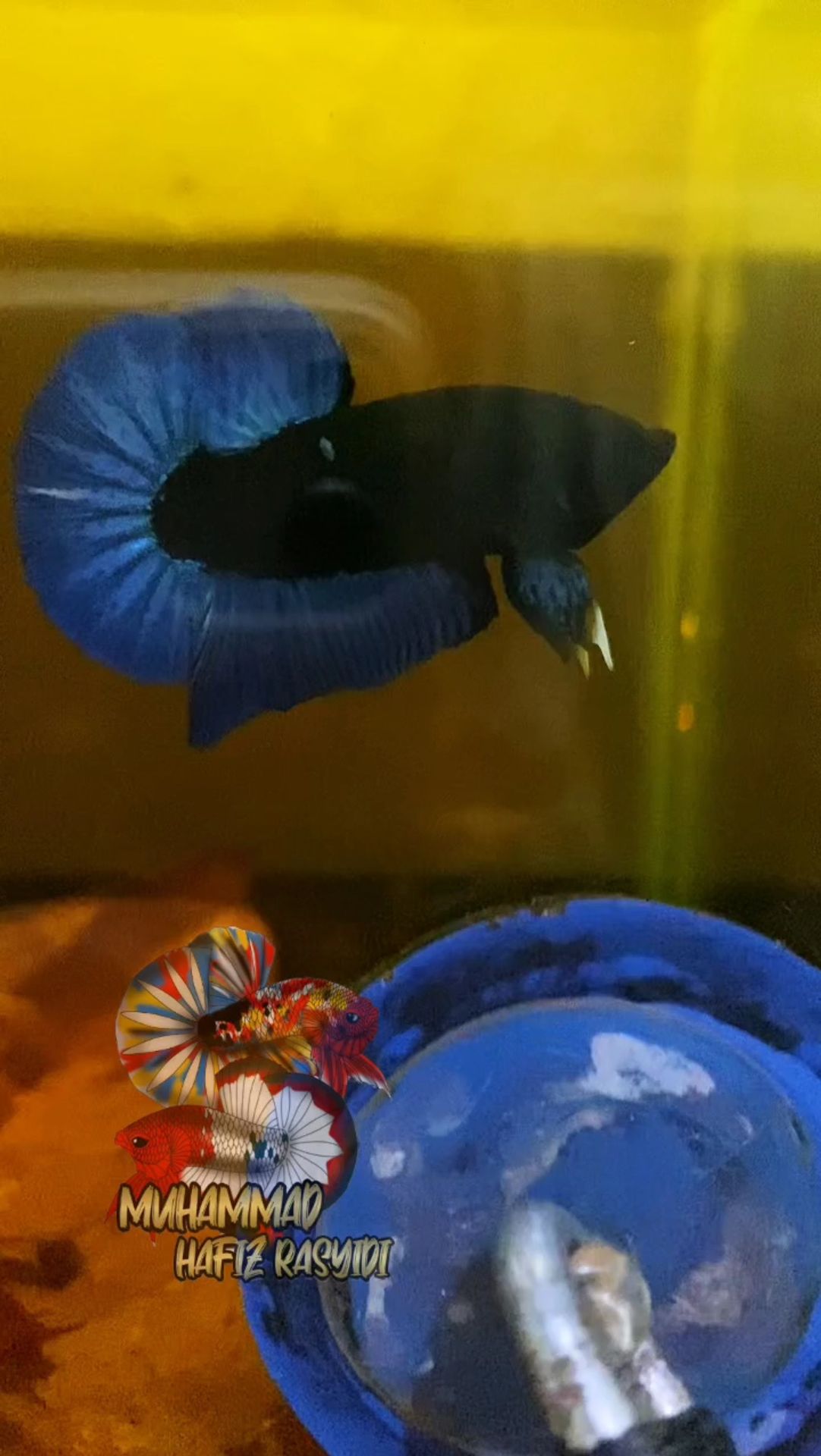
Halfmoon Plakat Betta (Hmpk BL..
SGD 80.00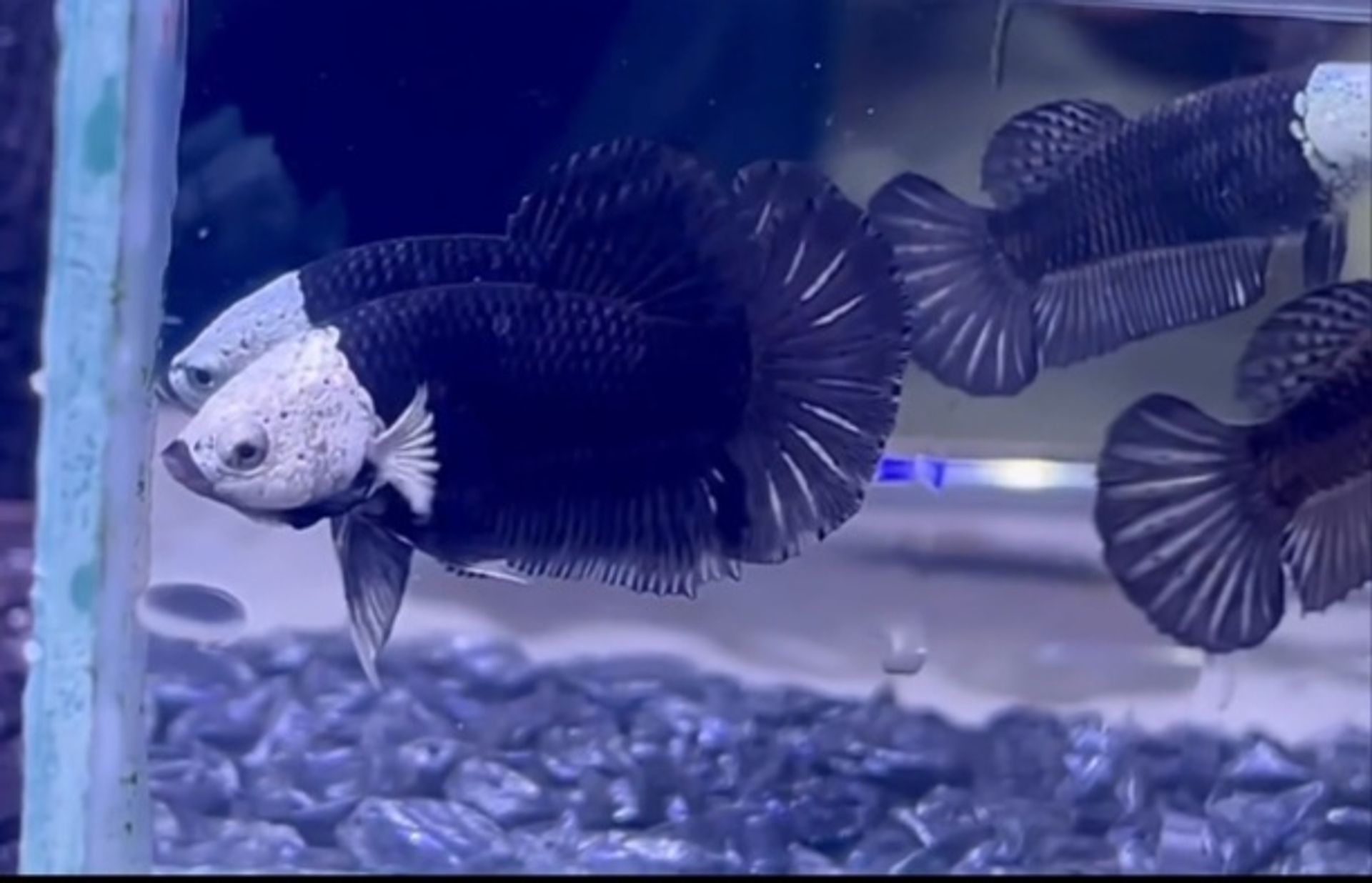
Betta (Zorro)
SGD 55.00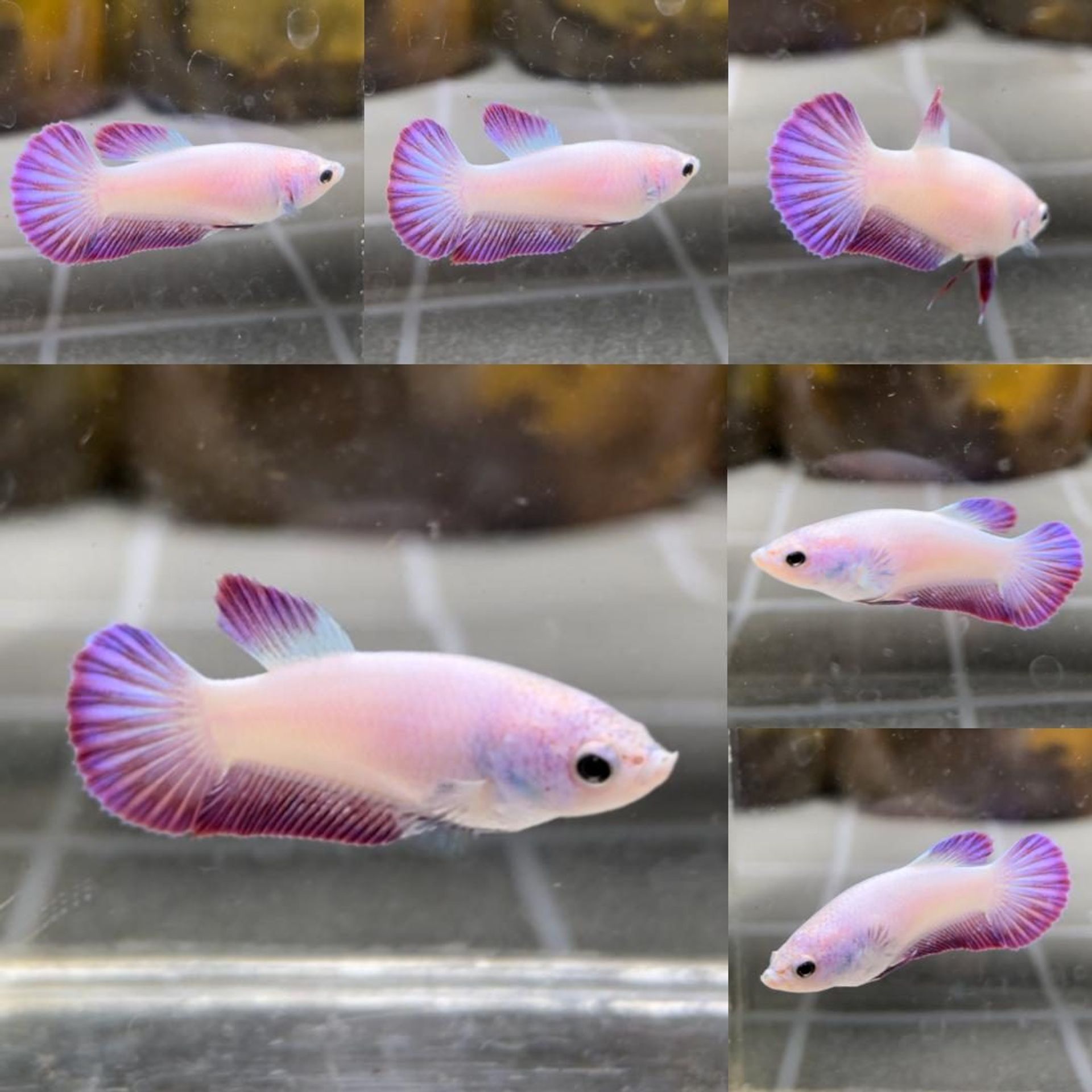
Hologram HMPK Betta (Female)
SGD 50.00
Halfmoon Plakat Betta (Black s..
SGD 185.00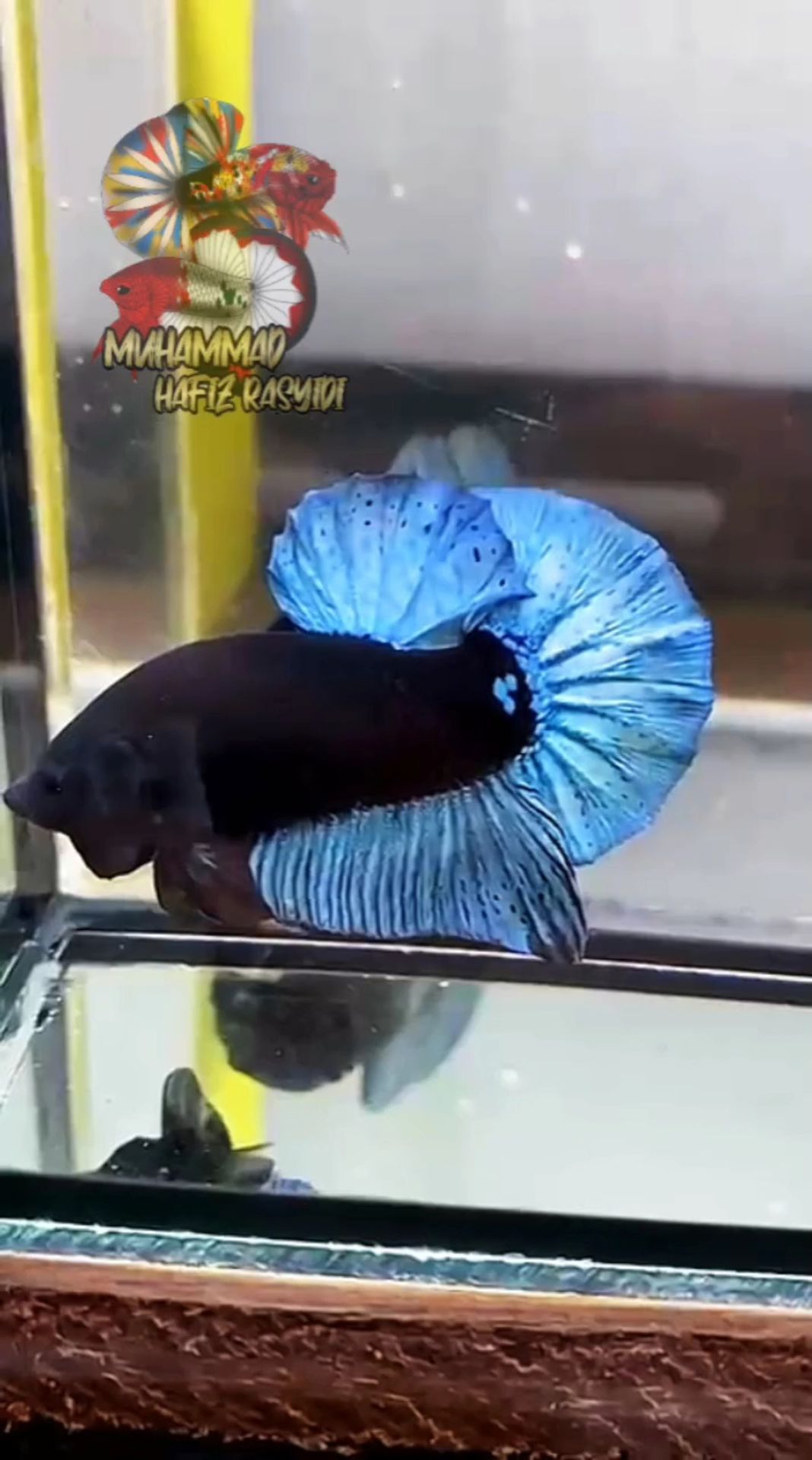
Betta (Blackbase)
SGD 90.00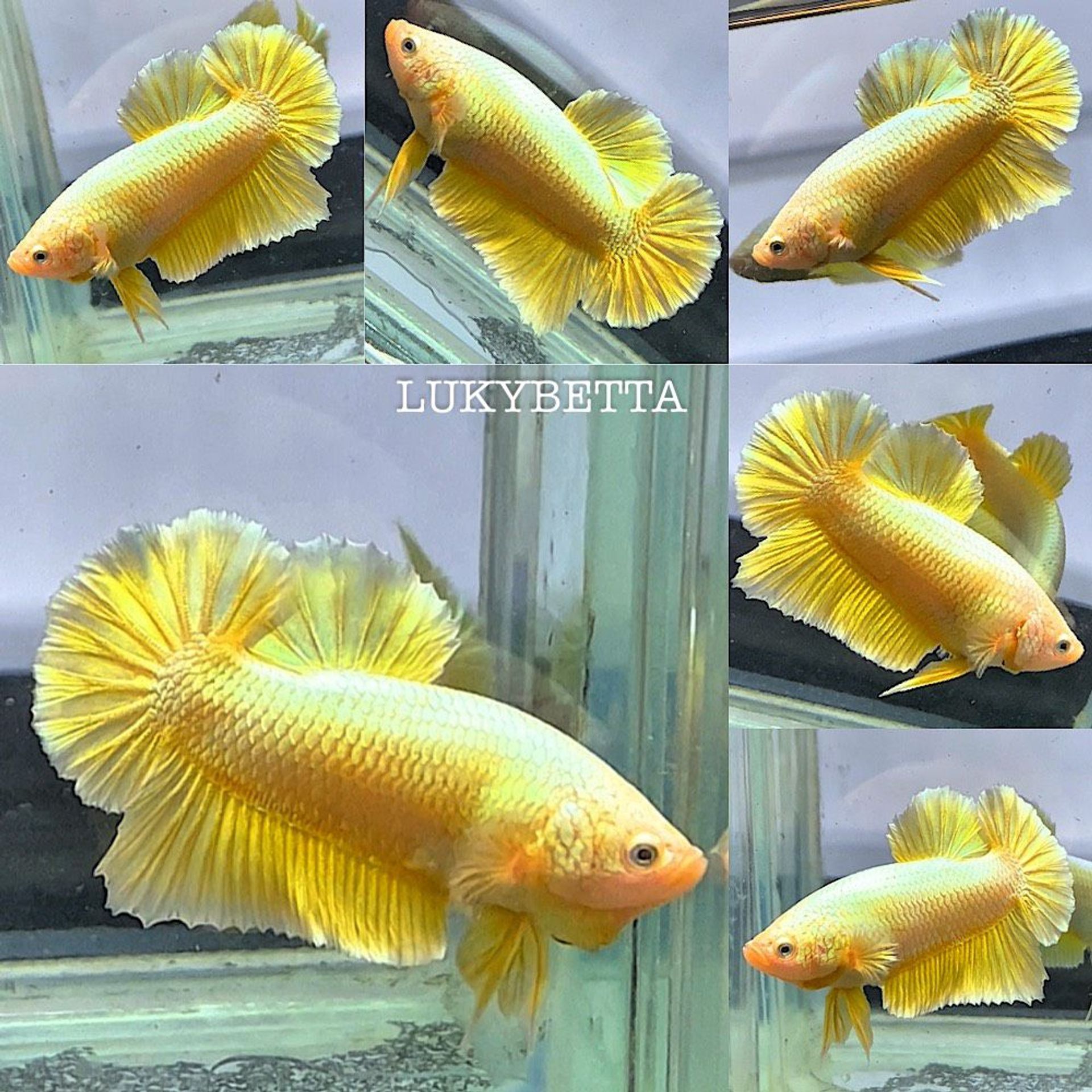
Halfmoon Plakat Betta (🌟 GOLD..
SGD 85.00
Bluestar Nebula Avatar HMPK Be..
SGD 60.00
Copper Gold Avatar HMPK Betta ..
SGD 60.00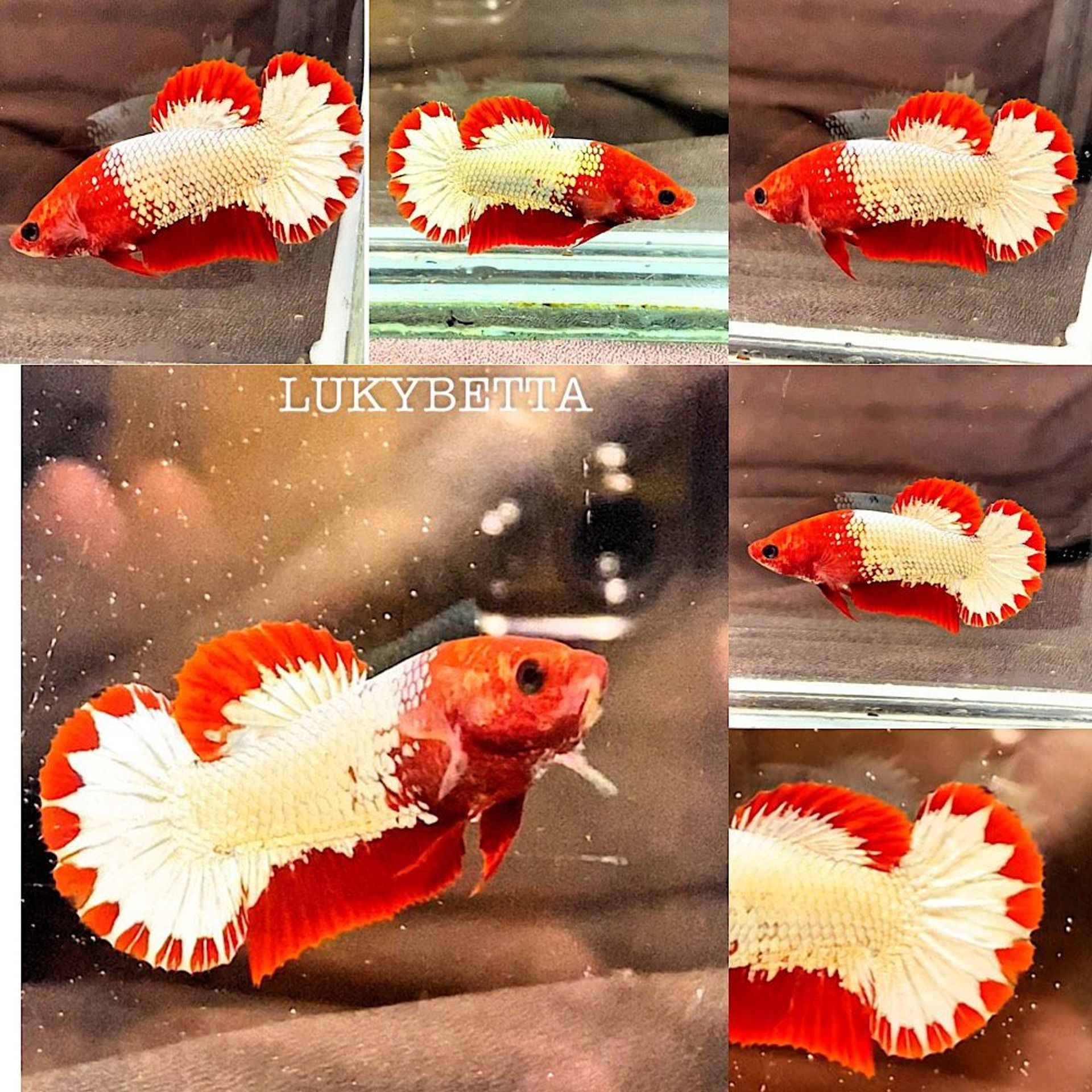
Betta (🌟FEMALE FCCP BIG STAR�..
SGD 55.00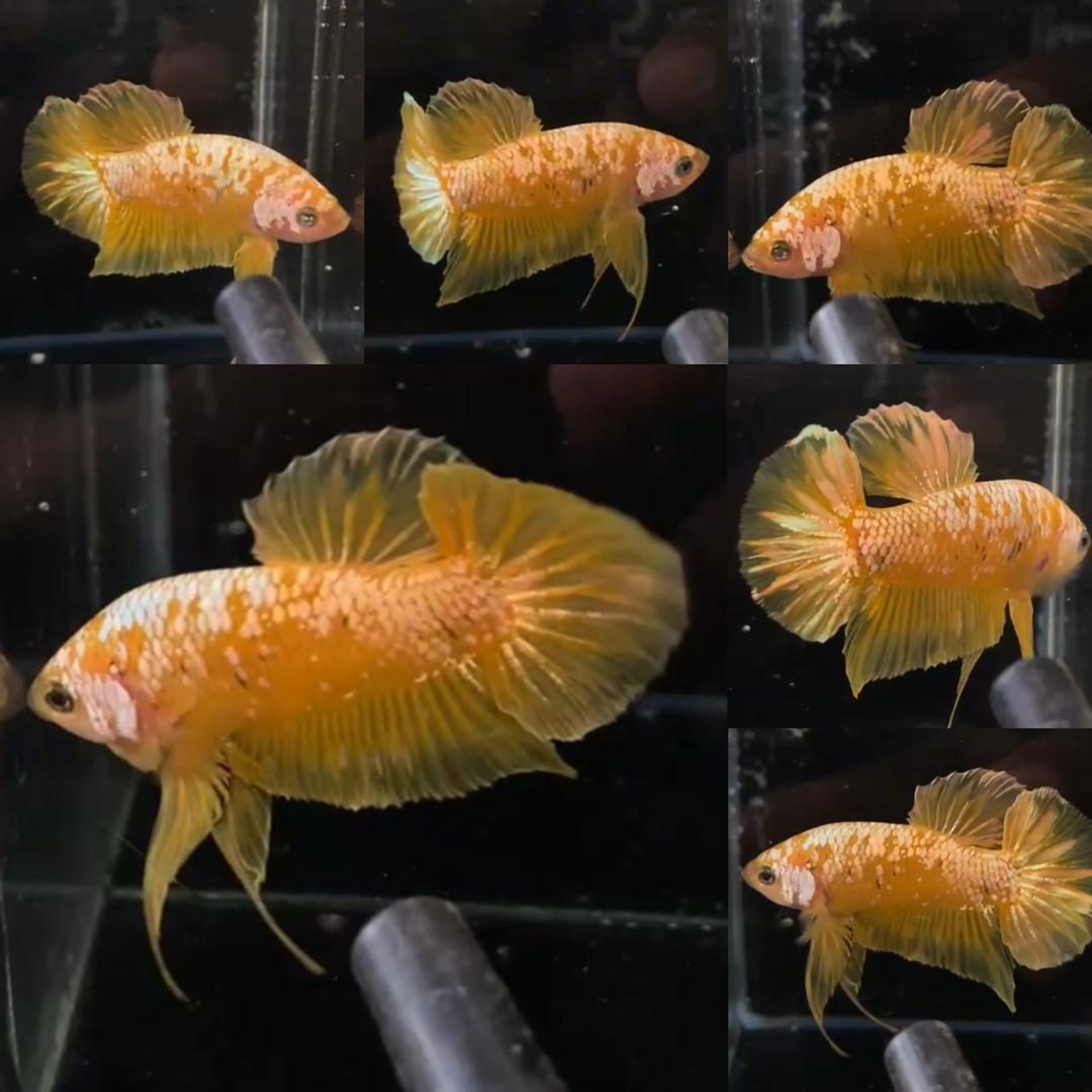
Yellow Gold Galaxy YGG HMPK Be..
SGD 60.00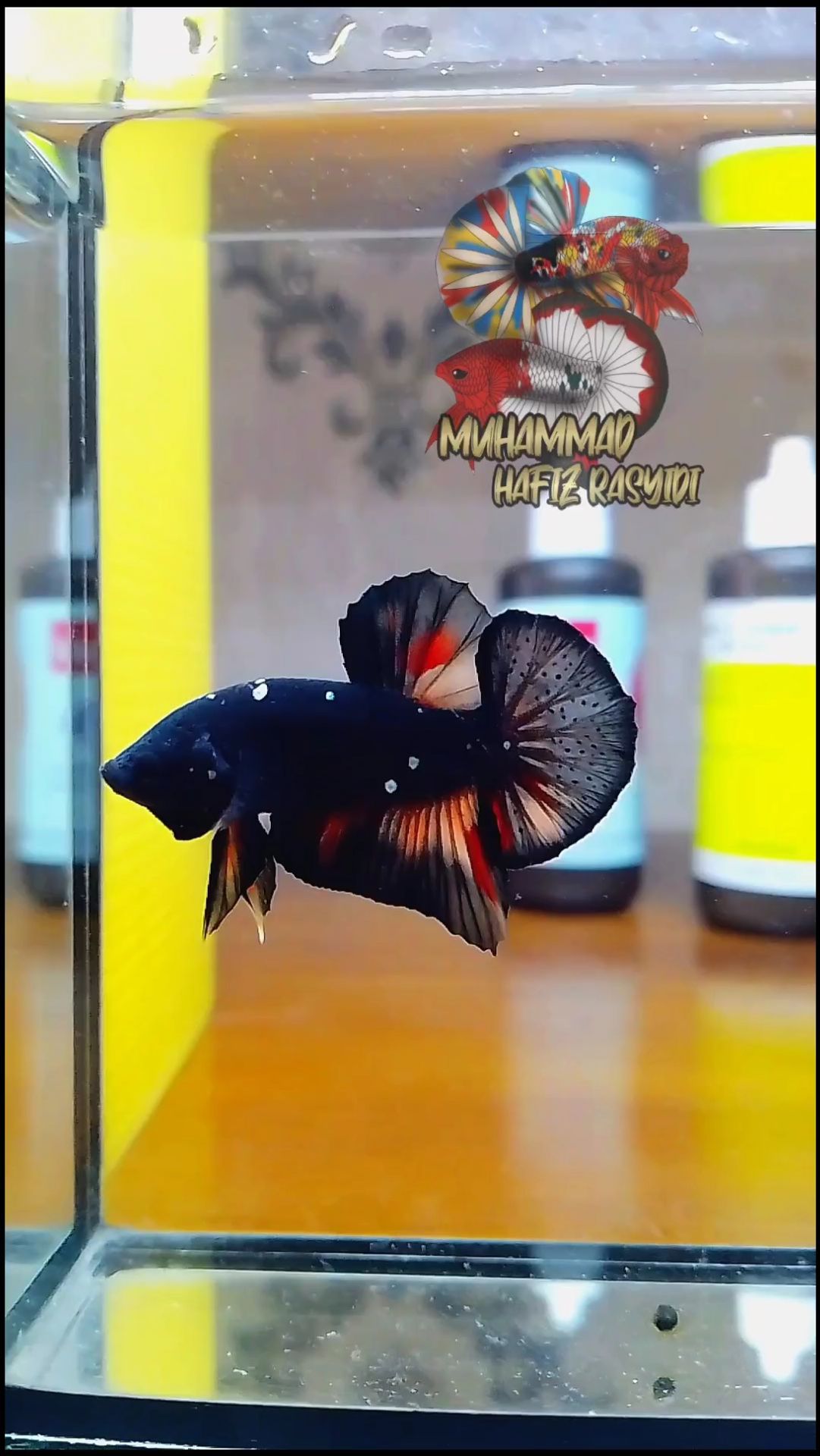
Halfmoon Plakat Betta (Black v..
SGD 90.00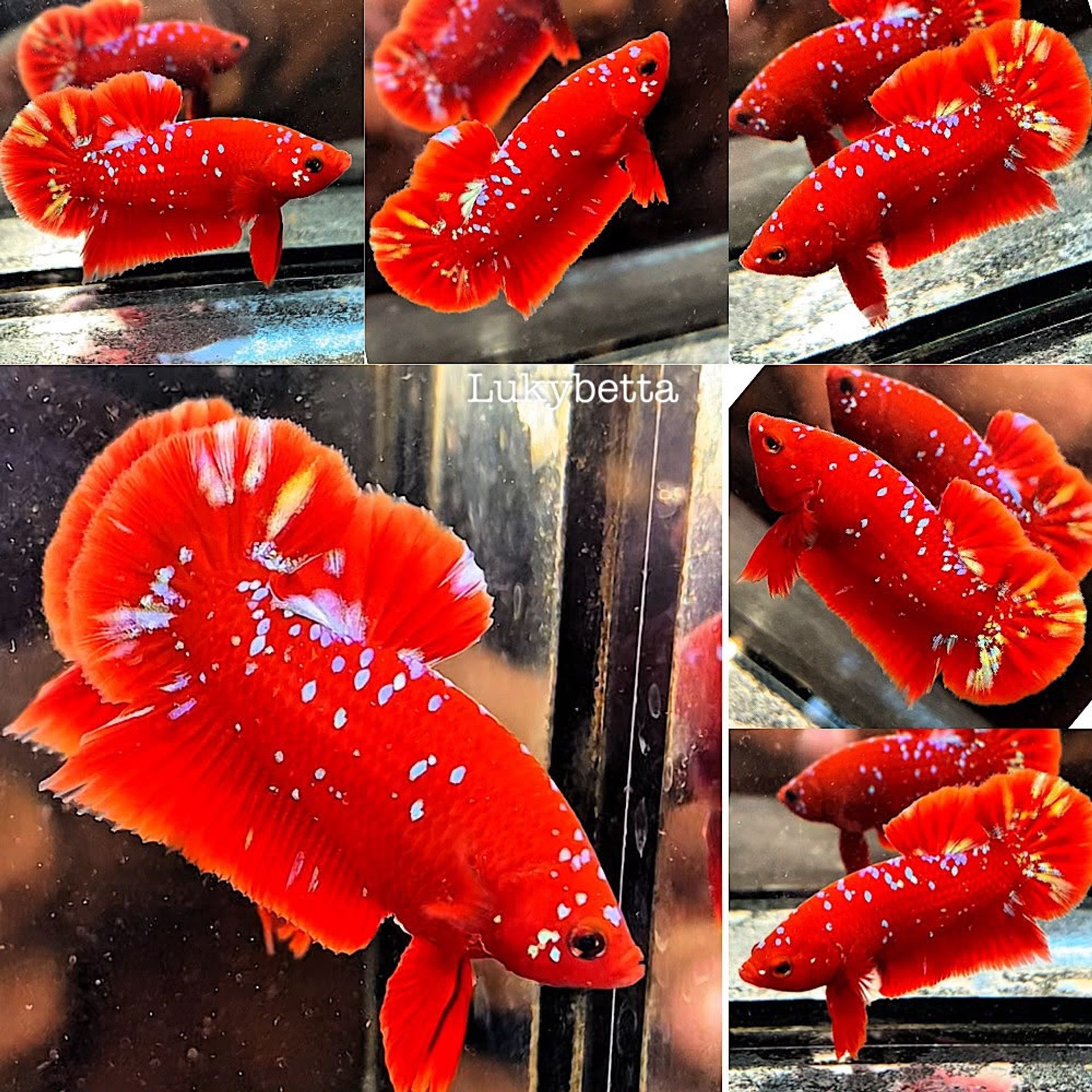
Betta (🔥 VVIP RGBG LUXURIOUS ..
SGD 85.00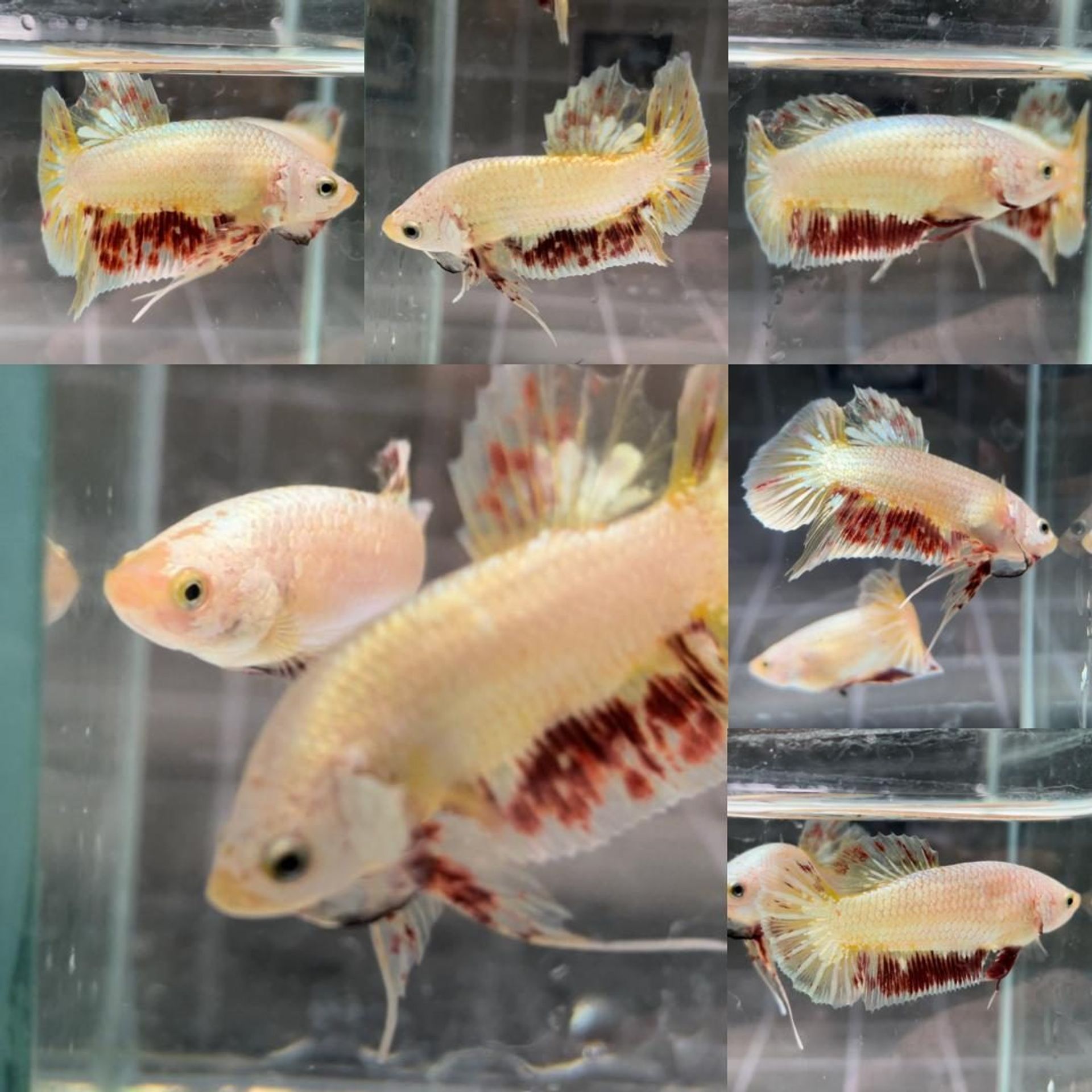
Yellow Gold Dragon Vanda HMPK ..
SGD 100.00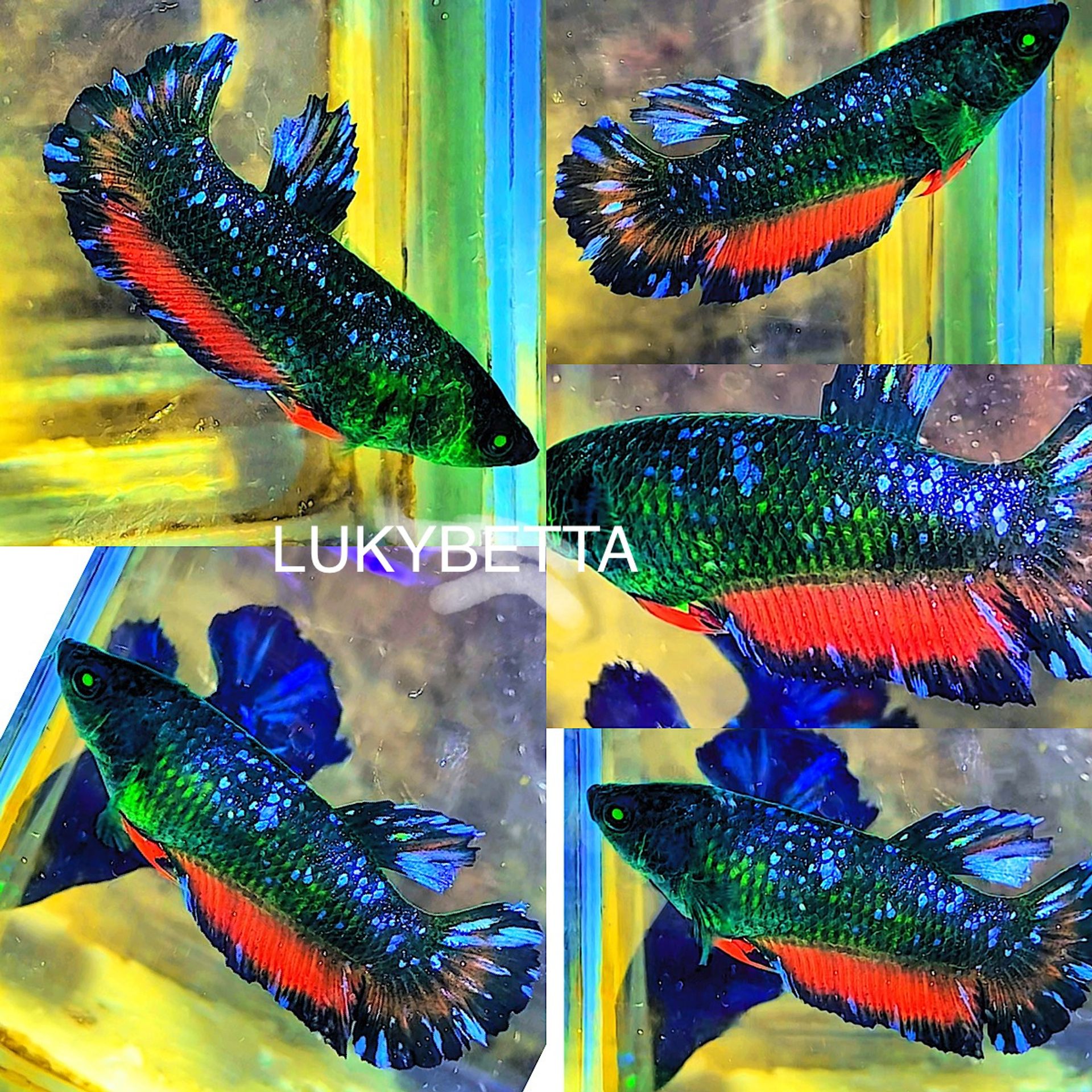
Halfmoon Plakat Betta (Female ..
SGD 75.00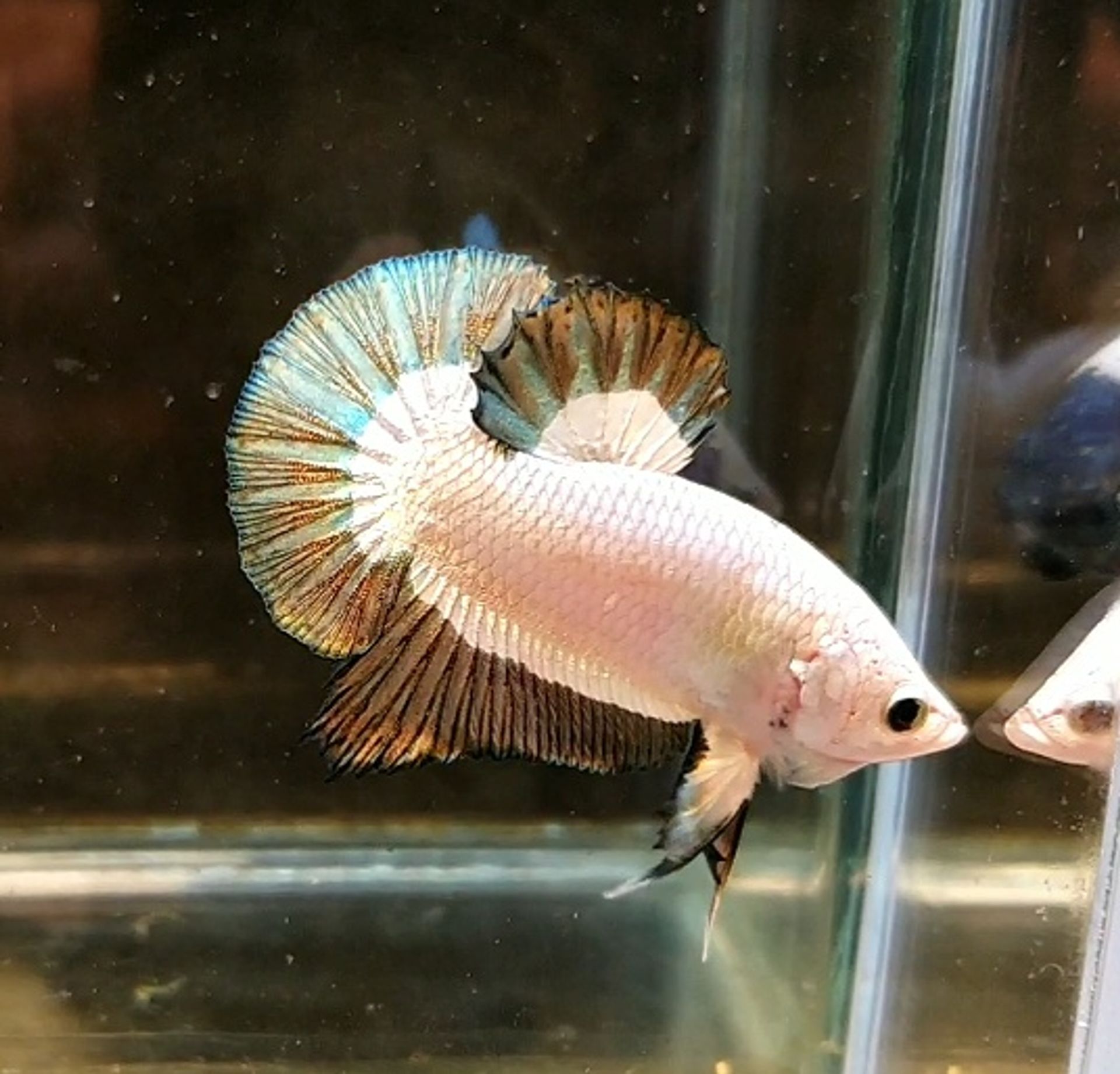
Betta (Copper rim)
SGD 65.00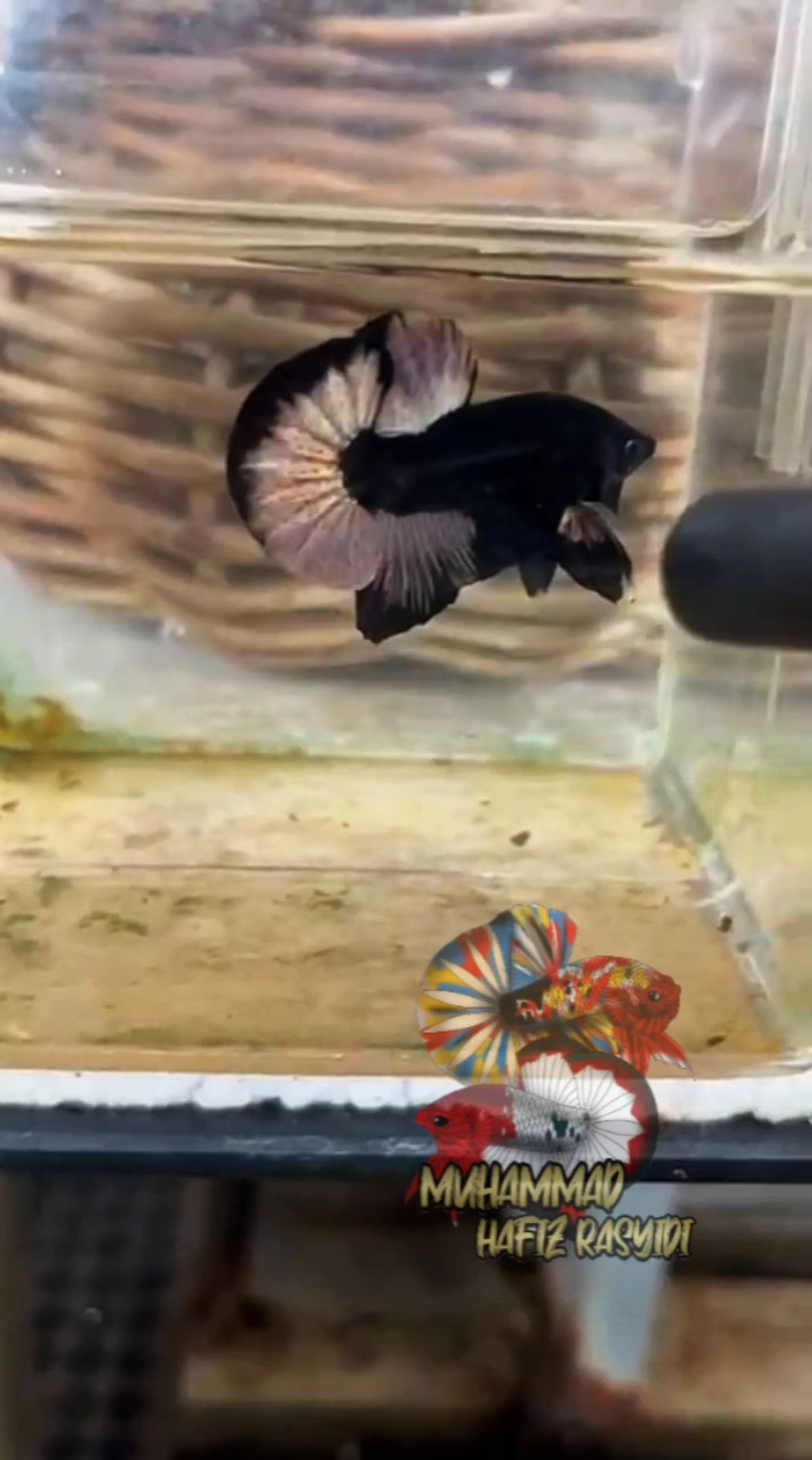
Betta (Blackbase)
SGD 95.00
Halfmoon Plakat Betta (🥦PK BR..
SGD 65.00
Halfmoon Plakat Betta (Halfmoo..
SGD 60.00
Red Tancho HMPK Betta (Male)
SGD 55.00
Female
SGD 120.00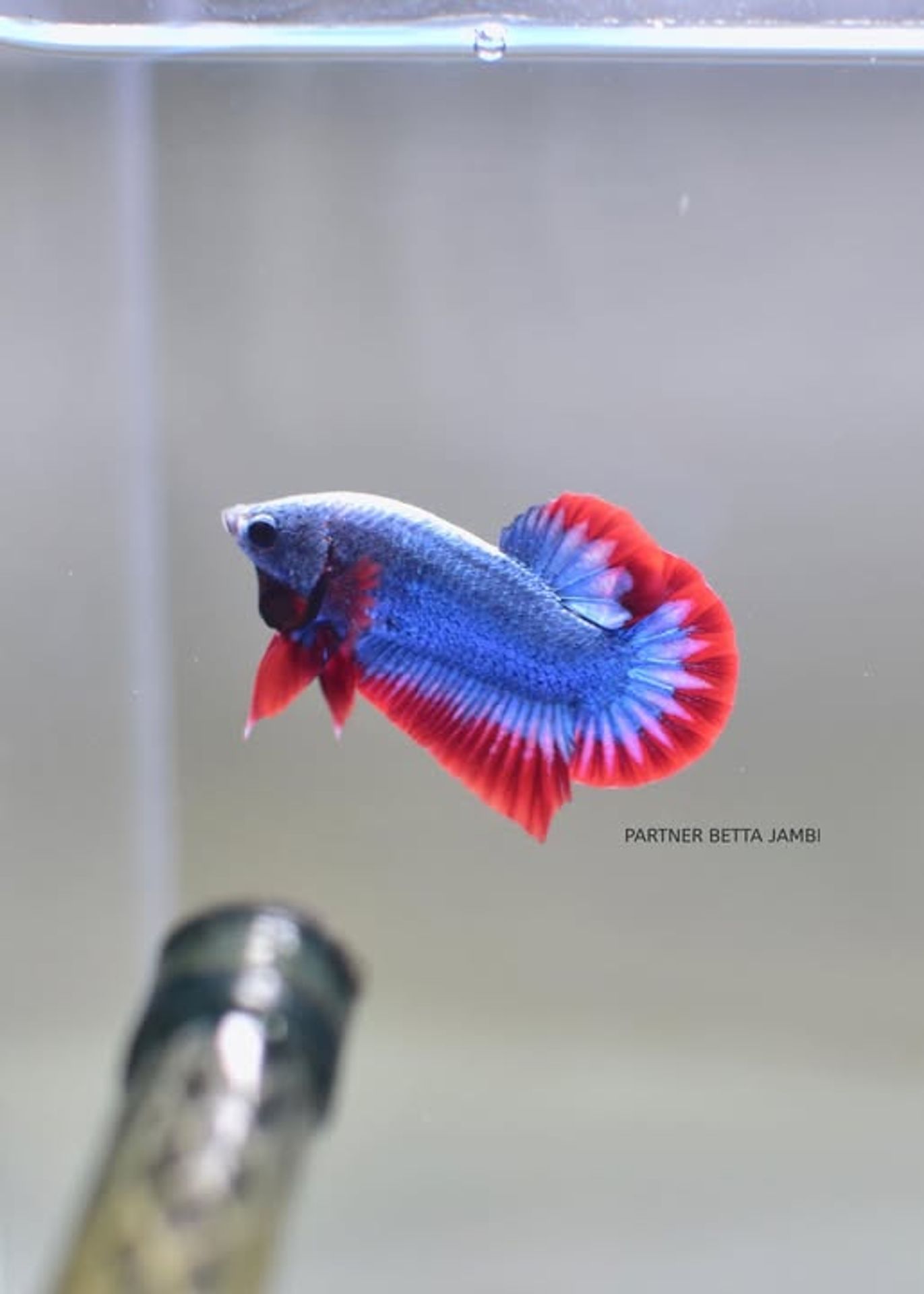
Halfmoon Plakat Betta (MASCOT ..
SGD 85.00