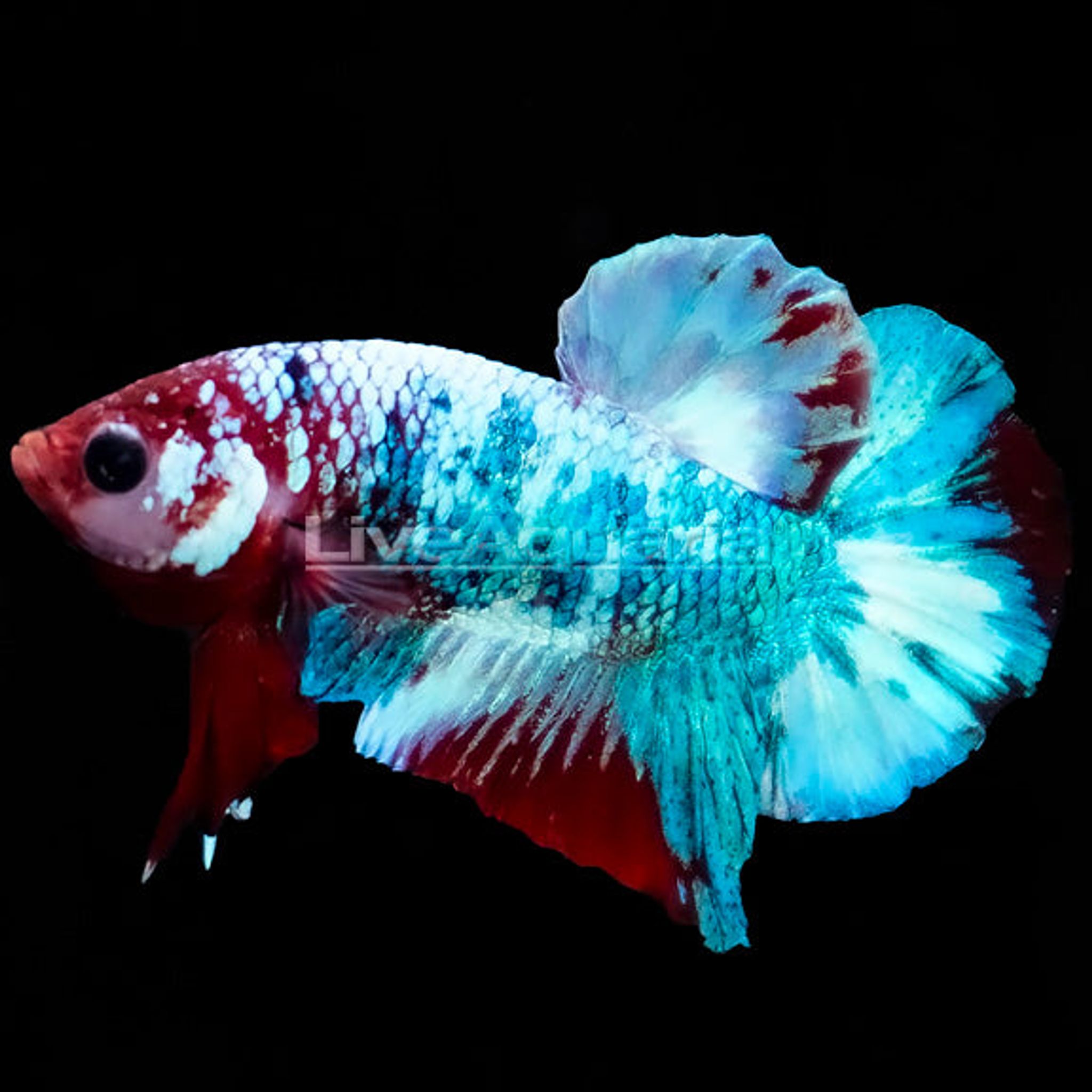
Betta Fish Statistics 2026: Popularity, Prices & Ownership
Bettas are a well-stocked freshwater group on FishyHub in the US, with high supply, a mid-range typical price and a wide price spread between varieties. Halfmoon plakats draw the strongest buyer interest of any betta in the US data, and giant halfmoon plakats are the one variety where interest clearly outruns the fish available. FishyHub cannot count how many Americans own a betta, but the marketplace shows a hobby that is growing, with betta activity rising across every tracked variety.
Key Findings
- FishyHub marketplace data shows bettas have high supply in the US, with a typical listed price in the mid-range tier.
- FishyHub data shows US betta prices have a wide spread between varieties, from entry-level crowntails to upper mid-range halfmoons.
- FishyHub data shows halfmoon plakat bettas attract very high buyer interest from US users, the clearest interest signal for any betta variety in the US.
- FishyHub data shows demand clearly outpaces supply for giant halfmoon plakat bettas in the US, where listings are limited.
- FishyHub data shows halfmoon bettas in the US have high supply and high buyer interest, with the two broadly in balance.
- FishyHub data shows betta activity in the US is rising across every tracked variety, from dumbos and veiltails to halfmoon plakats and mixed color lines.
- FishyHub search data shows "betta" is among the most searched terms on the marketplace, alongside related searches for wild bettas, giant bettas and female bettas.
How Popular Are Bettas in the US?
On FishyHub's US marketplace, the betta category has high supply, which puts it among the better-stocked freshwater groups alongside guppies and cichlids. Freshwater livestock as a whole makes up the larger share of US listings, and bettas are a core part of that.
Buyer interest tells the more interesting story. FishyHub measures interest through wishlists, likes and "my tank" saves. In the US data, the betta varieties with measurable interest are the plakat and halfmoon lines:
| Variety | Supply | Buyer interest | Demand vs supply |
|---|---|---|---|
| Giant Halfmoon Plakat | Limited | Moderate | Demand clearly outpaces supply |
| Halfmoon | High | High | Balanced |
| Halfmoon Plakat | High | Very high | Demand ahead of supply |
The pattern suggests US buyers are moving toward short-finned, sturdier plakat forms. Plakats are closer to the original fighting-fish body shape, swim more actively and are less prone to fin damage than long-finned show forms, which makes them an easier recommendation for a desk tank or a first aquarium.
Why bettas stay popular
- Small footprint. A betta can live in a modest heated and filtered tank, which suits apartments, dorms and offices.
- Personality. Bettas recognize their keepers, flare, build bubble nests and respond to feeding time.
- Color range. Breeders keep producing new colors and patterns, so there is always something new to collect.
- Low entry cost. Common varieties sit in the entry-level and mid-range tiers.
Betta Prices in the US by Variety
FishyHub groups listed prices into tiers. For US bettas, the category as a whole sits in the mid-range, but the wide price spread means the variety matters. Varieties below are listed alphabetically within each tier.
Upper mid-range
- Giant Halfmoon Plakat
- Halfmoon
Mid-range
- Dumbo (big ear)
- Halfmoon Plakat
- Other Betta (mixed lines, color forms and specialty fish)
- Veiltail
Entry-level / budget
- Crowntail
Halfmoons cost more because a full, even fin spread takes careful selection over generations, and many fish in a spawn will not make the grade. Giant halfmoon plakats take longer to grow out and are bred by fewer specialists, so limited supply keeps them in the upper tier. Halfmoon plakats sit in the mid-range with a narrow spread, which means sellers broadly agree on their value even as interest climbs. Veiltails, the classic long-finned pet-store form, have a wide spread: an ordinary veiltail is inexpensive, while a well-colored line-bred fish can cost noticeably more.
Supply, Demand and Momentum
Momentum on FishyHub compares new listings over the recent year with the year before. In the US, every tracked betta group is rising: the category as a whole, dumbos, giant halfmoon plakats, halfmoons, halfmoon plakats, other bettas and veiltails. That fits a young US marketplace that is adding sellers quickly, but it also shows steady breeder interest in bettas specifically.
The gap between interest and supply is widest for giant halfmoon plakats. For buyers, that means good giants can sell quickly and are worth watching for. For breeders, it points to an opening: a variety with clear demand and few US listings.
What the Data Says About Betta Ownership
Readers often want a figure for how many households keep a betta. FishyHub cannot answer that. It measures marketplace activity, not the population, and the US marketplace is new enough that it has no order history in this data.
What the marketplace does show is how the betta hobby is behaving:
- Bettas are a well-stocked, steadily growing category, not a niche.
- Interest is concentrated in plakat and halfmoon lines rather than spread evenly.
- Searches cover both pet bettas and specialist interests such as wild species and giants, which suggests a mix of first-time owners and experienced keepers.
Keeping a Betta in the US
Bettas are tropical fish, so in most US homes they need a heater, especially through winter in the Midwest & Central and East Coast & Northeast delivery zones. Even in the South & Southeast, air conditioning can cool a small tank more than expected. A gentle filter, a lid (bettas jump) and regular partial water changes matter more than tank decorations.
Buyers who order online receive fish by overnight courier in insulated boxes, often with heat packs in cold months. Shipping to the West Coast & Mountain West or to Alaska, Hawaii & territories involves longer distances and usually costs more, so many buyers combine several fish in one order. Buying from a local fish store lets you see the fish first; buying online widens the choice of varieties and breeders.
Methodology
This page is based on FishyHub marketplace activity in the US over the period from October 2024 to October 2026. We looked at active betta listings, listed prices and price spread, wishlists, likes and "my tank" saves from US users on US-listed products, new listings over time, and search terms. Findings are reported as tiers and directions such as "high supply", "mid-range" and "rising", not as figures.
The US marketplace is new, so this data has no US order history and no US price-trend data. Buyer interest tiers are available only for some varieties. Search terms combine the US and Singapore markets. FishyHub does not measure betta ownership, household numbers or spending, and the data does not cover pet chains, local fish stores or breeders selling elsewhere.
Frequently Asked Questions
How popular are betta fish in the US?
On FishyHub, bettas have high supply in the US and activity is rising across all tracked varieties. Halfmoon plakats attract very high buyer interest.
How many people own a betta fish?
FishyHub cannot measure ownership. Its data shows marketplace listings, interest and searches, which point to a large and growing hobby but not to a household count.
How much does a betta fish cost in the US?
Bettas sit in the mid-range price tier on FishyHub's US marketplace. Crowntails are entry-level, while halfmoons and giant halfmoon plakats are upper mid-range.
Which betta is most in demand right now?
Giant halfmoon plakats show demand clearly outpacing supply in the US, and halfmoon plakats draw very high buyer interest.
Do bettas need a heater?
In most US homes, yes. Bettas are tropical and do best in warm, stable water, which usually means a small adjustable heater.
How to Cite This Page
Source: FishyHub, "Betta Fish Statistics 2026: Popularity, Prices & Ownership" (2026), https://fishyhub.com/us/blogs/blog-detail/betta-fish-statistics-2026-popularity-prices-and-ownership


