1–18 of 18
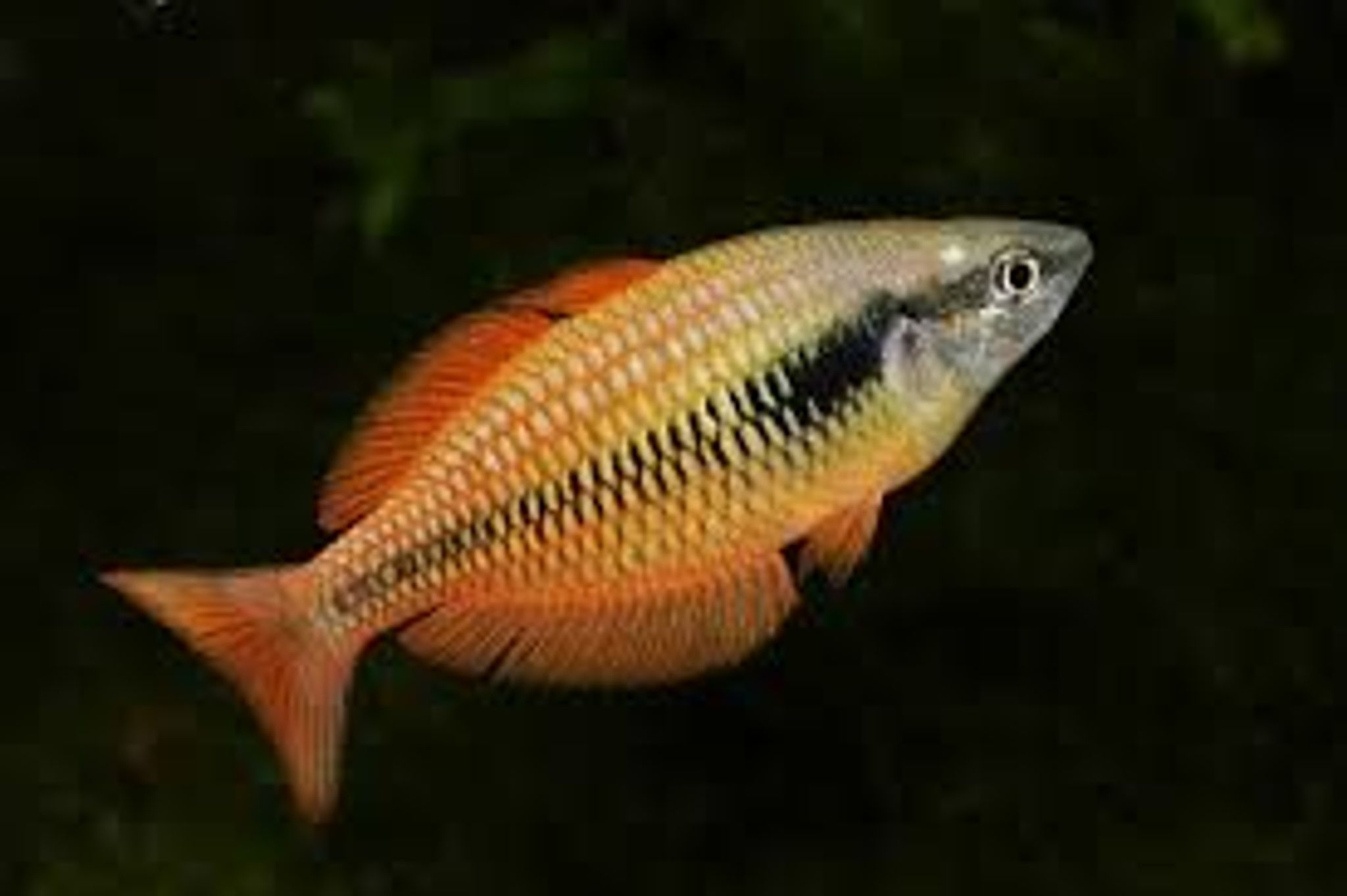

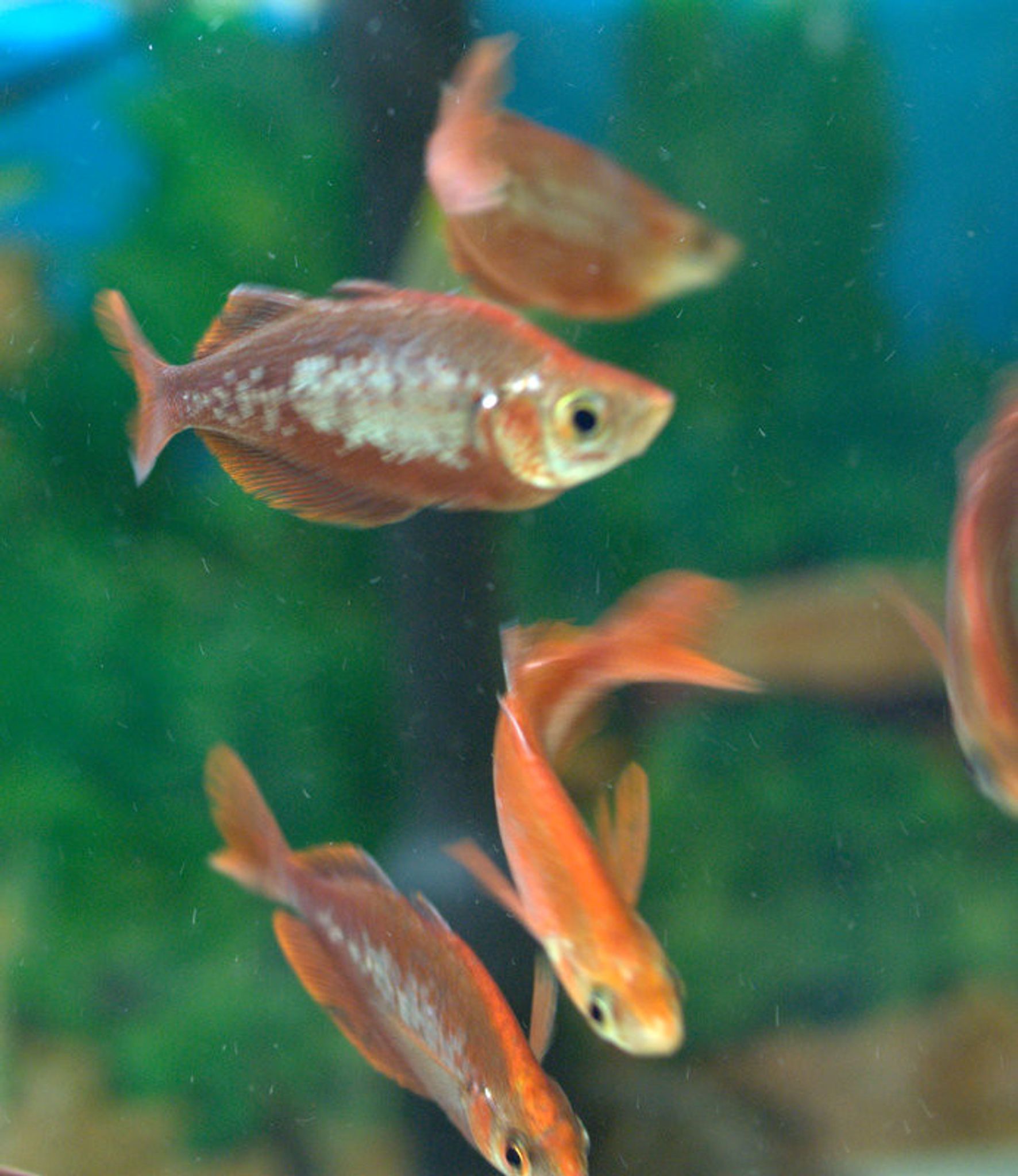
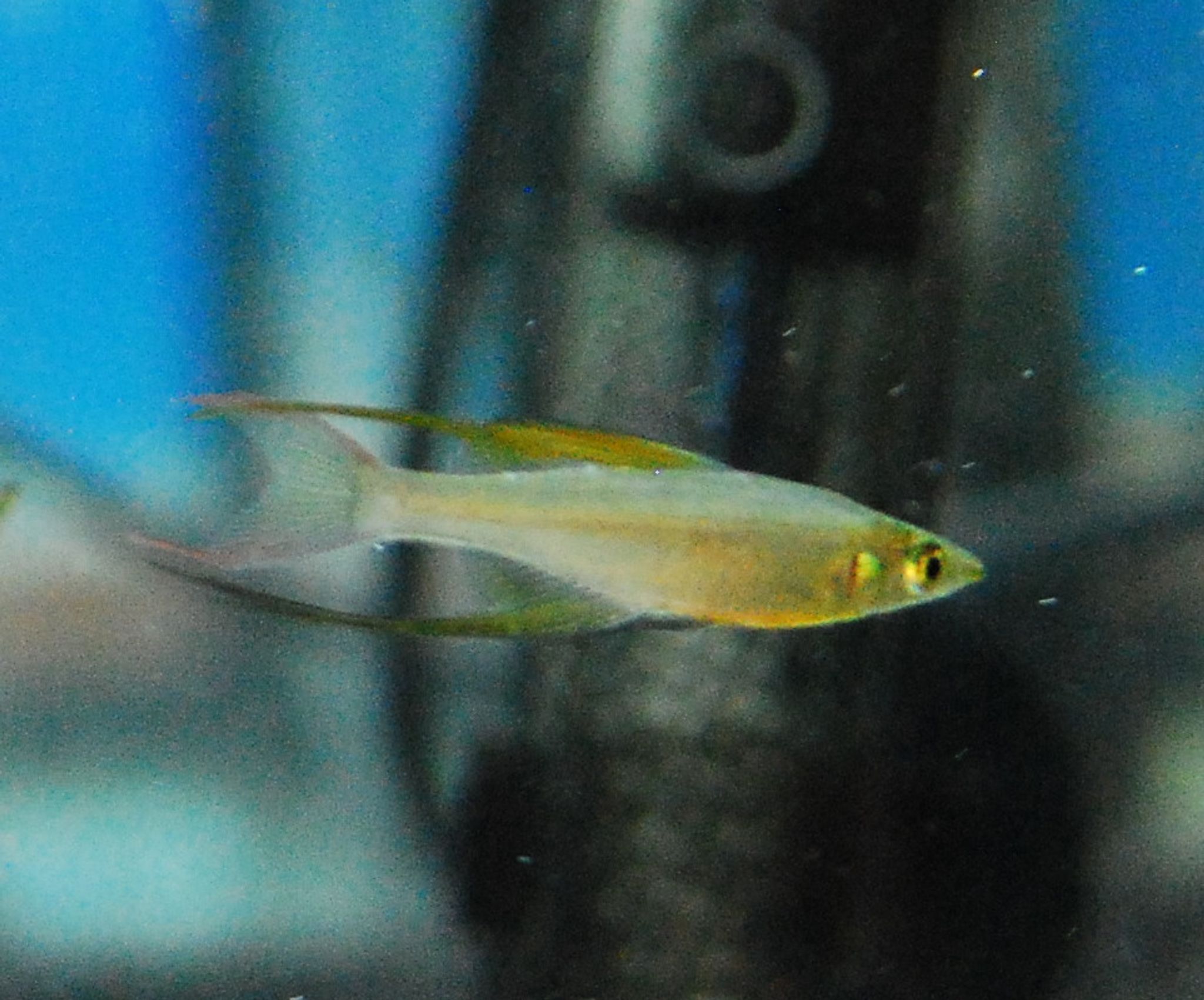
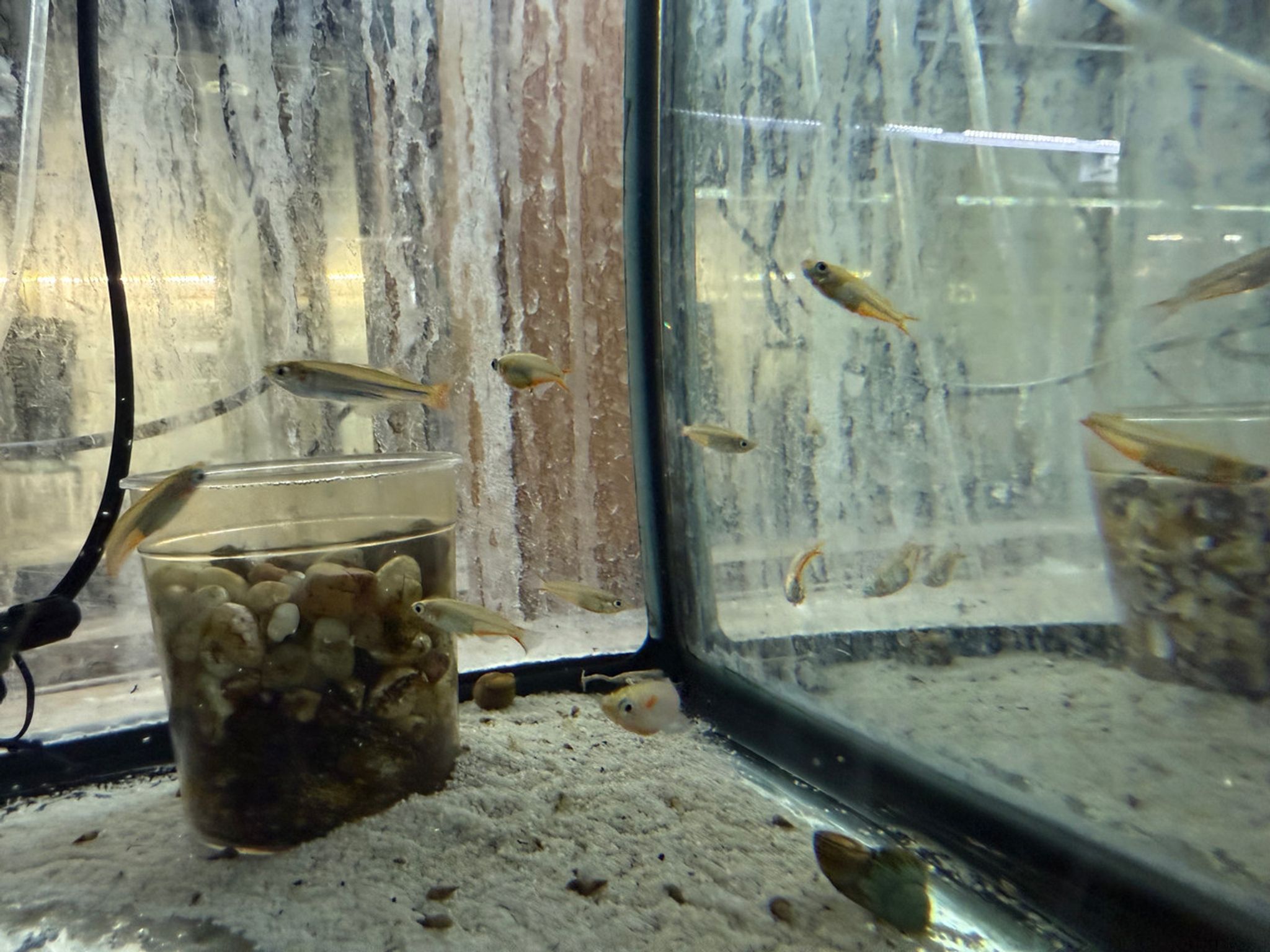
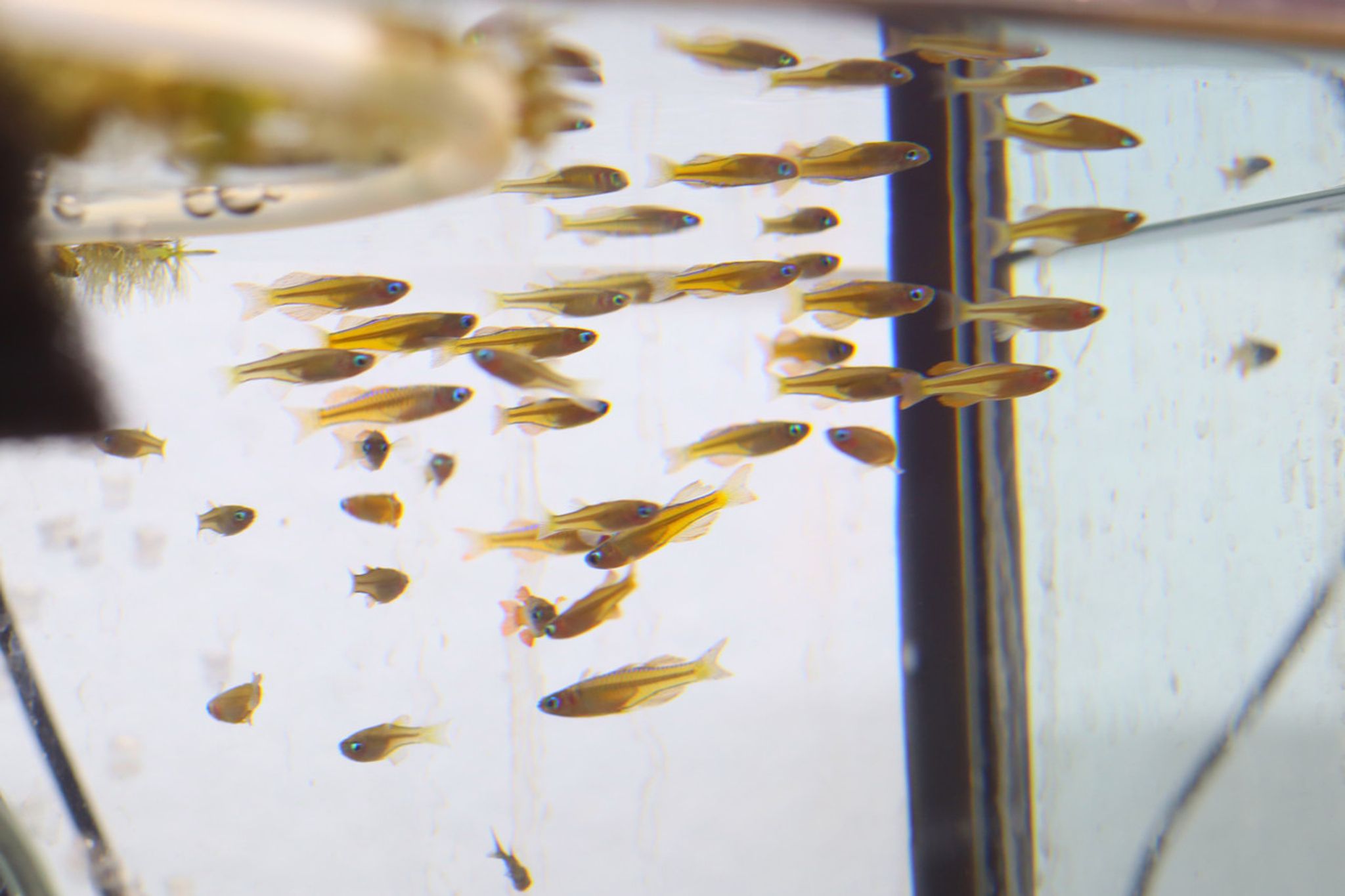
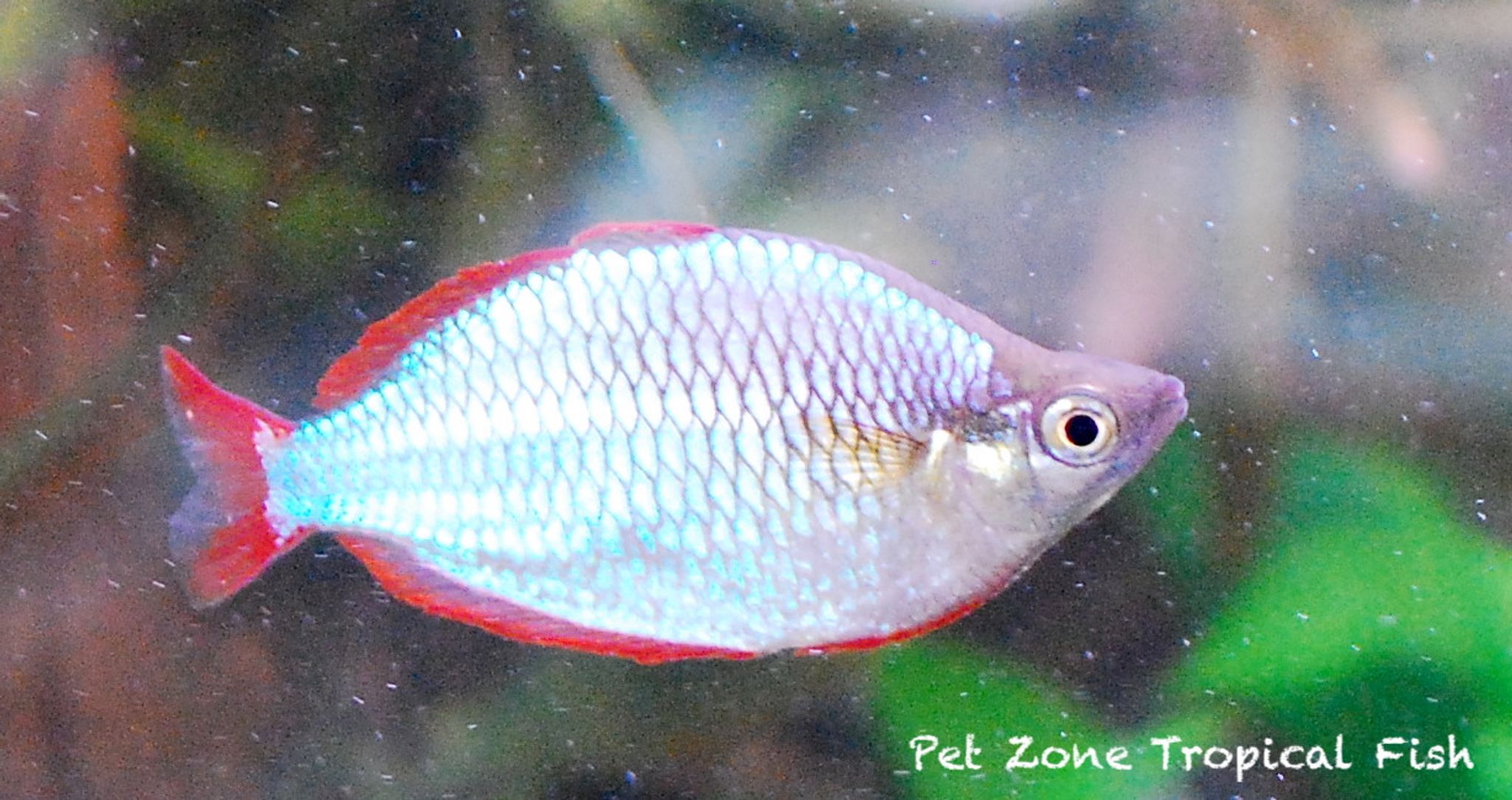
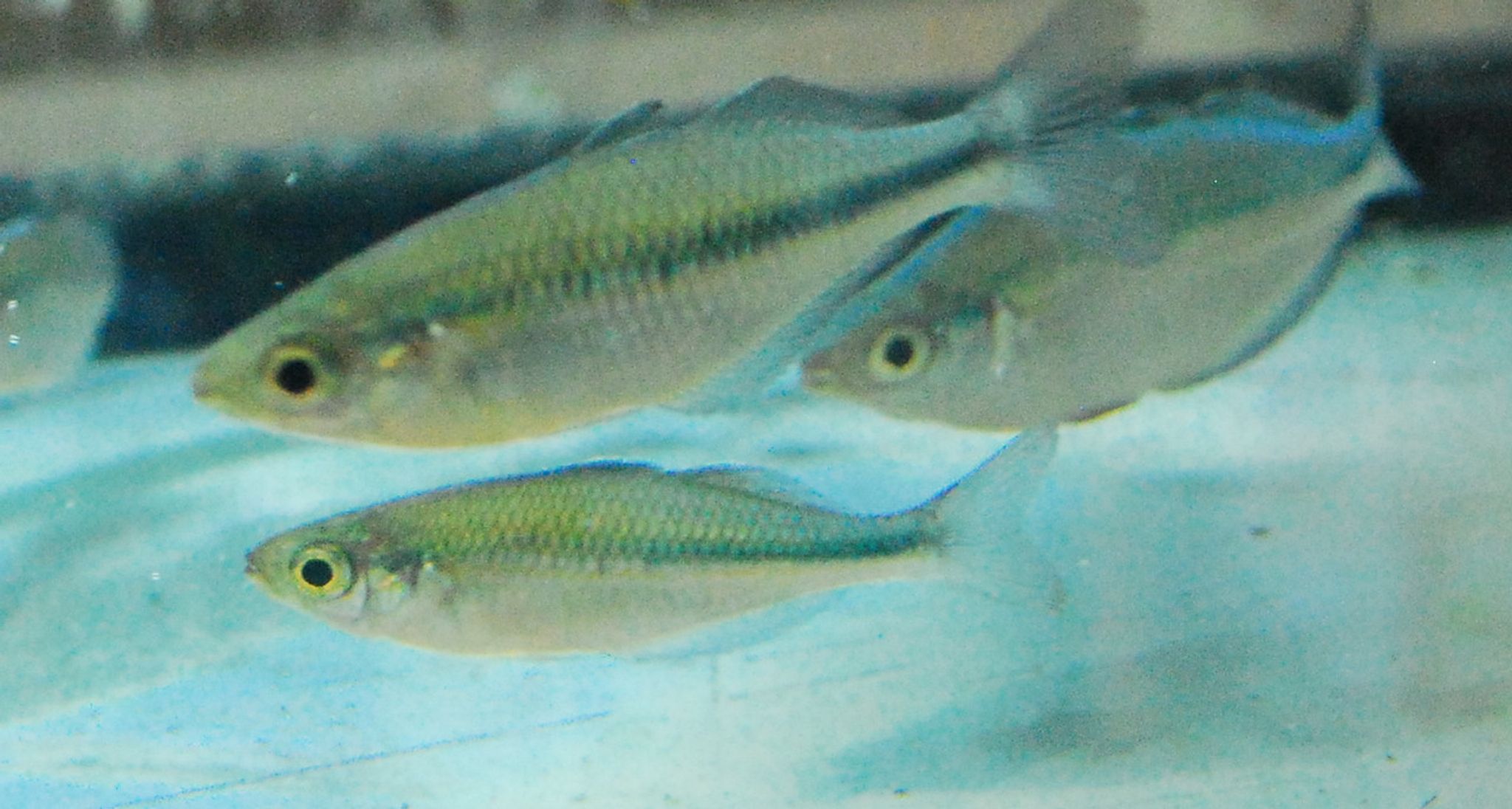
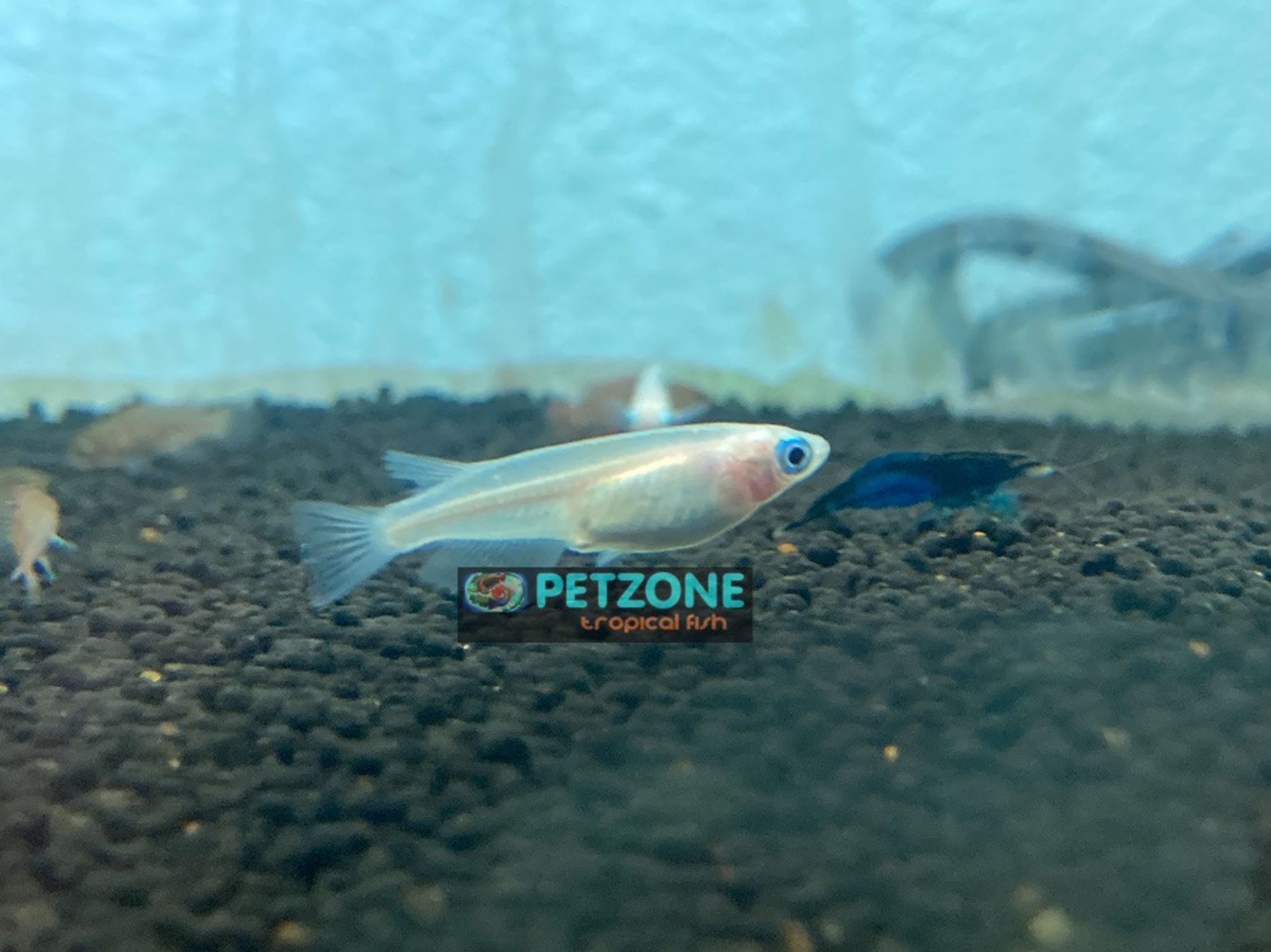
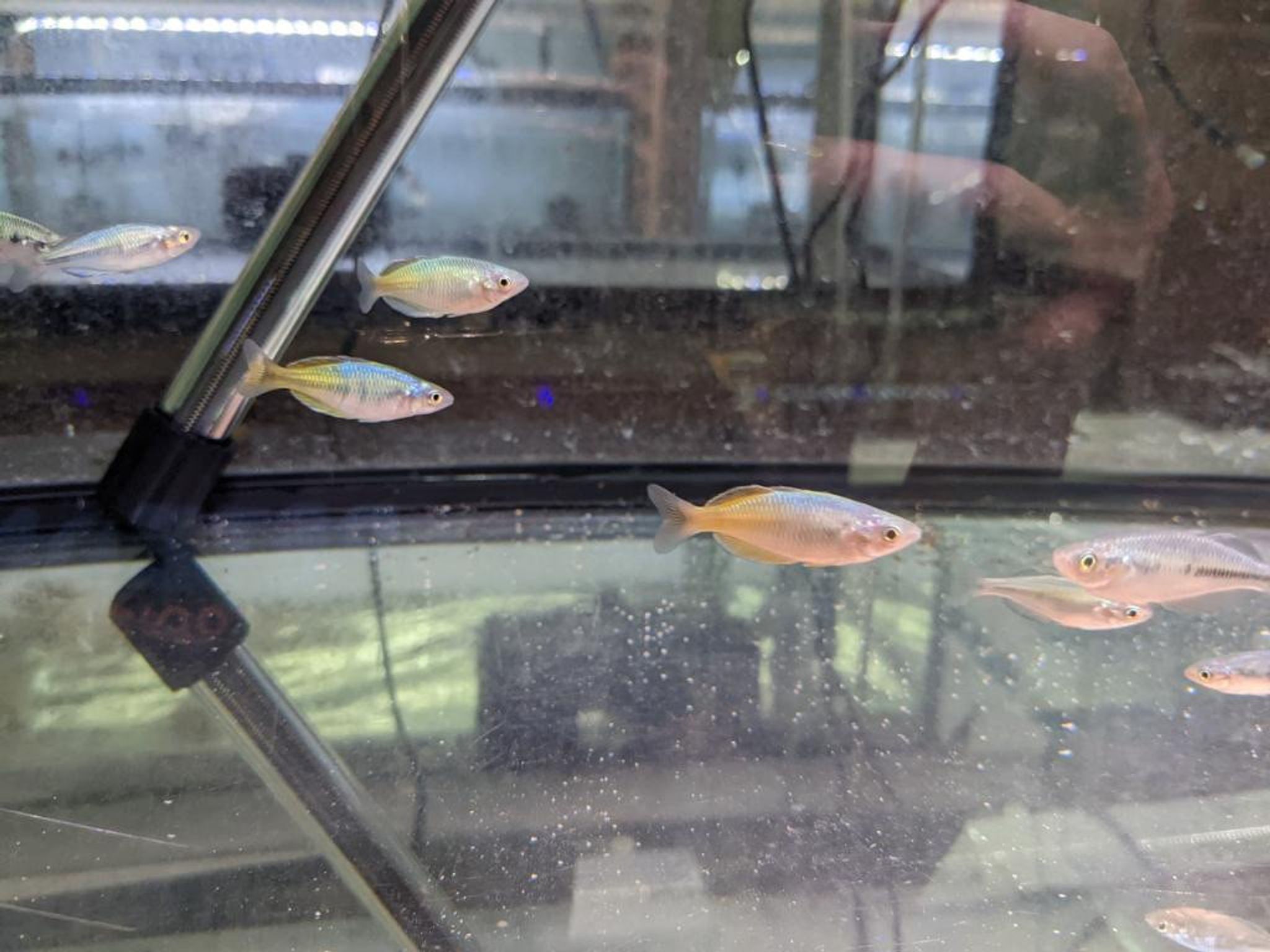

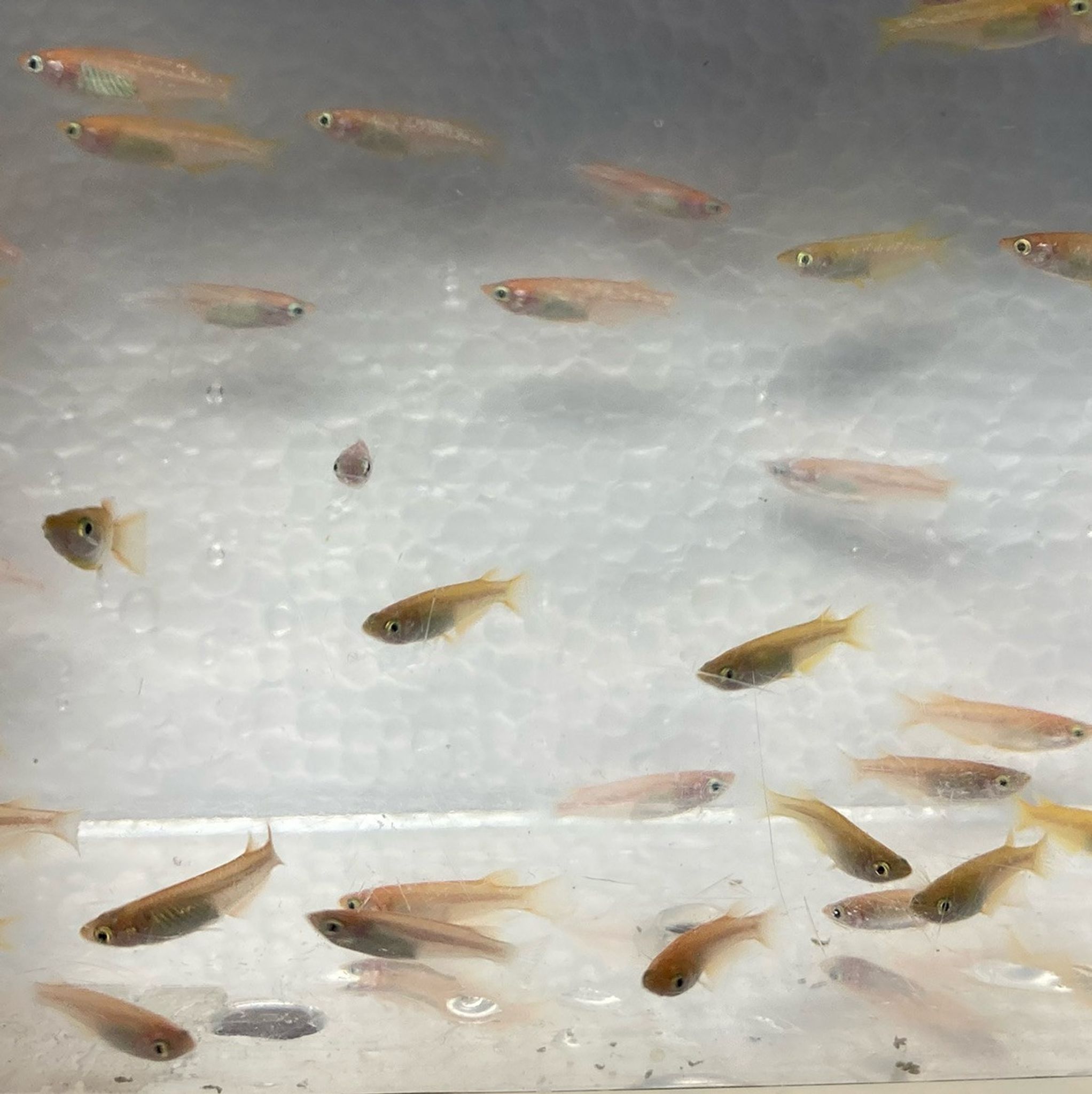
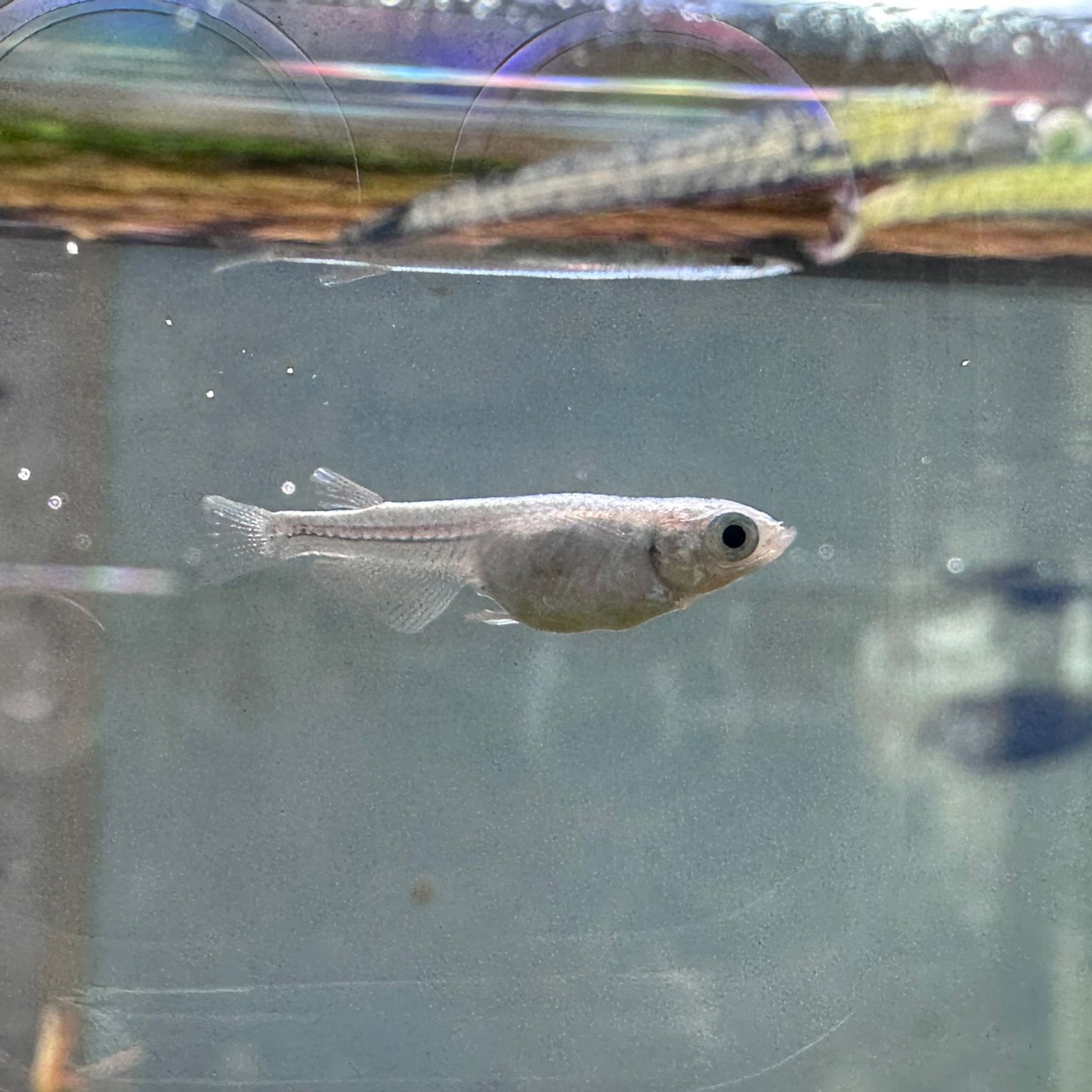
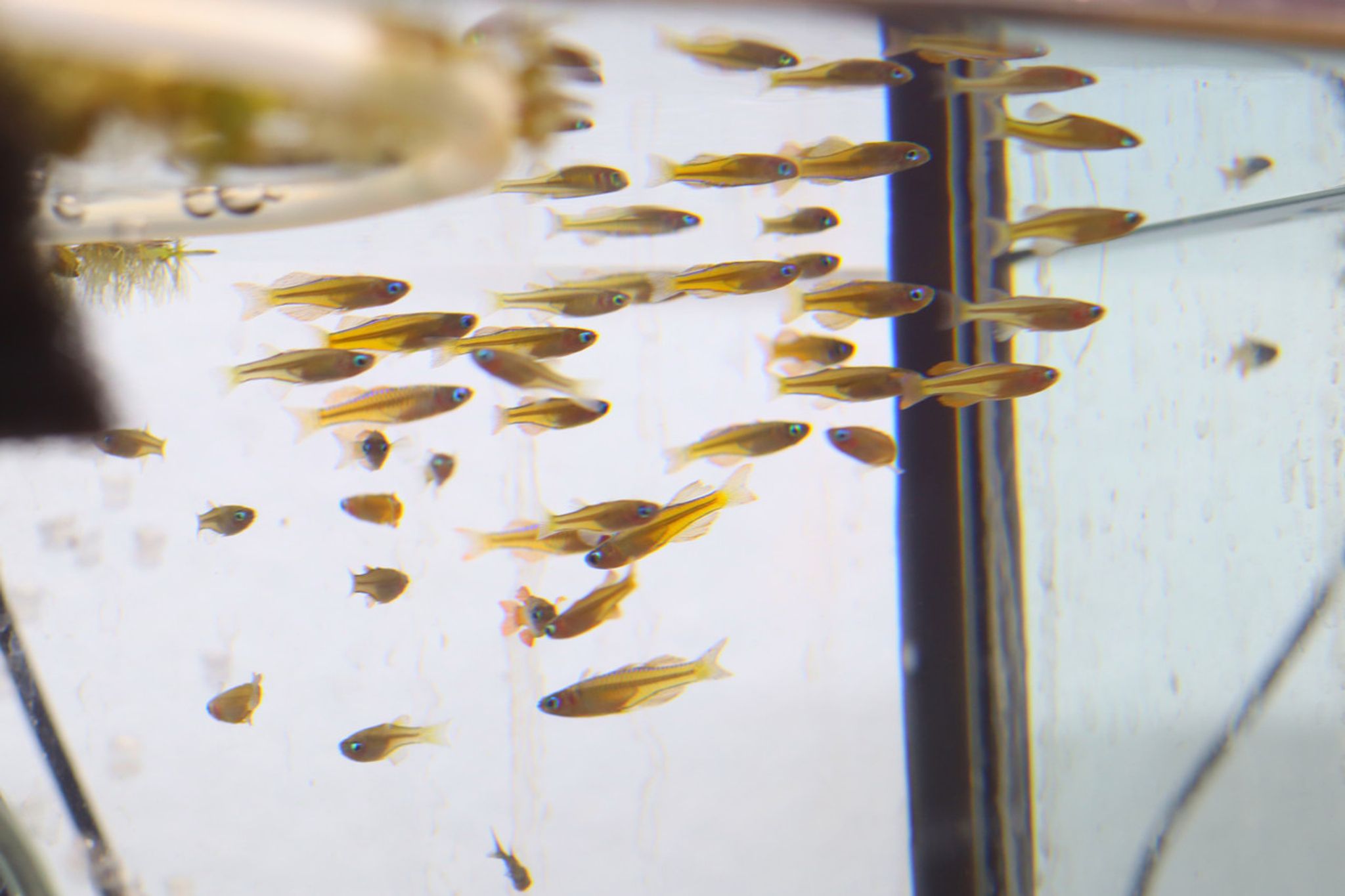
Shop Rainbowfish online from aquarium stores, breeders and specialist freshwater fish sellers across the United States on FishyHub. Compare Boesemani Rainbowfish, Dwarf Neon Rainbowfish, Turquoise Rainbowfish, Red Rainbowfish, Threadfin Rainbowfish and other species by size, color, activity level and seller.
Rainbowfish are colorful freshwater fish known for shimmering scales, active swimming and social behavior. FishyHub helps U.S. hobbyists compare Rainbowfish listings from multiple sellers in one marketplace.
Buying Rainbowfish online gives hobbyists access to a broader range of species, sizes and color forms than may be available from a single local aquarium store.
Compare exact species, current size, expected adult size, group requirements, seller information and shipping options before choosing Rainbowfish for your aquarium.
Popular Rainbowfish in the freshwater aquarium hobby include:
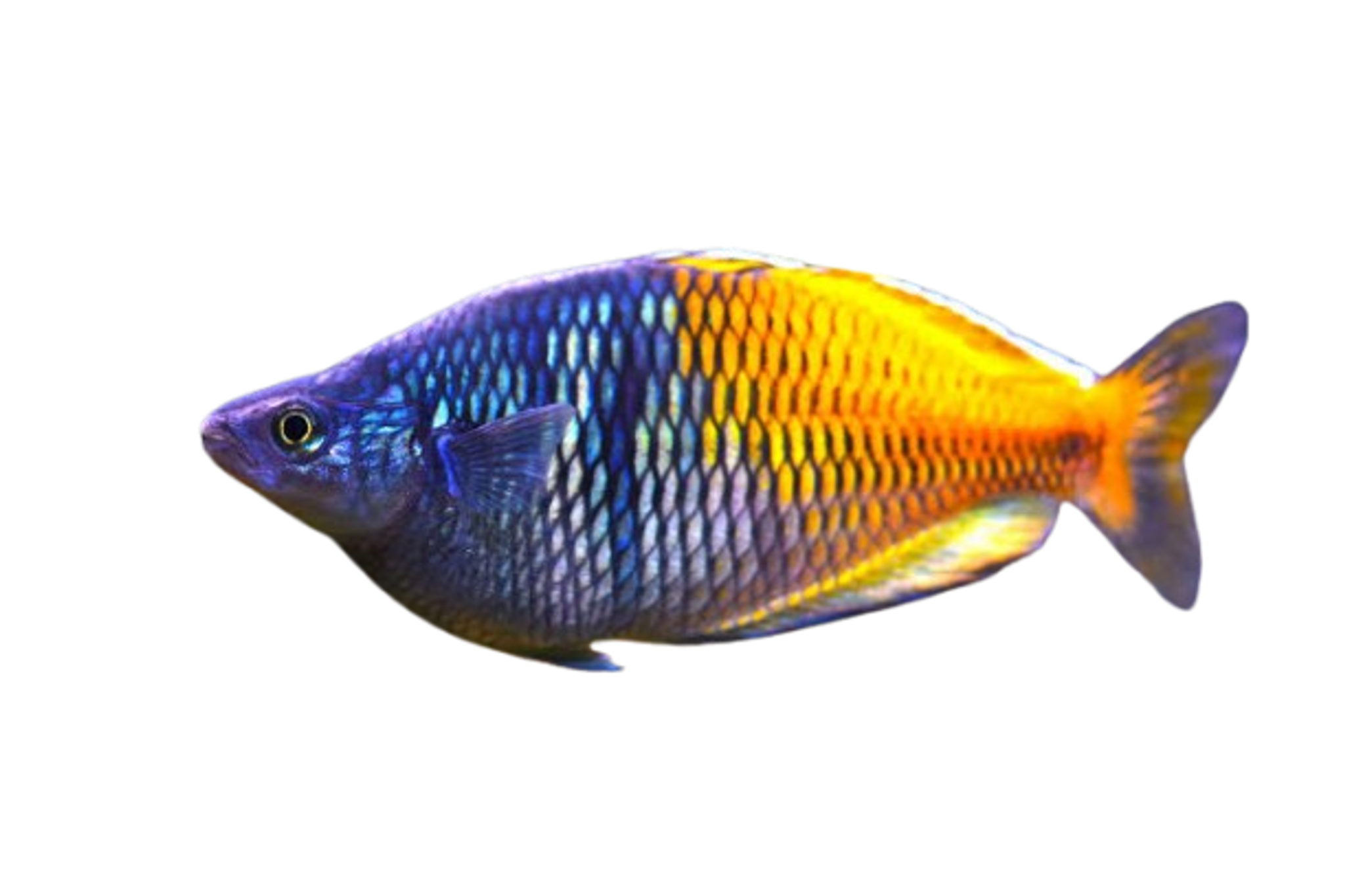
Boesemani Rainbowfish are among the most recognizable Rainbowfish, known for a distinctive color transition from blue or purple toward the front to yellow-orange toward the rear.
Their coloration becomes especially striking in mature fish kept in appropriate groups and stable aquarium conditions.
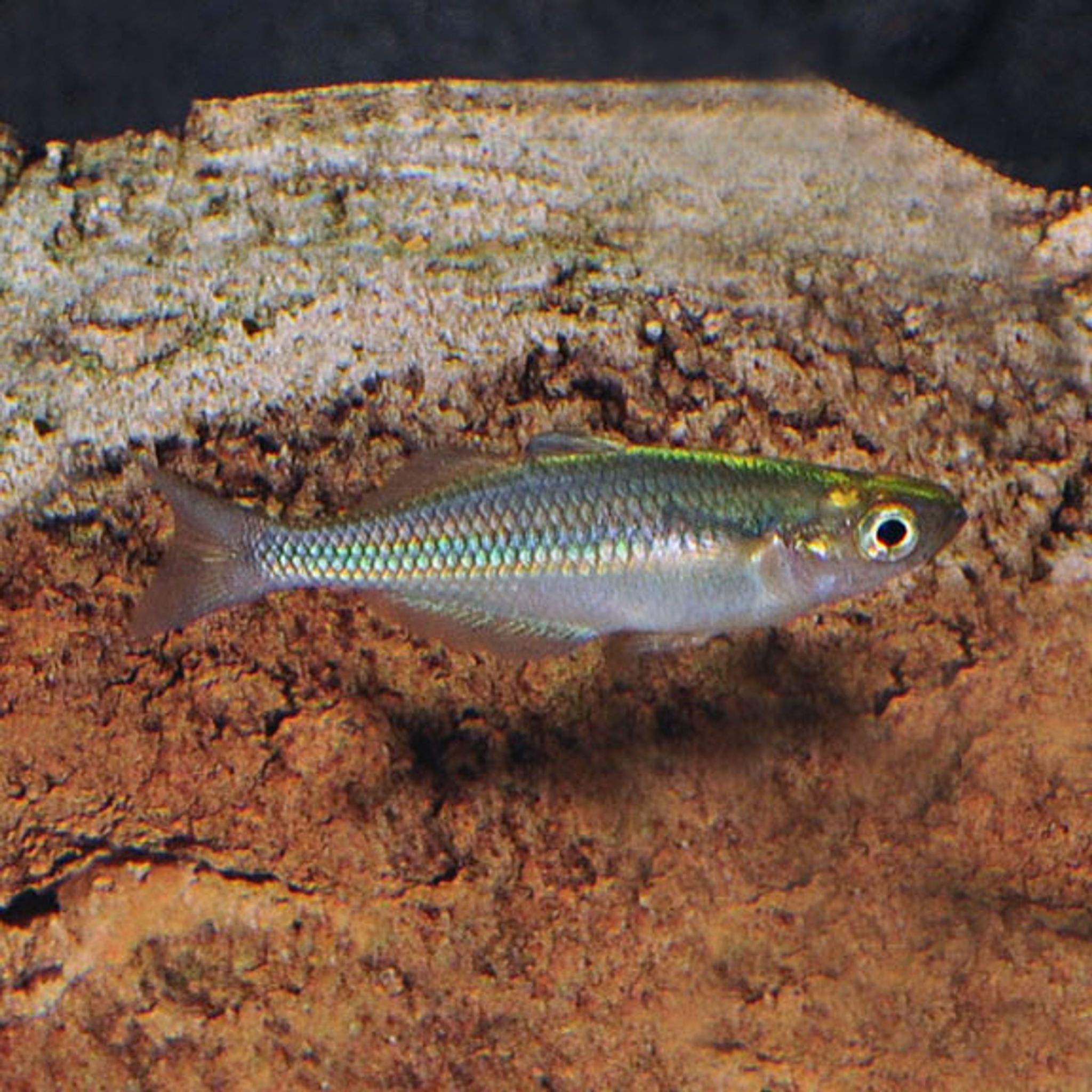
Dwarf Neon Rainbowfish are compact, shimmering fish with blue-green bodies and colorful fins.
Their smaller adult size makes them popular for community aquariums that cannot accommodate some of the larger Rainbowfish species.
Turquoise Rainbowfish are known for metallic blue-green coloration and an elongated, active swimming style.
They are best suited to spacious aquariums with ample open water for group swimming.
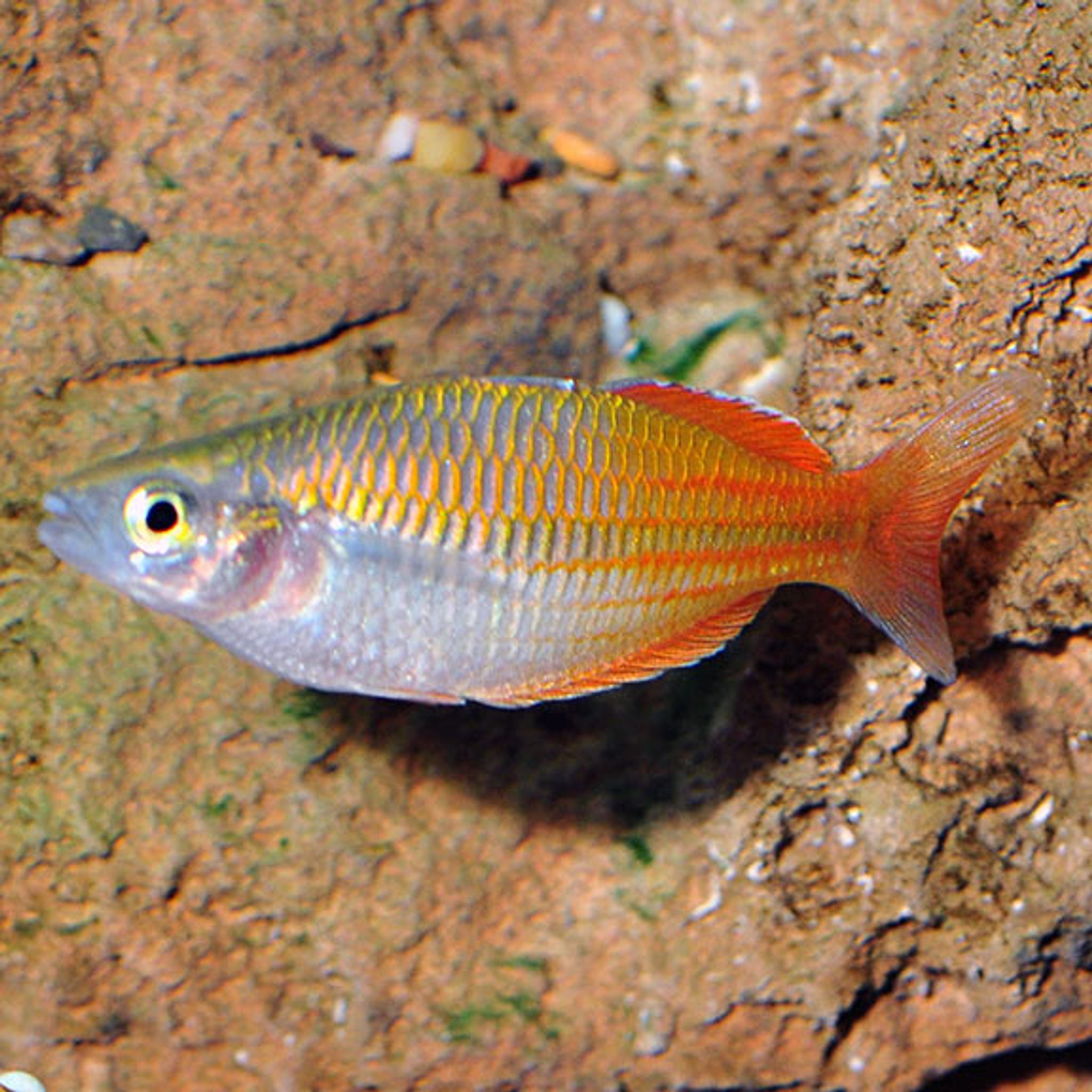
Red Rainbowfish are prized for vivid red coloration, particularly in mature males.
They are active, social fish that benefit from group living and enough horizontal swimming space.
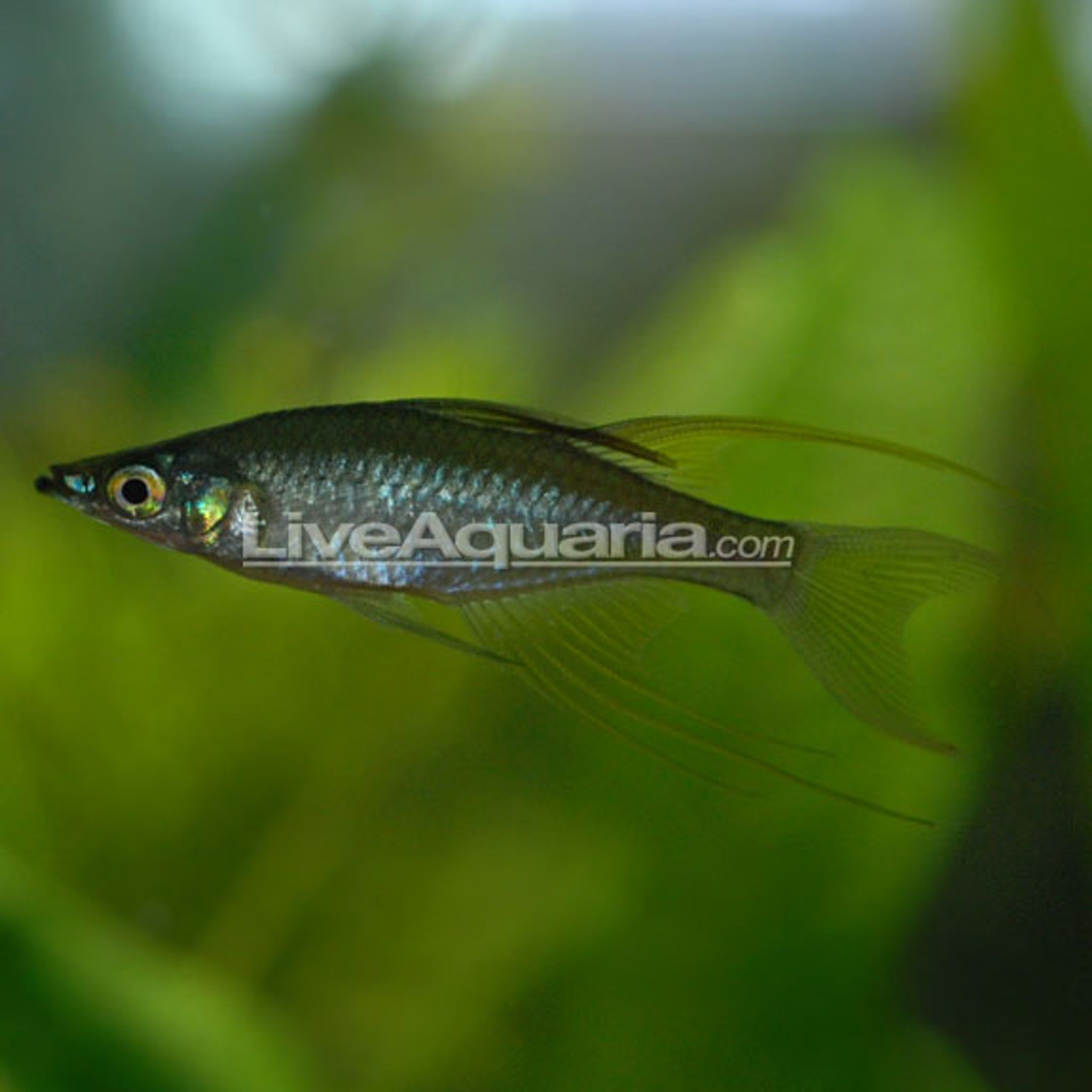
Threadfin Rainbowfish are delicate-looking fish with elongated fin rays and graceful display behavior.
They are less robust than many larger Rainbowfish and are better suited to peaceful aquariums with gentle tankmates that will not outcompete them for food.
Celebes Rainbowfish are slender freshwater fish with translucent bodies, blue highlights and distinctive fin shapes.
Their elegant appearance and active behavior make them attractive additions to peaceful planted or community aquariums.
Australian Rainbowfish include several active, colorful species found across Australia and nearby regions.
Exact size, coloration and water requirements vary, so scientific identification is useful when comparing listings.
Forktail Rainbowfish are smaller, elegant fish with yellow fins and graceful swimming behavior.
Their compact size can make them suitable for planted community aquariums with similarly peaceful tankmates.
Most Rainbowfish are social and show their best behavior and coloration when kept with others of their own species.
Appropriate group structure can improve confidence and encourage natural display behavior.
Rainbowfish are often described as schooling or shoaling fish because they naturally associate in groups.
In aquariums, group cohesion depends on species, tank size, layout and how secure the fish feel.
Adult size varies significantly between Rainbowfish species.
Dwarf and Forktail Rainbowfish remain relatively compact, while Boesemani, Turquoise and other larger species require more swimming space.
Rainbowfish benefit from aquariums with ample horizontal swimming space, stable filtration and areas of plant or hardscape cover.
A layout with open central swimming space and planted edges works well for many active species.
Rainbowfish can look spectacular in planted aquariums because their metallic coloration contrasts strongly with green plants and dark backgrounds.
Keep enough open water available so active fish can still swim freely.
Many Rainbowfish can be excellent community fish when kept with compatible species of similar activity level.
Tetras, Barbs, Danios, Rasboras, Corydoras and selected Gouramis may be possible tankmates depending on adult size, temperament and water requirements.
Only smaller Rainbowfish species should be considered for compact aquariums.
Even small Rainbowfish are active and social, so group size and swimming space must still be considered carefully.
Rainbowfish come from varied freshwater habitats across Australia, New Guinea and surrounding regions.
Stable water quality matched to the exact species is more useful than applying one universal temperature, pH or hardness range to every Rainbowfish.
Active Rainbowfish benefit from clean, well-oxygenated water and reliable filtration.
Regular maintenance and stable conditions help support strong coloration, appetite and activity.
Compatible tankmates should have similar water requirements and be comfortable around active schooling fish.
Very slow or shy fish may be stressed by larger Rainbowfish constantly moving through the aquarium.
Many medium-sized Tetras can coexist with Rainbowfish in appropriately sized community aquariums.
Choose species with compatible water conditions and activity levels.
Active Barbs can be suitable Rainbowfish tankmates when temperament and adult size are compatible.
Avoid highly aggressive or persistent fin-nipping species with delicate Rainbowfish such as Threadfins.
Danios and Rainbowfish can create an energetic community aquarium because both groups are active swimmers.
Make sure the aquarium provides enough horizontal space for both groups and that their water requirements overlap.
Corydoras can coexist with many Rainbowfish because they generally occupy different levels of the aquarium.
Rainbowfish spend more time swimming in open water while Corydoras forage near the substrate.
Some Gouramis can live with Rainbowfish in sufficiently spacious aquariums.
Larger Rainbowfish may be too energetic for very shy Gouramis, so species and individual temperament should be considered carefully.
Shrimp compatibility depends on the Rainbowfish species and shrimp size.
Adult shrimp may coexist with smaller Rainbowfish, while shrimplets can be eaten and larger Rainbowfish may pose a greater risk.
Many Rainbowfish are omnivorous and naturally consume a mixture of small aquatic animals, insects and plant-based material.
In aquariums, they generally accept quality flakes, pellets and appropriately sized frozen or live foods.
Rainbowfish are active feeders and can compete strongly at feeding time.
Observe quieter tankmates and smaller individuals to make sure they receive adequate food.
Rainbowfish coloration can change with age, sex, condition, lighting and social behavior.
Mature males of many species become much more colorful than juveniles, so young fish may not yet resemble fully developed adults.
Sex differences vary by species, but males often develop stronger coloration and more pronounced fin shapes.
Females may be more subdued in appearance, especially in strongly dimorphic species.
Many Rainbowfish scatter adhesive eggs among fine-leaved plants, mosses or spawning mops.
Separate breeding setups can make it easier to protect eggs and fry from adults and other aquarium inhabitants.
Some Rainbowfish can be suitable for newer hobbyists when kept in a properly cycled aquarium with appropriate group size and swimming space.
Exact species should still be researched because adult size, water requirements and temperament vary substantially.
When comparing Rainbowfish for sale, look for:
Newly shipped Rainbowfish may experience stress from transport and differences in water conditions.
Prepare a stable, cycled aquarium in advance and follow the seller's acclimation guidance for the exact species being introduced.
Rainbowfish prices vary according to species, size, sex, locality, rarity, breeder availability and seller.
Common aquarium Rainbowfish and less frequently available specialty species can differ substantially in price, so compare exact identification, current size and seller information rather than price alone.
FishyHub brings Rainbowfish listings from aquarium stores, breeders and specialist freshwater fish sellers together in one marketplace.
When comparing Rainbowfish online, consider:
Shipping availability depends on the seller, destination, species, fish size, weather and livestock-shipping policy.
Review packaging, delivery timing and live-arrival terms before ordering, and make sure the aquarium is prepared before the Rainbowfish arrive.
Yes. Aquarium stores, breeders and specialist sellers offer Rainbowfish online across the U.S., depending on seller shipping coverage and livestock policies.
Most Rainbowfish are social fish that benefit from being kept with others of their own species.
Boesemani, Dwarf Neon, Turquoise, Red, Threadfin and several Australian and New Guinea Rainbowfish are popular in the aquarium hobby.
Many are excellent community fish when housed with species that share compatible water requirements and can handle their active swimming style.
Often yes, especially with medium-sized Tetras that have compatible water requirements and similar activity levels.
Some smaller Rainbowfish may coexist with adult shrimp, but shrimplets may be eaten and larger species may pose a greater risk.
Larger species need substantial horizontal swimming space, while smaller species can be kept in more compact setups when their group and activity needs are met.
FishyHub helps U.S. hobbyists compare Rainbowfish listings from aquarium stores, breeders and specialist freshwater fish sellers in one marketplace.
Explore Rainbowfish for sale on FishyHub and compare Boesemani, Dwarf Neon, Turquoise, Red, Threadfin, Forktail and other freshwater Rainbowfish species. Discover listings from aquarium stores and breeders across the United States, and compare species, size, coloration, group needs, price and shipping options before choosing Rainbowfish for your aquarium.