1–2 of 2
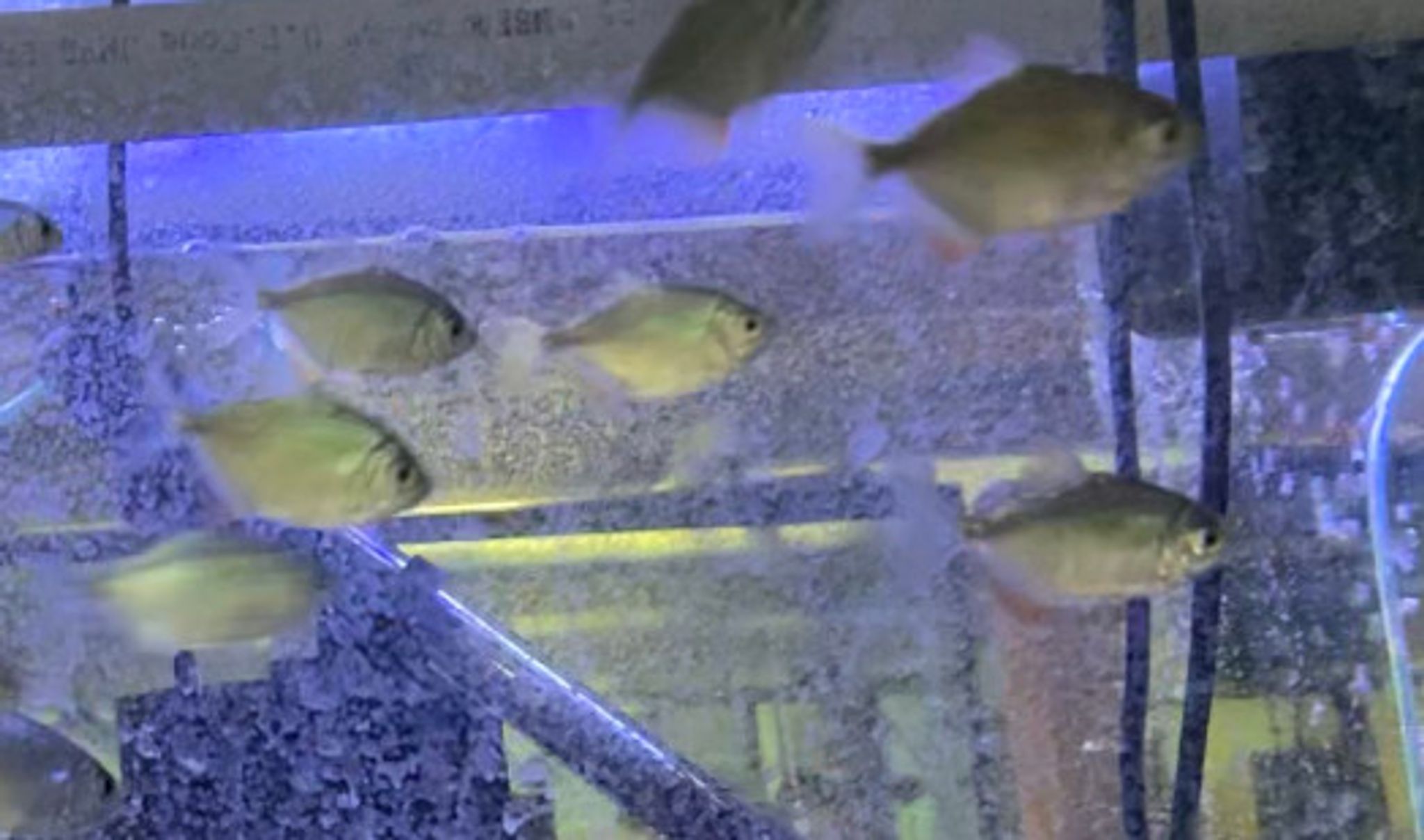
Shop Silver Dollar fish online from aquarium stores, breeders and specialist freshwater fish sellers across the United States on FishyHub. Compare Red Hook Silver Dollars, Spotted Silver Dollars and other Silver Dollar species by size, body shape, temperament and seller.
Silver Dollar fish are active, deep-bodied freshwater schooling fish known for their metallic appearance and close relationship to piranhas and pacus. FishyHub helps U.S. hobbyists compare Silver Dollar listings from multiple sellers in one marketplace.
Buying Silver Dollar fish online gives hobbyists access to a broader range of species, sizes and group quantities than may be available from a single local aquarium store.
Compare exact species, current size, expected adult size, schooling needs, diet, seller information and shipping options before choosing Silver Dollars for your aquarium.
Popular Silver Dollar fish in the aquarium hobby include:
Common Silver Dollars are deep-bodied, laterally compressed fish with bright silver coloration and active schooling behavior.
Their round body shape and reflective scales give them the coin-like appearance that inspired their common name.
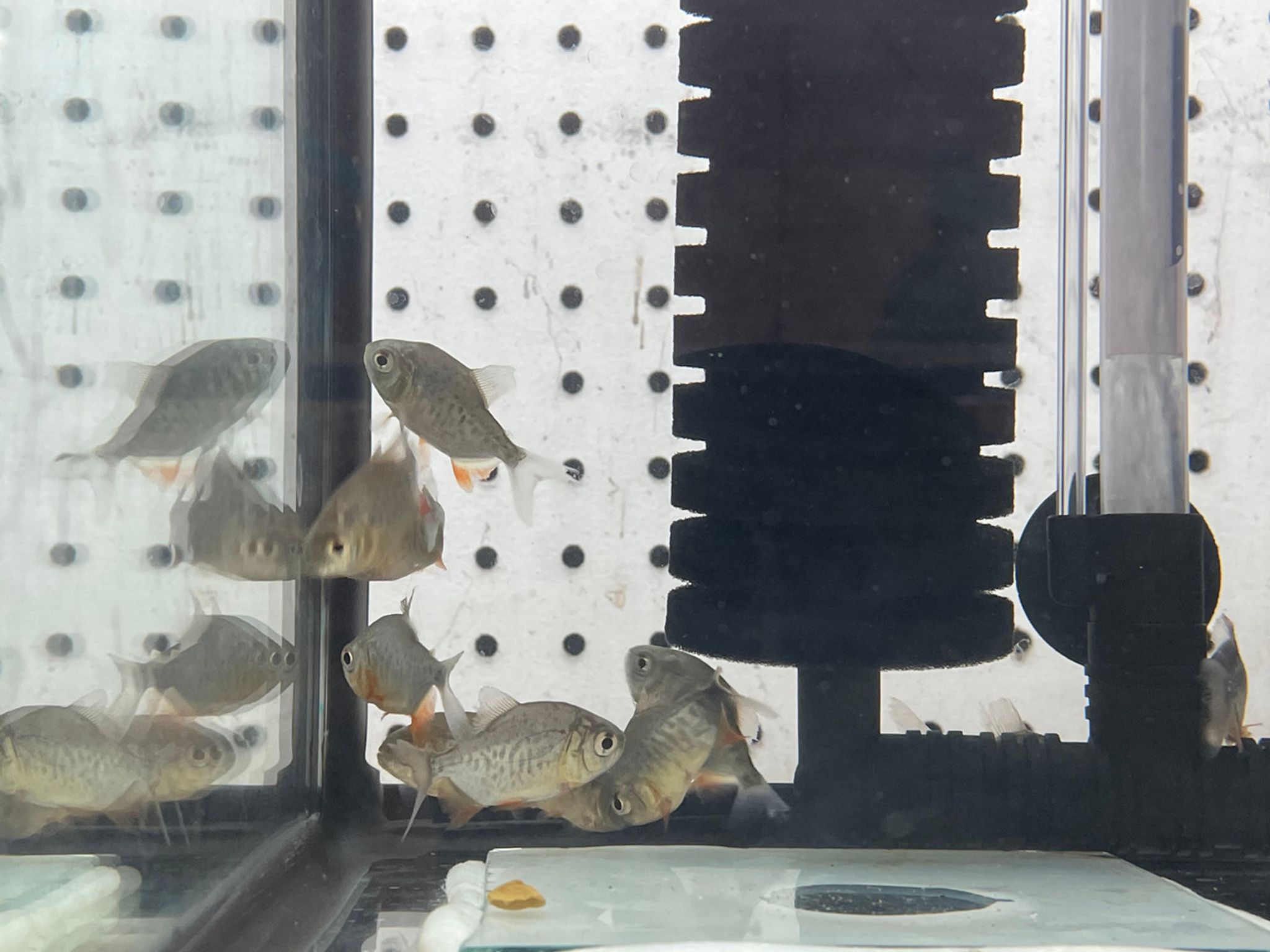
Red Hook Silver Dollars are distinctive for the red coloration on the anal fin and their larger, more powerful appearance.
They can become substantial fish and need more swimming space than many small community species.
Spotted Silver Dollars combine the classic silver body shape with darker spots or markings.
Their patterning can make them especially attractive in large freshwater community aquariums.
Yes. Silver Dollars belong to the same broader characin lineage as piranhas and pacus, but their behavior and diet differ significantly.
Most commonly kept Silver Dollars are far more peaceful and are often maintained in community-style aquariums with appropriately sized tankmates.
Silver Dollars are social fish and generally behave more naturally when kept in groups.
A suitable group can improve confidence and create the active schooling behavior that makes them visually impressive in larger aquariums.
Silver Dollar fish can become much larger than many beginners expect.
Adult size varies by species, so plan around mature dimensions and group size rather than the smaller juveniles commonly offered for sale.
Silver Dollars are active swimmers and benefit from substantial horizontal swimming space.
Open water areas combined with wood, rocks and sturdy decor can create a secure environment without restricting schooling movement.
Their deep bodies and active movement make aquarium footprint especially important.
A narrow or overcrowded aquarium can restrict natural schooling and increase stress or collisions.
Silver Dollars are well known for eating or damaging many live aquarium plants.
Heavily planted aquariums can therefore be challenging, especially with softer or more palatable plant species. Hardscape, artificial plants or carefully selected robust plants may be easier to manage.
They can, but success depends heavily on plant choice and the individual fish.
Many Silver Dollars readily consume vegetation, so hobbyists should expect some plants to be nibbled or uprooted.
Different Silver Dollar species come from different South American freshwater habitats.
Stable water quality matched to the exact species is more useful than applying one universal temperature, pH or hardness range to every Silver Dollar.
Adult Silver Dollars are relatively large schooling fish and can create a meaningful biological load.
Strong filtration and regular maintenance help maintain stable water quality in larger groups.
Silver Dollars are generally more peaceful than their piranha-like appearance suggests.
They can still be boisterous because of their size and activity, so very small or timid tankmates may be intimidated.
Good Silver Dollar tankmates are generally peaceful to moderately robust fish that are not small enough to be easily intimidated or eaten.
Adult size, swimming behavior and water requirements should all be considered when building a community around them.
Medium and larger Tetras can sometimes coexist with Silver Dollars in spacious aquariums.
Very small Tetras may be overwhelmed by the size and activity of adult Silver Dollars.
Larger Rainbowfish can be possible companions because both groups are active open-water swimmers.
A large aquarium with plenty of swimming space is important when combining two active schooling groups.
Larger peaceful Barbs may coexist with Silver Dollars when aquarium size and water conditions are appropriate.
Avoid excessively aggressive or persistent fin-nipping Barbs that could stress the group.
Some medium or large Cichlids can coexist with Silver Dollars in sufficiently spacious aquariums.
Highly aggressive Cichlids may harass Silver Dollars, while very small Cichlids may be intimidated by their size and schooling activity.
Silver Dollars are sometimes kept with Oscars because both can inhabit larger freshwater aquariums.
Compatibility depends on tank size, individual temperament and relative fish size, so this combination should be monitored carefully.
Larger Silver Dollars can sometimes coexist with Bichirs when they are too large to be swallowed.
Tankmate size should be evaluated continuously as Bichirs grow.
Many medium and large Catfish can coexist with Silver Dollars because the groups often occupy different areas of the aquarium.
Avoid predatory Catfish capable of swallowing the Silver Dollars or competing aggressively for food.
Very small fish are generally not ideal companions for adult Silver Dollars.
Even when not actively predatory, large schooling fish can intimidate tiny community species and may consume fish small enough to fit in their mouths.
Silver Dollars are generally omnivorous with a strong tendency toward plant-based foods.
A balanced aquarium diet may include quality prepared foods together with suitable plant-based foods and occasional animal-based items depending on the species.
Silver Dollars are active feeders and can consume substantial amounts of food as they grow.
Feed a varied diet appropriate to the group while avoiding chronic overfeeding that can affect water quality.
Many do.
Silver Dollars are known for consuming leaves and tender aquatic vegetation, so hobbyists should not assume a heavily planted aquascape will remain untouched.
Silver Dollars can be bred in captivity, although successful breeding generally requires mature fish and suitable environmental conditions.
Adults may scatter eggs among plants or other surfaces, and separate rearing can help protect developing eggs and fry.
Sex differences vary by species and may become more visible as fish mature.
Fin shape, coloration and body profile can sometimes help distinguish mature males and females, but seller or breeder information may be useful for breeding projects.
Silver Dollars can be hardy in stable aquariums, but their adult size, schooling requirements and appetite for plants make them a bigger commitment than many small community fish.
They are best chosen by hobbyists prepared to provide enough swimming space and maintain a larger group long term.
When comparing Silver Dollars for sale, look for:
Newly shipped Silver Dollars may be nervous after transport and can react strongly to sudden movement.
Prepare a stable, cycled aquarium before arrival and follow the seller's acclimation guidance for the exact species.
Quarantine and careful observation can help reduce the risk of introducing disease into an established aquarium.
Monitor body condition, breathing, fins, appetite and schooling behavior before moving new fish into the main display.
Silver Dollar prices vary according to species, current size, adult size, rarity, availability and seller.
Common Silver Dollars, Red Hooks and less frequently available specialty species can differ significantly in price, so compare exact identification and group quantity rather than price alone.
FishyHub brings Silver Dollar fish listings from aquarium stores, breeders and specialist freshwater fish sellers together in one marketplace.
When comparing Silver Dollars online, consider:
Shipping availability depends on the seller, destination, species, fish size, weather and livestock-shipping policy.
Review packaging, delivery timing and live-arrival terms before ordering, and make sure the aquarium is large enough and fully prepared before the fish arrive.
Yes. Aquarium stores, breeders and specialist sellers offer Silver Dollar fish online across the U.S., depending on species availability and seller shipping coverage.
Yes. They are related within the broader characin group, but common aquarium Silver Dollars are generally much more peaceful and have different feeding behavior.
Yes. Silver Dollars are social fish and generally behave more naturally when kept in appropriate groups.
Many do. Silver Dollars are well known for eating tender aquatic plants and can be challenging in heavily planted aquariums.
Yes. Red Hook Silver Dollars belong to different species or groups and can differ in appearance, adult size and care requirements.
They sometimes can in large aquariums when fish sizes are compatible, but individual temperament and aquarium space matter.
Large Silver Dollars may coexist with Bichirs when they are too large to be swallowed and both species have sufficient space.
FishyHub helps U.S. hobbyists compare Silver Dollar fish from aquarium stores, breeders and specialist freshwater fish sellers in one marketplace.
Explore Silver Dollar fish for sale on FishyHub and compare Common Silver Dollars, Red Hook Silver Dollars, Spotted Silver Dollars and other related freshwater species. Discover listings from aquarium stores and breeders across the United States, and compare species, adult size, schooling needs, diet, price and shipping options before choosing Silver Dollars for your aquarium.