
FishyHub
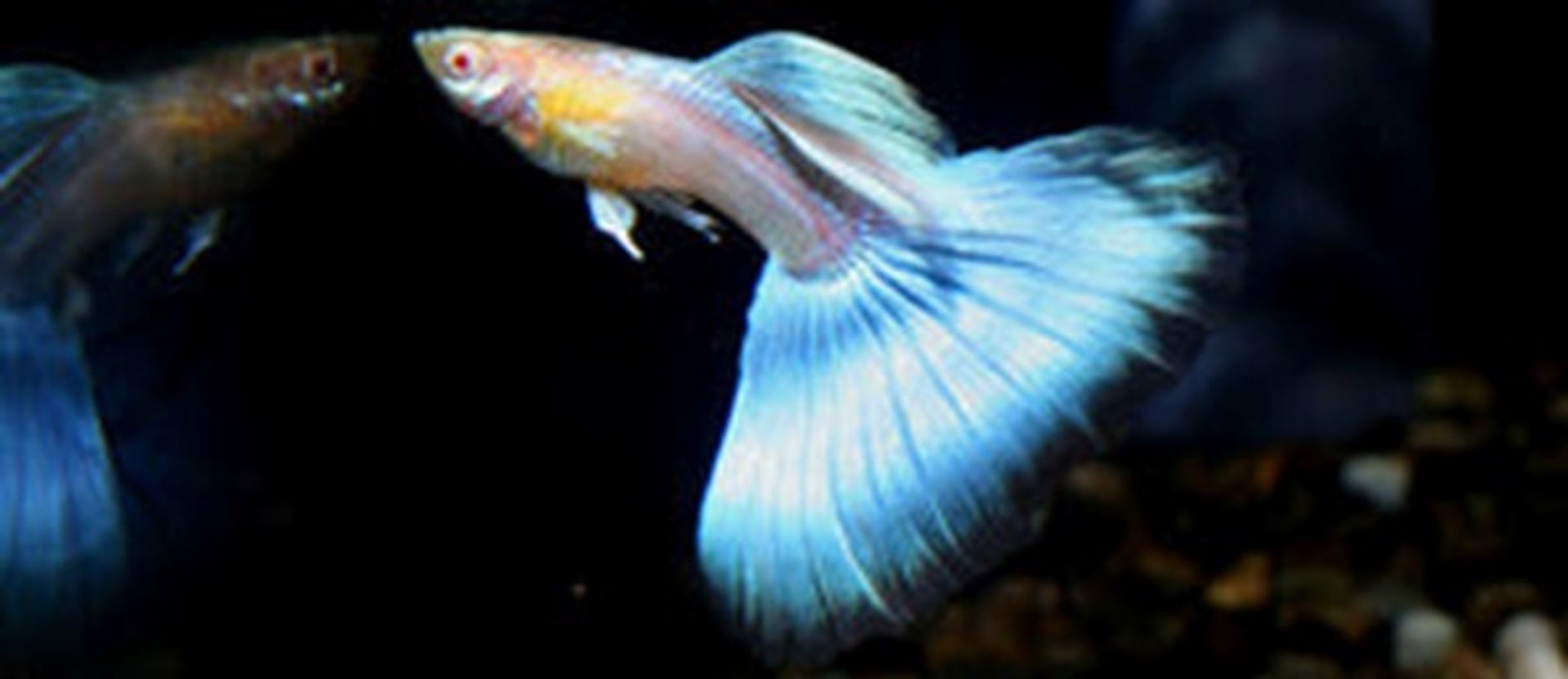
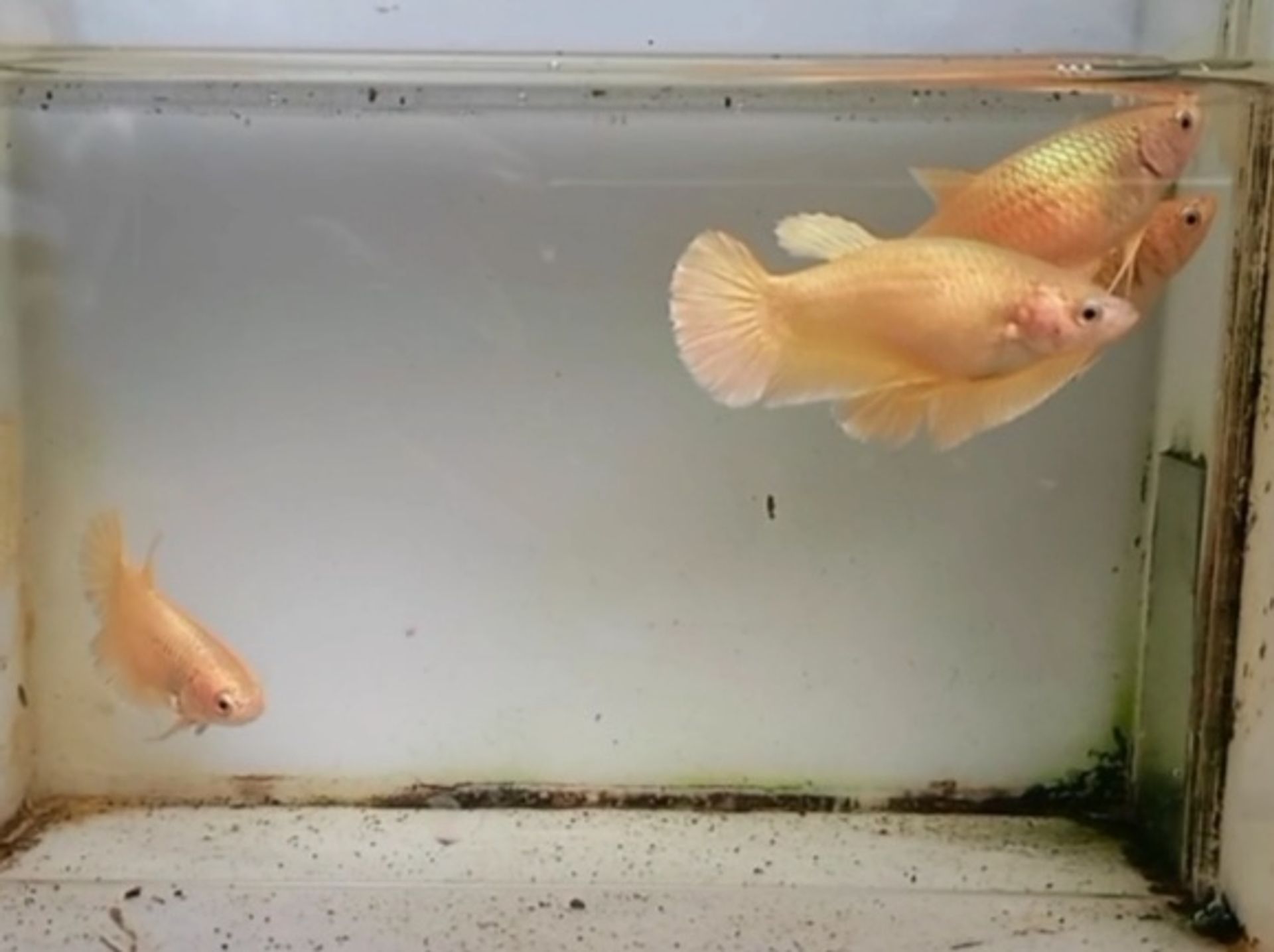
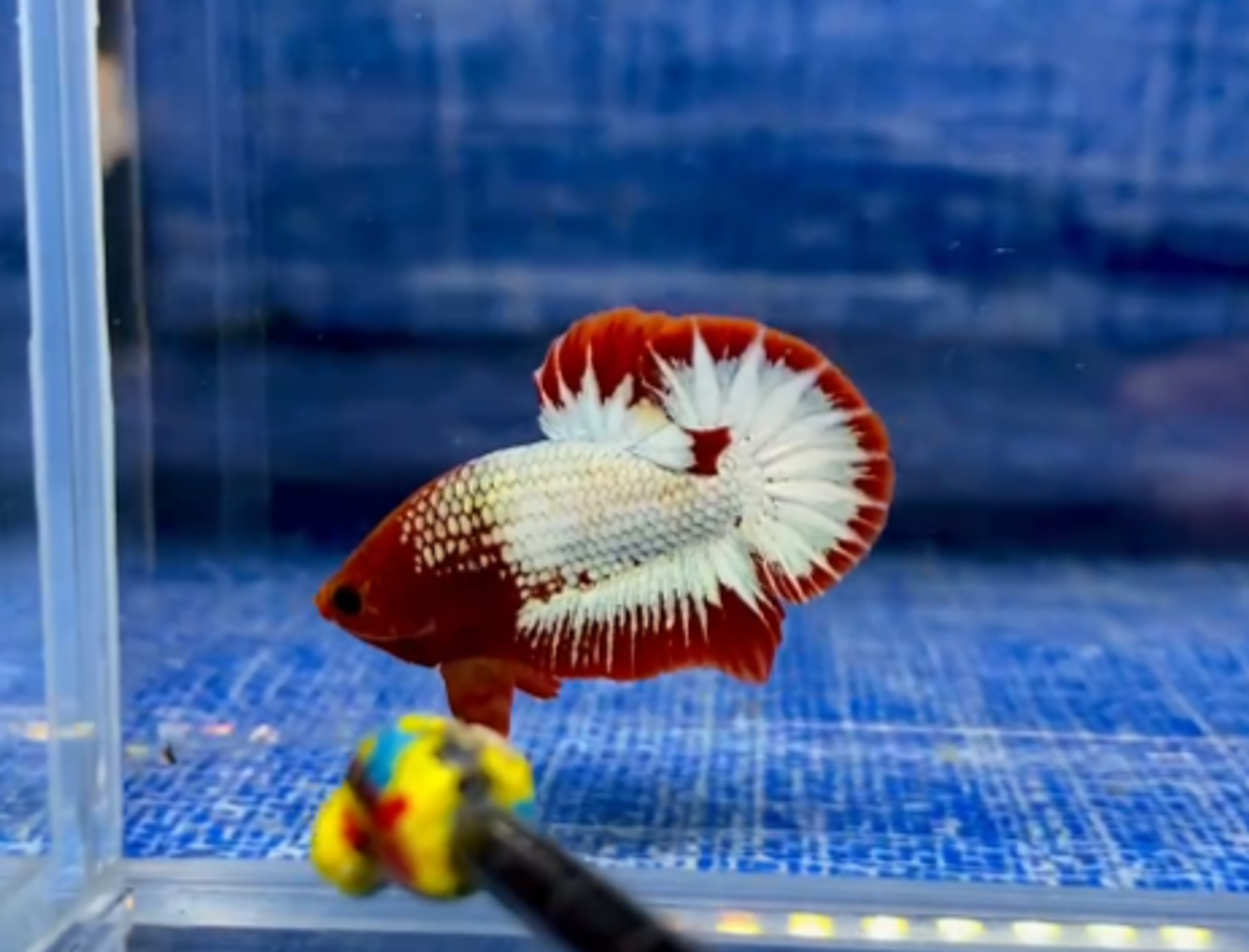
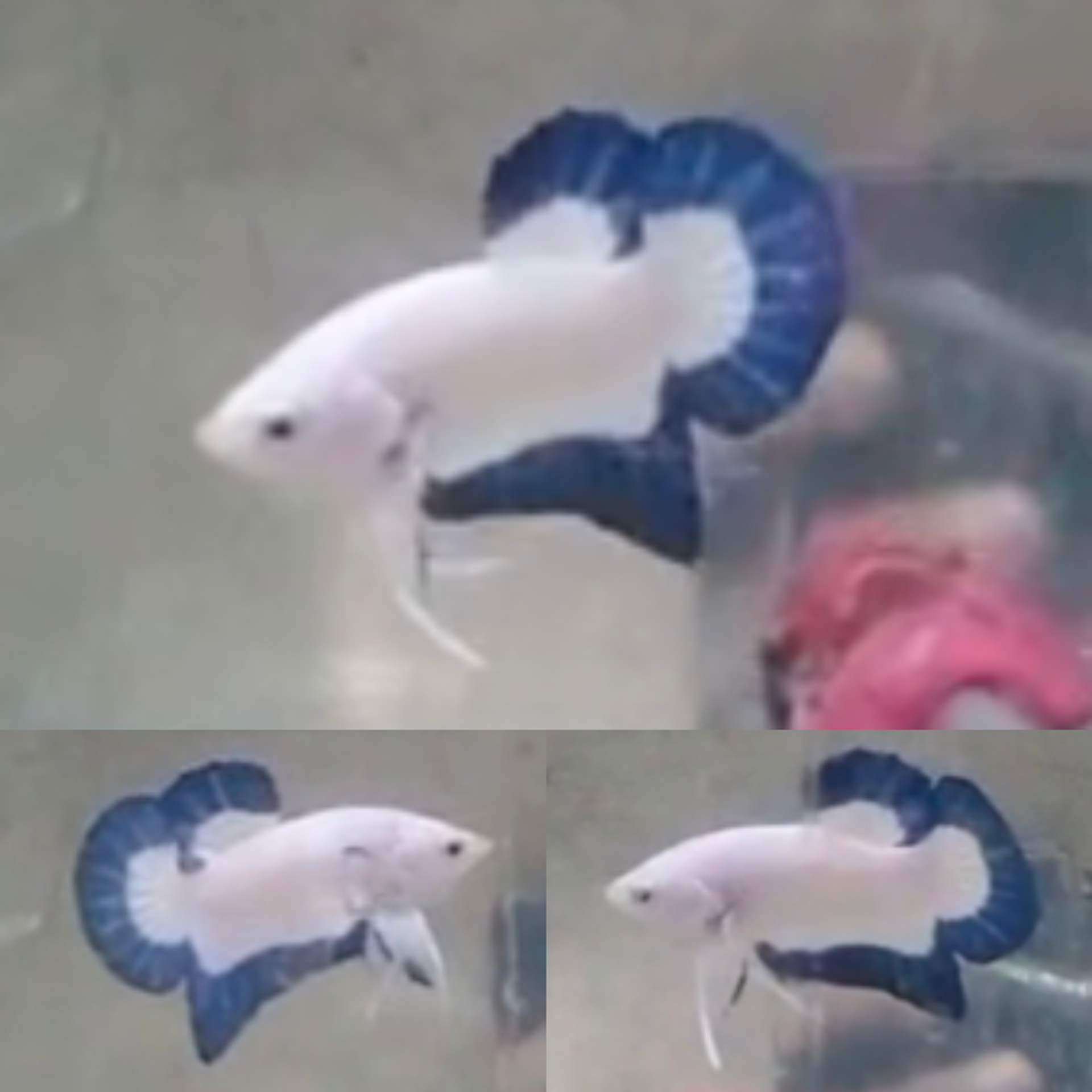
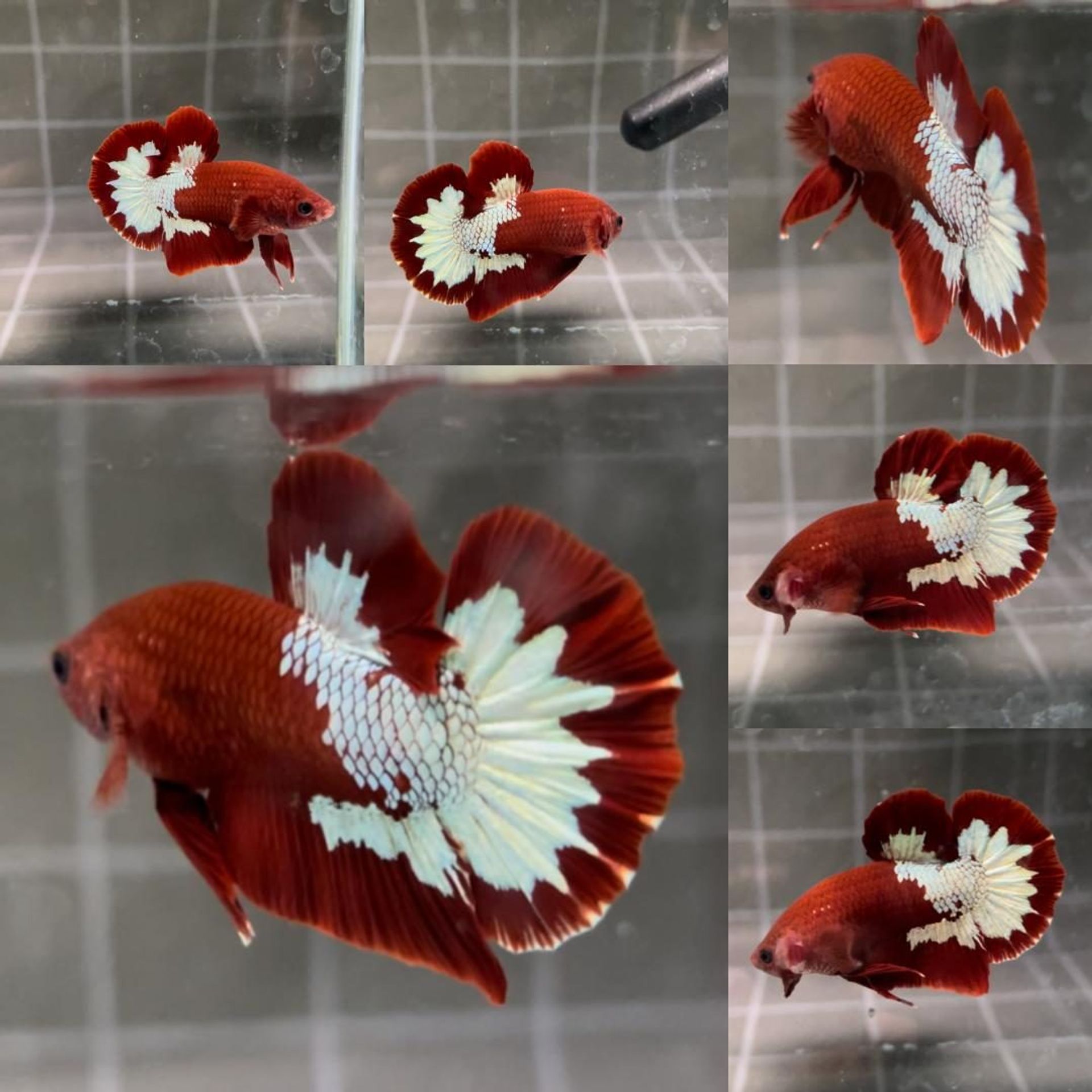
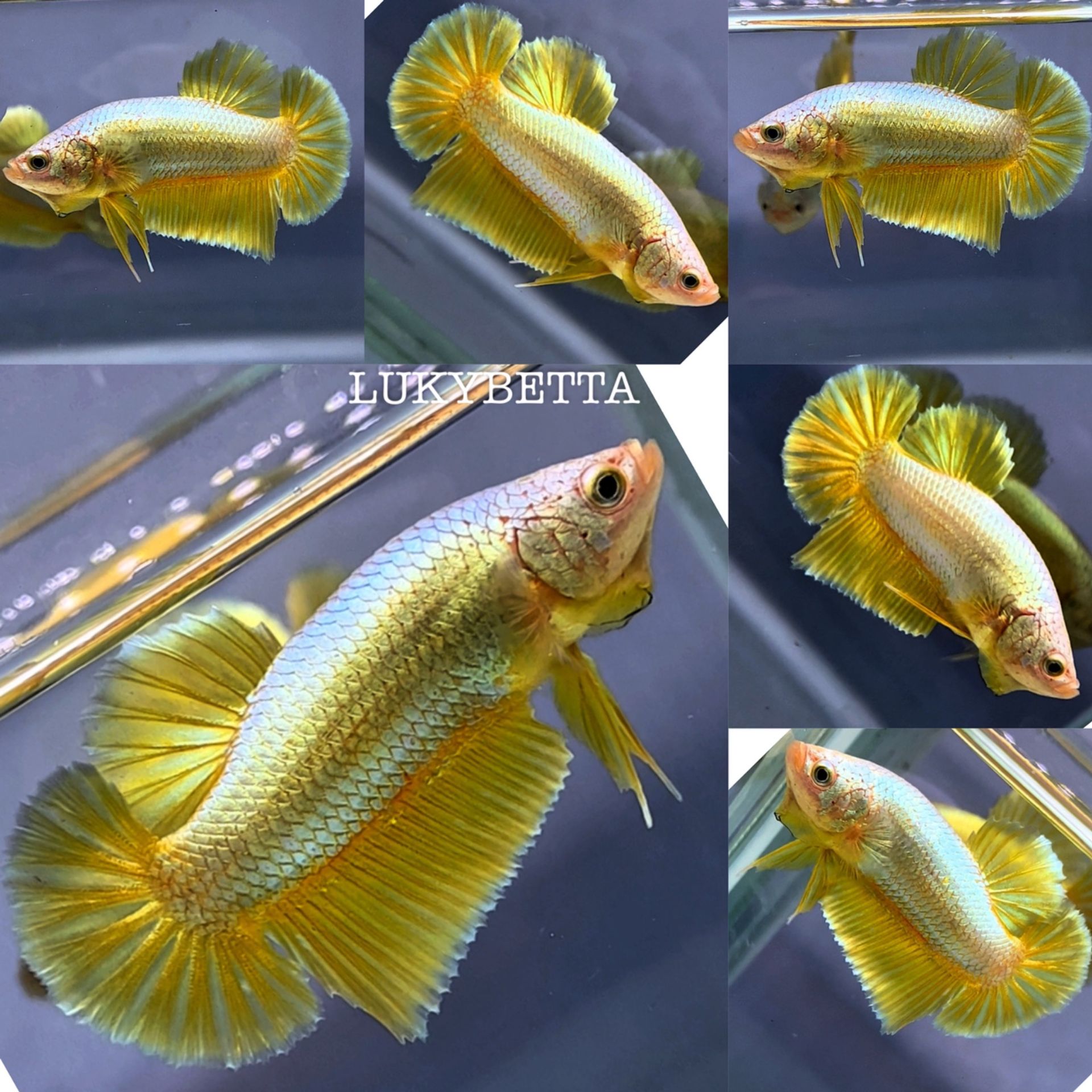
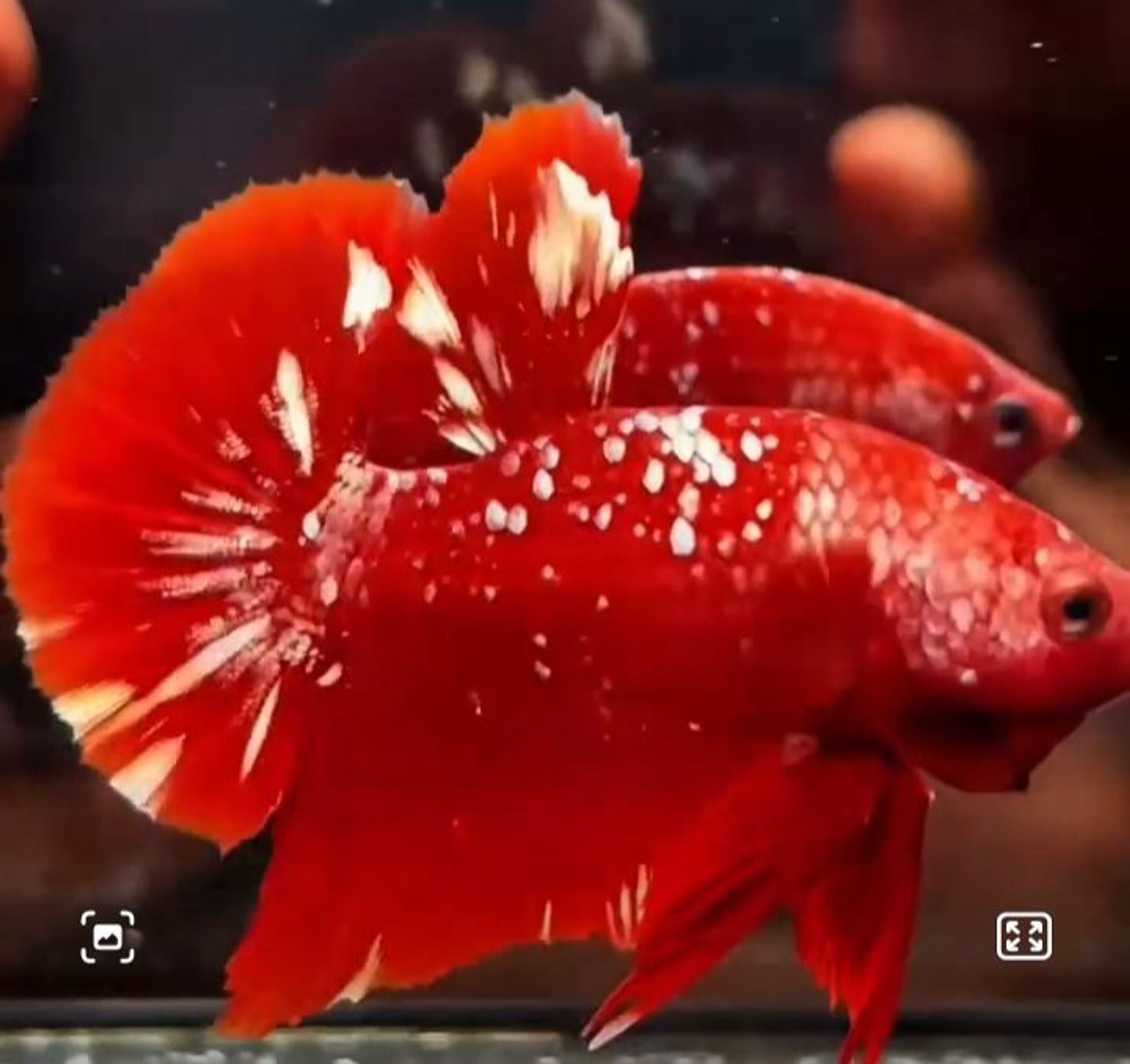
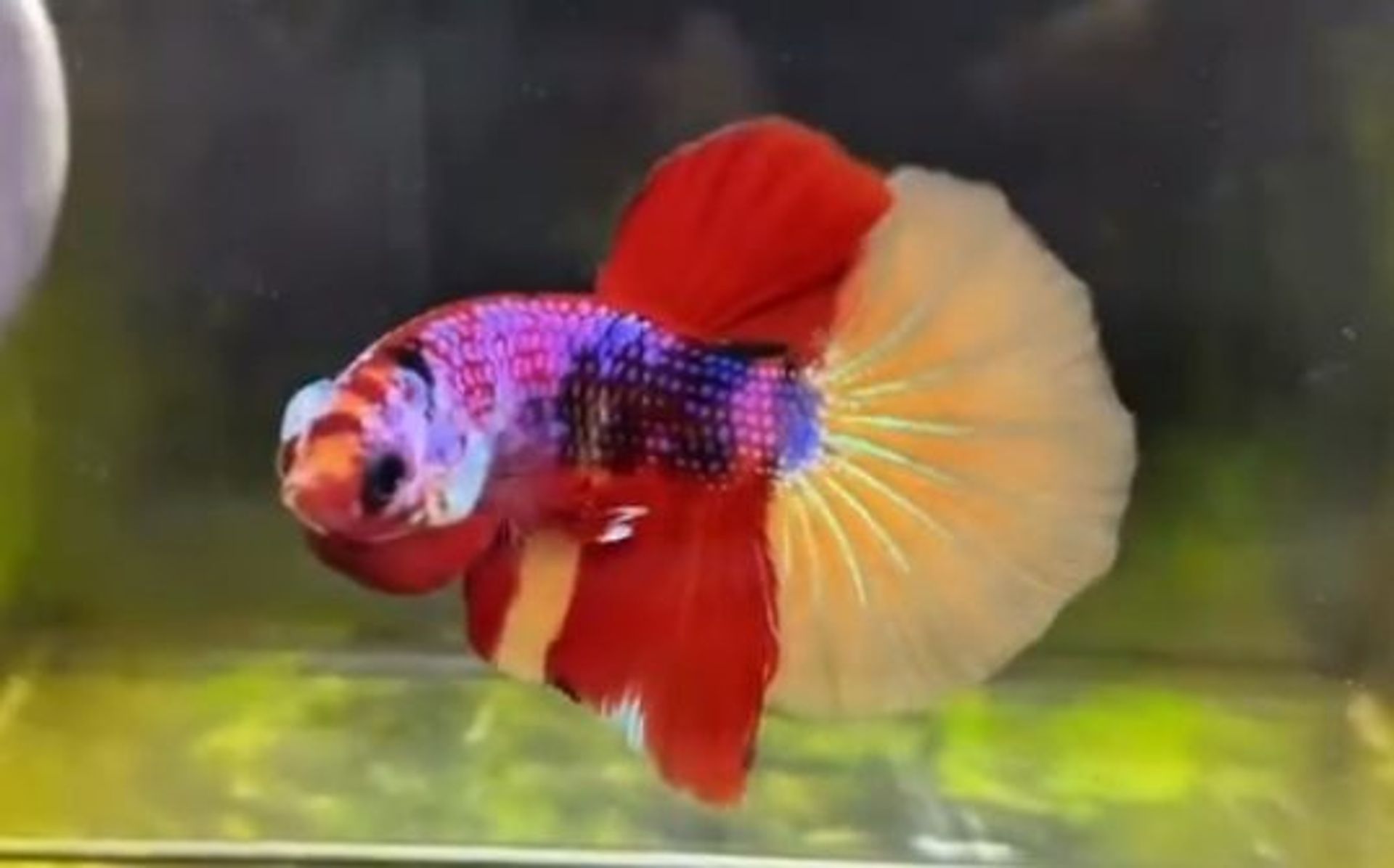
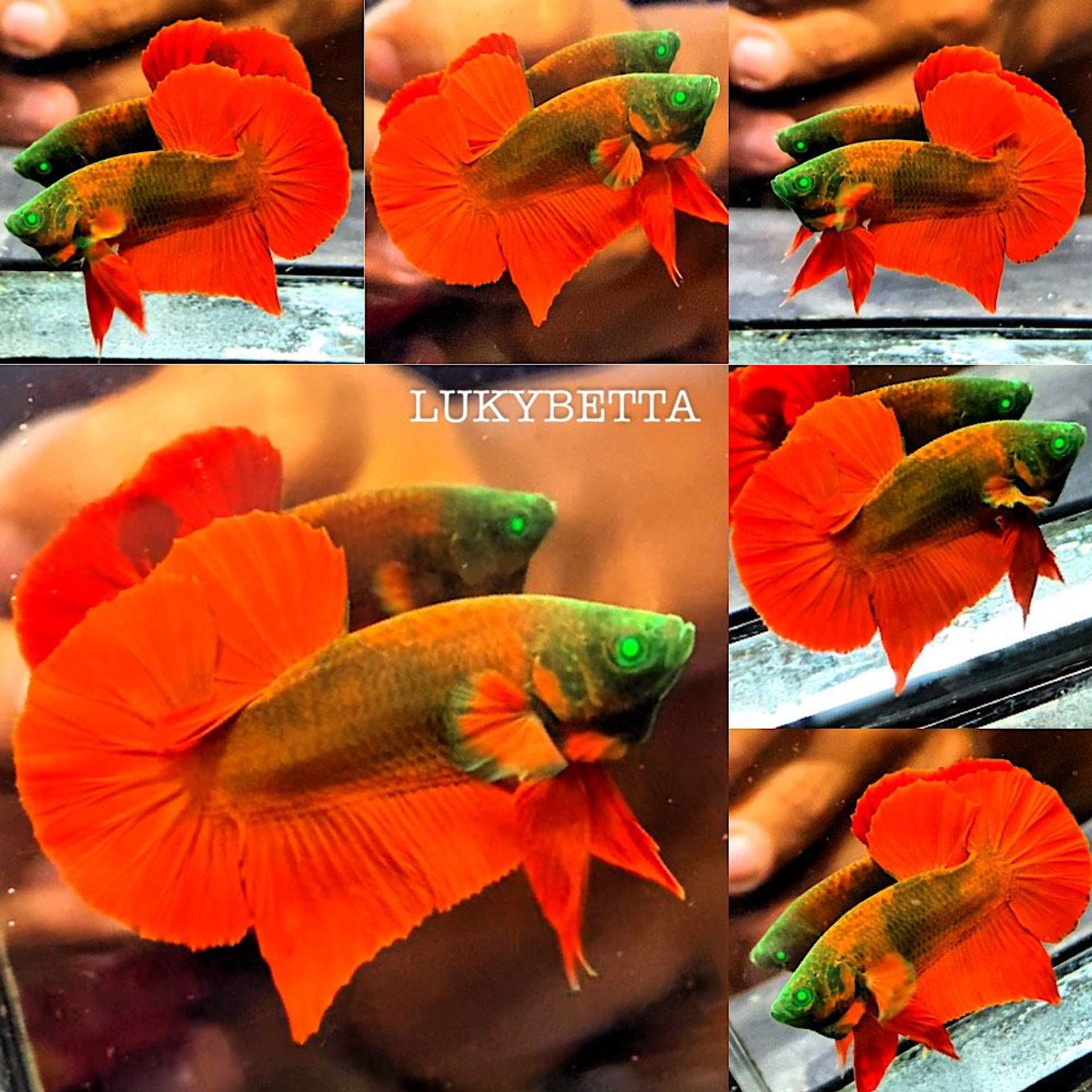
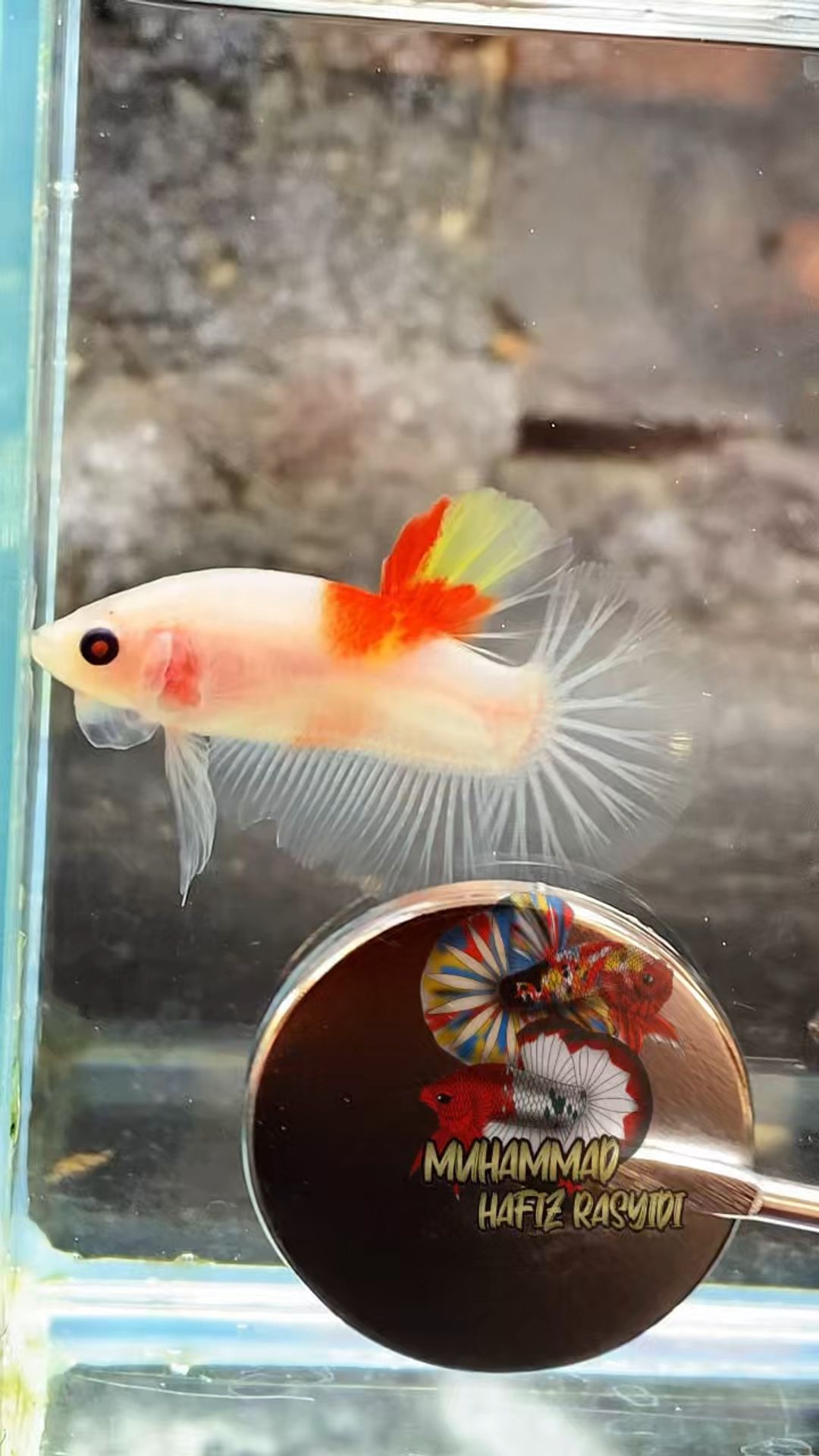
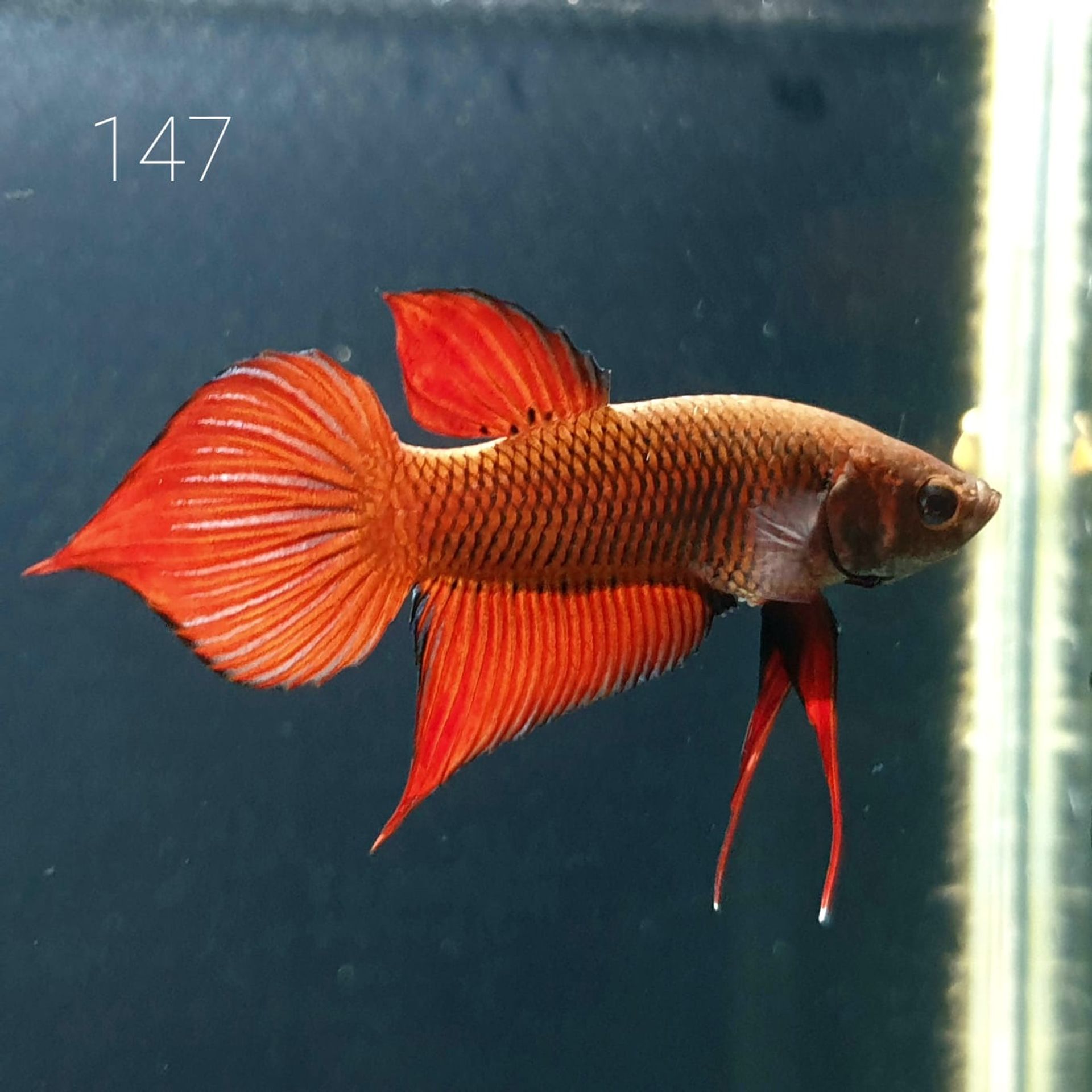
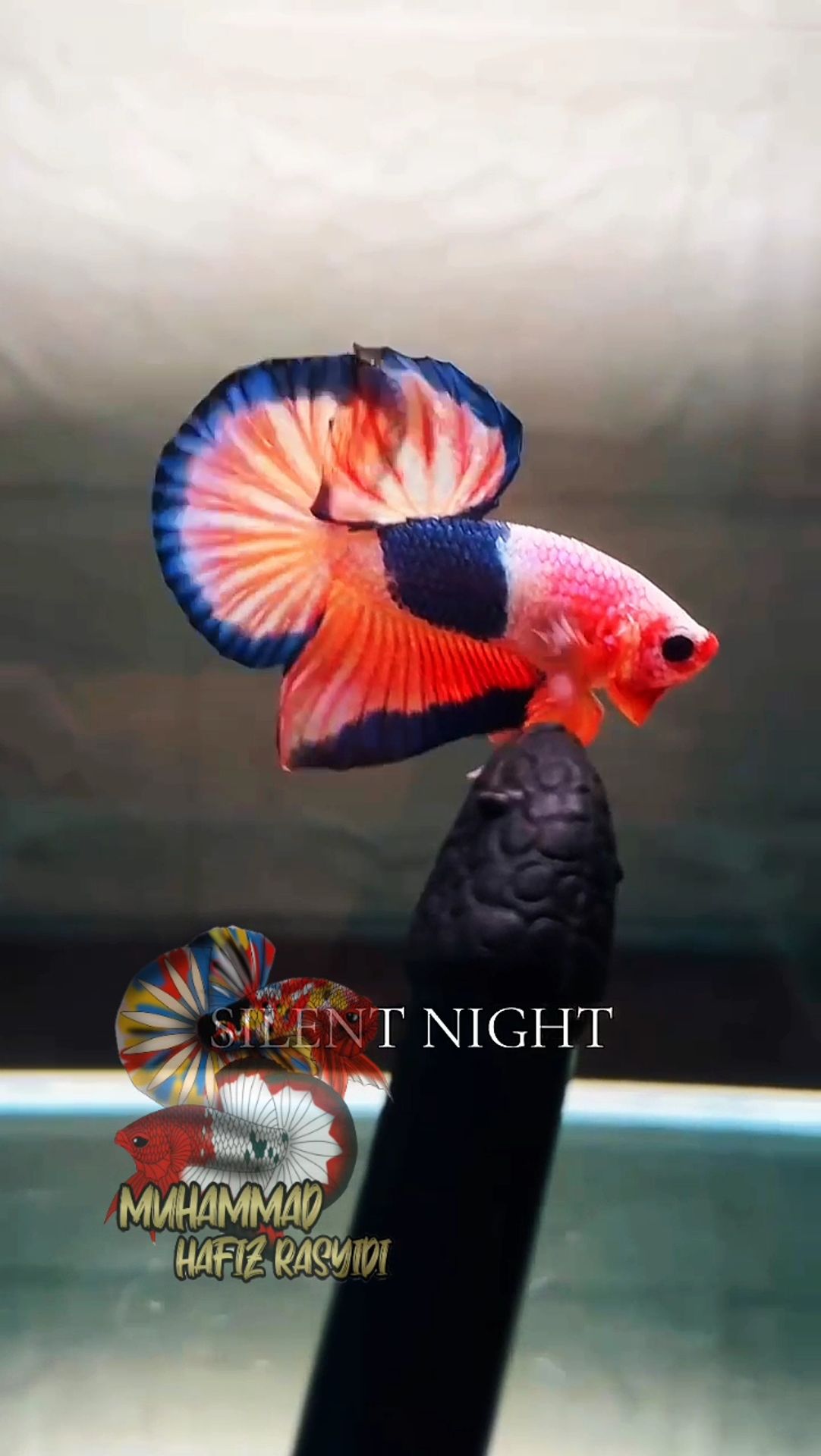
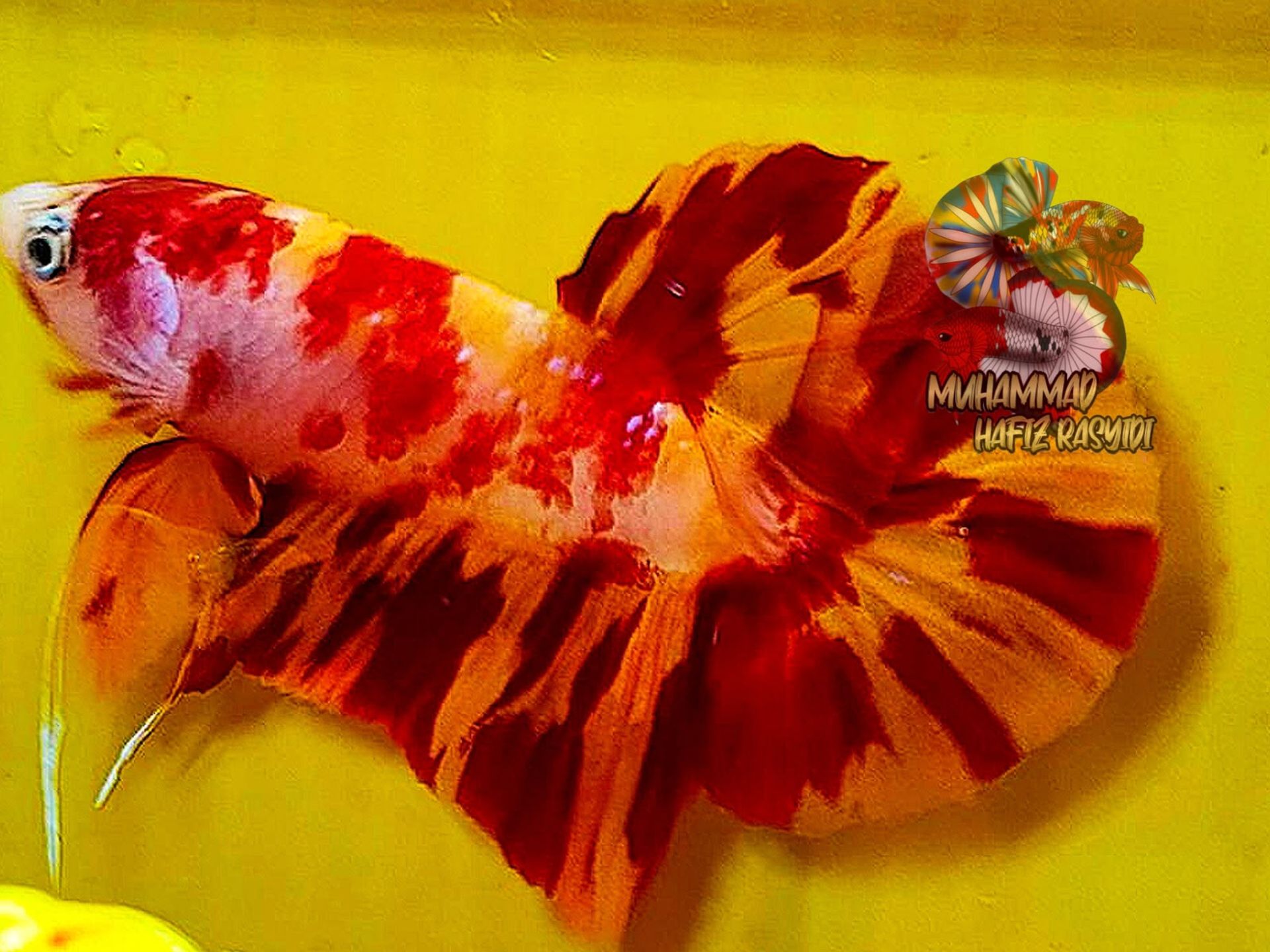
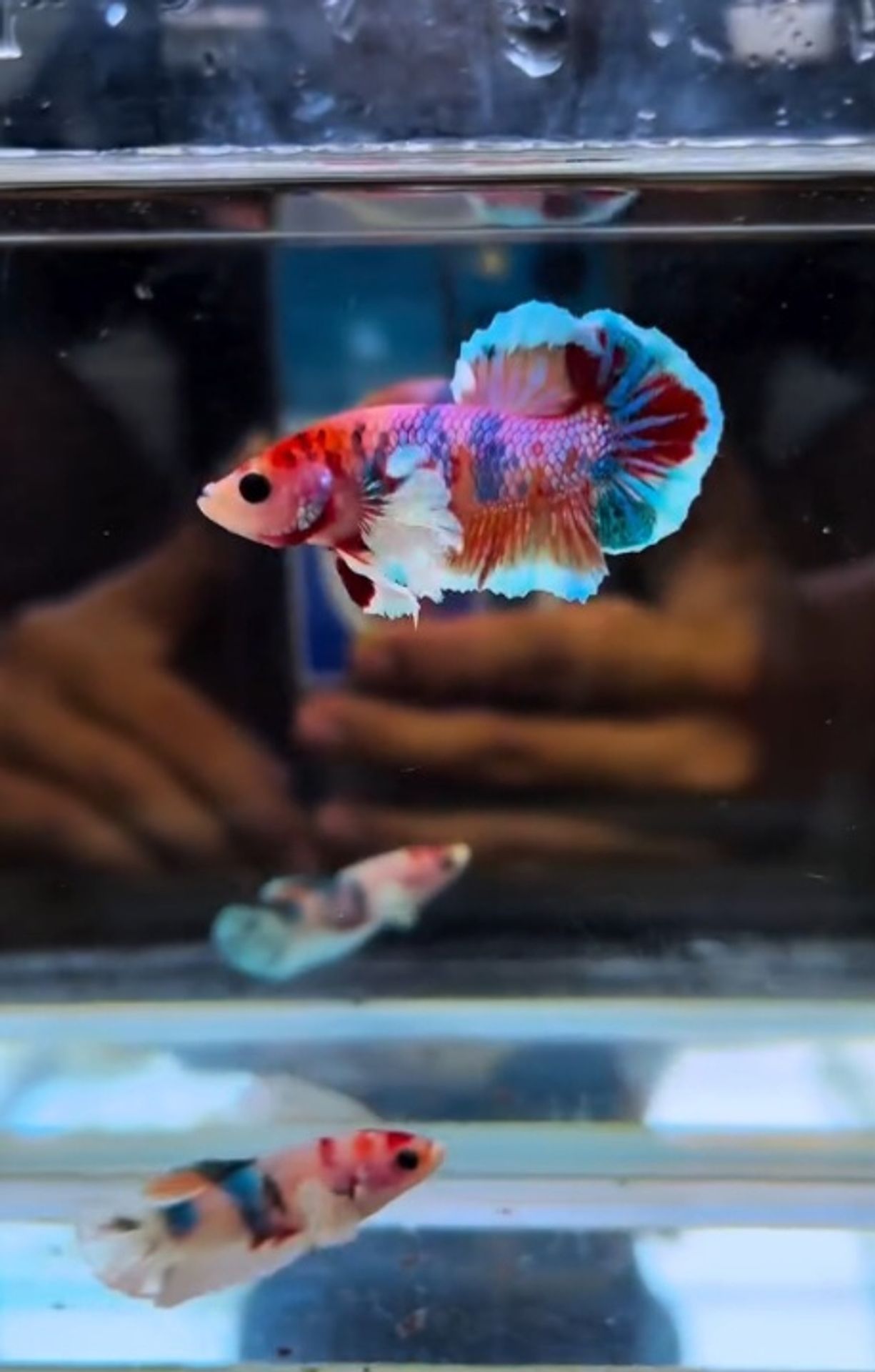
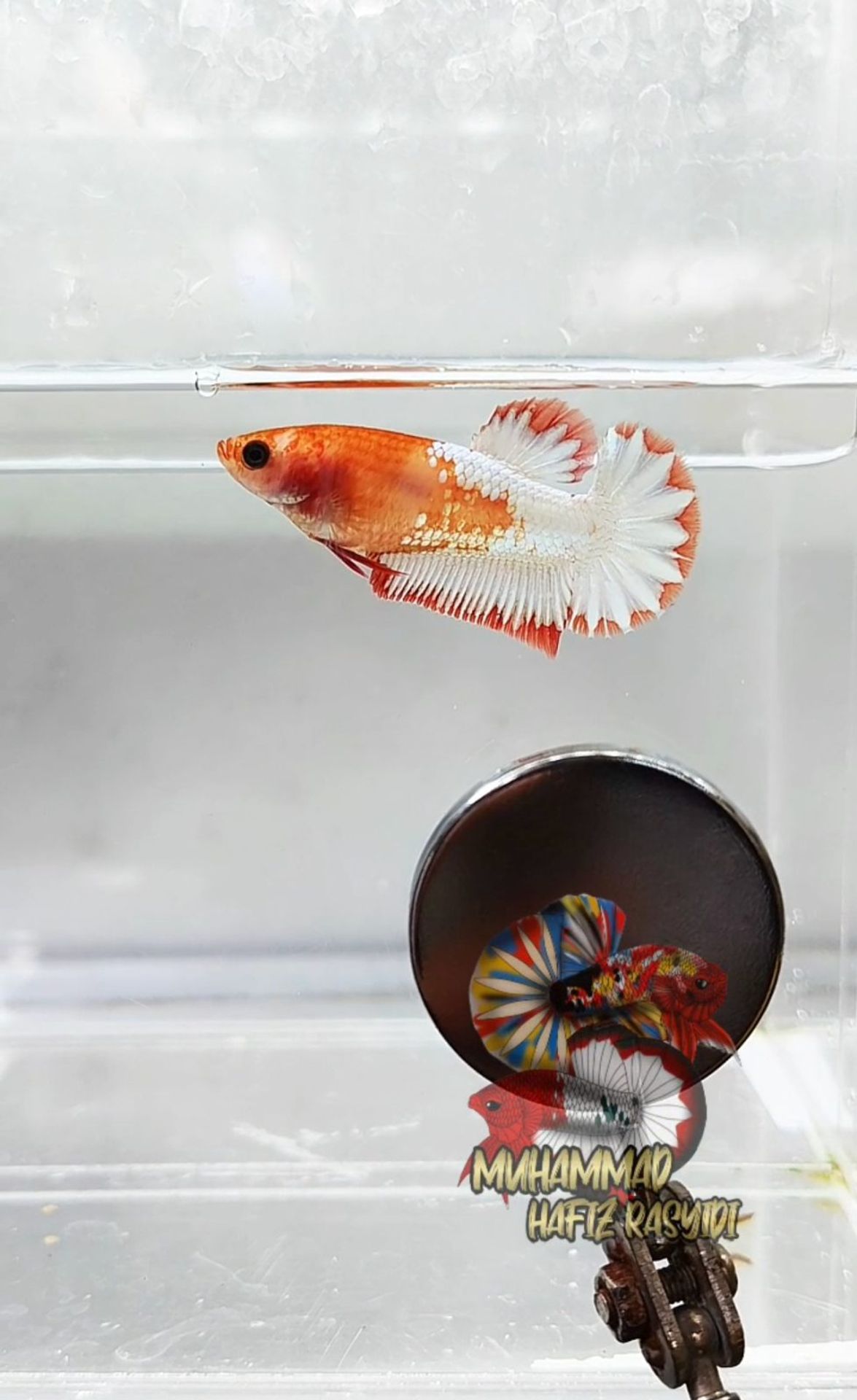
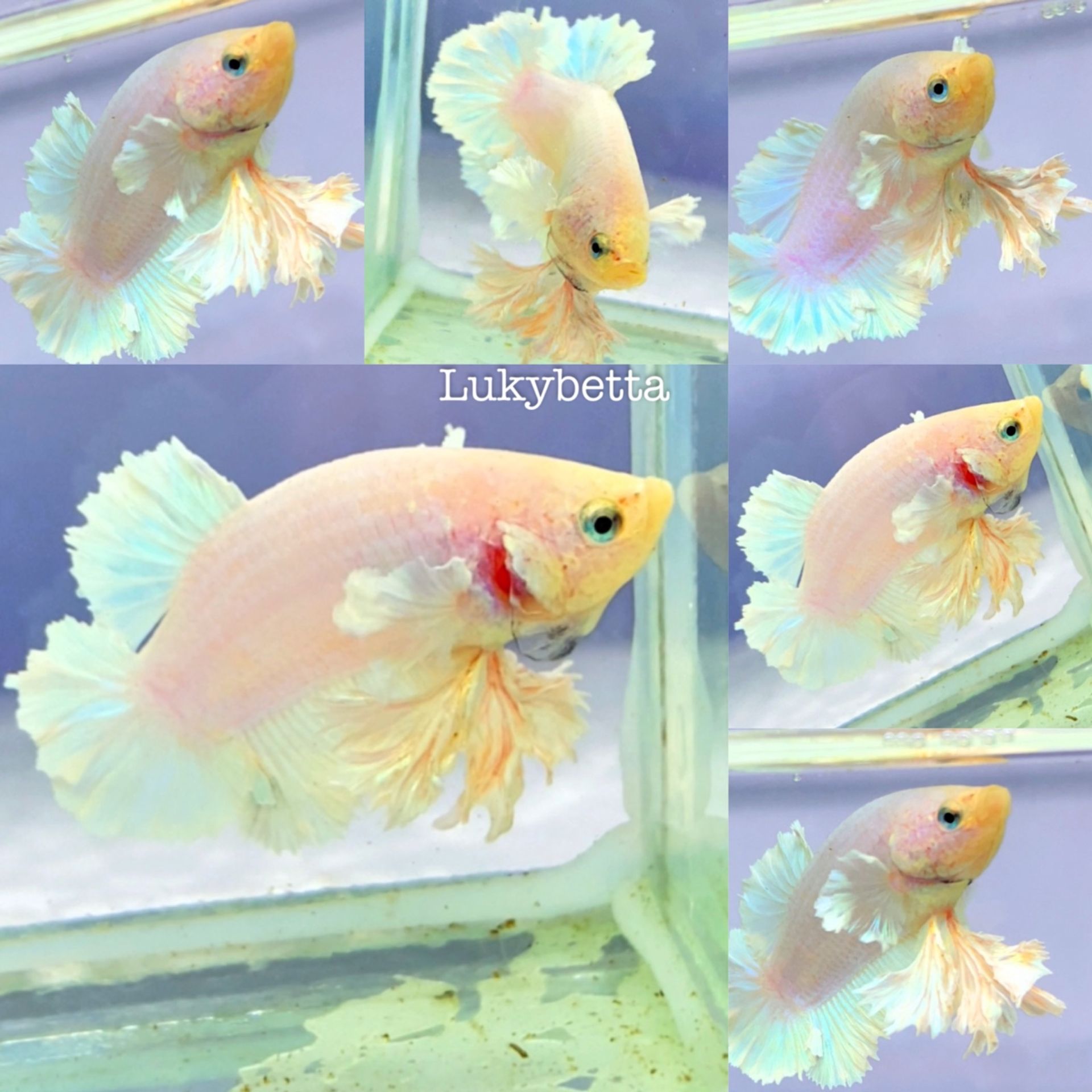
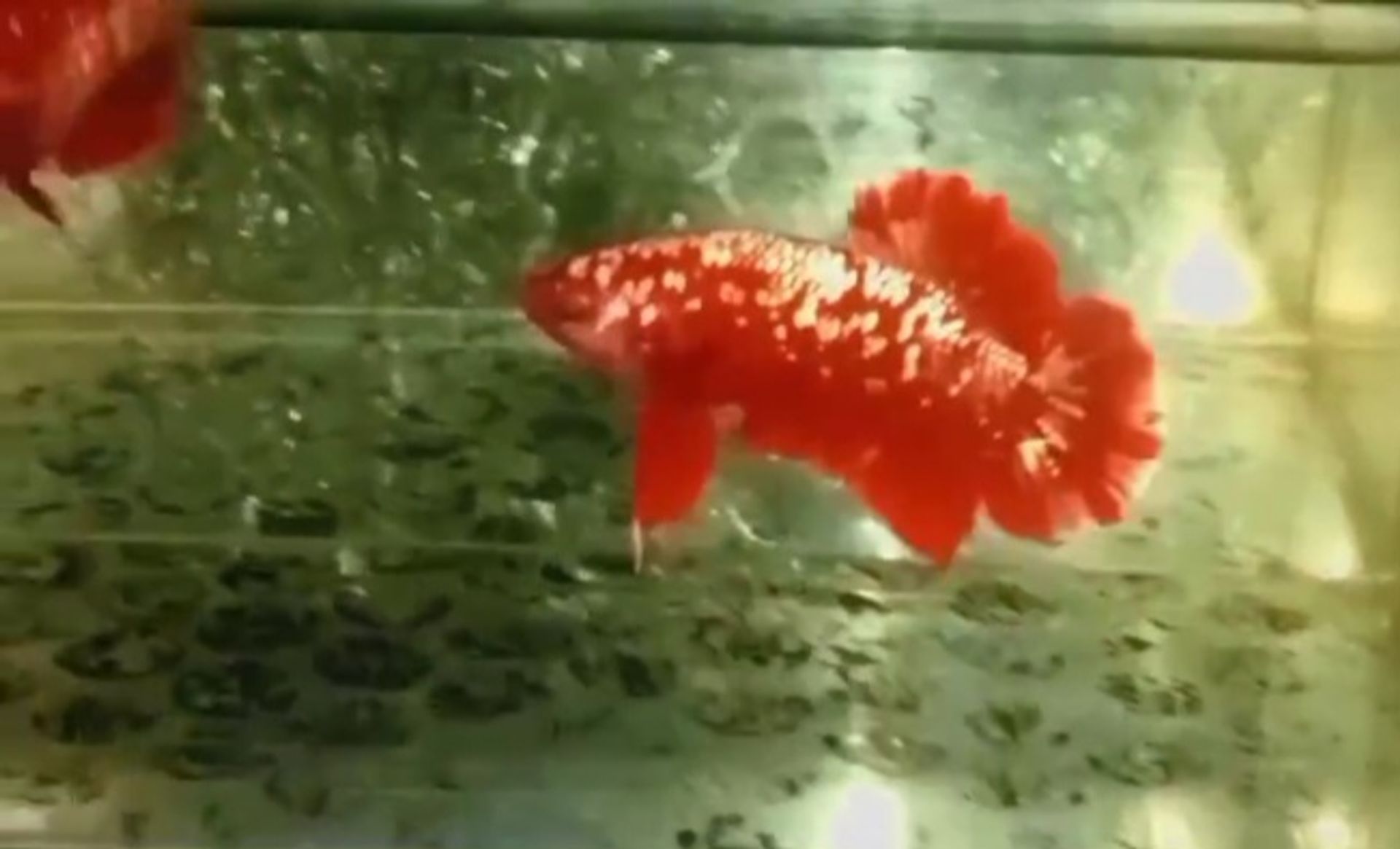
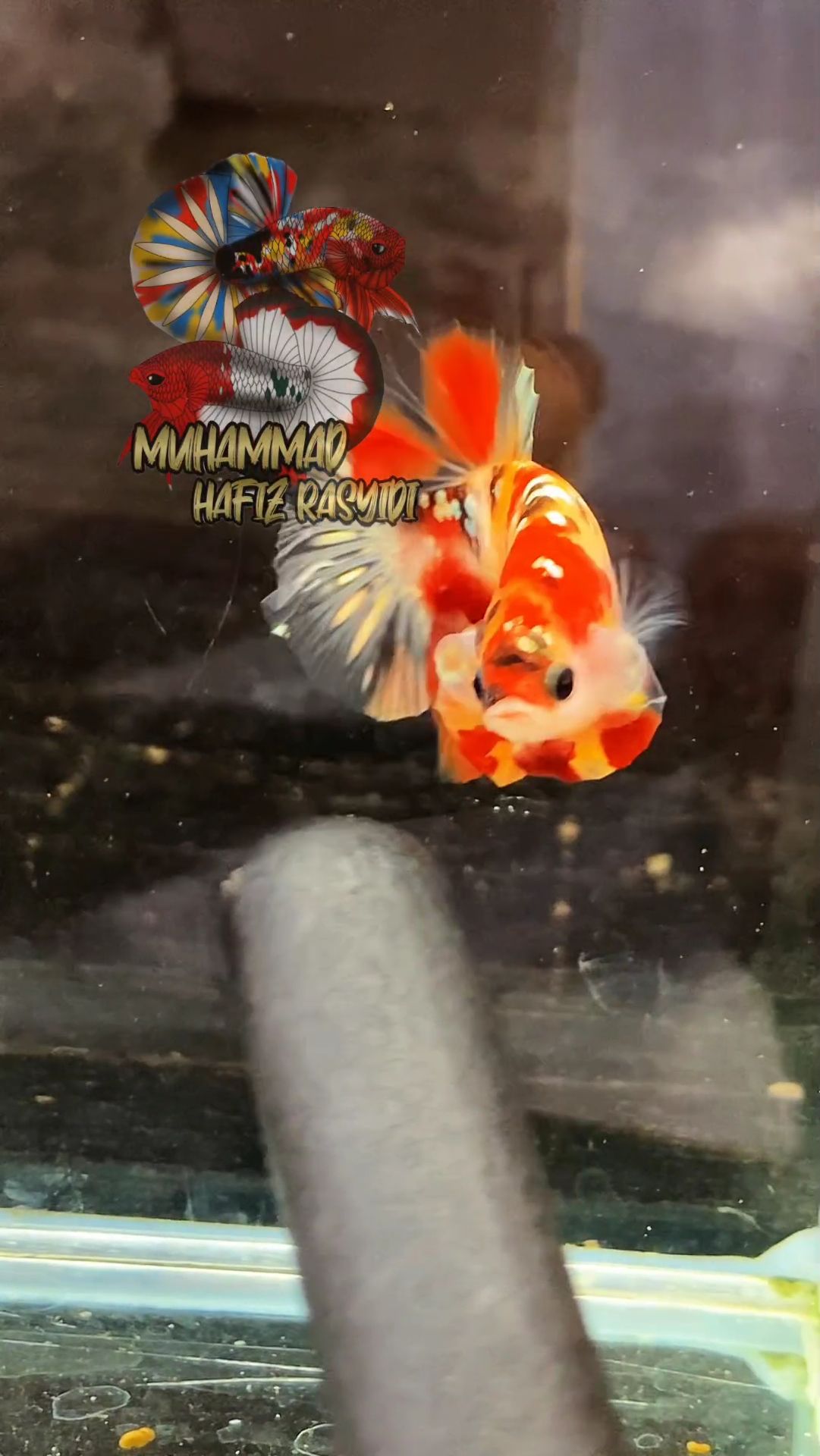
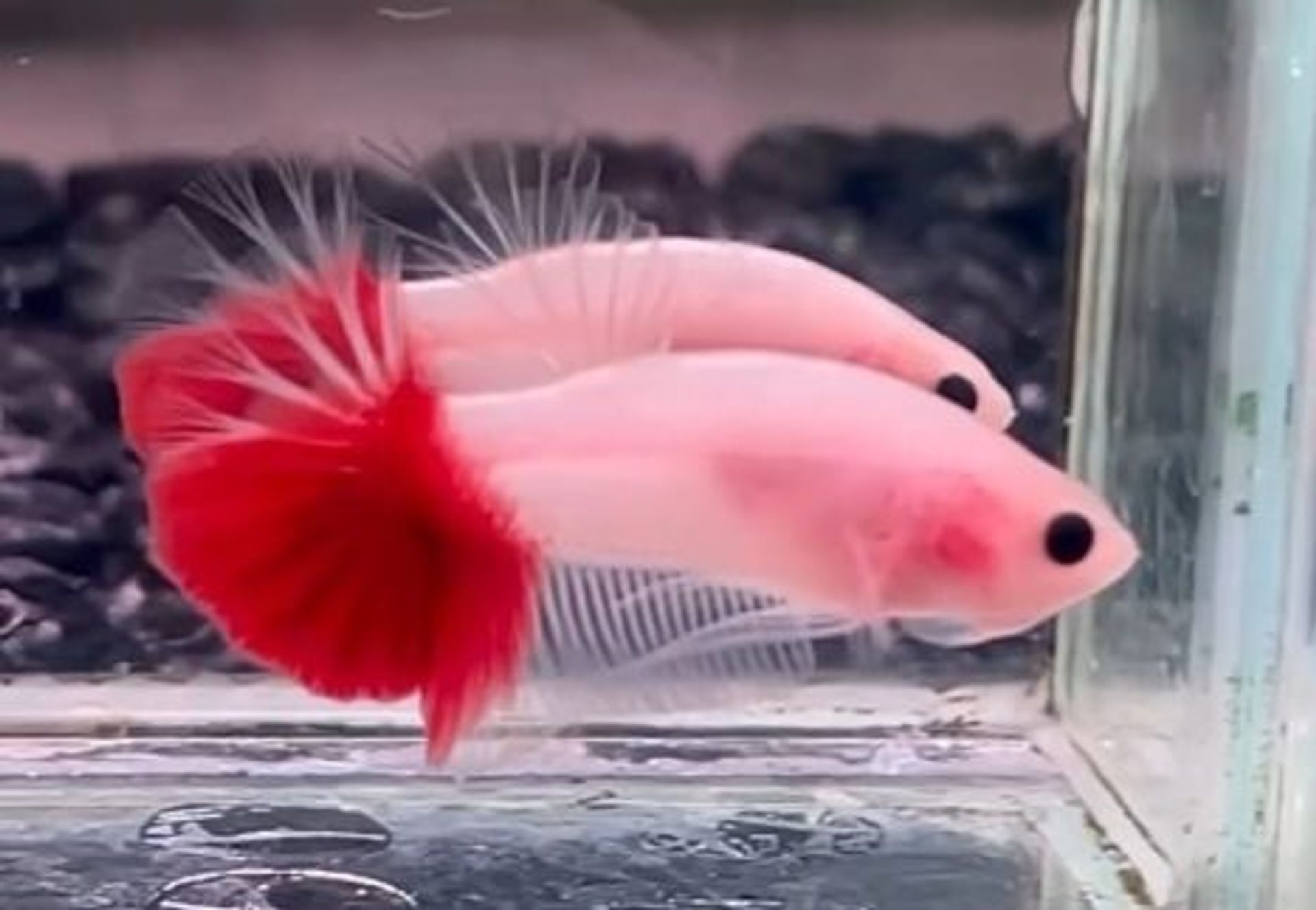
Cellophane Redtail
Click to enlarge

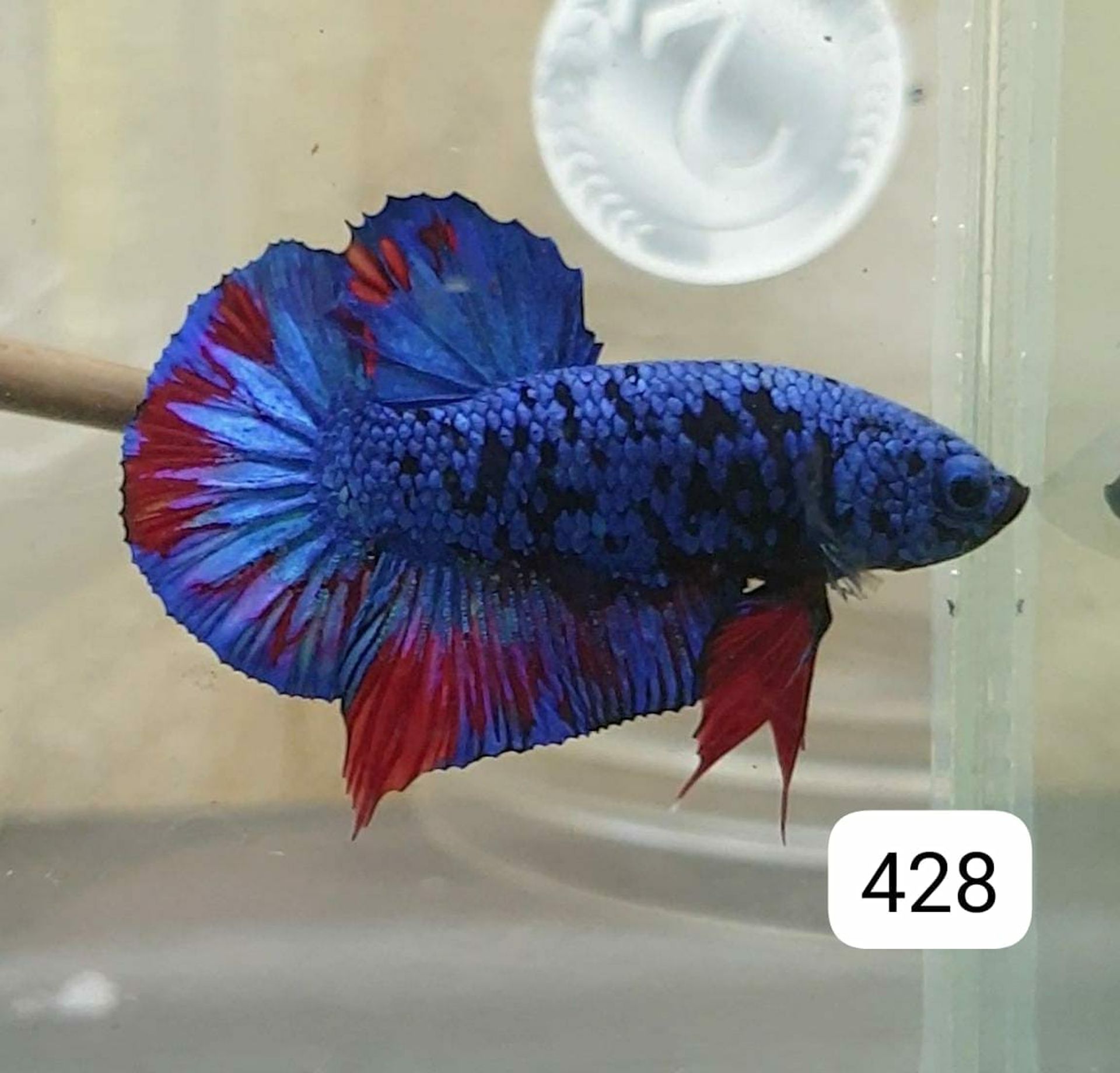
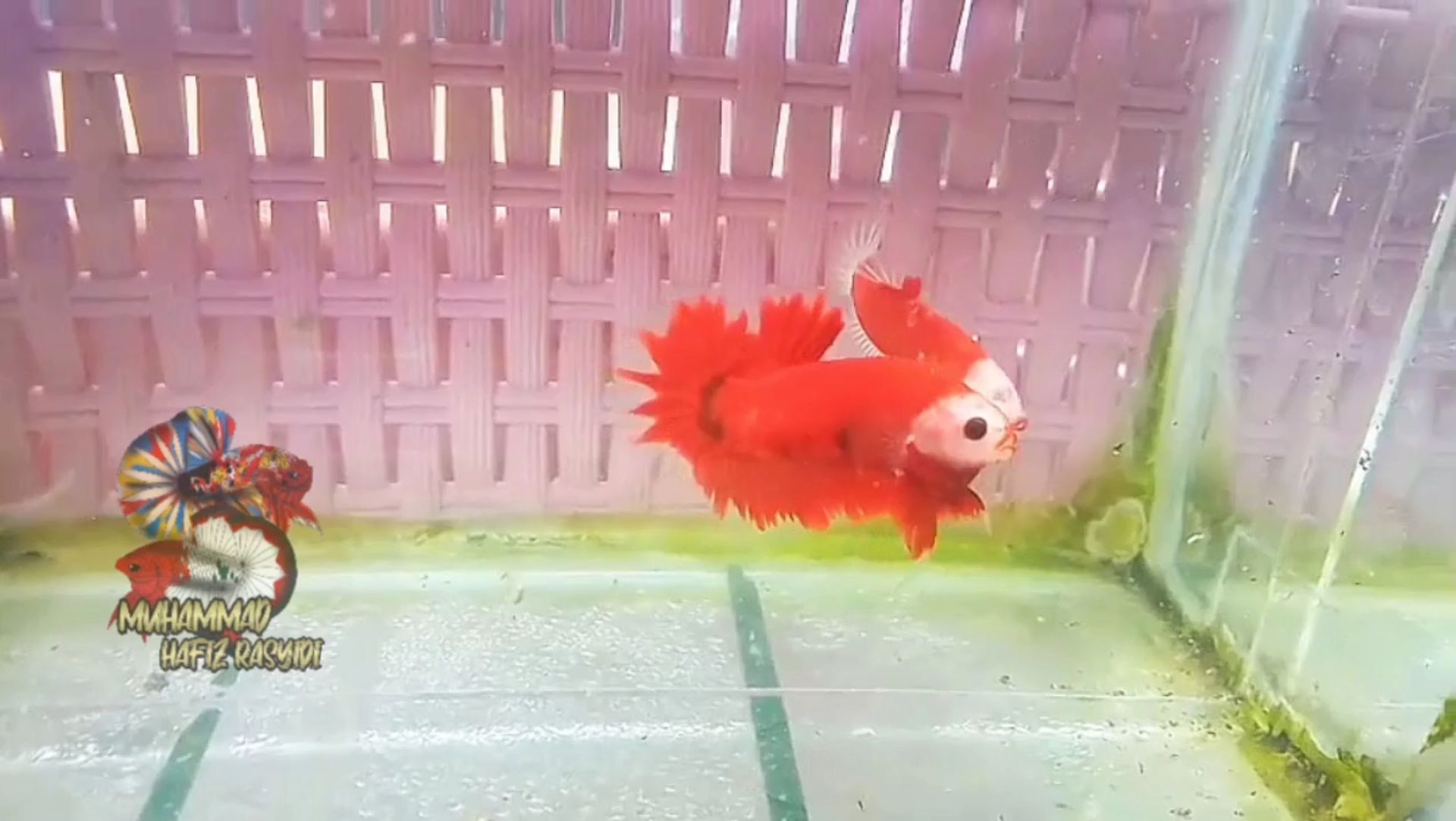
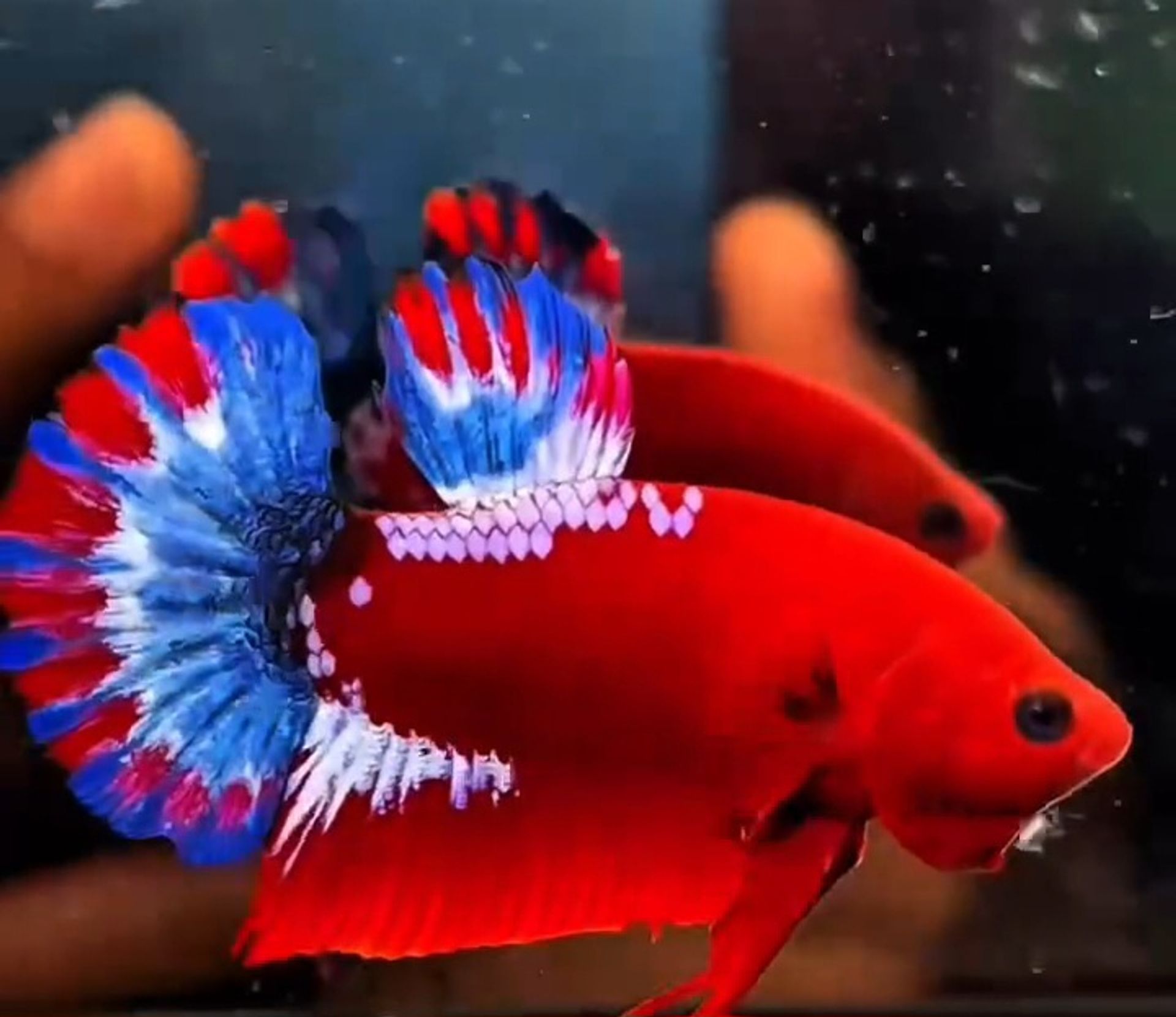
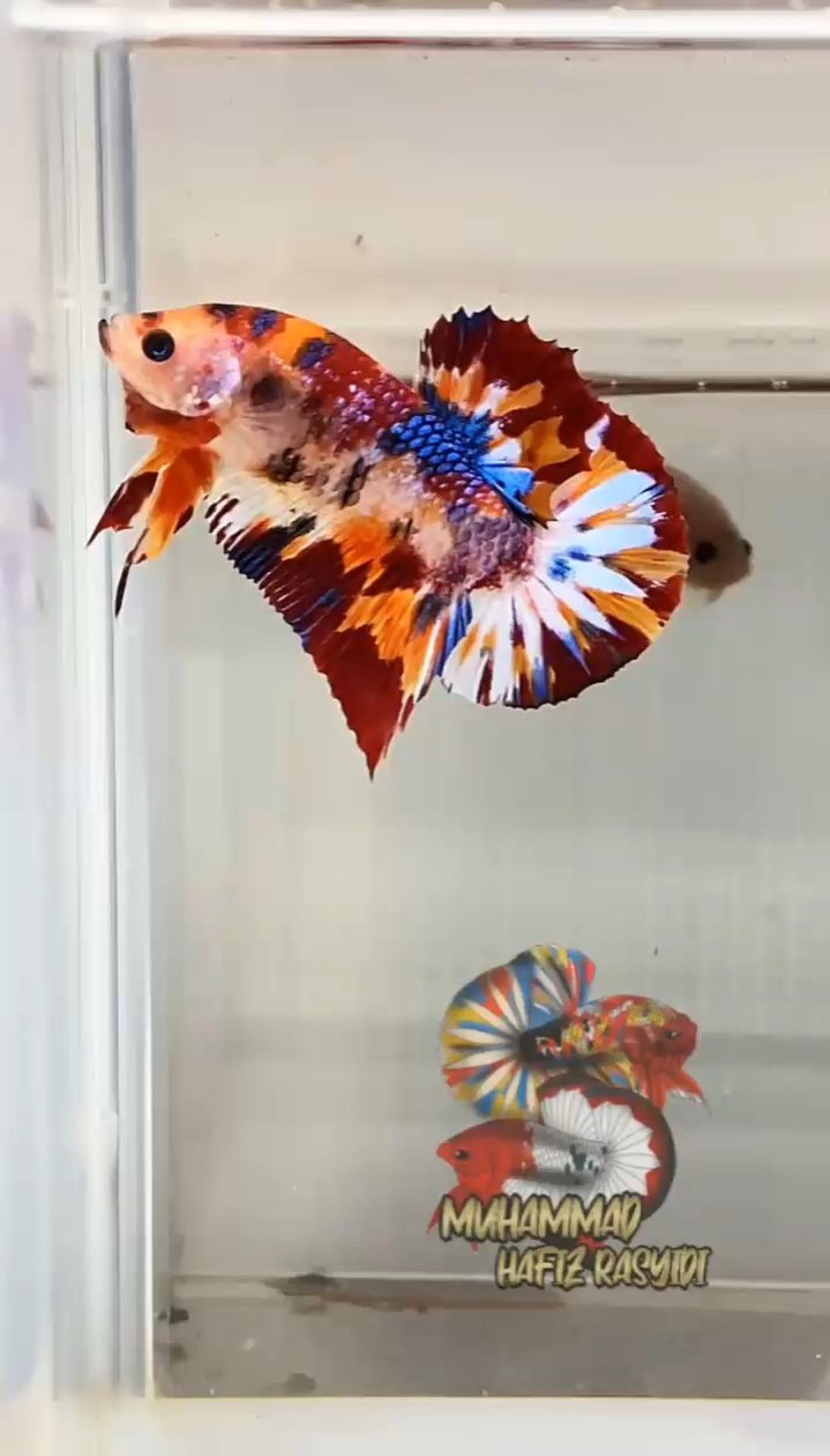
Unless stated otherwise, photos show the species, not the exact fish you'll receive.

Tancho (Cellophane Redtail)

SGD 55.00

Delivery Information

Delivery occurs once a month and may take 2 to 4 weeks. Certain areas may require additional charges, and a top-up via PayNow will be needed. This includes Central Business District, Offices, Airport, Hospitals, Tertiary campuses, PSA terminals, Cargo Complexes, cargo ports, shipyards, Government buildings, secured compounds, SAF campus, Marina Bay Sands, Robinson, Marina Square,Orchard, Bras Basah, Sentosa, Tuas, Jurong Island, etc. Our customer service representatives will reach out to you if necessary.

Dead-on-arrival protection: report within 24 hours of delivery with a photo or video for an exchange or return.

Product Variations

Quantity

Stock: 1

Product Details

Size

4cm - 5cm

Temperament

Aggressive

Water Condition

High PH

WYSIWYG

Representative Photo Only

Product Description

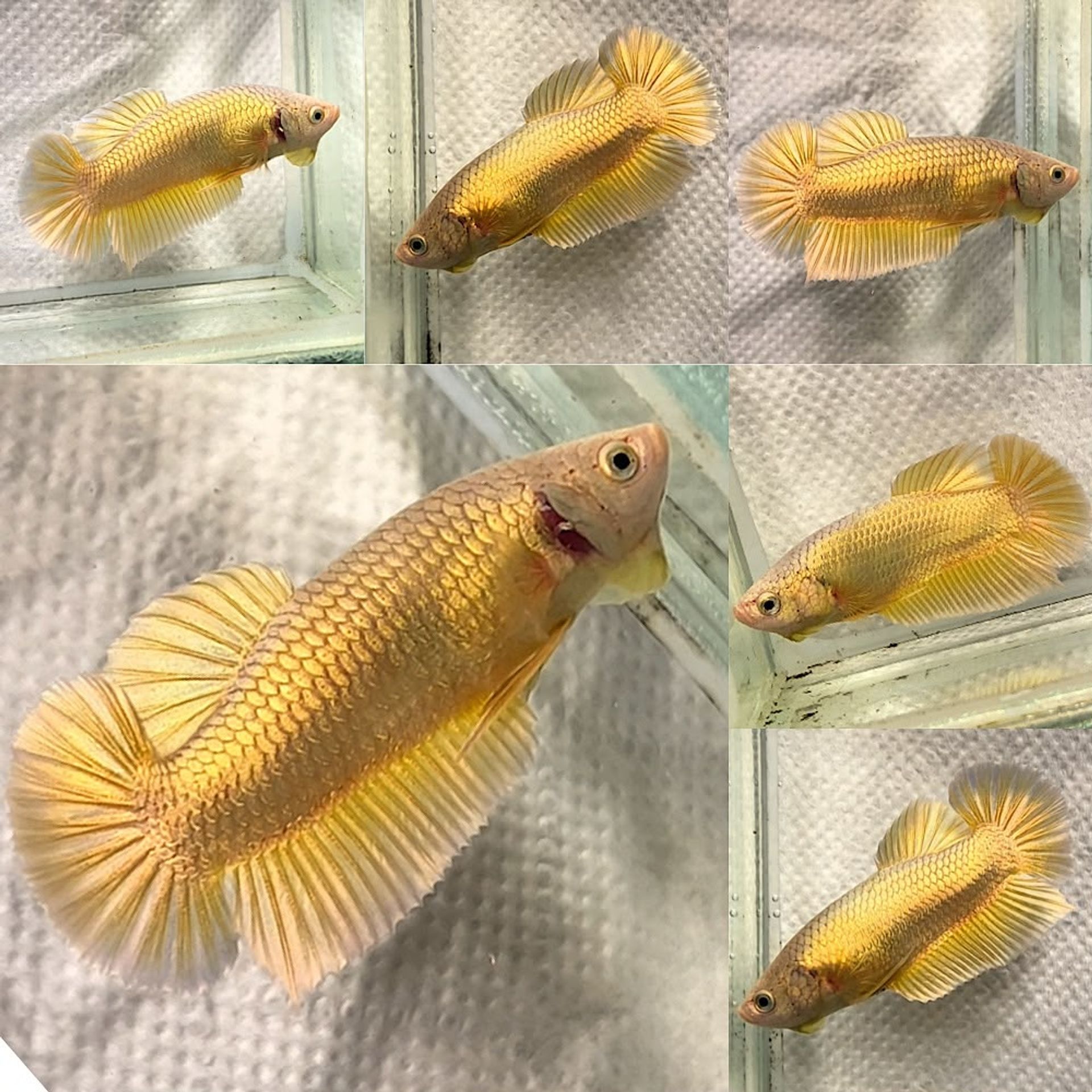
Glass-bodied and crimson-tailed, a small aggressor of high-pH waters.

Cellophane Redtail: a striking small high-pH freshwater fish with aggressive tendencies, ideal for experienced aquarists seeking a bold, characterful specimen.

  • Water conditions: The Cellophane Redtail is best maintained in stable, alkaline water rather than being forced into a general community setup. Aim for a pH of roughly 7.8–8.4, a general hardness of 8–15 dGH, and a carbonate hardness of 6–12 dKH, with a temperature around 24–27°C (75–81°F). Keep ammonia and nitrite at zero, nitrate below 20 ppm, and avoid rapid shifts in pH or hardness. A mature, well-filtered aquarium of at least 80 litres is suitable for a single specimen, with larger volumes recommended if attempting a species-only group. Use a tight-fitting lid, moderate water movement, and weekly partial water changes of 25–30%. Acclimatise carefully by drip method, especially if the fish has come from different water parameters, and test pH, hardness, and nitrogen compounds regularly.
  • Tank setup and territory: Provide a structured environment with caves, driftwood, smooth rocks, and robust plants that create broken lines of sight. This helps reduce aggression by allowing the fish to establish a territory and retreat when needed. Leave some open swimming space, but avoid a bare, open tank that encourages chasing. Moderate flow and well-oxygenated water are preferable to stagnant conditions. Avoid sharp decor and very fine sand that can cloud easily; a secure lid is essential because small, active fish can jump. If housing more than one, use a larger tank with multiple territories and monitor behaviour closely.
  • Suitable tank mates: Because of its aggressive temperament, the Cellophane Redtail is not a reliable community fish. The safest approach is a species-only setup or a carefully planned alkaline biotope. If tank mates are attempted, choose robust, high-pH-tolerant species of similar size that can hold their own, such as adult mollies or platies, and only in a sufficiently large tank with plenty of visual barriers. Avoid slow-moving fish, long-finned species such as bettas and guppies, tiny nano fish, and ornamental shrimp or snails, which may be harassed or eaten. Always quarantine new arrivals and monitor for fin-nipping, chasing, and stress. A single specimen is often the most predictable arrangement.
  • Temperament and social structure: This is an aggressive, territorial fish that may nip fins and assert dominance over smaller or less assertive tank mates. Do not confuse its small adult size of 4–5 cm with a peaceful nature. If attempting a group, use a substantially larger aquarium with many visual breaks and be prepared to separate individuals if bullying becomes persistent. Keep the tank well organised, avoid overcrowding, and observe feeding and swimming behaviour daily. Aggression can increase during feeding, so scatter food across the surface or use multiple feeding points to reduce competition.
  • Feeding habits: The Cellophane Redtail is an opportunistic omnivore that accepts a wide range of foods. Offer a staple of high-quality micro-pellets or crushed flake, supplemented with live or frozen daphnia, brine shrimp, bloodworm, and occasional spirulina-based food for vegetable matter. Feed two to three small portions daily, only as much as the fish can consume within a few minutes, and remove uneaten food to protect water quality. A varied diet supports colour, condition, and natural foraging behaviour. Avoid overfeeding, especially in high-pH systems where organic waste can affect stability.
  • Care and maintenance: Quarantine new specimens for two to four weeks before adding them to a display tank, and observe for signs of disease, stress, or aggression wounds. Maintain consistent temperature, pH, and hardness; large swings are more harmful than a stable reading slightly outside the ideal range. Clean filter media gently in tank water, never under tap water, and perform regular partial water changes. Keep the lid secure, avoid overstocking, and provide a balanced diet. If aggression becomes severe, use a tank divider or separate hospital setup rather than leaving fish to compete continuously.
  • Health and observation: Watch for clamped fins, hiding, loss of appetite, laboured breathing, or visible wounds, which can indicate stress or bullying. Because aggressive fish may damage tank mates, inspect all inhabitants regularly. Maintain good oxygenation and avoid sudden changes in décor or water chemistry. Keep a simple log of pH, hardness, temperature, and water-change dates to spot trends early. If treatment is needed, use a separate quarantine or hospital tank and follow medication instructions carefully.
  • Suitability: The Cellophane Redtail suits experienced aquarists who can provide stable alkaline water, a well-structured tank, and careful aggression management. It is not recommended for beginners or peaceful community aquariums. With the right parameters and a considered stocking plan, this 4–5 cm fish makes a bold, characterful specimen for a dedicated high-pH setup.

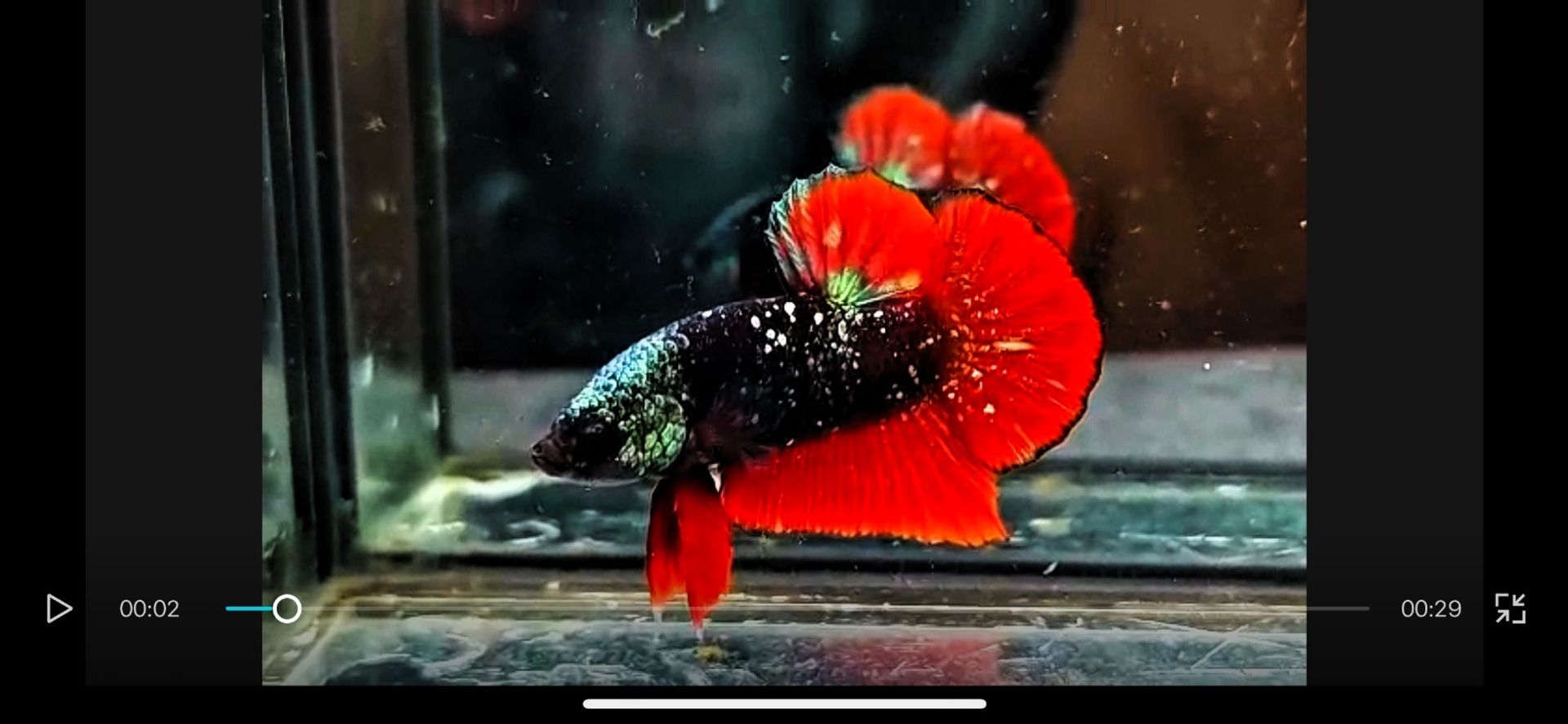
More from Gold digger betta Eris

Gold digger betta Eris

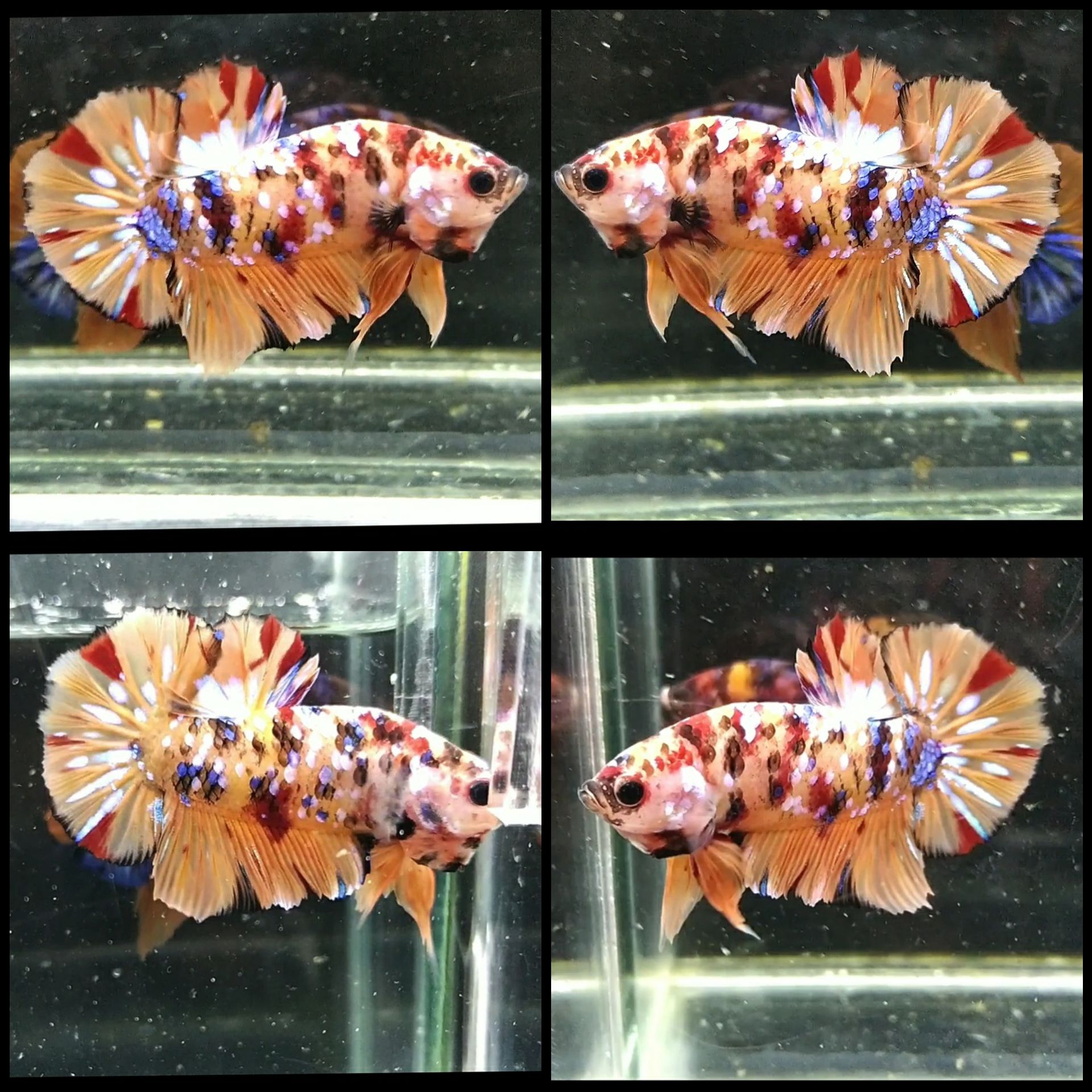
Gold digger betta Eris

View Store →