1–17 of 17
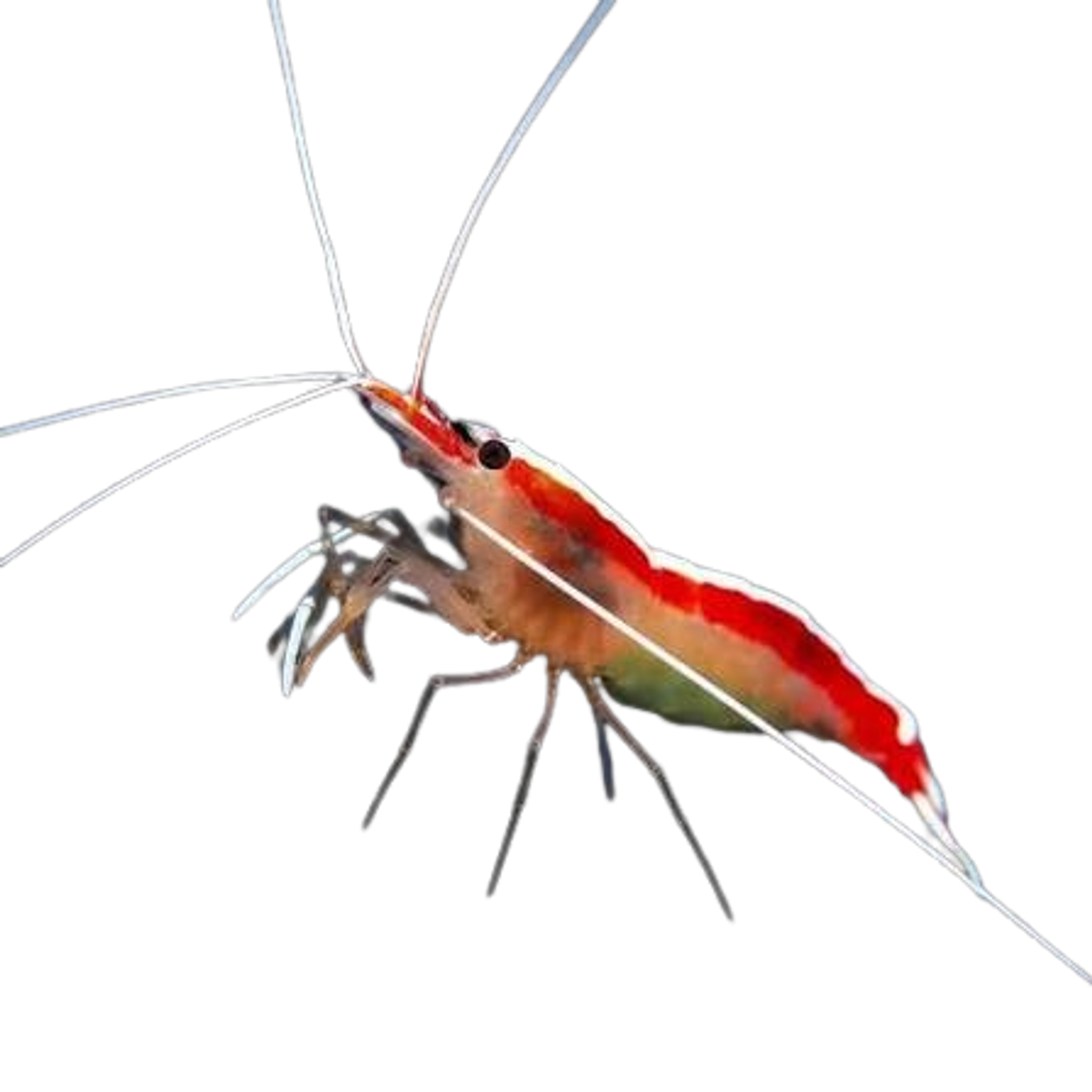
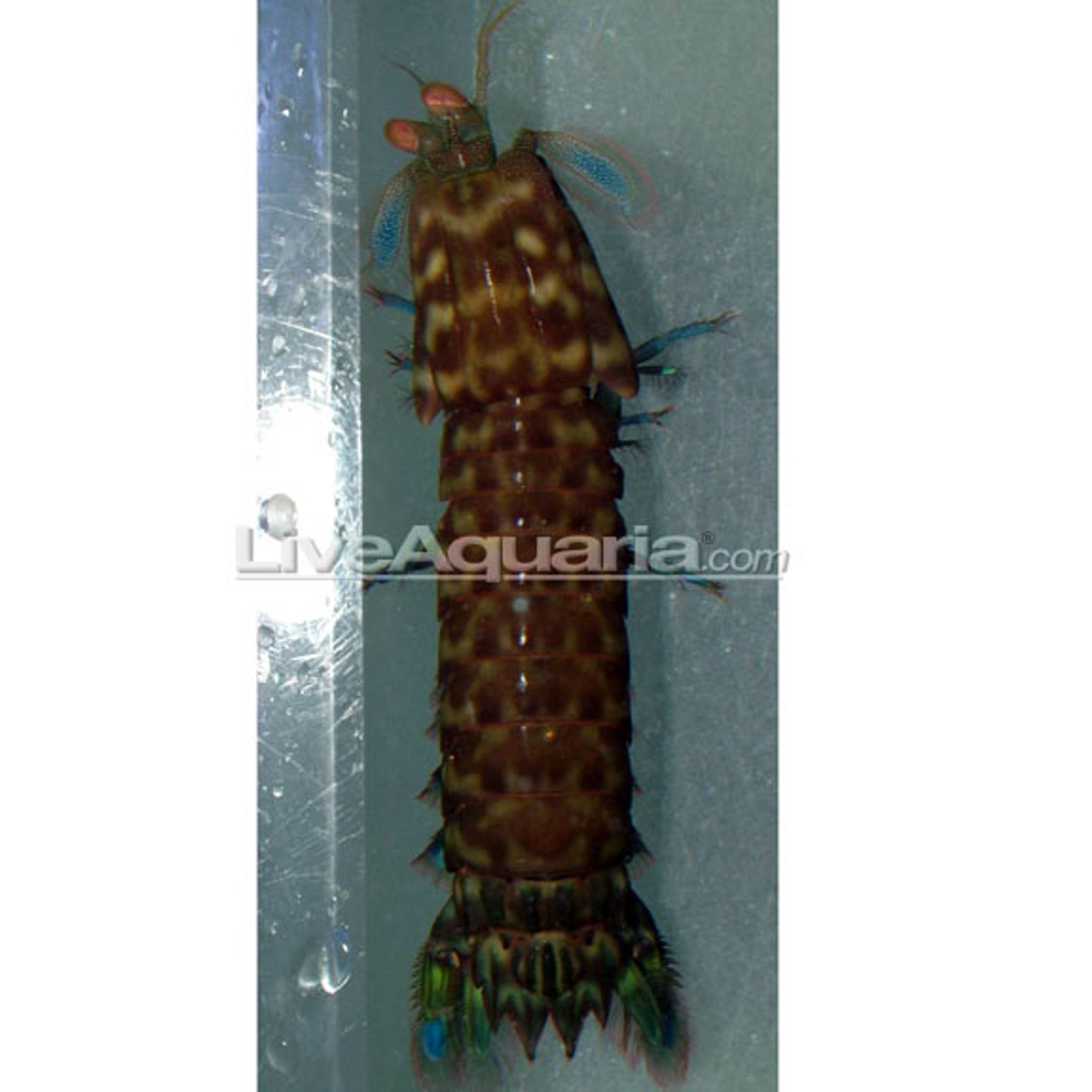
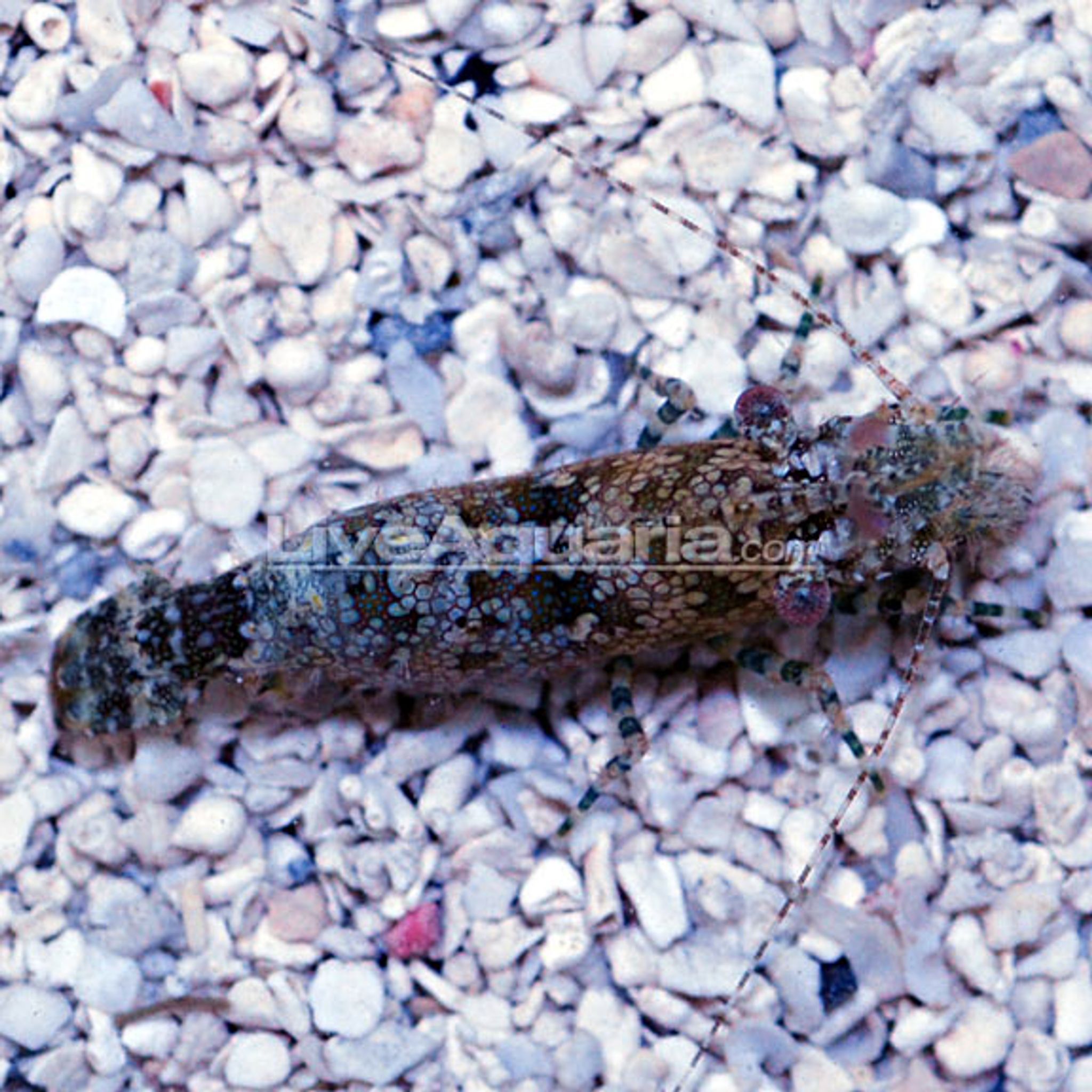
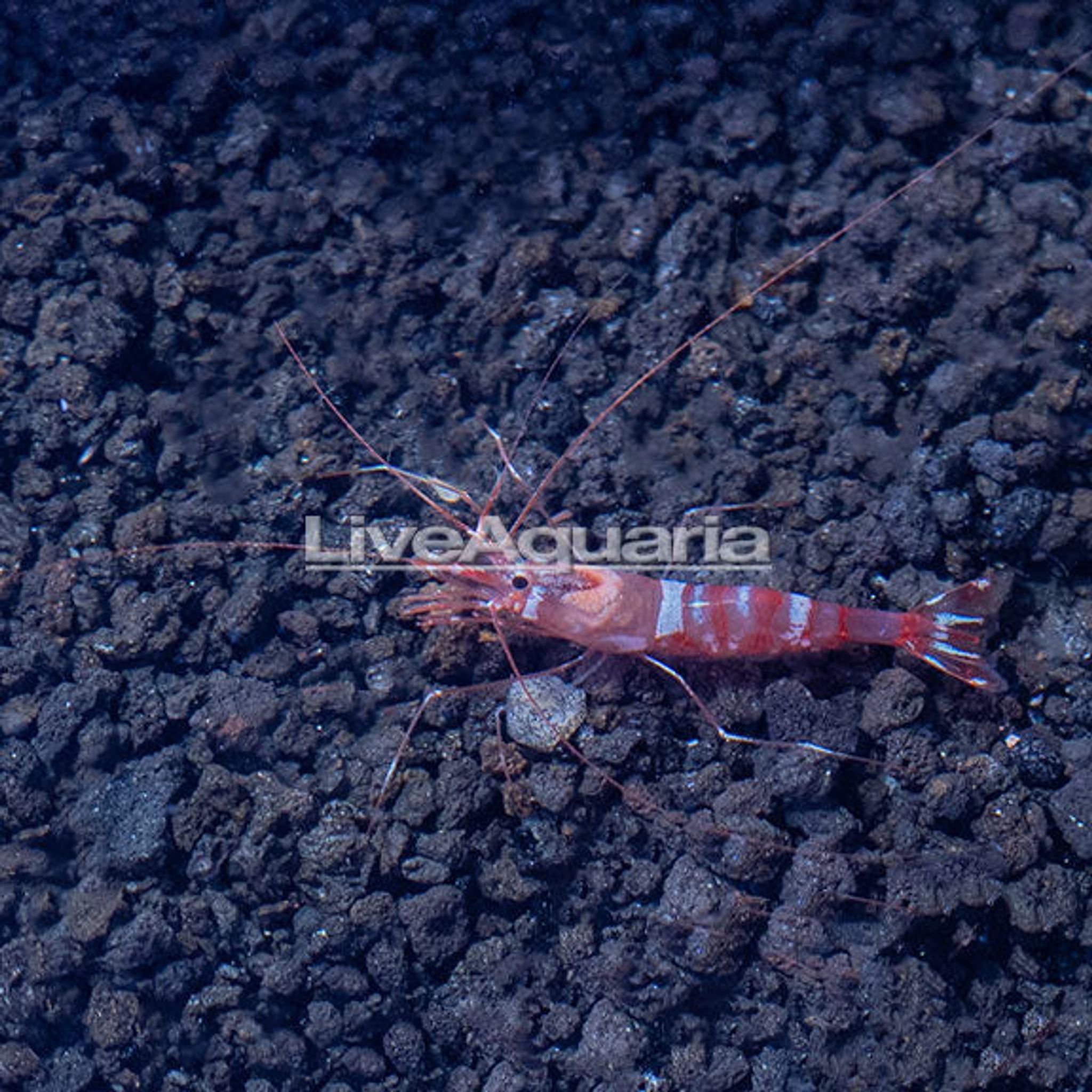
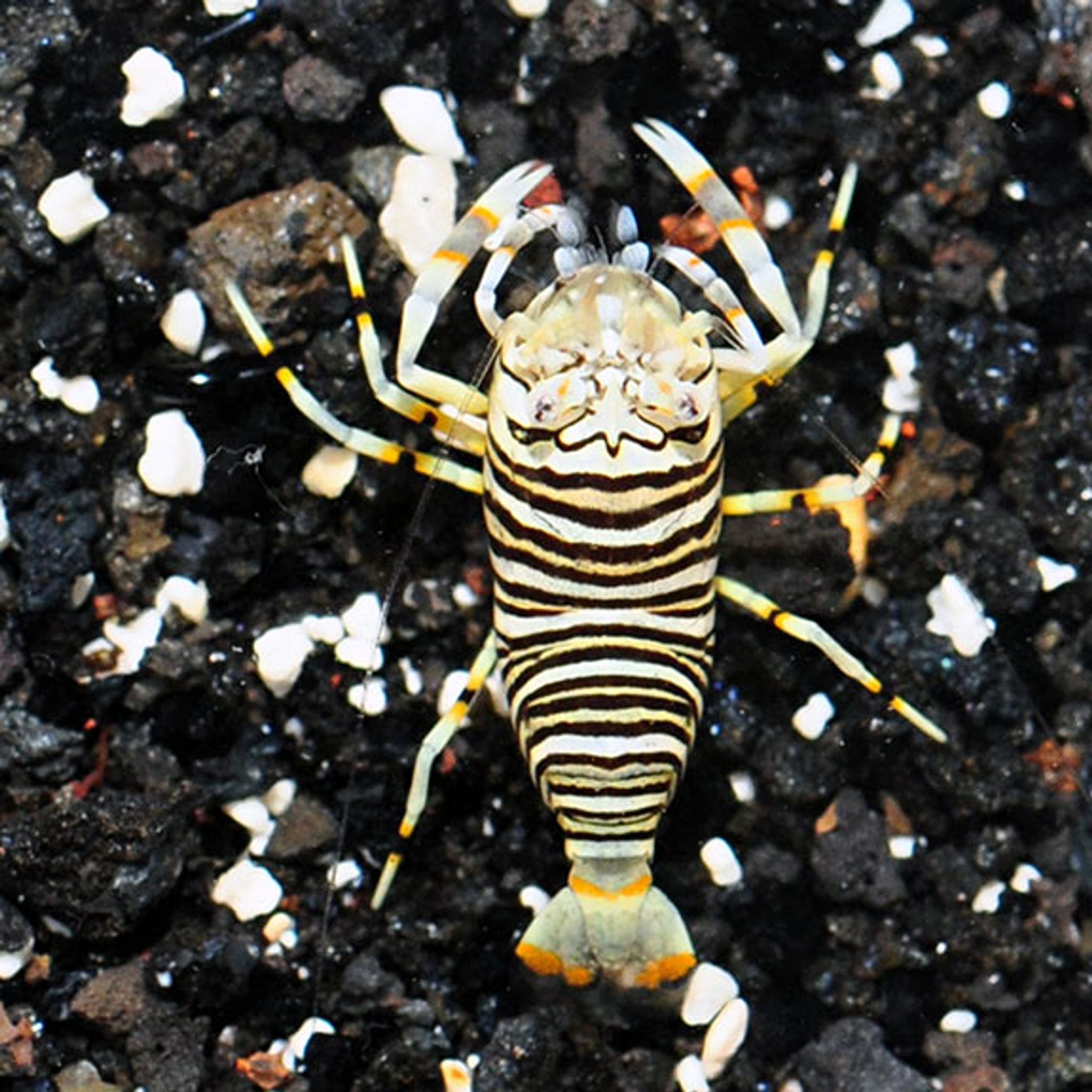
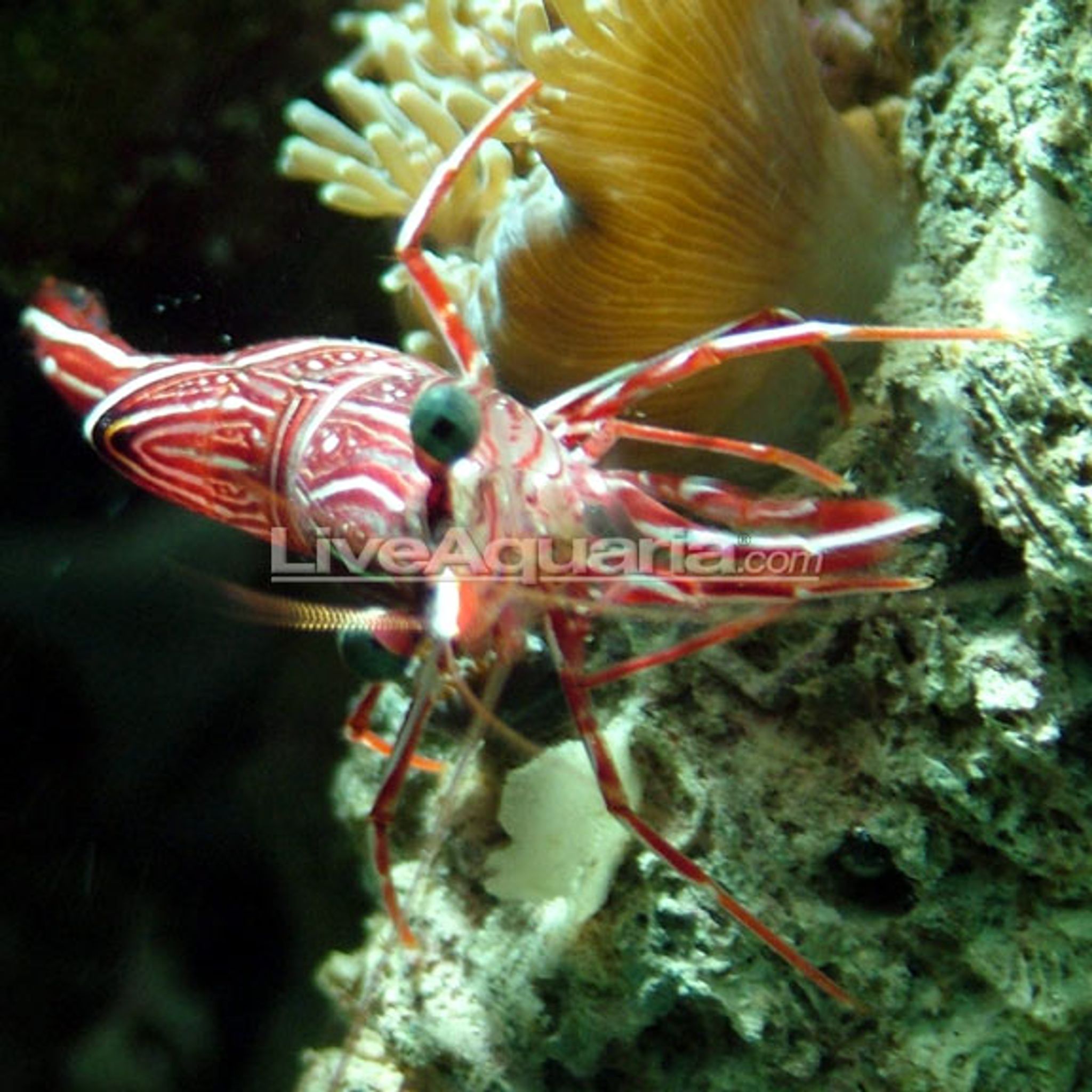
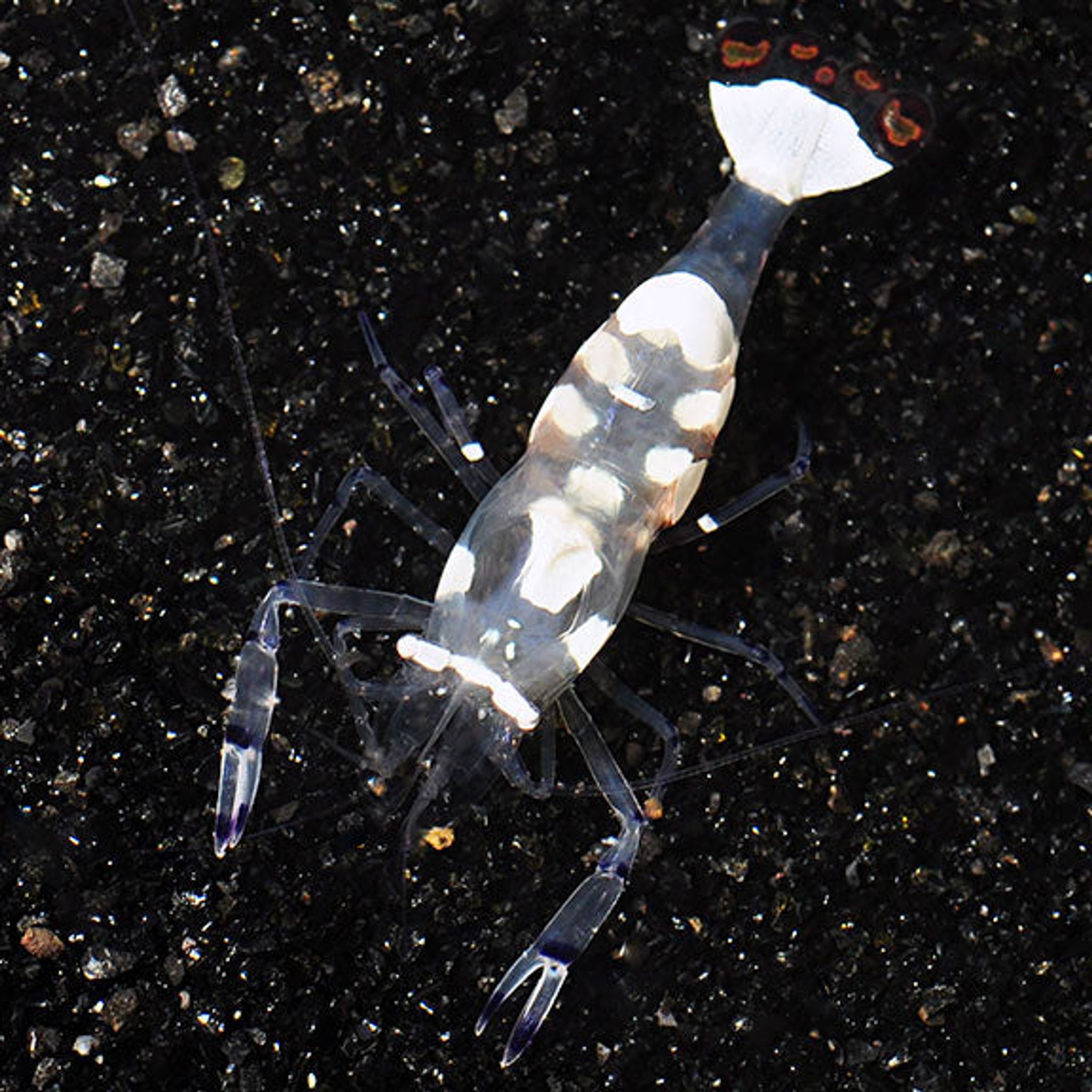
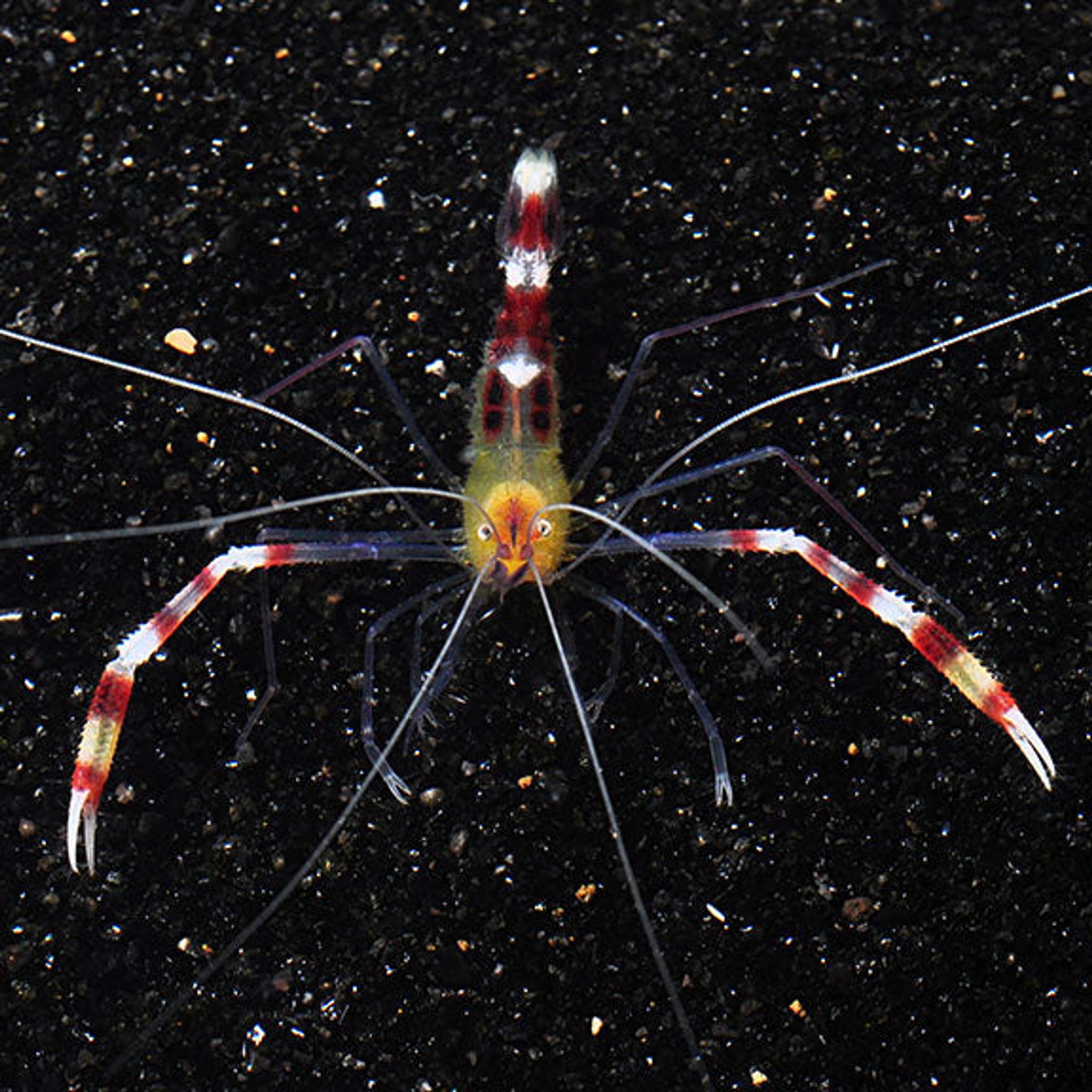
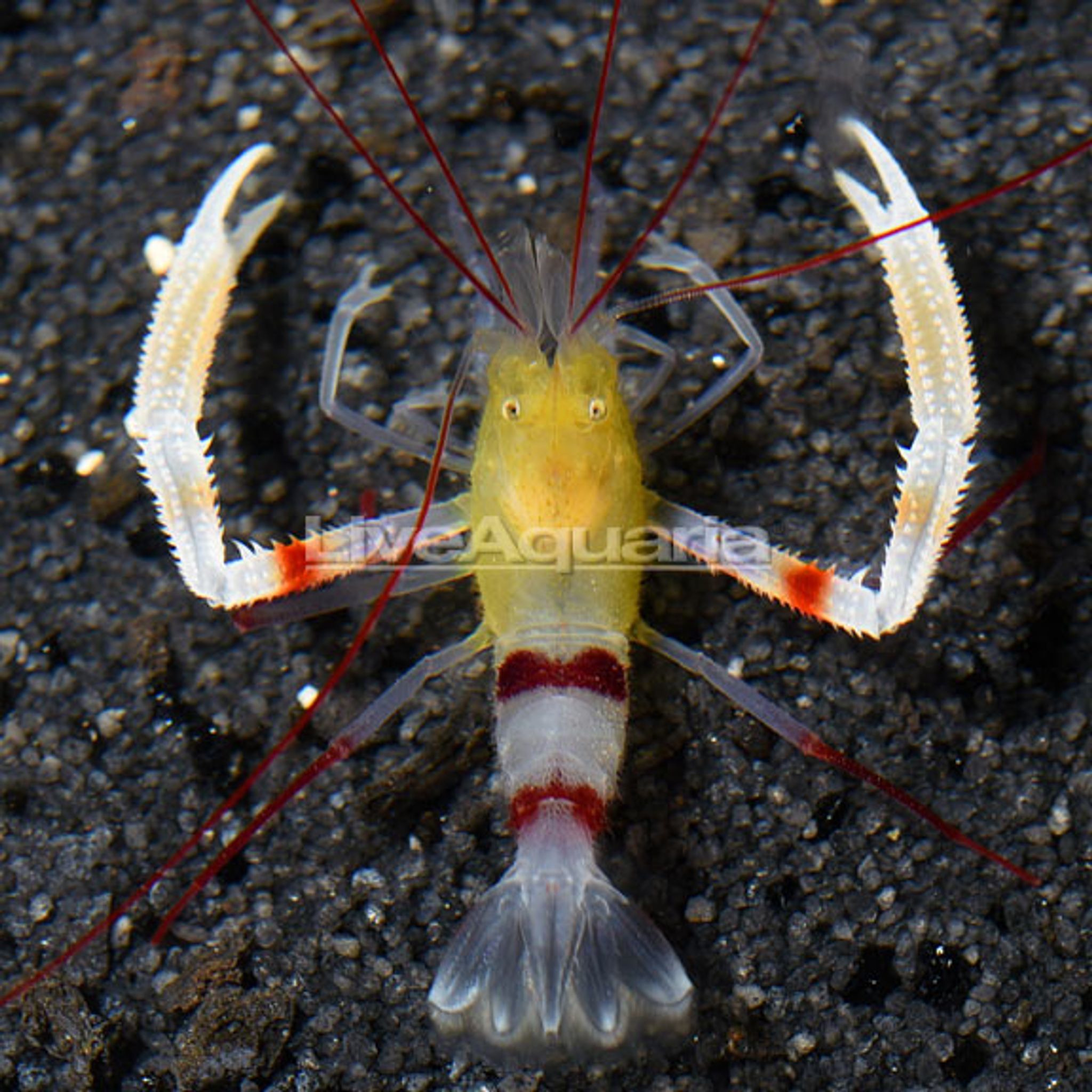
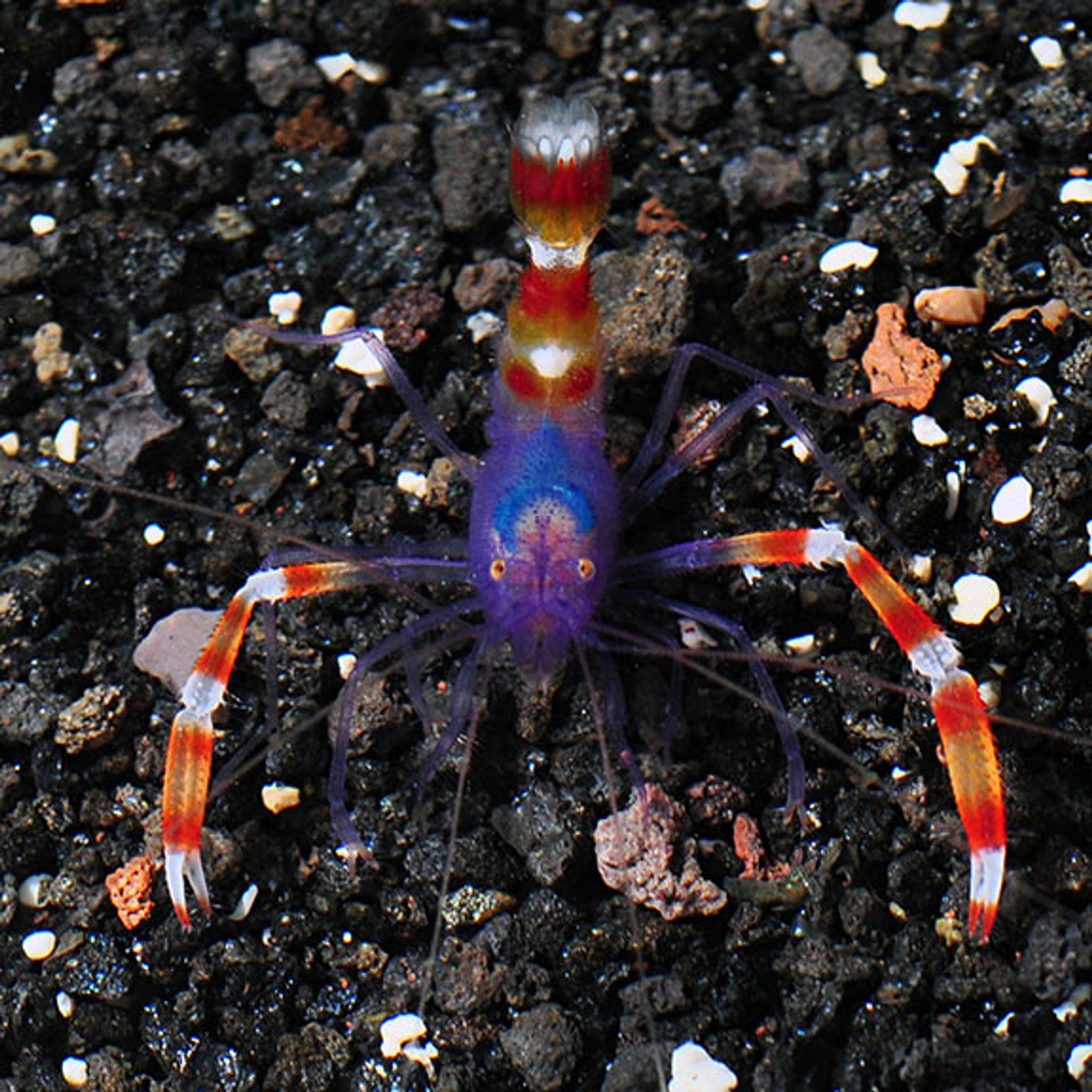
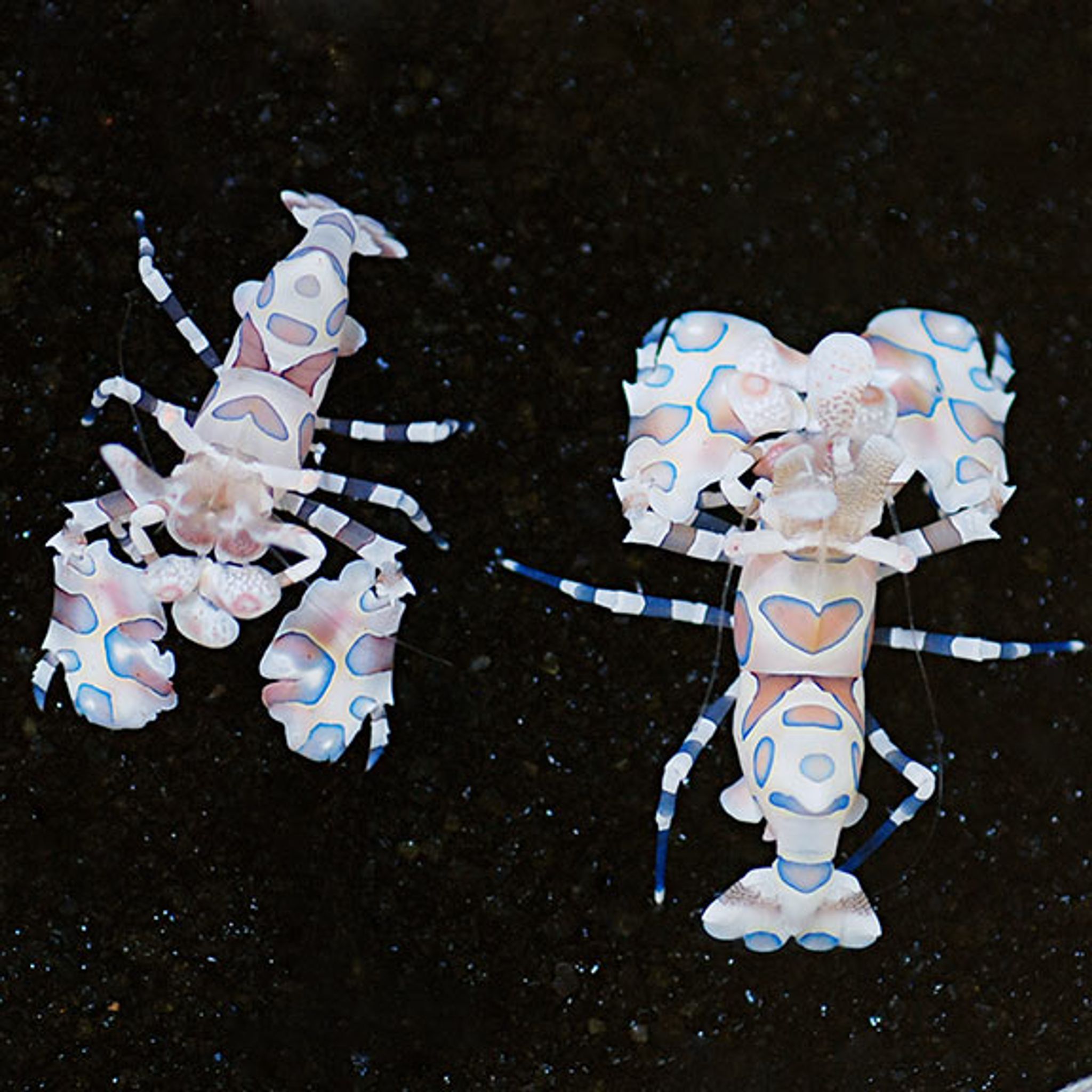
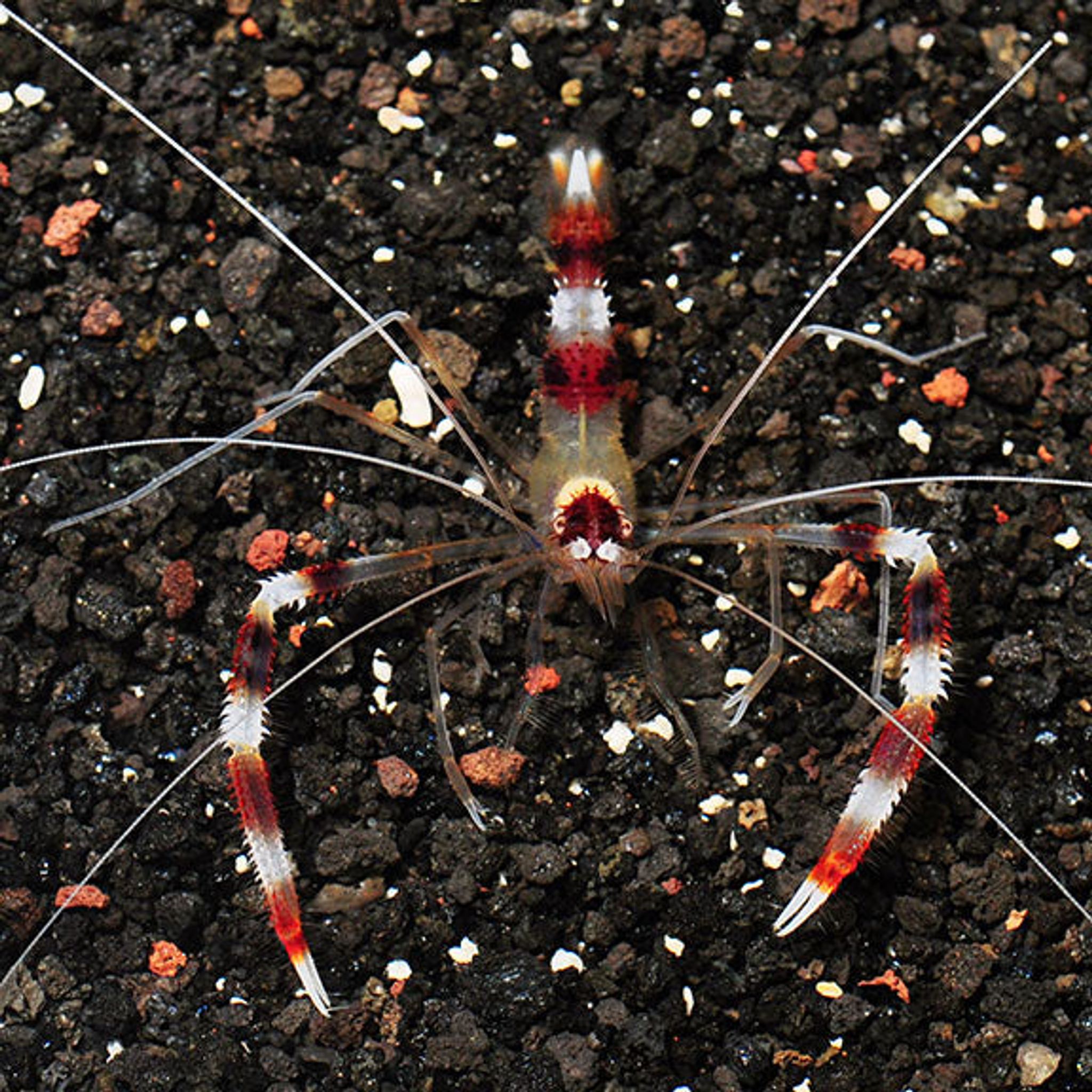
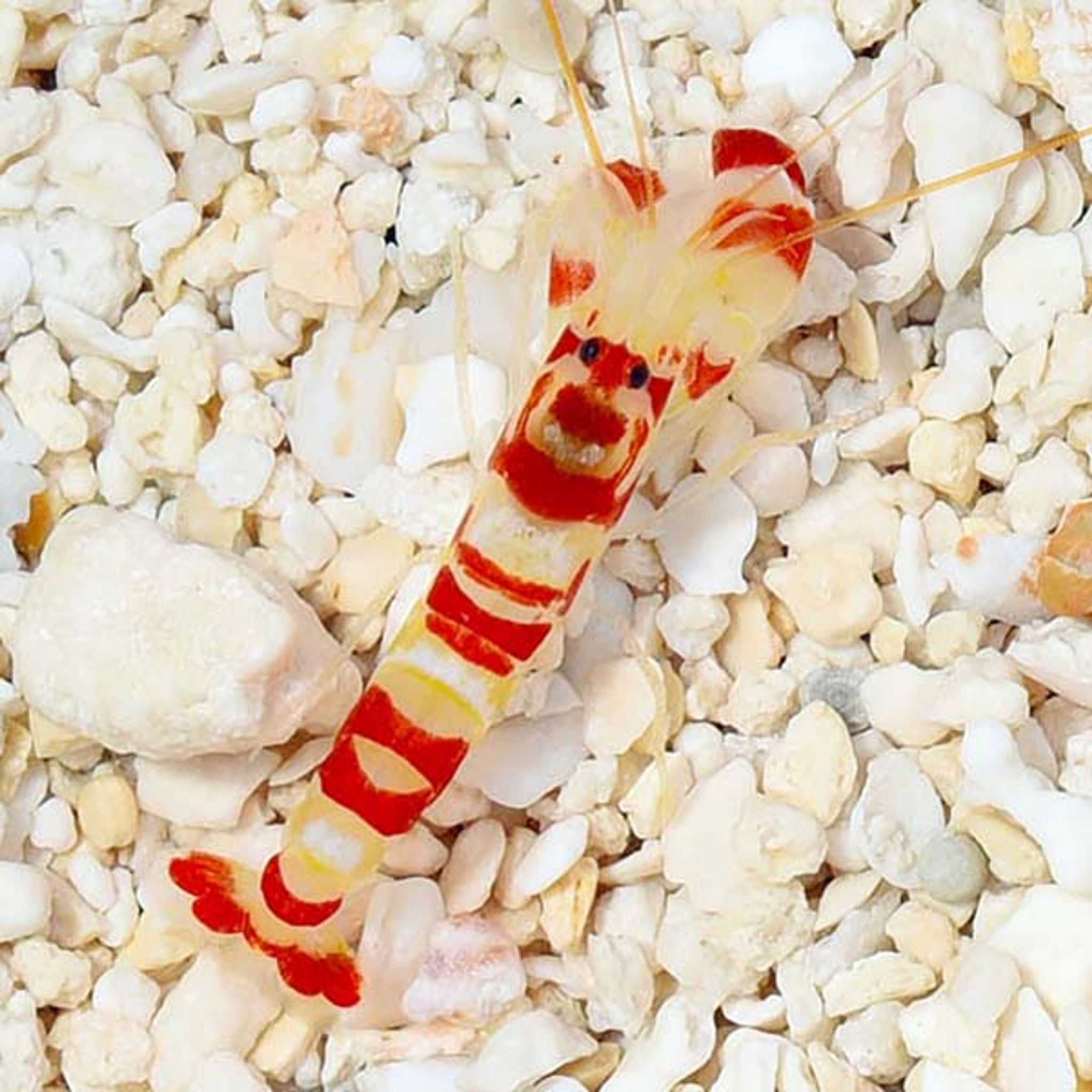
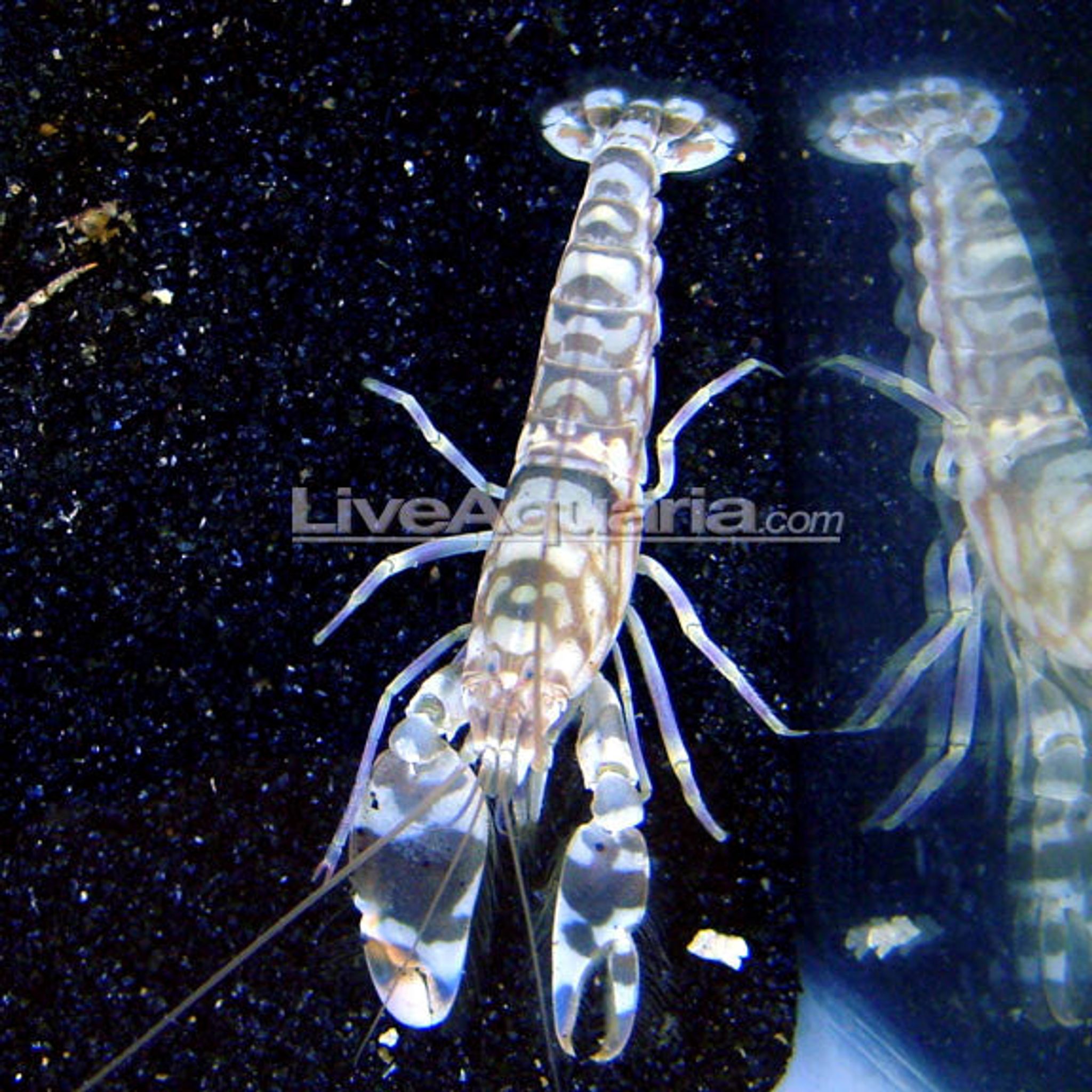
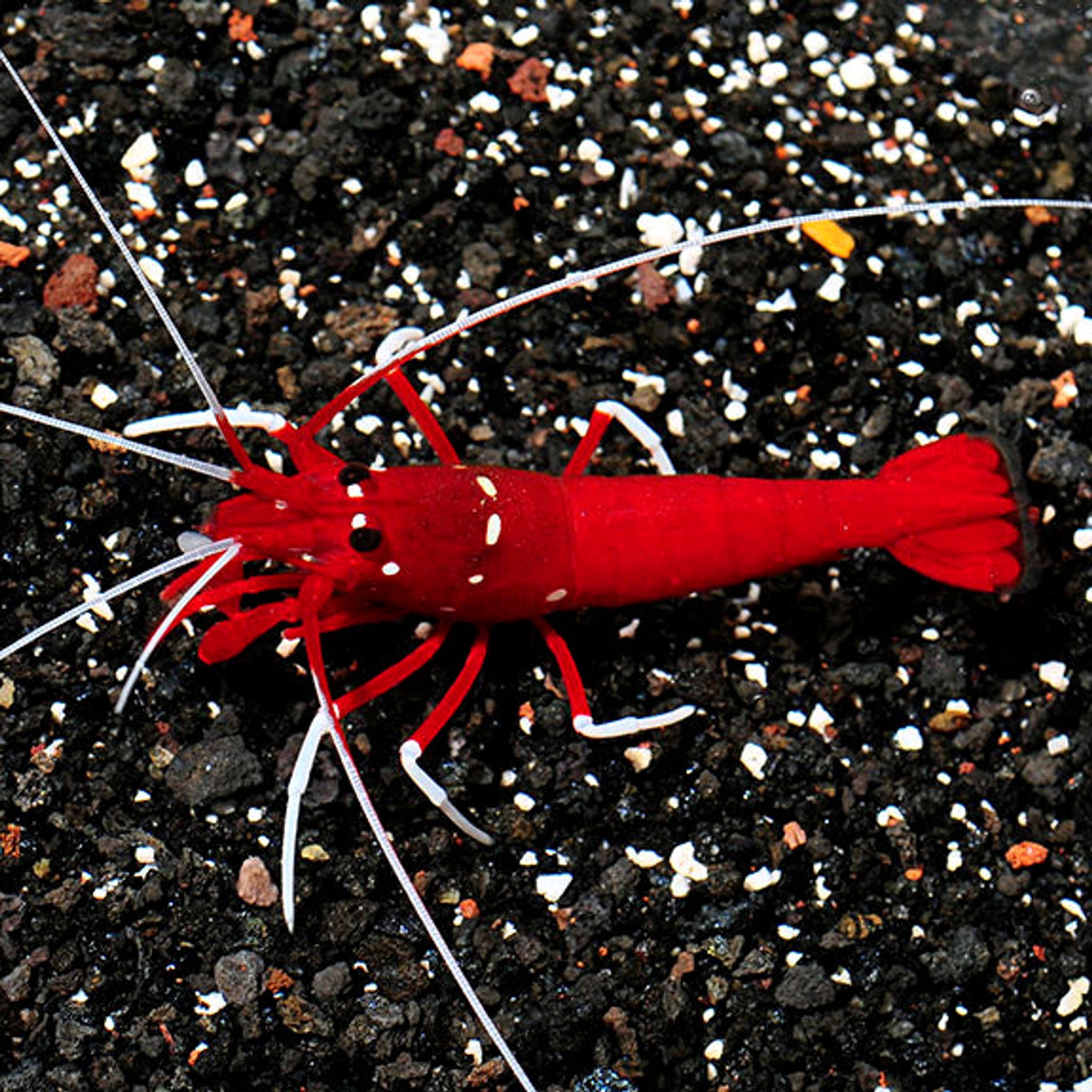
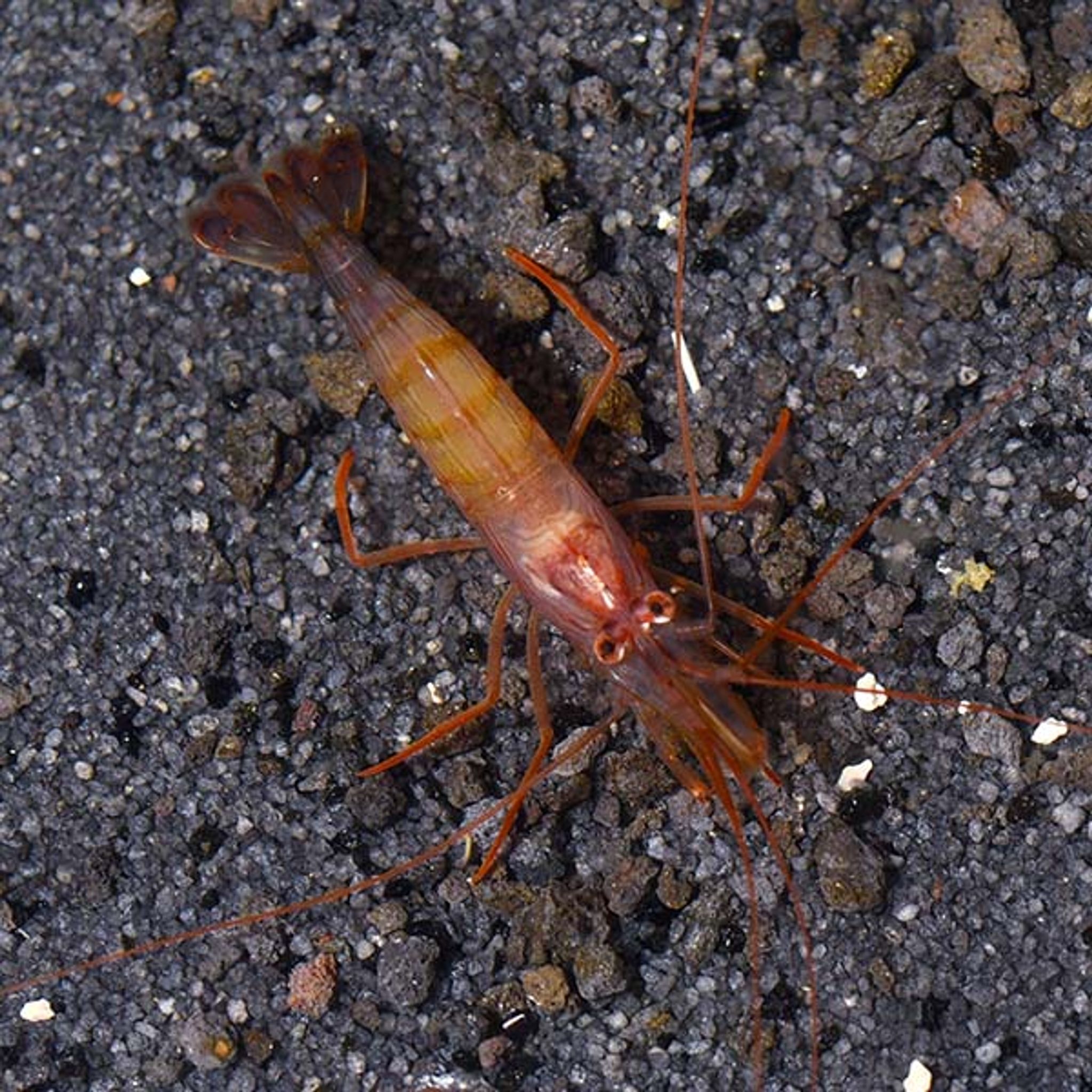
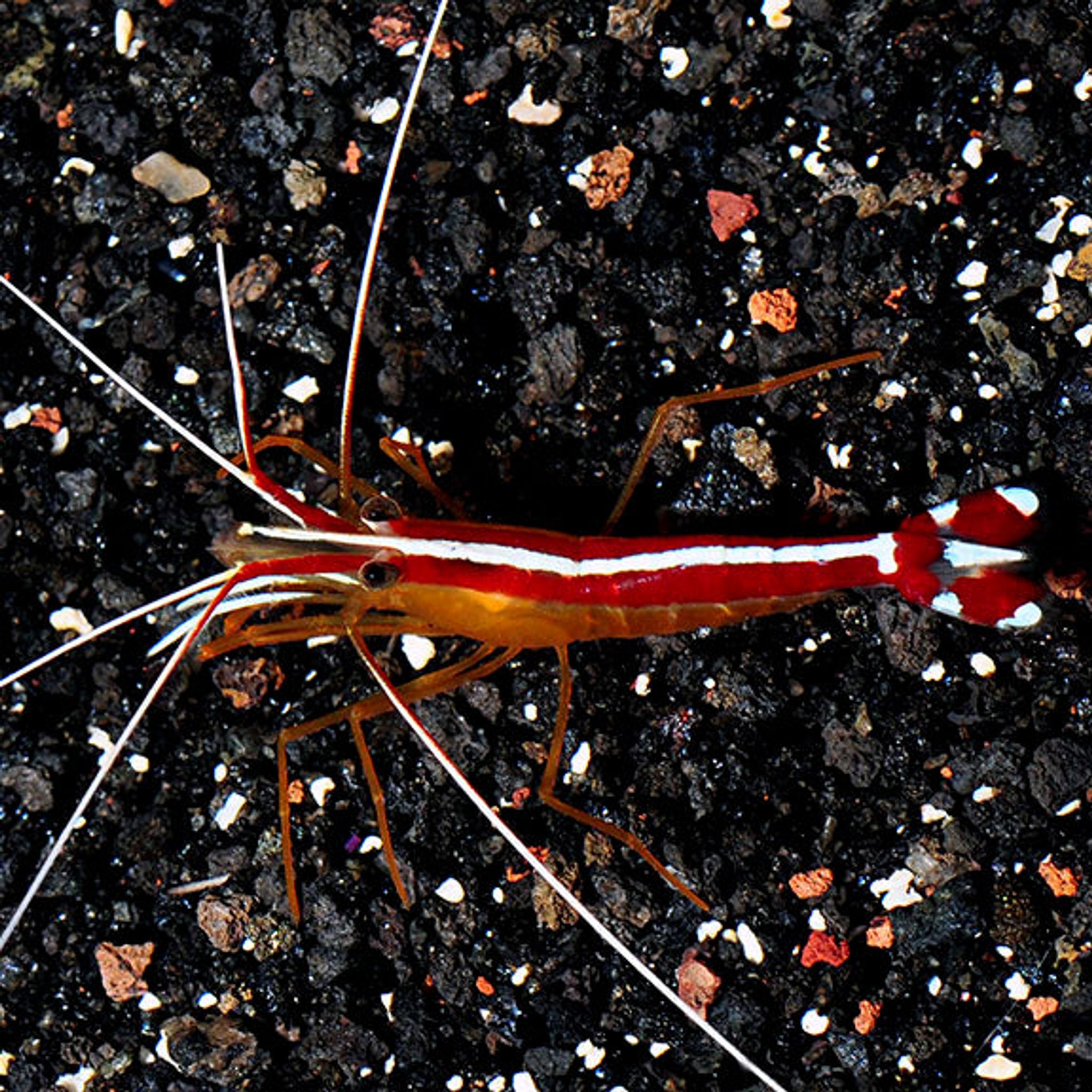
Shop marine shrimp online from saltwater aquarium stores, breeders and specialist marine livestock sellers across the United States on FishyHub. Compare Cleaner Shrimp, Fire Shrimp, Peppermint Shrimp, Pistol Shrimp, Harlequin Shrimp and other ornamental saltwater shrimp by species, behavior, reef compatibility and seller.
Marine shrimp are among the most colorful and behaviorally interesting invertebrates in reef aquariums. FishyHub helps U.S. hobbyists compare marine shrimp listings from multiple sellers in one marketplace.
Buying marine shrimp online gives hobbyists access to a wider range of ornamental species than may be available from a single local aquarium store.
Compare exact species, adult size, diet, reef compatibility, social behavior, seller information and shipping options before choosing shrimp for your saltwater aquarium.
Popular marine shrimp in the saltwater aquarium hobby include:
Cleaner Shrimp are among the most recognizable marine invertebrates and are known for setting up cleaning stations where fish may approach them.
This behavior is fascinating to watch, but Cleaner Shrimp should not be treated as a replacement for diagnosing or treating fish disease.
Fire Shrimp are prized for vivid red coloration, white markings and a bold ornamental appearance.
They can be more reclusive than some Cleaner Shrimp and often spend time around caves, rockwork and shaded areas.
Peppermint Shrimp are small striped marine shrimp commonly kept in reef aquariums.
Some individuals may consume Aiptasia anemones, but this behavior is variable and should not be treated as guaranteed.
Pistol Shrimp are known for their enlarged snapping claw, which can produce a remarkably loud click underwater.
Many aquarium Pistol Shrimp are especially popular because selected species can form fascinating partnerships with compatible shrimp Gobies.
Harlequin Shrimp are striking marine shrimp with bold white, blue and purple markings.
They have a highly specialized diet centered on starfish tissue, making them unsuitable for hobbyists who cannot reliably meet that feeding requirement.
Coral Banded Shrimp are distinctive striped crustaceans with long antennae and prominent claws.
They can be territorial toward other shrimp and smaller invertebrates, so compatibility should be considered carefully.
Sexy Shrimp are tiny ornamental shrimp known for their unusual body movement and close association with anemones and corals.
Their small size makes them appealing for nano reef systems, though they can be vulnerable to predatory fish.
Anemone Shrimp include several small marine shrimp that live around anemones or similar hosts.
Host relationships vary by shrimp species, so do not assume every ornamental shrimp will associate with every anemone.
Camel Shrimp are attractive red-and-white patterned shrimp that can resemble Peppermint Shrimp to inexperienced buyers.
They are not interchangeable with Peppermint Shrimp and may not be suitable for every reef aquarium, so correct identification matters.
Many marine shrimp are popular reef inhabitants because of their color, scavenging behavior and interactions with fish or host animals.
Reef compatibility still varies by species, and some shrimp may disturb corals, attack other invertebrates or become prey themselves.
Many ornamental marine shrimp are commonly kept in reef aquariums, but “reef safe” should not be treated as an absolute label.
Species, hunger level, tankmates and individual behavior can all influence how a shrimp interacts with corals and other invertebrates.
Some marine shrimp scavenge leftover food and organic material, which can make them useful members of a reef cleanup crew.
They do not replace regular aquarium maintenance, and they still require adequate nutrition of their own.
Cleaner Shrimp may remove external material from fish that voluntarily approach their cleaning stations.
This natural behavior is not a substitute for quarantine, diagnosis or proper treatment when fish are ill.
Peppermint Shrimp are frequently purchased by reef hobbyists hoping they will consume Aiptasia.
Some individuals do, while others may largely ignore Aiptasia, so results vary and species identification also matters.
Some Pistol Shrimp can form symbiotic partnerships with selected shrimp Gobies.
The shrimp maintains a burrow while the Goby helps watch for danger, but pairing behavior depends on compatible species and should not be assumed for every Pistol Shrimp and Goby combination.
Marine shrimp range from tiny nano-reef species to much larger and more robust crustaceans.
Adult size should be considered together with tankmate compatibility because very small shrimp may become prey for many marine fish.
Small ornamental shrimp such as Sexy Shrimp can be attractive additions to nano reef systems.
Small marine aquariums change quickly, so stable salinity, temperature and water quality remain especially important.
Marine shrimp benefit from stable saltwater conditions and enough rockwork, caves or crevices for shelter.
Hiding places become particularly important after molting, when the new exoskeleton is still soft and shrimp can be vulnerable.
Live rock and reef structures provide marine shrimp with shelter, feeding surfaces and territory.
Secure rockwork is especially important with burrowing Pistol Shrimp that may excavate substrate beneath rocks.
Marine shrimp periodically shed their exoskeleton as they grow.
Newly molted shrimp may hide until the new shell hardens, so temporary disappearance after a molt can be normal.
Marine shrimp can be sensitive to rapid salinity changes.
Maintaining stable saltwater conditions is particularly important during acclimation and after water changes.
Marine shrimp benefit from stable, well-maintained reef or saltwater conditions.
Sudden changes in salinity, temperature or other parameters can cause stress, so stability is often more important than chasing one universal number for every species.
Marine shrimp are highly sensitive to copper-based medications.
Treatments intended for fish should not be added to a shrimp or reef aquarium unless they are confirmed safe for the invertebrates present.
Good tankmates depend heavily on the exact shrimp species.
Many peaceful reef fish can coexist with ornamental shrimp, while predatory Wrasses, Puffers, Triggers and other fish may treat shrimp as food.
Many ornamental marine shrimp can coexist with Clownfish in appropriately stocked reef aquariums.
Monitor behavior around feeding and territories, particularly with large or highly territorial Clownfish.
Many Gobies can coexist with marine shrimp, and selected shrimp Gobies may even form partnerships with compatible Pistol Shrimp.
Compatibility still depends on exact species because larger predatory Gobies may consume small shrimp.
Wrasse compatibility requires careful research because many species naturally hunt crustaceans.
A Wrasse can be compatible with corals while still being unsafe for ornamental shrimp.
Many marine Puffers prey on crustaceans and can pose a serious risk to ornamental shrimp.
Shrimp should generally not be assumed safe with fish adapted for crushing shellfish and other hard-bodied prey.
Many Triggerfish are powerful predators capable of eating shrimp and other crustaceans.
Species-level compatibility should be checked before combining ornamental marine shrimp with Triggerfish.
Some marine Angelfish may coexist with larger ornamental shrimp, while others may investigate or prey on smaller individuals.
Compatibility depends on Angelfish species, shrimp size and individual behavior.
Some marine shrimp can be maintained in pairs or groups, while others may become territorial toward their own or other shrimp species.
Aquarium size, hiding places and exact species should guide whether multiple shrimp can share the same reef tank.
Marine shrimp have varied diets.
Some scavenge fish food and organic material, some clean fish, some prey on starfish, and others consume tiny animals or suspended foods. Feeding should be matched to the exact species.
Cleaner Shrimp should not be expected to live only on material removed from fish.
They generally benefit from appropriate supplemental feeding, especially in aquariums with limited natural food.
Peppermint Shrimp are opportunistic feeders and can consume leftover foods and other small food items in the aquarium.
Do not rely on Aiptasia alone as a food source, even if an individual shrimp shows interest in it.
Harlequin Shrimp have a highly specialized diet based on starfish.
This feeding requirement should be understood before purchase because they cannot simply be switched to ordinary reef foods as a substitute.
Some marine shrimp may carry eggs in aquariums, but successfully raising larvae can be much more difficult than producing eggs.
Larval stages may require specialized foods, separate rearing systems and carefully controlled water conditions.
When comparing marine shrimp for sale, look for:
Newly shipped marine shrimp may be sensitive to changes in salinity, temperature and other water conditions.
Follow the seller's acclimation guidance for the exact species and move shrimp into a stable, fully prepared saltwater aquarium.
Observation before introduction can help reduce the chance of adding unwanted pests or unhealthy animals to an established reef aquarium.
Avoid exposing shrimp to copper-based fish medications and use quarantine methods appropriate for marine invertebrates.
Marine shrimp prices vary according to species, size, coloration, rarity, origin, availability and seller.
Common Peppermint Shrimp and specialty Harlequin, Fire or unusual ornamental shrimp can differ significantly in price, so compare exact species and seller information rather than price alone.
FishyHub brings marine shrimp listings from saltwater aquarium stores, breeders and specialist marine livestock sellers together in one marketplace.
When comparing marine shrimp online, consider:
Shipping availability depends on the seller, destination, species, weather and marine livestock-shipping policy.
Review packaging, delivery timing and live-arrival terms before ordering, and make sure your saltwater aquarium is stable and ready before the shrimp arrive.
Yes. Saltwater aquarium stores, breeders and specialist sellers offer many marine shrimp online across the U.S., depending on species availability and seller shipping coverage.
Cleaner Shrimp, Fire Shrimp, Peppermint Shrimp, Pistol Shrimp, Harlequin Shrimp and Coral Banded Shrimp are among the most recognizable saltwater aquarium shrimp.
No. Cleaner Shrimp may perform natural cleaning behavior, but they are not a substitute for proper diagnosis, quarantine or treatment of sick fish.
Some do, but results vary by shrimp, species identification and conditions, so Aiptasia control is not guaranteed.
Some Pistol Shrimp form partnerships with compatible shrimp Gobies, but not every shrimp and Goby species will pair successfully.
Many ornamental marine shrimp are commonly kept in reef tanks, but compatibility depends on the exact species and individual behavior.
Yes. Marine shrimp are highly sensitive to copper-based medications, so treatments should be checked carefully before use.
FishyHub helps U.S. hobbyists compare marine shrimp from saltwater aquarium stores, breeders and specialist marine livestock sellers in one marketplace.
Explore marine shrimp for sale on FishyHub and compare Cleaner Shrimp, Fire Shrimp, Peppermint Shrimp, Pistol Shrimp, Harlequin Shrimp and other ornamental saltwater shrimp. Discover listings from marine aquarium sellers across the United States, and compare species, reef compatibility, diet, behavior, price and shipping options before choosing shrimp for your aquarium.