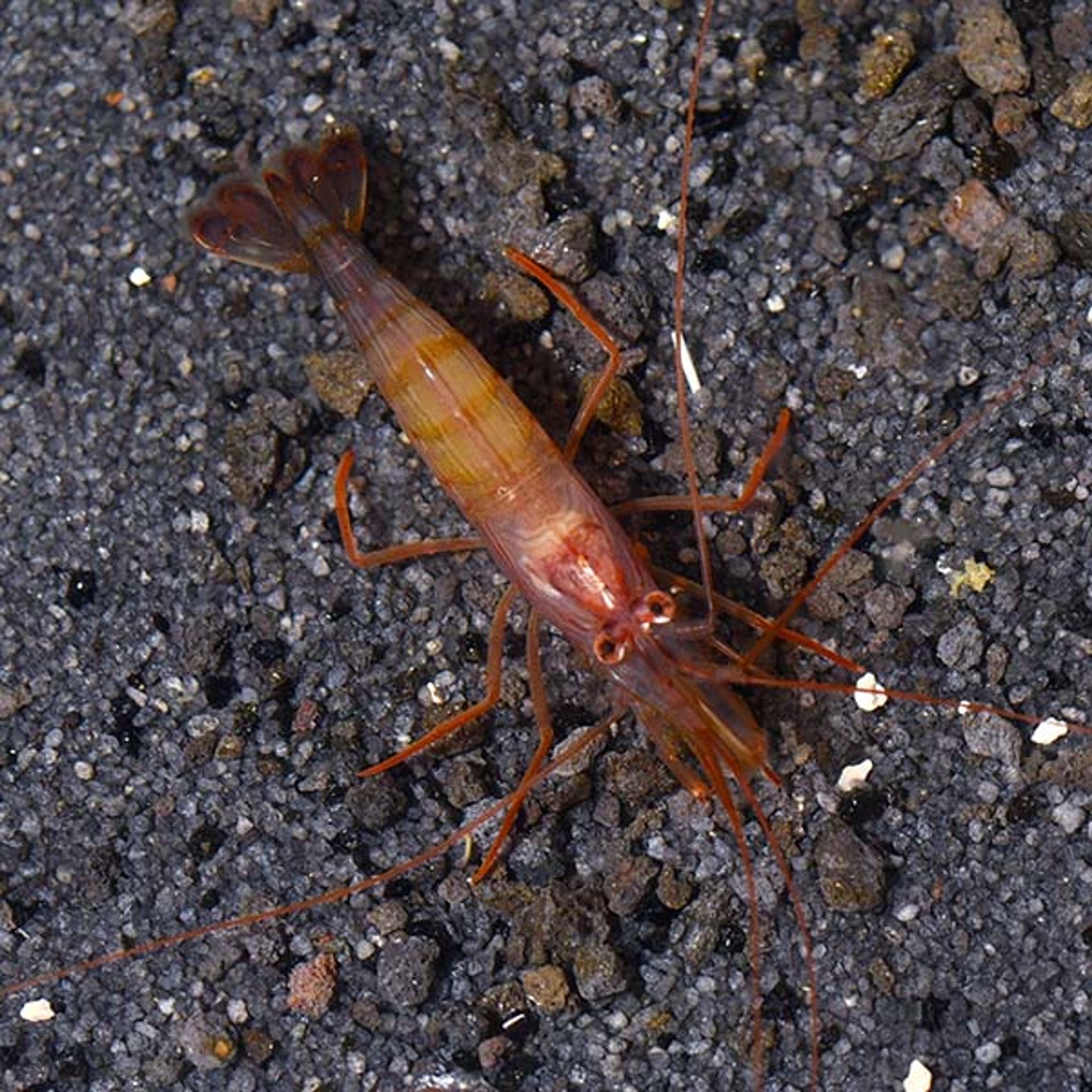

Is Peppermint Shrimp Reef Safe? Compatibility With Fish, Coral and Invertebrates
Peppermint shrimp are considered reef safe with a handful of specific caveats, not an unconditional yes. They generally leave healthy coral and clean-up crew members alone and are one of the most trusted biological controls for aiptasia glass anemones, but they can mistake prized display anemones for aiptasia and will pick at food or polyps if underfed. This guide breaks down exactly which tankmates are safe, which are risky, and how to use peppermint shrimp effectively for pest control.
Quick Answer: Reef Safety Verdict
Peppermint shrimp (genus Lysmata, most commonly sold as L. wurdemanni or L. boggessi) are a staple beginner addition to reef tanks, ranking alongside snails and hermit crabs as a standard clean-up crew member. They stay small — under 2 inches (5 cm) as adults — so their bioload and physical footprint in a reef system is minimal.
The fair summary: reef safe with caveats, not unconditionally reef safe. They won't eat healthy stony (SPS/LPS) or soft coral tissue as a rule, but three real exceptions are worth knowing before you buy:
- They may steal loose food from LPS polyps during target feeding.
- Hungry individuals have been reported picking at soft coral polyps or rockwork.
- They can attack and kill non-pest display anemones if mistaken for aiptasia.
None of these make peppermint shrimp a poor choice — they just mean the risk is manageable, not zero, and it scales directly with how well-fed the shrimp are.
Tank Size and Basic Requirements
Peppermint shrimp are workable in tanks as small as 10 gallons (38 L), thanks to their small adult size. Larger reef systems can comfortably support a small group rather than a single shrimp, and they are not territorial with their own kind.
| Parameter | Range |
|---|---|
| Tank size | 10 gal (38 L) minimum |
| Adult size | Under 2 in (5 cm) |
| Temperature | 72–78°F (22–26°C) |
| pH | 8.1–8.4 |
| Salinity | 1.024–1.026 SG |
| Sensitivity | Copper-based medications; rapid parameter swings during molting |
Like most invertebrates, peppermint shrimp have zero tolerance for copper-based treatments, so avoid dosing a display tank that houses them. Drip acclimation is worth the extra time, since shipping stress combined with a sudden salinity or temperature shift can trigger a bad molt shortly after introduction. Because they molt periodically throughout life, keep parameters stable rather than swinging them intentionally around that window.
Coral Compatibility
Healthy stony coral (SPS and LPS) and soft coral tissue is generally safe from peppermint shrimp. Two caveats show up repeatedly enough to flag clearly:
Food-Stealing From LPS
During target feeding, a peppermint shrimp may dart in and steal a loose piece of food meant for an LPS polyp before the coral fully closes over it. This is a feeding-time nuisance, not tissue damage — it does not mean the shrimp is eating the coral itself. Manage it by briefly shooing shrimp away while the target coral is still extended and closing over its meal.
Occasional Polyp-Picking
Individual shrimp have been reported picking at soft coral polyps or bare rock. This is usually tied to hunger or insufficient supplemental feeding rather than a fixed behavioral trait of the species. Well-fed peppermint shrimp rarely bother coral tissue at all.
The sensible framing: treat coral-picking as a real but manageable caveat, not a coin-flip risk. If you keep the shrimp reasonably fed once any aiptasia problem is under control, this issue mostly disappears.
The Anemone Exception (Read This Before Buying)
This is the single most important reef-safety flag for peppermint shrimp. Because their main job is hunting aiptasia — which is itself a small, fast-spreading anemone — peppermint shrimp can genuinely mistake prized display anemones for their target prey. Species at risk include:
- Rock flower anemones
- Bubble-tip anemones
- Other non-pest anemone species kept for display
Recommendation: avoid adding peppermint shrimp to any tank housing a valuable display anemone, or if you do, supervise closely for the first several days after introduction. Early attacks on non-pest anemones are the most commonly reported reef-safety failure with this shrimp — far more consistent than any coral-related issue.
Invertebrate and Clean-Up Crew Compatibility
Peppermint shrimp are generally peaceful toward other invertebrates. They are not aggressive predators of healthy clean-up crew members and coexist well with:
- Snails
- Hermit crabs
- Other shrimp species
- General clean-up crew invertebrates
If you're stocking a reef clean-up crew, peppermint shrimp pair naturally with snails and hermit crabs browsable in FishyHub's Marine Invertebrates category.
Fish Compatibility
Peppermint shrimp are safe around the vast majority of community reef fish. The compatibility risk runs in the opposite direction from what many new hobbyists expect: larger, predatory fish will eat the shrimp, not the other way around.
Fish That Will Eat Peppermint Shrimp
- Lionfish
- Large wrasses (and some smaller wrasse species specifically noted as shrimp-eaters)
- Large dottybacks
- Triggerfish
- Puffers
- Groupers
- Larger hawkfish
- Moray eels
Housing peppermint shrimp with any of these and being surprised when the shrimp vanish is one of the most common stocking mistakes. If your stocking list includes any of the fish above, plan on peppermint shrimp being a temporary — or nonexistent — addition rather than a permanent clean-up crew member.
Peppermint Shrimp as an Aiptasia Control
Aiptasia-eating ability is the main reason most US reefers buy peppermint shrimp in the first place. They actively forage through rockwork and crevices hunting these glass anemones and are one of the most trusted, commonly available biological controls for the pest.
Feeding Strategy While Aiptasia Is Present
Keep shrimp somewhat hungry while aiptasia is still active in the tank. Well-fed peppermint shrimp have less incentive to hunt, and heavy supplemental or target feeding is one of the most common reasons a "control" shrimp never actually clears an infestation. Once the aiptasia is gone, resume normal omnivorous feeding — flake, frozen foods, pellets — to prevent hunger-driven picking at coral or anemones.
How Many Shrimp Do You Need
A small group of 2 to 3 or more shrimp speeds up aiptasia removal noticeably, especially in larger or heavily infested tanks. A single shrimp can work in a small tank with a light infestation, but expect it to take longer. Biological control is gradual — expect a visible decline over several weeks rather than an overnight fix, unlike a direct chemical spot-treatment.
Species-ID Confusion: The Biggest Risk Factor
Multiple shrimp are sold under the generic "peppermint shrimp" label and look nearly identical, but not all of them reliably eat aiptasia. This is arguably the single biggest risk factor in the whole topic, because a look-alike that ignores aiptasia will simply sit in the tank doing nothing useful.
Sources disagree on which species is the more reliable aiptasia eater:
- L. boggessi is often framed as the most consistently confirmed aiptasia eater, with fewer imposter animals sold under the name.
- L. wurdemanni is also widely cited as an effective aiptasia hunter, but carries more reports of attacking desirable anemones.
The practical takeaway: treat "peppermint shrimp" as a species-complex sold under one common name rather than a single guaranteed product. Ask the seller for a species ID, or buy from a source that specifically identifies or guarantees aiptasia-eating stock — for a hobbyist, telling the species apart by eye alone is close to impossible. Whichever species you end up with, monitor any display anemones closely for the first few weeks regardless.
You can browse aiptasia-eating shrimp stock, listed alongside other marine shrimp, in FishyHub's Marine Shrimp category.
Life Cycle Notes: Lifespan and Breeding
Peppermint shrimp are simultaneous hermaphrodites and can reproduce in home aquariums, occasionally producing free-swimming larvae. Most larvae won't survive to adulthood in a standard reef tank without a dedicated rearing setup, but seeing egg-carrying females or the occasional larva isn't unusual and isn't a cause for concern.
After Aiptasia Is Cleared: What to Do With the Shrimp
Once the aiptasia population is visibly gone, two things change:
- Resume normal feeding. Switch back to a regular omnivorous diet — meaty frozen foods, flake, and pellets — rather than keeping the shrimp hungry indefinitely. Continued underfeeding after the job is done increases the odds of coral or anemone picking.
- Decide whether to keep them long-term. Most hobbyists simply keep peppermint shrimp on as permanent clean-up crew members, since they'll happily scavenge detritus and leftover food from the rockwork once aiptasia is no longer their primary food source. Rehoming is only necessary if you're introducing a valuable display anemone afterward.
Aiptasia-Eating Filefish: An Alternative or Complement
The aiptasia-eating filefish (Acreichthys tomentosus) is often paired with peppermint shrimp because it eats larger aiptasia that small shrimp may ignore or physically struggle with. It is only "reef safe with caution" itself, since it can pick at soft and stony coral polyps — so it carries its own supervision requirement, similar to an underfed peppermint shrimp.
Many reefers combine multiple predators so each covers a different aiptasia size range:
- Peppermint shrimp — small to medium aiptasia, works through crevices
- Molly Miller blennies — smaller aiptasia
- Aiptasia-eating filefish — larger aiptasia, needs coral-picking supervision
Common Saltwater Pests: Where Aiptasia Fits
Peppermint shrimp are one tool in a broader pest-management toolkit, not a cure-all for every reef tank nuisance. It helps to know the other common pests they won't touch:
| Pest | Behavior | Typical Control |
|---|---|---|
| Aiptasia | Fast-spreading glass anemone; reproduces via gamete release and fragmentation | Peppermint shrimp, filefish, manual/chemical removal |
| Asterina starfish | Can explode in population from a single individual | Harlequin shrimp (needs ongoing feeding) or manual removal |
| Flatworms (rust-brown, Acropora-eating types) | Especially destructive to SPS colonies | Dips/medication, siphoning with filter socks, water changes, some biological predators |
How to Get Rid of Aiptasia, Step by Step
- Assess the extent of the infestation. A handful of small aiptasia calls for a different plan than a rock-wide outbreak.
- For severe or hard-to-reach cases, use manual or chemical removal — injectable aiptasia-killing pastes or a boiling-water injection directly into the polyp.
- For ongoing or preventive control, use biological predators — peppermint shrimp, an aiptasia-eating filefish, Molly Miller blennies, or a combined "trifecta" approach for stubborn infestations.
- Avoid hasty removal methods. Cutting or tearing aiptasia by hand can fragment the animal and spread the infestation further. Research whichever method you choose before acting, rather than improvising.
Common Mistakes to Avoid
- Assuming any "peppermint shrimp" eats aiptasia. Some look-alikes ignore it entirely — verify species or source first.
- Overfeeding the tank while relying on shrimp for aiptasia control, which kills their motivation to hunt.
- Adding shrimp to a tank with a prized display anemone without monitoring closely in the first days after introduction.
- Housing them with known crustacean-eating fish — large wrasses, dottybacks, lionfish, triggerfish, puffers, morays — and being surprised when shrimp disappear.
- Expecting one shrimp to clear a heavy, tank-wide outbreak. Larger infestations usually need more shrimp plus a manual or chemical spot treatment, or a filefish.
- Confusing LPS food-stealing with actual coral predation. It's a feeding-time nuisance, not tissue damage, and is preventable by feeding target corals when shrimp are occupied elsewhere.
Frequently Asked Questions
Will peppermint shrimp eat my coral?
Not typically. Healthy coral tissue is generally safe, but well-fed established colonies can still see occasional polyp-picking from underfed shrimp, and shrimp may steal loose food from LPS polyps during feeding time.
Will peppermint shrimp eat my anemone?
They can attack and kill non-pest anemones — such as rock flower or bubble-tip anemones — if they mistake them for aiptasia, especially when hungry. This is the main reef-safety exception to know before adding them to a tank with a display anemone.
How many peppermint shrimp do I need to clear aiptasia?
A small group of roughly 2 to 3 shrimp speeds up removal, especially for larger infestations. A single shrimp can work in a small tank with a light infestation, but it will likely take longer.
What's the smallest tank they can live in?
As small as about 10 gallons (38 liters), given their small adult size of under 2 inches (5 cm).
What do peppermint shrimp eat besides aiptasia?
They're omnivorous scavengers that accept meaty frozen foods, flake, pellets, and will pick through detritus and leftover food in the rockwork.
Are peppermint shrimp reef safe with fish?
Yes, with the vast majority of community reef fish. The real concern is predatory fish eating the shrimp — not the shrimp harming fish.
How do I tell a true aiptasia-eating peppermint shrimp from a look-alike?
It's near-impossible to tell by eye as a hobbyist. Buy from a source that specifically identifies or guarantees the aiptasia-eating species, or one with a track record for supplying effective stock.
Should I combine peppermint shrimp with other aiptasia predators?
Yes, for stubborn infestations. Pairing peppermint shrimp with a Molly Miller blenny for small aiptasia and/or an aiptasia-eating filefish for larger aiptasia covers more size ranges, though the filefish itself needs supervision around coral.
Ready to add peppermint shrimp or other aiptasia-control livestock to your reef? Browse current stock in FishyHub's Marine Livestock category, including corals and invertebrates suited to a reef clean-up crew.


