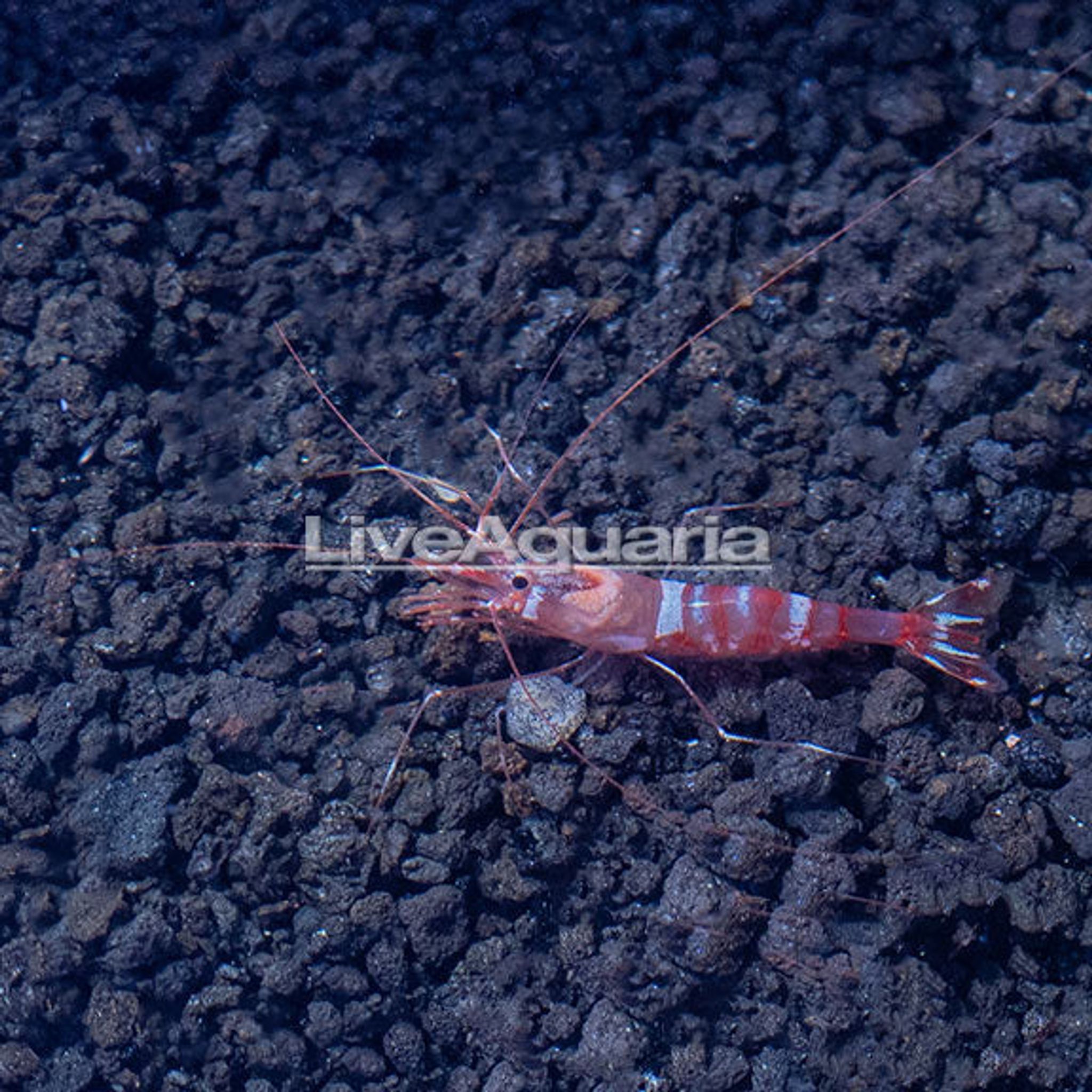

Best Tank Mates for Cleaner Shrimp in a Reef Aquarium
Cleaner shrimp are peaceful, hardy scavengers that most reef fish leave alone — but a handful of common species will eat them without hesitation. This guide sorts tank mates into safe, case-by-case, and avoid categories, and covers the medication and molting mistakes that cause most cleaner shrimp losses.
What a Cleaner Shrimp Actually Needs From Tank Mates
The two species most commonly sold are the skunk cleaner shrimp (Lysmata amboinensis) and the Pacific/blood red fire cleaner shrimp (Lysmata debelius). Both belong to the genus Lysmata, and hobbyists sometimes also see the banded coral shrimp or boxer shrimp (Stenopus hispidus) marketed alongside them, though it's a different genus with a somewhat more territorial streak.
None of these are obligate cleaners the way a cleaner wrasse is. They'll happily station themselves on rockwork and pick parasites and dead tissue off fish that present themselves, but if no fish shows up, a cleaner shrimp simply scavenges leftover food and detritus instead. That flexibility is part of why they're so easy to stock — their survival doesn't depend on other fish cooperating.
Cleaner shrimp are also 100% reef-safe: they don't damage corals, clams, live rock, or (with minor caveats below) anemones. The real compatibility question isn't about your sessile invertebrates — it's about which fish in the tank see a shrimp as a cleaning partner versus a snack.
The Three-Tier Compatibility Framework
Safe Tank Mates
These fish and invertebrates rarely bother cleaner shrimp and are the default recommendation for a reef community tank:
- Clownfish — one of the most reliable pairings; they often visit the shrimp's cleaning station.
- Gobies, blennies, firefish, and dartfish — small, peaceful, and not built to hunt crustaceans.
- Cardinalfish and chromis — mild-mannered schooling fish.
- Most damsels — territorial toward other fish, but not toward shrimp.
- Smaller, peaceful angelfish species and most tangs.
- Mandarin dragonets and scooter blennies — these are micro-predators of pods and worms, not shrimp.
- Pistol shrimp/goby pairs — they hold a burrow territory and have no reason to interact with a cleaner shrimp elsewhere in the tank.
- Other invertebrates: snails, hermit crabs, peppermint and fire shrimp, and starfish are generally compatible.
You can browse compatible options such as clownfish and gobies for a shrimp-friendly community stocking list.
Case-by-Case: Research Before You Buy
- Wrasses are not one category. Large, predatory types — fairy, dragon, and tusk-type wrasses — specifically target ornamental shrimp and should be avoided. Small, peaceful reef-safe wrasse species can work, but check the individual species rather than assuming "wrasse" means safe or unsafe.
- Larger angelfish and some tangs can turn aggressive toward shrimp, particularly around molting, even though they're broadly listed as reef-safe.
- Moray eels are the biggest wildcard. Some sources treat them as default predators; others report specific eels — the snowflake moray is cited most often — coexisting peacefully with cleaner shrimp and even being cleaned by them. Compatibility here is genuinely species- and individual-dependent. Only experienced keepers should attempt it, and only with close monitoring, not as a blanket "yes."
- Mixed shrimp species, especially housing a cleaner shrimp with a boxer/coral banded shrimp, need supervision — Stenopus can be aggressive toward shrimp of a different species.
Avoid Entirely
Any fish with a mouth large enough to inhale a shrimp, or a habit of nipping at legs and antennae, belongs on this list:
- Triggerfish
- Large, aggressive wrasses (the predatory types noted above)
- Lionfish
- Groupers
- Large hawkfish
- Puffers — even small ones will nip at legs and antennae
| Fish/Invert | Category | Notes |
|---|---|---|
| Clownfish | Safe | Often visits the cleaning station |
| Gobies, blennies, firefish | Safe | Peaceful, no crustacean-hunting behavior |
| Mandarin dragonets | Safe | Eats pods, not shrimp |
| Small peaceful wrasses | Case-by-case | Research the species |
| Large/predatory wrasses | Avoid | Known shrimp predators |
| Larger angelfish/tangs | Case-by-case | Can harass shrimp during molt |
| Moray eels | Case-by-case | Species- and individual-dependent; snowflake often cited as more tolerant |
| Triggerfish, puffers, lionfish, groupers, large hawkfish | Avoid | Will eat or maim the shrimp |
A key mistake worth flagging: a "reef-safe" rating only means a fish won't harm corals — it says nothing about whether that fish will eat ornamental shrimp. Always check shrimp compatibility separately from coral compatibility.
Keeping Multiple Cleaner Shrimp Together
Cleaner shrimp are simultaneous hermaphrodites, and pairs or small groups can live together and even breed. A few practical notes:
- Add multiple shrimp at the same time to reduce territorial disputes as they establish a pecking order.
- A single shrimp per tank is equally fine, especially in smaller setups.
- As a stocking baseline, plan on 10 gallons (38 L) minimum per shrimp. Some experienced keepers manage with as little as 5 gallons (19 L) given excellent water quality management, but 10 gallons is the safer standard recommendation.
- Same-species pairs (two skunk cleaners, or two fire/blood red cleaners) are much safer than mixing a cleaner shrimp with a boxer shrimp or a different Lysmata species — watch any mixed combination closely for aggression.
Molting: The Highest-Risk Window
Cleaner shrimp molt roughly every 4 to 8 weeks. Before and after each molt, they're soft-bodied and typically hide for 1 to 3 days. This window is when even borderline tank mates are most likely to harass or eat a shrimp, simply because it can't defend itself or flee effectively.
Regardless of which fish share the tank, provide:
- Caves and overhangs in the rockwork
- Sections of PVC pipe or similar hiding tunnels
- Multiple retreat points spread around the tank, not just one
This matters even in an all-"safe" fish community — hiding spots reduce stress and predation risk during every molt cycle, not just the risky ones.
Introducing Cleaner Shrimp Safely
- Drip-acclimate every new cleaner shrimp. They're notably sensitive to fast swings in salinity and pH, more so than many reef fish.
- Only add shrimp to a fully cycled, established tank — never to a tank still cycling.
- Stocking order matters: add cleaner shrimp before or alongside peaceful fish, rather than dropping them into a tank where an aggressive or predatory fish is already established and territorial.
- When you do add new fish to a tank that already has cleaner shrimp, watch the new arrival for a settling-in period before assuming it's trustworthy around the shrimp — behavior can change once a fish feels at home.
Fish Disease Treatment and Cleaner Shrimp Survival
This is the piece most compatibility guides skip entirely, and it's a real cause of shrimp deaths that show up weeks after the actual mistake.
Copper-based medications — copper sulfate and chelated copper products used for ich and other parasites — are lethal to cleaner shrimp and to invertebrates generally, even at doses that are perfectly safe for the fish being treated. Because of this:
- Never dose copper in a display tank that houses cleaner shrimp or any other invertebrates.
- Any fish that needs copper treatment should be moved to a separate quarantine or hospital tank for the duration of treatment.
- Live rock and sand can absorb copper and leach it back out weeks later, so a display tank that was ever dosed with copper is not automatically safe for invertebrates again just because visible dosing has stopped.
For treating fish without pulling every invertebrate, some non-copper, reef-safe alternatives exist — certain reef-safe ich treatments, garlic or prophylactic dips, and UV sterilization. Effectiveness varies by product and situation, and none of these fully replace proper quarantine as the gold-standard practice.
The best long-term protection is to quarantine every new fish before it enters the display. This does two things at once: it protects your existing cleaner shrimp from disease the new fish might be carrying, and it means you're far less likely to ever need to medicate the display tank in a way that would harm the shrimp. You can find suitable medication and treatment products for a dedicated quarantine setup on FishyHub.
Common Mistakes to Avoid
- Adding a shrimp to an uncycled or recently medicated tank — residual copper in rock or sand can leach out and kill a shrimp weeks after dosing ended.
- Skipping drip acclimation, shocking the shrimp with a fast salinity or temperature change.
- Assuming "reef-safe" equals "shrimp-safe." These are separate compatibility questions.
- Under-aquascaping, leaving the shrimp with nowhere to hide during a molt.
- Mixing a single cleaner shrimp with a boxer/coral banded shrimp or a different Lysmata species without close observation.
- Adding a predatory fish — trigger, puffer, large wrasse — after the shrimp is already established, on the assumption it will just get cleaned rather than eat the shrimp. Many of these fish will do exactly the opposite.
Frequently Asked Questions
Can cleaner shrimp live with clownfish?
Yes. This is one of the most commonly recommended and successful pairings — clownfish generally leave shrimp alone and may even visit the cleaning station themselves.
Will a cleaner shrimp clean my fish or just eat food?
Both, depending on the fish. Some fish actively present themselves at the shrimp's cleaning station for parasite removal, while others ignore it entirely; either way, the shrimp scavenges leftover food when no fish comes by.
Can I keep cleaner shrimp with a pistol shrimp or other burrowing shrimp/goby pair?
Generally yes. A goby and pistol shrimp pair occupies its own burrow territory and doesn't pose a threat to a cleaner shrimp living elsewhere in the tank.
Are cleaner shrimp safe with mandarin dragonets or scooter blennies?
Yes. Both are peaceful micro-predators that feed on pods and small worms, not shrimp.
Can cleaner shrimp be kept with anemones?
Yes, generally. Lysmata debelius and Lysmata amboinensis are commonly seen near anemones without harm. That said, cleaner shrimp aren't naturally symbiotic with anemones the way true anemone shrimp are, so prolonged direct contact with a stinging anemone does carry some risk.
How many cleaner shrimp can I keep together?
A pair or small group works well and is often preferred, ideally added to the tank at the same time to minimize territorial disputes. Keeping a single shrimp is equally fine, particularly in smaller tanks.
Do I need to remove my cleaner shrimp before treating fish disease in the tank?
Yes, if the treatment involves copper or many other medications. Treat the affected fish in a separate quarantine or hospital tank rather than dosing the display, since copper is lethal to shrimp even at fish-safe doses.
What tank mates should I never add with cleaner shrimp?
Triggerfish, puffers, lionfish, groupers, and large aggressive wrasses top the avoid list, along with large hawkfish — all have mouths or habits capable of injuring or eating a cleaner shrimp.
Ready to stock your reef tank the right way? Browse marine invertebrates on FishyHub to find cleaner shrimp and compatible tank mates for your setup.


