
Best Tank Mates for Sexy Shrimp in a Reef Aquarium
Sexy shrimp (Thor amboinensis) are tiny, social, and completely defenseless, so the wrong tank mate can wipe out a group in days. This guide breaks down exactly which fish, invertebrates, and corals are safe, which predators to avoid, and the husbandry details — tank size, water chemistry, feeding — that decide whether any pairing actually works.
Species Snapshot
Thor amboinensis stays under 1 inch (2.5 cm) fully grown and typically lives 2–3 years in captivity. In the wild it associates with anemones and corals as a host, but it does not require one in an aquarium. It is social by nature and does noticeably better kept in small groups of 3 to 5 or more rather than alone or in pairs.
Because they're this small and slow-moving, the entire stocking question comes down to one thing: can anything else in the tank physically eat or bully them.
Minimum Tank Size and Water Parameters
A group of sexy shrimp is comfortable in anything from a 5-gallon (19 L) pico tank up to a 30-gallon (114 L) nano reef. Tank size doesn't drive the shrimp's own space requirements — it drives how many gentle, appropriately sized tank mates you can fit in without crowding or competition problems.
| Parameter | Target range |
|---|---|
| Temperature | 75–79°F (24–26°C) |
| pH | 8.1–8.4 |
| Alkalinity | 7–12 dKH |
| Specific gravity | 1.023–1.025 |
| Nitrate | Under 20 ppm |
Sexy shrimp are unusually sensitive to salinity swings, so drip acclimate new arrivals over 2–3 hours rather than a quick float-and-dump. Fast temperature or salinity changes during acclimation are a bigger cause of early death than tank mate choice ever is — don't skip this step even if the rest of the tank looks stable.
Only add sexy shrimp to a mature, fully cycled tank. A brand-new system with fluctuating water chemistry is one of the fastest ways to lose a group, independent of who else is living in it.
The Core Compatibility Rule
Before checking any specific species list, apply one filter: a safe tank mate is peaceful and has a mouth too small to physically swallow a 1-inch shrimp. An unsafe tank mate is anything predatory, territorial, or simply large enough to eat them whole — including species that are normally labeled "reef safe" for corals but aren't shrimp-safe once they're big enough.
Safe Fish
- Small gobies (clown goby, watchman goby)
- Blennies
- Firefish
- Royal gramma
- Banggai cardinalfish
- Pygmy angelfish — only in larger, well-fed setups
Safe Invertebrates
- Peppermint shrimp
- Skunk and cleaner shrimp
- Fire shrimp
- Saron shrimp
- Other sexy shrimp
- Porcelain crabs, boxer crabs, pom-pom crabs
- Grazing snails: nassarius, cerith, bumblebee, conch
FishyHub's marine shrimp selection is a reasonable place to compare peaceful shrimp species against each other before deciding on a mix.
Species to Avoid Entirely
- Dottybacks, especially orchid dottybacks
- Large or aggressive wrasses
- Hawkfish
- Triggerfish and puffers
- Anglerfish and frogfish
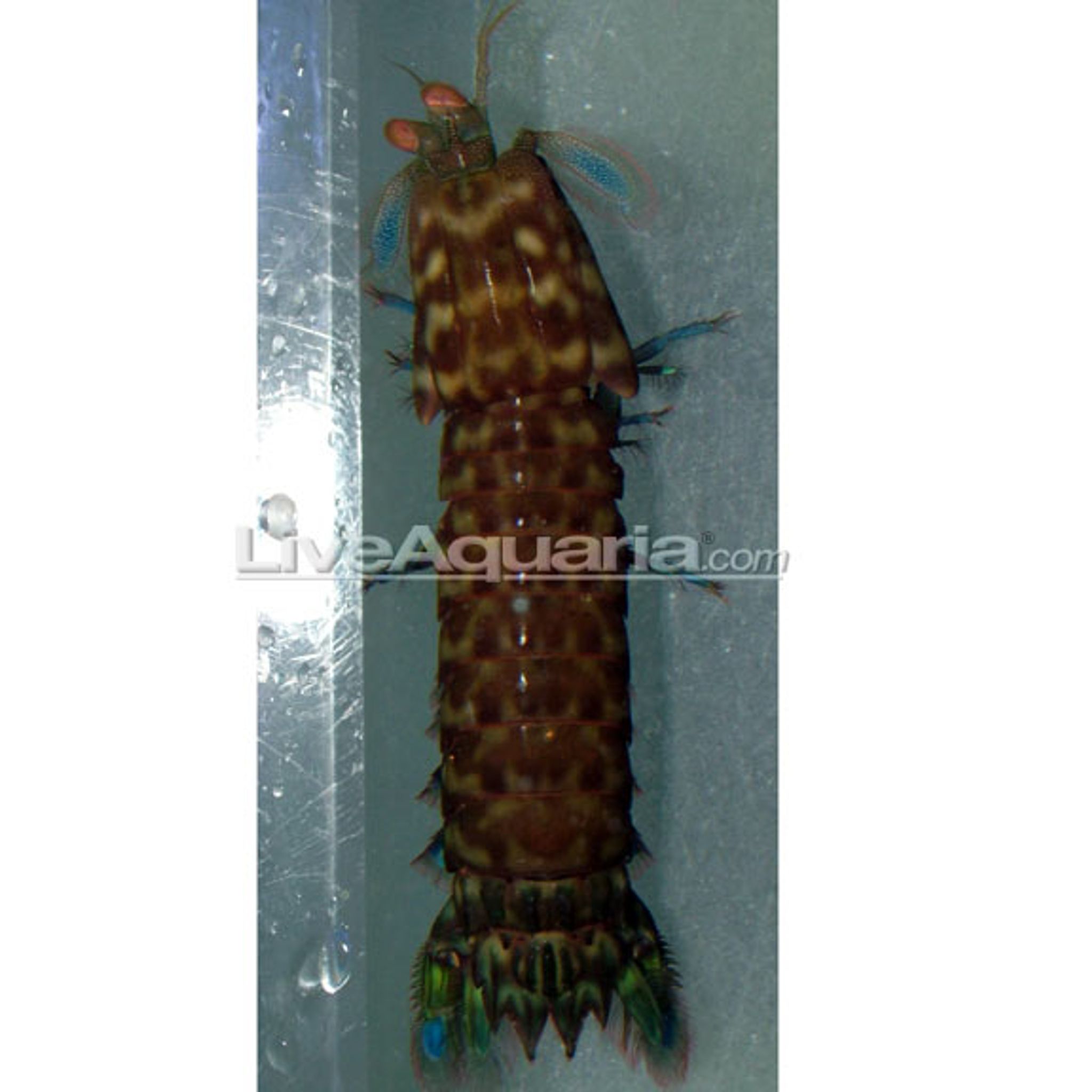
- Mantis shrimp
- Arrow crabs
- Emerald crabs, specifically when food is scarce
Every species on this list is a documented shrimp predator. The mouth-size rule above still applies as a sanity check, but these groups are risky enough — through either predation or sheer aggression — to skip outright in a sexy shrimp tank.
Where Compatibility Advice Gets Murky
A few pairings show up differently depending on the source, and the honest answer for each is more nuanced than a flat yes or no.
Clownfish. General "reef safe tank mate" lists often include clownfish, but shrimp-focused guides flag them as a problem. Clownfish rarely eat sexy shrimp outright, but they aggressively defend a host anemone and will bully or evict shrimp trying to share it. If you're keeping both, don't expect them to share the same anemone — give the shrimp their own coral or hiding spots away from the clownfish's territory. FishyHub stocks clownfish if you want to plan the anemone situation before adding either species.
Dottybacks. Most compatibility guides say avoid dottybacks outright, and that's the safer default. But keepers have reported sexy shrimp coexisting with orchid dottybacks for extended periods when the tank has heavy coral cover for the shrimp to retreat into. Treat dottybacks as high-risk rather than universally lethal — only viable in a densely aquascaped tank with abundant hiding spots, and never a good pairing for a beginner setup.
Emerald crabs. Some clean-up crew lists call them fully compatible; others flag them as opportunistic. In practice, emerald crabs are mostly algae and pest-focused, but an underfed one can turn predatory. If you keep them alongside sexy shrimp, feed them consistently and watch for changes in shrimp numbers.
Coral and Anemone Compatibility
Sexy shrimp are broadly reef-safe. They'll host in bubble-tip or carpet anemones and in large-polyp corals such as frogspawn, Duncan's, hammer, torch, green star polyps, and mushrooms — if you offer one. Individuals occasionally nip at coral polyps or SPS tissue, so watch any new coral addition for a few weeks before assuming it's fine. FishyHub's coral and anemone categories cover both the LPS options sexy shrimp naturally gravitate toward and anemone hosts if you decide to add one.
Understanding Sexy Shrimp Behavior
The species gets its name from a distinctive rocking, swaying motion — the "dance" that made it popular in the hobby. This movement is a natural filter-feeding and display behavior, not a sign of stress. What does indicate stress is a shrimp that's hiding and pale-colored; healthy sexy shrimp are active, visible, and holding their normal orange-and-white coloring.
Setting Up the Reef Tank for Sexy Shrimp
Provide plenty of physical cover: live rock rubble, macroalgae clumps, and coral branches all work. Cover matters most during molting, when shrimp shed their exoskeleton and are briefly soft and defenseless — predation risk spikes sharply in the hours right after a molt, so a shrimp without a nearby hiding spot at that moment is far more vulnerable than the same shrimp on any other day. Plan hiding spots with that timing in mind, not just as general decor.
Anemone and Host Options
In the wild, sexy shrimp associate with more than a dozen anemone genera plus various corals. In captivity, a host is optional enrichment, not a requirement — the shrimp will do fine perched on live rock or coral branches with no anemone at all. Don't feel pressured to buy an anemone specifically for this species; it adds a layer of husbandry difficulty (anemones have their own lighting and flow needs) without which sexy shrimp still thrive.
Shrimp-Only Nano Tank Builds
If fish predation risk feels like too much to manage, consider a shrimp-and-snail-only nano build. Pairing sexy shrimp only with other peaceful shrimp species and grazing snails removes fish predation from the equation almost entirely and is a popular approach for pico setups in the 5–10 gallon (19–38 L) range. It also simplifies feeding, since you're no longer managing competition from faster fish.
For bioload, a rough guideline for a 5–10 gallon pico build is to keep total shrimp and snail numbers modest relative to a light, mixed clean-up crew — a group of 3–5 sexy shrimp plus a handful of snails and one or two other peaceful shrimp species is a reasonable ceiling before nitrate management gets harder in that small a volume.
Feeding Sexy Shrimp Alongside Other Species
Sexy shrimp are weak competitors at feeding time. In a mixed tank, faster or bolder tank mates will out-eat them if you only broadcast-feed once. Offer targeted feedings of meaty frozen foods — mysis and brine shrimp — plus some plankton or algae-based food so they aren't starved out. Underfeeding is one of the most common root causes behind coral-picking and shrimp-on-shrimp aggression, so it's worth solving before assuming a tank mate is "the problem."
Breeding Sexy Shrimp in a Reef Tank
Breeding is possible but difficult in a mixed display tank. Females visibly carry eggs under their abdomen, but the larvae are planktonic and almost never survive being pulled through filtration or eaten by other tank inhabitants. Serious breeding requires a separate rearing setup fed with newly hatched brine shrimp. Treat this as a bonus outcome of a healthy, well-fed group rather than something to plan a stocking list around.
A Note on Medications: Copper Is Lethal
If any fish in the tank ever needs copper-based medication for disease treatment, that medication must happen in a separate quarantine tank — copper is lethal to all shrimp, sexy shrimp included, at concentrations used to treat fish. This is easy to overlook because the fish being treated may show no connection to the shrimp tank at all; if copper touches the main display, the shrimp won't survive it.
Common Mistakes to Avoid
- Adding sexy shrimp to a tank with any fish whose mouth is big enough to fit them, even species usually labeled reef-safe.
- Underfeeding shrimp because bolder tank mates outcompete them, leading to malnutrition, coral-nipping, or shrimp attacking each other.
- Skipping slow drip acclimation — temperature and salinity shock kill more shrimp than tank mate choice.
- Buying an anemone because it seems required — it's optional enrichment, not a survival need.
- Leaving too little physical cover, exposing shrimp right when they're most vulnerable during a molt.
- Mixing in large or aggressive clean-up crew members, like oversized hermit crabs or arrow crabs, that outcompete or prey on them.
Frequently Asked Questions
Will sexy shrimp get eaten by clownfish?
Not typically eaten, but clownfish will aggressively defend a shared host anemone and can bully sexy shrimp away from it. Give each species its own hiding spot or host rather than expecting them to share one anemone.
Can sexy shrimp live with peppermint or cleaner shrimp?
Yes. Peppermint shrimp and cleaner or skunk shrimp are among the most commonly recommended peaceful shrimp tank mates for sexy shrimp.
Do sexy shrimp need an anemone to survive?
No. They thrive in captivity without a host anemone — it's optional enrichment rather than a requirement, and skipping it avoids unnecessary anemone husbandry.
Can sexy shrimp live in a shrimp-only or snail-only tank?
Yes, and it's a common, low-risk nano build. Pairing them only with other peaceful shrimp and grazing snails removes fish predation risk almost entirely.
Are sexy shrimp reef safe with SPS corals?
Mostly yes, but individuals occasionally nip at coral polyps or SPS tissue, especially if they're underfed. Watch new coral additions for a few weeks after introducing shrimp.
What fish will eat sexy shrimp?
Any predatory or large-mouthed species is a risk, including dottybacks, hawkfish, large wrasses, triggerfish, puffers, and anglerfish, along with mantis shrimp among invertebrates.
How many sexy shrimp should I keep together?
Keep a small group of 3–5 or more rather than one or two. They're social and noticeably more active and confident in numbers, and a 5-gallon (19 L) tank is enough space for a group that size.
Can sexy shrimp breed in a community reef tank?
Females can carry and release eggs in a display tank, but the planktonic larvae rarely survive without a dedicated rearing setup and newly hatched brine shrimp. Treat any breeding as incidental rather than something to plan for.
Ready to build out a compatible stocking list? Browse FishyHub's full range of marine invertebrates to compare peaceful shrimp, crabs, and snails before adding fish to your sexy shrimp reef tank.


