1–40 of 68
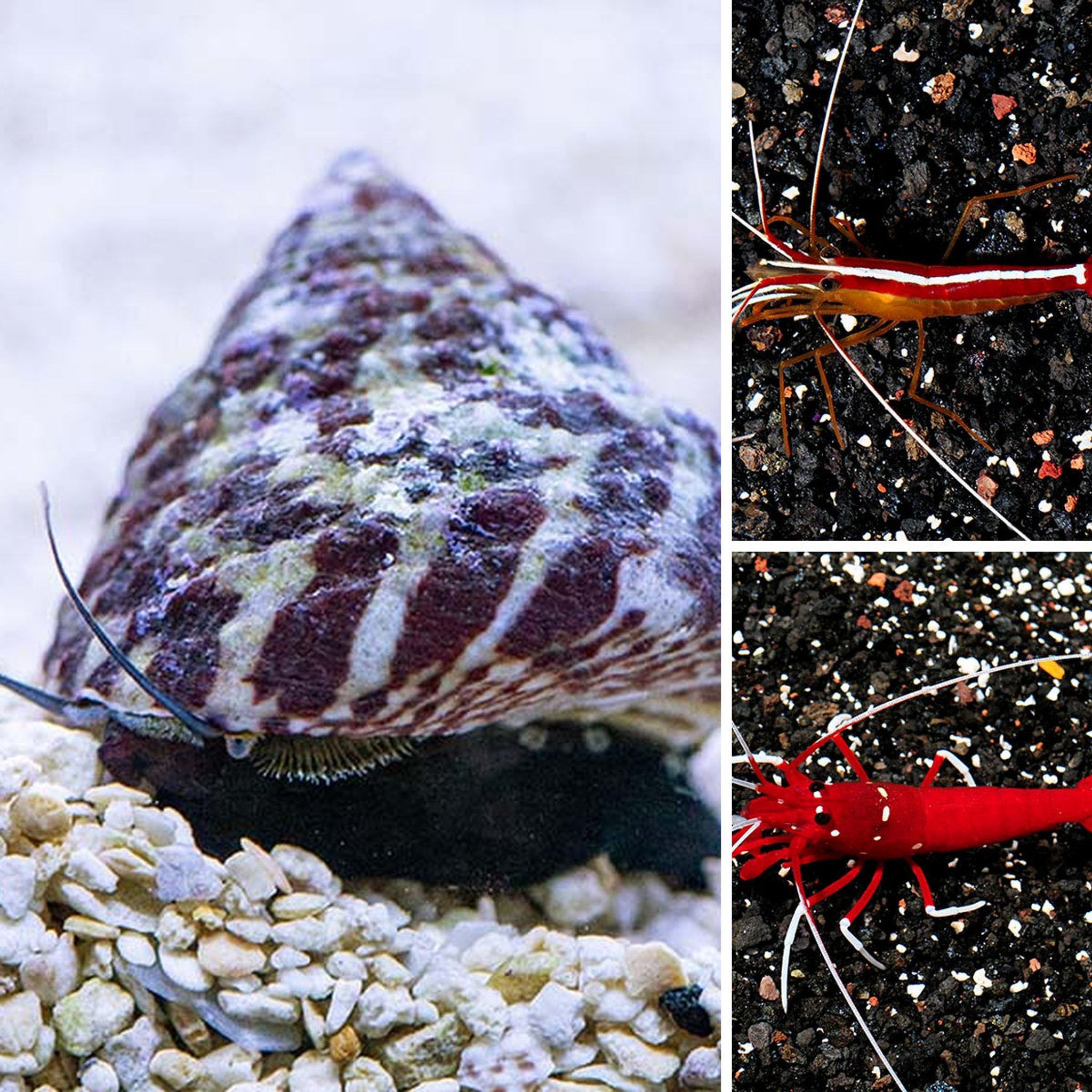


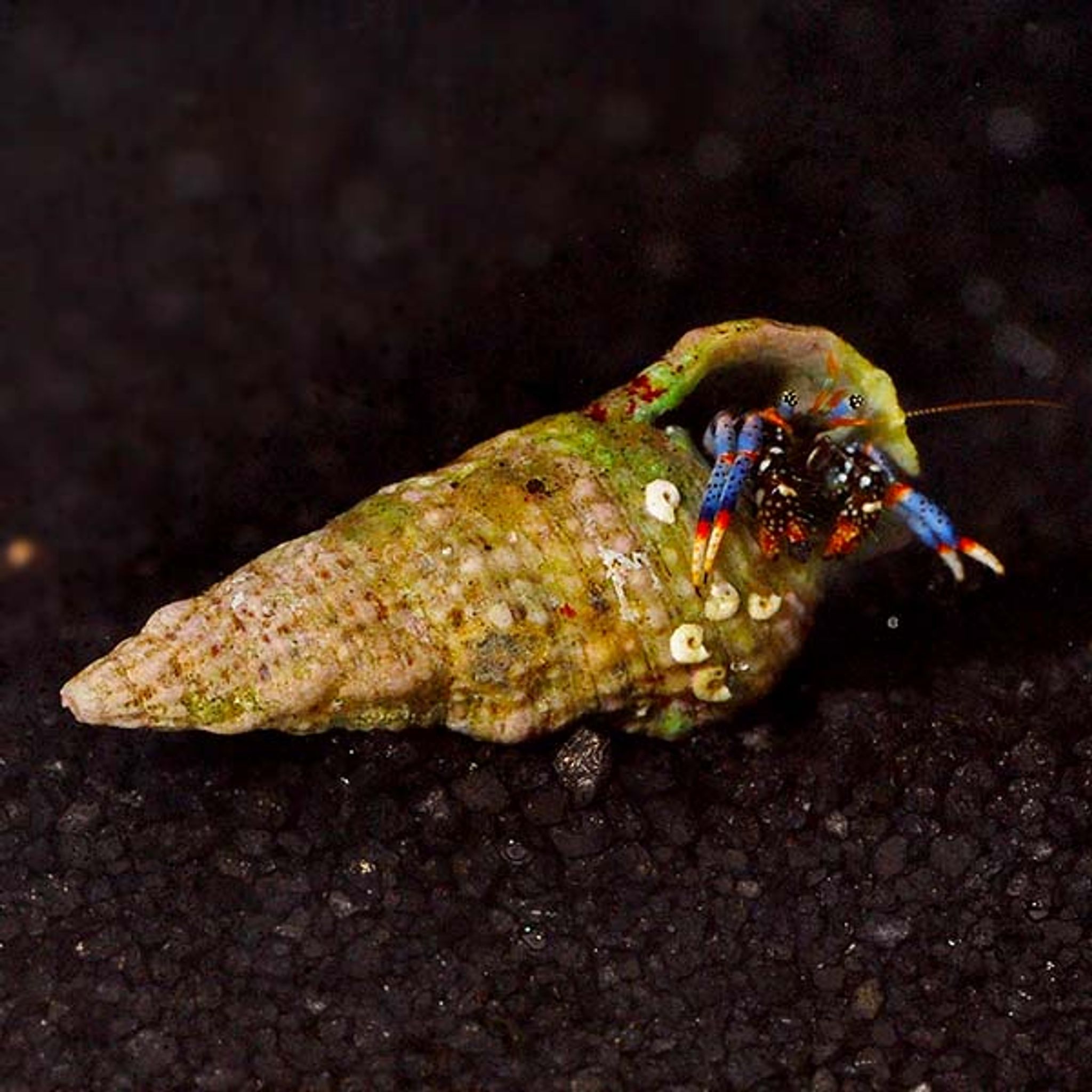
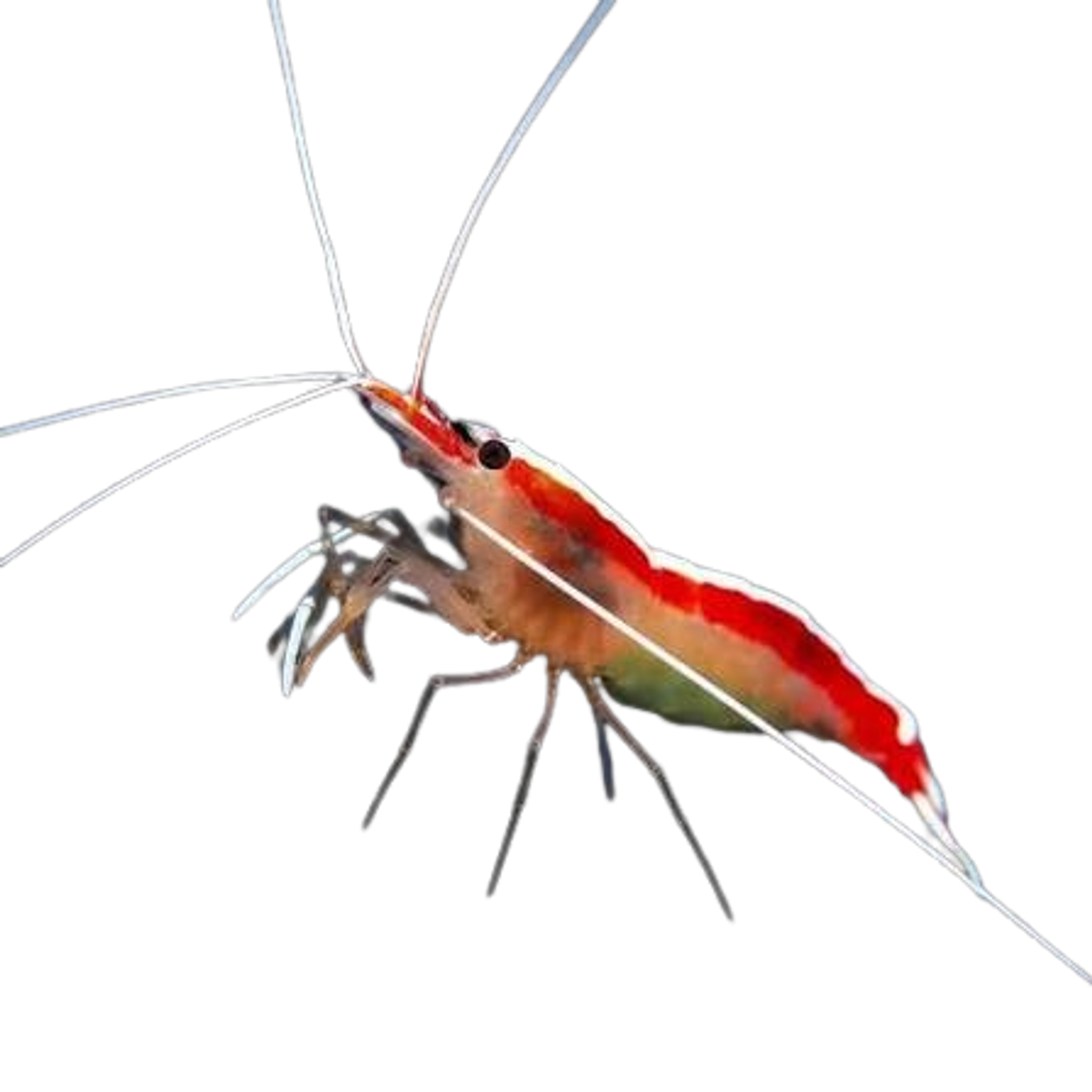


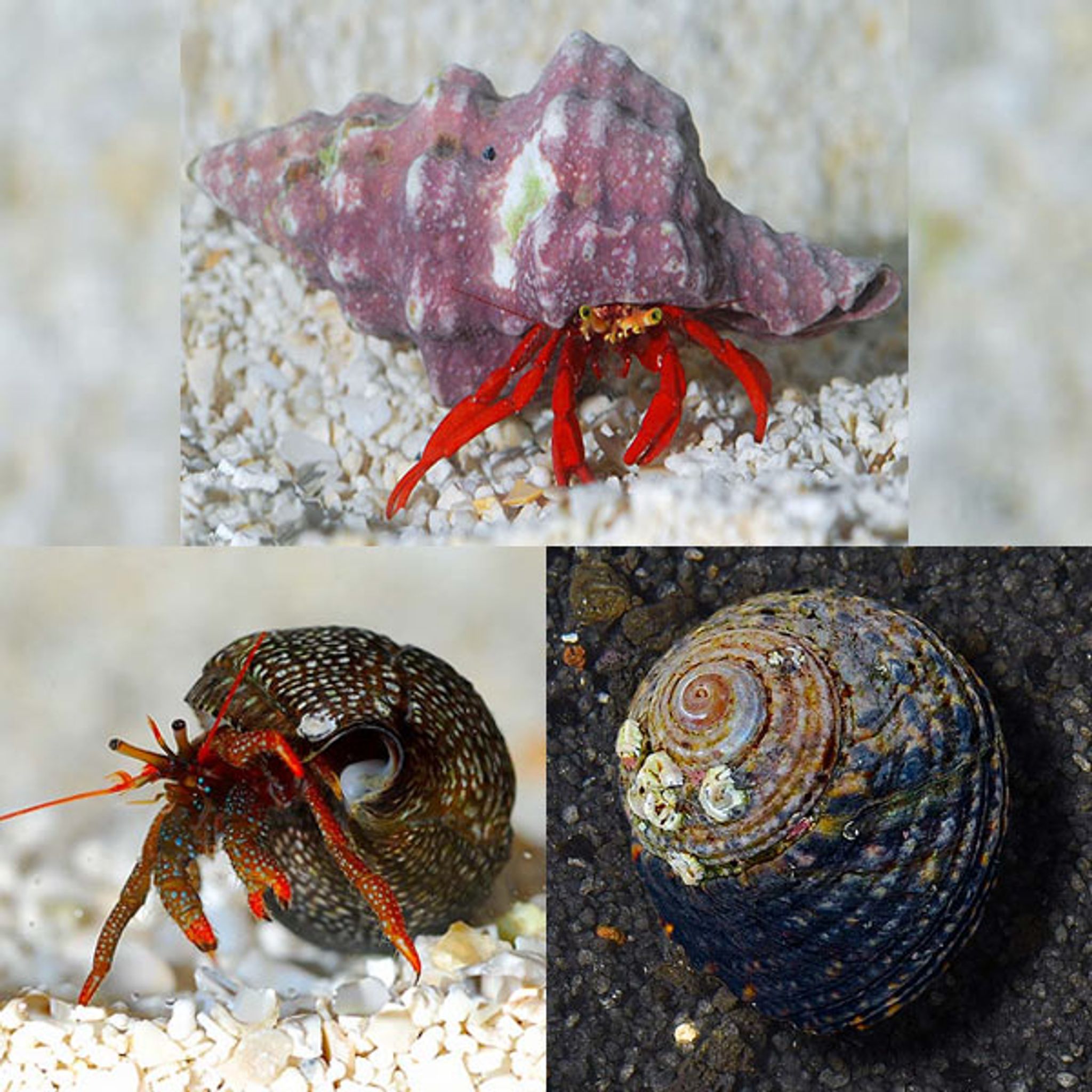
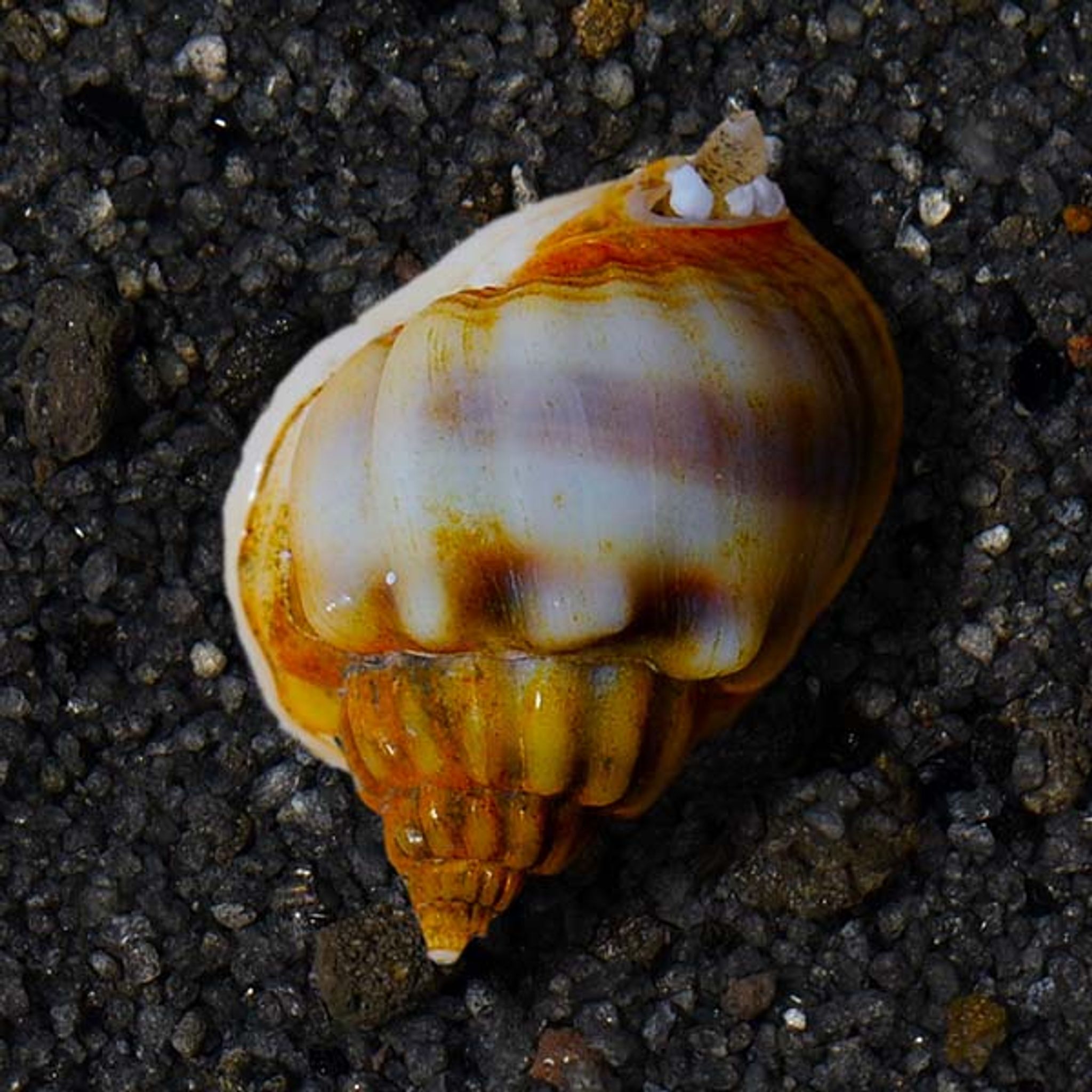
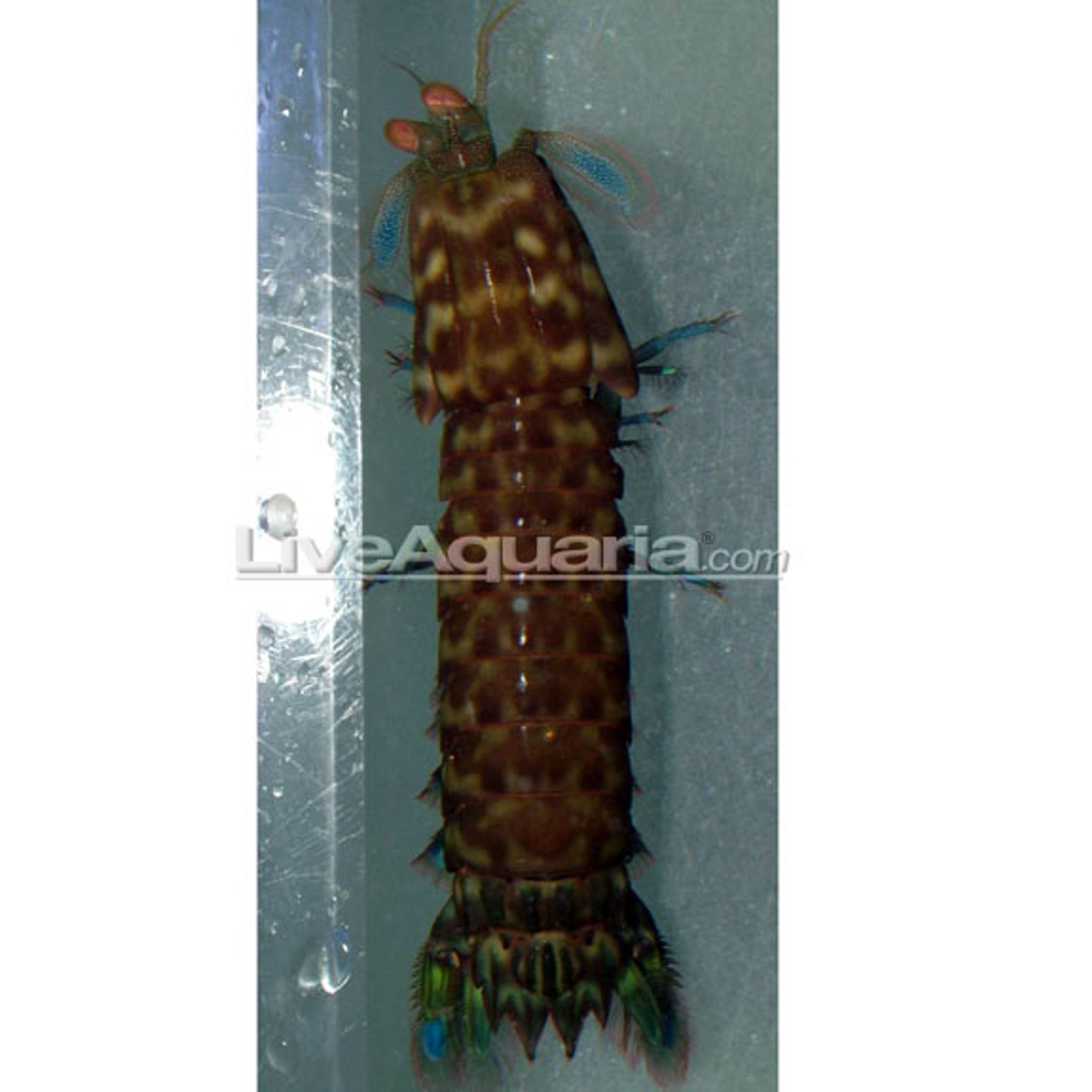
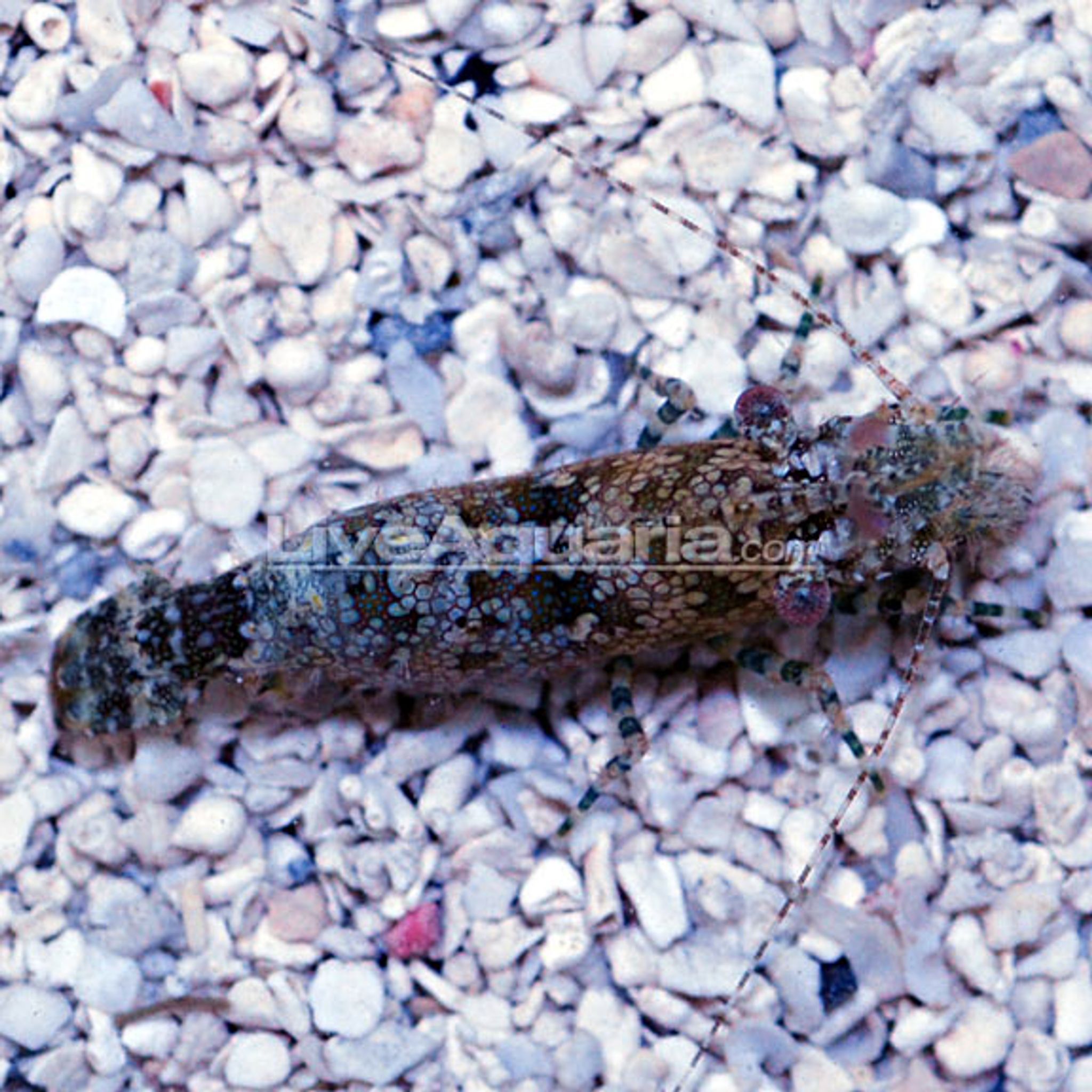
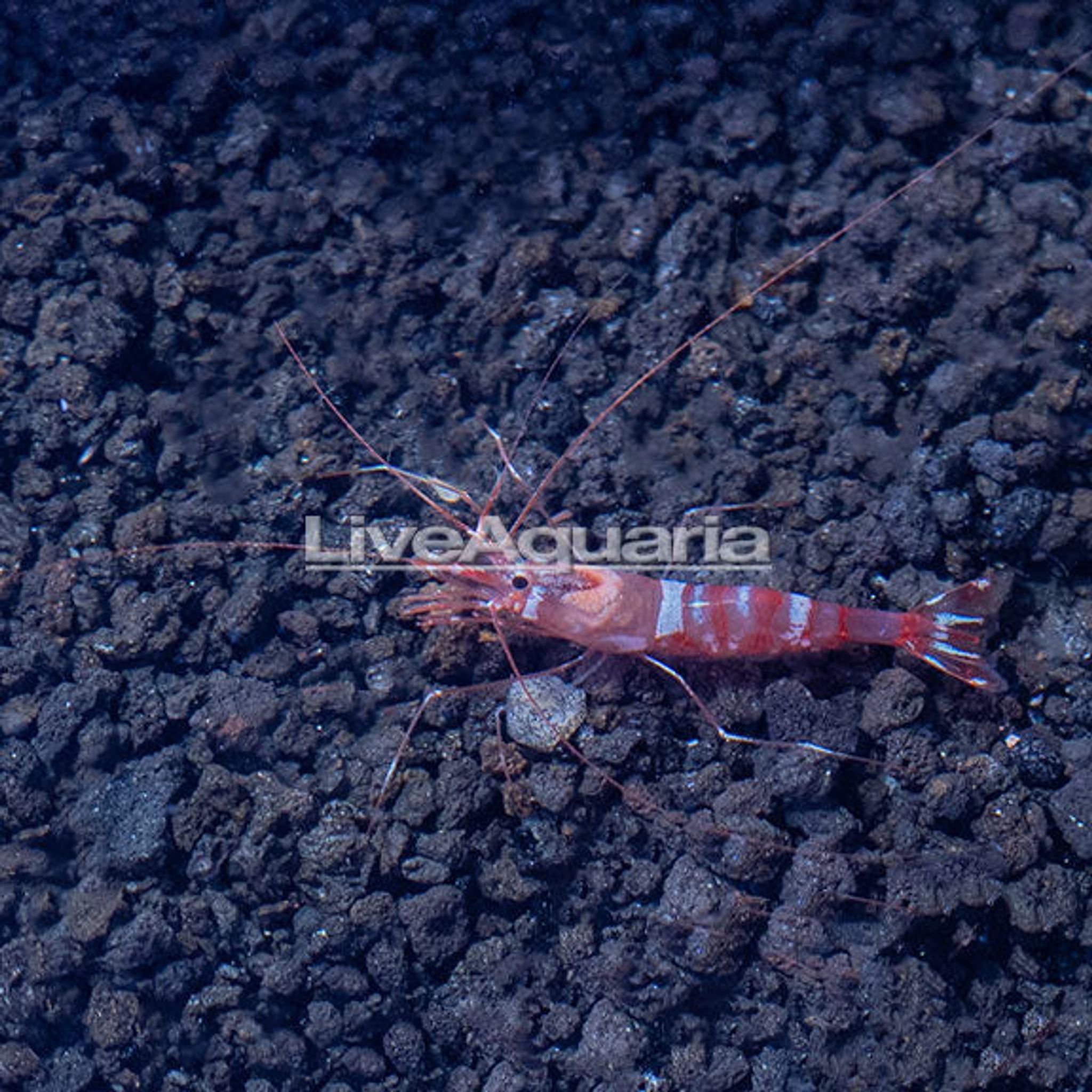
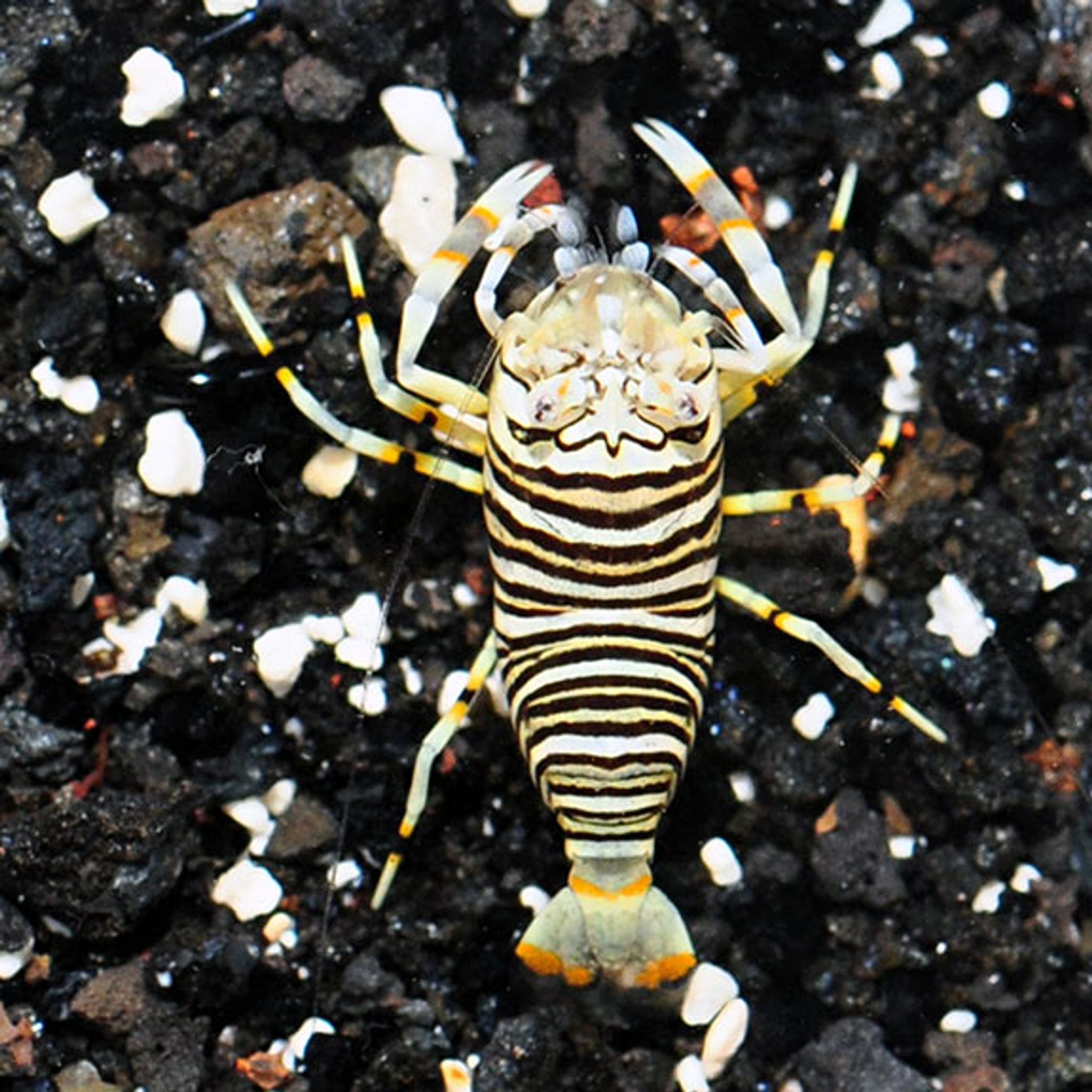
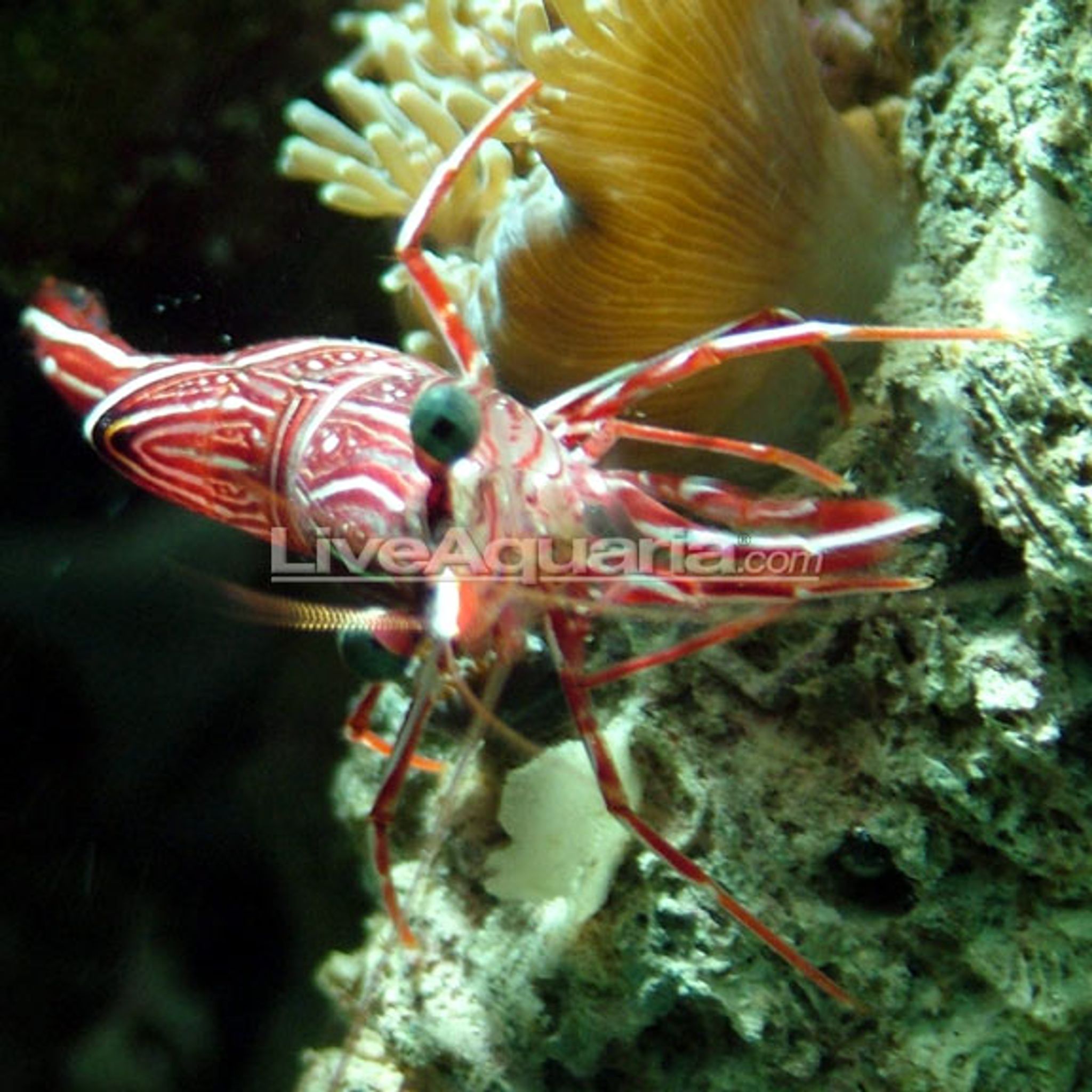
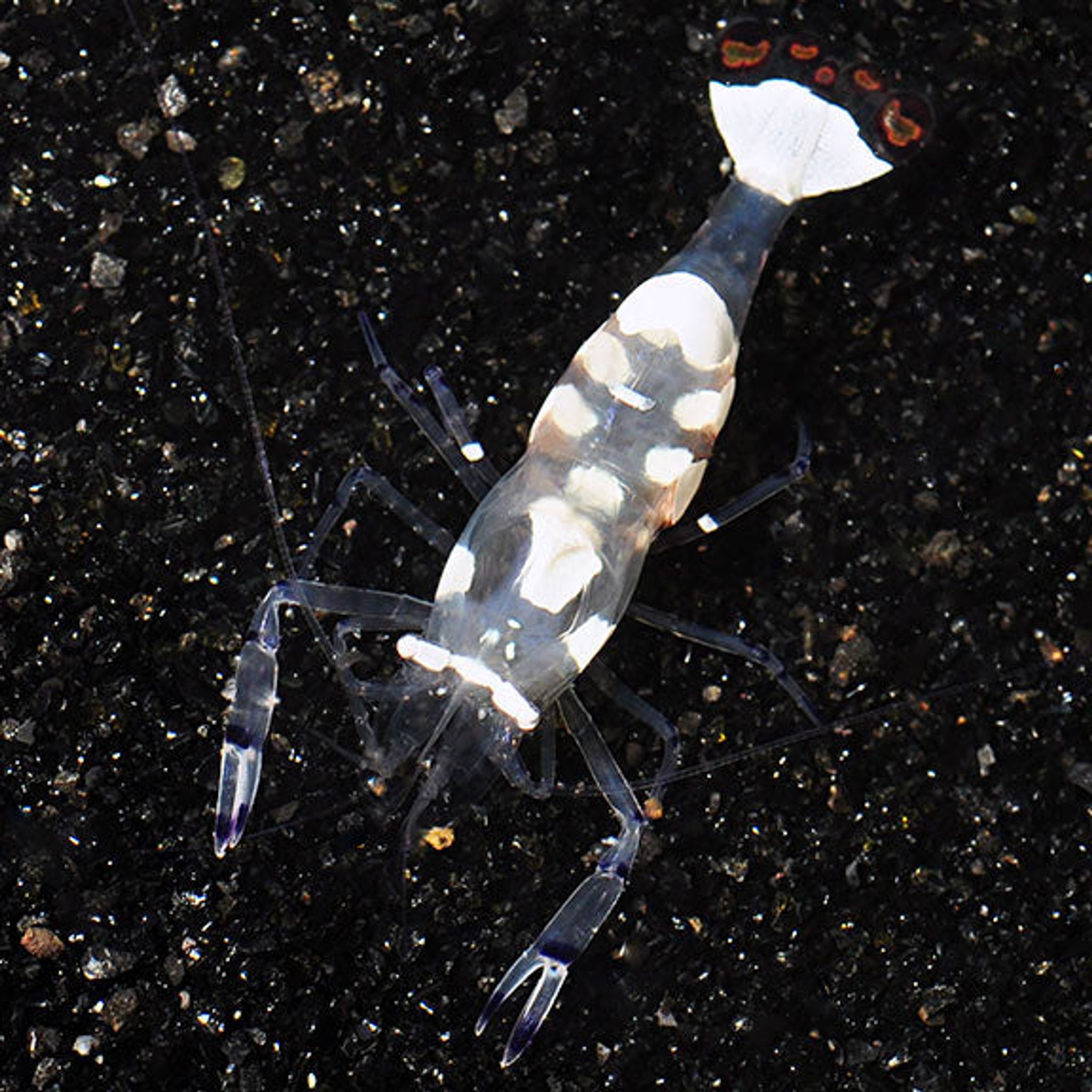
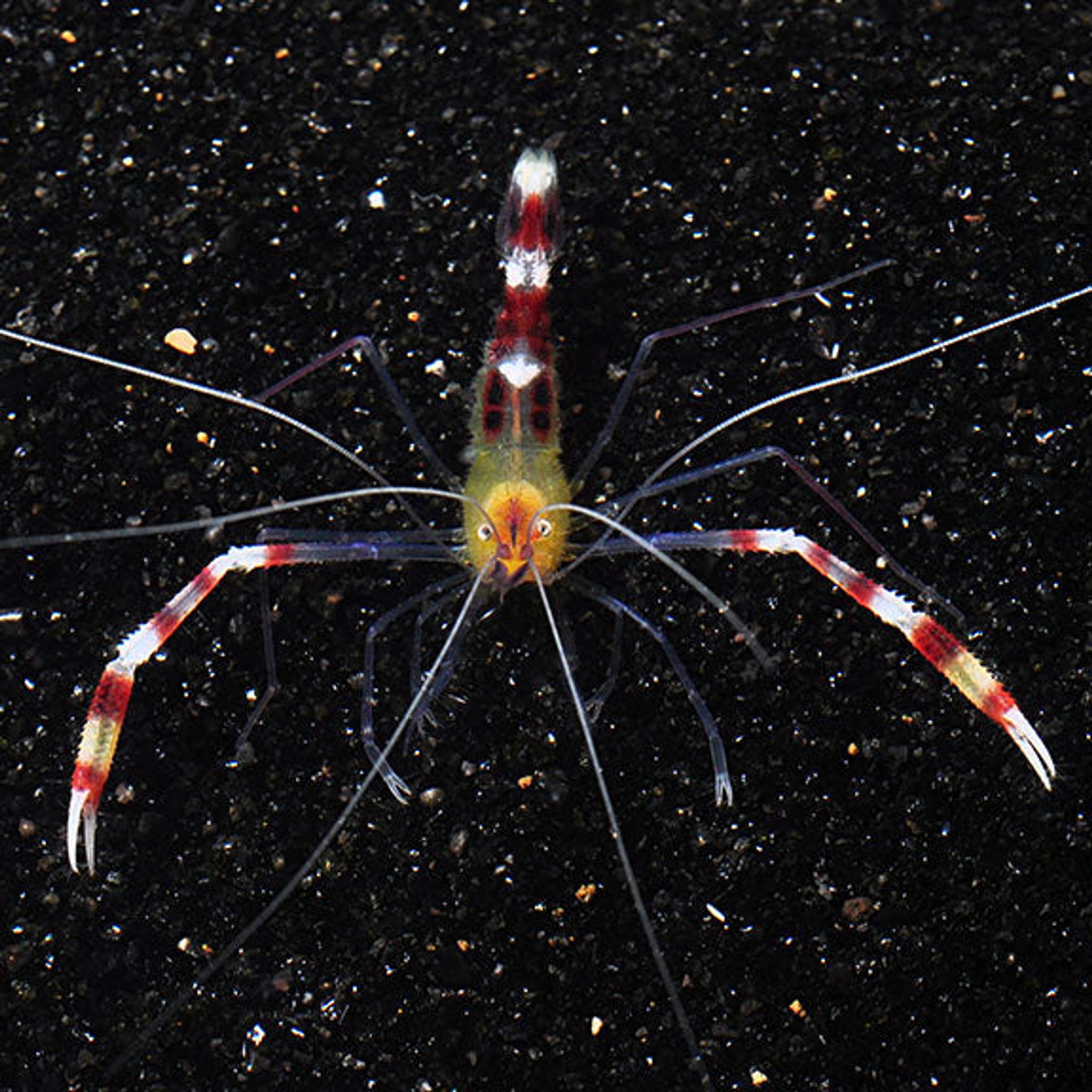
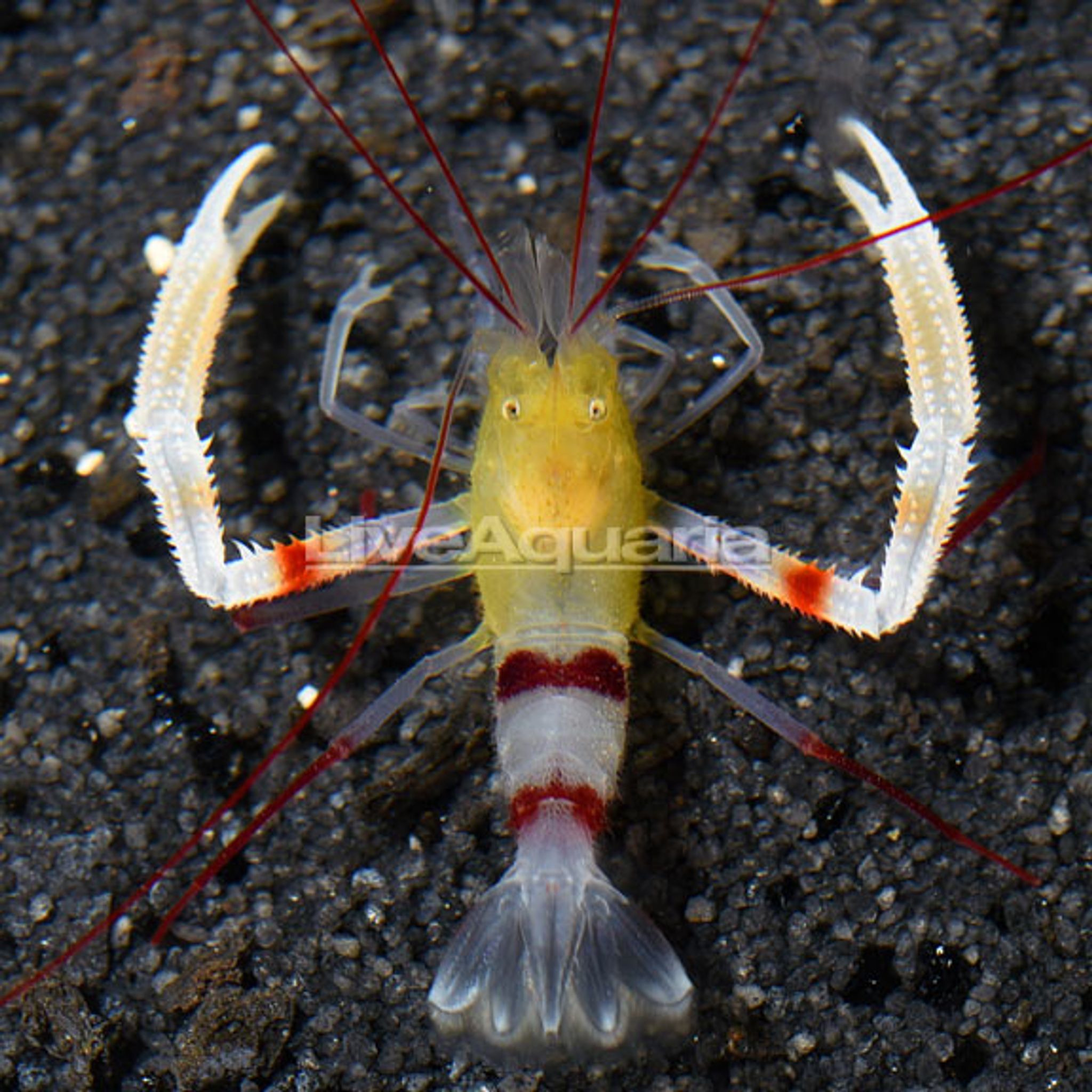
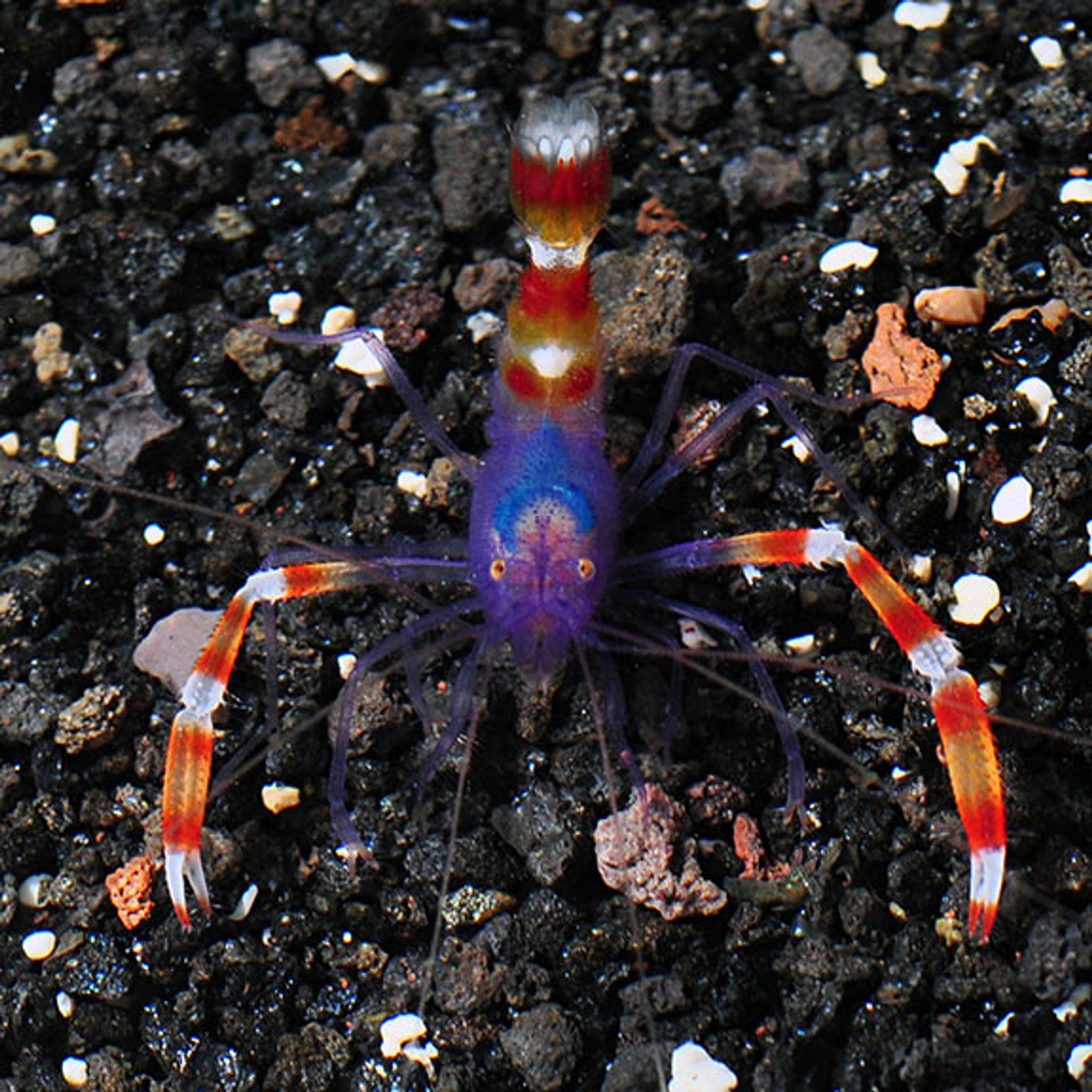
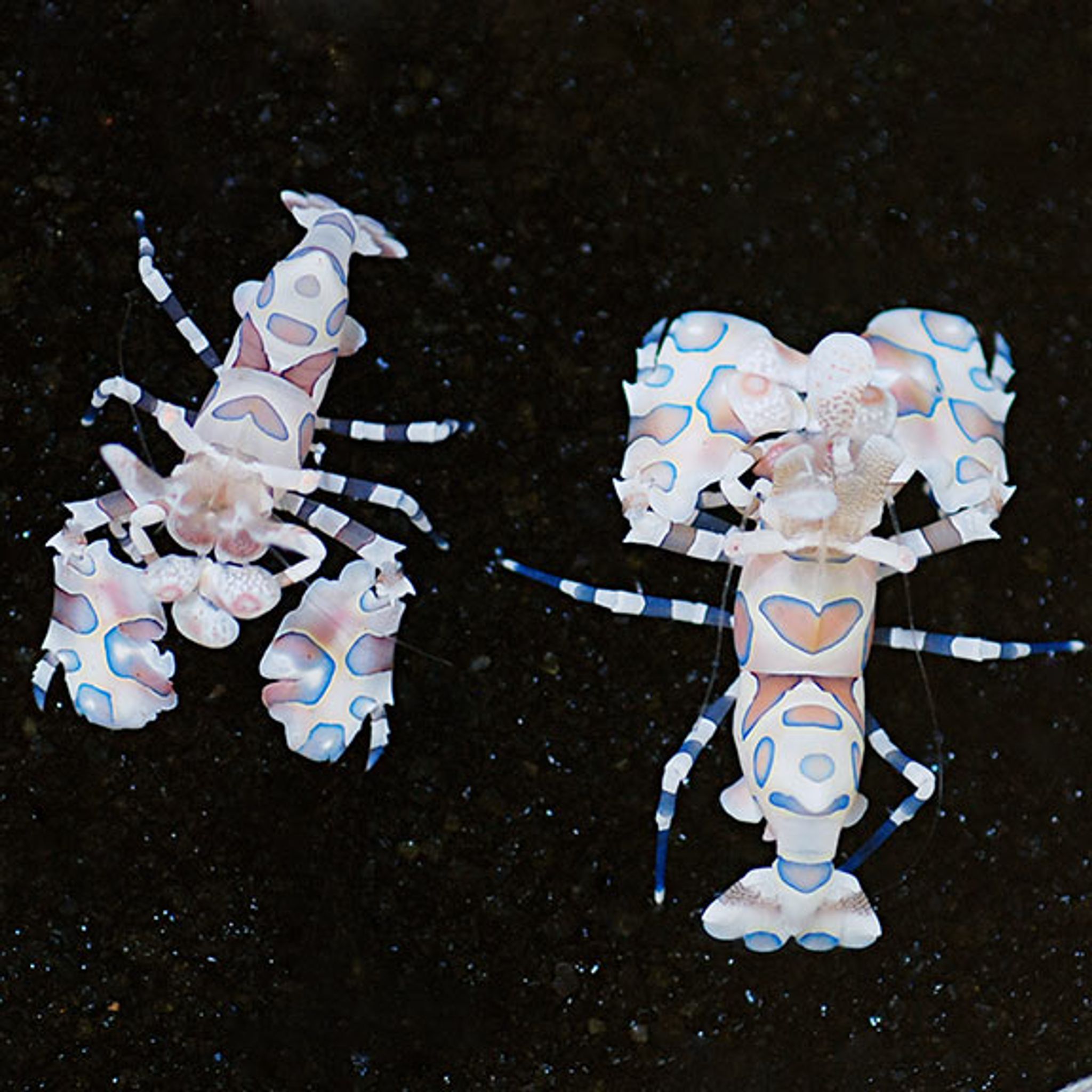
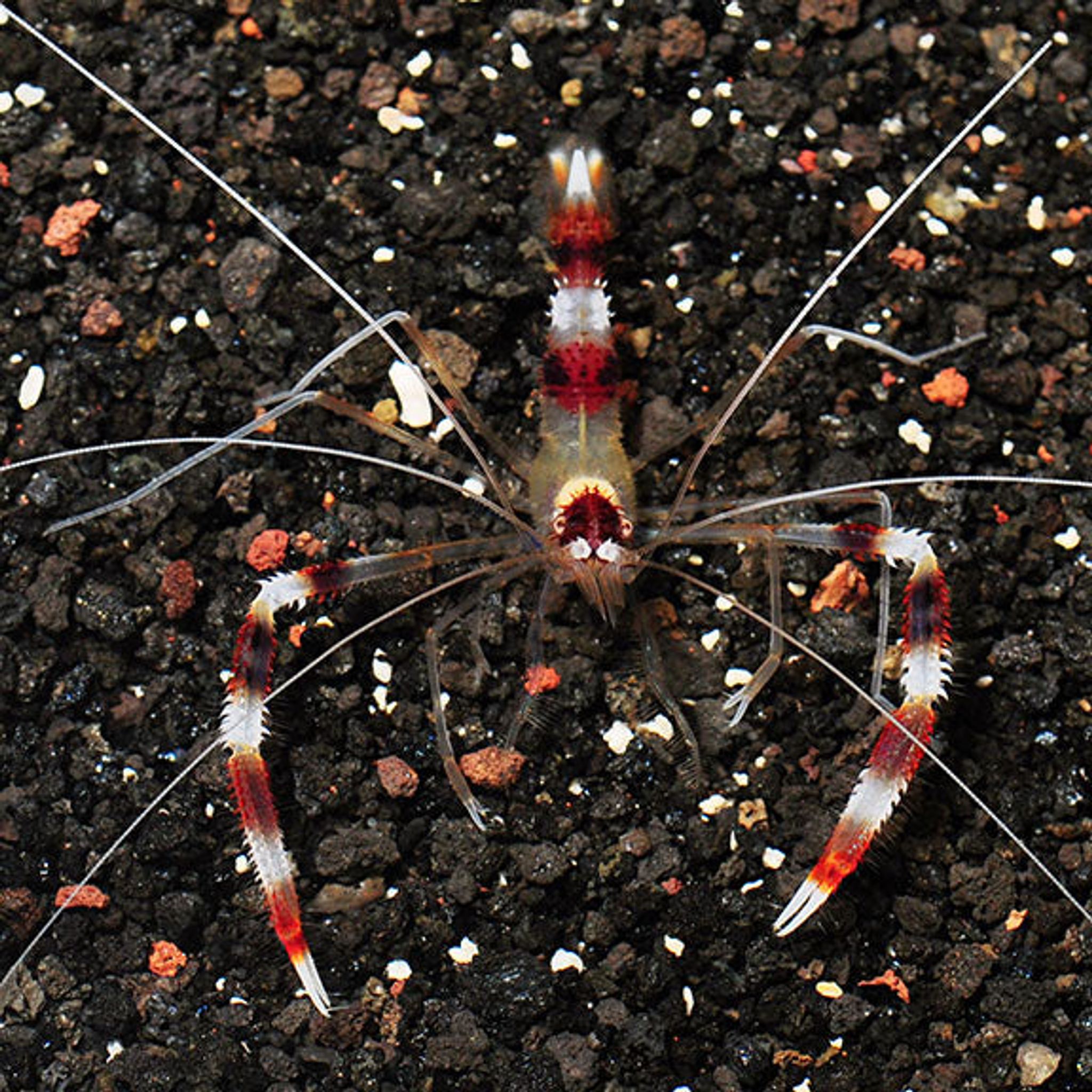
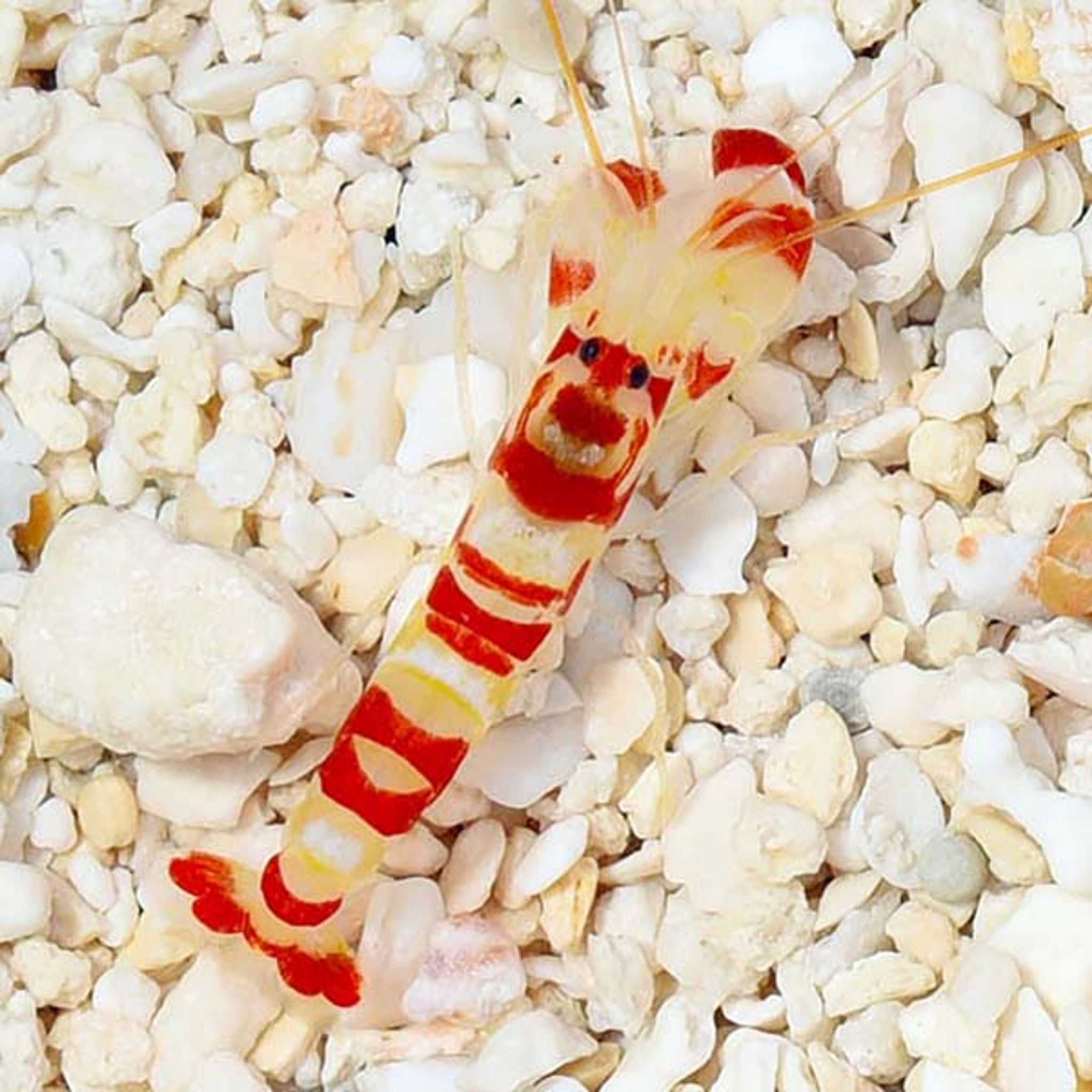
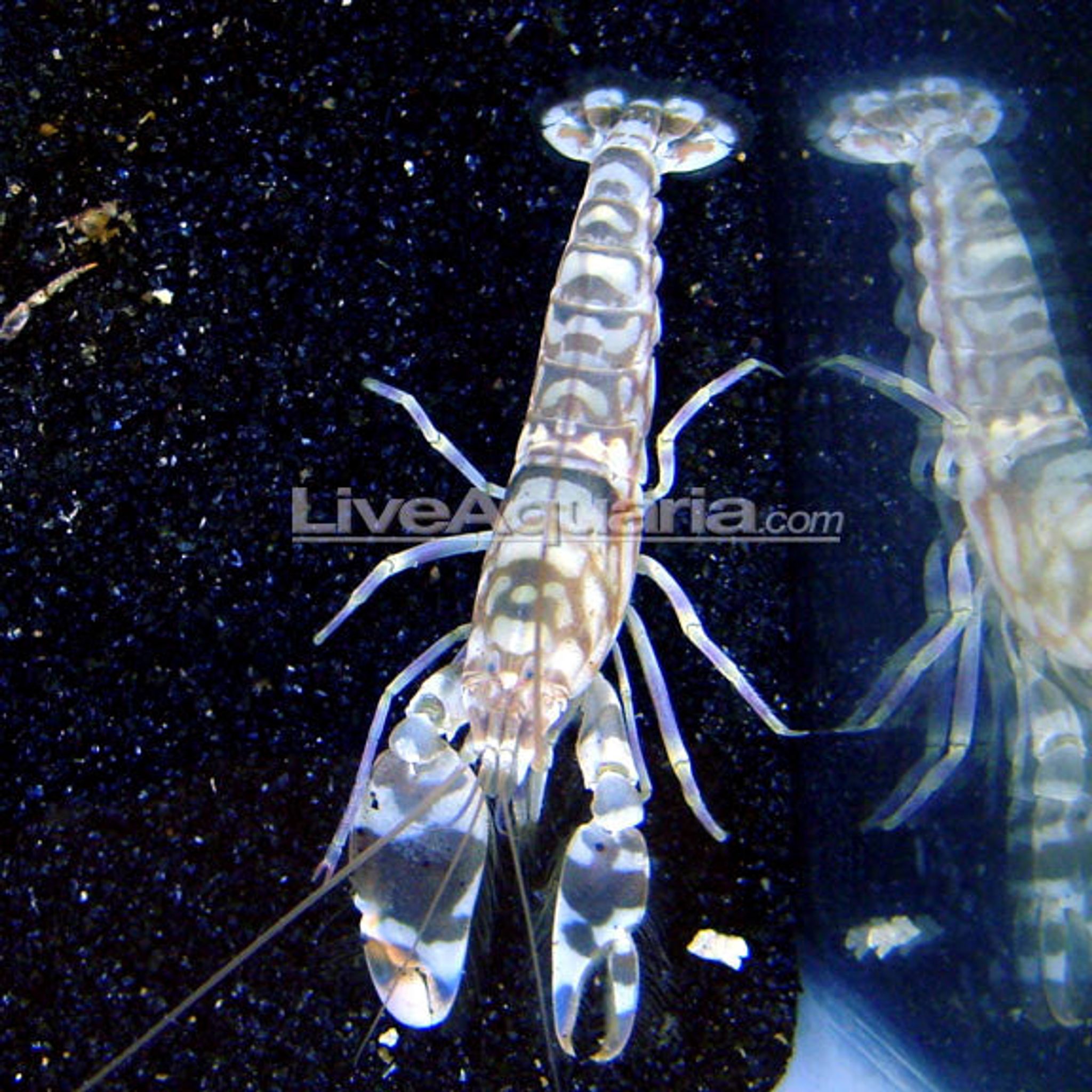
Shop marine invertebrates online from saltwater aquarium stores, breeders and specialist marine livestock sellers across the United States on FishyHub. Compare marine shrimp, crabs, snails, starfish, sea urchins and other saltwater invertebrates by species, size, reef compatibility and seller.
Marine invertebrates bring movement, color and specialized behavior to reef and saltwater aquariums. FishyHub helps U.S. hobbyists compare marine invertebrate listings from multiple sellers in one marketplace.
Buying marine invertebrates online gives hobbyists access to a wider selection of reef animals than may be available from a single local aquarium store.
Compare exact species, adult size, diet, reef compatibility, aquarium role, seller information and shipping options before choosing marine invertebrates for your saltwater aquarium.
Popular marine invertebrates in saltwater and reef aquariums include:
Marine shrimp include colorful and highly recognizable reef species such as Cleaner Shrimp, Fire Shrimp, Peppermint Shrimp and other ornamental varieties.
Different species have different diets, behaviors and reef compatibility, so identify the exact shrimp before adding it to a marine aquarium.
Marine crabs range from small algae-grazing species to highly specialized animals with very different feeding habits.
Emerald Crabs, Porcelain Crabs, Hermit Crabs and other species may all be sold for reef aquariums, but their behavior should be evaluated individually rather than treating all crabs as interchangeable.
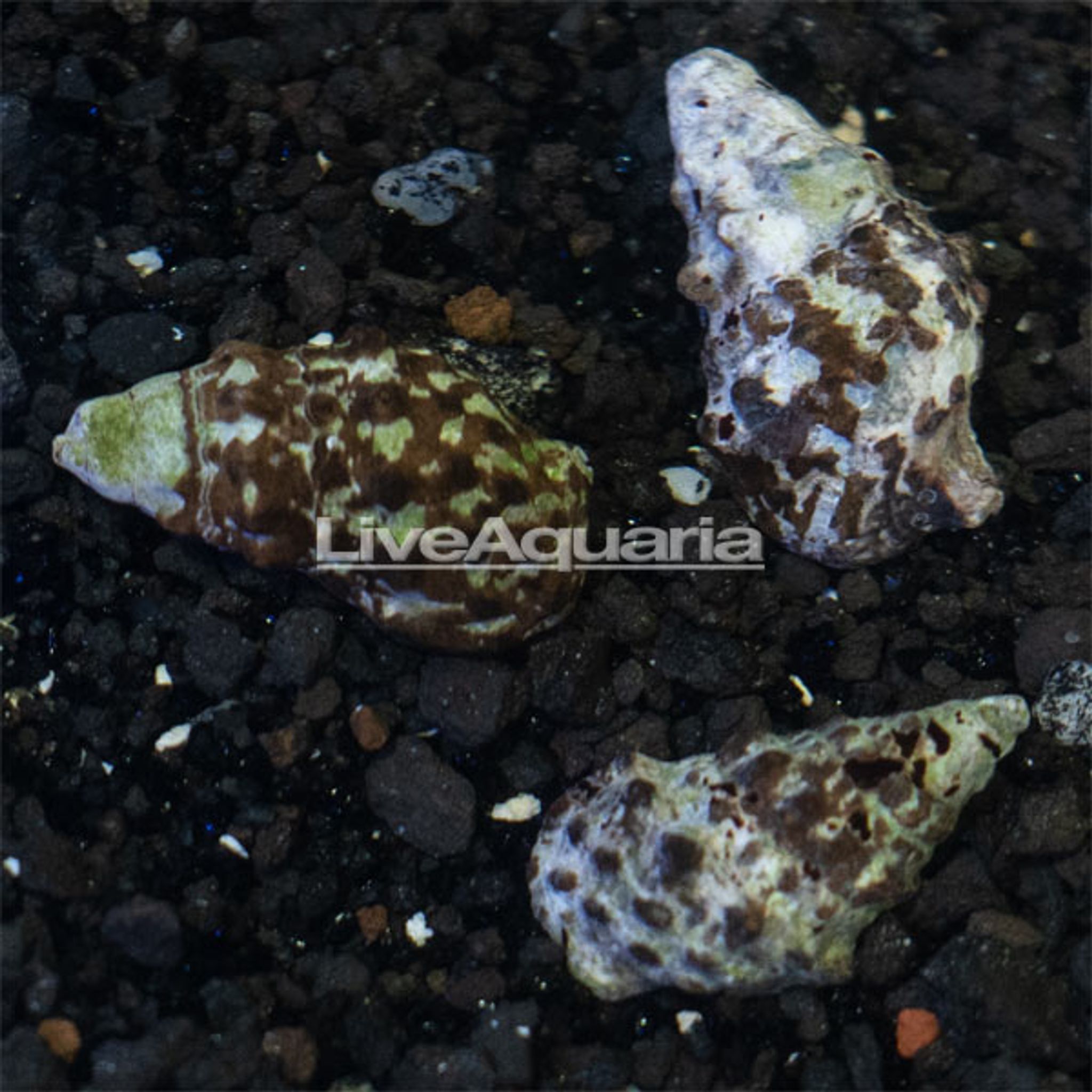
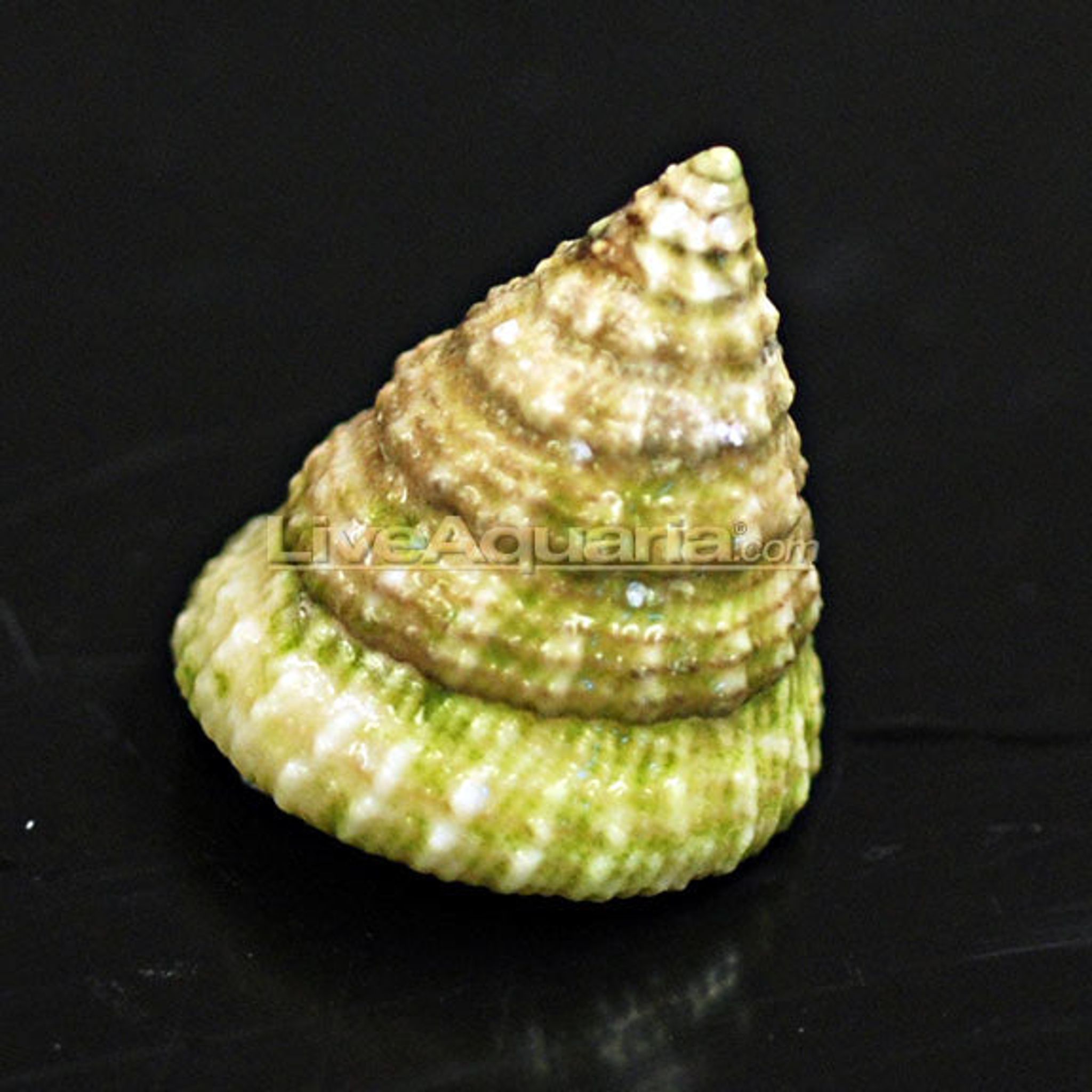
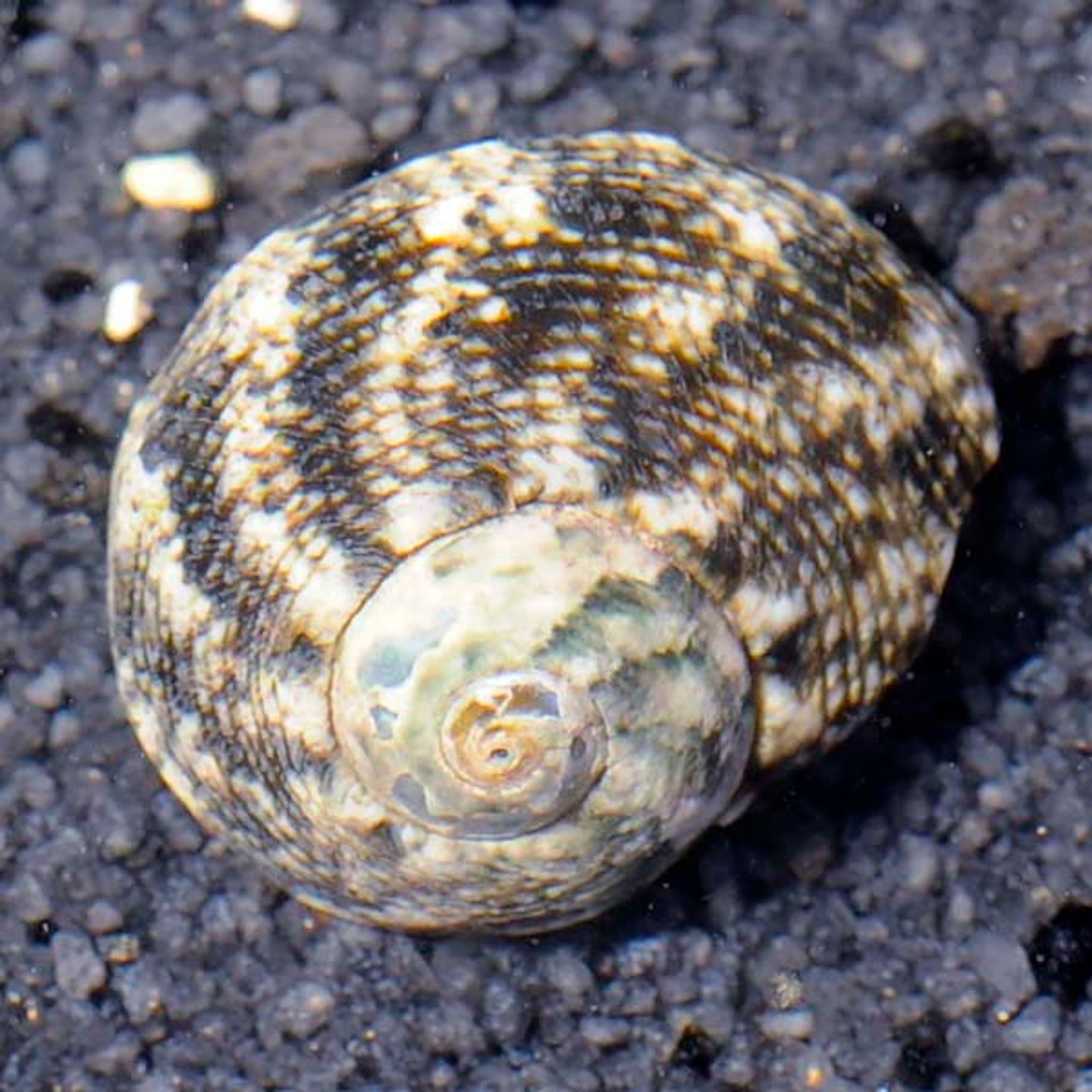
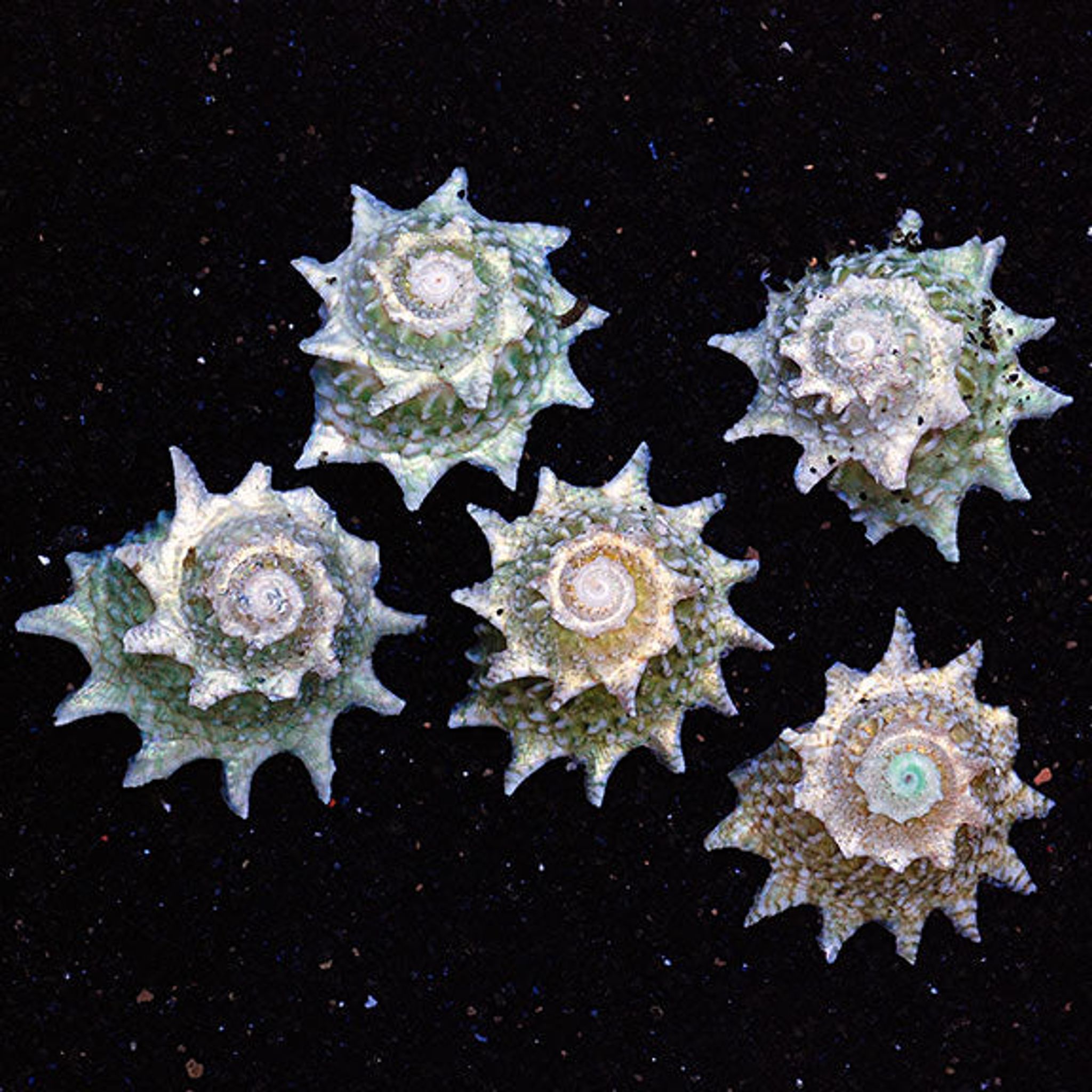
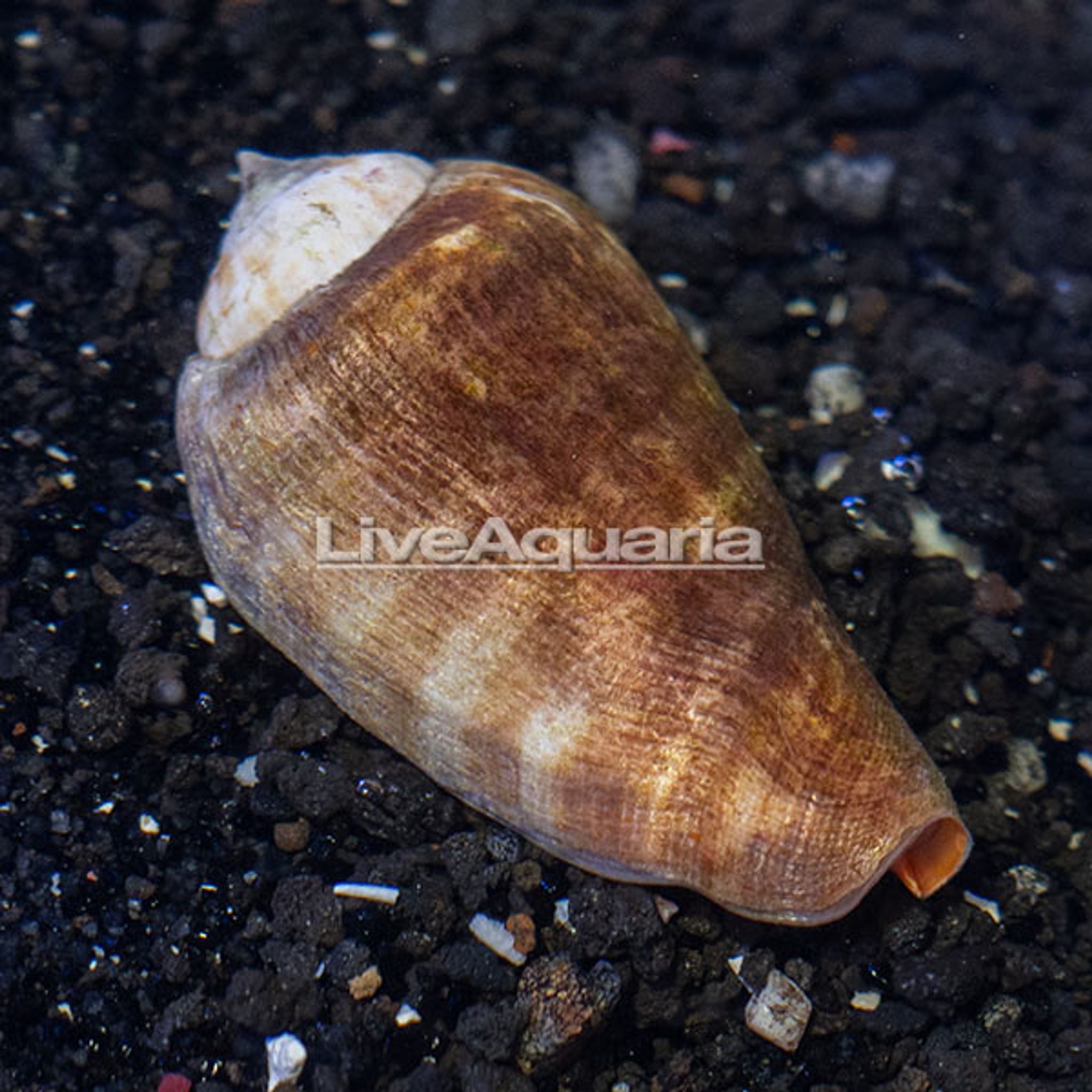
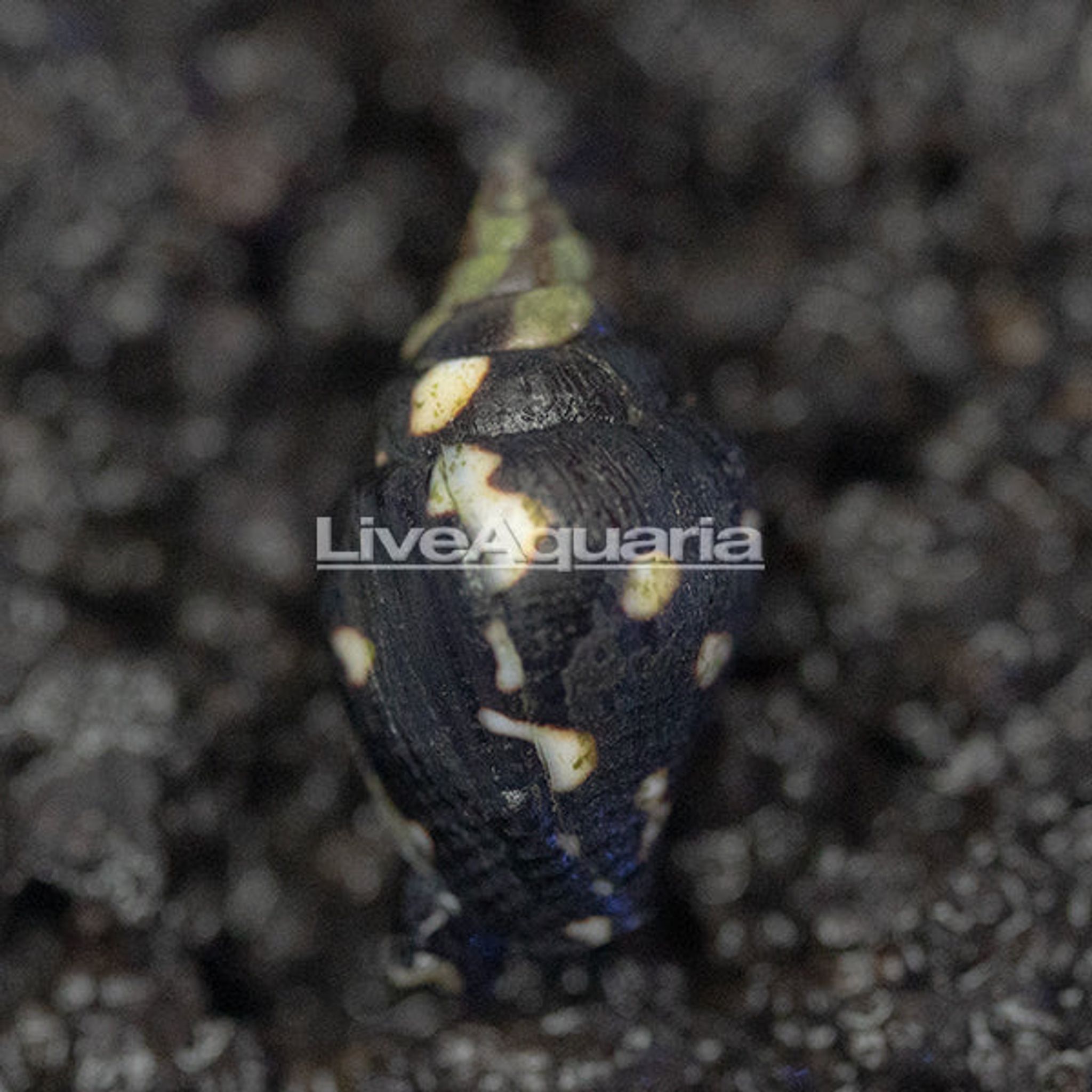
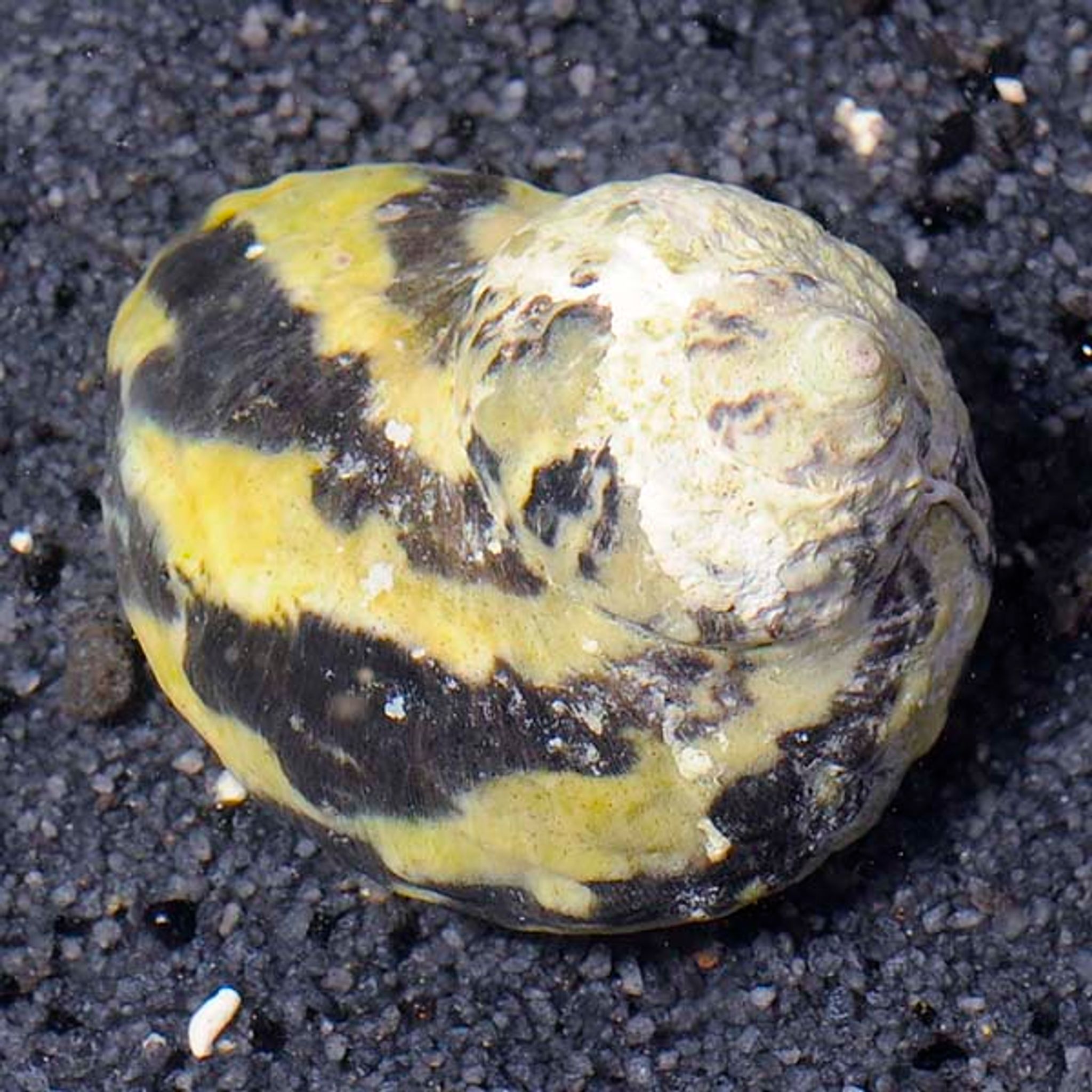
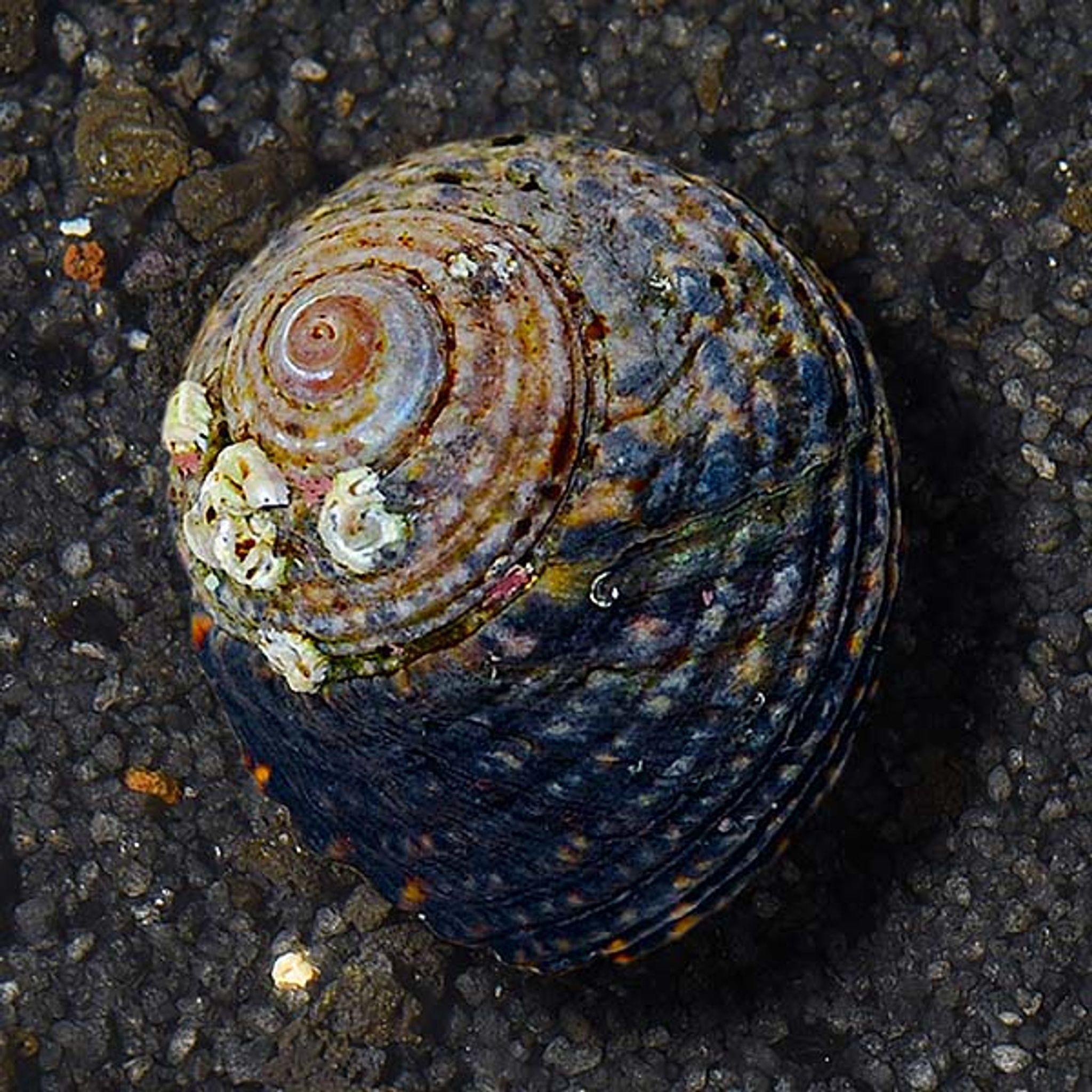
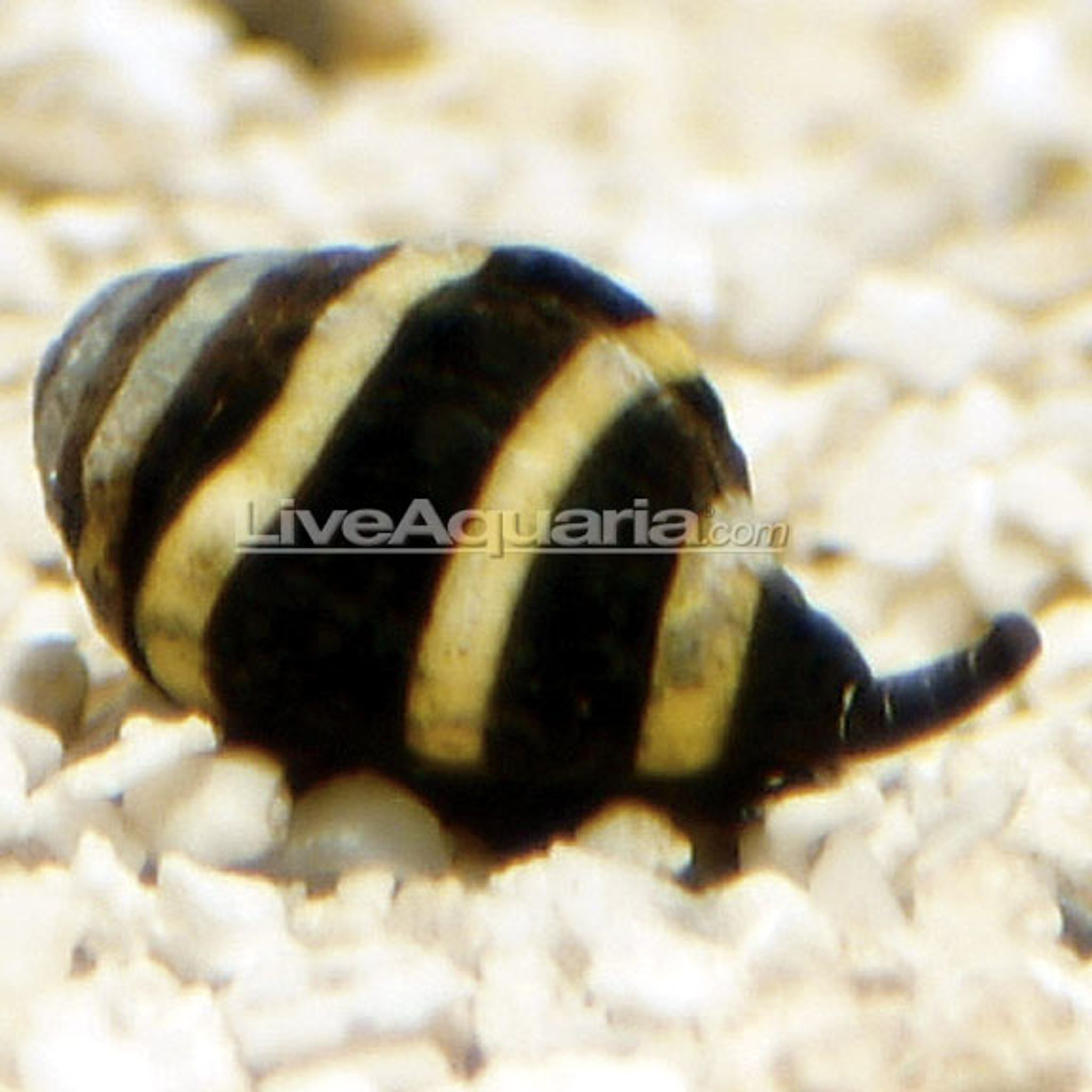
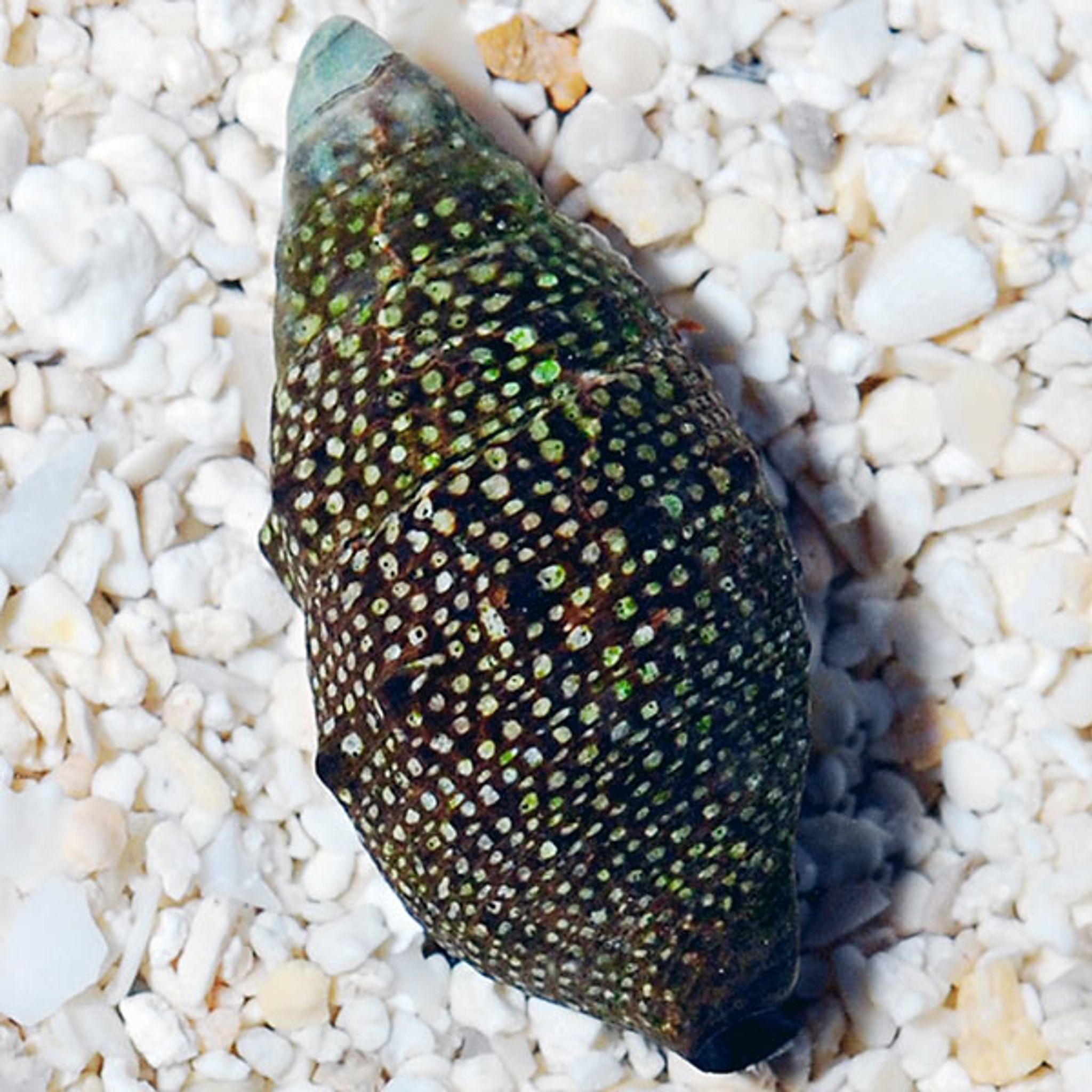
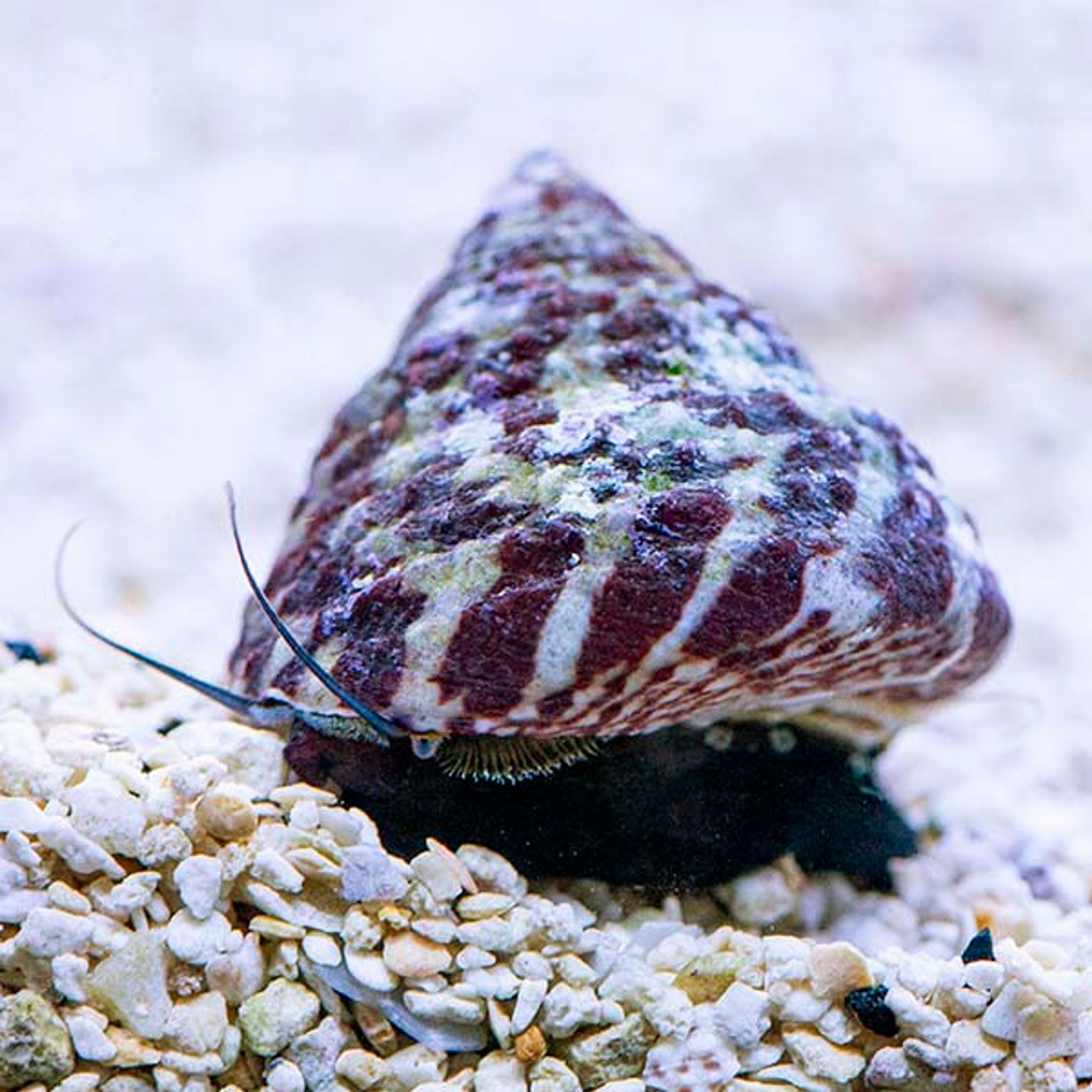
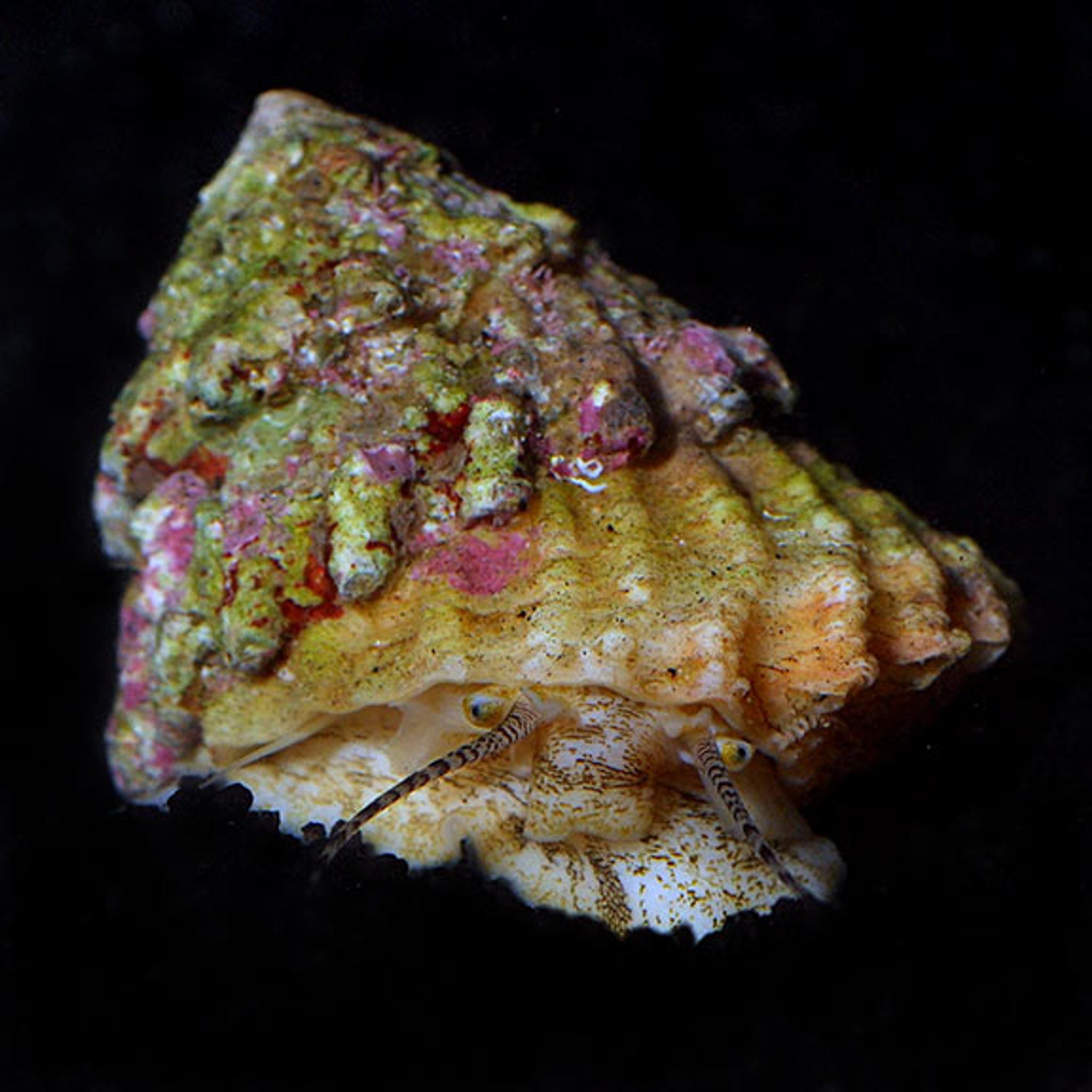
Marine snails are popular reef invertebrates because many species graze algae, consume detritus or move through sand and rockwork.
Trochus, Turbo, Nerite, Cerith, Nassarius and other marine snails have different feeding strategies, so cleanup crew selection should be based on the aquarium's actual needs.
Sea stars can be among the most distinctive marine invertebrates in a saltwater aquarium.
Care difficulty varies dramatically between species, and some require mature aquariums or specialized diets that cannot be replaced by general fish food.
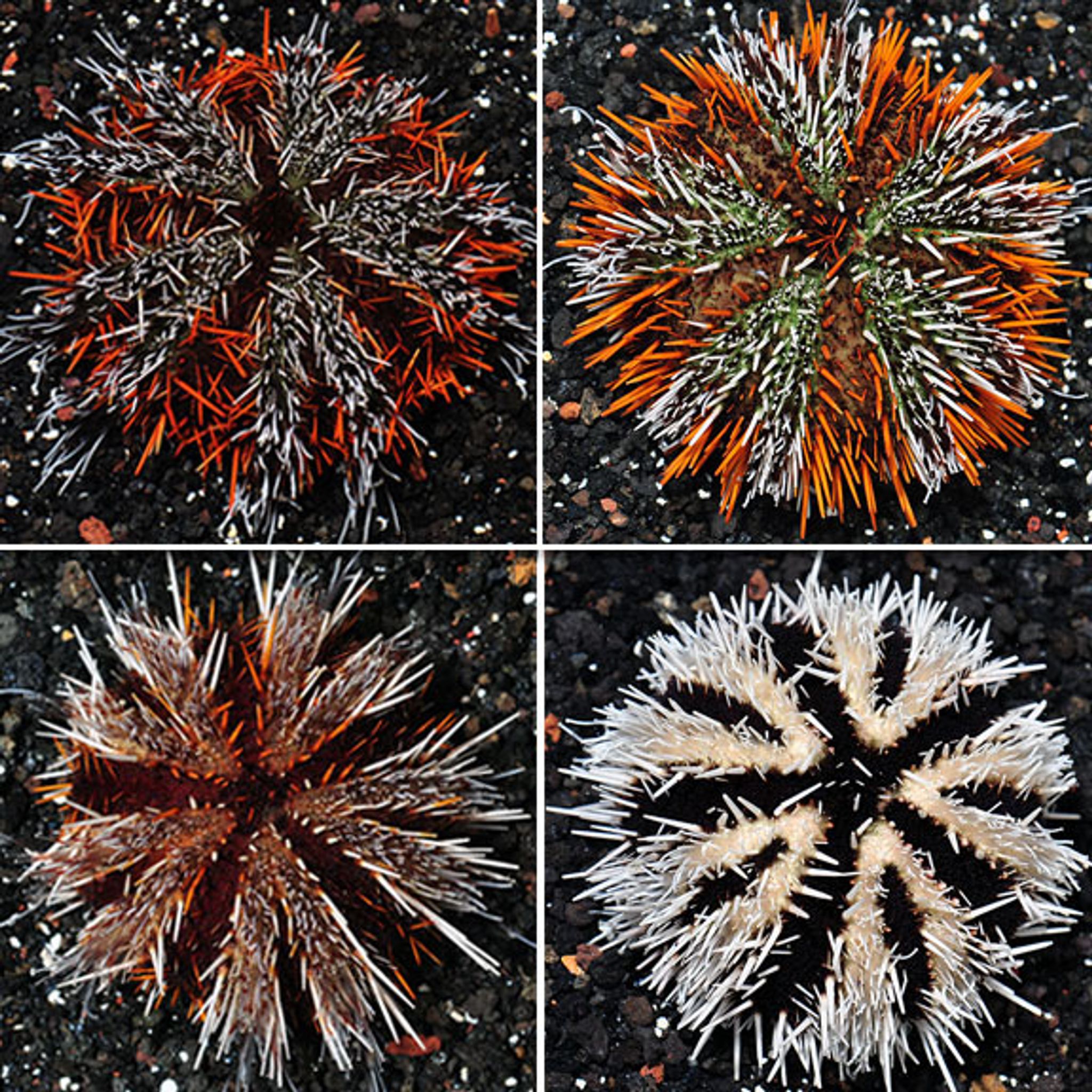
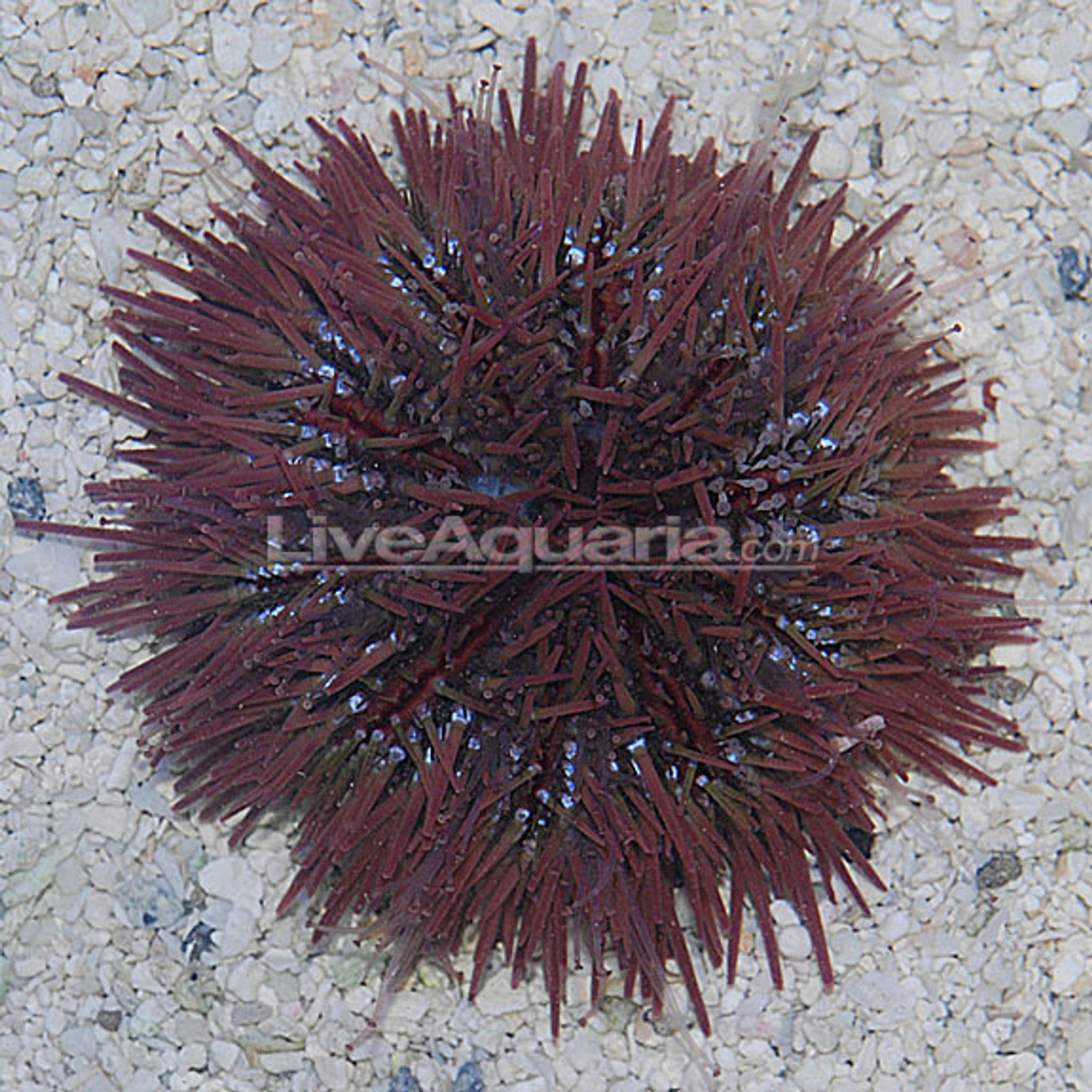
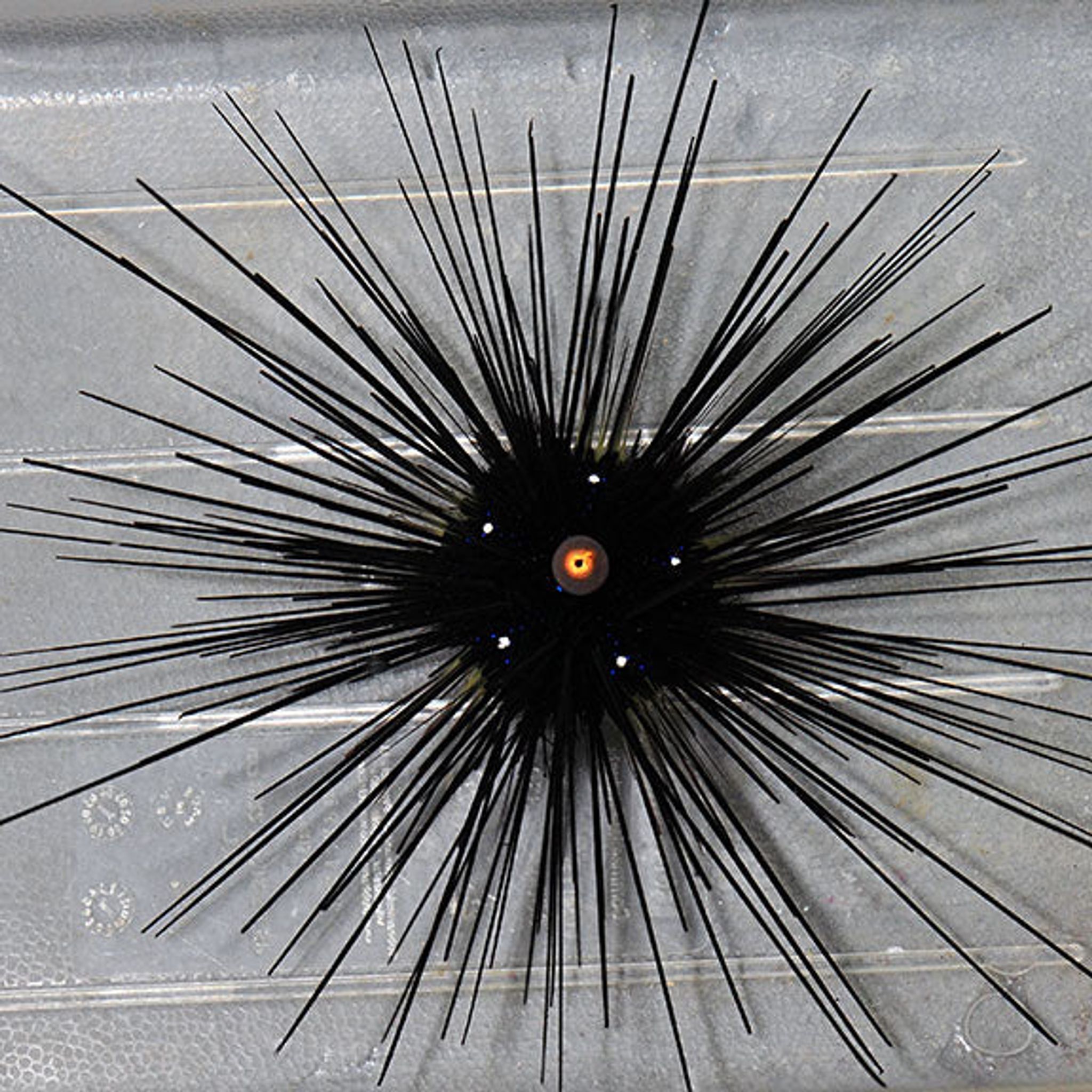
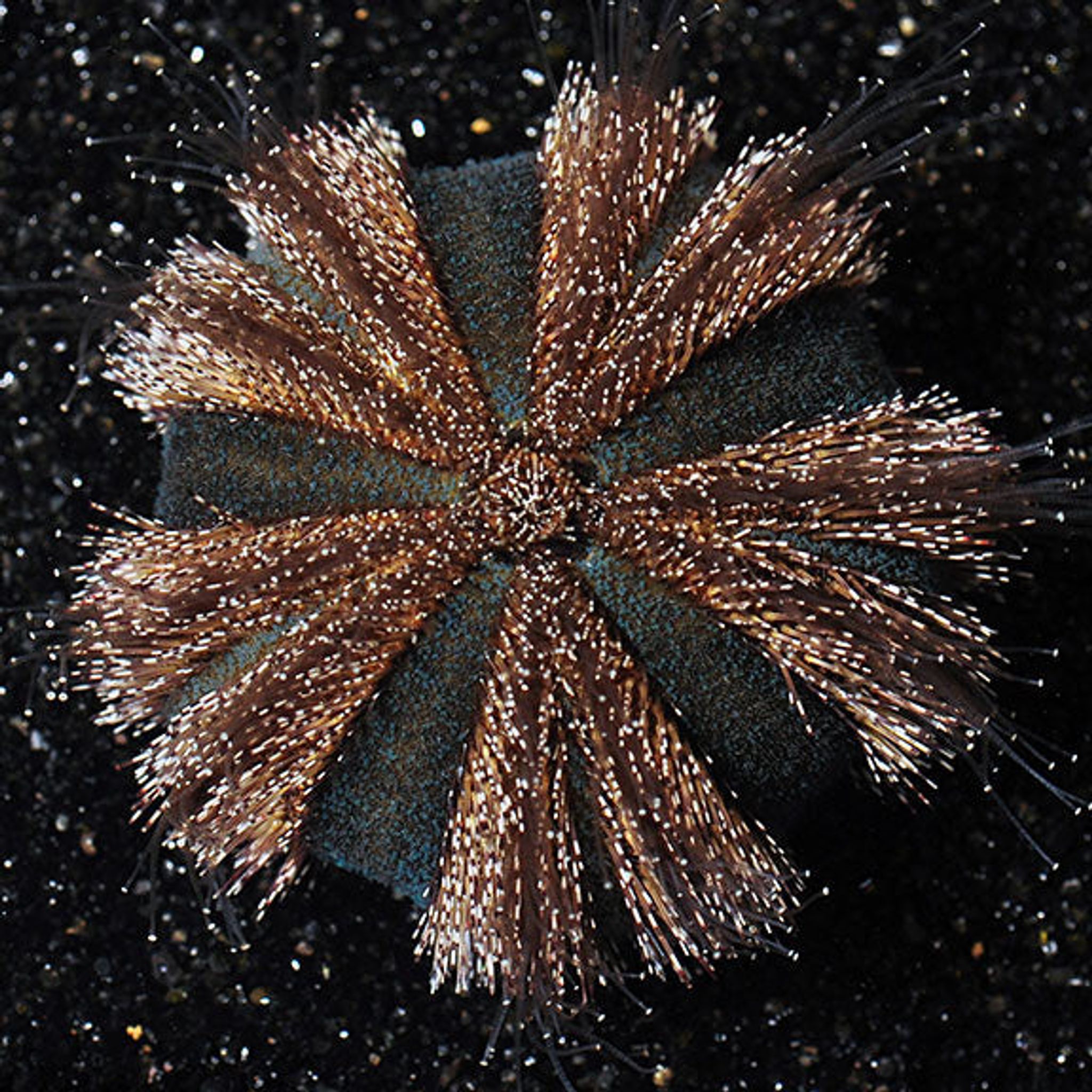
Sea urchins are active grazers known for moving across live rock and aquarium surfaces.
Some species can help graze algae, but they may also move loose objects or decorations as they travel, so rockwork should be secure.
Feather Duster worms are tube-dwelling marine invertebrates recognized by their fan-shaped feeding crowns.
They are filter feeders and require stable marine conditions and access to appropriately sized suspended foods depending on species and aquarium conditions.
Marine clams can add vivid color and striking patterns to reef aquariums.
Light, water quality, placement and nutritional requirements vary by species, so clams should be selected only after confirming that the aquarium can meet their long-term needs.
Sea cucumbers are unusual marine invertebrates that may process sand or consume suspended and deposited organic material depending on species.
Their husbandry can be specialized, and hobbyists should research exact feeding and compatibility requirements before purchase.
Many marine invertebrates are popular additions to reef aquariums because they occupy ecological roles not filled by fish.
Grazing, scavenging, filter feeding and sand processing are only some of the behaviors represented across marine invertebrate species.
The term “reef safe” should be treated as species-specific rather than absolute.
Some invertebrates generally coexist well with corals, while others may eat corals, disturb sessile animals or prey on smaller invertebrates. Always check the exact species before adding it to a reef tank.
Snails, Hermit Crabs, selected crabs, urchins and other invertebrates are commonly grouped under the term “cleanup crew.”
Cleanup crews can help graze algae or consume certain organic material, but they do not replace aquarium maintenance, nutrient control, water changes or proper filtration.
There is no single ideal cleanup crew for every reef aquarium.
The right mix depends on tank size, available food, algae type, sand bed, rockwork and the existing fish and invertebrates.
Several marine snails, urchins and selected crabs graze algae from aquarium surfaces.
Different species prefer different types of algae, so no single invertebrate should be expected to eliminate every algae problem.
Some marine invertebrates spend much of their time moving through or across the sand bed.
Nassarius Snails, selected sea cucumbers, starfish and other species may interact with the substrate, but exact feeding needs and aquarium suitability vary significantly.
Feather Dusters, selected clams and other marine invertebrates obtain food from particles suspended in the water.
Filter feeders should not automatically be considered low-maintenance because some species require specialized feeding and stable conditions.
Smaller marine invertebrates can be attractive additions to nano reef aquariums.
Small water volume can change quickly, so salinity, temperature and water quality stability become especially important in compact marine systems.
Larger aquariums can support a wider range of marine invertebrates and more complex combinations of grazing, scavenging and filter-feeding species.
Stocking should still be based on available food and habitat rather than simply adding more cleanup crew animals as tank size increases.
Many marine invertebrates can coexist with corals, but compatibility varies by species.
Some crabs, starfish or other invertebrates may disturb or consume corals, so reef compatibility should be checked before purchase.
Many marine invertebrates can coexist with Clownfish in appropriately stocked reef aquariums.
Compatibility depends more on the invertebrate species and the behavior of the individual fish than on the Clownfish label alone.
Wrasse compatibility requires particular care because many species naturally prey on crustaceans, snails, worms or other small invertebrates.
Do not assume every Wrasse is reef-safe with invertebrates simply because it is compatible with corals.
Many marine Puffers naturally feed on crustaceans, mollusks and other invertebrates.
Shrimp, crabs, snails and similar animals may therefore be at significant risk in tanks containing predatory Pufferfish.
Some Butterflyfish feed on coral polyps or small marine invertebrates in nature.
Compatibility with ornamental invertebrates varies substantially by Butterflyfish species.
Marine Angelfish may investigate, nip or consume some sessile invertebrates depending on species and individual behavior.
Reef compatibility should be evaluated carefully when combining Angelfish with clams, worms or other vulnerable invertebrates.
Marine invertebrates have extremely diverse diets.
Depending on species, they may graze algae, consume detritus, filter suspended particles, scavenge food, prey on other animals or depend on highly specialized diets.
Cleanup crew animals should not be expected to survive indefinitely on leftovers.
If natural algae, detritus or other food becomes limited, some species may require targeted or supplemental feeding.
Marine invertebrates generally benefit from stable saltwater conditions and can react poorly to rapid changes.
Salinity, temperature, pH and other water parameters should remain stable and appropriate for the exact species being kept.
Many marine invertebrates are highly sensitive to copper-based treatments.
Medications intended for fish should never automatically be used in a reef or invertebrate aquarium without confirming that they are safe for the animals present.
Newly shipped marine invertebrates may be sensitive to changes in salinity, temperature and other water conditions.
Follow the seller's acclimation guidance for the exact species and avoid exposing sensitive marine animals to unnecessary changes or prolonged transport water.
Quarantine and observation can help reduce the risk of introducing unwanted hitchhikers, pests or disease-associated organisms into an established reef aquarium.
Quarantine methods should be appropriate to the invertebrate species and should not expose sensitive animals to fish medications that are unsafe for them.
When comparing marine invertebrates for sale, look for:
Marine invertebrate prices vary according to species, size, coloration, rarity, origin, availability and seller.
Common cleanup crew snails and crabs can differ significantly in price from specialty shrimp, starfish, clams or uncommon reef invertebrates, so compare exact species and seller information rather than price alone.
FishyHub brings marine invertebrate listings from saltwater aquarium stores, breeders and specialist marine livestock sellers together in one marketplace.
When comparing marine invertebrates online, consider:
Shipping availability depends on the seller, destination, species, weather and marine livestock-shipping policy.
Review packaging, delivery timing and live-arrival terms before ordering, and make sure your saltwater aquarium is stable and prepared before the invertebrates arrive.
Yes. Saltwater aquarium stores, breeders and specialist sellers offer many marine invertebrates online across the U.S., depending on species availability and seller shipping coverage.
Marine shrimp, snails, Hermit Crabs, Emerald Crabs, starfish, sea urchins, Feather Dusters and other reef invertebrates are popular in saltwater aquariums.
A reef cleanup crew is a group of marine invertebrates selected to graze algae, consume selected organic material or interact with the substrate. It does not replace normal aquarium maintenance.
No. Reef compatibility varies widely, and some species may eat corals, attack other invertebrates or disturb sessile animals.
Many are highly sensitive to copper-based medications, so treatments should be checked carefully before being used around marine invertebrates.
It depends on the Wrasse species. Many naturally prey on crustaceans, snails, worms or other small invertebrates.
Many Puffers prey on crustaceans and mollusks, so shrimp, crabs and snails may be at significant risk.
FishyHub helps U.S. hobbyists compare marine invertebrates from saltwater aquarium stores, breeders and specialist marine livestock sellers in one marketplace.
Explore marine invertebrates for sale on FishyHub and compare marine shrimp, crabs, snails, starfish, sea urchins, Feather Dusters and other reef invertebrates. Discover listings from saltwater aquarium sellers across the United States, and compare species, reef compatibility, diet, size, price and shipping options before choosing marine invertebrates for your aquarium.