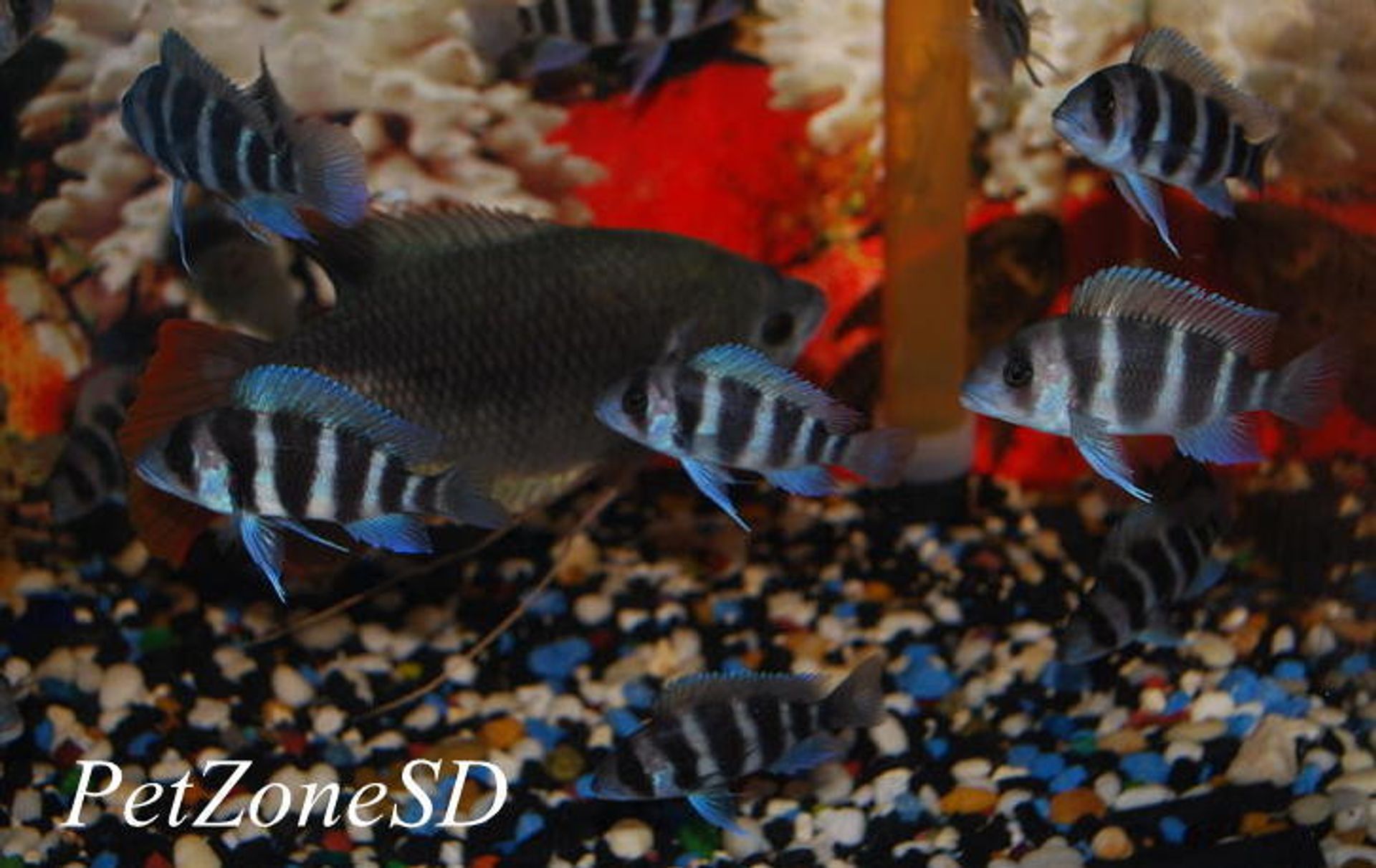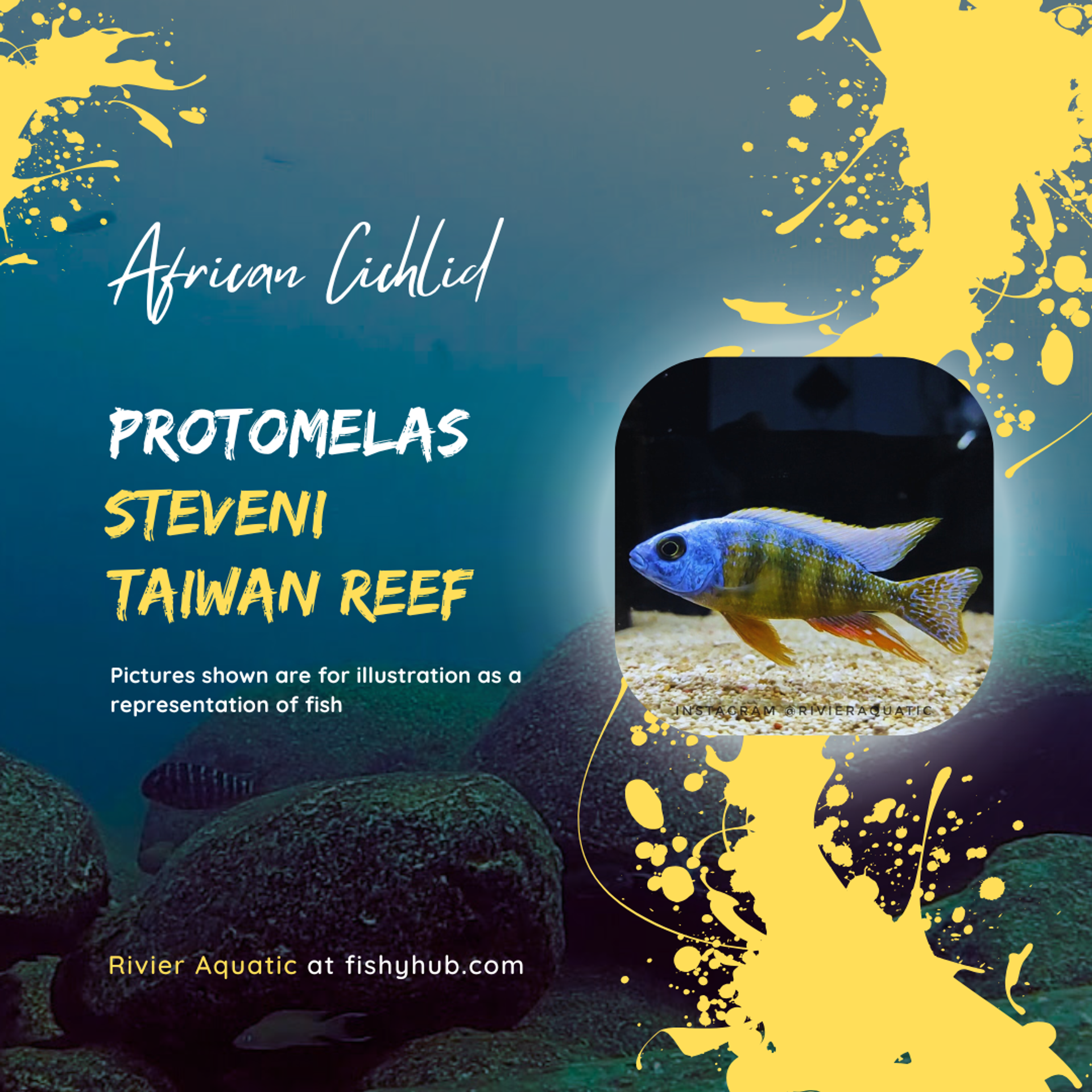
Click to enlarge
Unless stated otherwise, photos show the species, not the exact fish you'll receive.
Taiwan Reef Cichlid (Protomelas sp. Steveni Taiwan)
USD 75.00
Delivery Information
Dead-on-arrival protection: report within 24 hours of delivery with a photo or video for an exchange or return.
Product Variations
Quantity
Stock: 100
Product Details
Size
4cm - 7cm
Temperament
Semi Aggressive
WYSIWYG
Representative Photo Only
Product Description
More from Rivier Aquatic

Rivier Aquatic
Suitable Tank Mates for Taiwan Reef Cichlid (Protomelas sp. Steveni Taiwan)
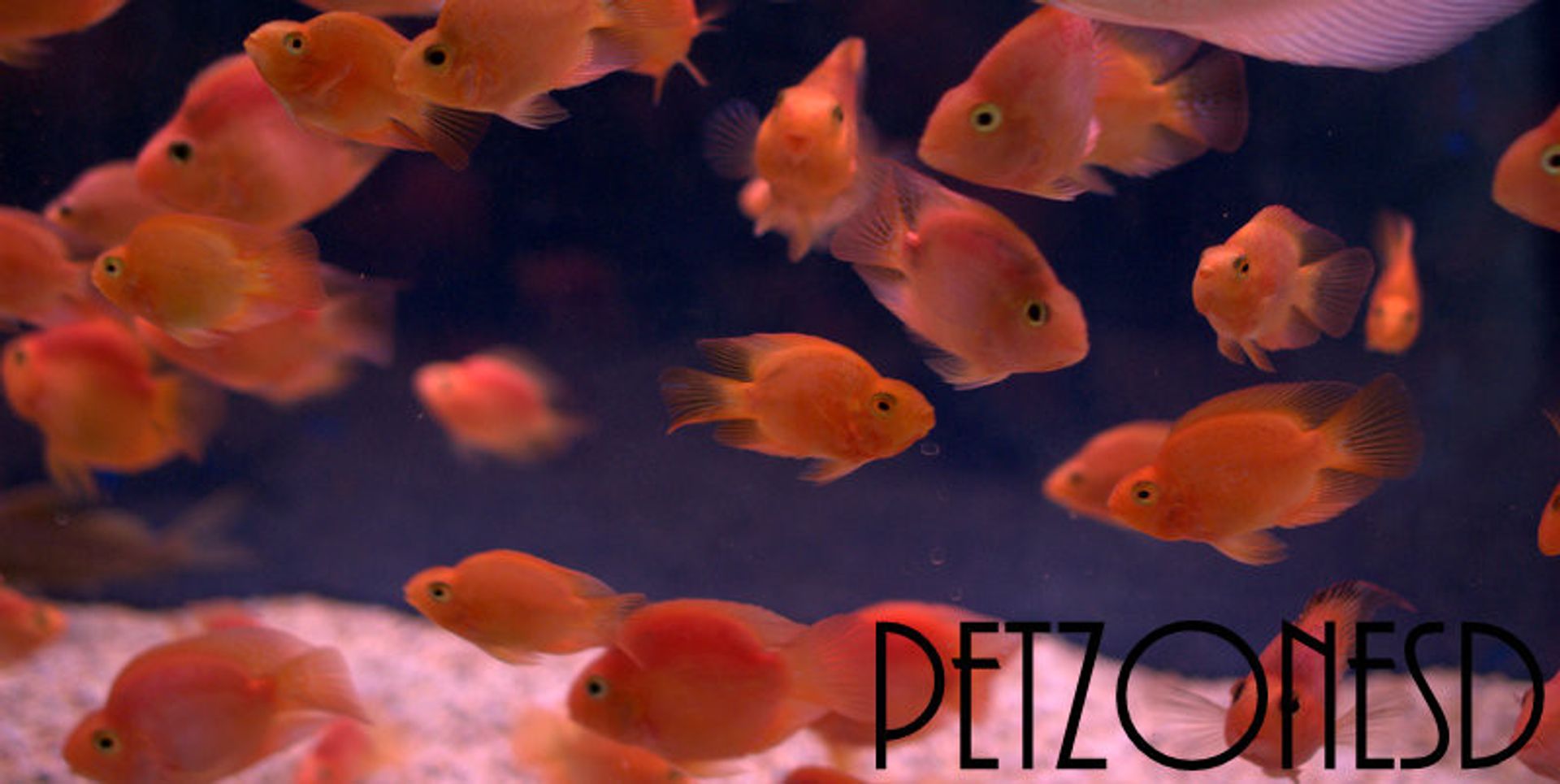
Blood Parrot (Red Parrot) Cichlid - Small
USD 24.99

Pygmy Cory Cat
USD 49.99

XL Red Turquoise Discus
USD 211.24
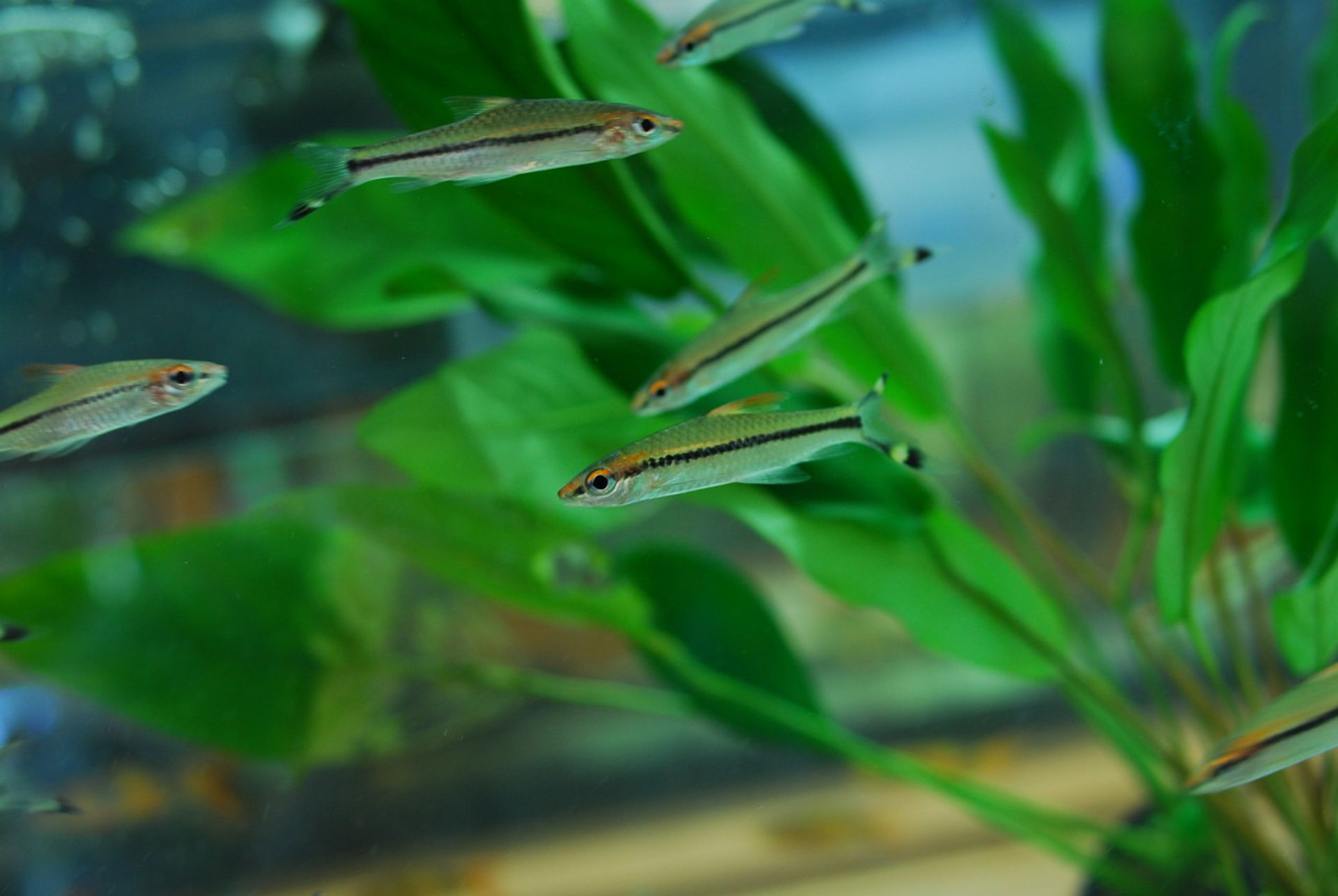
Roseline Shark Torpedo Barb (Denison Barb)
USD 16.24
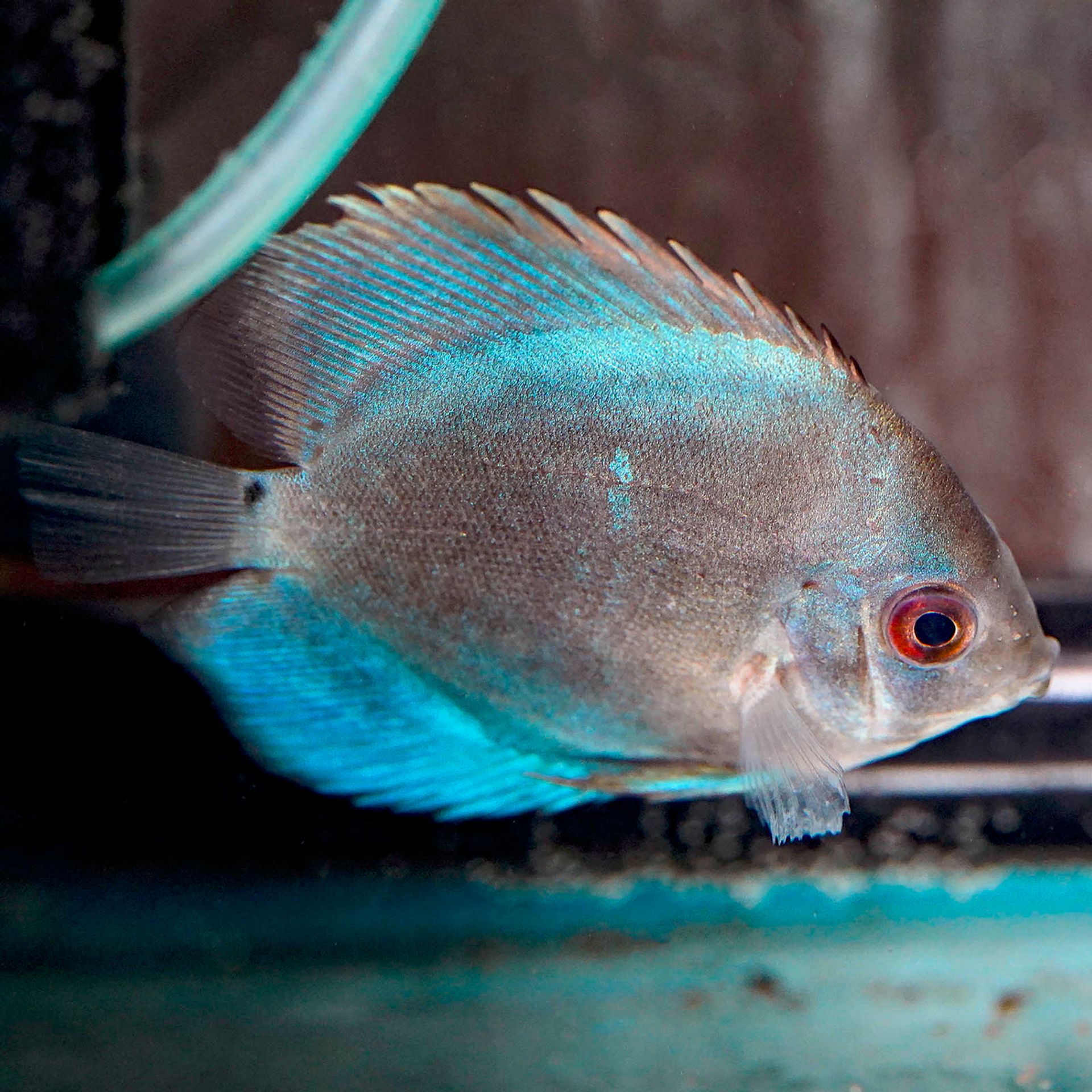
Blue Diamond Discus 3" WYSIWYG (Symphysodon spp.)
USD 162.49

ELECTRIC BLUE CICHLID (Sciaenochromis fryeri)
USD 23.74
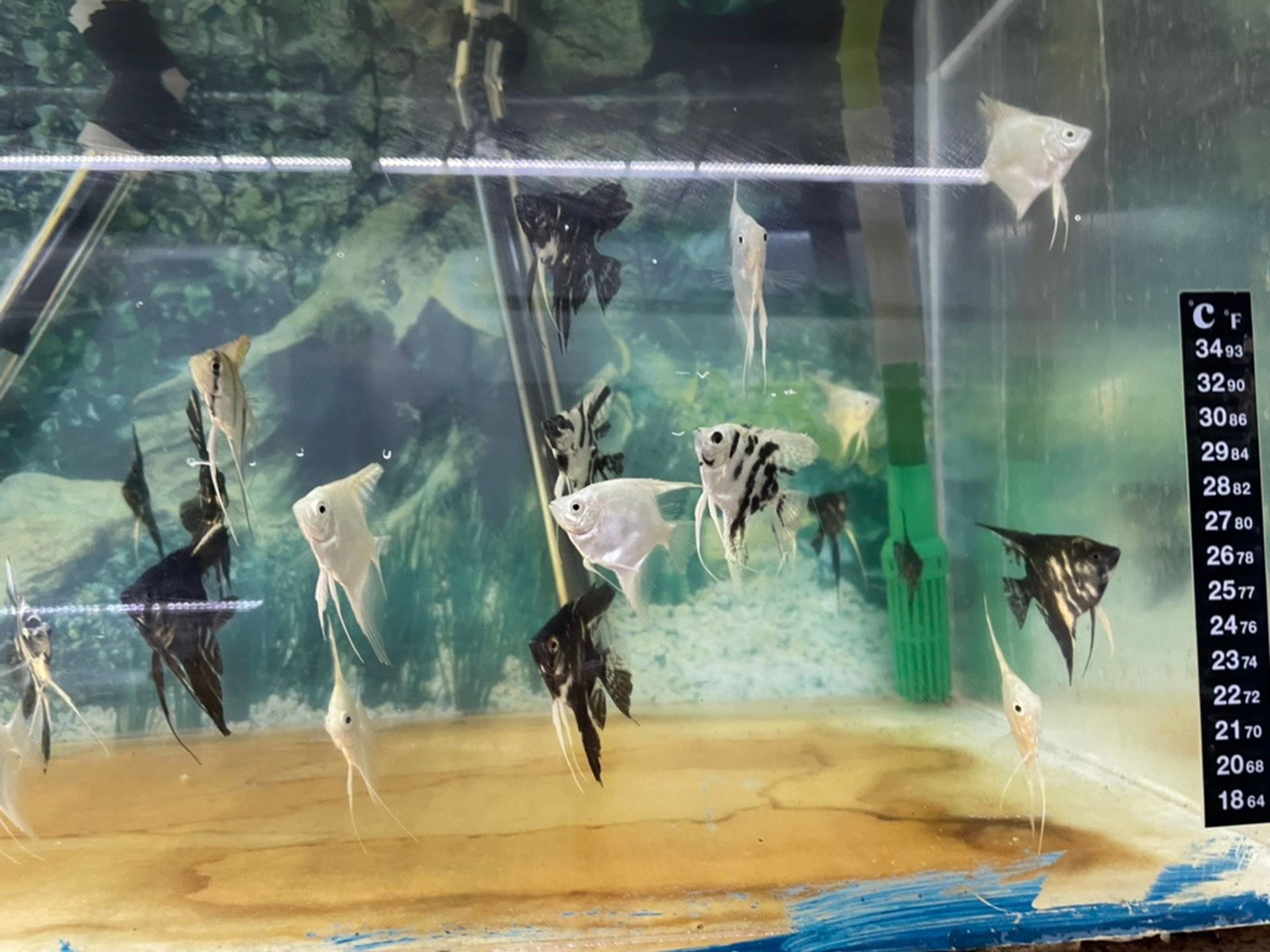
Assorted Angelfish - Small
USD 18.74
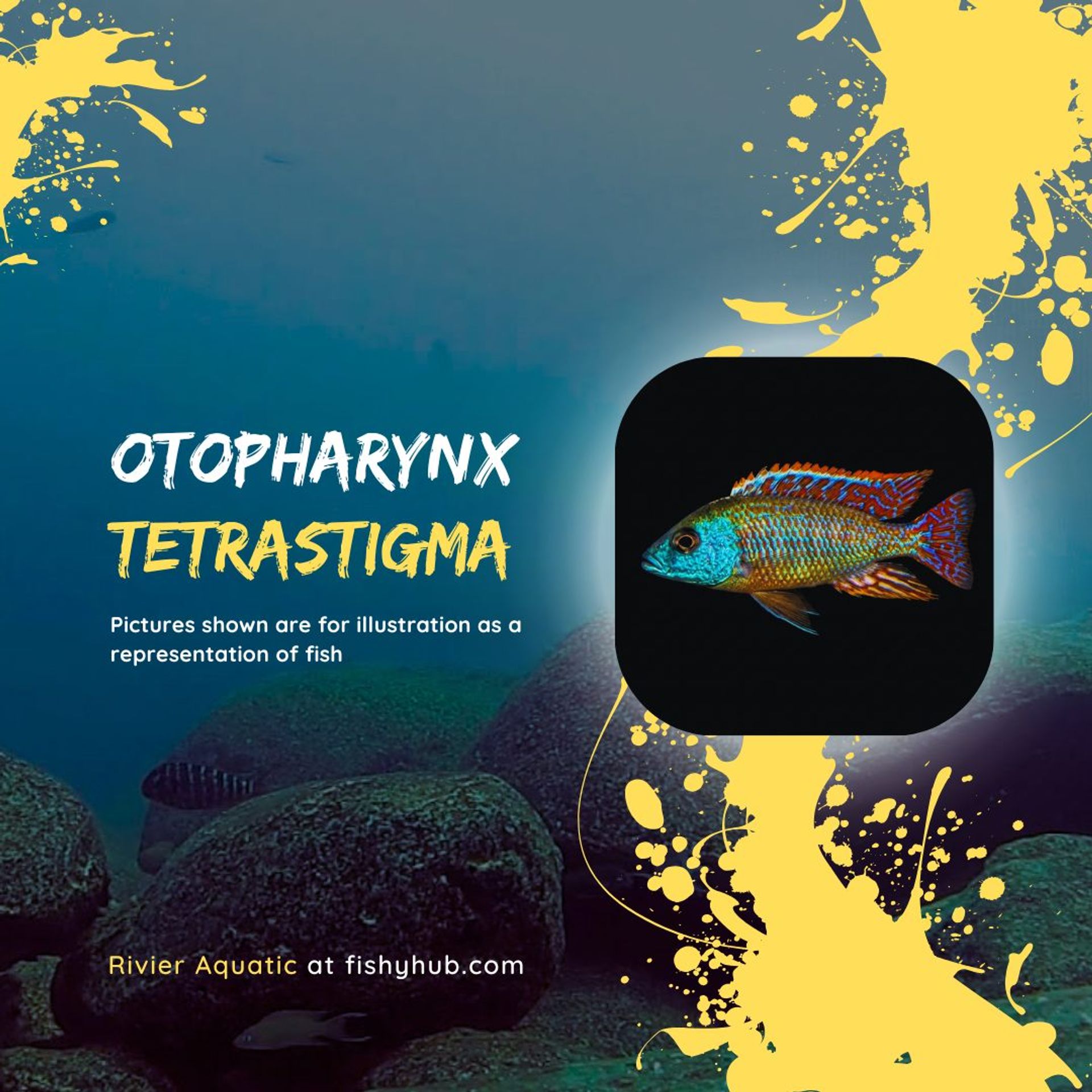
Tetrastigma Cichlid (Otopharynx Tetrastigma)
USD 68.00
Similar Angelfish, Discus, Rams & Cichlids You May Like

Assorted African Cichlid - Sma..
USD 8.74
Taiwan Reef Cichlid - Protomel..
USD 12.49ELECTRIC BLUE CICHLID (Sciaeno..
USD 23.74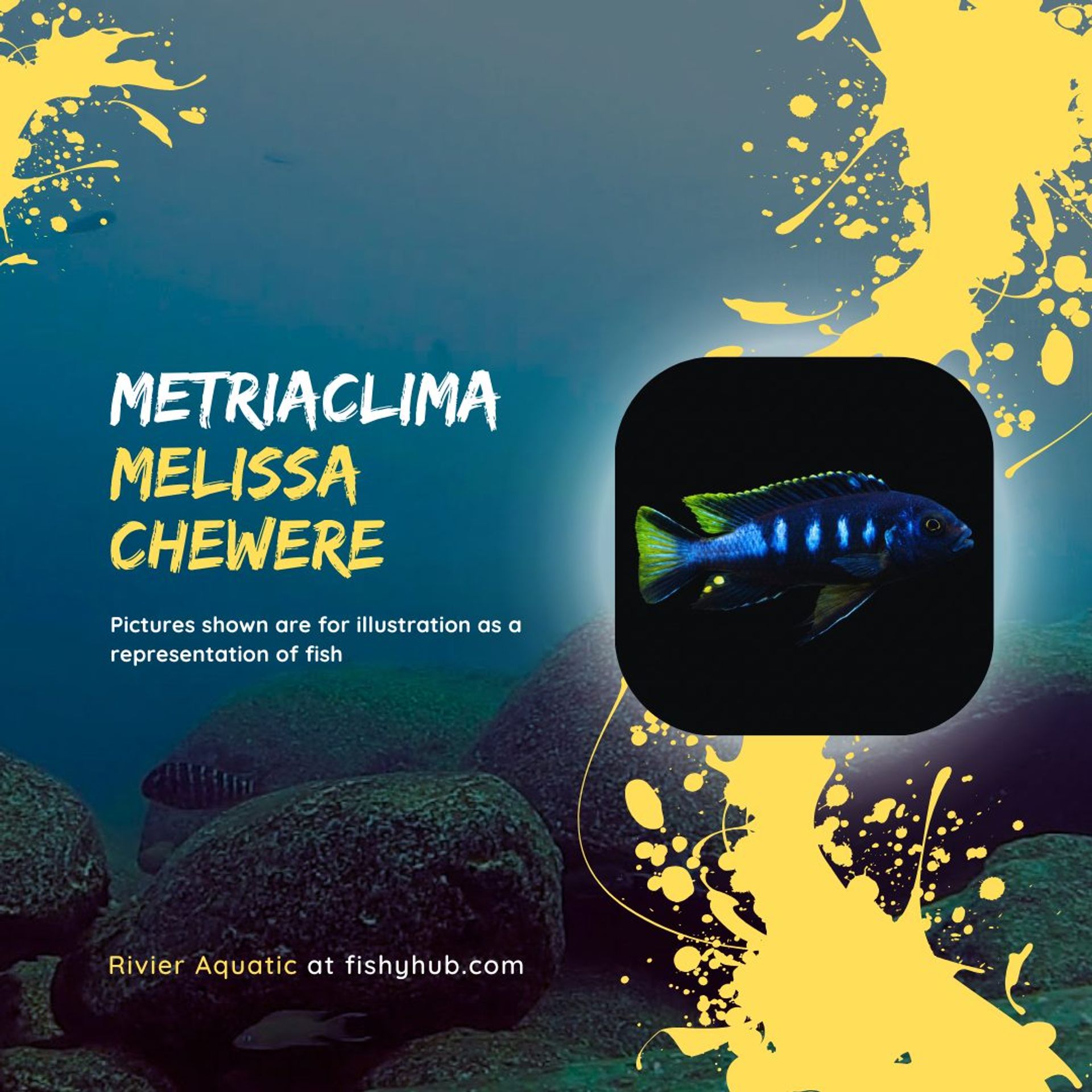
Elongatus Chewere Cichlid (Met..
USD 75.00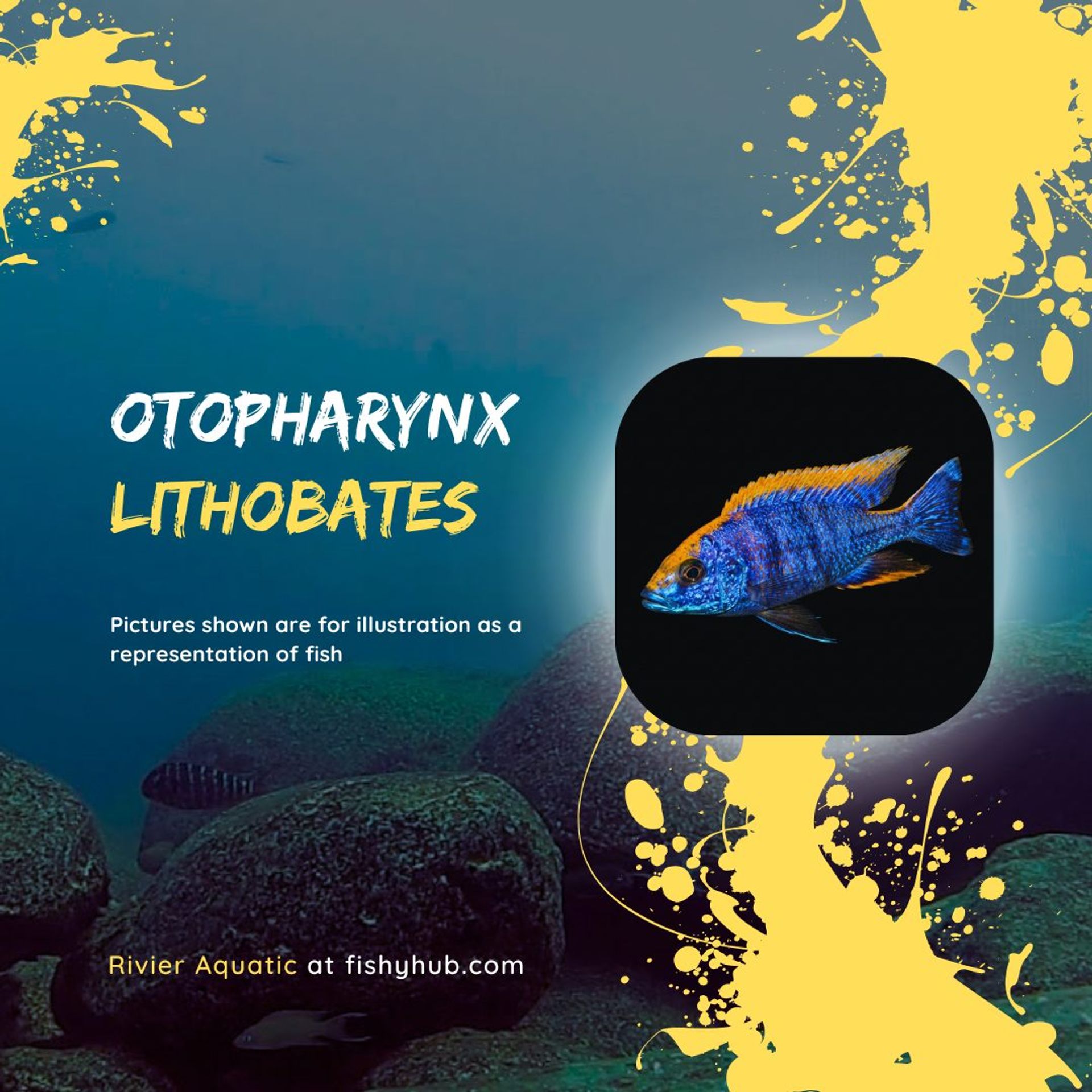
Yellow Blaze Cichlid (Otophary..
USD 75.00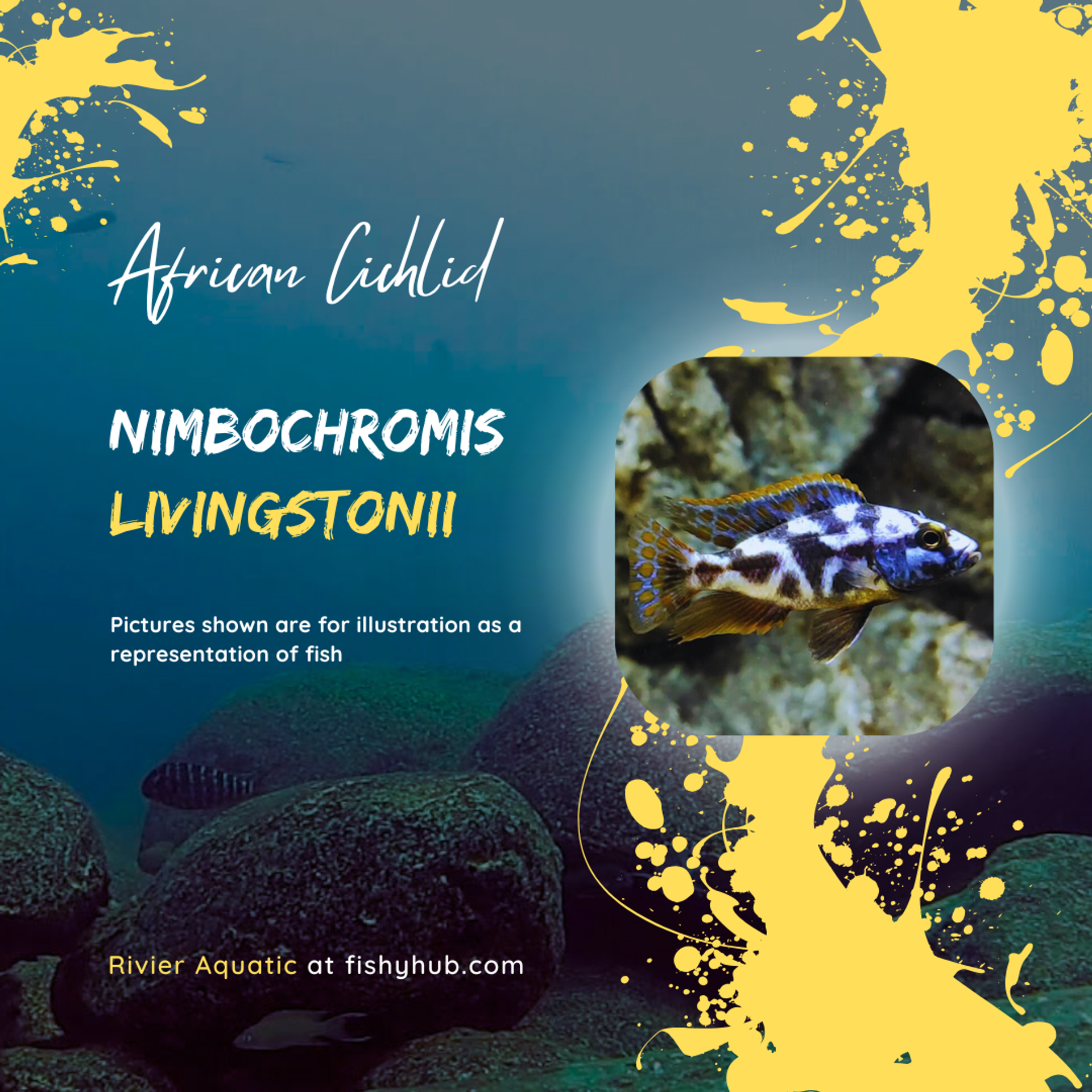
Livingston's Cichlid (Nimbochr..
USD 75.00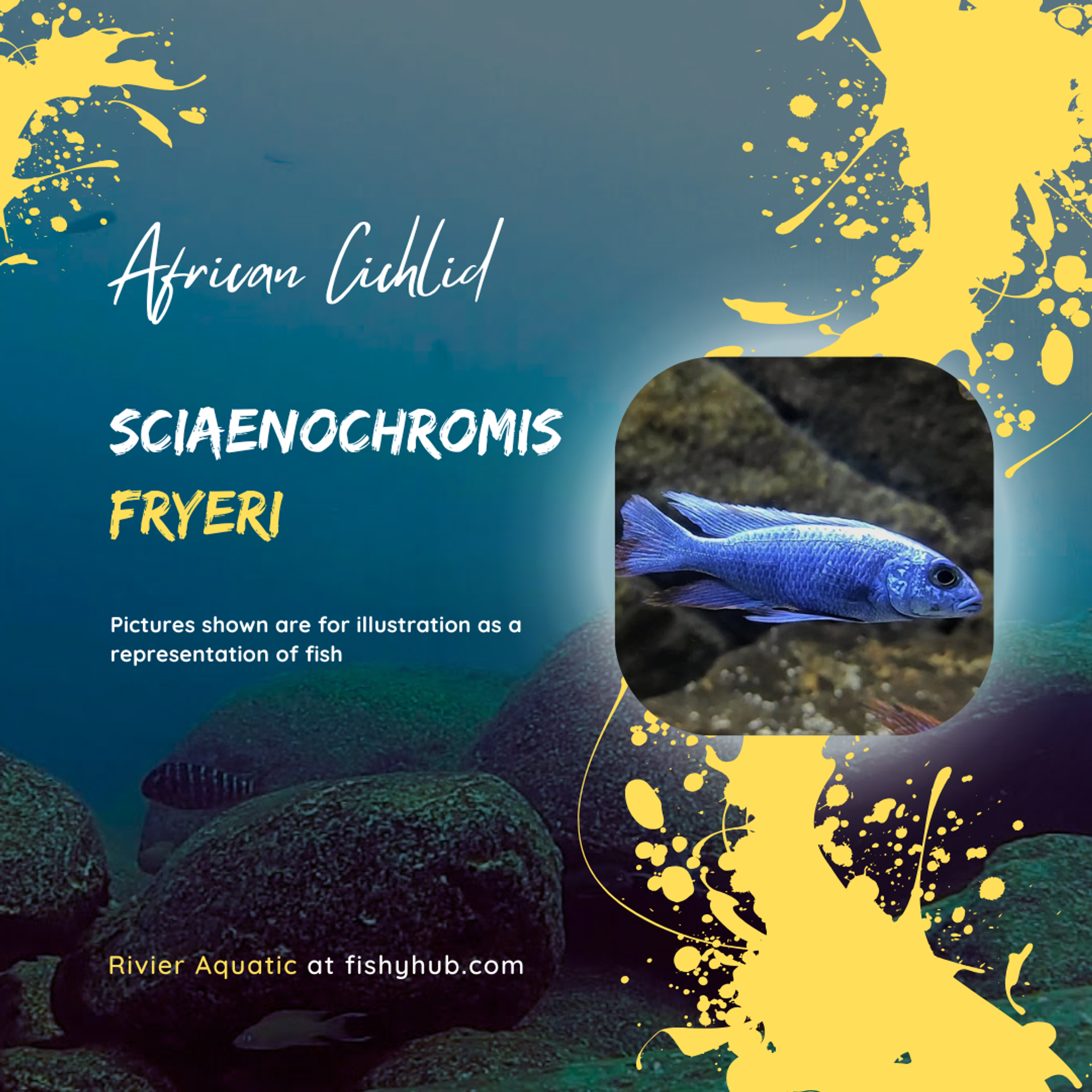
Electric Blue Hap Cichlid (Sci..
USD 68.00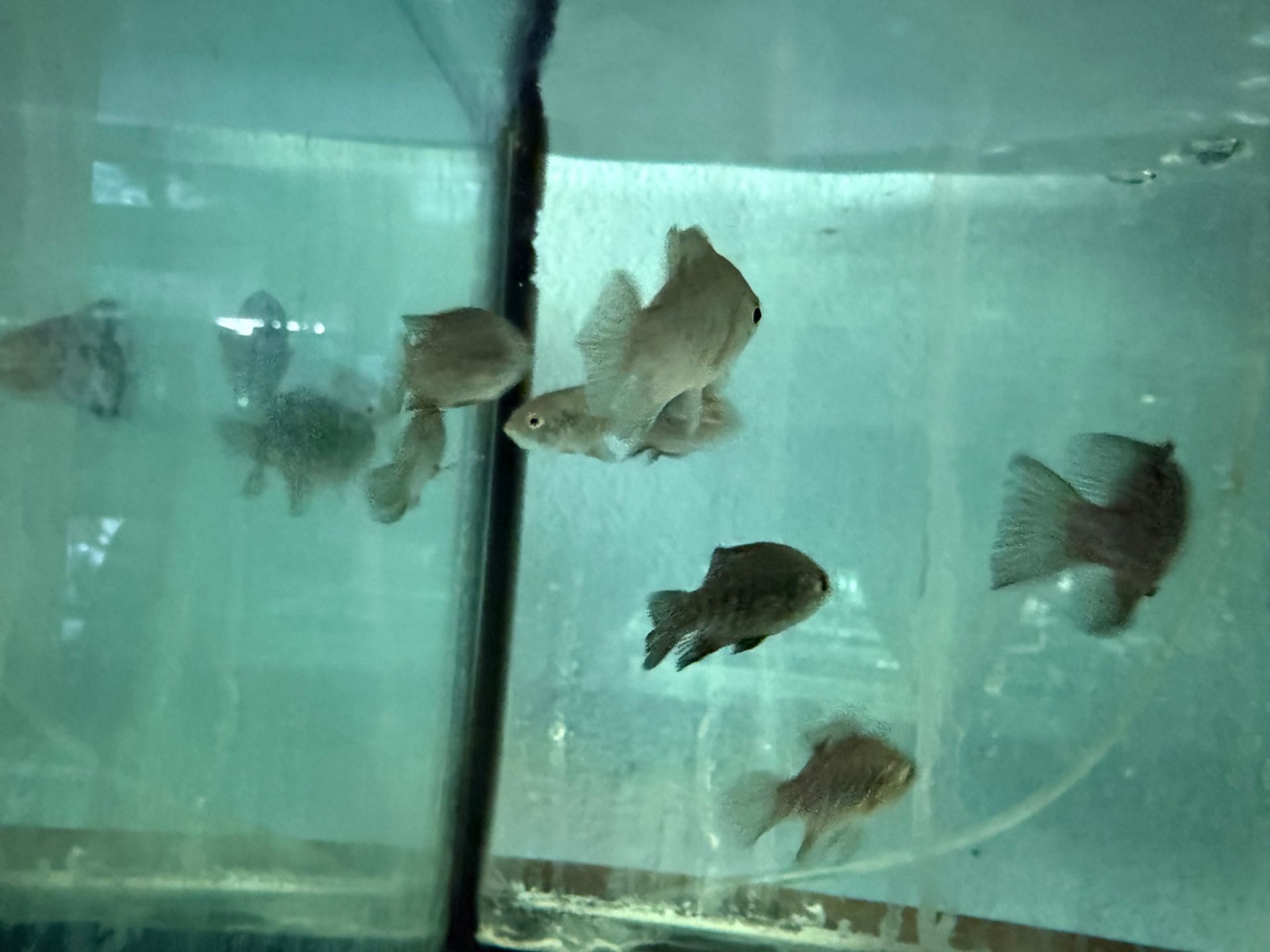
Starry Night Cichlid – Paratil..
USD 24.99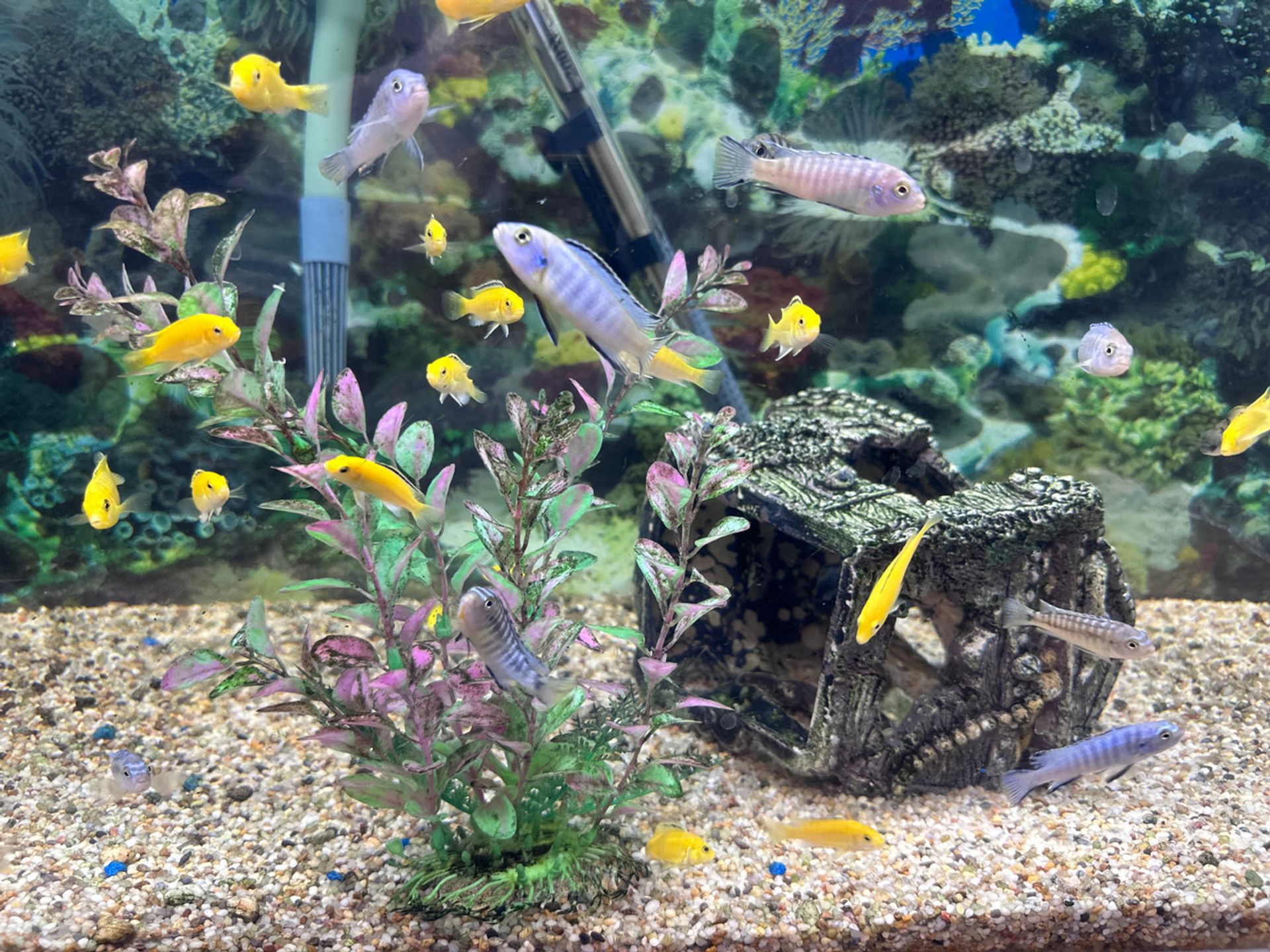
Malawi Cichlid - Assorted
USD 8.74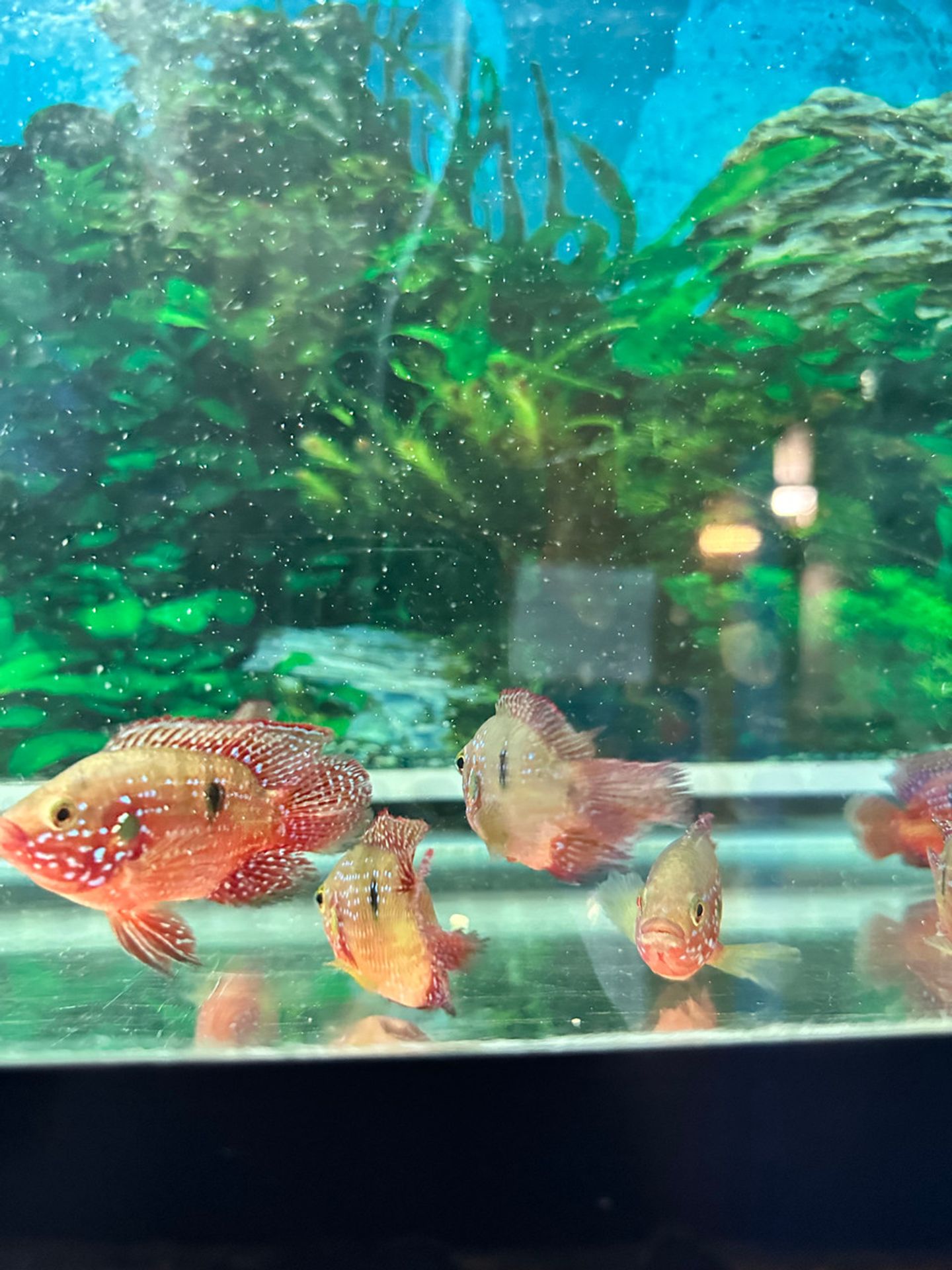
Short Body Red Jewel Cichlid
USD 37.49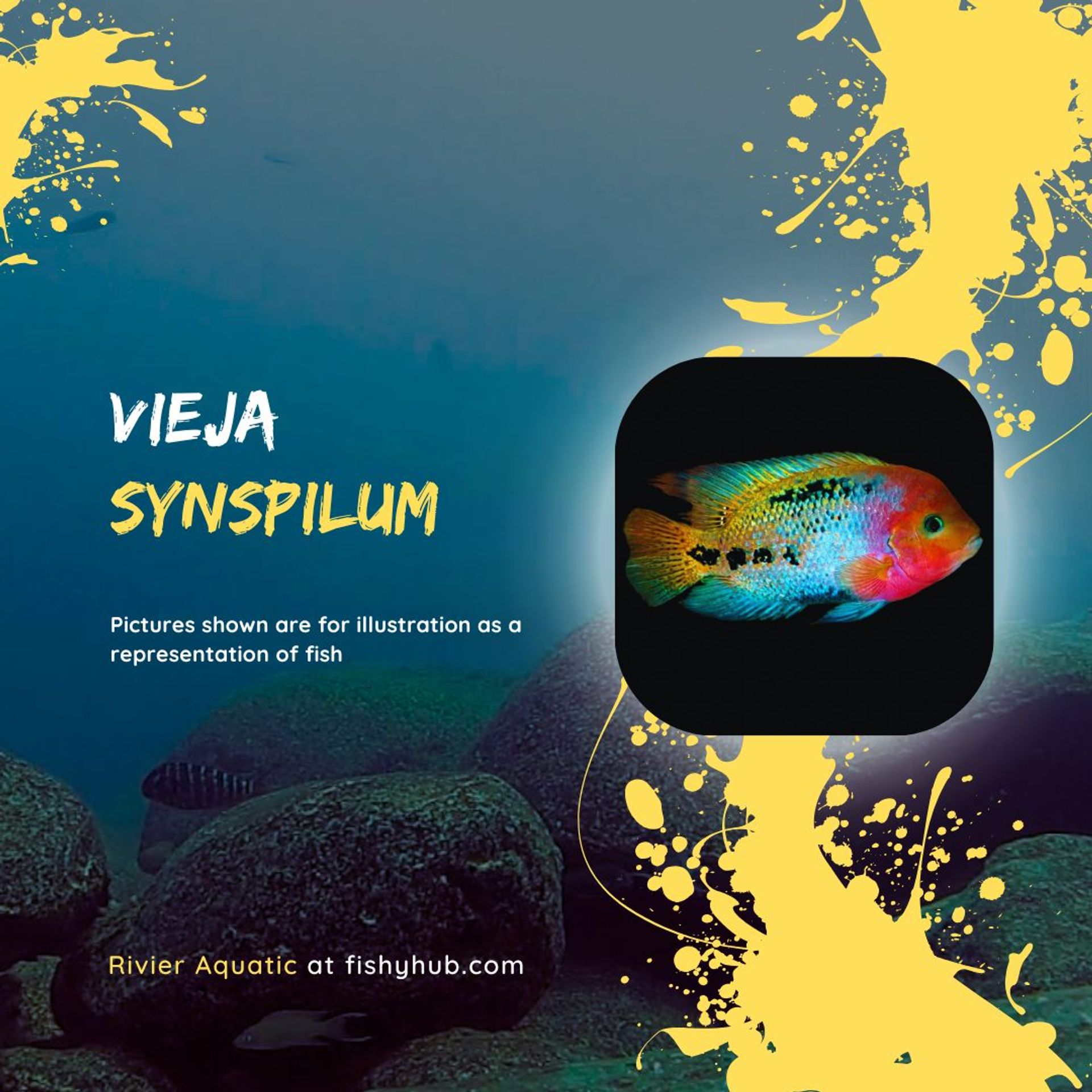
Redhead Cichlid (Vieja Synspil..
USD 75.00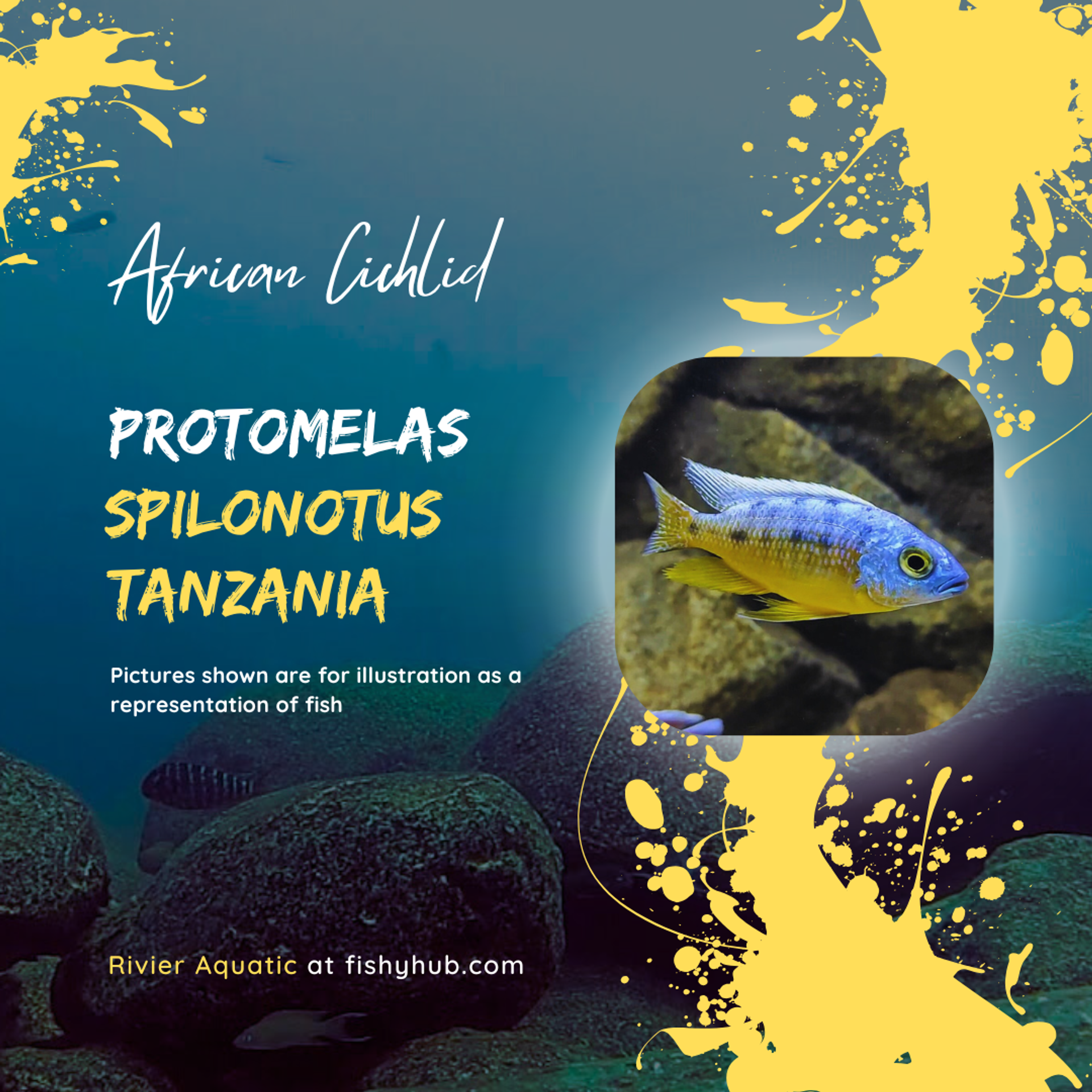
Insignis Cichlid (Protomelas S..
USD 82.00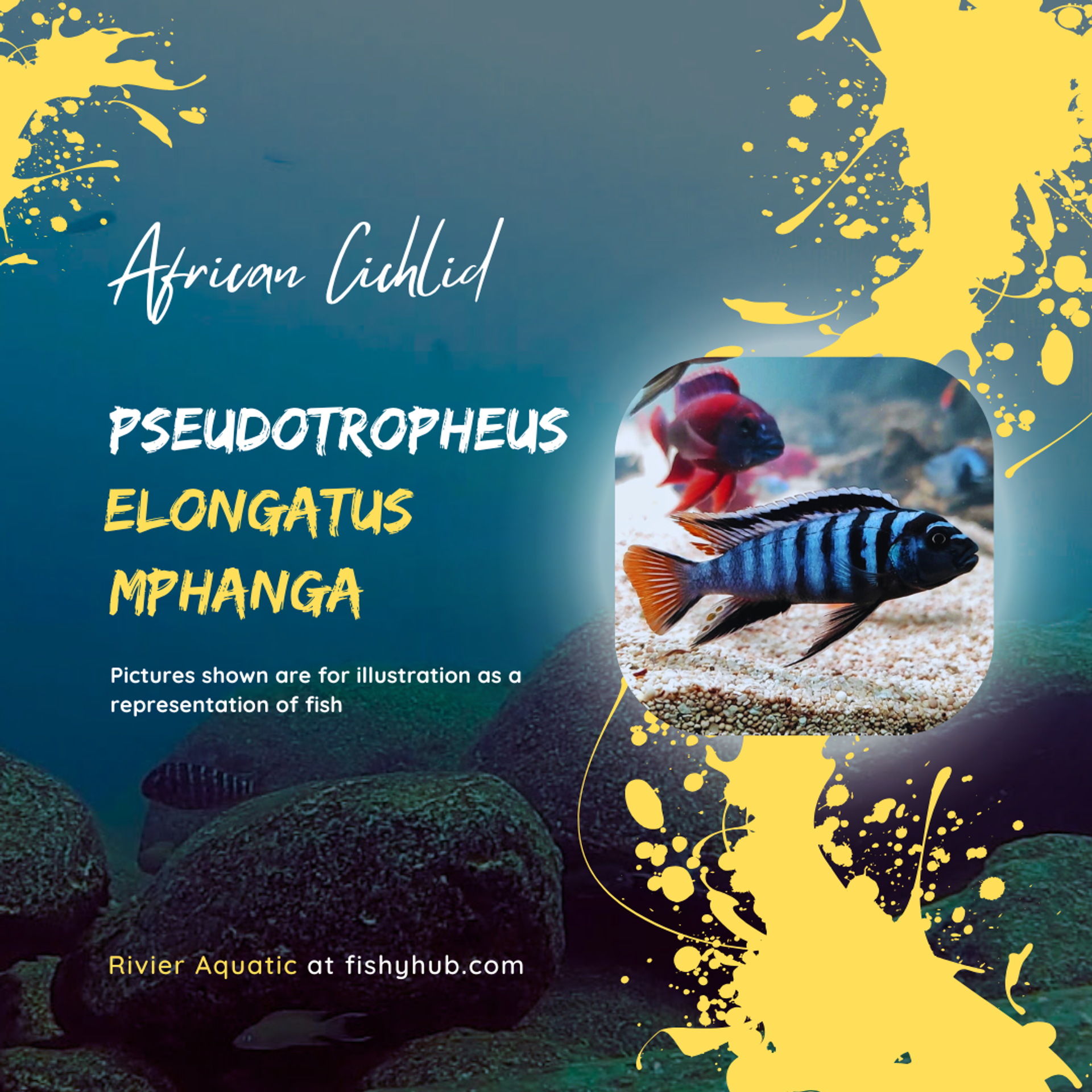
Mpanga Cichlid (Pseudotropheus..
USD 75.00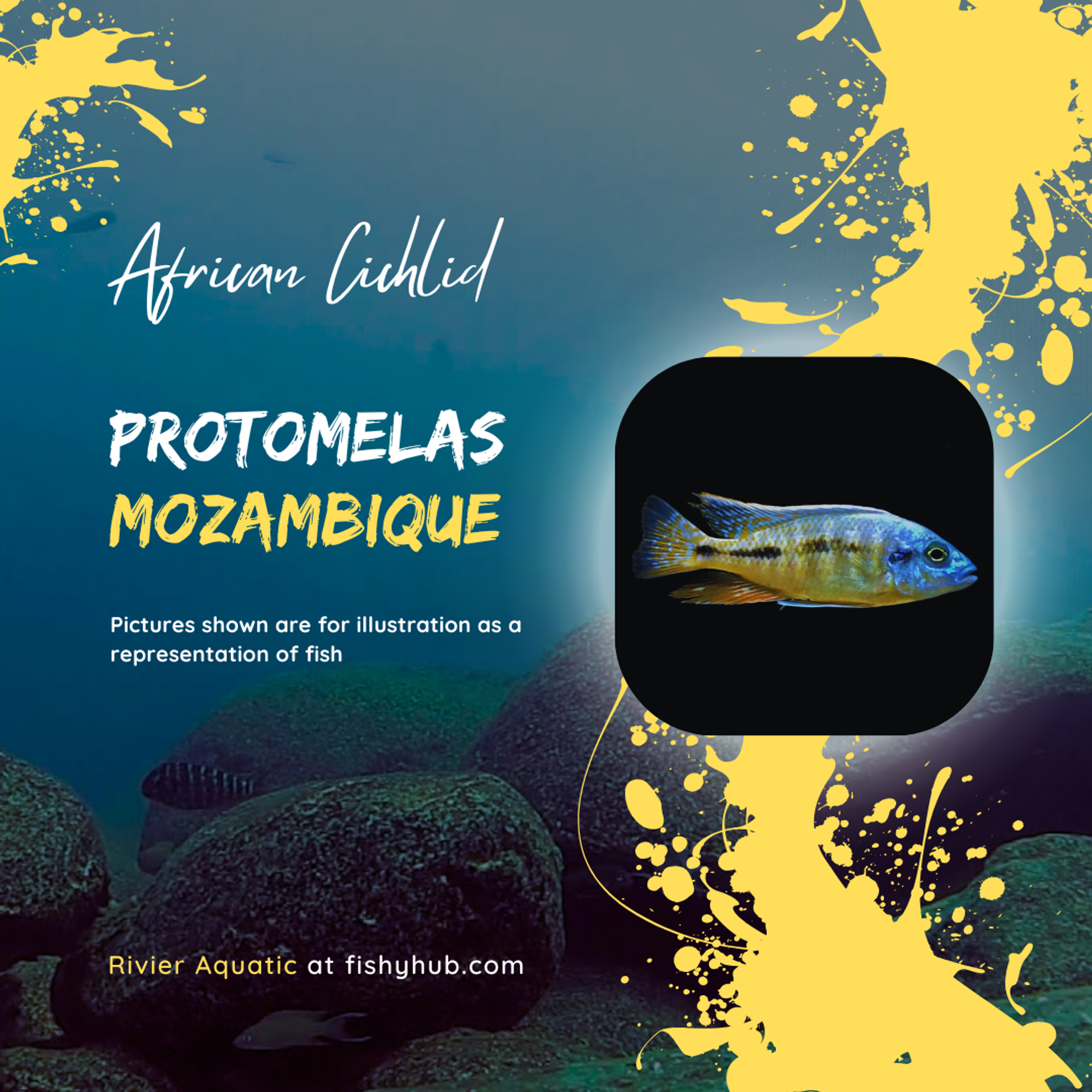
Mozambique Cichlid (Protomelas..
USD 68.00
Blue Dolphin Cichlid - Cyrtoca..
USD 18.74
Albino Heckelii – Albino Threa..
USD 37.49
Red Empress Cichlid (Protomela..
USD 75.00
Red Top Hongi (Labidochromis s..
USD 75.00
Electric Yellow Lab Cichlid - ..
USD 23.74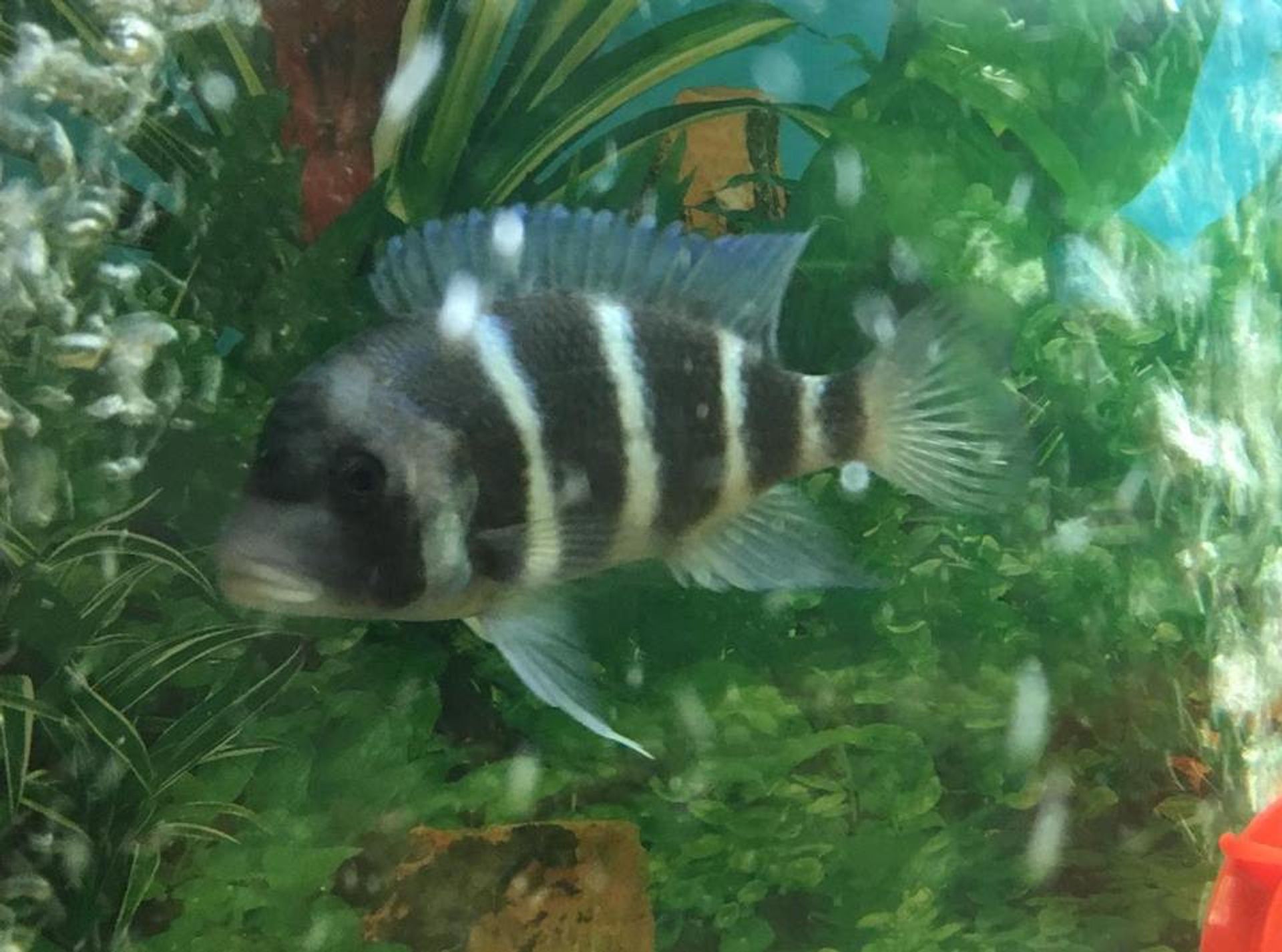
Burundi Frontosa Cichlid - Lar..
USD 60.00
Assorted African Cichlid - Bun..
USD 37.49
Frontosa Cichlid - Small (Cyph..
USD 31.24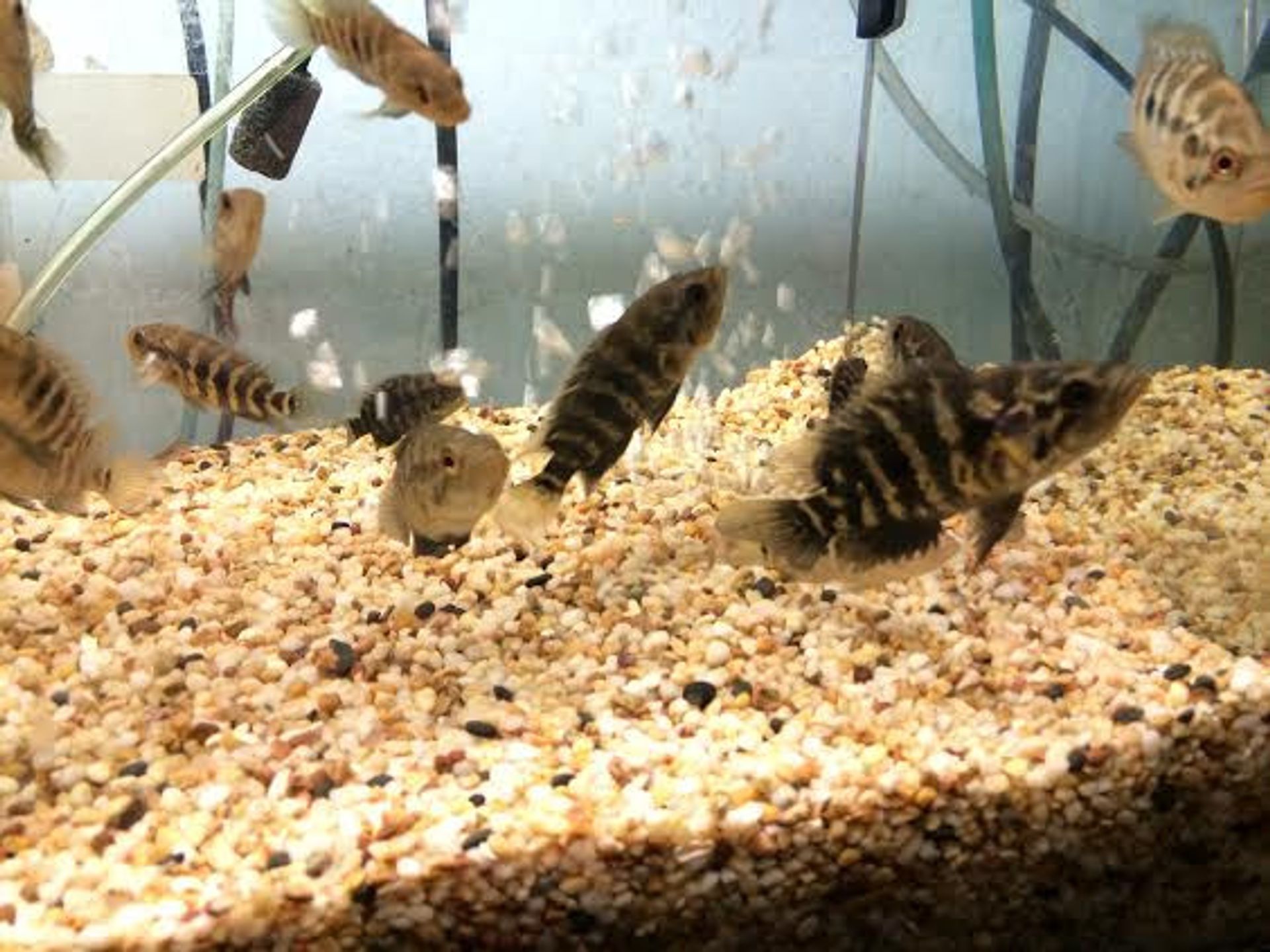
Jaguar Cichlid (Managuense Cic..
USD 24.99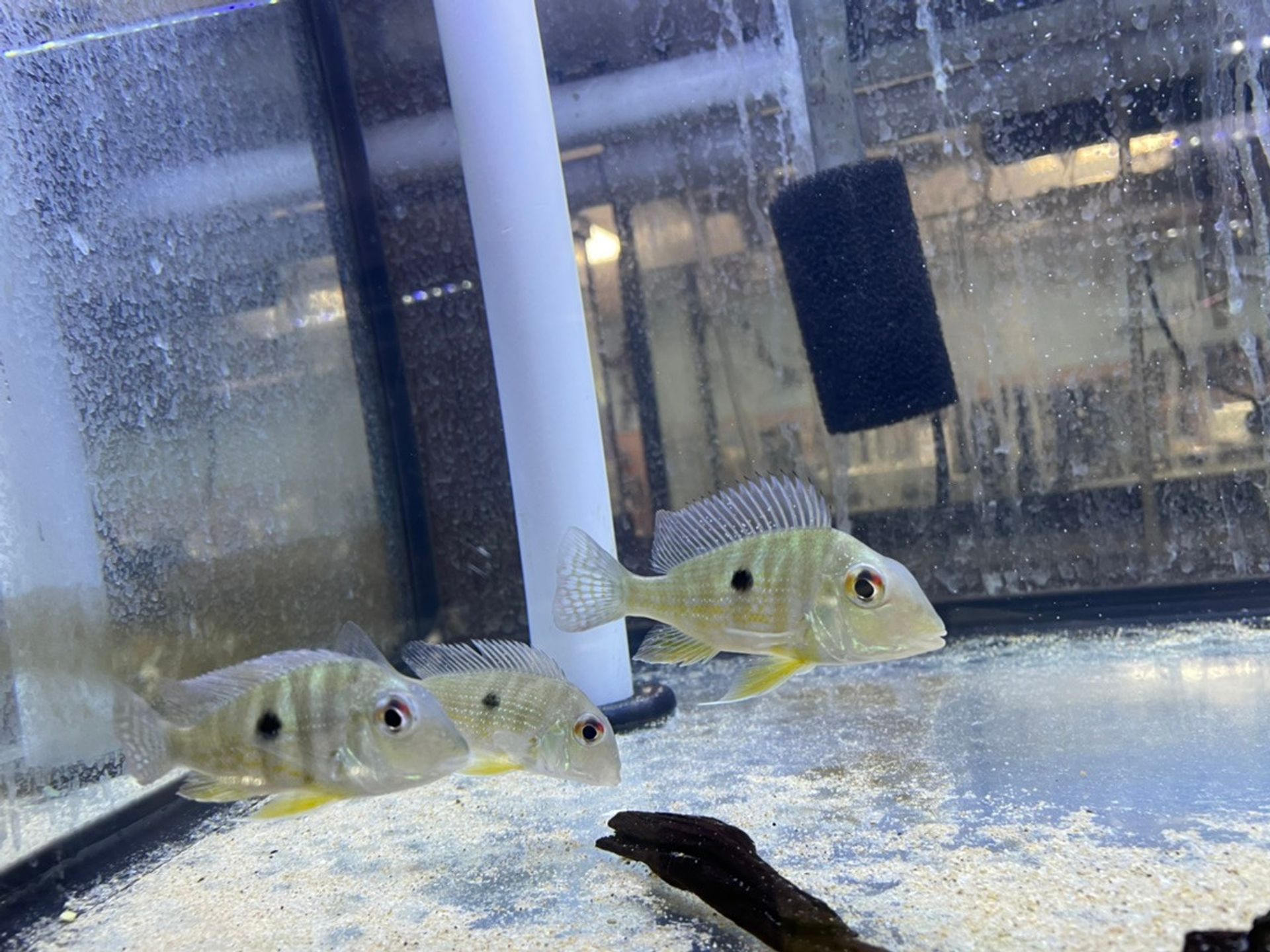
Red Striped Eartheater Cichlid..
USD 31.24
Electric Blue Jack Dempsey (EB..
USD 31.24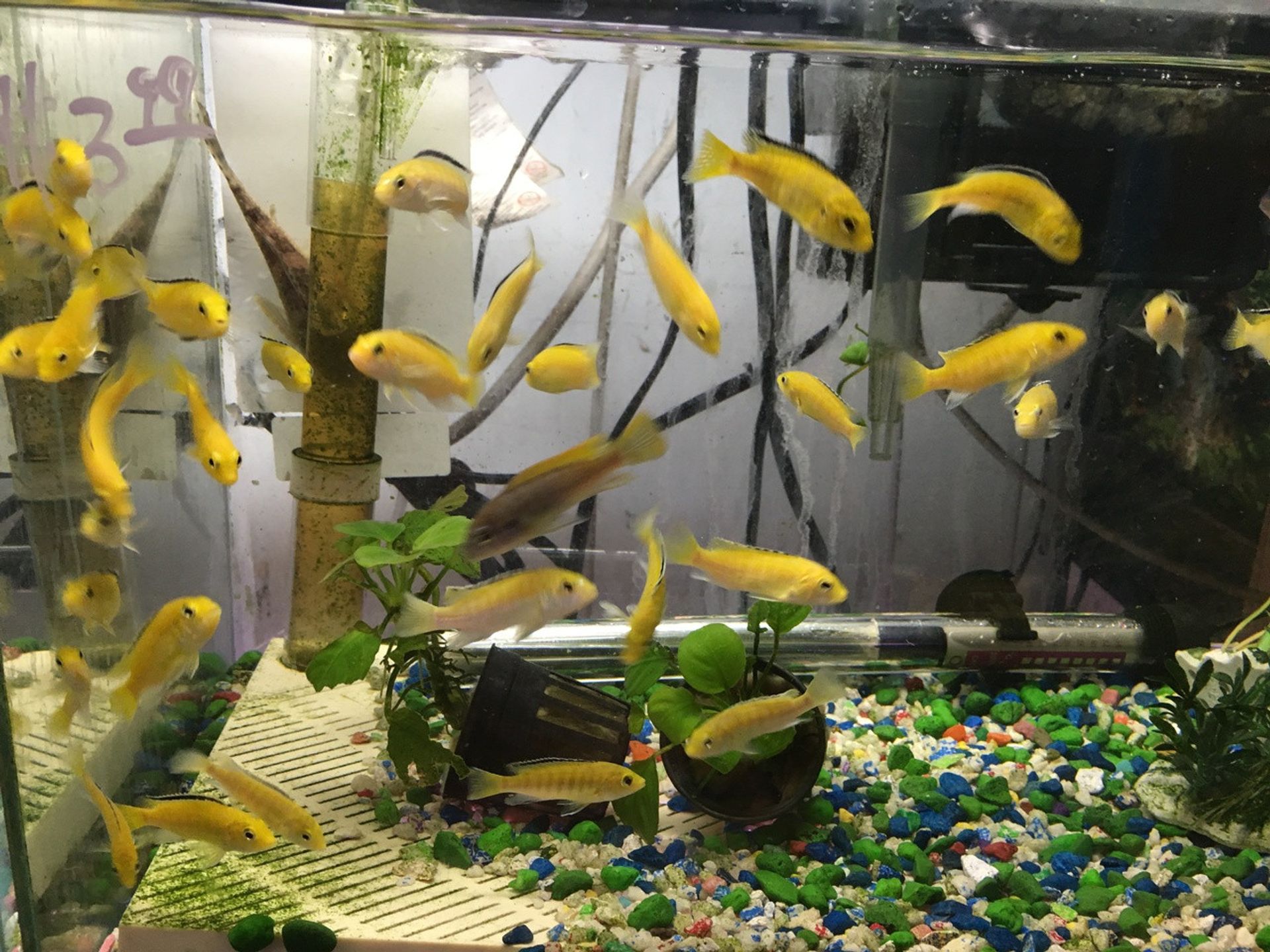
Electric Yellow Lab Cichlid - ..
USD 8.74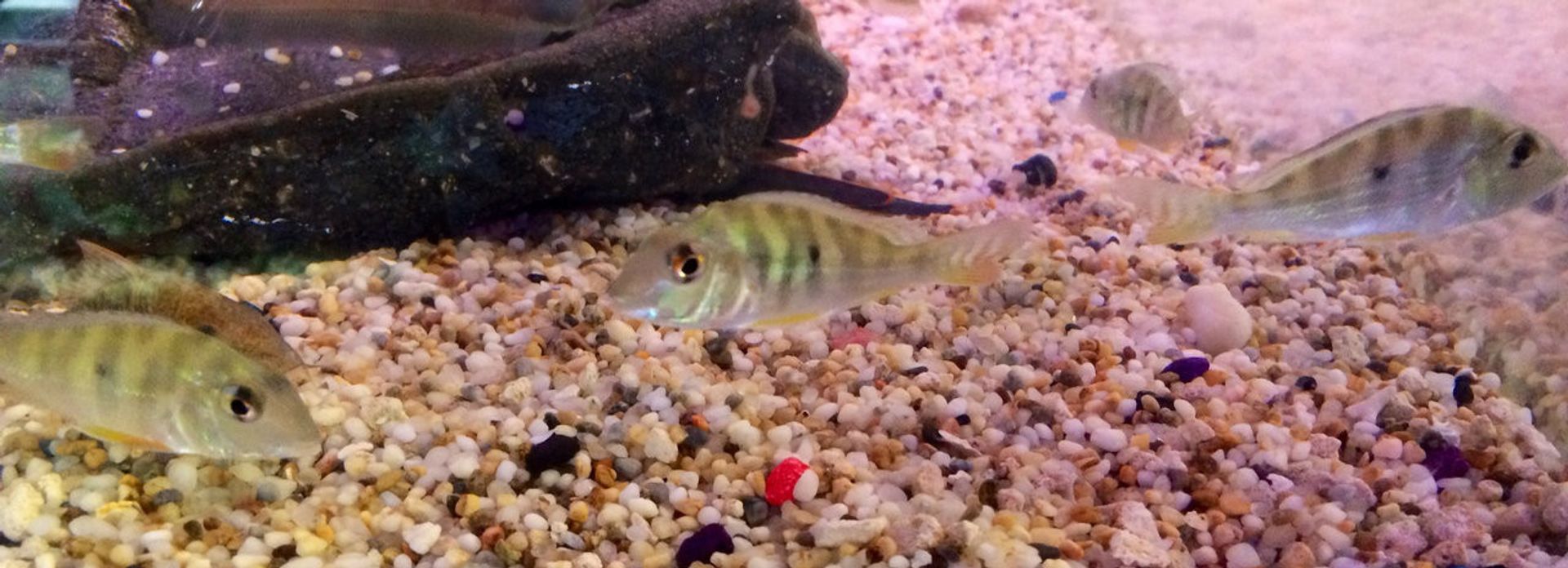
Jurupari Geophagus, Large
USD 31.24
Blue Dolphin Cichlid - Cyrtoca..
USD 22.49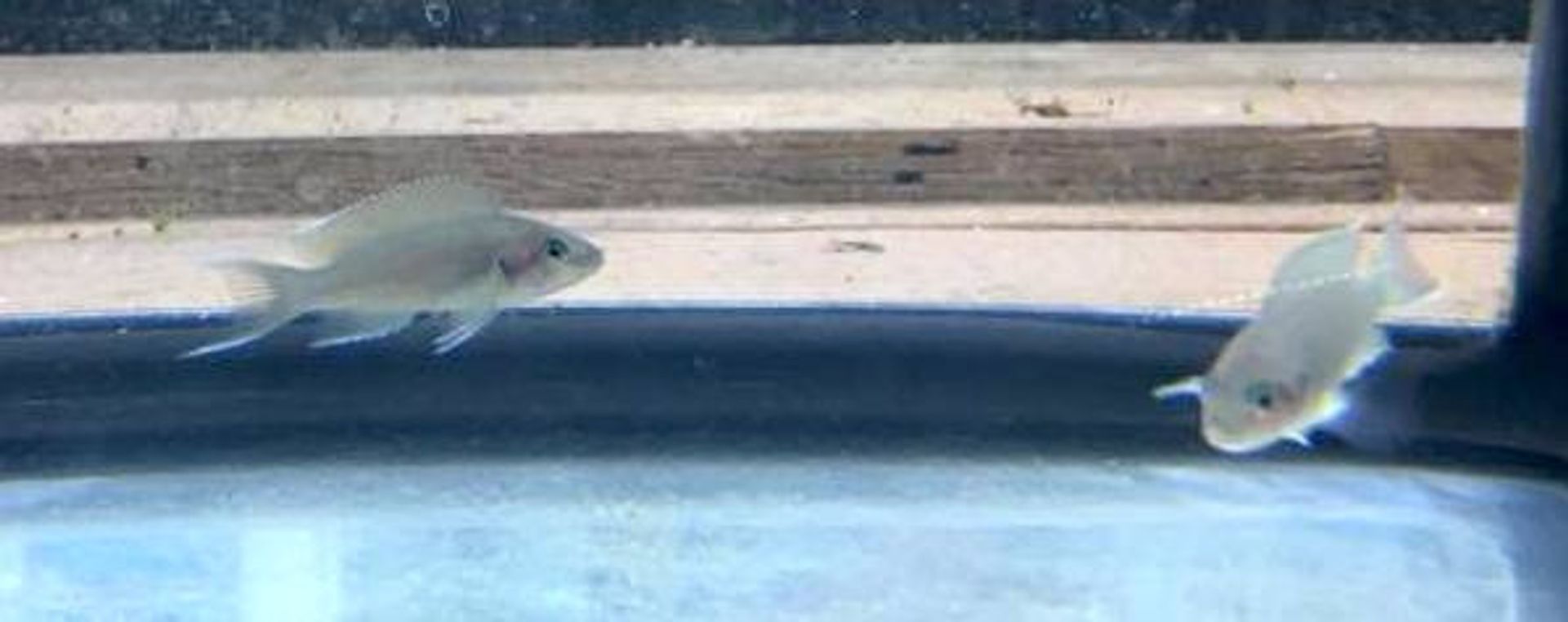
Brichardi Cichlid
USD 23.74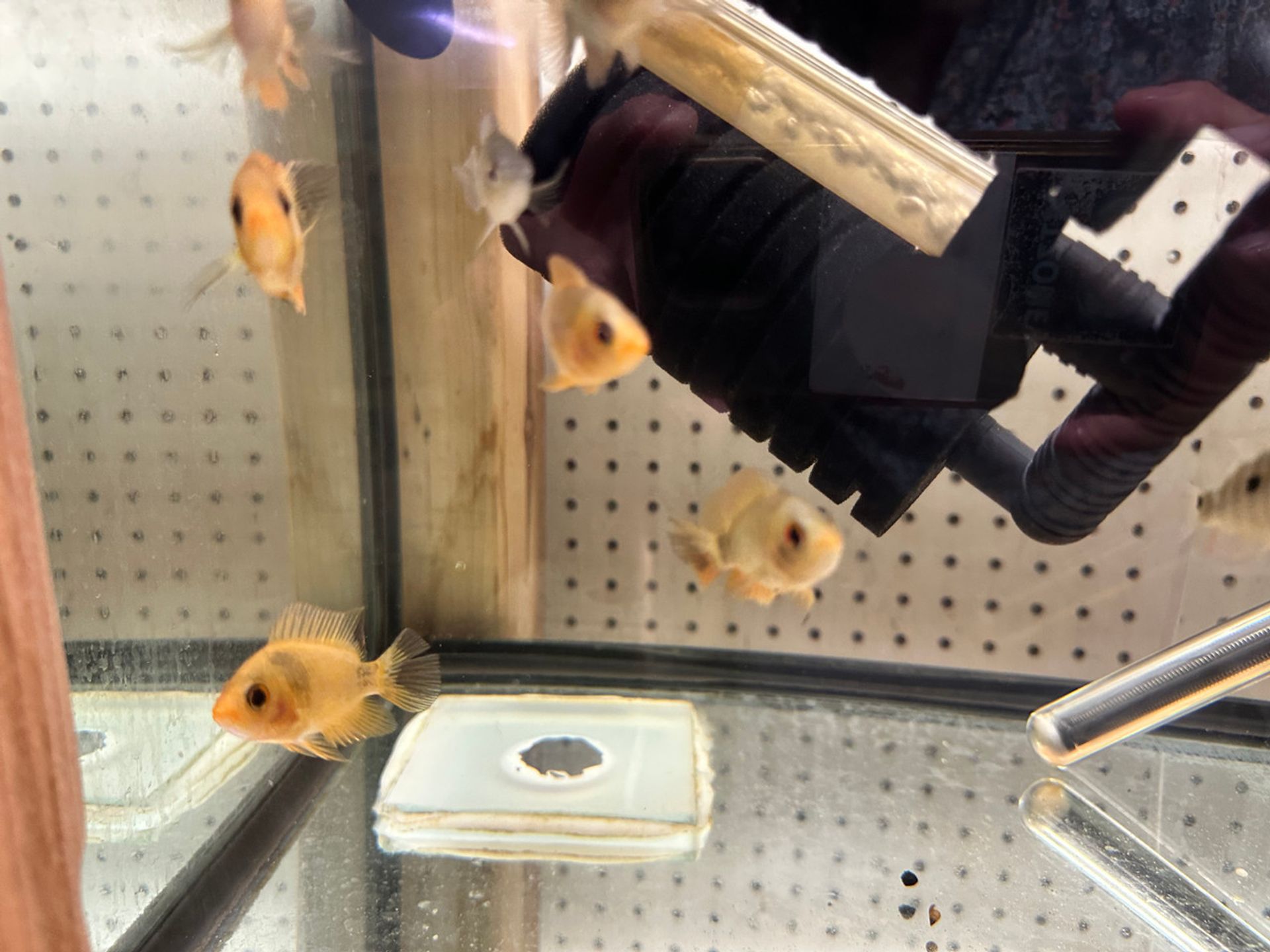
Juvenile Red Devil Cichlid (Am..
USD 12.49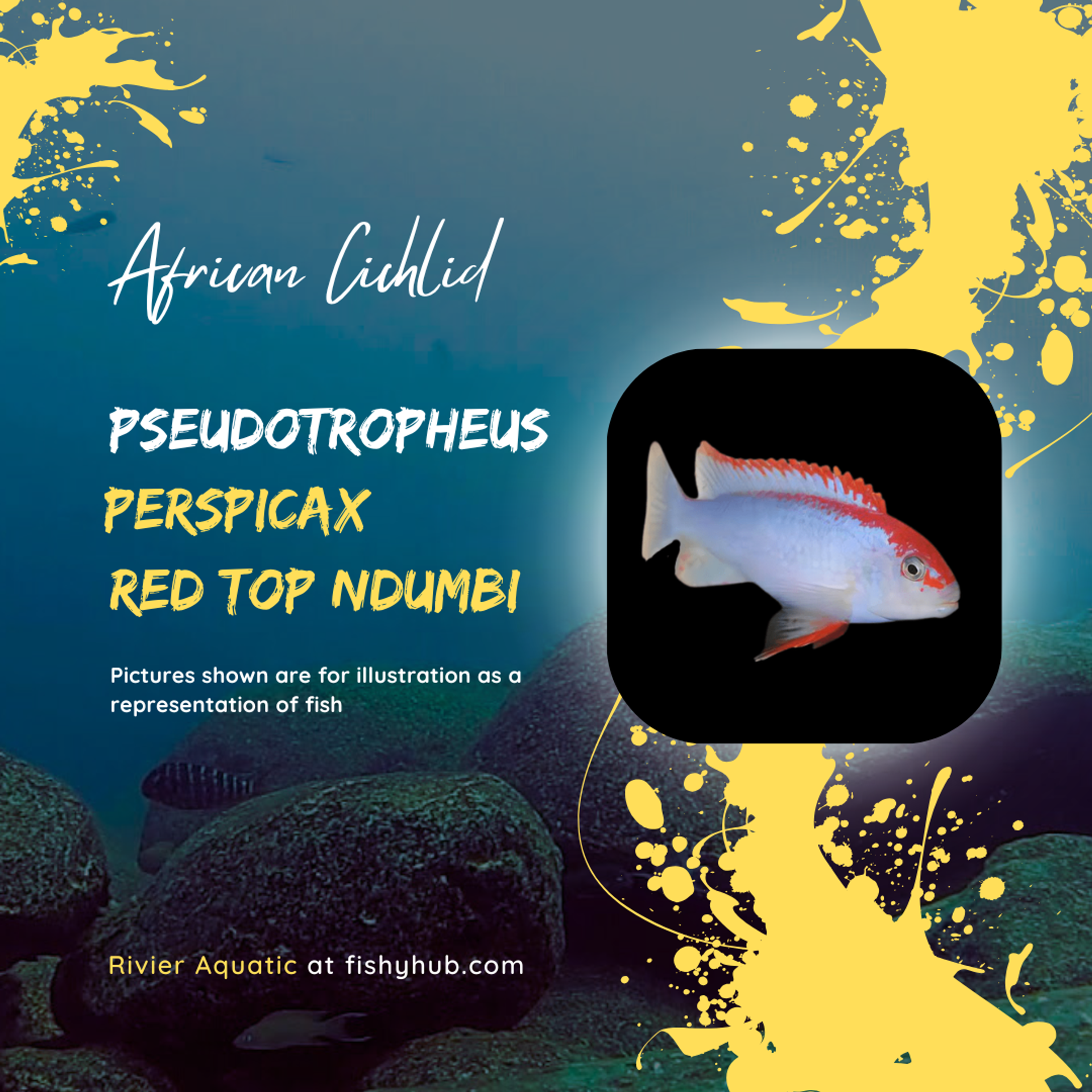
Red Top Ndumbi Cichlid (Pseudo..
USD 75.00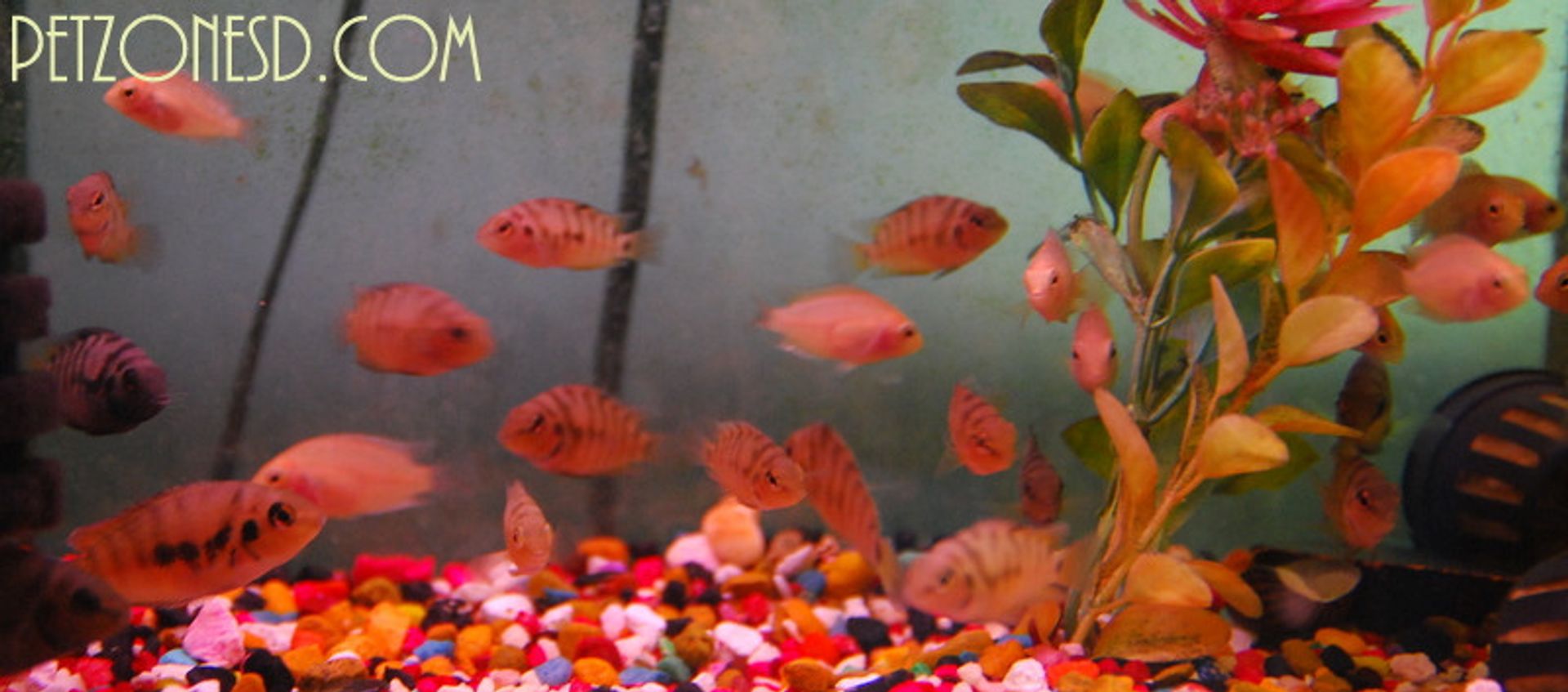
Convict Cichlid
USD 8.74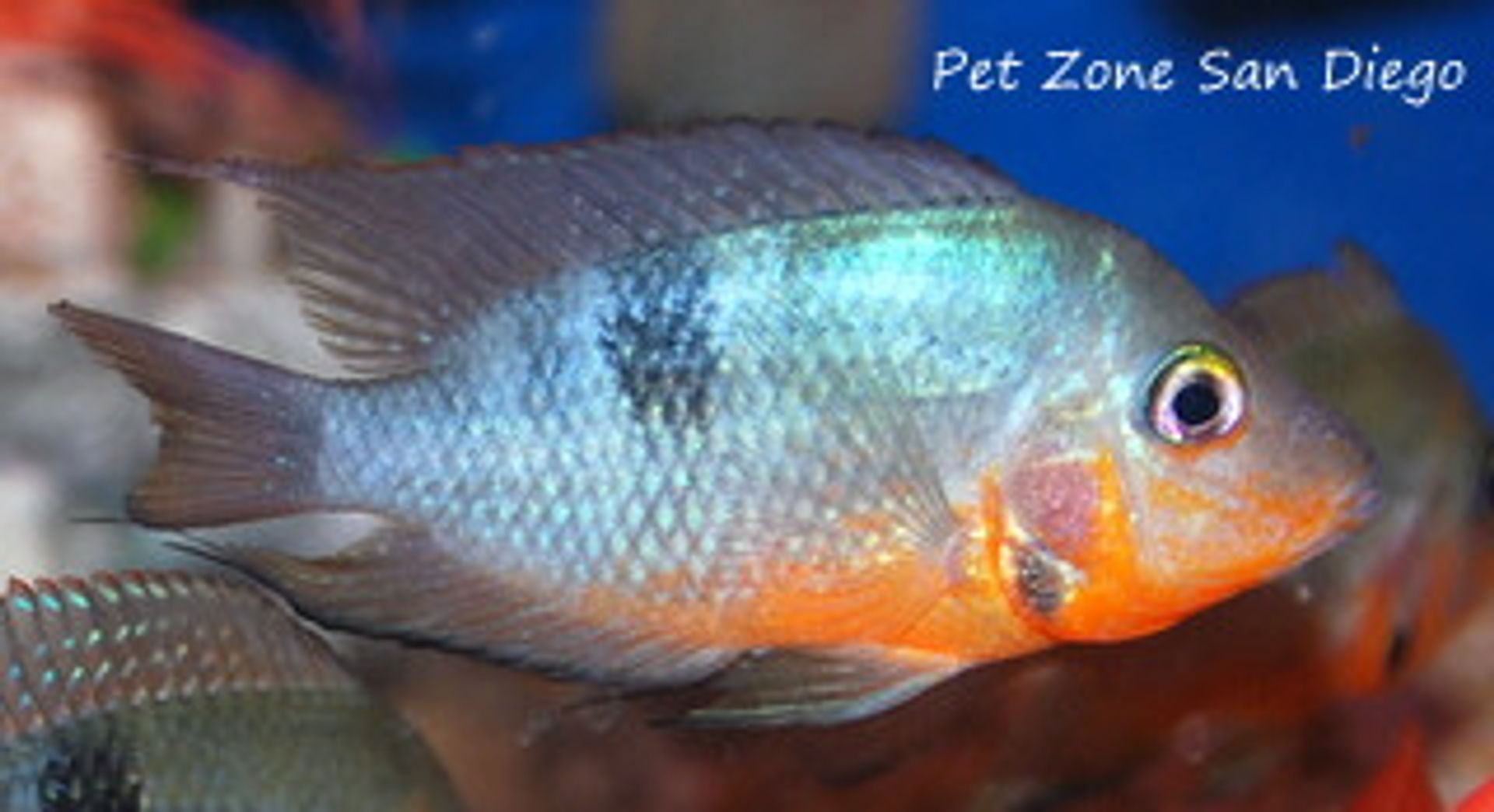
Firemouth Cichlid - Thorichthy..
USD 18.74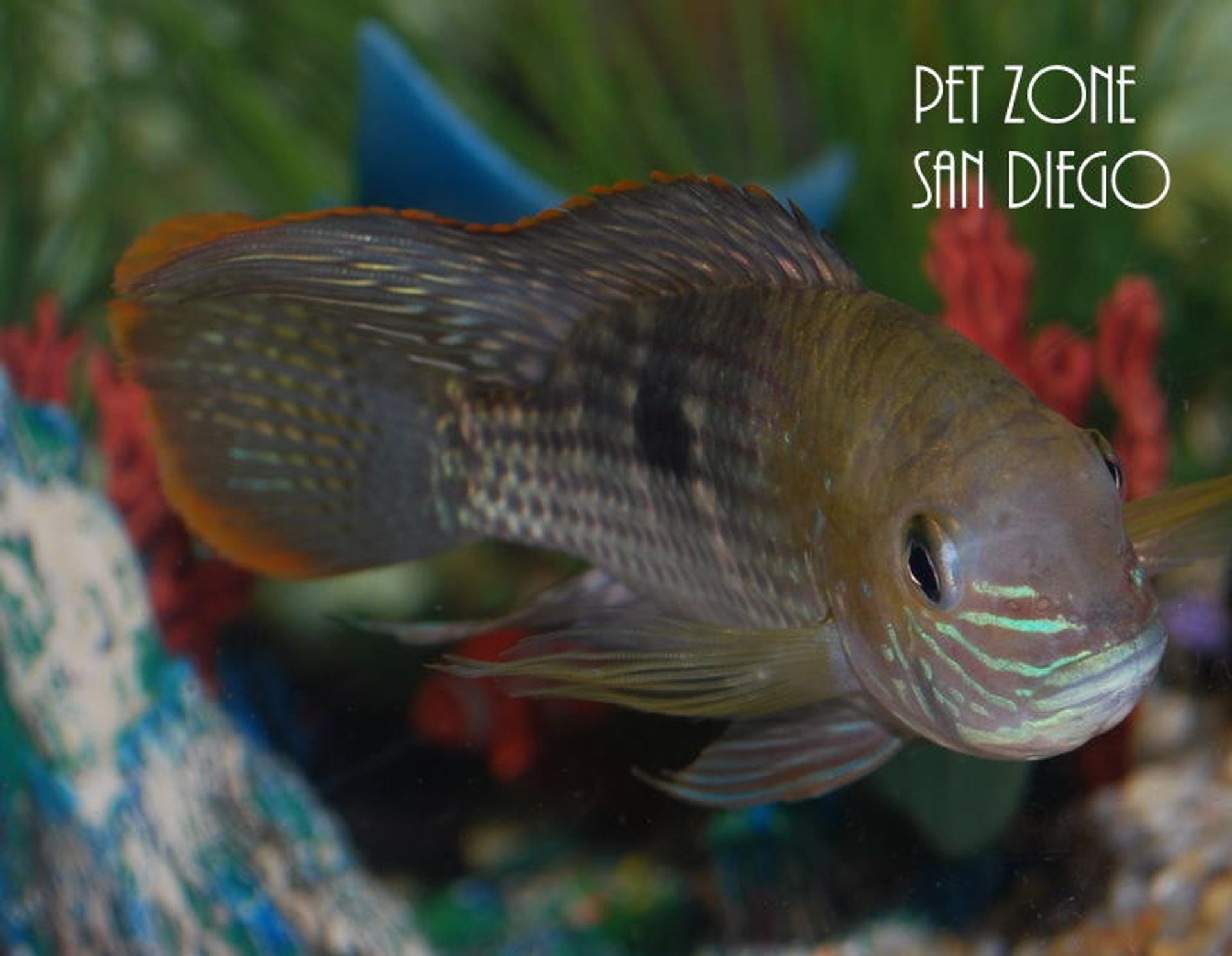
Green Terror Cichlid, Small
USD 23.74Taiwan Reef Cichlid (Protomela..
USD 75.00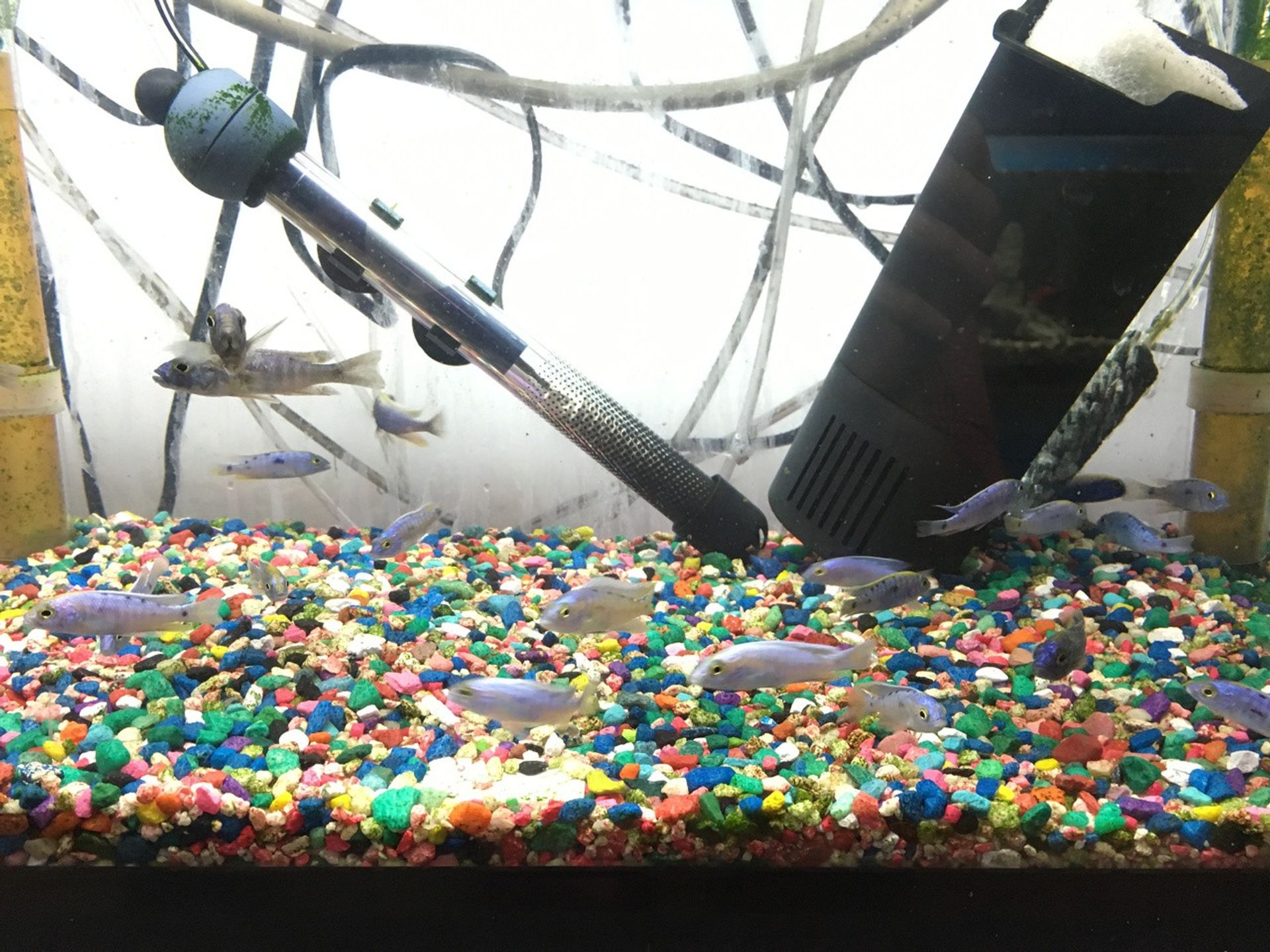
ELECTRIC BLUE CICHLID - Fry
USD 8.74
Super VC-10 Cichlid (Placidoch..
USD 75.00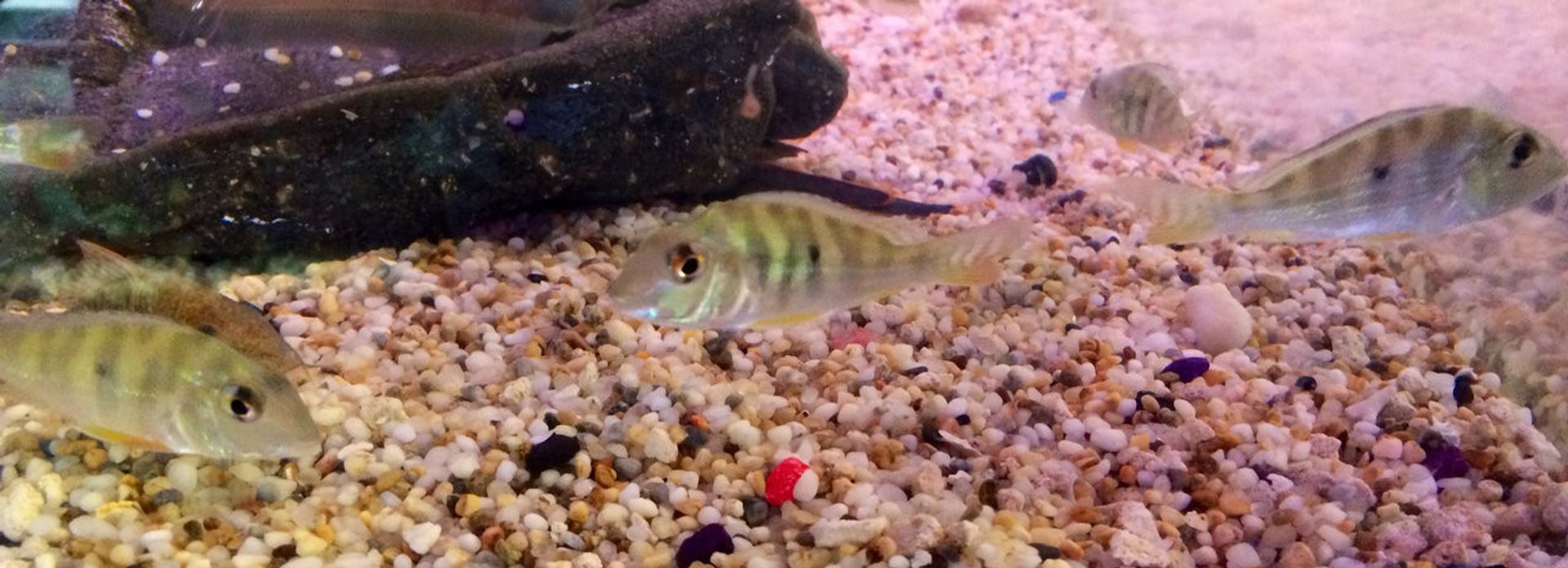
Jurupari Geophagus Cichlid - S..
USD 23.74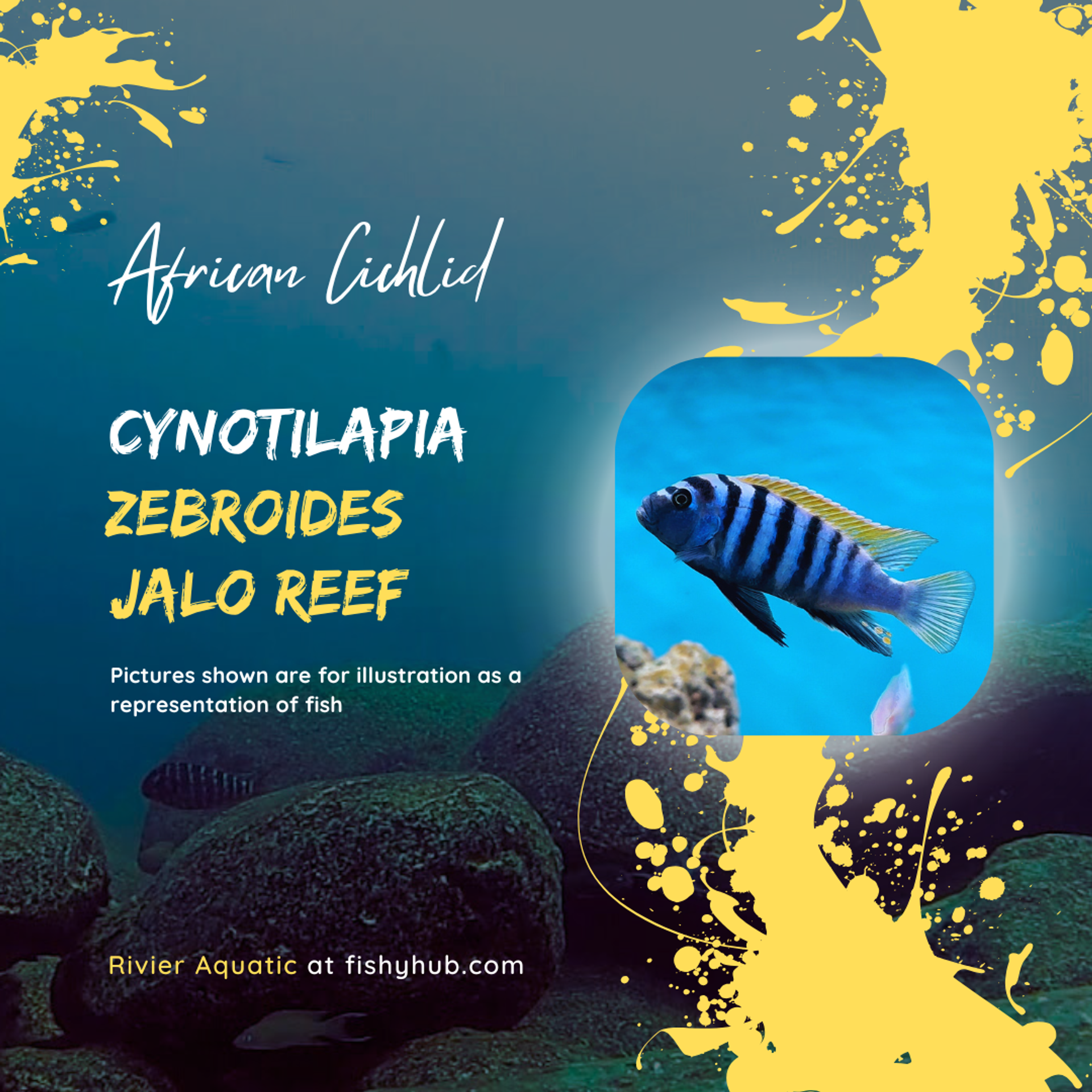
Clown Afra Cichlid (Cynotilapi..
USD 75.00