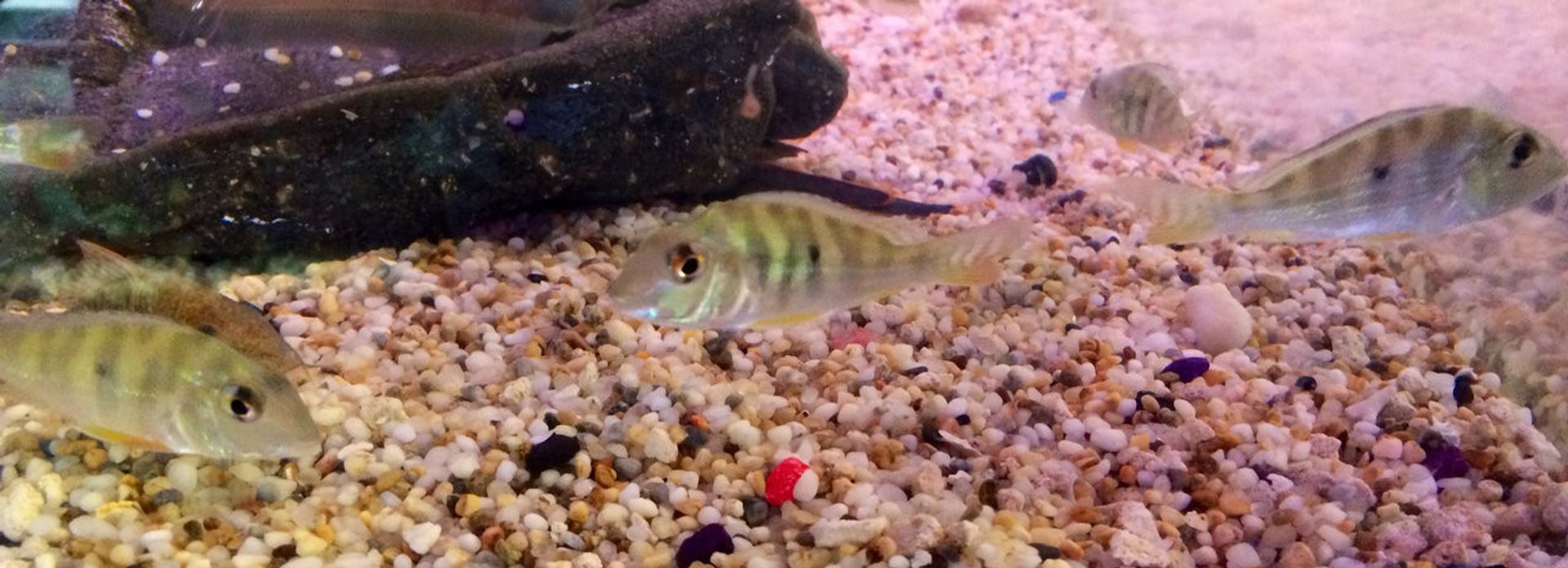
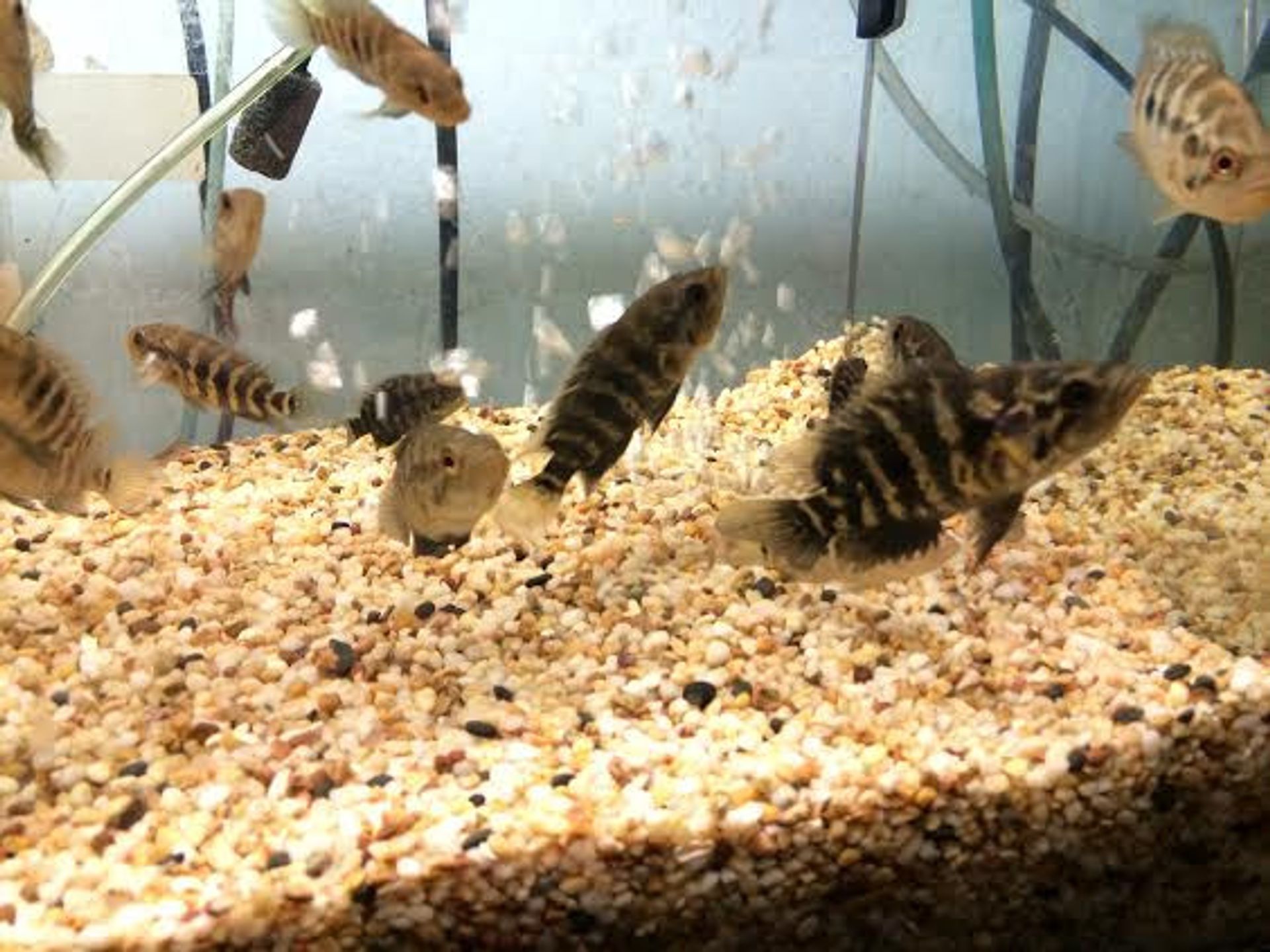
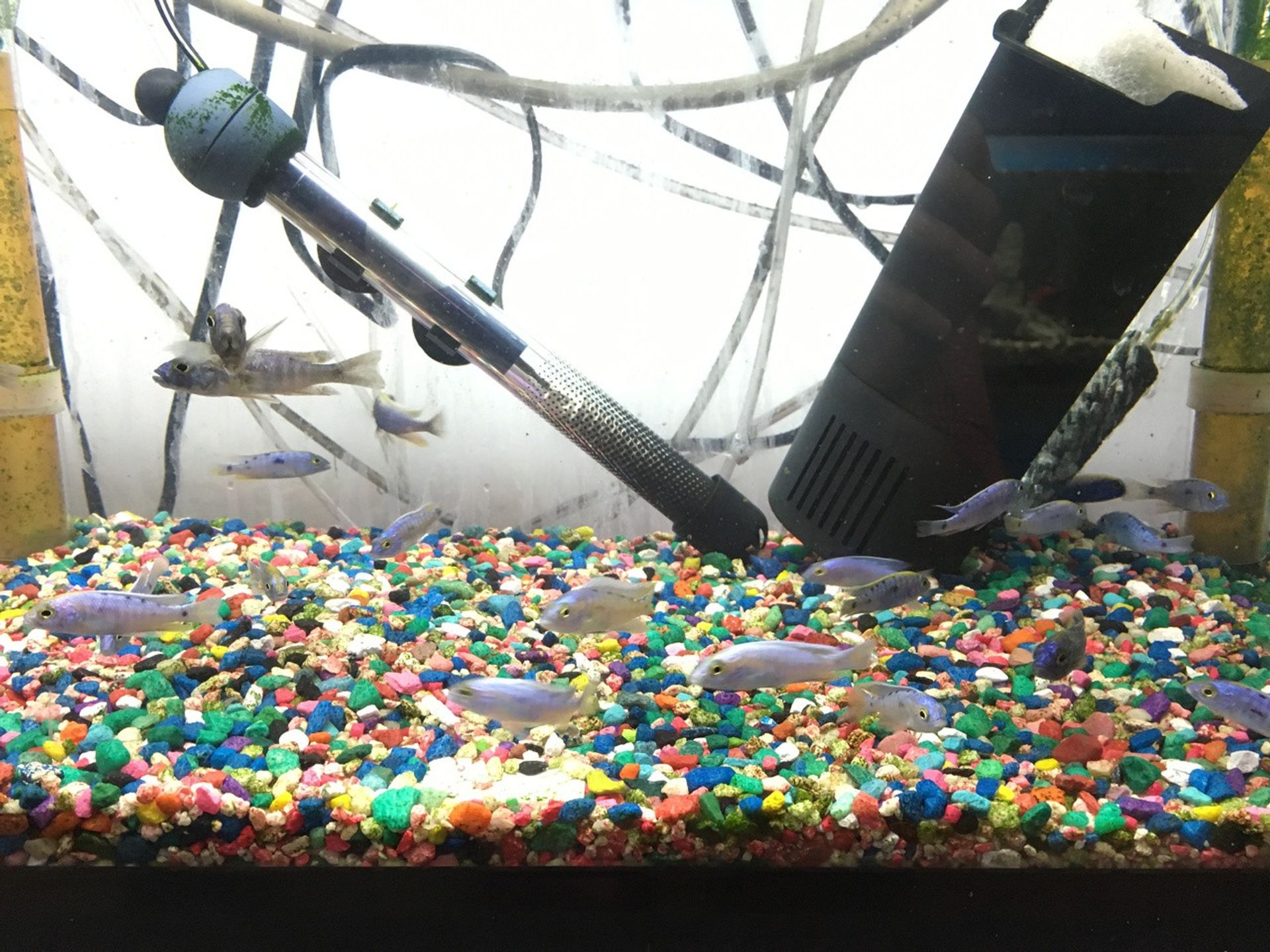
Small, blue-barred, and fiercely territorial among Jalo Reef’s rocky crevices.
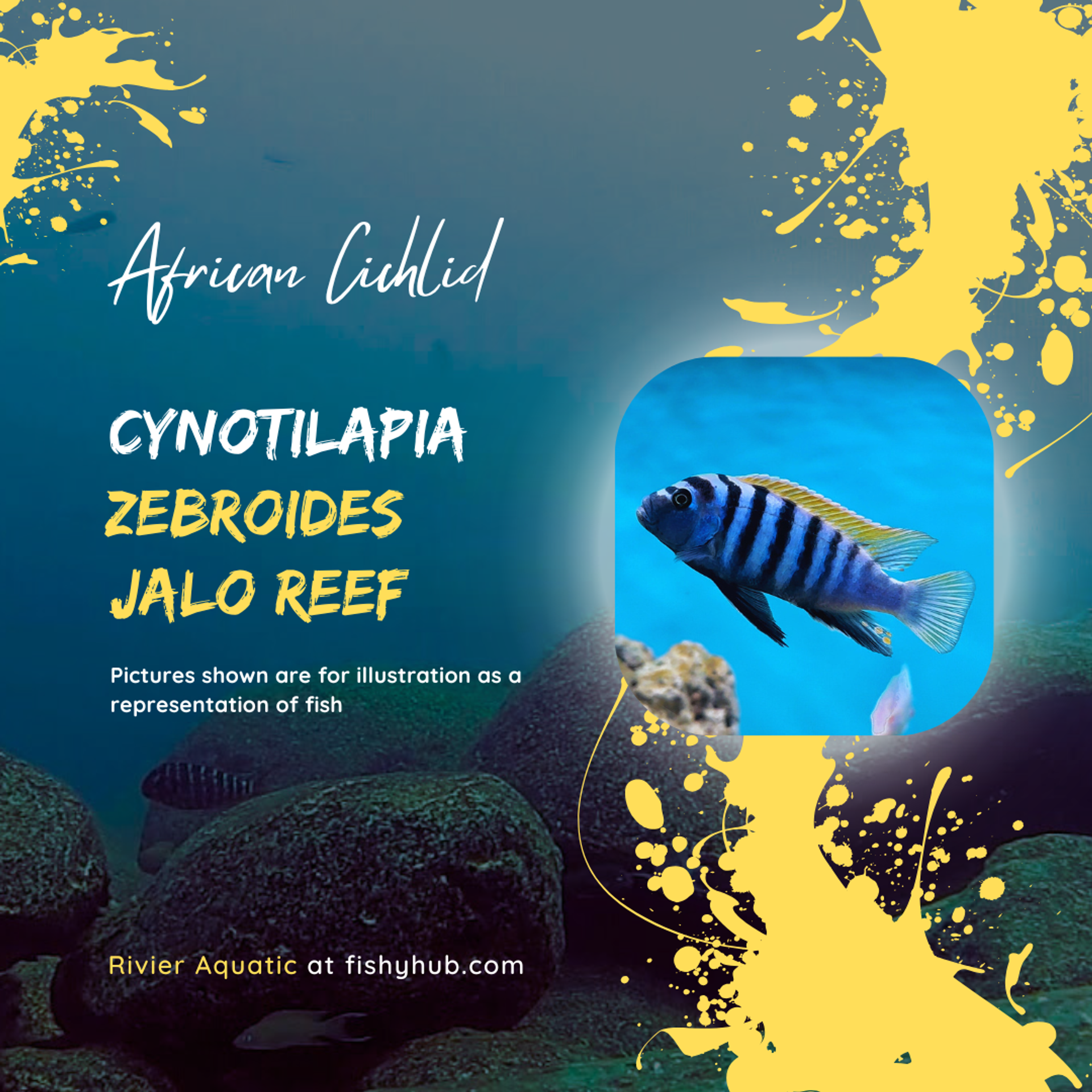
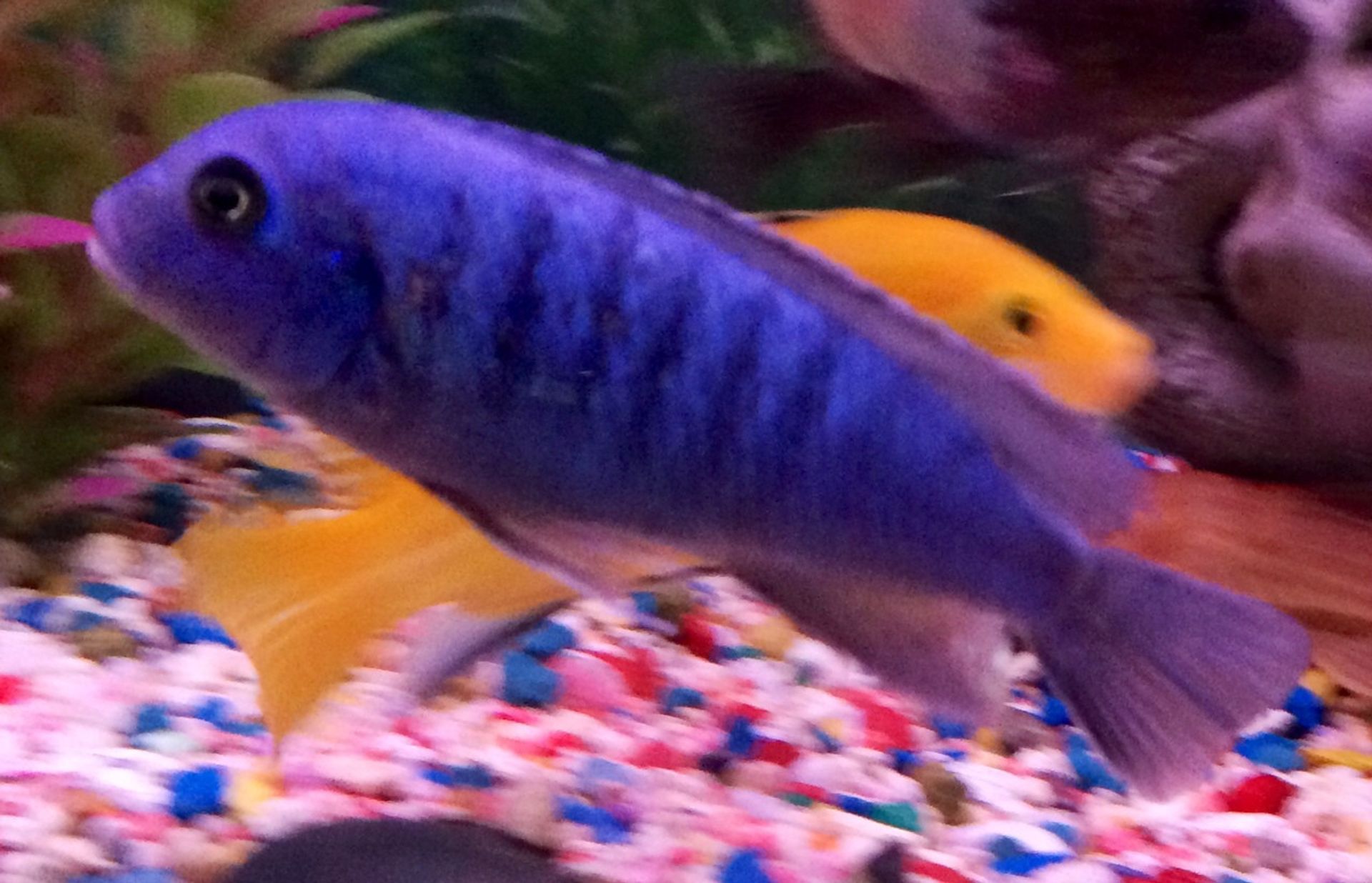
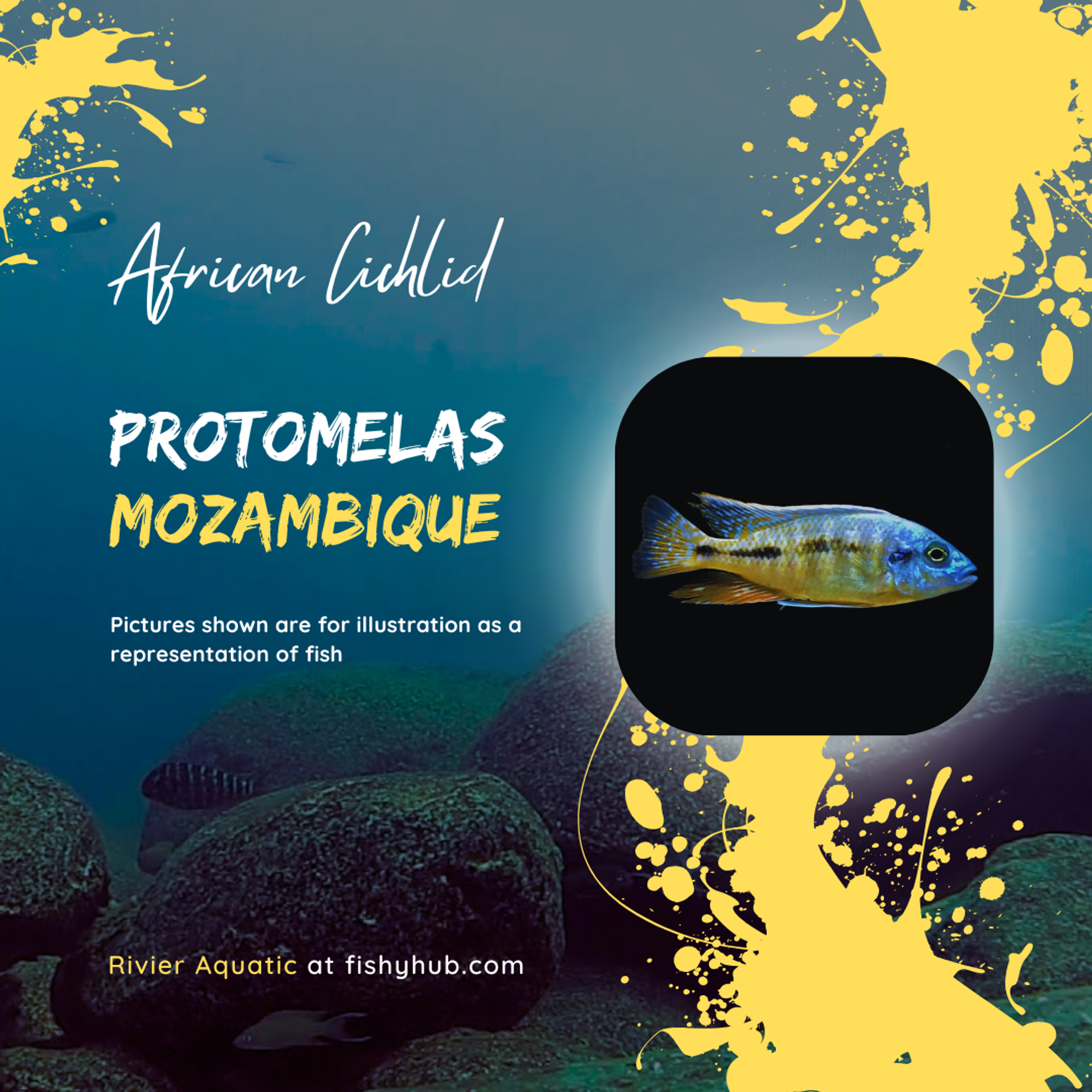
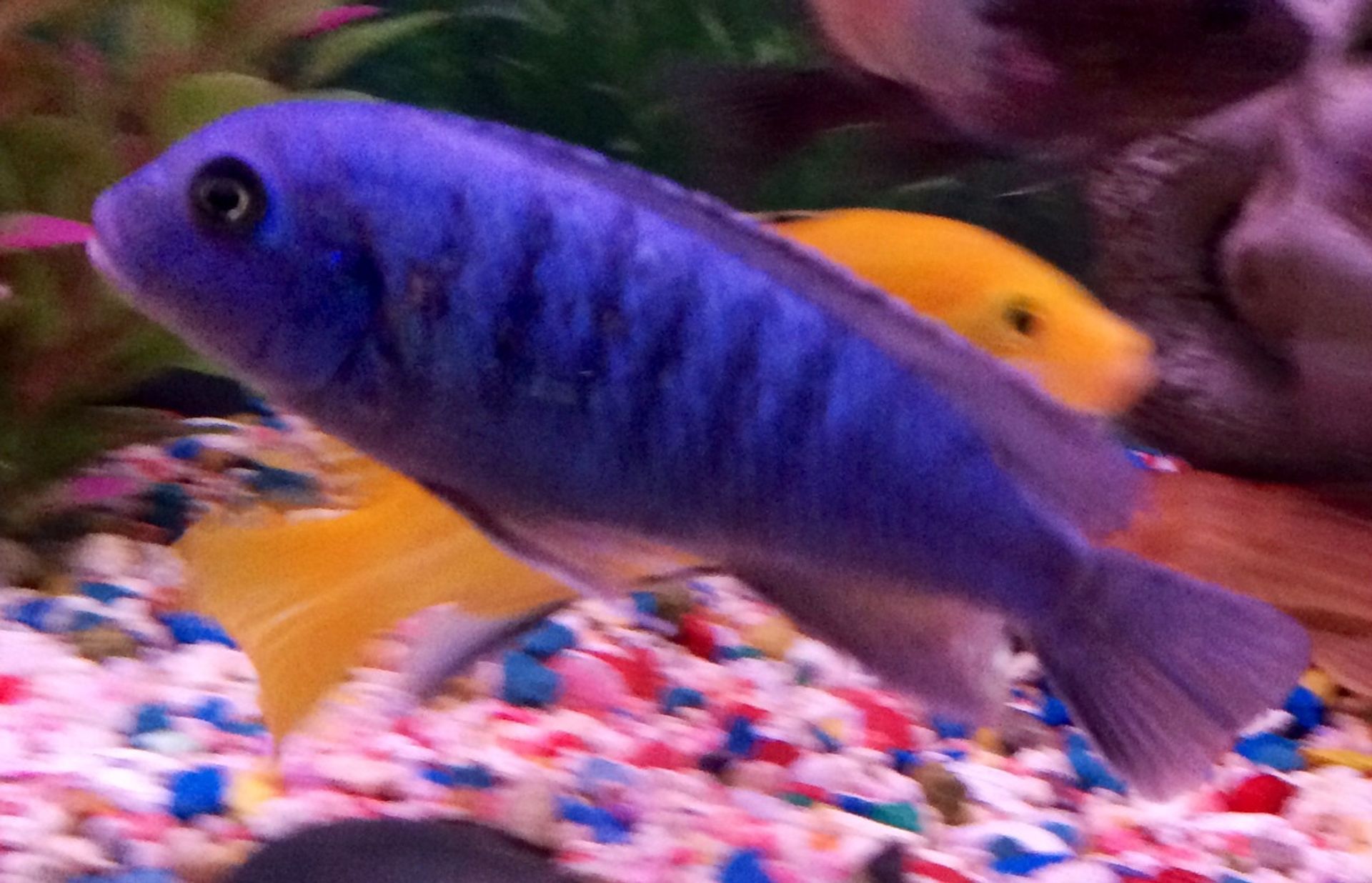
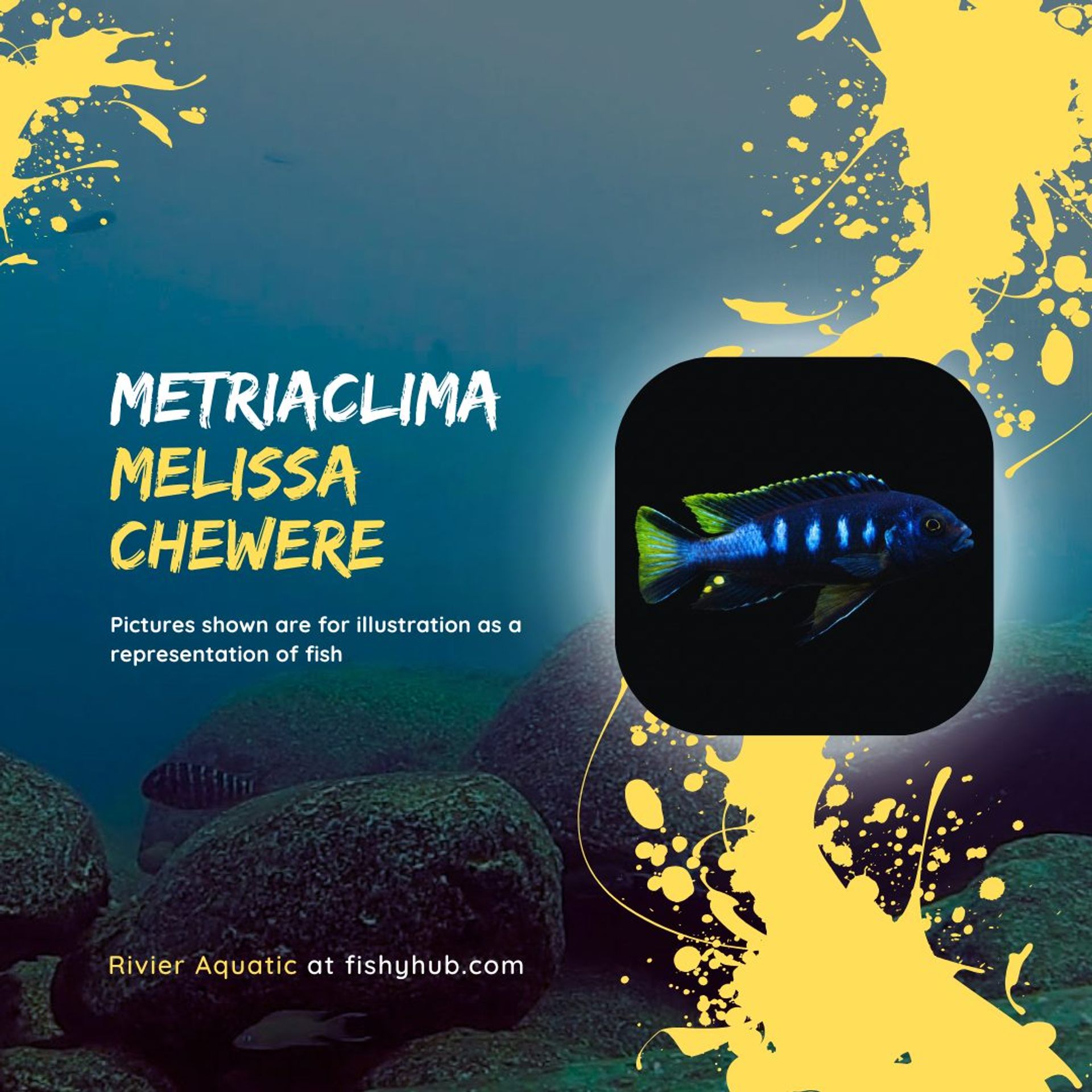
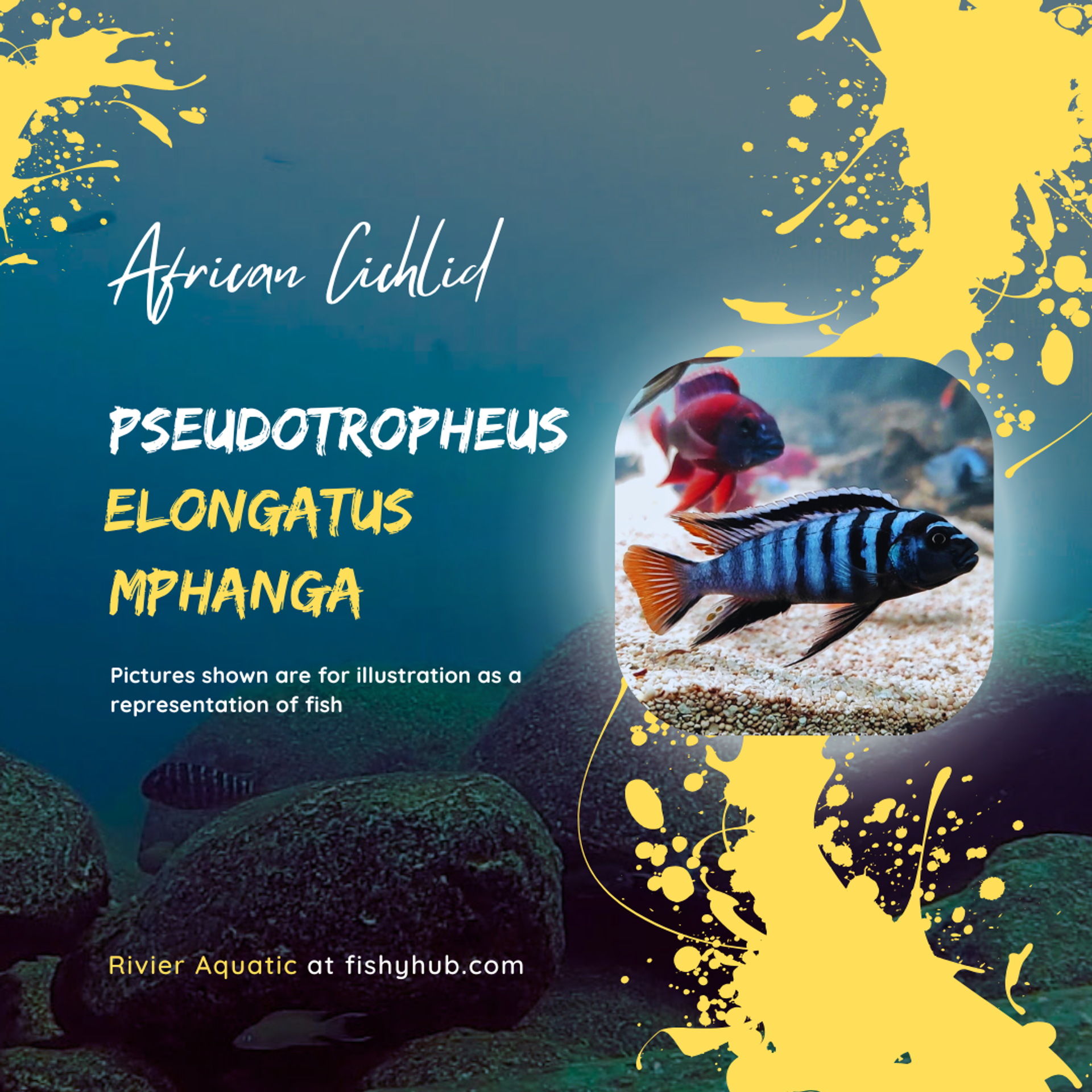
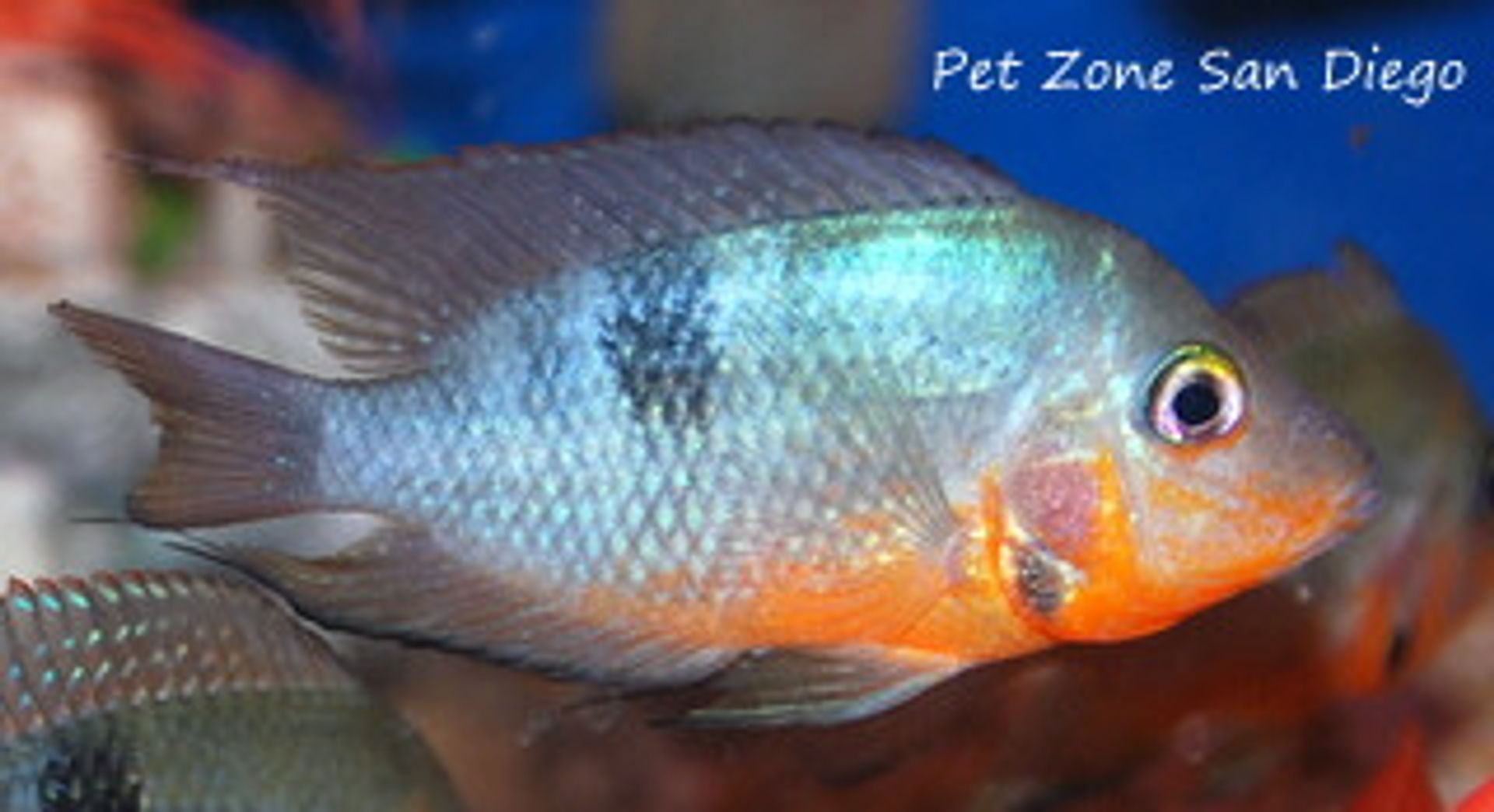
Bright blue-and-black barred Clown Afra Cichlid (Cynotilapia zebroides Jalo Reef) — a hardy, semi-aggressive Lake Malawi mbuna for experienced keepers.
- Water conditions: Keep this Lake Malawi mbuna in hard, alkaline water with a stable pH of 7.8–8.6, a general hardness of 10–20 dGH, and a carbonate hardness of 8–12 dKH. Temperature should sit between 24–27°C (75–81°F). Ammonia and nitrite must read zero at all times, and nitrate should be kept below 20–30 ppm through regular water changes. Crushed coral, aragonite sand, or a reputable Malawi buffer will help hold mineral content and prevent pH crashes. Stability matters more than chasing a perfect number, so test weekly with a liquid kit and avoid sudden swings during water changes. This species tolerates a wide range of conditions once acclimated but will not thrive in soft, acidic community water.
- Tank size and aquascaping: A minimum of 200 litres (around 120 cm long) is recommended for a small group, with larger volumes making territorial disputes far easier to manage. Build a rocky landscape with plenty of caves, crevices, and sight-line breaks using ocean rock, lava rock, or stacked slate, and use a sand or fine gravel substrate. Leave open swimming space in the upper water column. Strong filtration with a turnover of six to ten times the tank volume per hour, plus good surface agitation, keeps oxygen levels high and waste moving. Bright lighting encourages algae growth on rocks, which this species will graze. A tight-fitting lid is essential because mbuna can jump when startled.
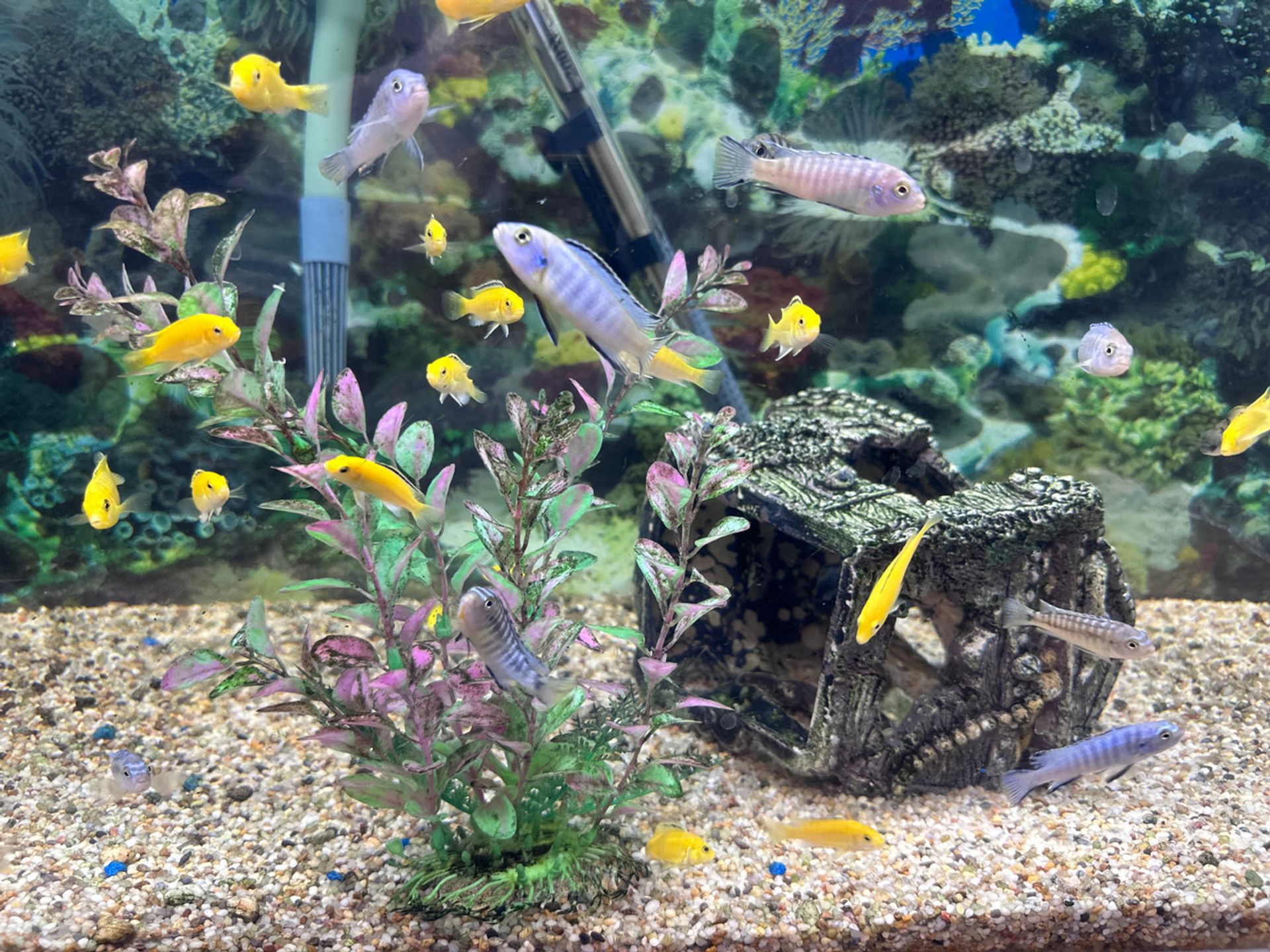
- Suitable tank mates: This is a semi-aggressive, territorial cichlid best kept in a species-focused mbuna community. Good companions include Labidochromis caeruleus, Pseudotropheus acei, Iodotropheus sprengerae, and other robust Lake Malawi mbuna of similar size. Synodontis multipunctatus catfish can work well as bottom-dwelling cleaners. Avoid slow, long-finned fish, docile Aulonocara peacocks, most haplochromines, and general community species such as tetras, gouramis, and guppies, which will be harassed or eaten. Do not mix with other Cynotilapia or similarly barred blue species, as cross-species aggression and hybridisation are real risks. Stock one male to three or four females, and consider slight overstocking with heavy filtration to spread aggression.
- Feeding habits: Cynotilapia zebroides is an opportunistic aufwuchs and plankton picker in the wild, so replicate a largely plant-based diet with plenty of spirulina. Offer high-quality spirulina or veggie-based cichlid pellets as the staple, supplemented with algae wafers, blanched spinach, zucchini, and occasional frozen mysis, brine shrimp, or daphnia. Feed two or three small portions daily, only what the fish can clear in a minute or two. Avoid fatty meats, beef heart, and high-protein goldfish foods, which can trigger Malawi bloat. A varied, fibre-rich diet supports the long digestive tract of mbuna and keeps colours strong. Remove uneaten food promptly to protect water quality.
- Care and maintenance: Perform a 25–30% water change weekly, siphoning debris from the substrate and rinsing mechanical filter media in tank water to preserve beneficial bacteria. Keep the filter running during maintenance and match replacement water to the same temperature and mineral profile. Watch for aggression daily: torn fins, colour loss, or a fish hiding in a corner usually signal a territory problem. Rearranging rocks can reset territories and reduce bullying. Quarantine new arrivals for two to four weeks and drip-acclimate for 30–45 minutes before release. This species is hardy but prone to Malawi bloat and stress-related illness when water quality slips, so consistency is key.
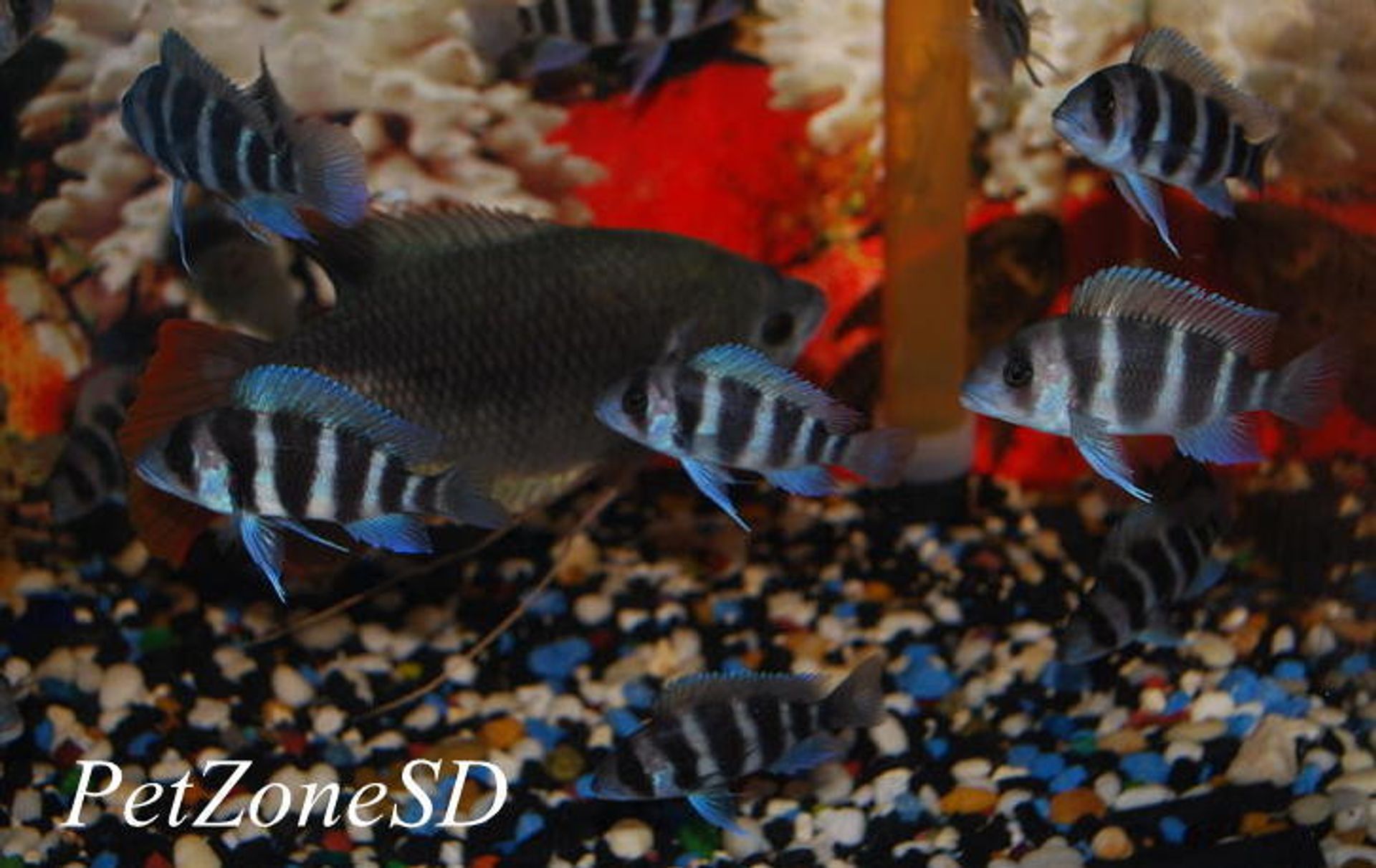
- Behaviour and social dynamics: Males are highly colourful, showing dark vertical bars over iridescent blue with yellow or orange accents, and they defend small territories with impressive displays. Females and subdominant males are much plainer, typically grey-brown, which makes sexing juveniles difficult. Keep a harem ratio and provide multiple hiding spots so pursued females can escape. Mild chasing is normal, but relentless harassment means you should rehome or separate the aggressor. These fish are active, mid-water swimmers that add constant motion to a Malawi setup and are most impressive in a well-lit, algae-rich rock tank.
- Breeding notes: This is a maternal mouthbrooder that can breed readily in a well-maintained mbuna aquarium. A courting male will display and lead a female to a spawning site; the female then carries the eggs and fry for around three weeks. Broods are typically small, often 10–20 fry. You can strip the female or allow natural release in a dedicated grow-out tank. Feed fry finely crushed spirulina flake and baby brine shrimp. Breeding is rewarding but contributes to aggression, so plan tank space and be prepared to manage extra fish responsibly.
- Size, growth, and suitability: Specimens are supplied at roughly 4–7 cm, a size that acclimates well and leaves room for growth. Adult males can reach around 9 cm, while females usually stay nearer 7 cm. Growth is steady when water quality and diet are right, and with proper care these cichlids can live eight to ten years. They suit intermediate to experienced aquarists who understand mbuna aggression and hard-water husbandry, rather than beginners seeking a peaceful community fish. With a rocky tank, strong filtration, stable alkaline water, and a harem group, the Clown Afra Cichlid delivers striking colour and fascinating behaviour for years.